What are you looking for?
About Us Contact Us Careers Get a Free Quote (800) 486-0943
Pick a service
✅ Got Your Own System?
🎬 Home TheatreQuote 🎶 AV SoundQuote 🔑 Access ControlQuote
Now pick your area
Pick your area
Long Island
Hudson Valley
Services available
Pricing & Tools
Pick a service for pricing
🚪 Intercom Pricing 🔔 Buzzer Repair Pricing
Calculators
📹 Camera System Calculator 🚨 Alarm Calculator ⚡ Cabling Quote Builder ✅ Got Your Own System?
Select your area
A 1960s elevator co-op on Emmons Avenue, a walk-up co-op off Avenue U, a two-family on an East 20s street or a bungalow on a court near Plumb Beach? Sheepshead Bay door buzzer installation line: (347) 934-8335
Home › Door Buzzer Installation Brooklyn › Sheepshead Bay
1960–1963 Elevator Co-ops · Walk-up Co-ops · Newer Condos on Emmons Avenue · Two-Families and Bungalow Courts · Shops on Sheepshead Bay Road and Avenue U

Door Buzzer
Installation in
Sheepshead Bay

Riser Tested Line by Line · Electronics Kept Off the Cellar Floor · Written Price Before Ordering · Brooklyn Rate

Door buzzer installation in Sheepshead Bay is mostly about buildings that went up fast. NYC Parks records that brick apartment buildings replaced wooden houses here through the 1950s and that by 1960 this was Brooklyn's fastest-growing community, so a large share of the entry systems we replace hang on the front of six- and seven-story co-ops from 1960 to 1963, with risers that have carried several generations of equipment and cellars a few blocks from water that flooded the waterfront in 2012. Around them sit walk-up co-ops, condos built since 2006, two-families on narrow lots and the last bungalows on pedestrian courts. Below is how we plan a buzzer for each, where the equipment should live, and where each job lands on our Brooklyn price list.

Reviewed and updated November 11, 2026, against New York's Multiple Dwelling Law §50-a; Appendix G of the New York City Building Code on flood-resistant construction; the Department of City Planning's page on the Special Sheepshead Bay District; NYC Parks' history of the Sheepshead Bay Piers; building records for 1625 Emmons Avenue, 3221 Emmons Avenue, 3112 Emmons Avenue and the Vue at 1809 Emmons Avenue (CityRealty), 1516 Voorhies Avenue (CityRealty), 2770 Ocean Avenue (openigloo) and the co-op directory at NYBits; HPD complaint records for 2970 Ocean Avenue, 1601 Ocean Parkway and 1670 Sheepshead Bay Road published by Augrented; News 12 Brooklyn's April 17, 2026 report on 3205 and 3191 Emmons Avenue; Bklyner's 2015 report on the Sheepshead Courts and its Sandy anniversary coverage; Brownstoner's 2015 bungalow history and its December 2020 report on flood-resilience zoning; City Limits' Sandy coverage of the bay's edge; the Brooklyn Eagle's 2017 report on the Lundy's building; Habitat's May 2017 report on new buzzer systems; Brick Underground's November 2019 intercom repair guide; ButterflyMX's small-building replacement guide; the HomeAdvisor and Swiftlane cost guides; Aiphone's GT Series page; Allegion's fail-safe guide; the building code's sensor-release provisions; and the 2010 ADA Standards. · Abstract Enterprises Security Systems, NYS license #12000287431 · crews dispatched from our Troy Avenue office in Brooklyn

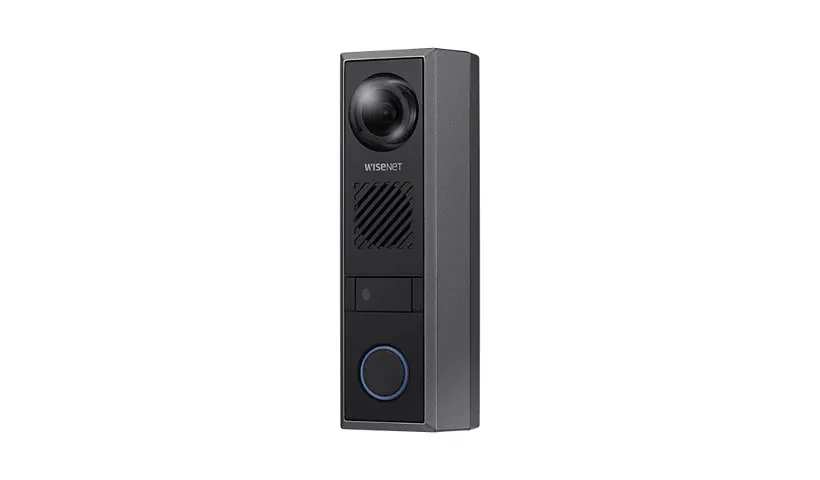
Sheepshead Bay, Brooklyn door buzzer installation: black rectangular video door station with a camera, speaker grille and round lit call button
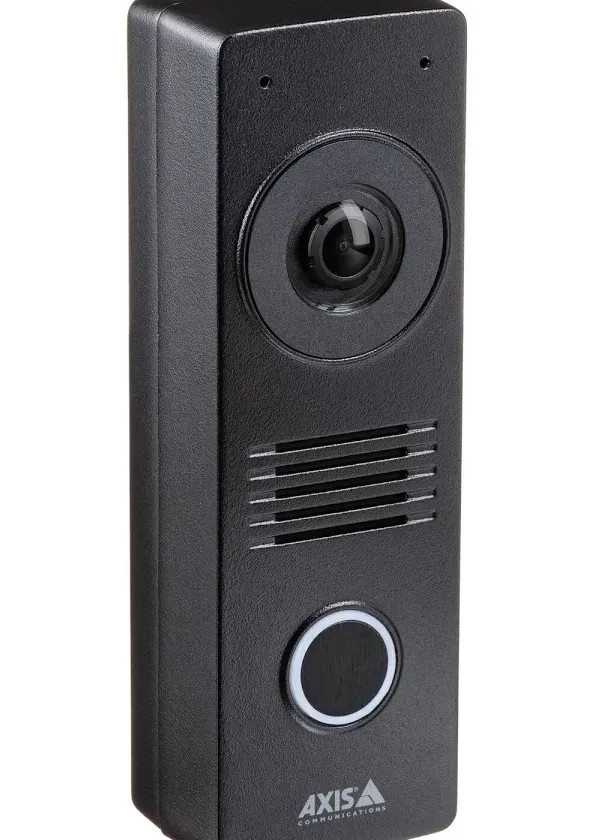
A photo from the AESS job library, not taken in Sheepshead Bay: a black rectangular video door station with a camera lens, a speaker grille and one round call button that lights up. A single-button station like this is what a one-family house or a bungalow on one of the courts usually needs, and the lit button matters on the dim side streets off Emmons Avenue, where a visitor arriving after dark has to find where to press.
Sheepshead Bay Buzzer Request
Co-op, condo, walk-up, two-family, bungalow or a shop on the corridors: tell us the street, how many apartments or floors the system must reach and where the old equipment sits, and a technician calls back with the range

✅
Request Sent!
Thank you. A technician will call you about the Sheepshead Bay address, usually within two hours during working hours.
25+
Years Experience
✓
Same-Day Estimates
100%
Licensed & Insured
4.7★
201 Google Reviews

Owner-operated since 2002 · Thousands of jobs completed · Booked within 2 hours

Quick answer: door buzzer installation in Sheepshead Bay runs $400 to $900 on our Brooklyn list for an audio station and a new door release on a house or bungalow, $700 to $1,800 for a video door station with indoor stations or phone answering on a two-family or a small building, and from about $2,500 to past $10,000 for a full lobby entry system in one of the neighborhood's co-op, condo or rental apartment buildings. The price covers the door station, the apartment or indoor stations, the power supply and controller, the electric strike or approved lock, the cable and the labor, and it is fixed in writing once we have walked the building from the sidewalk to the cellar and tested the riser. Anything that depends on a test, such as an old riser line that might fail or cable that sat in floodwater, is named and priced before you order. Send photos of the lobby panel and of whatever is mounted in the cellar to (347) 934-8335 or on WhatsApp, and we reply with the range that fits, usually within two hours during working hours.

  • Looking at your photos and quoting a new system costs nothing. If an existing system has to be tested in person before we can quote, that is the $250 service call booked online, and the $250 is applied toward the work.
  • All work is done under New York State license #12000287431. We install the low-voltage entry equipment; if the power supply needs a new 120-volt outlet or circuit, a licensed electrician does that part, and you know before the price is set.
  • We work for whoever controls the door: a co-op board or its managing agent, a condo board, the owner of a rental building or a house, or a shop tenant with the landlord's written approval.
The Neighborhood

Why Sheepshead Bay Properties Need Door Buzzer Installation

Sheepshead Bay runs from Ocean Parkway on the west to Nostrand and Gerritsen Avenues on the east, and from Kings Highway down to the water. Most people know it for the fishing boats at the piers and the restaurants on Emmons Avenue. For anyone planning an entry system, the more useful fact is how the housing was built. NYC Parks' history of the piers says brick apartment buildings replaced the wooden houses in the 1950s, and that by 1960 the neighborhood was the fastest-growing community in Brooklyn. Many of those buildings were organized as co-ops, and many of their front doors still carry a version of the system they opened with.

Listing records show what that looks like block by block. 1625 Emmons Avenue is a six-story co-op from 1962 with 148 apartments. 1516 Voorhies Avenue went up in 1961 with 95 apartments on six floors, an elevator and a live-in super. 3221 Emmons Avenue is a seven-story elevator co-op from 1960, 2770 Ocean Avenue a six-story building of 106 apartments from 1963, and 2701 Ocean Avenue a six-story elevator building of 63 apartments. The NYBits directory lists 41 co-op buildings in the neighborhood, 17 of them walk-ups. In buildings like these the entry system is not a gadget; it is one panel at the lobby door, a power supply and controller somewhere in the cellar, and a riser that carries the call to every apartment on every floor.

That arrangement has two weak points here that it does not have in most of Brooklyn. The first is age: the riser in a 1961 building has been spliced, extended and reused through every replacement since, and nobody has a drawing of it. The second is water. Brownstoner reported in December 2020 that the Special Sheepshead Bay District along Emmons Avenue "was particularly devastated by Hurricane Sandy," and City Limits described a house at the bay's edge where "Sandy defied sandbags." The cellar is exactly where an old entry system keeps its power supply and its junctions, so a new installation here starts with a question most installers never ask: how high has the water come in this building?

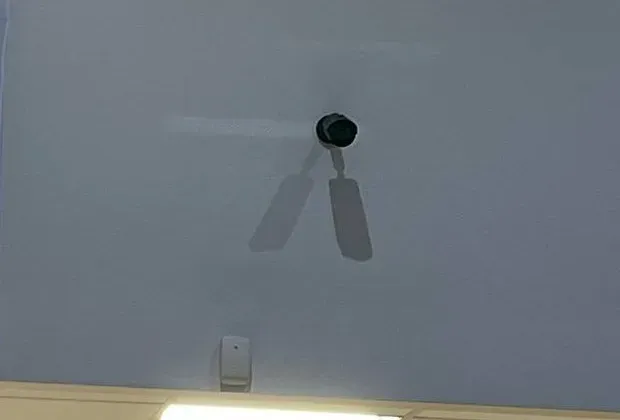
Sheepshead Bay, Brooklyn door buzzer installation: small black camera mounted high on a pale wall casting two shadows, with a small white wall device below
A photo from the AESS job library, not taken in Sheepshead Bay: a small black camera mounted high on a pale wall, casting two shadows, with a small white device below. In the lobby of a 1960s co-op, a camera placed high like this covers the inside of the street door and the mailboxes, the two places where an entry system and a package problem meet.

The newer buildings bring their own work. 3112 Emmons Avenue, a condo of 75 apartments finished in 2006, lists an intercom among its amenities. The Vue at 1809 Emmons Avenue, finished in 2017 with 58 apartments, lists a pool, on-site parking, a bike room and a restaurant, which means a lobby door plus several other doors that residents expect to open with the same system. Condo boards in buildings this young are usually deciding whether to extend the developer's system or replace it, not whether to have one.

Then there are the houses. Listings show townhouses on Voorhies Avenue, lots as narrow as 19 by 76 feet on East 22nd Street, and two-families throughout the numbered streets between Avenue U and Avenue Z. Near Plumb Beach, Bklyner described the Sheepshead Courts in 2015 as "bungalows densely packed together on tiny, pedestrian-only streets." A house on a court has no curb in front of it at all, which changes where a visitor stands and where a door station should go.

Finally, the human side, without exaggeration. News 12 Brooklyn reported on April 17, 2026 that tenants at 3205 and 3191 Emmons Avenue described years of conditions going unfixed, and the management company's spokesperson said repairs often depend on city sign-off and access to individual apartments. Public HPD records list open "Bell/Buzzer/Intercom" complaints filed in 2026 at 2970 Ocean Avenue and 1601 Ocean Parkway. A broken buzzer in a building this size is not one household's problem; it is every apartment walking down to the lobby, and a street door that someone eventually props open.

Six facts that shape a Sheepshead Bay buzzer installation

  • The big co-ops were built just before the intercom law's date. 3221 Emmons (1960), 1516 Voorhies (1961), 1625 Emmons (1962) and 2770 Ocean (1963) all predate the January 1, 1968 line in Multiple Dwelling Law §50-a, which decides when an intercom is mandatory.
  • The cellars sit in flood country. Brownstoner notes that the 1 percent floodplain "covers more than 165,000 Brooklynites," and the city's Appendix G says utilities and attendant equipment "shall be located at or above the design flood elevation" in flood hazard areas.
  • Apartment counts are high. 148 apartments at 1625 Emmons and 172 at the Atlantis at 3235 Emmons mean the riser and the directory, not the door, decide most of the price.
  • About four in ten co-ops are walk-ups. NYBits counts 17 walk-ups among 41 co-op buildings, with no elevator, often no live-in super and a board that handles the building itself.
  • Some homes face a court, not a street. The Sheepshead Courts are "pedestrian-only streets," so a visitor may stand at the end of a walkway, several houses from the door they want.
  • Only one building is a city landmark. The Brooklyn Eagle described Lundy's at 1901 Emmons Avenue in 2017 as the neighborhood's only designated landmark, so Landmarks review rarely applies here, but it does apply there.

Where this page applies. This page covers Sheepshead Bay from Ocean Parkway to Nostrand Avenue and from Kings Highway to the bay, including the Emmons Avenue waterfront, the blocks around the Sheepshead Bay Road station, the Avenue U corridor and the courts toward Plumb Beach. For the rest of the borough see our door buzzer installation in Brooklyn page, and for the whole city our NYC door buzzer installation page. Most co-ops we plan here pair the lobby system with a camera over the mailboxes, which we install on the same visit when asked.

Repair or Replace in Sheepshead Bay

Need Repair in Sheepshead Bay? Fix the Failed Part, Rebuild on the Old Riser or Start Over

A lot of calls about a "new buzzer" in Sheepshead Bay turn out to be about a system that still half works. The lobby panel rings some apartments and not others. The handsets talk but the door does not release. Everything died after a storm and was patched back together. Before any equipment is chosen we decide which of three paths fits, because the cheapest correct answer is not always a new system.

The first path is a targeted repair, when one part is the whole problem: a power supply that has failed, a strike that has worked loose in an aluminum frame, a closer pressing the latch so hard against the keeper that the strike buzzes and the door still will not open. Brick Underground's repair guide lists the usual suspects as the lobby panel, the apartment station, the door strike and the power supply, which "may be in the basement or lobby ceiling." The second path is a new lobby panel, controller and apartment stations on riser cable that tests sound. The third is new cable as well, for lines that fail their tests, buildings whose old system was a different technology, and houses that never had more than a bell.

If a repair is all you need, we say so and price it as a repair, and our Brooklyn door buzzer team handles both kinds of work. Here the deciding checks are usually in the cellar: what condition the riser junctions are in, whether the old power supply sits where water reaches, and how many apartment lines still pass a test.

What We Install

Door Buzzer Installation Services in Sheepshead Bay

Every service below is priced from the same Brooklyn door buzzer list. The number of apartments or households sets the size of the system, the doors decide what release each one can take, and in Sheepshead Bay the condition of a sixty-year-old riser and the height of the cellar's flood line decide much of the labor.

Lobby systems for 1960s elevator co-ops

A new directory or button panel at the street door, a controller and power supply mounted where water does not reach, and apartment stations on every line of a six- or seven-story building.

Riser testing and rebuilding

Every pair metered from the cellar to the top floor before the price is set, with failed lines replaced one apartment line at a time rather than the whole building rewired by default.

Phone answering for co-op shareholders

Lobby panels that ring residents' phones as well as, or instead of, a station on the wall, for buildings where many apartments have dropped their landlines and some owners spend months away.

Walk-up co-op entry

Compact systems for three- to five-story walk-up co-ops with no elevator and no live-in super, set up so a board member can manage the directory without a service contract.

Condo extensions and replacements

Adding doors, apartments or phone answering to a developer's system in a building from 2006 onward, or replacing it when the maker no longer supports it.

Two-family and house buzzers

One or two buttons at the front door, a release in the frame and an indoor station on each floor, for detached houses, semi-detached two-families and townhouses on the numbered streets.

Court and walkway entrances

Stations for bungalows and small houses that face a pedestrian court, with the button placed where visitors actually arrive and the cable run along the court or under the walk.

Side, garage and amenity doors

Keypads, readers or small stations for the side door from the parking lot, the garage, the bike room or the pool, on the same system as the lobby or kept separate.

Shop and office doors on the corridors

Buzz-in doors for shops, offices and practices on Sheepshead Bay Road, Avenue U, Nostrand Avenue and Emmons Avenue, kept fully separate from the apartments' system above.

Sheepshead Bay, Brooklyn door buzzer installation: slim dark grey wired doorbell with a camera lens, speaker slots and a round push button
A photo from the AESS job library, not taken in Sheepshead Bay: a slim dark grey wired doorbell with a camera lens, speaker slots and a round push button. A narrow station like this fits the strip of brick or siding beside the front door of a semi-detached two-family on one of the East 20s streets, where a wide apartment panel would not fit between the door frame and the neighbor's side of the stoop.
Building Specialists

Door Buzzer Installation for Sheepshead Bay's Architecture

Six kinds of property account for nearly every entry system we plan here. They differ in how many apartments the riser has to reach, where the equipment can safely sit, who has the authority to order the work and what usually goes wrong when the job is rushed.

Postwar elevator co-ops

Six- and seven-story brick buildings from 1960 to 1963 on Emmons Avenue, Voorhies Avenue and Ocean Avenue, with 60 to 150 apartments, a lobby door, an elevator and a cellar.

Large doorman co-ops

Buildings such as the Atlantis at 3235 Emmons Avenue, seven floors and 172 apartments, where a desk and a lobby panel have to work together.

Walk-up co-ops

The 17 walk-ups among the neighborhood's 41 listed co-ops, with a street door, a vestibule, stairs and a board that runs the building itself.

Condos from 2006 onward

Buildings such as 3112 Emmons Avenue (75 apartments, 2006) and the Vue at 1809 Emmons Avenue (58 apartments, 2017), with a developer's system and several amenity doors.

Houses and two-families

Detached houses, semi-detached two-families and townhouses on narrow lots between Kings Highway and the bay, often with a side entrance to a second household.

Bungalows on the courts

The small 1920s houses on pedestrian-only courts toward Plumb Beach and Brighton Beach, built for summer use and in many cases rebuilt after Sandy.

Postwar elevator co-ops: one lobby door, a hundred apartments and a riser nobody has drawn

The six- and seven-story co-ops from 1960 to 1963 are the core of our work here, and they share a layout. A street door opens into a vestibule with the mailboxes and the lobby panel; an inner door opens into the lobby and the elevator. The riser rises from the cellar in one or more vertical lines, each feeding a stack of apartments, and every apartment has a station by its entry door. Over sixty years that riser has usually been reused for two or three systems, with junction boxes added wherever the last installer needed one.

Our method in these buildings is fixed. We test every pair on every line before we price, because the cost of a 95- or 148-apartment job depends far more on how many lines pass than on which panel goes in the lobby. We find where the old power supply, amplifier or controller sits, which in a building near the bay is usually the cellar, and we plan the new one on a wall above the flood line or on the first floor. We check both lobby doors, because the street door has to latch on its own every time against a closer that has been adjusted for decades. And we agree with the board or the managing agent how the lobby will be covered on switch-over day, so no apartment is without a way to answer.

The common mistake is replacing the lobby panel and the apartment stations and assuming the riser will cope. In a building this size, one bad splice can make calls ring the wrong floor or drop out on a whole line. The test sheet we leave behind shows each line's result, so the board can see exactly what was reused and what was replaced.

Large doorman co-ops: a desk, a panel and the hours when the desk is empty

The Atlantis at 3235 Emmons Avenue is listed as a seven-floor, 172-unit doorman elevator co-op, and other buildings here have a doorman for part of the day. A listing for 1625 Emmons Avenue mentions an evening doorman and a live-in super, while CityRealty lists no doorman at all, which shows how often the arrangement changes. In these buildings the entry system has two jobs: let the desk announce visitors and release the door when it is staffed, and let visitors reach apartments directly when it is not.

That usually means a lobby panel that can call both the desk and the apartments, a desk station or console, and a clear rule for who answers at which hours. It also means thinking about packages. A former tenant at 2770 Ocean Avenue, a six-story building of 106 apartments from 1963, wrote on openigloo that packages are "left in an unsecure area if the doorman takes his many breaks" and that "Any packages that arrive over the weekend get locked away when the doorman leaves." A package room door on the entry system, opened by a courier code rather than a key, answers both complaints.

Walk-up co-ops: a board that is also the super

The walk-up co-ops are smaller buildings without an elevator, and they often have a live-in super or a managing agent on call. The entry system has to be something a board member can run: a directory that can be changed from a laptop or the panel itself, codes that can be issued and deleted, and no monthly service fee unless the board chooses one. A two-wire system on the old cable, with audio or video handsets, is often the right fit, and phone answering can be added for the shareholders who want it.

The vestibule is where walk-ups go wrong. A street door with the panel outside, a vestibule with mailboxes, and an inner door that also locks can leave a visitor trapped between two doors if only one releases. We set up which door the panel releases, and how the mail carrier gets in, before the order goes in.

Condos from 2006 onward: a developer's system and doors the offering plan never mentioned

3112 Emmons Avenue, a 75-apartment condo finished in 2006, lists an intercom among its amenities, and the Vue at 1809 Emmons Avenue, 58 apartments finished in 2017, lists a pool, on-site parking and a bike room. In buildings like these the lobby system usually works; what the board wants is more doors on it, phone answering for owners who rent their units out, or a replacement for a model the maker has stopped supporting. We find out what the developer installed, whether the building owns the admin access, and whether the cable to each apartment is the kind a newer system can use, before anyone talks about replacing it.

Houses and two-families: two households, one front door and a narrow lot

On the numbered streets between Kings Highway and the bay, a lot as narrow as 19 by 76 feet on East 22nd Street holds a house with one front door and often two households. The job is a two-button station at the door, each button ringing only its own floor, each household able to release the door, and, where the second household has its own side entrance, a separate button there. Semi-detached houses add a constraint: the stoop and the wall beside the door may be shared with the neighbor, so the station and its cable stay on your side.

Houses that were raised or rebuilt after Sandy often have their front door at the top of a new stair, their living floors above a ground level built to take water, and no cellar at all. In those houses we run the cable inside the house above the flood level rather than along the ground floor, and the power supply goes in a closet on a living floor.

Bungalows on the courts: a door several houses in from the street

Brownstoner's 2015 history describes bungalows built in the 1920s in "an oft-forgotten corner of Brighton Beach and Sheepshead Bay," "Originally intended exclusively for warm-weather use," and many were never repaired after Sandy. Bklyner described the Sheepshead Courts as "bungalows densely packed together on tiny, pedestrian-only streets," where rebuilding "requires agreement and cooperation among all of the residents." For a buzzer, that means a visitor may stand at the street end of a court and not know which door is yours, and a house may have no cellar, no attic and walls with little room for cable. A small wired station at the door, or a weatherproof station at the court's entrance that rings one house, are both possible; which one fits depends on who owns the walkway and the gate.

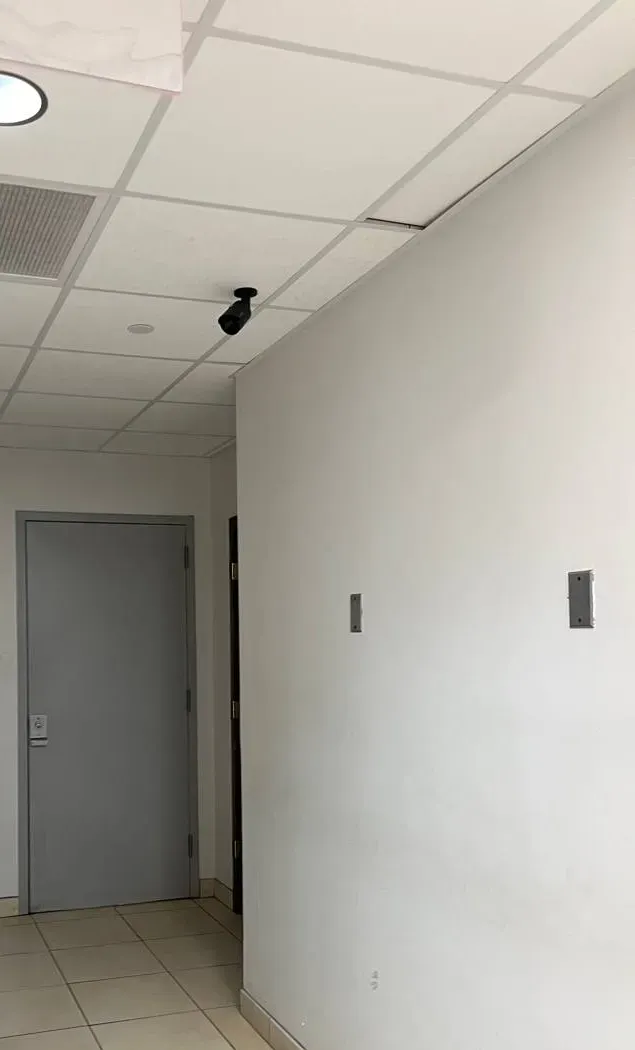
Sheepshead Bay, Brooklyn door buzzer installation: tiled corridor with white walls and small wall plates ending at a grey steel door with a lever handle under a drop ceiling with a small camera
A photo from the AESS job library, not taken in Sheepshead Bay: a tiled corridor with white walls and small wall plates ending at a grey steel door with a lever handle, under a drop ceiling with a small camera. The cellar corridor of a 1960s elevator co-op often looks like this, leading to a steel door out to the parking lot or the service alley, and that door usually needs its own reader or station and a camera inside once the lobby system is replaced.
Field Notes

Field Notes: Read the Cellar Walls Before You Read the Lobby Panel

This is how our technician spends the first hour in a Sheepshead Bay co-op, before anything is priced.

The visit starts at the sidewalk, because that is where a visitor starts. Is the panel easy to find from the street, can a visitor read the directory, and does the street door shut and latch on its own after someone walks through it? Then the vestibule and the lobby: the inner door, the mailboxes, where couriers leave parcels and where the desk sits if there is one.

Then the cellar, which in a building near the bay is the part of the visit that changes the plan most. We look for the old power supply, the amplifier or controller, the junction boxes where the riser lines begin, and the lowest point where cable enters the wall. We look at the walls themselves for the line where water stood, and at whether anything electrical was moved up after the last flood. We ask the super where water reached, because he usually remembers.

Only then do we go upstairs to meter the riser from the top floor down, apartment line by apartment line. The test tells us which lines can carry a new system and which need new cable. The cellar tells us where the new controller and power supply have to go so they are still working after the next storm. Both go on the written price before the board sees it.

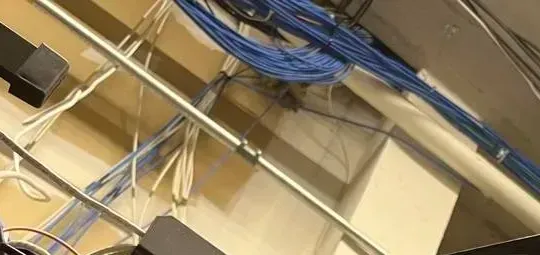
Sheepshead Bay, Brooklyn door buzzer installation: bundles of blue low-voltage cable laid over a ceiling beam and a metal pipe in an open ceiling
A photo from the AESS job library, not taken in Sheepshead Bay: bundles of blue low-voltage cable laid over a ceiling beam and a metal pipe in an open ceiling. In a cellar that has taken water, this is where entry system cable belongs, along the ceiling and the beams rather than at the foot of the wall, so the next flood reaches the floor and not the riser.
Flood-Aware Installation

Above the Water Line: Where a Sheepshead Bay Entry System's Power, Controller and Cable Should Live

Most door buzzer installations in Brooklyn never have to think about water. Here it is the first thing we think about, because the parts that keep an entry system alive are the parts old installations put in the cellar. The lobby panel on the street door is built to sit outdoors. The power supply, the controller, the amplifier on older systems, the backup battery and the junctions where every riser line begins are not, and a cellar is where they have traditionally been fixed to the wall.

The city's rules on flood-resistant construction set the principle. Appendix G of the New York City Building Code says, in section G304.1.1, that in flood hazard areas "Utilities and attendant equipment shall be located at or above the design flood elevation," or be built to keep water out. The text we reviewed has no separate clause for low-voltage or communications equipment such as a door buzzer, so we do not claim it legally governs where a buzzer controller goes. We follow the principle anyway, because the cost of following it at installation time is small and the cost of ignoring it is a building whose front door stops working the day the water goes down.

In practice that means four decisions, made before the price is set. First, where the controller and power supply go: on a cellar wall as high as the ceiling allows, in a locked enclosure on the first floor or in the super's workroom, depending on what the building has above the flood line. Second, how the riser lines are met: we bring the junction up to the same height rather than leaving it where the old one sat. Third, what the backup battery runs: it should keep the lobby door's release and the panel working through an ordinary outage, and it has to sit as high as the controller. Fourth, how cable crosses the cellar: along the ceiling and beams, not along the floor or the foot of the wall.

Recovery is the other half. Bklyner's Sandy anniversary coverage cited the city's analysis that, in Southern Brooklyn high-rises, repairs to electrical, heat and elevator systems took two to four weeks and sometimes longer. During that time residents of a locked building still need to get in. That is one reason we usually recommend a fail-secure electric strike on the street door rather than a magnetic lock: as Allegion's guide explains, fail-secure hardware stays locked when power is removed, and the key in the lock still works, so residents can let themselves in with a key when nothing electrical works. A magnetic lock, which Allegion notes is only available fail-safe, does the opposite and leaves the door unlocked.

None of this changes which system a building chooses. It changes where the parts go, which is decided on the walkthrough and written on the quote, so the board knows what it is paying for and why.

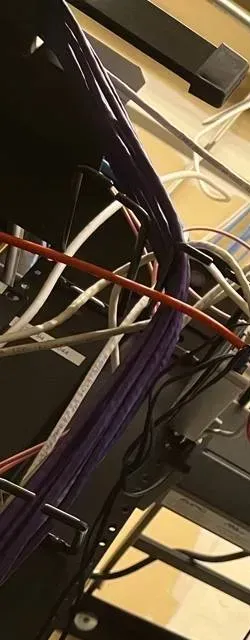
Sheepshead Bay, Brooklyn door buzzer installation: purple, white and red cable bundles dropping down beside a black equipment rack
A photo from the AESS job library, not taken in Sheepshead Bay: purple, white and red cable bundles dropping down beside a black equipment rack. In a co-op whose cellar has flooded, this kind of arrangement is the goal: the controller and power supply mounted high, the cable dropping to them from above, and nothing of the entry system resting near the floor.
The Law and the Records

Which Sheepshead Bay Buildings Must Have an Intercom, What It Has to Do and What the City Records Show

New York's intercom requirement turns on a date that matters more in Sheepshead Bay than almost anywhere else in Brooklyn. Multiple Dwelling Law §50-a says that every Class A multiple dwelling erected or converted after January 1, 1968 with eight or more apartments "shall also be equipped with an intercommunication system" at its self-locking main entrance door, one that lets residents speak to a visitor and release the door from their apartment.

Buildings older than that line are treated differently. Under the same section, a pre-1968 building must install the self-locking door and the intercom if tenants occupying a majority of the apartments request it in writing, with installation started within 90 days and completed within six months. That is the rule that covers most of the large co-ops here: 3221 Emmons Avenue from 1960, 1516 Voorhies Avenue from 1961, 1625 Emmons Avenue from 1962 and 2770 Ocean Avenue from 1963 all went up a few years before the 1968 line. The condos at 3112 Emmons Avenue (2006) and 1809 Emmons Avenue (2017) fall after it. Co-ops add a layer, because shareholders are also the owners, and in practice their boards replace entry systems because shareholders expect a working door, not because the law compels them to.

Separately from §50-a, the city's Housing Maintenance Code obligations apply to the buzzer or intercom a building already has, and sources disagree on the exact threshold, so we do not quote one. What is clear from public records is that tenants here use the complaint system. Augrented, a third-party site that republishes city data, lists an open HPD "Bell/Buzzer/Intercom" complaint at 2970 Ocean Avenue for apartment D1, received June 9, 2026, at a building it shows with 453 HPD violations against a neighborhood average of 16.1. It lists another open complaint of the same kind at 1601 Ocean Parkway for apartment 6D, received May 20, 2026, and a closed 2020 complaint at 1670 Sheepshead Bay Road that was verified during inspection.

For an owner or board, the practical lessons are short. A new installation should give two-way voice and remote release to every apartment, because that is what the law describes for buildings it covers and what residents assume everywhere. The street door has to close and lock on its own after every visitor, because a release on a door that drifts open defeats the system. And every apartment should be tested and recorded at handover, because a single dead station is exactly what an HPD complaint is about.

We are installers, not lawyers. If your building is facing a complaint or a violation, your managing agent or attorney decides how to answer it; what we provide is the installed system, the test results for every apartment and the paperwork that shows when the work was finished.

Planning With a Co-op Board

Planning a Lobby System With a Board, a Part-Time Desk and More Than a Hundred Apartments

Most large entry jobs in Sheepshead Bay are ordered by a co-op board, and the board's real question is rarely which brand. It is what the building will look like on the other side: how residents will answer, who will manage the directory, what happens to the people who do not want to change, and what it will cost every year after the installation is paid.

Habitat's May 2017 report on new buzzer systems set out the three choices boards still face: hard-wired talk-and-release systems, some with video; telephone-based systems on a dedicated line, which let residents answer on a landline or cell phone but offer no video; and smartphone-based systems with video on residents' phones. Dan Arnold of Academy Mailbox told Habitat, "A lot of our calls now are people who want to abandon the hard-wired intercom units in their apartments." In a building where many shareholders are retired, though, the station on the wall is often what people trust, and a system that supports both is usually the answer.

The running cost is where the choice bites. Habitat quoted Nicholas Silvers of Tavros Capital putting a ButterflyMX installation at roughly $5,000 to $7,000 plus a monthly charge of $2.50 per unit. Swiftlane's cost guide puts software subscriptions at "$5 to $15 per unit per month" for modern cloud systems. Multiplied across 95 or 148 apartments, that is a line in the co-op's budget every year. A wired system with no subscription has a $0 monthly cost, and phone answering can still be added for the shareholders who want it. We put both options on paper so the board compares the full cost, not just the installation.

Then the desk. Where a building has a doorman for part of the day, we set the lobby panel to call the desk during staffed hours and the apartments directly the rest of the time, and we give the desk a way to release the door and see who is at it. Where packages are the complaint, as they are in the 2770 Ocean Avenue review, a package room door on the same system lets a courier in with a code that opens that room and nothing else. And the switch-over is planned in writing: which day, how the lobby is covered while the panel is changed, and how shareholders are told.

What a board should get from us before it votes is simple: the test results for every riser line, a written price with each possible extra named, a description of where every piece of equipment will go, and the running cost of each option. Requests for insurance certificates go through our broker once the board sends its requirements, normally when the job is awarded.

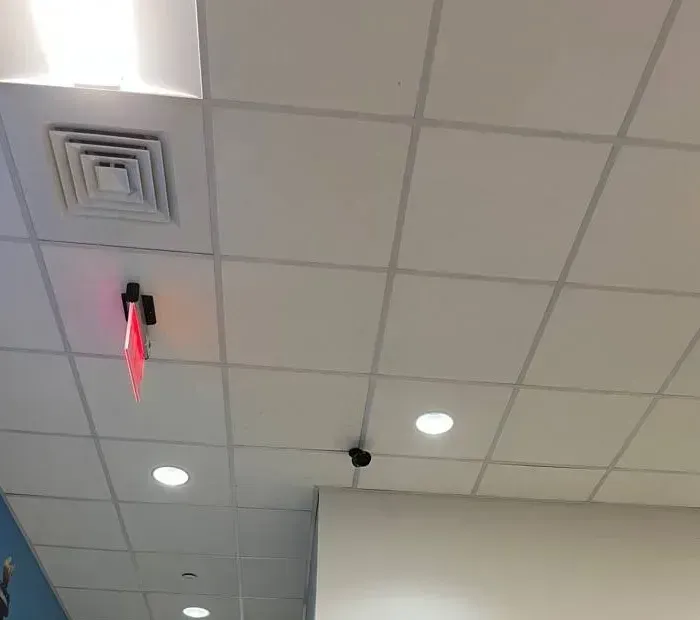
Sheepshead Bay, Brooklyn door buzzer installation: drop ceiling with a lit red exit sign, an air diffuser, round recessed lights and a small black camera
A photo from the AESS job library, not taken in Sheepshead Bay: a drop ceiling with a lit red exit sign, an air diffuser, round recessed lights and a small black camera. Where a co-op lobby has a drop ceiling like this, the space above it is often the easiest route from the lobby panel to the riser without opening the original plaster.
Commercial Door Buzzer Installation

Business Door Buzzer Installation in Sheepshead Bay

Sheepshead Bay's commercial streets mostly have homes above them. A business buzzer here is about the doors that should not be open to everyone: the upstairs office's street door beside a storefront, the restaurant's back door to the lot, the delivery door of a shop, and the apartments' door that sits a few feet from the shop's own entrance.

Emmons Avenue

The waterfront road, once called Millionaire's Row, lined with restaurants such as Randazzo's Clam Bar at 2017 Emmons, the Lundy's building at 1901 Emmons and newer condos such as the Vue, which lists a restaurant, much of it inside the Special Sheepshead Bay District.

Sheepshead Bay Road

The shopping street that runs to the station, with places such as Delmar Pizza at 1668 Sheepshead Bay Road, offices upstairs and apartment doors between the storefronts.

Avenue U

A long commercial avenue whose Chinatown stretch lies partly inside the neighborhood, with restaurants such as D'Amore at 3003 Avenue U, shops, and offices and apartments above them.

Nostrand Avenue

The eastern edge, with co-ops at 3203, 3901 and 3903 Nostrand Avenue and shop doors and apartment doors sharing the same blocks.

Kings Highway

The northern boundary and a shopping street, where an office or practice above a store may share the street door with the business below.

Voorhies Avenue

A co-op street as much as a commercial one, with buildings at 1516, 3080 and 3090 Voorhies and townhouses such as 2820 Voorhies, where a corner store and an apartment entrance can sit side by side.

What these doors have in common is that each needs its own system. A shop's delivery buzzer should ring the stockroom or the register, not an apartment upstairs, and the apartments' panel should never let a resident's visitor through the shop. Where a restaurant on Emmons Avenue has apartments above it, the residents' street door and the restaurant's staff door are kept on separate releases, even when they are a few feet apart. Where an upstairs office on Sheepshead Bay Road or Kings Highway shares the street door with apartments, the office gets its own button and its own release on the inner door to the suite, so the office can buzz in clients without opening the building to everyone else.

Rules that apply to business entry installations around Sheepshead Bay

  • Anyone inside can always get out. A business door with a buzzer, code or reader still opens from inside without a key. Allegion's guide explains that with an electric strike "you can exit by turning the lever" whether the strike is fail-safe or fail-secure, which is why a strike is our default on commercial doors.
  • Magnetic locks bring conditions. The building code's sensor-release provisions require a sensor on the egress side, a manual unlocking device 40 to 48 inches above the floor within five feet of the door marked "PUSH TO EXIT," unlocking on loss of power and on fire alarm activation, and listing to UL 294. A magnetic lock is not a cheaper strike; it is a different system with its own requirements.
  • Fire-rated doors take fail-secure hardware. Allegion notes that fire doors need fail-secure strikes under NFPA 80, so the door stays latched in a fire while still opening from inside.
  • Controls have to be reachable. The 2010 ADA Standards set the high forward reach at 48 inches maximum, so the call button and keypad on a business door go at or below that height.
  • The Lundy's building is a landmark. The Brooklyn Eagle reported in 2017 that the Landmarks Preservation Commission told the tenant to remove most of a proposed set of facade sconces, which shows the Commission reviews exterior hardware there. A door station on its facade is planned with that review in mind.
  • The landlord signs for the building. A shop tenant can order a buzzer on its own door with the landlord's written approval, but work on the building's shared street door or the apartments' system is ordered by the owner or the board.
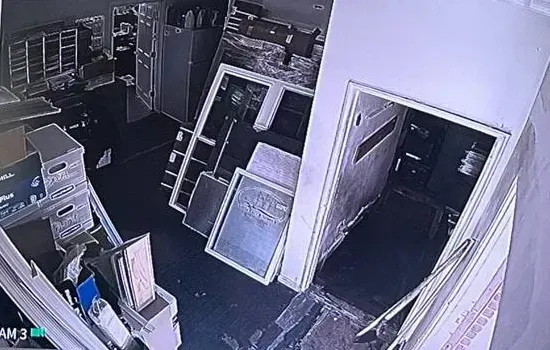
Sheepshead Bay, Brooklyn door buzzer installation: black-and-white night camera view of a cluttered room with an open doorway into a dark back room
A photo from the AESS job library, not taken in Sheepshead Bay: a black-and-white night camera view of a cluttered room with an open doorway into a dark back room. The back rooms of shops and restaurants on Sheepshead Bay Road and Emmons Avenue often lead to a delivery or staff door like this, and a buzzer on that door, with a camera inside watching it after closing, keeps the back of the business as controlled as the front.
Your Questions Answered

Door Buzzer Installation in Sheepshead Bay: Questions Answered

Water, cellars and outages

The riser cable in our co-op's cellar sat in floodwater during Sandy and the old system kept working afterward. Can a new system go on that cable, or did the soaking ruin it?

There is no way to tell by looking. Cable that was underwater can work for years and still be weaker than cable that stayed dry, because water that got into a jacket or a splice can corrode the copper slowly. That is why we meter every pair from the cellar to the apartments before pricing, and why cable that was in the water gets the closest look. ButterflyMX's replacement guide puts it plainly: wiring "cannot be confirmed from photos or building age."

In practice the weak points are not the long runs inside the walls but the places where cable meets something: the junction boxes and splices near the cellar floor, and the terminals at the old power supply. Often the riser lines test well once those low connections are cut out and remade higher on the wall. Lines that fail are replaced individually, and every failed line is named on the quote with its price before you order, so there is no surprise on installation day.

If the power is out across the neighborhood for days, as it was after Sandy, how do residents get into a building with a new entry system?

With a key, if the system is set up the way we recommend. A fail-secure electric strike on the street door keeps the door locked when power fails, and the ordinary lock cylinder in the door still works, so residents let themselves in with their keys exactly as they would without any buzzer. What stops working is the call from the lobby and the release from the apartments, until power or the battery returns.

The backup battery in the power supply covers ordinary outages, not a multi-week one; we state on the quote what it runs and keep it mounted as high as the controller. A magnetic lock behaves the other way: it is fail-safe only, so in an outage it releases and the street door stands unlocked. In a building where the 2012 outage lasted weeks, that difference is a decision the board should make knowingly, and we explain it before anything is ordered.

Co-ops, condos and shareholders

In our 95-apartment co-op some shareholders want video on their phones and others want to keep a plain station on the wall. Can one system give each apartment a different choice, and who pays for the extras?

Yes, on most current systems. The lobby panel, the controller and the riser are shared; what sits in each apartment can differ. One apartment can have an audio station, the next a video station, and a third can answer on a phone, all on the same lobby panel. Some systems also let an apartment have both a wall station and phone answering.

Who pays is the board's decision, not ours, but the written price can be split to make it easy: the shared equipment and the standard station for every apartment as one figure, and each upgrade as a separate line a shareholder can choose. Swiftlane's guide notes that cloud systems can carry subscriptions of "$5 to $15 per unit per month," so if phone answering on a given system carries a fee, the quote says so and says whether it is charged per apartment or for the building.

Is a 150-apartment co-op cheaper per apartment than a small walk-up?

Usually yes, because the most expensive pieces are shared. A large building and a small one both need one lobby panel, one controller, one power supply and one street-door release; what grows with the building is the number of apartment stations, the length of the riser and the directory. That is why our Brooklyn list puts multi-unit systems from about $2,500 to past $10,000 rather than at a price per apartment.

What can turn that around is the riser. A building whose lines all test well needs no new cable, while a building with failed lines on several stacks needs cable run floor by floor. Brick Underground's repair guide quotes Pete Carmello of Lock and Tech estimating that a 100-unit building could take about two days to replace, and a building where lines fail takes longer. The riser test on the walkthrough is what tells you which kind of building you have.

Our condo has a pool, a bike room and on-site parking as well as the lobby. Should those doors be on the lobby's entry system, and can the pool door open only in summer?

They usually should be on one system, because residents expect one code, card or phone to open every door they are allowed through, and the board wants one place to remove a resident who sells. A system with access schedules can open the pool door to residents only during the hours and months the board sets, keep the bike room open to residents all year and let the parking door be used at any hour, all from the same directory.

What changes from door to door is the hardware. A glass pool door, a steel door to a parking area and a lobby door may each need a different strike or lock, and an outdoor door near the water needs hardware rated for the weather. We list each door with its release and its price, so the board can add the amenity doors now or later.

Houses, courts and the waterfront rules

Our bungalow is on one of the pedestrian courts near Plumb Beach, several houses in from the street. Can a visitor ring us from the street end of the court, and who owns a station that several neighbors share?

A visitor can ring you from the street end if a station is put there, either a station that rings only your house or a panel with a button for each house on the court. The cable has to get from that point to each house it calls, along the court, under the walk or along a fence line, which is the main cost, so a single-house station at your own door is cheaper and simpler. A lit house number and a sign at the court's entrance often solve the "which door?" problem without any shared equipment.

A shared panel is a shared decision. Bklyner noted in 2015 that rebuilding on the courts "requires agreement and cooperation among all of the residents," and an entry panel is the same. Before we install one we need written agreement on who owns it, who can change its directory and who pays if it fails. Without that, we recommend a station at each house's own door.

Does the special zoning district along Emmons Avenue, or the Lundy's landmark, limit what can go on our building's front door?

The Special Sheepshead Bay District, created by the City Planning Commission in 1973, covers about 20 blocks along Emmons Avenue between Sheepshead Bay Road and Knapp Street. Its rules, as the Department of City Planning describes them, deal with what can be built and used: residential density, building heights such as three stories or 35 feet within 75 feet of Emmons Avenue in one subarea, and which commercial uses are allowed. We found nothing in that description about door stations, intercoms or locks, so a buzzer on an existing building inside the district is ordinary work.

The Lundy's building at 1901 Emmons Avenue is the exception. The Brooklyn Eagle described it in 2017 as Sheepshead Bay's only designated landmark, and reported that the Landmarks Preservation Commission told the tenant to remove most of the proposed facade sconces. Anything mounted on its exterior, including a door station, should go through the Commission first. Inside the building, behind the facade, the work is ordinary again.

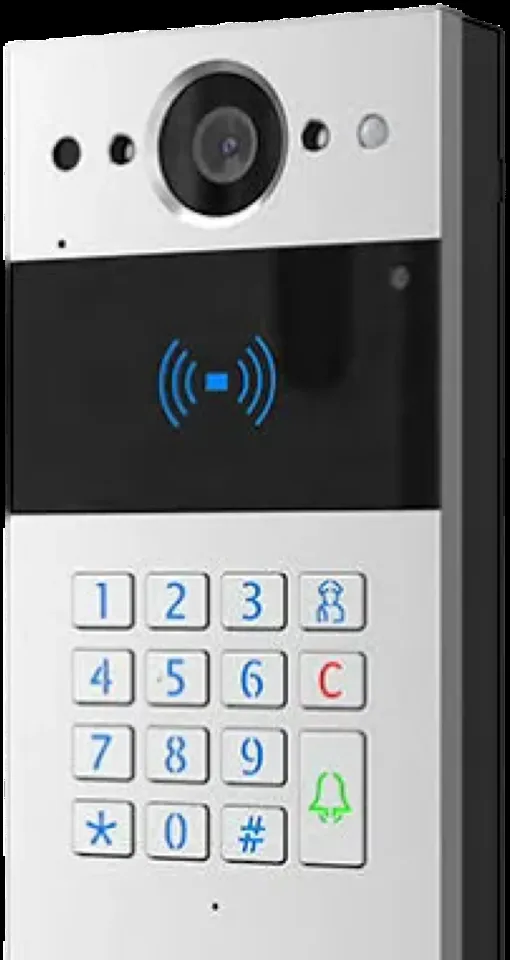
Sheepshead Bay, Brooklyn door buzzer installation: silver and black keypad door station with a camera lens at the top, a blue card-reader symbol, a numeric keypad and a green bell key
A photo from the AESS job library, not taken in Sheepshead Bay: a silver and black keypad door station with a camera lens at the top, a blue card-reader symbol, a numeric keypad and a green bell key. One station like this at a condo's side door can take residents' cards, a courier's code and a visitor's call, which is how amenity and package doors in the newer Emmons Avenue buildings can share one directory with the lobby.
Equipment

Types of Door Buzzer Systems We Install

Our quotes default to a dependable non-branded system sized to the building; if your board or household wants a particular brand, ask and we will price it. What matters more than the name on the panel is that the equipment fits the riser, the doors and the cellar you actually have.

Two-wire multi-tenant systems

Systems built to run over a building's existing pairs where they test well. Aiphone describes its GT Series as a multi-tenant system "for new builds and retrofit projects" with "the advantage of using existing wire."

Directory and code panels

Lobby panels with a scrolling directory or a dial code, suited to co-ops of 60 to 170 apartments where a row of buttons would not fit beside the door.

Button panels

A button per apartment for walk-up co-ops and small rental buildings, simple for older residents and visitors, with a lit name card for each household.

Apartment audio and video stations

Wall stations by each apartment's door, audio or video, chosen apartment by apartment where the system allows it.

Phone and app answering

Lobby calls on residents' phones, for shareholders who have dropped landlines or spend part of the year away, with any monthly fee stated before you choose.

Desk stations and consoles

A station at the doorman's desk that announces visitors and releases the door, set to hand calls to the apartments when the desk is empty.

Keypads and readers for side doors

Codes, cards or fobs for the door from the parking lot, the package room, the bike room or the pool, managed from the same directory as the lobby.

Fail-secure electric strikes

Strikes that stay locked without power while the key still works, for street doors in buildings that know what a long outage looks like.

Battery-backed power and raised enclosures

Power supplies with backup batteries, mounted with the controller in a locked enclosure above the cellar's flood line or on a higher floor.

Wired stations, phone answering or a cellular panel: which fits a Sheepshead Bay building?

What mattersWired apartment stationsPhone or app answeringCellular lobby panel
Uses the old riserYes, where pairs test wellNot for the call; the panel needs a network or phone lineNo riser needed for the call
Works for residents without smartphonesYesOnly if it also rings landlinesUsually by phone call
Monthly cost$0 optionOften a per-unit or per-door feeCellular service plus any software fee
Answer from awayNo, unless phone answering is addedYesYes
Depends on the cellar staying dryController and supply must be mounted highNetwork gear and supply must be mounted highLess, but the door release still needs power
Best fit here1960s co-ops with sound risers and older shareholdersCondos and co-ops where most residents use phonesBuildings whose riser has failed and cannot be rerun

Most large co-ops here end up with a mix: wired stations on the riser for everyone, with phone answering added for the apartments that want it. Cellular panels are worth knowing about but are not a way around everything. ButterflyMX says its intercom "requires no building wiring," and Swiftlane lists a "Cellular call box" with "No Ethernet required at perimeter," which is true of the call; the panel still needs power, and the street door still needs a release wired to it.

ADT, Ring and SimpliSafe compared with a local installer for a Sheepshead Bay building

National brands come up in almost every conversation about a front door, and for a one-family house a store-bought video doorbell may be all an owner wants. In the buildings that make up most of Sheepshead Bay, it runs into hard limits. A doorbell rings the phones of whoever set it up; it cannot call 95 apartments, give each a button or a station, or release a lobby door without separate wiring to a strike. An alarm company may add a doorbell camera to its panel, but that does not replace a building's intercom. And neither kind of product deals with a riser, a controller in a flooded cellar or a street door that does not latch.

What a local installer adds is the whole entry: the riser test, the panel sized to the building, the strike and the closer on the door, the controller and battery mounted where the water does not reach, the apartment stations or phone answering, and the labeled record the next technician will need. For a two-family or a bungalow, we can install a video doorbell-style station with a real release and an indoor station on each floor, which is the piece a consumer doorbell leaves out.

AI Overview Reality Check

What AI Gets Wrong About Door Buzzer Installation in Sheepshead Bay

Ask an AI assistant or a search summary about replacing a building's buzzer and you get confident answers assembled from national cost guides and vendor blogs. Some of it is right in general and wrong for a neighborhood of sixty-year-old co-ops a few blocks from the bay. Here are seven claims we see repeated, each checked against its source and against what we find in buildings here.

"Installing an intercom system costs an average of $2,500"

That is HomeAdvisor's national figure, with a range of $1,500 to $15,000 and a split between wireless systems at $150 to $1,500 and hard-wired ones at $1,000 to $15,000. As a national average it is reasonable. As a guide for a Sheepshead Bay co-op it says almost nothing, because it blends one-family houses with apartment buildings.

Here the spread is wider and more predictable. A house or bungalow buzzer sits at $400 to $900 on our Brooklyn list, a video system for a two-family or small building at $700 to $1,800, and a lobby system for an apartment building or co-op from about $2,500 to past $10,000.

What moves a building inside that range is the riser test and the number of doors, which no average can know. That is why the price is fixed after the walkthrough, not before.

"Modern IP and video intercoms cost $1,000 to $5,000 or more per entry door"

Swiftlane's guide prices systems by the door, which makes sense for an office or a gated development. It misleads in a Sheepshead Bay elevator co-op, which may have one lobby door and 148 apartments behind it.

In those buildings the door is the smallest part of the cost. The apartment stations, the length of the riser and how many of its lines need new cable decide the total, and a per-door figure hides all of it.

Per-door pricing does fit the newer condos with several amenity doors, where each extra door, its hardware and its reader is a line on our quote.

"Software subscriptions commonly add $5 to $15 per unit per month"

Swiftlane's figure is accurate for many cloud systems, and boards should take it seriously. For a building of 148 apartments it works out to between $740 and $2,220 a month, every month, on top of the installation.

The summaries rarely mention that a wired system with no subscription is still an option. Our Brooklyn list includes a $0 monthly choice, and phone answering can be added for only the apartments that want it on systems that allow it.

Before the board votes, we put the installation price and the yearly running cost side by side for each option, so a cheap installation with an expensive subscription is not mistaken for a bargain.

"New York law requires every apartment building to have an intercom"

Multiple Dwelling Law §50-a requires an intercom in Class A buildings of eight or more apartments erected or converted after January 1, 1968. Older buildings must install one if tenants occupying a majority of the apartments request it in writing.

That distinction is not academic here. The large co-ops at 3221 Emmons, 1516 Voorhies, 1625 Emmons and 2770 Ocean Avenue were built from 1960 to 1963, just before the date, while the condos at 3112 and 1809 Emmons Avenue came long after.

Whatever the law requires of a particular building, the systems we install give two-way voice and remote release to every apartment, and the test sheet records each one.

"A cloud intercom requires no building wiring"

ButterflyMX describes its intercom as one that "requires no building wiring," meaning residents answer on their phones and no riser is needed for the call. For a building whose riser has failed throughout, that is a real advantage.

But the panel at the street door still needs power, the door still needs an electric strike or lock wired to the panel, and a network or cellular connection has to reach the lobby. In a co-op whose cellar floods, the power supply and network gear behind that panel still have to be mounted above the water.

So "no wiring" means no riser wiring. It does not mean no installer, no cellar work and no door hardware.

"Magnetic locks are the modern, secure choice for a lobby door"

Magnetic locks are common on commercial doors, and the summaries often present them as an upgrade. Allegion's guide is clear that electromagnetic locks "are only available fail safe," meaning they unlock when power is removed.

In a neighborhood that has lived through a multi-week outage, a lobby door that stands unlocked whenever the power is off is a poor default. The code's sensor-release requirements, including a "PUSH TO EXIT" device within five feet of the door, also add cost a strike does not.

For most Sheepshead Bay street doors we recommend a fail-secure strike, which stays locked without power while the key still opens it and the lever still lets everyone out.

"If the existing wires are in good condition, they can be reused"

That line from Aiphone's upgrade guide is true, and reusing sound cable is the biggest single saving on a co-op job. The trouble is the word "if." Brick Underground's repair guide quotes Daniel Vasquez of Paragon Security and Locksmith: "It's all in the wire connections."

In a Sheepshead Bay cellar those connections often sit low on the wall, where floodwater reached them, and the riser may have been spliced through several earlier systems. Cable that looks fine can fail a test, and cable that looks tired can pass one.

So we test before we promise. The quote names every line that passed, every line that failed and what replacing each failed line costs.
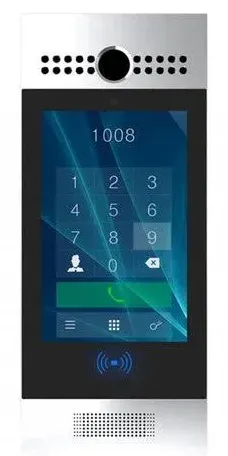
Sheepshead Bay, Brooklyn door buzzer installation: touchscreen entry panel showing a dial pad with a four-digit apartment code entered, a camera above and a card-reader symbol below
A photo from the AESS job library, not taken in Sheepshead Bay: a touchscreen entry panel showing a dial pad with a four-digit apartment code entered, a camera above and a card-reader symbol below. A dial-code panel like this is how a co-op of 148 apartments fits its whole directory into one panel beside the lobby door, where a row of buttons would cover the wall.

Not Sure Whether Your Building Needs a New Riser or Only a New Lobby Panel? Speak to a Tech

Send a photo of the lobby panel, one of an apartment station and, if you can, one of the old power supply or controller in the cellar, along with the number of apartments and floors and how high water has reached in the cellar. A technician will tell you which approach fits and where it falls on our Brooklyn ranges. Call or text (347) 934-8335, send photos on WhatsApp, or fill in the form below.

Get In Touch

Request a Free Quote

✅
Request Sent!
Thank you. A technician will call you about the Sheepshead Bay address, usually within two hours during working hours.
How It Works

Our Installation Process

1. Walk the building from the sidewalk to the cellar

We start where a visitor starts, list every door residents and couriers use, and finish in the cellar, noting where the old equipment sits and how high water has reached on the walls.

2. Confirm who signs and which rules apply

We confirm whether a board, a managing agent, an owner or a shop tenant orders the work, check the building's date against the intercom law, and note the Special Sheepshead Bay District or the Lundy's landmark where they apply.

3. Test the door before the electronics

We release and close the street door and check the closer, latch, hinges and frame. A door that does not shut and latch on its own is fixed first, because no release can secure a door that drifts.

4. Test every pair on the riser

We meter each pair from the cellar to the apartments, with extra care on cable that sat in floodwater, and record which lines pass, which fail and which apartments need new cable.

5. Price the job in writing

You get a written price from the Brooklyn list, with every possible extra, such as a failed line or a closer to replace, named and priced before anything is ordered.

6. Order and schedule

Equipment is ordered once the deposit is in. Stocked systems are scheduled right away; special-order stations are booked once they arrive. Every visit gets a two-hour arrival window.

7. Install high, conceal and label

We mount the station, release, power supply and controller, keeping the electronics off the cellar floor, run or reconnect cable, install apartment stations or phone answering and label every pair.

8. Test every apartment from the sidewalk and hand over

Standing where visitors stand, we call and release every apartment or household, show the super or owner how the system works and leave the test sheet and wiring record.

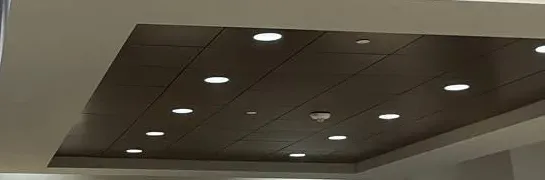
Sheepshead Bay, Brooklyn door buzzer installation: dark recessed ceiling panel with round downlights and a small round device framed by a lighter ceiling
A photo from the AESS job library, not taken in Sheepshead Bay: a dark recessed ceiling panel with round downlights and a small round device, framed by a lighter ceiling. In a renovated co-op or condo lobby, finished ceilings like this hide the cable from the lobby panel to the riser, which is why step 7 includes routing above the ceiling rather than surface raceway down the lobby wall.
Coverage Area

Door Buzzer Installation Near Sheepshead Bay's Landmarks

Sheepshead Bay Piers

The piers built in 1936, home to the charter fishing boats, along the stretch of Emmons Avenue that was widened in the same decade.

The Lundy's building

The 1934 Spanish Colonial Revival building at 1901 Emmons Avenue, described in 2017 as the neighborhood's only city landmark.

Ocean Avenue footbridge

The bridge across the bay from the foot of Ocean Avenue to Manhattan Beach, closed during Sandy with a sailboat against it.

Sheepshead Bay station

The B and Q station on Sheepshead Bay Road, whose elevators opened in February 2026.

Kingsborough Community College

The college on the site of the wartime maritime training station, open there since the mid-1960s, across the bay at the eastern tip of Manhattan Beach.

The Wyckoff house on East 22nd Street

The 1766 house at Kings Highway and East 22nd Street, at the neighborhood's northern edge.

We also serve Manhattan Beach, Homecrest, Madison, Marine Park and Coney Island at the same Brooklyn rate, along with Brighton Beach and Gerritsen Beach. See our door buzzer installation in Brooklyn page for the whole borough.

Pricing

Door Buzzer Installation Cost in Sheepshead Bay

Sheepshead Bay is billed at our standard Brooklyn rate. The final figure follows photos, a walkthrough and a riser test, because the number of apartments or households, the condition of the riser, the street door and where the equipment has to go to stay above water drive the total far more than the brand on the panel.

JobTypical Sheepshead Bay propertyBrooklyn range
Audio station or replacement with electric strike release, existing wiring reused where it tests wellOne-family houses, bungalows on the courts, a single shop or office door$400–$900
Video door station with indoor stations or phone answeringTwo-families with two buttons, townhouses, small buildings$700–$1,800
Multi-unit entry system, audio or video by apartment count, with optional fob or code entryWalk-up co-ops, 1960s elevator co-ops, condos on Emmons Avenue, rental buildingsfrom $2,500 to $10,000+
In-person diagnosis of an existing system, booked onlineAny building where the old system must be tested before quoting$250, applied toward the work
Monthly subscriptionAny property choosing a wired, no-subscription system$0

What moves a building inside its range is easy to predict. First the apartments: each station is a line, and a building of 148 apartments sits higher than one of 30. Then the riser: lines that pass their tests cost nothing extra, while each failed line adds new cable and labor. Then the equipment's location: mounting the controller and power supply above the cellar's flood line, in a locked enclosure or on a higher floor, is planned and priced on the quote, not discovered on the day. Then the doors: a street door that needs a new closer or a reinforced frame, and any package, garage or amenity door added to the system. If the job also adds a camera over the lobby or the mailboxes, installing it on the same visit usually saves $200 to $400 in labor compared with a separate trip. Anything that depends on a test is named on the quote with its price before you approve.

Full terms — including 50% deposit, one-year parts-only warranty on AESS-supplied products, and the late-fee schedule — are set out in the service agreement.

Find Out Which Range Your Sheepshead Bay Building or House Falls In

Tell us the street, how many apartments or households the system must reach, every door people use and where the old equipment sits, and we will tell you which Brooklyn range fits and what would move it. Call or text (347) 934-8335, send photos on WhatsApp, or fill in the form.

Shop Our Systems

Door Buzzer Installation Packages & Pricing

Three typical Sheepshead Bay jobs, each placed inside the matching range on our Brooklyn list. The exact figure comes from the photos, the walkthrough and, for buildings, the riser test.

House or bungalow audio: $400–$900

An audio station at the front door or the court entrance, a fail-secure strike in the frame, a closer set so the door latches, an answering station on the main floor and battery-backed power mounted above the flood level.

Two-family or townhouse video: $700–$1,800

A one- or two-button video station, an indoor video station for each household or each floor, phone answering if wanted, and cable run inside the house above any ground level built to take water.

Co-op or condo lobby system: from about $2,500

A directory, code or button panel at the street door, apartment stations or phone answering for every home, tested or new riser lines, a fail-secure release and a raised controller, rising toward $10,000 or more with apartments and doors.

Bring your own equipment. If your board or household has already bought a door station or intercom kit, we can install it as labor-only work, quoted by phone once you send the make, model and photos of the door and the cellar. We will say before booking whether it can reach every apartment and release your door. Equipment you supply is covered by its maker's warranty, not ours.

Complete Services

Every Door Buzzer Service in Sheepshead Bay

Co-ops, condos and rental buildings

Lobby panels, riser testing, apartment stations, desk stations and phone answering. Request a quote

Houses, two-families and bungalows

Front-door stations, two-household buttons and court entrances. Call (347) 934-8335

Across Brooklyn

The same list in every neighborhood. Brooklyn door buzzer installation

Across New York City

Every borough's buildings and rules. NYC door buzzer installation

FAQ

Sheepshead Bay Door Buzzer Installation FAQ

If the bay floods again and the new lobby equipment is damaged, does your warranty pay for it?
+

No. Our warranty covers AESS-supplied products against normal wear and tear, and it excludes acts of God, power surges and physical damage, which is where flood damage falls. That is exactly why we plan where the controller, power supply and battery go before the price is set, so the parts that would be expensive to replace sit above the water. Flood damage is a question for the building's insurance, not the equipment warranty.

Will the lit buttons or the camera light on a new lobby panel shine into the ground-floor apartment window next to our entrance?
+

It can, if the panel sits close to a bedroom window and the model has bright button lighting or a white light for the camera at night. We look at what is beside the door on the walkthrough, and where a window is close, we choose a panel whose button lighting is soft or adjustable and whose camera sees in the dark without a visible light, or we mount it on the other side of the door. The choice is noted on the quote.

Can you walk our co-op board through the options before it votes, and will the written price be ready for the board packet?
+

Yes. After the walkthrough and riser test, the board receives a written price for each option it asked about, the test result for every riser line, a description of where each piece of equipment will go and the yearly running cost of each option, all in a form that can go straight into the packet. We can also explain the options to the board by phone or video call before the meeting, so members can ask questions directly.

Can we speak to another Sheepshead Bay building you have worked in before we sign?
+

We do not give out the names or contact details of our clients, because their buildings and their residents' security are their business, not ours to share. What we point boards to instead are our Google reviews, 4.7 stars across 201 reviews, written by the people who hired us. We are also happy to answer any question about how we work, and the written price spells out exactly what is included.

Some shareholders in our building are away for the whole winter. How do their apartments get a new station?
+

The board or the managing agent arranges access, usually through the super with the shareholder's written permission, the same way it would for a plumbing riser. Where an apartment cannot be reached on installation day, its old station is disconnected safely and its new one installed on a return visit, and the lobby can still reach that shareholder by phone if the system supports phone answering. Missing apartments are listed on the test sheet so nothing is forgotten.

If we have the house raised for flood protection after the buzzer goes in, can the system be taken down and put back?
+

Yes. The door station, release, indoor stations and power supply can be removed before the house is lifted and reinstalled once the new stair and door are in place. Tell us early, because a raised house often gets a new front door location and the cable route changes with it. The removal and reinstallation are quoted as a separate job when the lifting is scheduled, and any new cable needed for the new layout is priced then.

Will the crew need the boiler room or the super's workshop opened, and does the super have to be there all day?
+

The crew needs whichever cellar rooms the riser lines and the old equipment pass through, which in many buildings includes the boiler room or the super's workshop, and the room where the new controller will be mounted. The super does not need to stay with the crew all day, but he should open those rooms at the start, be reachable by phone, and be there at the end for the walkthrough of the new system.

Our building's entrance has a canopy on posts out to the sidewalk. Can the door station go on one of the posts instead of beside the door?
+

Sometimes. A post can hold a weatherproof station if the cable can run inside it or along it without being exposed, and if the station stays within reach for every visitor. The drawback is that a visitor buzzed in at the post still has to walk to the door before the release times out, so the release time is set longer. In most buildings we recommend the wall beside the door, and we explain the difference on the walkthrough.

How long will the backup battery keep our lobby door and panel working when the power goes out?
+

Long enough for an ordinary outage, not for days. How long exactly depends on the power supply chosen, the size of the battery and what it runs, such as the panel, the controller and the door release. The quote states what the battery is meant to cover. For a long outage, the fail-secure strike we recommend keeps the street door locked and still lets residents in with their keys.

How many visits does a co-op lobby job usually take, from the first walkthrough to the day the new panel goes live?
+

Usually three stages. The walkthrough and riser test come first, then the written price and the board's decision. Once the deposit is in and equipment arrives, installation follows on one or more days depending on the number of apartments and lines, ending with the switch-over and the test of every apartment. A short return visit covers apartments that could not be reached and any adjustment residents ask for.

Will the crew use the building's elevator for ladders and cable, and should the super reserve it?
+

Yes, in an elevator building we use the elevator to move ladders, cable and stations between floors, with pads or covers if the building has them. If your building reserves the elevator for moves and deliveries, it helps to book it for the installation days, and we tell the super the dates once the job is scheduled. In walk-up co-ops the crew carries everything up the stairs.

More Door Buzzer Installation near Sheepshead Bay

Door Buzzer Installation Brooklyn NY | Brownstones & Condos · Door Buzzer Installation NYC | Apartment & Building Entry · Door Buzzer Installation Manhattan NY | Apartments & Co-ops · Door Buzzer Installation Queens NY | Co-ops & Apartments · Door Buzzer Installation Bronx NY | Co-ops & Apartments · Door Buzzer Installation Staten Island NY | Homes & Apts · Door Buzzer Installation Long Island NY | Nassau & Suffolk · Door Buzzer Installation Hudson Valley NY | Apartments · Door Buzzer Installation Nassau County NY | Homes & Co-ops · Door Buzzer Installation Suffolk County NY | Homes · Door Buzzer Installation Westchester County NY | Co-ops · Door Buzzer Installation Rockland County NY | Homes & Apts · Door Buzzer Installation Orange County NY | Homes & Farms · Door Buzzer Installation Putnam County NY | Lake Homes · Door Buzzer Installation Dutchess County NY | Homes · Door Buzzer Installation Ulster County NY | Kingston

Door Buzzer Installation Bath Beach Brooklyn NY · Door Buzzer Installation Bay Ridge Brooklyn NY · Door Buzzer Installation Bedford-Stuyvesant Brooklyn NY · Door Buzzer Installation Bensonhurst Brooklyn NY · Door Buzzer Installation Bergen Beach Brooklyn NY · Door Buzzer Installation Beverley Square Brooklyn NY · Door Buzzer Installation Boerum Hill Brooklyn NY · Door Buzzer Installation Brooklyn Navy Yard, Brooklyn NY · Door Buzzer Installation Brooklyn NY | Brownstones & Condos · Door Buzzer Installation Brownsville Brooklyn NY · Door Buzzer Installation Bushwick Brooklyn NY · Door Buzzer Installation Cadman Plaza Brooklyn NY · Door Buzzer Installation Canarsie Brooklyn NY · Door Buzzer Installation Carroll Gardens Brooklyn NY · Door Buzzer Installation City Line Brooklyn NY · Door Buzzer Installation Clinton Hill Brooklyn NY · Door Buzzer Installation Cobble Hill Brooklyn NY · Door Buzzer Installation Columbia Street Waterfront Brooklyn · Door Buzzer Installation Coney Island Brooklyn NY · Door Buzzer Installation Crown Heights Brooklyn NY · Door Buzzer Installation Cypress Hills Brooklyn NY · Door Buzzer Installation Ditmas Park Brooklyn NY · Door Buzzer Installation Downtown Brooklyn NY · Door Buzzer Installation DUMBO Brooklyn NY | Loft Entry

Other services in Sheepshead Bay

TV Installation Sheepshead Bay Brooklyn · Structured Cabling Installation Sheepshead Bay Brooklyn NY · Fire Alarm Installation Sheepshead Bay Brooklyn NY · Door Buzzer Repair Sheepshead Bay Brooklyn NY | Co-ops · Security Camera Installation Sheepshead Bay Brooklyn NY · Alarm Installation Sheepshead Bay Brooklyn NY · Intercom Installation Sheepshead Bay Brooklyn NY · Access Control Installation Sheepshead Bay Brooklyn NY

Ready for a Sheepshead Bay Lobby Door That Reaches Every Apartment and Keeps Working After the Next Storm?

Send a photo of the lobby panel and one of the cellar equipment, with the street, the number of apartments or households and every door people use, and we will tell you which system fits, where its equipment should go and where it falls on our Brooklyn ranges. Call or text (347) 934-8335, message us on WhatsApp, or use the request form. Licensed under NYS license #12000287431, rated 4.7★ across 201 Google Reviews, with same-day estimates on most weekdays.