What are you looking for?
About Us Contact Us Careers Get a Free Quote (800) 486-0943
Pick a service
✅ Got Your Own System?
🎬 Home TheatreQuote 🎶 AV SoundQuote 🔑 Access ControlQuote
Now pick your area
Pick your area
Long Island
Hudson Valley
Services available
Pricing & Tools
Pick a service for pricing
🚪 Intercom Pricing 🔔 Buzzer Repair Pricing
Calculators
📹 Camera System Calculator 🚨 Alarm Calculator ⚡ Cabling Quote Builder ✅ Got Your Own System?
Select your area
A four-button plate on a house that is now one or two homes, an outside panel nobody can hear, or a sidewalk-front door on Verandah Place? Cobble Hill door buzzer installation line: (347) 934-8335
Home › Door Buzzer Installation Brooklyn › Cobble Hill
Landmarked Rowhouses · Floor-Through Rentals · Houses Going Back to One Family · Former Stables Built to the Sidewalk · Church Condos · Apartments Over Court, Smith and Atlantic Shops

Door Buzzer
Installation in
Cobble Hill

One Panel per Doorway · Buttons That Match Today's Households · Cable Kept Inside the House · Brooklyn Rate, No Travel Premium

Door buzzer installation in Cobble Hill starts with a question most neighborhoods never ask: how many households live behind this door now, and how many will there be in five years? Inside the 796-building historic district between Atlantic Avenue, Court Street, Degraw Street and Hicks Street, rowhouses built for one family were divided into floor-through apartments for decades, and a growing number are being put back together as single homes or an owner's triplex over a garden rental. The button plate by the door usually tells the old story, not the current one. This page explains how we size a buzzer to the house as it is lived in today, how we fit it to a landmarked doorway without cluttering it, how we handle the sidewalk-front houses, the big courtyard complexes on Hicks Street, the church conversions and the apartments over the shops, and what each kind of job costs on our published Brooklyn list.

Reviewed and updated November 11, 2026, against the Cobble Hill Association's knowledge-base articles on landmarking Cobble Hill and on the Tower and Home Buildings; chapter 11 of the Landmarks Preservation Commission's Permit Guidebook; the LPC's March 25, 2025 hearing materials for 27 Strong Place; CityRealty's building pages for Cobble Hill Towers and The Landmark at Strong Place; Openigloo's listing for 439 Hicks Street; Untapped New York's April 2015 history of Verandah Place; 6sqft's May 2015 report on the Warren Place mews; Brownstoner's November 2013 report on townhouses returning to single-family use and its forum threads on brownstone doorbells and phone intercoms; PincusCo's June 2026 report on a Cobble Hill single-family conversion; Habitat Magazine's May 2017 and May 2018 articles on buzzers and wired versus wi-fi intercoms; Brick Underground's November 2019 NYC intercom repair guide; ButterflyMX's NYC intercom repair guide; New York's Multiple Dwelling Law §50-a; Allegion's fail-safe and fail-secure guide; the HomeAdvisor and Swiftlane cost guides; the 2010 ADA Standards; and the Wikipedia entry for Cobble Hill. · Abstract Enterprises Security Systems, NYS license #12000287431 · crews dispatched from our Troy Avenue office in Brooklyn

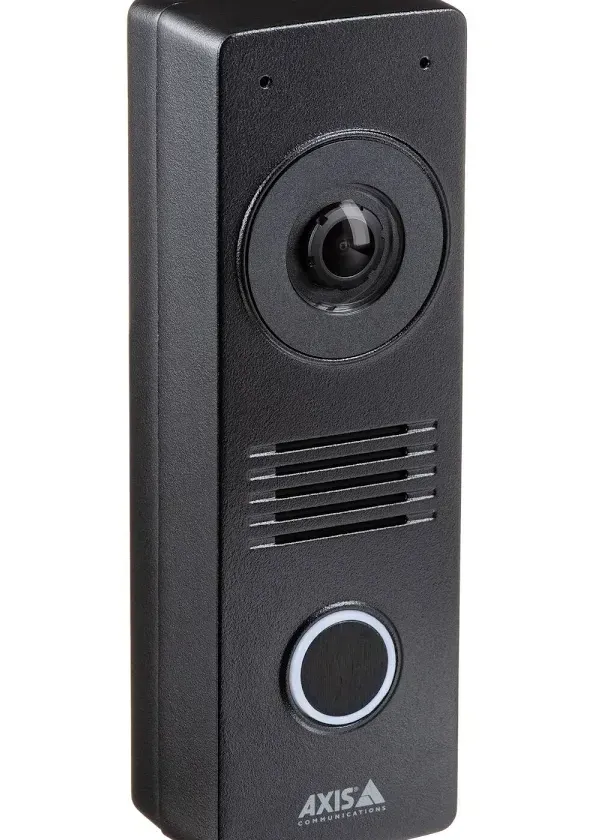
Cobble Hill, Brooklyn door buzzer installation: black rectangular video door station with a camera, speaker grille and round lit call button
A photo from the AESS job library, not taken in Cobble Hill: a black rectangular video door station with a camera at the top, a speaker grille and one round lit call button. A Cobble Hill rowhouse that has gone back to being a single home rarely needs more than this at its doorway: one button, one camera, and the call ringing stations on every floor and the owners' phones.
Cobble Hill Buzzer & Doorway Request
Rowhouse, floor-through rental, carriage house, courtyard building, condo or shop with apartments above: tell us the street, how many households use the door today and who owns it, and a technician calls back with the range

✅
Request Sent!
Thank you. A technician will call you about the Cobble Hill address, usually within two hours during working hours.
25+
Years Experience
✓
Same-Day Estimates
100%
Licensed & Insured
4.7★
201 Google Reviews

Owner-operated since 2002 · Thousands of jobs completed · Booked within 2 hours

Quick answer: door buzzer installation in Cobble Hill costs $400 to $900 installed on our Brooklyn list for an audio buzzer with talk-back on a rowhouse with one to three households, $700 to $1,800 for a video door station with indoor monitors or phone answering, and from about $2,500 to past $10,000 for a walk-up, a courtyard building or a condo with a panel at the entrance and a station in every apartment. Each price covers the door station, the stations inside, the power supply, the strike or release, the cable and the labor, and it is fixed in writing after a walkthrough, with any possible extra, such as a cable pair that may not pass its test, named and priced before you order. Cobble Hill is billed at the Brooklyn rate with no travel premium. What moves a Cobble Hill job up the range is rarely the electronics: it is a front door that has to latch properly before any release will hold, a landmarked doorway where the cable must stay hidden inside plain masonry, a house whose unit count is changing so the button plate has to be redesigned rather than copied, and video for every household instead of one. Send photos of the doorway, the button plate and the frame to (347) 934-8335 or on WhatsApp, and we reply with the range that fits, usually within two hours of your message during working hours.

  • Looking at your photos and quoting a new buzzer costs nothing. If an existing system is dead and has to be diagnosed first, that is the $250 service call booked online, and the $250 is applied toward the work.
  • All work falls under New York State license #12000287431. We install low-voltage entry equipment only; if a doorway needs a new 120-volt outlet for its power supply, a licensed electrician does that part, and the written price says so.
  • We work for whoever controls the door: the owner of a rowhouse, the board or managing agent of a condo or co-op, or the owner of a walk-up or mixed-use building. In a rental apartment, the request has to come from the landlord or with the landlord's written agreement.
The Neighborhood

Why Cobble Hill Properties Need Door Buzzer Installation

Cobble Hill is small, about forty blocks between Atlantic Avenue to the north, Court Street to the east, Degraw Street to the south and the Brooklyn-Queens Expressway to the west, sitting between Brooklyn Heights, Boerum Hill, Carroll Gardens and the Columbia Street Waterfront in Community Board 6. Most of it is a landmark. The Cobble Hill Association's history of the district counts 796 buildings, put up between the 1830s and the 1920s, inside the historic district the Landmarks Preservation Commission designated in 1969 and extended in 1988, and it notes that alterations other than interior changes generally need the Commission's approval first. For a door buzzer, that one fact shapes everything that faces the street: where the panel goes, how big it is, what it is fixed to and how much of its cable can show.

The second thing that shapes the work is what has happened inside those houses. For most of the twentieth century, Brownstone Brooklyn's rowhouses earned their keep as floor-through rentals, one apartment per floor, sometimes with a garden unit below. Those are the houses whose doorways carry a plate of three, four or five buttons. Since then the direction has reversed. Brownstoner reported in November 2013, summarising a New York Times piece, on owners "converting formerly single family townhouses back into single family townhouses," and noted that former rental units were increasingly labeled "guest suite" on floor plans. The trend is visible in Cobble Hill's own sales: in June 2026 PincusCo reported that Vega had sold "a single-family conversion for $16M in Cobble Hill," a house it had bought for $3.85 million in 2020. Every one of those conversions leaves a doorway whose buttons no longer match the people inside.

Then there are the buildings that were never single houses. On Hicks Street, the Home Buildings and the Tower Buildings that Alfred Tredway White put up in the late 1870s are reached from courtyards and open-air stairs rather than a lobby; CityRealty describes Cobble Hill Towers as a nine-building complex of 188 apartments, six stories high, with "open stairways" and private entries off exterior corridors. The Home Buildings at 439 Hicks Street are listed by Openigloo at 24 units, and the one tenant review on that listing complains of a "Horrible outside intercom" and asks the owners to "Improve intercom." Around them are church and school conversions such as The Landmark at Strong Place, where CityRealty lists 23 condominiums in a former Baptist church by Minard Lafever, the new condominium buildings on the former Long Island College Hospital campus, and, along Court Street, Smith Street and Atlantic Avenue, older buildings with shops at street level and apartments upstairs.

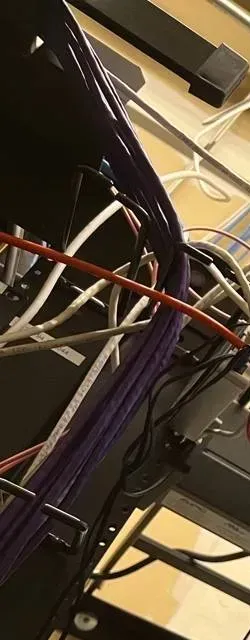
Cobble Hill, Brooklyn door buzzer installation: purple, white and red cable bundles dropping down beside a black equipment rack
A photo from the AESS job library, not taken in Cobble Hill: purple, white and red cable bundles dropping down beside a black equipment rack. A rowhouse has nothing this large, but a courtyard complex or a church conversion often has a small version of it in the cellar, and that is where we start: finding which bundle is the entry system before any panel at the door is touched.

Cobble Hill facts that change how a buzzer is installed

  • Nearly the whole neighborhood is a historic district. The Cobble Hill Association counts 796 buildings in the district. The LPC's guidebook allows one intercom panel and up to two light fixtures per door opening, placed within or beside the opening, and that rule sets the size and spot of most stations we fit here.
  • Visible cable is limited to about ten inches. The same guidebook says conduit must be concealed through plain masonry or wall cladding behind the installation, and where that is impossible staff may approve "a maximum of approximately ten inches of visible conduit," painted to match. Our cable routes are planned around that number.
  • Equipment cannot go through cast iron. The guidebook says equipment must be fixed at mortar joints, plain masonry, wood or metalwork and "must not be attached through cast iron or on any decorative surfaces." On a stoop with cast-iron railings and newels, that rules out a lot of tempting spots.
  • Houses are changing their unit counts. Brownstoner's 2013 report and PincusCo's 2026 sale report both describe rowhouses returning to single-family use. A buzzer here is often redesigned for fewer households, not copied from the old plate.
  • Some houses meet the sidewalk directly. Untapped New York describes the south side of Verandah Place as small brick houses, mostly three stories, "built up to the sidewalk," some built as stables. A door station there sits at shoulder height on the public walk, with no stoop or areaway between it and passers-by.
  • The big complexes have no lobby. Cobble Hill Towers' 188 apartments open off exterior corridors and open stairs around two courtyards. Entry there is a gate and courtyard problem, and the outside panel has to work in weather and across distance.

Where this page applies. It covers Cobble Hill from Atlantic Avenue south to Degraw Street and from Court Street west to the expressway, in ZIP codes 11201 and 11231, including Verandah Place, Strong Place, Warren Place, Cheever Place and the blocks of Henry, Clinton, Hicks, Amity, Pacific, Congress, Warren, Baltic and Kane Streets in between. For the rest of the borough see our door buzzer installation in Brooklyn page, for the neighbors across Court Street and Degraw Street our Boerum Hill and Carroll Gardens pages, and for the whole city our NYC door buzzer installation page.

Repair or Replace in Cobble Hill

Need Repair in Cobble Hill? Buttons Ringing Empty Floors, a Panel Nobody Can Hear, or a Release That Clicks and Stays Shut

Not every Cobble Hill call ends in a new system. Brick Underground's guide to NYC intercom repair sums up the three complaints we hear most: "You can't hear your guest, they can't hear you, or the lobby door isn't unlocking." Pete Carmello of Lock and Tech, a Brooklyn company, told the guide that "a lot of times it's user error," such as a button not held long enough, and Daniel Vasquez of Paragon Security and Locksmith said "it's all in the wire connections," at the door, at each station, at the strike and at the power supply. In a rowhouse that has been renovated two or three times, add a fourth cause: a splice buried behind a new wall by the last contractor, or a pair cut when a floor was combined with the one above it.

If the door will not lock right now, say so when you call (347) 934-8335. A diagnosis is the $250 service call booked online, and the $250 goes toward the repair, or toward a new system if replacing turns out to be the better value. You get both numbers and a straight recommendation. If a part has to be ordered, we leave the door able to lock and open with a key before we go. For a rental building where the intercom is part of an open HPD violation, we give the owner a dated record of what was found and what was done, the record an owner needs when certifying that a condition has been corrected.

What We Install

Door Buzzer Installation Services in Cobble Hill

Every service below is priced from the same Brooklyn door buzzer list. The number of households behind the door sets the size of the system, the door and its frame decide what release it can take, and the landmark rules and the house's own history decide where the cable can go.

Button plates redesigned for today's households

A new station sized to the people who live in the house now, whether that is one family, an owner's triplex with a garden tenant, or three floor-throughs, with blank positions only where a future unit is planned.

Single-family stations for reconverted houses

One button at the doorway whose call rings monitors on several floors and the owners' phones, so a five-story house is answered from the kitchen, the study or the top floor.

Owner-plus-rental set-ups

Separate buttons and releases for an owner's home and a garden or top-floor rental, with the owner's floors kept off the tenant's calls and the tenant's visitors kept off the owner's screens.

Landmark-friendly door stations

Slim, single-panel stations fixed within or beside the door opening at mortar joints or wood, with the cable concealed through plain masonry and any visible run kept to a few inches and painted to match.

Sidewalk-front and carriage-house doors

Flush or low-profile stations for houses with no stoop or areaway, where the doorway meets the public sidewalk and every passer-by is within arm's reach of the button.

Courtyard and gate panels

Weatherproof panels with speakers loud enough to be heard on a street and a microphone that can pick up a visitor over traffic, for buildings entered through a gate or courtyard rather than a lobby.

Strikes, closers and frames

Fail-secure electric strikes in wood and steel frames, closers adjusted or replaced so the door latches after every visitor, and frame repairs a tired 19th-century door needs before a release can hold.

Condo and conversion entry systems

Lobby or entrance panels with a station in every apartment for church and school conversions and newer condominiums, with admin access handed to the board, not left with a former sponsor.

Shop and upstairs-apartment doors

A delivery buzzer at a Court, Smith or Atlantic shop's back or side door, kept on its own system, and a separate small panel for the apartments' street door beside the storefront.

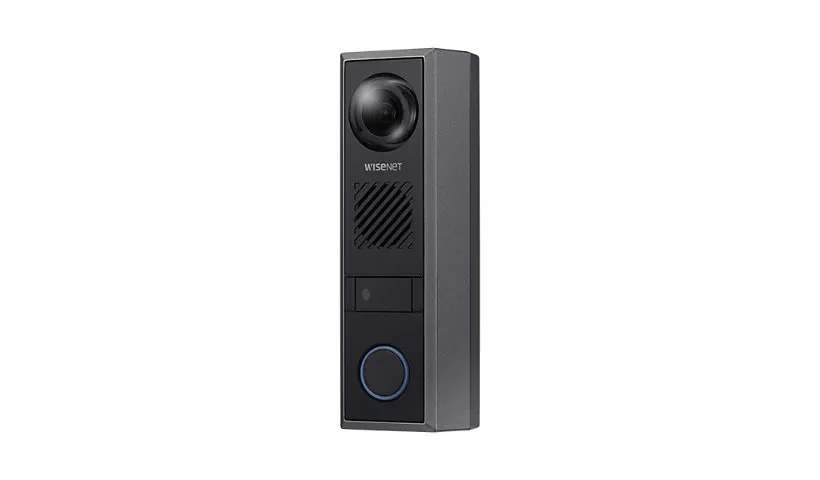
Cobble Hill, Brooklyn door buzzer installation: slim dark grey wired doorbell with a camera lens, speaker slots and a round push button
A photo from the AESS job library, not taken in Cobble Hill: a slim dark grey wired doorbell with a camera lens, speaker slots and a round push button. A station this narrow fits the plain masonry strip beside a Cobble Hill door frame without crossing the brownstone trim, which is exactly where the Landmarks guidebook wants a doorbell to sit: within or next to the door opening, small and discreet.
Building Specialists

Door Buzzer Installation for Cobble Hill's Architecture

Six kinds of property make up nearly every door buzzer job we would quote in Cobble Hill. Each puts the door station, the cable and the stations inside in different places, and each has its own common mistake.

Rowhouses divided into floor-throughs

Three- to five-story Greek Revival, Italianate and brownstone houses with one apartment per floor, a shared stair and a button plate by the parlor-floor door.

Houses returning to one family

Rowhouses being combined back into a single home or an owner's triplex over a garden rental, where the old plate has more buttons than households.

Sidewalk-front houses and former stables

The small brick houses of Verandah Place and similar narrow streets, built to the sidewalk, some converted from stables, with a doorway at street level.

Courtyard complexes on Hicks Street

The Home and Tower Buildings, with apartments off open stairs and exterior corridors around courtyards, and the cottages of Warren Place behind their gate.

Church and school conversions

Former houses of worship and schools turned into condominiums, with tall original doors, deep masonry walls and entry systems left by a developer.

Shops with apartments above

Court Street, Smith Street and Atlantic Avenue buildings with a store at street level and a narrow residential door beside it leading to the floors above.

Rowhouses divided into floor-throughs: the stair is the riser

A floor-through house is the Cobble Hill door buzzer job in its classic form. The street door at the top of the stoop opens into a small vestibule, an inner door opens onto the stair hall, and each floor above has one apartment whose door faces the stair. The button plate sits beside the outer door, and somewhere in the house, usually in the cellar under the stoop or in a closet at the back of the parlor floor, a transformer or power supply feeds a cable that runs up the stair hall wall to each apartment.

In these houses the stair hall is the riser, and that is good news for the owner. A stair hall wall between floors is usually lath and plaster over a framed partition or a chase beside the stringer, and a cable can be fished through it from the cellar to each landing without opening an apartment's walls. Dan Arnold of Academy Mailbox put the general rule plainly to Habitat Magazine in 2017: "If it's sheetrock, you can make a few holes and snake it down to the basement," and with harder walls, "nothing is insurmountable." Plaster takes longer than sheetrock and needs smaller, more careful holes, but the route is the same.

Houses returning to one family: fewer buttons, more places to answer

When a rowhouse goes back to being a single home, the owners usually want the opposite of what the old system did. Instead of four buttons each ringing one floor, they want one button that rings everywhere: a monitor in the kitchen on the garden level, another on the parlor floor, one upstairs near the bedrooms, and the call on both owners' phones. On a five-story house, the difference between hearing the door on the floor you are on and hearing it two floors down is the difference between a delivery left on the stoop and one handed over.

There is often a middle step. Many owners combine the upper floors into a triplex and keep the garden apartment as a rental, or use it as the "guest suite" Brownstoner said was appearing on more floor plans. For that house we fit two buttons: one for the owner's home, ringing a group of stations on its floors, and one for the garden, with its own station and release, and often its own door under the stoop. If the garden may become family space later, its button can simply be added to the owner's group by a setting change, without a new plate.

Sidewalk-front houses and former stables: a doorbell on the public walk

Verandah Place is the clearest example in the neighborhood. Untapped New York's history of the street describes a service alley laid out before the Civil War, about 20 feet wide including its narrow south sidewalk, with a row of small brick houses, mostly three stories, "built up to the sidewalk," and notes that "some of these structures were originally built as stables and later converted to residential use." Cobble Hill Park sits across the street. A house like that has no stoop to lift the doorway above the sidewalk and no areaway between the door and the people walking by.

That changes the station. On a stoop, a door station is out of reach of passing strollers, bags and dogs; on a sidewalk-front house it is at shoulder height on a public walk. We use flush or low-profile stations with metal faces, set them on the hinge side of the door where they are less likely to be brushed by people passing, and choose models whose buttons need a deliberate press. Former stables also often have a wide original opening, sometimes with a smaller door set into a larger pair, and we look at which leaf people actually use before deciding where the release goes.

Courtyard complexes on Hicks Street: the outside panel has to earn its keep

The Cobble Hill Association's history of the Tower and Home Buildings describes model tenements built by Alfred Tredway White, the Home Buildings in 1876 and 1877 on Hicks and Baltic Streets and the Tower Buildings and cottages in 1878 and 1879, with exterior stairs and balconies around large courtyards and stores on the Hicks Street side. They had 218 rental units when built and, after a restoration from 1978 to 1986, 188 apartments. Warren Place, the gated mews of 34 brick cottages between Warren and Baltic Streets described by 6sqft in 2015, belongs to the same family of buildings.

In complexes like these, the panel outside is doing a hard job. A visitor stands at a street gate, the call goes to an apartment that may be across a courtyard and up two flights of an open stair, and the resident has to hear and be heard over Hicks Street traffic. The one tenant review on Openigloo's listing for 439 Hicks Street calls the building's "outside intercom" horrible. We cannot know what failed there, but the usual causes of a bad outside panel are well known to us: a speaker and microphone worn by decades of weather, a panel mounted where wind or traffic noise drowns the visitor, and an old, long cable run that loses signal before it reaches the farthest apartments.

Church and school conversions: tall doors and inherited systems

Cobble Hill has several former houses of worship and schools now used as homes. Wikipedia's entry for the neighborhood notes that St. Peter's church and school on Hicks Street became condominiums and that the Strong Place Baptist Church became apartments. CityRealty lists The Landmark at Strong Place, at 58 Strong Place, as 23 condominium units on four stories, with an elevator, a mail room and a "virtual doorman" among its amenities, and no doorman.

Two things make these buildings different for a buzzer installer. The first is the door. Church doors are tall, heavy and often original, set in deep masonry, and they need a release and a closer chosen for their weight, not for an ordinary rowhouse door. The second is the system itself. A conversion's entry equipment was chosen by the developer, sometimes tied to a remote-attendant service, and when the service contract ends or the board takes over, the board may find it has a panel it cannot program and nobody who knows the passwords. We start those jobs by finding out what the building owns, what still works, and what can be kept.

Shops with apartments above: two doors, two systems

Court Street and Smith Street are Cobble Hill's main shopping streets, and Atlantic Avenue along the northern edge is known for one of the city's largest collections of Middle Eastern shops. Many buildings on those streets have a storefront at street level and a narrow residential door beside it leading to two or three apartments upstairs. The apartments get their own small panel at their own street door, wired up their own stair, with the power supply in the part of the building the owner controls. The shop gets a separate delivery buzzer at its back or side door, answered at the counter or on a phone.

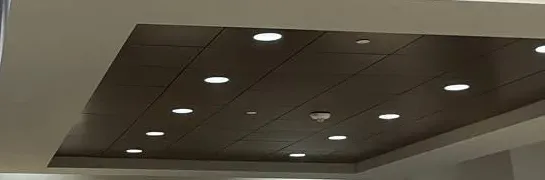
Cobble Hill, Brooklyn door buzzer installation: dark recessed ceiling panel with round downlights and a small round device framed by a lighter ceiling
A photo from the AESS job library, not taken in Cobble Hill: a dark recessed ceiling panel with round downlights and a small round device in a lighter ceiling. A converted church or a newer Cobble Hill condo often has an entrance ceiling like this, and the downlights decide whether the door station's camera sees a visitor's face or a dark outline, so we check the light before fixing where the panel goes.
Field Notes

Field Notes: Read the House's History at Its Doorway Before Pricing Anything

These notes describe how our technicians approach a house in a neighborhood like Cobble Hill. They are our standard practice, not a story about one address.

Count the buttons, then count the people. The first thing a technician does at a rowhouse is compare the button plate with the household count the owner gave us. A plate with more buttons than households means the house has been combined at some point; a plate with fewer means an apartment was added without a button, and someone in the house has been walking downstairs for years. Either way the mismatch tells us where the old wiring may have been cut, extended or abandoned, and where to test first.

Look at what the front can take. Next comes the doorway itself: the door, the transom above it, the frame, the brownstone or brick around it, the stoop ironwork and the areaway. We note where plain masonry and mortar joints are, which surfaces are decorative, where the old button plate's holes already are, and whether there is a path for the cable to go straight back into the house behind the station. In a historic district, that check decides the station's position before any model is chosen.

Follow every pair to its end. Last, the technician finds where the old cable goes. In a house that has been renovated more than once, pairs end in odd places: a handset left in a hall closet, a splice behind a new kitchen wall, a transformer feeding nothing. Each pair is tested and either kept, marked for replacement with its cost in the written price, or disconnected and labeled as dead, so the next person who opens the cellar ceiling knows what they are looking at.

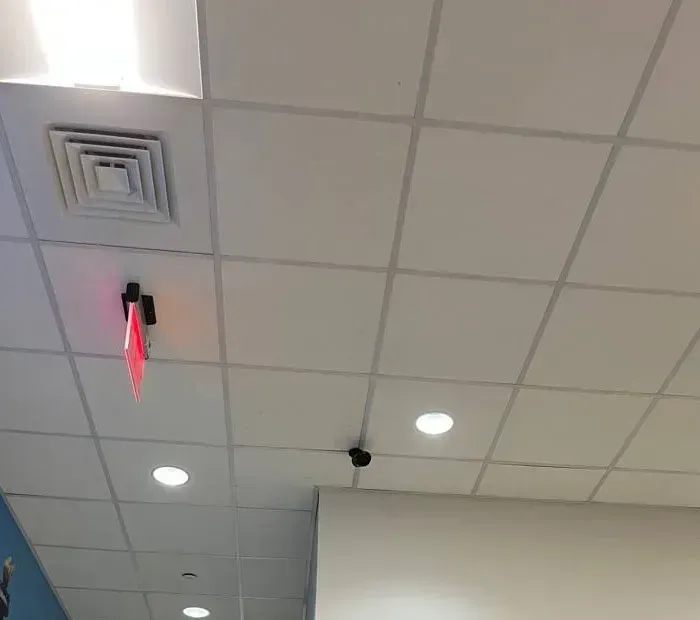
Cobble Hill, Brooklyn door buzzer installation: drop ceiling with a lit red exit sign, an air diffuser, round recessed lights and a small black camera
A photo from the AESS job library, not taken in Cobble Hill: a drop ceiling with a lit red exit sign, an air diffuser, round recessed lights and a small black camera. The medical and office floors around the former hospital campus look more like this than any rowhouse does, and the exit sign marks the kind of door whose way out has to be checked before any lock or release is added to it.
Changing Unit Counts

When a Cobble Hill House Changes Its Number of Homes: Buzzers Through Combining, Dividing and Renting Again

The buzzer is one of the last things anyone thinks about when a rowhouse changes its layout, and one of the first things a visitor touches. Brownstoner's 2013 report on townhouses "coming full circle" described owners taking back floors that had been rented for decades; Cobble Hill's sales since then, including the $16 million single-family conversion PincusCo reported in June 2026, show the same direction. In practice we meet four situations, and each wants a different kind of system.

A full return to one family. The house becomes a single home from the garden to the top floor. The doorway gets one button, and the call rings a group of stations and phones. Because the old cable already reaches every floor, most of the work is inside: monitors where the family spends its time, usually the garden-level kitchen and the parlor floor, a station on the bedroom floor, and phone answering for when nobody is home. The old multi-button plate comes off and the new single-button station goes into the same position or a better one, with the old holes filled and finished by the mason or painter you choose.

An owner's triplex over a garden rental, or under a top-floor rental. This is the commonest middle step. The owner takes two or three floors and keeps one apartment for income or for family. The plate gets two buttons, clearly labeled by floor or letter rather than by name. The owner's button rings the owner's group; the rental button rings only the tenant's station and phone. Each household gets its own release, and the owner's monitors are set so they show the doorway only on the owner's own calls. If the rental has its own door under the stoop, its button can go there instead, and the main door's plate shrinks to one button.

A house kept as several apartments but with one combined. A five-unit house becomes four, or a four-unit house becomes three, because two floors were joined into a duplex. The plate loses a button, the duplex gets stations on both of its floors answering the same button, and the pair that used to serve the absorbed apartment becomes a spare. Owners are often surprised to find that this is mostly a relabeling and rewiring job rather than a new system, as long as the existing equipment is in good order.

Four rules we follow when a house is changing shape

  • Design for the households, not the floors. A button stands for a household that answers its own visitors. A duplex is one household with stations on two floors; a guest suite used by family is part of the owner's group.
  • Never leave a dead button on a landmarked front. A blank position is fine where a future apartment is genuinely planned. A labeled button that rings nothing confuses couriers and invites strangers to press every button.
  • Keep the spare pairs. Old cable that reaches a floor no longer used as a separate home is tested, labeled and left in place. It is the cheapest way to add a monitor, a button or a second household later.
  • Match the system to the legal use when it matters. A house with three or more apartments is a multiple dwelling under state law, with self-closing door rules on its hall doors. We install to the house as it legally stands, and leave room for what the owner tells us is coming.
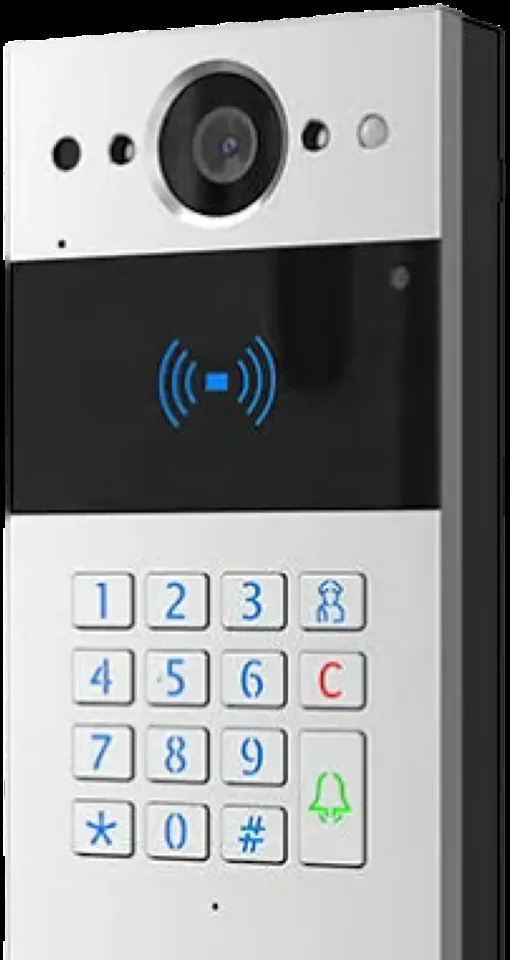
Cobble Hill, Brooklyn door buzzer installation: silver and black keypad door station with a camera lens at the top, a blue card-reader symbol, a numeric keypad and a green bell key
A photo from the AESS job library, not taken in Cobble Hill: a silver and black keypad door station with a camera lens at the top, a blue card-reader symbol, a numeric keypad and a green bell key. On a Cobble Hill house with an owner's triplex and a garden rental, a station like this lets each household come in with its own code, while visitors press the bell key and the call goes to whichever household they choose.
The Doorway Itself

Wood Doors, Transoms, Ironwork and Ten Inches of Conduit: Fitting a Buzzer to a Landmarked Cobble Hill Doorway

The LPC's Permit Guidebook, in its chapter on health and safety equipment, reads almost like a door buzzer installation checklist. Intercom panels and doorbells "must be installed within or adjacent to a door opening." "A maximum of two light fixtures and one intercom panel can be installed per door opening." An intercom "can also be installed on a fence or wall in front of the entranceway." Equipment "must be attached at mortar joints, plain masonry, wood, or metalwork" and "must not be attached through cast iron or on any decorative surfaces," and "most equipment must be as small as possible and painted to blend with surrounding building material." This is how those rules play out on a Cobble Hill doorway, and what we do about each one.

One panel, so it has to do everything. With one intercom panel allowed per door opening, there is no room for the clutter that builds up on unlandmarked doors elsewhere: a doorbell, a separate keypad, a video doorbell stuck beside the old plate and a camera above it all. On a Cobble Hill doorway, the one panel carries every function the household needs: the buttons, the speaker and microphone, a camera if video is wanted, and a keypad or reader if the owner wants one. Choosing that panel is the most important decision on the job, and we make it with the owner, looking at photos of the doorway, before anything is ordered.

Cable through the wall, not across it. The guidebook asks for conduit to be concealed through plain masonry or cladding behind the installation, and allows only about ten inches of visible conduit when that is impossible, painted to match and fixed into mortar joints. In practice, almost every Cobble Hill station we fit has its cable going straight back through the wall behind it into the vestibule or the hall, then down to the cellar inside the house. Nothing runs down the face of the stoop, around the door surround or along the areaway wall.

Cast iron is off limits for fixings. Many stoops here have cast-iron railings and newel posts, and an owner looking for a spot for the button sometimes suggests the newel. The guidebook rules out attaching equipment through cast iron, and in any case a newel is hard to run cable through without damage. Where an owner wants the station at the front of the property rather than at the door, the guidebook's option is a fence or wall in front of the entrance, and we look at whether a plain section of the areaway wall or fence can carry it, with its cable going down inside the areaway rather than across the sidewalk.

Doors and transoms stay as they are. Original wood doors and the glass transoms above them are among the features owners and the Commission most want kept. The LPC's March 2025 hearing materials for 27 Strong Place, a house in the district, show the level of care involved: the front door was to be "rebuilt to match existing," with the transom "to remain" and new period-style hardware chosen for it. Our releases go into the frame, not the door, so the door itself is not cut; cable never runs across a transom; and where a strike would weaken an old frame, we tell the owner before pricing.

Strike, closer and frame: what makes the release work

Nothing upstairs touches the door when someone presses release. The station sends a signal, the power supply energizes a strike in the frame for a few seconds, and the latch is free to pass while the visitor pushes. Everything after that moment depends on parts nobody sees: the strike, the closer at the top of the door and a door that hangs square on its hinges.

For the street door of a Cobble Hill house we fit fail-secure strikes almost every time. Allegion's guide explains the two kinds: "fail safe products are unlocked when power is removed" and "fail secure products are locked when power is removed," and with a strike a person inside can still leave by turning the handle either way. A fail-secure strike keeps the house locked in a power cut, and the household uses its keys. Allegion also notes that "electromagnetic locks are only available fail safe," which, with the building code's sensor-release requirements for electrically locked exit doors, makes a magnetic lock the more expensive and less secure choice for a house.

The closer matters as much as the strike. In a floor-through house with three or more apartments, the street door and hall doors must close and latch on their own, and a release on a door that does not pull itself shut leaves the house open after every visitor. Every installation includes adjusting or replacing the closer and watching the door latch on its own, from a full swing and from halfway, before we leave. On a 19th-century door that has dropped on its hinges, that may mean having the door rehung first; we name that in the written price if it is needed.

The City's Rules

What New York's Intercom Rules Ask of a Cobble Hill Owner, House by House

Cobble Hill has every kind of residential building the law distinguishes: one-family houses, two-family houses, three- and four-unit floor-through houses, larger walk-ups and courtyard complexes, and condominiums. The rules differ by size. Here they are in plain terms, without legal advice.

One- and two-family houses. These are private dwellings, outside the Multiple Dwelling Law. There is no city requirement for an intercom, and every choice, audio or video, one button or two, is the owner's. A house that has gone back to single-family use falls here.

Three to seven apartments. A house with three or more households living independently is a multiple dwelling. Its public-hall doors must be self-closing, apartment doors need the locks the housing code sets, and HPD can and does write violations when they fail. An intercom is not required at this size, but in practice, keeping the street door self-closing and self-locking is half of what a buzzer installation does in a floor-through house.

Eight or more apartments. Under Multiple Dwelling Law §50-a, a Class A multiple dwelling of eight or more apartments built or converted after January 1, 1968 must have a self-locking main entrance door with an intercommunication system that lets tenants talk to visitors and release the door; in older buildings, the owner must install them when tenants of a majority of apartments ask in writing. Church and school conversions and the newer condominiums usually fall under the post-1968 rule; older buildings of that size are covered once a majority of tenants make the written request.

A device in each apartment. Habitat Magazine reported in May 2018 that the city's building code requires buildings of eight or more units to have an intercom letting each unit talk to the main entrance and release the lock, and that the Department of Buildings' code team said wi-fi was not prohibited but that "the requirement is that each unit be provided with such a system." Dan Arnold of Academy Mailbox gave the practical reason: "there needs to be a device in that apartment that allows the babysitter to buzz in emergency personnel." Ira Meister of Matthew Adam Properties told the magazine that "what most of my buildings have done is installed, basically, hybrid systems," meaning a station in each apartment plus a phone option. In covered buildings, that is the arrangement we install.

Commercial Door Buzzer Installation

Business Door Buzzer Installation in Cobble Hill

Cobble Hill's businesses sit on a few streets, and the door requests from each are predictable: a way to answer a delivery door without leaving the counter or the kitchen, a separate street door for the apartments upstairs, and controlled entry for the offices and practices on upper floors.

Court Street

The eastern boundary and one of the two main shopping streets, where long-standing Italian butchers and barbers sit beside newer shops and cafés, many with apartments above, and where the 1922 South Brooklyn Savings bank building now houses a supermarket.

Smith Street

The northern stretch became known as Restaurant Row in the late 1990s and 2000s; restaurants and bars there want early-morning deliveries answered at a side or back door without opening the residents' door.

Atlantic Avenue

The northern edge, with one of the city's largest collections of Middle Eastern shops, plus small offices and apartments over storefronts reached through narrow doors between them.

Hicks Street at the Home Buildings

Stores on the Hicks Street side of the 1870s complexes, where shop doors and the residents' gates sit on the same frontage and must stay on separate systems.

Henry, Hicks, Amity and Pacific Streets

The former hospital campus, where new buildings mix condominiums with medical community facility floors and an attended garage, and where suites need their own controlled doors.

Clinton and Henry Street corners

Corner buildings with a ground-floor practice, studio or shop and homes above, where the business door and the residential door are often on different streets.

For a shop or restaurant, the job is usually a buzzer or video station at the back or side door where suppliers arrive, answered at the counter, in the kitchen or on the owner's phone, with the door kept locked between deliveries. In a restaurant kitchen the station needs a loud chime or a light that staff will notice over the noise; at a shop door that faces a yard or a side street, a vandal-resistant housing. We keep the cable clear of roll-down gate motors and grease ducts, so servicing either never damages the buzzer.

If a shop or building also wants cameras on the entrance, they can go in on the same visit and be priced together with the buzzer; customers who combine the two typically save $200 to $400 in labor.

Rules that apply to Cobble Hill business and building doors

  • Landmarks review covers storefronts too. Much of Cobble Hill, including Court Street buildings such as the 1922 bank, is inside the historic district, and the one-panel-per-opening and concealed-conduit rules apply to a residential door beside a shop as much as to a rowhouse.
  • Electrically locked exit doors. Where a magnetic lock is used instead of a strike, the building code's sensor-release provisions call for a sensor on the egress side, a manual push-to-exit device near the door, and unlocking on loss of power and on fire alarm activation.
  • Accessible reach. The 2010 ADA Standards set the high forward reach at 48 inches maximum and the low forward reach at 15 inches minimum. We keep buttons and keypads on business doors, offices and practices within that range.
  • Smart-access data. In multiple dwellings using fobs or apps, the city's tenant data privacy law sets consent and retention rules, and a tenant cannot be required to use smart access to enter their own apartment.
Cobble Hill, Brooklyn door buzzer installation: bundles of blue low-voltage cable laid over a ceiling beam and a metal pipe in an open ceiling
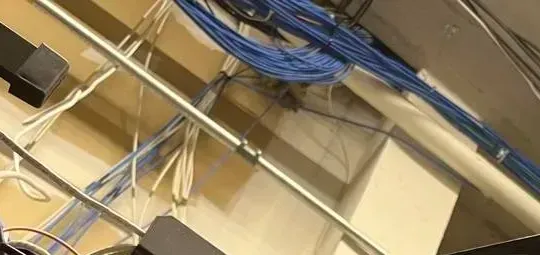
A photo from the AESS job library, not taken in Cobble Hill: bundles of blue low-voltage cable laid over a ceiling beam and a metal pipe in an open ceiling. The cellar under a Court Street shop often looks like this, and it is where the shop's delivery buzzer and the upstairs apartments' entry cable can share a route along the ceiling while staying two separate systems.
Your Questions Answered

Door Buzzer Installation in Cobble Hill: Questions Answered

These are the questions Cobble Hill owners, boards, tenants and shop owners bring to us, together with ones raised in Brownstoner's forum threads on brownstone doorbells and phone intercoms, Habitat Magazine's reporting, Brick Underground's repair guide and tenants' reviews of local buildings, answered for the houses and buildings here.

Houses changing their number of homes

We are turning our four-apartment brownstone back into one home. What happens to the four-button plate by the door?

It comes off, and a single-button station goes in its place. The call from that one button is set to ring a group of stations on the floors where your family actually spends time, typically the garden-level kitchen, the parlor floor and a bedroom floor, and the owners' phones. The house's old cable usually reaches every floor already, so most of the work is choosing where the new monitors go and testing the pairs that will feed them, not opening walls.

On a landmarked front, the new station goes within or beside the door opening, ideally into the old plate's position if that spot is plain masonry or wood. Where the old plate was wider than the new station, the leftover holes are filled and finished to match, by your mason or painter or by arrangement with us, and we tell you which before you order. If you think the top floor may be rented again one day, we leave its old pair tested and labeled in the cellar, so a second button later is a connection rather than a new cable.

Narrow streets and sidewalk-front doors

Our Verandah Place house opens straight onto the sidewalk. How do we keep people walking past from pressing or knocking the station?

Choose a station that sits close to the wall and needs a deliberate press, and put it where people walking by are least likely to brush it. On a street about 20 feet wide with only a narrow sidewalk on one side, as Untapped New York describes Verandah Place, anyone passing your door is within arm's reach of it. Flush or low-profile metal stations, set into a plain masonry strip on the hinge side of the door, survive that far better than a projecting plastic doorbell.

The buttons themselves matter. Stations with a single, firm button, or with a keypad that has to be used on purpose, are pressed far less often by accident than ones with large, light-touch buttons. If late-night presses are a problem, the call can be set to ring only the ground-floor station after a set hour, or to send a phone notification without ringing in the house. We go through those settings with you on installation day.

Our house was built as a stable, and a small door is set into the old carriage doors. Which leaf gets the release?

The one people actually walk through, which is almost always the small door. Untapped New York notes that some houses on Verandah Place were built as stables and later made into homes, and in houses like that the original wide opening often survives as a pair of large doors with a smaller door set into one of them. The large doors may open only for moving furniture, if at all, and they should stay on their own bolts and locks.

Fitting a release to a door within a door needs care. The small door's frame is part of the larger leaf, so the strike has to go into wood that is solid enough to hold it, and the cable has to reach that leaf through a flexible loop at the hinge so it is not torn the day the big doors are opened. Where the small door's frame is too thin for a strike, the honest answer may be a release on an inner door just behind it, and we show you both options with photos before pricing.

Courtyards, gates and open stairs

Tenants in our courtyard building say they can never hear visitors at the outside panel. What actually makes an outdoor intercom sound bad?

Usually one of three things, and often all of them. The speaker and microphone in an outdoor panel wear out from years of rain, heat and cold, and a panel that sounded fine when it was new can become muffled or crackling. The panel's position can be wrong: facing a busy street, set back in a gateway where the wind whistles, or so high that visitors speak past the microphone. And in a building where apartments are spread across a courtyard and up several stairs, a long run of old cable can lose so much signal that the farthest apartments hear only noise.

When the Home Buildings' tenant review on Openigloo calls the "outside intercom" horrible, it is describing a problem we see in many older complexes. We test the panel, the cable to the nearest and the farthest apartment, and the power supply, and tell the owner or board which of those is the cause. Sometimes a new weatherproof panel with a noise-reducing microphone fixes it on the existing cable. Where the cable is the problem, the written price says so, with the cost of replacing or bypassing the worst runs.

Our apartment is up an open-air stair across the courtyard from the street gate. Is there a limit to how far the panel can be from our door?

There is a practical limit for each kind of system, but distances in Cobble Hill's courtyard buildings are well within what good equipment handles. Two-wire multi-tenant systems are designed to carry voice and video over long runs in large buildings; networked systems can go further still, over network cable or the building's own network. What limits a real installation is usually the condition of the cable that already exists between the gate and your stair, and how many splices it passes through along the way.

The other question in an open-air layout is where your own station goes. With no interior corridor, the station has to be inside your apartment, near where you will hear it, and its cable has to enter your apartment without running along the open gallery. We plan that entry point with the board and with you, so the cable is hidden and protected from weather.

Doorway details in the historic district

Does the Cobble Hill Association have to approve a new door station?

No. The Cobble Hill Association is a neighborhood group: its own history says it helped add the district to the National Register of Historic Places in 1976, and it publishes guidance on what landmarking means. The body that approves work on the outside of a landmarked building is the Landmarks Preservation Commission. Whether your door station needs an LPC permit, and what kind, depends on the work, and the guidebook sets out what staff can approve.

That said, the Association's guidance is a useful reminder of how seriously the district's rules are taken. Its article on landmarking notes that alterations other than interior changes generally need the Commission's pre-approval. We give you photos of the doorway, the station's dimensions and finish, its exact mounting position and the cable route, which is the information an application or a staff review needs, and we schedule the installation once any required approval is in hand.

The Association reminds owners that even sidewalk work needs a permit. Will a buzzer job touch our bluestone sidewalk?

It should not. The Association's landmarking article says that "even updating the stone on the sidewalk in front of your home requires a permit," and a door buzzer has no reason to go anywhere near the sidewalk. The station is at the door, the cable goes back into the house through the wall behind it, and the power supply is in the cellar or a closet. There is no trench, no conduit under the flags and nothing fixed to the curb.

The one case where a buzzer comes close to the sidewalk is when the station is mounted on the areaway fence or wall at the front of the property, which the guidebook allows. Even then, the cable goes down inside the areaway and into the house below the stoop, not across or under the sidewalk. If a station at the fence would need cable under the sidewalk to reach the house, we recommend keeping it at the door instead.

Owners, tenants and the details that decide the price

Our tenants still toss the key out the window when a friend arrives. Is a buzzer really better than that habit?

For security, almost always. A Brownstoner forum reply in 2007 described tossing the key out of the window as common practice in some Brooklyn neighborhoods, and it still happens in houses whose buzzer died years ago. A key thrown to the sidewalk can be caught by anyone, lost down an areaway grate or kept by a visitor who forgets to return it, and replacing locks after a lost key costs more than many buzzer repairs.

A working buzzer gives each tenant a way to see or hear who is at the door and let them in without the key ever leaving the apartment. For a floor-through house where every apartment's buzzer is dead, the audio range on our list, $400 to $900, usually covers a new station, a talk-back station per apartment and a release on the street door, which owners often find cheaper than the next round of lock changes.

A tenant does not want the door to ring her cellphone while she is at work. Can her apartment answer only inside?

Yes, as long as the building has a station in each apartment. A Brownstoner thread from 2010 records the complaint well: a tenant whose landlord was installing a phone-dialing intercom objected that it would force them into "having our cellphones called every time somebody rings our apartment." On the systems we install in multi-unit houses, each apartment has its own indoor station, and phone answering is an option each household can turn on or leave off.

This is also why we fit indoor stations in buildings of eight or more apartments even when residents like their phones. As Habitat Magazine reported, the Department of Buildings' view is that each unit must be provided with an intercom, and a device in the apartment is what lets a babysitter or a guest let emergency responders in. Phone answering then becomes an extra for those who want it, not a requirement for everyone.

Why can a four-apartment brownstone cost more than an eight-apartment walk-up?

Because in a brownstone the expensive part is often the doorway and the walls, not the number of stations. A purpose-built walk-up of the 1920s may have a straight riser, a lobby with plain plaster walls and a steel-framed street door that takes a strike easily. A 19th-century rowhouse in the historic district may have a carved brownstone surround, an original wood door with a frame that needs repair before it can hold a strike, a cable path that has to be fished through plaster and around old moldings, and a station that must be small and fixed only at plain masonry.

On our Brooklyn list, a four-apartment house with audio stations often still lands in the $400 to $900 audio range, and with video in the $700 to $1,800 range, while a walk-up starts from about $2,500. But a rowhouse at the top of its range and a simple walk-up near the bottom of its range can be closer than owners expect. The written price after the walkthrough shows exactly where the money goes.
Equipment

Types of Door Buzzer Systems We Install

We quote a reliable non-branded system by default and install a named brand when an owner asks for one; the intercom brands we work with include Aiphone, ButterflyMX, 2N, Akuvox, Comelit and DoorBird. These are the kinds of equipment that suit Cobble Hill's rowhouses, courtyard buildings, conversions and shopfronts.

Slim single-panel door stations

Narrow audio or video stations that carry buttons, speaker, camera and keypad in one housing, for doorways where only one intercom panel is allowed.

Group-call stations for single homes

One button whose call rings monitors on several floors and the owners' phones, with station-to-station calls inside a tall house.

Two-wire systems over old cable

Systems that carry voice, video, power and the release over one tested pair, so the cable already in a floor-through's stair hall can be reused.

Weatherproof gate and courtyard panels

Outdoor panels with noise-reducing microphones and loud speakers for buildings entered through a gate, with directories for many apartments.

Apartment stations and monitors

Audio handsets, hands-free stations and video monitors for each household, with phone answering as an option rather than the only way to answer.

Strikes, closers and power

Fail-secure electric strikes for wood and steel frames, closers set so the door latches after every release, and power supplies with battery backup where wanted.

Audio, two-wire video or a cloud panel: which fits a Cobble Hill doorway?

The right choice depends on who lives behind the door and what the doorway can carry. The table compares the three arrangements we install most often here.

What mattersAudio buzzer with talk-backTwo-wire video systemCloud or app panel
Typical Cobble Hill fitFloor-through rentals where tenants want a simple stationSingle homes, owner triplexes and small condosLarger condos and buildings with a managing agent
Station on the doorwaySmallest; easiest to keep discreetSlim with a cameraOften larger, with a screen
Uses the old cableUsually, if pairs test soundUsually, over one tested pairNeeds network or cellular at the door
Station inside each homeYesYes, with phone answering optionalOptional; we add one where the law calls for it
Monthly feeNoneNone on most systemsOften per unit or per door
Brooklyn list range$400–$900$700–$1,800From about $2,500 for a building

ADT, Ring and SimpliSafe compared with a local installer for a Cobble Hill house

Many Cobble Hill homes already have a Ring doorbell or an alarm plan from ADT or SimpliSafe, and owners fairly ask whether that covers the front door. On a single-family house, a consumer video doorbell can, and we will install and properly power one you already own. Where those products fall short here is the house with more than one household and the landmarked doorway: a consumer doorbell rings one account, gives a tenant no button or station of their own, does not release a street door on its own, and adds a second device to a doorway where the guidebook allows one intercom panel. National alarm companies sell doorbells inside monitoring plans; the buzzer systems we install are owned outright, with no plan required.

Cobble Hill, Brooklyn door buzzer installation: small black camera mounted high on a pale wall casting two shadows, with a small white wall device below
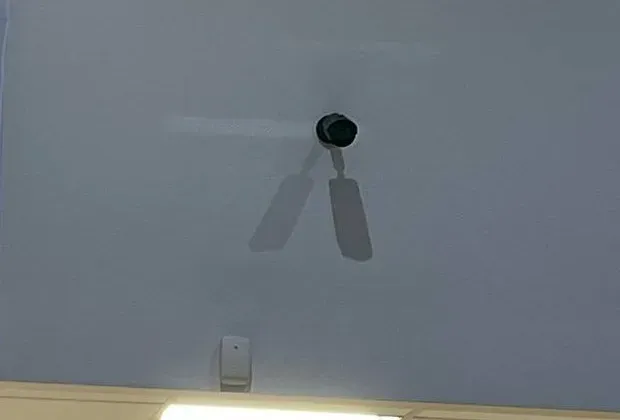
A photo from the AESS job library, not taken in Cobble Hill: a small black camera mounted high on a pale wall, casting two shadows, with a small white wall device below it. Inside the vestibule of a Cobble Hill floor-through house, a camera placed high like this can watch the inner door and the stair, out of sight from the street, while the door station's own camera covers the stoop.
AI Overview Reality Check

What AI Gets Wrong About Door Buzzer Installation in Cobble Hill

These claims turn up in generic online answers, in national cost guides such as HomeAdvisor and Angi, and in vendor blogs. Each is quoted or paraphrased, then checked against Cobble Hill's houses, the Landmarks rules and what installers have told the trade press.

"An intercom costs between $1,500 and $15,000"

HomeAdvisor gives that range for intercom installation, with hard-wired systems at $1,000 to $15,000 and wireless at $150 to $1,500.

The range is so wide because it mixes room-to-room home intercoms, apartment entry systems and large commercial jobs. A Cobble Hill floor-through house with three or four households and sound cable usually sits on our Brooklyn list between $400 and $1,800, depending on audio or video; a courtyard building or condo starts from about $2,500.

The useful number for an owner is the one for their own doorway, and that comes from a walkthrough and a written price, not a national band.

"Smartphone buzzer systems cost $5,000 to $7,000 to install"

Habitat Magazine reported that figure in 2017 for a ButterflyMX installation, plus a monthly charge of $2.50 per unit, in its article on smartphone-era buzzers.

That was a building-scale system in a co-op or condo. A Cobble Hill rowhouse that wants to answer the door on its owners' phones does not need a building platform: a two-wire video system with an app option sits in our $700 to $1,800 video range and usually has no monthly fee.

The building-scale figure is relevant to the conversions and condos here, and we price those against it honestly, including the monthly cost over several years.

"A wi-fi intercom meets the law in any NYC building"

Vendor pages often suggest that an app on residents' phones is all a building needs.

Habitat Magazine's 2018 report found the Department of Buildings' code team saying wi-fi was not prohibited but that "the requirement is that each unit be provided with such a system," which in buildings of eight or more units points to a device in every apartment. Installers interviewed favored hybrid systems with apartment stations and a phone option.

For Cobble Hill's larger conversions and courtyard buildings, that is the safer design, and it also serves residents who do not want their phones ringing for every visitor.

"You can't put a modern intercom on a landmarked house"

Owners in historic districts are sometimes told that only the old bell plate is allowed.

The LPC's Permit Guidebook says otherwise: it allows one intercom panel per door opening, within or beside the opening, as small as possible and finished to blend in, with the cable concealed and only about ten inches of conduit visible where concealment is impossible. Nothing in that rules out video, a keypad or phone answering.

The limit is on clutter and damage, not on technology. A single slim station with a camera often looks quieter on a Cobble Hill doorway than the old plate it replaces.

"Old intercom wiring always has to be replaced"

Many generic answers assume a new system means new cable throughout.

Daniel Vasquez of Paragon Security and Locksmith told Brick Underground that problems are usually in the connections at the base, the apartment panel, the strike or the power supply, and that even older Lee Dan systems have core wiring that is typically fine. Modern two-wire systems are built to reuse a sound pair.

In Cobble Hill's floor-through houses, the stair-hall cable is often reusable. We test every pair first, and name in writing any pair that might fail, with its replacement cost, before you order.

"If the buzzer stops working, the equipment is broken"

Owners and tenants reasonably assume a dead buzzer means a dead system.

Pete Carmello of Lock and Tech, a Brooklyn company, told Brick Underground that "a lot of times it's user error," such as not pressing a button hard enough or long enough, and the guide suggests cleaning sticky buttons. In houses that have been renovated, a cut or loose splice is the next most common cause.

Before quoting a new system for a house whose buzzer has failed, we check the simple causes. The $250 service call booked online goes toward whatever the fix turns out to be.

"Per-unit software fees are a small extra"

Swiftlane's cost guide puts cloud entry subscriptions at $5 to $15 per unit per month, or $30 to $100 per door per month.

For a 188-apartment complex with a managing agent, remote management may be worth it. For a Cobble Hill house with three floor-throughs, $5 to $15 per unit is $15 to $45 a month, every month, for a front door that a wired system answers for nothing.

We show wired and cloud options side by side when asked, with five- and ten-year totals next to the installed price, and most houses here choose a system with no subscription.

Not Sure How Many Buttons Your Cobble Hill House Should Have Now? Ask a Tech

Tell us how many households live behind the door today and whether that is changing, and send a photo of the doorway and the old plate. Call now at (347) 934-8335, send a fast quote request, or speak to a tech on WhatsApp. Estimates are booked within two hours of your request during working hours.

Get In Touch

Request a Free Quote

Tell us the street, the kind of house or building, how many households use the door now and whether that is changing, whether the house is in the historic district, and what is by the door today. A technician calls back with the range for the Cobble Hill address, or you can call (347) 934-8335 right now.

✅
Request Sent!
Thank you. A technician will call you about the Cobble Hill address, usually within two hours during working hours.
How It Works

Our Installation Process

1. Photos and the unit history

Send the doorway, the frame, the old button plate and where its wire ends, with the street, how many households use the door today and whether that number is changing.

2. Weekday walkthrough

A technician checks how the door closes and latches, counts the old buttons and tests every pair, looks at the transom, ironwork and areaway, and traces a cable route to each floor.

3. Written scope and price

Equipment, mounting spot within or beside the opening, cable route, door and strike work and every possible add-on, with the total price in writing before anything is ordered.

4. Door and power first

The door is made to close and latch on its own, the strike goes into a sound frame, and the power supply goes on an owner-controlled circuit, with an electrician for any 120-volt work.

5. Cable and stations

Cable runs inside the house from the cellar or a closet chase to the door station and each household's station, through plain masonry at the front, labeled at both ends.

6. Test from the sidewalk

Every button is rung from outside, every station talks and releases, phone answering is checked, and the door is watched latching after each release, with a dated test record.

7. Hand-over and photo record

The owner gets admin access, the wiring note, the test record and before-and-after photos of the doorway, and each household is shown how to answer and release the door.

Cobble Hill, Brooklyn door buzzer installation: tiled corridor with white walls and small wall plates ending at a grey steel door with a lever handle under a drop ceiling with a small camera
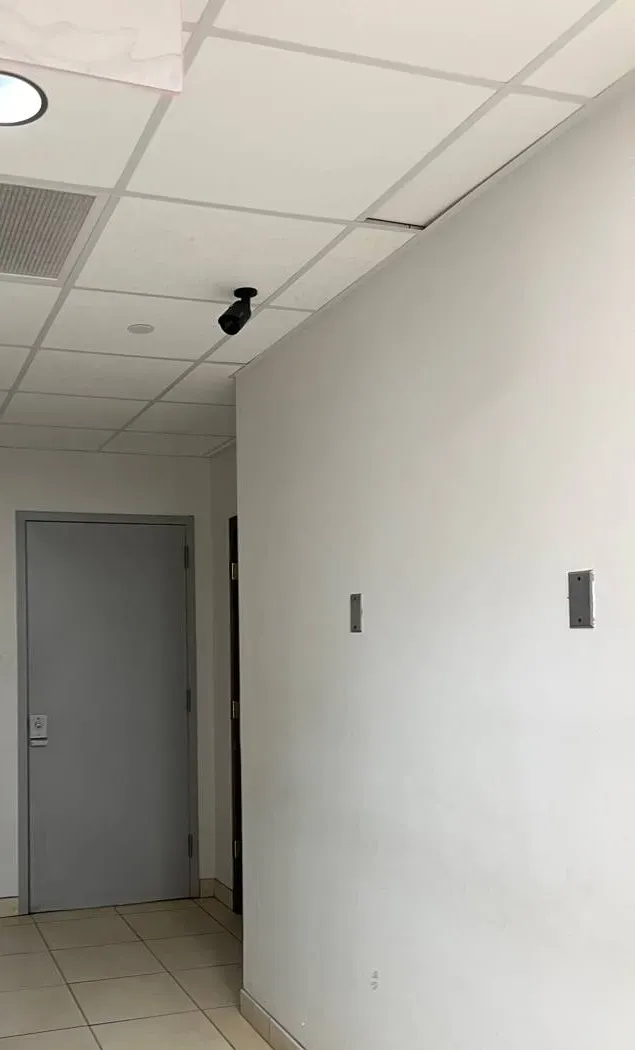
A photo from the AESS job library, not taken in Cobble Hill: a tiled corridor with white walls and small wall plates ending at a grey steel door with a lever handle, under a drop ceiling with a small camera. The service corridor behind a Court Street shop or under a newer condo often ends at a steel door like this, and step four applies to it as much as to a brownstone's front door: it must close and latch on its own before any release is wired to it.
Coverage Area

Door Buzzer Installation Near Cobble Hill's Landmarks

Verandah Place

A pre-Civil War service alley about 20 feet wide whose south side is a row of small brick houses built to the sidewalk, some of them former stables.

Cobble Hill Park

The park on Clinton Street between Verandah Place and Congress Street, opened in July 1965 after neighbors persuaded the city to buy the land, and rebuilt in 1989.

The Home Buildings

Alfred Tredway White's 1876–77 model tenements at Hicks and Baltic Streets, with exterior stairs, a large courtyard and stores on the Hicks Street side.

The Landmark at Strong Place

A former Baptist church by Minard Lafever at 58 Strong Place, now 23 condominiums on four stories.

130 Court Street

The 1922 South Brooklyn Savings Institution building, inside the historic district, now home to a supermarket on Court Street.

Bergen Street station

The F and G stop on Smith Street, a short walk east of Court Street, with the B57, B61 and B63 buses serving the neighborhood.

We also serve Brooklyn Heights, Boerum Hill, Carroll Gardens and the Columbia Street Waterfront at the same Brooklyn rate. See our door buzzer installation in Brooklyn page for the whole borough, or nearby pages such as Cadman Plaza door buzzer installation.

Pricing

Door Buzzer Installation Cost in Cobble Hill

Cobble Hill is billed at our Brooklyn rate, with no travel premium. The ranges below are installed prices covering equipment, power, any strike or release, cable and labor. Where a job lands inside its range depends on the door and frame, the cable route, the number of households, the landmark constraints at the doorway and the choice of audio, video or phone answering. The figure for your door is set in writing after the walkthrough, with any possible add-on named and priced before you order.

ItemBrooklyn priceTypical Cobble Hill job
Audio / small system$400–$900Floor-through house with two to four households, slim audio station at the doorway, talk-back station per apartment, strike and closer
Video / mid-size system$700–$1,800Single-family or owner-triplex house with a video station, monitors on several floors and phone answering, or a small condo of a few units
Multi-unit building$2,500–$10k+Courtyard or walk-up building, church conversion or condo with an entrance panel, a station in every apartment and battery-backed power
Service call booked online$250Diagnosis of an existing system; applied toward the work

What usually moves a Cobble Hill job toward the top of its range: a door or frame that needs repair before a strike can hold, a carved surround that leaves only a small plain spot for the station, a cable path through plaster and around moldings, a house being redesigned for a different number of households, and video for every household. What keeps it toward the bottom: stair-hall cable that tests sound, a door that already closes and latches, a single family on one group call, and audio stations or phone answering instead of monitors.

Full terms — including 50% deposit, one-year parts-only warranty on AESS-supplied products, and the late-fee schedule — are set out in the service agreement.
Cobble Hill, Brooklyn door buzzer installation: black-and-white night camera view of a cluttered room with an open doorway into a dark back room
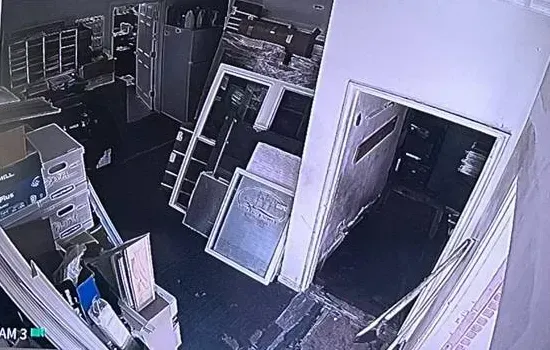
A photo from the AESS job library, not taken in Cobble Hill: a black-and-white night camera view of a cluttered room with an open doorway into a dark back room. A storeroom like this behind a Smith Street restaurant or an Atlantic Avenue shop is usually where the delivery door is, which is why owners often price a camera on that door together with the back-door buzzer.

Find Out Which Range Your Cobble Hill Doorway Falls In

Send three photos, the doorway from the sidewalk, the frame and latch close up, and the old plate, with a note of how many households live there now. We tell you which range fits and what would move it. Call (347) 934-8335, speak to a tech on WhatsApp, or use the fast quote form.

Shop Our Systems

Door Buzzer Installation Packages & Pricing

Three typical Cobble Hill jobs, each priced inside the matching range on our Brooklyn list. The exact figure comes from the walkthrough.

Floor-through house, a button per apartment: $400–$900

A slim audio station with one button per household within or beside the door opening, a talk-back station and release in each apartment, a fail-secure strike in a sound frame, the closer adjusted and power on the owner's circuit.

Reconverted house, video on every floor: $700–$1,800

A single-button or two-button video station replacing the old plate, monitors on the floors the family uses, phone answering, station-to-station calls and the old pairs tested, labeled and kept as spares.

Courtyard, condo or conversion: from about $2,500

A weatherproof entrance panel with a directory, cable tested to the farthest apartment or replaced, a station in every unit, strike, closer and battery-backed power, with admin access handed to the board.

Bring your own equipment. If you have already bought a door station, video doorbell or intercom kit, we can install it as long as it suits the door, the number of households and the doorway's landmark limits. Labor for customer-supplied equipment is quoted flat at the walkthrough, and any strike, closer, power supply and cable are priced from the same list. Customer-supplied equipment carries the manufacturer's warranty rather than ours, so we check the model with you before you book.

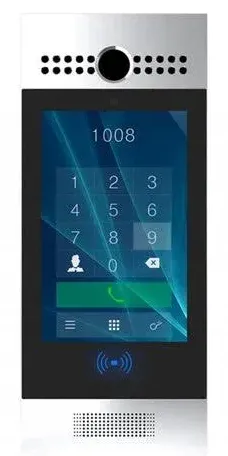
Cobble Hill, Brooklyn door buzzer installation: touchscreen entry panel showing a dial pad with a four-digit apartment code entered, a camera above and a card-reader symbol below
A photo from the AESS job library, not taken in Cobble Hill: a touchscreen entry panel showing a dial pad with a four-digit apartment code entered, a camera above and a card-reader symbol below. A panel like this is far more than a rowhouse needs, but it suits the gate of a Cobble Hill courtyard complex, where visitors dial an apartment code instead of hunting through a long column of buttons.
Complete Services

Every Door Buzzer Service in Cobble Hill

Rowhouses and reconversions

Plates redesigned for today's households. Request a quote

Courtyards, condos and shops

Entrance panels, strikes and closers. Call (347) 934-8335

Across Brooklyn

The same list in every neighborhood. Brooklyn door buzzer installation

Next door in Boerum Hill

Rowhouses east of Court Street. Boerum Hill door buzzer installation

FAQ

Cobble Hill Door Buzzer Installation FAQ

Do you photograph the doorway before and after the work?
+

Yes. We photograph the doorway, the old plate, the frame and the cable entry before we start and again when the station is in. The photos go to the owner with the test record. In a historic district they are useful for your own files, for any Landmarks review and for the next owner, because they show exactly what was changed at the front of the house.

Can the hall light come on when the door is released at night?
+

On many systems, yes. A spare output on the door station or power supply can switch a relay that turns on the vestibule or stair light for a set time when the door is released. The light itself is on a 120-volt circuit, so a licensed electrician connects that side, and we name it in the written price if you want it.

Can we hear the door while we are out in the back garden?
+

Yes, in two ways. Phone answering lets the call reach you anywhere in the garden, and on many systems an outdoor chime or a station by the garden door can be added on the same cable as the rest of the house. In a deep Cobble Hill rowhouse, where the garden is two rooms and a wall away from the front door, owners use this more than they expect.

If only a babysitter is home and she has no app, how does she let emergency responders in?
+

From the indoor station. That is the main reason we fit a station inside each home even when the family answers mostly on their phones. Anyone in the apartment can see or hear the visitor and press release without an account or a password, which matters most in an emergency.

Will a new door buzzer interfere with our Wi-Fi or our speakers?
+

No. A wired buzzer runs on its own low-voltage cable and does not use your Wi-Fi at all. A system with phone answering uses your network only to reach the app, with very little traffic. We keep the buzzer cable away from speaker wire and power cables in the walls, so there is no hum on either.

Will the door still ring our phones when we are traveling abroad?
+

Yes, on systems with phone answering, as long as your phone has a data connection where you are. The call arrives in the app the same way it does at home, and you can see, speak to and release the door for a visitor. Owners who travel often set the app to ring only one person, so the whole family is not woken in another time zone.

Our building has a sidewalk shed up for facade work. Can the door station still be installed?
+

Usually it is better to wait until the facade work around the doorway is finished. A station installed under a shed is exposed to dust, debris and accidental damage, and the masonry it is fixed to may still be repointed or replaced. We can run and test the cable inside the building while the shed is up and fit the station once the front is done.

Can the outside speaker be set quieter for a residential block at night?
+

Yes. Most stations have an adjustable speaker volume, and some can lower it automatically at night. We set it on installation day so the visitor hears clearly at the doorway without the conversation carrying up the street or into the neighbors' windows.

Does a new door buzzer change our homeowners insurance?
+

That is a question for your insurer, and we do not advise on policies. What we can give you is a dated invoice and an equipment list showing what was installed and where, which is what an insurer or broker usually asks to see if they want to know about entry security.

Can the station be installed if our front door is being restored by a carpenter?
+

Yes, and it goes best in a set order. The carpenter finishes the door and frame first, then we fit the strike and closer and mount the station. If the carpenter is still working, we can run the cable inside the house ahead of time and leave its end safely at the doorway, so the final visit takes only a few hours.

More Door Buzzer Installation near Cobble Hill

Door Buzzer Installation Brooklyn NY | Brownstones & Condos · Door Buzzer Installation NYC | Apartment & Building Entry · Door Buzzer Installation Manhattan NY | Apartments & Co-ops · Door Buzzer Installation Queens NY | Co-ops & Apartments · Door Buzzer Installation Bronx NY | Co-ops & Apartments · Door Buzzer Installation Staten Island NY | Homes & Apts · Door Buzzer Installation Long Island NY | Nassau & Suffolk · Door Buzzer Installation Hudson Valley NY | Apartments · Door Buzzer Installation Nassau County NY | Homes & Co-ops · Door Buzzer Installation Suffolk County NY | Homes · Door Buzzer Installation Westchester County NY | Co-ops · Door Buzzer Installation Rockland County NY | Homes & Apts · Door Buzzer Installation Orange County NY | Homes & Farms · Door Buzzer Installation Putnam County NY | Lake Homes · Door Buzzer Installation Dutchess County NY | Homes · Door Buzzer Installation Ulster County NY | Kingston

Door Buzzer Installation Bath Beach Brooklyn NY · Door Buzzer Installation Bay Ridge Brooklyn NY · Door Buzzer Installation Bedford-Stuyvesant Brooklyn NY · Door Buzzer Installation Bensonhurst Brooklyn NY · Door Buzzer Installation Bergen Beach Brooklyn NY · Door Buzzer Installation Beverley Square Brooklyn NY · Door Buzzer Installation Boerum Hill Brooklyn NY · Door Buzzer Installation Brooklyn Navy Yard, Brooklyn NY · Door Buzzer Installation Brooklyn NY | Brownstones & Condos · Door Buzzer Installation Brownsville Brooklyn NY · Door Buzzer Installation Bushwick Brooklyn NY · Door Buzzer Installation Cadman Plaza Brooklyn NY · Door Buzzer Installation Canarsie Brooklyn NY · Door Buzzer Installation Carroll Gardens Brooklyn NY · Door Buzzer Installation City Line Brooklyn NY · Door Buzzer Installation Clinton Hill Brooklyn NY · Door Buzzer Installation Coney Island Brooklyn NY

Other services in Cobble Hill

Intercom Installation Cobble Hill Brooklyn NY · Cobble Hill Access Control Installation | Brooklyn NY · Sonos Installation Cobble Hill Brooklyn NY | Rowhouses · Door Buzzer Repair Cobble Hill Brooklyn NY · Structured Cabling Installation Cobble Hill Brooklyn NY · TV Installation Cobble Hill Brooklyn · Security Camera Installation Cobble Hill, Brooklyn NY · Alarm Installation Cobble Hill Brooklyn NY · Fire Alarm Installation Cobble Hill Brooklyn NY

Ready for a Cobble Hill Doorway With the Right Number of Buttons and a Door That Latches Every Time?

Send a photo of the doorway from the sidewalk, the frame and latch, and the old plate, with your street and how many households live in the house now, and we will tell you what the door needs and where it sits on the Brooklyn list. Call or text (347) 934-8335, message us on WhatsApp, or use the request form. Licensed under NYS license #12000287431, rated 4.7★ across 201 Google Reviews, owner-operated since 2002.