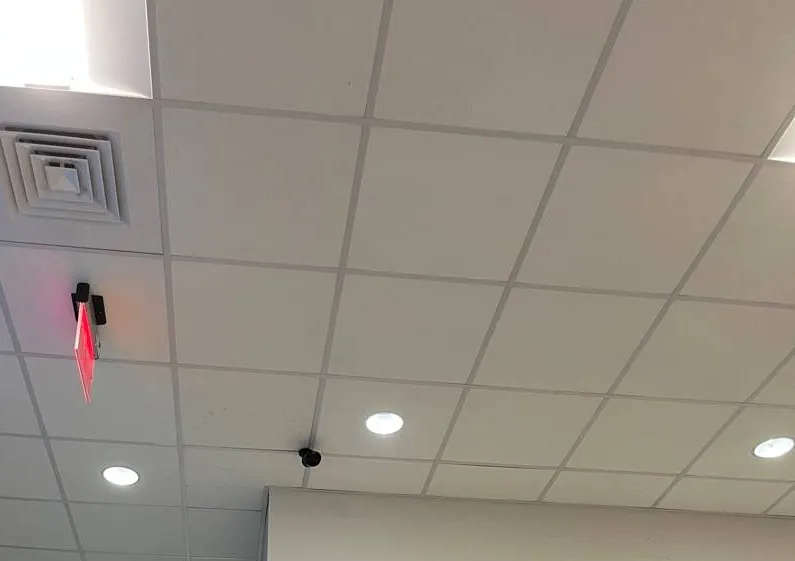
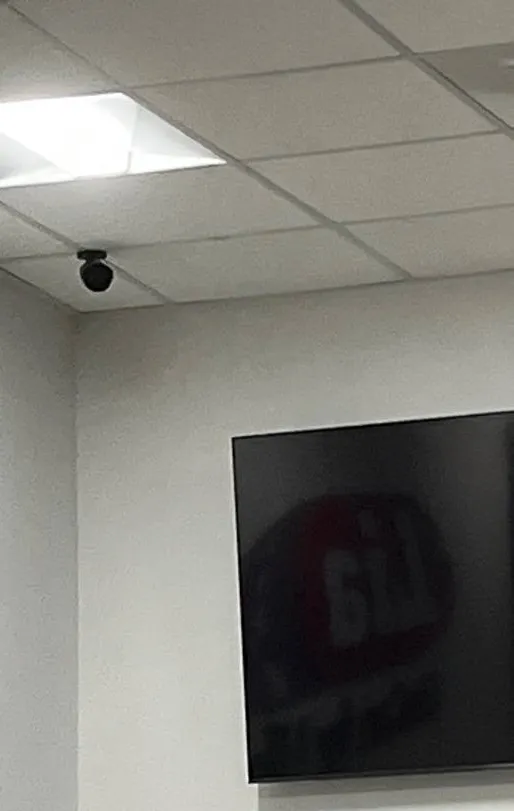
Envelope-First Design · No Outdoor Motion Where Neighbours Walk · Quiet Courtyard Etiquette · Brooklyn Base Pricing
A lot of Cobble Hill living happens on ground that is not quite private and not quite public. Thirty-four cottages on Warren Place look onto one gated garden. The Tower and Home Buildings on Hicks Street put apartment doors on open balconies above shared courtyards. Verandah Place is a twenty-foot lane of former stables facing a park, and the rowhouse blocks back onto a ring of gardens that touch each other. In places like that, neighbours legitimately pass your windows all day, so an alarm built around outdoor motion or a camera that shouts at everyone fails within a month. We design from the walls inward instead: every door and reachable window on its own contact, glass-break where the glass is large, interior detection that only a person inside the home can trip, and alerts that reach you before they reach the whole courtyard. The same thinking carries to the new River Park condominiums on the old hospital site and to the shops on Court Street, Smith Street and Atlantic Avenue.
Reviewed and updated October 21, 2026: Wikipedia and Landmarks Preservation Commission material on the Cobble Hill Historic District (1969, extended 1988), 6sqft and Cobble Hill Association histories of Warren Place and the Tower and Home Buildings, Untapped Cities on Verandah Place, Brooklyn Paper, Commercial Observer and Red Hook Star-Revue reporting on the River Park redevelopment of the Long Island College Hospital site, DNAinfo and Brooklyn Paper 76th Precinct burglary reports, and New York State Department of State installer licensing guidance · Abstract Enterprises Security Systems, NYS license #12000287431 · dispatched from our Brooklyn office on Troy Avenue

Start with a sketch of what your windows look at. Before a technician comes, stand at each door and window and note what is on the other side: the street, a lane, a shared garden, a neighbour's yard, an open balcony, a light well or a construction site. Text us that list with a few photos, your street and the nearest cross street, to (347) 934-8335. In Cobble Hill that one list tells us more than a floor plan does, because the side of the home that faces shared ground is where an alarm has to be cleverest about telling a neighbour from an intruder.
Cobble Hill is about forty blocks of northwest Brooklyn. Atlantic Avenue bounds it on the north and Court Street on the east, Degraw Street closes it on the south, and the trench of the BrooklynβQueens Expressway marks the west, with some definitions adding a rectangle running east to Hoyt Street between Wyckoff and Degraw. Brooklyn Heights sits across Atlantic, Boerum Hill across Court, Carroll Gardens below Degraw and the Columbia Street Waterfront beyond the highway. The neighbourhood is in Community District 6, carries the 11201 and 11231 ZIP codes and is policed from the 76th Precinct station at 191 Union Street. Its name was only adopted in 1959, borrowed from a hill that once stood near the corner of Atlantic Avenue and Court Street and was levelled long ago.
The houses came quickly once the City of Brooklyn grew south of Atlantic Avenue in 1834 and the South Ferry began running to Whitehall Street in 1836. Rowhouses went up from about 1835, and the transformation was nearly complete by 1860. The Landmarks Preservation Commission designated the Cobble Hill Historic District on December 20, 1969 (its designation report carries the date December 30), covering about twenty-two blocks between Atlantic, Court, Degraw and Hicks, and extended it on June 7, 1988. What makes the neighbourhood unusual for an alarm installer is not the age of the brick, though; plenty of Brooklyn is as old. It is how much of Cobble Hill was built around shared outdoor space.
Alfred Tredway White, a merchant and philanthropist, built three experiments in housing for working families here in the late 1870s. The Home Buildings at Hicks and Baltic wrapped an L-shaped courtyard that took more than half the lot; the Tower Buildings on Hicks between Warren and Baltic wrapped a U-shaped one; and both reached their apartments by exterior staircases and open balconies, chosen for light, air and fire safety. Behind them, the Workingmen's Cottages on Warren Place form a mews of 34 small Gothic houses, averaging about twelve and a half feet wide and 32 feet deep, facing each other across an English garden and closed off from the rest of the neighbourhood by a gate. A few blocks south, Verandah Place, a lane only twenty feet wide, began as a service alley; some of its small brick houses were first built as stables. And every ordinary rowhouse block has its own interior of gardens, one touching the next. That is a lot of doors and windows that open onto ground other people walk across.
Local police reporting points at the same thing everywhere in the city, which is the opening nobody was watching. In August 2015 DNAinfo listed a week of break-ins in the 76th Precinct: an unlocked rear door on the 300 block of Smith Street, broken door locks on Baltic Street near the Boerum Hill border and on the 400 block of Hicks Street, a building basement on Huntington Street, and an apartment on Union Street entered by removing an air conditioner from a rear window. The precinct had logged 76 burglaries from January 1 to August 2 that year against 47 the year before. A few months earlier, the precinct's commanding officer passed on to the Cobble Hill Association what one arrested burglar told officers: Carroll Gardens and Cobble Hill were easy targets because many residents were known to leave their doors unlocked. In 2013 Brooklyn Paper reported a man who jimmied a building's front door on Baltic Street between Smith and Hoyt with a screwdriver and took a package from the hallway.
Read together, those reports describe an ordinary pattern rather than an exotic one. Doors were forced or simply found unlocked, a rear window became a door once the air conditioner came out, a basement was entered from below and a building's street door gave way to a screwdriver. None of that needed a sophisticated burglar, and none of it would have been stopped by a camera pointed at a garden. All of it would have been reported, within seconds, by a contact on the opening that was used and an interior detector behind it, which is why the designs on this page start at the walls.
Two newer facts change the picture again. The Long Island College Hospital, founded in 1857 and closed in 2014, has been replaced by River Park, a group of condominium buildings by Fortis: 5 River Park at 347 Henry Street, fifteen storeys and twenty-five homes, was finished by late 2022, with taller towers planned at 350 Hicks Street and on Pacific Street and an NYU Langone ambulatory building at 339 Hicks. So the same few blocks now hold 1840s rowhouses, 1870s courtyard flats, a mews of cottages and brand-new glass condominiums, often within sight of a construction crane. And the commercial edge is busy all day and empty at night: Court Street and Smith Street shops and restaurants, and the Middle Eastern grocers and shops that have made Atlantic Avenue a destination since the 1940s.

Owners who live on a courtyard or a gated lane usually want to see who is at the gate as much as they want an alarm. Our Cobble Hill intercom installation team can share one visit with the alarm crew, and households that hand keys to dog walkers and cleaners often add code or fob entry through access control installation in Cobble Hill.
Repair calls from Cobble Hill follow the shape of the homes. A contact on a balcony door in a courtyard building stops reporting after a wet winter because the door has dropped on its hinges. A wireless sensor on a cottage's rear window has a flat battery and the keypad has been chirping for a week. A motion detector someone added in a garden-floor kitchen trips every afternoon when the sun comes off the neighbouring garden wall. A shop panel on Court Street reads a communication fault because its old radio has lost its network. Most single faults like these are traced and fixed within one to two hours of the technician arriving.
Out-of-warranty service is billed at $195 an hour with a three-hour minimum ($585), which covers diagnosis, realigning or replacing contacts, batteries and failed devices, re-terminating cable, reprogramming and a signal test to the monitoring station. Parts are quoted once we know what failed. If another company installed the system, a photo of the panel label and the keypad before the visit lets us bring parts that fit.
If the keypad is beeping at night, most panels let you silence the trouble tone with your code while the fault waits for morning. Call and we will tell you whether the home is still protected in the meantime and book the next free arrival window.

Each service below starts by listing every opening and what lies beyond it. Openings onto shared ground get the most careful treatment.
Compact panels, a contact on the single front door and each reachable window, one interior detector and a keypad hidden from the glass, sized for a house barely twelve feet wide.
Acoustic glass-break detectors and door contacts for French doors and window walls that open onto block-interior gardens, so the alarm reacts to the glass rather than to people in the garden.
Weather-rated contacts for doors that open onto open-air balconies, courtyard-side window coverage, and a quiet alert path for buildings where many households share the same outdoor space.
Turning a developer's low-voltage pre-wire into a working, monitored alarm, with terrace-door contacts and glass-break for floor-to-ceiling glazing in the River Park buildings and other new construction.
Full perimeter and interior coverage for Greek Revival, Italianate and Queen Anne houses in the historic district, with the siren kept indoors and nothing added to the street front.
Back-door and cellar contacts, glass-break behind display windows, timed delivery codes and opening and closing reports for businesses on Court Street, Smith Street and Atlantic Avenue.
Cellular and internet communicators reporting to a central station with no long-term contract, plus app alerts that reach you first, whether or not professional monitoring is switched on.
Smart locks and door strikes that lock when the system arms and report when they are left unlocked, for households who tend to leave a door on the latch.
Diagnosing systems other companies installed, replacing dead radios and tired sensors, and reusing sound wiring already hidden in the walls when it tests clean.
Not every home needs every service. A cottage might need only a compact system and a time-limited code for a dog walker; a courtyard flat might need weather-rated contacts and nothing else unusual; a rowhouse that backs onto the gardens needs the full envelope plus glass-break; and a shop needs its own reporting and staff codes. We quote what the home calls for and explain anything we leave out, so you can see why a device is or is not on the plan.

Cobble Hill packs an unusual variety of housing into a few blocks. These are the types we plan around, and what each one asks of an alarm.
Thirty-four narrow two-storey brick houses facing a gated garden. One front door, a handful of windows, a small rear yard, and neighbours passing the front all day.
Romanesque Revival courtyard flats from 1876β1879, reached by exterior stairs and open balconies. Front doors are outdoors; windows face either the street or the courtyard.
Small brick houses on a twenty-foot lane, some converted from stables, facing Cobble Hill Park. Wide original openings and very little setback from the lane.
Greek Revival, Italianate and Queen Anne houses built mostly from the 1830s, with stoops, garden floors, cellars and rear walls that face the block-interior gardens.
New buildings on the former hospital site, starting with fifteen-storey 5 River Park on Henry Street: large glass, terraces, a building front desk and a developer's pre-wire.
Shops with flats above along Court Street, Smith Street and Atlantic Avenue, where the business and the apartments share a facade but keep different hours.
A house twelve and a half feet wide has very few ways in, which makes it easy to cover completely and tempting to over-equip. The front door gets a recessed or slim surface contact, each ground-floor window gets its own contact, and the rear door and any reachable rear window are treated exactly like the front, because a small yard is still a way in. Inside, one well-placed detector on the stair or in the main room covers most of the house. What we do not do in a mews is put a motion sensor, a light trigger or an alarm-linked camera facing the shared garden. Neighbours walk past at all hours; anything that reacts to them will either be switched off or start an argument. The keypad goes where it cannot be seen through the glass of the front door, and the siren stays indoors, sized for a small house rather than a warehouse.
In a gallery-access building the apartment door is an exterior door. It sees rain, cold and condensation, it moves with the seasons, and it is passed by neighbours on the balcony. We use contacts rated for exterior conditions, set the gap tolerance for a door that shifts between summer and winter, and put the detector inside the apartment where only someone who has already come in can trip it. Windows that face the courtyard get contacts if they can be reached from a balcony or stair, and glass-break if they are large. Because the building is shared, nothing goes on the common balconies or stairs without the owners' or association's agreement, and in most cases nothing needs to.
Converted stables often keep wide openings, sometimes a pair of carriage doors or a large window where a door once was, set right on the lane. Wide doors are protected with a heavy-duty contact at the meeting point and, where the doors flex, a second contact at the top so that someone prising one leaf does not slip past. Large glass that replaced an old opening gets glass-break detection. Because the lane faces a public park, we keep outdoor sensors out of the design entirely and let cameras, if the owner wants them, record rather than trigger.
The street front of a Cobble Hill rowhouse is in full view and usually inside the historic district; the rear faces a garden that touches four or five other gardens. That rear wall is where most of the design effort goes. The garden-level door and windows always get contacts. Glass doors and big rear windows get glass-break. Upper rear windows that can be reached from an extension roof, a fence or a fire escape get contacts too. Indoors, a detector on the stair between the garden floor and the parlor floor means anyone who gets in from the garden has to pass it. The siren stays inside, because an exterior box on a landmarked front is new equipment on a primary facade.
Most of the old housing stock between Atlantic, Court, Degraw and Hicks is inside the Cobble Hill Historic District, so any equipment added to the outside of a building there is a Landmarks Preservation Commission matter. In practice an intrusion alarm rarely needs anything outside at all: contacts, detectors, keypads, the siren, the panel and the communicator all live indoors. We keep it that way by default. Where an owner wants a camera outside, we discuss the rear wall first, keep cable concealed and leave the street front alone, and we point owners to the Commission's own guidance rather than guessing at approvals.
A new condominium unit is the opposite of a cottage: drywall, a developer's pre-wire, building security in the lobby and a lot of glass. The work is mostly connecting and finishing. We test whatever low-voltage cable the developer left at the entry and at each window, mount the panel and keypad, add a terrace-door contact and glass-break for the window walls, connect a cellular communicator and register the system with the monitoring station. A high floor does not make glass irrelevant; terraces and connected balconies can be reached, and the front door to the corridor is still the most used way in.

Many owners who protect the openings also want to see the gate, the lane or the garden. Our Cobble Hill security camera installation page explains how cameras can record shared space without triggering the alarm, and both systems can live in one app.
Most alarm advice assumes a house with a private yard and a front door on the street. Much of Cobble Hill does not fit that picture, and the difference decides what works. When a window faces a shared garden, a balcony or a lane, the people outside it are mostly neighbours with every right to be there. A sensor that reacts to presence outside the walls cannot tell them from an intruder, and an alarm that cries wolf in front of thirty households is switched off by spring.
So the rule we follow is envelope first. Every door and every window that can be reached gets its own contact, which only reports when that opening actually moves. Large panes get acoustic glass-break detection, which listens for breaking glass inside the room and ignores people talking or walking outside. Interior motion detectors are aimed into rooms and along stairs, away from glass that looks onto shared space, so that only someone already inside can trip them. Cameras covering a garden or gate record and notify you on your phone if you want them to, but they do not set off the siren or call the monitoring station by themselves.
The second rule is about who hears what. In a courtyard or a mews a siren is a public event, so we tune the sequence: a short entry delay at the main door, an instant alarm on openings nobody normally uses, a push notification to the household the moment a sensor trips, and the central station call after that. The siren itself is inside the home, loud enough to drive an intruder out and to be heard next door, without an exterior box sounding across a garden. We also keep the owners' or association's rules in view. A shared gate, a common balcony or a courtyard wall belongs to more than one household, and we do not fit anything to common property without the agreement of whoever controls it.
The third rule is habit. The burglar who told the 76th Precinct that Cobble Hill was easy because doors were left unlocked was describing behaviour, not hardware. An alarm that arms with one touch when you leave, a lock that bolts itself when the system arms, and a phone alert when a door has been left open are worth more in a neighbourhood like this than an extra sensor on a window nobody can reach.
Owners on a courtyard or lane often want a camera, and there is no conflict with the approach above as long as the camera's role is clear. We configure garden, gate and lane cameras to record continuously or on motion and, if you like, to send a phone notification you can mute while you are home. What they do not do is arm the siren or call the monitoring station by themselves. When an actual alarm comes from a contact or an interior detector, the recording from the same minute is there to show what happened, which is the moment a camera is most useful. Where a camera would look into a neighbour's windows or garden, we aim it away or use privacy masking so it only covers your own door and path.
The River Park work on the old hospital blocks has put cranes, hoists, deliveries and site fencing next to rowhouses and courtyard buildings for years, and more towers are planned on Hicks and Pacific Streets. A long construction project changes three things for an alarm. Vibration from piling, demolition and heavy trucks can upset shock sensors and loose window contacts. Dust can trip smoke detectors. And the site itself changes what can be reached from outside: a sidewalk shed, a hoist or a fence line can bring a window that was safely out of reach within a step or two. We plan for all three by leaning on contacts and acoustic glass-break rather than shock sensors, by reviewing smoke detector types near windows that are opened during dusty work, and by walking the outside of the home again whenever the site's footprint changes. Owners who live beside a site can also ask for a short review after each major phase, so the system is tuned to the next stage of the work rather than the last.
Shared ground usually comes with shared decision-making. A mews may have an owners' arrangement for the gate and garden; a courtyard building converted to condominiums has a board and a managing agent; a new condominium has house rules for contractors, insurance certificates and working hours. We ask about these at the first call, because the answer changes the schedule rather than the design. Work inside your own home rarely needs anyone else's sign-off, but access through a shared gate or lobby, parking for our van, noise during drilling and any cable that has to pass through a common area all do.
For buildings that want it, we provide a short scope of work naming every device, where it goes and confirming that nothing will be fixed to common property, along with our license number and an insurance certificate. When an owners' group wants something for everyone, such as an entry station on a shared gate, we quote it to the group as a separate job, so no single household carries the cost or the decision.
When we survey a cottage, a courtyard flat or a garden-floor apartment, we go through the same list. At the main door: a contact, a keypad out of sight of the glass and of anyone standing outside, and a short entry delay. At every other door, including the one to the yard or balcony that nobody uses in winter: a contact set to alarm instantly, because a door that is never used for coming home should never need a delay. At each window: a contact if it can be reached from the ground, a stair, a balcony, a fence or a neighbouring roof, and nothing if it truly cannot, because a sensor on an unreachable window adds cost without adding protection.
In each main room, we ask what the glass looks onto. If it faces shared ground, motion detectors are aimed away from it and an acoustic glass-break detector covers the panes. If it faces only the street from an upper floor, the room may need nothing beyond the hallway detector. On the stair, a single detector catches anyone moving between floors. At the panel location, we look for a closet or cupboard away from the doors, so the control box cannot be reached and smashed during the entry delay. Finally, at the edge of the property, we list what belongs to the household and what belongs to everyone, so nothing is fixed to common property without the right permission.
The result is usually a smaller device count than people expect, and a system that never reacts to the neighbours. That second point is what keeps it switched on.

Cobble Hill's commerce runs along its edges. Court Street, on the east, is the main shopping street, with grocers, bookshops, cafΓ©s, boutiques and the 1922 South Brooklyn Savings Institution building that Trader Joe's moved into in 2008. Northern Smith Street, a block further east, is known as Restaurant Row. Atlantic Avenue, on the north, holds one of the city's best-known clusters of Middle Eastern grocers and shops; Sahadi's, a family business that moved to the avenue in 1948, is the most famous. Staubitz Market, a butcher, has traded on Court Street since 1917.
These are small, deep shops with glass at the front, a stockroom or kitchen behind and often a cellar below. In December 2012 DNAinfo reported a burglary at a Court Street jewellery boutique around 6 a.m., just before the morning rush: the front gate was damaged and the glass door shattered. That is the front-of-shop pattern. The back-of-shop pattern shows up in the 2015 precinct list, where a Smith Street home was entered through an unlocked rear door, and in the basement break-in on Huntington Street. A business alarm here has to cover both.
Our commercial designs on the avenues start with the obvious openings and then add what the neighbourhood's buildings require. Front glass gets glass-break detection sized to the room. The front door and any gate get contacts. The rear door gets a heavy-duty contact and the stockroom a motion detector. Cellars, where imported stock or a prep kitchen often lives, get contacts on every door and, where the cellar shares a wall with the next building, a shock or vibration sensor on that wall. Early-morning deliveries are handled with time-limited codes that work only in the delivery window, and the owner receives an alert if nobody has armed the system by closing time.
The avenue's grocers and importers hold more stock than their storefronts suggest, much of it in cellars and back rooms reached by stairs, lifts or sidewalk doors. That stock is the reason a cellar gets its own area on the panel, armed whenever the cellar is closed even if the shop floor is open, with a motion detector at the foot of the stairs and contacts on every way in. Owners who run long hours appreciate a system that lets the cellar stay armed during trading, so a door left open at the back is noticed immediately rather than at closing time.
The upper floors of buildings on Court Street and Atlantic Avenue hold small offices, therapy and medical practices, design studios and classrooms as well as apartments. These tenants share a street door and stair with everyone else in the building and often keep files, computers and equipment worth protecting. Their alarms work like a small apartment system with business features: a contact on the suite door and any window onto a fire escape or rear roof, a detector inside, codes for each member of staff, and a report of who opened and closed each day. Where the practice keeps records that must be secured, we place a contact on the records room door and set it to report at any hour, separate from the main arming schedule.
A Smith Street restaurant is busy late and empty by early morning, which is the opposite rhythm to a shop. Staff leave in ones and twos after midnight, deliveries arrive before the first cook, and kitchens run hot. We set the closing routine so the last person out can arm the dining room and kitchen together from one keypad by the exit they actually use, and we put the owner's phone on the list for a closing reminder if the system is still disarmed at a set hour. Kitchen detectors are placed away from heat, steam and grease, and smoke detection for the kitchen is planned with the fire alarm side rather than the burglar side. Every employee gets an individual code that can be deleted the day they leave, which is what makes the event log worth reading when something goes missing.
Mixed-use buildings add one more rule. The shop and the apartments upstairs keep different hours and must never share an arming sequence, so the business gets its own panel or partition, its own codes and its own monitoring account, and the residential door is never part of the shop's system.

These are the questions Cobble Hill households and shopkeepers ask once they see how much of their home faces shared space, new construction or a busy avenue.
Almost never as an alarm trigger. An outdoor detector cannot tell a neighbour carrying shopping from someone trying your window, and in a shared garden it would trip many times a day. Either the household learns to ignore it or it gets switched off, and both outcomes make the system weaker.
Instead we put contacts on the openings that face the garden and a detector inside the cottage. If you want to know who is in the garden, a camera can record and send a notification to your phone without arming anything, and you can mute those notifications while you are home.
Keep a siren, but put it inside. A silent-only system relies on someone reacting in time, while a loud interior siren usually ends a break-in within seconds because the intruder cannot work in the noise. Indoors, it is heard next door but does not blast across the whole garden.
What we change is the order of events. Your phones get a notification the instant a sensor trips, then the siren sounds after the entry delay at the main door or immediately on an opening you never use, and the monitoring station calls after that. That order gives you a chance to cancel a mistake before the whole courtyard knows about it.
A gate that serves the whole mews belongs to more than one household, so fitting anything to it is a decision for whoever controls the shared property, not for one owner. We will not drill a common gate or wall on one household's say-so.
What one household can do is protect its own front door, windows and rear yard completely, which covers every way into the home. If the owners want the gate itself monitored or fitted with an entry system, we can quote it for the group, with alerts going to whoever the owners choose.
Yes. A door that faces the weather moves more through the year and collects condensation, so we use a contact rated for exterior conditions and set the alignment for winter and summer positions. A contact chosen for an indoor hallway door tends to fault the first cold month.
We also place the keypad so it cannot be read from the balcony through any glass in or beside the door, and set a short entry delay, because a neighbour passing on the gallery should never be able to watch you type your code.
Usually the courtyard side. Street windows above the ground floor are often out of reach, while courtyard windows may sit beside an open stair or a balcony that any resident or visitor can use. Windows that can be reached from a stair, balcony or roof get contacts; large panes get glass-break; windows that cannot be reached are covered by the interior detector.
We check each window from outside during the survey rather than assuming, because two windows on the same wall can be very different once a stair landing or a ledge is involved.
With a heavy-duty contact at the point where the two leaves meet and, if the doors flex, a second contact near the top, so prising one leaf back cannot open a gap without reporting. Where only one leaf is ever used, the fixed leaf gets its own contact as well.
If the carriage doors have been replaced with glass, glass-break detection covers the panes. Inside, a detector aimed away from the doors' glass watches the room behind them, so a passer-by on the lane is never in its field.
Two layers. Each door gets a contact so the alarm knows when one is opened, and an acoustic glass-break detector in the room listens for the particular sound of a pane breaking, so the alarm still reacts if someone breaks the glass without opening the door.
We test the glass-break detector with a simulator at the far end of the glass during installation, adjust its sensitivity for the size of the room, and keep motion detectors pointed away from the glass so that sunlight and movement in the garden do not trigger them.
The 2015 precinct report included an apartment on Union Street entered by removing an air conditioner from a rear window, so it is a fair worry. A contact on the sash only helps if the sash moves, and many units are wedged in with the sash fixed.
We fit brackets or blocks so the sash cannot be raised further, place the contact so it reports if the unit is pushed in and the sash lifts, and make sure the room is covered by the interior detector or a glass-break detector. In autumn, when the unit comes out, the contact goes back to normal duty.
Often, yes. Developers commonly leave low-voltage cable at the entry door, at a keypad location and sometimes at windows. We test each run, label it, and connect it to a new panel; where a run is missing or damaged we add a wireless device instead of opening finished walls.
Bring us whatever documentation came with the unit. If there is a building management system or a separate fire alarm in the building, we keep your alarm entirely separate from it and coordinate with the building's management before any work in common areas.
Building security watches the lobby and common areas; it does not watch your door at 2 a.m. on a residents-only floor, your terrace or the inside of your home while you travel. A unit alarm covers exactly those gaps, and it reports to you rather than to the front desk.
Many owners in full-service buildings choose a modest system: a contact on the entry door and terrace door, glass-break on the window walls and one interior detector, with app alerts and optional monitoring.
The entry door first, because it is the most used way in on any floor. Then the terrace door, because terraces can connect to neighbouring terraces or be reached from the roof, and then the glass, with acoustic detectors sized for large rooms.
Smoke and carbon monoxide monitoring and a water sensor under the kitchen sink and beside the washer are worth considering in a new building too, since a leak on a high floor affects every unit below it.
It can if the system relies on shock sensors fixed to windows or walls, which react to vibration by design. During heavy work nearby we lower their sensitivity or switch the affected zones to rely on contacts and acoustic glass-break, which listen for the sound signature of breaking glass rather than for shaking.
If you live beside a major site, tell us before a demolition or piling phase starts. We can review the event log afterwards to see which zones the work disturbed and tune them, rather than leaving a system that false-alarms every weekday morning.
Fine construction dust is a common cause of false smoke alarms. Ask us to inspect and clean the detector, and consider whether a heat detector, which reacts to temperature rather than particles, suits that particular spot better, for example near a window that is open while dust is in the air.
Do not simply unplug or cover a smoke detector. If the trouble continues we can replace the detector with a type suited to the location, and confirm with you who the monitoring station calls when a fire signal arrives.
Give the crew its own user code that works only during the delivery window and only for the area that covers the loading door and stockroom. Outside those hours the code does nothing, and every use appears in the event log with a time.
The owner can also get an alert when that code is used and another if the stockroom has not been re-armed within a set time, so a door left open after a delivery does not stay open all morning.
Yes. A shock or vibration sensor mounted on the shared wall reacts to hammering, drilling or cutting through masonry, which a door contact would never see. It is set to ignore normal building vibration and tested on the wall itself.
A motion detector in the cellar adds a second check, so that anyone who does get through the wall is detected as soon as they move into the room.
Yes, on most current alarm platforms. When you arm from the keypad or the app, a compatible smart lock bolts the door; when you disarm with your code, it can unlock. The app also shows whether each lock is locked, and can warn you if a door has been left unlocked after a set time.
We pick a lock that fits the door and its existing hardware, including older doors in the historic district, and make sure the door still opens by hand from inside at all times.
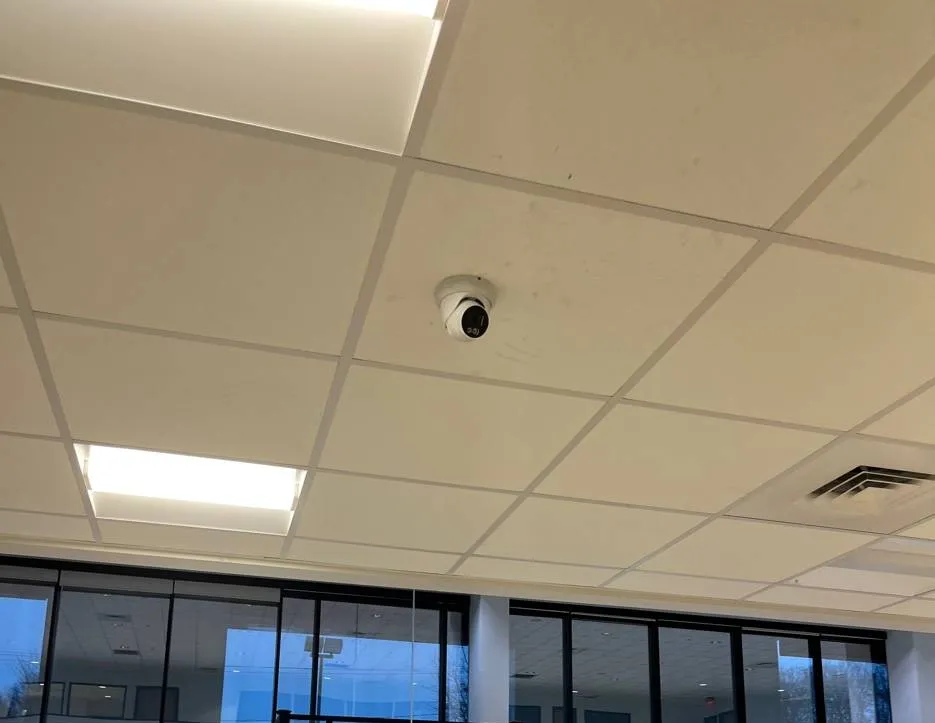
We install and service panels from Honeywell (Vista and Lyric), DSC (PowerSeries and Neo), Qolsys (IQ Panel), Napco, Bosch and DMP, and choose by the home rather than by habit.
Small wireless panels for cottages and condos; hybrid panels that take wired and wireless devices for rowhouses with a cellar route.
Weather-rated contacts for gallery doors, slim contacts for old sash, heavy-duty contacts for carriage doors and shop back doors.
For garden-floor glass doors, condo window walls and shop display windows; they listen inside the room and ignore activity outside.
Aimed into rooms and along stairs and away from glass that faces shared ground, with pet-tolerant models for homes with dogs.
For cellar walls shared with neighbouring buildings; tuned down or bypassed when construction nearby would make them unreliable.
Keypads placed out of sight lines from doors and balconies; smart locks that bolt when the system arms.
Loud indoor sounders, sized from cottage to shop, so the alarm is heard without an exterior box sounding across a courtyard or a landmarked front.
LTE and internet communicators to the central station and your app, plus water and temperature sensors for cellars and high-floor kitchens.

Every system we install can notify the household directly through the app, and most owners add central station monitoring on top. The two do different jobs. App notifications are fast and personal: the garden door opened at 3 p.m. while you were at work, the cleaner disarmed at 10:02, the stockroom was not re-armed after the delivery. Central station monitoring is the backstop when nobody is looking at a phone: an operator receives the alarm, works through your call list and dispatches help according to the instructions you set.
In shared settings the call list deserves thought. A cottage owner who travels may want a trusted neighbour on the mews as a second contact, because that neighbour can look at the front door within a minute. A shop owner may want the manager first and the owner second. A condo owner may want the building's front desk told about an alarm in the unit, or may not; it is a choice, and we set it up the way you decide rather than by default.
Small homes in Cobble Hill are usually best served by wireless devices. A twelve-foot cottage or a courtyard flat has short distances to the panel, finished walls nobody wants opened and often a board or association that prefers no drilling through shared structure. Wireless contacts and detectors fix with small screws or adhesive, can be moved if the layout changes and report their own battery level. Wired devices still make sense where cable is easy to run, such as a rowhouse with an open cellar ceiling below the garden floor, a shop with a drop ceiling, or a new condo where the developer left cable in the walls. Many systems end up mixed, and the plan we give you marks each device as wired or wireless with the reason.
Every panel we install carries a backup battery, and wireless sensors run on their own batteries, so a short power cut does not leave the home unprotected. For reporting, we prefer a cellular communicator, often paired with the home's internet connection, so the system can still reach the monitoring station and your phone if one path fails. In older Cobble Hill houses we still find panels wired to copper phone lines that were cancelled years ago, which is why every installation and every takeover ends with a test signal that the monitoring station confirms.
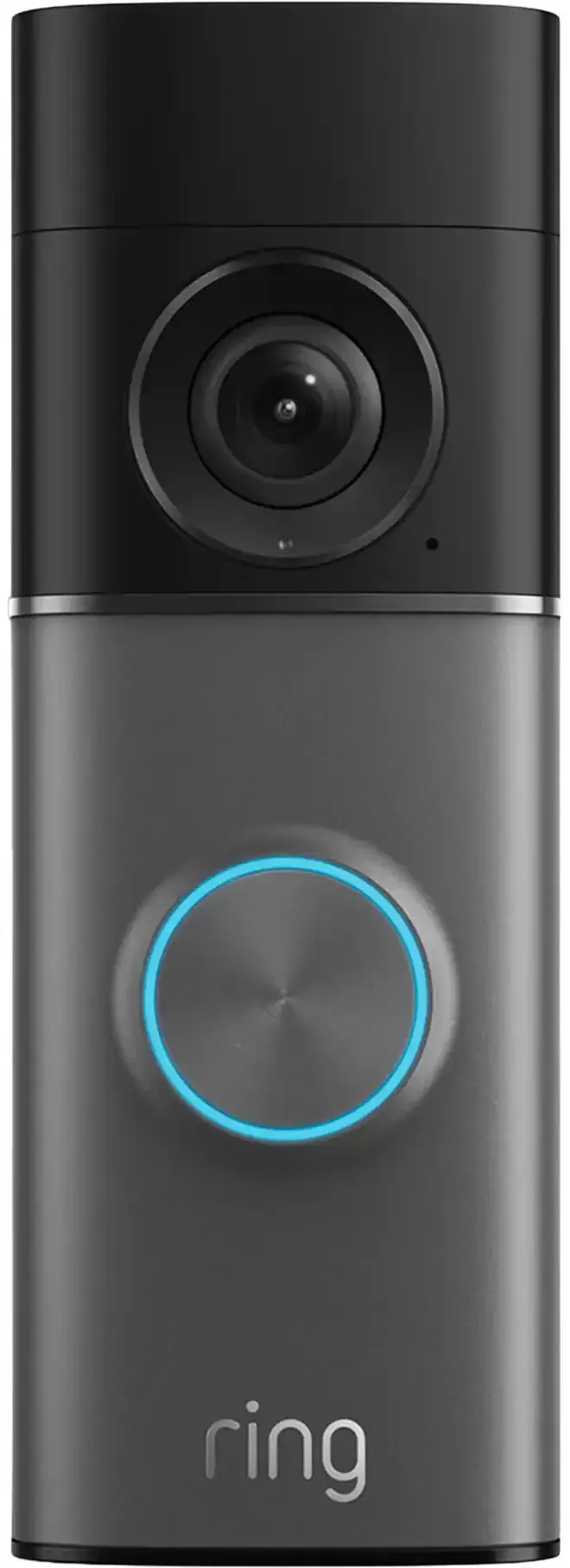
National brands suit many homes, and we install customer-bought Ring and SimpliSafe kits as well as our own systems. In Cobble Hill the deciding question is less about the logo than about placement. A boxed kit nudges you toward an outdoor camera that alerts on movement, which in a mews or courtyard means alerts all day. A designed system starts from the openings, uses the right contact for an exterior gallery door or a carriage door, and keeps shared ground out of the trigger zone.
| Question | National brand (ADT, Ring, SimpliSafe) | AESS in Cobble Hill |
|---|---|---|
| Who decides where sensors go? | You, or a sales visit focused on a package | A licensed technician who walks the home and the shared ground around it |
| Contract | Varies; some plans tie equipment to multi-year monitoring | Monitoring at $30 a month (keypad) or $45 a month (with the app), no long-term contract |
| Outdoor triggers | Often motion-alerting cameras | Cameras record; contacts and glass-break trigger |
| Customer-owned kits | Self-installed | Installed and tested for $200β$400 |
| Repairs | Depends on the dealer | Same-day service, $195/hr, 3-hour minimum |
We could not open Google's AI Overview answers from the environment this page was researched in, so we are not quoting them. The claims below are ones people bring to us after asking chatbots or reading national cost guides from Angi, HomeAdvisor and Fixr. Each is checked against the homes of Cobble Hill.
For a detached house with a private yard, an outdoor detector can warn of someone before they reach a window. That advice assumes the only people outside are trespassers.
On Warren Place, in the Tower Buildings' courtyards or along a garden that touches four others, most people outside your window are neighbours. An outdoor trigger there produces false alarms many times a day.
The early warning that works in shared space is a contact on each opening and glass-break on large panes. They report the moment someone tries to get in, and never because someone walked past.
A small home needs fewer devices, which is why a cottage system costs less. It does not need less care. With only one door and a handful of windows, every one of them matters.
In a twelve-foot-wide house the keypad is often visible through the front door, and the rear yard is a second way in that is easy to forget. Those are placement decisions, not equipment decisions.
A short visit gets them right. The equipment list for a cottage might be five contacts, one detector and a keypad; the value is in where each one goes.
Front-desk staff and lobby cameras protect the entrance and common areas. They do not see a residents-only corridor at night or the inside of your home.
The new condominium buildings on the former hospital site have exactly that layout: building security downstairs, private terraces and large glass upstairs.
A modest unit system on the entry door, terrace door and glass reports directly to you, which is the gap a lobby desk cannot fill.
Older or badly placed detectors could react to a dropped pan or a slammed door. Current acoustic detectors listen for the combination of sounds a breaking pane makes and are far more selective.
The difference is in testing. We use a glass-break simulator at the far end of each protected window during installation and set the sensitivity for the room.
For garden-floor glass doors and condo window walls, a properly tested detector is the only sensor that reacts to a broken pane without the door being opened.
Contacts and acoustic glass-break do. Shock sensors fixed to walls and windows do not, because they react to vibration, which is what piling, demolition and heavy deliveries produce.
Parts of Cobble Hill have lived beside the River Park construction on the old hospital site for years, with towers planned on Hicks and Pacific Streets.
Near a site like that we rely on contacts and acoustic detection and tune or bypass shock sensors during heavy phases, then review the event log to confirm.
Some dealer plans do bundle equipment into multi-year monitoring agreements, and the national guides are right to warn about that.
It is not universal. Our monitoring starts at $30 a month (keypad) or $45 a month (with the app) with no long-term contract, and the system still sends app alerts if you decide not to pay for monitoring.
Ask any installer, us included, to show the cancellation terms in writing before you sign.
An owner may install equipment in their own home. But in New York State, anyone in the business of installing, servicing or maintaining security or fire alarm systems for others must be licensed by the Department of State under General Business Law Article 6-D.
That matters for insurance paperwork and for monitored systems, and it is easy to check by asking for the license number.
Ours is #12000287431, and we show it on every quote.
The first week in a new home is the cheapest time to set an alarm up properly, with new codes and every opening counted. A short call now saves rework later.
Tell us what the home or business is — a cottage on a gated garden, a courtyard flat, a Clinton Street brownstone, a new unit on Henry Street, a shop on Court Street — and which openings face shared ground. We reply in writing the same business day using our published Brooklyn figures. Prefer to talk? Ring (347) 934-8335.
A technician is reading your Cobble Hill details and will phone you today. If it cannot wait, call (347) 934-8335.
A five-device cottage system and a shop with a cellar follow the same seven steps. In Cobble Hill the second step, mapping what each opening faces, does most of the design work.
You send a short list of doors and windows and what each one faces, with photos. We use it to sketch the envelope and spot openings onto shared ground before anyone visits.
A technician checks every opening from inside and, where allowed, from the garden, balcony or lane, notes which can be reached, and confirms any building, association or historic district rules.
Each device is listed with its purpose and location, triggers are separated from recording-only cameras, and a fixed written price is set from our published Brooklyn figures before any deposit.
Contacts go on every reachable door and window, glass-break detectors on large panes, and the right hardware on gallery doors, carriage doors and shop back doors.
Motion detectors are aimed into rooms and stairs and away from glass that faces shared space, and the siren is mounted indoors where it fills the home.
Every user gets a code, delivery or helper codes get time limits, phone alerts are set to arrive before the siren and the station call, and smart locks are linked to arming.
Every device is tripped and glass-break is tested with a simulator, the monitoring station confirms a signal, and you receive the device list, codes guide and app login.
Cobble Hill changes around you: a crane goes up on the next block, a neighbour adds an extension with a roof under your window, the courtyard gets new lighting. When that happens, a short review of which zones trip and why keeps the system reliable. Owners in the new buildings should also tell us when the building's own systems change, for example a new lobby entry system or a change in the managing agent, so that the call list and any building contacts stay current. Twice a year, use test mode to open each protected door and window, check wireless battery levels before winter, and delete codes nobody needs.
We work across the whole neighbourhood. These places are listed to show how Cobble Hill is laid out; naming them does not mean we have worked on or in them.
The mews of 34 Workingmen's Cottages between Warren and Baltic Streets, built by Alfred Tredway White in the late 1870s around a gated English garden.
White's courtyard apartment buildings on Hicks Street, 1876β1879, with exterior staircases and open balconies, now known as Cobble Hill Towers.
The park on Clinton Street between Verandah Place and Congress Street, created in 1965 after the city bought the land in 1963 and rebuilt in 1989, beside the twenty-foot lane of former stables.
The redevelopment of the Long Island College Hospital site, with 5 River Park at 347 Henry Street and towers planned at 350 Hicks Street and on Pacific Street.
Congregation Baith Israel Anshei Emes at 236 Kane Street, described as the oldest continuously operating synagogue in Brooklyn, in its building since 1905.
At Clinton and Amity Streets, built in 1845 with a tower added in 1891, and said to have had the first electric passenger elevator in a private Brooklyn home.
Two early churches: Christ Church and Holy Family at Clinton and Kane Streets, built 1840β41, and Old St. Paul's at Court and Congress Streets, from about 1838.
The former South Brooklyn Savings Institution of 1922, home to Trader Joe's since 2008, on the main shopping street.
The neighbourhood is reached by the F and G trains at Bergen Street station, by the B61 and B63 buses along Atlantic Avenue and the B57 along Court Street, and by car from the BrooklynβQueens Expressway along its western edge. Our technicians come from the Brooklyn office on Troy Avenue, and parking on the narrow residential blocks is planned into the arrival window rather than charged to you.
We also serve the neighbouring areas: Carroll Gardens, Boerum Hill, Brooklyn Heights, Columbia Street Waterfront, Gowanus, Downtown Brooklyn and Park Slope.

Cobble Hill is billed at our Brooklyn base rate (1.00Γ), with no neighbourhood surcharge. Every figure below comes from our published Brooklyn alarm pricing. NYC sales tax of 8.875% is added. Jobs under $500 are paid in full up front; larger jobs take a 50% deposit to schedule, with the balance on completion. The final number is fixed in writing after the survey.
| Item | Brooklyn price | Typical Cobble Hill use |
|---|---|---|
| Basic residential system: panel, keypad, 4β6 contacts, 1 motion detector, cellular communicator | From $600 | A Warren Place cottage, a lane house or a courtyard flat |
| Wireless system with 4β6 sensors, all-in | $600 β $1,200 | Condo units and apartments where nothing may be chased into walls |
| Complete home protection | From $2,500 | A full rowhouse with garden-floor glass and several floors |
| Hybrid brownstone system | $2,500 β $5,000 | Three-storey houses wired from the cellar with wireless upper floors |
| Fully hardwired coverage | $2,000 β $6,000 | Houses under renovation with open walls |
| Small business alarm | $1,500 β $3,000 | Court Street, Smith Street and Atlantic Avenue shops with cellars |
| Cameras added to an alarm | $1,000 β $2,500 | Recording-only views of gardens, gates or stockrooms |
| Old panel replacement with communicator and keypad | $800 β $1,500 | Silent systems whose wiring still tests sound |
| Customer-owned equipment installed | $200 β $400 | Ring or SimpliSafe kits placed and tested properly |
| Monitoring | $30 a month (keypad) or $45 a month (with the app), no long-term contract | Central station with app alerts |
| Service visits outside warranty | $195/hr, 3-hour minimum ($585) | Faults, takeovers and tuning after construction |
A two-storey cottage on a gated garden, with a front door, a rear door and four reachable windows, usually fits the Basic Residential package from $600. A courtyard flat with a balcony door, a street side and a courtyard side often lands in the same package, or in the $600β$1,200 wireless range if it needs an extra contact or a glass-break detector for a large courtyard window. A three-storey rowhouse with a garden-floor glass wall, a cellar and upper rear windows over an extension roof generally starts at Complete Home Protection from $2,500, and moves through the hybrid brownstone range of $2,500β$5,000 depending on how much can be wired from the cellar. Each of those is confirmed in writing after the survey; none of them is a quote until we have seen the home.
Every installation on the list includes the survey, mounting and programming of each device, naming every zone in plain words, setting up user codes and the app, registering the system with the monitoring station if you choose monitoring, a full walk-test with glass-break testing, and a handover with the device list and a codes guide. Removal of an old keypad, siren or stickers from a dead system is quoted with the job rather than added later.
What raises a Cobble Hill quote: wide carriage doors or gallery doors that need heavy-duty or exterior-rated contacts, a wall of garden glass that needs more than one glass-break detector, a shop cellar with shared walls, and coordination with a building's management. What lowers it: a small cottage with few openings, a developer pre-wire that tests clean, or an existing wired system worth keeping.
Send your opening list and photos. We reply with a device-by-device plan and a fixed written price, usually the same business day.
The natural fit for a mews cottage, lane house or courtyard flat: panel and keypad, contacts on four to six doors or windows, one motion detector, a cellular communicator, monitoring and app setup, then a full walk-test and handover.
For a full rowhouse that backs onto the gardens: a Honeywell or DSC panel, ten to fifteen openings, three or four motion detectors and a pair of glass-break detectors, smoke and CO detection, sirens, app control and round-the-clock monitoring, ready for cameras.
For a shop or restaurant on Court Street, Smith Street or Atlantic Avenue: a commercial panel with eight to twelve doors and windows, motion and glass-break detection, more than one keypad, entry and camera hooks, central station monitoring and insurance documentation.
Every package can take cameras later without replacing the alarm. In Cobble Hill most owners start with the envelope and add a camera on the gate, garden or stockroom once they have lived with the system for a while and know which view they actually want. Cameras added to an alarm run $1,000 to $2,500 on our Brooklyn list, and we wire them to record and notify rather than to trigger the siren when they look at shared ground.
If you already own a Ring or SimpliSafe kit, we install it for $200 to $400 depending on the number of devices. In Cobble Hill that usually means moving the kit's outdoor-facing pieces indoors, putting contacts on every reachable opening and checking the base station reaches the rear of the home. We will tell you plainly if the kit cannot cover something, such as a wide carriage door.
Smoke and heat detection planned with the alarm. See Cobble Hill fire alarms.
Recording without false triggers. See security cameras in Cobble Hill and commercial cameras in Brooklyn.
Codes and fobs for helpers and staff. See Cobble Hill access control and smart locks in Brooklyn.
For gates and shared doors. See Cobble Hill intercoms and buzzer repair in Cobble Hill.
Low-voltage runs through old and new buildings. See structured cabling in Cobble Hill.
Try the alarm price calculator or see Alarm.com camera prices in Brooklyn.
This is a note on our method, not a story about any customer. On homes that face shared ground, the final walk-test is done in a particular order. First, every contact and indoor detector is tripped from inside with the system in test mode, so we know the envelope reports. Then one technician goes outside into the garden, balcony or lane, where we are allowed to, and simply behaves like a neighbour: walks past the windows, stands at the glass, talks, carries a bag, opens and closes the gate. The other watches the panel and the app.
Nothing should report during that second walk. If anything does, a detector is seeing through glass or a camera is wired as a trigger when it should only record, and it gets re-aimed or reconfigured before we leave. Only then do we test glass-break with the simulator and send the signal to the monitoring station.
The reason is simple: in a courtyard or mews, an alarm's reputation with the neighbours is decided in its first fortnight.

Our Basic Residential package starts at $600 at the Brooklyn rate: a panel and keypad, contacts on four to six doors or windows, one motion detector and a cellular communicator, with monitoring and app setup. Most cottages and lane houses fit inside that package; NYC sales tax of 8.875% is added, and monitoring starts at $30 a month (keypad) or $45 a month (with the app) with no long-term contract.
Call the monitoring station or use the app to put the account in test mode first, then open each protected door and window and walk past each detector while watching the keypad or app. When you finish, take the account out of test mode and confirm the station received your test signals. We show every household how to do this at handover.
Yes. Most current panels let you create user codes limited to particular days and times, and some can be limited to one area of the home. Each use is recorded with the user name, and you can get a phone notification whenever that code arms or disarms the system.
Yes on both counts. Wireless contacts and detectors run on small batteries that typically last several years depending on the model and how often the device reports, and the panel shows a low-battery warning on the keypad and in the app well before a sensor stops working. The panel's own backup battery is checked by the system and replaced during a service visit when it weakens.
Yes. During programming we name every zone in plain words, such as garden glass door, rear bedroom window or cellar stockroom, so alerts and the event history tell you exactly which opening reported rather than a zone number.
It can be, because a door contact only reports when the whole door opens. We look at the size of the flap and whether an arm could reach a lock through it, cover the room behind it with a pet-tolerant detector or glass-break as appropriate, and suggest a lockable flap that is closed when the system is armed away.
The panel needs a constant power source, usually a small plug-in transformer on an outlet that is not controlled by a wall switch, or a hard-wired connection in larger systems. We secure the transformer so it cannot be unplugged by accident and the backup battery covers short outages.
Often, yes. Ring cameras can keep running in their own app alongside a separately monitored alarm, or Ring alarm equipment can be installed and tested as customer-owned equipment for $200 to $400. Where you want one app for everything, we explain which cameras are compatible with the alarm platform before you buy anything new.
Small cottage and apartment systems are often scheduled within a few days of the deposit; larger houses, shops and work that needs a building's approval are booked once access is confirmed. Jobs under $500 are paid in full up front and larger jobs take a 50% deposit to schedule.
Yes. For monitored systems we provide the documentation insurers usually ask for, including the installer's license number, the monitoring arrangement and a list of the protection installed, so you can send it to your carrier and ask about any discount it offers.

This page sits under our Brooklyn alarm installation hub. Each borough, county and neighbourhood page is written for its own buildings, rules and prices.
Alarm installation in NYC (hub) · Brooklyn · Manhattan · Queens · the Bronx · Staten Island
Alarm installation on Long Island (hub) · Nassau County · Suffolk County
Alarm installation in the Hudson Valley (hub) · Westchester · Rockland · Orange County · Putnam · Dutchess · Ulster
Carroll Gardens · Boerum Hill · Brooklyn Heights · Coney Island · Borough Park · Brighton Beach · Bath Beach · Bedford Park, Bronx
Other pages from Abstract Enterprises Security Systems: our about page lists the license and insurance behind the work, and the warranty page sets out what is covered.
We read each of the following in October 2026 while writing this page. Prices are not from outside sources: they are our own published Brooklyn alarm figures, which Cobble Hill pays at the base rate.
Some sources we normally check were out of reach for this page: Google's People Also Ask boxes, related searches and AI Overview, Answer the Public, Bing and DuckDuckGo suggestions, and Yelp reviews. Searches for Reddit threads about alarms or break-ins in Cobble Hill returned nothing usable. Nothing on this page relies on those sources.
When a gallery door keeps faulting, a cottage keypad will not stop chirping, or a shop on Court Street will not arm at closing, ring (347) 934-8335. Repair calls go into the next free arrival window, and most single faults are fixed within an hour or two of arrival.
Cobble Hill jobs are dispatched by Abstract Enterprises Security Systems from 1282 Troy Ave in Brooklyn (NY 11203). Call or text the Brooklyn line at (347) 934-8335, or send your opening list and photos over WhatsApp.
Google rating 4.7★ from 390+ reviews. New York State license #12000287431. Same-day written estimates. Insurance certificates available for condo boards, co-op boards, managing agents and shop landlords on request.
Full terms β including 50% deposit, the 30-day warranty and optional paid extended warranty, and the late-fee schedule β are set out in the service agreement. See our warranty page.
Revision log, October 21, 2026: page rebuilt from scratch around alarms for Cobble Hill homes that face shared ground β the Warren Place mews, the Tower and Home Buildings' courtyard galleries, Verandah Place's former stables and the block-interior gardens β plus new River Park condominiums, living beside construction, and shops on Court Street, Smith Street and Atlantic Avenue. New research covered the historic district, White's housing, River Park reporting and 76th Precinct burglary coverage.