One Street Door, Every Household Reached ยท Release Hardware Matched to the Frame ยท Door Relatches Every Time ยท Brooklyn Rate
Door buzzer installation in Bath Beach runs about $400 to $900 for an audio system with a door release on a small house, about $700 to $1,800 for a video system on a house or small building, and from about $2,500 to $10,000 or more for a multi-apartment building, priced on our Brooklyn list with no outer-borough premium. That covers the street station, the answering unit or phone app for each household, the electric strike or lock, the power supply and the wiring, and most requests are booked within two hours. Bath Beach is the stretch of south Brooklyn between 86th Street, 14th Avenue, Stillwell Avenue and Gravesend Bay, and most of its housing is made of the buildings where a buzzer matters most: two- and three-family houses where an owner and a tenant share one street door, four-story walk-ups that became co-ops, rental blocks from the 1940s, and newer condos on Bay Parkway and Cropsey Avenue. This page explains how we plan an entry system for each of them, what the law says about who must have one, how deliveries and the door hardware fit in, and what the work costs.
Reviewed and updated November 11, 2026, against New York State Multiple Dwelling Law ยง50-a as summarized by Habitat magazine (February 2024) and ButterflyMX; HPD's ABCs of Housing guide for owners and its November 24, 2025 release on self-closing doors; BrickUnderground's guide to broken buzzers; CooperatorNews on updating buzzer and intercom systems (October 2021); Allegion on fail-safe and fail-secure hardware; the 2010 ADA Standards on reach ranges; the International Building Code rules for sensor-release locks; Aiphone's GT Series pages; HomeAdvisor and Swiftlane cost guides; Brownstoner forum threads on buzzers for Brooklyn houses; the Brooklyn Eagle on mail theft in south Brooklyn (2019); Brooklyn Paper's 62nd Precinct reports; CityRealty listings for 8629 Bay Parkway and 2286 Cropsey Avenue; Openigloo building records for 8871 20th Avenue and 77 Bay 7th Street; BrickUnderground's 2022 Bath Beach guide; NYC Department of Finance neighborhood sales for 2024; and Wikipedia's Bath Beach article. ยท Abstract Enterprises Security Systems, NYS license #12000287431 ยท crews dispatched from our Troy Avenue office in Brooklyn

Owner-operated since 2002 ยท Thousands of jobs completed ยท Booked within 2 hours
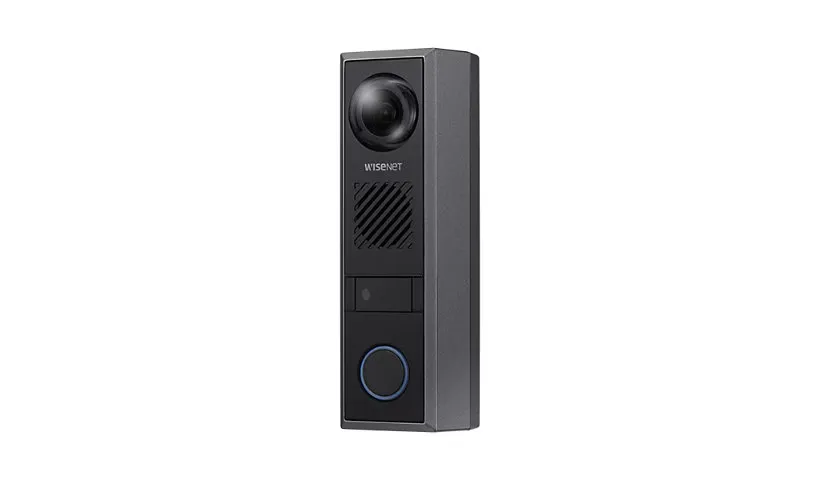
Three photos and one number usually let us price a Bath Beach entry system before anyone visits. The first photo is the street door from the sidewalk, showing the whole door, the frame and whatever is mounted beside it: bell buttons, an old speaker plate, a mailbox panel. The second is the edge of the door and the frame where the latch meets it, close enough that we can see whether the frame is wood or steel and whether there is already a strike plate, a second lock or a hole someone filled. The third is whatever answers the door inside each home today, whether that is a chime on the wall, an old handset by the apartment door or nothing at all. The number is how many households the street door serves. In a two-family it is two, in a three-family three, in a 1948 rental block it may be forty or more, and that one figure moves the price more than anything else. Send them with your cross streets to (347) 934-8335 or on WhatsApp, and you will hear back with the kind of system we would put in, the door hardware it needs and where it falls on our Brooklyn ranges.
Bath Beach was named after Bath in England, grew up as a seaside resort inside the old Town of New Utrecht, and lost its actual beach when the shoreline was paved for the Shore Parkway. What replaced the resort is a neighborhood of about 33,000 people, by the 2020 count Wikipedia cites, living mostly in semi-attached houses and small apartment buildings on a tight grid: Cropsey Avenue, Bath Avenue, Benson Avenue and 86th Street running one way, the numbered Bay streets from Bay 7th to Bay 54th running the other, and Bay Parkway, the old 22nd Avenue, cutting through the middle. Almost every one of those buildings has the same front-door problem. One street door is shared by more than one household, the person who opens it is often not the person the visitor came to see, and somebody has to walk down a flight of stairs every time the bell rings. A door buzzer, at its simplest, is the fix for that: a button outside that calls the right home, a way to talk to whoever is there, and a release that unlocks the door from upstairs so nobody has to come down.
The numbers on who owns what explain why this comes up so often here. The city's Department of Finance recorded 44 two-family houses and 17 three-family houses changing hands in Bath Beach in 2024, against 12 one-family houses, and the median two-family sold for $1,252,000. People pay that because the second unit helps carry the mortgage, which means the house has a tenant, which means two households sharing one door. In 2022 the same records showed 74 two-family sales against 19 one-family sales, so this is not a one-year pattern. When we talk to Bath Beach owners, the story behind the call is usually some version of the same thing: a new tenant moved in upstairs, the owner downstairs is tired of answering the door for them, the tenant is tired of missing deliveries, and the house has a front door with a lock, a key and two doorbells that both ring in the same hallway.
The apartment buildings bring a second set of reasons, and here the law starts to matter. New York State's Multiple Dwelling Law, section 50-a, requires an intercom at the self-locking front door of a building with eight or more apartments that was built or converted after January 1, 1968, one that lets each tenant talk to a visitor and release the door. Habitat magazine's 2024 article on the rule quoted the lawyer Nancy Kourland saying that, in a building it covers, "the co-op has a legal obligation to repair or replace the intercom," and noted that courts treat a failure to keep one working as a breach of the warranty of habitability. Many of Bath Beach's rental blocks are older than 1968, such as the 42-apartment, six-story building at 8871 20th Avenue that Openigloo's records date to 1948. For buildings that old, BrickUnderground's summary of the rule is that the landlord must provide a self-locking door and an intercom "if requested by a majority of tenants," with the tenants paying for it. That puts the decision, and often the cost, in the hands of the people who live there, and it is one reason we get calls from tenant groups as well as from owners.

The third reason is the street itself. Bath Beach is a delivery neighborhood like the rest of Brooklyn, and packages left on a stoop or in an unlocked vestibule are a recurring complaint. A tenant review of the 1948 building on 20th Avenue gives its owners one piece of advice: "Get cameras people steal packages." In 2019 the Brooklyn Eagle reported Assemblymember William Colton saying mail and identity theft were rampant in south Brooklyn, naming Bath Beach along with Gravesend, Bensonhurst and Dyker Heights. And Brooklyn Paper's 62nd Precinct reports include a box taken from the side door of a delivery truck at Shore Parkway and Bay 38th Street. None of that is unique to Bath Beach, but it shapes what people ask for. An entry system that lets a resident see who is at the door, talk to a courier from work, and keep the vestibule locked behind the mailboxes answers more of the daily problem than a bell does.
Last comes the door hardware, which is where most do-it-yourself buzzer projects in old Brooklyn houses go wrong. A buzzer is only as good as the lock it releases and the closer that pulls the door shut afterwards. A Brownstoner forum post from 2007 describes a Brooklyn owner with glass-paneled double front doors being told "there is no system to accomodate a buzzer," and a reply from someone who had added one explaining that it meant they had to "open up the walls," run wire from the bells to the intercoms and the doors, and cut a channel in the door. Another reply asked, half seriously, whether the owner didn't "want to just toss the key out the window." Plenty of Bath Beach households still live that way, with someone leaning out of a second-floor window. Doing better means a strike or lock that fits the frame, a closer that actually relatches the door, and a power supply that does what you expect when the electricity goes out.
Where this page applies. It covers the blocks south of 86th Street down to the Shore Parkway and Gravesend Bay, from 14th Avenue and Dyker Beach Park on the west to Stillwell Avenue on the east, in ZIP codes 11214 and 11228: the Bay streets, Bath and Benson Avenues, Cropsey and Harway Avenues, and the Bay Parkway corridor. The rest of the borough is covered on our Brooklyn door buzzer installation page, and the same Brooklyn prices apply on every side of Bath Beach's edges, whether a listing calls your block Bath Beach, Bensonhurst or Gravesend.
Not every call about a Bath Beach front door is a new installation. Three problems come up again and again in the houses and walk-ups here, and each one has a different urgency. The first is a street door that no longer latches, so it drifts open behind every visitor. That is the one to treat as urgent, because a door that does not relatch has stopped being a locked door, and in buildings HPD treats as multiple dwellings a hallway or entrance door that will not close and latch on its own is a code problem as well as a security one. The second is a release that makes its familiar buzz upstairs while the door stays locked, which usually points to the strike in the frame, its power supply or the wire to it rather than to the handsets. The third is a bell or handset that simply stopped working for one household, often the top floor, while the others carry on.
For any of these, call (347) 934-8335 and tell us which of the three it is. If the door will not latch, close it by hand behind every person and lock it with the key until we get there; do not prop it or tape the latch. If you are thinking of replacing the system anyway, the repair visit is where we test the existing wires and the door hardware, and that test is what decides whether a new system can reuse what is in the walls. Our sister page on repairs covers fault-finding in more depth; this page is about planning the new system, and the rest of it assumes you want one.
Every job below is priced from the same Brooklyn door buzzer ranges. The household count decides the station and the number of answering units, the door decides the release hardware, and the wiring decides how much of the labor is cable work.
A street station with one button per household, an answering unit or chime for each floor and a new electric strike, for Bay street two- and three-families that have only ever had bells and a key.
Houses and walk-ups where people can talk to the door but nobody can unlock it from upstairs: we fit the strike, its power and the release wiring, and tie it into the existing system where it is sound.
A camera station at the street door with video answering units or phone apps for some or all homes, so a tenant on the third floor can see the courier before walking down.
Audio or video directories for six-story buildings from the 1940s and the walk-ups around them, reusing riser wiring where it tests well and replacing it where it does not.
More phones, apartments, doors or a second entrance added to the video intercoms that came with newer Bay Parkway and Cropsey Avenue buildings, without replacing the whole system.
Desk release buttons, door stations and electric locks for offices, clinics and shops on Bath Avenue, Bay Parkway and 86th Street, including stores with apartments above that share a side door.
A release for the inner vestibule door as well as the street door, so the mailboxes and a parcel shelf sit in a locked space and the stairs sit behind a second locked door.
Door closers adjusted or replaced, strikes and keepers aligned, and latch problems fixed, because a buzzer that releases a door that never locks again is not an entry system.
Systems that ring residents' phones as well as, or instead of, a unit on the wall, with the choice made household by household rather than forced on the whole building.
Seven kinds of building cover nearly every Bath Beach entry call. They differ in how many households share the door, where the wires can travel from the door to each home, and who besides you gets a say. Those three things settle the plan long before the brand comes up.
Owner on one floor and tenant on the other, or two related households, with one street door, a shared stair and a cellar underneath where the wire can run.
Three households stacked behind one door, the most common place we find an intercom that talks but does not release, or a release that only works from one floor.
Four-story former rentals that became co-ops, where the board owns the door and the entry system and each shareholder owns the inside of an apartment.
Six-story elevator buildings like the 1948 building at 8871 20th Avenue, with dozens of apartments, a lobby, a riser and an intercom that may be original.
Three-story buildings of six to twelve units on old house lots, often with a builder-installed system and a condo board that is new to running it.
Buildings like Bay Vista at 8629 Bay Parkway, finished in 2016 with a video intercom, and the 23-story tower at 2286 Cropsey Avenue with package lockers in its lobby.
Shops on 86th Street, Bath Avenue and Bay Parkway with one or two apartments upstairs, where the store door and the residential door must work separately.
The commonest Bath Beach entry job is a semi-attached or detached house with two households. Most of these houses already have two doorbell buttons by the street door, and more often than people expect, both buttons ring the same chime, or ring two chimes that both sit in the ground-floor hall. The owner downstairs ends up answering for the tenant, the tenant ends up shouting down the stairs, and nobody can open the door from upstairs. The fix is less dramatic than it sounds. We separate the two calls so each button reaches only its own household, put an answering unit or a phone app on each floor, and add a release so the tenant can let a visitor in without the owner getting involved. The station outside can be a neat two-button audio panel or a two-button video panel, and the two floors do not have to match: an owner who wants video and a tenant who is happy with audio is a normal combination.
The wire path is usually the easy part, because these houses have a cellar. Cable can drop through the floor near the front door, run along the cellar ceiling to a point under each household's stair or hall, and come up inside a wall or a closet. Where the old bell wires already make that trip, we test them before deciding whether to reuse them; bell wire from decades ago is thin and was never meant for audio, let alone video, so most two-household systems get at least one new run. The door is the harder part. Many Bath Beach houses have a front door with a glass panel, a vestibule door behind it, or both, and the release has to go on the door that actually keeps people out. If the street door stays unlocked during the day and the vestibule door is the one with the lock, the strike goes in the vestibule frame, and the station still sits outside so visitors can reach it.
One more thing comes up in nearly every two-household house: who pays and who controls it. The door and the wiring belong to the owner. A tenant can ask for a buzzer, and in a house this size the law does not require one, so the conversation is between the two households. We find it helps to frame it the way it actually works out in practice. The owner gets a door that stays locked, a tenant who stops ringing the wrong bell and a cleaner way to handle deliveries for the rental floor. The tenant gets to answer their own door. When a new tenant moves in, nothing needs rewiring; the owner changes the name on the button.
Three-family houses are where we most often find an intercom that half works. Typically the ground floor and the second floor can talk to the door and the top floor cannot, or all three can talk but only one can release, or the release works from every floor but the door only opens if somebody also pulls it. The reason is usually the age of the wiring and the number of joints in it. Over the years each household's line has been spliced, extended or tapped to add a chime, and a top-floor line has the most distance and the most joints. A Brownstoner forum owner of a three-unit Brooklyn house described exactly this kind of system, one that worked "sporadically" for every unit, and asked whether a $2,000 replacement estimate was reasonable when the same contractor said fault-finding would cost about the same at $150 an hour with a three-hour minimum. That is the decision most three-family owners face, and the honest answer depends on the wires.
We test each household's line from the street door to the apartment before quoting a replacement. If the cable is sound and only the equipment at either end has failed, a new station and new answering units on the old wire are cheaper. If the wire has breaks, high resistance or crossed pairs, new cable is the real cost and the equipment is the smaller part of the bill. In a three-family the cellar run and the stair walls usually give us a path to every floor, and we plan the work so the street door is never left without a working lock at the end of the day. Because the top floor is often the tenant who most wants video, this is also where we see systems that mix types: an audio handset on the ground floor where the owner lives, and video on the floors above.
Bath Beach has co-ops that started life as four-story rental walk-ups. For an entry system the conversion matters in two ways. First, under Multiple Dwelling Law ยง50-a, a building converted after January 1, 1968 with eight or more apartments falls under the intercom requirement, so the conversion date can be as important as the construction date. Second, the co-op's corporate structure decides who pays. The street door, the station and the wiring in the common halls are usually the corporation's to maintain, while the answering unit inside each apartment sits in space the shareholder controls. Habitat's 2024 article on the subject quoted the lawyer Andrew Freedland pointing out that, depending on the proprietary lease or an alteration agreement, responsibility can shift to an individual shareholder, for example when a renovation damaged the line. We are not lawyers and the board's own lease controls, but we can tell a board exactly which parts of the system are in the hallway and which are behind each apartment door.
Practically, a co-op job means scheduling access to every apartment on the line, because a directory system has to be tested from each unit. It also means a quote the board can circulate, so we write it with the street station, the per-apartment equipment and the common-area wiring on separate lines. Where shareholders want different things, some audio, some video, some answering only on a phone, the board can set a standard station and let shareholders pay for upgrades inside their own apartments.

The six-story rental buildings along and near 20th Avenue and Bay Parkway are a different scale of job. The 1948 building at 8871 20th Avenue has 42 apartments by Openigloo's count, and buildings like it usually have a lobby door, a vestibule, a riser carrying the intercom lines up through the building and a cellar where they all start. Many still have their original audio intercom, or a replacement from decades ago. Because they predate 1968, ยง50-a does not on its own require the intercom, but a majority of tenants can require one, and once a building has one, keeping it working becomes part of the landlord's maintenance under the city's housing code. Owners of these buildings usually call us at one of three moments: when tenants have asked in writing, when HPD complaints have started, or when the old system finally fails for a whole line of apartments.
The decision in these buildings is about the riser. Two-wire multi-tenant systems are built to reuse existing building wire where it is in good condition; Aiphone's GT Series, for example, is sold for "new builds and retrofit projects" and lists "the advantage of using existing wire and infrastructure." When the riser tests well, that approach saves the building from opening walls in every apartment. When it does not, the choice is between rewiring and a system that sends calls to phones over the internet instead of over the riser. CooperatorNews in 2021 described a Washington Heights co-op that took the second route without rewiring and ended up with misrouted calls and failed audio and video, and had to "rewire the entire system anyway, and at a much higher cost than we originally anticipated." We test before choosing so a Bath Beach building does not repeat that.
Bath Beach has a growing number of three-story condos on lots where a house once stood. BrickUnderground's 2022 guide describes them as buildings of six to twelve units. They nearly always come with an entry system, and the problems we see are about handover rather than hardware. The developer's installer configured the system, the condo board inherited it, and nobody knows the admin password, which apartment is which button or how to add a resident's phone. Before replacing anything we try to recover the configuration and document it. When the system is a model that cannot be managed without the original installer's account, or when the board wants features it lacks, we quote a replacement that the board owns outright.
These buildings also straddle the eight-apartment line in ยง50-a. A six-unit condo is not covered by that section; a nine-unit one built after 1968 is. Either way, boards usually want the same thing: a station that shows every unit, an app residents can use and a door that locks behind every delivery.
Bay Vista, the 38-apartment building at 8629 Bay Parkway between 86th Street and Benson Avenue, lists a video intercom among its amenities and was finished in 2016. The 23-story tower at 2286 Cropsey Avenue, with 151 units, greets residents with Amazon Hub package lockers in the lobby. Buildings like these rarely need a new system. What they ask us for is additions: a second entrance on the station, another door on the release, more residents on the app, a garage or side door tied into the same directory, or a camera at the package area. Our first question is always which system the developer chose and who holds the administrator account, because adding to a closed system depends on that account more than on any wiring.

Along 86th Street under the el, on Bath Avenue and on Bay Parkway, many buildings have a shop on the ground floor and one or two apartments upstairs, with the residential entrance either a separate street door or a side door beside the shop. The entry job here is about keeping two worlds apart. The residents' station should reach only the apartments, the shop's buzz-in should open only the shop, and the shop staff should not be able to release the residential door. Where the apartments are reached through a hallway behind the shop, that line gets harder to draw, and we plan the doors before the electronics. The commercial section below covers the store side in detail.
These notes describe how our technicians work at doors like Bath Beach's. They are our practice, not a story about one address.
Open and close the door five times. Before anyone looks at the bells, the technician opens the street door, lets it go and watches. Does it close on its own? Does the latch catch, or does it bounce off the strike and sit a quarter inch open? Does it slam? A door that does not relatch by itself will not relatch after a buzzer releases it either, and fixing the closer or the strike alignment is part of the job, not an extra discovered later.
Read the frame. Wood frames in older Bath Beach houses take a strike in a mortise cut into the jamb; hollow steel frames in walk-ups and rental lobbies need a different strike body and sometimes a frame cutout; aluminum storefront frames on 86th Street take narrow-stile hardware. Glass doors and double doors each change the answer. The technician notes the frame, the existing latch, the door's thickness and which side the hinges are on.
Find where the wires go. In a house, that means the cellar: where do the bell wires come through the floor, where do they run along the ceiling and where do they go up. In a rental block, it means the riser and the cellar terminal board. The technician tests each household's existing line for continuity and shorts with a meter and a tone generator, because the quote depends on whether that line can carry the new system.

Ask who lives where. Which household is on which floor, who is the owner, whether anyone is elderly or hard of hearing, whether a business shares the door, and whether anyone works nights. Those answers decide where answering units go, whether a visual signal is needed and when it is reasonable to work.
Check the power. Where will the system's transformer or power supply live, is there a circuit for it and what should the door do if the power fails? A fail-secure strike stays locked without power and a fail-safe one unlocks; the technician asks which you want before anything is ordered, because the answer changes the part.
Photograph everything. The door, the frame, the cellar route and the existing equipment are photographed so the quote lists exactly what will be reused and what will be replaced, and so any part that depends on a test result is named in writing before you order.
Most of the arguments we hear about buzzers are really about who is responsible. Here is how the rules break down for the kinds of building found in Bath Beach. This is a summary of published sources, not legal advice; a board or owner with a dispute should ask its own lawyer.
The state Multiple Dwelling Law applies in New York City. Section 50-a requires every Class A multiple dwelling with eight or more apartments that was built or converted after January 1, 1968 to have a self-locking main entrance door and an intercommunication system that lets tenants talk to a visitor and release the door. For older buildings of that size, the owner must install the door and the intercom when tenants occupying a majority of the apartments ask in writing, with the work begun within 90 days and finished within six months, and the tenants pay for it. Once a working intercom exists, the city's housing maintenance code expects it to be kept working, and Habitat's 2024 article notes that courts treat a broken one as a breach of the warranty of habitability.
A house with two or three households is below the eight-apartment line, so ยง50-a does not require an intercom. Whether one is installed is a matter between the owner and the tenants, and the lease. In practice the door and every wire in the walls belong to the owner, who decides what gets installed and pays for it. A tenant can ask; an owner can say yes and agree on what happens if the tenant later wants an upgrade inside their own floor. If you rent and the owner says no, the most useful thing to know is that a phone-answering unit you buy yourself cannot release a door you do not control.
In buildings HPD treats as multiple dwellings, apartment entrance doors and the doors to public halls "are required by law to close and latch automatically," as HPD put it in a November 24, 2025 release. A door that will not self-close earns a Class C, immediately hazardous violation, and the owner has 14 days to correct it and certify the repair. HPD's guide for owners says it "does not wait for complaints to inspect for self-closing doors," and the release reported 72,714 such violations issued in fiscal year 2025, with more than $6.7 million spent by HPD on repairs owners did not make. A new buzzer does not change those rules, but the work around it can affect them. If we fit a strike that the latch does not engage cleanly, or a closer is left too weak to pull the door past the strike, a door that passed before can fail. That is why our installation always ends with the door relatching by itself, every time, from every household's release.
BrickUnderground's guide to broken buzzers describes tenants reporting the problem through 311, one renter waiting three months for an inspector, and the heavier routes of withholding rent or an HP action in housing court, each with its own risks. For a pre-1968 building with no intercom at all, the route is the written majority request under ยง50-a. For a building that is too small for ยง50-a, it is the conversation with the owner. In all three cases, a written quote that shows what the work would involve and cost gives everyone something concrete to discuss.
Ask a Bath Beach household why it wants a buzzer and deliveries come up within a minute. The building at 8871 20th Avenue is not unusual in having a tenant review that tells the owners, "Get cameras people steal packages." The newer tower at 2286 Cropsey Avenue was built with Amazon Hub package lockers in the lobby for the same reason. Tony Liebel, chief executive of the entry company Buzr Labs, told CooperatorNews in 2021 that "Fully 30 percent of packages are undelivered on the first attempt today," and a missed delivery in a house where nobody can buzz the courier in means a trip to a pickup counter or a parcel left on the stoop.
An entry system changes that in three ways. A resident who can answer the street door from a phone can tell a courier where to leave a parcel, or release the door for a moment, without being home. A video station records who rang and when, which is often all a household needs to sort out a disputed delivery. And a building with two doors, a street door and an inner vestibule door, can give couriers access to the vestibule only, leaving the stairs and the apartments behind a second lock. Which of those is right depends on the building. In a two-family house the owner may be comfortable releasing the street door for a courier they can see on video. In a rental block with forty households, handing out a single delivery code is a different decision, and the answer is usually a vestibule with its own release.

Mail is the other half of the vestibule. When Assemblymember William Colton called for theft-proof mailboxes in 2019, the problem he described was mail being fished out of mailboxes across Bath Beach, Gravesend, Bensonhurst and Dyker Heights. The mailbox panel in an apartment building and its carrier lock belong to the arrangement between the building and the Postal Service, and we do not alter it. What we can do is put the mailboxes on the right side of a locked door. In many older Bath Beach buildings the mailboxes sit in an unlocked outer vestibule because the carrier needs to reach them; a building that wants them behind a locked door has to give the carrier a way in, and the place to start that conversation is the local post office, before we wire anything.
The layout that works in most Bath Beach buildings looks like this. The door station sits outside the street door, at a height visitors can reach, lit so the buttons can be read at night. The street door has a strike or lock released by the entry system. The vestibule holds the mailboxes and, where there is room, a parcel shelf, with a camera that sees them. The inner door to the stairs has its own lock, released either by the same system or only by residents' keys and fobs. That separation, more than any brand or app, is what keeps a delivery problem from becoming a hallway problem.

Bath Beach's businesses cluster on a handful of corridors, and each brings a different kind of door. Wikipedia lists the neighborhood's shopping on 86th Street, Bath Avenue and at the Ceasar's Bay center, and Forgotten NY's walk along 86th Street notes the elevated West End line overhead, the former Loew's Oriental at Bay 19th Street, now a Marshalls, and Lenny's Pizza at 1969 86th Street. The entry work we do on these corridors falls into a few patterns.
Storefronts with apartments above and a residential door beside the shop. The el overhead makes the street loud, so station audio and placement matter, and shop and home doors must stay separate.
Offices, clinics, groceries and services along the avenue that runs past the 62nd Precinct at 1925 and Community Board 11 at 2214. Desk-release buzz-in and side-door stations are common requests.
Mixed-use and newer residential buildings, including Bay Vista at 8629, where commercial tenants on the ground floor share frontage with residential entrances.
The main artery toward the water, with newer residential towers and their lobbies, and businesses that want controlled entry at a side or staff door.
The diagonal toward the eastern edge, where small commercial buildings and service businesses need staff doors that lock behind deliveries.
The shopping center on the old Korvette site, opened in 1982, and the businesses near the parkway, where back-of-house and staff doors need buzz-in and logged entry.
The most common business request in Bath Beach is the simplest: a front-desk button that releases the door for a patient, client or customer the staff can see, with the door locking again behind them. Offices and clinics on Bath Avenue ask for it because it lets them keep the door locked without a staff member walking to it all day. The parts are a door station or camera at the entrance, a release button and a monitor at the desk, an electric strike or lock on the door and a closer strong enough to relatch it. A shop that only wants to buzz in at night or during quiet hours can have the release switched so the door is free during opening hours and controlled after.
The mixed-use building is the harder case, and Bath Beach has a lot of them. When the apartments upstairs are reached by a separate street door, the residential system and the shop's buzz-in are simply two systems. When the apartments are reached through a hall behind the shop or through a shared side door, the plan has to decide which door the residents' release opens, which door the shop's release opens, and whether the shop's staff should ever be able to let someone into the residential hall. We draw that out with the owner before choosing equipment, because getting it wrong means either residents locked out after the shop closes or the hall open to whoever walks into the store.

These are the questions Bath Beach owners, tenants, boards and shopkeepers actually bring to us, grouped by the kind of building they come from. Several started as posts on Brooklyn forums. Each is answered here in full and not repeated in the FAQ further down.
Almost never. What is usually true is that the intercom you have was installed without a release, or with one on a door that was later replaced, and adding it means work at the door as well as in the walls. Any door that latches can take an electric release: a strike cut into the frame where the latch meets it, or, on some doors, an electrified lock. The work is a strike body sized for your frame, a power supply, a pair of wires from the strike to the system and a release button or function at each household. On a wood frame in an older Bath Beach house the strike goes into a pocket cut in the jamb; on a steel frame it needs a strike made for steel.
The bigger question is whether to add a release to the old intercom or replace both together. If the existing intercom talks clearly to every floor and its wiring tests well, adding a release to it can be the cheaper job. If it is already patchy, a new system with the release built in usually costs less over the next few years than repairing the old one and adding a strike to it.
On double doors, one leaf is normally fixed with bolts at the top and bottom and the other is the active leaf that people use every day. The release goes where the active leaf's latch meets either the fixed leaf or the frame. Where the active leaf latches into the fixed leaf, the strike has to fit into the edge of that fixed door, which is the "cut a channel in the doors" work one Brownstoner poster described, and the wire has to reach it through a flexible loop or a hinge with wiring inside. Where the doors have glass panels, we keep every hole and channel in the wood and away from the glass.
The fixed leaf stays bolted, so a buzzer only ever releases the active one. If you need both leaves open, for moving furniture for example, that is done with the bolts, as it is today. What we check closely on double doors is that the active leaf closes fully against the fixed one every time; older double doors often sag, and a sagging door that rubs will not relatch after a release.
By asking what it includes. A fair replacement quote for a three-family should name the street station and how many buttons it has, the answering unit for each household and whether it is audio or video, the door release and its power supply, whether the existing wires will be reused or replaced, and what happens if a reused wire fails its test. A quote that only says "replace intercom system" leaves the costly part, the wiring, undefined. On our Brooklyn ranges, an audio system with a release for a small house is about $400 to $900 and a video system about $700 to $1,800, with the wiring condition pushing a job toward one end or the other.
The Brownstoner owner who asked this exact question had been told that fault-finding would cost about the same as replacing, at $150 an hour with a three-hour minimum. That can be true when every household's line is failing. It is not true when one line has a single bad joint. The way to know is a wire test, which is why we test before we price a replacement.
Yes, and it is one of the simplest jobs on this page. In many two-family houses the two buttons were wired to one transformer and one chime, or to two chimes mounted side by side in the ground-floor hall. Separating them means a wire from each button to its own household's chime or answering unit. In a house with a cellar the second household's run usually goes down through the floor, along the cellar ceiling and up inside a wall or closet near that household's door.
If you are going to all that trouble, it is worth deciding at the same time whether the upstairs household should be able to talk to the door and release it. Running a cable capable of carrying an intercom and a release costs little more in labor than running a bell wire, and it saves doing the job twice.
While the walls are open. The cheapest moment to run entry cable in a Bath Beach house is when the plasterer or the drywall crew has not yet closed the stair walls and the cellar ceiling is still bare. We run the cable from the street door to both households and leave it coiled at each location, labeled, and then come back to install the station and the answering units once the painting is done. Tell your general contractor early, so the framing at the door and at each household is left accessible.
There is one more reason to do it during a conversion. Bath Beach is in a part of Brooklyn where local officials have spent years pressing the city on illegal conversions; the Brooklyn Eagle reported in 2019 that the Buildings Department received 5,411 Brooklyn complaints of suspected illegal conversions in 2018. A legal conversion with a proper door, a release and one button per household is the kind of front entrance an inspector expects to see in a two-family, and it is much harder to retrofit neatly afterwards.
If the building has eight or more apartments and predates 1968, Multiple Dwelling Law ยง50-a gives tenants a specific right: when tenants occupying a majority of the apartments request it in writing, the owner must install a self-locking front door and an intercom that lets tenants talk to visitors and release the door, with work begun within 90 days and finished within six months. The tenants pay for it under that section. The request has to come from a majority of apartments, not a majority of the people who show up to a meeting, so the practical first step is collecting signatures from each apartment.
What tenants usually want from us at that stage is a written quote the owner can see, so the conversation is about a real number. We write it for the owner of record, because the owner controls the door and the walls, and we can quote both an audio system and a video system so the tenants know what they are signing up to pay.
In most co-ops the street door, the station, the wiring in the common halls and the power supply are the corporation's to maintain, and their cost is shared through maintenance or an assessment. The answering unit inside each apartment is a gray area that the proprietary lease decides. Habitat's 2024 article quoted the lawyer Nancy Kourland saying a co-op covered by ยง50-a "has a legal obligation to repair or replace the intercom," and the lawyer Andrew Freedland pointing out that, depending on the lease or an alteration agreement, a shareholder whose renovation damaged the line may be responsible for that part.
For a Bath Beach co-op that was a rental walk-up, it also helps to check the conversion date. ยง50-a covers buildings "built or converted after January 1, 1968," so a post-1968 conversion with eight or more apartments falls under the requirement even if the brick is older. We write co-op quotes with the common-area work and the per-apartment equipment on separate lines so the board can split them however its lease requires.
Usually, yes, if we can get into its administration. Bay Vista at 8629 Bay Parkway, finished in 2016, lists a video intercom, and many of the newer buildings around it have similar systems. Adding residents' phones, adding apartments to the directory, putting a second entrance on the same system or tying a side or garage door into the release are all normal additions. The deciding question is who holds the administrator account. Some systems can be managed locally from the station or a computer on site; others are managed through an online account the original installer set up. Find out which one you have, and find any paperwork the developer left, before calling anyone.
If the account cannot be recovered, the manufacturer can sometimes transfer it to the board with proof of ownership. If it cannot, and the system cannot be expanded without it, we quote a replacement station and directory that the board will own outright, reusing the wiring the developer ran.
Think of it as two locked doors with a room between them. The door station goes outside the street door, at a reachable height and with lit buttons. The street door gets the release, so residents can let a courier into the vestibule. The vestibule holds the mailboxes and a parcel shelf, ideally with a camera that sees them. The inner door to the stairs keeps its own lock, opened by residents' keys or fobs and, if the building wants, by the same entry system for guests a resident has seen.
If the mailboxes are in an outer area the carrier reaches without a key today, moving them behind a locked door means arranging carrier access with the local post office first. That is not something an entry contractor should change on its own, and it is worth sorting out before the wiring starts.
Indirectly. When Assemblymember William Colton spoke about mail and identity theft in Bath Beach, Gravesend, Bensonhurst and Dyker Heights in 2019, he called for theft-proof mailboxes from the Postal Service, which is the direct fix. An entry system helps by keeping the space where mail is delivered locked between deliveries, by letting residents see who is at the door before releasing it, and, with a video station, by recording who rang. It does not secure a mailbox panel that sits outside a locked door, and it is no substitute for collecting mail promptly.
They can, with the right station and placement. A train passing overhead is loud enough to drown out a conversation on the sidewalk for several seconds, so a station with a weak speaker and an open microphone will be hard to use. We choose stations with good noise handling, mount them in the recess of the doorway where the building blocks some of the street noise rather than on the open face of the wall, and set the volume at the door on site while a train passes. A video station helps too, because a resident who can see the visitor can wait for the train to clear before talking.
For the shop's own door, the noise matters less, since staff can see customers through the glass and release from the counter. What matters there is keeping the shop's release separate from the apartments' door.
Yes. The receptionist gets a release button, and usually a small monitor showing the camera at the door. The door gets an electric strike or lock, and the closer is set so the door pulls shut and latches after each person. With a strike, the door is released for a few seconds when the button is pressed and then locks again on its own. If the office wants the door open during busy hours and controlled at other times, the release can be switched from the desk.
Because an office door is usually part of the way out of the building, the lock must always let people leave freely. With a strike and a lever handle that is automatic; with a magnetic lock it takes a sensor, a push-to-exit device and a fire-alarm release, which the commercial section above describes.
Quite a lot. Allegion notes that "Electromagnetic locks are only available fail safe," which means the door unlocks whenever the power fails. The International Building Code's rule for these doors also calls for a sensor on the inside that unlocks the door for anyone leaving, a manual "PUSH TO EXIT" device near the door that cuts the lock's power directly, unlocking when the fire alarm or sprinklers activate where the building has them, and listed hardware. By the time those parts are added, the magnet is rarely the cheaper choice for a Bath Beach street door.
There is also the question of the outage. A street door held by a magnet is unlocked during every power cut. A fail-secure electric strike keeps the door locked, while residents with keys still get in and everyone inside can still get out with the handle. For most residential street doors here, a strike is the better fit.
It could if the work is careless, which is why we treat the closer as part of the job. HPD's guide for owners says it "does not wait for complaints to inspect for self-closing doors," and a door that does not close and latch on its own is a Class C violation with 14 days to correct. Installing a strike changes where and how the latch engages. If the strike sits a fraction too far from the latch, or the closer is too weak to push the door past the strike's lip, the door will rest just off the latch and fail.
Our installation ends with the door released from every household and from the street station, then let go, and watched until it closes and latches by itself every time. If the closer is worn, we adjust or replace it as part of the quote. That way, a door that passed before the buzzer still passes after it.
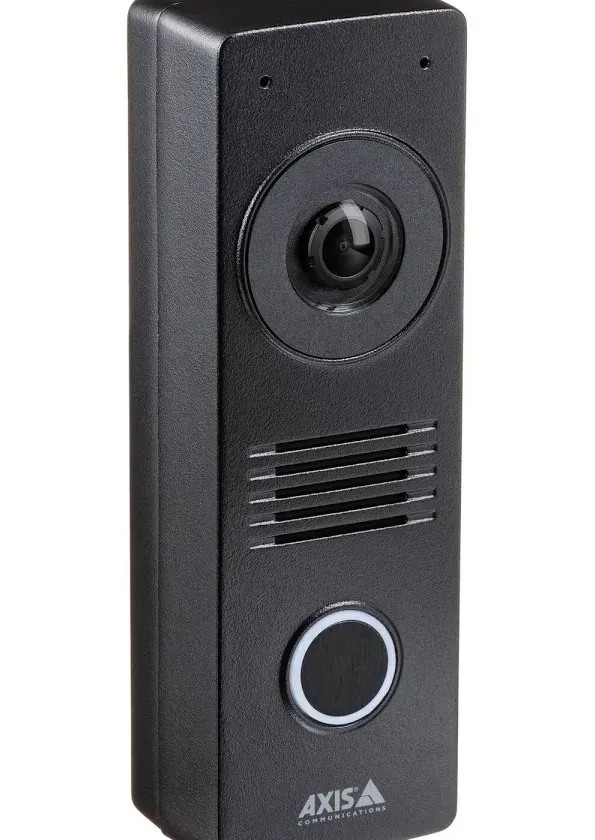
We quote our own non-branded system by default and name a brand or model when you ask for one. These are the kinds of equipment that go into Bath Beach entrances, from a single two-button house to a rental block's directory.
Weatherproof street panels with one button per household and a speaker, for Bay street houses where the households want to talk to the door and release it without video.
Camera stations with one or several buttons, lit for night use, for houses and small buildings where at least one household wants to see the visitor before answering.
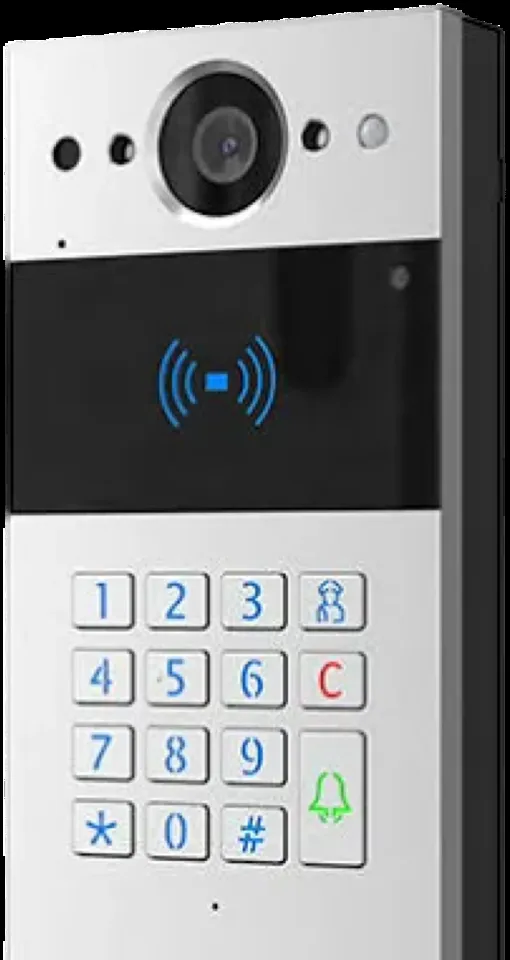
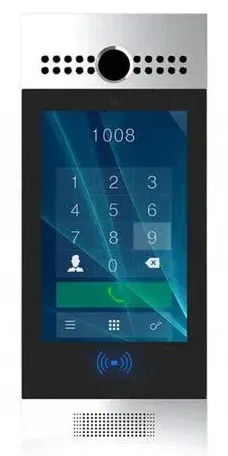
Stations with a numeric keypad or scrolling directory and, where wanted, a card or fob reader, for walk-ups, co-ops and rental blocks with more apartments than buttons can serve.
Audio handsets, hands-free audio units and video monitors at each household, chosen floor by floor, including louder chimes or a visual signal for residents who need them.
Apps that ring residents' phones, alongside or instead of a unit on the wall, for households that are out at work when couriers arrive.
Systems built to run over a building's existing pair of wires where it tests well, the approach Aiphone's GT Series describes for retrofit projects, saving rental blocks from new risers.
Fail-secure and fail-safe strikes for wood and steel frames, narrow-stile storefront doors and the fixed leaf of double doors, sized to the latch already on the door.
Magnetic locks only where the door and the owner call for one, always with the request-to-exit sensor, push-to-exit device and fire-alarm release they need.
Transformers and power supplies sized for the strike and the system, battery backup where a fail-secure door must keep working, and door closers that relatch the door after every release.

| Question | Battery video doorbell kit (Ring-style) | App-only building intercom | Wired entry system installed by AESS |
|---|---|---|---|
| Reaches more than one household? | Usually one account per doorbell | Yes, through each resident's phone | Yes, one button or directory entry per household |
| Releases the street door? | No, not on its own | Yes, with a strike or lock fitted | Yes, strike or lock fitted and tested |
| Needs internet to answer? | Yes | Yes, or cellular at the station | Wall units work without it; apps need it |
| Ongoing fees | Optional recording plans | Often per unit or per door each month | $0 monthly fee option |
| Best fit in Bath Beach | A one-family house with its own door | A building whose riser cannot be reused and that accepts a subscription | Two- and three-families, walk-ups, rental blocks and stores with homes above |
National alarm brands such as ADT and SimpliSafe sell home security, and a battery doorbell from Ring or a similar brand is a fine answer for a one-family house where the person who answers the door is the person who lives there. They are not designed to separate two households on one door or to release a street lock, which is most of what a Bath Beach entry job is. Swiftlane's cost guide puts software subscriptions for app-based building systems at "$5 to $15 per unit per month, or $30 to $100 per door per month," which is worth weighing against a wired system with no monthly fee before choosing.
These are claims that appear in generic online answers and in national cost guides such as HomeAdvisor and Angi, and in vendors' own blogs, paraphrased, each followed by what Bath Beach's houses and buildings show.
HomeAdvisor's guide says "Installing an intercom system costs an average of $2,500," with a range of $1,500 to $15,000, and generic answers repeat the average as if it were a price.
An average across every kind of building in the country tells a Bath Beach owner very little. A two-family house with a cellar and a sound door needs a two-button station, two answering units and a strike, which on our Brooklyn ranges is an audio job of about $400 to $900 or a video job of about $700 to $1,800. A 42-apartment rental block from 1948 is a directory system starting around $2,500 and rising toward $10,000 or more with the apartment count and the wiring.
The two numbers that actually move a Bath Beach price are how many households the door serves and whether the wire already in the walls can be reused. Neither appears in a national average.
The same HomeAdvisor guide says "Wireless systems are the best option if you want to DIY," and generic answers stretch that to every home.
A wireless doorbell does not release a door. In a Bath Beach two-family, the problem is rarely that nobody can see the visitor; it is that the tenant upstairs cannot open the street door without walking down, and the owner downstairs answers bells meant for the tenant. Solving that takes a wire to the strike in the door frame and a call path to each household, and the strike and its power supply are where a do-it-yourself project in an old Brooklyn house tends to stall.
Wireless and app answering have their place, especially for a household that is out at work all day, but in Bath Beach they are usually an addition to a wired door release, not a replacement for it.
Generic answers often say that New York City law requires an intercom in every apartment building, full stop.
Multiple Dwelling Law ยง50-a is narrower. It requires an intercom at the self-locking front door of buildings with eight or more apartments built or converted after January 1, 1968. Older buildings of that size get one when tenants of a majority of apartments ask in writing, at the tenants' cost. Two- and three-family houses, which make up much of Bath Beach, are not covered by that section at all.
That does not make a working entry system optional in practice. Once a building has an intercom, keeping it working is part of maintaining the building, and Habitat's 2024 article notes courts treat a broken one as a habitability problem. But the starting question in Bath Beach is how many apartments share the door and when the building was built or converted.
Some vendors' pages say their intercom "requires no building wiring," and AI answers turn that into advice that any building can skip the wiring question.
The station still has to be powered, and the door still needs a release wired to the strike. What those systems drop is the wiring from the door to each apartment, replacing it with residents' phones over the internet or a cellular link. That suits some buildings, but it means every resident who wants to answer the door must use the app, and a household without a smartphone is left out.
CooperatorNews described a co-op that chose this route without testing its building first and ended up rewiring "at a much higher cost than we originally anticipated." In a Bath Beach rental block, a wire test of the riser comes before the choice, not after it.
Generic answers often recommend a magnetic lock because it needs no cutting into the door or frame.
Allegion notes that "Electromagnetic locks are only available fail safe," so the door is unlocked during every power cut, and the building code's rules for these doors add a sensor on the exit side, a push-to-exit device, fire-alarm release and listed hardware. On a Bath Beach street door shared by two or three households, that is usually more hardware and less security than a fail-secure electric strike.
Allegion also notes that fail-secure products "are more common than fail safe due to security concerns." For most residential street doors here, a fail-secure strike, which stays locked without power while the inside handle still lets everyone out, is the better default.
Generic answers present app-based entry as the low-cost modern option, quoting only the hardware.
Swiftlane's own cost guide puts modern IP or video systems at "$1,000 to $5,000 or more per entry door" and adds that "Software subscriptions commonly add $5 to $15 per unit per month, or $30 to $100 per door per month." For a 42-apartment Bath Beach building, a per-unit subscription becomes a permanent line in the operating budget.
We offer a $0 monthly fee option on wired systems, and when a building does choose an app-based system, we put the subscription on the quote next to the hardware so the board or owner sees both numbers.
Many answers say that an old building's intercom wiring is too old to reuse and must be pulled out.
Sometimes it is, but not always. Aiphone's upgrade guidance says "If the existing wires are in good condition, they can be reused," and its GT Series is built around "using existing wire and infrastructure" in retrofit projects. In a 1940s Bath Beach building, a riser that tests clean can save the cost and disruption of opening walls in every apartment.
The reverse is also true. Thin bell wire in a two-family house, spliced over the decades, rarely carries a modern system well, so most house jobs get at least one new run. The only way to know is to test each line, and that test is part of every quote we write.
If you have read an answer online that does not match your building, send us a photo of the door and we will tell you what applies to it.
Before you buy a doorbell kit or sign a contractor's quote, check what your door and wiring need. Call now at (347) 934-8335, send a fast quote request, or send photos of the door and the bells to a tech on WhatsApp. Same-day estimates are available on most weekdays.
Give us the cross streets, the kind of building, how many households share the street door and what is there today. A technician will call back with the plan and where it falls on our Brooklyn ranges, or you can call (347) 934-8335 right now.

The street door, the frame, the bells and any handsets, plus how many households the door serves and who owns the building.
Owner, co-op board, condo board or managing agent, and which apartments need to give access on the day.
Door, frame, closer and lock checked; existing wires traced and tested from the street door through the cellar or riser to each home.
Audio, video or app answering for each household, and fail-secure or fail-safe release hardware matched to the door.
Station, answering units, release, power supply, wiring and labor on our Brooklyn ranges, with any part that depends on a wire test named before ordering.
Strike or lock fitted, closer adjusted so the door latches, cable run or reused, station and answering units mounted.
Directory programmed, every home called from the street, audio, video and release tested from each unit and phone, door relatching each time.
Directory and power supply labeled, each household shown how to answer and release, and the owner given admin access and a simple diagram.

The Brooklyn Public Library branch at 2602 Bath Avenue, opened in 1963 and renovated in 2016, in the middle of the Bay street blocks of two- and three-family houses.
1925 Bath Avenue, covering Bath Beach, Bensonhurst and Mapleton, the address where many entry and break-in reports from these blocks are filed.
138 Bay 20th Street, a parish founded in 1880 in the old Town of New Utrecht, with the current church built in 1912, surrounded by houses older than most of their buzzers.
The 1895โ96 Parfitt Brothers firehouse at 2425โ2427 86th Street, designated a city landmark in 1998, on the commercial strip under the el.
The park bounded by Cropsey Avenue, Bay Parkway and 21st Avenue that runs down to Gravesend Bay, beside the newer towers on the Cropsey corridor.
The D train stop on the West End line over 86th Street, opened in July 1916, a short walk from Bay Vista and the rental blocks along Bay Parkway.
We also serve the neighborhoods around Bath Beach on the same Brooklyn rates, including Bensonhurst and Mapleton north of 86th Street, Dyker Heights and Fort Hamilton to the west, and Gravesend to the east. For the whole borough, see our door buzzer installation in Brooklyn page, and for buildings across the five boroughs, our NYC door buzzer installation page.
Bath Beach is billed at our Brooklyn rate, with no outer-borough travel premium. Final pricing follows a look at the door and a test of the wiring, because the number of households and the condition of the wire in the walls drive the total more than the brand on the station.
| Job | Typical Bath Beach building | Brooklyn range |
|---|---|---|
| Audio system or replacement with electric strike release, existing wiring reused where it tests well | One-family, two-family or three-family house | $400โ$900 |
| Video entry station with smartphone door release | Two- or three-family house, small walk-up or infill condo | $700โ$1,800 |
| Directory panel with every apartment wired, audio or video by unit count, optional fob integration | Walk-up co-op, 1940s rental block, larger condo | $2,500โ$10,000+ |
| Service call booked online | Any building, for a first look and wire test | $250, applied toward the work |
| Monthly fee on a wired system | Any building choosing the no-subscription option | $0 |
| Buzzer and lobby camera installed on the same visit | Buildings with a vestibule or package area | Typically saves $200โ$400 in labor |
What moves a job within its range is predictable. Within the house ranges, the main factors are the number of households, whether each one gets audio or video, whether the existing bell or intercom wires can be reused, and the door: a single wood door with a sound frame is simple, while glass-paneled double doors or a steel frame need more work. Within the building range, the apartment count and the riser decide most of it, then the number of entrances, then extras such as fobs. Anything that depends on a wire test, such as replacing a cable that might fail, is named on the quote before you order, because equipment cannot be returned once it has been bought for your job.
Full terms โ including 50% deposit, one-year parts-only warranty on AESS-supplied products, and the late-fee schedule โ are set out in the service agreement.Three typical Bath Beach jobs, each placed in its range on our Brooklyn list. The final figure inside each range comes from the door and the wire test.
A two-button audio station at the street door of a Bay street two-family, an audio answering unit for each floor, an electric strike in the frame, the power supply, and the old bells separated so each button rings only its own household.
A three-button video station, video monitors or phone answering for the floors that want it and audio where they do not, a strike sized for the door, new cable where the old lines fail their test, and the closer adjusted so the door relatches.
A keypad or directory station for a walk-up co-op or a 1940s rental block, every apartment wired over the riser where it tests well, a release for the street door and the vestibule door, and optional fobs, rising toward $10,000 or more with the apartment count.
Already bought your own station or doorbell? We install customer-supplied equipment as labor-only work, quoted flat once we have seen the door, the frame and the wiring. Tell us the make and model when you write, and we will tell you before the visit whether it can separate your households and release your door, or whether it is only a doorbell.
Two- and three-family stations, separated bells and new door releases. Request a quote
Walk-up co-ops, rental blocks and condo additions. Brooklyn door buzzer installation
Desk release, storefront doors and egress-compliant locks. Ask about your door
The same approach in every borough. Door buzzer installation NYC
An audio system with an electric strike release for a small house falls in our Brooklyn range of about $400 to $900. A two-family with sound wiring and a simple wood door sits toward the lower end, while new cable runs or a difficult door push it toward the upper end.
Mostly the riser and the apartment count. A building whose existing wiring tests well and that wants audio stays nearer the bottom. Video in every apartment, a riser that has to be replaced, more than one entrance and fobs all move it up.
Not on our wired systems, which have a $0 monthly fee option. App-based building systems from some manufacturers carry a subscription per unit or per door, and if your building chooses one we show that cost on the quote beside the hardware.
Yes. A release button or answering unit for the super can go anywhere the wiring reaches, and in Bath Beach rental blocks the cellar is usually where all the lines start anyway. We label it clearly so nobody mistakes it for something else.
We choose stations with lit buttons or a lit directory, and video stations with night viewing. The picture still depends on the light at your door, so we look at the stoop and vestibule after dark in photos before promising what the camera will show.
Yes. Answering units come with different volume levels, and a louder chime or a visual signal can be added at a household that needs it. Tell us who lives on which floor and we plan it into that household's unit.
Not for a wired system. Wired answering units talk to the street station over the building's own cable. Wi-Fi or mobile data is only needed for the households that also want to answer on a phone app.
Either. Surface-mount stations attach to the brick or the door frame with a weatherproof back box and need only small holes. Flush stations are set into the wall for a neater look and more resistance to tampering, which takes more masonry work.
Many owners now use apartment numbers or floor labels rather than full names, so the panel does not tell strangers who lives where. A keypad directory can show names only to someone who already knows the apartment number. The choice is yours, and it can be changed later without rewiring.
Yes. The inner door gets its own strike and can be released by the same answering units, released separately, or left to residents' keys. Many Bath Beach buildings use it to keep the mailboxes and a parcel shelf in the vestibule and the stairs behind a second lock.
Only the release. The station, the answering units and the wiring stay, but the strike or lock is fitted to the door and frame, so a new door or frame means a new strike pocket and sometimes a new strike. Tell your door supplier there is an electric release so the frame is prepared for it.
Yes, and it is the best time to do it. We run the cable while the walls and the cellar ceiling are open, leave it labeled at the door and at each household, and come back to install the equipment once the painting is finished, so nothing gets plastered over or damaged.
Door Buzzer Installation Brooklyn NY | Brownstones & Condos ยท Door Buzzer Installation NYC | Apartment & Building Entry ยท Door Buzzer Installation Manhattan NY | Apartments & Co-ops ยท Door Buzzer Installation Queens NY | Co-ops & Apartments ยท Door Buzzer Installation Bronx NY | Co-ops & Apartments ยท Door Buzzer Installation Staten Island NY | Homes & Apts ยท Door Buzzer Installation Long Island NY | Nassau & Suffolk ยท Door Buzzer Installation Hudson Valley NY | Apartments ยท Door Buzzer Installation Nassau County NY | Homes & Co-ops ยท Door Buzzer Installation Suffolk County NY | Homes ยท Door Buzzer Installation Westchester County NY | Co-ops ยท Door Buzzer Installation Rockland County NY | Homes & Apts ยท Door Buzzer Installation Orange County NY | Homes & Farms ยท Door Buzzer Installation Putnam County NY | Lake Homes ยท Door Buzzer Installation Dutchess County NY | Homes ยท Door Buzzer Installation Ulster County NY | Kingston
Door Buzzer Installation Brooklyn NY | Brownstones & Condos
TV Installation Bath Beach Brooklyn | (347) 934-8335 ยท Door Buzzer Repair Bath Beach Brooklyn NY ยท Security Camera Installation Bath Beach Brooklyn NY ยท Alarm Installation Bath Beach Brooklyn NY | Two-Family ยท Access Control Installation Bath Beach Brooklyn NY ยท Intercom Installation Bath Beach Brooklyn NY | Video & IP ยท Fire Alarm Installation Bath Beach Brooklyn NY ยท Structured Cabling Installation Bath Beach Brooklyn NY
Send a photo of your street door and its bells with your cross streets and the number of households, and we will tell you what system fits and where it falls on our Brooklyn ranges. Call or text (347) 934-8335, message us on WhatsApp, or use the request form. Licensed under NYS license #12000287431, rated 4.7โ across 201 Google Reviews, with same-day estimates on most weekdays.