What are you looking for?
About Us Contact Us Careers Get a Free Quote (800) 486-0943
Pick a service
βœ… Got Your Own System?
🎬 Home TheatreQuote 🎢 AV SoundQuote πŸ”‘ Access ControlQuote
Now pick your area
Pick your area
Long Island
Hudson Valley
Services available
Pricing & Tools
Pick a service for pricing
πŸšͺ Intercom Pricing πŸ”” Buzzer Repair Pricing
Calculators
πŸ“Ή Camera System Calculator 🚨 Alarm Calculator ⚑ Cabling Quote Builder βœ… Got Your Own System?
Select your area
Stoop camera that turns visitors into silhouettes at 3 p.m., a block gone dark under a dead street light, or a cellar recorder that never came back after the February outage? South Slope camera repair line, booked within 2 hours: (347) 934-8335
Home β€Ί Security Camera Repair Brooklyn β€Ί South Slope
Brick Rows and Frame Houses Between Fourth Avenue and Prospect Park West Β· Fourth Avenue Condos Β· The Ansonia Co-op Β· Shops on Fifth and Seventh Avenues

Security Camera
Repair in
South Slope

Any Brand, Any Installer Β· Tested in Afternoon Glare and on the Darkest Blocks Β· Footage Copied First Β· Written Price Before Parts

Security camera repair in South Slope begins with our $150 Brooklyn service call, which covers the on-site diagnosis and is credited to the repair if you go ahead. On our published Brooklyn list most single faults run $150 to $700, and a new recorder or rewiring several cameras runs $700 to $1,500. We repair systems other companies installed: the stoop camera on a brick row house on 14th Street, the cellar recorder of a frame two-family below Fifth Avenue, the lobby cameras of a newer condo on Fourth Avenue, the corridor cameras of a converted factory co-op on Seventh Avenue, and the counter cameras of a shop on Fifth. Requests are booked within 2 hours, visits come in two-hour arrival windows, and you get the cause and a written price before any part is replaced.

Reviewed and updated November 12, 2026, against NYC 311 street-light complaints and NYPD complaint records for the blocks from 10th to 19th Street between Fourth Avenue and Prospect Park West (2021–2026, NYC Open Data); FOX 5, ABC7 and CBS New York reporting on the February 2026 Con Edison outage in Park Slope; the Landmarks Preservation Commission's permit guidebook and the Park Slope Civic Council's description of the 2012 historic district extension; the Brooklyn Public Library on the Ansonia Clock Company building; New York YIMBY on Nitehawk Prospect Park; Brownstoner on the neighborhood's frame and brick houses; Brick Underground and r/AskNYC on tenants, landlords and lobby footage; HomeAdvisor's Brooklyn cost page and published NYC repair pricing; and the New York Department of State on installer licensing. Β· Abstract Enterprises Security Systems, NYS license #12000287431 Β· crews dispatched from our Troy Avenue office in Brooklyn

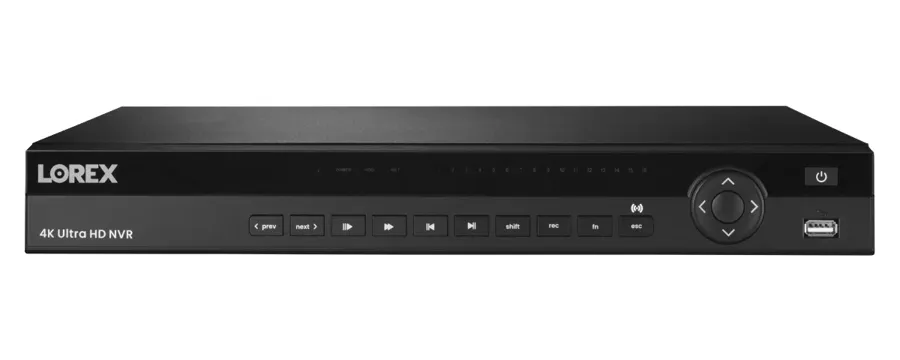
South Slope, Brooklyn security camera repair: front panel of a 16-channel desktop network video recorder
A product photo from the AESS job library, not taken in South Slope: a 16-channel desktop network video recorder. In a South Slope row house this box tends to live on a cellar shelf near the meters or in a hall closet beside the internet modem; in a Fourth Avenue condo it sits in a locked telecom or super's room; in a Fifth Avenue shop it is under the counter or in the basement. Most of our repairs start here, because the recorder keeps the footage, logs which camera dropped and when, and decides how good the picture is that it saves, which is not always as good as the picture you see live.
South Slope Camera Repair Request
Row house, frame house, condo, co-op, store or restaurant: send the address and what the screen shows, and a technician calls back with the next step

βœ…
Request Sent!
Thank you. A technician will contact you about the South Slope address shortly.
25+
Years Experience
βœ“
Same-Day Estimates
100%
Licensed & Insured
4.7β˜…
201 Google Reviews

Owner-operated since 2002 Β· Thousands of jobs completed Β· Booked within 2 hours

Security camera repair in South Slope has to fix two different pictures: the one at three in the afternoon and the one at three in the morning. City records for the blocks from 10th to 19th Street show that most thefts from homes here begin in daylight, while 311 shows hundreds of reports of street lights out on the same blocks over the last six years. A camera can fail at either end. In the afternoon, a stoop or vestibule camera looking out through glass at a bright street turns the person on the steps into a dark shape. At night, a camera that was aimed and set while the lamp outside was working shows grain and smear once that lamp goes out. Add the recorder on a cellar shelf that came back from the February 2026 outage without its settings, a hard drive worn out by years of nonstop recording, and connectors that let water into old cable, and you have most of the repair calls we get from this part of Brooklyn. Send a midday and a nighttime screenshot to (347) 934-8335 or on WhatsApp, and we will tell you which kind of fault it looks like and what that repair costs on our Brooklyn list before you book.

  • Looking at your screenshots costs nothing. The $150 service call covers the on-site diagnosis and is credited to the repair if you go ahead.
  • We work under New York State license #12000287431, the state license required of companies that install or service security and CCTV systems for other people.
  • We repair any brand and any installer's system, and we say so when an old camera or recorder is not worth the money to fix.
The Neighborhood

Why South Slope Properties Need Security Camera Repair

South Slope is the southern end of Park Slope, usually drawn from about Ninth or Tenth Street down toward the Prospect Expressway, between Fourth Avenue and Prospect Park West. Its streets are mostly two- and three-story brick row houses, a scattering of older frame houses, walk-ups over storefronts on Fifth and Seventh Avenues, a converted clock factory on Seventh Avenue, and the newer condo and rental buildings that went up on Fourth Avenue after the 2005 rezoning. That is the background. For a camera repair the question that matters is simpler: what is in front of each camera at the hours when something actually goes wrong, and is the system still built for that view?

The city's own records answer the first half. We drew an outline around the blocks from 10th to 19th Street between Fourth Avenue and Prospect Park West and pulled the NYPD's complaint records for 2021 through 2025. Inside it there were 295 petit larcenies at apartment houses and houses, the category that takes in most packages lifted from stoops and vestibules, plus 166 grand larcenies at the same kinds of buildings. Of those 295 petit larcenies, 143 had an earliest start time between noon and 6 p.m. and 79 between 6 a.m. and noon. Only 19 began between midnight and 6 a.m. In other words, roughly three of every four thefts from South Slope homes in that file started in daylight, while people were at work, and the camera on the stoop was looking out at a bright street.

That matters because daylight is where many residential cameras are weakest, not night. A camera inside a vestibule, behind the glass of a front door or tucked under the stoop has to look from shade toward sun. Unless it is set up for that contrast, it exposes for the bright sidewalk and leaves the face on the steps in shadow, or exposes for the face and blows out everything behind it. On blocks where the long side of the street gets direct afternoon sun, the problem is worst during exactly the hours the records point to. Many of the "the camera is fine, the footage is useless" calls we get from row houses here are this, and they are fixed with a change of angle, a setting, a lens or a camera better suited to backlight, not a whole new system.

The second half is darkness. NYC 311 holds 449 reports of a single street light out and 18 reports of several lights out inside the same outline between January 2021 and November 2026, with 100 in 2022 alone and 69 so far in 2026. The streets with the most reports were 18th Street with 43, 12th Street with 33, 14th Street with 32 and Prospect Avenue with 22. The same file shows lamps "cycling" on and off, lamps burning through the day, and seven lampposts knocked down this year. A camera whose night picture was tuned under a working street lamp behaves very differently when that lamp dies or starts flickering: it may switch to infrared and lose color, flip back and forth between modes all night, or fill the phone with motion alerts from the change in light. Owners read that as a broken camera. Sometimes it is; often it is the light, and the repair is a setting, an added light of your own, or a report to 311 for the lamp.

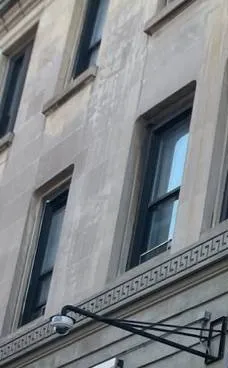
South Slope, Brooklyn facade camera repair: bullet camera on a long black steel wall arm below a carved Greek-key band on a pale stone facade with tall sash windows
A photo from the AESS job library, not taken in South Slope: a bullet camera on a long black steel arm below a carved Greek-key band on a pale stone facade with tall sash windows. On South Slope's brick and brownstone rows, an arm like this is how a camera reaches out past a cornice or a stoop to see the sidewalk, and the arm is also what catches the low afternoon sun on the lens. When we repair one, we look at where it points at three in the afternoon as well as where it points at night.

Power is the third thread. In early February 2026, melting snow and road salt damaged underground equipment and knocked out power to more than 2,000 Con Edison customers in Park Slope and Boerum Hill; FOX 5 reported more than 1,900 still out in Park Slope on February 1, and ABC7 counted 562 households in the dark on February 3. "Families are unable to make arrangements because the estimated time of restoration keeps moving," Council Member Shahana Hanif told ABC7. The reports name Park Slope rather than particular South Slope blocks, so we do not claim which streets lost power. But when a recorder, a PoE switch and a stack of camera power supplies go down hard and come back on a surge, some of them do not come back right: a drive that will not mount, a clock reset to the factory date, a switch port that no longer powers its camera. Those are repair calls, and they tend to arrive weeks later, the first time someone tries to play something back.

So a camera repair in South Slope is not only "make the dark camera light up again." It is getting each camera to produce a usable picture at the hours the block's own records say matter, getting the recorder to save that picture at enough quality to use, and setting the system to warn you when it stops, before the day you need it. Many owners pair the repair with a check of the door buzzer or video intercom at the same entrance, because on these row houses and walk-ups the same front door carries both systems.

Six South Slope facts that shape a camera repair

  • Most thefts from homes start in daylight. Of 295 petit larcenies at apartment houses and houses in NYPD records for 10th to 19th Street, 2021–2025, 222 had an earliest start time between 6 a.m. and 6 p.m., and 143 of those fell between noon and 6 p.m. The afternoon picture is the one that has to work.
  • Street lights go out often enough to change night footage. 311 logged 467 reports of one or several street lights out on these blocks from 2021 to November 2026, most on 18th, 12th and 14th Streets and Prospect Avenue, plus lamps cycling on and off and lamps burning all day.
  • The street is where a lot of the damage happens. The same NYPD file has 139 criminal mischief complaints on the street inside the outline over five years, 36 at apartment houses and 20 at houses, and 242 petit larcenies on the street. Cameras that look past the property line at a parked car, a bike or a gate are the ones people ask about afterward.
  • Part of the neighborhood is a historic district. The Landmarks Preservation Commission's 2012 extension of the Park Slope Historic District took in about 600 buildings in the South Slope, between 7th and 15th Streets and 7th and 8th Avenues, plus both sides of Seventh Avenue from 7th to 15th Street, according to the Park Slope Civic Council. Replacing a camera in kind is ordinary repair under the LPC's guidebook; moving it or adding one is a different conversation.
  • Outages arrive through the street. February 2026's outage in Park Slope came from salt and meltwater in underground equipment and lasted days for some customers. Recorders and switches that ride through an event like that without protection are a large share of our spring repair work.
  • Repair is priced by the fault, not the ZIP code. HomeAdvisor's Brooklyn page puts the average surveillance camera install or repair at $1,416, with a typical range of $680 to $2,145 across job sizes; most single repairs on our Brooklyn list fall between $150 and $700.

Where this page applies. It covers the South Slope from about 10th Street south to the blocks around the Prospect Expressway, from Fourth Avenue up to Prospect Park West and Eighth Avenue, including Fifth, Sixth, Seventh and Eighth Avenues, Prospect Avenue, Windsor Place's western blocks and the streets around Bartel-Pritchard Square and the 15th Street–Prospect Park station. The blocks in the 20s toward Green-Wood are on our Greenwood Heights security camera repair page, and the rest of the borough is on our main Brooklyn security camera repair page. South Slope is billed at the standard Brooklyn rate.

Same-Day Repair in South Slope

Need Repair in South Slope? A Package Gone From the Stoop at Midday, a Block Gone Dark, or a Recorder That Came Back Wrong After the Outage

Urgent calls from South Slope tend to come in three shapes. The first is the afternoon theft: a box disappears from the vestibule or a bike from the areaway, a neighbor or the precinct asks what the camera caught, and the clip shows the back of a hood or a silhouette against the street. The second is the dark block: the lamp outside has been out for a week, the night footage is grey mush, and there was a car break-in on the corner. The third is the slow failure that surfaces after a power event: the recorder looks like it is running, but when someone tries to play back last Tuesday there is nothing there, or there is footage stamped with a date from years ago.

If footage from a particular day matters, leave the recorder running and do not unplug, restart or reset it. Recorders overwrite their oldest video once the drive fills, so the clock is already running, and a restart can also clear the log that tells us when a camera dropped or the drive stopped writing. Text us the date and time you need, the camera it should be on and a photo of the recorder's front or its screen. We plan the visit so the clip is copied before anything else is touched.

For everything else the path is short. The $150 Brooklyn service call books a two-hour arrival window. The technician finds the fault, tells you what failed and why, and writes down the price from our Brooklyn list before any part is replaced. Most single-fault repairs here are finished on the same visit, with the camera checked in daylight before we leave and its low-light behavior checked by covering the lens and lighting the scene the way the block looks after dark.

What We Install

Security Camera Repair Services in South Slope

Every repair below is priced from our Brooklyn camera repair list. The service call pays for finding the fault; the repair is priced by what failed, how many cameras it touches and how hard each cable is to reach, whether that is a stoop camera on a brick row on 15th Street or a lobby camera in a Fourth Avenue condo's ceiling.

Backlight and glare repair

Cameras that turn faces into silhouettes against a bright street or blow out the sidewalk: re-aimed, reset for wide dynamic range, fitted with a better lens or replaced with a camera that handles shade-to-sun views. This is the fix for most "useless afternoon footage" calls from row-house vestibules.

Night picture repair

Grain, smear, color flipping to black and white, and infrared bouncing off a nearby wall or railing, often after a street lamp went out or started cycling. We separate a failing camera from a changed scene and fix whichever it is.

Recorder and hard drive repair

DVRs and NVRs that stopped saving, beep, restart or show a disk error, and drives worn out by years of nonstop recording. We copy what can be copied, replace the drive or recorder, and confirm playback before we go.

Outage and surge recovery

Recorders that lost their settings or clock, PoE switch ports that no longer power a camera, and plug-in supplies that died when the power came back. We find every part that did not survive and add protection where it is worth it.

Dead camera diagnosis

One camera or several dark at once: power, switch port, connector, cable, camera or recorder channel, tested in order so you pay for the part that failed and not the three around it.

Cable and connector repair

Connectors that let water in at the facade, cables pinched by a storm window or chewed in the cellar, and runs cut during pointing, roofing or a renovation next door, reterminated or replaced along the existing path where it can be reused.

Recording quality and retention

Systems that look sharp live but save blocky clips, or keep only a few days. We set the saved stream, schedule and drive size so the hours that matter are kept at a quality you can use.

Phone viewing and logins

Apps that stopped connecting after an internet provider change, lost admin passwords, and previous owners or tenants still on the account. We recover access, remove old users and give logins to the right people.

Footage export for incidents

Clips for the 78th or 72nd Precinct, an insurer, a landlord or a court, exported in the recorder's original format with its own timestamps, and a short lesson so you can do it yourself next time.

Building Specialists

Security Camera Repair for South Slope's Architecture

The same failed camera is a different repair on each kind of South Slope building, because the cable path, the mounting surface, the recorder's location and the person who approves the work all change. These are the buildings we see most.

Brick row houses

Two- and three-story brick rows with stoops and vestibules, built from the 1880s on. Cameras sit over the door, under the cornice or beside the stoop, with cable dropping to a cellar recorder through the vestibule or the front wall.

Frame houses and two-families

Wood houses, some under siding, scattered through the blocks below Fifth Avenue. Cable runs behind clapboard or vinyl, and water follows it in at every badly sealed hole.

Walk-ups over storefronts

Three- and four-story buildings on Fifth and Seventh Avenues with a shop below and apartments above, often with two separate camera systems sharing one entrance.

Fourth Avenue condos and rentals

Newer mid-rise buildings with network cameras, a video intercom, an elevator and a managing agent, where the recorder is in a locked room and the logins belong to whoever installed it.

Converted factory co-ops

Large converted industrial buildings such as the former Ansonia Clock Company plant on Seventh Avenue, with long corridors, high ceilings and dozens of cameras on one board's system.

Landmarked blocks

Houses inside the 2012 Park Slope Historic District extension, where a replacement camera should go back where the old one was and into a mortar joint, not into the stone.

Brick row houses: the vestibule that looks into the sun

The most common camera on a South Slope row house watches the stoop and the front door, and the most common complaint about it is daytime footage. The camera often sits inside the vestibule or just above the inner door, looking out through glass at the steps and the street. In the morning on one side of a street and in the afternoon on the other, the street behind the visitor is many times brighter than the visitor's face. A camera without strong wide dynamic range picks one or the other, and most default to the bright background. The fix depends on what is there. Sometimes it is a menu setting the installer never turned on; sometimes the camera has to move outside the glass, a foot higher or a foot to the side; sometimes the lens is too wide and the face is a handful of pixels. We test with the sun where it actually is during the hours the street's thefts happen, not during a cloudy morning visit, and we show you a test clip before we leave.

Frame houses and two-families: water rides the cable

Brownstoner has written about the wood houses that survive among the brick on the blocks below Fifth Avenue, including a simplified Italianate house at 199 17th Street that was standing by 1880. On houses like these, a camera is usually screwed through clapboard or siding into wood, and its cable goes through a hole beside it. If that hole was not sealed with a drip loop below it, rain follows the cable into the wall and into the connector, and the camera fails months later with green corrosion inside a junction box. When we repair one, we check the wall around the hole as well as the camera, seal what we open, and replace the connector with a weatherproof one rather than taping the old one.

Many of these houses are two-families. The recorder is often in the cellar of the garden unit and the cameras are powered from whichever outlet was closest during the install, which can be the tenant's. When a tenant moves and their electric account closes, or someone flips a breaker in the wrong apartment, half the cameras go dark. Part of a two-family repair is moving the system's power onto the owner's circuit and putting the recorder somewhere the owner can reach without knocking on a tenant's door.

Walk-ups over storefronts: two systems, one doorway

On Fifth and Seventh Avenues the typical building has a shop at street level and two or three floors of apartments above, reached through a narrow street door beside the shop window. The shop usually has its own cameras, bought by the tenant and recorded in the back. The landlord may have a separate camera on the residential door and in the stair hall, recorded on a different box in the cellar. When one fails, nobody is sure whose it is. We start these repairs by sorting out which cameras belong to which recorder and who owns each, label everything, and only then fix what is broken, so the next call does not start from zero.

Fourth Avenue condos and rentals: big systems, scattered logins

After the 2005 rezoning, Fourth Avenue filled with mid-rise buildings such as 554 Fourth Avenue, a 40-residence glass condominium, 575 Fourth Avenue and 599 4th Avenue between 17th and 18th Streets, all listed with video intercom entry. Their camera systems are usually network cameras on a PoE switch, recorded on an NVR in a telecom room, sometimes tied into the intercom so residents see the lobby camera on their apartment screen. The hardware is fine; the problem is that the passwords, the cloud account and the network settings often sit with the original installer, the sponsor or a building manager who has since changed. A repair there begins with getting the board or the managing agent into its own system.

These buildings are also concrete. That makes cable runs stable but means a dead camera in a finished lobby ceiling is reached through an access panel or a fixture opening, not a new hole, and that any work in the garage, roof or riser follows the building's contractor rules: insurance certificate, freight elevator booking, sign-in at the desk.

Converted factory co-ops: long halls, small faces

The Brooklyn Public Library describes the Ansonia Clock Company's Brooklyn plant as filling the block from Seventh Avenue and 12th Street to Eighth Avenue and 13th Street, "said to be the largest clock factory in the world," and now a 71-unit co-op. Buildings like that have corridors far longer than a row house is deep. A single wide camera at the end of a long hall gives the board a neat view of the whole corridor and a face the size of a fingernail at the far end. The repair there is often a lens choice rather than a new system: a varifocal camera zoomed to the stretch that matters, or a second camera at the midpoint. Because the system is the co-op's, we work through the managing agent and the board's chosen contact, and we leave a written note of what was changed.

Landmarked blocks: back in the same joint

On blocks inside the 2012 historic district extension, between about 7th and 15th Streets near Seventh and Eighth Avenues, a camera on the front of a house is a fixture the Landmarks Preservation Commission cares about. Its permit guidebook treats ordinary maintenance and repair of safety equipment as work that does not need a permit, while new installations are expected to be small, well spaced, fixed at mortar joints, plain masonry, wood or metal, and never drilled through cast iron or decorative stone. In practice that means a replacement goes back in the same position on the same anchors, at about the same size, with any cable kept tight to a joint. If the right repair is to move the camera or add one, we tell you that it is a different kind of job and what the guidebook asks for, before anything is drilled.

Field Notes

Field Notes: Why We Ask South Slope Owners for Two Screenshots

This is how our technicians approach the most common South Slope call, written as our working method rather than a story about any one house. The owner says the stoop camera "doesn't work." Before booking, we ask for two screenshots from the same camera: one from the middle of a sunny afternoon and one from after dark. About half the time the two pictures tell the whole story. If the afternoon frame shows a black figure against a white street and the night frame is fine, the camera is working and is set up for the wrong light; that is usually a setting, an angle or a lens. If the afternoon frame is fine and the night frame is grey grain, we look at the street lamp outside before we look at the camera, because 311 shows these blocks losing lamps often. If both frames are bad, or one is missing, the fault is in the camera, the cable, the power or the recorder, and the visit is planned around testing those in order.

The screenshots also tell us what the recorder is saving, which is not always what the live view shows. We ask for a recorded clip as well as a live frame, because a recorder set to save a low-quality stream can make a good camera look broken. None of this costs anything, and it means the technician arrives with the right part, or tells you before the visit that no part is needed.

Fault by Fault

Afternoon Glare, Dead Street Lamps, Outage Damage, Worn Drives and Saved Quality: How South Slope Camera Systems Go Wrong

Afternoon glare: the picture fails when the records say it matters most

A camera's sensor handles a limited range of brightness at once. Point it from a shaded vestibule toward a sunlit street and it has to choose. Entry-level cameras and many older ones choose the background, so the street looks perfect and the person on the stoop is a shape. Wide dynamic range settings take several exposures and combine them; some cameras do this well, some badly, and many ship with it switched off. Backlight compensation and region-of-interest exposure tell the camera which part of the frame to expose for. A good repair tries those first, then changes the angle so the camera sees the visitor against the brick of the stoop wall rather than the bright street, and only then replaces the camera with one built for backlit doors.

Glare has a second form: the low sun hitting the lens directly, or reflecting off the glass of the door the camera looks through. A camera behind glass also sees itself, its own infrared at night and the room behind it by day. The answers are a short hood, a few degrees of tilt, or moving the camera outside the glass. We test at the time of day the problem happens, which on many South Slope blocks means booking the visit in the afternoon.

Dead and cycling street lamps: when the camera did not change, the block did

At night most cameras either switch to infrared, losing color, or keep color by using whatever light is there. A camera tuned while the street lamp outside was working can fall apart when that lamp goes out: color models turn to noise, infrared models light up only the first few feet and the railing nearest the lens. A lamp that is cycling on and off, a condition 311 records on these blocks every year, is worse, because the camera flips between day and night mode over and over, refocuses, and fires motion alerts each time the light jumps. On the phone that looks like a broken camera. We check the scene before the camera: if the lamp is the cause, we tell you, set the camera to ride through the change, and suggest a small light of your own on a timer or a motion sensor so the picture does not depend on the city's lamp.

Infrared has its own South Slope trap. Stoops come with iron railings, areaway gates and window guards close to the camera. Infrared bouncing off a rail a foot from the lens washes out the whole frame. Moving the camera a few inches or turning down its infrared and adding a separate illuminator fixes it, and neither needs a new camera.

Outage damage: what does not come back after the power does

When power fails and returns, a recorder can come back with its hard drive unmounted, its settings lost or its clock reset. A PoE switch can lose a port, so one camera stays dark while the others work. Small plug-in camera supplies can fail outright. Battery backups, if there were any, may have drained in the first hour of a multi-day event like February 2026's and then cut out on the return. None of this always shows on the live view, so the first sign is often a playback gap discovered weeks later. After an outage we check every part in the chain, set the recorder's time to sync automatically, and size any backup to what it actually has to carry and for how long, rather than adding one that dies in ten minutes.

Worn drives: the part that works every minute of every day

A recorder writing four or eight cameras around the clock wears its drive out. When it starts to fail, the recorder may still show live video while saving nothing, or saving in pieces. Many recorders can warn about it, but only if alerts were set up and go to a phone someone reads. On a cellar shelf in a row house, nobody sees the warning light. A drive swap is one of the most common South Slope repairs and one of the cheapest; the important part is checking what can be copied off the old drive first and setting alerts so the next one does not fail in silence.

Saved quality: sharp live, useless in playback

Many systems show a high-resolution main stream when you watch live but record a lower one to save space, or record only on motion with a sensitivity set so low that the first seconds of a visit are lost. The camera is fine; the recorder was set up to keep the wrong thing. For a block where most thefts are in the afternoon, a reasonable setup keeps full quality on the door cameras around the clock, uses motion-based recording only where it is reliable, and sizes the drive so a week or more is kept even at full quality. We check those settings on every repair, because they are the difference between a clip that identifies someone and one that does not.

Commercial Security Camera Repair

Business Security Camera Repair in South Slope

South Slope's businesses sit along a few avenues and around the park's southwest corner. NYPD records for 2021 to 2025 inside our 10th-to-19th-Street outline show 383 petit larcenies at chain stores, 62 at commercial buildings, 37 at department stores, 25 at groceries and bodegas and 25 at drug stores. For a shop, that means daytime shoplifting is the footage owners most often go looking for, and the camera over the aisle or the register has to show a face and a hand, not just a crowd.

Fifth Avenue

The neighborhood's main shopping street, with restaurants, bars, groceries and small shops under apartments. Counter and aisle cameras, sidewalk cameras behind front windows, and back-door cameras in narrow rear halls.

Seventh Avenue

Shops, cafes and services at the upper edge of South Slope, partly inside the historic district extension. Facade cameras here should go back where they were, and cable should stay tight to masonry joints.

Fourth Avenue

Ground-floor retail in the newer mid-rise buildings, alongside older garages and one-story commercial lots. Cameras often share the building's network, which the landlord or condo controls.

Prospect Park West and Bartel-Pritchard Square

The corner at 15th Street where the former Pavilion Theater at 188 Prospect Park West became Nitehawk Prospect Park, which New York YIMBY described with seven screens, 650 seats and two bars. Late-night crowds and dark park edges.

Prospect Avenue and the R station

Corner stores and services near the Prospect Avenue stop on Fourth Avenue, where street-light reports are among the most frequent in our outline.

Eighth Avenue and the Armory

The 14th Regiment Armory at 1402 Eighth Avenue, between 14th and 15th Streets, now a women's shelter and a YMCA sports facility, and the residential blocks and institutions around it.

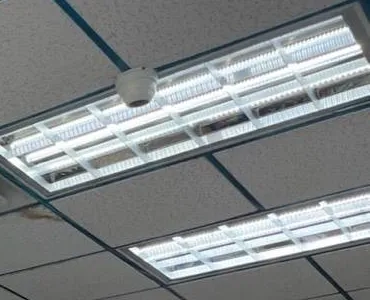
South Slope, Brooklyn store camera repair: small white dome camera on grey acoustic ceiling tiles beside a long louvered fluorescent light panel
A photo from the AESS job library, not taken in South Slope: a small white dome camera on grey acoustic ceiling tiles beside a long louvered fluorescent light panel. In a Fifth Avenue grocery or a pharmacy aisle, this is the camera that watches a shelf or a register. Its biggest enemy is not age but placement: a light panel or a new shelf unit too close to it can wash out or block the very spot where shoplifting happens in daylight.

Groceries, pharmacies and chain stores: daylight shoplifting, crowded ceilings

The store camera that matters is the one over the aisle where things disappear, and it is usually a dome in a drop ceiling. Over time, shelving gets taller, signs get hung, lighting gets replaced with brighter LED panels, and the dome ends up looking at the top of a display or into a light. The camera still works; it just no longer sees. Many store repairs here are a re-aim, a move of a few tiles, or swapping a wide dome for a varifocal one zoomed to the aisle. We also check how long the recorder keeps video, because shrinkage is often found days after it happened.

Restaurants and bars: late hours, grease and steam

Kitchen and back-door cameras in restaurants collect grease and steam on the dome, which softens the picture in weeks. Front-of-house cameras face bright windows during the day and dim rooms at night. Recorders end up in basements reached through sidewalk doors, next to compressors and mop sinks. Repairs usually combine a clean, a better position, a dome or camera rated for the environment, and moving the recorder off the floor.

Rules that touch a commercial camera repair

In New York, companies that install or service security and CCTV systems for others need a license from the Department of State; we work under NYS license #12000287431. Employers who watch staff by camera should know that New York Labor Law Section 203-c bars video recording in restrooms, locker rooms and changing rooms, and that a separate state law requires private employers to give notice before monitoring employee communications electronically. On landmarked stretches of Seventh Avenue and nearby side streets, a facade camera replaced in the same place is ordinary repair under the LPC guidebook, while a new or moved one is not. We are not your lawyer; we tell you where a repair touches one of these rules so you can decide before work starts.

Your Questions Answered

Security Camera Repair in South Slope: Questions Answered

Daytime footage, when most thefts here begin

The police records for our blocks show most thefts from homes starting between noon and 6 p.m., and our afternoon recordings are the worst footage we have. Why would a camera do worse at midday than at night?

Because midday is when the brightness gap between your stoop and the street is biggest, and a camera can only expose for one of them at a time unless it handles wide dynamic range well. At night the scene is evenly dark and the camera lights it itself, so it can look better. The fix is usually to turn on and tune the camera's backlight handling, aim it so the visitor is seen against the stoop or the door rather than the sunlit street, or replace the camera with one designed for backlit entrances. We test at the time of day the problem appears.

A box was taken from our stoop around 2 p.m., and the clip shows the person only from behind, walking away down the steps. Can our camera be changed so it catches people coming up?

Usually, yes. A camera mounted high over the door and aimed straight down the stoop sees the tops of heads on the way up and backs on the way down. Moving it lower and to the side, so it looks across the top step at the height of a face, or adding a second small camera at the door looking outward, catches people as they arrive. On a brick stoop that is often a short cable extension along a mortar joint. We would also check that the recorder is saving the full-quality stream from that camera, because a face at the top step is only a small part of the frame.

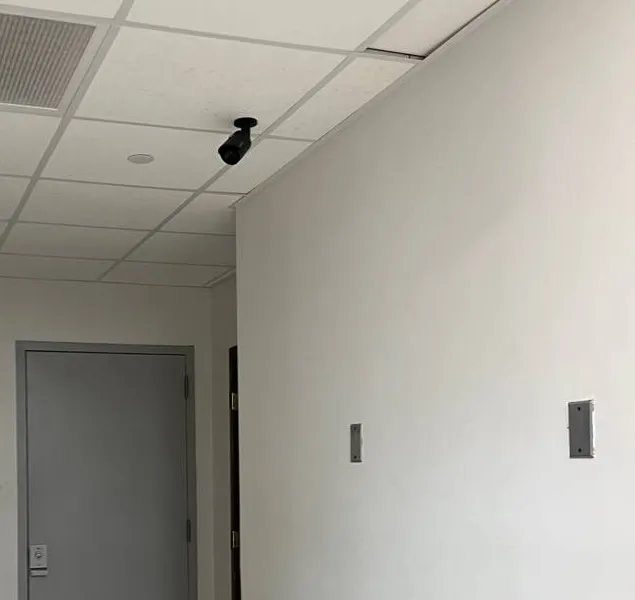
South Slope, Brooklyn hallway camera repair: small black bullet camera hanging from a white ceiling-tile grid, aimed down a short corridor at a grey steel service door
A photo from the AESS job library, not taken in South Slope: a small black bullet camera hanging from a white ceiling-tile grid and aimed down a short corridor at a grey steel service door. In a Fourth Avenue building this is the camera on a back corridor, a trash room or a garage door; in a Fifth Avenue shop it watches the rear exit. Aimed straight at a door, it sees whoever comes through but only for a moment, which is why we check its frame rate and saved quality when we repair it.

Night pictures and street lighting

The street lamp in front of our house on 18th Street has been out for weeks, and our camera's night picture went from color to grainy black and white. Is the camera failing, and should we report the lamp?

Most likely the camera is doing exactly what it was set to do: it lost the light it used for color and switched to infrared, which covers a shorter distance and shows no color. Report the lamp to 311; 18th Street had more street-light-out reports than any other street in our outline between 2021 and 2026, so you will not be the first. In the meantime, and for the next time it happens, a small fixture of your own over the stoop on a timer or motion sensor makes the night picture independent of the city's lamp. If the picture is still poor with the lamp working, then we look at the camera.

The lamp on our corner keeps blinking on and off all night. Our camera flips between color and black and white, and our phones get an alert every few minutes. Can the camera ignore it?

Yes. Each time the lamp drops out, the camera decides it is dark, switches mode, refocuses and sees the change as motion. We can set the camera to hold its night mode on a schedule instead of switching on light level, slow down how quickly it changes modes, and use smart detection that triggers on a person rather than any change in brightness. Report the cycling lamp to 311 as well; it is a known complaint type, and the city logged several on these blocks every year from 2021 on.

Power, recorders and the February outage

After the February 2026 outage our cameras came back, except one. The switch in the cellar shows that camera's port lit amber instead of green. Did the outage damage the switch?

Possibly, but an amber light on a PoE switch can also mean the port is linked at a lower speed, or the camera on that run is drawing more power than the port will give after a restart. We test the port with a known-good camera and a cable tester, and test the camera on a different port. If the port is bad, the switch is replaced; if the camera or its connector failed, that is what we replace. Switches and small supplies are common casualties of hard power returns, so we check the rest of the chain at the same time.

Our recorder is in the cellar under the stoop, and it only showed us it was not recording when we went to find something from three weeks ago. How do we make sure we find out in days, not weeks?

Turn on the recorder's own health alerts, which most models have: video loss on any channel, drive error, drive full, and recording stopped. Send them to an app or email you check, not to an address an installer set up years ago. We set those up on every repair, then trigger each one in front of you so you see what the alert looks like. A monthly two-minute check, picking a random hour from last week and playing it back, catches anything the alerts miss.

Row houses, condos and co-ops

Our house is on 13th Street just outside the historic district line, but the houses across the street are inside it. Which rules apply to replacing our front camera?

The district boundary is drawn by lot, so what matters is whether your own building is inside it, not the block. You can check your address on the Landmarks Preservation Commission's online map. If your house is outside the district, a camera replacement is governed by ordinary city rules and your own judgment. If it is inside, a replacement in kind in the same position is ordinary repair under the LPC guidebook. Either way, we put the new camera into a mortar joint rather than the stone, because that is good practice on any old facade.

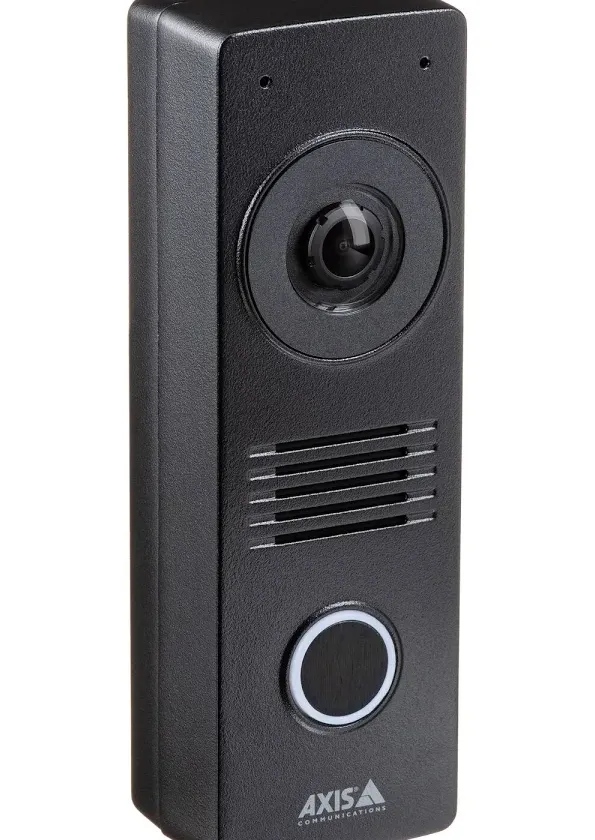
South Slope, Brooklyn condo lobby camera repair: black video intercom door station with a camera, speaker grille and lit call button
A product photo from the AESS job library, not taken in South Slope: a black video intercom door station with a camera, a speaker grille and a lit call button. Fourth Avenue condos list video intercom entry as standard, and in many of them this station's camera and the lobby cameras end up on the same network. When one resident's apartment screen goes blank, the fault can be in the station, the building's network or the apartment, and we test each before replacing anything.

In our Fourth Avenue condo, each apartment's intercom screen shows the lobby camera. Since a contractor worked in the building, our unit's screen shows a blank square while our neighbors' screens are fine. Is that the camera or our apartment?

If other apartments still see the lobby camera, the camera itself is working, so the fault is somewhere between the building's network and your screen: a cable or connector in your unit's wall, a port on the building switch, or your screen's settings. We test the feed at the switch, at your apartment's jack and at the screen. Because the screen and the wiring inside your walls may be yours while the switch is the building's, we confirm with the managing agent who covers which part before we replace anything.

Our co-op is in a converted factory, and the cameras at the ends of our long corridors show faces at the far end too small to recognize. Is that a repair or a whole new system?

Usually a repair. A wide-angle camera at the end of a long corridor spreads its pixels over the whole hall, so a face forty feet away is tiny. Swapping to a varifocal camera and zooming it to the stretch where people actually pass, usually the stair doors and the elevator, or adding a camera at the midpoint, solves it without touching the recorder. We check the recorder's free channels and licenses first, so the board knows whether a midpoint camera fits on the current system.

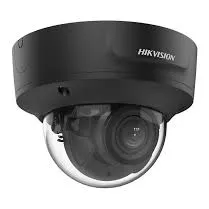
South Slope, Brooklyn co-op corridor camera repair: black varifocal dome camera, product photo
A product photo from the AESS job library, not taken in South Slope: a black varifocal dome camera. Its lens can be zoomed after it is mounted, which is the usual fix for a long corridor in a converted building or a deep aisle in a Fifth Avenue store, where a fixed wide lens makes the far end unreadable.

Shops and the street

Our camera watches the bike we lock in the front areaway. The bike was taken, and the clip shows the lock being cut but only a pair of hands. Can the camera be set up to see who did it?

Yes, with a change of angle rather than a new camera in most cases. A camera aimed straight down at the bike gets hands and the tops of heads. Re-aiming it to look across the areaway toward the gate, at about the height of someone bending over, shows faces as they come in and leave. A second, wider camera covering the gate and the sidewalk gives context. NYPD records for our outline show 242 petit larcenies on the street over five years, so a view that reaches the gate is worth more than one that only sees the bike.

A new shelving unit in our Fifth Avenue grocery now blocks half the view from our aisle camera, and that is the aisle where things go missing during the day. Do we move the camera or replace it?

Usually move it. In a drop ceiling, shifting a dome two or three tiles, or replacing it with a varifocal dome aimed down the aisle from the end, restores the view without new cable beyond a short extension. If the aisle is long, a narrower lens at the far end does more than a wide one in the middle. Because shoplifting at chain stores, groceries and drug stores is the most common theft in the NYPD records for these blocks, we also check how many days the recorder keeps, so a loss found at inventory can still be looked up.

Equipment

Types of Security Cameras and Recorders We Repair

We repair systems from any manufacturer and any installer. These are the kinds of equipment we meet most on South Slope row houses, condos and avenue shops, and what usually goes wrong with each.

Coax and HD-over-coax cameras

Older systems in many row houses, wired with coaxial cable to a DVR in the cellar. Connectors corrode at the facade, and power often comes from a separate multi-camera supply that fails first. Often upgraded in place to higher resolution on the same cable.

Network (IP) cameras

Standard in Fourth Avenue condos and newer shop systems, powered and connected by one cable to a PoE switch or NVR. Faults are usually a switch port, a connector, a password or an address change after a network update.

DVRs, NVRs and hybrid recorders

The box that keeps the video. Drives wear out, settings get lost in outages, firmware updates break phone viewing. Hybrid recorders let a row house keep its coax cameras while adding network ones.

Varifocal domes and bullets

Cameras whose lens can be zoomed after mounting. The answer for long co-op corridors, deep store aisles and stoops where a face must fill more of the frame.

Wide dynamic range door cameras

Cameras built to see a face in shade against a bright street. The usual replacement for vestibule and stoop cameras that fail in South Slope's afternoon light.

Pan-tilt and 360-degree cameras

Motorized or fisheye cameras on corners, roofs and large store floors. Motors, presets and dewy domes are what we fix most often.

Wi-Fi, battery and cube cameras

Consumer cameras on stoops, in apartments and in back yards. Signal through brick, batteries in winter, and app accounts tied to someone who moved away are the usual problems.

Video door stations

Intercom stations with built-in cameras at condo lobbies and row-house doors, sometimes recorded by the main system, sometimes not. We check which before promising footage from them.

PoE switches, supplies and battery backups

The parts that power everything and fail when the power misbehaves. Checked on every outage-related call and sized properly when replaced.

South Slope, Brooklyn pan-tilt camera repair: mini pan-tilt dome camera with a white housing over a black lens dome
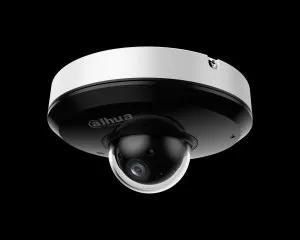
A product photo from the AESS job library, not taken in South Slope: a mini pan-tilt dome camera with a white housing over a black lens dome. In a store or a building lobby it can be moved from the phone to look at a register, a door or an aisle. Its moving parts and saved positions are what usually need repair, and on a South Slope shop floor we often find it parked pointing at the wrong spot since the last time someone used it.
South Slope, Brooklyn row house door camera repair: slim video door station with a camera lens at the top and a large round call button
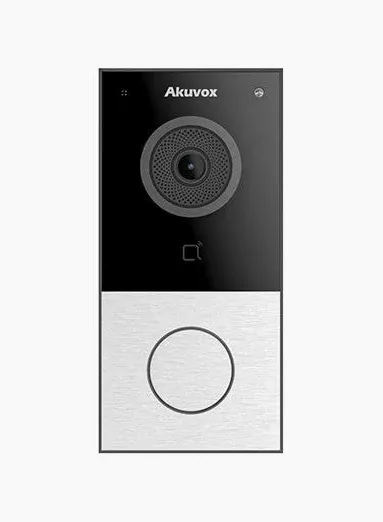
A product photo from the AESS job library, not taken in South Slope: a slim video door station with a camera lens at the top and a large round call button. On a South Slope row house or walk-up, a station like this beside the street door often looks straight out at the sidewalk, which puts the sun behind anyone pressing the button in the afternoon. Whether its camera is recorded at all depends on how it was connected.

National brands versus a local licensed repair

Owners with Ring, Arlo, Nest, Wyze or SimpliSafe cameras often ask whether they should call the brand or us. For a sealed consumer camera that has failed outright, the brand's warranty or a replacement is usually the cheaper path; there is nothing inside to repair. What the brands cannot do is come to the house, see that the camera is mounted behind glass that reflects the living room, that the Wi-Fi does not reach the back yard through two brick walls, or that the battery drains because the camera wakes up every time the lamp outside cycles. That is where a visit pays for itself. For wired systems with a recorder, a licensed local repair is the normal route: the brands that sell them generally sell through installers and do not send technicians. ADT and similar monitored services repair their own equipment under their contracts; if your cameras came with one, check the contract before you call anyone else. We will tell you honestly which of these fits your situation.

SituationUsually best handled by
Sealed consumer camera dead, still under warrantyThe brand's warranty
Consumer camera works but placement, glare, Wi-Fi or battery is the problemA local visit
Wired cameras with a DVR or NVRA licensed local repair
Cameras under a monitoring company's contractThat company first, under its contract
Condo or co-op building systemA licensed repair approved by the board or managing agent
South Slope, Brooklyn apartment camera repair: white indoor cube camera, product photo
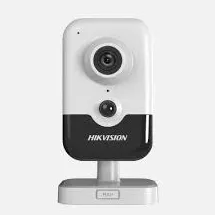
A product photo from the AESS job library, not taken in South Slope: a white indoor cube camera. Renters in South Slope walk-ups often put one on a shelf facing the apartment door or a window. When it stops connecting, the cause is usually the apartment's Wi-Fi, a changed password, or an app account in someone else's name, not the camera.
South Slope, Brooklyn back yard Wi-Fi camera repair: Wi-Fi dome camera with an external antenna, product photo
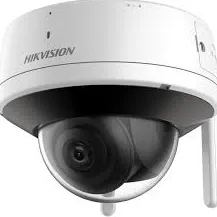
A product photo from the AESS job library, not taken in South Slope: a Wi-Fi dome camera with an external antenna. On a South Slope row house the yard camera sits behind two or three brick walls from the router in the front room, so the antenna's direction and an access point near the back of the house often matter more than the camera itself.
AI Overview Reality Check

What AI Gets Wrong About Security Camera Repair in South Slope

Search summaries and home-service sites such as Angi, HomeAdvisor and Fixr give general advice about camera repair. Some of it is right everywhere. Some of it misses how cameras fail on these particular blocks. Here are the claims we hear repeated most often, and what we find on South Slope repairs.

"Night vision is the hardest test for a security camera"

For a camera in an open yard, maybe. For a South Slope stoop or vestibule camera, daylight is often harder. The NYPD's records for our outline show 222 of 295 thefts at homes starting between 6 a.m. and 6 p.m., most of them in the afternoon, when a camera looking from shade toward a bright street struggles most.

A camera that looks excellent at night can still fail the test that matters on these blocks: showing the face of someone standing on a stoop with the sun behind them. Reviews and spec sheets that focus on night range do not tell you that.

So on every repair we check the day picture at the hour it is worst, not only the night picture. Often the fix is a setting or an angle the installer never revisited after the first sunny afternoon.

"If the night picture goes bad, the infrared LEDs are failing"

Sometimes they are. But on a block where 311 records street lamps going out every year, with 69 reports of a single lamp out in our outline in 2026 so far, a sudden change in the night picture is often the scene, not the camera. A color camera that relied on the lamp outside will turn grainy the night the lamp dies.

The quick test is to look at the camera's picture on a night when the lamp is known to be working, or to light the scene with a flashlight from a distance. If the picture recovers, the LEDs are fine.

Replacing a camera because a street lamp died costs money and does not fix anything when the next lamp goes out. A small light of your own on a sensor, or a camera set for the darkness the block actually gets, does.

"A battery backup keeps your cameras running through an outage"

A small backup keeps a recorder alive through a flicker or a few minutes. It does not carry a recorder, a PoE switch and eight cameras through an outage that lasts days, as parts of Park Slope saw in February 2026, when hundreds of households were still without power on the third day.

The honest goal for most homes is to ride through short drops without a restart, shut down cleanly on a long one so the drive is not damaged, and restart properly when power returns. That needs a backup sized to the load and set to tell the recorder to shut down.

After a long outage, the repair is checking what did not come back: a drive, a switch port, a supply, the clock. We check them all rather than assuming the live view means everything is fine.

"Most camera problems are fixed by rebooting the recorder"

A restart does clear some software faults. But on a recorder with a failing drive, or one where you need last week's footage, a restart can make things worse: some recorders come back asking to format a drive they can no longer read, and the logs that show when recording stopped can be lost.

If you need footage, leave the recorder running and call. If you do not, a single restart is fine to try, but write down what the screen said before you do it.

If the same fault returns after a restart, that is the recorder telling you something specific, usually about its drive or its power. That is the moment to have it looked at.

"Any handyman or electrician can fix a security camera system"

In New York, companies that install or service security and CCTV systems for other people are licensed by the Department of State. An electrician can fix the outlet the recorder plugs into; the cameras, cabling, recorder and network are low-voltage work.

The skills are different, too. Most South Slope camera faults are found with a cable tester, a PoE tester, the recorder's logs and a look at the light at the right time of day, not with a voltage meter on the house wiring.

If a handyman has already been in, tell us what was changed. It saves time, and it is common for a well-meant fix to have moved the problem rather than solved it.

"Landmark rules make any camera work on a historic block a permit job"

Not for a repair. The LPC's permit guidebook treats ordinary maintenance and repair of health, safety and utility equipment as work that does not need a permit. Replacing a dead camera in the same place is that kind of work.

What the guidebook governs is new or moved equipment: cameras well spaced, no more than two per 25 feet of frontage on a small building, fixed into mortar joints or plain surfaces, never through cast iron or decorative stone, with very little visible conduit.

So a repair on a historic block is usually simple. A change of position is a different job, and we tell you that before anything is drilled.

"Camera repair costs about $100 to $300"

That range describes a single consumer camera somewhere quiet. HomeAdvisor's Brooklyn page puts the average surveillance camera install or repair at $1,416, with a typical range of $680 to $2,145 across all job sizes. Other NYC companies publish $150 and $250 diagnostic calls before any parts.

On our Brooklyn list, a setting or connector fix can be covered within the $150 service call or run $150 to $350, a single camera replacement $250 to $600, and a recorder replacement $700 to $1,500. The fault decides the price, and you see it in writing first.

The expensive repairs are the ones done twice: a camera replaced when the drive was the problem, or a drive replaced when the power supply was killing it. Testing in order is how we avoid that.
Talk to a Technician Before You Replace a Camera That Might Only Need a Setting

Send a midday and a nighttime screenshot from the camera you are worried about, and a recorded clip if you can. Many South Slope "broken camera" calls turn out to be glare, a dead street lamp or a recorder saving the wrong stream, and we would rather tell you that before you buy anything.

Prefer to talk to someone who works on cameras every day? Message a technician on WhatsApp.

Get In Touch

Request a Free Quote

Tell us the address, the kind of building, how many cameras there are, which ones are out and where the recorder sits. Say whether the problem is worse in daylight or after dark, and whether the street lamp outside is working. If you need footage from a particular date, put it in the message and we will plan the visit around copying it first. For anything urgent, call (347) 934-8335.

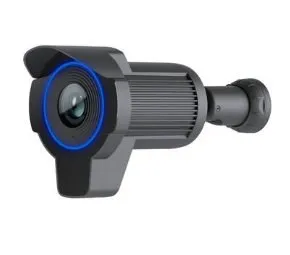
South Slope, Brooklyn stoop camera repair: black bullet camera with a long hood and a blue-lit ring around the lens, product photo
A product photo from the AESS job library, not taken in South Slope: a black bullet camera with a long hood and a blue-lit ring around the lens. The long hood is the point: on a South Slope stoop or areaway that faces the afternoon sun, a hood like this keeps direct light off the lens, which is one of the simplest fixes for washed-out daytime footage.

βœ…
Request Sent!
Thank you. A technician will contact you about the South Slope address shortly.
How It Works

Our Repair Process

1. Send a daytime and a nighttime screenshot

A photo of the recorder or app at midday and after dark from the camera that worries you, the South Slope address and the type of building, by text, WhatsApp or the form. Tell us any date whose footage has to be kept and whether the problem began after an outage or work on the house.

2. Confirm who owns the system

Owner, landlord, tenant, condo board, co-op or shop. We confirm who approves the work, who holds the recorder login, and who can let us into the cellar, telecom room or back office before we book.

3. Book and pay the service call

The $150 Brooklyn service call books a two-hour arrival window and is credited to the repair if you go ahead. Requests are booked within 2 hours. If the problem is afternoon glare, we try to book the visit for the afternoon.

4. Copy any footage that matters

Clips you need are exported to USB with the recorder's own timestamps before a cable, drive or setting is changed. If a drive looks like it is failing, we copy first and test second.

5. Trace the fault from power to phone

Outlet and backup, supply or PoE switch, recorder and drive, then each cable, connector and camera, then the network and the app, in that order, so the part that failed is the part that gets replaced.

6. Name the cause and write the price

You hear what failed and why, and get a written price from the Brooklyn list before any part is replaced. If there is more than one fault, each is priced separately so you can choose what to do now.

7. Repair and test in both kinds of light

Parts are replaced, holes in brick, siding or ceilings are sealed or covered, and each camera is checked against bright light and low light, with the saved recording confirmed in playback, not just the live view.

8. Label, set alerts and hand over

Cables and channels are labeled, camera-loss and drive alerts go to the right phones, old users are removed, the clock is set to sync, and you are shown how to find and export a clip.

Coverage Area

Security Camera Repair Near South Slope's Landmarks

Bartel-Pritchard Square

The circle where Prospect Park West, Prospect Park Southwest and 15th Street meet, named in 1923 for two local men killed in the First World War, with columns attributed to Stanford White.

15th Street–Prospect Park station

The F and G stop under the square, listed on the National Register of Historic Places, and the way many residents of the upper blocks get home after dark.

Nitehawk Prospect Park

The former Pavilion Theater at 188 Prospect Park West, reopened as a cinema with seven screens, 650 seats and two bars after a condo plan was dropped.

14th Regiment Armory

The 1891–95 armory at 1402 Eighth Avenue between 14th and 15th Streets, a city landmark since 1998, now a women's shelter and a YMCA sports facility.

Ansonia Clock Company building

The former clock factory filling the block from Seventh Avenue and 12th Street to Eighth Avenue and 13th Street, now a 71-unit co-op inside the 2012 historic district extension.

Fourth Avenue–Ninth Street station

The elevated F and G platform over the R, also on the National Register, at the neighborhood's northwest corner where Fourth Avenue's new buildings begin.

We also serve the neighborhoods around South Slope, including Park Slope, Windsor Terrace, Greenwood Heights and Gowanus, at the same Brooklyn rate. Our Gowanus camera repair page covers the canal blocks west of Fourth Avenue, our Greenwood Heights page covers the blocks toward Green-Wood, and owners anywhere in the borough can start from Abstract Enterprises' Brooklyn security camera repair page.

Pricing

Security Camera Repair Cost in South Slope

South Slope is billed at our standard Brooklyn rate. Every repair starts with the $150 service call, which covers the on-site diagnosis and is credited to the repair if you go ahead. The figures below come from our published list of Brooklyn security camera repair prices; your own price is written down on the visit, once the fault is found, and nothing is replaced until you agree to it.

RepairBrooklyn price
Service call: on-site diagnosis and written repair price$150, credited to the repair
Glare, backlight, motion, alert or login settings with no partsUsually within the $150 service call
Clean and check for a hazy or dirty picture$80
Connector reterminate or PoE port swap$150–$350
Power supply repair$150–$400
Dome or front cover replacement$30–$80 part, plus labor
Hard drive swap$200–$450
Indoor camera repair$200–$450
Single camera replacement on a working system$250–$600
Outdoor camera body replacement with weatherproofing$250–$600
Night picture repair$250–$650
DVR not working, including drive and labor$300–$700
NVR not recording$400–$900
Vandalized camera, per camera, plus cable repair$400–$900
Pan-tilt (PTZ) camera repair$450–$1,200
Hybrid recorder swap, coax and IP$700–$1,200
DVR or NVR replacement with drive and setup$700–$1,500
Lightning or surge damage, depending on system size$700–$3,500
Annual maintenance visit$250–$800

Three things move a South Slope price inside those ranges. The first is reach and surface: a camera under the cornice of a three-story row house, over a Fifth Avenue storefront or in a condo's double-height lobby takes more ladder time than one beside a door, and a camera on a landmarked facade takes more care to put back in the same joint. The second is how many parts failed together, which is why outage repairs are often priced higher than a single dead camera: the drive, a switch port and a supply can all go in the same event. The third is access: a recorder in a locked telecom room or a tenant's cellar adds time to arrange. Whatever the case, you see the number before work starts, and if there is more than one fault, each is priced on its own line.

Full terms β€” including 50% deposit, one-year parts-only warranty on AESS-supplied products, and the late-fee schedule β€” are set out in the service agreement.
Shop Our Systems

Security Camera Repair Packages & Pricing

Three ways South Slope repairs usually come together, priced from our Brooklyn list.

Single-issue repair: $150–$700

One fault, one visit: a vestibule camera re-aimed and reset for afternoon backlight, a corroded connector replaced at the facade, a PoE port or supply replaced after an outage, a worn drive swapped, or a login recovered. Typical for a brick row house, a frame two-family or a small shop on Fifth Avenue.

Major system repair: $700–$1,500

The recorder or several runs: a DVR or NVR replaced after an outage or old age, coax cameras moved onto a hybrid recorder, or several cameras rewired after a renovation. Typical for a walk-up, a store with apartments above, or a condo's common areas.

Annual maintenance: $250–$800

Every camera checked in bright and low light, domes and lenses cleaned, connectors and supplies tested, drive health read, backups tested, alerts confirmed and a test clip exported. Homes start at $250, commercial properties at $400, and owners with several buildings run $500 to $800.

Bring your own equipment. If you have already bought a replacement camera or recorder, we can fit it at labor-only rates. Send us the exact model and we quote the labor by phone or text, and the visit is booked once it is paid. Equipment you supply is installed as supplied: we cannot vouch for parts we did not provide, and if a model will not work with your recorder or app, we will tell you before we start rather than after.

Complete Services

Every Security Camera Repair Service in South Slope

Camera, picture and cable repair

Dark cameras, afternoon glare, poor night pictures, corroded connectors and runs cut during facade work. Request a repair

Recorder, drive and outage repair

DVRs, NVRs, switches, supplies and backups on cellar shelves, in telecom rooms and under counters. Security camera repair in Brooklyn

Brooklyn repair prices

The full list behind every number on this page. Brooklyn camera repair price list

Citywide repair

Owners and managing agents with buildings in more than one borough. NYC security camera repair

FAQ

South Slope Security Camera Repair FAQ

Can the recorder keep the afternoon hours at full quality and save space overnight, instead of recording everything the same way?
+

Yes. Most recorders let you set different recording rules by camera and by time of day. On a South Slope house we usually keep the stoop and door cameras at full quality around the clock, because that is cheap insurance, and use motion-based recording or a lower stream for cameras that watch a quiet yard or a hallway overnight. The goal is to keep at least a week of usable video at the quality that identifies a face, and we size the drive and the schedule together to get there.

The dome over our stoop camera has turned yellow and cloudy from years of sun. Can just the dome be replaced?
+

Often, yes. On many dome cameras the clear cover is a separate part, and on our Brooklyn list a dome or front cover replacement is $30 to $80 for the part plus labor. If that model's cover is no longer sold, or the sun has also damaged the seal behind it, replacing the camera can be the better value, and we will tell you which on the visit. On a south- or west-facing facade, a camera with a hood or a shaded position lasts longer than one sitting in full sun.

Can you put a small screen inside our vestibule or shop entrance that shows people they are on camera?
+

Yes. A public-view monitor shows the entrance camera's live picture to anyone walking in, which many shop owners and some building owners use as a deterrent. It connects to the recorder or directly to the camera, and on a working system it is usually a short job. We place it where it is visible but out of easy reach, and set it to show only the entrance, never cameras covering private spaces.

We are tenants paying for the repair ourselves. Can you explain the problem to our landlord or managing agent on the phone?
+

Yes, with your permission. Once the fault is found, we can describe it to the owner or agent and send them the written price, so they can decide whether to pay for it or approve the work. We will not change or remove anything on a building system that belongs to the landlord without the owner's approval, even if you are paying, so it saves time to tell us who owns the cameras when you book.

Before the visit, do we need to clear the hallway or the cellar under the cameras?
+

It helps. The technician needs space for a ladder under each camera that is being worked on and clear access to the recorder, the switch and the power supplies, which in South Slope row houses are often on a crowded cellar shelf. Moving bikes, strollers and boxes away from those spots before the arrival window saves time on the visit. We bring drop cloths for any work over finished floors.

We only care about recording while we are at work during the day. Can night recording be switched off to save the drive?
+

It can, but we usually advise against turning it off completely. Drive space is cheap compared with missing a night when someone tries the door, and NYPD records for these blocks do show thefts starting after dark, even if fewer. A better compromise is motion-based recording overnight at a lower quality and full-time recording during the day. That keeps the drive lasting longer without leaving the night empty.

Can we keep the old camera you take down, for our records or an insurance claim?
+

Yes. Anything we remove is yours, and we leave it with you unless you ask us to take it away. If the camera was damaged by vandalism, water or a power surge and you plan to claim it, keep it, take photos of where it was mounted before we start, and ask us to note the cause on your invoice. An old hard drive should be kept or wiped, never thrown out with video still on it.

If the real problem turns out to be the internet router in our apartment, do you fix that too or do we have to call our provider?
+

If it is a setting, a cable or the way the cameras connect to the router, we fix it on the visit as part of the camera repair. If the provider's own equipment has failed or the service is down, only the provider can replace it, and we will tell you exactly what to ask them for. Phone viewing often breaks when a provider swaps the router during a service change, and reconnecting the recorder to the new router is a normal part of our work.

A previous tenant left a camera system in the apartment we just rented. Can you make it work for us?
+

Usually, as long as the equipment belongs to you or your landlord agrees you can use it. Left-behind systems are almost always still tied to the old tenant's app account and passwords, so the repair is mostly a reset: we factory-reset the recorder and cameras, set new logins in your name, check that every camera still works and confirm nothing of the previous tenant's is left on the drive. If any part is dead, we price replacing it separately.

Can a camera be mounted inside our front window rather than outside, and will the picture still be good enough?
+

Yes, if it is mounted correctly. An indoor camera pressed against the glass with a shroud around the lens avoids reflections in daylight, and with its own infrared turned off and the stoop lit from outside it can give a usable night picture too. It keeps the camera out of the weather and off a historic facade. The trade-off is a fixed view through one pane, so it suits a stoop or a shop doorway better than a camera that has to see down a whole block.

Do you work on cameras in a school, a studio or a small office above a shop on the avenues?
+

Yes. Offices, studios, classrooms and small schools above Fifth and Seventh Avenue storefronts are common in South Slope, and their systems are usually a handful of indoor cameras on a small recorder or a cloud service. We schedule around classes or sessions, work through whoever manages the space, and keep any cameras covering children or clients pointed only where the organization's own rules allow.

More Security Camera Repair near South Slope

Security Camera Repair Brooklyn | Same-Day | Brownstone Pros Β· Security Camera Repair NYC | Same-Day | Abstract Enterprises Β· Security Camera Repair Manhattan | Same-Day | Co-op COI Β· Security Camera Repair Queens | Same-Day | Driveway Pros Β· Security Camera Repair Bronx | Same-Day | Home Base Β· Security Camera Repair Staten Island | Same-Day | Sandy Zone Β· Security Camera Repair Long Island | Nassau & Suffolk Β· Security Camera Repair Hudson Valley | Westchester to Ulster Β· Security Camera Repair Nassau County | Same-Day Β· Security Camera Repair Suffolk County | Hamptons + East End Β· Security Camera Repair Westchester County | Same-Day Β· Security Camera Repair Rockland County NY | Nyack, Suffern Β· Security Camera Repair Orange County | Newburgh, Goshen Β· Security Camera Repair Putnam County NY | Carmel, Mahopac Β· Security Camera Repair Dutchess County | Poughkeepsie Β· Security Camera Repair Ulster County | Kingston Woodstock

Security Camera Repair Bath Beach Brooklyn NY Β· Security Camera Repair Bay Ridge Brooklyn NY | AESS Β· Security Camera Repair Bedford-Stuyvesant Brooklyn NY Β· Security Camera Repair Bensonhurst Brooklyn NY | AESS Β· Security Camera Repair Bergen Beach Brooklyn NY Β· Security Camera Repair Beverley Square Brooklyn NY Β· Security Camera Repair Boerum Hill Brooklyn NY Β· Security Camera Repair Borough Park Brooklyn NY Β· Security Camera Repair Brighton Beach Brooklyn NY Β· Security Camera Repair Brooklyn Chinatown Brooklyn NY Β· Security Camera Repair Brooklyn Heights, Brooklyn NY Β· Security Camera Repair Brooklyn Navy Yard, Brooklyn NY Β· Security Camera Repair Brownsville Brooklyn NY | AESS Β· Security Camera Repair Bushwick Brooklyn NY | AESS Β· Security Camera Repair Cadman Plaza Brooklyn NY Β· Security Camera Repair Coney Island Brooklyn NY Β· Security Camera Repair Crown Heights Brooklyn NY | AESS Β· Security Camera Repair Cypress Hills Brooklyn NY | AESS Β· Security Camera Repair Ditmas Park Brooklyn NY | AESS Β· Security Camera Repair Downtown Brooklyn NY | AESS Β· Security Camera Repair DUMBO Brooklyn NY | AESS Β· Security Camera Repair Dyker Heights Brooklyn NY | AESS Β· Security Camera Repair East Flatbush Brooklyn NY Β· Security Camera Repair East Williamsburg Brooklyn NY

Other services in South Slope

Security Camera Installation South Slope Brooklyn NY Β· TV Installation South Slope Brooklyn Β· Fire Alarm Installation South Slope Brooklyn NY Β· Intercom Installation South Slope Brooklyn NY Β· Door Buzzer Repair South Slope Brooklyn NY | Walk-Ups Β· Access Control Installation South Slope Brooklyn NY Β· Alarm Installation South Slope Brooklyn NY | By the Record Β· Structured Cabling Installation South Slope Brooklyn NY Β· Door Buzzer Installation South Slope Brooklyn NY

Ready to Have Your South Slope Cameras Readable at 3 p.m. and at 3 a.m.?

Send a midday and a nighttime screenshot, the address, and the date of any footage you need. We book within 2 hours, give you a two-hour arrival window, copy your footage first, and write down the repair price before any part is replaced.

Prefer to send photos? Message a technician on WhatsApp.