Clubhouse reader dead after a thunderstorm? Aides and estate agents asking for the gate code? Putnam County condo boards and HOAs reach our crew at (845) 640-3835
Condo security systems in Putnam County start at $250, the service call Abstract Enterprises Security Systems charges to diagnose a dead entry panel, gate call box, clubhouse reader, pool lock or camera recorder; community-wide projects are priced in writing after a free on-site assessment. Licensed by New York State for low-voltage work (#12000287431), we install, repair and look after the intercoms, access control and cameras used by Putnam condominium associations: the large 55-and-over communities and townhouse developments around Carmel, the condo clusters near the Brewster and Southeast stations, lake-view condos in Mahopac, Patterson's amenity complexes and the small number of newer condominiums for older residents in Cold Spring.
Quick answer: Most Putnam condo work revolves around three things: a community where many owners are retired and rely on visiting aides and family, amenity buildings that sit apart from the homes, and weather that knocks out power and fries electronics. A failed device costs $250 to diagnose, and that fee is credited if the repair goes ahead. A new or replacement system gets a free walk of the property and a priced proposal, line by line, that the board can fund from reserves, by assessment or in stages. We schedule within 2 hours of your call, seven days a week, with early-day visits, and paid jobs go on the calendar in the order they arrive.
Last updated November 26, 2026 · Reviewed by Abstract Enterprises Security Systems, NYS license #12000287431 · Sources: OneKey MLS Putnam County reports (October 2026 and third quarter 2026); Redfin's Putnam County condo listings; 55places; The Highlands Current; U.S. Census Bureau QuickFacts; Putnam County's hazard-mitigation county profile and Metro-North station article; Real Property Law §339-e and §339-v; Multiple Residence Law §3; Executive Law §378; General Business Law §69-m and §395-b; Code Rule 753; the alarm codes of Carmel, Patterson, Putnam Valley and Southeast; and reporting by News 12, Daily Voice, Patch and NYSEG
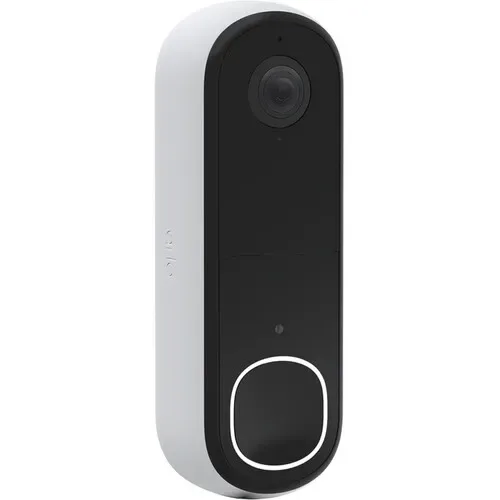
Manufacturer product photo: a slim white video doorbell with a black face and a lit button. In Putnam's townhouse condos many owners have one at their own front door; the association's system covers the gate, clubhouse, pool and shared paths those doorbells never see.
Putnam County Condo Security Request
Board members, HOA officers, unit owners and managing agents
✅
Request Sent!
Thanks. We will call or text to set the Putnam County appointment.
25+
Years Experience
2 Hr
Booking
$250
Service Call
4.7★
201 Google Reviews
Owner-operated since 2002 · Thousands of jobs completed · Booked within 2 hours · Call or text (845) 640-3835
The Neighborhood
Why Putnam County Condo Communities Need Security Planned Around Older Owners, Detached Amenities and Hard Weather
Putnam is a county of single-family houses on wooded lots, and it is easy to assume condominium security barely applies here. The sales records say otherwise. OneKey MLS logged 171 condo closings in Putnam County in the twelve months through October 2026, with a median price of $440,000 for that year. Over the same stretch the county's co-op market barely registered: the third-quarter OneKey report showed two co-op sales for the quarter against 51 condo sales. If a building or community in Putnam is owned unit by unit, it is almost certainly a condominium or a homeowners association, not a co-op, and its board is the one making security decisions.
Those condos are concentrated. On November 26, 2026, Redfin showed 31 condos for sale in the county at a median list price of about $417,000, and 20 of them were in Carmel. Brewster had seven, Cold Spring two, and Mahopac and Patterson one each. Listings described community pools, a clubhouse with tennis courts, a soccer field, lake views, monthly common charges from roughly $370 to $785, and in one case a short trip to the Brewster Metro-North station. That spread tells us what a Putnam condo board usually manages: a cluster of attached homes, a separate amenity building or two, parking areas and a long private drive, rather than one tall building with a lobby.
A county where many condo owners are 55 and older
The single biggest difference between Putnam and the rest of the Hudson Valley is how much of its condo stock is age-restricted. One brokerage that specializes in active-adult housing lists four 55-and-over condominium communities in the county, three in the Town of Carmel and one in the Cold Spring post-office area of Philipstown. The largest Carmel community is described by 55places as a 55-plus development of 312 homes, a mix of single-family, attached and condo units built between 2008 and 2018, with a clubhouse, fitness center and outdoor pool. That is a substantial association by any standard, and it was built in phases over a decade, which means several generations of entry hardware on one property.
In Cold Spring, The Highlands Current reported that the 2015 site plan for the former Butterfield hospital property included "two buildings with 55 market-rate condominiums for older residents," next to a county-run senior center, medical offices in the Lahey Pavilion and a planned post office branch. A condo that shares its grounds with public and medical uses has different access questions from a gated townhouse loop: daytime visitors who belong on the site but not in the residential buildings, shared parking, and walkways that cross from one owner's land to another's.
Why the age of the owners changes the security plan
Older owners do not need less security; they need a different kind. The traffic through a 55-plus condo is heavy with home health aides, visiting nurses, physical therapists, grown children and grandchildren, meal deliveries and pharmacy couriers. Many of those visitors change week to week. Owners may not hear a door station chime, may not want to fumble a smartphone app, and may need someone to let an ambulance crew in at three in the morning. A good condominium security system for Putnam County therefore spends as much effort on who is allowed in, for how long and with whose permission, as on locks and cameras. Entry panels have to be easy to read, readers need to accept a fob held in a shaky hand, and the board needs a way to issue a short-lived credential to an aide without handing out a master code.
Six towns, three villages and a lot of rock
The county profile in Putnam's hazard-mitigation plan describes a county of more than 240 square miles, six towns and three villages, with roughly three quarters of its land inside the New York City watershed, more than nine tenths of it underlain by Hudson Highlands bedrock, and about two thirds of it forest. For a condo association, that geography turns up in the cable plan. Running a line from the clubhouse to a gate at the bottom of the drive often means working around ledge rock, protected wetlands and stone walls instead of simply trenching. The Town of Carmel, where most of the county's condos sit, regulates wetlands of one eighth of an acre or more along with a 100-foot buffer around them, so a straight trench is not always the allowed path. Wireless links, cable carried along buildings, and existing conduit all come into play.
Because Putnam has no cities, New York City's Multiple Dwelling Law does not apply. The state's Multiple Residence Law covers "all cities of less than three hundred twenty-five thousand population and to all towns and villages," which takes in every Putnam municipality. In practice, a condo in Carmel, Southeast, Patterson, Kent, Putnam Valley or Philipstown deals with that town's building department, and a condo inside the villages of Brewster, Cold Spring or Nelsonville deals with the village.
Lightning, wind and long outages
Putnam's weather is hard on electronics. Earth Networks counted 75,093 lightning pulses and 35 thunder days in the county in 2020. That August, Daily Voice reported that Tropical Storm Isaias left 34,150 of NYSEG's 38,693 Putnam customers without power. On Christmas Day the same year, NYSEG reported 27,375 customers out in its Brewster division after gusts reached 71 miles per hour. A condo system that is not protected against surges and not sized for long outages will fail exactly when owners most need the gate and building doors to work. Surge protection on every outdoor cable, battery backup that is sized and tested, and controllers that restart cleanly when power returns are core scope here, not extras.
What Putnam condo boards call us about
The same handful of problems come up. A gate call box at the end of a long drive went silent after a storm and nobody knows where its power comes from. The clubhouse reader accepts some fobs and not others, because two phases of the community were built with different systems. An aide's agency asks for the door code every Monday. The pool gate latch has been taped open by owners tired of fishing for a fob. Mail goes missing from cluster boxes; News 12 reported in 2022 that police made three arrests after a car was stopped near Route 6N in Mahopac and its occupants appeared to be stealing mail from mailboxes in the area. A son in another state wants to know whether his father came home from the doctor. None of these requires replacing everything at once, but together they are the outline of a plan.
Putnam County condo facts that shape the work
Market size: 171 condo closings in the 12 months through October 2026, a 12-month median of $440,000, 39 days on market on average, and 26 condos for sale in October (OneKey MLS, Putnam County, October 2026). Co-ops: two closings in the third quarter of 2026 against 51 condo closings (OneKey MLS quarterly report).
Where the condos are: of 31 condos listed for sale on Redfin on November 26, 2026, 20 were in Carmel, 7 in Brewster, 2 in Cold Spring, 1 in Mahopac and 1 in Patterson; median list price about $417,000.
Age-restricted stock: one Carmel 55-plus community has 312 homes built from 2008 to 2018, with a clubhouse, fitness center and outdoor pool (55places); Cold Spring's Butterfield site plan included 55 condominiums for older residents (The Highlands Current, 2017).
Homes: the Census Bureau's QuickFacts counts 38,713 housing units in the county, 83.8 percent of them lived in by their owners.
Gate boxes and clubhouse readers belong to everyone: by default, the gate call box, the clubhouse readers and the pool lock fall under "all apparatus and installations existing for common use" in Real Property Law §339-e, so the association maintains them; a declaration can say otherwise. Reserve funds for replacing them are allowed by §339-v.
Pools: New York wants the gate of a pool enclosure to swing shut and latch on its own, and to stay locked whenever no one is swimming or watching the water (Executive Law §378).
Weather: 75,093 lightning pulses and 35 thunder days in 2020 (Earth Networks); 34,150 of 38,693 NYSEG customers in the county lost power in Tropical Storm Isaias (Daily Voice, August 2020).
Licensing: anyone installing, servicing or maintaining security or fire alarm systems in New York needs a state license (General Business Law §69-m, administered by the Department of State).
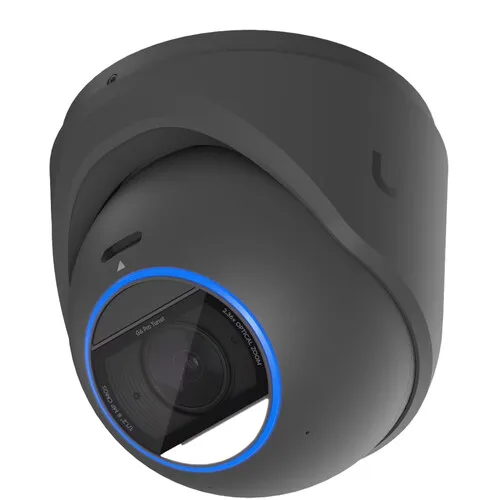
Manufacturer product photo of a dark turret camera with a lit blue ring around the lens. A dark housing blends into the wood trim and dark ceilings common in Putnam clubhouses and amenity buildings built in the last twenty years.
What We Install
Putnam County Condo Security Services: Intercoms, Gates, Amenity Access and Caregiver Entry
This section is written for the board member or managing agent who has to explain options at the next meeting. Each part covers one system, what it means for a Putnam condo association, and where on our site that service is described in detail for the county. One licensed crew does all of it, so a call about a single dead reader can grow into a full plan later without changing vendors.
1
Building and gate intercoms
Entry panels at building doors and call boxes at community gates, repaired first and replaced on a plan the board can fund.
2
Caregiver and family access
Time-limited credentials for aides, nurses and relatives, issued per unit and switched off without changing anyone else's.
3
Amenity buildings
Readers and schedules for clubhouses, fitness rooms, pools and courts that stand apart from the homes.
4
Storm protection
Surge protection, battery backup and clean restarts for equipment that sits out in Putnam's lightning and wind.
5
Cameras, kept short
A few well-aimed views of the gate, mail kiosk and amenity doors, with footage kept on the association's own recorder.
6
Service and support
$250 repair visits, scheduled check-ups the board books when it wants them, and free phone help.
Building intercoms: keep, repair or replace
Many Putnam condo buildings with shared entrances went up with video entry panels that the developer chose and nobody on the board has ever logged into. The first step is always a repair visit or an assessment, because a panel that goes dark is often a failed power supply, a corroded connection at the door, or a phone line the association stopped paying for, not a dead system. When replacement does make sense, the board's choices come down to a few questions: do owners want an answering station on the wall, the phone app, or both; can the existing wiring carry the new system; and how many entrances does one directory need to cover. Our intercom installation page for Putnam County lists the published price ranges, and our guide to condo intercom replacement walks a board through modernization, RFP wording, budgeting and owner approval step by step.
A condo intercom replacement in Putnam usually happens in one of three ways. In a single building, the lobby panel and every in-unit station change together over a few days. In a community built in phases, the board standardizes one phase at a time, keeping the old and new panels working side by side until the last phase is done. Where owners have accepted the app, the board can retire in-unit stations entirely and keep wiring work inside homes to a minimum, which matters in a 55-plus community where many owners would rather not have a crew in their living room. Repairs to existing systems are covered on our Putnam County intercom repair page.
Board approval comes before anything is ordered. A condominium's bylaws decide whether the board can approve the work alone or must bring it to the owners, and whether the money comes from the reserve fund or an assessment. We write proposals that make either route straightforward: every entrance and every unit-side item on its own line, any recurring platform fee shown separately, and options labeled so the board can vote on the part it is ready for.
Gate call boxes and community entrances
Larger condo developments in the county often have a single entrance road, sometimes with a gate, sometimes just a sign and a call box. Those entrances share the county's two biggest problems: they are far from building power and they are exposed to lightning. When a gate call box fails, we trace its power and its link first. A unit that dialed out over a phone line may need a cellular communicator; a unit fed from a clubhouse hundreds of feet away may need a new low-voltage feed or a wireless bridge. Gate operators themselves are mechanical equipment that a gate company maintains; we install and service the call box, readers, keypad and the low-voltage connection to the operator, and coordinate with the gate company where a motor or arm is involved.
Fobs, readers and one list of who can get in
Condo access control in Putnam is mostly about the shared buildings: the clubhouse, the fitness room, the pool enclosure, the mailroom if there is one, and the management office. Every credential should be tied to a unit and a person, so the managing agent can turn off one owner's set in a single step when a unit sells or an aide's agency changes. Readers should take the credentials owners already carry where that is safe, and old proximity fobs that can be copied should be replaced on a schedule. Published access control ranges for the county are on our Putnam County access control installation page.
Access for aides, nurses, family and vendors
This is the part of the system most Putnam boards underestimate. In a 55-plus community, an owner may have a morning aide from one agency, a weekend aide from another, a visiting nurse twice a week and a daughter who comes up from the city on Sundays. Each of them needs to get in, and none of them should be holding a code that opens every door in the community forever. A modern access system lets the board, or the owner with the board's permission, issue a credential that works only for that unit's building and the shared doors it needs, only on certain days and hours, and that ends on a set date. When the agency sends someone new, the old credential is switched off and a new one goes out by text or a fob left at the office. The board sees who issued what, and nobody has to change the main code because one aide left.
Door buzzers and entry door hardware
Many intercom complaints are really door complaints. A door that does not close fully, a strike that has drifted out of line after a winter of frost heave, or a closer that slams and bounces back will make even a new entry panel look broken. We check the door, strike or magnetic lock, closer and exit device on every entry repair. Older audio entry systems in smaller Putnam condo buildings are covered on our Putnam County door buzzer repair page, including the published repair ranges for stations, transformers, strikes, lobby panels and risers.
Clubhouses, fitness rooms, pools and courts
Putnam's larger condo communities put their amenities in separate buildings: a clubhouse with a party room and library, a fitness center, an outdoor pool with a pool house, sometimes tennis courts and a playing field. Each one needs its own schedule. The fitness room may be open early morning to late evening; the pool runs from Memorial Day to Labor Day and must stay locked when no one is using or supervising it, as state law expects of pool enclosure gates; the party room opens only for the owner who booked it. One credential list runs all of them, and the board can see when each door was used.
Garages and the occasional elevator
Most Putnam condos park in open lots or attached and detached garages owned by individual units, so garage access is usually a resident's own opener rather than the association's system. Where a building does have a shared garage door or an elevator, a reader can control both. Car-enable and floor-select options, and the published per-car starting prices for the county, are on our Putnam County elevator access control page.
Cameras, briefly
A Putnam condo association usually needs fewer cameras than it first thinks, placed where they answer real questions: the entrance road, the mail kiosk, the clubhouse and pool doors, the parking areas closest to the amenities. Cameras should look at shared property, not into homes, and recordings should stay on a recorder the association owns. Our condo security camera installation page for Putnam County will cover placement and pricing in detail; until it is live, camera pricing for the county follows our area camera pricing. Audio is a separate question, discussed in the AI section below.
Mail, packages and deliveries
Most Putnam condo communities receive mail at cluster boxes near the entrance or at each building, and packages land on doorsteps or in a clubhouse vestibule. A camera that covers the cluster boxes from a short distance, with good lighting, is the most useful single camera many communities can buy. Where packages pile up at the clubhouse, a reader on the inner door keeps the room for owners and a courier code that works only in daytime hours lets drivers drop off without a master key. Smart package lockers come from locker providers; we install the access and camera side and connect it to the locker where the provider supports that.
Owners' alarms and the clubhouse alarm
An owner who wants a burglar alarm in their own unit hires us directly; the association is not involved unless the declaration says otherwise. Central-station monitoring runs $30 a month with keypad control or $45 a month with phone-app control. Each town has its own rules: Carmel's alarm code requires a permit from its Building Department and limits how long an outside sounder can ring, Patterson charges after more than two false alarms in a year, Putnam Valley requires a permit before an alarm that calls the fire department is installed, and Southeast requires an annual permit and a recent inspection by a licensed agent. The clubhouse and management office can have their own alarm with separate codes for staff and vendors. Our Putnam County alarm installation page describes the equipment.
Fire alarm work, inside our scope
Clubhouses, multi-unit condo buildings and mixed-use sites in Putnam may carry fire alarm systems that local code enforcement inspects under the state Uniform Code. Fire alarm installation, upgrades and service in Putnam County start from engineered drawings and approval by the local building department, and are quoted per building after a survey; we do not publish fire alarm prices. Where access control is installed on doors that the fire alarm must release, we coordinate the connection so those doors unlock when the alarm activates. Details are on our fire alarm installation page for Putnam County.
Cable, wireless links, surge protection and batteries
The cable plan is often the hardest part of a Putnam condo job. Clubhouses, pools and gates sit hundreds of feet from each other across lawns underlain by rock, often near wetlands, so we price each link three ways where we can: through existing conduit, along buildings and fences, or over a point-to-point wireless bridge. Before any digging, New York's Code Rule 753 requires a call to the one-call center at least two and no more than ten working days ahead, so utility lines are marked. Every cable that leaves a building gets surge protection at both ends, and every controller, panel and recorder gets battery backup sized for the outage the board expects, not the shortest one. Low-voltage work is ours; a new 120-volt circuit for a gate operator or equipment closet is the association's electrician.
Guards and "virtual doorman" services
We do not provide security guards, patrols or a virtual doorman. Some associations hire a remote attendant company to answer the gate or watch cameras; if yours does, we install and maintain the panels, cameras and door hardware that service depends on, and connect our equipment to theirs.
Repair visits, maintenance and support
A failed device gets a $250 service call that covers the trip, the diagnosis and small fixes on the spot, and the fee is credited toward a larger repair if one is needed. Boards that want regular check-ups can book them whenever they like, for example before pool season and again before winter, to test batteries, surge devices, readers and recorders. There is no monthly maintenance plan to sign. Phone support is free for as long as the system is in place.
Who calls us from Putnam condos
Board presidents and treasurers of self-managed associations; managing agents who run several communities from offices in Westchester or Dutchess; facilities staff at larger 55-plus communities; individual owners who want an alarm or a better doorbell; and, increasingly, the adult children of owners who want to know their parents can let the right people in. We work with all of them, and the board or managing agent stays the decision maker for anything on common property.
Boards comparing the two audiences in the county can read our separate page on co-op security systems in Putnam County, which covers the county's handful of small cooperative buildings.
Manufacturer product photo of a small pan-tilt-zoom dome. On a long Putnam condo entrance road, one camera like this can follow a car from the gate to the first building, where a fixed camera would need several positions.
Building Specialists
Condo Security for Putnam County's Architecture: Six Kinds of Condo Property
Putnam's condo stock is small enough to describe in a few types and varied enough that each type needs a different plan. Below are the six we see most, described in general terms; no customer property is identified.
1
Large 55-plus communities
Hundreds of homes built in phases, a clubhouse, fitness center and pool, and heavy daily traffic from aides and family.
2
Townhouse developments in Carmel
Attached homes on private drives with a pool and sometimes a clubhouse, many owners commuting, many self-managed.
3
Station-area condos
Condo clusters near the Brewster and Southeast stops on the Harlem Line, with parking that commuters and visitors eye.
4
Lake-view condos
Smaller complexes near Lake Mahopac and the lake hamlets, with owners who spend part of the year elsewhere.
5
Mixed-use campus condos
Condominium buildings for older residents sharing a site with medical offices and public services, as in Cold Spring.
6
Amenity-rich complexes in Patterson and Brewster
Pools, courts, playing fields and clubhouses spread over a large site, far from building power.
Large 55-plus communities: easy to use, carefully issued
In a community of several hundred homes built over a decade, the first thing we usually find is two or three generations of hardware: the original phase on one brand of reader, the later phases on another, and a clubhouse system that the developer's contractor set up and never handed over. The goal is one credential list that works everywhere, readers that accept a fob held at any angle, entry panels with large text and a loud, clear speaker, and a simple way to give an aide or relative a time-limited credential. Because so many owners are home during the day, we schedule unit-side work in short, announced windows and keep crews out of homes wherever the app or a common-area change can do the job instead.
Townhouse developments: the association owns the edges
Attached townhouse condos, the most common listing type in Carmel, usually have no shared front door at all. Each owner enters through their own door and garage, so the association's security lives at the edges: the entrance road, the pool, the clubhouse, the mail kiosk and the parking courts. Owners' own doorbells and cameras are their business, within whatever rules the declaration sets, and the board's system should not try to replace them. What the board needs is control of its amenities, a record of who used them, and cameras that cover shared ground without looking into anyone's windows.
Station-area condos: commuters and cut-throughs
Putnam's Harlem Line stations are in the Village of Brewster, Southeast and Patterson, and its Hudson Line stations are at Cold Spring and Garrison, according to the county. Condos within reach of those stations attract commuting owners who leave before dawn and come home after dark, so entrance lighting and readers that work quickly in the cold matter. Parking areas near a station may need clear signs and a camera at the entrance to the lot, so the board can show who is parking there when owners complain.
Lake-view condos: part-year owners and quiet winters
Smaller condo complexes near Lake Mahopac and the county's lake hamlets have owners who close up for the winter, rent for the summer, or visit only on weekends. A unit's credentials should be easy to pause and restore, and the board should be able to see that the building doors stayed shut through a quiet February. Owners who are away can answer the entry panel from their phones if the board chooses an app-capable system.
Mixed-use campus condos: who belongs where
A condominium that shares a site with a senior center, medical offices and a post office has visitors all day who are welcome on the grounds and unwelcome in the residential halls. The fix is a clear line: residential entrances on readers and a video entry panel, a schedule that keeps shared doors open only during business hours, and cameras on the shared parking and walks that the parties agree on in writing. Where the property sits in Cold Spring's historic district, exterior changes visible from the street have needed review by the village's Historic District Review Board since 1976, so panel placement and finish are worked out before ordering.
Amenity-rich complexes: distance is the problem
When a pool, courts and a playing field spread over many acres, each controlled point is far from the next. We look for existing conduit first, then for a building or fence line the cable can follow, and use a wireless link where neither works. Each remote point gets surge protection and its own battery, because a lightning strike near the pool should not take out the clubhouse controller too.
Materials and methods that change in Putnam
Wood-frame townhouses with vinyl or fiber-cement siding need mounting blocks and sealed penetrations so readers and cameras do not let water behind the cladding. Stone walls and pillars at entrances are drilled with masonry bits and sealed, never notched. In finished clubhouses we fish cable through existing chases and above ceilings rather than opening walls. Outdoor equipment gets housings rated for wet and freezing weather, and every exterior cable gets a drip loop and surge protection. Where ledge rock makes trenching impractical, aerial or surface routes and wireless bridges are the usual answers.
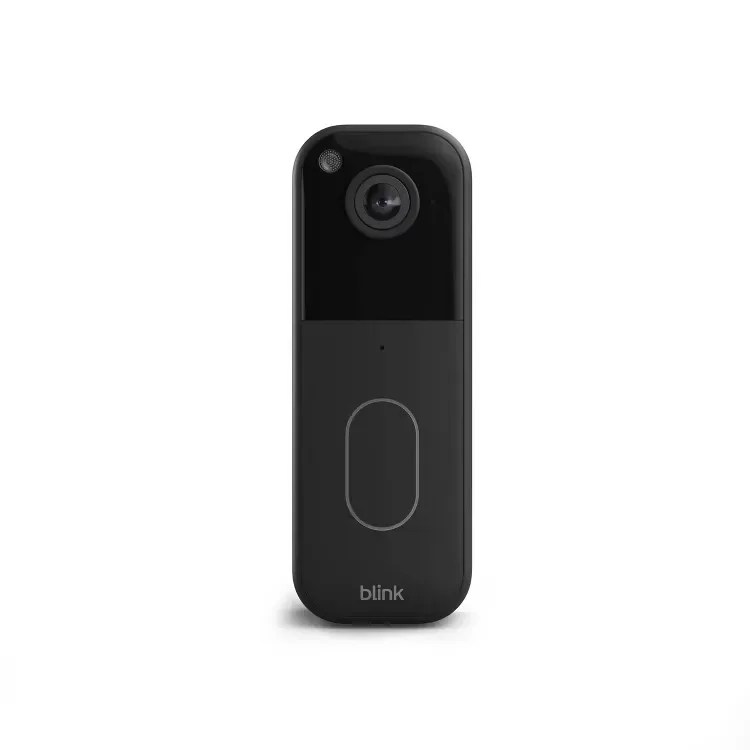
Manufacturer product photo of a compact black battery doorbell. Owners of Putnam townhouse condos often add one to their own door; it records to the owner's phone, so it complements the association's gate and clubhouse system rather than replacing it.
Commercial Condo Security
Clubhouse Staff, Shared Sites and Service Vendors: Business-Side Condo Security in Putnam County
A large Putnam condo association runs a small business alongside its homes. It employs or contracts clubhouse staff, hosts outside instructors and caterers, hires landscapers, plow crews and pool companies, and in some places shares its land with offices and public services. Each of those groups needs access rules that fit its work.
The management office and records room
Owner files, spare fobs, keys and the access system's admin computer usually sit in a clubhouse office. That door gets its own reader with a short list of users, and a record of every opening. Spare credentials are kept in a locked cabinet and logged when issued, so the board can account for every fob that leaves the office.
Instructors, caterers and outside groups
Fitness instructors, card-game hosts and event caterers need the clubhouse for a few hours on set days. A credential limited to those hours and the doors they need keeps the building usable without giving out a code that lasts forever. When an owner books the party room, the booking can turn on that owner's access to the room for the event and turn it off afterward.
Landscapers, plow crews and pool companies
Putnam condo grounds see seasonal crews nearly all year: plowing and salting from December to March, landscaping from April to November, pool service through the summer. Each crew gets credentials for the season and the doors it needs, such as a maintenance shed, a pool equipment room or a gate, and those credentials lapse on their own when the season ends.
Shared sites with medical offices and public services
Where a condo shares a campus with medical offices or a public facility, the parties usually share parking, walkways and sometimes a trash area or loading zone. Cameras on that shared ground should be agreed in writing: who owns which cameras, who may view the footage, and how a request from the other party is handled. Residential doors remain the association's alone.
Developers still building or selling
In a phased community, the developer may still hold unsold homes, a sales office or a model. The developer's credentials should be a separate group the board can see and remove in one step at turnover, and every administrator login should move to the association before the developer leaves.
Compliance callouts for Putnam County condo security work
Who may do the work: the Department of State issues the licenses that security and fire alarm installers must hold under General Business Law §69-m, and ours is #12000287431.
Local codes: the state Uniform Code is enforced by each town or village building department; Putnam has no cities, so the Multiple Residence Law, not the city Multiple Dwelling Law, is the state housing law that applies (Multiple Residence Law §3).
Pools: pool enclosure gates must close and latch by themselves and be locked when the pool is unattended (Executive Law §378); a reader must not defeat the self-closing latch.
Private spaces: New York prohibits viewing devices in restrooms, locker rooms, showers and similar private areas (General Business Law §395-b), so clubhouse cameras stay out of them.
Digging: excavation requires notice to the one-call center two to ten working days ahead (Code Rule 753); wetlands and buffers in Carmel are regulated by the town.
Alarms: Carmel, Patterson, Putnam Valley and Southeast each have alarm permit or false-alarm rules; owners and the clubhouse follow the rule of their town.
Locked doors: any door on an egress path that we lock electrically must still let people out, and doors the fire alarm controls must release on alarm, as the building code requires.
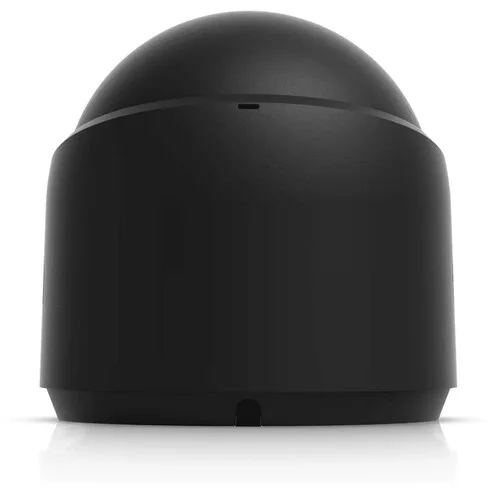
Manufacturer product photo of a black dome housing from behind, showing its rounded, low profile. A small dome like this suits a clubhouse office or records room where a board wants coverage of the door without a camera that dominates the room.
Your Questions Answered
Condo Security Systems in Putnam County: Questions Answered
These are the questions Putnam condo boards, owners and their families actually bring to us. They are grouped by who usually asks them.
Owners, families and caregivers
The home-care agency sends different aides to several of our owners every week. How do we keep track of who can get in?
Give each owner's aides credentials that belong to that owner's unit, not to the community. With a phone-based or code-based credential, the board or the owner, if the board allows it, can send an aide a pass that works only on the days and hours of the shift, only at the doors that unit needs, and that ends on a date. When the agency rotates staff, the old pass is switched off and a new one goes out in a minute, and nobody else's access changes.
The access log then shows when each aide arrived and left, which families often find reassuring. What the board should avoid is a single "caregiver code" shared across the community; within a year it is on dozens of phones and no one can say who has it.
An owner passed away and the estate's executor needs to get into the unit to prepare it for sale. What should happen to the unit's fobs and app accounts?
The board decides who may enter on the estate's behalf, usually on the strength of the executor's paperwork, and we follow that decision in the system. The late owner's credentials and app account are suspended rather than deleted, so the history stays on record, and the executor, a cleaning crew or a listing agent get their own credentials limited to the unit's building, the hours they need and an end date.
When the sale closes, the unit's whole set is switched off in one step and the new owner is enrolled fresh. Questions about who has legal authority over the unit are for the association's attorney; our part is making sure the system reflects whatever the board decides.
One of our owners has memory loss and has walked out of the building at night. Can a door let the family know without locking anyone in?
Yes, with care. Exit doors must still open for anyone leaving; we will not install anything that traps a resident inside, and building and fire codes govern any delay on an exit. What we can add is notification: a door contact or the existing reader can send an alert to a family member's or the owner's caregiver's phone when a particular door opens during set hours, and a camera at that door can show who went out.
Some families add sensors inside their own unit through an owner's alarm, which is their decision and their contract. Anything on a common door needs the board's approval and should be set up so it alerts the right people without disturbing every neighbor.
When an owner falls inside a locked building, can a son or daughter who lives out of state let the ambulance crew through the front door?
With an app-capable entry system, an owner can add a trusted relative to their unit's account, and that relative can answer the entry panel and release the door from anywhere with a phone signal. The relative can also be on the owner's directory entry, so a call from the panel rings both. That only works if it is set up in advance, so we suggest boards invite owners to add an emergency contact when new credentials are handed out.
Getting responders into the individual unit is a separate matter, usually a key with a neighbor or a lockbox the owner arranges; the association's system controls the shared doors.
Clubhouse, fitness room and shared grounds
Can the fitness room have a button that reaches someone if an owner gets hurt exercising alone?
Yes. A help station, a single-button intercom mounted at a reachable height, can be placed in the fitness room and programmed to call the management office during staffed hours and a list of phones after hours, such as board members or the owner's emergency contact. It sits on the same system as the entry panels, so there is no separate service to pay for.
The board should decide in advance who answers and what they do; a button that rings a phone nobody watches gives a false sense of safety. For a medical emergency, the first call is still 911.
Can the clubhouse defibrillator cabinet tell the board when it has been opened?
Many cabinets have a built-in local alarm. We can add a door contact that sends an alert to the office or a board member's phone when the cabinet opens, and point an existing clubhouse camera so the cabinet is in view. The alert helps the board know the device was used and needs to be checked and restocked.
The defibrillator itself, its maintenance and any training requirements belong to the association and its supplier; our part is the alert and the camera.
Our cameras would look over a parking lot we share with a neighboring medical office. Can the association record land it doesn't own?
Cameras on your own buildings will often see some of a shared lot, and that is common, but the best practice is a written agreement with the neighbor covering which cameras view the shared area, who may watch and export the footage, and how a request from the other side is handled. We aim cameras at the entrances, walks and spaces the association uses and keep them off the neighbor's doors and windows.
If the parties want joint coverage, we can install cameras both of them can view, with costs split as they agree. Whether a particular camera is permitted on land governed by an easement or a site agreement is a question for the association's attorney, not for us.
Our buildings sit on solid rock. How does cable get from one building to the next?
Much of Putnam sits on Hudson Highlands bedrock, so trenching between buildings is often impractical or expensive. We look first for conduit the builder left, then for routes along buildings, fences or existing utility paths, and then at a point-to-point wireless bridge, which links two buildings with a pair of small radios mounted where they can see each other. A bridge needs a clear line of sight through the trees, and leaf-out in May changes what is clear, so we survey with that in mind.
Where cable must go underground, it goes in conduit at a depth suited to the ground, after the utility markout the state requires. Each building end gets surge protection, because a long outdoor run is exactly the path lightning takes.
Owners, rules and the board
Several owners objected at the annual meeting when the board proposed clubhouse cameras. How do other boards settle that?
Usually by showing the plan instead of debating cameras in general. A drawing of where each camera points, a statement that cameras cover only shared areas and never restrooms or private rooms, a short written policy on who may view and export recordings and how long they are kept, and a decision not to record audio answer most objections. Some boards start with the doors that have actually had problems and add more only if needed.
Whether the board can decide alone or must put the question to owners depends on the declaration and bylaws. We provide the drawing and a plain description of what each camera sees for the board to share.
One owner won't let the crew into his unit for the intercom upgrade. Can the project go ahead without that unit?
Usually, yes. We finish the shared equipment and every other unit, leave the refusing unit's cable ready at the wall or the junction, and note it on the handover sheet. Until that unit is connected, the owner can answer visitors with the app if the system supports it, or not at all. When the owner agrees, we come back and connect the station on a service visit.
Whether the association can require access to a unit is a matter for its declaration and its attorney. We do not enter any unit without the owner's or the board's arranged access.
Our clubhouse party room has a posted occupancy limit. Can the access system tell the board how many people are inside during an event?
Not reliably on its own. A reader records each credential that unlocks a door, but guests walk in behind the host, and nobody badges on the way out, so the access log shows who opened the door rather than how many people are in the room. Where a board needs a running count, a people-counting sensor or a camera with counting analytics over the doorway gives a much closer figure, and it can send the office an alert as the number approaches the limit.
The posted limit itself comes from the building and fire code officials, and keeping an event under it remains the host's and the board's job. The count is a tool to help them do it, not a substitute for someone at the door.
The builder prewired every unit for an alarm, but nobody ever activated it. Can an owner use that wiring now?
Often, yes. Many condo units built in the last twenty years have door contacts and a keypad location wired but no panel. We trace and test the existing wires, install a panel and keypad, and activate monitoring if the owner wants it, at $30 a month with keypad control or $45 a month with the app. Wiring that fails testing is replaced or bypassed with wireless sensors.
An owner's alarm is the owner's contract with us, not the association's, unless the declaration says otherwise. The owner should check whether their town requires an alarm permit before monitoring starts.
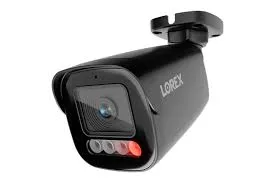
Manufacturer product photo of a black bullet camera with warning lights below the lens. A camera like this, aimed along a parking row rather than at a neighbor's building, gives a board the clear picture it needs when a parking or damage complaint comes in.
Equipment
Types of Condo Security Equipment We Install in Putnam County
Our default proposal uses our own unbranded line, and we name a brand only when the board asks for one. In the field we also service and replace Aiphone, Comelit, ButterflyMX, Akuvox, 2N and DoorBird equipment, along with older audio systems; boards weighing two cloud intercoms can read our Akuvox vs ButterflyMX comparison.
1
Entry panels and call boxes
Video panels for building doors and weatherproof call boxes for gates, with large text and directory search.
2
Help and emergency stations
Single-button stations for fitness rooms, pool houses and clubhouse halls that call the office or a phone list.
3
Readers and controllers
Readers for fobs, cards, codes and phones, with controllers that keep working when the internet does not.
4
Locks and door hardware
Electric strikes, magnetic locks, exit buttons and door contacts matched to each door and its code requirements.
5
Power and protection
Access power supplies, battery backup and surge protectors on every cable that runs outdoors.
6
Cameras, recorders and links
Cameras, a recorder the association owns, PoE switches and point-to-point wireless bridges between buildings.
Entry options compared for Putnam condos
Option
Works best for
Watch out for
Wall station in each unit
Owners who want a screen and a button, no phone needed
Wiring work inside every home; station failures are per unit
App only
Communities where owners and families use smartphones
Owners without smartphones; possible per-unit platform fee
App plus optional station
55-plus communities with mixed comfort levels
Two kinds of support; clear rules on who gets which
Cellular gate call box
Entrances with no phone or data line
Weak signal at some Putnam entrances; test before buying
Wired gate call box
Entrances with conduit or a cable route
Lightning exposure on long runs; surge protection required
Credentials: fobs, codes, phones and temporary passes
Fobs remain the easiest credential for many older owners. Encrypted fobs are harder to copy than the plain proximity fobs many communities were built with. Phone credentials suit owners and family members who are comfortable with them. Codes are best kept for vendors and short-term passes, set to expire, and changed on a schedule. A good system mixes all four on one list.
Locks for building doors, gates and amenity spaces
Electric strikes keep a door's normal hardware and let it open freely from inside; magnetic locks suit glass and gate applications but need an exit device and a fire alarm release where code requires. Pool gates keep their self-closing, self-latching hardware, with the reader controlling only the lock. Outdoor locks and readers are rated for freezing, wet weather.
Recorders, retention and remote viewing
A recorder in a locked closet keeps the association's footage on its own property. Retention is set by the number of cameras, the recording quality and the storage installed, and the board decides how long it needs. Remote viewing goes to the people the board names, with their own logins, so access can be removed when a board member's term ends.
National alarm brands versus a local licensed installer
National alarm companies sell owner alarms, often on long monitoring contracts, and do not usually take on a community's intercom, gate and clubhouse access. A local licensed installer can do both: the association's common-area system and, separately, an owner's alarm with one of our two monitoring plans. The owner keeps a choice, and the board deals with one vendor for the shared equipment.
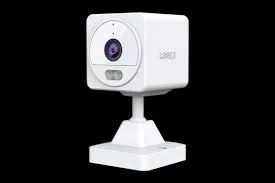
Manufacturer product photo of a small white indoor camera on a stand. A compact camera like this can watch a clubhouse library or card room door without making the room feel watched.
AI Overview Reality Check
What AI Gets Wrong About Condo Security Systems in Putnam County
Ask a chatbot, or read Angi, HomeAdvisor or Fixr, and condo security advice usually assumes either a Manhattan tower or a single house. Here are seven claims we keep running into, and what we actually find in Putnam County condo communities.
1. "Putnam is all single-family homes, so condo security isn't really a thing there"
It is true that houses dominate Putnam; the Census Bureau puts owner occupancy at 83.8 percent across 38,713 housing units. It does not follow that condos are rare. OneKey MLS counted 171 condo closings in the county in the year through October 2026, against a co-op market so small that two sales made up the whole third quarter.
Those condos are not scattered. Twenty of the 31 condos for sale on Redfin on November 26 were in Carmel, and several of the county's condominium communities are age-restricted, including one 55-plus development of 312 homes.
A community that size has a clubhouse, a pool, a fitness center and hundreds of owners whose families and aides need to get in. Treating it like a cul-de-sac of houses leaves its shared buildings without real access control.
2. "Older owners just want a simple keypad code"
A single code is simple for about a month. Then it is on the phones of every aide, delivery driver and visiting grandchild, and nobody can switch it off without telling every owner a new number.
What older owners want is a system that is simple to use, which is different from simple to share. A fob that works at any angle, a panel with large text, and a relative who can release the door from a phone are all easy for the owner and still let the board control who has access.
Codes still have a place, but for vendors and short-term passes with an end date, not as the community's front-door key.
3. "Wireless cameras and call boxes avoid all the cabling headaches"
Wireless gear does avoid trenches, and in rocky, wooded Putnam that is a real benefit. But battery cameras need charging or solar panels that work under tree cover, Wi-Fi does not reach a gate several hundred feet from the clubhouse, and cellular call boxes depend on coverage that is uneven in parts of the county.
In 2015 Senator Schumer publicly accused carriers of wrongly claiming quality reception on coverage maps for northern Westchester and Putnam, where many areas were, in his office's words, often dead zones. Coverage has improved since, but we still test signal at the exact spot before recommending a cellular unit.
The right answer is usually a mix: wired where a route exists, a point-to-point bridge where there is line of sight, and cellular only where a test shows a reliable signal.
4. "A building intercom costs about the same everywhere"
Ask a cost guide and you will likely see HomeAdvisor's national figure, a "normal range" of $1,200 to $8,500 to install an intercom. The spread covers everything from one house's doorbell to an apartment building, so a condo board cannot plan a budget around it.
For Putnam specifically, our intercom installation page lists three published bands: $1,200 to $3,500 when a building has four to eight units with video, $1,200 to $5,000 for multi-unit systems generally, and $2,500 to $8,000 or more for IP systems that ring owners' smartphones in bigger buildings. Where a community has gates and amenity buildings spread across acres, distance and cable routes move the number more than anything else.
That is why we price a community-wide project only after walking it, and why the proposal shows each entrance separately.
5. "Any surge strip protects outdoor security equipment from lightning"
A plug-in surge strip protects the power cord of whatever is plugged into it. It does nothing for a cable that runs from the clubhouse to a gate, a pole or a pool fence, and that cable is the path a nearby strike follows into the controller.
Putnam saw 75,093 lightning pulses in 2020, by Earth Networks' count. Protection for that kind of exposure means data and low-voltage surge protectors at both ends of every outdoor run, a solid ground, and equipment placed so one strike does not take out every door in the community.
Boards should ask any installer to show where surge protection goes on the drawing. If it is not there, it is not in the price.
6. "New York City's intercom and privacy laws apply to every condo in the state"
Summaries often mention the city's Multiple Dwelling Law intercom rules or its Tenant Data Privacy Act as if they reached every building in New York. They do not. The Multiple Dwelling Law applies to cities of 325,000 or more; Putnam's towns and villages fall under the Multiple Residence Law instead.
The Tenant Data Privacy Act is New York City Local Law 63 of 2021, a city law. A Putnam condo choosing phone credentials or face readers is not governed by it, though sensible privacy practices are still worth adopting.
What does apply statewide includes the installer licensing in General Business Law §69-m, the pool gate rule in Executive Law §378 and the ban on viewing devices in private areas in General Business Law §395-b. We cite rules; we do not give legal advice.
7. "A city-based contractor can't serve Putnam reliably"
Distance matters, so we plan for it. Our Bronx office sends crews up the Taconic, I-684 and Route 22 corridors, and we schedule early in the day so a crew reaches Carmel, Brewster or Cold Spring with the full day ahead. Visits are booked within 2 hours of a request, seven days a week, in two-hour arrival windows, and paid jobs go on the calendar in the order they come in.
Many Putnam boards already work with managing agents and vendors based in Westchester or Dutchess. One community association management firm, for example, says it has served Cold Spring and the Hudson Valley since 1988. A contractor's address matters less than whether it shows up inside the window it promised.
Our 4.7-star rating across 201 Google reviews is the best way to judge that; we do not hand out the names of client communities.
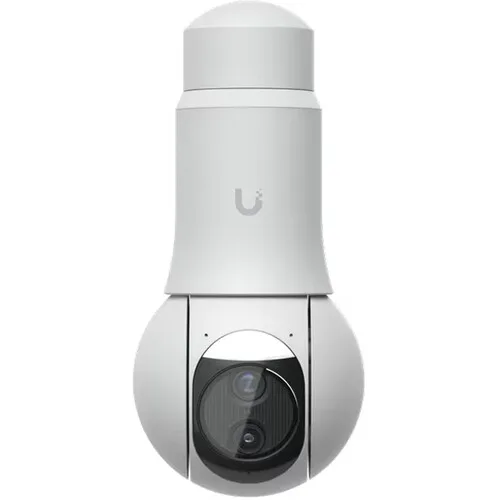
Manufacturer product photo of a white pan-tilt camera on a pendant mount. Hung under a clubhouse overhang, a camera like this can sweep a pool deck and the path to the parking area in one position.
Speak to a Technician About Your Putnam County Condo
A picture of the failing call box or reader, or a screenshot of the security items in your reserve study, is enough to start. We put a date on the calendar within 2 hours.
Tell us where the community is, roughly how many homes it has, whether it is age-restricted, which amenity buildings it has, and the problem owners mention most. Photos of the entrance or equipment closet help. You can also call or text (845) 640-3835.
✅
Request Sent!
Thank you. Our scheduler will reach out to the board contact you listed and offer the first open arrival window for your Putnam County community.
How It Works
Our Installation Process for Putnam County Condos
A single clubhouse reader and a 300-home community follow the same seven steps. What changes is the gap between proposal and vote, which in Putnam often stretches to the next monthly board meeting.
1
Call, text or form
Whoever reaches out first tells us the community, how many homes, which amenity buildings and what has failed or what the board wants.
2
Repair visit or free property walk
Something broken? That is the $250 diagnostic visit. Something new? We tour the gate, the homes, the clubhouse and every equipment closet free of charge.
3
Priced proposal by entrance
Each entrance, amenity door and cable link is its own line, with surge protection, batteries and any platform fee shown separately.
4
Board approval and deposit
Once the vote is in, a 50 percent deposit releases the equipment order, and our insurance certificate is issued for the awarded job.
5
Notice to owners
A short notice tells owners and their families the dates, the doors affected, how they get in during the change and how new credentials arrive.
6
Installation, one point at a time
Entrances change one at a time so every building keeps a working way in, within two-hour arrival windows.
7
Programming, testing and handover
Owners, aides and vendors go into the system, every door and link gets tested, and the board receives a written record of each device and admin login.
Timing around seasons and owners
In Putnam we try to finish pool gate and pool house work before Memorial Day, do trenching and exterior mounting before the ground freezes, and schedule in-unit work in short windows announced well ahead, since many owners in 55-plus communities are home and prefer predictable visits. Crews arrive inside the two-hour window on the confirmation, never earlier.
What the owner notice should say
In a 55-plus community the notice is read closely, often by a relative as well as the owner. Ours covers the work days, each door that will be out and for roughly how long, the temporary way in for owners and aides, the date new fobs or app invites go out, and a phone number for problems. The board edits our draft and sends it. Owners whose relatives manage their affairs should be asked to share it with them.
Deposit, payment and financing
Hardware is purchased only after two things arrive: the signed proposal and a 50 percent deposit. Certain call boxes, panels and readers are made to order, and their shipping time is up to the factory, not us, so we fix an installation date when the boxes are actually in our hands. Financing is available through Wisetack, subject to approval. Associations and management companies may pay by check.
After the job
Hardware is covered by whoever made it. For our labor, the standard is the 30-day coverage on the warranty page; a board that wants a year or more buys that extended plan when it signs. Calling us with a question never costs anything. Full terms — including 50% deposit, one-year parts-only warranty on Abstract Enterprises Security Systems-supplied products, and the late-fee schedule — are set out in the service agreement.
Manufacturer product photo of a small black network video recorder. At handover, the board gets the recorder's admin login in writing, so footage access never depends on one volunteer's memory.
Coverage Area
Condo Security Near Putnam County's Landmarks
Putnam's condos cluster around a few well-known spots. For each, a line on what kind of condo property sits nearby; none of these describes a client.
1
Carmel and Lake Gleneida
The county seat and the town with most of Putnam's condos, including large 55-plus communities and townhouse developments with pools and clubhouses.
2
Brewster station and Main Street
The Harlem Line stop at the end of the village's mixed-use Main Street, with condo clusters within reach for commuting owners.
3
Southeast station
The Harlem Line station for the Town of Southeast, close to Brewster-address condo listings that mention a clubhouse and tennis courts.
4
Lake Mahopac
Lake-view condos with part-year and weekend owners, near Route 6N and the hamlet's shops.
5
Cold Spring and the Hudson Line
Village condos for older residents on a site shared with medical and public uses, inside a village with historic-district review.
6
Patterson station and Route 22
Harlem Line station near amenity-rich complexes with pools and playing fields spread over large sites.
Crews also reach condominiums and HOAs in Kent, Putnam Valley, Lake Carmel, Putnam Lake, Garrison and Nelsonville, and anywhere else in the county's six towns.
Pricing
Condo Security System Cost in Putnam County
Before a site visit there is one fixed number: the $250 service call, which covers the trip, the diagnosis and small repairs done on the spot, and which is credited if a larger repair follows. The ranges below are copied from our Putnam County service pages. Anything that spans a whole community is priced in writing after the free assessment, because distances, rock, wetlands and the number of controlled doors decide the cost.
Published Putnam County ranges that apply to condos
Item
Published price
Where it is posted
Service call: on-site diagnosis and small fixes, credited toward a larger repair
Elevator access, Level 1 (fob, card, code, phone or intercom-station reader)
From $2,175 per car
Putnam elevator access control page
Elevator access, Level 2 (face, fingerprint or iris)
From $3,625 per car
Putnam elevator access control page
Central-station monitoring for an owner's alarm
$30 a month keypad, $45 a month with app
Our monitoring plans
Repair ranges for intercom and entry parts
Same figures as the Putnam door buzzer repair page and our door buzzer and intercom repair pricing. No part is swapped until the board or owner has approved its price.
Repair
Typical range
In-unit intercom station
$250 to $525
Door release relay or button
$250 to $475
24V transformer
$325 to $650
Electric strike replaced and aligned
$450 to $950
Lobby panel repair or faceplate
$650 to $1,800
Riser or trunk cable repair
$850 to $2,400
How Putnam associations pay for security work
Security work in a Putnam condo is normally paid for in one of three ways, all of which the Condominium Act's reserve provisions accommodate: from reserves when the reserve study already lists the equipment, through a special assessment for a large replacement, or in phases over several budget years. Which route applies, and whether owners must vote, is set by the declaration and bylaws. Financing is available through Wisetack, subject to approval.
What moves a Putnam community quote
Distance and ground first: how far the clubhouse, pool, gate and buildings are from each other, and whether cable can follow conduit, buildings or fences, or needs a wireless bridge because rock or wetlands rule out a trench. Then the number of controlled doors and gates, whether owners want wall stations, the app or both, how much existing wiring can be reused, how much surge protection and battery backup the site needs, and how messy the current credential list is.
Costs after installation
Some app-based intercoms and cloud access platforms carry a subscription set by the manufacturer, usually per door or per unit; others run on site with no monthly charge, and the proposal says which. Batteries, recorder drives and outdoor surge modules are the parts most likely to need replacing over the years, and a board that budgets for them avoids surprises after a storm season. Owner alarm monitoring, where an owner chooses it, is billed to that owner.
Manufacturer product photo of a black pan-tilt camera on a wall arm. Where a Putnam community's entrance road curves out of sight of the gate, one movable camera on the nearest building can cover what several fixed cameras would.
Shop Our Systems
Condo Security Packages and How They Are Priced in Putnam County
We do not sell fixed condo bundles, because no two Putnam communities share the same layout. Instead, boards usually choose one of three starting points, each priced line by line after the assessment.
1
Get it working again
The $250 service call, then the priced repair: the dead call box, the reader that rejects fobs, the panel that went dark after a storm.
2
Fix the weak point
One upgrade the board can approve quickly: surge protection and batteries at the gate, encrypted fobs at the clubhouse, or a help station in the fitness room.
3
Plan the whole community
A phased plan for every entrance, amenity building and link, with a schedule the board can match to its reserve study.
Equipment the association or an owner already bought
If the board has already bought a panel or readers, or an owner has a doorbell or camera, we quote the labor to install it by phone or text and book it once the deposit is paid. We do not walk through customer-supplied equipment ahead of time, and the equipment itself, including any wireless signal it depends on, is the purchaser's responsibility rather than ours.
Phasing over several budget years
Large 55-plus communities often phase work over two or three years: the gate and clubhouse first, because every owner uses them; then the building entrances; then cameras and the remaining amenity doors. Each phase is built so the next one connects to it, and the credential list carries over without re-enrolling owners.
RFPs and board bid requests
We answer RFPs and board bid requests in the format the board or managing agent sets, with each entrance and phase priced separately. A certificate of insurance naming the association and its managing agent is issued once the job is awarded, not with the bid.
Manufacturer product photo of a black battery doorbell with a blue ring around its button. When an owner already owns a doorbell like this, we quote the labor to mount and set it up; the device and its Wi-Fi connection stay the owner's responsibility.
At a Putnam condo community, the first question we ask after a storm is where the gate call box gets its power and how far that cable runs. Long outdoor runs are where lightning comes in, and the controller at the far end is usually what fails. Finding a surge module that was never installed, or one that did its job and now needs replacing, explains a lot of "the system just died" calls.
The second thing we do is ask the office for the list of aides and family members who have codes. In 55-plus communities that list is often longer than the owner list, and many of the entries belong to agencies that stopped serving the community long ago. Turning those into dated, per-unit passes is usually the fastest security improvement a board can make.
Before we recommend a cable route between buildings, we walk it. Ledge rock, stone walls, a wetland buffer or a stand of trees that will be in full leaf by June can each change the plan from a trench to a wall-mounted run or a wireless bridge, and it is better to know that before the board votes.
FAQ
Putnam County Condo Security Systems FAQ
What format should our owner list be in when you load it into a new system?
+
A spreadsheet works best: one row per person with the unit, name, role (owner, renter, aide, vendor), phone and email, and any end date. We clean up duplicates and old entries with the board before loading, so the new system starts with only the people who should be there.
Our owners' alarms are monitored by another company. Do they have to switch for you to work on the common areas?
+
No. An owner's alarm and the association's common-area system are separate contracts. Owners can keep their current monitoring company, and we work on the gate, clubhouse and building doors without touching their units.
Our pool house is unheated from fall to spring. Can intercom or camera equipment live there through the winter?
+
Outdoor-rated cameras, readers and call stations are built for freezing weather. Recorders, controllers and batteries are not, so we put them in a heated space and run cable to the pool house, or use an enclosure rated for cold with its own heater where no heated room is close.
Can residents get a text when a package lands in the package room?
+
Some package locker systems and access platforms can notify a resident when a courier drops something off, and we confirm whether the equipment on your proposal does. A reader on the package room door with a daytime-only courier code is the part we install either way.
How long does your crew need inside each unit when in-unit stations are replaced?
+
Typically a short visit per unit when the existing wiring is reused, longer if new cable has to be run. The owner notice gives each unit its own two-hour arrival window, so owners know when to be home or to leave access with the office.
Will you put hidden cameras in the clubhouse to catch whoever keeps damaging it?
+
We install visible cameras in common areas, aimed at doors and shared rooms, and never in restrooms, locker rooms or other private spaces, which state law forbids. A visible, well-placed camera usually stops repeat damage and still records it if it happens.
Is your proposal priced per door, per unit or as one total?
+
All three appear. Each entrance, amenity door and cable link has its own price, any per-unit item such as wall stations is shown per unit, and the total is at the bottom, so the board can remove or phase lines and see the effect.
Can the keypad code for vendors change on a schedule without anyone reprogramming it by hand?
+
Many access systems can rotate a code automatically or issue each vendor its own code with a set expiration. The board then sends the current code to vendors who still need it, and old codes stop working on their own.
If a reader fails, can owners still open the door with a key?
+
Most electric strikes and lock sets keep a key cylinder, so a key opens the door if the reader or power fails. Magnetic locks have no key, so doors that use them get a key switch or an alternate entrance the board controls.
Our pool fence posts shift every winter. Will a gate reader stay lined up?
+
Frost movement throws gate latches and locks out of line more often than readers. We mount the reader on a solid post, use a lock with some tolerance for movement, and check alignment during a spring visit before the pool opens.
Once the board votes yes, how soon does the work begin?
+
After the signed proposal and the deposit arrive, we order the equipment. Items in stock let us set a date quickly; special-order panels and readers ship on the manufacturer's schedule, and we confirm the installation date once they are in hand.
Can visitors scan a code at the entrance to call an owner instead of scrolling a directory?
+
Some newer entry panels and cloud intercoms let a visitor scan a code with their own phone to reach an owner or a delivery option. Whether a given model supports it is one of the details we confirm on the proposal.
All Areas Served
Condo Security Systems Across the Hudson Valley and New York
Gates, Clubhouses and Caregiver Access: One Licensed Vendor for Putnam County Condos
Whether it is a Carmel gate box knocked out by lightning or a Brewster entry panel at the end of its life, one licensed team handles the diagnosis, the install and every support call after. Book the $250 repair visit, or ask us to tour the property at no cost before the board plans anything new.