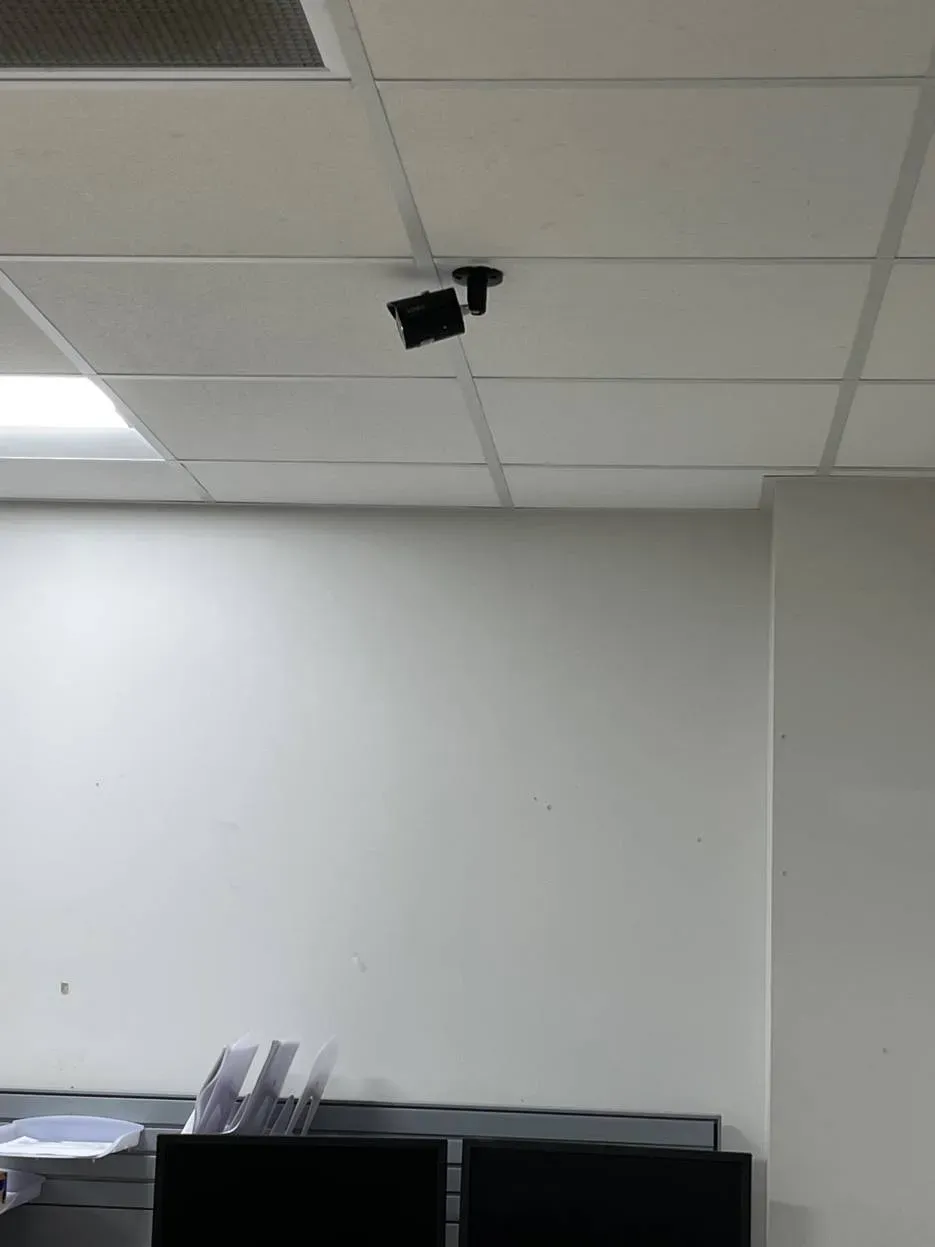
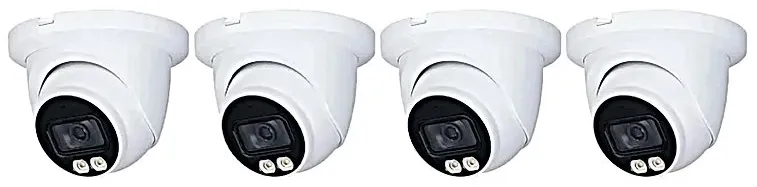
Entry Intercoms · Clubhouse & Pool Fobs · Package Rooms · Lot Cameras · Buzzer Repair
Co op security systems in Suffolk County start with a $250 service call for repairs, and a new intercom, fob or camera system for a whole cooperative is priced in writing after a free walk-through of the grounds. Suffolk is a county of ten towns and more than thirty villages, and its co-ops look nothing like Manhattan's: most are garden complexes with their own parking lots, pools and clubhouses, some sit behind a gate on the water, and a few are small elevator buildings in village downtowns. We plan building security for all of them, from Huntington and Babylon out through Islip, Smithtown and Brookhaven to the East End.
Quick answer: Abstract Enterprises Security Systems installs, repairs and upgrades the security a Suffolk County housing cooperative owns: building and gate entry intercoms with phone or in-unit answering, door releases and electric strikes, key fob readers on lobby, laundry, clubhouse, gym and pool doors, cameras for entrances, package areas, lots and grounds, and elevator readers where a building has a car. Repairs start with the $250 service call, which is credited toward the fix when more work is needed. Replacements and building-wide systems get an itemized written proposal after a free on-site assessment. We book visits within 2 hours of a request, any day of the week, and issue the certificate of insurance the managing agent needs once the job is awarded.
Last updated November 26, 2026 by Abstract Enterprises Security Systems, NYS license #12000287431 · Sources: State of New York county profile (Suffolk); U.S. Census Bureau QuickFacts; Suffolk County Village Officials Association; Suffolk County Code (co-op application article); Habitat Magazine (Jan 25, 2010); Long Island Board of Realtors / OneKey MLS market update (March 2026); Suffolk County Police Department alarm registration (Greater Long Island, 2016); PSEG Long Island (Aug 5, 2020); LongIsland.com (Sept 14, 2023); CBS New York (Nov 25, 2025); NYS Multiple Residence Law §3; NYS General Business Law Art. 6-D (links in each section)

Owner-operated since 2002 · Thousands of jobs completed · Booked within 2 hours. Call or text (631) 407-2884 or use the quote form.
Suffolk County is big in a way that changes how a co-op board should think about security. The State of New York's county profile puts it at 2,373 square miles, divided into ten towns, with a population of 1,523,170 in 2023 (State of New York, Suffolk county profile). Layered over those towns are 32 incorporated villages, from Lindenhurst, one of the largest villages in the state, to Dering Harbor, the smallest (Suffolk County Village Officials Association). A cooperative in Huntington Station answers to a different town hall, a different fire marshal and sometimes a different police department than one in Patchogue or Greenport, and the distances between them are measured in highway exits, not blocks. Building security for co-ops here starts with that map: which town, which village, how far from the next building and how far from us.
The co-ops are fewer than in the city but far from rare. The Long Island Board of Realtors' March 2026 market update, built on OneKey MLS data, counted 386 Suffolk County co-op sales in the twelve months through March 2026, up from 370 a year earlier, with a median sale price of $275,000 and 91 co-ops on the market that month (LIBOR / OneKey MLS, Suffolk County local market update, March 2026). That median tells a board something useful before it calls anyone: these are buildings whose shareholders feel every maintenance increase, so a security plan has to be sized to what the corporation can actually carry, not to what a Manhattan tower spends.
The building stock is mostly horizontal. A typical Suffolk cooperative is a garden complex of two- and three-story buildings set around courtyards and parking lots, often with a pool, a clubhouse, tennis courts and a laundry building of its own. Listings for Patchogue co-ops describe a "gated waterfront community" and a brick garden community with landscaped courtyards and a community laundry room (Homes.com, Patchogue co-ops for sale). One owner in a large Coram co-op community, writing on a Long Island forum, listed what its new board and management company had redone: "new pools, gyms, tennis and basketball courts, water mains, laundry rooms, and LED lighting," with the indoor pool and the parking lots next. The same owner wrote that the board was "cracking down on illegal sublets" (City-Data Long Island forum, 2019 post). Every one of those amenities has a door, and every door is a security decision.
The rules that shape a Suffolk co-op are also local. In 2009 the county legislature adopted a law on co-op purchase applications: a board must acknowledge a completed application within 10 days and approve or reject it in writing within 45, stating its grounds when it rejects, and a failure to act in time can be weighed by the county Human Rights Commission (Suffolk County Code, cooperative home purchase applications; Habitat Magazine, Jan 25, 2010). That law has nothing to say about intercoms or cameras, but it tells you how Suffolk boards work: on deadlines, in writing, with an eye on how a decision will look later. We write our proposals the same way.
Package theft is the complaint we hear most from Suffolk boards right now, and the news explains why. In September 2023, Suffolk County police and Crime Stoppers went looking for a man who took a package from the mailroom of an apartment complex on Main Street in Port Jefferson (LongIsland.com, Sept 14, 2023). In November 2025, the Suffolk County District Attorney's office described a ring of 14 men charged with 50 felony counts for stealing phones and tablets across 31 communities, including Brentwood, Central Islip, Shirley and Deer Park, after hacked shipping data told runners exactly when deliveries would arrive (CBS New York, Nov 25, 2025). A co-op with a shelf in an unlocked vestibule is easy work for people that organized.
Weather finishes the picture. When Tropical Storm Isaias came through in August 2020, PSEG Long Island reported that "in total, the storm affected approximately 420,000 customers" across its service area (PSEG Long Island, Aug 5, 2020). Entry panels, gate operators and recorders that sit on the grounds of a garden complex take every nor'easter, summer lightning storm and power cut that comes off the Sound or the bay. A Suffolk security plan has to say where each piece of equipment gets its power, what keeps it running when the grid doesn't, and what happens to every locked door when the battery runs out.

A Suffolk housing cooperative usually needs more doors controlled than a city building of the same size, because the amenities sit in their own buildings. These are the jobs Suffolk boards bring to us, roughly in the order they tend to tackle them. Each one has a section below with a link to our Suffolk page for that service. We price by entrance, door and camera position rather than by apartment, because on a garden campus the count of doors and the distance between them drive the cost.
Entry panels at each stair hall, building lobby or front gate, answered on a phone, a wall station or both.
Dead stations, releases that hum without unlocking, and whole buildings that stopped ringing after a storm, traced to the part that failed.
Clubhouse, gym, pool gate, laundry building and storage doors on one credential list the board controls.
A locked room or cage with a reader, a camera on the shelf and a way for couriers to drop boxes without a master key.
Coverage at the entrance drive, along parking rows, at dumpsters and at paths between buildings, recorded on site.
Cameras that see faces at each entry door and the package shelf, aimed so they don't look into anyone's windows.
For the village mid-rises and the few elevator co-ops in the county, readers that keep tailgaters off upper floors.
Battery backup, surge protection and equipment placed out of the rooms that take water.
Itemized scopes a treasurer can compare with other bids and a managing agent can attach to a shareholder notice.

The intercom is the system a Suffolk board hears about first, because it is the one a shareholder's visitor uses. On a garden campus there is rarely one intercom. There are fifteen or forty: a small panel at each stair hall or building door, each wired to the eight or twelve apartments behind it, many installed when the complex was built and patched with whatever parts were available since. A co-op intercom upgrade here is less about choosing a panel and more about deciding how many of those entrances to change at once, how to keep the rest working in the meantime, and whether the old wire between the panel and the apartments is worth keeping. Our page on intercom installation in Suffolk County covers the equipment in more depth.
Boards that run these projects well start by counting. How many entrances does the co-op have, how many apartments hang off each one, and which buildings already have a newer panel from an earlier repair? We walk every entrance with the super and test the wire at a sample of each building, because a 1960s garden complex often turns out to have three or four generations of equipment on the same property. The answer tells the board whether a co-op intercom replacement can reuse the existing wiring building by building, or whether some buildings need new cable before any new panel is worth installing.
The apartment end is the second decision. Many Suffolk shareholders now want the entry panel to call their phone, and on a campus where some residents spend the winter elsewhere, app answering can be the only way the call reaches anyone. Other shareholders, often longtime residents, want a station on the wall by the door. Most boards land on a mix, with the panel calling an app for those who want it and a hardwired station for those who don't. We price those as separate lines so the board can change the mix after it surveys the shareholders, and we show any per-apartment app subscription the platform charges before the vote, not after.
The third decision is the order of work. A complex with thirty entrances doesn't have to change them all in one season. Some boards replace the busiest entrances first, the ones closest to parking and the clubhouse, and work outward over two budget years. Others group the work by the buildings whose old panels fail most. What matters is that the first phase sets the standard, so the board doesn't end up with three platforms that can't share a directory. We write the first proposal with the whole campus in mind and price the later phases at the same time, so the treasurer can see the full cost even if the board only approves part of it.
Board projects in Suffolk follow a familiar path. Someone on the board or at the managing agent writes a short scope or request for proposals: entrances, apartments, what to reuse, whether app calling is wanted, what happens to the old stations, and when the work can happen. Two or three contractors walk the property. The board compares the proposals, which only works if each one priced the same things, so ours lists every entrance, every apartment option and every exclusion on its own line. Funding is the board's call: reserves, an assessment, or a phased plan across budget years are all common, and we don't advise on which. Financing is available through Wisetack, subject to approval. The managing agent gets our certificate of insurance once the job is awarded. Boards that want the longer version, covering repair versus replacement, upgrade paths and how to compare bids, can read our co-op board intercom upgrade guide.
Brand follows the building. We install and service the common multi-unit intercoms, and our comparisons of Akuvox vs ButterflyMX and DoorBird vs 2N set out how the familiar choices differ on subscriptions, apartment stations and app calling. Our default proposal is our own house-brand system; if the board asks for a particular brand, we quote that too. Some panels ship on the manufacturer's schedule after the deposit is paid, and we set the installation date once the equipment is in hand rather than promising one in the proposal.
| Approach | When it fits | What the board should weigh |
|---|---|---|
| All entrances in one season | Complexes whose old panels are failing everywhere, or where reserves cover the whole job | One standard from day one and one round of shareholder notices; the largest single approval. |
| Busiest entrances first | Campuses where a few entrances near parking or the clubhouse take most of the visitors | Fastest visible improvement; the later phases must match the first platform. |
| Building by building as panels fail | Boards with tight budgets and old panels that still mostly work | Lowest yearly cost, but only sensible if the board fixes the platform choice now. |
| Front gate first, buildings later | Gated communities where the main problem is visitors at the gate | Solves the gate; building doors still need their own plan. |

Repair calls from Suffolk co-ops tend to arrive in clusters. A summer storm passes, and the next morning a whole building can't buzz anyone in. A thaw comes, and a stair-hall panel starts dropping calls. The cause is usually one part, but which part varies: a transformer in a utility closet that took a surge, a release whose strike plate wore out under a door that slams in the wind, a pair in the cable between buildings that corroded where it enters a wall, or one apartment station that shorted. A repair starts with the $250 service call. We find what failed, tell the super or managing agent what it costs to fix, and do the work once it's approved. If the repair needs parts or more time, the $250 is credited toward it.
Our published repair ranges apply in Suffolk as they do everywhere we work: an apartment station runs $250–$525, a door release relay or button $250–$475, a 24V transformer $325–$650, an electric strike with alignment $450–$950, lobby panel repair or faceplate $650–$1,800, and riser pair repair or re-termination $850–$2,400. The Suffolk detail for buzzer faults is on our page for door buzzer repair in Suffolk County, and faults in electronic and video intercoms are covered on our page for intercom repair in Suffolk County. Those pages describe single-home and commercial repairs too; for a co-op, the written quote after the visit is the number the board should rely on.
Two Suffolk patterns are worth a board knowing about. The first is cable between buildings. On garden campuses the intercom wire often runs underground or along the outside of buildings from a central closet, and the places where it enters a wall or a junction box take water for decades. When several buildings fail together, that run is our first suspect. The second is the amenity door: clubhouse, pool and laundry doors get heavier use in summer than any apartment entrance, and their closers and strikes wear out first. We check both on every visit and tell the board what we see, even when the call was about something else.
Co-op repairs carry one more requirement: intercom faults are often shared between apartments on the same line, so we need access to every affected unit during the visit. Without it we can say where the fault isn't, but we can't always finish the job. The managing agent's notice for a repair should ask the affected shareholders to be home or leave a key with the super. We book visits within 2 hours of the request, seven days a week, with early-day arrival windows, first come, first served once the visit is paid. We don't promise same-day repairs, and we don't run a 24-hour service, but we tell the super honestly when we can be there.
Suffolk co-ops have more keyed doors than most boards realize until someone counts them. Building entrances are the obvious ones. Then come the clubhouse, the gym, the pool gate, the laundry building, storage rooms, the maintenance garage and the management office. Over twenty or forty years those locks collect keys: former shareholders, former supers, landscapers, pool companies and the occasional contractor who never handed one back. Co-op access control replaces those keys with fobs or cards on one list, so a sale, a lost fob or the end of a contract is handled by switching off a credential, not by rekeying a door. Our page on access control installation in Suffolk County lists the hardware.
Amenities are where fobs earn their keep. A pool gate can open only in season and only during posted hours. The gym can open only to shareholders the board has cleared. The clubhouse can let a shareholder with a booking in for one evening. The laundry building can stay open late but close overnight. Each of those is a schedule the board sets and the managing agent can change from a laptop, rather than a lock someone has to remember to change. On Suffolk's published access control ranges, a lobby fob reader runs $1,600–$2,800, a single door or gate $1,600–$5,500, and a multi-door property $4,500–$16,000; a campus quote is built from the actual doors after the walk-through.
The door has to work before a reader is worth installing. Pool gates swing in wind and settle with the frost; clubhouse doors close against weatherstripping that pushes back. Any locking hardware we add must still let people out without a key, code or fob, and where a door sits on an exit path, the release has to satisfy the code. We tell the board when a door's existing hardware won't support what it wants, and we quote the electrified hardware that is ours (strikes, magnetic locks, exit releases, readers) separately from anything the locksmith or door company has to do.
Fob data needs a short board policy. A fob system records who opened which door and when. New York City has its own Tenant Data Privacy Act for smart-access buildings, but that is a city law, and we know of no Suffolk County equivalent we could point a board to. That leaves the policy with the co-op and its attorney: who can see the logs, how long they are kept and when they can be released. We set the system's retention and permissions to what the board decides and hand the administrator login to the co-op when we finish.

Most Suffolk co-ops don't have elevators, so this section matters to fewer boards than it would in the city. It matters to the ones that do: the mid-rise buildings in and near village downtowns, the occasional waterfront building with a lobby and a car, and complexes that added an elevator to a garage or a clubhouse level. A reader in the car means a visitor who follows a shareholder through the front door still can't ride to the upper floors, and the board can limit each fob to the floors it chooses. Our page on elevator access control in Suffolk County describes each level: a Level 1 card, fob, code, phone or video reader in the car starts at $1,800 per car, and a Level 2 face, fingerprint or iris reader starts at $3,000 per car.
The elevator company is part of every one of these jobs. The reader connects to the elevator controller, usually through spare conductors in the traveling cable, and only the elevator contractor works inside the controller. That visit is separate and is normally billed to the building by the elevator company. We arrange a joint look before the board signs anything, because the age of the controller decides whether floor-by-floor control is possible at all.
Cameras on a Suffolk campus have three jobs, and a good plan gives each one its own cameras rather than hoping one wide view covers everything. The first is the entrances: a camera at each entry door or vestibule, close enough to see a face. The second is the places where things go missing: the package shelf or room, the mail area, the laundry building. The third is the grounds: the entrance drive, the parking rows, the dumpster enclosure and the paths between buildings. Our page on apartment building security camera installation in Suffolk County covers recorders, storage and camera types for multifamily property in detail, and a separate co-op camera page for Suffolk is being prepared.
Aiming matters more than megapixels. A camera at a stair-hall door should look at the person coming in, not down the length of a hallway toward apartment doors. A camera on the grounds should see the path and the parking, not into ground-floor windows across the courtyard. We place each one with the super and show the view on a phone before it's fixed in place, and the proposal lists what each camera is for, so shareholders can see the board isn't watching them.
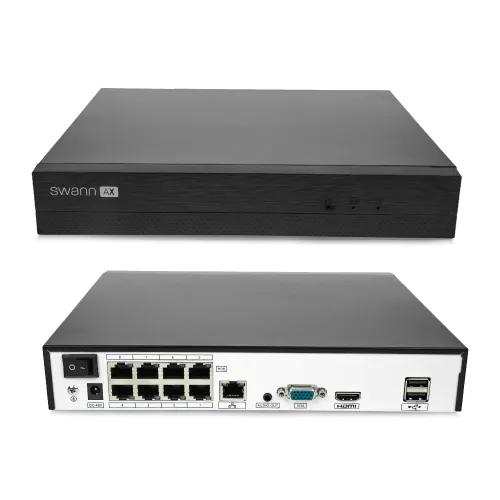
Recording stays on site by default, on a recorder in a locked closet or the management office, with remote viewing for the people the board chooses. On a campus that means cable or a wireless link from each building back to that recorder, and we plan those routes during the walk-through. The board decides who can view and export footage and how long it's kept; we set the system to match and hand over the administrator login.

Almost every Suffolk co-op owns a parking lot, and many own several. The calls we get about lots follow a pattern: a car opened overnight in the far row, someone dumping furniture by the trash enclosure, a stranger who parks and walks to the beach or the train, a fender-bender nobody admits to. A lot camera plan starts at the entrance drive, where a camera sees every car coming in, and then covers each row from a pole or a building wall at a height a ladder can still reach. Where the board wants it, a camera at the entrance can be set to capture plates. Our page on parking lot camera installation in Suffolk County goes into lighting, pole mounts and night views.
Packages are the bigger fight. The Port Jefferson mailroom theft and the delivery-tracking ring the district attorney described in 2025 show the two kinds of thief a co-op faces: the opportunist who walks in behind a resident and lifts a box, and the organized crew that knows exactly when a box will land. A shelf in a vestibule beats neither. What works on a Suffolk campus is a locked package room or cage, opened by fob for shareholders and by a one-time code or a courier credential for drivers, with a camera on the shelf and another on the door. Some boards put one package room by the main parking area for the whole complex; others give each cluster of buildings its own. Either way the room needs power, a network connection and a door that latches, which is where most of our work goes.
The amenity buildings get their own plan. A clubhouse is usually the most valuable room the co-op owns and the one that sits empty most hours. The pool area is the one the board most wants to keep to shareholders and their guests in July. The gym is the one with liability attached. We put readers on those doors with schedules the board sets, cameras at the doors and over the pool gate, and an intercom or call button at the pool gate if the board wants guests to be able to reach a shareholder. In winter the schedules simply close, and the cameras keep watching an empty pool deck.

The low-voltage side of a co-op security project is ours: the cable from each panel, reader and camera back to its controller or recorder, the network switches that power cameras and IP intercoms, and the links between buildings. On a garden campus those links are the hardest part of the job. Sometimes there is an old conduit between buildings that can carry new cable. Sometimes cable can run along a building and cross at a covered walkway. Sometimes a wireless bridge between two rooftops is the cleanest answer. We pick the route during the walk-through and put it in the proposal, so nobody is surprised by a trench. When the co-op wants a fuller network for offices, the clubhouse or shared Wi-Fi, our page on structured cabling installation in Suffolk County covers that work.
Power is planned with the same care. Every controller, power supply and recorder we install gets a battery or UPS sized for the board's decision about outages, and equipment that sits outdoors or near outdoor wiring gets surge protection. Where a building has a utility closet that has taken water, we move our equipment up or out of it. We don't do electrical work: if a new location needs a new circuit or outlet, the building's electrician does that, and we tell the board exactly what is needed so the electrician can price it at the same time.
Fire alarm work in Suffolk is handled town by town and village by village. Our page on fire alarm installation in Suffolk County explains the process: a design professional prepares the drawings, the fire marshal of the town or village where the building stands reviews them, a company licensed under New York's General Business Law Article 6-D installs what was approved, and the same fire marshal witnesses the acceptance test. Fire alarm work is quoted per building after that process, never as a package, and it is never bundled with cameras. When a co-op's security work touches the fire alarm, most often because fob-controlled doors must release when the alarm sounds, we coordinate with whoever holds the fire alarm system and the local fire marshal's requirements.
A monitored burglar alarm for the management office, a storage room or the clubhouse is something we install too, through our central-station monitoring provider. In most of Suffolk, burglar alarms are registered with the Suffolk County Police Department's alarm management program, and repeat false alarms carry fines, so we design those systems to avoid nuisance calls; our page on alarm installation in Suffolk County has the detail.
Some things are outside what we do. We don't run a virtual doorman or managed security service, though we install and integrate the intercoms, cameras and readers such a provider would use. We don't patch, plaster or paint where old stations come out. We don't do locksmith work on mortise locks and cylinders, or the door company's work on frames and operators. And we don't give legal advice; when a question is about the law, we point the board to its attorney and to the source.

Suffolk's cooperative housing comes in a handful of recognizable shapes, and each one changes where the money in a security plan goes. These are the types we see most, described as building types only; we don't name client properties.
Dozens of two- and three-story buildings around courtyards and lots, with pools, a clubhouse, courts, a gym and laundry buildings. Most of the cost is the number of entrances and the distance between buildings, not the apartments.
Garden buildings behind a gate on the bay or a canal, sometimes with docks or boat storage. The gate intercom comes first, then building doors, then cameras that can handle salt air and wind.
The cooperative apartment building in its most city-like form: smaller walk-ups and a few elevator buildings within walking distance of a village main street and the train. These look most like city co-ops: one lobby, a buzzer panel, often a basement with old wiring.
Older brick garden buildings set around landscaped courtyards, with stair halls opening onto the green. Entrances face each other across the courtyard, so camera aiming takes care.
Smaller complexes on the North and South Forks where many shareholders are away for part of the year. App answering and remote viewing matter more than wall stations.
Former rental complexes converted to co-ops, and buildings with offices or shops on the ground floor. The developer's original panels and wiring are usually the first thing to check.
Garden complexes: stair-hall entrances usually take a surface-mounted panel on masonry or siding beside the door, fed from the building's own closet or from a central room. We test whether the original wire to each apartment is usable; on many campuses it is, and app calling can reduce the work inside apartments further. Cameras go on building corners and light poles rather than ceilings, because there usually is no lobby ceiling to use.
Gated waterfront: gate stations take stainless or sealed housings and a pedestal set back from the road so a car can pull up without hitting it. Equipment rooms are chosen above the level water has reached before. Cameras near the water get housings rated for salt air, and we plan for cleaning salt off lenses as part of the board's maintenance list.
Village buildings: a single lobby panel and a riser to each floor, as in the city, but under the Multiple Residence Law and the village's own building department. Older buildings may have a basement that has taken water, which decides where the new power supply goes.
Brick courtyard co-ops: brick and block walls slow cable runs and make every new hole visible, so we plan entry points once, sleeve them and seal them. Where an older building has a facade the board wants kept intact, we use existing openings and conduit wherever the building allows.
Seasonal co-ops: the equipment has to survive months with nobody checking on it. That means battery backup that outlasts an outage, cameras that alert on motion at the doors, and a list of who the system notifies when something happens in February.

Some Suffolk cooperatives aren't purely residential. Village buildings can have a store, a professional office or a restaurant on the ground floor, and some complexes rent space to an outside business or run a management office with staff and records. Commercial co-op security in these buildings means keeping two populations apart: the shareholders who live upstairs and the customers, clients and employees who come and go all day.
The starting point is the door plan. The commercial tenant gets its own entrance and its own credentials; the residential entrance gets its own panel, and no commercial key or code opens it. Shared spaces such as a basement, a trash room or a rear corridor get readers that let each group in only where the board and the lease allow. Cameras at the shared doors are on the co-op's recorder, while any cameras inside the tenant's space belong to the tenant's own system unless the lease says otherwise.
The management office deserves its own attention. It usually holds shareholder files, keys, the fob administration computer and sometimes cash from laundry or amenity fees. A reader on its door, a camera on the entry and a monitored alarm, registered with the county police where required, cost little next to what is inside. The same applies to the maintenance garage, where tools, ladders and fuel are stored.
For businesses that aren't co-ops, our page on commercial security systems in Suffolk County covers stores, offices and industrial property. On this page we stay with what a co-op board needs: a residential entry that stays residential, shared spaces with clear rules, and a management office that is protected like the asset it is.

The same board question, "what should we do first?", has a different answer depending on what the co-op is. This table is how we usually start the conversation; the walk-through decides the actual plan.
| Property | Usually first | Usually next | Watch for |
|---|---|---|---|
| Garden complex, 100+ apartments, pool and clubhouse | Package room and amenity fobs | Stair-hall intercoms in phases; lot cameras | Cable routes between buildings; summer guest rules |
| Gated waterfront community | Gate intercom and gate cameras | Building doors; dock or boat-storage cameras | Salt air, flood level of equipment rooms, wind on gate hardware |
| Village walk-up, 10–30 apartments | Lobby panel and door release | Fob on rear and basement doors; entry camera | Old riser wiring; basement water |
| Village elevator building | Lobby panel with app calling | Elevator reader; package area | Elevator controller age; shared commercial entrances |
| Seasonal East End complex | App-answered entry and remote viewing | Motion alerts at doors; battery backup | Who gets alerts in winter; long outages |
| Converted rental complex | Survey of the developer's equipment | Replace what can't be supported | Proprietary panels nobody can program |
A walk-through goes faster and the proposal comes back sharper when the board or the managing agent has a few things ready. None of them is required, and we can work from nothing if we have to, but each one saves a step.
Board approval in a co-op follows its own documents, and courts give board decisions made in good faith for the co-op's purposes wide latitude under the business judgment rule (Levandusky v. One Fifth Ave. Apt. Corp., N.Y. Court of Appeals, 1990). In practice that means the board decides, and our job is to give it a proposal it can defend: what we found, what we recommend, what each part costs, what we left out and why. We don't give client references or name buildings we have worked in; our Google reviews, 4.7 out of 5 from 201, show what customers say.
The application law in the county code is a reminder of how much Suffolk boards already work to deadlines. When a sale is pending, the security system is part of the closing in a small way: fobs to collect, a directory entry to change, an app account to close and a new one to open. We set up the system so the managing agent can do all of that without a service call, and we show the agent how before we leave.
These are questions Suffolk boards, managing agents and supers bring to us that the sections above don't already settle. Prices, fobs, elevators and cameras are covered in their own sections and aren't repeated here.
No. The county's article on cooperative home purchase applications sets deadlines for boards (written acknowledgment of a completed application within 10 days, a written decision within 45 days, with the grounds stated for a rejection) and ties a failure to act to complaints before the county Human Rights Commission (Suffolk County Code). It doesn't mention intercoms, fobs or cameras.
Where it touches our work is timing. Once a buyer is approved and the sale closes, the seller's fobs and app access should end and the buyer's should begin. We set up the system so the managing agent can do that the same day, without waiting for us.
Under the Suffolk County Police Department's alarm program, as reported when the county pushed registration, registered owners get two free false-alarm passes a year; after that the fine was $100 per false alarm at a residence and $250 at a non-residential building, and unregistered alarms pay for every false alarm (Greater Long Island, July 5, 2016). A clubhouse is likely to be treated as non-residential, but the board should confirm the current schedule with the department's alarm office, and villages with their own police may have their own rules.
Most false alarms we find come from a few causes: a motion sensor that sees a ceiling fan or a heater, a door contact on a door that doesn't close fully, or too many people with the code. We fix the cause rather than the symptom, and we can give each user their own code so the log shows who disarmed and when.
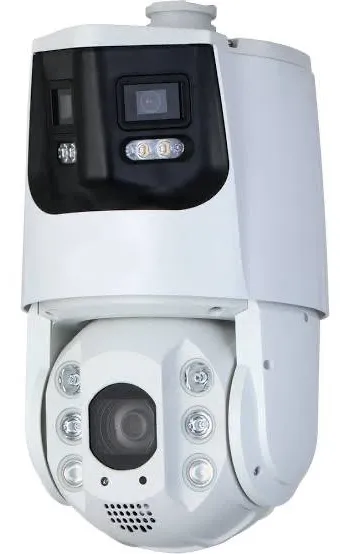
Yes, with the right equipment. Docks and boat racks are dark, wide and exposed to wind and salt. A pan-tilt or dual-lens camera on a building or a pole set back from the water can watch the whole run, with its own infrared or a light the board approves, and a housing rated for the conditions. Mounting directly on a dock piling is possible, but the motion of the dock and the spray shorten the camera's life.
Power and cable are the harder part. We run cable from the nearest building through a protected route and keep the switch and recorder indoors, above the level water has reached before. If the dock has electrical pedestals, they belong to the electrician, not to us.
If the room is on fobs and has a camera on the shelf, yes. The fob log shows whose credential opened the door and when, and the camera shows what they carried out. Couriers get their own codes or credentials, so their entries appear under their company rather than as an anonymous "door opened."
That combination is what lets a managing agent answer a shareholder's complaint with facts. It also discourages the casual theft that starts most package problems, because everyone who opens the door knows their name is attached to it. Who on the board or at the agent can look up those records is a policy the board sets.
They can show facts: which credentials are being used, at which doors and how often, and whether one apartment's fobs are being used by people the board doesn't know. Some boards have found unapproved sublets that way. Whether the co-op can use those records in a dispute, and how, is a question for its attorney and its own documents, not for us.
What we can do is set the system up so the board has the choice: credentials issued per person rather than per apartment, a log kept as long as the board's policy says, and access to the logs limited to the people the board names.
Start with what costs the co-op money now: repeated repair calls on the same entrances, locks rekeyed after every sale, packages that disappear, insurance claims, and the super's time spent letting people in. Then fix the items that stop those costs first. A package room and amenity fobs often pay for themselves in avoided locksmith visits and complaints; a full campus intercom replacement usually doesn't, and is a capital project.
We write proposals in pieces so the board can approve what fits this year and plan the rest. We don't tell a board what to charge shareholders. We give it costs it can trust, line by line, and the published repair ranges to compare against.
The fire marshal's inspection is about fire safety, not about whether the intercom calls apartments. Where our equipment comes into it is egress: any door with a magnetic lock or electric strike on an exit path has to let people out, and doors that the fire alarm is meant to release have to release. An inspector may test that.
Suffolk's towns and villages each run their own fire prevention offices and schedules, and some are stricter than others; our fire alarm and scope section explains how approval works. We install door hardware so it meets those egress requirements and tell the board which doors the inspector is likely to check.
Many do. Doors with magnetic locks on an egress path are normally required to release on fire alarm activation, and electric strikes on exit doors must still let people out with the normal handle. The exact requirement depends on the door, the hardware and the code the local authority applies.
If the building has a fire alarm panel, we connect the release to it in coordination with whoever services that panel, and we test it with the super. If it doesn't, we choose hardware that fails safe for exits and explain the choice in the proposal.
Many cameras and entry panels can, but audio recording raises legal questions that video alone doesn't. A CooperatorNews legal Q&A noted that recording conversations can implicate New York's eavesdropping law, Penal Law Article 250 (CooperatorNews, camera placement Q&A).
By default we leave audio recording off on co-op cameras. The intercom itself still lets a shareholder talk to a visitor live, which is normal use. If the board wants audio recorded anywhere, it should get its attorney's advice first, and we'll configure it to match.
Remote viewing and alerts. The recorder can send motion alerts from cameras at the doors and the package room to the people the board names, and the managing agent can check any camera from a phone. Door sensors on amenity buildings can alert if a door is left open. For a monitored response, a burglar alarm with central-station monitoring covers the rooms that matter most.
Two details make winter work. Battery backup has to outlast the outages that come with winter storms, and someone local has to be on the alert list, because a notification at three in the morning only helps if a person nearby can act on it.
Not always. Many older camera systems ran on coaxial cable to a DVR. Some current cameras still work on coax at much better quality than the old ones, and adapters can carry network cameras over existing coax in some cases. Whether that works depends on the condition and length of each run.
We test the existing cable during the walk-through. Where it is sound, the proposal reuses it; where it has been cut, spliced too often or run through places that take water, we replace it. Reusing good cable on a campus can save a lot of labor, so it's worth checking before anyone assumes a full rewire.
It's possible, and some entry panels offer it, but it is the option that needs the most board policy. Face data is biometric. New York City has specific rules on biometric data in smart-access buildings; outside the city, we know of no Suffolk County equivalent, which leaves privacy policy, consent and retention to the co-op and its attorney.
Most Suffolk co-ops we see do well with fobs, app access and PIN codes, which are simple to issue and revoke. If the board wants face recognition, we install it as an option shareholders can choose, never the only way in, and we set retention to the board's written policy.
Yes, with placement that accounts for the leaves. A camera aimed in March, when the trees are bare, can lose half its view by June. We look at the canopy during the walk-through and mount cameras below it or at the ends of the path rather than under the branches, and we note which views the landscapers need to keep clear.
Lighting matters too. Paths under trees are dark at night, and camera infrared reflects off nearby leaves. A small path light, approved by the board and installed by the electrician, often does more for the picture than a better camera.
Ask three things of every bidder. Will the co-op own the administrator logins and passwords? Is the equipment available to other installers, or sold only through one dealer? Will the installer leave a record of what was installed, where, and how it's programmed?
Our answers are yes, we install mainstream equipment other licensed installers can service, and the board gets a written record at handover. We would like to keep the co-op as a customer because the work was good, not because nobody else can open the panel.
Single-button and directory panels for stair halls and lobbies, keypad and touchscreen panels for main entrances and gates, with video, app calling and built-in readers.
Audio and video stations for shareholders who want one on the wall, alongside app answering on phones for those who don't.
Fob and card readers, keypads and mobile credentials for building, amenity, storage and office doors, on one controller.
Electric strikes, magnetic locks, exit releases and door position switches, installed so exits still work.
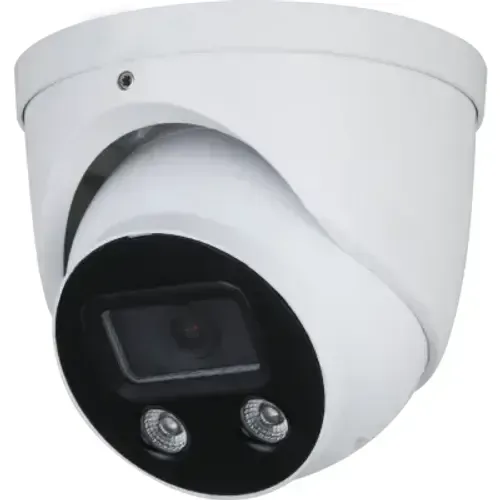
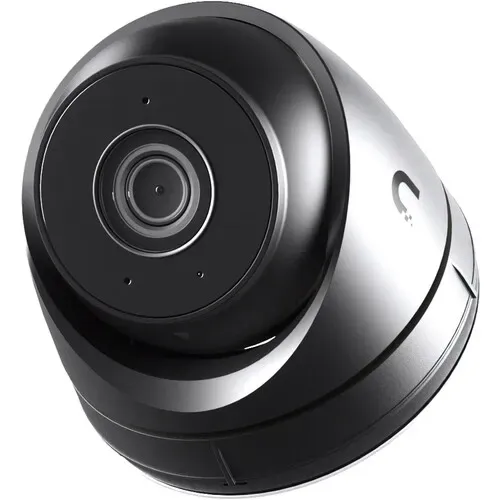
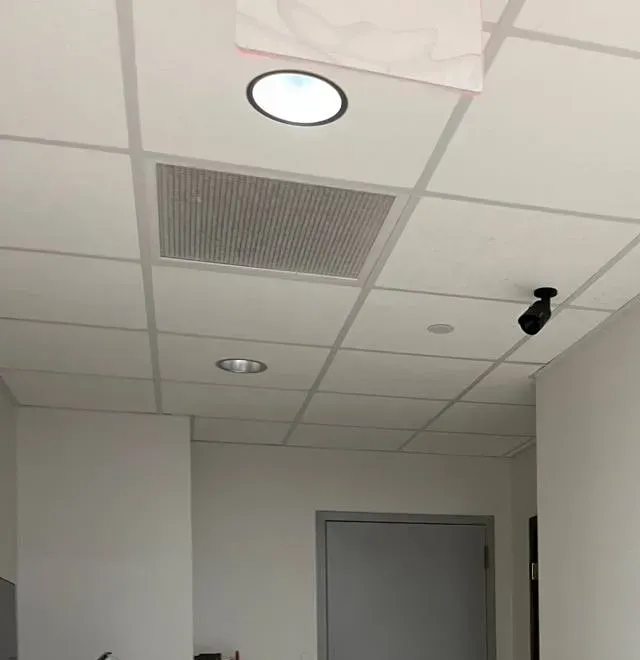
Turret, dome, bullet and pan-tilt cameras for doors, package areas, lots, docks and grounds, in housings rated for where they go.
On-site recorders, network switches with power over Ethernet, wireless links between buildings, battery backup and surge protection.
| Hardwired stations | App answering | Both | |
|---|---|---|---|
| Work inside apartments | Every unit | Little or none | Only units that want a station |
| Reaches shareholders who are away | No | Yes | Yes, for app users |
| Ongoing fees | Usually none | Often a per-unit or per-user subscription | Depends on platform |
| Works if the internet is down | Yes | No | Stations keep working |
| Best fit in Suffolk | Village buildings with longtime residents | Seasonal and garden complexes | Most mixed communities |

Board members often arrive with an answer from an AI assistant or a search summary. The answers aren't usually wrong so much as written for somewhere else. These are the seven we hear most from Suffolk boards, and what the ground looks like here.
The source of this is real: Multiple Dwelling Law Section 50-a requires self-locking entrance doors and an intercom system in many larger apartment buildings. But the Multiple Dwelling Law applies to cities of 325,000 or more, which in practice means New York City.
Every Suffolk co-op sits in a town or village, so the Multiple Residence Law is the state housing statute that applies (MRL §3), together with the state's Uniform Code and the local town or village. That doesn't make a broken intercom acceptable; a co-op's own proprietary lease and house rules usually commit it to keep building systems working.
The honest answer for a Suffolk board is to ask its attorney what its documents and the applicable law require, rather than relying on summaries written about Manhattan buildings.
That range, from consumer cost guides such as HomeAdvisor, mostly describes single homes and small buildings. A Suffolk garden co-op with thirty entrances isn't one intercom; it is thirty, plus the cable between them.
Our Suffolk intercom page publishes multi-unit building work at $1,200–$4,500 and up per building system, and repairs start with the $250 service call. A campus total depends on how many entrances change, how much wire is reused and how many shareholders want stations rather than app answering.
The right number for a board comes from a walk-through and an itemized proposal, not a national average. Ours is free for a new system.
The Tenant Data Privacy Act is New York City Local Law 63 of 2021. It sets rules on data from keyless entry systems in city buildings, and summaries often present it as a New York rule without saying it is a city law.
We know of no Suffolk County equivalent. That leaves fob and camera data policy to the co-op: who sees logs, how long they're kept and when they're released.
A board that writes that policy down, with its attorney, is in a better position than one relying on a law that doesn't reach it. We set the system to whatever the board decides.
Battery Wi-Fi cameras are easy to put up, and on a single house they can be fine. On a garden campus they run into distance, walls, leaves, batteries that die in the cold and Wi-Fi that wasn't built to carry dozens of cameras.
Cabled cameras powered from a network switch keep recording through Wi-Fi trouble and don't need someone on a ladder changing batteries. Where cable can't reach, a point-to-point wireless link between buildings is far more reliable than each camera on its own Wi-Fi.
We use wireless where it's the right tool, and say so in the proposal, but we don't build a co-op's security on consumer gear.
An electrician does important work on these jobs, but installing, servicing or maintaining security or fire alarm systems as a business in New York requires a license from the Department of State under General Business Law Article 6-D (NYS Department of State).
The two trades fit together. We do the low-voltage security work under our state license, #12000287431; the building's electrician does any new high-voltage circuit we need.
A board can check a bidder's license on the Department of State's site in a few minutes, and should.
App-based systems remove apartment stations, but not the entry panel, the door release, the strike, the power supply or the network connection. Those still wear, still take weather and still fail.
They also add new dependencies: the building's internet service, cell reception at the door, and the platform's subscription and app updates. When the internet goes down, an app-only system can't call anyone.
App answering is often the right choice in Suffolk, especially for seasonal residents, but a board should budget for the panel and door hardware like any other system and decide what happens during an outage.
Plenty of ads say so. What a board needs is a contractor who tells the truth about when it can arrive.
We book visits within 2 hours of a request, seven days a week, with early-day arrival windows, first come, first served once the visit is paid. We don't promise same-day work and we don't advertise round-the-clock service, because on Long Island distances and traffic make those promises easy to break.
If a front door won't lock, the super should secure it in the meantime, and we'll say plainly how soon we can be there.
A short call usually tells us whether the co-op needs a repair visit, a campus survey or just a straight answer.
Tell us the town or village, how many buildings and entrances, which amenities the co-op has and what keeps failing. We'll set up the right visit: a free survey for anything new, the $250 service call for anything broken. Prefer to talk? Call or text (631) 407-2884.
Thanks. Look for a call or text from a 631 number about a time that works for the super.
A Suffolk project runs through the same eight steps whether it is one village lobby or a forty-entrance garden campus. On a campus done in phases, the last three steps repeat for each phase the board approves.
Town or village, how many buildings and entrances, which amenities, and what is failing. A site plan helps but isn't required.
We call back with a time inside two hours of the request, any day of the week, early windows first. Repairs are the $250 service call; a survey for a new system is free.
With the super: every entrance, the clubhouse, pool, gym, laundry, package area, office, lots and the closets where equipment lives.
Sample wire tests at each building, door hardware checks and a look at existing cameras and recorders, so the scope says what can be reused.
Every entrance, door, camera and cable route on its own line, with phases priced separately and exclusions stated.
The board approves, the managing agent receives our certificate of insurance, the deposit is paid and equipment is ordered.
Work follows the house rules and the managing agent's shareholder notice; entrances are switched one at a time so nobody is locked out.
Directory loaded, fobs enrolled, amenity schedules set, camera views checked with the super, and the co-op receives every administrator login.
These are general habits from our crews on garden and waterfront properties, not stories about any particular client.
Shareholders judge a project by the few days it touches them, so we plan those days carefully. On a campus we switch entrances one at a time. Each building's old panel keeps working until its new one is tested, and the changeover usually takes part of a day. The managing agent's notice tells each building which day is theirs.
Inside apartments, we only enter where the plan calls for a station or where a repair needs it, at times the notice sets. Shareholders who chose app answering get an invitation by text or email and a short guide; the super gets a list of who has activated and who hasn't. Fobs are handed out by the managing agent or the super from a list we prepare, so the board knows who holds every credential from day one.
Outside, crews park where the house rules say, keep walkways clear and clean up each day. If cable has to cross a lawn or a lot, we say so in the proposal and the notice, and the ground is restored when the run is done. The pool and clubhouse schedules are set before the season they apply to, not in the middle of it.
We work across all ten Suffolk towns. These are places that show the range of co-op settings in the county, named as places only; we don't name client buildings or addresses.
Garden co-ops and gated waterfront communities near the bay, where gate intercoms and salt-air housings come up (Homes.com).
Apartment buildings close to the harbor village, where a 2023 mailroom package theft drew a police appeal (LongIsland.com).
Large amenity-rich co-op communities with pools, gyms, courts and laundry buildings spread across many acres (City-Data forum).
Communities named in the 2025 delivery-theft case, a reminder that package rooms matter well beyond the shore (CBS New York).
One of the state's largest villages, with its own government; village rules sit on top of the town's (SCVOA).
Dering Harbor, on Shelter Island, is the smallest village in the state; on the East End, smaller seasonal properties lean on remote viewing more than wall stations (SCVOA).
We also serve co-ops in Huntington, Babylon, Islip, Smithtown, Riverhead, Southampton, East Hampton, Southold and Shelter Island. Office: 1282 Troy Ave, Brooklyn, NY 11203; Suffolk calls and texts go to (631) 407-2884.
Every price below is already published on our Suffolk service pages or our repair pricing page. A board's actual number comes from the itemized proposal after the walk-through; new systems are quoted after a free on-site assessment, and repairs begin with the $250 service call.
| Work | Published Suffolk price | Where it comes from |
|---|---|---|
| Repair visit and on-site diagnosis | $250 service call, credited toward the repair | Door buzzer repair pricing |
| Apartment station replacement | $250–$525 | Door buzzer repair pricing |
| Door release relay or button | $250–$475 | Door buzzer repair pricing |
| 24V transformer replacement | $325–$650 | Door buzzer repair pricing |
| Electric strike replacement with alignment | $450–$950 | Door buzzer repair pricing |
| Lobby panel repair or faceplate | $650–$1,800 | Door buzzer repair pricing |
| Riser pair repair or re-termination | $850–$2,400 | Door buzzer repair pricing |
| Multi-unit building intercom system | $1,200–$4,500+ per building system | Suffolk intercom installation |
| Lobby fob reader | $1,600–$2,800 | Suffolk access control |
| Single door or gate access control | $1,600–$5,500 | Suffolk access control |
| Multi-door property access control | $4,500–$16,000 | Suffolk access control |
| Elevator reader, Level 1 | Starts at $1,800 per car | Suffolk elevator access control |
| Elevator reader, Level 2 | Starts at $3,000 per car | Suffolk elevator access control |
| Fire alarm work | Quoted per building after drawings and fire marshal review; no package prices | Suffolk fire alarm installation |
What moves a Suffolk co-op's total: the number of entrances and amenity doors, the distance and route between buildings, how much existing wire tests good, how many shareholders want stations instead of app answering, the condition of the doors themselves, and whether any subscription is involved. Deposits follow the terms in our service agreement. Our labor warranty is 30 days, and longer coverage is available as a paid add-on; manufacturer warranties belong to the manufacturer. Full terms โ including 50% deposit, one-year parts-only warranty on Abstract Enterprises Security Systems-supplied products, and the late-fee schedule โ are set out in the service agreement.
We don't sell fixed co-op packages, because no two campuses have the same doors. These are the three starting points Suffolk boards choose most, each priced from the published figures above once the walk-through confirms the scope.
One or more repair visits, each starting with the $250 service call, to get failing entrances, releases and strikes working while the board plans the bigger project. Repair work is priced from the published ranges.
Fobs on the clubhouse, pool gate, gym and laundry, plus a package room with a reader and cameras. Priced door by door from the Suffolk access control ranges, with cameras itemized.
A phased replacement of every entry panel on one platform, with apartment stations, app answering or both. Each building system is itemized; later phases are priced up front.
We install equipment a co-op has already bought. We quote the labor by phone or text, without a walk-through, and book once the deposit is paid. Compatibility and warranty for that equipment stay with whoever sold it, so we suggest boards check with us before buying.
New buzzer systems for small Suffolk buildings and stair halls.
Recorded camera systems for Suffolk properties of every kind.
Switches, Wi-Fi and links between buildings.
How multi-apartment intercoms work, from audio to app.
Cleaning, re-aiming and health checks for existing cameras.
Describe the co-op and get a written plan back.
Yes. Calls and texts to (631) 407-2884 reach Abstract Enterprises Security Systems directly, the same company that sends the technicians. Our office is at 1282 Troy Ave in Brooklyn, and we book Suffolk visits from there within 2 hours of a request.
It stays with the co-op. Before we disconnect an old recorder, the board decides whether to export any footage it needs to keep. The old unit and its drive are handed to the super or managing agent rather than thrown away, so the co-op decides how the drive is stored or destroyed.
The mainstream intercom platforms we install publish apps for both iPhone and Android. We confirm the chosen platform's app support in the proposal, and shareholders with older phones should check that their operating system is still supported before the board commits.
If the co-op uses passes, a gate code or a guard list, send it with the approval and we'll follow it. Crews park where the house rules say, and on a gated property we ask the managing agent for a temporary code that is switched off when the job ends.
Most camera models come in white or black, and some in grey, so we pick the housing closest to the trim. We don't paint cameras, because paint can cover sensors and seals and can void the manufacturer's warranty.
Yes. Ask and we'll send a redacted proposal from another job, with the building details removed, so the board can see the format: every entrance, door and camera on its own line, with exclusions and phases listed.
That is the board's policy to set. Many boards issue fobs to older children so they aren't locked out after school and so each person's entries are logged under their own name. The system can give those fobs narrower doors or hours, such as no pool access without an adult.
The shareholder can release the door from the app or apartment station if able. For when they can't, many boards keep a key or code for emergency services through the local fire district, and the entry panel can be programmed to release the door for a code the board shares with the district. We set up whatever arrangement the board and its fire district agree on.
Yes. When a co-op shares a gate, a road or a clubhouse with another association, we plan the shared equipment with both boards and write the proposal so each one can see which items it pays for and which are shared.
Yes, with the board's permission where the co-op requires it. A shareholder can book an additional station, a doorbell camera on their unit door or similar work, billed to the shareholder separately, so the co-op's invoice covers only common-area work.
Suffolk and Nassau make up our Long Island coverage. The overview for the whole Island is one level up at co-op security systems on Long Island, and boards whose managing agent also runs buildings to the west can go straight to co-op security systems in Nassau County. We don't give out client names, building addresses or references; our Google reviews, 4.7 out of 5 from 201 reviews, show what customers say.
Co-op security systems in other areas: New York City ยท Manhattan ยท Brooklyn ยท Queens ยท the Bronx ยท Staten Island ยท Long Island ยท Nassau County ยท Hudson Valley ยท Westchester County ยท Rockland County ยท Orange County ยท Putnam County ยท Dutchess County ยท Board guide: co-op board intercom upgrade