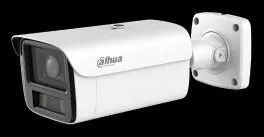
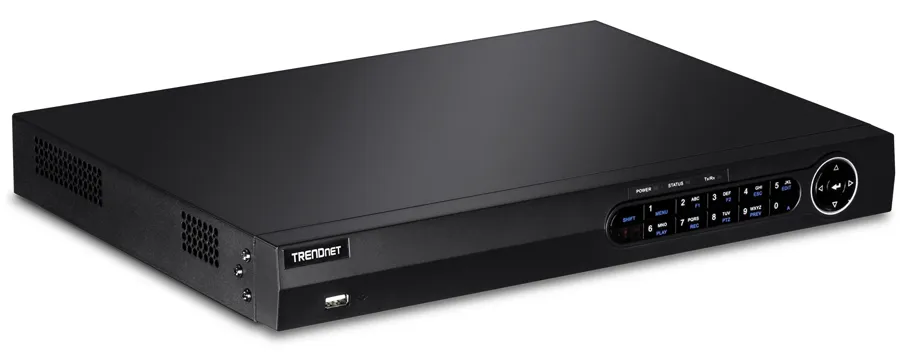
Lobby Intercoms · Garden Entries · Key Fobs · Parking Lots · Cameras · Elevator Readers
Our co op security systems work in Nassau County starts at $250 for a service call, and a new intercom, fob or camera system for the whole cooperative is priced in writing after a free walk-through of the property. Nassau co-ops sit under village and town rules rather than New York City's, and most of them come with something city buildings rarely have: a parking lot. We plan building security for the elevator co-ops near the train stations in Great Neck Plaza, Mineola and Rockville Centre, the garden complexes of Freeport, Lynbrook and Westbury, and the oceanfront buildings of Long Beach that still remember what Sandy did to their basements.
Quick answer: Abstract Enterprises Security Systems installs, repairs and upgrades what a Nassau County housing cooperative owns at its doors and in its lot: lobby entry panels and apartment stations or app answering, door releases and strikes, key fob readers on side, laundry and storage doors, elevator readers, and cameras for lobbies, mail areas, driveways and parking. A repair starts with the $250 service call, credited toward the fix when more work is needed. A replacement or building-wide system gets a written, itemized price after a free on-site assessment, laid out so the board can set it beside other bids. Visits are booked within 2 hours, any day of the week, and the managing agent's certificate of insurance is issued once the job is awarded.
Last updated November 25, 2026 by Abstract Enterprises Security Systems, NYS license #12000287431 · Sources: State of New York county profile (Nassau); NYS Multiple Residence Law §3; NY Attorney General; NYS General Business Law Art. 6-D and NYS Department of State; CooperatorNews; Habitat Magazine (2012, 2014); Long Beach Patch (Nov 23, 2012); Newsday (Jul 31, 2019); ABC7 NY (Dec 16, 2018); The DeVito Team market guide from OneKey MLS data (links in each section)

Owner-operated since 2002 · Thousands of jobs completed · Booked within 2 hours. Call or text (516) 346-5778 or use the quote form.
Ask a Nassau board member where their co-op is and the answer is rarely just a street. It is a village, a hamlet or one of the county's two cities, and that answer decides whose building department reviews the work, which police department takes the call when a car is broken into, and which state housing law applies to the front door. The State of New York's own county profile counts two cities, three towns, 64 incorporated villages and more than 60 unincorporated hamlets inside Nassau (State of New York, Nassau county profile). A co-op in Great Neck Plaza, another in Rockville Centre and a third in unincorporated Oceanside can sit fifteen minutes apart and still answer to three different sets of local officials. Co-op building security in Nassau County starts with knowing which of those the building answers to.
The co-ops themselves cluster in a handful of places. A Nassau market guide built from OneKey MLS listing data lists Great Neck, Long Beach, Rockville Centre, Freeport, Mineola and Lynbrook as the most active co-op areas, with Long Beach showing 95 co-op sales over twelve months, Rockville Centre and Freeport 61 each, Mineola 46 and Lynbrook 36, and its directory of buildings runs from two-story garden complexes built in the 1950s and 1960s to seven- to ten-story oceanfront buildings that went up in Long Beach between 1965 and 1968 (The DeVito Team, Nassau County co-ops guide, OneKey MLS data). That spread is the whole story of cooperative building security here: the same board vocabulary, but buildings that range from a 1929 elevator house a short walk from the Great Neck station to a garden court with a dozen separate front doors and a parking lot behind every one.
Great Neck shows how dense the co-op life of one peninsula can be. In a CooperatorNews neighborhood profile, Great Neck's town reference librarian, herself a co-op board president, described it this way: "Great Neck is sort of an extended suburb that actually consists of nine villages. Most of the co-ops and condos are in Great Neck Plaza—the downtown area—and Great Neck Estates." The same article said the Great Neck Co-op & Condo Council counted close to 100 co-ops and condos from Great Neck and surrounding areas including Garden City, Mineola and Woodbury (CooperatorNews, "There's Something About Great Neck," Mary K. Fons, April 2006). Boards that talk to each other compare contractors, and a sloppy intercom job in one Plaza building is common knowledge in the next by the following meeting.
The South Shore adds water. When Sandy came ashore in October 2012, Long Beach's building commissioner told Patch that about 100 buildings had been condemned on the city's first assessment, most of them in the West End and the Canals (Long Beach Patch, Nov 23, 2012). Habitat Magazine later followed one 179-unit Long Beach co-op through its recovery: about two feet of water in the lobby, a boiler that had to be replaced, more than a million dollars of electrical work, a garage full of sand, elevators out and shareholders living elsewhere for the first six weeks, with the total for the building put at about $3.2 million (Habitat Magazine, Tom Soter, Nov 26, 2014). In another Long Beach building the boiler room sat under 15 feet of water while the facade looked untouched (Habitat Magazine, November 2012). Intercom power supplies, door controllers and camera recorders live in exactly those rooms in most older buildings, which is why a coastal Nassau security plan asks where the equipment sits before it asks what brand to buy.
Then there is the parking. Almost every Nassau co-op owns a lot, a carport row or a garage, and the calls we get from Nassau boards reflect it: cars opened overnight, strangers parking near the train and walking off, packages taken from building entrances, side doors that the last delivery driver left on the latch. Package theft here is not a city problem that stops at the line. In December 2018, Nassau County police went looking for two men caught on surveillance cameras walking onto front stoops on two Valley Stream streets and driving off with packages (ABC7 NY, Dec 16, 2018). A co-op with a lobby on the street, a mail area just inside and a lot out back has all three of the exposures that story describes, multiplied by the number of doors. So the order on this page is the order we work in a Nassau building: the doors and the entry system that controls them, then fobs, then the cameras that cover the lot and the mail. Most Nassau co-ops that replace the lobby panel come back for fobs on the side and laundry doors within a year, so we size the cable for both on the first visit.

A Nassau co-op board can give one co-op security contractor all nine of the jobs below, and most boards take them roughly in this order. Each line has its own section below, with a link to our Nassau page for that service when the super or the managing agent wants the technical detail. We price by entrance and by door, never by apartment, because in a Nassau building the number of doors people actually use drives the cost far more than the unit count.
Swap the tired lobby box for video, then let shareholders choose a wall screen, their phone, or both.
Upper floors that can't hear the lobby, a release that buzzes with no click, a crackle on every call: traced and fixed.
Side, rear, laundry, storage, bike room and garage doors on one fob list, so a lost fob is shut off once instead of rekeying a lock.
Stop the stranger who followed a shareholder through the lobby from reaching the upper floors.
Coverage at the driveway entrance, along each row of spaces and at the doors residents use from the lot, recorded on site.
Cameras placed to see faces at the inner door and hands at the mailboxes and package shelf, not just a doorway.
Video door stations or wired video doorbells on garden buildings where each unit or stair has its own front door.
Controllers, power supplies and recorders moved off basement floors and out of flood rooms where the building allows it.
Itemized written scopes for boards and managing agents, ready to compare with other bidders and to attach to a shareholder notice.

The intercom is where a Nassau board usually starts, because it is the system every shareholder touches every day and the one that generates the angriest emails when it fails. The decision in front of the board is rarely "which panel." It is whether to keep paying for repairs on a system that came with the building, replace the lobby end and keep the apartments, or plan a full co-op intercom replacement. We give the board the information to make that call; the board makes it. Our Nassau page on intercom installation in Nassau County covers the equipment side in more depth.
Three facts decide most co-op intercom upgrade projects here. First, the riser: whether the cable running from the lobby to each floor tests clean. In a 1960s elevator building in Long Beach or Great Neck Plaza that cable is often still usable, and reusing it can keep the job out of most apartments. Second, the apartment end: whether shareholders want a station on the wall, a call to their phone, or a mix, and whether the board will pay for stations or leave them to each shareholder. Third, the door itself: closers, strikes and frames that have to work before any new electronics are worth installing. A video panel on a door that doesn't latch is a camera pointed at an open door.
For a building-wide co-op intercom replacement, boards in Nassau tend to follow the same path. Someone on the board or the managing agent writes a short scope: number of entrances, floors and apartments, what to reuse, whether app calling is wanted, what happens to old apartment stations. Two or three contractors walk the building. The proposals come back and the board compares them line by line, which only works if each bidder priced the same things. We write ours with every entrance, every apartment option and every exclusion on its own line, so the treasurer can see exactly where a cheaper bid saved its money. Boards that want a deeper walk through the repair-or-replace decision, the RFP and the shareholder notice can use our co-op board intercom upgrade guide, which is being published alongside this page.
Budget and approval follow the co-op's own documents. Some boards fund an intercom modernization from reserves, some through an assessment, some over two budget years by doing the lobby panel first and the apartment end second. We don't advise on which, and we don't tell a board what it can charge shareholders. What we do provide is a price split the way the board needs it: lobby work, riser work, apartment work and any optional app subscription shown separately. Financing is available through Wisetack, subject to approval. When the board needs a certificate of insurance naming the co-op and its managing agent, we issue it once the job is awarded, not with the quote.
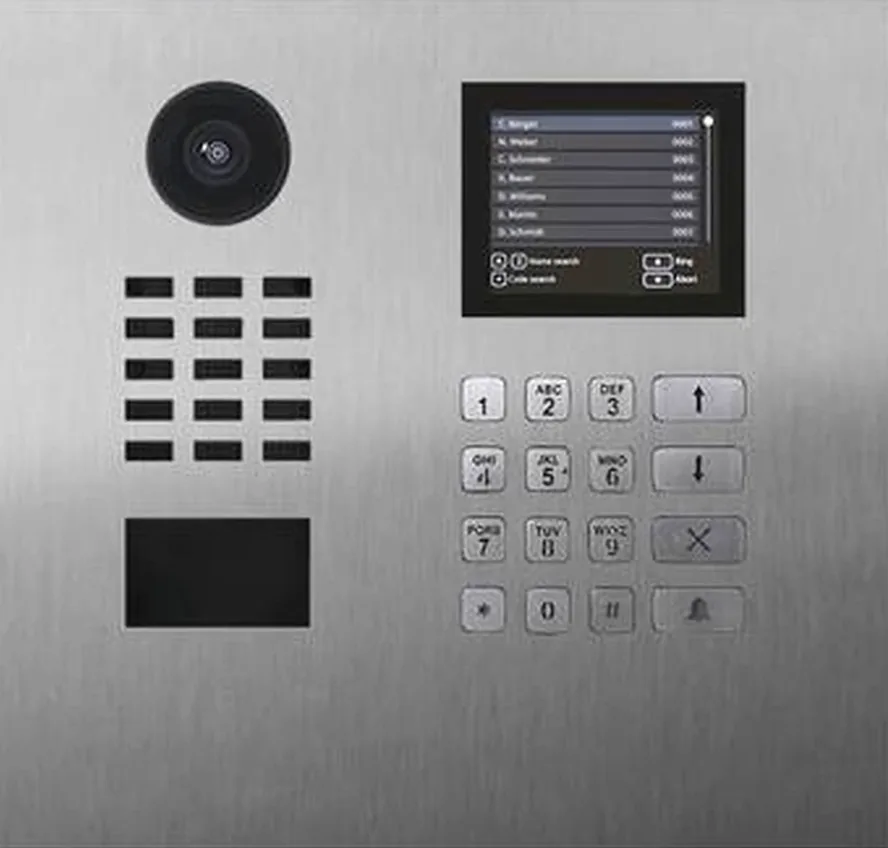
Brands follow the building. We install and service mainstream multi-unit intercoms, and our comparisons of Akuvox vs ButterflyMX and DoorBird vs 2N lay out how the common choices differ on subscriptions, apartment stations and app calling. Our default quote is our own house-brand system; if the board asks for a particular brand, we quote that too. Some panels are special-order and ship on the manufacturer's schedule after the deposit, and we give the board an installation date once the equipment is actually in hand rather than promising one in the proposal.
| Apartment option | Where it fits in Nassau | What the board should know |
|---|---|---|
| Keep existing apartment stations | Elevator co-ops whose riser tests clean and whose stations still work | Least disruption; only the lobby end changes. Compatibility is confirmed after testing, not assumed. |
| New wall stations in every unit | Buildings with many older shareholders who want a screen by the door | Needs access to every apartment. Old openings may need a plate or patching by the building's own painter; we don't patch or paint. |
| App or phone answering only | Garden co-ops and buildings with many seasonal or working residents | Little or no work inside units. Many platforms charge a per-unit or per-user subscription, which the board should see before it votes. |
| A mix | Most buildings, once shareholders are asked | Station for those who want one, app for the rest. Priced as separate lines so the board can change its mind. |

Most co-op intercom repair calls from Nassau sound alike on the phone and turn out to be different on site. "The buzzer doesn't work" can mean a failed power supply in the basement, a door release that has worn its strike plate, one riser pair that shorted after a leak, or a single apartment station that died. A repair visit starts with the $250 service call. We find the fault first, tell the super or managing agent what failed and what it costs to fix, and do the work once it is approved. If the repair needs parts or more time, the $250 goes toward it.
Our published ranges on the door buzzer repair pricing page apply in Nassau the same as anywhere we work: an apartment station runs $250–$525, a door release relay or button $250–$475, a 24V transformer $325–$650, an electric strike with alignment $450–$950, lobby panel repair $650–$1,800 and riser pair repair $850–$2,400. The full Nassau detail for buzzer faults is on our page for door buzzer repair in Nassau County, and electronic intercom faults are covered on our Nassau intercom repair page.
Two Nassau-specific patterns come up again and again. The first is water. Basement power supplies and riser junction boxes in South Shore buildings sit in rooms that take water in a heavy storm, and corrosion shows up months later as an intermittent fault that comes and goes with the humidity. The second is the side door. Garden and elevator co-ops alike have rear and lot-side doors that see more traffic than the front, and their strikes and closers wear out first. We check both on every visit, even when the call was about something else, and note what we find for the board.
Repairs in a co-op have one more rule: intercom faults are often linked across apartments, so we need access to every affected unit on the visit. If three apartments on the fourth floor cannot hear the lobby, the fault might be in any of those three stations or in the riser between them. Without access to all of them we can find where it isn't, but we can't close the job. The managing agent's shareholder notice for a repair visit should ask the affected apartments to be home or leave a key with the super. We book visits within 2 hours of the request, seven days a week, with early-day arrival windows, first come, first served once the visit is paid. We don't promise same-day repairs, because the fault and the parts decide that, not the calendar.
In a Nassau co-op, the lobby door is usually the best-protected door in the building. The weak spots are the others: the lot-side door residents use when they park, the laundry room off the basement corridor, the storage cages, the bike room, the garage pedestrian door. Over the years those doors collect keys. Former shareholders keep them, contractors copy them, a dog walker has one. Co-op access control replaces those keys with fobs or cards on one list, so when a shareholder sells or a contractor finishes, the board shuts off a credential instead of changing a cylinder. Our page on access control installation in Nassau County goes through readers, controllers and door hardware in detail.
Before fobs go on a door, the door has to hold. Lot-side doors in garden and mid-rise co-ops take wind off open parking areas and slam all day; their closers and frames often need work before a strike or magnetic lock will behave. Exits are another matter: any locking hardware we add must still let people out without a key, a code or a fob, and on a magnetic lock that means a proper release on the egress side. We will tell the board if a door's existing hardware won't support what it wants, and the door hardware side that is ours (strikes, maglocks, request-to-exit, readers) is quoted separately from anything a locksmith or door company has to do.
Fob data deserves a short board policy. A fob system records who opened which door and when. New York City has its own law on smart-access data in multiple dwellings, the Tenant Data Privacy Act, but that is a city law, and we know of no Nassau County equivalent we could point a board to. That leaves the policy to the co-op and its attorney: who on the board or at the managing agent can see entry logs, how long they are kept, and when a log can be released. We set the system's retention and user permissions to whatever the board decides and hand the administrator login to the co-op at the end of the job.

The seven- to ten-story co-ops along the Long Beach shore and the elevator buildings near the stations in Great Neck Plaza, Mineola and Rockville Centre are where co-op elevator access control makes sense. A reader in the cab means a visitor who slips in behind a resident still can't ride upstairs, and a shareholder's fob can be limited to the floors the board chooses. Our page on elevator access control in Nassau County lists what each level includes; in Nassau, a Level 1 card, fob, code or video reader in the car starts at $1,725 per car, and Level 2 face, fingerprint or iris readers start at $2,875 per car.
The elevator company is part of every elevator job. Readers in the car tie into the controller, usually through spare wires in the traveling cable, and only the elevator contractor works inside the controller cabinet. That visit is separate and the building normally pays the elevator company directly. We schedule a joint look before the board signs anything, because a 1960s controller and a recently modernized one behave very differently, and the answer decides whether floor-by-floor control is even possible.

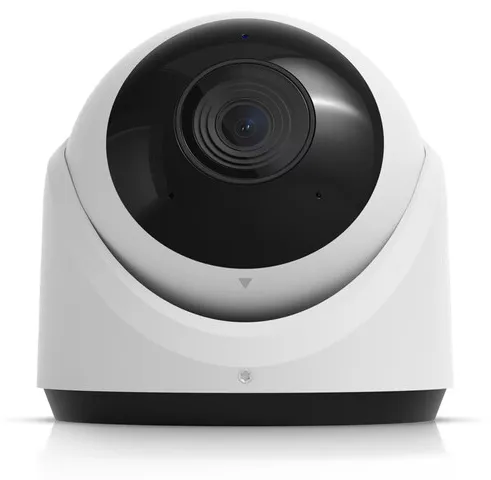
Cameras are a short section on this page on purpose. The detail lives on our page for apartment building security camera installation in Nassau County, and installed camera prices for the county are on our Nassau security camera pricing page. A dedicated co-op camera page for Nassau is being prepared. What matters for the board is where co-op cameras go and who can see them.
Placement in a Nassau co-op follows the same three questions every time. Can the lobby camera see a face at the inner door, rather than a silhouette against the glass? Can the mail-area camera see hands at the boxes and the package shelf, not just the doorway? And can the lot cameras see the driveway entrance closely enough to tell one car from another, with wider views along each row of spaces? Hallway cameras get aimed down the length of a corridor, never into an apartment door, and laundry, bike and storage room cameras watch the door and the room. Footage access is a board decision, and the board should write it down: who can view, who can export, and how a request from a shareholder, an insurer or the police gets handled.
If a Nassau board asks us where its building is most exposed, the answer is usually behind it. City co-ops mostly don't have parking; Nassau co-ops almost always do. A garden co-op in Freeport or Westbury may have parking courts between every pair of buildings. An elevator co-op near the Mineola or Rockville Centre station may have a lot that commuters eye every weekday morning. An oceanfront building in Long Beach may have a garage under the building that filled with sand in 2012.
Co-op parking lot security comes down to three tools, used in proportion. Cameras: a long-lens camera at the driveway entrance where cars slow to turn in, wider cameras along the rows, and coverage of the door residents use from the lot. Access: a fob reader on that lot-side door at minimum, and on a pedestrian gate or garage door where the property has one; vehicle gates themselves are usually the gate company's work, with our reader and wiring on the low-voltage side. Light: cameras see what the lot lighting lets them see, and a dark corner stays dark on video. We point out lighting gaps during the walk-through, but new pole lights and their wiring belong to the building's electrician, since we don't do electrical work.
Distance is the practical constraint. A camera at the far end of a garden co-op lot can be a long cable run from the nearest building, and network cable has a length limit. On a big property we plan the cable route first, using existing conduit or a basement run where possible, and only suggest a wireless link where trenching or a long surface run makes no sense. Pan-tilt-zoom cameras look impressive on a quote; on most Nassau lots, fixed cameras on each aisle record more useful footage, and a PTZ earns its cost only where someone actually watches it live.


Every system on this page rides on low-voltage cable: riser pairs for the intercom, Cat6 for cameras and IP panels, PoE switches in a closet, and sometimes a fiber or wireless link between buildings. We run and terminate the cable for the systems we install. When a co-op wants a broader network built out, our structured cabling installation in Nassau County page covers that work. We don't sell managed IT, and we recommend the building keep its security network separate from any resident Wi-Fi.
A co-op fire alarm is a separate system from the intercom and cameras and is handled separately. In Nassau, fire alarm work follows engineer-designed drawings and the Nassau County Fire Marshal's review and inspection process, and our page on fire alarm installation in Nassau County explains that path. We don't publish fire alarm prices, and we don't take Nassau fire alarm permits ourselves at this time; ask us first and we will tell you plainly what we can do. Intercom or access control interfaces with a fire alarm (for example, door release on alarm) are coordinated with whoever holds that permit.
We don't do electrical work. If a new panel, gate operator or light pole needs a new high-voltage circuit, the building's electrician runs it and we connect the low-voltage side. We don't patch or paint walls where old apartment stations come out. Mortise locks and lock cylinders belong to a locksmith; strikes, magnetic locks, readers and exit releases are ours.
We don't run a virtual doorman or a managed security service. If the co-op uses a remote doorman or concierge company, we install the panels, cameras and readers it needs and connect them to its platform. Burglar alarms for a management office or storage rooms are a separate service, described on our alarm installation in Nassau County page, with central-station monitoring through our monitoring provider.
Nassau's co-op stock falls into five rough types. The types matter more than the village, because they decide how many doors there are, where the cable can go and what shareholders expect at the front door.
Downtown buildings from the 1920s and 1930s, such as the 1929 elevator house listed in Great Neck Plaza: one lobby, a service entrance, narrow risers and plaster walls.
Six- to ten-story buildings, many along the Long Beach shore and near village stations: one lobby, a garage or lot, a basement laundry and mechanical rooms below grade.
Two- and three-story buildings around lawns and parking courts in places like Freeport, Lynbrook, Oceanside, Westbury and University Gardens, each stair or unit with its own door.
Two-story complexes on canals and bays along the South Shore, built close to the water, with lots at grade and equipment rooms that can flood.
Apartments above shops and offices on village main streets, with a residential entrance beside storefronts and a rear lot shared with deliveries.
Buildings of a dozen or so apartments run by the shareholders, where the board president is also the person who calls when the door won't lock.
The old buildings near Great Neck Plaza and other early commuter villages were built before anyone imagined a video panel. Risers are narrow and often packed with abandoned wire from three generations of intercoms. Walls are plaster on lath, and surface raceway in a carved lobby looks wrong. Here we test every riser pair before proposing anything, plan new panels to fit existing openings where possible, and lean toward app answering or reusing apartment wiring so the job stays out of finished apartments.
The mid-rise buildings of the 1960s are the most common Nassau elevator co-op and the easiest to modernize, because their risers were usually built with a little spare room. Their weak point is the basement: power supplies, door controllers and the old intercom amplifier all tend to sit in the same room as the boiler. On these buildings we propose moving the head-end equipment to a higher closet or the first floor when there is space, and we put the recorder and network switch on an upper shelf even when there is not.
A garden co-op is a campus. Instead of one lobby there are many front doors, often one per stair, and often a rear door to the parking court. Cable between buildings runs through basements, crawl spaces or old conduit, if it runs at all. We plan one platform for the whole property so every door shows up on one fob list and every station on one directory, then phase the buildings in whatever order the board's budget allows. Where each unit has its own exterior door, a wired video station per unit, approved and specified by the board, can replace the idea of a lobby altogether.
On the canals and bays, salt air and flooding drive the equipment choices. Exterior panels and camera housings need to be rated for weather, and in the worst spots stainless hardware outlasts painted aluminum. Inside, nothing important should sit on the floor of a ground-level utility room. We mount controllers and power supplies as high as the room allows, and we make sure the board knows which parts of the system would need to be checked after a flood.
Mixed-use buildings need a clean line between the residential entrance and the shops: separate credentials, separate camera access, and an agreement between the co-op and the commercial tenants about what, if anything, is shared. Small self-managed co-ops need something simpler: a system the board president can run from a phone, a clear written list of what was installed, and a contractor who answers when they call.

Commercial co-op security in Nassau usually means apartments over storefronts, or professional offices in a cooperative building. The village main streets where that mix is common are the ones near the train: Middle Neck Road in Great Neck Plaza, Mineola's blocks around the station and Jericho Turnpike, the downtown streets off Sunrise Highway in Rockville Centre and Lynbrook, Main Street in Port Washington, and Park Avenue in Long Beach. In each, the ground floor belongs to businesses and the floors above belong to shareholders, and the two share walls, a rear lot and sometimes a basement.
The security plan for those buildings starts by separating what each side needs. Shops want cameras on their own doors and registers and an alarm on their own space; the co-op wants the residential entrance, the stairs and the lot. We keep those on separate systems, or one recorder with separate user rights, so a store manager never sees the residential lobby and a board member never sees a register. Rear doors used by both get their own reader schedule: deliveries during business hours, residents only after closing. The co-op's commercial leases are the place to write down who pays for what and who can see what.
Commercial cooperatives in the strict sense, where an office or retail building itself is owned as a co-op, follow the same approach with more doors and fewer apartments: reception-desk answering, after-hours schedules on every reader, and a camera plan aimed at entrances and loading areas rather than workspaces.

The same board question, "what do we need?", has very different answers depending on the building. This table is how we think about it on a first walk-through; the written scope for any real property comes after we have seen it.
| Property | What usually matters most | How we scope it |
|---|---|---|
| Small self-managed co-op, 8–20 apartments | A lobby panel that works, a phone app the president can run, one or two fob doors | One visit, one written price, often a one-day install |
| Prewar elevator house, 30–60 apartments | Reusing risers, keeping the lobby looking right, mail area and service door | Riser test first, then lobby, apartments and doors priced separately |
| 1960s mid-rise, 60–180 apartments | Lobby and garage entries, elevator reader, getting equipment out of the basement | Head-end relocation as its own line; elevator company joint visit |
| Garden complex, dozens of entrances | One platform for every door, lot cameras, cable between buildings | Priced by building and by phase; cable route planned first |
| Mixed-use building on a main street | Separating residential and commercial access and cameras | Two credential groups, separate viewing rights, shared rear door schedule |
Unit count matters less than people expect. A 150-apartment mid-rise with one lobby and a garage door may need fewer readers than a 90-apartment garden co-op with thirty front doors. That is why our proposals list entrances, doors and cameras, and why we don't quote co-op security by the apartment.
A walk-through goes faster and the proposal comes back sharper when the board has a few things ready. None of them is required, and we will find most of it ourselves, but these are the questions that change the price.

These are the questions Nassau boards, managing agents and supers actually put to us, grouped the way they come up. Questions answered elsewhere on this page (prices, fobs, elevators, cameras) aren't repeated here.
New York requires a license from the Department of State for any business that installs, services or maintains security or fire alarm systems, and has since October 1, 1992. The Department's regulations say the license covers systems used to detect or monitor intrusion, break-in, theft, movement, sound or fire, and they also exempt a few narrow cases, such as a single-door card-access system that doesn't detect or report anything (NYS Department of State, security or fire alarm installer license law).
Ask each bidder for the license number and look it up on the Department of State's licensing site. Ours is NYS #12000287431. Ask for the certificate of insurance too, but expect it on award: we issue the co-op's certificate when the job is awarded, naming whoever the managing agent needs named.
Four questions. Where will the controller, power supplies, network switch and recorder be mounted, and how high above the floor? What happens to the front door if the basement loses power: does it stay locked, unlock, or fall back to keys? Is the exterior panel rated for the exposure it will get from wind-driven rain and salt air? And which parts would need checking or replacing if water does come in?
A good proposal answers all four in writing. Ours does, because we have seen what Sandy did to equipment rooms in Long Beach buildings, and because the cheapest place to install head-end equipment is often the worst place for a building near the water.
Late spring and early fall are the easiest. Adhesives, sealants and caulk around exterior boxes cure properly in mild temperatures, and the crew isn't working in a nor'easter on a ladder. Summer works too, though beachfront buildings are busier and parking for a work van can be harder.
Winter installs are possible and we do them, but we plan exterior work around the forecast and seal everything twice. If the board is deciding in the fall, it often makes sense to approve and order in the winter, then install exterior pieces when the weather turns.
Side doors near a beach get propped open in summer, for coolers, chairs and air. The fix is a mix of hardware and feedback: a closer that actually closes the door, a strike or magnetic lock tied to a fob reader, and a door-held-open alert that tells the super when it has been propped for more than a few minutes.
A camera on the inside of that door, aimed at the door rather than the corridor, settles arguments about who propped it. Some boards also set the reader to accept fobs only in certain hours during the season. All of it is configured to the board's rules, and the door still opens freely from the inside.
Often not well, with the panel the building has now. A camera lens looking straight into low sun, or at a visitor standing in front of a bright parking lot, records a dark silhouette. Older analog panels are the worst; newer ones handle backlight better but are not magic.
The fixes are physical as much as electronic: a small hood or recess that shades the lens, a panel position on the side wall of the vestibule rather than facing the lot, and a second camera inside the lobby aimed back at the door so faces are caught after they step out of the glare. We check the light at the time of day the board complains about before recommending any of them.
Often they don't need a traditional building intercom. When each apartment opens straight to the outside, a wired video station or doorbell at each door, chosen by the board so every unit matches, gives shareholders video and two-way talk without a lobby panel or a riser. Packages and visitors arrive at the door they are meant for.
Where several units share a stair hall behind one exterior door, that door needs a small multi-button station and a release, just like a lobby. Most garden properties have both kinds, and we map every door before proposing anything so the board isn't buying lobby panels for doors that don't need one.
Yes, in that order of cost. A long-lens camera at the driveway entrance records each car that turns in, and lot-wide cameras show where it parked and who walked off. That alone lets the board document the problem and enforce its own parking rules with whatever tow arrangements it has.
If the problem persists, a gated entrance with resident credentials is the stronger answer. The gate operator and its power are the gate company's and the electrician's work; we supply and wire the readers, keypads or call stations on the low-voltage side and put them on the same fob list as the building doors.
A vestibule between two doors is a warm, dry spot near a station, and people use it. The answer is usually to make the outer door lock as well, with a fob reader and a call panel outside it rather than inside, so the vestibule is no longer public space.
Moving the panel outward means a new weatherproof station and sometimes new cable, and the mail carrier and delivery drivers need a way in, so the board decides who gets codes or credentials. A camera covering the outer door helps the super see who has been getting in and when.
Inward first. Cameras on a co-op building should record the co-op's own lot, its doors and the paths shareholders use, not the neighbor's property, the tracks or the stores' back doors. A camera on the building's end wall looking down the row of spaces toward the property line does more good than one aimed across it.
Where people cut through from the station or the stores, a camera at the gap they use, plus a fence or gate the board controls, deals with it better than wide views of someone else's land. If the neighboring owner wants coverage of the shared line, that is a conversation between the two properties, with separate recorders.
Tell us before the paving contractor starts. Cable to pole cameras, gate readers and pedestrian gates often runs under the asphalt or along the curb, and milling machines find it the hard way. Before the job, we mark where our cable runs and recommend sleeves or conduit under any new curbs and islands.
Repaving is also the cheapest time the co-op will ever have to bury conduit to a far corner of the lot. If the board has ever wanted a camera or a reader out there, adding an empty conduit while the surface is open costs a fraction of cutting it in later.
Yes. Our proposals are written to be read without us in the room: each entrance, option and exclusion on its own line, with photos from the walk-through where they help. Boards whose members commute into the city or travel often review by email and vote at their next meeting or by written consent, as their bylaws allow.
We send the agreement electronically for signature once the board has approved. If the board wants to talk it through, we join a call with the members and the managing agent, and we answer follow-up questions in writing so every member sees the same answer.
Many do, and it helps. A lobby door that won't lock on a Saturday shouldn't wait for the next board meeting. A standing limit lets the managing agent approve a service call and a common repair right away, while anything above it goes to the board.
Our published repair ranges make setting that limit easier: the $250 service call, and the typical parts ranges on our door buzzer repair pricing page. The board picks a number; we stay inside it and ask before going over.
It usually means two entry schedules on one door, or two doors. Patients need to reach the office during office hours without being buzzed in by shareholders; after hours, the residential entry should go back to residents only. A separate office entrance with its own call button is the cleanest setup when the building has one.
When the office and the apartments share a lobby, we set the panel so a directory entry rings the office during its hours, and the office gets its own fob group that stops working after closing. The lease between the co-op and the tenant should say who pays for the office's part of the system.
Plan for a reader on the door, a camera aimed at the shelves rather than the door, a door contact so the super knows when it is propped, and a network cable or two for anything the board adds later, such as smart lockers. Running that cable while the walls are open costs far less than surface raceway afterward.
Send us the renovation drawings before the walls close. We mark where each device goes, the general contractor's crew leaves the boxes and pull strings, and we come back to install and program once the room is finished.
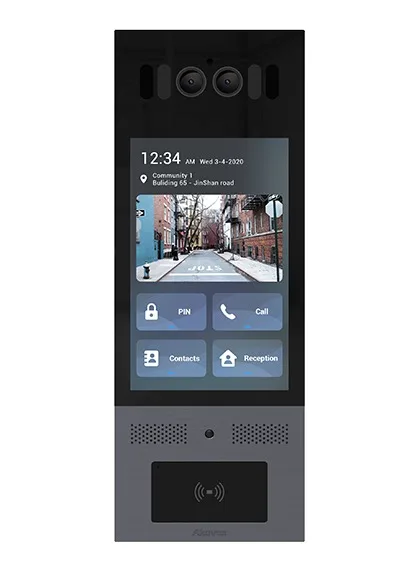
The equipment list for a Nassau co-op looks like the list for any multi-unit building. What changes is the emphasis: more exterior-rated hardware, more lot cameras, and more attention to where the electronics are mounted.
Touchscreen directories or button panels with video, a keypad for codes and a built-in reader, sized to the existing opening where possible.
One- to a few-button stations for side doors, garden stairs and gates, chosen for the weather they will face.
Wall stations with a screen, audio handsets, or calls to a shareholder's phone, in whatever mix the board approves.
Fob and card readers, keypads and the controller that keeps the credential list, mounted high and dry.
The part that actually holds the door, sized to the frame, always opening freely from inside, with a warning when someone props it.
Readers in the car tied to the controller through the elevator company, for floor restriction or resident-only rides.
Long-lens cameras at the entrance, wider cameras along rows, and weather-rated or stainless housings near salt water.
Turrets and domes aimed at faces at the inner door, hands at the mailboxes and the doors of laundry and storage rooms.
On-site recording, PoE switches and battery backup for the entry system, placed above any flood line the building has seen.
On the brand question, our default for a Nassau co-op is our house-brand system, quoted first; we quote name brands the board asks for. Equipment the co-op already owns can be installed too: we quote the labor by phone or text and book it with the deposit.
Boards now ask an AI assistant before they ask a contractor, and the answers they bring us tend to repeat the same seven ideas. Each is half right. Here is what the field looks like in Nassau.
This claim usually comes from New York City coverage of Multiple Dwelling Law Section 50-a, the rule on self-locking entrance doors and intercoms in larger apartment buildings. It is real law, but its home is the Multiple Dwelling Law, which covers cities of 325,000 or more.
Nassau's villages, towns and two cities fall under the Multiple Residence Law instead (MRL §3). That doesn't mean a Nassau co-op can let its entry system rot: the proprietary lease, house rules and local code still matter, and shareholders still expect a door that locks and a buzzer that works.
The practical point is that a Nassau board should get its legal answer from its own attorney, reading the documents that apply to its building, rather than from an AI summary built on Manhattan articles.
Some do. A garden building where every unit opens to the outside can be well served by a matched set of wired video stations, one per door.
But Nassau also has seven- to ten-story elevator co-ops along the Long Beach shore and prewar elevator houses near the Great Neck station. Those buildings have a lobby, a riser, a garage door and an elevator, and a doorbell on each apartment door does nothing for the street entrance.
The right answer comes from counting doors, not from the word 'Long Island.' That is the first thing we do on a walk-through.
New York says otherwise for most of it. Installing, servicing or maintaining security or fire alarm systems as a business requires a license from the Department of State, and has since 1992 (NYS Department of State). The regulations carve out narrow exceptions, such as a lone card reader that doesn't detect or report anything.
Electricians have their own path into the trade under the same law, and a property owner installing a system on its own property with its own employees is exempt. A handyman with a drill and a box from a big-box store is not covered by either.
Ask every bidder for the license number. Ours is NYS #12000287431.
That range is from a national cost guide built mostly on residential jobs (HomeAdvisor, intercom installation cost). For a co-op it is too narrow at both ends: a repair can start at $250, and a garden complex with thirty doors is nowhere near the top of that range.
What decides a Nassau co-op's price is the number of entrances, whether the risers can be reused, what the board wants in the apartments and how far the lot cameras are from a building. None of that is in a national average.
That's why we publish the parts we can price in advance, the $250 service call and the repair ranges, and quote building-wide systems only after seeing the building.
Wireless means the video travels without cable; the camera still needs power, and a battery camera at the far end of a lot needs climbing to charge. Wi-Fi from the building rarely reaches the back rows reliably.
On a Nassau lot, cabled cameras on building walls and existing poles, with a point-to-point wireless link only where a cable run is impossible, record more reliably and need less attention.
Wireless has its place in a small corner the cable can't reach. It shouldn't be the plan for the whole lot.
Outdoor ratings describe rain and dust, not submersion. A weather-rated panel at a door survives a storm; a power supply sitting on a basement floor does not survive two feet of salt water, whatever its label says.
After Sandy, one Long Beach building's boiler room sat under 15 feet of water while its facade looked fine (Habitat Magazine). Those are the rooms where older buildings keep their intercom and camera electronics.
So we pick exterior hardware for the exposure, and we pick the mounting location for the flood. Both show up in the written scope.
Online answers love the words same-day and 24/7. They describe marketing, not trucks on the Meadowbrook.
What we commit to is the booking: a time slot within two hours of the call, on any day, mornings first, in the order paid visits come in. Finishing the repair depends on what failed and whether the part is on the truck.
A promise of instant service from someone who hasn't seen the building is a reason for a board to ask more questions, not fewer.
Five minutes on the phone is often enough to tell whether a Nassau building needs a repair visit, a survey, or nothing yet.
Where is the co-op, how big is it, and what keeps going wrong? A few lines on the village or hamlet, the floors and the doors are enough for us to set up the right visit: a free survey for anything new, the $250 service call for anything broken. Prefer to talk? Call or text (516) 346-5778.
Thanks. Look for a call or text from a Nassau number shortly about a time that suits the super.
A Nassau job moves through the same eight stages whether it is one lobby or a thirty-door garden property; the bigger sites simply run the last three stages once per approved phase.
A short description is plenty: which village or hamlet, elevator or garden, roughly how many doors, and what stopped working.
Expect a call back with a time slot inside two hours of your request. Any day works, mornings first; a fault visit is the $250 service call and a new-system survey costs nothing.
With the super we walk the lobby, side and lot doors, the mail area, laundry and storage rooms, the garage and the equipment rooms.
Risers, door hardware and existing cable get tested so the scope says exactly what stays and what goes.
Entrances, apartment options, lot cameras and any equipment relocation each on their own line, ready for the board.
Once the board votes yes, the managing agent gets its insurance certificate, the deposit is paid and equipment goes on order; anything special-order is scheduled when it lands.
Work is scheduled around the house rules, with the managing agent's notice out to shareholders before any apartment or door is affected.
Names loaded into the panel, fobs enrolled, camera views checked with the super at each door, and the co-op keeps the master passwords.
On a Nassau walk-through the first stop isn't the lobby. It is the room where the intercom power supply lives. In the older South Shore buildings that room is usually below grade, and the first thing we check is the bottom eighteen inches of the wall: rust on the box screws, a tide line on the drywall, green on the terminal strips. If we find it, the proposal includes moving that equipment up, whatever else the board decides.
The second stop is the door residents use from the lot. It almost always gets more traffic than the front door, it usually has the oldest closer in the building, and it is the one most often propped. We open and close it a dozen times, watch whether it latches on its own in the wind, and look at the strike for wear. A front panel upgrade that ignores that door doesn't make the building any safer.
The third is the riser test. We put a meter on a sample of apartment pairs from the lobby end. Clean pairs mean the board has the cheaper option of keeping in-unit wiring; shorts and opens tell us where water or past renovations got to the cable. All of it goes into the written scope, so the board can see why the number is what it is.
Shareholders judge a security project by the day it happens to them. A few things make that day go well. The managing agent's notice goes out before any work that affects the front door or apartments, saying when the lobby panel will be down and how visitors and deliveries will get in meanwhile. We keep the old panel live until the new one is tested, or arrange a temporary door procedure with the super if a swap has to be done in one step.
Crews arrive inside the scheduled window, park where the house rules and the village allow, and reserve the elevator through the super if the building requires it. We work inside the building's permitted hours, keep noisy drilling to the times the rules allow, and clean up at the end of each day. Apartment visits happen only on the dates in the notice, and only with someone home or a key left with the super. When the work is finished, the super gets a walk-through of the new system and the board gets the logins and a written list of what was installed and where.
We cover all of Nassau County from our Brooklyn office at 1282 Troy Ave. These cards describe the parts of the county where co-ops are most common; they describe places, not client buildings.
Nine villages on one peninsula, with the densest cluster of co-op elevator buildings around the Plaza's downtown and the LIRR station.
The city on the barrier island, with its row of 1960s mid-rise co-ops near the ocean and the memory of Sandy in every basement.
Village downtowns near the Babylon Branch stations, with prewar and postwar co-ops a few blocks from the shops.
The county seat's village and its neighbor, with co-ops near the Mineola station, Jericho Turnpike and the Old Country Road corridor.
Low-rise garden co-ops along canals and waterways on the South Shore, where flooding and salt air shape every exterior choice.
Harbor villages at the end of the Port Washington Branch, with smaller co-op buildings and garden complexes near the water.
We also serve housing cooperatives in Valley Stream, Hempstead, Westbury, New Hyde Park, Floral Park, Manhasset, Roslyn, Glen Cove, Baldwin, Merrick, Massapequa, University Gardens, Lake Success and every other Nassau village and hamlet. Visits are booked within 2 hours of a request, seven days a week, first come, first served once paid.
In Nassau, the first number a board sees depends on whether something is broken. Something broken means a $250 visit, during which we trace the fault; small fixes are covered by that visit, and bigger ones have the $250 deducted from the repair price. New, replacement and building-wide systems start with a free on-site assessment and a written, itemized price. We don't publish package or per-apartment prices for co-ops, because in Nassau the door count, the riser condition and the parking lot decide most of the cost.
| What the co-op needs | How it is priced |
|---|---|
| Intercom, buzzer, strike, reader or camera repair | The $250 visit to find the fault; if the fix takes parts or extra time, that $250 is already applied to it |
| Common buzzer and intercom parts | Published ranges on our intercom pricing and door buzzer repair pricing pages, for example $250–$525 for an apartment station and $650–$1,800 for lobby panel repair |
| Multi-unit building intercom installation | Our Nassau intercom page shows $1,200–$4,500+ for multi-unit buildings; a co-op gets a written quote after the free assessment, itemized by entrance |
| Key fob access on side, laundry, storage and garage doors | Written quote after the free assessment, itemized by door |
| Elevator access control | From $1,725 per car for a Level 1 reader in Nassau; elevator company visit billed separately by that company |
| Lobby, mail-area and parking lot cameras | Camera count and placement set during the survey; installed per-camera figures for the county live on our Nassau camera price list |
| Equipment the co-op already owns | Labor quoted by phone or text, booked once the deposit is in |
| Fire alarm | No published prices; drawings, Fire Marshal review and a written quote per building |
Financing is available through Wisetack, subject to approval. Full terms — including 50% deposit, one-year parts-only warranty on Abstract Enterprises Security Systems-supplied products, and the late-fee schedule — are set out in the service agreement. Our labor warranty is the one listed on our warranty page; longer coverage is a paid add-on, and manufacturer warranties stay with the manufacturer.
These are not packages with fixed prices. They are the three starting points we see most often in Nassau, each priced on the building after the walk-through or the service call.
Start with the $250 service call on the worst door or the floors that can't hear the lobby. The board gets a written list of everything else we noticed, with prices, to decide on later.
A new lobby panel with app answering, a fob reader on the lot-side door, and cameras on both doors. The most common first project for an elevator co-op, quoted after the free assessment.
Every entrance, every secondary door, the elevator and the lot, scoped once and installed in phases the board sets, with head-end equipment moved up where flooding is a risk.
We install equipment a co-op supplies. We quote the labor by phone or text, without a walk-through, and book the install once the deposit is paid. The equipment itself, its compatibility and its warranty stay with whoever sold it, so we recommend boards check with us before they buy.
New buzzer systems for small Nassau buildings and garden stairs.
Recorded camera systems for Nassau properties of every kind.
Switches, Wi-Fi and network gear for building systems.
How multi-apartment intercoms work, from audio to app-based.
Published ranges for the most common buzzer and intercom repairs.
Describe the co-op and get a written plan back.
Often, if the new readers support the same credential format. We check the format of the fobs the co-op already has before proposing a controller. When they are compatible, shareholders keep their fobs; when they are not, the proposal shows the cost of new ones and a plan for swapping them out building by building.
Many touchscreen panels can display a short message, a logo or a notice on the idle screen, and some can push notices to the app. We set up whatever the chosen panel supports during programming, and show the super or managing agent how to change it later.
Yes, if it is planned that way. When we install an IP intercom or fob system, we size the switch and the cable runs so cameras can join later without starting over. The proposal notes the spare capacity, so a later camera phase doesn't pay for the backbone twice.
Usually. Depending on what failed, we can restore the old panel for the interim, wire a simple temporary call button, or put the door on a keypad or fob until the new panel arrives. The board decides which, and the temporary setup is priced as its own line.
Yes. At the end of the job we walk the system with the super and any board member who wants to come: every door, every reader, a sample of apartment calls and every camera view. Anything that doesn't work as written in the scope gets fixed before we call the job complete.
Yes. Send us the house rules with the approval, and the schedule is built around them: permitted work hours, quiet periods, elevator reservations and where contractors may park. If the village has its own rules on construction hours, those apply too.
Yes. Most entry systems let us set how long the door stays released after a call, a code or a fob, and some readers can give certain credentials a longer release time. Where the door is heavy, a powered door operator is a separate item from the door or operator company, which we connect to the entry system.
We install and replace the electrified side of door hardware: electric strikes, magnetic locks, exit releases and readers. Mortise locks and key cylinders are locksmith work, and we coordinate with the building's locksmith when a door needs both.
Yes. Charging spaces and bike racks are where people linger and where damage and theft show up, so a camera that sees the whole bay, mounted where it can't be knocked by a car door or a bike handlebar, is worth adding. If the chargers came with their own cameras or app, we keep the co-op's system separate and leave the charger vendor's equipment alone.
Nassau and Suffolk make up our Long Island coverage. The guide for the whole Island sits one level up at co-op security systems on Long Island; a Suffolk County co-op page is being prepared. Boards whose managing agents also run buildings in the city can start at Abstract Enterprises Security Systems co-op security across NYC, or go straight to co-ops in Queens, Brooklyn, Manhattan, the Bronx or Staten Island. North of the city, the same work for Westchester, Rockland and the other river counties is on our page for co-op security systems in the Hudson Valley. We don't give out client names, building addresses or references; our Google reviews, 4.7 out of 5 from 201 reviews, show what customers say.