What are you looking for?
About Us Contact Us Careers Get a Free Quote (800) 486-0943
Pick a service
✅ Got Your Own System?
🎬 Home TheatreQuote 🎶 AV SoundQuote 🔑 Access ControlQuote
Now pick your area
Pick your area
Long Island
Hudson Valley
Services available
Pricing & Tools
Pick a service for pricing
🚪 Intercom Pricing 🔔 Buzzer Repair Pricing
Calculators
📹 Camera System Calculator 🚨 Alarm Calculator ⚡ Cabling Quote Builder ✅ Got Your Own System?
Select your area
Bronx co-op with a silent lobby panel, a garage door that ignores fobs, or a release that hums and stays locked? Board officers and agents can reach our Fordham Road office at (646) 490-0629, by call or text.
Home › Co-op Security Systems NYC › Co-op Security Systems Bronx
Bronx Co-op Boards, Managing Agents & Shareholders · Office at 460 E Fordham Rd

Co-op Security
Systems in
the Bronx

Lobby Intercoms · Buzzers · Fob Access · Cameras · Elevator Readers · Riser Cabling

Co op security systems in the Bronx start with a $250 service call for anything broken, and building-wide intercom, access control and camera systems are priced in writing after a free on-site assessment of the building. Our Bronx office on East Fordham Road serves the borough's cooperative housing as one licensed low-voltage contractor, from Riverdale elevator buildings and Grand Concourse conversions to garden co-ops in Throggs Neck, Mitchell-Lama towers in the northeast Bronx and small HDFC walk-ups in Mott Haven and Highbridge.

Quick answer: For a Bronx cooperative, Abstract Enterprises Security Systems is a single licensed vendor for the front door and everything wired to it: the lobby and vestibule intercom, the buzzer and release, fob and card readers, cameras and the recorder, elevator readers, and the riser cable. Anything broken is looked at on a $250 service call, and that $250 comes off the bill if the repair turns out bigger. Anything new is priced after a no-cost walk-through with a board officer or the agent. We book requests within 2 hours and schedule any day of the week, starting early.

Last updated November 25, 2026 by Abstract Enterprises Security Systems, NYS license #12000287431 · Sources: HPD Housing Maintenance Code Violations, NYC Open Data; NY Multiple Dwelling Law §50-a; NYC Admin. Code ch. 30 (Local Law 63 of 2021) and HPD Tenant Data Privacy guidance; LPC Grand Concourse Historic District designation report and Permit Guidebook ch. 11; CityLand; Bronx Times; Nacmias Law Firm Bronx building-type guides; Wikipedia (Co-op City, Parkchester, Amalgamated Housing Cooperative)

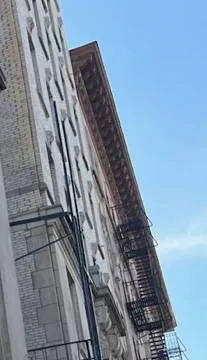
Bronx co-op security systems: prewar masonry apartment front with fire escapes, a carved cornice and a camera arm on the facade
From our job library: looking up a prewar masonry apartment front with fire escapes and a camera arm near the entrance. Bronx co-ops along the Concourse and in the west Bronx look a lot like this.
Bronx Co-op Security Request
For board officers, managing agents, supers and shareholders

✅
Request Sent!
Thank you. Our Bronx office will call or text to set the service call or the walk-through.
25+
Years Experience
$250
Service Call
2 Hr
Booking
4.7★
201 Google Reviews

Owner-operated since 2002 · Thousands of jobs completed · Booked within 2 hours · Bronx office: (646) 490-0629

The Neighborhood

Why Bronx Housing Cooperatives Need Co-op Building Security Planned for Their Scale

The Bronx does cooperative housing on a scale no other borough matches. The largest housing cooperative anywhere sits in its northeast corner, the country's first limited-equity co-op still stands at the edge of Van Cortlandt Park, and between them are elevator buildings that converted from rentals in the 1980s, garden co-ops that look like rental courts from the street, and small HDFC corporations formed out of City-owned buildings. Each of those owns its own lobby door. When the door stops locking or the intercom stops calling up, the people who pay for the fix are the same people standing in the vestibule waiting for it to work.

That makes co-op building security in the Bronx a governance job before it is a wiring job. A board of volunteers has to find out what failed, decide whether to repair or replace it, find the money, tell shareholders, and get a contractor into apartments on a set date. A managing agent may run that process for the board, or the board may run it alone. Either way, the security company the co-op hires has to produce paperwork a board can vote on and do work that keeps a busy building open while it happens. This page is written for those decision-makers, not for a single apartment owner shopping for a doorbell.

What the Bronx co-op map actually looks like

A Bronx real estate closing practice that sees these buildings at contract stage sums the borough up this way: "Bronx co-ops cluster in the Riverdale and Spuyten Duyvil belt, with large complexes elsewhere in the borough." The same guide lists pre-war and post-war elevator co-ops along the Henry Hudson Parkway and through central Riverdale, large complexes in Pelham Parkway and along the Grand Concourse "that converted from rentals," garden-style co-op groups in Throggs Neck and Country Club "that read as low-rise rentals from the street," and "a number of corporations that still carry substantial sponsor holdings from a 1980s conversion."

Two more groups sit alongside those. The firm's Bronx HDFC guide describes "one of the densest bands of HDFC buildings in the city, through Mott Haven, Highbridge, Morrisania and the Grand Concourse," many of them walk-ups and small elevator buildings formed from City in rem holdings. Its Mitchell-Lama guide notes that the Bronx "holds the largest cooperative development in the country, together with other limited-profit developments," a stock "characterized by high-rise towers and townhouse clusters on shared campuses rather than by single buildings."

The physical numbers behind that last line are hard to picture until you have walked them. Co-op City, which opened to residents in December 1968 and was completed in 1973, has 35 high-rise buildings and seven clusters of townhouses with 15,372 residential units, plus eight parking garages and three shopping centers, and is described as the largest housing cooperative in the world. A few miles west, the Amalgamated Housing Cooperative, organized in 1927 for the Amalgamated Clothing Workers, now counts 11 residential buildings and 1,468 units and was the first complex in the United States founded under the state's limited-dividend law for limited-equity housing.

Security in buildings like that is a different exercise from a twelve-unit walk-up. One fob database may have to serve dozens of lobbies, garages and laundry rooms. Cameras land on recorders that a staffed desk or a public safety department watches. Lobby doors may have automatic operators, and the release from the intercom has to work with them. And because these developments run continuous capital programs under a supervising agency, a security upgrade is usually one line in a much larger plan.

One clarification boards ask us about: Parkchester

Parkchester is often called a Bronx co-op, and it is not. According to its history, roughly a third of the complex converted to condominiums in 1974 and the remainder, now Parkchester South Condominium, converted in 1986. Condominium boards buy the same intercoms, fobs and cameras, but their governing documents, approvals and owner notices work differently, so we treat them as condo work. The co-ops that matter for this page are the ones around Parkchester's blocks, which the closing guide above places among the borough's large converted complexes.

How often Bronx entry systems fail, by the numbers

Every violation an HPD inspector writes ends up in a public dataset, the HPD Housing Maintenance Code Violations table on NYC Open Data. We filtered it for 2025 issue dates and for descriptions that mention an intercom. No borough came close to the Bronx, at 1,637; Brooklyn followed with 1,157, then Manhattan at 1,020, Queens at 342 and Staten Island at 24. Split by HPD class, the Bronx count was 212 A, 1,335 B and 90 C, and C is the class HPD treats as immediately hazardous.

Bronx ZIP code2025 HPD violations mentioning an intercom
10457182
10458 (the ZIP of our Fordham Road office)178
10452152
10456145
10467129
10453128
Bronx total1,637 (A 212 · B 1,335 · C 90)

Two cautions belong next to that table. HPD inspections are mostly triggered by tenant complaints in rental buildings, so these are not counts of broken co-op intercoms. And a violation records one inspection on one day, not how long a door stayed broken. What the figures do show is that the west and central Bronx, the same corridors where Concourse-era elevator buildings and HDFC walk-ups stand, produce more written-up intercom failures than anywhere else in New York City. Co-ops in those ZIP codes share the wiring, the weather and the age of those buildings, and a board there should assume its own system is closer to the end of its life than it looks.

What Bronx boards tell us is going wrong

The specific complaints change with building type, but the patterns repeat. In high-rise complexes the issue is usually doors: a side or stair door taped so it won't latch, an automatic lobby door that closes too slowly and lets a second person walk in behind a resident, or a garage pedestrian door that nobody watches. In Riverdale elevator co-ops it is the intercom riser: some lines ring and some don't, and the fault moves when it rains. In Concourse buildings it is a lobby panel that has been patched by three different companies, each leaving its own power supply in the cellar. In small HDFC buildings it is often simpler and harder at once: nothing works, there is no admin password for anything, and the budget is whatever is left after the boiler.

Package theft runs through all of them. Holiday deliveries stack up in vestibules and mailrooms, and in buildings without a staffed desk the only control is whether the inner door actually locks. Where the board has no camera on the package area, a missing box turns into an argument between neighbors instead of a clip anyone can look at.

Bronx co-op facts that shape the work

  • First of five boroughs: Bronx buildings drew 1,637 intercom-related HPD violations in 2025, 90 of them in the most serious class (NYC Open Data).
  • 15,372 units in 35 high-rise buildings and seven townhouse clusters, with eight parking garages, at Co-op City (Wikipedia, Co-op City, Bronx).
  • 1927: the year the Amalgamated Housing Cooperative was organized near Van Cortlandt Park; it now has 11 buildings and 1,468 units (Wikipedia).
  • October 25, 2011: the date the Landmarks Preservation Commission voted to designate the Grand Concourse Historic District, covering 78 properties (CityLand).
  • 1974 and 1986: the years Parkchester's two sections converted to condominiums, which is why it is condo work rather than co-op work (Wikipedia, Parkchester).
  • 1968 cutoff: for class A buildings put up or converted after that year with at least eight apartments, state law requires self-locking entrance doors and an intercom that reaches the door from each unit (MDL §50-a, NY Senate).

Boards that start with the front-door intercom in the Bronx usually add access control on the stair, garage and laundry doors next, because once the lobby is secure the weak point becomes every door that can be held open with a piece of tape.

What We Install

Co-op Security Services in the Bronx, From the Lobby Door Up

Think of us as the co-op security contractor a Bronx board calls for anything with a low-voltage wire in it: the entry panel, the stations or apps in the apartments, the door releases, the readers, the cameras, the recorder and the cable risers between them. We install, repair, maintain and take over systems, and a board can hire us for one door or the whole campus. Each part below answers the question boards ask about that system and then points to our dedicated Bronx page for the technical detail.

Co-op intercom systems for Bronx lobbies

Almost every Bronx co-op project we are called into starts at the intercom, because it is the one system every shareholder, delivery driver and visiting aide uses every day. We repair audio and video intercoms, replace lobby panels and apartment stations, and carry out co-op intercom upgrades: audio to video, an old analog riser to IP, apartment handsets to smartphone answering, or a mix of those so shareholders who want a station on the wall keep one. In big elevator buildings the lobby panel usually becomes a touchscreen directory that can search by name, because a button panel for two hundred apartments is a wall of tiny labels that nobody reads.

For a board, the hard part is rarely the technology. It is deciding whether this is a repair, a co-op intercom replacement funded as a capital improvement, or a phased upgrade spread over two budget years. We price those options side by side when they are all honest choices. A replacement proposal from us lists every entrance, the panel at each, what each apartment gets, whether the existing riser is reused, the release hardware, the programming and resident setup, and what the building has to provide, so a treasurer can line it up against other bids in an RFP. Boards writing that RFP can use the scope checklist and bid comparison steps in our co-op board intercom upgrade guide. The installation side in depth is on our page for intercom installation in the Bronx, and when an existing system has quit, our Bronx intercom repair page covers the faults we find.

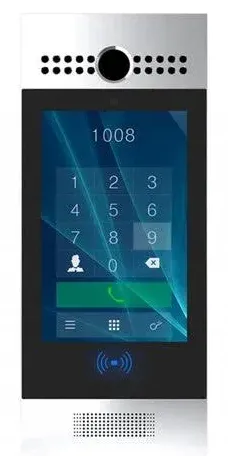
Bronx co-op intercom upgrade: touchscreen directory lobby panel with keypad, camera and card reader (manufacturer product photo)
Manufacturer product photo: a touchscreen directory panel with a camera, a dial pad and a card reader. Large Bronx elevator co-ops replace long button panels with a searchable directory like this.

Buzzer systems and door releases in walk-ups

Walk-up co-ops and small HDFC corporations across the south and west Bronx mostly run on buzzers rather than video: push buttons outside, a speaker box upstairs and an electric release on the door. A release that buzzes without unlocking might mean a tired strike, an undersized transformer, a wire broken somewhere in the stairwell, or a single apartment unit pulling the whole line down. We find the failed part, replace it and try the release from each landing before we pack up. Part-by-part ranges are on our page for door buzzer repair in the Bronx, and complete new buzzer systems for small buildings are covered under Bronx door buzzer installation.

Fob and card access for every door the board controls

Co-op access control in the Bronx usually begins where keys have stopped working as a control: the side door to the parking lot, the stair door that opens to the street, the laundry room, the bike and storage rooms, the roof and the garage pedestrian door. We install the readers, electric strikes or magnetic locks, door position contacts, request-to-exit devices and the controller and software that keep the list. The board decides who opens which door at which hours, and a lost fob is turned off in a minute instead of re-keying a building. On campuses with several buildings, one database can run every lobby while still keeping each building's laundry and storage rooms to its own shareholders. Full details are on our page for access control installation in the Bronx.

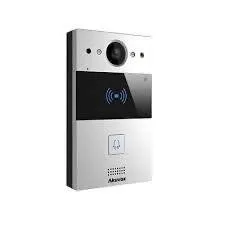
Compact stainless door station with camera, card reader area and call button for a Bronx co-op side entrance (manufacturer product photo)
Manufacturer product photo: a compact door station with a camera, a reader area and a single call button. One unit like this gives a side or garage door both a fob reader and a way to call the desk.

Cameras for lobbies, mailrooms, garages and grounds

Co-op security camera installation in a Bronx building covers the common areas the corporation is responsible for: lobby and vestibule, mailroom and package area, elevator cabs if the board wants them, stair doors at the street, laundry, cellar and trash rooms, the parking lot or garage, and the paths between buildings on a campus. Footage stays on a recorder in the building, and the board decides who may watch live, who may export a clip and how long the recorder keeps it. We keep the camera part of this page short on purpose; our co-op security camera installation page for the Bronx is being built to cover placement and pricing for cooperative buildings, and our page on apartment building security camera installation in the Bronx covers multi-unit camera systems now.

Elevator floor control in high-rise co-ops

Some Bronx towers lock the elevator itself, so a resident fob sends the cab only to that shareholder's floor, the lobby and the garage levels, while staff credentials reach storage and mechanical floors. The reader goes in the cab and connects to a floor-control interface; the building's elevator company makes the connection inside its controller, and we schedule the two trades together. Read more on our page for elevator access control installation in the Bronx.

Package rooms and mailrooms

A lockable package room with a reader on the door and a camera on the inside does more against theft than any number of signs in the vestibule. Couriers get a time-limited code or are buzzed in by the desk, shareholders open the room with their own fob, and every entry leaves a record. In a building without a spare room, a caged section of the mailroom with the same reader and camera works almost as well.

Fire alarm, only within our scope

Fire alarm questions come up on Bronx co-op walk-throughs too. In New York City that work runs on engineered drawings and FDNY review, and every system is priced per building after a survey, never off a list; we take it on only inside our fire alarm scope. Our page on fire alarm installation in the Bronx walks through planning and approval.

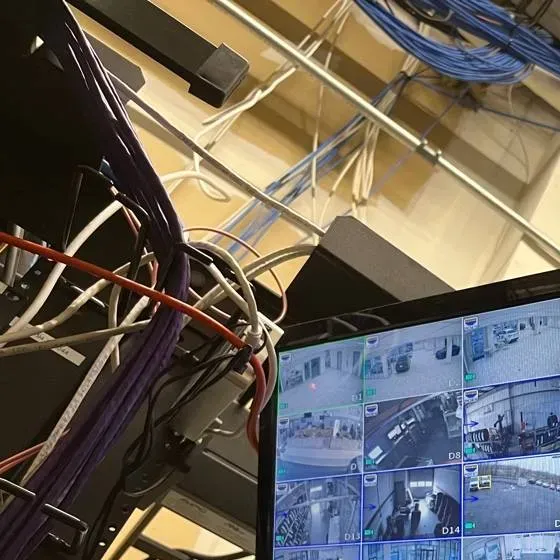
Bundles of network cable home runs above an equipment rack and a recorder monitor showing camera tiles, Bronx co-op security cabling
From our job library: cable home runs coming down from the ceiling to a rack beside a recorder monitor. Every run should be labeled at both ends so the next technician can follow it.

Cabling and network behind the systems

None of this equipment works without the cable underneath it. A Bronx co-op upgrade usually means Cat6 home runs to a PoE switch, a path up the riser from the cellar, and on campuses a fiber or wireless hop between buildings. We pull, label and certify that cabling as part of each system, and bigger cabling scopes are explained on our page for structured cabling installation in the Bronx. Line-voltage power is outside our license: where a panel, controller or recorder needs a new circuit, the building brings in its electrician.

A walk-around checklist for Bronx boards

A thirty-minute loop through the building with the super will tell a board most of what a contractor needs to know. We cover the same ground on a free assessment, but boards that do it first ask sharper questions:

  • Doors that open to the outside: lobby, vestibule, side and stair doors, cellar and service doors, the garage pedestrian door and any gate. Which of them latch every time without a push?
  • Doors that get taped or wedged: the ones residents hold open for deliveries, laundry or smoking are the ones that need a reader and a door contact first.
  • The visitor path: can a guest reach every apartment from the street, can every apartment let them in, and where does a courier go when nobody picks up?
  • Where packages end up: vestibule floor, mailroom shelf, desk, or a locked room.
  • What is recorded and for how long: which cameras still work, how many days the recorder keeps, and who knows the password.
  • The equipment room: find the transformers, power supplies, controllers and recorder, then ask whether the space stays dry and locked and whether anything is sitting on the floor.

A board that can answer those six points knows whether it has a one-door problem or a whole-building one, and usually it is the former.

The holiday season and the first cold snap

November and December are when Bronx co-op boards call us most. Delivery volume peaks just as cold weather starts to show which doors drag and which strikes no longer line up. A door that needs a shoulder to latch in January is usually a closer or strike that needs adjusting, not a door that needs replacing. Boards that want their system checked before the annual meeting or the first freeze can book a maintenance visit; we don't run seasonal discounts, but early bookings get the earliest dates.

Repairs, maintenance visits and support

For Bronx co-ops, repair work opens with the $250 service call. Boards can also book a standalone maintenance visit that checks intercom, readers, cameras and recorder health, and phone support is free on anything we installed. Extended warranty coverage can be bought with a new system. What we don't sell is a virtual doorman, a managed security plan or a monthly subscription: we install and look after the hardware, and we can work next to a monitoring or virtual-doorman company the building already uses.

1

Lobby intercom

Repair, upgrade or replacement, from button panels to searchable touchscreen directories.

2

Buzzers and releases

Walk-up buzzers, strikes and transformers in HDFC and small co-op buildings.

3

Fobs and readers

Garage, stair, laundry and courtyard doors managed from one credential database.

4

Cameras

Mailrooms, lots, campus paths and lobbies, kept on the co-op's own recorder.

5

Elevator control

Fob-limited floors in towers, wired in alongside the elevator company.

6

Cabling

Copper, fiber and wireless links between buildings, with backup power.

Building Specialists

Building Security for Co-ops Across the Bronx's Building Types

The equipment in a Bronx co-op lobby is the same family of hardware everywhere, but the way a project is designed, approved and scheduled changes completely with the kind of building it goes into. These are the cooperative building types we plan around in the borough.

A

Riverdale and Spuyten Duyvil elevator co-ops

Pre-war and post-war buildings along the Henry Hudson Parkway, usually managed, often with a garage, a doorman shift or a part-time desk, and long risers through occupied apartments.

B

Concourse-era conversions

Six-story Art Deco and earlier apartment houses that converted from rentals, some inside the Grand Concourse Historic District, with decorative vestibules and storefronts at the base.

C

Mitchell-Lama campuses

High-rise towers and townhouse clusters on shared grounds, with their own management, public safety staff, garages and retail, and capital work tied to a supervising agency.

D

Garden co-ops

Low-rise groups in Throggs Neck and Country Club with many small entrances off courtyards instead of one lobby.

E

HDFC walk-ups and small elevator buildings

Mott Haven, Highbridge, Morrisania and Mount Hope corporations run by shareholders on tight budgets, often with no records of what is installed.

F

Converted complexes with sponsor units

Pelham Parkway and Concourse buildings where a sponsor still rents a block of apartments, so rental tenants and shareholders share every door.

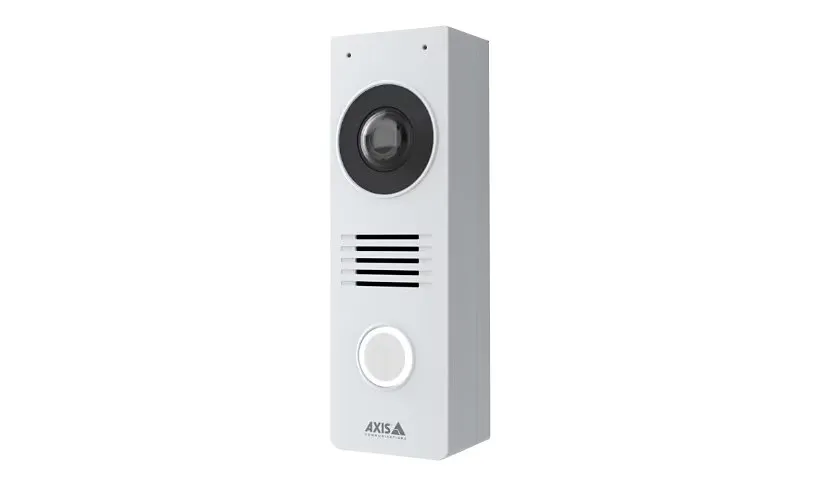
White slim video door station with camera, speaker grille and call button for a Bronx coop vestibule (manufacturer product photo)
Manufacturer product photo: a slim surface-mount video door station. A narrow unit like this fits a decorative vestibule frame or a garden co-op's courtyard door without dominating it.

Riverdale and Spuyten Duyvil: riser faults and staffed lobbies

The elevator co-ops on the ridge above the Hudson are the Bronx buildings where an intercom project is most likely to involve the inside of apartments. Many still use handsets wired decades ago through risers that pass through kitchens and closets. When a group of floors goes quiet, the fault is almost always somewhere on that riser, and finding it means testing at the lobby, at the cellar terminal and at stations in the affected line. A building with a doorman or a desk adds another layer: the board usually wants the lobby panel to call the desk first, and the desk to be able to release the door and see the camera at the panel.

The closing guide we quoted earlier notes that "facade and parapet work under the City's periodic inspection program is a recurring source of assessments in the older Riverdale buildings." That matters to a security project in a practical way. When scaffolding or a sidewalk shed goes up for facade work, facade cameras and exterior panels may have to come down or be shielded, and cable runs on the building face can be disturbed. We coordinate with the board and the facade contractor so cameras are removed and reinstalled on a known date, and so new exterior equipment isn't installed a month before the scaffold arrives.

Grand Concourse buildings: decorative vestibules and landmarks review

The Landmarks Preservation Commission designated the Grand Concourse Historic District on October 25, 2011, and its designation report records that the Bronx "soon became one of the great repositories of Art Deco buildings nationwide." The same report describes entrances such as a "concave main-entry vestibule featuring beige and gold mosaic tile and terrazzo flooring." That is the kind of surface a co-op board does not want drilled carelessly. We mount new panels on existing plates or in existing openings where we can, route cable through the door frame or from the cellar rather than across tile, and pick hardware that suits the opening.

For buildings inside a historic district, the LPC Permit Guidebook lets staff approve an intercom panel "installed within or adjacent to a door opening," with no more than "one intercom panel" per door opening, in a design that is "neutral and discreet." Camera rules in the same chapter limit how many can go on a facade. We check the address against the landmarks map before ordering exterior equipment and size it to those staff-level criteria so the permit is routine.

Mitchell-Lama campuses: one system, many doors

On a campus of towers and townhouses, the security design matters more than any single panel. One access control platform should cover every lobby, garage and service door, so a credential issued at the management office works at the right doors everywhere and stops everywhere at once. Cameras should report to recorders the public safety desk can actually watch, with clear names for every view. Intercom replacements should be phased building by building so no lobby is left without a working panel. And everything should be documented for a management office that will outlast any one board.

These developments also buy differently. The Mitchell-Lama guide we cited describes campuses that run "its own management office, waiting list, maintenance staff and capital program," with carrying charges that "move with that program and with the supervising agency's approval." In practice that means security work is often bid through a formal process and scheduled inside a larger capital plan. We price to the development's bid format and break the work into phases that fit its program.

Garden co-ops: many small doors instead of one big lobby

Garden co-ops in Throggs Neck and Country Club are the opposite problem. Instead of one lobby with two hundred apartments behind it, there may be dozens of small entrances off courtyards, each serving six or eight units. A full video intercom at every door can be overkill. What usually fits is a compact station or reader at each entrance on a shared network, so the board manages one directory and one fob list for the whole group, plus cameras on the courtyard paths and the parking area rather than at every door.

HDFC co-ops: repair first, then upgrade in steps

HDFC boards in the south and west Bronx are usually working with the least money and the most deferred maintenance. The HDFC guide observes that in these buildings "boiler, roof and facade histories predict the assessments a purchaser will meet," and the entry system tends to sit at the bottom of that list until it fails outright. A repair-first plan suits them: get the door locking and every apartment ringing for a known cost, then replace the oldest part when the budget allows. A small walk-up can often go from a dead buzzer to a video intercom with app answering for less than a large building spends on one lobby panel, because there are few apartments, one door and a short stair hall.

Buildings where a sponsor still holds apartments

In converted complexes where a sponsor still owns and rents a block of units, rental tenants and shareholders share the same lobby, the same intercom and the same fob system. That has two practical effects. The building contact for scheduling may be the sponsor's agent for some apartments and the co-op's agent for others, so access to units takes more coordination. And because the occupants of those apartments are tenants, the board should ask its attorney how the city's tenant data privacy rules for keyless entry apply before it adds a fob or app system. We configure the system to whatever policy the board adopts.

Materials and methods we adjust for

  • Masonry and terra cotta: anchors go into mortar joints or plain brick, never into carved stone or terra-cotta ornament.
  • Mosaic and terrazzo vestibules: cable comes up from the cellar or through the frame; we reuse existing panel openings wherever possible.
  • Long elevator-building risers: we test existing conductors before deciding to reuse them, and label every pair we touch.
  • Campus distances: runs between buildings may need fiber or a wireless link instead of copper; we decide that from the site, not the brochure.
  • Automatic lobby doors: the intercom release and the readers are wired to the door operator so the door opens and closes on the same signal.
  • Lived-in buildings: each landing is scheduled ahead, and apartments on a faulty line must be opened for us that day.
Commercial Co-op Security

Commercial Co-op Security for Bronx Storefronts, Garages and Shopping Centers

Commercial co-op security in the Bronx covers more ground than in most boroughs, because some Bronx cooperatives own retail and parking on a scale of their own. Co-op City's campus includes eight parking garages and three shopping centers, and the Mitchell-Lama guide we cite describes Bronx developments "with their own power plants, garages and retail, which sit inside the operating budget." At the other end of the scale, a Concourse-era co-op may lease two or three ground-floor stores. In both cases the cooperative is a landlord to businesses, and its security systems have to keep commercial and residential traffic apart.

Storefronts under residential floors

Many of the apartment houses along the Grand Concourse and its side streets have stores at street level. The landmarks designation report for the district even records storefronts added at the base of some buildings after they were built. In a co-op like that, the residential entrance sits beside the shops, the cellar is often shared, and a store's deliveries or garbage may pass through a door the building also uses. The plan we use is three zones: residential, commercial and shared service. Each has its own credentials, and the shared service door accepts both store staff and building staff while the lobby accepts only residents and staff.

Cameras follow the same logic. A store usually runs its own cameras on its own recorder, paid for by the tenant, and the co-op's system covers the residential entrance, halls, cellar and shared areas. Where a board prefers one system, recorder permissions let a store manager see only the store's views while the board and agent see everything.

Garages and parking lots

Garages are where a co-op's security most often has gaps. The vehicle gate may be controlled by remotes nobody has counted in years, while the pedestrian door from the garage into the building is a plain lock. We put the pedestrian door on the same fob list as the lobby, interface readers or keypads with the gate operator on the low-voltage side (the gate company keeps the operator itself), and cover the gate approach, the pedestrian door and the drive aisles with cameras. A plate-reading camera at the gate is available as an add-on for boards that want a record of every vehicle in and out.

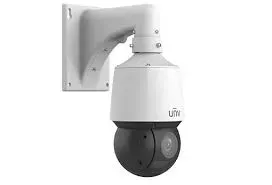
White PTZ dome camera on a wall bracket for a Bronx co-op garage or parking lot (manufacturer product photo)
Manufacturer product photo: a pan-tilt-zoom dome on a wall bracket. A camera like this lets a security desk follow activity across a large Bronx co-op lot or courtyard.

Doctors' offices, day programs and community rooms

Ground floors in larger Bronx co-ops often hold medical offices, day programs, management offices and community rooms with their own visitor traffic. The cleanest arrangement gives each of those spaces its own entrance with its own call button to the tenant, and no path into the residential lobby. Where a community room must be reached from inside, a reader on its door with scheduled hours keeps it open for events without leaving it open overnight.

When a commercial tenant wants its own equipment

The co-op's lease and alteration rules decide what a commercial tenant may install and who pays for it. We work for whoever hires us, but before we put a tenant's reader on a shared door we ask the board or the agent to confirm in writing, and we enroll that reader in the co-op's system rather than leaving it as a separate island. The building's master credential list should never leave the building's hands.

Compliance points boards ask about

Lobby intercom requirement. Under Multiple Dwelling Law §50-a, a class A building with eight or more apartments that was put up or converted after January 1, 1968 needs entrance doors that close and lock on their own, plus an intercom from each apartment to the door with a release the occupant can work from upstairs. Buildings from before 1968 fall under a different paragraph of the section, triggered by a written request from most of the tenants. How it reads for a particular Bronx corporation is a question for the co-op's lawyer; our job is keeping the equipment that satisfies it in working order.

Keyless entry data. Local Law 63 of 2021 added a Tenant Data Privacy chapter to the city's Administrative Code. HPD's summary of the law says owners of buildings using smart access systems, a category that includes key fobs, must give tenants a data retention and privacy policy, obtain express consent, and destroy authentication data within 90 days unless it is anonymized. Whether that reaches a particular co-op, or only the rental apartments inside it, is a question for the board's attorney. We set up fob, app and camera systems to collect only what the board's written policy allows and show the board where that data sits.

Low-voltage permits and electrical work. The city's Administrative Code exempts signaling, communication and data wiring under 50 volts from electrical permits, with life-safety exceptions; any new line-voltage circuit is the building electrician's job, not ours. Insurance. We carry general liability insurance and issue a certificate of insurance naming the corporation and the managing agent once the job is awarded.

Your Questions Answered

Co-op Security Systems in the Bronx: Questions Answered

Below are the questions we hear from Bronx board officers, agents, supers and shareholders, sorted by the decision each one feeds.

Lobby intercoms and risers

Only the upper floors of our Riverdale co-op stopped ringing from the lobby. Where is the fault likely to be?

Usually on the riser serving those floors, not at the lobby panel. When a block of floors goes quiet together, the common causes are a broken or corroded conductor at a splice between the last working floor and the first dead one, a station in one of those apartments shorting the line, or a loose terminal on that riser in the cellar. We test from the lobby and the cellar first, then at stations on either side of the break, which is why access to those apartments on the day of the visit matters so much.

How do you bring new intercom cable into a terrazzo and mosaic Art Deco lobby without cutting the floor?

From below or through the frame. In most Concourse-era buildings the cellar sits directly under the lobby, so new cable can rise through an existing sleeve or the old panel's conduit and come out behind the panel location without touching the floor. Where that path is blocked, the door frame or an existing pipe chase usually gives a route. Anchors go into plain brick or mortar, never through mosaic, terrazzo or carved stone, and if a larger panel would need new cutting, the board hears about it before anything is ordered.

Does an intercom upgrade work differently in apartments the sponsor still rents out?

The equipment is the same, but the logistics and paperwork aren't. Rental apartments in a co-op are reached through the sponsor's agent, so the access schedule has two sources. If the upgrade adds keyless entry or an app, the board should get its attorney's view on how tenant data privacy rules apply to those tenants. Rental occupants also still need a way to answer the door, so an app-only design that requires an account they can't get would be a mistake.

Our garden co-op shares a parking lot with the rental complex next door. Can our fobs and cameras stop at the property line?

Yes. Readers go only on the co-op's own gates and doors, so its fobs open nothing next door, and cameras are aimed at the co-op's paths, doors and parking spaces. Most recorders let us black out parts of a view, such as a neighbor's windows, so the co-op records only its own property. If a gate is shared, the two owners should agree in writing who controls it before anyone installs a reader on it.

Should a Bronx co-op wait until its facade inspection work is finished before installing new exterior equipment?

If scaffolding or a sidewalk shed is due soon, usually yes for anything mounted on the building face. Facade cameras and exterior panels may have to come down while the work happens, and new cable on the facade can be damaged. Interior work, such as lobby panels inside a vestibule, apartment stations, readers and the recorder, can usually go ahead. We sequence the job around the facade contractor's dates so nothing is installed twice.

Doors, fobs and access

When a shareholder moves from one building to another on the same campus, what changes in the access system?

Only the records. The management office moves the shareholder's credential into the access group for the new building, so it opens that lobby, laundry room and storage area and stops opening the old ones, and the intercom directory and app are updated to the new apartment. The fob itself doesn't change, and no lock is touched. On a well-set-up campus system the whole move takes a few minutes at the office.

How should a Bronx co-op give access to home health aides who visit shareholders every day?

With their own credentials, not a shareholder's spare fob. Many boards issue aides a fob or a phone credential tied to the shareholder's apartment and limited to the hours of their shift, with an end date the shareholder renews. The board keeps a record of who holds it, and if an aide stops coming, that credential is turned off without changing anything for the household. It is far safer than a copied key that nobody remembers handing out.

Will the intercom release still work with our automatic lobby door opener?

It should, if both are wired to work together. An automatic door operator needs a signal to open, and the intercom release, the fob reader and the desk button should all send that same signal, so the lock releases and the operator swings the door in one motion. Problems start when a lock releases but the operator doesn't get the signal, or the door stays open long enough for a second person to follow. We set the release timing and the operator's hold-open time together, and we check the door closes and latches every cycle.

Our garage still runs on gate remotes. How do we find out how many are out there?

Usually you can't, and that is the problem. Older gate receivers learn remotes without keeping a list of who holds them, so remotes from long-gone shareholders and contractors may still work. The fix is to put the gate on the building's access system, with a reader, keypad or vehicle tag tied to named shareholders, and to clear the old receiver. The gate company keeps the operator; we handle the low-voltage side and the credential list.

Cameras, footage and policing

Do NYPD street cameras near our building make our own cameras unnecessary?

No. In December 2025 the Bronx Times reported that State Senator Jamaal T. Bailey allocated $1 million for new NYPD cameras throughout the 45th Precinct in Co-op City; he said the tools "will help law enforcement better prevent crime, respond more effectively, and provide residents with greater peace of mind" (Bronx Times, Dec. 24, 2025). Police cameras watch public space for the police. They don't show who came through your side door, what happened in the mailroom or which fob opened the garage, and the board can't pull their footage. A co-op's own cameras cover its own common areas for its own use.

How should hallway cameras in a Bronx co-op be aimed so they don't look into apartments?

Down the corridor, not across it. A camera at the end of a hall looking along its length shows who walks past every door without staring into any one of them, while a camera opposite a door records whoever opens it and everything behind it. We avoid views into apartment doorways and windows, use privacy masking on a recorder where a view can't be avoided, and record video only, because audio raises separate legal questions. Placement in common areas is otherwise the board's decision under its governing documents, and its counsel can confirm what those require.

How long should our recorder keep footage?

Long enough to cover the gap between an incident and someone noticing it. Many boards choose about a month, because package and vandalism complaints often surface a week or two later. No city rule sets a number for co-op video, so it is a board policy choice, written down and applied consistently. Retention drives recorder storage, so we size the drives to the board's choice rather than the other way round.

Can couriers drop packages in our package room without being given a fob?

Yes. The most common setups are a courier keypad code that works only during delivery hours and is changed regularly, or a call button that rings the desk or the super, who releases the door remotely while watching the camera. Either way the courier gets in only to the package room, the entry is logged, and shareholders open the room with their own fobs.

Budgets, approvals and planning

How long does a large Mitchell-Lama development take to go from security proposal to installation?

Longer than a small co-op, because the timetable is set by the development's own approval steps rather than a single board vote, and we can't speed those up. What we can do is split the work into phases that stand on their own, so the first one can start as soon as it is approved, and keep each phase's equipment list fixed so prices don't need rework while approvals move. Equipment is ordered after the deposit, and special-order panels add the manufacturer's shipping time.

Our HDFC co-op in Mott Haven has almost no budget. What should we fix first?

The front door. Get the street door closing and latching, the release working from every apartment and the intercom reaching every unit, because that is what keeps strangers out and visitors in contact. After that comes a camera on the entrance and mailbox area, then fobs on the cellar or rear door. The $250 service call tells the board what has failed and what each fix costs, so it can spend in that order and stop whenever the money runs out.

When should a security upgrade be timed against the co-op's other capital projects?

Ideally after anything that would tear it out and before anything that would close the walls. Facade and scaffold work should come first for exterior equipment; lobby renovations should be planned with the intercom panel location, the cable path and the door hardware decided up front; and riser cabling is cheapest to run when other trades already have walls or ceilings open. Boards that tell us their capital calendar get a sequenced plan rather than a stand-alone quote.

Shareholders and accessibility

What intercom features help shareholders with hearing or vision problems?

Video stations with large screens and adjustable volume help shareholders who struggle to hear a visitor, and many panels and apps can show a visitor's face clearly enough to recognize them without speaking. For shareholders with low vision, a simple handset with one large release button can be easier than a touchscreen. Some systems can also forward a call to an ordinary phone line. A board can mix station types in one building, so each shareholder gets what works for them.

Will the lobby intercom and fob doors keep working during a power outage?

For a while, if they have battery backup, and the board should decide in advance how each door behaves when it runs out. We fit power supplies with batteries for the panel, readers and controllers. Magnetic locks release when they lose power so people can always get out; electric strikes can be set to stay locked or to release. People must always be able to leave the building, and the board should know which doors would stay secure to the street during a long outage.

Why do so many Bronx co-op cellars end up with three or four intercom power supplies?

Because the system has been repaired by several companies, each of which added its own supply instead of tracing the old one. Some stay powered while feeding nothing, some feed half a panel, and nobody can say which breaker kills which door. On a service call we identify what each supply does, remove the dead ones with the board's OK, label the rest and put them on one battery-backed supply where it makes sense, which often ends faults that looked like a failing panel.
Equipment

Types of Co-op Security Equipment We Install in the Bronx

Most Bronx boards buy from two or three of the groups below, not all six. Unless a board asks for a brand, or the building already runs one, we quote our own non-branded hardware. On the intercom side we install and service Aiphone, Comelit, ButterflyMX, Akuvox, 2N and DoorBird, as well as older audio and buzzer systems; boards deciding on cloud-managed entry can start with our Akuvox vs ButterflyMX comparison.

■

Lobby and vestibule panels

Searchable touchscreen directories for big elevator buildings, button and compact panels for walk-ups and courtyard doors, with a camera, keypad and reader built in where needed.

■

Apartment answering

Shareholders can answer on a wall handset, a video screen, an ordinary phone line or an app, and one building can offer all four.

■

Locks and door hardware

Strikes and mag locks matched to each frame, exit buttons and sensors on the inside, contacts that report a door left open, and the link to any automatic operator.

■

Readers and controllers

Readers for fobs, cards and phones, controllers that run several doors each, and software holding separate access groups per building.

■

Cameras and recorders

Fisheye, floodlight, PTZ, bullet, turret and dome cameras feeding recorders whose drives match how long the board keeps video.

■

Network and power

PoE switches, Cat6 and riser cable, building-to-building links, battery-backed power supplies and labeled racks.

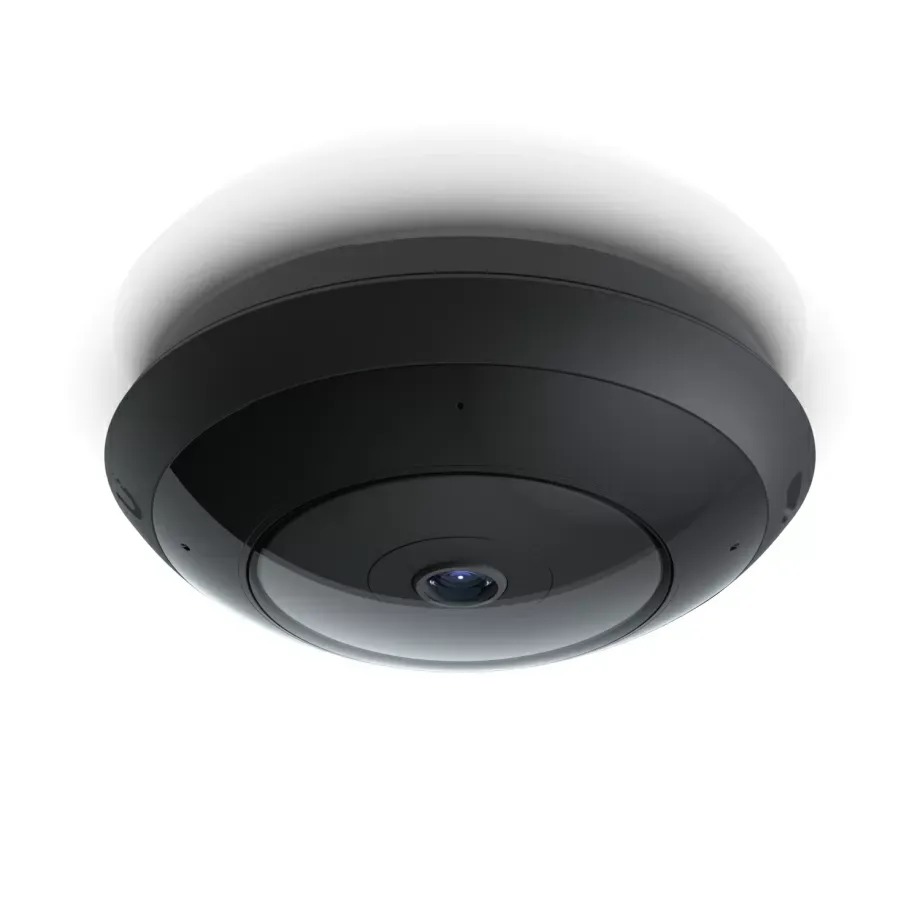
Black 360-degree fisheye ceiling camera for a Bronx co-op lobby or mailroom (manufacturer product photo)
Manufacturer product photo: a 360-degree fisheye camera. Mounted in the center of a mailroom or lobby ceiling, one of these covers the whole room where two or three fixed cameras would otherwise be needed.

Which intercom approach fits which Bronx co-op

ApproachInside apartmentsTypical fit
Fix the existing systemNothing changesSound riser, parts still made, HDFC or tight-budget boards
New lobby panel on the existing riserExisting handsets kept or swapped one for oneRiverdale and Concourse elevator co-ops where the wiring tests well
IP intercom on new cableNetwork station or appFull modernizations and new lobby renovations
App or phone-line answeringNothing on the wall unless a shareholder wants itBuildings that want no work inside units; keep a non-app option for those who need it
Networked compact stationsApp, station or phone lineGarden co-ops with many small entrances

Camera types for Bronx common areas

CameraWhere it earns its place
FisheyeMailrooms, laundry rooms and small lobbies, from the middle of the ceiling
Turret or domeVestibules, halls, elevator landings and stair doors
BulletLong corridors, cellar passages and the outside of service doors
Floodlight cameraRear yards, trash areas and lot corners with poor lighting
PTZLarge lots, courtyards and campus paths watched from a desk
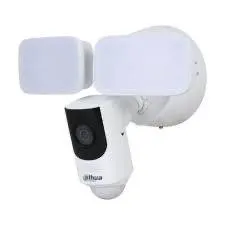
White floodlight camera with two lamp panels for a Bronx co-op rear yard or parking lot (manufacturer product photo)
Manufacturer product photo: a camera with two built-in floodlight panels. In a dark rear yard or lot corner, the light improves the picture and discourages loitering at the same time.

Credentials: fobs first, phones second, biometrics rarely

Fobs remain the practical default in Bronx co-ops. They are cheap to replace, they work for older shareholders who don't want an app, and they keep working when a phone battery dies on the walk from the bus. Phone credentials are a good optional extra. Face-recognition readers exist, and we install them where a board decides it wants them, but they put the most personal data under the city's keyless-entry rules, and most boards we talk to prefer not to hold it.

Our installed systems vs consumer and national-brand options

Board members sometimes ask whether a consumer video doorbell from a brand like Ring, or a monitored alarm from a national company like ADT or SimpliSafe, could do the job. Those products are built for a single household. A co-op entry system has to call hundreds of apartments, keep a credential list the corporation owns, and record common areas to a recorder in the building. That is a multi-tenant intercom, an access control database and a camera system, installed and supported locally, and it is what we install.

AI Overview Reality Check

What AI Gets Wrong About Co-op Security Systems in the Bronx

A lot of Bronx board research now begins with a chatbot or the AI box at the top of a search page. Those summaries draw on national cost guides such as Angi, HomeAdvisor and Fixr, on manufacturer sales copy and on blogs aimed at suburban buildings. Seven claims come up again and again, and each one misses something about Bronx cooperatives.

1. "A co-op is a small building run by its residents"

The generic picture of a co-op is a handful of apartments and a volunteer board. Plenty of Bronx co-ops fit it, especially HDFC walk-ups. But the borough also holds the largest housing cooperative in the world, with 35 high-rise buildings and 15,372 units, and other limited-profit campuses with their own management, public safety staff and garages.

Advice written for a ten-unit building fails at that scale. A cloud intercom priced per door, a camera system nobody at a desk can watch, or a fob list that one volunteer keeps on a laptop all break down when the building is really a town.

We design for the building in front of us: single panels and simple buzzer repairs for walk-ups, campus-wide access control and desk-monitored cameras for large developments, and phased schedules that fit a management office's capital plan.

2. "Parkchester is one of the Bronx's best-known co-ops"

AI summaries about Bronx co-ops regularly name Parkchester. Its buildings converted to condominiums, about a third in 1974 and the rest, now Parkchester South Condominium, in 1986.

The difference matters for a security project. Condominium boards act under declarations and bylaws, owners hold real property rather than shares, and the notices and approvals follow different documents. The equipment may be identical, but the paperwork behind it isn't.

When a board tells us which kind of building it runs, we match our proposal to it. If an AI answer can't tell a co-op from a condo, its advice on approvals and assessments shouldn't be trusted either.

3. "New police cameras in the neighborhood mean the building is covered"

News of public cameras, such as the NYPD cameras funded for Co-op City in late 2025, sometimes gets summarized as if it made building cameras unnecessary. Public cameras watch streets and public spaces, and their footage belongs to the police.

A board investigating a stolen package, a damaged door or a stranger in the stairwell needs footage from its own mailroom, side doors and halls, on its own recorder, which it can review the same afternoon. Street cameras can't see any of that.

The two complement each other. Public cameras help police on the block; the co-op's cameras and entry logs answer the questions the board, the agent and the insurer ask after something happens inside.

4. "Upgrading an old intercom means rewiring every apartment"

Many AI answers assume a modern intercom requires new cable to every unit. In older Bronx elevator buildings, the existing riser can often be reused. An installer quoted by Habitat magazine about a 14-story co-op intercom replacement said that "to rewire would have added another 25% and doubled the time for the job" (Habitat).

Whether a riser can be reused is a test result, not a guess. We measure the existing conductors during the assessment. If they are sound, a new lobby panel and compatible stations or an adapter can run on them; if they are broken in several places, rewiring or an app-based design becomes the honest choice.

A board that assumes rewiring is unavoidable may budget for the most disruptive and expensive path without knowing whether it needs to.

5. "Switching to smart locks and phone entry is a simple upgrade"

Smart access is often presented as a plug-in improvement. In New York City, keyless entry in residential buildings sits under the Tenant Data Privacy chapter added by Local Law 63 of 2021, with HPD guidance on privacy policies, consent and how long authentication data may be kept.

For a co-op with rental apartments inside it, including sponsor-held units, that is a question the board should put to its attorney before choosing an app-only or biometric design. Some residents will also need a non-app way in.

We don't give legal advice. We do configure systems to collect only what the board's written policy permits, keep physical fobs available, and show the board where the data is stored.

6. "Your security contractor will handle the electrical and building work too"

Generic answers tend to imagine one contractor doing everything from the wiring to the wall. In reality intercoms, readers and cameras are low-voltage systems, and what decides the result is riser tracing, panel and controller programming, and recorder and network setup.

We are a New York State licensed low-voltage contractor, license #12000287431. A new line-voltage circuit is the building electrician's work, facade work is the facade contractor's, and the elevator controller belongs to the elevator company. We coordinate with each of them rather than claiming their trades.

For a board, the useful question to ask any bidder is who programs the directory, the fob groups and the recorder logins, and who answers the phone when a shareholder can't open the door next winter.

7. "Any co-op board can just pick a vendor and sign"

AI answers usually describe a board choosing a contractor and signing a contract. Limited-equity developments in the Bronx often work differently: Mitchell-Lama campuses run capital work through their management office and supervising agency, and HDFC corporations work within regulatory agreements and tight budgets.

That changes how a security project is bid, how long approval takes and how the work is phased. A proposal that ignores it can sit unapproved for months.

We ask how the building buys before we price it, and we write the proposal to that process: separate phases, line-item pricing, and a certificate of insurance issued when the job is awarded.

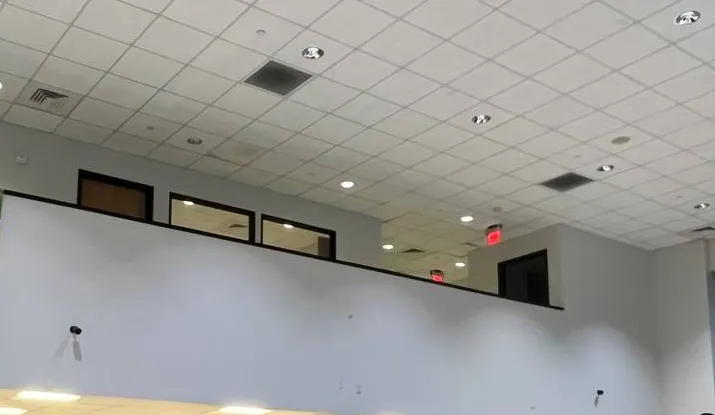
Two small cameras mounted high on a tall white hall wall below mezzanine windows, Bronx co-op community room security
From our job library: two compact cameras high on a tall wall in a large open hall. Community rooms and shopping-center spaces in big Bronx co-ops call for this kind of high mounting.

Find Out Whether Your Bronx Co-op Needs a Repair or a Replacement

The $250 service call answers that question with facts. Upgrades are quoted after a free walk-through, and every request is booked within 2 hours.

Get In Touch

Request a Co-op Security Quote in the Bronx

Send us the Bronx address, a rough count of apartments and doors, whether the co-op has a managing agent, and what the board is trying to fix or plan. Any board officer, the agent or the super can fill this in, and phone photos of the lobby panel, the problem door and the cellar equipment speed things up. Rather talk it through? Call or text (646) 490-0629.

✅

Request Sent!

Thanks. Someone from our Bronx office will reach you by call or text to set a date for the visit.

How It Works

How a Bronx Co-op Security Project Moves From Call to Handover

The same sequence applies whether the board needs one release fixed or a campus-wide modernization. What changes is how many steps run through a board vote or a management office.

1

First contact

Call, text or use the form with the Bronx address, a count of units and doors, and a sentence on the problem or plan.

2

Diagnose or survey

Failures are diagnosed on the $250 service call; planned upgrades get a no-charge survey with the person who holds the keys.

3

A written proposal the board can vote on

Repair cost, upgrade price or both, with entrances, buildings and phases priced as separate lines.

4

Approval, deposit and insurance

After the vote, the corporation pays a 50% deposit, which reserves the dates and lets us order equipment; the certificate of insurance goes out once the job is awarded.

5

Notice and access

Shareholders on affected lines get the work date and a two-hour window from the board or agent, along with how keys will be handled.

6

Install or repair, door by door

Each entrance keeps a working way in while its equipment is changed, and campuses are done building by building.

7

Program, test and hand over

Names go into the directory, fobs into their access groups and residents onto the app; every door is tried from every floor and the login sheet goes to the board.

Arrival windows and who lets us in

We schedule seven days a week with visits early in the day, in two-hour arrival windows, and the crew arrives within the window. In a staffed building the desk or super meets the technician; in a self-managed co-op the board names one person for access. For apartment work, the notice should say which lines are affected, because a riser repair can't be finished without reaching every station on that line.

What a good shareholder notice includes

One short page: what is being worked on, the date and arrival window, which apartments need to be open and roughly for how long, who to call to leave keys, and what changes afterward, such as a new fob to pick up at the management office or an app invitation to accept. We supply the facts; the board or agent sends the notice in the building's usual way.

Deposits, special orders and financing

Under the service agreement, installation dates are held with a 50% deposit, and nothing is ordered until it clears. Special-order panels arrive on the maker's schedule rather than ours, so we set those install dates only after the boxes are here. Financing is available through Wisetack, subject to approval.

Warranty

Workmanship carries the 30-day warranty shown on our warranty page; a board buying a new system can extend that to a year or longer at purchase. The equipment itself is covered by its manufacturer, and support calls cost nothing.

Full terms — including 50% deposit, one-year parts-only warranty on Abstract Enterprises Security Systems-supplied products, and the late-fee schedule — are set out in the service agreement.

Coverage Area

Co-op Security Near the Bronx's Co-op Landmarks

Our Bronx office at 460 East Fordham Road sits near the middle of the borough, within a short drive of every cooperative corridor below. These are the places where Bronx co-ops cluster and what each one tends to need.

1

Co-op City

The world's largest housing cooperative, in the northeast Bronx: campus-scale access control, garages and desk-watched cameras. Neighborhood detail: intercom installation in Co-op City.

2

Riverdale and Spuyten Duyvil

Elevator co-ops along the Henry Hudson Parkway: riser diagnosis, desk-first call routing and facade-work scheduling. See intercom installation in Riverdale.

3

Grand Concourse Historic District

Designated in 2011 with 78 properties and a deep Art Deco stock: panels sized for landmarks staff review and careful work in decorative vestibules.

4

Van Cortlandt Park South

Home of the Amalgamated, the nation's first limited-equity co-op complex, organized in 1927: multi-building access and phased upgrades.

5

Pelham Parkway

Large converted complexes, some with sponsor-held apartments: shared-door access for shareholders and rental tenants alike.

6

Throggs Neck and Country Club

Garden co-op groups with many courtyard entrances: networked compact stations and cameras on paths and lots.

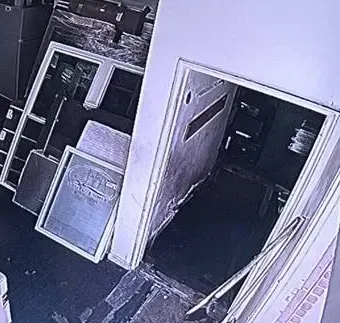
Night infrared camera view of a storeroom doorway with stacked frames, Bronx co-op cellar security
From our job library: an infrared night view of a storeroom doorway. Cellar storage and bike rooms are where Bronx co-op boards most often want a camera that sees in the dark.

We also serve co-ops in Kingsbridge, Kingsbridge Heights, Fieldston, Bedford Park, Norwood, Fordham, Belmont, University Heights, Morris Heights, Highbridge, Mott Haven, Melrose, Morrisania, Mount Hope, Tremont, Concourse Village, Parkchester's surrounding blocks, Castle Hill, Soundview, Morris Park, Pelham Bay, Pelham Gardens, Williamsbridge, Wakefield, Baychester, Eastchester, Edgewater Park, Silver Beach and City Island.

Pricing

Co-op Security System Cost in the Bronx

Every Bronx co-op job has the same opening price: a $250 service call, which pays for the trip, the troubleshooting and any quick fix, and which is subtracted from the total if the repair grows. Past that point we work from published repair ranges or a written quote after seeing the building. Fixed co-op packages per apartment or per building would be meaningless here, since a twelve-unit HDFC walk-up and a campus with dozens of lobbies share nothing on cost, and a figure offered sight unseen is only a guess.

Typical repair ranges

Our door buzzer and intercom repair pricing page publishes these numbers, and Bronx co-ops pay the same as everyone else. Before a part goes in, the technician states the exact cost on site.

Repair itemTypical range
Service call: visit, diagnosis, simple fixes (credited toward a larger repair)$250
Apartment intercom station$250 to $525
Door release relay or button$250 to $475
24V transformer$325 to $650
Electric strike replaced and door aligned$450 to $950
Lobby panel work$650 to $1,800
Riser repair inside occupied walls$850 to $2,400

What moves a building-wide quote up or down

  • Number of doors: every lobby, side, stair, garage and laundry door with a panel, reader or release adds hardware and labor; a campus multiplies it by the number of buildings.
  • What happens in apartments: a video monitor in every unit is the largest single cost driver; app or phone-line answering is the smallest.
  • Riser condition: conductors that pass our test can carry the new system and save days of labor, while breaks hidden behind plaster are the costliest thing we uncover.
  • Distance between buildings: campus links and garage runs may need fiber or wireless bridges.
  • Door hardware and operators: solid frames take a strike quickly; automatic operators, worn closers or damaged frames add work.
  • Landmarks and facade timing: historic-district panels and work around scaffolding affect equipment choice and scheduling.
  • Software fees: certain cloud intercom and access platforms bill monthly at a rate the manufacturer sets, and we list that charge separately from our price.

What a Bronx board receives in writing

Our proposal names the corporation and the building, lists each entrance and what goes there, says what happens inside apartments, shows which cabling is reused and which is new, describes the programming and resident setup, states what the building must provide, and prices everything by line and by phase with the deposit, warranty term and any third-party subscription shown separately. Camera prices for Bronx buildings are published on our Bronx security camera pricing page, and new intercom systems are quoted after the site visit, as our intercom pricing page explains. If anything could add cost on install day, such as an old cable that might fail its test, we say so before the board orders, because ordered equipment can't be returned.

Shop Our Systems

Co-op Security Packages and How Bronx Boards Buy Them

Rather than fixed packages, we sell co-op security in three stages that follow how Bronx boards actually budget. A board can stop after any one of them.

1

Fix it

$250 service call, subtracted from the repair if more work is needed. We pin down what failed in the intercom, buzzer, release, reader, camera or recorder, clear small faults right away and write up anything bigger.

2

Secure the weak doors

Priced after a no-charge survey. Pick and choose: a replacement lobby panel, readers on the garage, stair and side doors, or cameras covering entrances and the mailroom, each on its own line.

3

Modernize the building or campus

Priced after a no-charge survey. One coordinated design for entry, readers, cameras and cable, split into phases or by building so it fits the capital plan.

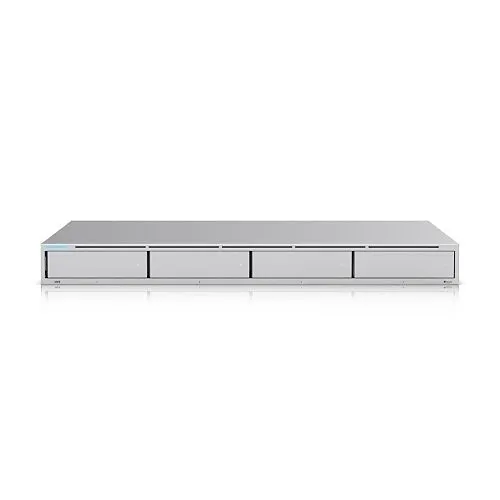
Rack-mount network video recorder with four drive bays for a Bronx housing cooperative camera system (manufacturer product photo)
Manufacturer product photo: a rack-mount recorder with four drive bays. Larger Bronx co-ops use rack recorders like this so retention can grow with the number of cameras.

Equipment the co-op has already bought

Already have the hardware? When a board or shareholder has bought its own panel, cameras or fob kit, we install it for a labor-only price given by phone or text from the make, model and a few photos of the location, and the deposit holds the date. Customer-supplied equipment doesn't get a separate site visit, and how it performs is up to its manufacturer.

Inheriting a system from a sponsor or a departed installer

Bronx co-ops that converted decades ago, or whose installer has stopped answering, often have equipment nobody on the board can log into. The first visit is a service call to record what is installed at each door, recover or reset admin access where the equipment allows it, and tell the board which parts are worth keeping.

Complete Services

Every Co-op Security Service in the Bronx

Alarm installation

Burglar alarms for the management office, storage cages and leased stores.

CCTV installation

Wired recorder systems for garages and storefront tenants.

Security camera installation

Cameras for shareholders' homes elsewhere and for small businesses.

Camera maintenance

Scheduled check-ups that keep views clear and the recorder actually recording.

Network installation

Switches and links that carry intercoms, readers and cameras across a campus.

Call the Bronx office

(646) 490-0629 — call or text.

Field notes from our Bronx crew

In Bronx high-rises the first thing we look at is not the intercom but the door it controls. A lobby panel can work perfectly while the door it releases hangs open for six seconds because the closer is worn or the automatic operator's hold-open time is set too long. That gap is how strangers follow residents in, and boards often blame the intercom for it. We time the door before we touch the panel.

The second thing is the cellar. In older Concourse and west Bronx buildings we regularly find three generations of power supplies, each from a different installer, some still powered and feeding nothing. Clearing those out, labeling what stays and moving it off the floor onto a dry wall with a battery backup solves faults that look like electronic failures upstairs.

The third is the paperwork. Large developments outlive their boards, and small HDFC corporations change officers often. We leave every admin login, every access group and a door-by-door list with the board or management office, never with a single volunteer, so the next board isn't calling us to break into its own system.

FAQ

Bronx Co-op Security Systems FAQ

Is Parkchester a co-op, and does this page cover its buildings?
+

Parkchester's buildings are condominiums, not co-ops: about a third converted in 1974 and the rest, now Parkchester South Condominium, in 1986. We do the same intercom, fob and camera work for condominium boards there, under their own approvals and owner notices.

Can our building engineer or architect join the walk-through?
+

Yes, and on lobby renovations or campus projects it helps. The free on-site assessment can include the building's engineer, architect, elevator company or facade contractor, so the panel location, cable paths and door hardware are agreed once instead of redrawn later.

Is the $250 service call the same anywhere in the Bronx?
+

Yes. The service call is $250 at any Bronx address, from the Concourse to Co-op City. It covers the visit, the diagnosis and simple fixes, and it is credited toward a larger repair.

Can a Bronx co-op corporation pay by check?
+

Yes. Co-op corporations and managing agents can pay by check, and we also send a payment link with the invoice. Installed jobs are booked with a 50% deposit under the service agreement.

Can you put up video surveillance signs in the lobby and garage?
+

We can supply and mount signs with the camera system wherever the board wants them. Whether signs are required or advisable for a particular building is a question for the board's counsel; we don't give legal advice.

Do you supply the fobs and cards, or does the co-op buy them separately?
+

We supply the credentials with the access system and can supply more later in batches. Credentials are enrolled before they are handed out, so the management office only has to assign each one to a shareholder.

Can you take out an abandoned camera system before installing a new one?
+

Yes. We remove old cameras, the dead recorder and loose cable that is no longer used, and we tell the board what we are leaving in the walls. Patching and painting afterward is for the building's own contractor, since we don't do wall finishing.

Can the intercom ring a different number at night when the management office is closed?
+

Yes. Most current panels can route a call button by schedule, for example to the management office during business hours and to the super or a staffed desk after hours. The board chooses the schedule and we program it.

Can you add a plate-reading camera at a co-op garage gate?
+

Yes. A license plate reading camera at a garage or lot entrance is available as an add-on to a camera system and is priced in the quote. The board should decide in writing how long plate records are kept and who may look them up.

Will you meet our elevator maintenance company for floor-restriction work?
+

Yes. Elevator floor control needs both trades: we install the reader and the access control side, and the building's elevator company makes the connection inside the elevator controller. We schedule the visit together so the cab is out of service once.

Can one directory entry ring two apartments that were combined into one home?
+

Yes. A directory entry can ring more than one station or app account at once, so a combined apartment shows up as one listing and rings wherever the household wants to answer.

Can the lobby directory show names without apartment numbers?
+

Most directory panels let the board choose what visitors see: names only, names with codes, or apartment numbers. Many Bronx boards list last names and hide unit numbers so the panel doesn't advertise who lives where.

All Areas Served

Co-op Security Systems Across New York City

Our hub for co-op security systems in NYC ties this Bronx page to the rest of the city for boards and agents with buildings in more than one borough. You can also read about co-op security systems in Manhattan, co-op security systems in Brooklyn, co-op security systems in Queens, plus co-op security systems on Staten Island. All Bronx neighborhoods are served from 460 East Fordham Road. Abstract Enterprises Security Systems home

One Licensed Contractor for Your Bronx Co-op's Doors, Intercom and Cameras

A broken door or panel gets the $250 service call, and the board gets a written upgrade price after a free look at the building. Our Fordham Road office answers calls and texts.