What are you looking for?
About Us Contact Us Careers Get a Free Quote (800) 486-0943
Pick a service
✅ Got Your Own System?
🎬 Home TheatreQuote 🎶 AV SoundQuote 🔑 Access ControlQuote
Now pick your area
Pick your area
Long Island
Hudson Valley
Services available
Pricing & Tools
Pick a service for pricing
🚪 Intercom Pricing 🔔 Buzzer Repair Pricing
Calculators
📹 Camera System Calculator 🚨 Alarm Calculator ⚡ Cabling Quote Builder ✅ Got Your Own System?
Select your area
Preparing an intercom decision for your co-op board? Book a building survey and get options the treasurer can put in front of the board: (800) 486-0943
Home › Co-op Board Intercom Upgrade Guide
Decision Guide · Board Presidents, Treasurers & Managing Agents

Co-op Board
Intercom Upgrade
Guide for NYC

Repair vs Replace · Upgrade Paths · Cost Drivers · RFP & Bids · Approval · Phasing

A co-op board intercom upgrade in NYC (some boards search it as a coop or co op board intercom upgrade) starts with a $250 service call when the existing system needs a diagnosis, and a building-wide replacement is priced in writing after a free on-site assessment of every entrance, riser and apartment line. This guide walks a board president, treasurer or managing agent through the decision before anyone writes an RFP.

Quick answer: Repair while parts exist and failures stay isolated; replace when the same faults keep coming back, parts are discontinued or the board wants video and phone calling. Published citywide ranges: $250–$525 per apartment station, $650–$1,800 for lobby panel work, $850–$2,400 for riser repair in occupied walls, and $1,200–$5,000+ for a new system in a 5–30 unit building. Larger co-ops get a written scope after the survey. We book visits within 2 hours of a request.

Last updated November 26, 2026 by Abstract Enterprises Security Systems, NYS license #12000287431 · Sources: NYS Multiple Dwelling Law §50-a; 28 RCNY §25-151 (HPD); NYC Local Law 63 of 2021 (HPD Tenant Data Privacy Law page); NYC Building Code §1010.1.9.8; NYC Admin. Code §28-105.4.7; 2010 ADA Standards §308; Levandusky v One Fifth Ave. Apt. Corp., 75 NY2d 530 (1990); Habitat, Feb. 26, 2024 and Feb. 17, 2025; CooperatorNews, Feb. 2020 and Nov. 2025

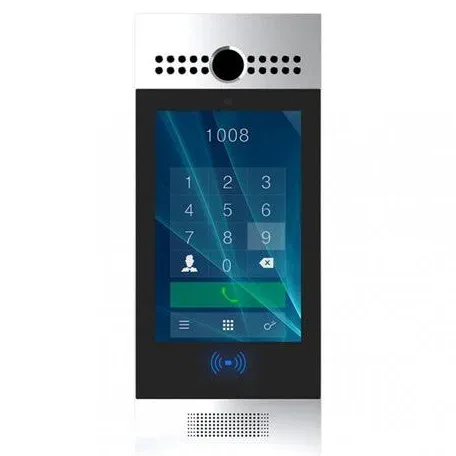
Co-op board intercom upgrade NYC: stainless entry panel with a camera and speaker holes at the top, a touchscreen showing a numeric keypad and green call key, and a card symbol below
A stainless lobby panel with the camera and microphone holes along the top, a touchscreen that doubles as a dial pad, and a card symbol under the screen — the kind of entry station many boards are weighing when they replace a button-and-grille audio panel.
Co-op Intercom Upgrade Request
Tell us the building, the borough and what the board is deciding

✅
Request Sent!
Thanks. We'll call or text to set up the visit, typically within 2 hours of your request.
25+
Years Experience
2 Hr
Booking
100%
Licensed & Insured
4.7★
201 Google Reviews

Owner-operated since 2002 · Thousands of jobs completed · Booked within 2 hours

The Decision

Why an Intercom Upgrade Lands on the Co-op Board's Agenda

Most boards do not set out to modernize their entry system. The topic arrives sideways: a shareholder complains at the annual meeting that her mother waited outside in the rain because the buzzer never rang, the super reports that the lobby panel's speaker has been taped over for a month, the managing agent forwards the third invoice of the quarter for the same door release, or a buyer's attorney asks during a sale whether the intercom works. By the time an item called "intercom" reaches the agenda, the question is rarely whether something must be done. It is how much, how fast and in what order.

That makes the intercom an unusual capital decision for a cooperative corporation. It touches every apartment, but only a few of the people voting on it understand the wiring. It is required by law in many buildings, yet the law sets only a minimum. It can be repaired for the cost of a service visit or replaced for the cost of a small facade job, and both answers can be correct depending on what the survey finds. The board president wants a clear recommendation, the treasurer wants a number that will not grow after the vote, the managing agent wants a scope that two or three contractors can price the same way, and shareholders want to know when their apartment will be disturbed and what they will be asked to learn.

This guide is written for those four readers. It is not a brochure for one brand of equipment, and it is not legal or financial advice. It lays out how we, as the licensed low-voltage contractor that surveys, repairs and replaces these systems across the five boroughs, see the decision from inside the cellar and the risers: when repair still makes sense, which upgrade paths reuse what the building already has, what actually moves the price, how to write a scope that produces comparable bids, how boards typically handle approval and shareholder notice, and how to phase the work so the front door never stops working.

Throughout, we use the prices already published on this site and nothing else. Where a board wants a figure for its own building, the honest path is a survey and a written proposal, because the two numbers that drive most of the cost — how many entrances and how many apartment lines — are only the start. The condition of the cable between them decides the rest.

Facts a co-op board should have in front of it before the intercom discussion

  • The legal floor: every class A multiple dwelling erected or converted after January 1, 1968 with eight or more apartments must have an intercommunication system at the self-locking lobby door, allowing voice communication between each apartment and a visitor and letting the occupant release the door from the apartment (NYS Multiple Dwelling Law §50-a). Older buildings fall under the same rule when tenants occupying a majority of apartments request or consent in writing.
  • The minimum device: HPD's rules accept, at minimum, "a bell or buzzer system, or a speaking and listening device" plus "a return buzzer mechanism" to release the door; push buttons may sit no more than six feet from the floor and the speaking device between four and five feet (28 RCNY §25-151).
  • The co-op's own obligation: "As a result, the co-op has a legal obligation to repair or replace the intercom," Nancy Kourland, a real estate litigation partner at Lasser Law Group, told Habitat magazine (Feb. 26, 2024).
  • Keyless entry has data rules: when a building uses fobs, cards, an app or biometrics to grant entry, NYC Local Law 63 of 2021 requires a written data retention and privacy policy, express consent and destruction of authentication data within 90 days unless anonymized (HPD, Tenant Data Privacy Law).
  • The board's protection: "So long as the board acts for the purposes of the cooperative, within the scope of its authority and in good faith, courts will not substitute their judgment for the board's" (Levandusky v One Fifth Ave. Apt. Corp., 75 NY2d 530, decided April 5, 1990). A documented selection process is what shows that good faith.
  • Old cable has a lifespan: intercom wiring from the 1960s–1980s has "a typical lifespan of 25-50 years," according to Allan Liers of Metro Security Experts in CooperatorNews (Nov. 2025).
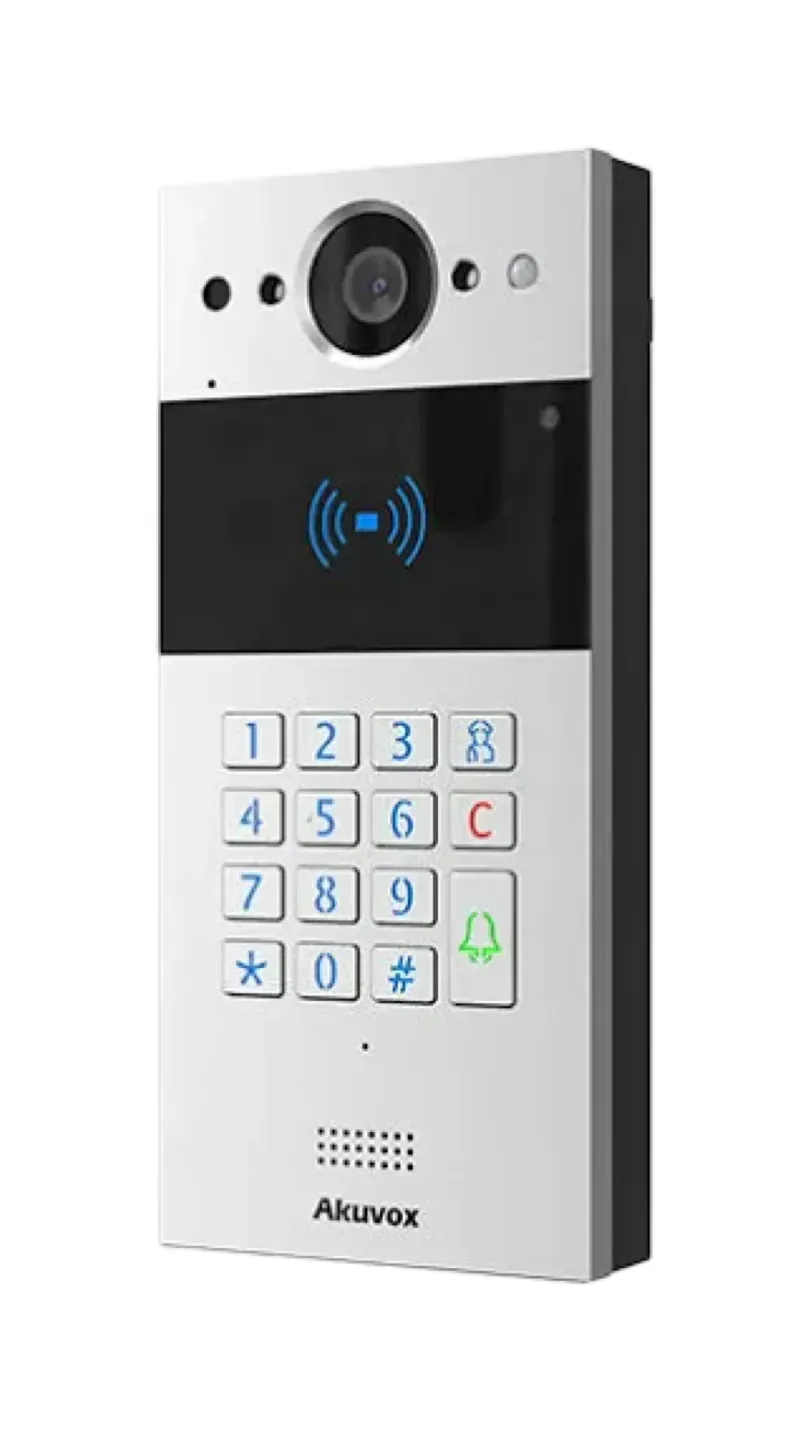
NYC co-op intercom upgrade option: silver and black door station with a camera at the top, a card reader band with a wireless symbol and a twelve-key metal keypad
A narrow door station that combines a camera, a card-reader band and a metal twelve-key keypad. Product photo; on a co-op scope it would replace a button panel at a lobby or side door where the board also wants fob entry.

Who reads this guide, and what each of them needs from it

The board president needs a path to a vote: a short list of options, a recommendation with reasons, and a timeline that fits the board's meeting calendar. Presidents also carry the conversations with shareholders who are unhappy either way — the ones who think the board is overspending and the ones who think it waited too long.

The treasurer and the finance committee need the cost split into pieces they can budget: one-time hardware and labor, any monthly or annual software fees, what is likely to need replacing again within a decade, and what the building will stop paying for once the old system is gone. They also need to know how firm each number is before it goes into a budget or a funding plan.

The managing agent or property manager needs a scope of work that turns into a request for proposal, comparable bids, insurance paperwork, a vendor who shows up inside the arrival window and a project the super can live with. Agents who handle several co-ops also want one approach they can repeat across buildings.

The superintendent and the building or security committee need practical answers: where the new power supplies go, who programs a new shareholder into the directory, what happens during a power cut, and who to call when a resident's app stops ringing.

Repair or Replace

Repair vs Replacement: How a Board Should Read the Evidence

The cheapest intercom is usually the one already on the wall, as long as it can be kept working at a reasonable cost per year and parts still exist. The most expensive intercom is the one the board keeps paying to patch long after it should have been replaced. Telling those two apart is the first job, and it should be done with records rather than impressions.

We recommend that the managing agent pull two to three years of service invoices and the super's log before the board discusses replacement. Group the visits by what failed: the lobby panel, the door release or strike, the power supply in the cellar, individual apartment stations, or the cable between floors. A pattern almost always appears. Visits spread evenly across apartment stations point to aging handsets that can be swapped one at a time. Visits clustered on one riser line point to a cable fault. Visits on the panel and the power supply every winter point to a system that is near the end of its electrical life. And repeated "could not reproduce" visits often point to an intermittent cable problem nobody has traced.

The second input is a diagnosis by someone who opens the equipment. Our $250 service call covers the diagnosis and simple repairs, and the fee counts toward the job if more work is needed. During that visit we test the door release from apartments on different lines, measure voltage at the panel and the far end of the riser, open the cellar cabinet, read the model plates and check whether the manufacturer still sells the parts. For the board, the useful output is a short written finding: what is failing, why, what it costs to fix, and whether the fix buys years or months.

Signals that point toward repair

  • Failures are isolated. One apartment station is dead, one door strike sticks, one power supply has failed — and the rest of the system tests clean.
  • Parts are still made. The panel and apartment stations are current or recent models, and replacement handsets or modules can be ordered.
  • The cable tests well. Voltage at the top of each riser is close to what leaves the cellar, and there are no shorts between pairs.
  • Shareholders are not asking for more. If residents are content with audio and a door release, a repair keeps the building compliant without asking anyone to learn a new system.

Signals that point toward replacement

  • The same faults return. Several visits a year on the same panel or the same lines, especially after a "permanent" fix.
  • Parts are discontinued. Once the manufacturer stops supplying a panel or the matching apartment stations, each repair depends on salvaged or used parts, and a single failure can leave apartments without service until the board approves a replacement anyway.
  • Old components are being mixed. When a building has three generations of apartment stations from different eras, the system is often only partly compatible with itself.
  • The board wants what the old system cannot do. Video, calling a shareholder's phone, remote door release for deliveries, a searchable directory, or fob entry at the same door.
  • The building is already opening walls. A lobby renovation, an entrance door replacement or a riser project is the cheapest moment to pull new cable.
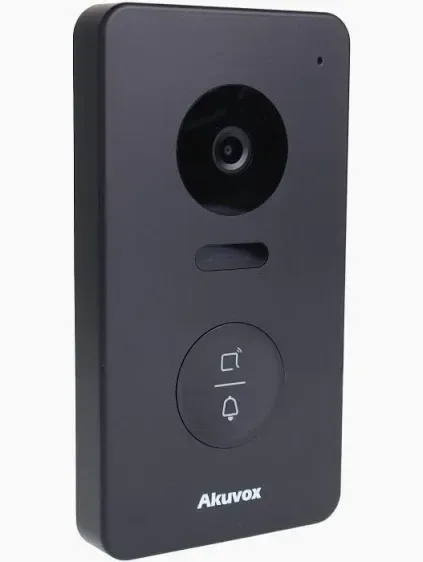
New York City co-op board intercom replacement example: dark grey surface-mount video door station with a camera lens, a narrow light bar and a round call button
A compact surface-mount video door station: camera at the top, a light bar for night calls and one round call button. Product photo. Units like this suit a secondary entrance or a small walk-up where a full directory panel would be more than the door needs.

Repair cost versus replacement cost, in the site's published ranges

These are the ranges published on our door buzzer repair pricing and intercom installation pages for New York City. They are not quotes for a particular building. They show the board the order of magnitude of each kind of decision.

WorkPublished rangeWhat the board is buying
Service call$250Finds the fault and fixes simple problems; the fee is credited if the repair goes further
Apartment station$250–$525One in-unit handset or station replaced
Door release relay or button$250–$475The part that lets an apartment open the lobby door
24V transformer$325–$650The power supply that runs the panel or the release
Electric strike$450–$950Strike replaced and the door aligned
Lobby panel work$650–$1,800Repair or replacement of the entry panel itself
Riser repair in occupied walls$850–$2,400Tracing and fixing cable between floors
New multi-unit system$1,200–$5,000+Building-wide intercom for a 5–30 unit building

Read that table as a board would. A run of station swaps and a couple of release repairs in a year can add up to a meaningful fraction of a small building's replacement cost without changing anything the shareholders experience. In a larger co-op, where a new system is priced after the survey rather than from a range, the comparison is between the annual repair spend plus the risk of a discontinued part, and a one-time capital project. That comparison belongs in the proposal, side by side, so the board votes on both numbers.

One more consideration that rarely appears in invoices: time without service. Each failure means a period when some shareholders cannot let visitors in, deliveries pile up in the vestibule and the door gets propped. Under the Multiple Dwelling Law, the obligation to maintain the system rests with the owner — for a co-op, the corporation the board governs. Repeated outages are a compliance question as well as a convenience one.

Upgrade Paths

Upgrade Paths for a Co-op Building Intercom, From Least to Most Invasive

"Upgrade" covers very different projects. Swapping a worn lobby panel for a newer one on the same wiring is an upgrade. So is moving a prewar walk-up from push buttons to video calling on shareholders' phones, and so is a full replacement with network cable to every floor, a touchscreen directory and fob readers at every door. Boards save themselves a great deal of confusion by naming the path before they ask for prices, because each path has a different answer to the two questions shareholders always ask: will someone need to come into my apartment, and what will I have to learn?

Below are the five paths we see most in New York City co-ops, ordered from the least disruption to the most. Most real projects combine two of them — for example, a new video panel at the lobby with phone calling for shareholders who want it, while apartment stations stay in place for those who do not.

Path 1 — Same system, new entrance panel

If the apartment stations and the riser cable are healthy and the manufacturer still makes a compatible panel, the lobby unit alone can be replaced. This is common when vandalism, weather or age has damaged the outdoor face. Shareholders notice a cleaner panel and a working speaker; nothing changes inside the apartments. It is also the path the CooperatorNews piece on intercom replacement describes when Allan Liers says his "initial recommendation is generally to retain the existing infrastructure with the exception of the panel." The limit is obvious: the building keeps whatever features the old system had.

Path 2 — Audio to video on the existing wiring

Several manufacturers make video systems that run on two conductors per apartment, which is what many audio intercoms installed in the second half of the twentieth century already use. Where the old cable is a continuous, sound pair from the cellar to each apartment, a two-wire video system can carry picture, voice and door release over it. Each apartment that wants to see the visitor gets a new video station; the cable stays. This path is attractive for boards that want video without opening plaster, but it depends entirely on what the cable test shows. Older systems that share wires between apartments, have splices in junction boxes on every floor or have cable damaged by past leaks often cannot carry video reliably, and the board should hear that before signing, not after.

Path 3 — Phone and app calling, with or without apartment stations

A newer panel can call shareholders' mobile phones or a landline through a cellular or internet connection, so the apartment does not need a station at all for that shareholder. This is the path most often described as upgrading "without entering apartments," and it is genuinely the least invasive inside the units. The honest qualifications: the lobby still needs power, a data connection and a working door release; every shareholder has to be enrolled with a phone number or an app account; and some residents — older shareholders, people without smartphones, those with hearing loss who rely on a loud in-unit station — may need a station kept or added. Many systems let the board mix the two.

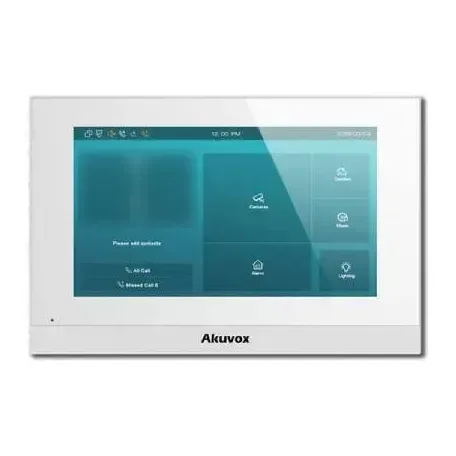
Indoor answering monitor for an NYC co-op intercom upgrade: white-framed touchscreen showing teal menu tiles on the home screen
An in-apartment touchscreen monitor in a white frame, home screen showing call and menu tiles. Product photo. In a mixed system the board can give monitors to shareholders who want them and phone calling to everyone else.

Path 4 — Analog to IP on new network cable

An IP (network) intercom treats the lobby panel and every apartment station as devices on a network, usually powered over the same cable. It allows large directories, multiple entrances on one system, remote management by the managing agent, integration with access control and cameras, and easier expansion. It also needs network-grade cable — typically Cat6 — from a switch to each device, which in an occupied prewar building means pulling new cable up risers or through hallways. CooperatorNews quotes Liers on why: older systems "typically use a few dedicated wires which are incompatible with modern IP-based or multi-wire systems, and that requires a complete rewire." Where the risers have space, or a lobby or hallway renovation is already planned, IP is often the most future-ready choice. Where they do not, Path 2 or Path 3 may serve the building better for the same money.

Path 5 — Full replacement with access control and cameras

Some boards use the intercom project to fix the whole front of the building at once: a new entry panel, fob or card readers at the lobby, side and service doors, a camera tied to the intercom so the managing agent can see who was let in, and sometimes elevator access. This is the most invasive path and the one that benefits most from careful phasing. It is also the one that most needs a clear scope, because the bids will vary as much in what they include as in what they cost. Related services: access control installation in NYC, elevator access control and apartment building cameras.

Comparing the paths side by side

PathApartment accessReuses old cableVideoTypical fit
1. New panel onlyUsually noneYesOnly if the old system had itHealthy system, damaged lobby unit
2. Two-wire videoUnits that want a video stationYes, if it tests cleanYesAudio buildings with sound, dedicated pairs
3. Phone / app callingMinimal; only where a station is kept or addedLobby side onlyOn the phone, if the panel has a cameraBuildings that want the least disruption
4. IP on new cableEvery unit that gets a stationNoYesRenovations, larger buildings, multiple entrances
5. Full entry replacementDepends on the station choiceRarelyYesBoards fixing the whole entrance at once

The honest answer on "without entering apartments"

Boards ask for this more than anything else, and the honest answer has three parts. First, a phone-calling system can go in with little or no work inside units, and a new lobby panel on healthy wiring needs none. Second, any path that puts a new station in an apartment needs that apartment open for the time it takes to mount and test it, and any repair that traces a cable fault may need access to each apartment on the affected line. Third, we cannot promise which of these applies until the survey tests the cable, so a proposal that guarantees zero apartment entries before anyone has opened the cellar cabinet should be read carefully. On jobs where units must be entered, we schedule by riser line so each shareholder is asked once, and we patch the opening where an old station comes out when the scope includes it.

Habitat reported in 2017 that under most proprietary leases a co-op can require access, and that boards should "make every effort to provide 24 hours' notice for an inspection or a week's notice for repairs whenever possible" (Habitat, November 2017). How access works in a particular building is set by that building's proprietary lease and house rules, which the board's counsel can confirm.

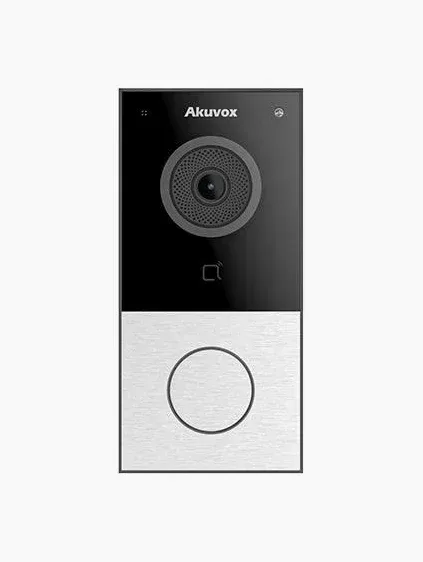
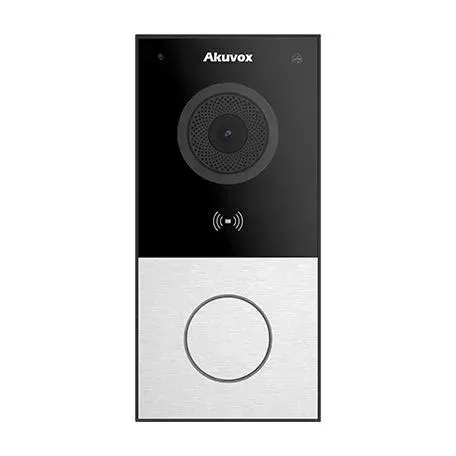
Single-button video door station for an NYC co-op board: black upper face with a round camera, silver lower plate with one large round call button
A single-button video station with a black camera section above a brushed silver call plate. Product photo. One-button stations fit a service door, a garden-apartment entrance or a door that rings the super's office rather than a directory.

Prewar, postwar and high-rise co-ops: how building type changes the path

Prewar walk-ups and elevator buildings often have the thickest walls and the least spare room in the risers. CooperatorNews notes that prewar walls "made of solid concrete, plaster, and metal lathe" make new cable "extremely difficult, time-consuming, and costly" to run. These buildings are usually the best candidates for Path 2 or Path 3, with new cable only where an existing chase or dumbwaiter shaft makes it practical.

Postwar buildings from the 1950s through the 1980s more often have a continuous conduit or a dedicated intercom riser, which makes new cable more realistic. They also tend to have the original audio system still in service, with parts that are no longer made.

High-rise co-ops with a staffed lobby usually want the panel to call the front desk first, a directory large enough for hundreds of shareholders, several entrances on one system, and integration with package handling and access control. These are IP projects in almost every case, and they need the most planning around the desk staff's routine.

Garden co-ops and multi-building complexes have many small entrances rather than one large lobby. The cost driver there is the number of doors and the cable or network link between buildings, not the number of apartments per building.

What Drives Cost

What Drives the Cost of a Co-op Intercom Upgrade

Boards often search for a cost per apartment, a cost per entrance or a figure for a 25-, 50-, 100- or 500-unit building. We understand why: a per-unit number is easy to put in a budget memo and easy to compare between bids. The trouble is that two buildings with the same number of apartments can differ by several times in price, and the reason is almost never the equipment. It is how many doors there are, what is behind the walls and how much of the work happens inside occupied apartments. So rather than publish per-unit figures we cannot stand behind, here is what moves the price and how to read it in a proposal.

1. Entrances, not just apartments

Every door that needs a panel, a reader or a release adds a station, a lock or strike, a power supply and cable back to the head end. A 40-unit building with one lobby and one service door is a very different job from a 40-unit garden complex with eight separate entrances. When a bid gives a single number, ask how many entry points it covers and what kind of hardware is at each.

2. The condition and route of the cable

Reusing sound cable is the biggest single saving available. Replacing it is the biggest single cost, and the cost depends on the route: an empty conduit or open chase is quick, plaster and lath with no chase is slow, and work in finished hallways adds patching and painting. Riser repair in occupied walls is published on this site at $850–$2,400, and a full new cable run is priced only after the survey shows the path.

3. Apartment stations versus phone calling

Each in-unit station is hardware plus labor plus the time to schedule access. Apartment station replacement is published at $250–$525 per station. A phone-calling design removes most of that cost for shareholders who do not want a station, but usually adds a recurring service fee for the calling platform. Boards should compare both over the same number of years.

4. Door hardware and the egress rules

A new panel is only as good as the lock it releases. Strikes, magnetic locks, exit sensors and request-to-exit buttons each carry their own price, and electrically locked egress doors must follow the NYC Building Code. Electric strike work is published at $450–$950. A proposal that leaves the lock out entirely is not comparable with one that includes it.

5. Power, backup and network at the head end

Transformers and power supplies, a battery backup so the door release survives a short outage, and for IP systems a network switch and internet service. A 24V transformer is published at $325–$650. Larger systems add a small equipment cabinet.

6. Software, subscription and licensing fees

Cloud-managed intercoms and many phone-calling systems charge a recurring fee — per door, per apartment or per building, monthly or annually — set by the manufacturer or platform rather than the installer. Subscription-free systems are managed on site and carry no recurring fee, at the cost of fewer remote features. Neither is right for every building. What matters is that every recurring cost appears on the bid, with who sets it and whether it can rise.

7. Programming, directory and training

Loading a directory of a few dozen shareholders is quick; enrolling hundreds of phone numbers and app accounts, setting call groups for the front desk, and training the super and the agent takes real time. It should be a named line on the proposal, not hidden in "installation."

8. Phasing and working hours

Keeping the old system running while the new one goes in, working floor by floor, and scheduling apartment access around shareholders all add labor compared with a vacant building. That is a fair cost of working in an occupied co-op, and it is worth paying for.

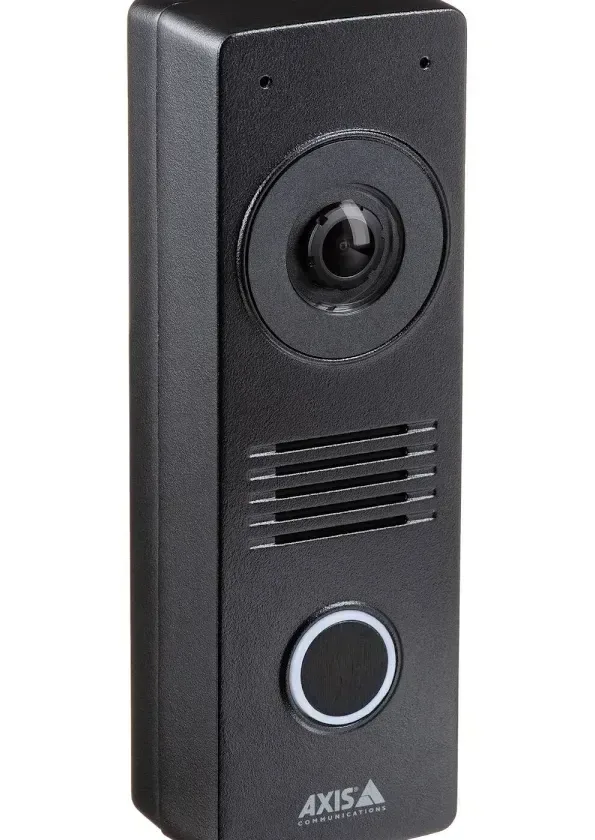
NYC co-op board video intercom upgrade hardware: narrow black door station with a domed camera, a slotted speaker grille and a round call button ringed in light
A narrow, all-black video station with a domed camera, slotted speaker grille and a lit ring around the call button. Product photo. Narrow stations fit the slim mullions beside many co-op lobby doors where a wide directory panel will not.

Total cost of ownership: the number the treasurer actually needs

The purchase price is only the first line. A treasurer weighing an intercom upgrade, a replacement or simply keeping the current system should see four lines for each option over the same period — we suggest ten years, because that is a realistic planning horizon for entry hardware:

  • Upfront cost: equipment, cable, door hardware, labor, programming.
  • Recurring cost: any subscription, licensing, calling or internet fee.
  • Expected repairs: based on the building's own history for the old system, and on warranty terms for the new one.
  • What goes away: repair visits the building will stop paying for, phone lines that can be cancelled, and staff time saved on directory changes.

Laid out that way, a higher-priced subscription-free system and a lower-priced cloud system can end up close over ten years, or far apart, depending on the fees. That is the comparison the board should vote on. It also answers the "return on investment" and "cost savings" questions honestly: the savings are real where repair visits and phone lines go away, and they should be shown as the building's own numbers, not as a percentage from a brochure.

What the site's ranges mean for small and large co-ops

For a co-op of five to thirty apartments with one or two entrances, the published range for a new multi-unit system is $1,200–$5,000+, depending on unit count, wiring and whether access control or elevator integration is included. Above that size — and for any building with several entrances, a staffed lobby or more than one structure — there is no honest range without a survey, and we price those in writing after the free on-site assessment. A board that sees a confident per-apartment figure for a 200-unit building in an online cost guide should ask what that figure assumes about the cable and the doors.

Customer-supplied equipment — hardware the board has already bought — is quoted as labor by phone. Financing is available through Wisetack, subject to approval.

Scope, RFP & Bids

Writing the Scope of Work and Comparing Intercom Bids

Most disappointing intercom projects can be traced back to the request for proposal. When a board asks three contractors to "replace the intercom," it gets three different projects at three different prices and no way to tell which is the better value. When it asks them to price the same described work, the comparison becomes fair and the board's decision becomes defensible. CooperatorNews describes the usual sequence plainly: "First comes a needs assessment," which goes into a statement or scope of work, and "using this as a guide, the manager will produce a request for proposal (RFP) and distribute it to a list of qualified bidders" (CooperatorNews, "Bidding Basics," Feb. 2020).

For an intercom, the needs assessment is a building survey. It can come from the building's engineer, from an owner's representative, or from a contractor's survey that the board then turns into its own document. What matters is that the scope describes the building and the outcome the board wants, rather than copying one manufacturer's spec sheet, so that more than one bidder can respond with an equivalent system.

What a co-op intercom scope of work should state

  • The building: number of apartments, floors and risers; every entrance that needs a panel, a reader or a release (main lobby, vestibule, side, rear, service, garage, courtyard gate); and whether there is a staffed desk.
  • The existing system: manufacturer and model if known, where the head end and power supplies are, the age and type of cable, known problem lines, and whether any of it is to be reused.
  • The outcome: audio or video; apartment stations, phone calling or both; directory size and type; remote door release; integration with fobs, cameras, elevator access or a front desk.
  • Apartment access: whether units will be entered, how many visits per unit the board will accept, and who schedules them.
  • Door hardware: which locks and strikes are replaced, and that electrically locked egress doors meet the NYC Building Code.
  • Power and backup: battery backup for the release and the panel, and who provides any new 120-volt circuit.
  • Software and fees: every recurring fee, who sets it, the term, and what happens to the system if it is not renewed.
  • Data: where call logs, video and entry records are stored, for how long, and who can see them — consistent with the Tenant Data Privacy Law where keyless entry is used.
  • Phasing and hours: the requirement that the front door keep working, allowed working hours, and any blackout dates such as holidays or the annual meeting.
  • Handover: as-built drawings or a labeled riser map, admin logins transferred to the managing agent, training for the super and the agent, and printed resident instructions.
  • Warranty and support: what is covered, for how long, and how service is booked afterwards.
  • Paperwork: license number, insurance certificate naming the co-op and the managing agent on award, payment schedule and deposit terms.
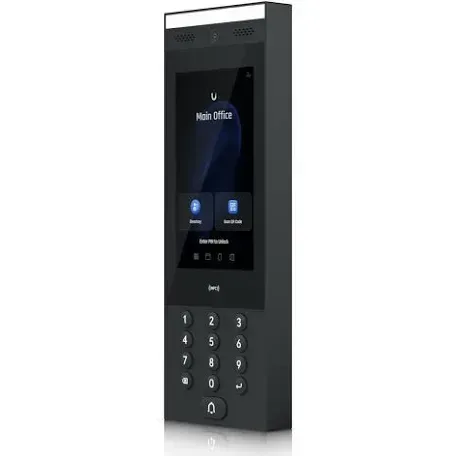
Directory option in an NYC co-op intercom RFP: tall dark entry panel with a touchscreen reading Main Office above a numeric keypad
A tall dark entry panel: a touchscreen directory with a "Main Office" entry above a physical numeric keypad. Product photo. A scope that says "searchable touchscreen directory plus keypad" lets several manufacturers bid the same feature.

Running the bid so the comparison stays fair

Invite more bidders than you need. CooperatorNews advises that "it's a good idea to solicit more bids than might seem necessary, because some vendors may turn out to not meet requirements, some may not be available in the time-frame needed, and others may not respond." Set a deadline, keep the bids sealed until it passes, and have at least two people open them together; the same article describes unsealing at a board meeting or by the manager and the president jointly, "for the benefit of transparency and accountability."

Hold a single walkthrough so every bidder sees the same cellar, the same risers and the same doors, and answer questions in writing to all bidders. A contractor who did not walk the building is pricing a guess.

Watch for conflicts. A board member who works in the trade can be a valuable adviser, but hiring that person's company raises the issues CooperatorNews describes under New York Business Corporation Law §727, which since January 1, 2018 has required disclosure to shareholders of contracts in which a director has an interest. Boards should ask their counsel how that applies to them.

The bid-leveling sheet

Once bids are open, the managing agent or owner's rep builds a leveling sheet: one column per bidder, one row per item in the scope. Empty cells are the most important information on the page, because they show what each bidder left out. A practical intercom leveling sheet has these rows:

RowWhat to look for
Entry points coveredSame doors in every bid; panel, reader and release at each
Cable planReuse, partial new or full new cable — and on what test result
Apartment stationsHow many, what type, and whether units without one are covered by phone calling
Door hardwareLocks, strikes, exit devices included or excluded
Power and backupPower supplies and battery backup included; who provides new circuits
Recurring feesAmount, basis (door, unit, building), term, who can change it
Programming and trainingDirectory load, app enrollment, sessions for the super and the agent
Wall repairPatching where old stations come out: included, excluded or by others
SchedulePhasing plan, apartment visits per unit, cutover window
WarrantyParts, labor, length, and who honors manufacturer warranties
CredentialsNYS license number, insurance on award, references policy

The lowest number on the sheet is only the lowest bid once every row is filled the same way. Many boards ask the closest bidders to "sharpen their pencils" after leveling, as the CooperatorNews article describes, and then interview two finalists. A short interview where each finalist explains how it will keep the door working during cutover tells the board more than any brochure.

A printable checklist for the board packet

Boards are welcome to print this list and attach it to the RFP or the board packet. It is our own checklist, not a legal form.

  1. Two to three years of intercom service invoices and the super's log, grouped by failure.
  2. A survey of every entrance, the head end, the risers and a sample of apartments on each line.
  3. A decision on the path: panel only, two-wire video, phone calling, IP, or full entry replacement.
  4. A written scope of work describing the building and the outcome, not one product.
  5. A bidder list longer than the number of bids the board wants back.
  6. One walkthrough for all bidders, questions answered in writing to all.
  7. Sealed bids, a deadline, and two people opening them together.
  8. A leveling sheet with every row above filled for every bidder.
  9. Recurring fees projected over the same planning period for each bid.
  10. Interviews with finalists on phasing and cutover.
  11. Counsel's review of the contract and of any director conflicts.
  12. A board resolution recording the reasons for the choice.

If your board already has a scope, send it with the form below and we will survey the building and return a priced proposal in the requested format. If it does not, our survey report is written so the managing agent can lift the building description straight into an RFP for other bidders, too.

Your Questions Answered

Co-op Board Intercom Upgrade in NYC: Questions Answered

Before the board decides

What is the first thing a co-op board should do when the intercom starts failing more often?

Ask the managing agent to collect every intercom invoice and the super's notes for the last two or three years, then book a diagnosis by someone who will open the panel, the cellar power supplies and a few apartment stations. Those two documents together tell the board whether it has a few worn parts or a system at the end of its life, and they become the first pages of any later RFP.

How many repair visits in a year should push a board toward replacement?

There is no fixed number that applies to every building, and a contractor who quotes one is guessing. A better test is whether the visits repeat on the same component, whether each fix lasts, and whether the parts are still made. Three visits for three different apartment handsets is maintenance; three visits for the same lobby panel or riser in a year is a pattern the board should price against replacement.

What happens when parts for our intercom are discontinued?

Repairs then depend on salvaged, refurbished or third-party parts, which may not match the rest of the system and may not be available when the next failure happens. The building can keep running for a while, but the board loses control of the timing: a single panel failure can force an emergency replacement on whatever schedule the parts allow. Discontinuation is the moment to start the replacement process deliberately.

How do we know if our riser cable can carry a new system?

It has to be tested, not judged by age. We measure continuity and voltage drop on each line from the cellar to the top floor, check for shorts between pairs and look at how the cable is spliced on each floor. Dedicated, continuous pairs in good condition can often carry a two-wire video system; shared, spliced or water-damaged cable usually cannot. The survey report states the result line by line.

Choosing the system

Can a two-wire audio system become video without new cable?

Often, yes, when the existing two conductors run unbroken from the head end to each apartment. A two-wire video system sends picture, voice, power and door release over that pair. Apartments that want video get a new monitor; those that do not can keep a simpler station on the same system. Whether it works in a given building depends on the cable test above.

Is analog-to-IP worth it in a building with no network in the risers?

Only when the building can get network cable to where it is needed at a sensible cost — an open chase, a conduit, a planned hallway renovation — or when it plans to put most shareholders on phone calling so only the lobby and a few doors need network. Otherwise, the money that would go into new cable often buys the building more as a two-wire video or phone-calling system now.

How does an app-only intercom change the cost per apartment math?

It moves money from the one-time column to the recurring column. With no station in most units, the hardware and labor per apartment fall sharply; in exchange, the calling platform usually charges a fee every month or year. Over a ten-year view the two can come out close or far apart depending on that fee, which is why the treasurer should project both before deciding.

Can the directory use codes instead of shareholder names for privacy?

Most current panels allow it: entries can show an apartment number, a code, initials or a name, and some shareholders can be left out of the visible list and reached only by a code they give their guests. It is a board policy choice. Whatever the board decides, the setting should be written into the resident instructions so new shareholders know how they will appear.

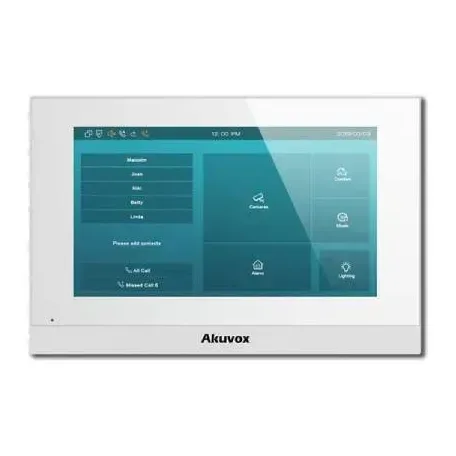
Shareholder answering monitor in an NYC co-op intercom upgrade: white-framed indoor touchscreen with a list menu on the left and teal tiles on the right
An indoor monitor in a white frame, with a list menu on the left side of the screen and function tiles on the right. Product photo. In-unit monitors keep video calling available for shareholders who prefer not to use a phone app.

Is a cloud intercom riskier for shareholder data than an on-site one?

It is different rather than automatically riskier. A cloud system keeps call logs, video snapshots and entry records with the platform, so the board should read the provider's privacy and retention terms; an on-site system keeps them on equipment in the building, so the board should decide who has the login. Where fobs, an app or biometrics are used to open doors, NYC's Tenant Data Privacy Law limits what may be collected, requires consent and a written policy, and sets a 90-day limit on keeping authentication data unless it is anonymized.

Budget and timing

Should the treasurer treat the intercom as a capital item or an operating repair?

That classification belongs to the co-op's accountant, not to us. What we can do is itemize the proposal so it can be classified either way: replacement equipment and new cable on separate lines from repair labor, recurring fees on their own line, and the warranty terms stated. Boards that intend to fund the work from reserves or a capital budget find that breakdown useful when the accountant reviews it.

What usually explains a large gap between intercom bids?

Usually scope, not markup. One bidder assumed the cable can be reused and another priced new cable; one included door hardware and wall patching and another excluded them; one priced apartment stations for every unit and another priced phone calling with a monthly fee. A leveling sheet makes those differences visible. When the scopes truly match and the prices still differ widely, ask each bidder to walk the board through its labor assumptions.

What can a board do while it waits for bids if the door release keeps failing?

Keep the building compliant in the meantime. A targeted repair of the release, the strike or the power supply is usually small next to the project, and our $250 service call counts toward that repair. Ask the technician to note which parts would be reused by the new system, so the stop-gap is not wasted, and make sure the door is never left propped or unlocked while the board deliberates.

What should happen to the intercom during a lobby renovation?

Plan it into the renovation from the start. Open walls and new ceilings are the cheapest time to pull network or new intercom cable to the lobby, the vestibule and the cellar, and the panel location and height should be fixed before finishes are chosen. During construction a temporary panel or a phone-calling unit can keep visitors able to reach apartments, so the old panel can come out with the old wall.

What should the scope of work say about apartment access?

State the maximum number of visits per apartment, how far ahead shareholders will be notified, who schedules the visits, how long each visit should take, and what happens when a shareholder does not provide access on the scheduled day. Bidders can then price the same access plan, and the managing agent can put the same dates in the shareholder notice.

Approval & Notice

Board Approval, Funding and Shareholder Notice

Nothing in this section is legal or financial advice. Every cooperative is governed by its own certificate of incorporation, bylaws, proprietary lease and house rules, and those documents — read by the co-op's counsel and accountant — decide who must approve what. What follows is how the process typically runs in New York City co-ops, with sources, so the board knows which questions to ask its own professionals.

Who usually decides

In most co-ops, contracts for building systems are approved by the board of directors, often after a committee — building, security, capital improvement or finance — has done the groundwork with the managing agent. Shareholder votes are generally reserved for matters the governing documents assign to shareholders, which is why the first question for counsel is whether anything in this project, such as its size or the way it is funded, triggers a shareholder vote in your building. Where the board does decide, the business judgment rule from Levandusky means a court will generally defer to a decision made for the cooperative's purposes, within the board's authority and in good faith. Minutes that record the options considered, the bids received and the reasons for the choice are the practical evidence of that.

How boards typically fund the work

Boards generally draw on one or more of four sources for a building-wide project: the operating budget (for smaller repairs), the reserve fund, a loan or line of credit held by the corporation, and an assessment on shareholders. FirstService Residential describes reserves as long-term savings "used for capital projects that keep the building safe, functional, and compliant over time," and notes that under the city's Reserve Fund Law newly converted co-ops and condos must establish one (FirstService Residential).

On assessments, Habitat reported in February 2025 that "a co-op's bylaws or a condo's declaration empowers boards to impose an assessment for a particular purpose, which can be done with a board resolution," and that the amount "is then divided among shareholders or unit-owners based on the number of shares for each apartment" (Habitat, Feb. 17, 2025). The same article notes that many boards spread assessments over longer periods to lower the monthly amount. Which source — or mix — is right, and what the board may charge shareholders, is a decision for the board with its accountant and counsel. Our part is to give the treasurer a proposal itemized clearly enough to support whichever route the board chooses.

Co-op entrance hardware in an NYC intercom upgrade budget: black and silver door station with a round camera, a contactless card symbol and one large call button
A door station with a round camera and a contactless card symbol on the black upper face and one large call button on the silver lower plate. Product photo. Combining the call button and the reader in one unit saves a second device and a second cable run at doors that need both.

A realistic timeline from first complaint to cutover

Boards meet on a calendar, and that calendar usually sets the pace more than the installation does. A typical sequence for a mid-size co-op looks like this:

  1. Diagnosis and records. The service call and the invoice review, usually within a couple of weeks of the board asking.
  2. Survey and options. A survey of every entrance and line, then a written proposal with repair and replacement options.
  3. First board discussion. The board picks a path and authorizes an RFP, or decides to repair and revisit.
  4. Bidding. Scope issued, walkthrough held, sealed bids returned and leveled. Allow several weeks so bidders can survey properly.
  5. Award. Board vote, counsel's review of the contract, deposit paid, certificate of insurance issued. Equipment is ordered only after the deposit.
  6. Shareholder notice. Notice sent with the schedule and access dates before work begins.
  7. Installation and cutover. Phased work while the old system runs, then a short cutover and testing door by door.
  8. Handover. Training, documentation, admin logins and resident instructions.

Installation itself is often the shortest part. For a small walk-up getting a new panel on existing wiring it can be a day or two of work; a building-wide IP replacement in a large occupied co-op is measured in weeks and scheduled in phases. Equipment lead times vary by manufacturer and are confirmed in the proposal rather than promised up front. Boards that want the new system before winter, when propped doors and dead buzzers hurt most, should start the diagnosis in late spring or summer.

What shareholders should be told, and when

Good communication does more to make an intercom project feel successful than any feature on the panel. We suggest three messages from the managing agent or the board:

  • The announcement — once the board has voted: what is being replaced, why, what will change for residents (video, phone calling, a new directory, fobs) and roughly when.
  • The schedule notice — before work begins: the dates, which lines or floors will be visited on which days, how long each apartment visit should take, and what residents need to do, such as clearing the area around an old station or downloading an app. Habitat's guidance that boards try to give "a week's notice for repairs" is a useful benchmark; the proprietary lease sets the actual rule.
  • The how-to — at cutover: printed instructions in the lobby and in each apartment, how to answer and release the door, how to add a phone or a family member, and who to contact with problems.

Buildings where many shareholders speak languages other than English should translate the schedule notice and the how-to. A short resident survey before the RFP — video or not, app or station, hearing or vision needs — also helps the board choose a system shareholders will actually use, and gives the president something concrete to cite when explaining the decision at the annual meeting.

Presenting the upgrade to the board

Board presentations go best when they answer the treasurer's questions before they are asked. A one-page summary on top of the proposal should show: the problem in the building's own numbers (failures, outages, repair spend); two or three options with upfront and recurring costs over the same period; what each option means for shareholders, including apartment visits; the recommended option and why; and the timeline. If the board wants to see equipment, ask the bidders to bring the panel and apartment station they propose to the interview, or to show it at a building where they are allowed to. We do not offer tours of client buildings, so the evidence we point boards to is the written proposal, the product documentation and our public Google reviews.

Phasing & Compliance

Phasing an Occupied Building, With the Rules That Apply

A co-op cannot close its front door for a week. Every phasing plan starts from that constraint: visitors, deliveries, home aides and emergency responders must be able to reach apartments and get through the lobby door throughout the project. The way to meet it is to build the new system alongside the old one, move apartments over in groups, and keep the switchover at the front door as short as possible.

Floor by floor, entrance by entrance

On most jobs we install the new head-end equipment and power first, in the cellar or equipment room, without touching the working system. Cable and apartment work then proceeds by riser line or floor, so each shareholder is visited once and each group of apartments moves to the new system together. Secondary entrances — a side door, a service entrance, a garage — can often be converted first, which gives the super and the board a working sample before the lobby changes. The main entrance panel is changed last, early in the day, with the door tested from apartments on every line before the crew leaves.

Spreading a replacement over more than one budget year

Boards that cannot or do not want to fund the whole project at once can phase it financially as well as physically, as long as the first phase is designed for the final system. In practice that means buying the head end and the lobby panel that the finished building will use, and adding apartment stations, doors or phone enrollment in later phases. The risk to avoid is buying a cheap stop-gap panel in year one that the year-two system cannot work with.

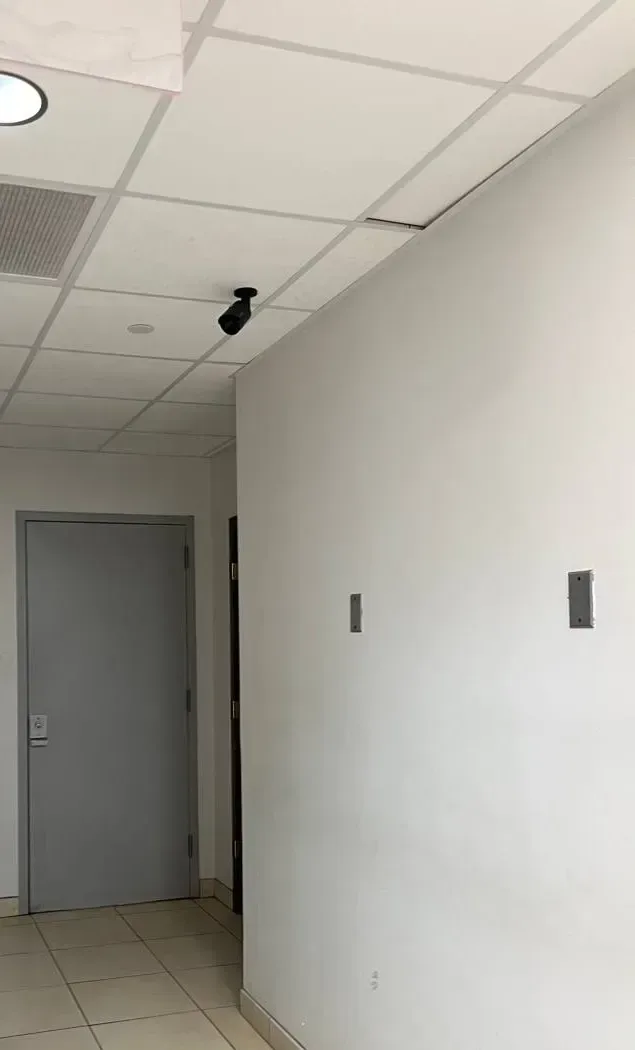
Secondary entrance in an NYC co-op intercom phasing plan: tiled back corridor with white walls leading to a grey steel door, a small camera near the ceiling
A tiled back corridor with white walls running to a grey steel door, two small plates on the wall and a small camera near the ceiling. Service and rear doors like this are often converted first, so the building tests the new system before the lobby panel changes.

The door-hardware rules a scope must respect

When a new intercom releases an electrically locked door in the path of egress, the NYC Building Code sets conditions. For sensor-released doors, §1010.1.9.8 requires, among other things, a sensor on the egress side, unlocking on loss of power, a manual unlocking device "40 inches to 48 inches" above the floor within five feet of the door marked "PUSH TO EXIT" that keeps the door unlocked for at least 30 seconds, automatic unlocking when the building fire alarm activates where one is provided, and locking units listed to UL 294. A bid that adds a magnetic lock to a lobby door without addressing these items is incomplete. Fire alarm work itself stays within our fire alarm scope and the FDNY process; on intercom jobs our part is tying the door release into the existing fire alarm so doors unlock when it activates.

Mounting heights and accessibility

HPD's rule on intercom systems in multiple dwellings, 28 RCNY §25-151, says no push button may be more than six feet from the floor and the speaking and listening device must be between four and five feet, and that the apartment device must be "readily accessible to the occupant." For reach by a wheelchair user, the 2010 ADA Standards set an unobstructed forward reach range of 15 inches minimum to 48 inches maximum above the floor (U.S. Access Board, 2010 ADA Standards §308.2.1). Whether the ADA or another accessibility code legally applies to a particular residential entrance is a question for the co-op's architect or counsel; many boards simply use the 48-inch reach as the design target for the buttons and screen. Senior-friendly features to ask about include large-text touchscreen directories, a loud in-unit station or a visual call indicator for shareholders with hearing loss, and a simple one-button answer-and-release on the apartment unit.

Permits and licensing

Under NYC Admin. Code §28-105.4.7, an electrical permit is not required for wiring designed to operate at less than 50 volts for signaling, communication, alarm and data circuits when the work is performed by a licensed master electrician, special electrician or qualified person as defined in the city's electrical code, with exceptions for life safety systems and connections that activate light, heat or power circuits. Intercom work is generally low voltage; any new 120-volt circuit for a power supply is the co-op's electrician's work, and we connect to it. Landmarked facades and lobby alterations can bring separate approvals, which the board's architect handles. Abstract Enterprises Security Systems is a licensed New York State low-voltage contractor, license #12000287431, and carries general liability insurance; the certificate of insurance naming the co-op and the managing agent is issued when the job is awarded. We do not claim manufacturer certifications.

Privacy, recordings and who can see them

Video intercoms can record snapshots or clips of visitors, and phone-calling platforms keep call logs. Where the system also grants entry by fob, card, app or biometrics, the Tenant Data Privacy Law applies: according to HPD, owners must provide a data retention and privacy policy, obtain express consent, collect only the minimum data listed in the law, destroy authentication data within 90 days unless anonymized, and may not use the system to track tenants in order to harass or evict, or require its use to enter the tenant's own apartment. Boards should decide, and write down, who holds the administrator login, who may view entry records and video, how long they are kept, and how shareholders are told. Facial recognition entry raises the most questions; boards considering it should review it with counsel against the same law before adding it to a scope.

Need Options in Writing Before the Board Meets?

We survey the building, test the cable and send repair and replacement options side by side, so the treasurer has the building's own numbers instead of a figure from a cost website.

AI Overview Reality Check

What AI Answers Get Wrong About Co-op Intercom Upgrades in NYC

Board members increasingly start with an AI chatbot or an online cost guide. Those answers are a reasonable first read, but several claims show up again and again that do not match what we find in New York City co-op buildings. Here are the most common, and what a board should know instead.

Claim 1: "An intercom upgrade means rewiring every apartment"

Generic answers often describe intercom replacement as a full rewiring job, with new cable to every unit. That is one path, not the only one, and in many co-ops it is not the best one.

Where the existing pairs are continuous and sound, two-wire video systems reuse them; where the board chooses phone calling, many apartments need no new cable or station at all. Even the CooperatorNews interview on intercom replacement leads with keeping the infrastructure and changing the panel where possible.

The opposite error is just as common in sales pitches: a promise that nothing inside the units will be touched, made before anyone has tested the cable. The truthful answer depends on the survey, and a good proposal states which apartments, if any, will be visited and why.

Claim 2: "Budget a fixed amount per apartment"

AI answers like a clean per-unit number because it is easy to state. In New York co-ops, the variables that set the price — the number of entrances, the cable route, the door hardware, the station count and the recurring fees — swamp the apartment count.

A 30-unit walk-up with one door and good wiring and a 30-unit garden complex with six entrances and buried cable are not the same project, though a per-unit formula would price them alike. National cost sites also blend single-family doorbells and commercial buildings into the same range.

Use per-unit figures only after the survey, as a way to explain a real proposal to shareholders — never as the basis for a budget line before anyone has looked at the building.

Claim 3: "Take the lowest of three bids"

A common shortcut is to gather three quotes and choose the cheapest. That works only when the three quotes price the same scope, which with intercoms they rarely do unless the board wrote one.

The cheapest bid often assumes the cable can be reused, excludes door hardware or wall patching, or moves cost into a monthly subscription. The leveling sheet in this guide exists to expose exactly those differences.

The business judgment rule protects boards that act in good faith and document their reasoning; it does not require choosing the lowest price. A board that picks a higher bid because it includes the lock, the backup power and a phasing plan, and records why, has made a defensible decision.

Claim 4: "A virtual doorman replaces the intercom"

Virtual doorman services are sometimes described as an alternative to an intercom. In practice they sit on top of one: remote staff answer calls from the entry panel, watch the cameras and release the door, which all requires a working intercom, cameras and door hardware in the building.

We install and integrate the intercom, cameras and access control that a virtual doorman provider uses, and we can connect new equipment to a provider the co-op already has. We do not operate a virtual doorman, virtual concierge or managed monitoring service, and we do not offer service level agreements.

Boards comparing the two should therefore budget for both pieces: the building hardware, and the provider's monthly service under its own contract.

Claim 5: "App-based systems mean nobody needs an apartment station"

Phone calling is a real improvement for many shareholders, and AI summaries often present it as a complete replacement for in-unit stations. In co-ops with many long-time, older shareholders, that assumption causes trouble.

Some residents do not carry a smartphone, some keep their phone in another room, and some with hearing loss rely on a loud in-unit station. Phone calling also depends on the building's connection and the platform's service staying up.

Most current systems let the board offer both, so the practical decision is who gets a station and who uses the app, not whether to abolish stations everywhere.

Claim 6: "Shareholders must vote on any intercom replacement"

Some answers assume a shareholder vote is always required. Who approves the project is set by each co-op's own governing documents, and in many buildings contracts for building systems fall to the board.

The opposite assumption, that the board can always act alone, is just as unsafe. The size of the project or the way it is funded can bring other requirements into play, and only the co-op's counsel can say which apply.

What every board can do is document the process — the survey, the options, the bids and the reasons — and communicate clearly with shareholders before work begins.

Claim 7: "You need a building permit for any intercom work"

Generic advice often says every intercom installation needs a permit. In New York City, the Administrative Code exempts low-voltage signaling, communication, alarm and data wiring under 50 volts from the electrical permit when performed by the qualified people the code names, with exceptions for life safety systems.

That does not make every intercom project permit-free. A new 120-volt circuit is electrical work for the co-op's electrician, a landmarked facade can need separate approval, and lobby alterations may involve the board's architect.

The right answer for a particular building is in the scope: which parts are low voltage, which parts need other trades, and who is responsible for each approval.
Get In Touch

Request a Co-op Intercom Survey and Proposal

Send the borough, the number of apartments and entrances, what is installed now and where the board is in its decision. If you already have an RFP or scope of work, mention it and we will reply on how to send it. Photos of the lobby panel, one apartment station and the cellar power supplies help us prepare. Prefer to talk? Call (800) 486-0943.

✅

Request Sent!

Thanks. We'll call or text to set up the visit, typically within 2 hours of your request.

How It Works

How We Take a Co-op Intercom Upgrade From Survey to Handover

1. Booking

Call, text or send the form. We book within 2 hours, schedule seven days a week with early-day visits, first come, first served once the visit is confirmed. Repairs and diagnoses start with the $250 service call; surveys for new systems we supply and install are free.

2. Survey and cable test

Every entrance, the head end and power supplies, the risers and a sample of apartments on each line. Model plates read, parts availability checked, each line tested end to end and photographed.

3. Written options

Repair and replacement side by side: scope, price, apartment visits, recurring fees and our recommendation, laid out so the managing agent can circulate it or turn it into an RFP.

4. Award and paperwork

Paperwork comes before parts: nothing is ordered until the agreement is signed and the deposit clears, and the insurance certificate naming the co-op and its agent goes out that same week.

5. Notice and schedule

We supply the dates and a visit schedule by line or floor for the managing agent's shareholder notice, plus draft resident instructions.

6. Phased installation

Head end first, then cable and apartments by line while the old system keeps working; secondary doors before the lobby; a short, early cutover tested from every line.

7. Handover

We leave the building with a working directory, every enrolled phone tested, the administrator accounts in the co-op's name, a walkthrough for staff and a riser map labeled line by line; residents get a printed how-to.

Full terms — including 50% deposit, one-year parts-only warranty on Abstract Enterprises Security Systems-supplied products, and the late-fee schedule — are set out in the service agreement.

After Handover

Warranty, Maintenance and Running the New System

The vote is not the end of the board's responsibility for the intercom; it is the start of a new routine. The buildings that get the most out of an upgrade are the ones that decide, before cutover, who will run the system day to day and how problems will be reported.

Warranty

Equipment we supply carries the one-year parts-only warranty set out in the service agreement, and manufacturers' own warranties apply to their products under their terms. Ask every bidder the same three questions: what is covered, for how long, and who handles a manufacturer claim. A bid that is silent on warranty should be treated as offering none beyond the manufacturer's.

Maintenance agreements and service

Some boards want an annual maintenance agreement; others prefer to pay per visit. We do not sell service level agreements with guaranteed response times, and we do not run remote monitoring. What we offer is the same booking for every client — within 2 hours of a request, seven days a week, first come, first served — with repairs starting at the $250 service call. If a bidder offers a maintenance contract, compare its annual cost against the building's realistic visit count, and read what it excludes.

Day-to-day administration

Someone has to add a new shareholder after a sale, remove a seller's phone number and fob, change a name in the directory, and reset a resident's app. On most modern systems the managing agent or the super can do this from a login without a service call, which is one of the real operating savings of an upgrade. The board should decide who holds that login, who has a backup login, and that the logins belong to the co-op, not to an individual or a contractor.

Integration with cameras, access control and packages

Many boards want the intercom to work with the rest of the front door: a camera that records whoever was buzzed in, fobs that open the same door, a delivery code for couriers, elevator floor restrictions or a package room. Each integration is possible on many systems and each adds scope, so list them in the RFP even if the board plans to add them later. Comparison pages on this site cover two popular pairs of brands — Akuvox vs ButterflyMX and DoorBird vs 2N — and our ButterflyMX installation page covers that system; we are not a dealer or certified partner for any of these brands, and the scope should describe the features the building needs rather than a single manufacturer.

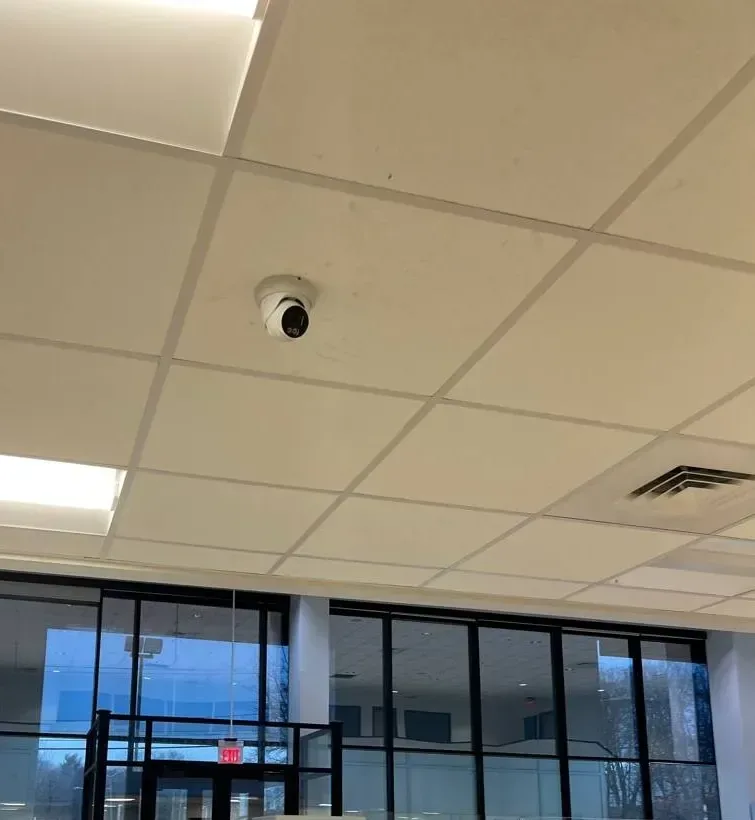
Camera integration in an NYC co-op intercom upgrade: small dome camera on a white drop ceiling facing glass entry doors and windows of a vestibule
A small dome camera set in a white drop ceiling, looking toward a glass entry vestibule and its doors. Pairing a camera with the intercom lets the managing agent see who was let in when a shareholder reports a problem.

Training

We train the super and the managing agent at handover and leave printed instructions for residents. For buildings with many older shareholders, a short session in the lobby on cutover day, where residents can try the new apartment station or phone calling with someone beside them, prevents most of the calls the agent would otherwise get in the first week.

Field notes from our surveys

On almost every co-op survey we find the same three things, whatever the borough. First, the cellar holds more than one generation of power supplies, often wired together by different companies over the years, and nobody has a current map of which one feeds what. Second, at least one riser line has a splice or a junction box that was opened during an apartment renovation and closed again without anyone telling the super. Third, the directory is out of date — names of shareholders who sold years ago, and new shareholders who were never added. None of those is expensive to find, and each changes what the board should buy. That is why we ask boards to let us test before we quote, and why our proposal opens with what we found rather than with equipment. These are general observations from our crews' work, not descriptions of any particular building.

Complete Services

Every Service Behind a Co-op Intercom Upgrade

Intercom installation in NYC

New audio, video, phone-calling and IP systems for multi-unit buildings.

Intercom repair in NYC

Diagnosis and repair of existing systems, starting with the service call.

Door buzzer repair

Releases, strikes, transformers and apartment buttons.

Apartment intercom systems

Intercom options for rental and mixed apartment buildings.

Access control

Fobs, cards, keypads and mobile credentials at every door.

Elevator access control

Floor restrictions coordinated with the elevator company.

Apartment building cameras

Lobby, vestibule, mailroom and cellar coverage.

Structured cabling

Riser and Cat6 work behind IP intercoms and readers.

Buzzer repair pricing

The published component ranges used in this guide.

FAQ

Co-op Board Intercom Upgrade FAQ

Is this guide legal or financial advice for our co-op board?
+

No. It explains how co-op intercom upgrades typically work and cites the rules and articles it relies on, but your co-op's bylaws, proprietary lease and house rules decide who approves what and how it is paid for. The board's counsel and accountant should confirm anything that affects approval, funding or shareholder charges.

Will you write the RFP for our board, or only bid on it?
+

We bid on it. A contractor that also writes the specification it bids against has an obvious conflict, so boards that want an independent document usually ask their engineer, an owner's representative or the managing agent to write it. Our survey report describes the building in enough detail that the agent can reuse that description in an RFP sent to other bidders as well.

Is the building survey free if the board only wants a replacement proposal?
+

Yes. The on-site assessment is free when it leads to a proposal for a new system we would supply and install. A diagnosis of the existing system, or a repair, starts with the $250 service call, which counts toward the work if more is needed.

Can you price work from a scope written by our engineer or owner's rep?
+

Yes. We survey the building against the scope, price it in the format requested and list any assumptions separately, such as cable we could not test or doors outside the scope, so the managing agent can level our bid against the others without guessing.

How should a bid show the intercom's recurring fees?
+

On its own line, with the amount, what it is charged per (door, apartment or building), how often, the term, and who sets the price. Ask each bidder to project those fees over the same number of years so the treasurer compares totals rather than first-year prices.

What happens to the service contract we have with our current intercom company?
+

That depends on the contract's own notice and termination terms, which the managing agent should check before the new system is ordered. We can schedule the cutover around the end of the old agreement so the building is never left without someone responsible for the door.

Does Abstract Enterprises Security Systems hold manufacturer certifications for the systems it installs?
+

No. We make no claim of manufacturer certification or of dealer or partner status with any brand. What we hold is a New York State low-voltage contractor license, #12000287431, plus general liability coverage; the insurance certificate listing the co-op and its managing agent follows the award of the job.

Can a new intercom connect to a virtual doorman provider the co-op hires later?
+

Usually, if the board says so in the scope. Many entry panels can route calls to an outside answering service and share a camera view, and planning for it now avoids buying a panel that cannot. We install and connect the building equipment; the provider supplies the remote staff under its own contract, and we do not operate that service.

How early should the board start if it wants the new intercom working before winter?
+

Start the diagnosis and survey in late spring or early summer. That leaves time for a board discussion, a bid round, the award, equipment orders after the deposit and shareholder notice before the cold months, when a dead buzzer or a propped door causes the most trouble.

Can one proposal cover two co-op buildings that share a managing agent?
+

Yes. We survey each building and can present them in one proposal with separate prices per building, which lets each board vote on its own share. If the buildings use the same system, the managing agent also gets one login and one routine for directory changes across both.

Who should be the board's single point of contact during the project?
+

Usually the managing agent, with one board member named as backup for decisions that cannot wait for a meeting, such as a change in the apartment visit schedule. One contact keeps instructions consistent for the crew and gives shareholders one place to send questions.

Related Guides

Co-op Security Pages and Intercom Guides

This guide covers the intercom decision. For the rest of a co-op's building security — fobs, cameras, elevator access and door buzzers — see our audience pages for co-op security systems in NYC, co-op security systems on Long Island and co-op security systems in the Hudson Valley. For the equipment itself, start with intercom installation in New York City or, if the current system has simply stopped working, intercom repair in New York City. Brand comparisons: Akuvox vs ButterflyMX and DoorBird vs 2N. Back to the Abstract Enterprises Security Systems home page.