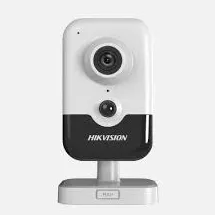
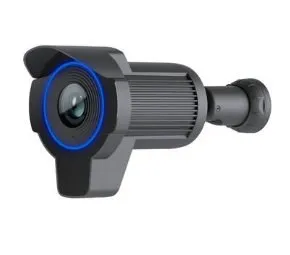
Any Brand, Any Installer · Footage Saved Before Anything Is Touched · Cause Explained and Price Written First · Brooklyn Rate
Security camera repair in Mapleton starts with our $150 Brooklyn service call, which pays for the on-site diagnosis and is credited to the repair if you go ahead. On our published Brooklyn list most single faults cost $150 to $700, and a recorder replacement or a rewire of several cameras runs $700 to $1,500. We fix systems other companies put in: the porch and yard cameras on a 1910s house a few blocks from the 18th Avenue or 20th Avenue station, the entrance camera on a new three-unit building, and the counter and back-door cameras of a store in one of the 1931 rows on 18th Avenue. Requests are booked within 2 hours, visits come in two-hour arrival windows, and you hear what failed and get a written price before any part is replaced.
Reviewed and updated November 12, 2026, against News 12 Brooklyn's October 2, 2026 report on the overnight armed robbery caught on surveillance video at a convenience store near 17th Avenue and 74th Street, and its November 11, 2026 reports on the Borough Park robbery images, the 66th Precinct's robbery count and the Storm Watch forecast; the NYPD Crime Stoppers appeal for video of a grand larceny in front of 1689 60th Street; the NYPD's 62nd and 66th Precinct pages; New York YIMBY's reports on 1490 McDonald Avenue, 4911 19th Avenue and 1811–1815 60th Street; Marketproof's permit filings for 5602 18th Avenue, 1983 54th Street and 2145 58th Street; Wikipedia's Mapleton and 20th Avenue station articles; Forgotten New York's 2020 Mapleton walk; the Brooklyn Public Library; the Landmarks Preservation Commission's permit guidebook; HomeAdvisor's Brooklyn cost page; New York Labor Law §203-c; and the New York Department of State on security and CCTV installer licensing. · Abstract Enterprises Security Systems, NYS license #12000287431 · crews dispatched from our Troy Avenue office in Brooklyn

Owner-operated since 2002 · Thousands of jobs completed · Booked within 2 hours
Security camera repair in Mapleton usually means getting a system that already hangs on the building to record clearly again, especially in the hours when it matters most, after dark. In mid-November the sun sets in Brooklyn at about 4:41 in the afternoon and does not rise until about 6:37, which means that more than half of every day, and the busiest stretch of the evening on 18th Avenue, 20th Avenue and Bay Parkway, is recorded under streetlights, headlights and store signs. Most of the calls we take start the same way: something happened on the block, someone went to the recorder, and the camera that should have seen it was dark, grainy, smeared, aimed at the wrong place or not saving. The first job on every visit is to copy whatever footage is still on the drive. The second is to find why the system failed: a power supply or switch that quit after an outage, a connector at the camera that took in water, a hard drive worn out on a damp cellar shelf, a cable shaken loose or cut by work on the house next door, or a night picture that was never set up for the street it faces. Send a photo of the recorder screen to (347) 934-8335 or on WhatsApp, and we will tell you the likely fault and what that kind of repair costs on our Brooklyn list before you book anything.
Mapleton is a small, mostly residential neighborhood in southwest Brooklyn, usually drawn between 16th Avenue and Dahill Road and between 57th and 65th Streets, with residents on the northern blocks often saying they live in Borough Park and those south of 60th Street often saying Bensonhurst. It grew out of farmland after 1910, when the Sea Beach line was being built through it; the line opened in June 1915 with stations at 18th Avenue, 20th Avenue and Bay Parkway, and the N train still runs there in an open cut between 63rd and 64th Streets. The houses that went up in those years, one- and two-family houses in brick or clapboard, many with front porches, still make up most of the side streets. Along 18th Avenue are low store rows and three-story buildings with apartments over shops, several of them dated 1931 in property listings. A 2012 New York Times profile counted about 27,000 residents and described a mix of Chinese and other Asian families, Orthodox Jewish families, Italian Americans, Poles, Latinos, Pakistanis and Russians. For camera work, that means a great many owner-occupied houses with a system someone in the family put in or paid for, a great many small stores with one recorder in the back, and very few buildings with a super or an IT person watching the screen.
The first reason those systems need attention is the season. A camera that looks fine at lunchtime is judged by what it records at 5:30 in the evening, when a person on the sidewalk is lit from one side by a streetlight and from the other by passing headlights. On November 11, 2026, News 12 Brooklyn reported that police had released images of four people wanted for a robbery with a machete on a commercial stretch of Borough Park between Fort Hamilton Parkway and New Utrecht Avenue, a short way north of Mapleton. Police said it happened at about 5:55 p.m. on November 7, more than an hour after sunset. The same report gave the 66th Precinct's count of robberies so far in 2026 as 82, against 87 the year before. Fewer, but not few, and in a report like that one the pictures police release come from cameras on private buildings, recorded in the dark. A camera that switches to a grainy black-and-white picture while the avenue is still busy, or that glows white every time a car turns the corner, is the most common fixable problem we see.
The second reason is the hours when nobody is watching at all. On October 2, 2026, News 12 reported an armed robbery just before 2 a.m. at a convenience store near 17th Avenue and 74th Street, a few blocks south of Mapleton along the same avenue. The manager, Ismail Hossain, was working alone. Surveillance video showed the man confronting him, shoving him and forcing him to open the register, and showed a customer walking up to make a purchase in the middle of it, apparently unaware. Police said at least $2,500 was taken, and employees said the man had been a customer before. "I'm feeling like everyone is coming to rob me," Hossain told News 12. The camera did its job that night: the robbery was recorded, and that recording is what police and the public had to work from. For a store owner on 18th Avenue or 20th Avenue running a late shift with one person behind the counter, a repair is about making sure that is true on every night, not only the nights someone happens to check.

The third reason is that the blocks are being rebuilt one lot at a time. Permit filings and New York YIMBY reports from 2024 to 2026 describe new buildings at 5602 18th Avenue, 1983 54th Street, 2145 58th Street, 1811–1815 60th Street, 4911 19th Avenue and 1490 McDonald Avenue. For the house or store beside each lot, that means months of demolition, excavation, dust and site lighting next to cameras aimed and wired for a quiet street, and many repairs we do here are caused not by the camera but by the building next to it.
The fourth reason is ownership. Many Mapleton systems were set up on one family member's phone, put in by a small installer who has since closed, or inherited with a house or a lease. The cameras work, but nobody can log in, nobody knows which cable goes where, and nobody is told when a camera drops. A house with a camera at the front door often pairs it with a video intercom or door buzzer, and we can look at both on the same visit.
Urgent camera calls from Mapleton tend to come in three kinds. The first is the after-incident call: a car was opened on the block, a package went from a porch, money went from a register, or a stranger was seen trying doors, and the owner needs the video tonight. The second is the after-weather call: a storm came through, the power flickered or went out, and when it came back the recorder did not, or half the cameras are missing from the screen, or one is filled with water. With News 12 forecasting a nor'easter this week, with one to two inches of rain, gusts of 20 to 30 miles an hour and a few near 35, and temperatures falling into the upper 30s at night afterward, we expect the second kind to pick up. The third is the slow fade: a camera that stopped weeks ago that nobody noticed until the day someone asked for footage.
If you need footage from an incident, leave the recorder running and do not restart it, unplug it or let anyone reset it. Most recorders record over their oldest video once the drive is full, so the clock is already running on the clip you need, and a restart can hide the fault that caused a gap. Call (347) 934-8335, give us the date and the time window, and we book the visit with saving that footage as the first task. If a detective has asked for a copy, tell us which precinct and the case or complaint number when you book; the export goes to USB with the recorder's original timestamps, and we write down what time the recorder showed against the real time so nobody argues later about when it happened.
For everything else, the $150 service call books a two-hour arrival window, the technician finds the cause, and you get a written price before any part is replaced. Requests are booked within 2 hours; the repair itself is not promised the same day, because some parts have to be ordered, but most single-camera, power and drive faults are fixed on the first visit.
Every repair below is priced from our Brooklyn camera repair list. The service call pays for finding the fault; the repair itself is priced by what failed, how many cameras it touches and how hard the run is to reach, whether that is a porch camera on a two-story clapboard house off 19th Avenue or a roof camera on a new four-story building on 18th Avenue.
One camera with no picture, tested at the camera, along the cable and at the recorder, so only the failed part is replaced. On Mapleton houses the cause is often a plug-in adapter, a connector under the porch roof or the eaves, or a cable pinched where it passes a window frame, all of which cost far less than a new camera.
Cameras that turn grainy, blur every face or flare white under headlights once the street goes dark. We set the day-night switch point, shutter, exposure and infrared for the light that is actually on your block, and re-aim or change the lens where settings alone will not do it.
DVRs and NVRs on cellar shelves, in closets, under store counters and above hung ceilings that beep, restart, run hot or keep only a few days of video. Drives are tested and replaced by type and capacity, and footage that matters is copied off first.
Recorders on switched outlets, cameras on adapters that died in a surge, power boxes with a blown channel, PoE switches that power nothing after an outage and battery backups whose batteries gave out years ago. Each source is tested and replaced where needed.
Cables cut along a shared fence or wall, connectors shaken loose during excavation, lenses coated by demolition dust, views blocked by a new wall or scaffold, and night pictures washed out by site lights. We repair, re-aim or relocate, and document what we found if you need it for the builder.
Coax and network runs cracked by sun on a south-facing wall, chewed in a garage, crushed under a porch floor or spliced badly by a past owner. Repaired, re-terminated or replaced, then tested end to end before the camera goes back up.
Apps that lost the recorder after a new router, accounts tied to a relative's phone or a former tenant's email, and recorders whose admin password left with the installer. We restore access for the right person, change default passwords and set up the family or staff who need to see the cameras.
Clips copied to USB with their original timestamps for detectives from the 62nd or 66th Precinct, for insurers, landlords and neighbors, with a written note of any difference between the recorder clock and the real time.
Every camera on a house, building or store checked in daylight and after dark in one visit, with a written list of what works, what is failing and what each fix costs, so you can decide what comes first and what can wait until spring.

Six kinds of building account for nearly every camera repair we are asked to do in Mapleton. Each one fails in its own way, and each one decides where the recorder ends up, how the cables reach the cameras and who has to say yes before the work starts.
One- and two-story houses in brick or clapboard from the years around 1915, many with an open or enclosed front porch, a narrow side yard and a deep back yard. Cameras sit on porch ceilings, under eaves and on the back of the house, and the recorder is in the cellar.
An owner on one floor and a tenant or relatives on the other, sharing a front door, a cellar and often one camera system. The questions are who controls the recorder, who sees which cameras, and who gets called when one fails.
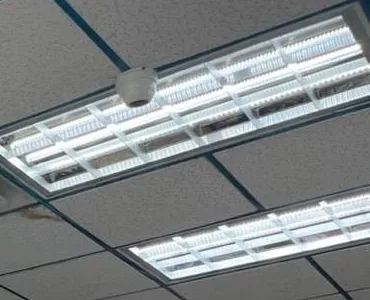
One-story stores on 18th Avenue and nearby corners, with a roll-down gate in front, a stock room behind, a hung ceiling over the sales floor and, sometimes, a crawl space that runs over the store next door.
Three-unit buildings with a shop at street level and apartments above, common on 18th Avenue. The landlord's cameras watch the stair and the hall, the tenant's cameras watch the store, and the two systems often share a cellar and a wall.
Three- and four-story buildings put up since the early 2020s on lots where a house or a low store stood, with a video intercom at the street door, a few common-area cameras and a recorder in a meter room or a closet off the lobby.
Schools, houses of worship, community facilities and the bigger buildings now planned along McDonald Avenue and 19th Avenue, with many doors, a yard or lot, and cameras looked after by a custodian, a volunteer or an outside company.
On a porch house the best camera positions are also the hardest to service. A porch-ceiling camera is close to the door, which is good for faces and bad for tampering; an eave camera sees the walk and the sidewalk but sits on a fascia board that has been painted, re-nailed and often covered with aluminum or vinyl siding. When one sags or drops out, the fault is usually the mount or the hidden cable path: screws that hold only the siding, a cable stapled into a gap that moves with the seasons, or a connector where the gutter overflows. We remount into solid wood or masonry, keep the connector dry under the eave and leave a drip loop. Inside, the cable drops to a recorder on a cellar shelf near the boiler, damp in summer and dusty all year, so we read the drive's health on every visit and move the recorder when heat or damp is wearing it out.
Many Mapleton two-families have one system the owner put in years ago, with the recorder in the cellar and the app on the owner's phone. When the tenant or a grown child upstairs needs to see the front door, someone shares the owner's login, and from then on nobody is sure who changed what. On a repair visit we put the system in the owner's name with a new admin password and create separate viewer accounts, limited to the right cameras where the equipment allows. If each household added its own cameras over the years, we trace which camera goes to which recorder and label both before we touch anything.
The low store rows along 18th Avenue were built as one long structure with separate storefronts, and many have a hung ceiling over the sales floor with an older ceiling above it; in some rows the space between connects with the space over the store next door. That is where we tend to find the recorder of a store that changed hands: above the tiles beside the lights, hot, dusty and reachable only by ladder, with cables that electricians working for the neighbor have cut. In front, the roll-down gate changes the window camera's picture twice a day, and at night its infrared bounces off the slats. Repairs usually mean bringing the recorder down to a cool, locked, reachable place, replacing cut runs, setting the window camera for both gate positions or moving it outside under the sign band, and aiming the counter camera at the customer's face.

The new buildings on Mapleton lots usually have decent equipment: network cameras, a recorder in a meter room or closet, a video intercom at the street door. What they often lack is paperwork. The builder's subcontractor set the system up under a company account, left default passwords and unlabeled cables, and handed over the keys without the recorder login. A year later a camera fails and the owners, sometimes three condo buyers who never met the installer, cannot log in. We establish who owns the system, recover the recorder through the manufacturer's owner process, put it in the owners' names, fix the camera and label every cable, so the next repair starts with a map.
Our technicians follow the same order on almost every Mapleton repair, because the houses and stores here fail in the same few places. Before anything else, we ask whether there is footage that must be saved, and if there is, it is exported to USB with its timestamps while the recorder is still running. Then we look at the recorder itself: where it sits, what it is plugged into, how hot it is, what the drive's health status says and what its log shows. On older houses the log tells us more than the cameras do. A recorder that shows a power loss every evening at the same time is almost always on a switched outlet, a timer or a circuit that trips when something else in the cellar starts; a recorder that shows one camera dropping for a few seconds at a time, many times a day, points to a loose connector or a cable moving somewhere along its path; a recorder that shows no recordings at all for a stretch of weeks usually had a full drive with overwrite turned off, or a drive that failed and was never replaced.
After the recorder, we walk the cables from the inside out, from the cellar or closet to where each cable leaves the building, and then to the camera. On porch houses we look hard where the cable passes the porch roof or the eave; on store rows, above the hung ceiling and behind the sign band; next to a construction site, the side facing the lot first. Only then do we touch the camera, and by then we usually know whether it is the problem or just where someone noticed it. The written price comes next.
Every year, in the weeks after the clocks go back, our camera calls change. In summer most of what an owner looks for happens in daylight. From early November until February, the evening rush on 18th Avenue, the walk home from the 20th Avenue and Bay Parkway stations, the after-school hours near the schools and the dinner trade on the avenues all happen in the dark. A camera that was set up on a spring afternoon, by someone looking at the picture in sunlight, now spends most of its working hours in conditions it was never adjusted for. These are the five night problems we fix most often in Mapleton, and what each repair involves.
Most cameras change from color to infrared black-and-white when the light falls below a set level. Out of the box, many make that switch early, while the street is still lit by stores, signs and streetlights and color would still be usable. The result is a grey, grainy picture from about four in the afternoon in which a red jacket and a blue jacket look the same. On a repair visit we look at what light is actually on your block at five and at eight in the evening and move the switch point, or set the camera to stay in color with its own white light or a nearby light where the camera supports it. On many recorders this is a settings change with no parts.
On corners and on the avenues, a camera facing the street is hit by headlights every few seconds. If its exposure is set for the dark, each car flares the whole picture white and the camera takes a moment to recover, which is exactly when the person on the sidewalk walks through. The fix is usually a faster shutter, backlight or highlight compensation and a slightly different aim, so the camera looks along the sidewalk toward the door rather than straight into traffic. For a store, it can mean a second camera inside the door that sees faces without the street behind them.

The October robbery near 17th Avenue and 74th Street happened just before 2 a.m., with one person working. For a Mapleton store open late, or a house where the family is asleep, the camera's job in those hours is to record clearly and to tell someone if it stops. We check that the counter camera shows the face of the person standing at it, that the door camera catches people coming in rather than leaving, that the recorder is somewhere a robber cannot carry it off, and that the system sends an alert to the owner's phone if a camera goes dark or the drive stops writing. None of that is new equipment in most stores. It is aim, settings and a few minutes of testing at the hour when it matters.
Mapleton's rebuilding is happening one or two lots at a time, which means the people most affected by any one project are the owners on either side of it. The filings show the pattern: a one-story 1931 store at 5602 18th Avenue to be replaced by a four-story building, three-story buildings filed at 1983 54th Street and 2145 58th Street, one near completion at 1811–1815 60th Street, a nine-story community facility at 4911 19th Avenue, and a ten-story mixed-use building planned at 1490 McDonald Avenue, which New York YIMBY describes as a 29,500-square-foot trapezoidal lot bounded by Washington Cemetery to the north, Avenue M to the south and McDonald Avenue to the east. Each project brings a demolition, an excavation, a foundation, a frame going up and, at the end, a new wall and new lights next to someone's cameras. Here is what each stage tends to do to the system next door, and what we do about it.
If your house shares a wall, a fence or a narrow side yard with a lot that is about to be cleared, the most useful thing your cameras can do is show what your property looked like before the work started and record what happens during it. Before the crew arrives we can aim a side or rear camera at the shared wall, the roof line or the fence, set it to record continuously during working hours rather than only on motion, and make sure the drive holds enough days that a dispute about damage in week three can still be checked against video from week one. We also photograph and note the condition of the cameras and cables on that side, so if one is damaged later there is a clear record of how it was before. This is not legal advice, and an engineer or a lawyer handles damage claims; our part is to make sure the cameras are pointed, set and saving.
When a site is excavated and the foundation goes in, the ground and the neighboring walls move slightly with every machine. A connector that was barely making contact, a crimp done badly years ago, or a cable pulled tight around a corner will start dropping the picture for a few seconds at a time. The recorder logs it as video loss; the owner sees a camera that blinks on and off. We read the log to see when the drops happen, then re-terminate the connectors, add slack where a cable is pulled tight, secure loose runs and test the camera while the machines are running if we can. If a cable along a shared fence or wall was cut outright, we replace that section and route it away from the site, and we give you a written note of the damage and the repair.
When a new building is finished it usually comes with bright wall lights, a lit entrance and its own cameras. Bright light pointed across a lot line can wash out the night picture of the camera next door, and a new building's cameras may now overlook your yard. A repair here is about settings and aim: reducing the camera's exposure to the new light, angling it so the light source is out of frame, or using the extra light to keep the camera in color all night. If a neighbor's camera seems to look straight into your windows, that is a conversation with the neighbor or the managing agent, not something we change on their building without permission.

Mapleton sits where official maps disagree. The NYPD's 62nd Precinct, based at 1925 Bath Avenue, lists Bensonhurst, Mapleton and Bath Beach as its neighborhoods. The 66th Precinct, whose station house is at 5822 16th Avenue on Mapleton's western edge, serves Borough Park, Midwood and Kensington. Community Board 11 covers Mapleton up to 61st Street, where Community Board 12, Borough Park's board, begins. Real estate listings and residents use Mapleton, Borough Park and Bensonhurst for the same blocks. When an NYPD Crime Stoppers appeal went out for a man wanted for a grand larceny in front of 1689 60th Street just after midnight on February 19, 2020, it was tagged both #Mapleton and #NYPD66pct. None of that matters until a detective calls asking for video, and then it matters a great deal that the clip is right, the time is right and the copy reaches the person who asked.
Whichever precinct is investigating, the recorder is already counting down. Many home recorders in Mapleton keep somewhere between a week and a month of video before recording over the oldest, and a system with a small or failing drive may keep only days. The first step is to export the clip, with some time before and after the incident, to a USB drive while the recorder is running normally. We write the camera name, the start and end times shown on the recorder, the real time at the moment of export and any difference between them on the label, so the detective can line up your clip with other cameras on the block. If you are not sure which precinct is handling it, the officer's card or the complaint report will say, and you can confirm with the precinct before handing anything over.
Mapleton's businesses are small and mostly owner-run: groceries and fruit stores, bakeries and restaurants, pharmacies and medical offices, hardware and household stores, salons, phone and electronics shops, travel agencies, tax and insurance offices, and the schools and houses of worship on and off the avenues. Their camera systems are usually one recorder with four to sixteen cameras, bought or upgraded piece by piece. When something happens, the owner needs the clip that night, and the repair has to fit around opening hours and delivery times.
The main shopping street, served by the 18th Avenue stations on the N in the cut and the F on McDonald Avenue. One-story 1931 store rows and three-story buildings with apartments above, with roll-down gates, hung ceilings and recorders that have changed hands with the lease. Several lots here are being rebuilt.
Shops, offices and food businesses on the way to the 20th Avenue station and Franklin Delano Roosevelt High School. Busy at school dismissal and after dark, with many cameras aimed at doors that open onto crowded sidewalks.
A wider street with stores, offices and services near the Bay Parkway station and the main entrance of Washington Cemetery near McDonald Avenue. Traffic and headlights are the night picture's main problem here.
Shops and offices along the avenue that carries the 66th Precinct's station house at 5822 16th Avenue and the site at 60th Street where Maple Lanes, a 48-lane bowling alley opened in 1960, stood until it was sold in 2012.
Auto, contractor and wholesale businesses, offices and new mixed-use buildings along the elevated F, including the planned ten-story building at 1490 McDonald Avenue and a five-story office building filed at 1010 McDonald Avenue. Vibration and grime from the line and the traffic are part of every camera repair here.
Corner groceries, delis and convenience stores on 17th Avenue and the numbered streets, many open early and late with one person behind the counter. The October 2026 robbery near 17th Avenue and 74th Street, just south of Mapleton, was at one of these.

The robbery News 12 reported in October is a common shape for a late-night store call: one employee, a robber who had been in before, a customer who walked into the middle of it. For a store like that, a repair covers four things. The counter camera should show the face of the person at the register, from in front of the counter at head height, not the ceiling corner behind the cashier. The door camera should catch faces coming in. The recorder should be locked away from the counter. And the system should warn the owner by phone if a camera or the drive stops. Most of that is placement and settings on equipment the store already has.

State licensing. The New York Department of State licenses companies that install or service security systems, and its rules cover closed-circuit television used to watch for intrusion, theft or movement. An owner can work on their own system, or have an employee do it, without a license; a company working for someone else needs one. AESS works under NYS license #12000287431.
Cameras that watch staff. New York Labor Law §203-c requires employers who monitor employees electronically, including by video, to give written notice and get acknowledgment. If a repair adds or moves a camera that watches a stock room, a register or a back office, the notice should be updated.
Footage requests. Detectives may ask for a copy of a clip; a USB copy with original timestamps usually satisfies the request without the recorder leaving the store. Brick Underground's reporting on building footage notes that New York City does not require buildings to have working cameras, and that landlords generally are not obliged to show tenants footage outside a legal process.
Landmarks. We found no city historic district or individually designated landmark in Mapleton itself. If your building is designated, or you are not sure, ask us before the visit. The Landmarks Preservation Commission's permit guidebook says no permit is needed for ordinary maintenance and repair of existing safety and utility equipment; moving or adding equipment on a designated building follows its rules on where equipment may be attached.
These are the situations Mapleton homeowners, landlords, new-building owners and store owners describe when they call. Each answer is written for the houses, small buildings and storefronts here.
Yes, and it is best done before the first day of demolition. We aim a side or rear camera at the shared wall, the roof edge or the fence, switch it to record continuously during working hours instead of only on motion, and check that the drive holds enough weeks that early footage is still there if a problem shows up later. We also note the condition of your cameras and cables on that side. Damage claims themselves are for an engineer or a lawyer; our job is to make sure the video exists.
Usually a connector or a cable that was already marginal. Excavation and foundation work make the ground and nearby walls move slightly, and a loose crimp, a corroded plug or a cable pulled tight around a corner starts losing contact with each vibration. The recorder's log shows each dropout with a time, which tells us whether it follows the machines. We re-terminate the connectors, add slack, secure the run and retest, ideally while the site is working.
On most cameras, yes. The point where a camera changes from color to infrared night mode is a setting, and many are shipped to switch early. We watch the picture at dusk, look at how much light your block actually has from stores and streetlights, and move the switch point or set a delay so the camera stays in color while there is enough light. If the camera has its own white light, it can stay in color all night. Usually this is a settings fix with no parts.
Usually. The alerts come from the train's lights and movement crossing the bottom or edge of the picture. We re-aim the camera so the tracks are mostly out of frame, draw a motion or person-detection zone that covers only your yard and the fence line, and lower the sensitivity to changes in light. If the camera cannot tell a person from a passing light, a newer camera with person detection, wired to the same cable, ends the problem.
Quite possibly. The space over a hung ceiling traps heat from the lights and the roof, especially in a one-story store, and recorders and hard drives that run hot freeze, restart and wear out early. It is also hard to reach when you need a clip quickly. We check the drive's health and temperature, copy any footage you need, and move the recorder to a locked cabinet or closet where it stays cool, extending the camera cables to meet it.
Yes. A small monitor in the back room can show the counter and door cameras live from the same recorder, with nothing visible on the sales floor. We check that those two cameras show faces, that the recorder itself is locked away from the counter, and that the owner's phone can see the store too. If the clerk needs a way to call for help, that is a panic button on an alarm system, which we can price separately.
It may have. Every time someone turned off the cellar light, the recorder lost power in the middle of writing, which can corrupt recordings and wear the drive. We move the recorder to an always-on outlet, ideally with a battery backup, check the drive's health and replace it if it shows errors, and confirm the recorder resumes on its own after a power loss. It is a common find in houses of this age.
Yes. The on-screen date, time and camera name can be moved to a corner of the picture, made smaller or, on some recorders, kept in the recording without covering the image. We move it to a part of the frame where nothing important happens, such as the sky or a wall, and check that exported clips still show the date and time.
The officer who responds, the card you are given or the complaint report will name the precinct, and the NYPD's precinct finder shows which one covers your address. The 62nd lists Mapleton among its neighborhoods, and the 66th's station house is at 5822 16th Avenue. Whichever it is, save the clip first and hand a copy to the detective who asks. We label it with the camera, the times and the clock difference.
Usually, if each recorder's clock difference is known. Compare each recorder's clock with a phone and write down how far off it is, then adjust the times on each clip by that amount. Something visible in several clips, such as a passing bus or a car's lights, helps confirm the match. On a repair visit we set your recorder to keep accurate time from the internet and correct its daylight saving setting so this does not happen again.
We repair whatever is on the building, whoever put it there. These are the kinds of equipment we find on Mapleton houses, small buildings and stores, and the faults each one tends to develop here.
Cameras with round BNC connectors, from old analog to high-definition models, still common on houses wired ten or more years ago. Typical faults: water in connectors under the porch roof, failed plug-in adapters and worn infrared.
Cameras on a single network cable that carries both power and picture. Typical faults: dead switch ports after a power event, connectors loosened by vibration, and cameras that lose their address when the router changes.
The boxes on the cellar shelf or in the back room. Typical faults: failing drives, overwrite turned off, wrong clocks, overheating above ceilings and in closets, and software that stopped talking to the phone app.
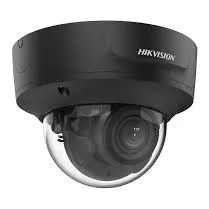
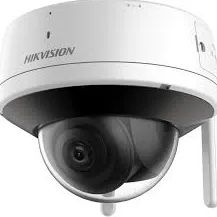
Cameras with an adjustable zoom, used for porches, store doors and driveways. Typical faults: focus that drifts with temperature, zoom set too wide to recognize anyone, and domes scratched or filmed over.
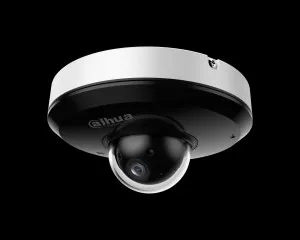
Cameras that turn or see a full circle, common in stores and small lobbies. Typical faults: motors that stick, presets lost after a power cut, and a stretched picture when the viewing mode is set wrong.
Consumer cameras put up as quick additions. Typical faults: signal blocked by brick or a new wall next door, batteries that drain faster in winter, and accounts tied to someone who moved away.
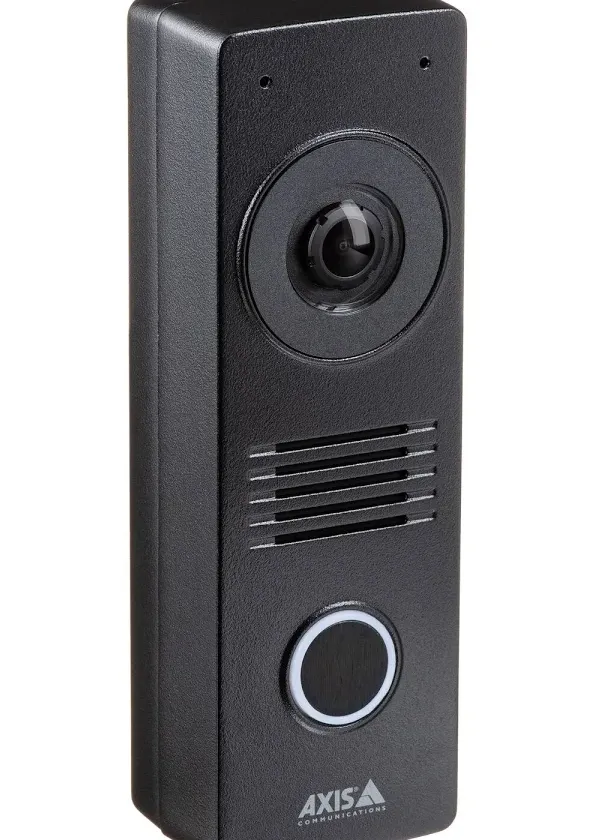
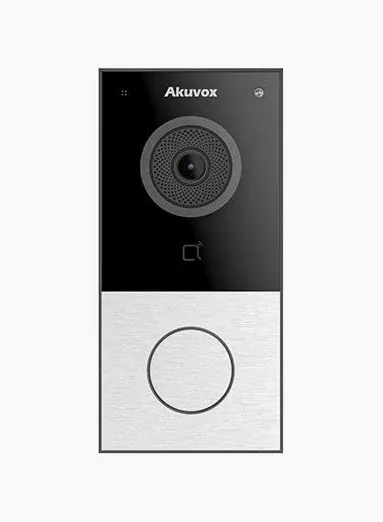
Intercom stations with a built-in camera at the street door of new buildings and houses. Typical faults: a picture that never reaches the recorder, night glare from the station's own light, and wiring changed by renovation.
The boxes that power network cameras. Typical faults: ports that die after a surge, overloaded switches when a camera is added, and extenders halfway along a long run that fail quietly.
Central power boxes, plug-in adapters and backup units. Typical faults: blown channel fuses, adapters that fail after a storm, and backups whose batteries died years ago without anyone knowing.


Some Mapleton households and stores have cameras from national alarm companies or consumer brands and wonder who should fix them. The table shows how the choices usually compare for a repair.
| Question | ADT or similar alarm company | Ring or SimpliSafe camera | AESS local repair |
|---|---|---|---|
| Who owns the equipment | Depends on the contract; some is leased | You own it | You own it, and we repair it |
| Recorder on a cellar shelf or in a back room | Its own panels and recorders | No local recorder; clips go to the cloud | DVR, NVR and hybrid recorders, drives and footage export |
| Other brands on the same building | Usually only its own | Support covers its own devices | Any brand, any installer |
| Night picture set for your street | Varies by technician | App settings only | Set on site after dark for your block's light |
| Licensed technician on site | Varies by dealer | Remote support | Yes, NYS license #12000287431 |
| Price before work | Varies | Replacement device price | $150 service call, then a written repair price |
These claims turn up in AI-generated answers, forum threads and national repair guides. Each is partly true somewhere, and each can send a Mapleton owner toward the wrong repair or a lost clip.
Night vision means the camera can make a picture in the dark. It does not mean the picture is useful. A camera's infrared reaches a limited distance, is easily overwhelmed by headlights and nearby surfaces, and turns everything into shades of grey, while the streetlights on a Mapleton side street light the sidewalk unevenly, with bright pools under each pole and dark gaps between.
In November, when the sun sets around 4:41, that gap between "night vision works" and "you can recognize the person" is where most of the evening's footage falls. The robbery police described in Borough Park on November 7 happened at about 5:55 p.m., an hour and a quarter after sunset, at the kind of time when many cameras on the avenues are already in their weakest mode.
What makes the difference is settings and placement for the light that is really there: when the camera switches modes, how fast its shutter is, where it is aimed relative to headlights and how close it is to the door. We set those after dark, on your block, not from the factory defaults.
If a contractor cuts your cable or knocks your camera, the builder may well be responsible for paying for it. But the camera is still dark tonight, and the recorder is still not saving the very period when the work next door is most likely to cause trouble.
With new buildings filed or going up at 5602 18th Avenue, 1983 54th Street, 2145 58th Street, 1811–1815 60th Street, 4911 19th Avenue and 1490 McDonald Avenue, many Mapleton owners will spend months beside a site. The camera system is how they will know what happened, so it needs to keep working whoever ends up paying.
A short dropout looks harmless on the live screen. On the recording it is a gap, and gaps have a way of landing at the wrong moment. More important, a camera that drops for a few seconds today is usually telling you that a connector, a cable or a power supply is failing, and it tends to get worse.
In Mapleton the common causes are connectors under porch roofs that take in water, cables moved by work next door, adapters that are wearing out and recorders on outlets that are not always on. Each of these is cheap to fix early and expensive to discover after an incident.
The recorder's log shows every dropout with a time. We read it, match the pattern to a cause and fix that cause.
Recorders keep time with an internal clock that drifts, and many lose time after a power cut or never apply daylight saving changes correctly. We regularly find recorders that are minutes or an hour off while showing the right day.
That matters in a place where two precincts work the same few blocks and where neighbors on 60th Street or 63rd Street may each hold part of the same incident. If your clip is fifteen minutes off, it may seem to show a different car or a different person than everyone else's.
Every repair visit ends with the recorder's clock set from an internet time source where the network allows, with the time zone and daylight saving rule checked against a phone.
Phone advice can be free, and ours is: send a photo of the recorder screen and we will tell you what we think is wrong. An on-site diagnosis is a technician's time at your property with test equipment, and it is priced everywhere. Impera Security's Brooklyn page, for example, lists a $250 standard diagnostic service call, payable on completion.
Our Brooklyn service call is $150, and it is credited to the repair if you go ahead. That covers the diagnosis, the written price and, often, the repair itself when the fault is a setting, a password or a connector.
Wireless cameras still need power, and on a century-old house the power has to come from an outlet, a battery or a cable anyway. They also need a strong signal, and Wi-Fi does not pass well through the brick, plaster and stone of older houses, or through the new block or concrete wall of the building going up next door.
If you already have cables to your camera positions, the cheapest reliable repair is almost always to keep using them. Where a wireless camera makes sense, for example on a detached garage where no cable can reach, we set it up with a signal path that will hold.
Sometimes it is. A twelve-year-old analog system with failing cameras and an unsupported recorder may not be worth fixing, and we will say so. But many Mapleton systems are only a few years old and have one failed drive, one bad power supply or one cable cut by a contractor.
HomeAdvisor's Brooklyn page puts the average surveillance camera install or repair at $1,416, with a typical range of $680 to $2,145, and that figure mixes complete new systems with small fixes. A single repair on our Brooklyn list usually lands between $150 and $700.
Find the cause first. The $150 service call tells you what failed and what will work with your system, and the written price lets you compare our part against one you buy yourself. We also fit customer-supplied equipment at labor-only rates.
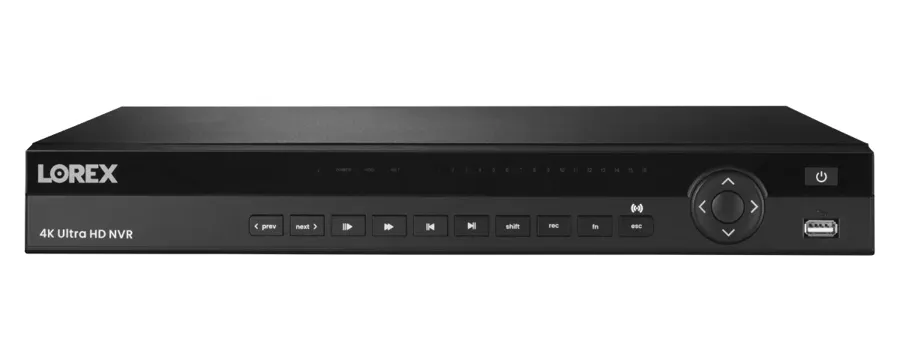
If you are not sure whether the problem is the camera, the cable, the recorder, the network or the power, a short call or a photo can save you money and footage. Call now at (347) 934-8335, send a fast quote request, or send a photo of the recorder screen to a tech on WhatsApp. Same-day estimates are available on most days, and requests are booked within 2 hours.
Tell us the cross streets, the type of building, how many cameras there are, which ones are out, and where the recorder sits. If you need footage from a particular date, say so and we will plan the visit around saving it. If construction has started next door, mention it, because it changes what we bring. Photos of the recorder screen, the dark cameras, the power supply and the cellar shelf or back room help us bring the right parts. For anything urgent, call (347) 934-8335 now.

A photo of the recorder or phone app with the dark cameras, the Mapleton cross streets and the type of building, by text, WhatsApp or the request form. Tell us if you need footage from a particular night, and whether work is going on next door.
Homeowner, landlord, store tenant, the unit owners of a small condo or the builder of a new building: we confirm who approves the work and who holds the recorder login, so nothing stalls on the day.
The $150 Brooklyn service call puts the visit on the schedule in a two-hour arrival window and is credited to the repair if you go ahead.
Any clip that matters is exported to USB with its original timestamps before anything is restarted, unplugged or opened, and the recorder's clock is checked against the real time.
The outlet and whatever switches it, the battery backup, the power supply or PoE switch, the cables and connectors, the recorder and drive, then the app, camera by camera, starting from the cellar shelf or the back room.
You hear what failed and why, and get a written, itemized repair price before any part is replaced. If the price changes on site, you hear it first.
The failed part is repaired or replaced, and every camera is checked for picture and recording, including after dark under the real street, yard and store lighting, with the day-night switch set for the season.
Cables are labeled at the recorder, logins go to the right people, alerts for video loss and drive errors are turned on, and you are shown how to export a clip yourself.
The open-cut N station between 63rd and 64th Streets, opened June 22, 1915, with two side platforms and its entrance at the east end; the 18th Avenue and Bay Parkway stations sit on the same cut.
The 6.38-acre park on 18th Avenue between 56th and 57th Streets, opened in 1917 and renovated in 2016, with ball fields, basketball and handball courts and playgrounds.
The high school on 20th Avenue near 59th Street, whose arrivals and dismissals fill the avenue's sidewalks twice a day.
The Brooklyn Public Library branch at 1702 60th Street, in its building since 1955 and closed for a renovation of its roof, facade, heating and safety systems, with reopening projected for 2026.
The burial ground in use since the mid-1850s, about 100 acres split into sections by 20th and 21st Avenues, Bay Parkway and McDonald Avenue, with its main entrance on Bay Parkway near McDonald Avenue.
The Brooklyn Public Library branch at 5902 23rd Avenue, opened in 1970, on the eastern side of the neighborhood toward Bay Parkway.
We also serve the neighborhoods around Mapleton, including Borough Park, Bensonhurst, Gravesend and Bath Beach, at the same Brooklyn rate. Our Borough Park security camera repair page covers the blocks to the north, our Bensonhurst security camera repair page covers the avenues to the south and west, our Gravesend camera repair page covers the houses beyond McDonald Avenue, and the whole borough is on our Brooklyn security camera repair page.
Mapleton is billed at our Brooklyn rate. Every repair starts with the $150 service call, which covers the on-site diagnosis and is credited to the repair if you go ahead. The figures below come from our published list of Brooklyn security camera repair prices; your exact price is written down on the visit, once we know what failed.
| Repair | Brooklyn price |
|---|---|
| Service call, on-site diagnosis and written repair price | $150, credited to the repair |
| Night switch, motion, alert, clock, app or login settings with no parts | Usually within the $150 service call |
| Clean and check for a blurry or dusty picture | $80 |
| Connector reterminate or PoE port swap | $150–$350 |
| Power supply repair | $150–$400 |
| Dome or front cover replacement | $30–$80 part plus labor |
| Indoor camera repair | $200–$450 |
| Hard drive swap, by capacity | $200–$450 |
| Single camera replacement on a working system | $250–$600 |
| Outdoor camera body replacement with weatherproofing | $250–$600 |
| Night vision camera repair | $250–$650 |
| DVR not working, including drive and labor | $300–$700 |
| NVR not recording, by model | $400–$900 |
| Vandalized camera, per camera plus cable repair | $400–$900 |
| PTZ camera repair | $450–$1,200 |
| Hybrid recorder swap, channels reconfigured | $700–$1,200 |
| DVR/NVR replacement with drive, or multi-camera wiring repair | $700–$1,500 |
| Full rewire or whole-building overhaul | From $1,500 |
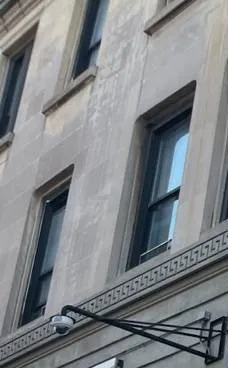
Four things move a Mapleton repair within those ranges. The first is reach: a camera on a porch ceiling or over a store door takes minutes, while one under the top eave of a three-story building, on a long arm over a stone facade or above a hung ceiling in a crowded store takes ladders and time. The second is how many runs failed: one cable cut by a window installer is a small job, while several runs damaged along a fence beside a construction site are priced run by run. The third is the recorder: one that has to come down from above a ceiling, move away from a boiler or be untangled from a second system in the same building adds setup and tracing. The fourth is after-dark testing: where the main complaint is the night picture, we set and check it after sunset, which in November can mean scheduling the end of the visit for the early evening. If the price changes on site, you hear the new number before the work goes on. Bundling the camera repair with intercom, alarm or cabling work on the same visit saves $200 to $400 in labor on our Brooklyn list.
Full terms — including 50% deposit, one-year parts-only warranty on AESS-supplied products, and the late-fee schedule — are set out in the service agreement.Three ways Mapleton repairs usually come together, priced from our Brooklyn list.
One fault, one visit: a cable cut by a contractor replaced, a power supply or switch port replaced after a storm, a recorder moved off a switched outlet, a worn drive swapped, a night picture set for the season, or a login recovered. Typical for a porch house, a two-family or a small store on 18th Avenue with one camera or one recorder problem.
The recorder or the wiring: a DVR or NVR replaced with a new drive and the cameras reconfigured, a recorder brought down from a hot ceiling and rewired, or several runs replaced after work next door. Typical for a three-story building with a store below, a new building with no paperwork, or a store after a bad outage.
Every camera checked by day and after dark, lenses and domes cleaned, connectors and power tested, the drive's health read, backup batteries checked, the clock and daylight saving setting corrected, alerts confirmed and footage export tested. Residences start at $250, commercial properties at $400, and owners with several buildings run $500 to $800.
Bring your own equipment. If you have already bought a replacement camera or recorder, we can fit it at labor-only rates. Tell us the exact model and we quote the labor by phone or text, and the visit is booked once it is paid. Your own equipment is installed as supplied: we cannot vouch for parts we did not supply, and if a model will not work with your recorder, will struggle on Wi-Fi through brick or a new wall next door, or cannot handle the night lighting where it is going, we tell you before the visit.
Dark cameras, cables cut by window installers or construction crews, and connectors full of water under porch roofs and eaves. Request a repair
DVRs, NVRs and hybrids on cellar shelves, in back rooms and above ceilings, including recorders that lose power on switched outlets. Brooklyn security camera repair
The full list behind every number on this page. Security camera repair prices in Brooklyn
Owners and managing agents with buildings in more than one borough. NYC security camera repair
Most single-fault repairs on a house, such as a power supply, a connector, a drive or a settings problem, take one to two hours including the footage export and testing. A recorder replacement or several cable runs can take most of a day. If the main complaint is the night picture, part of the visit happens after sunset so the camera can be set under real conditions.
No. The service call covers the diagnosis and is credited to the repair. When a part has to be ordered, the return visit to fit it is part of the written repair price you already agreed, not a second service call.
It stays with you. The old drive holds your recordings, so we hand it back rather than take it away. If you want it wiped or destroyed, we can show you how, or you can keep it as a record. Any footage you need is copied to USB before the drive comes out.
Yes. Old cameras and cable left on a house from a previous system can be removed on the same visit, and we tell you whether any old cable is worth keeping for a camera in the future. The holes are sealed so water cannot get into the wall. Removal is priced on the written estimate with the rest of the repair.
Usually. A photo of the back of the recorder shows whether the cameras connect with round BNC plugs, which means coax, or with network cables into a switch or the recorder, which means IP. A photo of a camera and its cable where it enters the wall helps too. Knowing which kind you have lets us bring the right parts.
Yes. We put the new camera on the same channel, give it the same name and restore its motion zones and recording schedule, so your screen layout and phone app look the same as before. If the old name was something like Camera 7, we can rename it to something useful, such as Front Steps or Back Door.
In most cases. Only the camera or recorder being worked on goes down, and usually only for minutes. Ladder work over a sales floor is done at a quiet hour or before opening, and a recorder swap is planned so the store is recording again before we leave. Tell us your busy hours when you book.
Yes, if the recorder has a free channel and there is a way to reach the new spot with cable or a reliable signal. We price the added camera separately on the written estimate. If the recorder is full, we tell you what a larger recorder or a small switch would cost so you can decide.
We fix the connection between the recorder and the screen, which is where most problems are: a loose or failed HDMI or VGA cable, the wrong output setting on the recorder, or a converter that died. If the monitor itself has failed, we tell you and can price a replacement screen that suits the recorder.
It helps but is not required. The installer's name can tell us how the system was set up and whether there is a warranty still running, but we repair systems from unknown installers every week. The recorder's model, a photo of the screen and access to the cellar or back room are what we really need.
Yes. On every repair we change any default passwords we find on the recorder and cameras, remove old user accounts that should no longer have access, and check whether the recorder is reachable from the internet in a way it should not be. Where the manufacturer offers a firmware update for a known problem, we tell you and install it if you agree.
Yes. You receive a written invoice listing what failed, what was repaired or replaced and the parts used, and we can add notes on camera names, cable labels and recorder settings. That record is useful for your insurer, a future sale of the house or a claim against a contractor who damaged the system.
Security Camera Repair Brooklyn | Same-Day | Brownstone Pros · Security Camera Repair NYC | Same-Day | Abstract Enterprises · Security Camera Repair Manhattan | Same-Day | Co-op COI · Security Camera Repair Queens | Same-Day | Driveway Pros · Security Camera Repair Bronx | Same-Day | Home Base · Security Camera Repair Staten Island | Same-Day | Sandy Zone · Security Camera Repair Long Island | Nassau & Suffolk · Security Camera Repair Hudson Valley | Westchester to Ulster · Security Camera Repair Nassau County | Same-Day · Security Camera Repair Suffolk County | Hamptons + East End · Security Camera Repair Westchester County | Same-Day · Security Camera Repair Rockland County NY | Nyack, Suffern · Security Camera Repair Orange County | Newburgh, Goshen · Security Camera Repair Putnam County NY | Carmel, Mahopac · Security Camera Repair Dutchess County | Poughkeepsie · Security Camera Repair Ulster County | Kingston Woodstock
Security Camera Repair Bath Beach Brooklyn NY · Security Camera Repair Bay Ridge Brooklyn NY | AESS · Security Camera Repair Bedford-Stuyvesant Brooklyn NY · Security Camera Repair Bensonhurst Brooklyn NY | AESS · Security Camera Repair Bergen Beach Brooklyn NY · Security Camera Repair Beverley Square Brooklyn NY · Security Camera Repair Boerum Hill Brooklyn NY · Security Camera Repair Borough Park Brooklyn NY · Security Camera Repair Brighton Beach Brooklyn NY · Security Camera Repair Brooklyn Chinatown Brooklyn NY · Security Camera Repair Brooklyn Heights, Brooklyn NY · Security Camera Repair Brooklyn Navy Yard, Brooklyn NY · Security Camera Repair Brownsville Brooklyn NY | AESS · Security Camera Repair Bushwick Brooklyn NY | AESS · Security Camera Repair Cadman Plaza Brooklyn NY · Security Camera Repair Coney Island Brooklyn NY · Security Camera Repair Crown Heights Brooklyn NY | AESS · Security Camera Repair Cypress Hills Brooklyn NY | AESS · Security Camera Repair Ditmas Park Brooklyn NY | AESS · Security Camera Repair Downtown Brooklyn NY | AESS · Security Camera Repair DUMBO Brooklyn NY | AESS · Security Camera Repair Dyker Heights Brooklyn NY | AESS · Security Camera Repair East Flatbush Brooklyn NY · Security Camera Repair East Williamsburg Brooklyn NY
Fire Alarm Installation Mapleton Brooklyn NY · Access Control Installation Mapleton Brooklyn NY · Alarm Installation Mapleton Brooklyn NY | Built to Rebuild · Structured Cabling Installation Mapleton Brooklyn NY · Door Buzzer Repair Mapleton Brooklyn NY | 4-Family Doors · Door Buzzer Installation Mapleton Brooklyn NY · TV Installation Mapleton Brooklyn · Intercom Installation Mapleton Brooklyn NY | AESS · Security Camera Installation Mapleton Brooklyn NY
Send a photo of the recorder screen or the camera that failed, the cross streets, and the date of any footage you need. We book within 2 hours, give you a two-hour arrival window, save your footage first, and write down the repair price before any part is replaced.
Prefer to send photos? Message a technician on WhatsApp.