Lobbies · Package Shelves · Commuter Lots · Garage Blocks · Garden Campuses · Battery-Backed Recorders
For a Westchester or Rockland building, co op security camera installation in the Hudson Valley begins at $1,099, which buys four house-brand cameras and a recorder, mounted and set up, as listed on those two counties' camera price pages. Most of the region's housing cooperatives sit in those counties; Orange and Putnam co-ops start at $1,199 and Dutchess at $1,299. Cameras beyond the first four are priced once we have walked the property, and we set that walk within 2 hours of your call, any day of the week.
The short answer for the board: Most Hudson Valley co-ops are in Westchester, and most are either prewar elevator buildings near a Metro-North station or postwar garden complexes with several buildings, lots and a laundry. Put the first cameras on the doors people actually use and on the package area, then the parking. Move video between buildings over fiber or a wireless link, not long copper. Put the recorder and switches on battery backup, because 2026's storms cut power to tens of thousands of customers at a time. Keep audio off and keep cameras out of apartments, restrooms and staff changing rooms. New York City's housing laws do not apply here; the Multiple Residence Law and your own proprietary lease and bylaws do. Prices are on our Hudson Valley camera price page.
Last updated November 27, 2026 by Abstract Enterprises Security Systems, NYS license #12000287431 · Sources: OneKey MLS county reports (Q3 and Oct. 2026); NY Multiple Residence Law §3; NY Penal Law §§250.05 and 250.45; NY Labor Law §203-c; NY General Business Law §69-m; Levandusky v. One Fifth Ave. Apt. Corp. (1990); Con Edison (June and July 2026); Orange & Rockland (July 6, 2026); Dutchess County (July 2026); Habitat (2022, 2023); The Cooperator; FirstService Residential (Sept. 23, 2024); News 12 (2024, 2026); ABC7 (Nov. 2024); Ulster County (July 2025)

In the security trade since 2000, running our own company since 2002 · Co-op camera surveys set within 2 hours on any day · Bronx office, 460 E Fordham Rd
Ask a board in Hartsdale and a board in Poughkeepsie what a "co-op" looks like and you will get two very different pictures. Cooperative apartment ownership north of the city line is lopsided. Westchester County holds the great majority of it, the river counties above it hold a scattering of complexes, and two of the six counties barely have any at all. Before we talk about lenses or recorders, it helps to know which of those markets your building belongs to, because the size of the corporation, the age of the buildings and the distance to the nearest neighbor all change how a co-op security camera system gets designed.
The sales numbers make the imbalance plain. OneKey MLS recorded 1,581 co-op closings in Westchester in the twelve months through October 2026, more than the 1,250 condominium closings in the same county over the same stretch, at a twelve-month co-op median of $240,000 (OneKey MLS Westchester, Oct. 2026). Rockland logged 71 co-op closings over its own twelve-month window (OneKey MLS Rockland, Oct. 2026). Dutchess logged 42 (OneKey MLS Dutchess, Q3 2026). Orange County closed six co-op sales in the third quarter of 2026 (OneKey MLS Orange, Q3 2026), and Putnam closed two (OneKey MLS Putnam, Q3 2026).
Ulster County is the honest exception, and we would rather say so than pretend otherwise. OneKey counted a single co-op sale there in the twelve months through September 2026 and no co-op inventory at the end of that period (OneKey MLS Ulster, Q3 2026). In July 2025 the county executive described a planned 15-unit limited-equity cooperative in Kingston as something that "would be the first cooperative ownership structure in the County" (Ulster County, July 3, 2025). That building has not been built. So we do not publish a separate Ulster co-op camera page, and we will not invent Ulster co-ops to fill one. If your Ulster property is a condominium or a homeowners association, our condo pages cover it, and if a housing cooperative does open there, we will gladly quote its cameras from the Ulster price page.
What this means in practice: a typical Hudson Valley co-op camera project is a Westchester project. It is a prewar elevator building a short walk from a Metro-North platform, a garden complex in Yonkers or Mount Vernon with several buildings around a lawn and a parking field, or a postwar mid-rise along a commercial avenue in New Rochelle or White Plains. The smaller co-op markets of Rockland, Dutchess and Orange lean toward 1960s and 1970s garden complexes with a laundry building, a lot and sometimes a pool. Putnam's handful tends to be a single small building run by volunteer officers. Each of those has its own camera logic, and we describe all of them below. For intercoms, entry panels and fobs, our Hudson Valley co-op security systems page covers the whole building; this page stays with cameras.

We sort Hudson Valley co-ops into five groups before we ever take out a tape measure. The groups are not legal categories; they are how the buildings behave when you try to put cameras on them. A board that knows which group it is in can read a proposal much more critically, because it knows where the money should be going.
Southern Westchester grew up around the railroad, and some of its earliest apartment buildings were built for commuters. Bronxville's own published history describes apartment buildings of the 1910s, with shops on the ground floor, rising within its one square mile (Village of Bronxville). Garth Road, on the Eastchester side of Scarsdale, has thirteen residential buildings that are "nearly all cooperatively-owned" and sit "just south of the Scarsdale Harlem Line Rail Station," built between 1926 and 1966 (Scarsdale10583, Feb. 6, 2026). Buildings like these have a formal lobby, a small elevator, a cellar with storage cages and a laundry, and often a rear service door onto an alley or a parking court. The camera work looks a lot like city work: a handful of well-placed interior cameras, a tidy recorder closet, cable hidden in old plaster and molding. The difference is the exterior. Where a Manhattan building has a sidewalk, these buildings often have a driveway, a rear lot and a garage, and those outdoor spaces take as much of the budget as the lobby.
At the other end of Westchester's range are campuses with hundreds of apartments in several buildings. Habitat magazine described the county's largest co-op as 778 units in five buildings, with no doormen (Habitat, Feb. 17, 2022). A campus without a doorman leans on its cameras for the jobs a doorman would do: seeing who came in behind a resident, which van left a pile of boxes in the vestibule, who propped the side door. The camera system for a campus is really several small systems, one per building, tied together over fiber or wireless links so the management office can see everything from one screen. Distance, not camera count, drives the price.
This is the dominant co-op type in Rockland, Orange and Dutchess, and it is common in lower Westchester too. Two- and three-story buildings sit around lawns, with a central laundry room, parking fields and sometimes a pool. Listings give a sense of the stock: a garden-style co-op in New Windsor built in 1960 with on-site laundry (Coldwell Banker listing), a 1965 complex in Cornwall with a parking lot, a common laundry and a playground behind the buildings (Raveis listing), and a 1970 co-op in Suffern with assigned parking (Raveis listing). We name these as examples of the building type only; none is a client. Garden complexes have many entrances, usually one per stair hall, and very little interior common space. The cameras go outside: building entrances, the laundry, the lot, the dumpster enclosure, the pool gate.
A smaller group of Hudson Valley cooperatives are not apartment buildings at all. Orange County listings viewed in November 2026 included a townhouse-style co-op in New Windsor and a ranch-style single-family co-op in Monroe (Homes.com, Orange County co-ops). Each household has its own front door, so there is no lobby to watch. The corporation still owns the roads, the mailbox shelter, the community building and the grounds, and that is where the cameras go. Front porches belong to the households under the proprietary lease, and the board usually leaves those alone.
The last group is the single building of a dozen to forty apartments in a village center or a small city: a masonry walk-up in Poughkeepsie or Beacon, an elevator building in Peekskill, a building over storefronts in Brewster. Dutchess listings in November 2026 sat mostly in Poughkeepsie, Hopewell Junction, Beacon and Wappingers Falls, a few of them marked "near train" (Homes.com, Dutchess County co-ops). These co-ops are often self-managed by a few volunteers, with no super on site, and their camera systems need to be the simplest of all to run: four to eight cameras, one recorder, a phone app for two or three officers, and health alerts so a dead camera does not go unnoticed for months.
| Co-op type | Where most of the cameras go | What drives the cost |
|---|---|---|
| Prewar station-side elevator building | Lobby, elevator, cellar, rear court, garage | Concealing cable in plaster; the exterior lot |
| Multi-building campus | Every building entrance, the grounds, the lots, the office | Links between buildings; one screen for the office |
| Postwar garden complex | Stair-hall doors, laundry, lot, pool gate, trash | Outdoor mounting and cable runs across lawns |
| Townhouse or single-family co-op | Entrance road, mailboxes, community building | Distance and power at the edges of the property |
| Small village or city building | Front door, mail area, rear door, basement | Little; usually the four-camera start plus a few more |

A large share of the region's co-op stock was built, bought and sold on the strength of the train. Hartsdale co-op listings advertise being "just steps from the Hartsdale Metro-North station" (Homes.com, Hartsdale co-ops). Garth Road's co-ops sit just south of the Scarsdale station. Tarrytown and Beacon listings mention the train in the same breath as the laundry. Poughkeepsie is the northern terminus of the Hudson Line (Poughkeepsie station), and in Orange County the Port Jervis Line stops at Harriman, Salisbury Mills, Campbell Hall, Middletown and Otisville (NJ Transit, Port Jervis Line).
Commuter co-ops have a rhythm that a camera plan should respect. Between roughly six and nine in the morning, a building sends most of its working shareholders out the door and leaves behind a lobby with nobody in it, a parking area full of cars that will not move until evening, and a package shelf that fills up by noon. Deliveries, contractors and visitors arrive during the hours when the fewest people are home to notice them. In a doorman building in Manhattan, a person sees all of that. In a Westchester co-op with no doorman, the cameras are the only witness.
Most Hudson Valley co-ops own a parking field or a row of garages, and many own both. Lot cameras have two very different jobs, and boards often ask one camera to do both and get neither. An overview camera, mounted high on a building corner or a pole, records what happened in a section of the lot: which car backed into which, who walked between the rows at night. An identification camera, mounted low and close at the entrance lane, records the face of a driver and, with the right lens and lighting, a plate. We plan the lot as a few overview zones plus one identification point at each way in. That is far cheaper than trying to get detail everywhere, and it answers the question police actually ask: who came in, and when.
Commuter lots add a twist. Cars that sit all day are what people tamper with, and the damage is usually discovered in the evening by an owner who has no idea when it happened. Recording that is searchable by motion in a marked zone around a parked row lets the managing agent find the moment in a few minutes instead of scrubbing through ten hours of footage. We set those search zones during commissioning and show the agent how to use them.
Many garden co-ops and prewar buildings have a block of garages separate from the apartments. Garage blocks are unheated, often unlit and sometimes a long way from any network equipment. We feed them with outdoor-rated cable in conduit, or with a point-to-point wireless link where trenching is impractical, and we choose cameras rated for cold starts so they come back on their own after an outage in January. A single wide camera on the garage apron usually covers every door in the block.
Packages are the biggest mid-day problem in commuter co-ops, and the numbers in Westchester show both the scale and the effect of attention. In November 2024 Yonkers police arrested three people near Bronx River Road with "several open Amazon packages with the contents removed" that had been taken from a building lobby (ABC7, Nov. 2024). By June 2026, News 12 reported a 50% drop in package-theft reports at the Yonkers First Precinct and about 13 reports in White Plains so far that year against 18 in the same period of 2025, and quoted White Plains Deputy Public Safety Commissioner Joseph Castelli: "Cameras are still good" (News 12 Westchester, June 9, 2026). A lobby camera placed to see the face of anyone standing at the package shelf, rather than the tops of their heads, is the single most useful camera in a commuter co-op.

Every co-op camera plan we write starts from the same question: which places does the corporation own and control, and which belong to a shareholder under the proprietary lease? Cameras go on the first and stay away from the second. Inside that rule, the order of priority depends on the building type, but the list of candidates is fairly constant across the valley.
Not every entrance on the drawings, every entrance people use. In a garden complex that might be twelve stair-hall doors and a back gate to a shopping center that residents have worn a path to. In a prewar building it is the front door, the service door, the garage door into the cellar and, often, a door to the trash area that never quite latches. One camera inside each well-used door, looking at the faces of people coming in, does more than any number of cameras on the outside walls.
The mailbox wall and the package area, whether that is a shelf, a locker bank or a separate room, get a camera at face height or slightly above. Where a garden co-op has a separate mailbox shelter on the grounds, it gets its own outdoor camera with lighting, because those shelters are dark after five in December.
Laundry rooms collect complaints about damaged machines, missing clothes and arguments. A camera here covers the door and the machines and nothing else. Audio stays off; New York's eavesdropping law makes recording conversations without a party's consent a felony (Penal Law §250.05).
Cellar storage cages and bike rooms are where burglaries in co-ops most often go undiscovered for days. A camera at the door to the storage area, plus one looking down the main aisle, is usually enough. We do not point cameras into individual cages; the aisle and the door tell the story.
Hudson Valley elevator co-ops can put a camera in the cab, but the video has to leave the moving car somehow. We use wireless elevator camera links that need no new traveling cable. Anything inside the elevator controller or the car's own wiring is the elevator contractor's work, and we coordinate with that contractor when the job needs it.
Garden co-ops with a pool or a playground ask us about cameras there more than about anything else in summer. The pool gate and the pool deck are common areas, and a camera can cover both. Playground cameras deserve more thought, because parents may ask the board who can see video of their children; the footage policy section below covers who should. Community rooms and clubhouses get a camera at the entrance and, where the board wants it, one in the main room.
The maintenance shed, the dumpster enclosure, the generator pad, the back gate and the entrance drive are the places where a garden co-op loses equipment and gets illegal dumping. They are also the places farthest from power and network, so each one is a small engineering decision: run cable, run fiber, use a wireless link, or decide the risk does not justify the cost.

In a city co-op, the hardest cable run is usually up a riser. In a Hudson Valley co-op it is usually across a lawn. A garden complex can have buildings two hundred yards apart, separated by parking, a stream or a slope, and the price of a co-op security camera system there depends more on how the video crosses that ground than on what the cameras cost.
Inside a building, each camera gets its own network cable carrying both power and video, and a single run can go about 100 meters, or 328 feet, before the signal needs help. Between buildings, copper is the wrong answer for two reasons: distance, and lightning. A long copper run across open ground is an antenna for a nearby strike, and it carries the surge straight into the recorder. So between buildings we use one of three paths:
Trenching is where Hudson Valley jobs most often run into the land itself. More than nine-tenths of Putnam County sits on Hudson Highlands bedrock, according to the county's own hazard profile (Putnam County), and similar ledge turns up across northern Westchester, Rockland and Orange. Wetlands are regulated too: the Town of Carmel, for example, regulates wetlands of an eighth of an acre or more along with a 100-foot buffer (Town of Carmel). When a route crosses ground like that, we price the wireless option alongside it so the board is not surprised by a change order. Frozen ground is the third limit; we plan any new trenching for the months when the ground can be dug.
Every outdoor run that enters a building gets surge protection where it enters, and every pole camera's run gets protection at both ends. Equipment racks get bonded to the building ground. None of this is visible after the job, and it is the part of a Hudson Valley proposal most often left out of cheap bids. We list it line by line so the board can see it is there.
Cameras inside the network take their power from the network switch, so most cameras need no outlet at all. The switch and the recorder need ordinary outlets, and a pole far from any building may need a circuit. We do not do electrical work. When a location needs a new outlet or circuit, we mark it, give the co-op's licensed electrician the requirements and schedule around them.

The night a co-op most needs its recordings is often the night the power goes out. A dark building with doors that may not latch, a lot full of cars and nobody watching is exactly when someone tries a door. Hudson Valley outages are not rare, and the utility record from 2026 alone makes the case for planning around them.
Every recorder and every network switch that feeds cameras goes on a battery backup unit in our proposals. The question is how long it should run. A small unit will carry a recorder and a switch through a short flicker and a clean shutdown. Riding through a multi-hour outage takes a larger battery, or the co-op's generator if it has one. We size the battery to the load we are installing and tell the board in writing roughly how long it should last, so the decision about a bigger unit is the board's and not a surprise.
Some Hudson Valley co-ops added standby generators after long outages. If yours has one, the recorder and the camera switches should be on a circuit the generator carries. Connecting to a generator circuit is electrical work for the co-op's electrician; our part is telling the electrician which outlets need it and confirming the equipment restarts correctly after a transfer.
Lightning damage to a camera system usually arrives through a long outdoor copper run: a pole camera in the lot, a cable to a garage block, a feed to the pool house. Fiber or wireless between buildings, surge protection at both ends of every outdoor copper run, and a properly bonded rack remove most of that risk. No system is strike-proof, and a direct hit will damage whatever it hits; that is what the warranty and insurance are for.
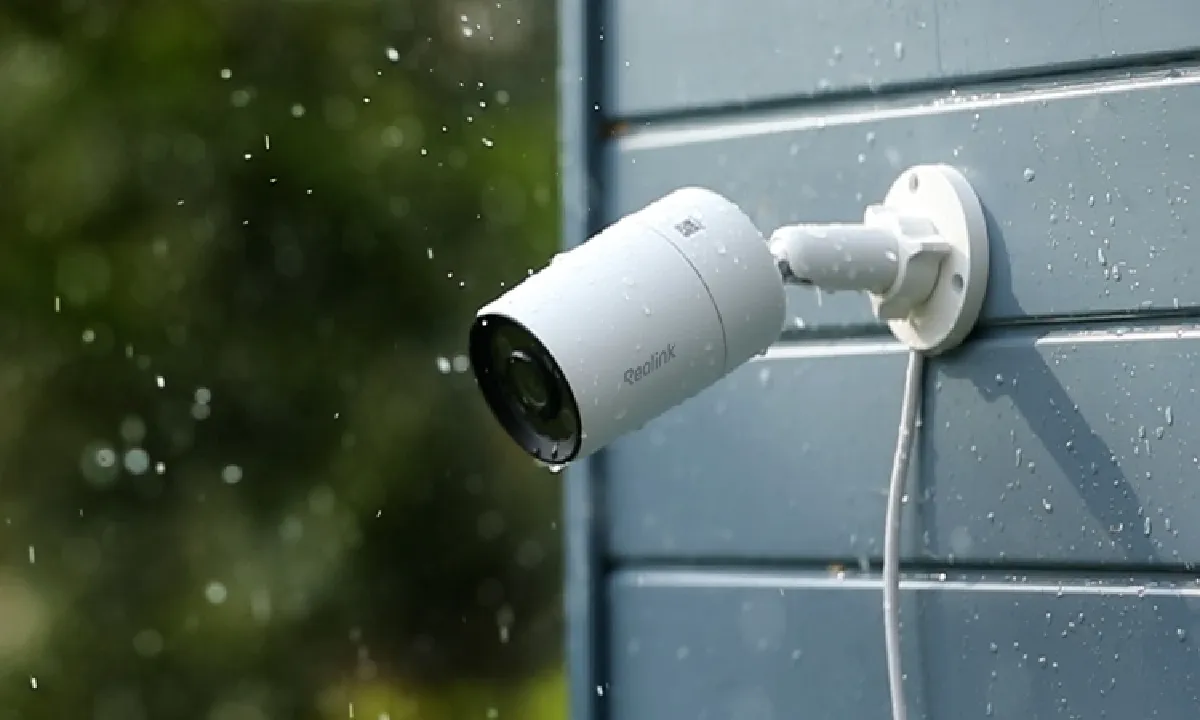
Orange County dug out from about 18 inches of snow in Monroe in January 2026, with officials reporting up to two feet in some areas (News 12, Jan. 26, 2026). Outdoor cameras on co-op buildings need to be rated for the cold, mounted where icicles and roof slides will not hit them, and aimed slightly down so snow does not pile on the lens shield. Recorders stay indoors in a heated space; an unheated garage or a pump house is the wrong place for a hard drive.

Our standard co-op security camera system is our own house-brand line: network cameras, a network video recorder with drives sized to the retention the board chooses, and a phone app for the people the board names. It is what the price pages quote, and it is what we recommend to most co-ops, because it gives the corporation full ownership with no required monthly fees. We quote one system by default, not a menu.
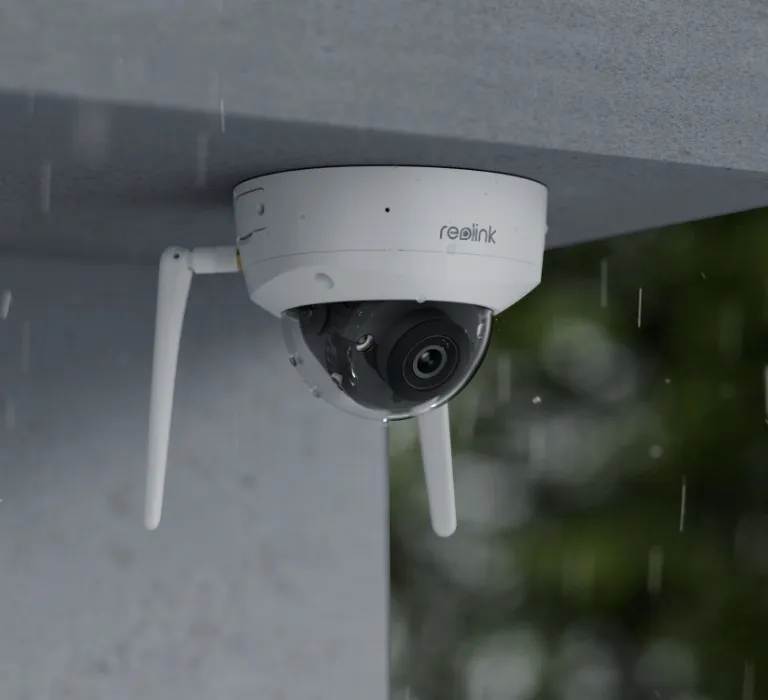
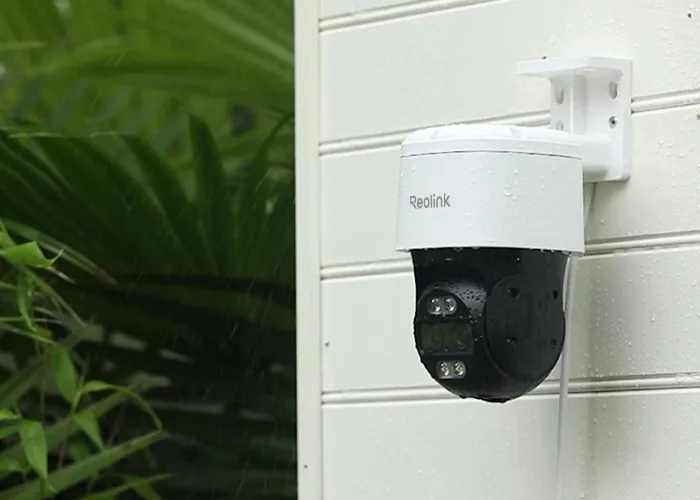
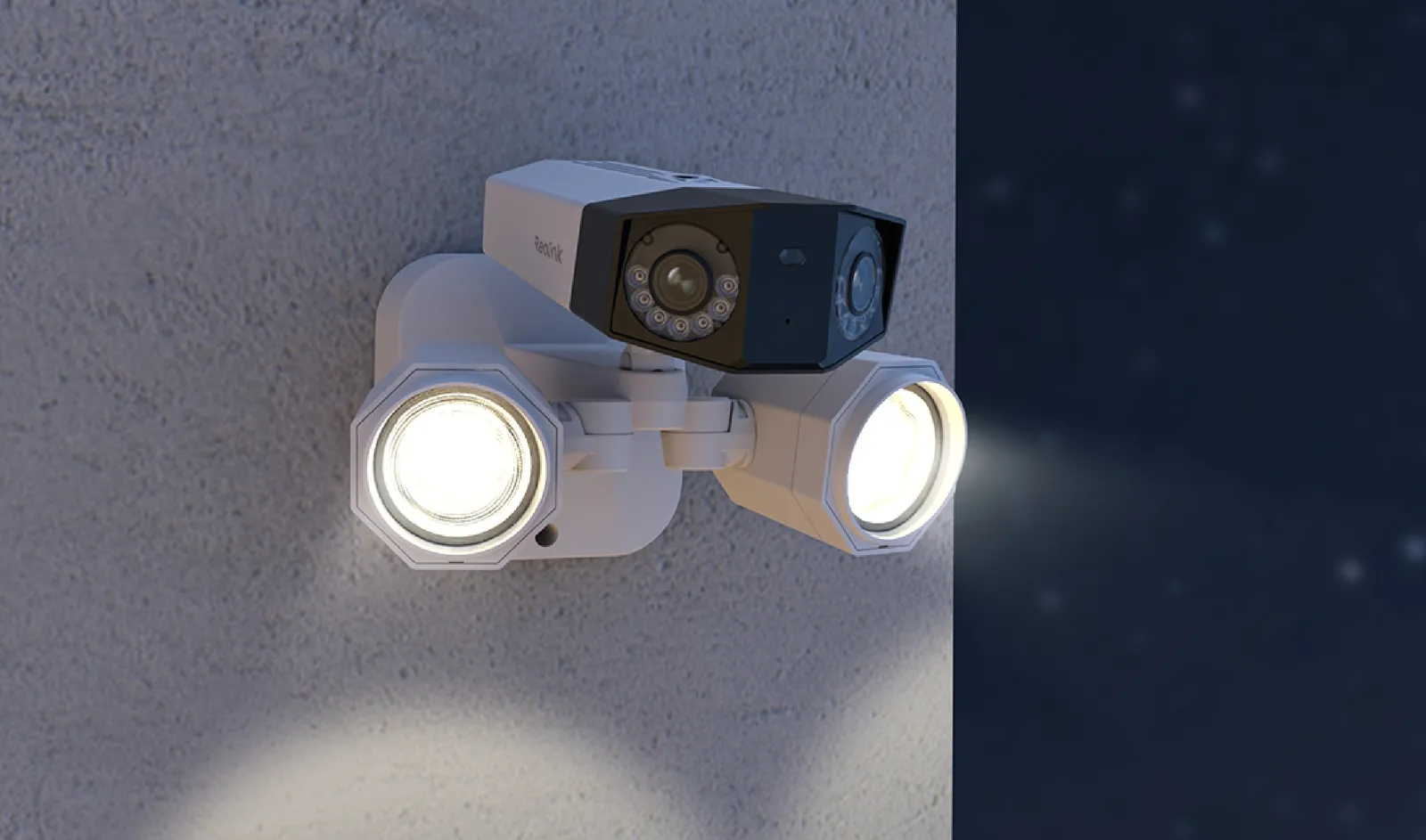
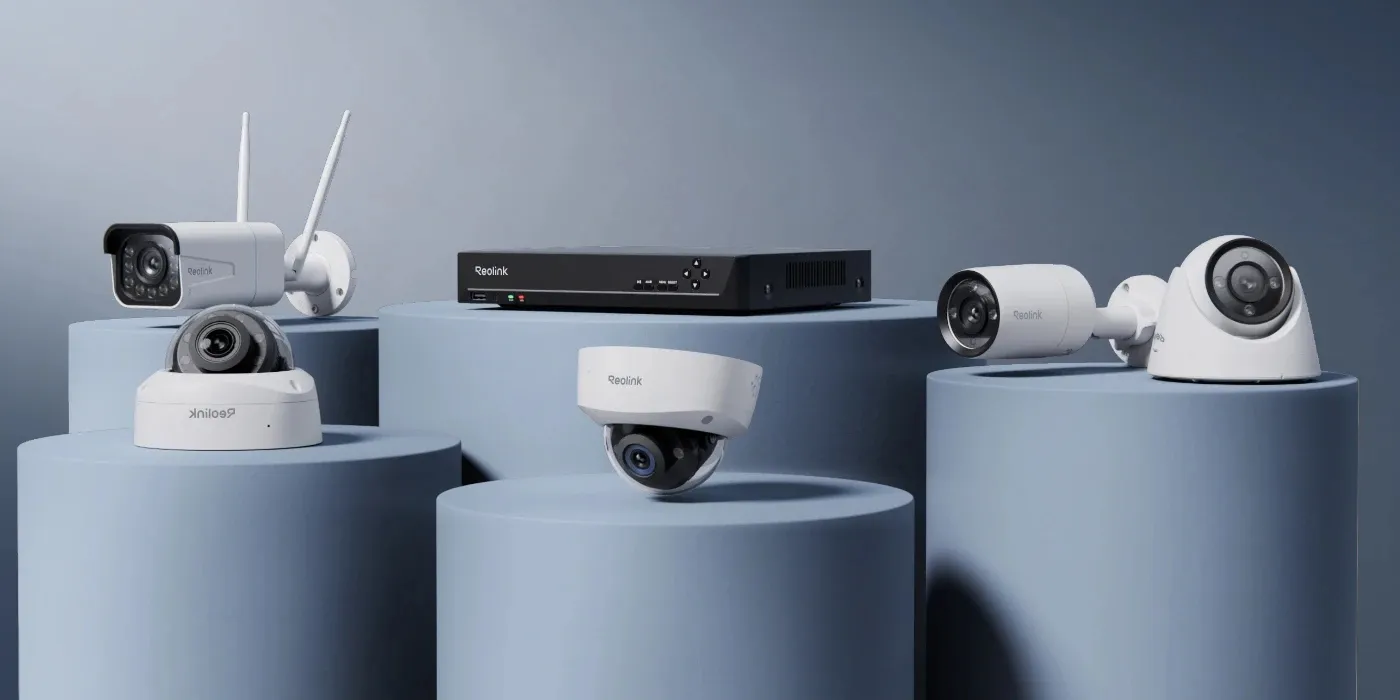
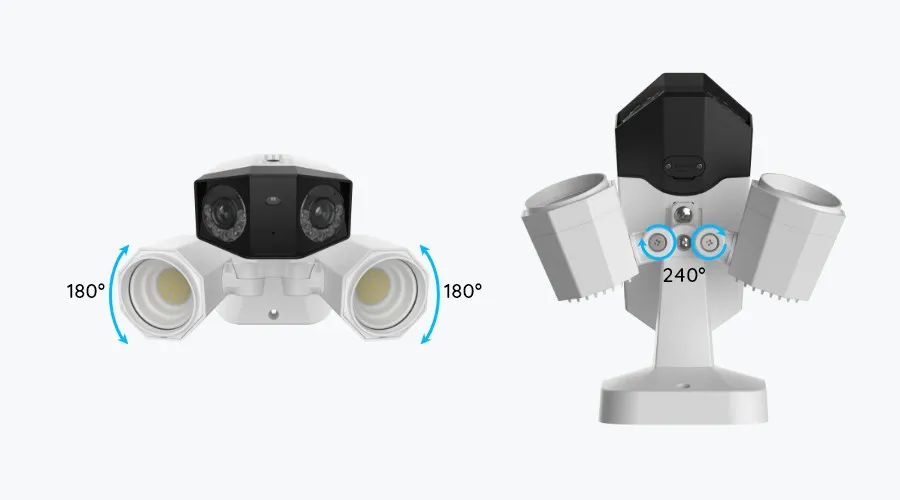
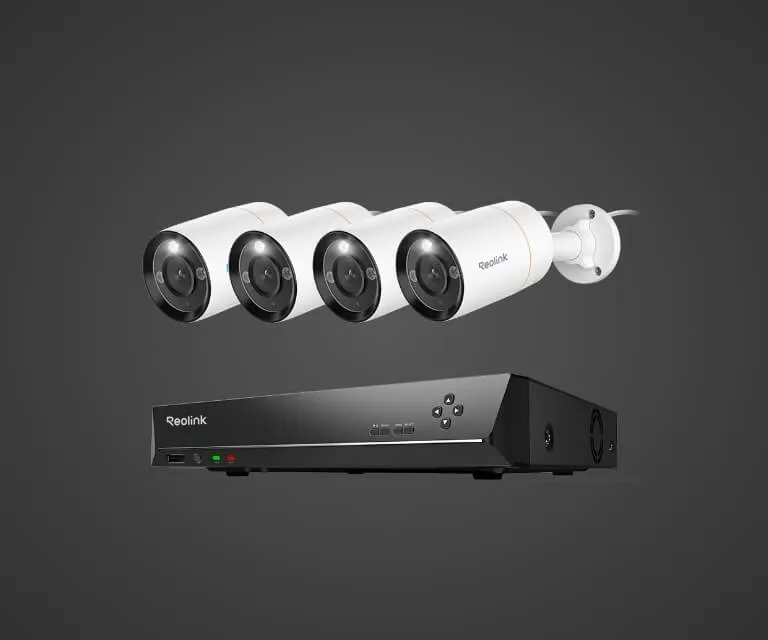
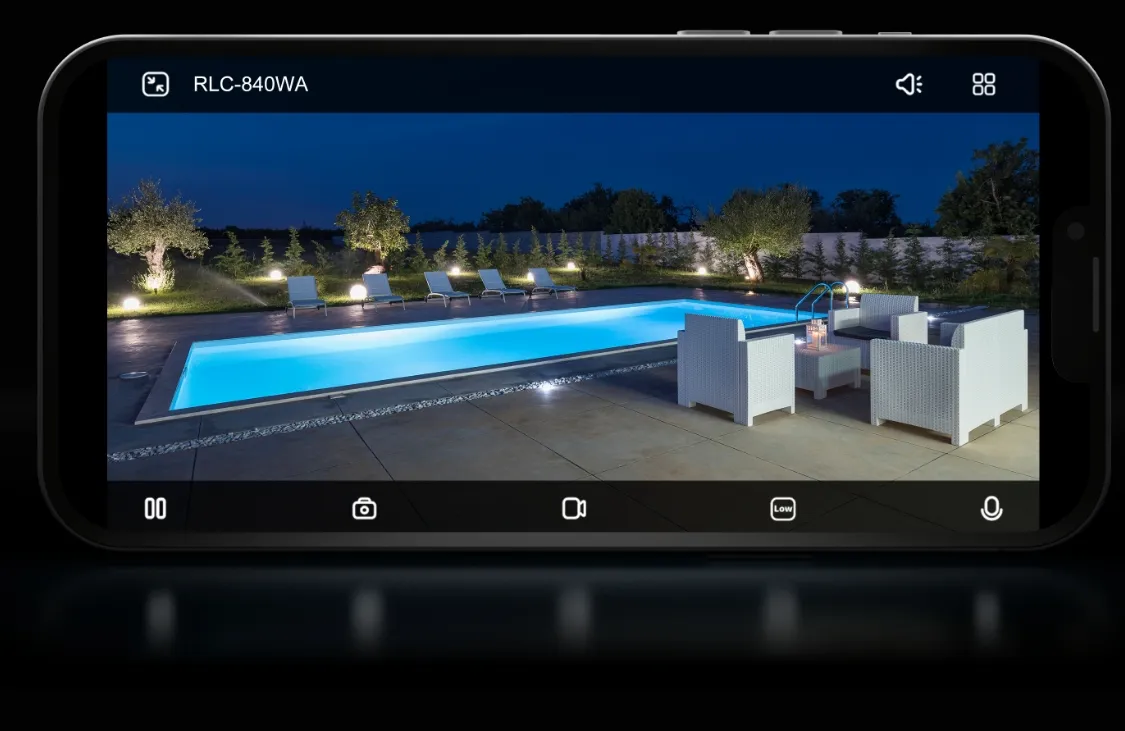
Some boards want a name brand, often because a director already uses one at home or another building in the managing agent's portfolio does. We are a partner with Lorex, Luminys and Reolink, and we can quote any of them instead. The product photos on this page are Reolink's, used with that partnership; they show equipment, not client buildings. If the board prefers another brand, tell us which one and we will price it.
Co-ops that have already bought cameras can hire us for labor only. That is quoted by phone or text from a list of the equipment and the locations, and booked with the deposit. We do not do walk-throughs on customer-supplied equipment, and the performance of equipment we did not supply is the manufacturer's responsibility, not ours.
| Camera | Where it fits | Why |
|---|---|---|
| Turret or small dome | Lobbies, halls, laundry, mail areas | Discreet, easy to aim, good faces at short range |
| Vandal-rated dome | Back doors, garages, stairwells | Resists being hit or knocked out of aim |
| Bullet | Building corners, lot edges, drives | Longer lens reach outdoors |
| Dual-lens panoramic | Wide lawns, courtyards, lot sections | One mount covers what would take two cameras |
| Floodlight camera | Garage aprons, dark lot corners, sheds | Brings its own light |
| Pan-tilt-zoom | Large campuses with a management office | Follows a person across open ground |
| Wireless elevator link | Elevator cabs | No new traveling cable |
Whatever the brand, the recorder stays on the co-op's premises, recordings stay on the co-op's drives, and the administrator password goes to the board at handover. We do not offer monitored video or a managed video service for co-op cameras; the system records locally and sends alerts to the people the board chooses.

This is general information with sources, not legal advice. The co-op's counsel should review the camera policy and the notice to shareholders before anything goes up. That said, boards moving north from city co-ops, or managing agents with buildings on both sides of the line, often carry city assumptions with them, and several of those assumptions are wrong in the Hudson Valley.
A co-op's own bylaws and proprietary lease decide who controls the common areas, and therefore who decides where cameras go. New York courts give boards wide room for decisions made in good faith for the corporation's purposes: the Court of Appeals set that standard for co-op boards in Levandusky v. One Fifth Avenue Apartment Corp. in 1990 (NY Court of Appeals). That standard applies statewide, so a Hudson Valley board's camera decision, documented in minutes and made for the building's security, stands on the same footing as a Manhattan board's.
An attorney quoted in The Cooperator, Ricardo M. Vera, explained that New York does not recognize a common-law right of privacy in public or common areas, while audio recording may run into the Penal Law's eavesdropping article (The Cooperator). In practical terms: video of lobbies, halls, laundry rooms and lots is ordinary; sound is where the risk is. We install with audio off.
Shareholders often want their own video doorbell or a camera aimed down the hall. Writing about video doorbells, Habitat quoted attorney Debra Guzov: "you can't just unilaterally do what you'd like to do in the common hallways" (Habitat, Feb. 20, 2023). A board that installs building cameras should decide its policy on shareholder cameras at the same meeting, so the two do not end up in conflict.
New York City co-ops live under the Multiple Dwelling Law and the city's own Administrative Code. Hudson Valley co-ops do not. The state's Multiple Residence Law applies "to all cities of less than three hundred twenty-five thousand population and to all towns and villages" (Multiple Residence Law §3), which takes in every city in the six counties, Yonkers included. City-only rules, such as the 2021 local law on smart access systems in New York City multiple dwellings (NYC Local Law 63 of 2021), do not follow a camera system north. Boards should not cite city rules in a Hudson Valley camera policy, and should not assume a city permit exemption or requirement applies either; the town or village building department is the place to ask.
New York licenses security and fire alarm installers statewide through the Department of State (General Business Law §69-m), and the department's guidance treats closed-circuit and video systems used to detect or monitor intrusion as covered work (NYS Department of State). Our license is NYS #12000287431. Putnam County's electrical board, on its own low-voltage technician application, notes that it "does not include installation of Fire & Burglar Alarm Systems, CCTV and Access Control as that is licensed by the state" (Putnam County, Apr. 2025). Line-voltage electrical work is a different trade with county rules of its own: Westchester requires electricians to hold a county trade license (Westchester Consumer Protection), and Rockland's code defines electrical contracting to include signaling systems on 50 volts or more (Rockland County Code ch. 250). We do not do electrical work; the co-op's electrician does.
A few co-ops sit in village or city historic districts. Rules differ by municipality. Beacon's preservation chapter, for example, excludes from "alteration" electrical work and "any minor, accessory, utility or security-related changes that do not substantially detract from the historic property" (City of Beacon Code ch. 134). Other villages review anything visible from the street. Small cameras on secondary walls, painted to match, are the safe default; we check with the local office when a front facade is involved.

A camera system is only as trustworthy as the rules around it. Shareholders accept cameras far more easily when they know who can see the video, how long it is kept and what happens when someone asks for it. Boards protect themselves the same way.
FirstService Residential, writing for New York condo and co-op boards, says footage is generally kept for 30 to 90 days, recommends logging every request for and every viewing of footage, and advises that residents not be given footage without board and counsel approval (FirstService Residential, Sept. 23, 2024). We size the recorder's drives to the period the board picks, so the policy and the hardware match.
We set up named accounts, not a shared login. A typical Hudson Valley co-op gives live view to the super or the management office, playback and export to the managing agent and one or two officers, and administrator rights to one board-designated person plus a sealed backup. When a director leaves or an agent changes, their account is removed, and nothing else has to change.
In 2022, Habitat reported that the 778-unit Westchester co-op mentioned above found delivery-access devices installed inside its intercoms without the board's authorization; the agreements had been "signed by somebody with no authority," and the devices were discovered by the agent's own intercom company. The managing agent's president put the lesson simply: "At least ask permission" (Habitat, Feb. 17, 2022). The same thing can happen to a camera system. Our handover gives the board a written list of every device on the camera network, with its location and serial number, and the administrator account sits with the board. Any device that later appears on the network without being on the list is something the board did not approve.
Police in Westchester, Rockland and the upper counties ask co-ops for footage after thefts and accidents. The managing agent or a designated officer should export the clip, log the request and keep a copy. A written procedure, agreed before the first request arrives, keeps the super from improvising. We show whoever the board designates how to find and export a clip in under five minutes.
Whether signs are needed is a question for the co-op's counsel. Either way, signs that say the building is recorded deter people and cut down on complaints, so we recommend them at the main entrances and the lot.
Most co-op camera projects in the Hudson Valley die in committee, not in the budget. A director raises cameras, the board asks for a proposal, the proposal is a single price with no map, and the question gets put off until the next incident. A plan built to be voted on avoids that.
Small co-ops usually hand the project to one officer, often the president or treasurer. Larger corporations use a security or capital improvement committee and the managing agent. Either works, as long as one person is our point of contact, keeps the minutes and owns the final camera map.
Boards pay for cameras from the operating budget, the reserve fund or an assessment, depending on the size of the job and what the governing documents allow; that choice belongs to the board and its accountant. Some boards phase the work: the entrances and the packages first, the grounds the next year. Financing is available through Wisetack, subject to approval. In Westchester, boards can also draw on the Westchester Cooperative and Condominium Advisory Council, which The Cooperator described as representing "more than 400 co-ops and condos in Westchester and the Mid-Hudson Region" (The Cooperator), for peer advice on capital projects.
The notice to shareholders should be short: which common areas will be recorded, that cameras do not look into apartments or private outdoor space, that audio is off, who can view footage, how long it is kept, and the installation dates. Attaching the camera map heads off most questions. The co-op's counsel should approve the final text.
The agent's office will want proof of our coverage with the cooperative corporation and the agent listed. That certificate comes from our broker after the board picks us, not with the bid, and we fill out whatever vendor packet the agent's office uses at the same time.
With more than 1,500 co-op apartments changing hands in Westchester in a single year, a camera policy that the board explained once, at installation, is soon unknown to a large share of the building. New shareholders arrive with assumptions from wherever they lived before: that they can ask the super for a clip, that they can put a camera over their own door, or that nobody watches the lot. Most camera complaints we hear about from boards trace back to someone who simply never saw the rules.
The fix costs almost nothing. Put a one-page camera summary into the package new shareholders receive at closing or move-in, alongside the house rules: which common areas are recorded, that audio is off, how long video is kept, who to ask for footage and how, and the building's position on shareholders' own doorbells and hallway cameras. Post the same page in the laundry room or mail area. When the camera map changes, update the page.
The move-in itself is also worth a thought. Movers prop doors and block the lobby for hours, and an elevator padded for a move is one where the cab camera may be covered. Boards that require move-in reservations can ask the super to check, afterward, that every camera's view is clear and that no door was left wedged open.
Our starting prices come straight from our county camera price pages, and they are the same whether the buyer is a co-op, a condo or a business; what changes is how many cameras a co-op needs and how far apart they are. The starting system is four house-brand cameras and a recorder, installed. Here is how the counties line up, as shown on the Hudson Valley camera price page:
| County | Four-camera system with recorder, installed, from | Co-op market (OneKey MLS) |
|---|---|---|
| Westchester | $1,099 | 1,581 co-op closings in 12 months to Oct. 2026 |
| Rockland | $1,099 | 71 co-op closings in 12 months to Oct. 2026 |
| Orange | $1,199 | 6 co-op closings in Q3 2026 |
| Putnam | $1,199 | 2 co-op closings in Q3 2026 |
| Dutchess | $1,299 | 42 co-op closings in 12 months to Sept. 2026 |
| Ulster | $1,299 | 1 co-op closing in 12 months to Sept. 2026; no co-op inventory |
The step from $1,099 to $1,299 reflects the drive from our crews, not a different system. Cameras beyond the first four are priced per camera after we confirm the layout on the walk, and concealed wiring is extra. We do not quote whole-building totals sight unseen, because the same twelve cameras can cost very different amounts in a compact prewar building and on a garden campus spread over several acres.
Nothing is ordered and nothing goes on the calendar until the board pays the 50% deposit; after that, jobs are taken in the order deposits arrive. Boards that would rather spread the cost can apply for financing, available through Wisetack, subject to approval.
Every installation comes with the 30-day warranty described on our warranty page, and a co-op that wants longer coverage can buy a one-year or multi-year plan when it signs. Equipment makers warrant their own cameras, recorders and drives separately, and help using the app or the recorder costs nothing by phone or text. Full terms — including 50% deposit, one-year parts-only warranty on Abstract Enterprises Security Systems-supplied products, and the late-fee schedule — are set out in the service agreement.

Tell us the co-op's town, how many buildings and apartments it has, which spots worry the board and what cameras are up now. A screenshot of the property from an online map, with the entrances and lots circled, helps us plan the walk. To talk first, call (800) 486-0943.
Received. Our office will call or text shortly to set a morning survey that fits the board's calendar.
Westchester is where nearly all of our Hudson Valley co-op camera work happens. Listings in November 2026 put co-ops in Yonkers, Mount Vernon, Eastchester, Bronxville, New Rochelle, White Plains, Rye, Tarrytown, Croton-on-Hudson, Peekskill, Briarcliff Manor, Mount Kisco and North Salem, with features ranging from "gated, security, laundry, parking" in Mount Vernon to elevators in New Rochelle and Peekskill (Homes.com, Westchester co-ops). The southern cities hold the big garden campuses and postwar mid-rises; the Harlem Line villages hold the prewar station buildings; the river towns mix both. Westchester co-op camera jobs tend to be the largest in the region, and the ones where a management office wants every building on one screen. For the rest of a Westchester co-op's security, see co-op security systems in Westchester County; a Westchester co-op camera page is in preparation.
Rockland's co-ops are mostly garden and mid-rise complexes. In November 2026, most listings were in Suffern and Spring Valley, with a few in Nyack, Garnerville and Monsey, and amenities included elevators, laundry, parking and pools (Homes.com, Rockland co-ops). Packages are a live issue: in April 2026, Haverstraw police recovered packages that had been taken from several buildings within one complex (Daily Voice, Apr. 2026). Camera plans there put the package areas and the building entrances first. See co-op security systems in Rockland County; a Rockland co-op camera page is in preparation.
Orange County's few co-ops are 1960s garden complexes in towns like Cornwall and New Windsor, plus a handful of townhouse and single-family co-ops. These properties have big parking areas, laundry rooms, playgrounds and long winters, and the camera work is almost all outdoors. In February, New Windsor police warned residents about organized theft groups targeting homes and advised installing surveillance cameras or an alarm (Times Herald-Record via AOL). See co-op security systems in Orange County; an Orange County co-op camera page is in preparation.
Putnam has very few co-ops: two closed sales in the third quarter of 2026 and none in the same quarter of 2025 (OneKey MLS Putnam). The ones that exist tend to be small and self-managed, on hilly, wooded and rocky land, in a county that loses power often in summer storms. A Putnam co-op camera system should be small, simple, surge-protected and battery-backed above all. See co-op security systems in Putnam County.
Dutchess co-ops sit mostly in the City and Town of Poughkeepsie, Hopewell Junction, Beacon and Wappingers Falls, with a few near the train and one Poughkeepsie listing offering elevators (Homes.com, Dutchess co-ops). Porch and package theft has drawn police attention in the City of Poughkeepsie, where officers arrested two men in connection with package thefts in December 2024 (News 12, Dec. 2024). See co-op security systems in Dutchess County.
As noted above, Ulster has essentially no housing co-ops today. The County Legislature voted in July 2025 to transfer a Kingston property for what it called "the County's first cooperative for affordable home ownership," a 15-unit building (Ulster County, July 29, 2025). When co-ops exist there, we will serve them at the Ulster price. Until then, Ulster condos and associations should use our Hudson Valley condo camera page.

A small single-building co-op is usually finished in a day or two. A campus takes longer, mainly because of the links between buildings and any trenching. We give the board a schedule with the proposal.
Many Hudson Valley co-ops already own a camera system, often an analog one put in fifteen or twenty years ago, with a DVR in a cellar closet and a monitor in the office nobody watches. Not all of it has to go.
If most cameras work, the picture is acceptable and the board can get into the recorder, a repair visit may be all that is needed: a failed camera, a dead drive, a broken power supply. Our Hudson Valley security camera repair page covers that work.
Old coax runs often test fine. Where they do, a new recorder and new cameras can sometimes reuse them, which spares the walls of a prewar building. Where the cable fails testing, it is replaced, and that is priced before the board signs.
If the recorder is locked with a password nobody knows, the cameras are blurry at night, or the system cannot be viewed remotely, a replacement usually costs less over five years than nursing it along. Old cameras we replace come down as part of the job. We do not patch or paint walls, so the board should plan for its own painter where an old mount leaves a mark.
Some co-ops want to keep a newer camera bought a few years ago while replacing the rest. New network recorders accept many cameras from other makers; we check compatibility during the walk and say which ones can stay.
Two things, from two different kinds of camera. Overview cameras on building corners should cover every row, so that when an owner finds a scrape or a broken window at 7 P.M., the agent can search that row's motion events for the day and find the moment. An identification camera at each lot entrance, mounted low and close, should catch every driver and vehicle coming in. Together they answer "when" and "who." Expecting one high camera to do both usually gets you a picture that shows a car but not a face.
Keep the administrator account with the board, keep a written device list, and require that every vendor's work be approved in writing before it starts. Our handover includes a list of every camera, switch and recorder with its location and serial number. The recorder can show the board what is connected; anything not on the list deserves a question. When a contractor needs access later, give them a temporary account and remove it when the work is done.
Yes, in most cases. A closed pool behind a fence is exactly where winter trespass, vandalism to the pool house and dumping happen, and the cameras cost nothing extra to leave running. What can change by season is who sees them. Many boards give the pool committee live view from Memorial Day to Labor Day and take it away in the fall. If the pool house has a changing room or restroom, its cameras stay outside that room all year.
That room, for a start. New York's Labor Law bars an employer from video recording employees in a restroom, locker room or room designated for changing clothes without a court order, and the Penal Law separately makes surveillance in restrooms and changing rooms a crime. A camera in the corridor outside, aimed so it cannot see through the doorway, is fine. If the co-op's own employees use the room too, the same rule protects them. Ask counsel about anything in a gray area before the camera goes up.
Technically, yes; recorders can follow a schedule per camera. Practically, we advise against it, because the hours a camera is off become the hours someone takes advantage of. A better answer is usually to show the shareholder exactly what the camera sees, confirm it does not look into her door when open, and walk her through the footage policy: who can view, when and why. If the board still decides to schedule that camera, we set it up and note it in the handover.
In a small self-managed co-op, give live view and playback to two or three officers, not to everyone on the board and never to all shareholders. Set the system to send a health alert to one officer when a camera or drive fails. Give one officer the administrator login and keep a sealed copy with the corporation's records. That keeps the system watched without making it anyone's full-time job.
Most current cameras can raise a "scene change" or tamper alert when the view suddenly changes, which catches a camera turned by wind, hit by a branch or covered by snow. We turn that alert on for outdoor cameras and send it to the people the board names. It is also worth having the super glance at the recorder's grid view the morning after a big storm; it takes thirty seconds.
Near, but not on. Network cable should not be strapped to steam pipes or run behind radiators, where heat degrades the jacket over time. In older Westchester buildings we route along ceiling lines, through closets, behind crown molding or in slim raceway painted to match, and keep a gap from heat sources. The walk tells us where the cleanest path is.
Usually, yes, for any camera that would be mounted on the parapet, the roof edge or the eaves, because roofers will have to take it down. Cameras inside, at entrances or on poles can go in now. We can run the cable for the future roofline cameras during the first phase so that mounting them later is quick.
They can, if the camera sits under the drip line. Icicles in the frame block faces and set off motion alerts as they melt, and falling ice can knock a camera out of aim. We mount entrance cameras inside the vestibule where we can, or on a side wall clear of the eave, and aim them so the door, not the roof edge, fills the picture.
Yes. A point-to-point wireless link between the two buildings carries the video without any trench, as long as the two mounting points can see each other over the vegetation in full leaf. If they cannot, the second building gets its own recorder and the office views both over the network. Either way, no digging in the regulated area.
A camera at the stairwell door on the ground floor, looking at who enters, usually solves the problem without putting a camera on every landing. People behave differently when they can see a camera at the door. If damage keeps happening on a particular landing, one camera there, aimed at the landing and not at any apartment door, is reasonable. The board's notice to shareholders should mention stairwell cameras like any other.
Westchester alone had 1,581 co-op closings in twelve months, more than its condo closings, per OneKey MLS. The upper counties have fewer, and Ulster has almost none, but the southern half of the valley is full of co-op boards making camera decisions.
It does not. The Multiple Residence Law covers cities under 325,000 people and every town and village, which is the entire Hudson Valley. Answers that cite city codes for a Yonkers or White Plains co-op are pointing at the wrong law.
Wi-Fi cameras save cable, then cost it back in batteries, dropouts and a building network that was never meant to carry twenty video streams. Across a campus, wired cameras in each building with fiber or a dedicated wireless link between buildings are more reliable and cheaper over the life of the system.
Camera installation is licensed by New York State as security work; even Putnam County's own electrical board points CCTV installers to the state license. Electricians handle line-voltage power. A camera job may need both, and they are different licenses.
In a region where single storms in 2026 cut power to tens of thousands of customers, a recorder without battery backup is a recorder that goes dark exactly when the building is most exposed. Battery backup is the cheapest line in a proposal and the one we would remove last.
Cameras help police identify and arrest the people who take packages, and they deter some attempts, as Westchester police data suggests. They do not stop a determined thief from picking up a box. A locked package room or lockers, with a camera at the door, is what actually reduces losses.
We have worked in the security trade since 2000 and run our own company since 2002, with thousands of jobs completed across New York City, Long Island and the Hudson Valley. The co-op walks north of the city line follow a routine that comes from that work. We do not name client buildings, but we can describe what we look for.
Boards that collect two or three proposals get far more from them by asking every bidder the same written questions. These are the ones that separate a Hudson Valley co-op proposal that will hold up from one that will produce change orders.
| Question | How we answer it |
|---|---|
| Which New York State license covers the camera work? | NYS license #12000287431. |
| How does video get from each outlying building to the recorder? | Shown on the camera map, building by building: fiber, wireless or a local recorder. |
| Where is the surge protection, and where is the battery backup? | Listed as separate line items, with the expected battery runtime. |
| What is excluded? | Electrical work, wall patching and painting, and rock found in a trench, each named in writing. |
| Who holds the administrator password at the end? | The board, along with a list of every device on the system. |
| Is audio on? | No, unless counsel approves in writing. |
| Are there monthly fees? | None for our house system. Any optional cloud plan a brand sells is priced separately. |
| When do you issue the insurance certificate? | On award, naming the co-op corporation and the managing agent. |
| How fast can you start? | We confirm the survey time within 2 hours of the request, weekends included. The install date follows the deposit, in the order deposits come in. |
Our Hudson Valley work is handled from our Bronx office at 460 E Fordham Rd. Clients rate us 4.7 stars across 201 Google reviews, and we point boards to those reviews rather than to other co-ops, because we keep client buildings out of our marketing.
This page is written for co-op boards and managing agents buying building cameras. Other pages cover the same region from different angles, and each one handles its own subject in more depth.
Managing agents with co-ops on both sides of the city line will find each region's page here.
Because Ulster has almost no housing co-ops today. OneKey MLS counted one co-op sale there in the twelve months through September 2026, and the county describes a planned 15-unit Kingston building as its first cooperative. If your Ulster property is a condo or an association, our Hudson Valley condo camera page covers it, and any Ulster co-op is quoted from the Ulster price page.
No. Hudson Valley co-ops fall under the state Multiple Residence Law, which covers cities under 325,000 people and all towns and villages, not the city's Multiple Dwelling Law or Administrative Code. State laws such as the Penal Law limits on audio and private spaces still apply everywhere, and the town or village building department answers local permit questions.
Yes. The recorder sits in the building and saves video to its own drives, so recording does not depend on the internet. What stops during an internet outage is remote viewing from phones and the office elsewhere. When the service returns, remote viewing resumes and nothing recorded in the meantime is lost.
Yes, and many Hudson Valley co-ops that added generators after long outages want exactly that. One outdoor camera on the generator pad or tank enclosure, with a light if the spot is dark, records anyone tampering with it or siphoning fuel. Keep it on battery backup so it records while the generator is starting.
Often, yes. Many current video intercoms can send their camera stream to a network recorder, so the door panel's view is kept with the rest of the footage. It depends on the intercom brand and model, so we check it on the walk and tell the board whether it works before anything is bought.
Yes. We set up health alerts for lost video, a full or failing drive and a recorder that goes offline, sent to the people the board names, usually the super, the managing agent or one officer. That way a dead camera is found within a day, not months later when someone needs footage.
Usually, yes, with a point-to-point wireless link between the buildings, since running cable under or over a public road needs permission the co-op may not have. If the two buildings cannot see each other, each one gets its own recorder and the office views both over the network.
The cameras will, if they are rated for cold starts, and we choose models that are. The recorder will not do well there, so it stays in a heated building and the garage cameras connect back to it by cable in conduit or a wireless link. Surge protection goes on any copper run from the garage block.
By mounting it on the building itself with a short, rigid bracket rather than a long arm, choosing a compact camera with less surface for the wind to catch, and anchoring into solid masonry rather than siding where we can. A picture that wobbles in wind also triggers false motion alerts, so a steady mount pays twice.
Yes. Each person gets a named account with only the rights the board approves, for example live view for the super, playback and export for the managing agent, and full administration for one designated officer. Accounts can be changed or removed without affecting anyone else's.
Yes. Recorders let us set retention camera by camera, so the board can keep, for example, the lot entrance or the package area for 90 days while hallway cameras keep 30. Longer retention on a few cameras costs far less drive space than raising it for the whole system. We set it to the board's written footage policy.
It depends on the size of the battery and how many cameras the switch powers. A standard unit carries a small system through short outages and a clean shutdown; longer ride-through needs a larger battery or a generator circuit. We put the expected runtime for the equipment we install in the proposal, so the board can decide whether to size up.
From a station-side prewar building in Bronxville to a garden campus in Spring Valley, we map every camera, price every link and leave the passwords with the board. NYS license #12000287431 · 4.7 stars from 201 Google reviews.