What are you looking for?
About Us Contact Us Careers Get a Free Quote (800) 486-0943
Pick a service
✅ Got Your Own System?
🎬 Home TheatreQuote 🎶 AV SoundQuote 🔑 Access ControlQuote
Now pick your area
Pick your area
Long Island
Hudson Valley
Services available
Pricing & Tools
Pick a service for pricing
🚪 Intercom Pricing 🔔 Buzzer Repair Pricing
Calculators
📹 Camera System Calculator 🚨 Alarm Calculator ⚡ Cabling Quote Builder ✅ Got Your Own System?
Select your area
Commuter cars in the co-op lot, packages vanishing from a garden-building vestibule, a garage ramp nobody can see? Nassau County co-op boards and managing agents reach us at (516) 346-5778
Home › Co-op Security Camera Installation Long Island › Co-op Security Camera Installation Nassau County
For Nassau County Co-op Boards, Managing Agents & Supers · NYS Licensed Low-Voltage Contractor

Co-op Security
Camera Installation
Nassau County

Station-Area Lots · Garage Ramps · Garden Courtyards · Vestibules · Laundry & Storage · Elevator Cabs

Co op security camera installation in Nassau County starts at $999 for four house-brand cameras with a recorder, installed, the first package on our Nassau County camera price list, and every camera a cooperative adds beyond those four is priced once we have walked the property and agreed where it goes. Abstract Enterprises Security Systems is a New York State licensed low-voltage contractor; in Nassau our co-op work centers on the village downtowns where most of the county's cooperatives stand, from Great Neck Plaza and Mineola to Rockville Centre, Freeport and Long Beach, and on the garden complexes spread between them.

Quick answer: A Nassau County co-op board gets a free walk of its buildings, lot and garage, then a numbered camera plan it can vote on: what each camera is for, where the recorder sits (above any flood line on the South Shore and the barrier island), how many days of video it keeps and which directors or staff get logins. Four cameras with a recorder start at $999 installed. Concealed wiring adds $200 per camera for runs up to 100 feet, and longer runs are quoted on site. Video only, no sound, nothing aimed into apartments or a neighbor's yard, and every password belongs to the cooperative corporation. Requests are booked within 2 hours, seven days a week, with early-day visits.

Last updated November 27, 2026 · Written by the Abstract Enterprises Security Systems team, NYS license #12000287431 · Sources relied on: NY.gov county profile; Nassau County law-enforcement directory; CooperatorNews (2006, 2025); Habitat (2012, 2014, 2019, 2021, 2023, 2025, Board Talk 2026); Long Beach Patch (2012); Newsday (2019); Long Island Press (2025); News 12 (2023); OneKey MLS co-op market guide; NY Multiple Residence Law §3; NY Business Corporation Law §713; GBL §69-m and 19 NYCRR Part 195; NY Penal Law §§250.00, 250.05, 250.45; NY Labor Law §203-c; Levandusky v. One Fifth Ave. Apt. Corp. (1990); FirstService Residential (Sept 2024)

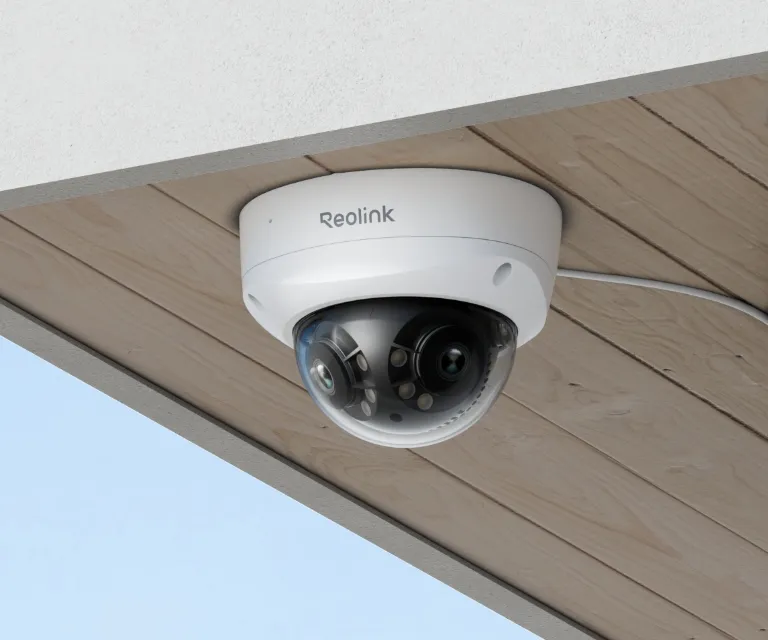
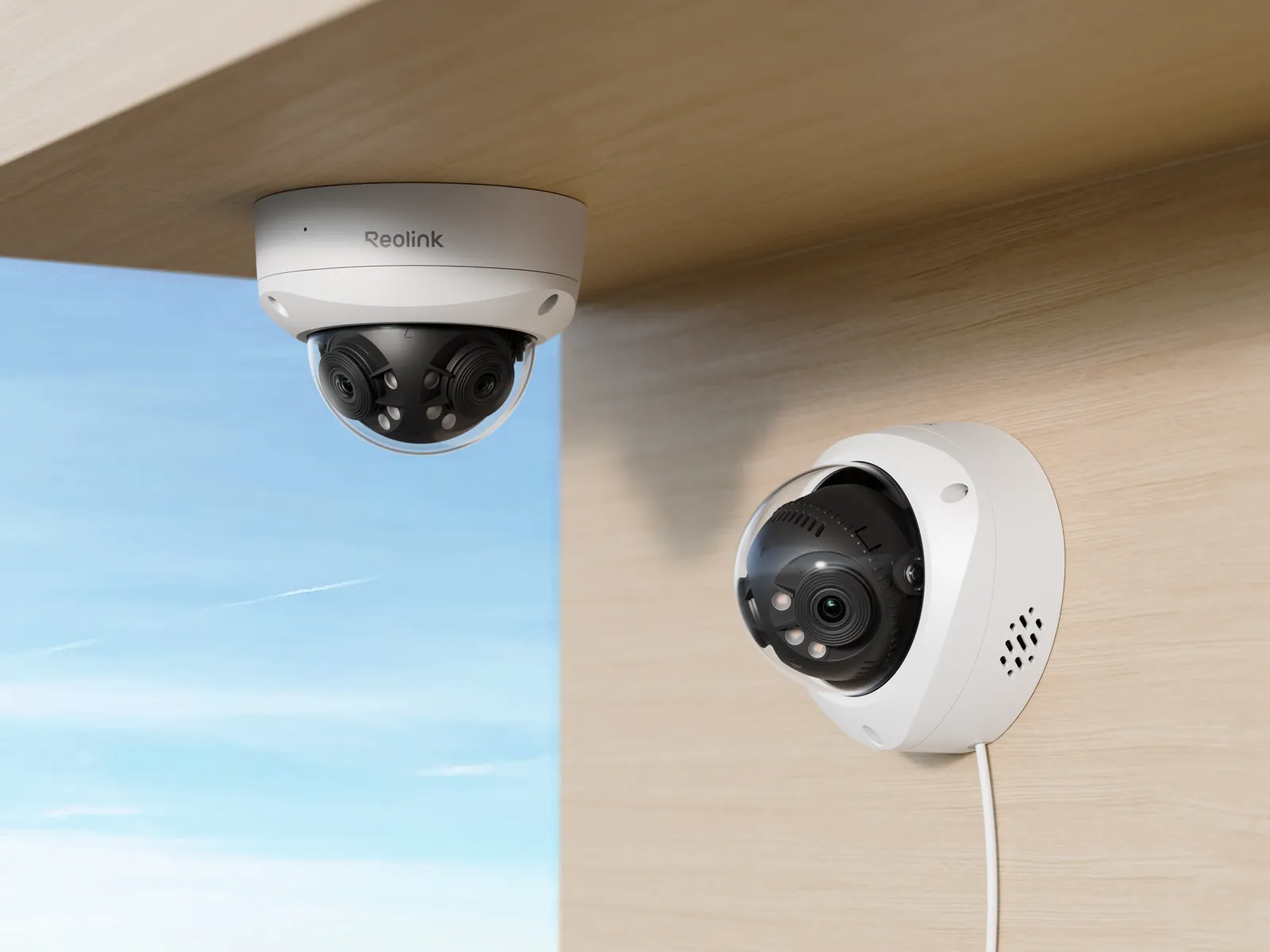
Co-op security camera installation Nassau County: white dome camera under a wood soffit and a second dome camera on an indoor wall
Product photo (Reolink, one of our partner brands): a dome under an outdoor soffit and a wall-mounted dome indoors. A Nassau co-op plan usually pairs the two, outdoor cameras on the lot and entrances, indoor domes in the vestibule, halls and laundry.
Nassau County Co-op Camera Request
Directors, managing agents, supers and shareholders

✅
Request Sent!
Thanks. We will call or text to arrange the walk of the property.
25+
Years Experience
2 Hr
Booking
$999
4 Cameras Installed
4.7★
201 Google Reviews

One owner at the helm since 2002 · Several thousand installations · Visit scheduled 2 hours after you reach us · Questions: (516) 346-5778

Nassau Co-ops

Where Nassau County's Cooperatives Cluster, and Why a Camera Plan Starts There

Most of Long Island is single-family houses, and a newcomer could drive across Nassau without noticing a single cooperative. They are there, but they are bunched. A market guide built from OneKey MLS sales data lists the busiest co-op markets in the county as Great Neck, Long Beach, Rockville Centre, Freeport, Mineola and Lynbrook. Each of those is a downtown with a Long Island Rail Road station, a strip of shops and, within a few blocks of the platform, a run of apartment buildings that were sold as co-ops decades ago. A camera plan for a Nassau co-op therefore almost always has a train station, a commuter street and a shared parking problem somewhere in the background.

Great Neck is the extreme case. CooperatorNews described the peninsula in 2006 as having more than 100 co-ops and condos spread over about 1.4 square miles, and quoted Stu Hochron, then co-chair of the Great Neck Co-op & Condominium Council: “I don't think there's any other place in Nassau County that has as many co-ops and condos as there are in Great Neck.” A separate CooperatorNews profile quoted a local librarian and co-op board president, Risha Rosner, explaining that Great Neck “actually consists of nine villages” and that most of its co-ops and condos sit in Great Neck Plaza and Great Neck Estates. That matters for cameras because it means two co-ops a few blocks apart may answer to different village governments.

The buildings themselves fall into a short list. The same market guide describes two- and three-story garden co-ops built between 1949 and 1986 in places such as Freeport, Oceanside, Westbury and University Gardens, six- to ten-story elevator co-ops along the Long Beach oceanfront built mostly between 1960 and 1968, and at least one seven-story elevator building in Great Neck Plaza that dates from 1929. Garden complexes can be very large. Habitat reported in July 2025 on a Roslyn Heights garden cooperative whose board redesigned 25 separate lobbies in one project. Twenty-five lobbies is twenty-five front doors, twenty-five vestibules and, if the board wants package coverage, twenty-five places a camera could reasonably go.

The corporation owns every common area

One thing is the same in every Nassau cooperative, whatever its size. The housing cooperative is a corporation that owns the land and buildings, and shareholders hold proprietary leases on their apartments. The lobby, the halls, the laundry, the boiler room, the lot and the garage all belong to the corporation, and the board of directors runs them. That makes a co-op camera project simpler to authorize than a condominium project, where unit owners hold title and common elements are owned in shares. It also means the board alone answers to shareholders for where the cameras point and who sees the video, which is why the plans we write for co-ops lean so heavily on written policy.

What Nassau boards usually call us about

The first call tends to describe one incident and one place. A shareholder's catalytic converter or tires went missing overnight in the lot behind the building. Packages are disappearing from a garden-building vestibule that has no doorman. Somebody is parking in the co-op's spaces every weekday morning and walking to the train. A storage cage in the basement was opened. The garage door at the bottom of the ramp was left up overnight and nobody knows who drove in. The old analog recorder in the super's closet stopped working after a power cut and the password left with a former managing agent. We start the plan from that list and add cameras only where they answer a line on it.

Coop security cameras Nassau County: dual-lens dome camera with two lit spotlights under a dark eave at dusk
Product photo (Reolink): a dual-lens dome with built-in spotlights. Where a station-area co-op lot is lit only by a few wall packs, a camera with its own light gives color video after dark.
Building Types

Four Nassau Co-op Building Types and the First Cameras Each One Gets

Almost every cooperative we see in the county looks like one of four buildings. Recognizing which one you are in is the quickest way for a board to picture the first phase before anyone walks the property.

The prewar or early elevator house near a station

A five- to seven-story masonry building on a village street, often a short walk from the platform in Great Neck Plaza, Rockville Centre or Garden City, with a single front entrance, a service door to an alley or rear lot, one or two elevators and a basement that holds the laundry, storage and boiler. The camera plan looks like a small Manhattan building with a parking lot attached: a vestibule camera that sees faces at the inner door, a lobby camera that covers the mailboxes and package shelf, one camera in each elevator cab, one at the service door, one in the laundry, one covering the storage corridor, and two or three outside on the lot. Eight to twelve cameras is a typical full system. Cable usually runs through the basement and up an existing chase, and the recorder lives in a locked room near the boiler or the super's office.

The 1960s mid-rise with a garage underneath

The Long Beach oceanfront and a few North Shore harbor towns have six- to ten-story co-ops built in the 1960s, many with a garage at or below grade and a lobby a half-level above it. These are the buildings where the garage is the most important room on the camera plan. The ramp entrance needs a camera that sees each vehicle at the door; the drive aisles need overview cameras on columns; the elevator lobby inside the garage needs a camera at the door to the building, because that is where a stranger who walked in under a closing gate ends up. Above grade the plan adds the lobby, the cabs and any pool deck or roof terrace. On the barrier island, everything that can live above the garage does, including the recorder.

The postwar garden complex

Two or three stories, brick, several separate buildings set around lawns and courtyards, each with its own entrance and its own basement laundry, and one or more surface parking lots. Freeport, Oceanside, Westbury, Roslyn Heights and the Rockville Centre area have many of them. Nobody can see the whole property from one window, staff are few, and the managing agent may be in another town. The plan is a site plan: each building entrance gets one camera, each lot gets overview coverage from building corners, and the buildings are linked back to one recorder by underground conduit, fiber or a wireless bridge. Twelve to thirty cameras is common once the board has phased in the whole complex.

The village-center mixed-use co-op

Stores on the ground floor and apartments above, sometimes with a separate residential entrance beside a storefront and a small lot shared with the shops behind. These are common along the main streets near stations. The residential entrance, the mail area and the stair are the co-op's; the stores' interiors belong to the commercial tenants, who often run their own cameras. Our plan covers only what the corporation controls and keeps commercial tenants' views out of the recorder unless the lease and the board say otherwise. The rear lot and the trash enclosure, which both groups use, are usually where the trouble is.

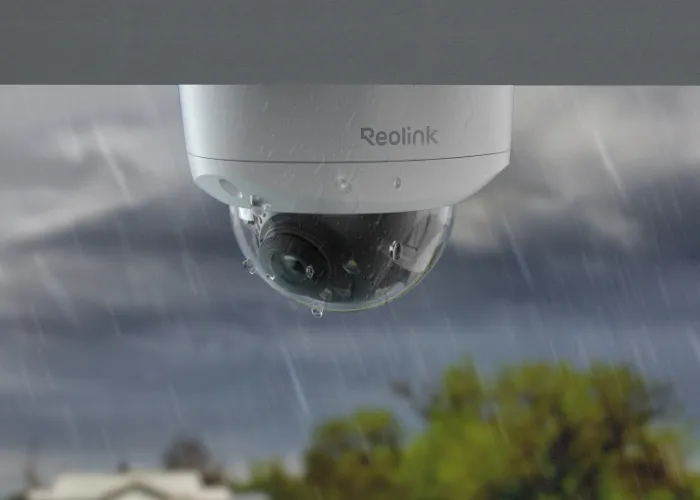
Cooperative security camera installation Nassau County: white dome camera under a concrete overhang in heavy rain
Product photo (Reolink): a sealed dome under an overhang in rain. On the South Shore and the barrier island, outdoor co-op cameras are chosen for wind-driven rain and salt air.
Local Government

Village, Town or City: Who Has a Say Over a Nassau Co-op Camera Project

Nassau County is a patchwork. The state's county profile counts two cities, three towns, 64 incorporated villages and more than 60 unincorporated hamlets. The cities are Glen Cove and Long Beach; the towns are Hempstead, North Hempstead and Oyster Bay. A co-op in an incorporated village, such as Great Neck Plaza, Rockville Centre, Mineola, Garden City or Freeport, deals with that village's building department, code enforcement and, in many cases, its police. A co-op in an unincorporated hamlet such as Oceanside, Roslyn Heights or University Gardens deals with its town. A co-op in Long Beach deals with the city.

For a low-voltage camera system, that patchwork mostly affects three practical questions. Does the municipality want a permit for anything we are doing, which for cameras usually turns on whether new conduit, a pole or trenching is involved? What hours may contractors work, and is there a local rule on noise or on work in a public right of way? And which police department will ask for the video when something happens? We check the first two for the specific municipality before we write the schedule, and we put the answer in the proposal so the board is not surprised.

Which police department asks for the footage

The Nassau County Police Department patrols most of the county, but the county's own law-enforcement directory lists village and city departments alongside it, including Floral Park, Freeport, Garden City, Glen Cove, Great Neck Estates, Hempstead, Lake Success, Long Beach, Lynbrook, Malverne, Old Westbury and Rockville Centre, among others. A co-op in Rockville Centre or Freeport will usually hear from its village detectives; a co-op in Oceanside will hear from a county precinct. The difference matters only in one way: the board's footage policy should name the person who receives any police request, whichever department sends it, and should say how an export is made and logged.

New York City building law stops at the county line

Much of what is written online about co-op cameras comes from Manhattan and Brooklyn and cites city rules, such as the city's Multiple Dwelling Law requirements and its local laws on smart-access data. Those do not govern a Nassau co-op. Section 3 of the state's Multiple Residence Law says that chapter applies to cities of less than 325,000 people and to all towns and villages, and the state attorney general's office describes the Multiple Dwelling Law as the statute for the largest cities. For a camera project the practical result is that a Nassau board works from state law (privacy, eavesdropping, licensing, labor), its own proprietary lease and bylaws, and whatever the village or town requires for construction. Nothing in the county imposes a footage-retention period on a residential co-op that we have found, so retention is the board's decision.

A county that already regulates co-op boards

Nassau is one of the few places on Long Island where county legislators have written rules aimed specifically at co-op boards. In December 2019 Habitat reported that the county legislature approved deadlines for boards to act on purchase applications. That law is about sales, not security, and it does not touch cameras. We mention it because boards here are used to documenting decisions and timelines, and a camera project goes more smoothly when it is handled the same way: a written plan, a recorded vote, a written policy and a written notice.

Lots & Garages

Station-Area Lots, Commuter Parking and Co-op Garages in Nassau County

In a village with a busy station, a co-op parking lot is valuable ground. Spaces are assigned to shareholders, sometimes leased to outsiders for income, and quietly borrowed by commuters who would rather not pay for a municipal permit. Most boards that ask us for lot cameras want two things: to know whose car did what when something is damaged, and to stop people who do not belong there from treating the lot as free parking. Cameras help with the first directly. With the second they help indirectly, by giving the managing agent dated images to attach to a warning letter or a towing decision made under the co-op's own rules.

What the numbers say about cars in Nassau

Vehicle crime in the county has been falling from a peak. News 12 reported in April 2023 that police put Nassau car thefts down 43 percent compared with the same period a year earlier, crediting extra patrols and a public awareness campaign. The Long Island Press, citing Nassau County Police Department figures for January and February 2025, reported 83 stolen vehicles against 101 in the same two months of 2024, and residential burglaries down from 66 to 29. Falling is not zero. A co-op lot full of parked cars overnight, often behind the building and out of sight of the street, is still where a board is most likely to need video after the fact, and the lower numbers make each incident more likely to be one somebody can actually solve with a clear clip.

Overview first, then the entrance

A single camera rarely shows both the whole lot and a readable face or plate. We plan lot coverage in two layers. Overview cameras on building corners or on the rear wall show the rows of spaces, so the board can see what happened and roughly when. A detail camera at each vehicle entrance, aimed down the lane where cars slow to turn in, records each car closely as it enters and leaves. Put together, the overview camera tells you a car was keyed at 2:10 a.m. and the entrance camera shows which cars came and went around that time. That pairing does far more for a board than one expensive camera on a pole trying to see everything.

Lighting decides how good the night video is

Many Nassau co-op lots are lit by a few wall packs on the building and whatever spills over from the street. Infrared night vision will show shapes and movement in that light, but color and detail need light on the subject. We note on the plan which spaces are dark, and where a board wants better night images we suggest the camera models with built-in white light or a fixture change by the co-op's electrician. We do not do electrical work ourselves, so any new fixture or circuit is the electrician's line on the board's budget, and we tell the board before it orders.

Garages under or behind the building

A garage concentrates risk into a few places: the ramp door, the pedestrian door into the building, the elevator lobby at garage level and any storage along the back wall. Columns block long views, so garage cameras are placed to look along drive aisles, not across them. Exhaust and road salt dirty lenses quickly, so we choose sealed housings and put the cameras where the super can reach them with a short ladder to wipe them. Where the garage door has an opener with a separate remote system, the cameras simply record the door; we do not tie camera equipment into the opener's controls.

Spaces leased to outsiders

Some co-ops near stations rent spare spaces to non-residents. Those cars are on co-op property and may be recorded like any other, but the lease should say so, and the lot should carry the same camera notice signs as the building entrances. When a lessee's car is damaged, the request for video goes through the same written process as a shareholder's request. Treating everyone in the lot the same way keeps the board out of arguments about favoritism.

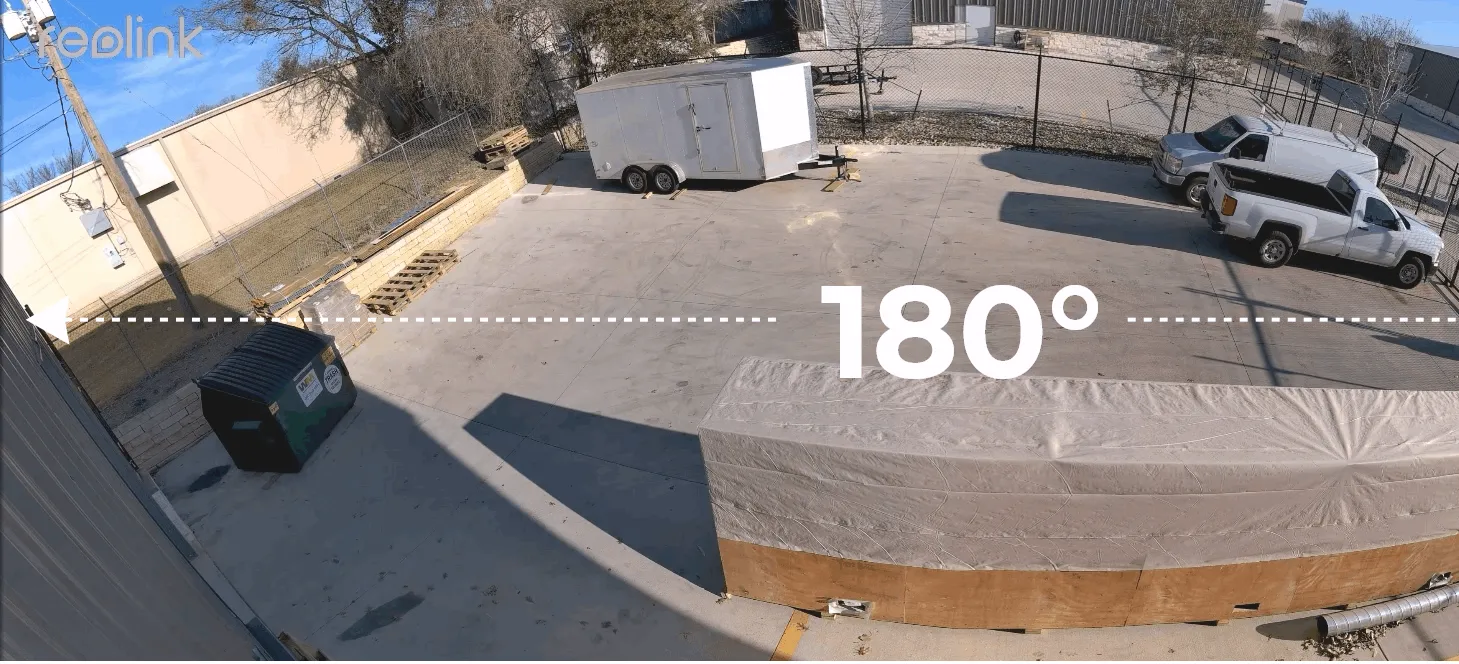
Co-op surveillance cameras Nassau County: wide-angle manufacturer sample frame of a fenced paved lot with parked pickup trucks and a trailer
Manufacturer sample frame (Reolink), not a Nassau property: a wide-angle camera covering a fenced lot from one corner. This is the overview layer of a co-op lot plan; a second camera at the entrance records each car closely.
Garden Complexes

Garden Co-op Grounds: Many Entrances, Separate Basements, One Recorder

A garden cooperative is the hardest Nassau co-op to cover well and the easiest to cover badly. The bad version is a cheap wireless camera on each building, each with its own app, each recording to its own memory card, none of them watched by anyone. The good version treats the complex as one site with one recorder, one set of logins and a plan that grows building by building as the board's budget allows.

Choosing where the recorder lives

The recorder should be in a locked, dry, ventilated space that has power and an internet connection, and that someone on staff can reach without entering an apartment. In a garden complex that is usually the management office, a maintenance shop or the boiler room of the building closest to the middle of the property. On the South Shore we also ask how high the last flood came, and we put the recorder and its battery backup well above it, on a wall shelf or in a wall-mounted cabinet if necessary.

Getting video from building to building

Each building has to reach the recorder. Where an old underground conduit already runs between buildings, often left from an earlier phone or intercom system, we test it and pull new cable or fiber through it. Where there is no conduit, the choices are trenching, a cable along an existing fence or wall, or a point-to-point wireless bridge mounted high on two buildings that can see each other. Trenching is the most durable and the most disruptive. A wireless bridge is fast to install and works well when the line of sight is clear, which a row of mature trees in leaf can spoil. We price each link separately in the proposal so the board can see what each building costs to connect.

The basements

Each garden building usually has its own basement laundry and storage, often reached by an outside stair. These rooms are where many complaints start: a dryer full of clothes emptied onto the floor, a storage cage opened, a stranger sleeping on the landing in winter. One camera at the basement door from inside, facing out toward whoever enters, does more than a camera in the middle of the laundry room, because it records each person's face as they come in. Where the board also wants the machines covered, a second camera can watch them without facing any changing area or restroom.

Courtyards and paths

Courtyards look like they need a lot of cameras, but most of what a board needs to know there happens at the edges: where people come into the courtyard from the street, where they reach each building door and where the paths meet the lot. We cover those points and leave the middle of the lawn alone. That keeps the camera count down and keeps the cameras away from the ground-floor windows that face every courtyard.

Detached garages and sheds

Many garden complexes have a row of detached garages or a maintenance shed at the back of a lot. If the row has power, a camera can be mounted on it and fed back to the recorder. If it has none, we can usually reach it with a camera mounted on the nearest building and pointed down the row, which avoids running anything to a structure without outlets. Where the only real option is a camera on the garage itself, the board would need its electrician to bring power there first, or we can feed the camera power over its network cable from the main building when the distance allows.

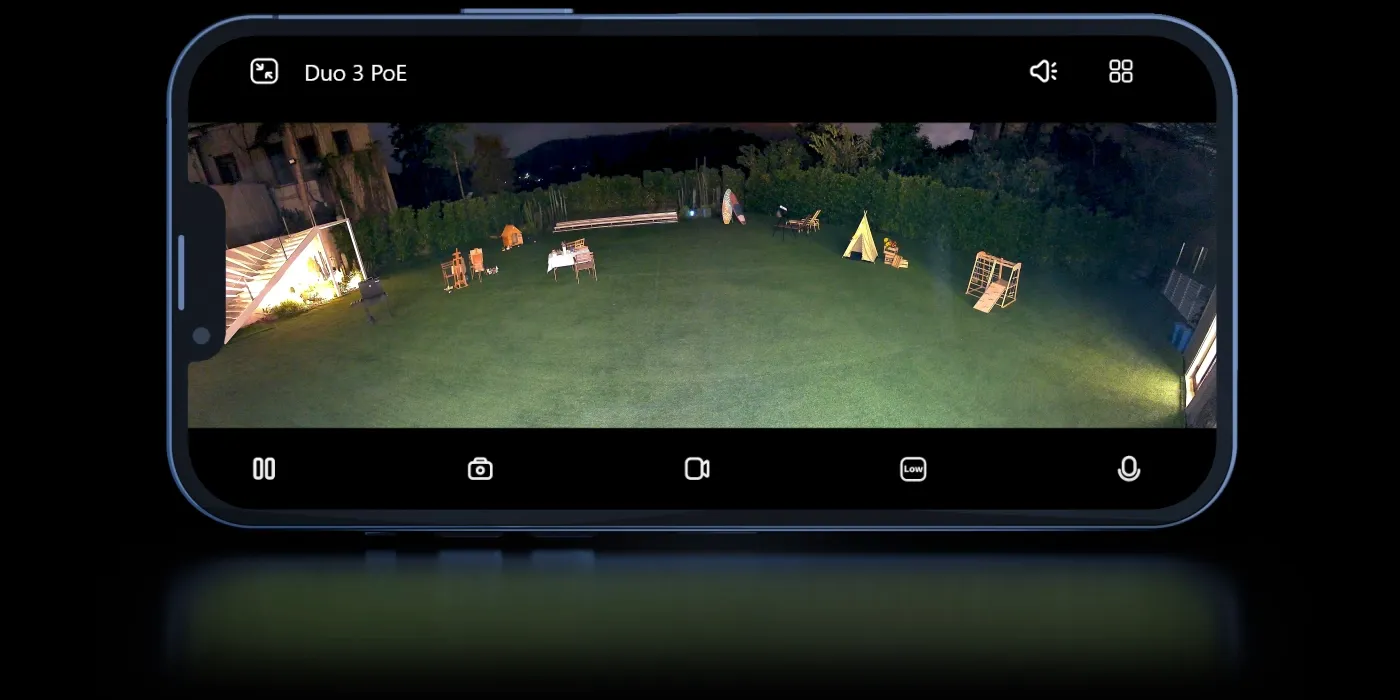
Co-op building security cameras Nassau County: phone app showing a wide color night view of a lit lawn with garden furniture
Product photo (Reolink): a phone app showing one wide camera covering a lit lawn at night. In a Nassau garden co-op, cameras at the courtyard edges and building doors cover what the board needs without filling the lawn with cameras.
South Shore & Barrier Island

Long Beach, Island Park, Freeport and Oceanside: Co-op Cameras Where the Water Comes In

Every board on the South Shore remembers October 2012. After Superstorm Sandy, Long Beach Patch reported that the city's building commissioner condemned about 100 buildings on the first assessment, “most of them in the West End and Canals.” Habitat's coverage of oceanfront co-ops and condos that November described lobbies that would have to be rebuilt and one boiler room that “lay beneath 15 feet of water” while the facade above looked untouched. Two years later Habitat profiled a 179-apartment Long Beach cooperative that took about two feet of water in its lobby, had its garage filled with sand, lost its elevators for a time, kept shareholders out of their homes for the first six weeks and spent roughly $3.2 million recovering, paid partly by insurance and partly from reserves and an assessment.

A camera system on the barrier island or along the bays has to be planned on the assumption that the ground floor and anything below it may flood again. That changes three decisions.

The recorder goes upstairs

The single most expensive mistake in a flood is a recorder and switch in the basement. When the water goes down, the cameras on the outside of the building often still work; the box that stored their video does not. In a mid-rise we put the recorder, the main network switch and the battery backup on an upper floor, in a locked closet, an upper-floor electrical or telephone room, or a cabinet in a hallway alcove the board approves. Cable to the garage and lobby cameras runs down to them. If a garage camera is lost to water, it is one camera, not the whole system.

Garage cameras are treated as replaceable

Cameras in a garage that can flood are chosen and mounted on the expectation that they may need replacing after a storm surge. We keep them high on walls and columns, run their cable from above, and avoid putting junction boxes or switches at floor level. The board's plan shows which cameras sit in the flood zone so that after a storm the super knows which ones to check first and which ones the insurance claim will likely include.

Salt, sand and sun

Ocean air corrodes cheap brackets and screws within a season or two, blowing sand scours lens covers, and a camera facing south or west over the water will stare into glare for much of the afternoon. We use stainless or coated hardware, sealed connections and lens hoods where they help, and we aim beach-side cameras along the building face instead of out toward the water. A yearly check that includes cleaning and tightening is worth more on the oceanfront than anywhere else in the county.

Watching the property during an evacuation

Boards on the barrier island sometimes ask whether directors can watch the building remotely when residents have been told to leave. They can, as long as the recorder still has power and the building still has an internet connection, which in a major storm is often not the case for long. Battery backup buys time measured in hours, not days. We set expectations honestly: remote viewing is useful in the lead-up to a storm and as soon as power returns, and the recorder will keep whatever it captured while the power held.

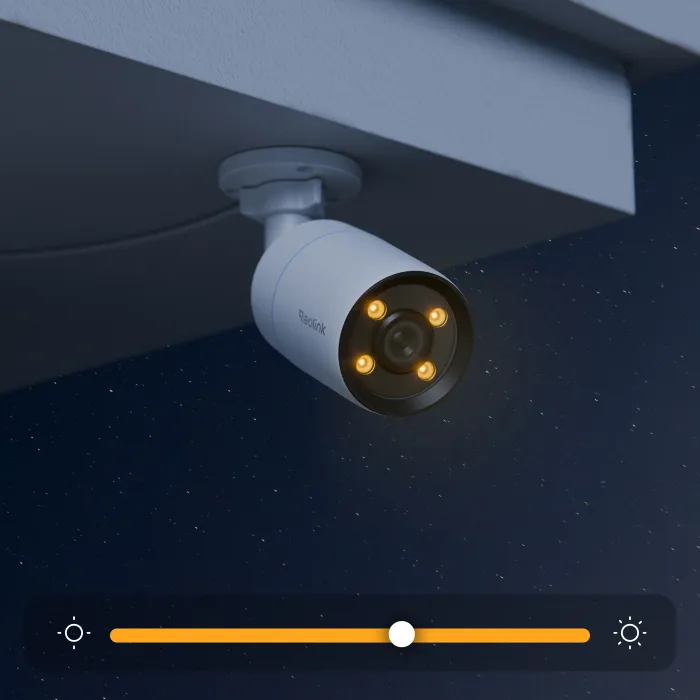
Co-op CCTV installation Nassau County: white bullet camera with two warm spotlights mounted under an eave at night, with a brightness slider graphic
Product photo (Reolink): a bullet camera with built-in spotlights under an eave. On the South Shore we mount outdoor co-op cameras under eaves and overhangs, high and out of the weather, with sealed connections against salt air.
Coverage

The Common Areas a Nassau Co-op Camera Plan Covers, Room by Room

Every camera on the plan should be there to answer a question the board actually has. Here is how we think about each common area in a Nassau cooperative, and what we usually recommend.

Vestibule and front door

The most important camera in an elevator co-op. It should see the face of each person at the inner door, at a height and angle that light from the street and the lobby does not wash out. Where the intercom panel has its own camera, that camera shows callers to residents; a separate vestibule camera does the recording for the board. In a garden complex, the equivalent is one camera at each building entrance.

Mail and packages

Package theft in buildings without a doorman is the most common reason boards call. A camera above and slightly to the side of the package shelf or locker bank, aimed so that a person's face and the parcel are both in frame, gives the managing agent something to work with. Where packages pile on the vestibule floor, the vestibule camera usually covers them already.

Laundry rooms

One camera at the door facing in, positioned so that it does not look into any space where people change. A second over the machines if the board wants it. Never a camera in a restroom attached to the laundry.

Storage rooms, bike rooms and cages

The door camera matters most again. Storage corridors are long and narrow, so a camera at one end looking down the length works better than several in the middle. Boards often ask us to cover the bike room because bicycles are the easiest thing in a basement to carry out unnoticed.

Elevator cabs

A small dome in a top corner of each cab, with video carried down the hoistway on a wireless link designed for elevators so that no cable is added to the traveling cable. Anything inside the elevator controller or the car's own wiring is the elevator contractor's work, and we coordinate the visit with the elevator maintenance company so the car can be taken out of service briefly while we mount the camera.

Service doors, roof doors and stairs

The rear or service door is where deliveries, contractors and garbage go out, and where doors get propped open. A camera inside each one, facing the door, shows who opened it. Roof doors and stair doors to the street get the same treatment where the board has had problems with them.

Lots, garages and trash enclosures

Covered in detail above. The trash enclosure deserves one camera in most co-ops, because illegal dumping by outsiders and furniture left by departing shareholders both cost the co-op money.

Pools, clubhouses and gyms

Some larger Nassau garden co-ops and oceanfront buildings have a pool, a clubhouse or a fitness room. A camera at each entrance to the amenity, and possibly one over the pool gate, is reasonable. A camera that looks at the pool deck all day while residents swim and sunbathe is the kind of thing that generates complaints, so we keep amenity cameras at the doors and gates unless the board has a specific problem to solve.

Spaces we leave out

The inside of any apartment, any view through a window into an apartment or a neighbor's house, restrooms, locker or changing rooms for staff, and the staff's break area. We also mask out, in the camera's own settings, any part of a frame that would show a neighbor's yard or windows. The plan the board approves shows these masked areas.

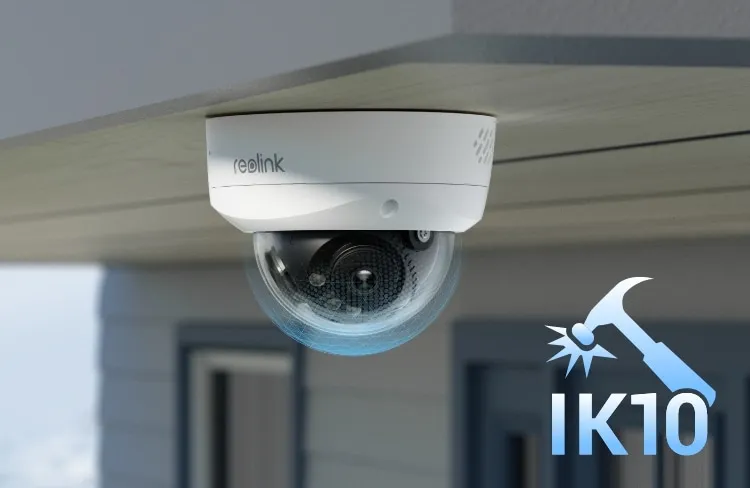
Co-op video surveillance installation Nassau County: impact-rated dome camera mounted under an eave, with an IK10 rating graphic
Product photo (Reolink): an impact-rated (IK10) dome. In co-op vestibules, garages and laundry rooms, any camera within reach is a vandal-resistant dome.
Equipment

Co-op Security Camera Systems We Install in Nassau County

A cooperative's camera system is a small network: cameras, cable, a switch that powers them, a recorder that stores their video, a battery backup, and software that lets named people view and export clips. Each part has a job, and the board should know what it is buying.

Cameras matched to the spot

  • Domes for ceilings in vestibules, lobbies, halls, garages and elevator cabs. Impact-rated domes where the camera is within reach of anyone who wants to knock it down.
  • Turrets for eaves and soffits on garden buildings, where a dome's bubble collects dirt and reflections.
  • Bullets aimed down a driveway, a row of spaces or a garage aisle; their tighter field of view keeps faraway detail sharp.
  • Dual-lens and panoramic cameras at a lot corner or across a broad courtyard, doing the work of a pair.
  • Pan-tilt-zoom cameras rarely. They are useful when someone watches live, which in most co-ops nobody does, so a fixed camera usually serves the board better.

Recorder, drives and retention

The recorder stores everything on hard drives inside the box. How many days it keeps depends on the number of cameras, their resolution, whether they record all the time or only on motion, and the drive size. A trade article from FirstService Residential in September 2024 noted that buildings commonly keep footage for 30 to 90 days. We size the drives to the retention the board chooses, write that number on the plan and set the recorder to overwrite the oldest video automatically.

Power over the network cable

Network cameras take their power through the same cable that carries their video, from a power-over-Ethernet switch next to the recorder. That means no outlet is needed at most camera locations and no electrician is needed for most of the job. The switch and recorder plug into an ordinary outlet near the equipment cabinet.

Battery backup

A battery unit under the recorder keeps the system running through short outages and lets it shut down cleanly in long ones, so the drives and settings survive. We size it to the number of cameras the board wants to keep alive and write the expected run time into the plan.

Remote viewing with named accounts

The recorder can be reached by phone app and computer. Each person the board names gets a personal account with only the permissions they need: live view for the super, playback and export for the managing agent, full administration for one or two directors. The cooperative corporation holds the master administrator password, not us and not any single person.

House brand first, partner brands when asked

Our default quote uses our own house-brand cameras and recorders, which are the systems on our price list. Boards that prefer a name brand can have one: we are partners with Lorex, Luminys and Reolink, and we install other major brands as well. Some of the product photos on this page are Reolink's, used as examples of the types of camera we install.

Video surveillance, CCTV and analog upgrades

Many older Nassau co-op systems are analog closed-circuit cameras on coaxial cable feeding a DVR. Some of that coax can be tested and reused with a newer HD-over-coax recorder; other runs are too old or too damaged and are replaced with network cable. Our general CCTV installation work in Nassau County covers that equipment in depth; on a co-op job we simply test what is there and say in the proposal what we keep and what we replace.

Co-op camera system installation Nassau County: white dual-lens dome camera fixed to a wood-plank soffit with its cable along the boards
Product photo (Reolink): a dual-lens dome on a wood soffit. Domes like this suit the porch roofs and entrance canopies of Nassau garden co-ops, where one camera can watch a door and the path to it.
Camera Counts

How Many Cameras Nassau Co-ops Usually Start With

These ranges come from the building types above. They are starting points for a board's discussion, not quotes; the walk of the property sets the real number.

Co-op typeFirst phaseFull systemWhere the first cameras go
Small walk-up or mixed-use (8–24 apartments)44–8Entrance, mail area, rear door, lot or trash area
Elevator building near a station (40–120 apartments)6–88–14Inner door, package shelf, elevator cars, rear door, washers, parking
1960s mid-rise with garage8–1012–20Garage ramp, garage aisles, garage elevator lobby, vestibule, lobby, cabs
Garden complex (several buildings)8–1216–30+Lot entrances and rows, one entrance per building, basement doors in phases

Why the first phase is deliberately modest

A board that installs eight cameras in the right places, writes a footage policy and uses the system for a season learns more about what it needs than a board that buys thirty cameras at once. We design the first phase with a recorder, switch and cable paths that have room for every later phase, so adding cameras next year means mounting cameras, not replacing the core.

Sample Plan

Sample Layout: A Six-Building Garden Co-op Near a South Shore Station

This is an illustration, not a client. Picture six two-story garden buildings around a central lawn, a 60-space lot along the rear property line that backs onto a commercial street, a maintenance shop in the basement of the building nearest the lot, and a board that wants to stop package theft and figure out who keeps damaging cars. Phase one might look like this.

#LocationCameraPurpose
1Lot entrance, building cornerBullet, narrow lensEach vehicle entering and leaving
2Rear wall of building ADual-lens panoramicOverview of the west half of the lot
3Rear wall of building BDual-lens panoramicOverview of the east half of the lot
4Trash enclosureTurretDumping and bulk items
5–10Each building's front entranceTurret under the porch roofFaces and packages at each door
11Courtyard entrance from the streetTurretPeople entering the grounds on foot
12Maintenance shop doorImpact-rated domeTools and equipment

The recorder, switch and battery go in a locked cabinet in the maintenance shop, raised off the floor. Buildings A and B are cabled directly from the shop. The other four reach the recorder through an old underground telephone conduit that tests clear, or by a wireless bridge from building A if it does not. Phase two adds the basement laundry doors, one per building. Phase three, if the board wants it, adds the storage corridors.

Services

Co-op Security Camera Installation Services in Nassau County

Free walk of the property and a written plan

A technician walks every door, room, lot and garage the board names, with the super or a director, opens any existing recorder, tests old cable where it matters, and returns a numbered camera plan with a fixed price for each phase.

New co-op camera systems

Cameras, cable, switch, recorder, battery backup, signs, accounts and handover, installed by our own crews to the approved plan.

Adding cameras to an existing system

When the recorder has free channels and is in good condition, we add cameras to it. When it does not, we say so and price the replacement.

Replacing analog systems

Old DVRs and analog cameras replaced with an HD-over-coax system or a network system, reusing what cable we can.

Recovering a recorder nobody can log into

A recorder whose password left with a former agent or super can often be reset and handed back to the board with new accounts. If it cannot, we replace it and keep the cameras.

Cameras the co-op already bought

If the board has already purchased cameras, we quote labor by phone or text from the model numbers and the number of locations, and book the installation with a deposit. We do not do site walk-throughs for customer-supplied equipment, and the performance and warranty of that equipment stay with its maker.

Repair and yearly checks

Failed cameras, failed drives and lost connections are handled through our security camera repair service in Nassau County. A yearly check covers cleaning, aiming, drive health, firmware and a test export, and the board gets a short written report.

Bids and board proposals

For co-ops that put work out to bid, we answer the specification as written and list any item we think should change, separately, so the board can compare bids line by line.

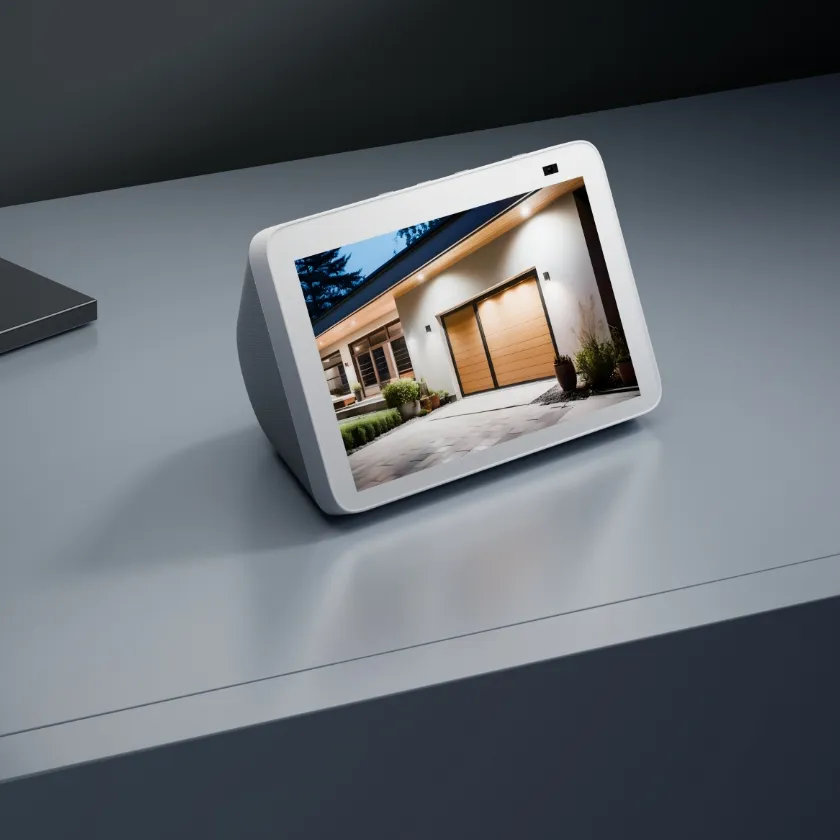
Co-op security camera systems Nassau County: small smart display on a counter showing a camera view of a garage door at dusk
Product photo (Reolink): a camera view of a garage door on a small display. A super can keep the garage ramp camera on a display in the office without access to anything else.
The Whole Building

Cameras, Intercom and Fobs on One Co-op Plan

Cameras answer who did something. The intercom decides who gets in, and fob readers decide which residents and staff can open which doors. A board that plans all three together avoids buying equipment twice. Where the lobby entry panel can send its video to the recorder, we add it so the agent searches one system; where the board is replacing the intercom anyway, the cable for a vestibule camera goes in at the same time. Our co-op security systems page for Nassau County covers the intercom, buzzer, fob and elevator side of a cooperative, and boards weighing an entry system replacement will find the decisions laid out in our guide to co-op board intercom upgrades.

One locked cabinet

The recorder, the camera switch, the intercom controller and the access-control panel can often share one locked cabinet or closet, with one battery backup sized for all of them. That keeps the equipment in one place for the super and one place for any future contractor.

Propped doors

A camera shows who propped a door. A door contact on the access-control system tells someone, while it is happening, that a door has been held open. When a co-op's problem is a side door that keeps being left open, the best fix is usually both, and we price them together.

The Law

New York State Law on Co-op Cameras, as It Applies in Nassau County

Treat this section as background from a licensed installer, not as advice from counsel. It summarizes statutes and trade reporting, with sources, so the board can bring sharper questions to its own attorney.

The board's authority over common areas

New York's Court of Appeals held in Levandusky v. One Fifth Avenue Apartment Corp. (1990) that courts generally defer to a co-op board's decisions made in good faith, within its authority and for the cooperative's purposes, the business judgment rule. A board deciding where cameras go in the corporation's own common areas is making that kind of decision. Ricardo M. Vera of Newman Ferrara, answering a reader in CooperatorNews in 2025, explained that New York does not recognize a common-law right of privacy in public or common areas, while warning that audio recording raises separate issues under the Penal Law.

Video, never sound

Penal Law §250.05 makes eavesdropping a class E felony, and §250.00 defines it to include the mechanical overhearing of a conversation without the consent of at least one party. A camera microphone in a lobby or laundry room can do exactly that. Several packages on our price list include cameras with built-in audio; on a co-op system we leave audio switched off at the recorder and say so on the plan.

Places a camera never goes

Penal Law §250.45 makes it a crime to record people without consent in places such as bathrooms, changing rooms and fitting rooms. Labor Law §203-c separately bars employers from video recording employees in restrooms, locker rooms and rooms designated for changing clothes. In a co-op, that means no camera inside any restroom off the lobby or laundry, and no camera inside the porters' locker or changing room. A camera in the hallway outside, facing the door, is a different matter.

Telling people the cameras are there

Attorneys interviewed by CooperatorNews have advised that a conspicuous sign at entrances and the use of cameras that do not record voices are basic good practice. We supply and mount camera notice signs at the entrances on the plan. The board's written notice to shareholders, and through them to any approved subtenants, does the rest.

Shareholders' own cameras

Video doorbells on apartment doors are a recurring fight in co-ops. Habitat reported in October 2021 on a dispute over shareholders' doorbell cameras in which an attorney advised against allowing them unless every resident on the floor agreed, and in 2023 attorney Debra Guzov told Habitat that shareholders “can't just unilaterally do what you'd like to do in the common hallways.” The answer belongs in the co-op's house rules, and a board that installs a common-area system is in a good position to write it.

Who may install

General Business Law §69-m requires a state license to engage in the business of installing, servicing or maintaining security or fire alarm systems, and the Department of State's regulations at 19 NYCRR Part 195 bring video surveillance used to detect or monitor intrusion within that license. Our New York State license number is printed on this page. Ask any bidder for theirs and check it with the Department of State.

Directors with a stake in the vendor

Co-op corporations in New York are generally organized under the Business Corporation Law. Section 713 of that law says a contract between the corporation and a director, or a company in which a director has a substantial financial interest, is not void for that reason alone if the material facts are disclosed and the contract is approved by the disinterested directors, or by the shareholders. In practice, if a director's relative or business sells or installs cameras, the board should have the interest disclosed, have that director sit out the vote and record it in the minutes.

Fire alarm work stays separate

Some boards ask whether the camera contractor can also handle the building's fire alarm. In Nassau County, fire alarm work goes through the County Fire Marshal's review and its own licensing, and we do not take Nassau fire alarm permits. A camera project does not touch the fire alarm system, and we keep it that way.

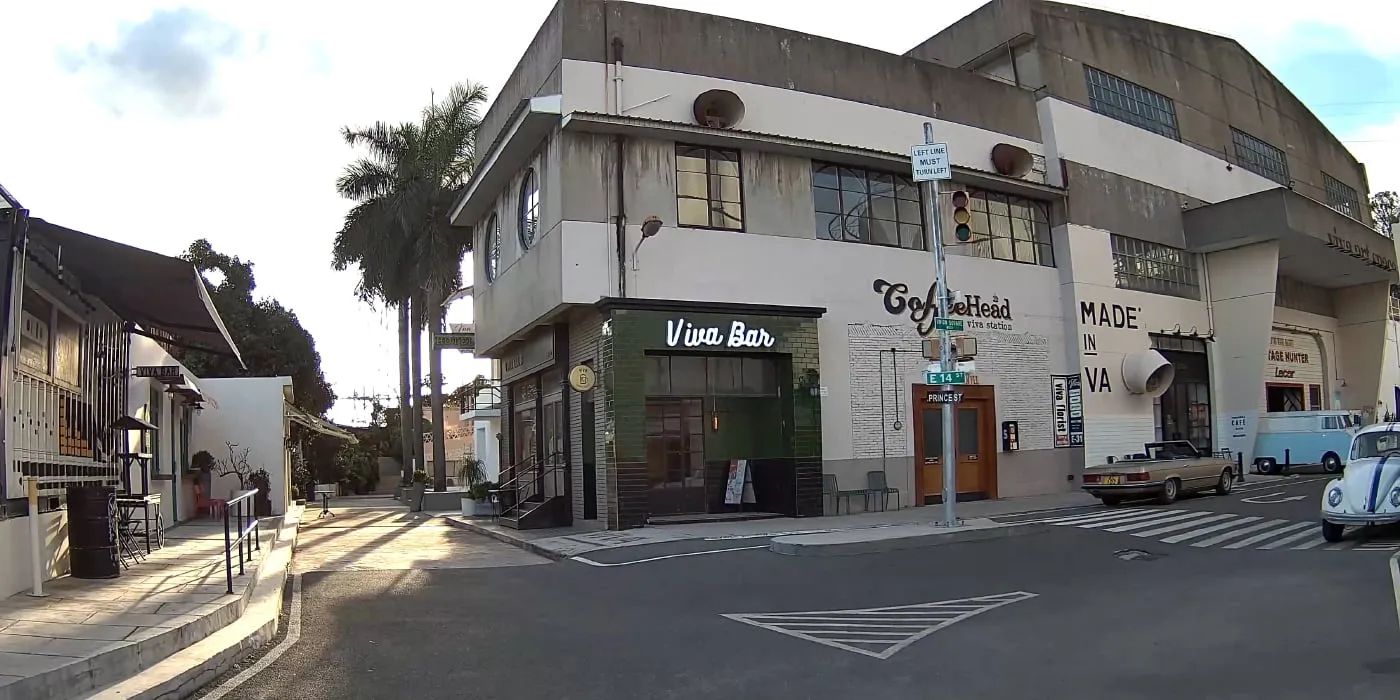
Housing cooperative security camera installation Nassau County: manufacturer sample frame of a street corner with ground-floor shops
Manufacturer sample frame (Reolink), not a Nassau street: a corner with shops at ground level. Village-center co-ops above storefronts cover only what the corporation controls, the residential door, mail area and rear lot.
Footage Policy

A Footage Access Policy for a Nassau County Co-op Board

Installing cameras is the easy part. Deciding who may look at the video, and when, is where boards get into trouble. On Habitat's Board Talk forum in November 2026, a board member asked whether a co-op board could legally take over surveillance of camera footage from building employees. One reply asked, “Who watches the clips, and who logs it?” and described a building where “Nobody can say who watched what and when, which felt backwards.” Another warned, “Unrestricted access invites snooping on fellow shareholders.” Those three lines are a fair summary of why every co-op camera system should come with a written policy.

FirstService Residential's September 2024 guidance for New York co-ops and condos recommends keeping a log of footage requests and access, and says residents should not be given copies of footage without board and counsel approval. We hand every board a draft policy built on that advice, for its attorney to adjust.

A policy in nine lines

  1. The cameras record common areas for the safety of residents, staff and property.
  2. Audio is never recorded.
  3. Recordings older than [number] days are erased by the recorder on its own.
  4. The super may watch live; the managing agent and [named directors] may search, play back and export.
  5. No one reviews video for curiosity, or to check on a shareholder, a buyer under review or an employee's personal life.
  6. A review is opened only for a reported incident, an insurance claim, a legal request or a safety concern, and is logged with date, reason and reviewer.
  7. Shareholders who report an incident may be shown relevant video with the managing agent present; copies are released only with board and counsel approval.
  8. Police requests go to [named person], who exports the clip, logs it and keeps a copy.
  9. Administrator passwords are held by the corporation and changed when the managing agent or a director with access changes.

Exporting a clip properly

When something happens, the clip should be exported promptly, before the recorder overwrites it, in the recorder's native format plus a common video format, with the camera name and correct time stamp. We set the recorder's clock to synchronize automatically and show the agent how to export on handover day, then leave written steps inside the equipment cabinet.

Self-managed co-ops

Smaller Nassau co-ops are often run by volunteers with no managing agent. The same policy works; it just names two directors instead of an agent, and we keep the number of alerts low so nobody gets a phone full of notifications every night.

Board Approval

Taking a Camera Proposal to a Nassau Co-op Board

Boards on Long Island are used to scrutiny. Newsday quoted a mortgage adviser in 2019 describing a co-op board's review of a buyer as “often an even more invasive ‘underwriting’” than a bank's. Directors who read purchase packages that closely will read a camera proposal the same way, and they should. Here is what ours contains and why.

What the board packet holds

  • Drawings of every floor, lot and garage with each camera numbered and its job spelled out.
  • Where the recorder, switch and battery go, and why.
  • How cable reaches every camera, including any link between buildings.
  • The number of days the board wants kept, with the drive capacity chosen for it.
  • Masked areas, so directors can see that no apartment window is in view.
  • A fixed price per phase, with every possible add-on listed before ordering.
  • The draft footage policy and a draft shareholder notice.
  • Our license number, insurance carrier and warranty terms.

Paying for it

Boards pay for cameras from the operating budget, the reserve fund or a capital project, depending on the bylaws, the size of the job and what the co-op's accountant advises. A phased plan lets a board spread the cost across budget years without redesigning the system each year.

Telling shareholders

A short written notice before installation explains what is being covered, that no audio is recorded, how long video is kept and who may see it. Shareholders who sublet with the board's consent should pass the notice to their subtenants. Most objections we hear in Nassau co-ops are answered by that notice and by the masked-area drawing.

Insurance, contract and schedule

Our certificate of insurance, naming the cooperative and its managing agent as the building requires, is issued once the job is awarded. The managing agent's contractor rules, including any hours the village sets, go into our schedule. A deposit of half the price starts the job and equipment is ordered once it clears; any special-order item is named before that. Installation is then booked first come, first served.

Comparing Bids

Making Co-op Camera Bids Comparable in Nassau County

Three camera bids that each say “12 cameras” can describe three very different systems. Before the board compares prices, ask every bidder to fill in the same table.

Ask each bidderWhy it matters
Camera model and resolution at each numbered locationResolution and lens decide whether you get a face or a blur
Recorder model, channel count and drive sizeDetermines retention days and room for later phases
Concealed or exposed cable, by locationConcealed wiring is a real cost and should be priced, not assumed
How far-away buildings and garages are connectedTrench, conduit, fiber and wireless differ in price and durability
Battery backup and its run timeWhether the system survives a short outage
Audio on or offAudio must be off on a co-op system
Who holds the administrator passwordIt should be the corporation
Monthly fees, if anyA recorder on site needs none to keep recording
State license numberRequired for security system installers in New York
Warranty, in writingParts, labor and the length of each
Pricing

What Co-op Security Camera Installation Costs in Nassau County

Co-ops in Nassau are charged the same camera prices as any other customer in the county. Our entry system, four house-brand cameras with a recorder, is $999 installed, and each camera past those four gets its own price after the walk fixes where it goes. The packages below come from our Nassau County security camera pricing page. Each is four cameras and a recorder, installed, with wire runs up to 100 feet per camera.

PackageWhat is includedInstalled
A1Four 2MP eyeball cameras on a 1080P DVR; infrared reaches about 60 ft$999
A34 eyeball network cameras, 2MP, 4-channel NVR$1,033
E24 dome network cameras, 4MP, 4K NVR with 20″ monitor$1,206
D14 eyeball network cameras, 8MP 4K, NVR with monitor$1,441

For most co-op vestibules and doors the network packages make more sense than the entry DVR package, because they reach further on one cable and are easier to expand. The A1 package suits a small walk-up that wants four cameras at the doors and little else. Where a package includes cameras with built-in audio, the audio is left off.

What moves a co-op quote

  • Camera count and models, taken from the plan the board signs off on.
  • Concealed wiring, at $200 per camera for runs up to 100 feet, using conduit, molding or piping.
  • Long cable paths. Past 100 feet we price the run after seeing it, together with whatever extra switch, fiber or radio link a distant garage or building needs.
  • Retention, because more days of video means larger drives.
  • Outage protection, since a larger battery keeps more cameras recording when the power drops.
  • Elevator coverage. A cab camera adds a shaft transmitter pair and has to be scheduled around the elevator company's mechanic.
  • The existing recorder, which we can only judge after opening it.

Anything that could add cost appears in writing before the board approves the order. Ordered equipment cannot go back, so we would rather surface a possible extra on the walk than on the day the crew arrives.

Deposit, financing and warranty

Half the installation price is paid as a deposit, and equipment is ordered once it clears. Cooperative corporations and managing agents may pay by check. Financing is available through Wisetack, subject to approval.

After installation, the system is covered for 30 days as described on our warranty page, with paid extended plans of a year or longer available for new systems, plus each manufacturer's own equipment warranty and free phone support. Full terms — including 50% deposit, one-year parts-only warranty on Abstract Enterprises Security Systems-supplied products, and the late-fee schedule — are set out in the service agreement.

Give the Board a Numbered Plan Before Its Next Meeting

A short call is enough to start. Visits are put on the calendar within 2 hours of the request on any day of the week, and crews come in the morning.

Get In Touch

Request a Co-op Camera Proposal in Nassau County

Tell us which village or hamlet the co-op is in, how many buildings and apartments it has, whether it has a lot or a garage, who manages it, and what problem the board is trying to solve. A picture of the current recorder is useful. Calls and texts go to (516) 346-5778.

✅

Request Sent!

Thanks, it came through. Someone from our office will reach you soon to choose a day for the visit.

How It Works

From First Call to Handover: Seven Steps for a Nassau County Co-op

Size changes the calendar, not the sequence: a small Mineola walk-up and a sprawling garden complex follow these seven steps, though the bigger property takes longer at the drawing stage and gets installed in stages.

1

Call, text or send the form

One phone call, text or form from a director, the agent or the super; the visit is scheduled within 2 hours with a two-hour morning arrival window.

2

Walk the property

A technician walks every door, room, lot and garage the board named, opens any existing recorder, tests old cable and conduit, and picks a dry, locked, high spot for the equipment.

3

Numbered camera plan

Directors get a drawing with every camera numbered and explained, the blacked-out zones, the cable route to each building, storage days and one fixed figure per phase.

4

Board vote and deposit

The board approves the plan by its usual vote, any conflicted director abstaining; half the price is paid up front and nothing is ordered until that payment clears.

5

Notice and schedule

Shareholders get the board’s written notice, we receive the agent’s contractor rules and send our insurance certificate, and the job takes the next open slot in order of payment.

6

Install, aim and mask

Technicians pull cable and hang cameras, set up the equipment cabinet, then fine-tune each view and black out windows and neighboring yards while the super or agent looks on.

7

Handover

We walk the agent through exporting a clip, then leave the corporation the master password, each named user’s login, an updated drawing, mounted signs and the warranty paperwork.

A small building with four to six cameras is usually installed in a day. An elevator co-op with ten or twelve cameras, including cab cameras, takes two or three days. Garden complexes are installed a few buildings at a time, and any trenching between buildings is scheduled around the co-op's parking.

What shareholders see on installation day

Two or three technicians, a ladder in the vestibule for an hour or two, cones around the section of the lot where we are working and a short elevator outage while a cab camera is mounted. We do not need to enter apartments for a common-area system. At the end of each day work areas are cleared, ceiling tiles go back and anything left open is closed and marked.

Board Questions

Nassau County Co-op Camera Questions, Answered

A director's brother-in-law sells and installs cameras. Can the board hire him?

It can, if it handles the conflict properly. Under Business Corporation Law §713, the director should disclose the relationship, sit out the discussion and vote, and the disinterested directors approve the contract with the facts in front of them, all recorded in the minutes. Most boards also get at least two other bids so that shareholders can see the price was fair. Ask the co-op's attorney to confirm the steps for your bylaws.

The laundry company owns the machines in our basement under a lease. Can the board put a camera over them?

Yes. The room is the cooperative's, and a camera on the co-op's wall recording a common area does not need the vendor's permission. Read the laundry lease anyway: some require the co-op to report vandalism or coin-box break-ins promptly, and video of the room makes those reports easier. Keep the camera aimed at the machines and the door, and away from any restroom or folding area where people might change.

The board is refinancing the co-op's underlying mortgage this year. Should the camera project wait until the loan closes?

Usually there is no reason to wait, because a camera system is a modest capital item next to an underlying mortgage. The co-op's accountant or attorney should still glance at the loan documents and the lender's conditions for any limits on spending or new contracts during the closing period. If timing is tight, approve phase one now and schedule the installation for after the closing date; the plan and price hold for the period written on the proposal.

The garage block at the back of our lot has no outlets. Can cameras still go there?

Usually, yes, without anyone running a new circuit. A camera on the nearest building can look down the row of garages. If the board wants a camera mounted on the garage block itself, it can take power over its network cable from the switch in the main building, provided the cable run is within the distance the equipment supports. If neither works, the co-op's electrician would have to bring power to the garage first; we do not do electrical work.

Some shareholders sublet with board approval. Do the subtenants need to be told about the cameras?

They live in the building and walk past the cameras every day, so yes, in practice. The simplest approach is to send the camera notice to every shareholder with a request to give it to any subtenant, add a line to the sublet application package, and rely on the entrance signs for visitors. The co-op's attorney may want specific wording in the sublet documents.

The managing agent wants the cameras on the same network as the co-op office computers. Is that safe?

It is better to keep them apart. Cameras and the recorder sit on their own switch, and the recorder reaches the internet through a separate port or network segment on the co-op's router, so a compromised office laptop cannot see the cameras and a camera cannot reach the office files. Remote viewing still works through the recorder's app with named accounts. We set this up during installation and note it on the handover sheet.

Guest cars sit in our visitor spaces for days at a time. Can the entrance camera show how long a car has been parked?

Yes, in most lots. The camera at the vehicle entrance records each car as it comes in, so the agent can search that camera around the time a car first appeared and compare it with today. An overview camera covering the visitor row confirms the car has not moved. Together they give the board dated images to support the parking rules in its house rules, and any towing decision stays with the board and its agent.

We lease spare lot spaces to commuters. Can those cars be recorded?

Yes. The spaces are on co-op property and the lot is covered like any other common area. Put a sentence in the parking lease saying the lot is under video surveillance, put the same notice signs at the lot entrance, and handle any lessee's request for video through the board's written footage policy.

Someone keeps propping our side door open with a rock. Is a camera the right fix?

A camera will tell the board who is doing it. It will not stop the door from being open tonight. Pairing a camera with a door contact that warns the super when the door has been held open, or replacing the key cylinder with a fob reader so the door locks itself again, deals with the cause. We price the camera and the door hardware together so the board can choose.

The board president wants to look at camera video of a buyer's visits before the interview. Is that appropriate?

No. Camera video should be reviewed only for a reported incident or a safety, insurance or legal reason, and the review logged. Using cameras to vet buyers, check on shareholders or monitor anyone's personal life is exactly what a footage policy exists to prevent, and it exposes the board to complaints it does not need. The buyer's application package is the place for the board's review.

Someone keeps putting tape over the hallway camera. What can the board do?

Most recorders can raise an alert when a camera's picture is suddenly blocked or goes dark, so the super learns about it the same day instead of finding a blank recording weeks later. A second camera covering the first, or moving the camera higher, makes it harder to reach. Covering a co-op camera is a house-rules matter, and the board's notice to shareholders can say plainly that tampering with building equipment will be handled like any other damage to common property.
Reality Check

Five Things Nassau Co-op Boards Hear About Cameras, Checked

“Whatever a Manhattan co-op does with cameras will work in Mineola”

Not quite. State statutes on eavesdropping, unlawful surveillance, labor and licensing apply everywhere in New York. City-specific rules, such as the Multiple Dwelling Law requirements and city local laws about building access data, do not apply to a Nassau co-op; the Multiple Residence Law covers towns and villages. A Nassau board should read guidance written for Manhattan buildings carefully before adopting it.

“Subscription cloud cameras are cheaper for a co-op over the long run”

Sometimes for one or two cameras; rarely for a building. Cloud plans usually charge per camera per month, forever. A recorder on site stores video for no monthly fee, keeps recording when the internet goes down and leaves the video on property the corporation owns. Boards should multiply any per-camera monthly charge by the number of cameras and by ten years before deciding.

“A 4K overview camera doubles as a plate reader”

Resolution is only one part. Reading a plate takes the right lens for the distance, a camera aimed where cars slow down, a fast shutter and light on the plate at night. A 4K overview camera on a building corner will rarely read a plate across a lot. A properly placed entrance camera will often capture plates of cars driving in slowly, and we say on the plan which cameras are expected to.

“A handy shareholder can install the system and save the co-op money”

A homeowner may install equipment in his own home. Installing a security system as a business in New York requires a license under GBL §69-m, and a co-op hiring an unlicensed installer, even a friendly one, gives up insurance coverage, warranty, documentation and accountability. If a volunteer installs cameras and one falls on a car or a resident, the co-op owns that problem.

“More cameras means a safer building”

A building is safer when the cameras are in the right places, the video is kept long enough and somebody knows how to export a clip. Twenty cameras with nobody trained to use them are worth less than eight with a policy, named users and a yearly check.

Co-op security camera installer Nassau County: phone playing back an infrared night recording of a terrace with lounge chairs
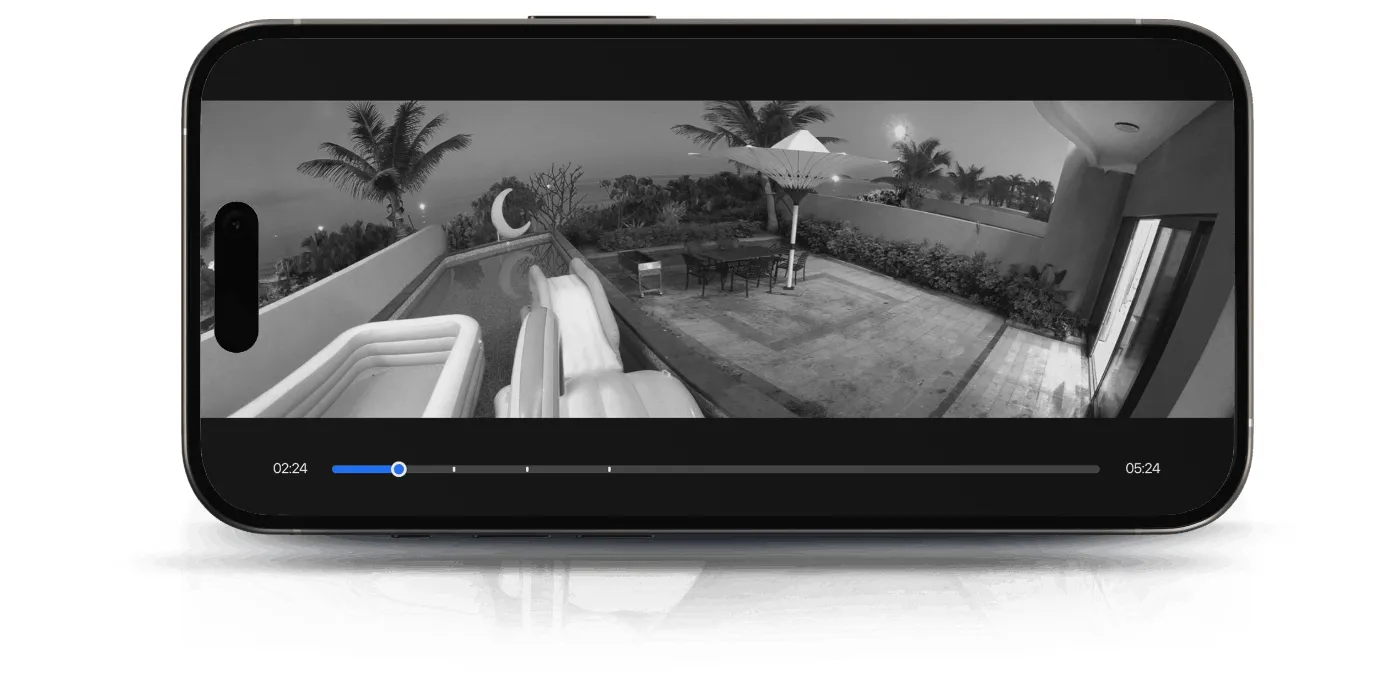
Product photo (Reolink): a phone playing back infrared night video. When a Nassau co-op gets a report, the clip is found by time, exported and logged under the board’s policy.
Field Notes

Field Notes From Co-op Camera Walks in Nassau County

A few things we look for on almost every Nassau cooperative walk, because they shape the plan more than the camera models do.

  • Where the commuters walk. In station villages, the path people take from the street to the platform often crosses or borders co-op property. It tells us where the entrance camera should face.
  • How high water has reached. On the South Shore we ask the super, and we look for water lines in the basement and garage before choosing where the recorder goes.
  • Old conduit between buildings. Garden complexes often have unused underground conduit from old phone or intercom systems. Finding it can save a trench.
  • What the existing recorder knows. We open it, if anyone has the password, and look at which cameras still work and how many days are stored.
  • Ground-floor windows. We note every apartment window near a planned camera so the plan shows masking from the start.
  • Trees. A view that is clear in December can be blocked in June. We look at branch lines, not just the bare view.
  • The village's rules. Contractor hours, any permit question and parking for our vehicles during the job.

A checklist before the board signs

  • No camera appears on the plan without a stated reason.
  • The equipment cabinet sits somewhere locked, dry and higher than past floodwater.
  • Retention days and drive size are written down.
  • Audio is off, masked areas are shown, and signs are included.
  • The corporation holds the administrator password.
  • The footage policy and shareholder notice are drafted.
  • Every add-on is priced before the order.
  • The board has checked every bidder's state license with the Department of State.

Other camera pages for Nassau County

Boards comparing approaches can read about condo security camera installation in Nassau County, which covers associations where owners hold title to their units, and about apartment building camera installation in Nassau County for rental buildings and landlords. For single properties and general camera work there is our Nassau County security camera installation page, and for recorders specifically, NVR installation in Nassau County. Elevator floor control and fob doors are covered on elevator access control in Nassau County and access control installation in Nassau County.

FAQ

Nassau County Co-op Security Camera FAQ

Is the $999 package enough for a co-op, or do boards usually pick a network system?
+

The $999 A1 package, four 2MP cameras with a DVR, suits a small walk-up that wants its doors covered. Most elevator co-ops and garden complexes choose a network package such as A3 at $1,033 or E2 at $1,206, because network cameras reach further on one cable and the recorder is easier to expand. Every package on the Nassau price list can take more cameras, priced per camera.

Can the recorder share a locked closet with the intercom and fob equipment?
+

Usually, yes, and it is often the best arrangement. One ventilated, locked closet or wall cabinet can hold the recorder, camera switch, intercom controller and access-control panel with one battery backup sized for all of them. We check heat and space on the walk.

Which rooms will your crew need access to on installation day?
+

The equipment room or closet, the basement and any ceiling access along the cable path, the roof or upper floors if cable runs that way, the garage, and the elevator machine room or pit only when the elevator company is present. We list every room on the schedule so the super can have keys ready. We do not need to enter apartments.

Do residents need to move their cars while you work in the lot?
+

Only from the few spaces under the wall or pole where we are mounting a camera at that moment, and only for an hour or so. We give the managing agent the order of work in advance so a notice can go up the day before. Trenching between buildings, if the plan needs it, is scheduled separately.

Can the cameras come in a color other than white?
+

Some packages offer black as well as white, at an added charge shown on our Nassau price page. On brick or dark trim a black camera is less noticeable; on light siding or a white soffit, white blends in. We note the color for each location in the proposal.

Who decides how long the recorder keeps video, and what is typical?
+

As many as the board chooses to pay for in drive space. Trade guidance commonly puts building retention at 30 to 90 days. We size the drives to the board’s number, write it on the plan, and the recorder overwrites the oldest video automatically.

The board already bought cameras from a warehouse store. Will you install them?
+

Yes. Send the model numbers and the number of locations, and we quote the labor by phone or text and book the installation with a deposit. We do not do site walk-throughs for customer-supplied equipment, and its performance and warranty stay with the manufacturer.

Can new cameras use the old coaxial cable from our analog system?
+

Sometimes. Coax in good condition can be tested and reused with an HD-over-coax recorder, which keeps cost down. Network cameras need network cable, though adapters can carry them over coax in some cases. We test the old cable on the walk and say in the proposal which runs we keep.

Do you supply and mount the camera notice signs?
+

Yes. Signs for each entrance on the plan, including lot and garage entrances, are part of the installation. The board’s written notice to shareholders is separate, and we provide a draft.

What happens if a camera fails in the first month?
+

Our 30-day warranty covers it: we come back and replace the failed part. After 30 days, the manufacturer’s equipment warranty applies, and paid extended plans of a year or longer are available for new systems. Phone help with the app and recorder is free.

What does a yearly check of a co-op camera system include?
+

Cleaning every lens, re-aiming any camera that has drifted, checking drive health and retention, updating firmware, confirming the clock, testing the battery backup and running a test export. The board receives a short written report listing anything that needs attention.

Is there anything the board should gather before our technician visits?
+

A list of the problems it wants solved, a contact who can open every room, the password to any existing recorder if anyone has it, the managing agent’s contractor rules and, if available, a site plan or survey of the lot and buildings. None of it is required to book the walk.

All Areas Served

Co-op Security Camera Installation on Long Island, in New York City and the Hudson Valley

This page is part of our guide to co-op security camera installation on Long Island. Cooperatives in Suffolk County will have their own page soon. Co-op boards in the city can start at co-op security camera installation in NYC or go straight to the borough pages for Queens, Brooklyn, Manhattan, the Bronx and Staten Island. North of the city, see co-op security camera installation in the Hudson Valley. For video at individual apartment doors, see doorbell camera installation in Nassau County; for routine upkeep of an existing system, security camera maintenance in Nassau County. Back to Abstract Enterprises Security Systems.

Cameras Planned Around the Whole Co-op, From the Lot to the Laundry

It starts with a free walk of the property. The board receives a numbered camera plan, a draft footage policy and shareholder notice, and every password in the corporation's name. Four cameras with a recorder start at $999 installed.