Lobbies · Vestibules · Elevators · Service Entrances · Laundry & Storage Rooms
Co op security camera installation in Manhattan starts at $1,099, and that buys a working base: four unbranded cameras, one recorder and the labor to mount and set them up, exactly the opening line of our Manhattan camera price list. Most cooperative buildings on the Upper East Side, the Upper West Side, in the Village or uptown need more than four views, so the extra cameras are priced one by one after a walkthrough with your super or managing agent, and we book that walkthrough within 2 hours of your call, seven days a week.
Short version for a co-op board: Start with the doors strangers use (street door, vestibule, service entrance and basement door), then the elevator, then the laundry, bike and storage rooms. Leave audio off, keep every lens away from restrooms and staff changing areas, and angle corridor cameras so an open apartment door reveals nothing. Pass a board resolution, tell shareholders in writing before go-live, and adopt a written rule on who may view and export footage. If your building is landmarked or sits in a historic district, the Landmarks Preservation Commission controls street-facade cameras, so those positions get planned and filed first. Four cameras start at $1,099 in Manhattan; each added camera is priced after the layout is confirmed, and hidden wiring costs more than surface runs.
Last updated November 27, 2026 by Abstract Enterprises Security Systems, NYS license #12000287431 · Sources: NYS Attorney General, Understanding & Dealing With a Co-op Board of Directors; Matter of Levandusky v. One Fifth Ave. Apt. Corp., 75 N.Y.2d 530 (1990); NYC Comptroller (March 2024); The Real Deal (Jan. 6, 2026); NYC Landmarks Preservation Commission Permit Guidebook ch. 11; Mayor's Management Report, Fiscal 2026 (LPC); NY Penal Law §§250.00, 250.05, 250.45; NYC Admin. Code §28-105.4.7; FirstService Residential (Sept. 23, 2024); CooperatorNews (Nov. 2012; April 2025); Habitat (Aug. 28, 2023); Patch (July 10, 2023); I Love the Upper West Side (Aug. 16, 2022); CBS New York (May 22, 2018); NYC Mayor's Office (Oct. 19, 2026)

Same owner since 2002 · Thousands of completed jobs · Visits scheduled any day of the week, mornings first
In a cooperative, nobody owns an apartment in the usual sense. A corporation owns the whole building, and each resident owner holds shares in that corporation plus a proprietary lease for one unit. The New York State Attorney General's guide for co-op residents puts it plainly: owners of co-op apartments "are both shareholders in and tenants of the same corporation" (NYS Attorney General, co-op board guide). That one fact shapes everything about a camera project. The lobby, the elevator, the laundry room and the boiler-room corridor belong to the corporation, the board of directors acts for the corporation, and every shareholder is both a part-owner who pays for the cameras and a resident who walks past them twice a day.
Manhattan is still co-op country. Brokers' fourth-quarter 2025 data showed roughly 1,500 co-op sales in Manhattan in that quarter against about 1,200 condo sales, with a co-op median of $825,000 compared with $1.7 million for condos (The Real Deal, Jan. 6, 2026, citing Miller Samuel and Douglas Elliman). Citywide, the Comptroller's office counts 450,000 occupied apartments in cooperative buildings (NYC Comptroller, March 2024). Each sale brings a new household, new movers, new contractors for a renovation, and a new set of people who need to be recognized at the door.
The buildings themselves are older on average than the borough's condos. A typical Manhattan coop is a prewar elevator building on West End Avenue or a side street off Park, a white-brick postwar tower in the East 60s, a six-story walk-up in the West Village, a converted rowhouse in Hamilton Heights, or a courtyard building in Hudson Heights with two or three entrances off one shared yard. Plaster walls, terrazzo floors, ornamental lobby ceilings and riser shafts packed with decades of abandoned telephone and cable wire are the normal working conditions. A camera plan that ignores those details ends up with surface conduit across a landmark-quality lobby, or with cameras the doorman can't see because the old riser can't carry the signal.
The problems boards call about are familiar. Package theft from lobbies is a steady Manhattan story: Patch reported a thief who took packages from the same West 74th Street lobby twice in a few days in July 2023 (Patch, July 10, 2023), and a West 89th Street building saw a man pose as a courier, carry in empty boxes and leave with residents' deliveries; one tenant counted at least ten thefts in a year even though both entrance doors were "always locked" (I Love the Upper West Side, Aug. 16, 2022). Down in the Village, CBS New York covered a man with a garbage bag lifting packages from a Jones Street lobby at 7:30 in the morning (CBS New York, May 22, 2018). In each case, the building's own cameras, where they existed, decided whether there was anything useful to hand to the precinct.
Co-ops also carry a legal shape that rental buildings don't. A co-op board's decisions about common areas get unusual deference from New York courts: in the leading case, the Court of Appeals held that so long as a board "acts for the purposes of the cooperative, within the scope of its authority and in good faith," courts will not substitute their judgment for the board's (Levandusky v. One Fifth Ave. Apt. Corp., 75 N.Y.2d 530 (1990)). That protection rewards a board that follows its bylaws, records a resolution and treats shareholders evenly. Our job is to give the board a written camera plan clear enough to support exactly that kind of decision.
Co-op boards in Manhattan usually reach us at one of a handful of moments: after a package or bike theft that the old system failed to catch, after a shareholder complaint about a stranger in the stairwell, when a recorder dies and nobody remembers the password, or when the house committee finally gets a camera line into the capital plan. These are the jobs we do as a co-op security camera installation contractor in the borough, described the way they actually play out in cooperative buildings.
A face-height view of everyone who comes through the inner door, a wider view of the lobby and mail area, and a camera on the package shelf or room. In doorman co-ops we lay the desk screen out for the doorman's actual job, not for a demonstration.
Walk-ups and part-time-desk buildings lean harder on recorded video and on the super's phone. We size storage for the board's retention period and set phone access only for the people the board names.
The side-street service door, the basement corridor to the trash room, and the door to the boiler room or meter room are where many Manhattan co-op thefts start. We cover each door from the inside so faces are lit by the corridor lights.
Lobby landings get a standard camera. For a camera inside the cab, we supply the wireless bridge and the camera; anything inside the elevator controller or the car's traveling cable belongs to your elevator contractor, and we coordinate with them.
Shared basement rooms are classic co-op flashpoints. A camera that covers the door and the room, without pointing into a storage cage's contents, settles most disputes about who took what.
Courtyard co-ops uptown and roof-deck buildings downtown need outdoor housings and careful aiming so no camera looks into an apartment window. We mark those sightlines on the plan for the board.
Many co-ops have a 2000s-era analog recorder on coax. Depending on cable condition, we either keep the coax with newer high-definition analog cameras or rewire the key positions with network cable.
Bought hardware through a shareholder's contact? Send us the models and locations and we put a labor-only number on it over the phone; the date is set when the deposit clears. Owner-bought gear gets no site survey from us, and any defect in it is the seller's to fix.
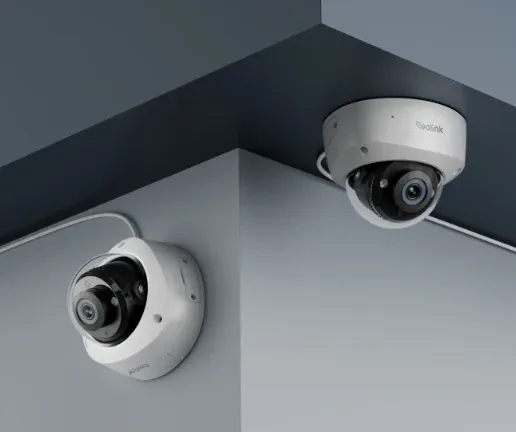
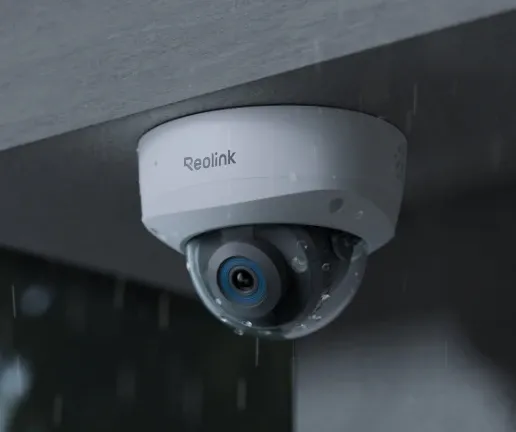
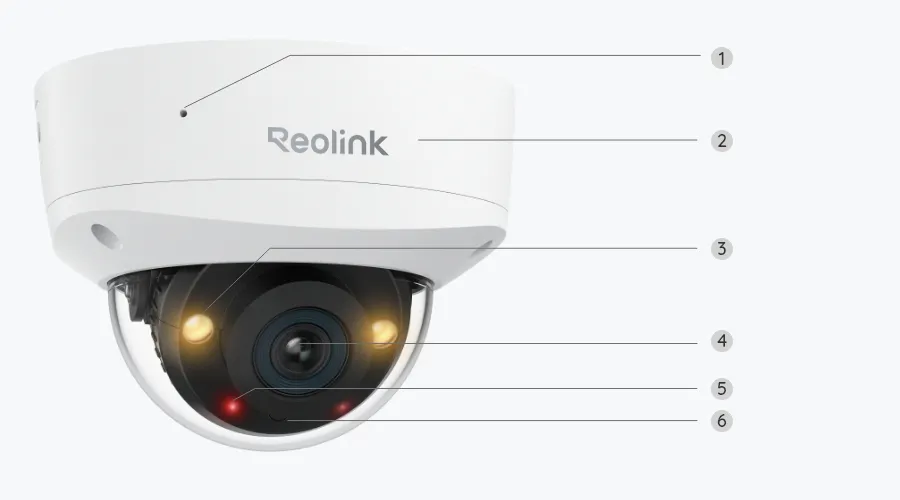
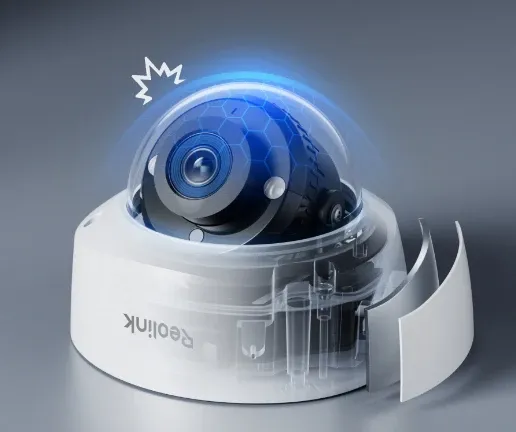
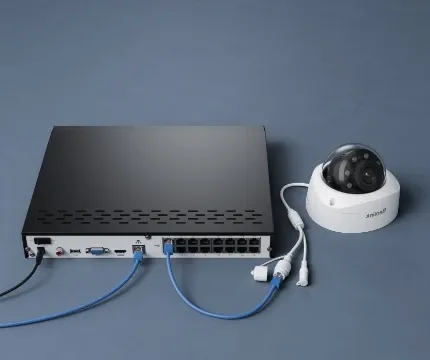
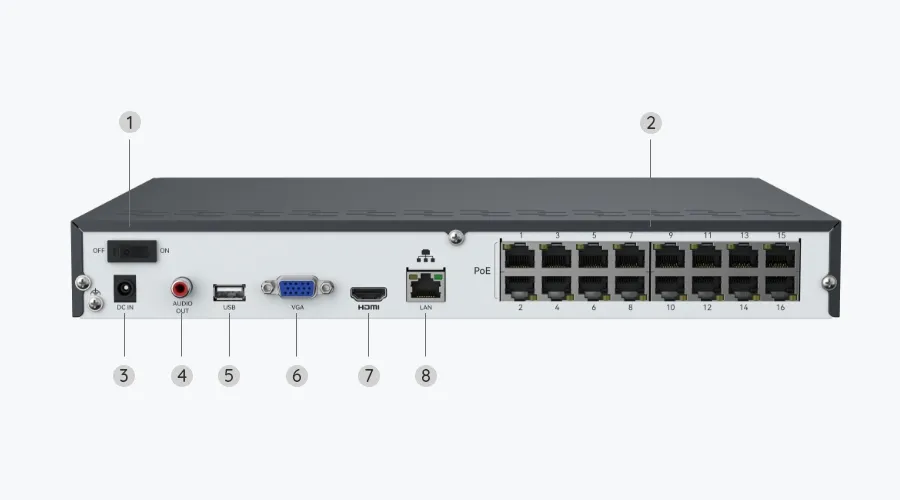
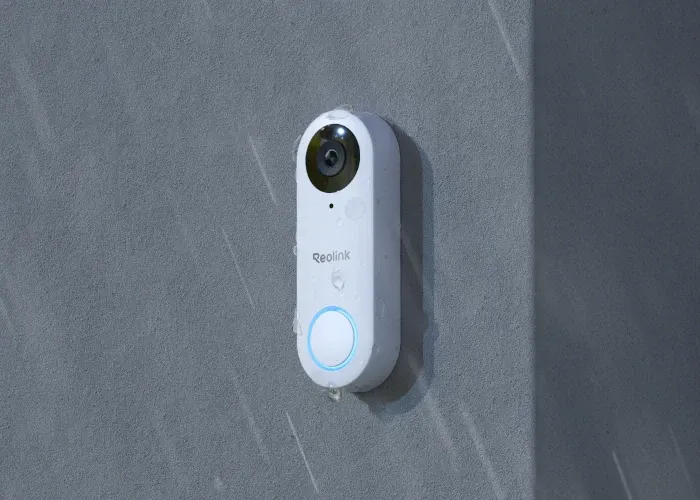
Unless a board asks otherwise, every proposal is written around our unbranded system and the published Manhattan prices. Directors who prefer a label get a second option priced out: Lorex, Luminys and Reolink are our partner brands, and other major makes already on a building's ceilings can be matched or extended. The photos on this page are partner-brand product photos chosen to show the hardware shapes we describe. None of them shows a client's building.

Some camera work fits better on other pages. If a single camera or recorder has simply failed and the board is not changing the system, our Manhattan security camera repair page covers that. Rental buildings owned by one landlord, with no shareholders and no board, are handled on our Manhattan apartment building camera page. Boards that want a traditional closed-circuit layout described in those terms can read our CCTV installation page for Manhattan, and owners of houses, shops and offices should start with our general security camera installation page for Manhattan. This page is written for co-op boards, managing agents, supers and the shareholders who serve on security committees.
The same four-camera starting system behaves very differently in a 15-story prewar building and in a five-story walk-up. Before we price anything, we place the building in one of these groups, because the group tells us where the cable can travel, where the recorder can live and which views the board will care about most.
Upper East Side and Upper West Side buildings with a staffed lobby, a passenger and a service elevator, and thick masonry walls. Cable rides the service elevator shaft wall or an existing riser; lobby cameras are chosen to suit plaster ceilings and decorative moldings.
Five- and six-story buildings with a single stair, a tight vestibule and no staff on site. A PoE video doorbell or a small turret at the street door, plus stair-landing cameras on the lower floors, often gives the board most of what it needs.
Converted brownstones and limited-equity buildings where budgets are tight and the shareholders often run the building themselves. We phase the work and keep the recorder somewhere a volunteer officer can reach.
Art Deco and prewar courtyard complexes with several entrances, long hallways and big basements. The courtyard gate, every entrance and the laundry room usually come first, with cable through the basement to each stairway.
East Side buildings from the 1950s to the 1970s with drop ceilings in the basement and garage below. Easier wire paths, but more cameras: garage ramp, package room, two elevators and a long service corridor.
Multi-building co-ops such as Penn South, with 2,820 apartments in ten 22-story buildings between Eighth and Ninth Avenues (Penn South), need one design applied building by building and a recorder layout that the central office can manage.
Avenue buildings with ground-floor commercial tenants. The residential cameras stay the corporation's; a store's own cameras stay the store's. We keep the two systems apart unless the board and the tenant sign off on sharing a view.

| Building type | Where cable usually runs | Where the recorder usually goes | The detail we watch most |
|---|---|---|---|
| Prewar doorman | Service elevator shaft wall, existing risers, basement ceiling | Locked closet behind the desk or the super's office | No surface raceway across ornamental lobby plaster |
| Village walk-up | Stair-hall ceiling edges, under stair stringers, cellar | Cellar utility area, inside a ventilated locked box | A street-door view that doesn't film the neighbor's stoop |
| Harlem rowhouse co-op | Former dumbwaiter shafts, closets stacked floor over floor | Cellar or a common closet on the parlor floor | Phasing so the first phase stands on its own |
| Courtyard building | Basement trunk line, then up each stairway | Central basement room near the super's shop | Long runs measured against the 100-foot standard run |
| Postwar tower | Basement and garage drop ceilings, service corridors | Equipment room near the building's internet service | Garage lighting for plate and face detail |
| Mixed-use avenue co-op | Residential basement only, separate from store spaces | Residential side, never inside a commercial unit | Clear ownership of each camera in the proposal |
A camera job in a Manhattan co-op moves at the pace of its approvals, not its drill. None of these steps is hard, but skipping one is how a good system ends up with a shareholder dispute attached. Here is the order we see work best, with the parts we handle and the parts that belong to the board, the managing agent and the corporation's lawyer. This is practical guidance from installers, not legal advice; your counsel has the last word on your documents.
Common-area cameras are a corporate decision, usually made by the board under its bylaws. We give the board a written proposal with a numbered camera schedule so the resolution can refer to a specific plan instead of "cameras in the building." When the scope is a capital project, some boards also take it to the annual meeting or a special meeting; which route your building needs is in your bylaws and proprietary lease, and the managing agent will know.
Courts give co-op boards room to decide, but shareholders who learn about a camera by spotting it on the ceiling tend to object to the process before they ever object to the camera. A one-page notice from the board or managing agent, listing the areas covered, the fact that audio is off, the retention period and who may view footage, heads off most of that. We supply a plain-language list of camera locations for the notice.
Most Manhattan managing agents require a certificate of insurance naming the corporation and the agent before any contractor works in the building. We provide the certificate on award, once the corporation has accepted the proposal, with the additional insureds and wording the agent sends us. The agent also sets the work hours, freight or service elevator reservations and which shareholders need notice of work near their doors.
An alteration agreement governs work inside a shareholder's apartment. It becomes relevant to cameras when a shareholder wants a video doorbell, a peephole camera or a camera on a private terrace, or when our cable path for a common-area camera has to pass through an apartment closet. In those cases the board's usual alteration process applies, and we work under whatever agreement the corporation requires.
If a camera must go on the street front of a landmarked building or one inside a historic district, the corporation applies to the Landmarks Preservation Commission. LPC's guidebook expects cameras to be small, painted to blend, attached at mortar joints or plain masonry rather than through decorative surfaces, and limited in number per stretch of frontage (LPC Permit Guidebook, ch. 11). We supply the manufacturer cut sheets and mounting details the filing asks for, and we design the plan so most coverage comes from inside the vestibule, where no filing is needed.
The best time to decide who sees recordings is before there is a recording anyone wants. We hand the board a draft access list (managing agent, resident manager or super, one named officer) and set the recorder's user accounts to match whatever the board adopts.

These come up on our walkthroughs with Manhattan co-op boards, house committees and supers. The answers describe how we handle each situation. Where your proprietary lease, bylaws or house rules control the answer, or where a lawyer should weigh in, we say so.
A co-op lawyer who answered that exact question in CooperatorNews said yes: the room "remains the property of the corporation," the shareholder is "merely a licensee to utilize the space for a finite period," and a camera there is not an intrusion on privacy. He suggested cameras that do not record voices and a sign "conspicuously placed" so guests know the room is under surveillance (CooperatorNews, Nov. 2012). We install community-room cameras with audio disabled and mount the sign at the door at the same visit, and your board should confirm the policy with its own counsel.
It can work, but write it down first. We prefer two separate recorders: the corporation's cameras cover residential entrances and common areas, and the store covers its own selling floor and storefront. If the board agrees to give the store a view of a shared sidewalk or loading door, we set that up as a single read-only camera feed under a short written agreement the managing agent drafts. What we avoid is one recorder with mixed ownership, because the first insurance claim turns into an argument about who controls the footage.
It depends on why the camera is there. A corridor camera the board installs to cover a common hallway is a corporate expense like any other common-area camera. A camera a shareholder asks for because of a problem at their own door is a different case, and some boards approve it on condition that the shareholder pays, the way they handle other requests for work outside an apartment. Your lease and house rules decide. Either way, we price that one camera on its own line so the board can allocate the cost however its documents require, and the camera still records to the corporation's recorder under the board's footage policy.
Usually we avoid the ornament altogether. Most prewar lobbies have a plain field between the decorative bands, a cornice shadow line or an existing light fixture box, and a small turret or fisheye mounted there, with cable fished from the floor above or from a service closet, leaves the plaster work untouched. When there is no plain surface at all, we look at a wall position above a doorway instead. The proposal shows each lobby mounting point in a photo so the board can approve it before anyone drills.
In most cases, yes. A recorder inside a staff apartment means nobody else can reach it when the super is off, on vacation or between jobs, and it mixes the corporation's equipment with someone's home. We move the recorder to a locked common closet near the building's internet service, put it on a battery backup, and give the super the same access through a personal login. If the cable all lands in his apartment today, we extend it to the new location rather than rewiring the cameras.
We can't adjust another building's equipment, and whether its owner has to move the camera is a question for the corporation's attorney. What usually works first is a polite letter from your managing agent to the neighbor's agent, since most building owners will re-aim a camera once asked. On your side, we can make sure your own courtyard cameras are masked away from the neighbor's windows, so the conversation starts from a fair position.
Yes, and in Manhattan it is common for one co-op corporation to own twin buildings or a building plus an attached walk-up. We run a link between the two basements, or a short network connection where the buildings share a wall, and put both sets of cameras on one recorder or on two recorders viewed in a single app. Each lobby desk can be set to show its own building first. The board gets one system, one policy and one set of logins.
Write down the time window from the resident, find the moment on the recorder's timeline, and export the clip to a USB drive before the recorder overwrites it. Then hand it to the managing agent, who decides with the board how to share it with the precinct. What the super should not do is post the video to a building group chat or social media; that decision belongs to the board and its counsel. We show the super these steps at handover, and they take about five minutes.
There is no single best camera for a co-op. A Village vestibule, a Park Avenue lobby ceiling and a Washington Heights courtyard each need a different body, lens and mount. These are the pieces we choose from, in the house system by default and in partner brands when a board asks.
Our everyday choice for corridors, stair landings and service doors. No dome bubble to reflect the night illuminators, simple to re-aim, and quiet-looking on a painted ceiling.
Impact-rated housings for laundry rooms, bike rooms and any spot within reach. Harder to tilt away or smash with a broom handle.
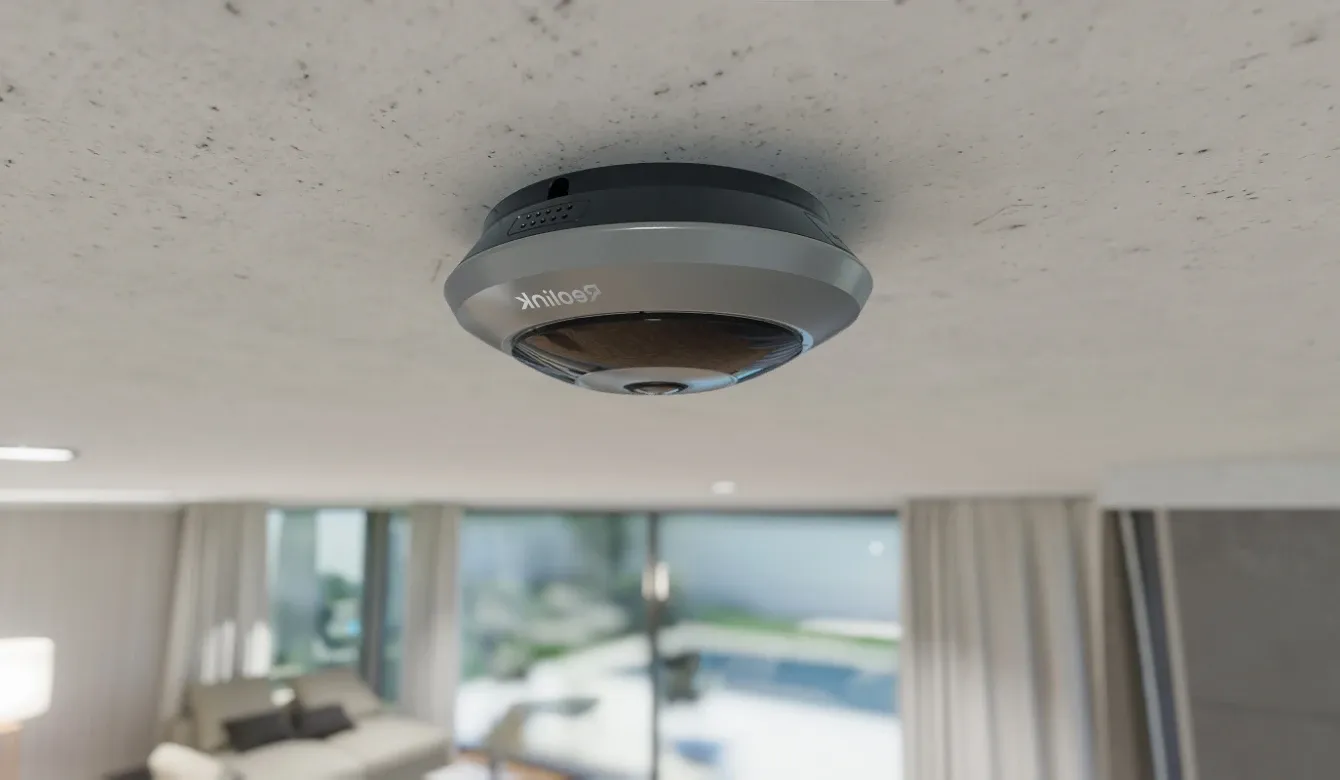
One ceiling unit for a small lobby, mailroom or elevator landing. Fewer cameras, fewer cable runs through plaster, and a full view of the room.
Long, narrow views down a basement trunk corridor, along a courtyard path or across a garage ramp, where a dome would waste its field of view on the ceiling.
A wide stitched view from one mount for broad lobbies or long courtyards, useful where LPC limits how many devices can go on a frontage.
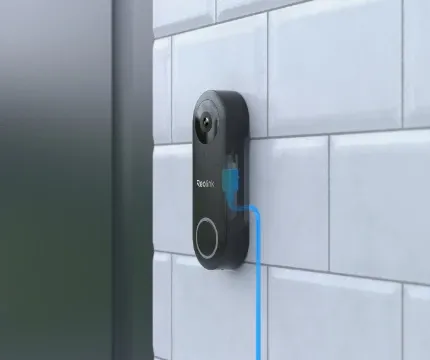
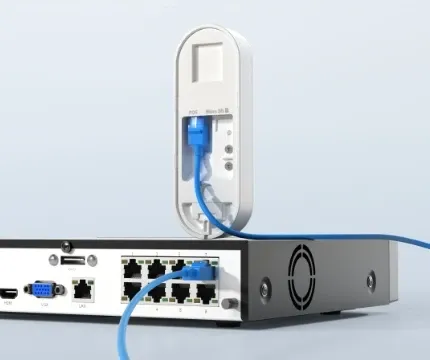
For walk-up co-ops with a single street door, a network-powered doorbell camera gives a face-height view of every visitor and runs on one cable.
Small corner cameras paired with a wireless bridge to bring video out of a moving car, installed with your elevator contractor.
The box that stores everything. Its disks match how many cameras feed it, how sharp they are and how many days the policy keeps; it lives behind a locked, vented door with a UPS beneath it to ride out flickers.
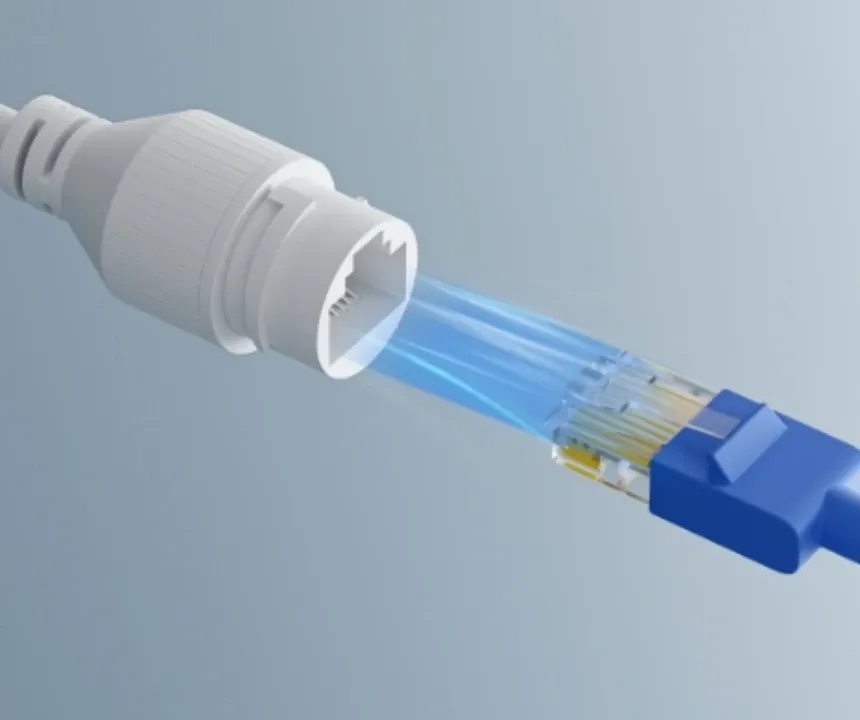
Power over Ethernet means a single wire to each IP camera. We tag both ends of every wire and record it in the packet the corporation keeps.

| Question | Choice A | Choice B | Our usual advice for a co-op |
|---|---|---|---|
| How sharp? | 2MP to 5MP | 8MP / 4K | Spend the 4K budget on entry points where faces must be named; hallways and cage rooms do fine at 2MP to 5MP |
| Night picture | Infrared, black and white | Full color with a soft light | Color picture at entry doors so a jacket or bag can be described; infrared anywhere a lamp would glare into bedrooms |
| Wiring | Reuse existing coax | New network cable | Reuse coax that tests clean; rewire runs that fail |
| Recording | Recorder on site | Cloud subscription | Recorder on site, owned by the corporation; remote viewing over the app |
| Audio | Microphones on | Microphones off | Off in every common area |
| Cab camera | Cable in the traveling cable | Wireless bridge | Wireless bridge, scheduled with the elevator contractor |
Board members now often arrive at a meeting with a printout from a chatbot. Those answers tend to assume a suburban house or a generic apartment complex. Six claims we hear in Manhattan co-op meetings, and what we find in the buildings themselves:
The corporation does own the common areas, and that gives the board wide room. It does not reach restrooms or changing areas, where state law makes hidden or improper recording a crime (Penal Law §250.45), and it does not reach into apartments through an open door. Camera placement inside a co-op is broad, but it has edges, and we draw them on the plan.
Battery and Wi-Fi cameras are built for a single house. In a masonry co-op, Wi-Fi drops between floors, batteries die in cold vestibules, and each camera ends up on someone's personal app account. Wired cameras on a recorder the corporation owns are what survive a change of super or managing agent.
New York licenses the installation of security systems, and the state's licensing rules cover closed-circuit television and video surveillance used to detect or monitor intrusion (NYS Department of State, security and fire alarm installer guidance). Ask any bidder for its NYS license number; ours is #12000287431. Most managing agents will also ask for insurance before work starts.
They can. LPC staff routinely permit small, well-placed security cameras, and its guidebook spells out how: away from the primary facade where possible, as small as practical, painted to blend and spaced to avoid clutter (LPC Permit Guidebook, ch. 11). Much of a landmarked co-op's coverage comes from inside the vestibule, where no filing is required.
Capturing people's talk when none of the speakers has agreed to it counts as eavesdropping under state law, a felony (Penal Law §250.05; definitions in §250.00). A lobby microphone records shareholders, guests and staff who never consented. We leave audio off.
Four cameras cover a small walk-up's front door, vestibule, stairs and cellar door. A prewar doorman co-op on the West Side typically needs ten to twenty-plus views once the service entrance, basement corridors, laundry, bike room, elevator and roof door are counted. That is why our Manhattan price starts at $1,099 for four and each added camera is priced after the walkthrough.
A block, a story count and a rough list of rooms is all we need to start. Your site visit lands on the calendar inside 2 hours.
Tell us the address or cross streets, how many floors and apartments, whether there is a doorman, and the board's list of spaces. A photo of the current recorder or desk monitor helps; reply to our follow-up email with it. Prefer the phone? Call or text (929) 560-0737.
Got it. Expect a call or text from scheduling, typically inside 2 hours, offering two-hour arrival windows for the site visit.
Adding one laundry room camera to a recorder that already works can happen days after the board says yes. A full building system follows the board's meeting calendar, the managing agent's insurance paperwork and, for protected facades, an LPC permit. The steps don't change.
We book the walkthrough within 2 hours of your request, in a two-hour arrival window, and we favor early-day visits so the super isn't kept waiting.
With the super or resident manager we walk every door, the basement, the elevator lobbies, the laundry and storage rooms, the roof door and the courtyard, testing any cable we might reuse.
A numbered camera schedule, what each camera is for and what it must not show, priced options, storage matched to the retention period, and any position that needs an LPC filing.
The board resolves, the managing agent signs and the deposit is paid. We then issue the insurance certificate the agent requests and order equipment.
The agent notifies shareholders and books elevator time. Paid jobs are scheduled first come, first served, seven days a week, inside the hours the building allows.
Crews pull wire, hang each unit and set up the NVR with its UPS. Angles and privacy masks are checked one by one against the schedule, and hallways are swept before we leave daily.
Desk and super training, the export procedure, a printed camera map and the account list. Every password is held by the corporation.
Nothing is purchased until the directors approve and the deposit arrives, and purchased hardware is non-returnable. For that reason the proposal spells out every possible add-on in advance: an old coax line that might not pass its test, an exterior mount the Landmarks Commission could turn down. Directors weigh those items while voting, so installation day brings no new bills.
We work in cooperative buildings across the whole borough. The neighborhoods below hold most of Manhattan's co-op stock, and each brings its own camera questions.
Prewar doorman buildings with formal lobbies, service entrances on the side streets and large basements. The work is about hiding cable in old plaster and giving the desk a clean view of the inner door.
Big prewar co-ops, some with courtyards, and the package-theft stories reported on West 74th and West 89th Streets. Package rooms and vestibules come first here.
Walk-ups and mid-size elevator co-ops, many inside historic districts. Expect a street-door doorbell camera or a vestibule turret, stair cameras and a cellar door view, with facade positions filed with LPC.
From rowhouse co-ops on the side streets to the ten towers of Penn South between Eighth and Ninth Avenues, where one design has to be repeated building after building.
Converted brownstones, HDFC co-ops and prewar apartment houses along Convent Avenue, Edgecombe and Riverside. Phased plans and volunteer-run boards are common.
Courtyard buildings near Fort Washington Avenue, Cabrini Boulevard and Payson Avenue, with multiple entrances and long basements. Courtyard gates and laundry rooms lead the list.
Prewar and postwar co-ops around Gramercy Park and the East 30s and 40s, with tight lobbies where a single fisheye often beats two conventional cameras.
White-brick towers with garages and long service corridors. Garage ramps, package rooms and two elevator banks drive the camera count.
Two parts of the borough deserve a separate mention. Morningside Heights, around Columbia and up toward 125th Street, holds a cluster of prewar elevator co-ops on Riverside Drive, Claremont Avenue and the cross streets, with the same lobby-and-basement layout as the Upper West Side further south. Roosevelt Island, technically part of Manhattan, has its own mix of buildings and its own access logistics across the bridge or by tram, which we plan for when we schedule the visit.
If your building is somewhere else in the borough, from Battery Park City to Marble Hill, the same process applies. Call or text (929) 560-0737 with the cross streets.
The Manhattan base figure is $1,099 for four of our unbranded cameras wired to one recorder and fully installed, identical to the first line of our Manhattan security camera pricing page. That includes standard runs of up to 100 feet per camera. Cameras five and up, and runs longer than 100 feet, are priced once the walkthrough confirms the layout, because a camera in an open basement takes far less labor than the same camera in a lobby with a plaster ceiling.
| Factor | Why it matters in a co-op | How we handle it |
|---|---|---|
| Camera count | Doorman co-ops with service entrances and basements need many more views than a walk-up | The base price covers four; the site visit sets the rest |
| Hidden or surface wiring | Concealing cable in old plaster, behind moldings or through closets takes more labor than surface raceway | Concealed wiring quoted separately from exposed runs |
| Run length | Courtyard buildings and large basements often exceed 100 feet to the recorder | Long runs measured and priced on site |
| Coax reuse | Clean coax can save rewiring; damaged coax cannot | Tested at the walkthrough; possible replacements listed before ordering |
| Storage | Each extra camera, every step up in sharpness and every added week of history eats hard-drive space | Disk capacity worked out backward from the overwrite cycle the directors vote on |
| Elevator cab camera | Video has to leave a moving car by radio, and the elevator mechanic must be on site that day | Priced as its own line item |
| Landmark facade positions | Small, painted and carefully attached hardware takes extra care | Kept on their own line for a later board decision |
| Named brand | Lorex, Luminys, Reolink and other labels carry a higher equipment cost | Our unbranded line unless the board asks for a label |
Financing is available through Wisetack, subject to approval.
Protection after installation comes in three parts. The first is the 30-day warranty listed on our website, which begins when the system goes live. The second is an optional extended warranty of one year or longer that the corporation can buy, priced per additional year. The third is the manufacturers' own warranty on the cameras and recorder, which stays with the manufacturer.
Full terms — including 50% deposit, one-year parts-only warranty on Abstract Enterprises Security Systems-supplied products, and the late-fee schedule — are set out in the service agreement. Plan details are on our warranty page.

Phase one in most cooperatives fits one of these base systems, all taken from the Manhattan list. A building that needs more views builds on the base it picks, adding units at per-camera prices fixed once we have seen the floors.
The entry system: four 2MP eyeballs on a 1080p DVR, mounted and set up. Enough for a walk-up's opening round, typically the outer door, the vestibule, the first stair run and the way down to the cellar.
A network setup: four 4MP domes and a 4K-capable NVR, mounted and running. The low dome shape disappears against a plastered lobby or hallway ceiling. These units have microphones, and in co-op shared spaces we disable them.
Four 8MP 4K eyeball cameras on a network recorder, installed. For the street door, the package room and the service entrance, where identifying a face or a label is the whole point.
The figures above come straight from the Manhattan price list. They are starting points for four cameras, not a quote for your building. Extended warranty years can be added to any of them.
Some boards buy cameras through a shareholder's contact or keep equipment from an earlier project. We will install it. Labor is quoted by phone or text from the camera count and locations, and the job is booked once the deposit is paid. We don't do site walk-throughs on owner-supplied equipment, and we can't warranty cameras we didn't supply; the manufacturer's warranty is the one that applies to them.

Board meeting on the calendar? Mention the date when you call, and the site visit gets slotted early enough for the proposal to reach directors before they meet.
Every proposal we write for a Manhattan cooperative includes a camera schedule like this one. It is a made-up example for a 12-story prewar building with a doorman, a service entrance on the side street, a basement laundry and one passenger elevator, not a client's building. The point is the format: each camera has a job, and each has a list of things it must never show.
| # | Location | What it is for | Camera | Must not show |
|---|---|---|---|---|
| 1 | Vestibule, facing inward | Face of everyone entering | 4K turret, color | The sidewalk beyond the outer door |
| 2 | Lobby, from above the desk | Lobby, mail area, elevator door | 360-degree fisheye | The desk's paperwork or screens |
| 3 | Package room | Shelves and door | 4K dome | Labels close enough to read addresses |
| 4 | Service entrance, inside | Deliveries, contractors, staff | 4K turret | Staff locker room doorway |
| 5 | Basement corridor | Route to trash, laundry, storage | Bullet, infrared | Inside the staff changing room |
| 6 | Laundry room | Door and machines | Vandal dome | Nothing private; sign at the door |
| 7 | Storage room | Door and main aisle | Vandal dome | Contents of individual cages |
| 8 | Bike room | Door and racks | Turret | Nothing private; sign at the door |
| 9 | Elevator cab | Riders, for incident review | Corner cab camera, wireless bridge | Floor-landing apartment doors |
| 10 | Roof door, inside | Who goes onto the roof | Turret | Neighboring buildings' windows |
| 11 | Rear yard or areaway | Rear gate and trash pickup | Bullet, outdoor | Ground-floor apartment windows (masked) |
| 12 | Street door, exterior | Approach to the entrance | Small turret, painted to match (if LPC permits) | Across the street into windows |
The "must not show" column is what the board can hand to a worried shareholder. It turns a vague promise ("we'll be careful") into a written limit for each camera, and it is what we check against when we aim and mask at installation. When a shareholder later asks whether the corridor camera can see into their apartment, the managing agent can answer from the schedule, and if the answer ever needs to change, the change goes through the board.
Two physical problems account for most poor co-op video. The first is backlight: a vestibule camera facing a glass street door at noon sees a bright rectangle and a dark silhouette, so we face it inward toward the lobby, use wide-dynamic-range cameras and, where the board allows, add a little light on the inner side. The second is the building itself: prewar plaster, terrazzo and stone are beautiful and unforgiving, so we plan mounts that use existing fixture boxes, molding shadows and service-closet walls rather than drilling fresh holes in the most visible surfaces.

Boards ask us about the law at almost every walkthrough. We are installers, not lawyers, so this section sticks to what published sources say and to how we apply them on the job. The corporation's counsel should review any policy before the board adopts it.
Lobbies, corridors, elevators, basements and community rooms belong to the co-op corporation. A New York co-op attorney writing in CooperatorNews noted that governing documents typically bar owners from changing common elements without board approval, and that "New York does not recognize a common law right of privacy in public or common areas" (CooperatorNews Q&A, Ricardo M. Vera, April 2025). That is why boards can generally place cameras in shared spaces, provided they follow their own documents.
New York's unlawful surveillance statute covers recording in places such as a "bedroom, changing room, fitting room, restroom, toilet, bathroom, washroom, shower" without knowledge or consent and for no legitimate purpose (Penal Law §250.45). Co-op buildings also employ staff, and FirstService Residential's guidance notes that state Labor Law §203-c bars employers from recording employees in restrooms, locker rooms or areas where they change clothes (FirstService Residential). In practice we keep cameras out of the porters' locker room, staff restrooms and the super's apartment, and we aim corridor cameras away from those doors.
Hallway cameras "must be carefully placed to avoid capturing footage that shows the inside of any residential unit," in FirstService's words. We follow that literally: corridor cameras are mounted at the ends of halls and aimed along them, so an open apartment door is seen edge-on, and any window that remains in an outdoor view is masked.
A board's authority comes from its documents. In a Habitat Q&A, attorney Andrew Lieb said that "a house rule that is unauthorized by these foundational documents is unenforceable" (Habitat, Aug. 28, 2023). The question there involved a condo, but the principle travels: a co-op camera policy should rest on the bylaws, the proprietary lease and a proper board resolution, which is exactly what Levandusky rewards.
When a shareholder wants a doorbell camera or a peephole camera on their apartment door, the door's exterior and the hallway are usually common areas. Most boards handle these requests through the house rules or the alteration process. If the board approves, we install it with audio off and the view limited to the shareholder's own doorway; if the board says no, we don't install it.
This section summarizes published sources for general information. It is not legal advice. Ask the corporation's attorney how these rules apply to your building.

A camera system without a written policy works fine right up to the first serious incident, and then every shareholder, board member and staff member has a different idea of who may watch what. A good co-op footage policy fits on one page and answers six questions. We set up the recorder to match whatever the board decides.
Christina Forbes of FirstService Residential's Manhattan condo and co-op division put the reason for limiting access this way: "Limiting access protects the privacy of residents and helps prevent potential misuse" (FirstService Residential, Sept. 23, 2024). In our experience the policy also protects the super, who otherwise gets asked by every shareholder with a grievance to "just pull up the tape."
Send the notice before the cameras go live. A short letter from the managing agent covers the areas with cameras, that sound is not recorded, how long footage is kept, who can see it and how to ask a question. Post the same summary in the laundry room and by the mailboxes. Shareholders who sublet should pass it to their subtenants; the managing agent can add a line about cameras to the sublet package.

Ask a Manhattan super where trouble gets into a co-op and the answer is rarely the front door. The doorman watches the front door. The service entrance on the side street, the basement door at the bottom of the areaway stairs and the elevator, where people ride for a minute with no one watching, are where most of the incidents we are called about begin. A co-op camera plan that treats those spaces as afterthoughts leaves the board with excellent footage of the lobby and nothing from the places that mattered.
In a prewar doorman building, the service entrance handles deliveries, contractors working on renovations, movers, porters taking out trash and, in many buildings, residents with bikes or strollers. It is usually a steel door off a side street with a short corridor to the service elevator. We cover it from the inside, looking toward the door, high enough that the camera can't be reached and angled so the face of anyone stepping in is lit by the corridor fixtures rather than silhouetted against daylight. A second camera at the service elevator landing, facing the car doors, catches everyone who goes up from there. If the building uses a buzzer or intercom at that door, the camera goes where it complements the intercom's own view rather than duplicating it.
Many Manhattan co-ops have a basement entrance below the stoop or behind an iron gate, used by the super, utility meter readers and trash pickup. That door is often the least watched and most propped open. An outdoor bullet camera inside the areaway, aimed up the steps toward the gate, gives the board a record of who comes down, and a turret inside the door covers the corridor beyond it. Where the areaway sits under apartment windows, the outdoor camera is masked so it shows the steps and the gate only.
The lobby landing is easy: a camera across from the elevator doors records everyone waiting and everyone stepping out. The cab is harder and needs your elevator contractor, because power and mounting on a moving car are their territory. We bring the camera and a wireless bridge that sends video from the car top to a receiver in the hoistway or machine room, and we schedule the installation day around the contractor's technician. In older prewar cars with manual gates or wood paneling, we pick a small corner camera that can sit in an existing seam rather than through the paneling. Freight and service cars, which carry contractors and deliveries, are often a higher priority than the passenger car.
Fire stairs give access to every floor without passing the desk, which is why many boards want a camera at the bottom landing and inside the roof door. We mount stair cameras so they don't interfere with the stair's use or its signage, and we do not touch fire alarm devices, door hardware that is part of the building's egress, or anything that requires electrical work. If the roof door has an alarm or a sign, the camera simply records who opens it.
A large share of Manhattan's co-op buildings sit inside historic districts on the Upper West Side, the Upper East Side, in Greenwich Village, Chelsea and Hamilton Heights, or are individual landmarks. For those boards, the street facade is the one place a camera can't simply go up. It also rarely needs to. In most landmarked co-ops we cover the approach from inside the vestibule or the lobby door, and the facade camera, if any, becomes a short, separate decision for the board.
When a facade camera does make sense, the Landmarks Preservation Commission's permit guidebook sets the expectations. Equipment should not go on or in front of a primary facade unless no other option exists. Cameras should be as small as possible and painted to blend. They must be "well spaced to avoid a cluttered, haphazard appearance." The guidebook limits the number of cameras per stretch of frontage, with tighter numbers for small buildings than for large residential ones, asks for conduit to be concealed, and directs that hardware attach at mortar joints, plain masonry, wood or metalwork rather than through cast iron or decorative surfaces (LPC Permit Guidebook, ch. 11). Applications include the manufacturer's cut sheets for the camera.
Our part is the design and the paperwork that supports the corporation's application: the camera model and its cut sheet, a photo of the proposed location marked up with the mounting point, the cable path and how it is hidden, and the color the housing will be painted. The corporation, usually through the managing agent or the building's architect or expediter, submits the application. We don't install a facade camera on a landmarked building until the permit is in hand, and the proposal lists that camera separately so the rest of the system isn't held up waiting for it.
A practical tip for boards: if a sidewalk shed is up for facade work, the best time to plan an exterior camera is before the shed comes down, because the exterior work is already on the managing agent's agenda and the camera's mounting point and cable path can be settled while the facade is being repaired.
A five-story walk-up in the Village or a Harlem rowhouse co-op has no doorman, often no live-in super and a board made up of volunteers who also work full-time jobs. In those buildings nobody is watching a screen, so the cameras are about two things: discouraging strangers who slip in behind residents, and having a clear recording when something does happen. That changes the design.
Most walk-up co-ops can start with our four-camera Starter system at $1,099 on the Manhattan price list and add a camera or two as the budget allows. Because there is no staff to train, the handover is aimed at the board members who will hold the logins: how to find an event on the timeline, how to save a clip, and how to remove a user.
Few Manhattan co-ops fund twenty cameras in one budget, and few need to. A phased plan lets the board fix the worst blind spots now and finish the job as reserves allow, without paying twice for the same cable. The trick is to design the full system on day one and then install it in pieces: the recorder, the switch and the main cable paths are sized for the final camera count from the start, so phase two is just cameras and short drops.
| Phase | Typical scope in a prewar co-op | Why in this order |
|---|---|---|
| Phase 1 | Vestibule, lobby, package room, service entrance, recorder and battery backup sized for the full plan | The doors strangers use and the room where theft happens most |
| Phase 2 | Basement corridor, laundry, storage and bike rooms, roof door | Shared rooms where shareholder disputes start |
| Phase 3 | Elevator cab camera, courtyard or rear yard, any LPC-permitted facade camera | Positions that need outside coordination or a permit |
Each phase is priced on its own line in the proposal, using the Manhattan price list for the base system and per-camera pricing for the rest, so the treasurer can see exactly what each fiscal year buys. If prices on our price list change between phases, the later phase is priced on the list in effect when the board approves it, and we say that in writing so nobody is surprised.

This is the list we leave with security committees in Manhattan cooperatives. A board that can tick every box is ready to vote on a camera proposal, and is in a far better position if a shareholder later questions the decision.
Boards that also plan to replace their intercom or add key fobs often want to align the work so the same walkthrough, the same insurance certificate and the same shareholder notice cover both. Our co-op board intercom upgrade guide walks through the intercom side of that decision.
A camera system is a small computer network inside the building, and the weakest version of it is one that shares a router with the super's laptop and still uses the password printed on the box. In a co-op, where staff, vendors and managing agents change over the years, the network has to outlast every one of them.
Remote viewing raises a fair question at board meetings: who else could be looking? With the setup above, only the people holding a login the corporation issued, and the recorder logs each sign-in. If the board prefers that nobody view off site at all, we can leave remote access switched off and the system records locally only; the trade-off is that the managing agent then has to come to the building, or ask the super, to pull a clip.
None of this needs a monthly service contract. It needs a careful setup and a corporation that holds its own keys, which is how every co-op system we install is handed over.
After years of walking cooperative buildings across the borough, our technicians check the same things in roughly the same order. If you are a super getting ready for our visit, this is what we will ask to see.
One pattern repeats in Manhattan co-ops more than anywhere else: an older system recording on a schedule nobody remembers setting, or overwriting itself every few days because the drive is tiny. Boards discover it the morning after an incident. On every walkthrough we check how many days of video the current recorder actually holds, so the board knows before it needs to know.
Many Manhattan co-op boards collect two or three proposals, and the hard part is comparing proposals that describe different systems in different words. These are the questions that separate a co-op security camera installer that knows cooperative buildings from one that mostly does storefronts.
| Ask every bidder | What a good answer sounds like |
|---|---|
| What is your NYS license number? | A number you can write in the minutes. Ours is #12000287431. |
| Can we see a numbered camera schedule? | Yes, with a purpose and privacy limit for each camera |
| Who will own the logins? | The corporation, with every password in the handover packet |
| Is audio on or off? | Off in common areas, stated in the proposal |
| How is storage sized? | To the retention period the board chooses, with the days stated |
| What could add cost after we sign? | Specific items listed now, such as coax that might fail testing |
| Who handles the elevator and LPC pieces? | A clear split of who does what with your elevator contractor and LPC |
| What is the warranty? | Written terms, what is included and what is a paid extension |
| Will you provide a certificate of insurance? | Yes, naming the corporation and agent, issued on award |
For references, we point boards to our Google reviews (4.7 stars from 201 reviews) rather than giving out other buildings' contact details; the shareholders and boards we work for deserve the same privacy your building will get.
Boards rarely stop at video. When the intercom, the fobs or the recorder itself is the real issue, these borough pages go deeper.
The full picture for co-op boards: intercoms, access control, door buzzers, elevator access and cameras together.
The equivalent page for condominium boards of managers, written for condo governance.
Recorder replacements and upgrades when the cameras are fine but the recorder isn't.
Moving an older analog system to a modern recorder, often while keeping working coax.
Video doorbells for walk-up street doors and approved shareholder doors.
Floor restriction and readers in elevator cabs, often planned with a cab camera.
Scheduled visits to wipe domes, correct drifted angles and confirm every channel still records.
Key fobs and readers for co-op entrances, laundry rooms and storage rooms.
Yes. The $1,099 Starter system on our Manhattan price list is four house-brand cameras plus a recorder, installed, with standard cable runs up to 100 feet per camera. Extra cameras, longer runs, hidden wiring through plaster and larger storage are priced after the walkthrough, and they are listed in the written proposal before anything is ordered.
Yes, if the camera faces the right way. A camera looking out through a glass door at daylight records silhouettes, so we put the main face camera inside the vestibule looking in, choose models with wide dynamic range, and keep the outer door's view as a second camera. The proposal notes which camera is meant to identify faces.
Often. Most desk monitors with an HDMI or VGA input work with a new recorder, and we test the existing screen at the walkthrough. If it is too small or too dim for the doorman to use, we say so and price a replacement as an option rather than including it by default.
That is a board choice. FirstService Residential reports that NYC buildings generally keep footage for 30 to 90 days depending on building size and storage. We size the recorder's drives to the period the board adopts and state the expected number of days in the proposal.
For the first hour and the last, ideally. We need someone to open the basement, the roof door, the elevator machine room and any locked closets, and at the end the super is the person we train on the recorder. In between, our crew works on its own inside the hours the managing agent allows.
Yes, if the first phase is designed for it. We size the recorder, the switch and the main cable paths for the full plan on day one and leave pull strings in the routes that later cameras will use, so a phase-two camera is a short drop rather than a new run through finished plaster.
Yes. We are licensed and insured, and once the corporation awards the job we issue a certificate of insurance naming the co-op corporation and the managing agent with the wording the agent sends us. We don't send certificates with bids; they are issued on award.
In most basements, yes. Our cameras have infrared illuminators that record in black and white in darkness, which is fine for corridors, storage rooms and boiler-room doors. Where the board wants color at night, a camera with its own small light can help. We don't do electrical work, so any new building light fixture is a job for the co-op's electrician.
A camera placed at the reader records who is standing there when a fob is used, and matching the recorder's clock to the access system's clock lets the managing agent line up the two records. Deeper integration depends on whether the access system and recorder are compatible, which we check before promising it.
Once the deposit is paid and equipment is ordered, the job is scheduled first come, first served, seven days a week, inside the work hours the building allows. Equipment that is in stock moves quickly; anything that must be specially ordered is scheduled once it arrives, and we tell the managing agent the date then.
Every system comes with the 30-day warranty posted on our website. A co-op can add an extended warranty of one year or longer, priced per additional year, and manufacturer warranties on the cameras and recorder stay with the manufacturers. The full terms are in the service agreement the managing agent signs.
A four-camera first phase in a walk-up is usually a single day. A prewar doorman building with a dozen or more cameras, an elevator cab camera and hidden wiring through plaster takes several days, shaped mostly by the building's permitted work hours and elevator availability. The proposal states the expected number of working days.
Co-op buildings differ from borough to borough, and each of our co-op camera pages is written for its own housing stock. The citywide guide covers the board decisions every New York cooperative faces; the borough pages go building type by building type.
The citywide guide for co-op boards and managing agents in all five boroughs.
Brownstone co-ops, Park Slope and Brooklyn Heights walk-ups, and large garden and tower cooperatives.
Garden apartment co-ops, Jackson Heights courtyard buildings and large towers along Queens Boulevard. Page coming soon.
Riverdale towers, Grand Concourse prewar buildings and the borough's large cooperative complexes. Page coming soon.
Garden co-ops and low-rise cooperative buildings on the North and East Shores. Page coming soon.
From West End Avenue doorman buildings to Village walk-ups and Hudson Heights courtyards, every Manhattan co-op camera system we hand over leaves the logins with the corporation. Licensed under NYS #12000287431, rated 4.7 from 201 Google reviews.