Network Video Recorders · PoE Switch Wiring · Hard Drive & RAID Storage · Remote Viewing Setup · IP Camera Integration · Upgrades & Migrations · No Monthly Fees
Professional NVR installation across all six Hudson Valley counties — Westchester, Rockland, Orange, Putnam, Dutchess, and Ulster — where the network video recorder is the brain of an IP camera system: the box your cameras feed into, where footage is recorded, stored, and pulled up live or on playback from your phone. Up here the recorder has to hold a lot of property: long driveways, large wooded lots, barns and detached garages, fields, and full-perimeter coverage of an estate or farm all feed back to one NVR, so channel count and storage matter more than they ever do in the city. And the environment is harder on the hardware — freeze-thaw winters, ice on outdoor runs, summer lightning that kills drives and PoE switches through surge, and wildlife that chews cable — so where the recorder lives and how it’s protected is part of the job. We install and configure the whole backbone — the recorder, the PoE switch that powers and connects every camera over a single Ethernet run, the drives sized for the retention you need, RAID where footage loss isn’t an option, surge protection on the recorder and switch, and secure remote viewing so you can watch a rural or seasonal property from anywhere without a monthly cloud fee. Whether it’s a new 8- or 16-channel system for a Westchester colonial, a 32-channel build for a Dutchess horse farm or an Orange County warehouse, an upgrade off a lightning-killed recorder, or a migration off a dying unit, we plan the channels, the storage math, and the network so it holds up through an upstate winter. This is our Hudson Valley NVR page — part of our security camera installation across the Hudson Valley; it sits under our NVR installation hub, and pairs with a commercial camera system or the structured cabling that ties it together.
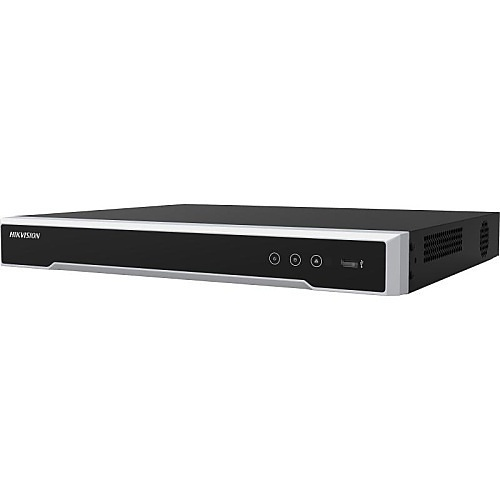
An NVR — network video recorder — is the device every IP camera in your system feeds into. It receives each camera’s digital stream over the network, records it, stores it on internal hard drives, and serves it back to you live or on playback through a monitor, a phone app, or a web browser. It separates a few cameras showing a live picture from a real surveillance system that banks weeks or months of searchable footage you can export and hand to the county sheriff or state police when something happens. In a Hudson Valley property — a brownstone, a walk-up, a storefront, a warehouse, a co-op — the NVR is usually tucked in a closet, a basement, a back office, or a locked rack, wired to a PoE switch that powers and connects every camera over a single Ethernet cable each. Size the recorder, the channels, the storage, and the network correctly — and protect it from surge — and a Hudson Valley system runs for years. Get them wrong and you discover the footage was never saving on the one night a barn got broken into or a car was hit at the end of the driveway.
The Hudson Valley puts demands on a recorder that a city system never sees. Large wooded lots and long driveways mean more cameras feeding one NVR and Ethernet runs that push past the 300-foot PoE limit, so we plan channel count, a managed PoE budget, and extenders or fiber for the distance — out to a barn, a gate, or the road end of the drive. Upstate winters are hard on everything: freeze-thaw cycles and ice work outdoor cable and connectors loose, so the recorder lives indoors in a cool dry spot and the cabling that feeds it is rated and sealed for the cold. Summer brings lightning, and a surge down a long outdoor run is a top way recorders and PoE switches die up here — so we put surge protection on the recorder and switch as standard, not an afterthought. Wildlife is real: deer pull cable off siding, squirrels chew jackets in barns, raccoons nest in outdoor enclosures, so feeds back to the NVR get run in conduit where they’re exposed. And because so many HV properties are seasonal or set back with weak rural internet, we harden remote viewing and set alerts so a vacant Catskills or river-town home is genuinely watched. The recorder for a Scarsdale colonial isn’t the one for an Ulster mountain home or a Dutchess horse farm — we size each to the property and the county.
That is exactly why Hudson Valley owners call a licensed installer for the recorder rather than just buying a boxed kit. The box does not tell you whether eight channels is enough when you will want twelve next year, how many terabytes 4K cameras burn through in thirty days, whether your footage survives a single drive failing, or how to get remote viewing working through a Hudson Valley ISP that hides you behind carrier-grade NAT. We plan channels with room to grow, run the storage math for the retention you want, set RAID where footage loss isn’t acceptable, wire and configure the PoE switch and network for long rural runs, add surge protection, harden remote access against hijacking, and label every channel and drive for the next service call. We build new systems, upgrade tired recorders, migrate cameras off a dead or lightning-killed NVR, and rescue systems that quietly stopped recording — all to local storage, no monthly cloud bill.
No two Hudson Valley properties record the same, so we start with your cameras, your retention, and the network — not a boxed bundle. Whether it’s a clean 8-channel system for a Rockland split-level or a 32-channel build for a Dutchess farm, here’s what we handle.
A full recorder install — 4 to 64 channels — sized to your camera count with headroom for a property that’ll add cameras, wired to a PoE switch, loaded with the right drives, surge-protected, and configured end to end for a Hudson Valley home, farm, or business.
We install the PoE switch or PoE-enabled recorder that powers every camera over a single Ethernet run, handle the long rural runs with extenders or fiber, set VLANs, and use a managed switch so a camera at the end of a driveway can be rebooted without a trip up the hill.
Surveillance-rated drives sized to the retention a large property needs, multi-drive recorders, and RAID mirroring or parity for an estate, farm, or business where footage loss isn’t an option — one dead drive never erases your history.
Secure remote viewing done right — P2P or hardened port forwarding that connects through weak rural Hudson Valley internet — so you watch a seasonal or set-back property live and on playback from anywhere, no monthly fee.
Aging recorder, lightning-killed unit, or out of channels as the property grew? We move you to a larger or newer recorder, carry your cameras across, add channels and storage, and bring an old Hudson Valley system up to current firmware and hardened, surge-protected security.
Not recording, offline, cameras reading “network abnormal,” remote view dead, a drive failed, or stuck in a reboot loop after a storm — we diagnose and fix recorders across all six counties, including ice- and surge-damaged systems, on most brands.
A network video recorder anchors the camera system in every kind of Hudson Valley property, from a Westchester colonial to an Ulster mountain home — what changes is the channel count, the storage, the surge protection, and the network around it. These are the builds we wire most across the six Hudson Valley counties.
A back-office recorder covering registers, entrances, and the floor of a Main Street storefront in Cold Spring, Rhinebeck, Beacon, or Kingston — sized for the 30-to-90-day retention insurers and chargebacks demand.
A discreet recorder in a basement or mudroom covering the driveway, front door, yard, barn, and outbuildings of a Hudson Valley home, pulled up from anywhere on your phone.
16-to-64-channel recorders with large RAID storage for warehouses and distribution off I-84 and the Thruway — managed PoE and the long runs big upstate lots and yards require.
Rack-mounted recorders in an IT room on a dedicated camera VLAN, tied into access control — the setup Westchester corporate campuses along the I-287 corridor and Hudson Valley office parks expect.
Recorders covering the entrance, bar, register, kitchen, and back door of a Hudson Valley restaurant, brewery, or winery tasting room, built for the long retention liability demands.
Multi-camera systems with deep storage and locked-down access for Hudson Valley schools, houses of worship, and farms with multiple buildings — entrances, lots, fields, and outbuildings, recorded and secured.
You don’t need the jargon to get a good install, but a few terms come up on every NVR quote. Here’s what they mean in plain English.
An NVR records digital IP cameras over a network and can power them over Ethernet (PoE). A DVR records older analog cameras over coax. Almost every new Hudson Valley system is NVR-based — higher resolution, single-cable runs, easier remote access. We install NVRs and can help migrate an old DVR system.
How many cameras the recorder accepts — 4, 8, 16, 32, or 64. We spec a channel count with 25–50% headroom so you can add cameras next year without replacing the whole recorder.
Power over Ethernet sends power and video to each camera over a single cable, up to about 300 feet, with extenders beyond that. A PoE-enabled NVR or a separate PoE switch is what makes a clean IP system possible.
How many days of footage you keep. A single 4K camera recording continuously burns roughly 40–60GB a day, so an 8-camera 4K system at 30 days often needs 8–12TB. We do the math for your cameras and your retention before quoting drives.
Drive redundancy. RAID 1 mirrors footage across two drives; RAID 5/6 spreads it with parity so a failed drive doesn’t lose history. Essential where footage loss is unacceptable — a business, a building, an incident-prone site.
How you view the system off-site. P2P uses the maker’s cloud relay; port forwarding opens a hardened path through your router. Hudson Valley ISPs and carrier-grade NAT often break the naive setup — we configure it so it actually connects and stays secure.
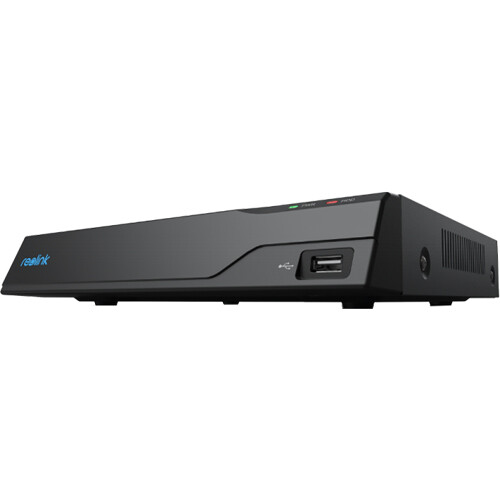
We install the recorders that hold up and we’re honest about the trade-offs. For most Hudson Valley homes and small businesses, Reolink, Lorex, and Amcrest NVRs hit the sweet spot — PoE built in, 4K and 4K+ support, local recording with no subscription, and apps that work. For commercial and larger builds we lean on Dahua and Hikvision (and their OEM lines like Annke and LTS) for high channel counts, RAID-capable recorders, and deep smart-detection features. For enterprise and multi-site setups we work with Uniview, Axis, and managed-switch infrastructure. We’re brand-agnostic — we spec the recorder to your channel count, storage, and budget, not to a kickback — we change every default password and harden remote access so the recorder can’t be hijacked, and we’ll happily install and configure an NVR you already bought. If you’re mixing camera brands, we’ll confirm ONVIF compatibility before you’re stuck with a recorder that won’t talk to your cameras.


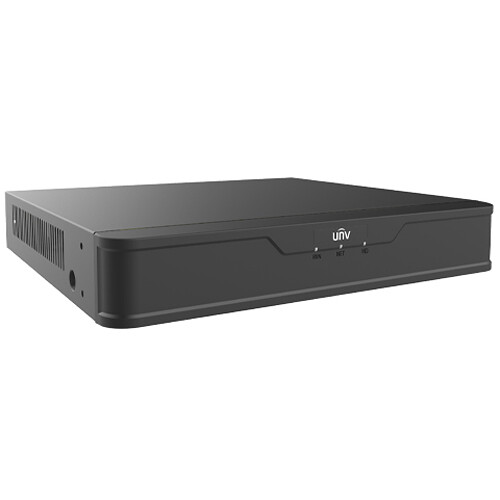
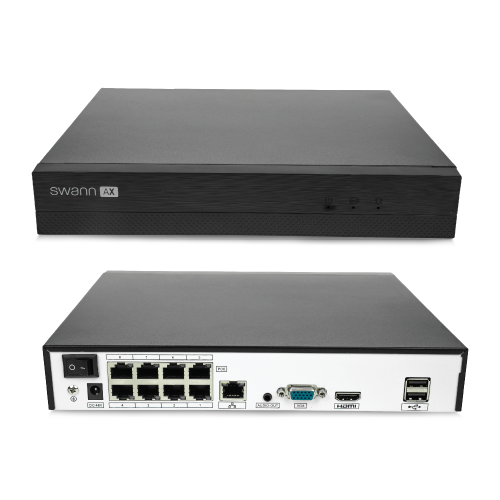
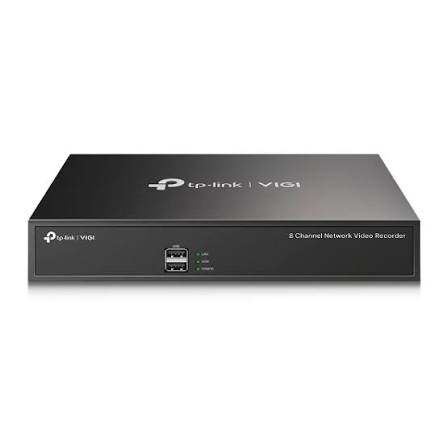
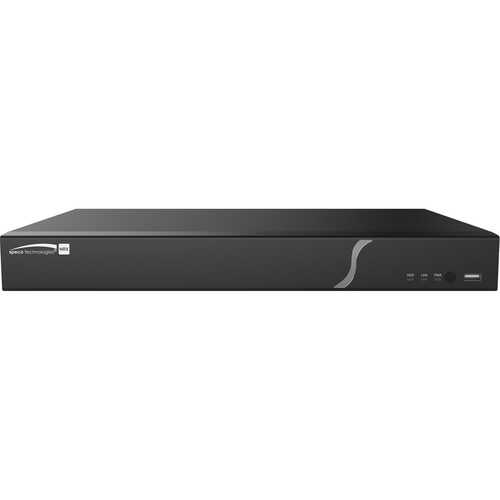
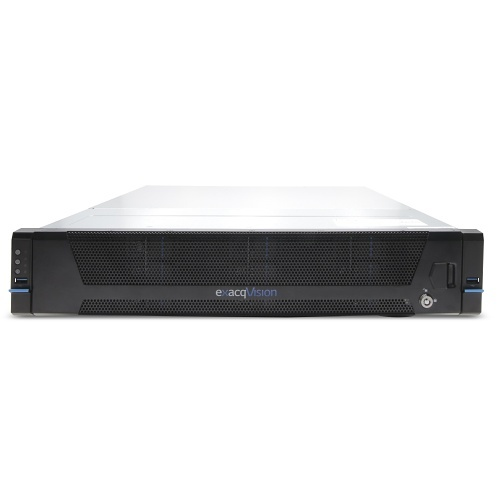
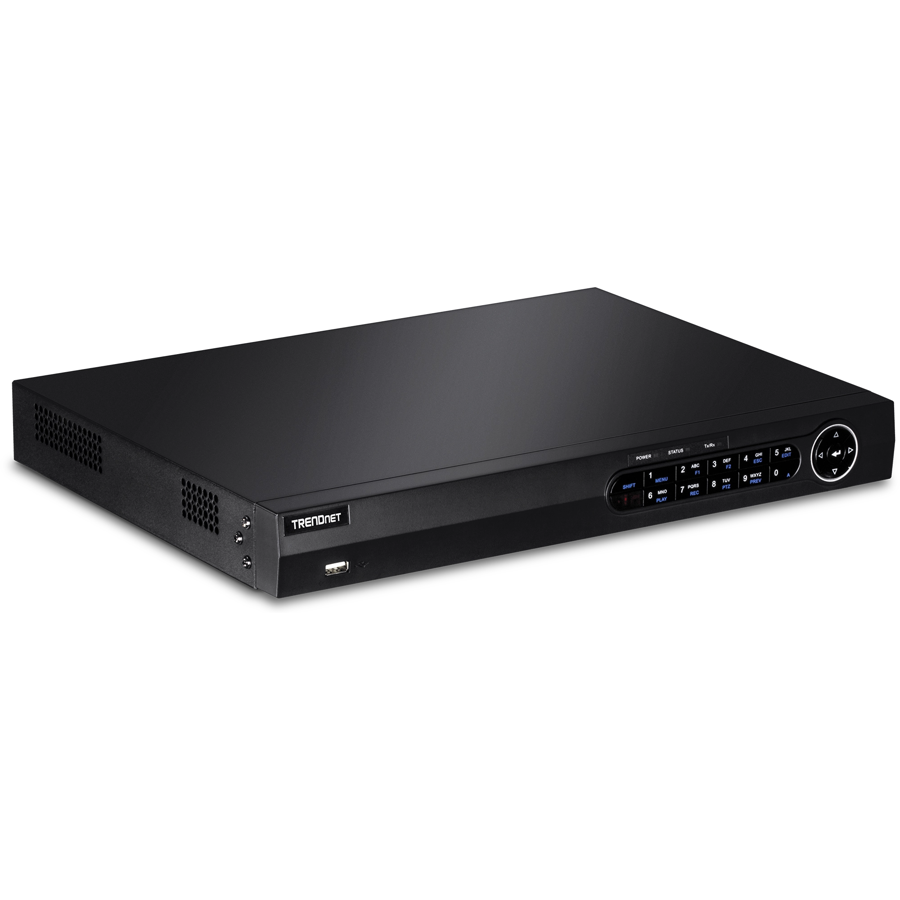
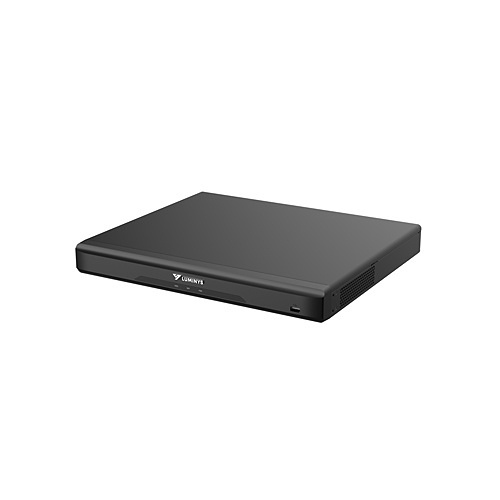
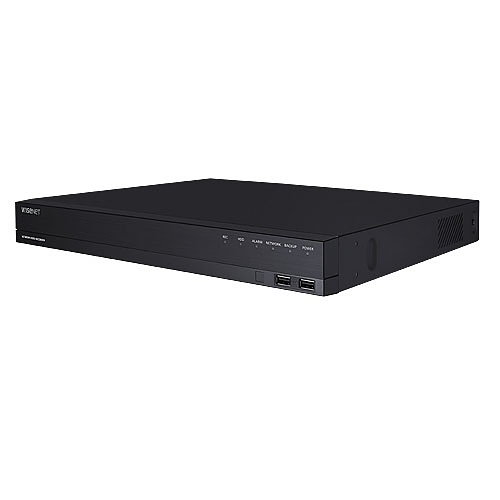
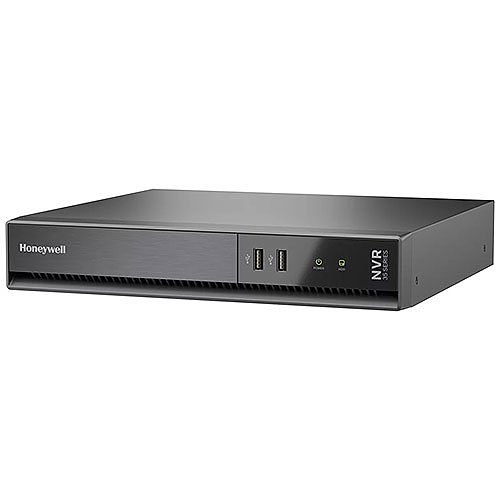
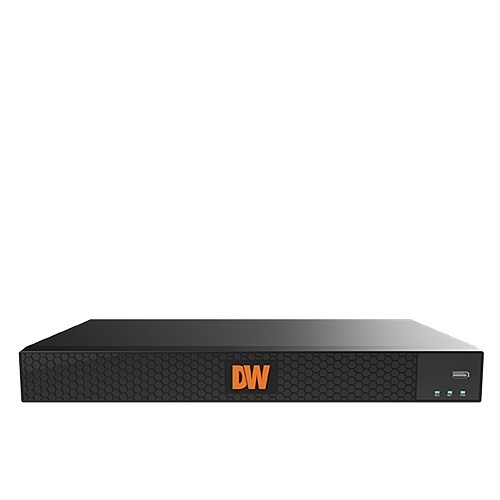
Network video recorders we install, configure, and service across the Hudson Valley — Reolink, Lorex, Uniview, Hikvision, Ubiquiti UniFi, Hanwha Wisenet, Honeywell, Speco, AVYCON, Exacq, Digital Watchdog, IDIS, Luminys, Swann, TP-Link VIGI, TRENDnet, and ENS Titanium.
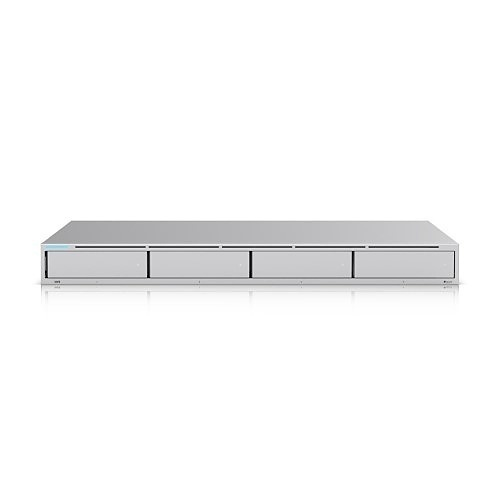
The recorder market runs far past the big three, and we install and service across all of it across the Hudson Valley. On the prosumer and small-business side, the Reolink NVS8, TP-Link VIGI NVR1008H, TRENDnet TV-NVR208, and Swann AdvancedX 4K are clean plug-and-play PoE recorders with local storage and no monthly fee. For serious commercial builds we work with Hikvision (the DS-7616NI-Q series), Hanwha Wisenet ARN-1610S, Honeywell 35 Series MAXPRO, Speco N16NRX 8K, AVYCON AVR-NSV16P, Digital Watchdog COVA, IDIS DR-2508P, Luminys R52 8K, and ENS Titanium recorders — high channel counts, RAID, and deep analytics. For IT-managed and enterprise sites, Ubiquiti UniFi UNVR, Uniview NVR501, and Exacq A-Series rackmount systems integrate with managed switches, VLANs, and multi-site setups. We’re brand-agnostic, we confirm ONVIF compatibility before you commit, we change every default password, and we’ll install a recorder you already bought.
Every quote is fixed-price after we see the system — here are honest ranges so you can budget first. The big variables are channel count, how much storage your retention needs, and whether you want RAID redundancy. Configuring a recorder you already own is the cheapest path; a full new multi-drive commercial system is the most involved. Storage is the line item people underestimate — 4K cameras and long retention add terabytes fast, and we’d rather size it right than have you run out in three weeks. Everything records to local drives with no monthly cloud fee.
You have the NVR and cameras — we install the recorder, connect and assign every camera, set up storage, recording schedules, motion zones, and remote viewing, and hand you a working, labeled system.
A complete 8-channel NVR build — recorder, PoE switch or PoE NVR, a surveillance-rated drive sized to your retention, full configuration and remote access. Cameras and cabling quoted separately.
Larger channel counts with multi-drive or RAID storage for a store, restaurant, warehouse, or building — managed PoE, VLAN, and long retention. Priced after a site walk-through.
Move cameras to a new recorder, expand channels and storage, update firmware and security, or diagnose and fix a system that stopped recording. Repair starts with a flat diagnostic.
We look at your cameras (or planned cameras), your retention needs, and your building network, then spec the channel count, the storage and RAID, the PoE switch, and the recorder — with a written fixed-price quote.
We mount or rack the NVR, install and connect the PoE switch, fit and initialize the drives, add and assign every camera, set recording schedules, motion zones, and overwrite rules, and put the system on its own network where it belongs.
We configure secure remote viewing on your phone and computer, test playback and export, harden passwords and access, label the channels and drives, and walk you through pulling and exporting footage.
How much does NVR installation cost in the Hudson Valley?
If you already own the recorder and cameras, configuring and connecting the system runs $220 to $480. A complete new 8-channel system — recorder, PoE, and a drive sized to your retention — is typically $650 to $1,500 plus cameras and cabling. Larger 16-to-32-channel or RAID commercial builds run $1,600 to $5,500 and up, quoted after a walk-through. We set a firm price once we see the system.
What makes one NVR quote so much higher than another?
Three things: channel count, storage, and redundancy. A 4-channel recorder with one small drive is cheap; a 32-channel recorder with RAID and 24TB for ninety-day retention is not. A low quote often means too few channels, too little storage, or no redundancy — which costs you when you run out of space or a drive dies. We size it to what you actually need and tell you the trade-offs.
How much storage do I need and how many days will it hold?
It depends on camera count, resolution, and whether you record continuously or on motion. A rough rule: one 4K camera recording around the clock uses about 40–60GB a day, so an 8-camera 4K system at 30 days often needs 8–12TB. Motion-only recording and H.265+ compression stretch that further. We calculate it for your exact cameras before quoting drives, so you get the retention you asked for.
What happens when the drive fills up — do I lose footage?
By default an NVR overwrites the oldest footage first, so it records in a rolling window — once it’s full it keeps the most recent X days and drops the rest. If you need to keep more, we add storage or set a longer-retention drive. If losing any footage is a real risk, we set RAID so a failed drive doesn’t wipe your history.
Can I just set up the NVR myself?
For a small PoE kit with a setup wizard, a handy owner can get a basic system running. Where people get stuck in the Hudson Valley is the parts the box glosses over: sizing storage and channels, getting remote viewing through a carrier-grade-NAT ISP, putting cameras on their own network, RAID, and hardening the recorder so it isn’t exposed online. Most of our NVR calls are owners who got the picture working but couldn’t get remote access, retention, or security right.
My cameras and NVR are different brands — will they work together?
Sometimes — it depends on ONVIF support. Many IP cameras and NVRs speak the ONVIF standard and will talk to each other, but features like smart detection often only work fully within one brand. Before you’re stuck with a recorder that won’t see your cameras, we confirm compatibility, and where it matters we recommend keeping the cameras and recorder in the same ecosystem.
Why can’t I see my cameras remotely?
Almost always the remote-access path is broken. Common Hudson Valley causes: the recorder’s local IP changed, the router’s port forwarding rules reset, the ISP rotated your public IP, the firewall is blocking P2P, or your provider has you behind carrier-grade NAT so port forwarding can’t work at all. We set P2P or a hardened forwarding path, fix the DNS, and use a relay or VPN where the ISP blocks direct access — so it connects and stays connected.
Why does my NVR say a camera is “offline” or “network abnormal”?
That’s the recorder losing the camera on the network — a bad or too-long Ethernet run, a failing PoE port, a power budget exceeded on the switch, a duplicate IP, or a camera that dropped off after a firmware change. We trace it to the cable, the port, or the config rather than swapping parts at random, and fix the actual cause.
Are there any monthly fees with an NVR?
No — that’s the point of a local NVR. It records to its own hard drives, so there’s no monthly cloud-storage bill the way battery and doorbell cameras charge. You own the footage outright. We set it up so you can view, search, and export everything yourself, no subscription required.
Do I need a licensed contractor to install an NVR in the Hudson Valley?
For a simple plug-in config, not strictly — but any system that involves running cable in walls or ceilings, tying into building infrastructure, or commercial work should be done by a licensed, insured low-voltage contractor and to code. We’re NYS licensed #12000287431 and insured, we wire and configure to code, secure the system, and stand behind the work.
Search “NVR installation cost” and the AI Overview, Angi, HomeAdvisor, and Fixr hand you a flat number that has little to do with a real Hudson Valley system. Here’s what they leave out.
Angi, HomeAdvisor, Fixr, and the AI Overview quote a flat NVR price, but on a Hudson Valley property a recorder means nothing without channel count and storage figured for the acreage. A 4-channel box with one 2TB drive and a 32-channel RAID system with 24TB are both “an NVR” at wildly different prices. The number that matters is the one sized to your cameras and your retention — which a national average can’t give you.
Most write-ups never make you do the terabyte math, so people buy a recorder with a 1TB drive, point eight 4K cameras at it, and discover they have four days of footage instead of thirty. Cover a large wooded lot with 4K cameras at long retention and storage vanishes fast. We work days-of-coverage from your real bitrate before quoting drives — the one thing a boxed kit almost always gets wrong up here.
Guides assume port forwarding just works. Across the Hudson Valley, plenty of ISPs put residential customers behind carrier-grade NAT, where traditional port forwarding can’t open a path at all, and others rotate your public IP so a one-time setup breaks. Getting remote viewing to actually connect — and stay connected securely — is a real configuration job, not a checkbox, and it’s where most DIY NVR setups stall.
An NVR exposed to the internet with default passwords is a genuine hazard — recorders get scanned and hijacked constantly, and a camera system is the last thing you want strangers inside. National content rarely leads with this. We change every default credential, disable risky exposed services, and use P2P or a VPN instead of blindly opening ports, so the recorder isn’t a door into your network.
A single hard drive is a single point of failure, and surveillance drives run hot 24/7, so they do fail. Generic guides treat one drive as the whole storage story. For a business or a building where footage loss isn’t acceptable, RAID mirroring or parity is the difference between a dead drive being a non-event and losing your entire history the week before an incident.
National advice says “buy for your camera count.” The smarter move is buying for your camera count plus growth — almost everyone adds cameras, and an NVR with no free channels means replacing the whole recorder a year later. We spec 25–50% headroom so the next camera is a cable run, not a forklift upgrade.
The NVR is the part of a camera system that decides whether you actually have footage when it counts — not the cameras themselves. The value isn’t the box; it’s the right channel count, storage sized to your real retention, redundancy where loss isn’t an option, remote access that connects through a Hudson Valley ISP and stays secure, and a system locked down so it can’t be hijacked. The smart move isn’t the cheapest recorder — it’s a licensed installer who sizes and secures the whole backbone.
A kit gets a picture on a screen, but you size the storage, the channels, and the remote access yourself — and that’s where they fail. We spec it right, configure it fully, and secure it, so you have searchable footage and working remote view, not four days of recording and a dead app.
Battery and doorbell cams that charge monthly for cloud storage add up fast across a real system. An NVR records locally with no recurring fee — you own the footage. We build the local system so you stop renting your own video.
Mounting a box, maybe — but not sizing RAID, configuring a managed PoE switch, putting cameras on a VLAN, or hardening remote access against hijacking. We’re a licensed low-voltage contractor who builds and secures the whole recorder backbone.
An aging analog DVR caps you at low resolution and painful coax runs. We migrate you to an NVR — higher resolution, single-cable PoE, real remote access — and can reuse what’s worth keeping instead of starting from zero.
Free assessment, fixed price, channel count with headroom, storage sized to your real retention, RAID where loss isn’t an option, PoE and network configured, remote access that connects and stays secure, every default password changed, labeled and documented, warrantied — licensed NYS #12000287431.
We install and service NVRs across all six Hudson Valley counties — Westchester, Rockland, Orange, Putnam, Dutchess, and Ulster — from Yonkers and White Plains to Poughkeepsie, Kingston, and New Paltz. This is the Hudson Valley NVR hub; pick your county below, or see our full Hudson Valley security camera installation, our commercial systems, or the structured cabling that ties it together. Back to our home page for everything we do.
NVR installation by Hudson Valley county:
NVR Westchester County → · NVR Rockland County → · NVR Orange County (coming soon) · NVR Putnam County (coming soon) · NVR Dutchess County (coming soon) · NVR Ulster County (coming soon)
The cameras that feed the recorder — our full Hudson Valley camera installation across all six Hudson Valley counties.
Hudson Valley Cameras →Storefront, office, warehouse, and building camera systems built on a properly sized NVR.
Commercial HV →Whole-home camera systems on a local NVR for a Hudson Valley house, estate, or apartment.
Residential HV →The Ethernet backbone an NVR and its PoE cameras run on — cabling done to code.
Cabling Hudson Valley →We diagnose why — a failed drive, a full disk with overwrite off, a dropped camera, or a recorder stuck in a reboot loop — fix the cause, and set alerts so you know the moment it happens again.
Classic Hudson Valley remote-access break. We fix the port forwarding or P2P, work around carrier-grade NAT with a relay or VPN, correct the DNS, and get live and playback working on your phone.
Your storage is undersized or set to continuous when motion would do. We add drives or a larger recorder, tune recording and compression, and get you to the retention you actually need.
A single drive with no redundancy. We replace it, recover what we can, and set RAID so the next drive failure is a swap, not a catastrophe.
We migrate you off analog to an NVR — higher resolution, PoE, real remote access — reusing the cable runs where we can to keep the cost down.
Often an ONVIF or channel-assignment issue, or a PoE power-budget problem. We get every camera onto the recorder, assigned and recording, and tell you up front if a brand mismatch is the real blocker.
“Colonial in Chappaqua — six cameras and a recorder I bought online, and I could never see them when we were away. They sized a proper drive, set the schedule, and got the app connecting through my ISP, which apparently had me behind some NAT thing. I check the house from anywhere now. No monthly fee.”
— Karen D., Chappaqua
“Main Street shop in Rhinebeck — needed 30 days for insurance and my old system held four. They put in a 16-channel recorder with RAID, did the storage math, and now I’ve got a searchable month I can export. Walked me through pulling a clip for a claim. Worth it.”
— Tom B., Rhinebeck
“Warehouse in Newburgh — 24 cameras across docks and a big yard. They racked a 32-channel recorder, set up a managed PoE switch so we reboot a camera remotely, and put it on its own network. Migrated off the dying old unit with no downtime, and added surge protection after we’d lost a recorder to lightning. Professional crew.”
— Rich M., Newburgh
“Farmhouse in Millbrook — old analog DVR, terrible picture, and squirrels had chewed a run out to the barn. They migrated me to an NVR, re-ran the damaged cable in conduit, and reused the rest. Night and day. Remote view works and there’s no subscription. Fair price.”
— Susan P., Millbrook
A wooded Putnam County property that shows what the NVR job really is when you do it right up here. The owner had eight 4K cameras mounted across a long driveway, the barn, and the tree line, plus a recorder from the same online listing, and two complaints: he could never see the cameras when the house sat empty, and it only held a few days when he wanted a month. Both came down to the recorder, not the cameras. The storage was the first fix — eight 4K cameras recording continuously were burning through the single small drive in days, so we did the actual bitrate math, switched the high-traffic cameras to motion-plus-continuous on a schedule, turned on H.265+ compression, and put in drives sized for a real thirty-day window with room to spare. The remote access was the Hudson Valley-specific part: his rural ISP had the property behind carrier-grade NAT, so the port forwarding he’d tried could never have worked — there was no public path to open. We set up the manufacturer’s P2P relay, hardened it, changed every default password (the recorder still had the factory login, wide open), disabled the exposed services it shipped with, and got live and playback connecting reliably on his phone and laptop. Then we put the cameras on their own network segment so the recorder wasn’t a soft target on the same network as the house Wi-Fi, and we put surge protection on the recorder and PoE switch after hearing he’d lost gear to a summer storm, labeled every channel and the drives, and showed him how to pull and export a clip for a chargeback dispute. The cameras never changed — the entire difference was sizing the storage to the real retention, getting remote access to work through a Hudson Valley ISP, and locking the recorder down so it couldn’t be hijacked. That’s the NVR job: the box is the easy part, the backbone is the work.
System not recording, NVR offline or stuck rebooting, cameras showing “network abnormal” or “offline,” remote viewing dead, hard drive failed or full, footage you can’t find or export, stuck on an encrypted-stream error, or a system you bought that won’t connect? We diagnose and fix network video recorders across all five boroughs — replace failed drives and add redundancy, restore remote access through any Hudson Valley ISP, re-point dropped cameras, recover and export footage, update firmware and security, or migrate you onto a recorder that actually works. Most NVR repairs are same-day or next-day.
Hudson Valley homeowners, business owners, and property managers find us under many of these searches. Every one points to the same licensed crew — from a single network video recorder setup to a full multi-channel RAID build, plus PoE and network configuration, storage planning, remote access, migration, and repair.
Configuring an NVR and cameras you already own runs $220 to $480. A complete new 8-channel system — recorder, PoE, and a drive sized to your retention — is typically $650 to $1,500 plus cameras and cabling. Larger 16-to-32-channel or RAID commercial builds run $1,600 to $5,500 and up. Upgrades, migrations, and repairs run $190 to $900. No monthly fee on local recording.
An NVR (network video recorder) records digital IP cameras over a network and can power them over Ethernet with PoE. A DVR records older analog cameras over coax. NVRs give higher resolution, single-cable runs, and easier remote access — almost every new Hudson Valley system is NVR-based. We install NVRs and can migrate an old DVR system over.
At least as many as your cameras, plus 25–50% headroom so you can add cameras later without replacing the recorder. NVRs come in 4, 8, 16, 32, and 64 channels — we spec the count with room to grow.
It depends on camera count, resolution, and recording mode. One 4K camera recording continuously uses about 40–60GB a day, so an 8-camera 4K system at 30 days often needs 8–12TB. Motion recording and H.265+ stretch it further. We calculate it for your exact cameras before quoting drives.
No — an NVR records to its own local hard drives, so there’s no monthly cloud-storage bill. You own the footage and can view, search, and export it yourself with no subscription.
Yes — we configure secure remote viewing via P2P or hardened port forwarding so you watch live and playback from your phone or laptop. Hudson Valley ISPs and carrier-grade NAT often break the default setup; we work around it with a relay or VPN so it actually connects.
Common causes are a failed or full hard drive with overwrite disabled, a dropped camera, a firmware glitch, or the recorder stuck in a reboot loop. We diagnose the actual cause, fix it, and can set alerts so you’re notified if recording stops again.
Yes, as long as the recorder has free channels — which is why we spec headroom up front. Adding a camera is then a cable run and an assignment in the NVR, not a recorder replacement.
Often, via the ONVIF standard — but advanced features like smart detection usually only work fully within one brand. We confirm compatibility before you commit, and recommend keeping cameras and recorder in the same ecosystem where the features matter.
RAID stores footage across multiple drives so a single drive failing doesn’t lose your history — mirroring (RAID 1) or parity (RAID 5/6). For a business or building where footage loss isn’t acceptable, yes. For a small home system, often a single good surveillance drive is enough. We’ll tell you which fits.
Yes — we move your existing cameras to a larger or newer NVR, add channels and storage, update firmware and security, and reuse cabling where we can. We also migrate analog DVR systems to modern NVRs.
Yes — storefronts, restaurants, offices, warehouses, schools, houses of worship, and apartment buildings. Larger sites get higher channel counts, RAID storage, managed PoE switches, VLANs, and the long retention that liability and insurance require.
"Excellent work installing cameras at my building in Brooklyn. Clean wiring, professional team, everything works perfectly on my phone."
"Best NVR company in the Hudson Valley. Cameras on my brownstone without damaging the brick. Cables completely hidden. 4K picture quality is incredible."