Network Video Recorders · PoE Switch Wiring · Hard Drive & RAID Storage · Remote Viewing Setup · IP Camera Integration · Upgrades & Migrations · No Monthly Fees
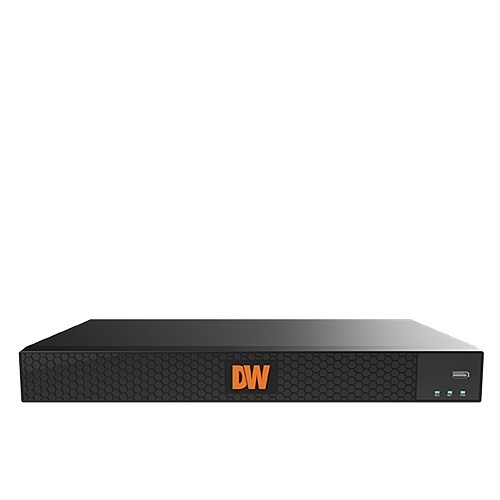
Professional NVR installation across all five NYC boroughs — the network video recorder is the brain of an IP camera system: the box your cameras feed into, where footage is recorded, stored, and pulled up live or on playback from your phone. We install and configure the whole backbone — the NVR itself, the PoE switch that powers and connects the cameras over a single Ethernet run, the hard drives sized for the retention you need, RAID mirroring where footage loss isn’t an option, and secure remote viewing so you can watch every camera from anywhere without a monthly cloud fee. Whether you’re putting in a brand-new 8- or 16-channel system for a Brooklyn brownstone or a Manhattan storefront, upgrading an aging recorder, migrating cameras off a dead unit, or expanding a system that ran out of channels, we plan the channel count, the storage math, and the network so it actually holds up. This is our NYC NVR page — part of our security camera installation in NYC; pair it with a full commercial camera system, a residential system, or the structured cabling that ties it all together.
Last updated June 2026 · Reflects current NYC NVR installation pricing, channel and storage planning, PoE switch and network setup, RAID and hard-drive options, remote-access configuration, and the recorder brands we install and service across all five boroughs.
An NVR — network video recorder — is the device every IP camera in your system feeds into. It receives each camera’s digital stream over the network, records it, stores it on internal hard drives, and serves it back to you live or on playback through a monitor, a phone app, or a web browser. It is the difference between a handful of cameras that only show a live picture and an actual surveillance system that keeps days, weeks, or months of footage you can search, export, and hand to police. In a NYC building — a brownstone, a walk-up, a storefront, a warehouse, a co-op — the NVR is usually tucked in a closet, a basement, a back office, or a locked rack, wired to a PoE switch that powers and connects every camera over a single Ethernet cable each. Get the recorder, the channel count, the storage, and the network right and the system runs for years. Get them wrong and you find out your footage was never recording on the one night you needed it.
That is exactly why NYC owners call a licensed installer for the recorder rather than just buying a boxed kit. The box does not tell you whether eight channels is enough when you will want twelve next year, how many terabytes 4K cameras burn through in thirty days, whether your footage survives a single drive failing, or how to get remote viewing working through a NYC ISP that hides you behind carrier-grade NAT. We plan the channel count with headroom, do the storage math for your retention, set RAID where losing footage is not an option, wire and configure the PoE switch and the network, lock down remote access so the recorder cannot be hijacked, and label everything so the next person can actually work on it. We install new systems, upgrade aging recorders, migrate cameras off a dead or obsolete NVR onto a new one, and repair systems that stopped recording — on local storage, with no monthly cloud fee.
What We Do
NVR Services We Install & Configure in NYC
Every system is different, so we start with your cameras, your retention needs, and your building’s network — not a boxed bundle. Whether it’s a fresh 8-channel system for a row house or a 32-channel build for a warehouse, here’s what we handle.
🗄️
New NVR System Installs
A complete network video recorder install — 4, 8, 16, 32, or 64 channels — sized to your camera count with room to grow, wired to a PoE switch, loaded with the right drives, and configured end to end for a NYC home or business.
🔌
PoE Switch & Network Setup
We install and configure the PoE switch or PoE-enabled NVR that powers and connects every camera over one Ethernet run each, set the network, VLANs where needed, and a managed switch when you want to reboot a camera remotely.
💽
Hard Drive & RAID Storage
Surveillance-rated drives sized to your retention, multi-drive recorders, and RAID 1 mirroring or RAID 5/6 where footage loss is not acceptable — so a single failed drive never wipes your history.
📱
Remote Viewing & App Setup
Secure remote access configured the right way — P2P or proper port forwarding with hardened settings — so you watch every camera live and on playback from your phone or laptop, anywhere, with no monthly fee.
⬆️
Upgrades, Migrations & Expansion
Aging recorder, dead unit, or out of channels? We upgrade to a larger or newer NVR, migrate your existing cameras over, add channels and storage, and bring an old system up to current firmware and security.
🔧
NVR Repair & Troubleshooting
Not recording, offline, cameras showing “network abnormal,” remote view down, drive failed, stuck in a reboot loop — we diagnose and fix recorders across NYC, on most brands.
Where They Live
NVR Systems We Build Across NYC Properties
A network video recorder anchors the camera system in every kind of NYC property — what changes is the channel count, the storage, and the network around it. These are the builds we wire most across the five boroughs.
🏢
Storefronts & Retail
A back-office or locked-closet NVR feeding registers, entrances, and the sales floor — sized for the 30-to-90-day retention insurers and chargeback disputes ask for.
🏠
Brownstones & Row Houses
A discreet recorder in a basement or utility closet covering the stoop, hallway, rear yard, and cellar door, pulled up from anywhere on your phone.
🏭
Warehouses & Industrial
16-to-64-channel recorders with large RAID storage covering loading docks, aisles, and yards, often with a managed PoE switch and long cable runs.
🏢
Offices & Buildings
Rack-mounted NVRs in an IT or telecom room, on a dedicated camera VLAN, integrated with access control and tied into the building network cleanly.
🍽️
Restaurants & Bars
Recorders covering the entrance, bar, register, kitchen, and back door, built for the long retention that liability and labor disputes demand.
🏫
Schools, Houses of Worship & Apartments
Multi-camera systems with strong storage and locked-down access, recording entrances, common areas, and perimeters for a building full of people.
Plain English
NVR Terms, Decoded
You don’t need the jargon to get a good install, but a few terms come up on every NVR quote. Here’s what they mean in plain English.
NVR vs. DVR
An NVR records digital IP cameras over a network and can power them over Ethernet (PoE). A DVR records older analog cameras over coax. Almost every new NYC system is NVR-based — higher resolution, single-cable runs, easier remote access. We install NVRs and can help migrate an old DVR system.
Channels
How many cameras the recorder accepts — 4, 8, 16, 32, or 64. We spec a channel count with 25–50% headroom so you can add cameras next year without replacing the whole recorder.
PoE & PoE Switch
Power over Ethernet sends power and video to each camera over a single cable, up to about 300 feet, with extenders beyond that. A PoE-enabled NVR or a separate PoE switch is what makes a clean IP system possible.
Retention & Storage
How many days of footage you keep. A single 4K camera recording continuously burns roughly 40–60GB a day, so an 8-camera 4K system at 30 days often needs 8–12TB. We do the math for your cameras and your retention before quoting drives.
RAID
Drive redundancy. RAID 1 mirrors footage across two drives; RAID 5/6 spreads it with parity so a failed drive doesn’t lose history. Essential where footage loss is unacceptable — a business, a building, an incident-prone site.
Remote Access (P2P / Port Forward)
How you view the system off-site. P2P uses the maker’s cloud relay; port forwarding opens a hardened path through your router. NYC ISPs and carrier-grade NAT often break the naive setup — we configure it so it actually connects and stays secure.
Hardware
The NVR Brands We Install & Service
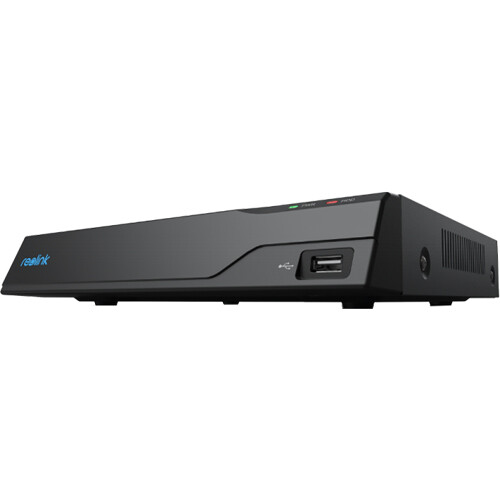
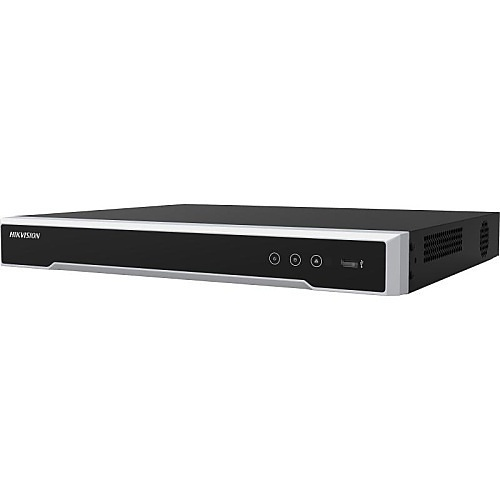
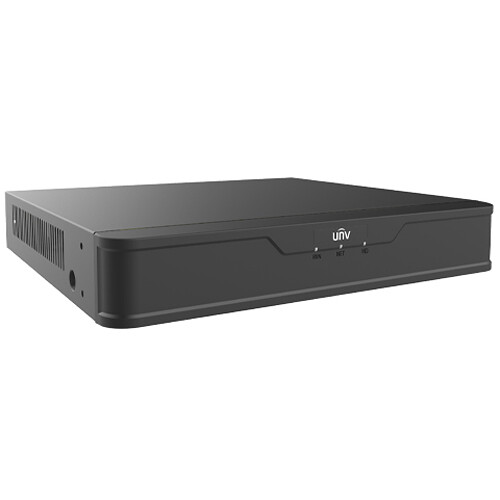
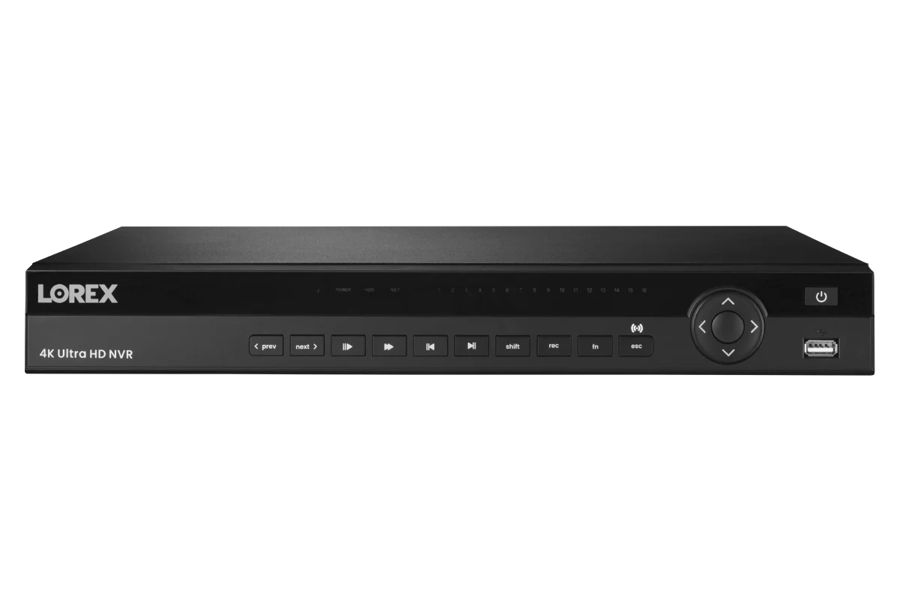
We install the recorders that hold up and we’re honest about the trade-offs. For most NYC homes and small businesses, Reolink, Lorex, and Amcrest NVRs hit the sweet spot — PoE built in, 4K and 4K+ support, local recording with no subscription, and apps that work. For commercial and larger builds we lean on Dahua and Hikvision (and their OEM lines like Annke and LTS) for high channel counts, RAID-capable recorders, and deep smart-detection features. For enterprise and multi-site setups we work with Uniview, Axis, and managed-switch infrastructure. We’re brand-agnostic — we spec the recorder to your channel count, storage, and budget, not to a kickback — we change every default password and harden remote access so the recorder can’t be hijacked, and we’ll happily install and configure an NVR you already bought. If you’re mixing camera brands, we’ll confirm ONVIF compatibility before you’re stuck with a recorder that won’t talk to your cameras.
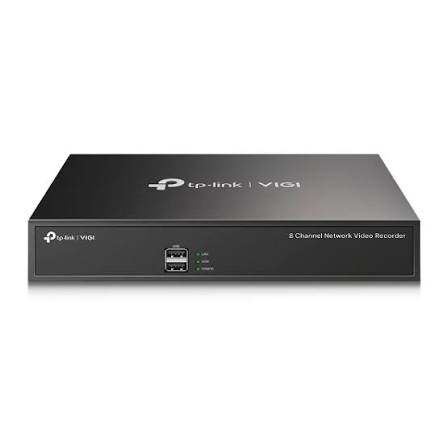
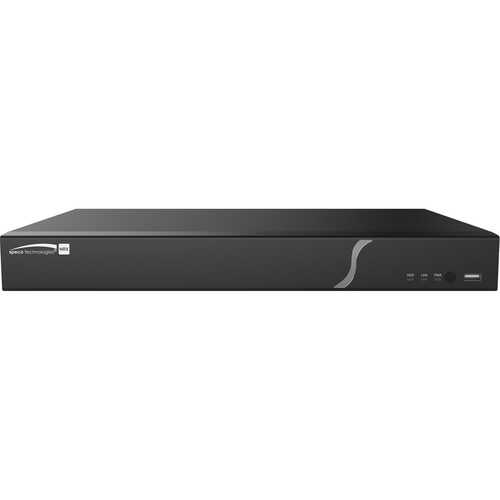
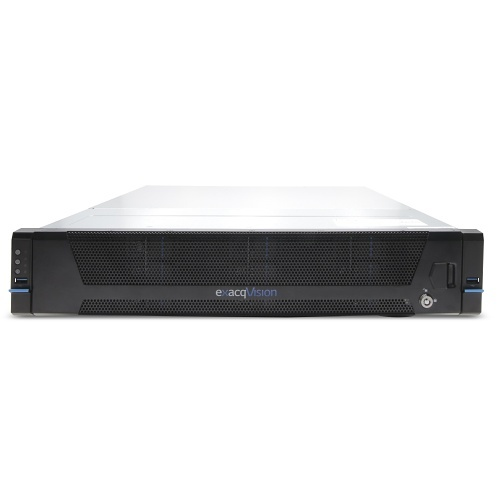
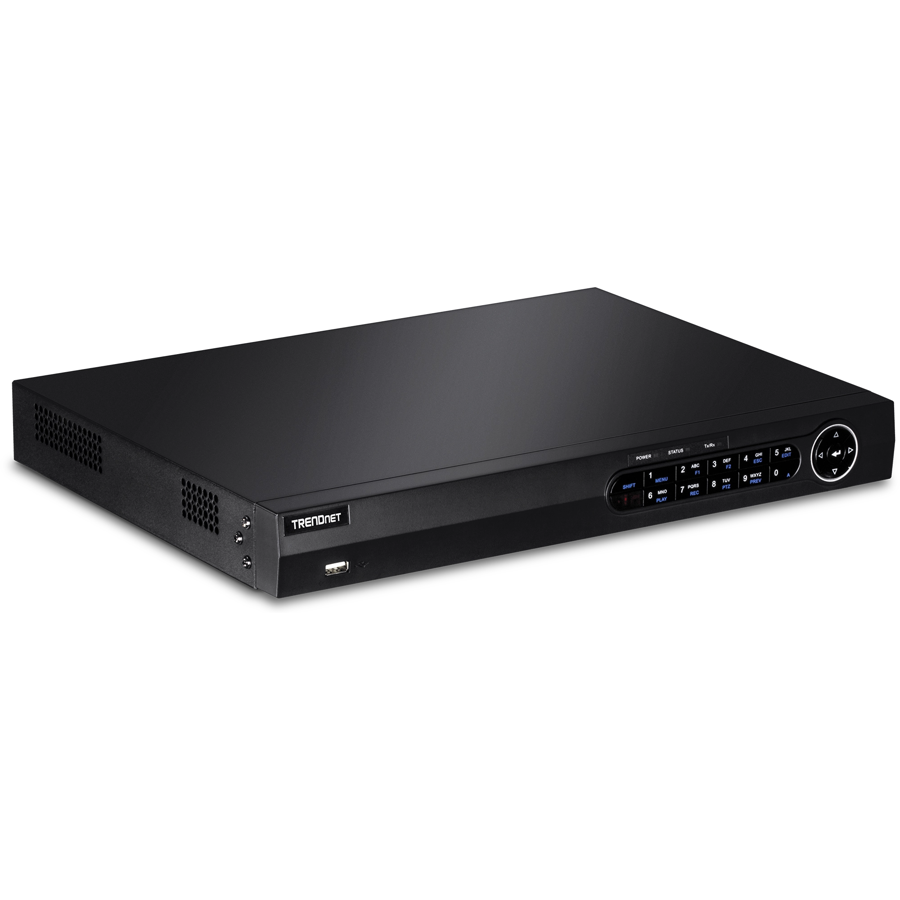
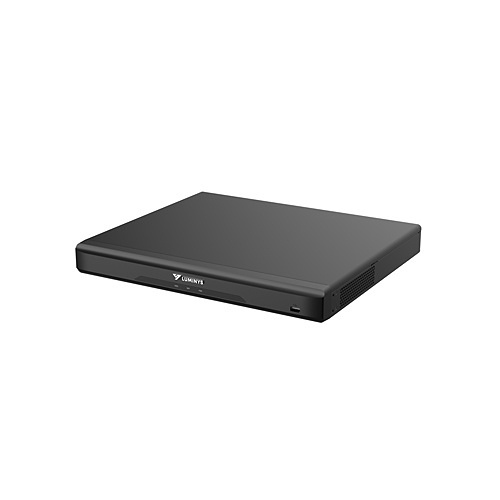
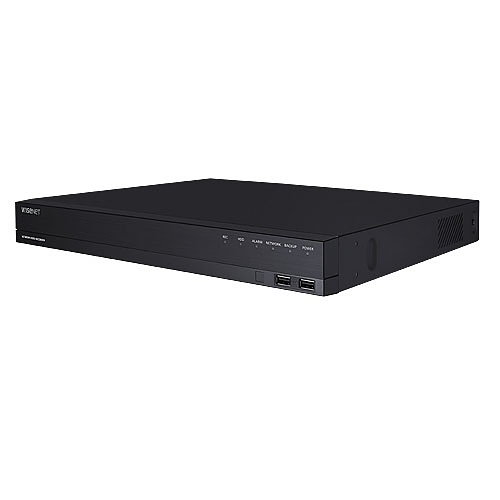
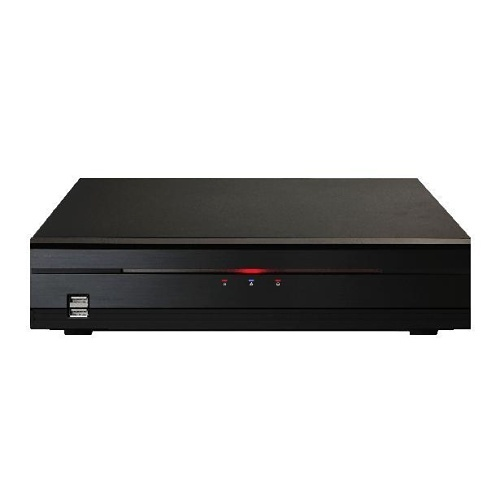
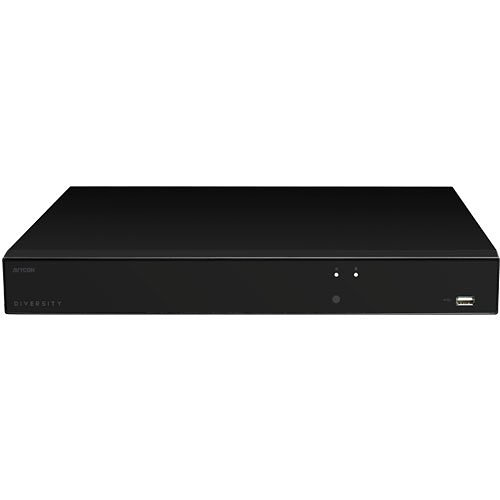
Network video recorders we install, configure, and service in NYC — Reolink, Lorex, Uniview, Hikvision, Ubiquiti UniFi, Hanwha Wisenet, Honeywell, Speco, AVYCON, Exacq, Digital Watchdog, IDIS, Luminys, Swann, TP-Link VIGI, TRENDnet, and ENS Titanium.
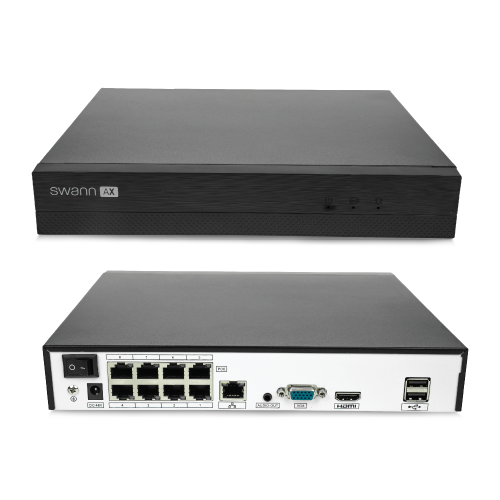
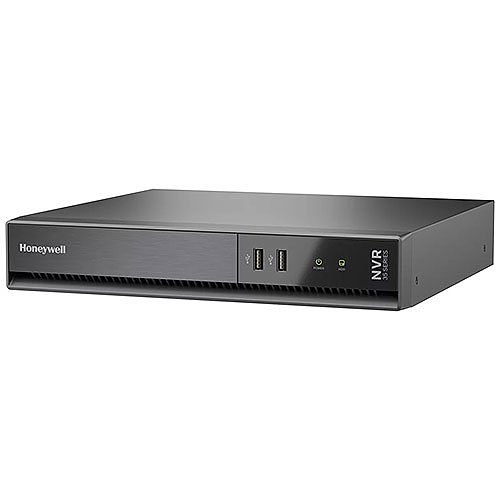
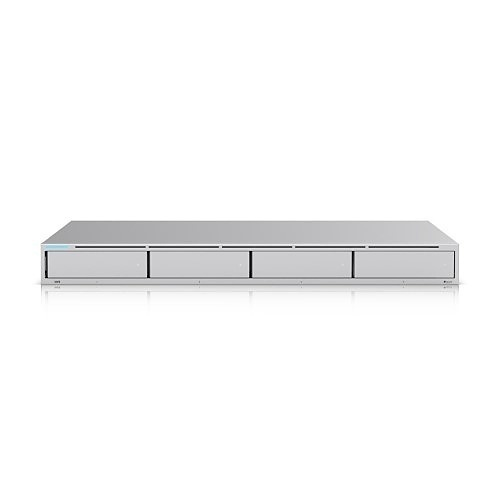
The recorder market runs far past the big three, and we install and service across all of it in NYC. On the prosumer and small-business side, the Reolink NVS8, TP-Link VIGI NVR1008H, TRENDnet TV-NVR208, and Swann AdvancedX 4K are clean plug-and-play PoE recorders with local storage and no monthly fee. For serious commercial builds we work with Hikvision (the DS-7616NI-Q series), Hanwha Wisenet ARN-1610S, Honeywell 35 Series MAXPRO, Speco N16NRX 8K, AVYCON AVR-NSV16P, Digital Watchdog COVA, IDIS DR-2508P, Luminys R52 8K, and ENS Titanium recorders — high channel counts, RAID, and deep analytics. For IT-managed and enterprise sites, Ubiquiti UniFi UNVR, Uniview NVR501, and Exacq A-Series rackmount systems integrate with managed switches, VLANs, and multi-site setups. We’re brand-agnostic, we confirm ONVIF compatibility before you commit, we change every default password, and we’ll install a recorder you already bought.
Honest Pricing
What NVR Installation Costs in NYC
Every quote is fixed-price after we see the system — here are honest ranges so you can budget first. The big variables are channel count, how much storage your retention needs, and whether you want RAID redundancy. Configuring a recorder you already own is the cheapest path; a full new multi-drive commercial system is the most involved. Storage is the line item people underestimate — 4K cameras and long retention add terabytes fast, and we’d rather size it right than have you run out in three weeks. Everything records to local drives with no monthly cloud fee.
NVR Setup & Config (Your Hardware)
existing cameras
$220 – $480
You have the NVR and cameras — we install the recorder, connect and assign every camera, set up storage, recording schedules, motion zones, and remote viewing, and hand you a working, labeled system.
New 8-Channel System
recorder + PoE + drive
$650 – $1,500
A complete 8-channel NVR build — recorder, PoE switch or PoE NVR, a surveillance-rated drive sized to your retention, full configuration and remote access. Cameras and cabling quoted separately.
16–32 Channel / Commercial
multi-drive + RAID
$1,600 – $5,500+
Larger channel counts with multi-drive or RAID storage for a store, restaurant, warehouse, or building — managed PoE, VLAN, and long retention. Priced after a site walk-through.
Upgrade / Migration / Repair
varies
$190 – $900
Move cameras to a new recorder, expand channels and storage, update firmware and security, or diagnose and fix a system that stopped recording. Repair starts with a flat diagnostic.
How It Works
From First Call to A System That Records
01
Assessment & System Plan
We look at your cameras (or planned cameras), your retention needs, and your building network, then spec the channel count, the storage and RAID, the PoE switch, and the recorder — with a written fixed-price quote.
02
Install, Wire & Configure
We mount or rack the NVR, install and connect the PoE switch, fit and initialize the drives, add and assign every camera, set recording schedules, motion zones, and overwrite rules, and put the system on its own network where it belongs.
03
Remote Access & Handover
We configure secure remote viewing on your phone and computer, test playback and export, harden passwords and access, label the channels and drives, and walk you through pulling and exporting footage.
Real Questions
NVR Questions NYC Actually Asks
Cost & Budget
How much does NVR installation cost in NYC?
If you already own the recorder and cameras, configuring and connecting the system runs $220 to $480. A complete new 8-channel system — recorder, PoE, and a drive sized to your retention — is typically $650 to $1,500 plus cameras and cabling. Larger 16-to-32-channel or RAID commercial builds run $1,600 to $5,500 and up, quoted after a walk-through. We set a firm price once we see the system.
What makes one NVR quote so much higher than another?
Three things: channel count, storage, and redundancy. A 4-channel recorder with one small drive is cheap; a 32-channel recorder with RAID and 24TB for ninety-day retention is not. A low quote often means too few channels, too little storage, or no redundancy — which costs you when you run out of space or a drive dies. We size it to what you actually need and tell you the trade-offs.
Storage & Retention
How much storage do I need and how many days will it hold?
It depends on camera count, resolution, and whether you record continuously or on motion. A rough rule: one 4K camera recording around the clock uses about 40–60GB a day, so an 8-camera 4K system at 30 days often needs 8–12TB. Motion-only recording and H.265+ compression stretch that further. We calculate it for your exact cameras before quoting drives, so you get the retention you asked for.
What happens when the drive fills up — do I lose footage?
By default an NVR overwrites the oldest footage first, so it records in a rolling window — once it’s full it keeps the most recent X days and drops the rest. If you need to keep more, we add storage or set a longer-retention drive. If losing any footage is a real risk, we set RAID so a failed drive doesn’t wipe your history.
DIY vs Pro
Can I just set up the NVR myself?
For a small PoE kit with a setup wizard, a handy owner can get a basic system running. Where people get stuck in NYC is the parts the box glosses over: sizing storage and channels, getting remote viewing through a carrier-grade-NAT ISP, putting cameras on their own network, RAID, and hardening the recorder so it isn’t exposed online. Most of our NVR calls are owners who got the picture working but couldn’t get remote access, retention, or security right.
My cameras and NVR are different brands — will they work together?
Sometimes — it depends on ONVIF support. Many IP cameras and NVRs speak the ONVIF standard and will talk to each other, but features like smart detection often only work fully within one brand. Before you’re stuck with a recorder that won’t see your cameras, we confirm compatibility, and where it matters we recommend keeping the cameras and recorder in the same ecosystem.
Technical
Why can’t I see my cameras remotely?
Almost always the remote-access path is broken. Common NYC causes: the recorder’s local IP changed, the router’s port forwarding rules reset, the ISP rotated your public IP, the firewall is blocking P2P, or your provider has you behind carrier-grade NAT so port forwarding can’t work at all. We set P2P or a hardened forwarding path, fix the DNS, and use a relay or VPN where the ISP blocks direct access — so it connects and stays connected.
Why does my NVR say a camera is “offline” or “network abnormal”?
That’s the recorder losing the camera on the network — a bad or too-long Ethernet run, a failing PoE port, a power budget exceeded on the switch, a duplicate IP, or a camera that dropped off after a firmware change. We trace it to the cable, the port, or the config rather than swapping parts at random, and fix the actual cause.
Quality & Trust
Are there any monthly fees with an NVR?
No — that’s the point of a local NVR. It records to its own hard drives, so there’s no monthly cloud-storage bill the way battery and doorbell cameras charge. You own the footage outright. We set it up so you can view, search, and export everything yourself, no subscription required.
Do I need a licensed contractor to install an NVR in NYC?
For a simple plug-in config, not strictly — but any system that involves running cable in walls or ceilings, tying into building infrastructure, or commercial work should be done by a licensed, insured low-voltage contractor and to code. We’re NYS licensed #12000287431 and insured, we wire and configure to code, secure the system, and stand behind the work.
Reality Check
NVR Installation in NYC: An Honest Reality Check
Search “NVR installation cost” and the AI Overview, Angi, HomeAdvisor, and Fixr hand you a flat number that has little to do with a real NYC system. Here’s what they leave out.
The “NVR cost” number ignores channels and storage
National guides and the AI Overview hand you a flat NVR price, but a recorder is meaningless without its channel count and storage. A 4-channel box with one 2TB drive and a 32-channel RAID system with 24TB are both “an NVR” at wildly different prices. The number that matters is the one sized to your cameras and your retention — which a national average can’t give you.
The storage math nobody does up front
Most write-ups never make you do the terabyte math, so people buy a recorder with a 1TB drive, point eight 4K cameras at it, and discover they have four days of footage instead of thirty. 4K and long retention eat storage fast. We calculate days-of-coverage from your real camera bitrate before quoting drives — the single most common thing a boxed kit gets wrong.
The remote-access reality on NYC internet
Guides assume port forwarding just works. In NYC, plenty of ISPs put residential customers behind carrier-grade NAT, where traditional port forwarding can’t open a path at all, and others rotate your public IP so a one-time setup breaks. Getting remote viewing to actually connect — and stay connected securely — is a real configuration job, not a checkbox, and it’s where most DIY NVR setups stall.
The security risk generic content skips
An NVR exposed to the internet with default passwords is a genuine hazard — recorders get scanned and hijacked constantly, and a camera system is the last thing you want strangers inside. National content rarely leads with this. We change every default credential, disable risky exposed services, and use P2P or a VPN instead of blindly opening ports, so the recorder isn’t a door into your network.
The redundancy question nobody raises
A single hard drive is a single point of failure, and surveillance drives run hot 24/7, so they do fail. Generic guides treat one drive as the whole storage story. For a business or a building where footage loss isn’t acceptable, RAID mirroring or parity is the difference between a dead drive being a non-event and losing your entire history the week before an incident.
The channel-headroom mistake
National advice says “buy for your camera count.” The smarter move is buying for your camera count plus growth — almost everyone adds cameras, and an NVR with no free channels means replacing the whole recorder a year later. We spec 25–50% headroom so the next camera is a cable run, not a forklift upgrade.
The honest bottom line for a NYC NVR
The NVR is the part of a camera system that decides whether you actually have footage when it counts — not the cameras themselves. The value isn’t the box; it’s the right channel count, storage sized to your real retention, redundancy where loss isn’t an option, remote access that connects through a NYC ISP and stays secure, and a system locked down so it can’t be hijacked. The smart move isn’t the cheapest recorder — it’s a licensed installer who sizes and secures the whole backbone.
A kit gets a picture on a screen, but you size the storage, the channels, and the remote access yourself — and that’s where they fail. We spec it right, configure it fully, and secure it, so you have searchable footage and working remote view, not four days of recording and a dead app.
vs. Cloud-Subscription Cameras
Battery and doorbell cams that charge monthly for cloud storage add up fast across a real system. An NVR records locally with no recurring fee — you own the footage. We build the local system so you stop renting your own video.
vs. a General Handyman
Mounting a box, maybe — but not sizing RAID, configuring a managed PoE switch, putting cameras on a VLAN, or hardening remote access against hijacking. We’re a licensed low-voltage contractor who builds and secures the whole recorder backbone.
vs. Leaving the Old DVR
An aging analog DVR caps you at low resolution and painful coax runs. We migrate you to an NVR — higher resolution, single-cable PoE, real remote access — and can reuse what’s worth keeping instead of starting from zero.
Our Model
Free assessment, fixed price, channel count with headroom, storage sized to your real retention, RAID where loss isn’t an option, PoE and network configured, remote access that connects and stays secure, every default password changed, labeled and documented, warrantied — licensed NYS #12000287431.
Coverage
NVR Installation Across New York City
We install and service NVRs across all five boroughs — Manhattan, Brooklyn, Queens, the Bronx, and Staten Island. This is the NYC NVR hub; pick your borough below, or see our full security camera installation, our commercial systems, or the structured cabling that ties it together. Back to our home page for everything we do.
“My system stopped recording and I didn’t know until I needed it.”
We diagnose why — a failed drive, a full disk with overwrite off, a dropped camera, or a recorder stuck in a reboot loop — fix the cause, and set alerts so you know the moment it happens again.
“I can’t see my cameras when I’m away from the building.”
Classic NYC remote-access break. We fix the port forwarding or P2P, work around carrier-grade NAT with a relay or VPN, correct the DNS, and get live and playback working on your phone.
“My NVR only holds a few days — I need a month.”
Your storage is undersized or set to continuous when motion would do. We add drives or a larger recorder, tune recording and compression, and get you to the retention you actually need.
“A drive died and I lost everything.”
A single drive with no redundancy. We replace it, recover what we can, and set RAID so the next drive failure is a swap, not a catastrophe.
“My old DVR is failing and the picture is terrible.”
We migrate you off analog to an NVR — higher resolution, PoE, real remote access — reusing the cable runs where we can to keep the cost down.
“I bought cameras and an NVR online and can’t get them to connect.”
Often an ONVIF or channel-assignment issue, or a PoE power-budget problem. We get every camera onto the recorder, assigned and recording, and tell you up front if a brand mismatch is the real blocker.
Customer Reviews
What NYC NVR Customers Say
Illustrative scenario — a representative NVR job includes assessing the property, selecting equipment matched to the site, clean installation, and a walkthrough of the finished system and app. Hypothetical planning example — not a customer account, completed AESS project, verified review, or promised result.
Hypothetical planning example — not a customer account, completed AESS project, verified review, or promised result.
Illustrative example — for NVR, a typical visit covers an on-site review, a written scope and fixed quote, and professional installation or repair completed to code. Hypothetical planning example — not a customer account, completed AESS project, verified review, or promised result.
Hypothetical planning example — not a customer account, completed AESS project, verified review, or promised result.
Illustrative field note — with NVR work, common calls involve diagnosing an existing setup, confirming whether a firmware, configuration, or component fix will resolve the issue before recommending replacement, and completing the work efficiently. Hypothetical planning example — not a customer account, completed AESS project, verified review, or promised result.
Hypothetical planning example — not a customer account, completed AESS project, verified review, or promised result.
Illustrative scenario — a representative NVR job includes assessing the property, selecting equipment matched to the site, clean installation, and a walkthrough of the finished system and app. Hypothetical planning example — not a customer account, completed AESS project, verified review, or promised result.
Hypothetical planning example — not a customer account, completed AESS project, verified review, or promised result.
From the Field
Field Notes from a NYC NVR Install
A Manhattan storefront that shows what the NVR job really is when you do it right. The owner had eight 4K cameras already mounted and a recorder bought from the same online listing, and two complaints: he could never see the cameras from home, and the system only held a few days when his insurer wanted thirty. Both came down to the recorder, not the cameras. The storage was the first fix — eight 4K cameras recording continuously were burning through the single small drive in days, so we did the actual bitrate math, switched the high-traffic cameras to motion-plus-continuous on a schedule, turned on H.265+ compression, and put in drives sized for a real thirty-day window with room to spare. The remote access was the NYC-specific part: his ISP had the storefront behind carrier-grade NAT, so the port forwarding he’d tried could never have worked — there was no public path to open. We set up the manufacturer’s P2P relay, hardened it, changed every default password (the recorder still had the factory login, wide open), disabled the exposed services it shipped with, and got live and playback connecting reliably on his phone and laptop. Then we put the cameras on their own network segment so the recorder wasn’t a soft target sitting on the same network as the registers, labeled every channel and the drives, and showed him how to pull and export a clip for a chargeback dispute. The cameras never changed — the entire difference was sizing the storage to the real retention, getting remote access to work through a NYC ISP, and locking the recorder down so it couldn’t be hijacked. That’s the NVR job: the box is the easy part, the backbone is the work.
Need Repair?
NVR Down in NYC? Fast Repair
System not recording, NVR offline or stuck rebooting, cameras showing “network abnormal” or “offline,” remote viewing dead, hard drive failed or full, footage you can’t find or export, stuck on an encrypted-stream error, or a system you bought that won’t connect? We diagnose and fix network video recorders across all five boroughs — replace failed drives and add redundancy, restore remote access through any NYC ISP, re-point dropped cameras, recover and export footage, update firmware and security, or migrate you onto a recorder that actually works. Most NVR repairs are same-day or next-day.
NYC homeowners, business owners, and property managers find us under many of these searches. Every one points to the same licensed crew — from a single network video recorder setup to a full multi-channel RAID build, plus PoE and network configuration, storage planning, remote access, migration, and repair.
NVR InstallationNVR Installer NYCNVR Installation ServiceNVR SetupNVR Configuration NYCNVR ProgrammingNVR System InstallationNetwork Video Recorder Installation NYCNetwork Video Recorder SetupNetwork Video Recorder ConfigurationNetwork Video Recorder Programming NYCNVR RepairNVR MaintenanceNVR Upgrade NYCNVR ReplacementNVR TroubleshootingNVR Support NYCNVR ServiceNVR TechnicianNVR Specialist NYCNVR ContractorNVR Installation CompanyNVR Installation Contractor NYCProfessional NVR InstallationCertified NVR InstallerExpert NVR Installation NYCNVR Installation ExpertsNVR Installation ProfessionalsNVR Installation Near Me NYCNVR Installer Near MeNVR Repair Near MeNVR Consultation NYCNVR AssessmentNVR EstimateNVR Quote NYCNVR System SetupNVR Camera SetupNVR Camera Configuration NYCNVR Camera ProgrammingNVR IntegrationNVR Network Setup NYCNVR Remote Viewing SetupNVR Mobile App SetupNVR Recording Setup NYCNVR Storage SetupNVR Hard Drive InstallationNVR Hard Drive Upgrade NYCNVR Hard Drive ReplacementNVR Hard Drive RepairNVR Firmware Update NYCNVR Software UpdateNVR Firmware UpgradeNVR System Upgrade NYCNVR ExpansionNVR ModernizationNVR Migration NYCNVR Recording System InstallationNVR Video Recording SystemNVR Surveillance System Installation NYCNVR Security System InstallationNVR CCTV InstallationNVR IP Camera Installation NYCPoE NVR InstallationMulti Camera NVR InstallationHome NVR Installation NYCResidential NVR InstallationCommercial NVR InstallationBusiness NVR Installation NYCOffice NVR InstallationWarehouse NVR InstallationRetail NVR Installation NYCApartment NVR InstallationCondominium NVR InstallationIndustrial NVR Installation NYCSchool NVR InstallationRestaurant NVR InstallationHotel NVR Installation NYCChurch NVR InstallationParking Garage NVR InstallationNVR Remote Access Setup NYCNVR Live View SetupNVR Camera MonitoringNVR Motion Detection Setup NYCNVR Video Playback SetupNVR Storage ConfigurationNVR Backup Configuration NYCNVR Network ConfigurationNVR Recording ConfigurationNVR Recording Issues NYCNVR Not RecordingNVR Offline TroubleshootingNVR Connection Issues NYCNVR Camera ConnectionNVR Image Quality IssuesRAID NVR Installation NYCNVR VLAN ConfigurationNVR PoE Switch SetupNVR Retention Planning NYC4K NVR Installation16 Channel NVR Installation32 Channel NVR Installation NYCNVR Footage Export
Questions
NYC NVR Installation Questions Answered
How much does NVR installation cost in NYC?
+
Configuring an NVR and cameras you already own runs $220 to $480. A complete new 8-channel system — recorder, PoE, and a drive sized to your retention — is typically $650 to $1,500 plus cameras and cabling. Larger 16-to-32-channel or RAID commercial builds run $1,600 to $5,500 and up. Upgrades, migrations, and repairs run $190 to $900. No monthly fee on local recording.
What is an NVR and how is it different from a DVR?
+
An NVR (network video recorder) records digital IP cameras over a network and can power them over Ethernet with PoE. A DVR records older analog cameras over coax. NVRs give higher resolution, single-cable runs, and easier remote access — almost every new NYC system is NVR-based. We install NVRs and can migrate an old DVR system over.
How many channels do I need?
+
At least as many as your cameras, plus 25–50% headroom so you can add cameras later without replacing the recorder. NVRs come in 4, 8, 16, 32, and 64 channels — we spec the count with room to grow.
How much hard drive storage do I need?
+
It depends on camera count, resolution, and recording mode. One 4K camera recording continuously uses about 40–60GB a day, so an 8-camera 4K system at 30 days often needs 8–12TB. Motion recording and H.265+ stretch it further. We calculate it for your exact cameras before quoting drives.
Do NVRs have monthly fees?
+
No — an NVR records to its own local hard drives, so there’s no monthly cloud-storage bill. You own the footage and can view, search, and export it yourself with no subscription.
Can I view my NVR cameras remotely from my phone?
+
Yes — we configure secure remote viewing via P2P or hardened port forwarding so you watch live and playback from your phone or laptop. NYC ISPs and carrier-grade NAT often break the default setup; we work around it with a relay or VPN so it actually connects.
Why did my NVR stop recording?
+
Common causes are a failed or full hard drive with overwrite disabled, a dropped camera, a firmware glitch, or the recorder stuck in a reboot loop. We diagnose the actual cause, fix it, and can set alerts so you’re notified if recording stops again.
Can I add more cameras to my existing NVR later?
+
Yes, as long as the recorder has free channels — which is why we spec headroom up front. Adding a camera is then a cable run and an assignment in the NVR, not a recorder replacement.
Will cameras from one brand work with another brand’s NVR?
+
Often, via the ONVIF standard — but advanced features like smart detection usually only work fully within one brand. We confirm compatibility before you commit, and recommend keeping cameras and recorder in the same ecosystem where the features matter.
What is RAID and do I need it?
+
RAID stores footage across multiple drives so a single drive failing doesn’t lose your history — mirroring (RAID 1) or parity (RAID 5/6). For a business or building where footage loss isn’t acceptable, yes. For a small home system, often a single good surveillance drive is enough. We’ll tell you which fits.
Can you upgrade or migrate my old recorder?
+
Yes — we move your existing cameras to a larger or newer NVR, add channels and storage, update firmware and security, and reuse cabling where we can. We also migrate analog DVR systems to modern NVRs.
Do you install NVRs for businesses and warehouses, not just homes?
+
Yes — storefronts, restaurants, offices, warehouses, schools, houses of worship, and apartment buildings. Larger sites get higher channel counts, RAID storage, managed PoE switches, VLANs, and the long retention that liability and insurance require.
Illustrative example — for NVR, a typical visit covers an on-site review, a written scope and fixed quote, and professional installation or repair completed to code. Hypothetical planning example — not a customer account, completed AESS project, verified review, or promised result.
Marcus T. — Brooklyn, NY
★★★★★
Illustrative field note — with NVR work, common calls involve diagnosing an existing setup, confirming whether a firmware, configuration, or component fix will resolve the issue before recommending replacement, and completing the work efficiently. Hypothetical planning example — not a customer account, completed AESS project, verified review, or promised result.