Walk-Ups · Brownstones · Rent-Stabilized · Mixed-Use · One Vendor File
Property management security in Brooklyn begins with a $250 service call for anything that has stopped working, and new or replacement intercom, fob and camera systems are priced building by building after a free on-site assessment. Most of the Brooklyn portfolios we serve are not one big address but a scatter of four- to twenty-unit walk-ups, converted brownstones, rent-stabilized prewar buildings and corner properties with a store downstairs, and we treat that whole list as one account with one scope format and one number to call.
Quick answer: Abstract Enterprises Security Systems is a licensed low-voltage contractor working out of a Brooklyn office on Troy Avenue. For landlords, managing agents and management companies we install, repair and maintain door buzzers and releases, audio and video intercoms, key fob and card readers, elevator floor readers, building cameras and recorders, burglar alarms and the low-voltage cabling behind them. A breakdown costs $250 to diagnose, and that fee is credited if the repair grows. Anything new gets a written price after a free walk-through. We book within 2 hours, schedule seven days a week with early-day visits, and take jobs first come, first served once paid.
Last updated November 27, 2026 by Abstract Enterprises Security Systems, NYS license #12000287431 · Sources: NYC Independent Budget Office, May 2026; Citizens Housing & Planning Council housing-stock analysis; NYS Homes and Community Renewal; NYC HPD; NYS Multiple Dwelling Law §50-a; NYC Tenant Data Privacy Law; 28 RCNY §25-101; NYC Landmarks Preservation Commission; Legal Services NYC, May 1, 2019 (links in each section)

Owner-operated since 2002 · Thousands of jobs completed · Booked within 2 hours. Call or text (347) 934-8335 or use the building-list form.
Brooklyn is the borough of the scattered-site portfolio. A typical management office here might run a six-family walk-up in Bushwick, two brownstones in Bedford-Stuyvesant cut into four apartments each, a forty-unit prewar elevator building off Ocean Avenue, a corner property on Fifth Avenue in Sunset Park with a laundromat on the ground floor, and a handful of two-family houses in Canarsie that an owner bought over the years. None of those buildings were wired by the same person. One still has a brass buzzer plate from decades ago, one has a video panel the previous owner installed and never registered, one has a fob reader whose software lives on a laptop that left with the last super. The housing researchers at the Citizens Housing & Planning Council put it neatly: Brooklyn "has the most even distribution of building sizes among the boroughs" (CHPC, housing stock visualization). For a manager, an even spread of sizes means an even spread of systems.
The rent-regulated share makes this harder. The city's Independent Budget Office counts 279,000 rent-stabilized apartments in Brooklyn, more than in any other borough (NYC IBO, Segments of the Rent Stabilized Housing Stock, May 2026). In those buildings the entry system is not a perk. It is part of the services the owner has to keep running, a missing or dead lock is something tenants can take to the state, and the decision to swap a key for an app or a face scan has to be made with the tenants in mind, not just the budget. A security vendor who works in market-rate condos all week may not think about any of that. We think about it on every Brooklyn walk-through.
Then there are the city's own numbers. In 2025 HPD wrote 1,157 Housing Maintenance Code violations in Brooklyn whose description mentions an intercom, second only to the Bronx (NYC Open Data, HPD Housing Maintenance Code Violations, 2025 records filtered for "intercom"). Each of those is a tenant who called 311, an inspector who came out, and a manager who had to find a technician and a part before the correction deadline. Spread across a portfolio of small buildings, those visits add up to most of a manager's security spending, and almost none of it improves anything.
The fix is less about any single product and more about having one property management security contractor who knows every building on the list. When the same company handles the buzzers in the walk-ups, the panel in the elevator building, the fob readers and the cameras, the office gets one way of asking for work, one record of what is installed where, one set of logins stored in one place, and a technician who has already seen the cellar before he arrives. That is what we offer Brooklyn landlords and managing agents. Start with one building if you like, and judge us on it. Every section below answers a question managers here ask us about one system, then points to the Brooklyn service page that goes deeper. Firms with buildings across the river can compare our Manhattan property management page, which deals with doorman towers and landmark facades.

This is the equipment a Brooklyn landlord or managing agent ends up responsible for, whether they chose it or inherited it with the deed. We supply it, install it, repair it, look after it on a schedule and connect it to whatever is already in the walls. Any one of these can be the first job, and all of them can sit under the same vendor paperwork once you add more buildings.
Dead floors, humming handsets, doors that click without opening, burnt transformers and worn strikes, all starting with the $250 service call.
Entry panels sized to the building, in-unit stations, phone answering for tenants who want it and a station for those who do not.
One fob per tenant opening the stoop door, the back gate and the washer room, issued and voided by your office without a visit.
Tap-to-ride readers in the cab so a tenant's tag lights only the buttons for floors that tenant is allowed; wired into the controller by the elevator mechanic.
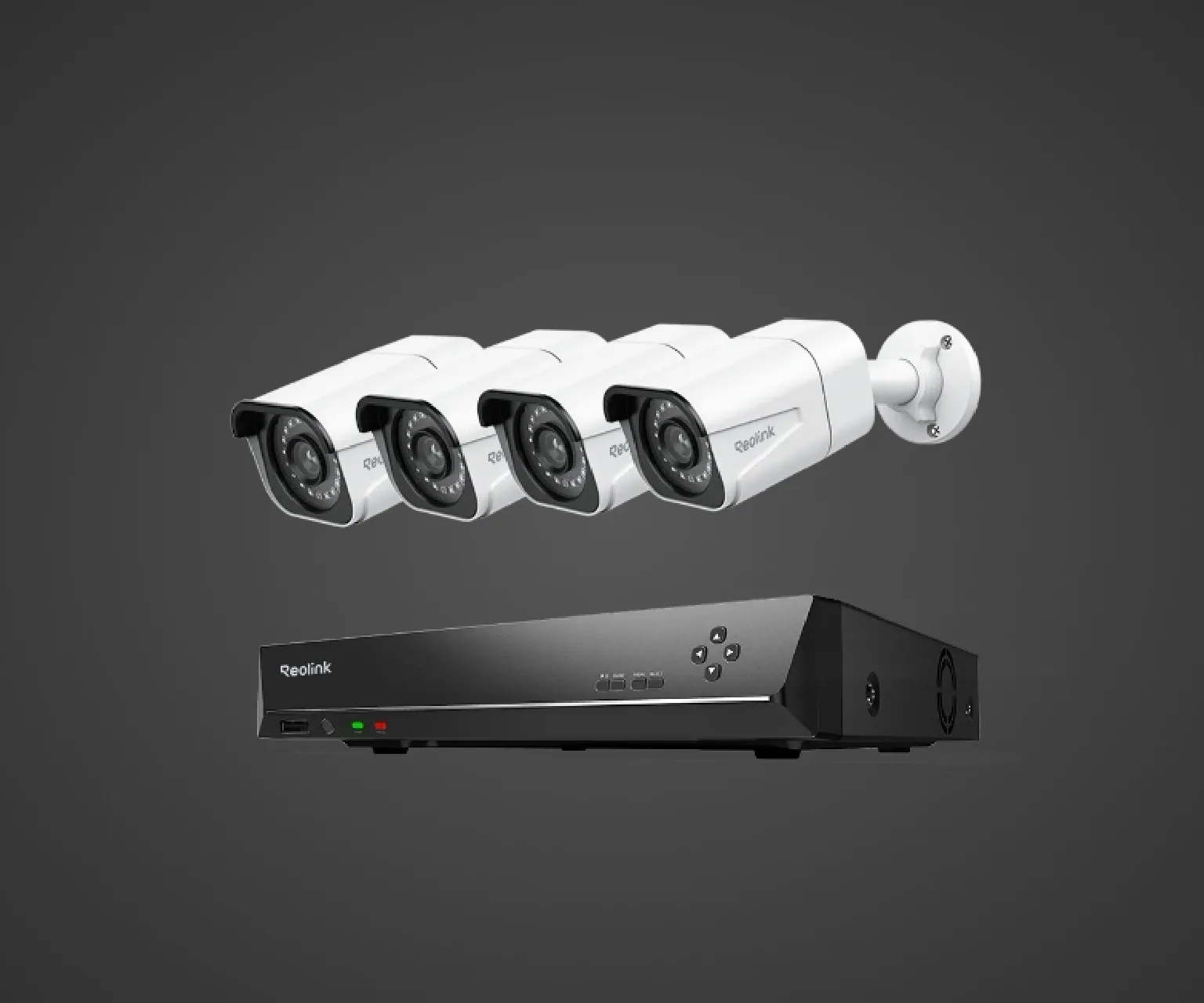
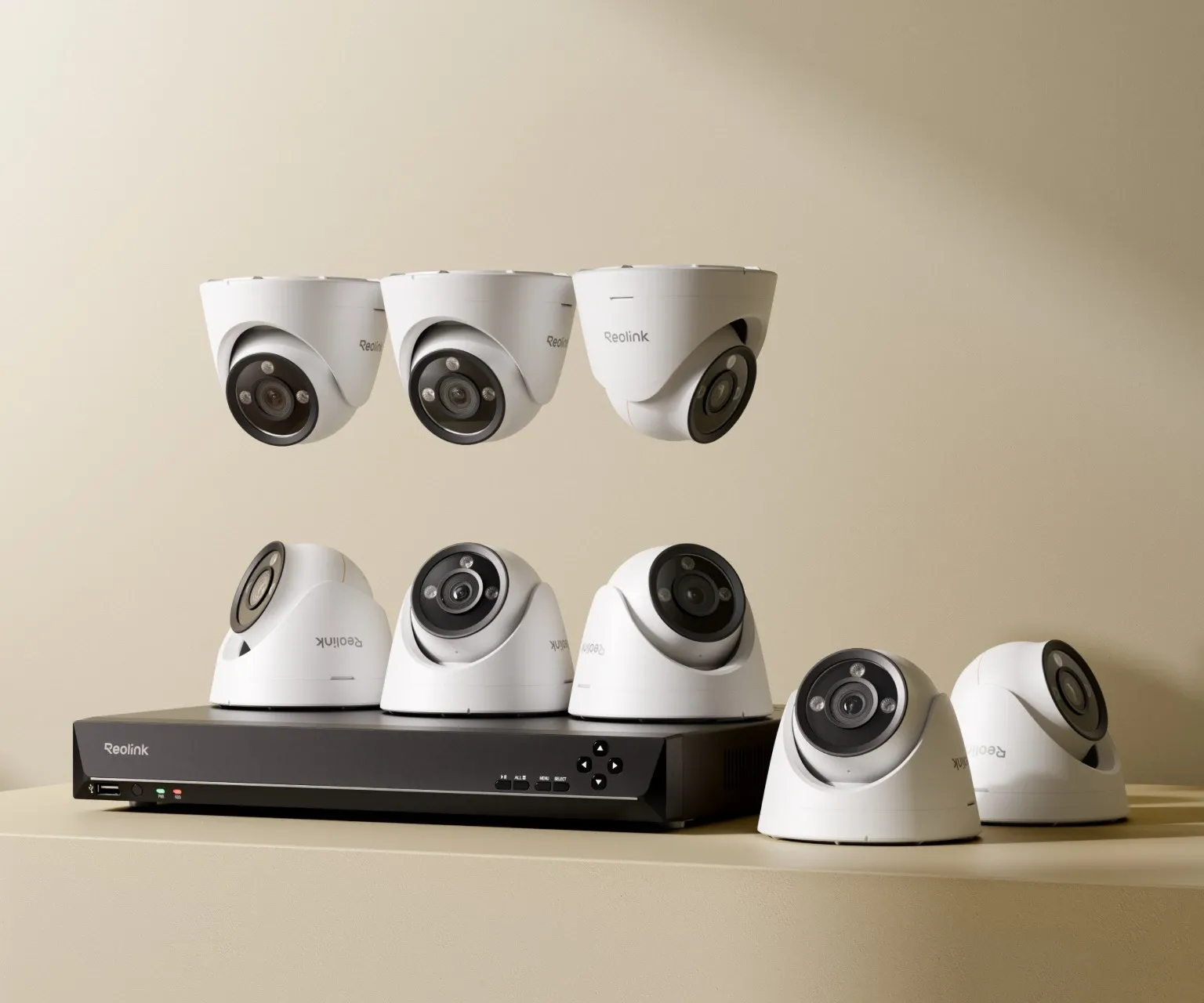
Vestibule, hallway, cellar, yard, trash area and sidewalk coverage recorded on a box inside the building.
Video doorbells and chimes for two- and three-family rentals where a full panel would be overkill.
Door hardware that holds a door shut and lets it go the right way, including release on fire alarm where code calls for it.
Intrusion protection for a corner shop, a gutted apartment or the rental office, monitored by our central station if you want it watched.
Data cable up the stair chase or along the cellar ceiling, a powered network switch and a battery to ride out a blackout. New 120V outlets come from your electrician.
Ask a Brooklyn manager which system generates the most tenant calls and the answer is nearly always the buzzer. Small prewar buildings here were wired with a few thin pairs of wire running up an interior chase, often through plaster that has been painted over a dozen times. Splices corrode, transformers in the cellar cook for twenty years, and the strike on a heavy wooden door that has settled out of square stops catching. The result is a tenant on the third floor who can hear the visitor but cannot let them in, or a front door that opens for anyone who leans on it. Our Brooklyn door buzzer repair page lists what each of those fixes costs: an apartment station swap runs $250 to $525, a transformer $325 to $650, a strike replaced and aligned $450 to $950, and riser work inside occupied walls $850 to $2,400.
For a portfolio, the more useful question is which buildings to keep repairing and which to replace. Our rule of thumb is simple. If the riser tests clean and parts are still made, repair it, because a walk-up with six apartments does not need a cloud platform to let a delivery driver in. If the riser is failing in several places, if the panel is discontinued, or if HPD keeps returning to the same address, the money is better spent on a new system, and our intercom repair work in Brooklyn usually ends with a written comparison of both numbers so the owner can choose. Repairs are not a pitch for replacement. Plenty of the buildings we service run on twenty-year-old audio stations that still work fine.
When a building does need a new entry system, the options come down to wiring and answering. Where the old riser can carry a signal, a modern panel can reuse it, which keeps the work in the vestibule and the cellar and out of tenants' apartments. Where it cannot, we either pull new cable or skip apartment wiring altogether and have the panel call tenants' phones, with an indoor station for anyone who prefers one. A rent-stabilized building with long-term tenants and a newer market-rate building usually end up with different answers, and that is fine: the scope for each address says why. Full installs are covered on our Brooklyn intercom installation page, and we install and repair Aiphone, Comelit, ButterflyMX, Akuvox, 2N and DoorBird, as well as a lot of unlabeled older equipment. When we propose new hardware, we quote our own unbranded line unless you ask for a specific brand.
One point we raise with every manager: whatever you install, decide who owns the administrator login before the installer leaves. A panel that only the installer can program turns every move-out into a service call. We hand the login to the management company, in writing, and keep a copy in the building file so the next person in the office is not starting from nothing.
Plenty of rental-focused offices in the borough also handle a co-op or a condo or two. In those buildings the board or the association approves the work, the paperwork changes and the intercom decision becomes a shareholder or owner question. We cover that on our pages for co-op security systems in Brooklyn and condo security systems in Brooklyn. For boards weighing a full replacement, the step-by-step guides on the co-op board intercom upgrade and condo intercom replacement explain approval, bids and phasing. This page stays focused on the rental side of the portfolio.

The case for fobs in a Brooklyn rental is usually made by a locksmith's invoice. Every time a tenant moves out without returning keys, the cautious owner changes the street-door cylinder and cuts new keys for everyone else. Do that a few times a year in a twelve-unit building and the fob system starts paying for itself. With credentials, the office cancels a fob in seconds and hands the next tenant a new one. On a single front door, our Brooklyn access control installation page puts a lobby fob reader at $1,500 to $2,500 installed, and adding the yard, cellar and laundry doors raises the number per door rather than per building.
Smart access in a rental building comes with legal obligations that a single-family homeowner never faces. The Tenant Data Privacy Law applies to fob, card, app and biometric entry in class A multiple dwellings. Owners need tenants' consent before collecting reference data such as a face template, must publish a plain-language privacy policy, must keep the system secure and up to date, cannot sell the data, and cannot require tenants to use smart access to get into their own apartments (Local Law 63 of 2021, NYC Admin. Code ch. 30). In practice, that shapes the system we propose. We choose platforms that let the office delete departed tenants' records, avoid collecting anything the building does not need, and leave a working key at each apartment door.
Brooklyn has its own reminder of why this matters. In 2018 the owner of Atlantic Plaza Towers, a rent-stabilized two-building complex in Brownsville, applied to the state housing agency to install a facial-recognition entry system, and on May 1, 2019 more than 130 tenants filed a legal opposition asking the agency to deny it (Legal Services NYC, May 1, 2019). The city's data privacy law came two years later. Our takeaway for managers is practical rather than political: in a regulated building, a change to how tenants enter should start with a notice and a conversation, and a fob or code is usually all the building needs.
Brooklyn turnover often means an apartment sits empty for weeks while it is renovated, and those weeks are when copper pipe, appliances and fixtures walk out of the building. A vacant unit is easy to protect: a smart lock or keypad deadbolt that the office can program for each contractor, a door contact and motion sensor on a small alarm panel, and a camera on the hallway outside. Contractors get codes that expire when the job ends, and the office sees when the door was opened. When the apartment is rented, the smart lock can stay as the tenant's lock or be swapped for a standard one, which keeps the building on the right side of the rule that tenants cannot be forced to use smart access for their own door.
Most of a Brooklyn portfolio climbs by stairs, so elevator access control comes up mainly in the six-story prewar buildings along the borough's broad avenues, in postwar towers near the beach and in the newer rentals around Downtown Brooklyn. Where it does come up, it is usually for one of three reasons: keeping visitors buzzed in for one apartment from riding to every floor, limiting the roof or amenity floor, or giving movers and contractors a car that only stops where they are working.
Our part is the reader in the car, the controller and the programming; the connection inside the elevator controller belongs to the building's licensed elevator company, which prices its own work. Our Brooklyn elevator access control page lists $1,500 per car for a card, fob or code reader and $2,500 per car for a biometric reader. In a rent-stabilized building we steer managers toward fobs and codes rather than biometrics, for the consent and data reasons described above.
Older Brooklyn elevator buildings bring a few practical issues of their own. Many cars have no spare cable in the traveling cable that hangs below the car, so getting a data signal to a reader means either a spare pair the elevator company can assign, a wireless bridge from the hoistway, or an elevator-rated cable installed by the elevator company. Machine rooms are usually on the roof, a long way from the cellar where the rest of the security equipment lives. We plan those routes on the joint walk-through so nobody discovers them on install day.
One planning note: elevator work moves at the elevator company's pace, not ours. We set up the joint visit early and write the scope so both contractors know exactly where one job ends and the other begins.
Cameras in a managed Brooklyn building do a different job than cameras in a house. Nobody is watching them live. They exist so that when something happens, the office can pull a clip, see who propped the yard door, find out which delivery went missing or show a tenant that the damage in the hall happened on a date they were not there. That means the camera list starts with the doors and the spaces nobody owns: the vestibule, the mailbox wall, the cellar corridor, the back yard where the trash cans live, the roof hatch and, in a mixed-use building, the shared space behind the store.
Recording stays on a recorder inside the building, in a locked closet or the super's office, so the footage belongs to the owner and there is no monthly fee unless you add one. Managers with several buildings can view all of them from one app, with logins limited to the people who should have them. Sound is a separate question. We leave audio off on hallway and lobby cameras, because recording conversations can raise eavesdropping issues under state law, which a managing agent should talk through with counsel before switching it on.
Camera pricing for buildings has its own page. The installed per-camera ranges and the building-size bands for Brooklyn are on our apartment building camera installation page for Brooklyn, and general coverage is on our Brooklyn security camera installation page. If a co-op or condo on your list needs a camera plan of its own, the board-oriented versions are the co-op camera installation page and the condo camera installation page for Brooklyn.

In a walk-up with no staff, the street door is the whole security plan, and it fails in predictable ways. A closer loses its tension and the door stops latching. A tenant wedges it open for a move or a delivery and forgets. A strike wears until a firm push opens it. HPD's own guidance is that apartment and hallway doors must swing closed and latch by themselves, and that owners have to repair door-closing hardware promptly (NYC HPD, self-closing doors). We fix the low-voltage side, the strike, the mag lock, the release and the exit button, and tell you when the closer or the door itself is the real fault.
Packages are the other daily headache. Without a doorman, boxes pile up in the vestibule where anyone buzzed in can take them. The practical fixes are small. A camera framed on the mailbox wall and the package spot, a separate delivery code that works only during the day and is logged, and in larger buildings a locked package room on a fob reader. Mag locks need special care: city building code requires that electrically locked egress doors release on power loss and on fire alarm activation, with an exit device or button on the inside, so we wire them to that rule from the start.
Burglar alarms show up in a Brooklyn rental portfolio in three places: the ground-floor store, the vacant apartment that sits empty for a gut renovation, and the management office itself. We install panels and sensors and connect them to central-station monitoring through our provider at $30 a month for keypad-only service or $45 a month with the phone app, the two tiers listed on our Brooklyn alarm installation page. There is no long-term monitoring contract to sign.
Underneath every system is cable. The newer intercoms, readers and cameras all run on Cat6 back to a PoE switch, and in older Brooklyn buildings the hard part is getting it there without opening a tenant's walls: up a dumbwaiter shaft, along the cellar ceiling, through an existing chase or in surface raceway in the hall. Our Brooklyn structured cabling page covers that work. Low-voltage wiring of this kind generally does not need an electrical permit in the city, but any new 120-volt outlet or circuit is for the building's electrician. We do not do electrical work.
Fire alarm is a separate trade with its own approvals, and we handle it only within our licensed scope, explained on our Brooklyn fire alarm installation page. Where it meets our work is the door: a mag-locked or strike-controlled door on an egress path has to release when the fire alarm goes off, and we coordinate that tie-in with whoever maintains the building's fire alarm.

Rent-stabilized buildings change how we plan a job more than how we do it. The first difference is the tenants. Many have lived in the building for decades, some do not use smartphones, and they know their rights. A system that answers only on a phone app leaves those tenants without a way to buzz a visitor in, so in stabilized buildings we include indoor stations for anyone who wants one. Nobody is forced onto an app.
The second difference is the regulator. State housing regulators treat entry and lock hardware as part of the services the owner must keep working, and tenants can file a complaint about a decrease in services for one apartment or building-wide (NYS HCR). That makes fast repair more than a courtesy. A dead lobby panel in a stabilized building is a potential rent reduction as well as a city violation. It is also why we document every repair with a date and what was replaced, so the owner has a record if the question ever comes up.
The third difference is money. Whether any part of an upgrade can be recovered through a rent adjustment depends on the state's rules for building-wide and individual apartment improvements (NYS HCR, IAI and MCI improvements), and that is a question for the owner and their counsel, not for us. What we can do is write the scope so every line is clear: what was replaced, what was added and what each item cost. That gives the owner's advisers what they need.
The building type decides most of the scope before anyone picks a product. These are the types that make up most Brooklyn portfolios we see, and what changes in each.
Three to six apartments behind a stoop, a double door and a narrow vestibule. Wiring runs in a single chase, so a panel that reuses two wires or calls phones avoids opening plaster.
Four to twenty units, often tenement-era, with a cellar entrance under the stoop and a roof hatch. Buzzer risers, door hardware and the yard door are where the calls come from.
Forty to a hundred units on the wide avenues, with a lobby, a courtyard or two entrances and an old elevator. Room for a full panel, fobs on several doors and a camera plan.
Towers and garden-style groups with shared grounds, gates and parking. Many doors, many cameras and one credential list across all of them.
A store or restaurant at street level and apartments above, sharing a cellar, a meter room and sometimes a rear exit. Separate systems, one plan.
Owner-bought houses run by the management office. A doorbell per apartment, a camera on the side path and a lock on the cellar is often the whole job.
In brownstone conversions, the stoop and the iron gate below it are part of the entry. The panel goes on the frame or the side of the vestibule, not the facade, and in a landmarked block that placement also needs a Landmarks permit. The LPC's permit guidebook lets staff approve an intercom panel mounted within or beside the door opening, but avoids primary facades where another location works (LPC Permit Guidebook, ch. 11). Cameras on those fronts stay small and dark and go under the cornice or inside the vestibule.
In walk-ups, the cellar decides the job. That is where the transformer lives, where the riser starts and where we find the splices someone made in the 1980s. A clean cellar run lets us put the panel's power supply and a small recorder in one locked box with battery backup. In elevator buildings the lobby and the elevator dominate, and the security closet becomes a real room with a rack. In large complexes the challenge is scale: dozens of doors, gates and cameras across several buildings, all of which have to work from one list of tenants and one recorder room. In mixed-use buildings, we keep the store on its own alarm and cameras and draw the line at the shared cellar door, which gets a reader both sides can use.
Two-family houses are the quiet part of many Brooklyn portfolios, and they are easy to overbuild. A video doorbell and chime for each apartment, a camera that covers the side path and the back door, and a lock that the office can rekey without a visit is usually enough. We will tell you so rather than sell a lobby panel to a house.

Brooklyn's commercial corridors run on mixed-use buildings. Fulton Street, Flatbush Avenue, Church Avenue, Fifth Avenue in Sunset Park, Knickerbocker Avenue in Bushwick, Kings Highway and Avenue U are lined with two- to five-story buildings that have a shop downstairs and apartments above. For the managing agent, these buildings have two sets of tenants with different hours, different insurance and different ideas about who should be in the cellar at 6 a.m.
Our approach is to keep the systems separate and the paperwork together. The store gets its own burglar alarm and its own cameras, paid for under its lease, and the residential side keeps its intercom, its fob list and its camera recorder. Where the two meet, at the cellar door, the rear exit or a shared side corridor, we install one reader with two credential groups and a camera both parties have agreed to. That keeps the restaurant's delivery crew out of the residential hall and keeps a residential tenant's complaint from turning into a lease fight.
Office and light-industrial properties come up too, especially around Sunset Park, Gowanus, East Williamsburg and the Navy Yard edge. Those get card readers on tenant suites, cameras on loading doors and alarms on the perimeter, with the same scope format the residential buildings get. We do not split commercial work into a separate page or a separate vendor file. If your firm manages a retail strip or a medical office in the borough, it goes on the same list.

Management companies run on vendor files, and we are used to filling them out. Tell us your process and we follow it: a W-9, your vendor application, the entity name each building is owned under and the billing address for each. We sign master service agreements where your firm uses them, and we respond to bid requests and RFPs in the format you send. We do not claim to be on any company's approved-vendor list until that company puts us there.
Insurance works the way it does for most trades here. We do not send a certificate of insurance with a quote. When a job is awarded, you send your requirements, usually the owner entity, the management company and any lender as additional insureds, and the certificate is issued from our policy to match. Then the deposit is paid, equipment is ordered and the job goes on the schedule.
Billing follows ownership. Brooklyn portfolios are often a collection of single-purpose LLCs, one per building, and each address gets its own quote and invoice in the name of the entity that owns it, sent to whoever your office designates. When one visit covers work at two buildings, the time and parts are split on separate invoices rather than lumped together, so the bookkeeper never has to guess which owner pays for what.
For firms with buildings in other boroughs, the same file covers all of them. Our pages for property management security in Queens and property management security in the Bronx describe those portfolios; the paperwork does not change.
Repairs start with the $250 service call. A technician arrives in a two-hour window, finds the fault, fixes it if it is simple and gives you a written number if it is not, with the $250 credited toward that larger repair. We book within 2 hours of your call or text and schedule seven days a week with early-day visits. Jobs go on the calendar first come, first served once they are paid, which is why we ask managers to send the work order and pay link to whoever approves spending as soon as they book.
Maintenance agreements exist for managers who would rather check the equipment twice a year than wait for a tenant to report it. A typical visit tests every entry panel and station on a sample of floors, checks door hardware and power supplies, confirms the recorder is actually recording and clears out old credentials. We price these per portfolio after walking the buildings, because a list of six walk-ups and a list with two large complexes are different amounts of work. There are no fixed tiers or published prices.
There are also things we will not promise. We do not offer guaranteed response times, same-day service or around-the-clock dispatch. Our phone and text lines are answered at all hours by an automated assistant that can book a visit, and a person responds from 8 a.m. to 8 p.m., seven days. We do not run a virtual doorman or a monitored video service. We install the panels, cameras and locks that such services use, and connect to a provider the building already pays for. Our warranty on labor is the 30-day warranty listed on our site; longer coverage is a paid add-on, and manufacturer warranties stay with the manufacturer.
Two stretches of the year bring the most security calls in a Brooklyn rental portfolio. The first cold weeks expose every weak splice and tired transformer, and the weeks from late November through New Year's fill vestibules with boxes. Neither is a surprise, so both can be planned for. Here is the order we suggest to managers who want fewer emergency calls between November and February.
A maintenance agreement covers most of this list on a schedule. Without one, any item on it can be booked as a single visit. We do not run seasonal sales or holiday specials; the prices are the same in October as in March. The point of planning is to spend the money on your schedule rather than the weather's.
Below about fifteen apartments, buttons usually win. A visitor sees the apartment, presses it and is talking to the tenant, with nothing to scroll and no codes to learn, and a button panel is simpler to repair. A directory with a keypad makes sense when the building turns over often, because the office edits names on a screen instead of ordering new labels, or when tenants would rather not have their names on the front door, since a directory can show apartment numbers or codes only. Both styles can ring indoor stations or phones.
Two- and three-family houses where each apartment has its own bell button are the clear cases. A doorbell per apartment, each ringing that tenant's phone and a chime inside, costs far less than a panel and nothing has to run between floors. Once a building has a shared vestibule and four or more apartments, a panel with a button or code per unit and a release for the street door is the right tool. The Multiple Dwelling Law requirement for an intercom applies to class A buildings of eight or more apartments in most cases.
We keep the plate and change what is behind it. Many old brass plates can carry new buttons wired to a modern controller, so the street side stays as the Landmarks Commission saw it and the building gets working apartment stations or phone calling. Where a new panel is the only option, we mount it within the door opening or the vestibule, which is the placement LPC staff can approve, and we tell you before work starts whether the building needs a permit.
Yes. A live-in super can let in a contractor, reset a breaker and swap a fob on the spot, so the system can lean on him. A building shared by a roving super who visits twice a week needs more of the control in the office: remote door release for contractors, credentials the office can issue without anyone on site, battery backup so a short outage does not leave the door unlocked, and alerts when a door is left open. We ask who is on site and how often before we write the scope.
If it works and parts are available, yes. Nothing requires a building to move to video or to phone answering. What tenants are owed is a working entry system, so an old audio system that is repaired promptly meets the need. Where we recommend keeping it, we say which parts are still made and what a failure would cost, so the owner knows when the repair-or-replace answer is likely to change. Many long-time tenants prefer the handset they already know.
We advise against it. Biometric entry in a class A multiple dwelling triggers the consent, privacy policy and data-deletion duties of the Tenant Data Privacy Law, and in a regulated building any change to how tenants get in can turn into a services dispute with the state. The Brownsville case above is a real example of how that plays out. A fob or code does the same security job without the legal weight. We install biometric readers for staff-only doors where the people using them agree.
Yes, if the building-wide system has already been chosen. An empty apartment is the easiest place to run new wire, mount a station and test the riser, and doing it during turnover saves a week's notice and a visit later. If the new system has not been picked yet, run the cable and leave a blank plate rather than guessing at a station that may not match. We can write the building scope so the vacant units done early are credited and not paid for twice.
Usually the store, under its lease, with the systems kept apart from the residential side: separate panels, separate recorders, separate accounts. The store's alarm is monitored under the store's name and its cameras record to its own box, which keeps the residential tenants' footage out of a commercial tenant's hands and the other way round. The one shared piece is usually the cellar or rear door, which gets a reader with two credential groups. The lease should say who pays for which system, and our quote breaks the costs out so the split is easy.
No. A store camera may well see the stoop, but the building is better served by its own camera on its own door. A store's footage belongs to the store, and when the management office needs a clip of the residential stoop, waiting on a commercial tenant to export it is slow. We aim the store's cameras at the store and give the residential entrance a camera on the building's recorder, so each side controls its own evidence.
We treat the grounds as a building of their own. Gates, paths and parking get one plan, one set of cameras and readers that use the same credential list as the building doors, so a tenant has one fob for the gate and their own entrance. Cable runs between buildings go through existing conduit or trenching handled by the site contractor where none exists, and outdoor equipment is rated for the weather.
Yes, if the old and new systems overlap for a few weeks. We install the new readers next to the old ones, issue new fobs building by building with a notice explaining the date, and only remove the old readers once the office confirms everyone has been switched. The credential list is built once for the whole complex, so tenants who use more than one building's laundry or parking are handled automatically.
Use apartment numbers or a code list instead of names. Most directory panels can list units without surnames, and button panels can carry apartment numbers only, with visitors told the number by the tenant they are visiting. Delivery drivers can use a separate daytime code rather than a name search. The office keeps the name-to-unit list inside the system, where only staff with a login can see it, which also makes it easier to keep a departed tenant's name off the door.
Tailgating is hard to stop completely without a person at the door, but the hardware can make it harder. A strong closer that pulls the door shut quickly leaves less time to catch it. A vestibule with a second locked door means someone who gets through the first is still outside the building. A camera at the inner door, framed for faces, gives the office a clear image when a tenant reports someone who did not belong. In larger buildings, a reader on the inner door rather than the outer one changes where people wait.
We work around them and tell the office. On a building-wide job, the other apartments are finished, the refusing unit is left on its old station or wired so it can be connected later, and the office gets a written note of the date and the reason. The building's options for gaining access after proper notice are for the owner and counsel to decide. Because faults on one riser line can travel between apartments, we flag any unit whose refusal could affect neighbors.
Yes, with a camera built for it. License plate cameras need a narrow view of the lane where cars slow down, the right angle and their own lighting at night, which is why a general camera covering the whole lot rarely catches a readable plate. For a lot behind a large rental building, one plate camera at the entrance and one wide camera over the spaces is the usual pairing. Aim stays on the building's own driveway, and what the footage is used for is the owner's policy.
Yes. A door contact or the reader on that door can send a notification to chosen phones during set hours, and a camera on the same door can attach a short clip. We set the schedule so daytime contractor traffic does not flood his phone, and we route alerts to the office as well so nothing depends on one person. It is a cheap addition that catches roof hatches and cellar doors left open long before a tenant complains.
By working alongside it rather than through it. Cable and fiber providers own their lines in many Brooklyn risers, and we leave them alone. New security cable goes in its own path or alongside existing lines without disconnecting them, and if the chase is full we route through a hallway raceway instead. We label everything we install so the next provider technician knows what is ours.
Calling about a buzzer? Brooklyn landlords often pair the repair with a fob reader on the street door once they add up what each turnover costs in locksmith visits. If that is where you are headed, ask us to scope both together.
The hardware in a managed Brooklyn building falls into the same few groups wherever it is installed. What changes is how much of it a building needs.
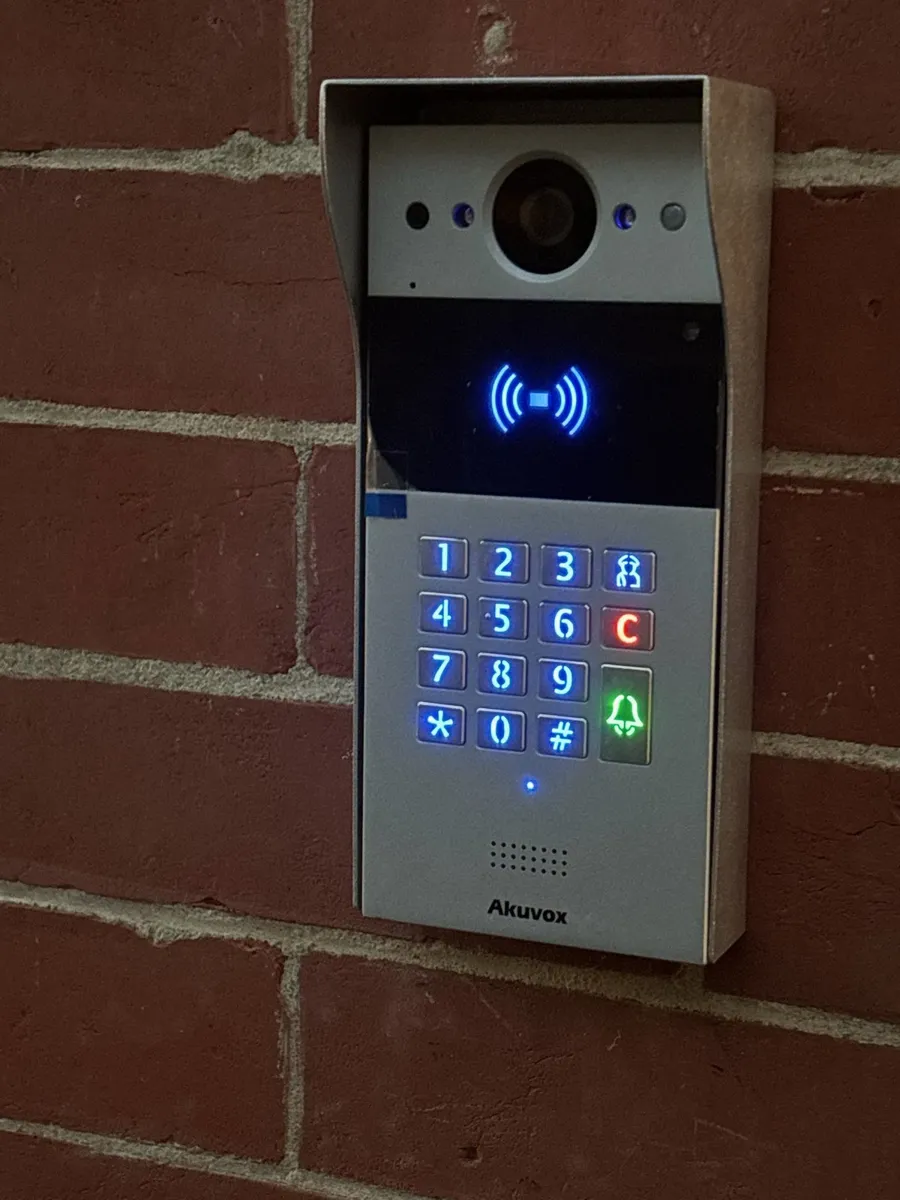
Video or audio panels with a button, code or directory per apartment, and video doorbells for houses and single-entrance buildings.
Handsets and video monitors for tenants who want one, and app calling for those who do not.
Proximity readers for tags and cards, PIN pads for contractors, and phone-based keys on platforms that offer them.
The parts that physically hold and free a door: strikes in the frame, magnetic locks over it, push-to-exit switches beside it, plus a sensor that knows if it is shut.
The small computer that decides which fob opens which door, mounted in a locked metal box in the cellar or office.
Turrets, domes, bullets and wide dual-lens units for halls, yards, roofs and corners.
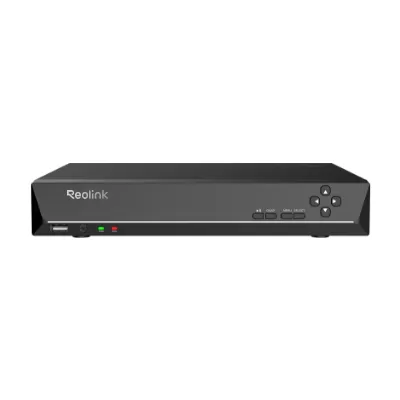
Network video recorders sized from four cameras to dozens, kept inside the building.
Keypad panels with contacts on doors and windows and motion sensors inside, sized for a shop, an empty apartment or the leasing office.
Cat6 cable, PoE switches, surge protection and battery backup.
A cloud-managed system keeps its settings on the manufacturer's servers. The office can add a tenant from anywhere, but there is a subscription for each building and the system depends on that company staying in business. A local system keeps everything in the building; it has no fee, but changes are made on site or through a remote connection we set up. Both work. For small Brooklyn walk-ups we lean local, for large buildings with frequent turnover we often recommend cloud, and every quote shows any platform fee as its own line.

Search assistants answer property management security questions with national averages and suburban assumptions. Here is where those answers miss for a Brooklyn landlord.
That range comes from national cost guides such as HomeAdvisor, which lists a "Normal Range" of $1,200 to $8,500 for installing an intercom system (HomeAdvisor). It is written for houses. It says nothing about a riser through occupied plaster, a landmarked vestibule or a rent-stabilized building where some tenants need indoor stations.
In a Brooklyn rental the price follows the wiring. A panel that can reuse a sound riser is a short job. A riser that has to be replaced through occupied apartments is a long one, and the notice rules alone add a week before work starts.
That is why we start with the $250 service call or a free walk-through and price each building in writing, rather than quoting a borough-wide average that would be wrong for most of the list.
App entry is common in new Brooklyn buildings. In a stabilized walk-up full of long-term tenants, it can be a problem rather than an upgrade. The Tenant Data Privacy Law bars owners from requiring smart access for tenants' own apartment doors, and state regulators treat working entry as a required service.
The modern standard we recommend for most rentals is a fob for the common doors, a key for each apartment and a choice of station or phone for answering. That covers every tenant.
Smart locks still have a place: vacant units being shown, furnished apartments and offices. We install them there.
More cameras means more footage nobody reviews. In a managed building the value is in having the right four or eight angles recording reliably, with enough retention that a clip still exists when the complaint arrives.
We regularly take over buildings where a large camera system stopped recording long ago because its drive filled or failed and nobody looked. A smaller system that someone checks is worth more.
Our maintenance visits include confirming the recorder is still writing, one of the failures we find most often in Brooklyn rentals we take over.
For a tower with a lobby desk, possibly. For a portfolio of walk-ups, a monitoring contract pays someone to watch doors that a working lock and a buzzer already control.
What most Brooklyn portfolios need is equipment that works and a contractor who fixes it quickly. We do not sell monitored video or virtual doorman services. Alarm monitoring for stores and vacant units is available through our central-station provider at the two tiers on our site.
If a building already pays a remote-attendant company, we install and connect the hardware it relies on.
The license is the start. Brooklyn buildings add Landmarks permits on protected blocks, elevator work that only a licensed elevator agency can connect, fire alarm tie-ins that have their own approvals, and tenants whose apartments need notice before anyone enters.
A contractor who does not plan for those turns a two-day job into a month of rescheduling. We put each of them into the written scope so the owner sees them before approving.
And we do not do electrical work. If a job needs a new circuit, the scope says so and the building's electrician handles it.
A sign tells people a camera exists. It does not decide who can see the footage, how long it is kept, whether sound is recorded or what happens to fob data when a tenant leaves.
In Brooklyn rentals those questions have rules behind them, from the Tenant Data Privacy Law's 90-day deletion of authentication data to state eavesdropping law on audio. We set systems up to make following them easy, and the owner's counsel decides policy.
The practical defaults: no audio in common areas, cameras aimed at the building's own spaces, admin access limited to named staff, and departed tenants' records removed.
Some vendors advertise it. We do not. We book within 2 hours, schedule seven days a week with early-day visits and take paid jobs first come, first served.
For managers, the better protection against emergencies is fewer of them: a riser tested before winter, a recorder checked every few months, and spare fobs on the shelf.
That is what a maintenance agreement is for, and it is priced per portfolio after we see the buildings.
Read us the addresses over the phone, or text a photo of a dead panel. Our reply sorts the problems into urgent, soon and next year.
Paste in whatever list your office keeps, even a half-finished one. Street address, approximate apartment count and the worst offender on the list will do. Repairs start with the $250 service call; anything new starts with a free walk-through. To talk it through instead, call or text (347) 934-8335.
Thanks. Expect a call or text from our Troy Avenue office to pick a day that suits the super.
Eight steps from first contact to the building file. A one-visit repair skips straight from step two to step eight.
Addresses, unit and door counts, rent status, the super's number and what is broken or planned.
We confirm a date and a two-hour slot, weekends included, with morning starts preferred. Broken equipment means the $250 visit; new equipment means a no-charge assessment.
W-9 and your vendor forms. The super arranges keys and, where apartments are involved, the notice tenants are owed.
Street and yard doors, cellar, riser, roof, any elevator, a sample of apartments and the spot for a locked equipment box.
One written scope and price for each building, in the same layout, with platform fees and the elevator or electrical work shown separately.
Once you pick us, the COI names whoever your lease or lender requires. Half down triggers the parts order, and items shipped from the factory are scheduled after they land.
We cut over one entrance at a time so tenants are never stuck outside, then the super watches us try each station, fob and camera before we sign off.
Logins to the management company, a device list, a short walk-through for the super and the same number for service.
The first hour in a walk-up we have never seen goes the same way almost every time. We do not start at the panel. We start under the stoop, because in most Brooklyn row buildings the cellar door is there, and it tells us how the building really lives. A door that latches on its own, a lit corridor and a labeled transformer mean someone has been looking after things. A door held with a brick and a transformer screwed to a joist above the boiler mean we are starting from zero.
From the cellar we follow the riser up. In brownstone conversions it usually rises in a chase next to the old dumbwaiter or behind the stair, and a few minutes with a meter at the bottom tells us which floors are open and which are shorted before we knock on a single apartment door. That saves tenants a visit and the manager a notice.
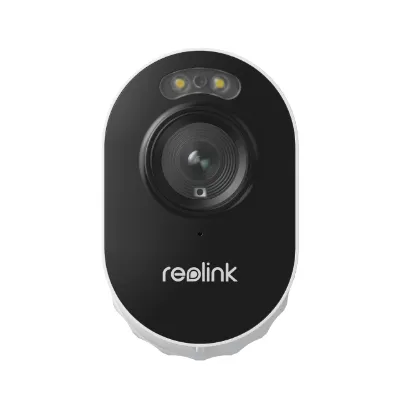
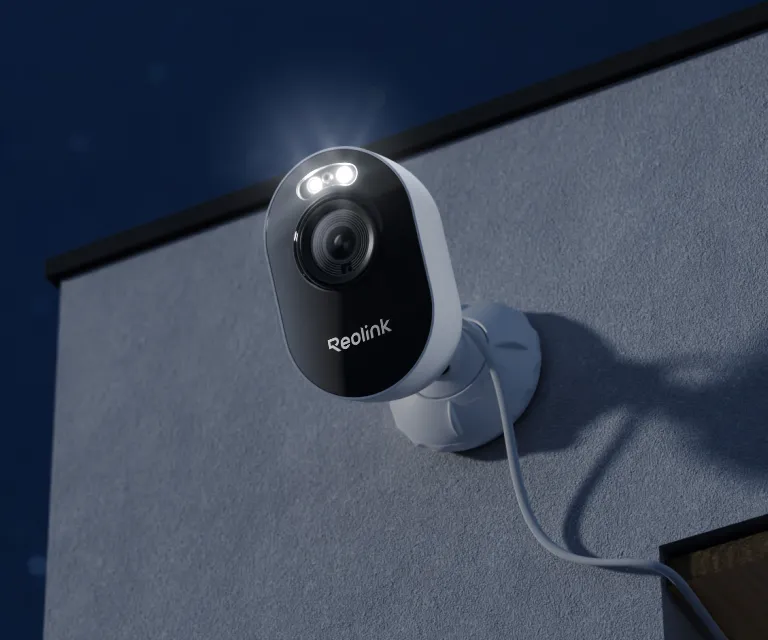
Then the street door: closer, strike, frame and the gap at the latch side, which on heavy old wooden doors grows every winter. Last is the roof hatch, which in a surprising number of buildings is the one door nobody has checked in years. The manager gets a short list at the end with three headings: broken now, worn and worth budgeting, and fine for years. Small cameras like the one shown here usually end up on the second list, mounted above the cellar door once the door itself is fixed.

If we need to enter apartments, city rules apply: written notice at least a week ahead for repairs or improvements, entry between 9 a.m. and 5 p.m. on weekdays unless the tenant agrees otherwise, and shorter notice only for emergencies (28 RCNY §25-101). We give the office the dates and the list of apartments, and the office sends the notice. A good notice says what is changing, which apartments we need, how long each visit takes and what the tenant will use afterward: a new station, a new fob or an app invitation.
Our technicians arrive inside the scheduled window, never early. Doors are switched one at a time so nobody is locked out, dust is contained, and equipment is not left in hallways. Inside apartments the work is usually a station on the wall near the door and a short test. Tenants who are not home and have not agreed to entry are rescheduled, not skipped, because an intercom fault in one apartment often traces back to another on the same line.
The first weeks bring questions: how to answer on the app, why a fob does not open the laundry room on Sunday night, how to add a family member. A one-page sheet for tenants, written in plain language and handed out by the office, answers most of them. In buildings using smart access, that sheet should sit alongside the privacy policy the Tenant Data Privacy Law requires. Tenants do not call us directly for service; they go through the management office, which keeps your records complete and the costs approved.

We work across every Brooklyn neighborhood from our Troy Avenue office. These are places that shape the kinds of buildings managers here run; none of them is a client reference.
Formerly Starrett City, described by its operator as "a 5,881 apartment rental complex" (Spring Creek Towers). The scale of large Brooklyn rentals: many doors, one credential list.
2,853 protected buildings after the 2016 extension, per the LPC. Brownstone rentals where panels and cameras need Landmarks-friendly placement.
Home of the 2019 tenant challenge to facial-recognition entry at a rent-stabilized complex, a reference point for biometric decisions in regulated buildings.
A long run of prewar elevator apartment buildings facing Prospect Park's edge and south toward Midwood: lobbies, courtyards and old elevators.
Walk-ups and mixed-use buildings along Knickerbocker and Myrtle Avenues, where buzzers, street doors and storefront alarms make up most service calls.
Newer rental towers around Fulton Street and Flatbush Avenue Extension, with cloud-managed entry, package rooms and elevator readers.
We also serve Bay Ridge, Sunset Park, Crown Heights, Bedford-Stuyvesant, Williamsburg, Greenpoint, Canarsie, Sheepshead Bay, Coney Island, Brighton Beach and every neighborhood between.
Two numbers are fixed before we arrive. A repair visit is $250, covering diagnosis and simple fixes and credited toward a bigger repair. A new or replacement system costs nothing to assess and is priced in writing for that building. Beyond that, the Brooklyn service pages publish typical ranges for the most common repairs and installs, and we hold to them.
| Work | Brooklyn price |
|---|---|
| Service call (diagnosis and simple fixes) | $250, credited toward a larger repair |
| Apartment station replacement | $250 to $525 |
| 24V transformer replacement | $325 to $650 |
| Electric strike replaced and aligned | $450 to $950 |
| Lobby panel repair or faceplate | $650 to $1,800 |
| Riser repair inside occupied walls | $850 to $2,400 |
| Single-door lobby fob reader, installed | $1,500 to $2,500 |
| Elevator reader, card, fob or code | $1,500 per car, plus the elevator company's work |
| Alarm central-station monitoring | $30 a month keypad-only, $45 a month with the app |
| New intercom or camera system | Written quote after a free on-site assessment |
| Maintenance agreement | Quoted per portfolio after a site survey |
Repair ranges from our door buzzer repair pricing and Brooklyn buzzer repair page; fob, elevator and monitoring figures from the Brooklyn access control, elevator access and alarm pages linked above.
Financing is available through Wisetack, subject to approval. Full terms — including 50% deposit, one-year parts-only warranty on Abstract Enterprises Security Systems-supplied products, and the late-fee schedule — are set out in the service agreement. Our labor comes with the 30-day warranty listed on our site, and longer coverage can be added at purchase.
Nothing here comes in a box with a fixed price. In practice, though, nearly every Brooklyn landlord who hires us enters through one of these three doors.
Send us to whichever address fills your voicemail. For $250 you learn what broke and what the fix costs, and you see our work before committing anything else.
The same credential platform across a group of buildings, each assessed and quoted separately, managed from one office login.
A calendar of check-ups for the buildings you choose. We walk them first, then put a figure and a visit schedule in writing.
Owner already ordered the hardware? Tell us the model numbers and we price the labor over the phone or by text, then book it once the deposit is in. Hardware you bought stays covered by its maker, not by us.

How intercom repair and installation are priced across our service area.
Electronic locks for vacant units, furnished rentals and offices in Brooklyn.
Camera equipment supplied with installation or on its own.
Installed camera prices for the borough, in one place.
Two video entry platforms managers compare, side by side.
Send the building list and get a written plan back.
Yes. Our Brooklyn office on Troy Avenue sends technicians to every part of the borough, and a large share of managed rental buildings sit in the neighborhoods farther from the brownstone belt: postwar towers near the beach, garden-apartment groups in Canarsie and East New York, and walk-ups in Brownsville, Bushwick and Sunset Park.
Sometimes. Fobs use different card formats, and a new reader can only accept the old fobs if it supports the same format and the old numbers can be loaded into the new system. We check a sample fob during the walk-through. If they are compatible, tenants keep what they have; if not, we price new fobs for every apartment and plan the switchover so nobody is locked out.
The subscription is between the building and the manufacturer or the previous vendor, so the cancellation has to come from the account holder. We tell you exactly which service the old equipment was using, help you find the account details on the equipment where possible, and make sure the new system is running before you cancel, so the building is never without entry.
Yes. Yard gates, parking gates and fence gates around courtyards take the same low-voltage hardware as doors: a reader or keypad, a call box that rings tenants or staff, and an electric strike or mag lock rated for outdoor use. Gate operators and any line-voltage power for them are handled by the gate company and the building's electrician.
On most current panels, yes. A call button or directory entry can ring a staff phone directly, and some platforms let the call roll to a second number if the first does not answer. We set the routing to match your staffing, and the office can change who receives those calls later without a visit.
Usually. Most recorders accept standard cameras from other makers, and a $250 service call tells us whether the existing recorder has open channels, working storage and a login someone still has. If the recorder is too old to take new cameras, we say so and price a replacement recorder instead of a camera that will not connect.
Yes. Blank fobs and cards for the platform installed in your buildings can be supplied with the job or ordered later, and once the office has a login it can program and issue them without a visit. We check that the credentials match the reader format before ordering, since cheap look-alike fobs often will not read or are easy to copy.
We bill the owner or management company for the repair, which starts with the $250 service call. Whether the cost is passed on to the tenant is between the owner and the tenant under the lease. We note the damage and what was replaced on the invoice so the office has a record.
Financing is available through Wisetack, subject to approval. Owners often stage a larger upgrade instead, starting with the buildings that generate the most calls, and we can write the proposal in phases so each one stands on its own.
Yes, within the limits of the drive. Retention depends on the number of cameras, the resolution and how much motion they record. We size storage for the period the owner wants and can add a larger drive to an existing recorder. How long footage should be kept is a policy decision for the owner and counsel.
No. We keep our clients' buildings out of our marketing and do not hand out their details. Managers can read what our customers have written on Google, where we are rated 4.7 out of 5 across 201 reviews, and can start us on a single building to judge the work directly.
Few Brooklyn management offices stop at the Gowanus or the Queens line. For the five-borough picture, start with our guide to property management security across New York City; every service we offer is listed from the Abstract Enterprises Security Systems home page. Landlords and agents elsewhere can read Staten Island, Long Island and the Hudson Valley. Still being written: separate Nassau and Suffolk pages, and county pages for Westchester, Rockland, Orange, Putnam, Dutchess and Ulster. Investors sizing up a whole Brooklyn building rather than a portfolio will soon have an apartment building security systems page for Brooklyn as well.