Lobby Panels · Buzz-In Repairs · Key Fobs · Mailroom Cameras · Door Hardware · Building Surveys
Property management security in the Bronx starts with a $250 service call when something has failed, and new intercom, fob and camera systems are priced one building at a time after a free on-site assessment. We work for the people who keep Bronx rental buildings running: management companies with regulated and affordable portfolios, nonprofit owners, landlords with a handful of walk-ups, and agents responsible for Art Deco elevator buildings along the Grand Concourse, courtyard complexes and mixed-use blocks with stores at street level.
Quick answer: For Bronx property managers, Abstract Enterprises Security Systems handles the security hardware HPD and tenants hold you to: lobby entry panels and apartment stations, door releases, strikes and mag locks, key fob and card readers, elevator floor readers, cameras for entrances, mailrooms and courtyards, burglar alarms, and the low-voltage cable that ties them together. A failure is diagnosed on the $250 service call, and that fee is credited if the repair grows. New or replacement systems get a written price per address after a free walk-through. We book within 2 hours, schedule seven days a week with early-day visits, set up as a vendor in your firm's system, and issue the insurance certificate when a job is awarded.
Last updated November 27, 2026 by Abstract Enterprises Security Systems, NYS license #12000287431 · Sources: NYC HPD (registration, penalties, self-closing doors, Tenant Data Privacy Law, 2023 Housing and Vacancy Survey); NYS Multiple Dwelling Law §50-a; 28 RCNY §25-101; NYC Open Data HPD violations; CityLand, Oct 2011; THE CITY, Jan 23, 2022; Bronx Times, May 22, 2026; UNHP, Nov 18, 2025; News 12 Bronx, Sep 24, 2024; NYC SBS Commercial District Needs Assessments for Fordham and The Hub (links in each section)

Owner-operated since 2002 · Thousands of jobs completed · Booked within 2 hours. Bronx scheduling, quotes and follow-up all run out of our office at 460 E Fordham Rd, so the person booking your visit knows the borough's buildings; call or text (646) 490-0629 or through the building quote form any day of the week.
The Bronx is a renters' borough, and a big share of its rental stock sits in professionally managed portfolios. In HPD's 2023 Housing and Vacancy Survey, 436,800 of the 529,900 occupied homes in the borough were rented, and the rental vacancy rate was 0.82 percent. For a manager that means almost every apartment is occupied on the day a technician shows up, every lobby door is used hundreds of times a day, and a dead entry panel turns into tenant calls before lunch. It also means the security hardware in these buildings works hard: the front door of a 60-unit walk-up off the Grand Concourse opens and closes far more often than any manufacturer's brochure assumes.
The same survey found the Bronx had the highest prevalence of reported housing problems of any borough, with 26 percent of occupied homes reporting three or more. Security is part of that picture. NYC Open Data shows 1,637 HPD violations written in the Bronx in 2025 whose descriptions mention an intercom, more than any other borough and well ahead of Brooklyn's 1,157. Managers here inherit entry systems installed decades apart, fob platforms nobody has the master login to, and cameras pointed at walls because a previous contractor left before finishing. Most of the work we do for Bronx property management companies starts with sorting that out building by building.
Money is tight in a way that shapes every decision. A Bronx Times series in May 2026 reported that the average rent-stabilized apartment in the borough rented for $1,190 in 2024, nearly $500 below the citywide average, and that the Bronx was the only borough where net operating income for stabilized buildings fell in the Rent Guidelines Board's latest income and expense study. Affordable housing groups point the same way: a November 2025 post from the University Neighborhood Housing Program, summarizing an ANHD report, said of at-risk affordable buildings that "The Bronx emerges as the clear epicenter." Security spending in that environment has to be ranked, phased and justified, which is why our written scopes separate what must be fixed for code and tenant safety from what can wait for the next budget.
And tenants notice. In one Bronx Times profile, a Highbridge tenant described "persistent security issues" alongside leaks and heat problems, and put it plainly: "We cannot go on paying rent, not getting the services that we deserve." A manager cannot fix a building's finances with an intercom, but a lobby door that locks, an entry system that rings every apartment and a camera that actually records the mailroom remove three of the complaints that sour a tenant relationship fastest. The sections below take each system in turn, answer the question managers ask about it, and link once to the Bronx service page with the full detail.

Every Bronx management company ends up responsible for some mix of the equipment below, whether it bought it, took it over with a new building, or simply keeps it running for an owner who never goes down to the cellar. We supply it, install it, repair it, maintain it on a schedule and connect it to whatever is already in the building. Listing it in one place matters because a manager can give us one item or the entire list for a whole portfolio, and the paperwork, the contact and the scope format stay the same.
Audio or video panels at the lobby and vestibule, apartment handsets or phone answering, and a directory tenants can actually read.
Floors that stopped ringing, doors that buzz but stay shut, tired transformers and amplifiers, all diagnosed on the $250 service call.
Readers on the street door, cellar, laundry, roof bulkhead and management office, with credentials staff can add or cancel.
Strikes and magnetic locks set up so a stair or lobby door still swings shut and latches by itself.
Card or fob control in the car, installed with the licensed elevator company that services the building.
Lobbies, mailrooms, courtyards, trash areas, stairs and the street door, recording locally with phone viewing for staff.
Fob doors and cameras for package rooms and mail alcoves, plus a separate path for couriers where the layout allows.
Door contacts and motion detectors for an empty store, a rental office or a parts room, watched by our central station.
Data cable, powered switches and backup batteries behind every device we put in, labeled at both ends.
Two limits keep expectations clear. We are a low-voltage contractor and do not do electrical work, so a new 120-volt circuit for a gate operator or a door opener is run by the building's electrician before we connect to it. And we do not patch or paint, so where an old panel leaves a hole in a lobby wall, the building's own maintenance staff or painter closes it after we are done.
Entry is where most Bronx property management security work begins, because it is the system tenants touch every day and the one HPD inspectors test. The typical managed portfolio here mixes generations: a 1930s six-story elevator building with a cloth-insulated riser that still carries an audio system, a 1960s tower with a panel replaced twice, and a newer affordable building with a video panel that answers on tenants' phones. The question we get most from managers is not which brand to buy. It is whether the system in each building can be repaired at a sensible cost, or whether repair money is being thrown at something that will fail again next winter.
We answer that per building. On the service call or the free walk-through the technician traces the call path from the lobby panel to the power supply and amplifier in the cellar, then up the riser to sample apartments on the floors that are failing. A dead line on a single floor is usually a branch fault in the riser or a damaged station; a building that rings but never releases the door usually has a strike, a relay or a release transformer problem; a building that is silent everywhere usually comes down to power or the main amplifier. The repair side of that work is laid out on our Bronx intercom repair page, and the published repair ranges come from our Bronx door buzzer repair page.
When a replacement makes more sense, the decision for a manager is mostly about wiring and answering. Many Bronx buildings can keep their existing riser and swap to a newer panel that uses the same conductors, which avoids opening plaster in occupied apartments. Others need new cable because the old run is broken in several places or shared with abandoned systems. Answering can stay on apartment stations, move to tenants' phones, or do both, and the answer often depends on who lives in the building: a senior building and a building of young professionals rarely want the same thing. Our Bronx intercom installation page covers those options in depth, including models that keep working with a landline.
Cloud-connected panels deserve one honest note. Some carry a monthly fee per building or per door set by the manufacturer, not by us, and that fee keeps running whether or not the owner remembers signing up. We show any platform subscription separately from the installation price, and where an owner wants no recurring cost, we quote a system that works without one. For a portfolio, standardizing on one platform across buildings usually pays for itself in staff time, because the office learns one directory editor instead of five.
Some addresses in a Bronx book of business belong to shareholders or unit owners rather than a landlord, and there a board vote decides an entry project. For those meetings we publish two plain-language guides. The co-op board intercom upgrade guide covers bid comparison, shareholder notice and phasing in an occupied building, and the condo intercom replacement guide walks a condo board through repair-or-replace decisions. Agents often forward one of them before a board meeting so the discussion starts from the same facts.

A key that anyone can copy at a hardware store is the weakest point in a rental building, and in the Bronx the problem compounds: brass keys pass between relatives, former tenants and home attendants for years, and a manager has no idea how many are in circulation. Fob and card readers on the street door, the cellar door, the laundry and the roof bulkhead let the office cancel a credential the day it goes missing instead of re-keying a lock. With vacancy under one percent, turnover is lower here than in many markets, but every move-out still means a credential to cancel and every move-in a credential to issue, and that should happen in the office, not on a service call.
We set up fob systems so a manager or a trained office assistant can add, suspend and delete credentials without calling us. Programming visits are for the things that genuinely need a technician: adding a door, changing schedules for an amenity room, integrating a reader with the intercom, or recovering a system nobody can log into. Readers, controllers and locking hardware are covered on our Bronx access control installation page, which also lists the published price ranges for single-door and multi-door systems.
Keyless entry in a residential building also carries legal duties that a manager should understand before choosing a platform. The city's Tenant Data Privacy Law, Local Law 63 of 2021, applies to smart access systems in class A multiple dwellings. Among other points summarized by HPD, owners need tenants' express consent before collecting reference data such as a face template, must publish a plain-language privacy policy, may not sell the data, must destroy authentication data within 90 days unless it is anonymized, and may not make tenants use smart access to enter their own apartment. We are not lawyers and nothing here is legal advice, but we choose and configure systems with those duties in mind: data kept to what the door actually needs, consent captured inside the app where the platform supports it, and a clear record of who can see entry logs.
Bronx rental buildings see a steady stream of people who are not tenants: porters, exterminators, home care aides, meter readers and contractors. A fob system can give each group a credential that works only on the doors and hours it needs, and the log shows which credential opened which door. For buildings where many tenants receive daily home care, that alone can cut the number of keys and codes floating around a building.

No Bronx manager needs reminding why doors matter. In January 2022, 17 people died of smoke inhalation in the Twin Parks North West building on East 181st Street, and THE CITY reported that the self-closing door of the apartment where the fire started "didn't function properly" while a stairway door on the 15th floor had also been left open. The same reporting found 18,305 open self-closing door violations in 10,610 buildings across the city as of January 11, 2022, concentrated in lower-income Bronx neighborhoods. HPD now treats those violations as Class C, immediately hazardous, with 14 days to correct, and its self-closing doors page states that apartment and hallway doors "are required by law to swing closed and latch by themselves."
Security hardware can help a door close and lock, or it can be the reason it does not. The common failures we find on Bronx stair, cellar and lobby doors are all fixable: a mag lock armature knocked out of line so the door bounces off the frame, an electric strike that sits proud and catches the latch, a door held open by a fob reader's request-to-exit wiring stuck in the open state, or a door sensor that was never connected so nobody knows the door is propped. When we install or service access hardware we test that the door swings shut from full open and latches without help, and we note on the work order if the closer itself is worn so the building can have it serviced.
Locked doors still have to let people out. On doors with mag locks we fit request-to-exit devices and release on power loss, and on doors that the fire alarm must release, the building's fire alarm contractor provides that signal and we connect to it. Where the door itself is damaged, warped or the frame is pulling away from the masonry, the fix starts with the door or frame, not with more security hardware, and we say so in writing rather than installing a lock that will never latch properly.
Elevator access control is less common in Bronx rentals than in Manhattan towers, but managers ask for it in three situations: newer affordable buildings where a roof deck or community room should be limited to residents, mixed-use buildings where office or clinic tenants share an elevator with apartments, and buildings with a recurring problem of people riding up to the roof or the top-floor stairwell. A reader in the car restricts which floors a credential can call, and the lobby call button can stay open for visitors who are buzzed in.
The car and controller belong to the licensed elevator company, so floor control is always a joint job. Under the New York State Elevator Safety Act, elevator work is done by licensed elevator agencies, and the city's Department of Buildings lists the licenses involved. We walk the machine room with the elevator company, they make the controller connection and price their part, and we install the reader, credentials and programming. In older Bronx buildings where the controller is overdue for modernization, the elevator company may advise waiting for that project, and adding readers at the same time is usually cheaper than doing them separately.
Per-car prices, the difference between basic fob readers and biometric readers, and how floor restriction works in practice are covered on our Bronx elevator access control page. For budgeting, that page lists Level 1 card, fob or code readers from $1,500 per car in the Bronx and Level 2 biometric readers from $2,500 per car, before the elevator company's own charges.
Cameras in a managed Bronx building do two jobs. They help staff answer the question every manager hears on Monday morning, which is who left the cellar door open, who dumped furniture in the courtyard, or who walked out with a package. And they give tenants and the police something to work with. In a September 2024 News 12 Bronx report on a Mount Eden building where mail was disappearing from mailboxes that did not lock, a tenant said the lack of security cameras had made it hard to file a police report, and added: "I've spoken to the management company about this issue, and they haven't fixed it, it's a problem."
The coverage that pays off first in most Bronx buildings is short and specific: the street door from inside the vestibule, the mailboxes or package area, the cellar or service door, the courtyard or rear yard where trash is stored, and the elevator lobby on the ground floor. Hallway cameras on residential floors are a board or owner policy decision and should be aimed at stair doors and elevator landings, never into apartments. Audio recording is a separate legal question; we install cameras with audio turned off unless the owner has decided otherwise with counsel.
Recording stays in the building on a recorder sized for the retention the owner wants, with phone viewing for the manager and super. We do not sell live video monitoring, and we do not promise that anyone is watching the feeds. The camera designs, equipment choices and the Bronx camera price list sit on our Bronx security camera installation page; apartment-building camera layouts in particular are covered on the Bronx apartment building camera page.
If part of your Bronx portfolio is a cooperative or a condominium, the board usually wants camera details written for its own approval process. Those buildings have their own pages: co-op security camera installation in the Bronx and condo security camera installation in the Bronx. Building-wide co-op and condo systems are covered on Bronx co-op security systems and Bronx condo security systems.

Most Bronx walk-ups and prewar elevator buildings were never designed for daily deliveries. Mailboxes sit in the vestibule or just inside the lobby door, there is no package room, and couriers either buzz random apartments until someone lets them in or leave boxes on the lobby floor. That is how packages go missing, and it is also how strangers end up inside the building. A manager does not need a renovation to improve it; the fixes are usually small and specific to the floor plan.
The options we install, depending on space, are a fob-controlled package room or closet with a camera on its door, a camera covering the mailbox bank and the inner lobby door, a delivery code or courier credential that opens only the vestibule or the package room, and a door sensor that tells the office when the inner door is propped. In buildings with a ground-floor management or super's office, a video doorbell on that door lets staff see who is waiting before buzzing them in. Smart package lockers are bought from the locker company; where a building adds them, we can run the low-voltage power and network they need and put them on camera.
Broken mailbox locks themselves are a postal and locksmith matter, not ours. What we do is make sure that whatever happens at the mailbox bank is recorded, that the doors around it lock, and that the office can tell who had access. Those three things turn a tenant's complaint into something the manager can act on.
Burglar alarms have a narrow but useful role in a rental portfolio. Vacant storefronts on Fordham Road, Westchester Avenue or East Tremont Avenue, a management office with files and keys, a storage room full of appliances for turnovers, and a building that sits empty during a gut renovation are all good candidates. Door contacts, motion sensors and a keypad or phone app are installed per space, and central-station monitoring runs through our monitoring provider at the two rates listed on our Bronx alarm installation page: $30 a month keypad-only or $45 a month with the phone app.
Behind every system on this page is low-voltage cable, and in Bronx buildings it is usually the part nobody documented. We run Cat6 for cameras and IP intercoms, pull riser cable where an old run cannot be reused, install PoE switches and small racks in cellar closets, and put battery backup on the equipment that must stay up in an outage. Under the city's Administrative Code, signaling and data wiring under 50 volts generally does not need an electrical permit, though life-safety systems have their own rules. Network and cabling projects of their own are covered on our Bronx structured cabling page, which publishes per-drop pricing of $150 to $300 per connection point.
Fire alarm work is a separate system with its own approval path. In buildings where code requires a fire alarm, the work starts with engineered drawings, goes through FDNY review and ends with an acceptance test; it is never bundled with cameras or quoted as a package. Where it falls within our scope, the details are on our Bronx fire alarm installation page, and each building is quoted in writing after a survey. On security jobs, our usual involvement with the fire alarm is the connection that releases mag-locked doors when the alarm activates.

Bronx portfolios are shaped by a few big waves of construction: the elevator apartment houses that went up along the Grand Concourse and its side streets between the world wars, the walk-up tenements of the South Bronx, the large planned complexes of the mid-century, and the affordable buildings rebuilt or newly built since the 1980s on lots that had been empty. Each wave left a different kind of lobby, cellar and riser behind, and those differences decide how a security job is done far more than the size of the building does.
Five to seven stories, tiled or terrazzo lobbies, deep courtyards and one riser per line. Entry and fob upgrades usually reuse the old pathways.
A street gate or entry passage, a landscaped court, then two or three building doors. Visitors and tenants need a clear point where they are let in.
Narrow halls, a single vestibule, mailboxes by the inner door and no elevator. Small systems, heavy use, and every cable run visible.
Several buildings on one campus, staffed offices, parking lots and long grounds. The work is consistency across many doors.
Built with front desks, community rooms, laundry and roof access to control. Systems are newer but often split across several vendors.
Residential entrance beside storefronts on Fordham Road, the Hub, Westchester Avenue and similar strips. Shared cellars and rear yards need separating.
Concourse-era elevator buildings. The lobbies here are often the best feature of the building, with marble, mosaic and metalwork that owners do not want touched. We plan entry panels and readers inside the existing door surround or on the vestibule wall rather than on the facade, run new cable through the cellar and up existing chases, and avoid surface conduit in the lobby wherever there is another path. Inside the Grand Concourse Historic District, exterior work on the building front needs a permit from the Landmarks Preservation Commission; the commission's permit guidebook allows staff-level permits for intercom panels placed within or beside a door opening, which is usually where a panel belongs anyway.
Courtyard layouts. The question is where the security line sits. If the courtyard gate locks and has the entry panel, the court becomes semi-private and each building door can run on fobs alone; if the gate stays open, every building door needs its own panel. Gates are exposed to weather and slammed constantly, so hardware there is specified heavier than on an interior door, and the cable is run underground or along the building wall rather than strung across the court.
Walk-ups. In a 20-unit walk-up there may be no cellar access to the riser at all, and the existing audio system runs in a single cable up the stair hall. We usually keep that pathway, replace the panel and stations, and add one or two cameras covering the vestibule and the rear door. Budgets are small, so the scope stays tight.
Campuses and complexes. When a manager runs several buildings on one site, standardizing hardware matters more than any single feature: the same reader model on every door, one credential format, one recorder platform and a site map that labels each device. Cable between buildings is the expensive part and is planned around existing conduit, tunnels or a wireless bridge before any trenching is discussed.
Newer affordable buildings. These often have a front desk, a video entry panel, cameras from a different contractor and a fob system from a third. Making them talk to each other, and getting the administrator logins into the manager's hands, is usually the first job.

Many Bronx portfolios include commercial space, usually storefronts under apartments rather than office towers. The city's own commercial district needs assessments show how much security weighs on those corridors. On Fordham Road, the Department of Small Business Services inventoried 657 storefronts, and safety was the change merchants wanted most, named by 82 percent of respondents. Around the Hub at 149th Street and Third Avenue, the assessment counted 613 storefronts with a 17.5 percent vacancy rate, and 73 percent of merchants put safety at the top; one wrote, "Too many thefts, need cops present always." For a manager, those numbers translate into vacant stores that need alarms, active stores whose tenants want cameras, and residential entrances squeezed between them.
The commercial side of a mixed-use building is handled on the same vendor file as the residential side. Typical work includes a burglar alarm and camera for a vacant storefront between leases, a separate credential group so a store's staff can reach a shared cellar or rear yard without access to the residential lobby, cameras on the trash and delivery area that both sides use, and a clear line in the lease about which systems the landlord maintains and which belong to the commercial tenant. Warehouses, auto shops and industrial properties in Hunts Point, Port Morris and along the Bruckner corridor follow the same pattern with larger yards and gates.
A large share of the Bronx buildings we work in are rent-stabilized, carry an HPD or state regulatory agreement, or belong to a community-based nonprofit. Those owners are often the most careful buyers we deal with, because every dollar has to be justified to a board, a lender, a tax-credit investor or an agency asset manager, and because reserves are thin. The Bronx Times series cited above quoted one manager of thousands of stabilized Bronx units saying that roughly a fifth of his buildings were in foreclosure, default or mortgage restructuring. Security proposals for those buildings have to be built for scrutiny.
What that means in practice: our scope for each building separates items that address an open violation or an immediate safety condition from items that improve operations, and it lists equipment, labor and any manufacturer subscription on separate lines so the owner can see what is capital and what is recurring. If the work is being paid from a replacement reserve or a capital grant, the owner's regulatory agreement or funding source may require approval before the work starts; we do not know the terms of any particular agreement, so check with your asset manager, and we will provide the written scope, product data sheets and photos that a request for approval usually needs.
Phasing is the other tool. A building can fix its front door and entry panel this year, add fobs to the cellar and roof next year, and put cameras on the courtyard after that, as long as the first phase is chosen so the later ones plug into it rather than replace it. We write phased scopes that way, naming the platform up front so a second or third phase does not require starting over. Financing for owners who want to spread a larger project out is available through Wisetack, subject to approval.
HPD's Alternative Enforcement Program targets the buildings with the most serious violations; its 2025 round named 250 buildings across the five boroughs with 6,830 homes and 53,986 open violations, 15,463 of them immediately hazardous. Managers taking over a troubled building, or working to get one out of a program like that, often start with the violations we can clear fastest: entry doors that do not lock, intercoms that do not ring or release, and door hardware that keeps a self-closing door from latching. Ask and the technician photographs each corrected item, which gives the manager something to keep with the certification of correction filed with HPD.
A Bronx management company that wants to use us across its buildings usually sends a vendor packet first. We complete it: W-9, contact and remittance details, our NYS low-voltage license number, and whatever onboarding the firm runs through its property management software or vendor-compliance service. We do not claim to be on any firm's approved list until that firm has actually added us.
Insurance works on award. We do not send a certificate of insurance with a quote; once a job or an annual agreement is awarded, the firm sends its requirements, including additional insured names for the owner entity and the managing agent, and our broker issues the certificate to match. For nonprofit and agency-financed owners, that list can be long, so it helps to send it with the award rather than the day before the start date.
Larger portfolios can sign a master service agreement that sets terms once and lets each building's work be ordered under it. We review and sign reasonable MSAs; rates and terms in any agreement come from a survey of the actual buildings, not from a published price list, and we do not invent tiers or bundles. Response commitments are limited to what we actually do: we book within 2 hours of a request, schedule visits seven days a week with early-day arrival windows, and work first come, first served once a visit is paid.

Most of our Bronx property management work is service. A super calls about a line that stopped ringing, a door that will not lock, a reader that went dark or a recorder that shows no picture. The $250 service call covers the trip and the diagnosis and handles simple fixes on the spot; when the repair is bigger, the technician writes up the cause and the price, and the $250 is credited against it. Published repair ranges for Bronx buzzer and intercom work, from apartment stations at $250 to $525 up to branch riser repairs at $850 to $2,400 depending on chase access, are on the door buzzer repair page linked above.
For managers who would rather plan than react, we offer maintenance agreements for one building or a group of them. The visits cover the systems we install or take over: testing every entrance and release, checking power supplies and battery backup, cleaning and re-aiming cameras, confirming recorders are actually recording and keeping the retention the owner set, checking reader logs for doors held open, and updating firmware where the maker issues it. Terms and prices are quoted per portfolio after a survey; there is no published tier.
Some things we will not promise, because we cannot keep them honestly. We do not offer around-the-clock dispatch, guaranteed response times or same-day repair. Calls and texts are answered at any hour by our AI receptionist, and a person responds from 8 AM to 8 PM, seven days a week. We do not run a virtual doorman, managed video or remote guard service; we install and maintain the entry panels, cameras and readers that a building's staff or an outside virtual-doorman provider uses, and we can connect our systems to a provider the owner already has.
Outdoor panels, gate readers and courtyard cameras take the worst of Bronx weather and the occasional kick or spray can. Lightning and power surges are a common cause of sudden multi-device failures in older buildings with long cable runs. When we install, we add surge protection where the platform supports it and specify vandal-resistant housings on doors that see abuse. When damage happens, the service call identifies what failed and whether it is covered by the manufacturer's warranty.
These are questions Bronx property managers, nonprofit owners and landlords bring to a first walk-through. They are grouped by the part of the job they affect: doors and violations, courtyards and grounds, tenants and their data, running the systems day to day, and the buildings and budgets that make the Bronx different.
Start by finding out which part is stopping the door. If the closer is worn or the door is warped, that is door hardware work for the building's locksmith or door contractor. If the mag lock, strike, sensor or exit device we installed is holding the door off its latch, that is ours, and the service call finds it. Often both play a part: a weak closer cannot overcome a strike that sits a few millimeters proud. The technician tests the door from fully open and writes down what failed, so the right trade is sent and the violation can be cleared inside HPD's 14-day correction period for Class C door violations.
Walk every apartment entrance door on a sample of floors, every stair door and every cellar door, open each one fully and let it go. It should swing shut and latch without help. Then check that nothing defeats it: no kick-down stops, wedges or tape on latches, no mag lock that stays energized with the door ajar, no exit sensor stuck open. Finally confirm that mag-locked doors release when the power is cut and, where the fire alarm controls them, when the alarm activates. We can do that walk with the super and give you a written list per building.
It happens constantly in older Bronx buildings: a station gets pulled during a paint job, unplugged because it buzzed at night, or painted shut. The building is still responsible for a working intercom, so missing stations are worth finding before an inspector does. On a building survey we test each apartment we are given access to and list the units with missing, dead or painted-over stations. Replacing them during turnover, when the apartment is empty, avoids an extra access appointment.
Yes, if the cellar can be split into zones. A reader on the bike or storage room door, with tenant credentials limited to that door, keeps residents out of the boiler, meter and compactor rooms, which stay on staff-only credentials or keys. Where the only route to the storage room passes the boiler room, the corridor door becomes the controlled point instead, and a camera at the storage door shows who uses it. The layout decides which works, so we look at it on the walk-through.
Propped doors usually have a reason: porters moving trash, tenants carrying laundry, deliveries. Remove the reason where you can, with a hold-open schedule on the gate during trash hours or a fob for porters, and then make the propping visible. A door position sensor on the access system logs how long the door stayed open and can send an alert to the super's phone, and a camera on that door shows who left it. Most buildings see the habit fade once people know the office can tell.
Cover where people enter and where things go missing. In a typical Bronx walk-up that means one camera inside the vestibule facing the street door and mailboxes, one on the rear or cellar door, and, if the budget allows, one on the trash area or yard. Halls on upper floors come last. Three well-placed cameras on a small recorder answer most of the questions a manager is asked; ten poorly placed ones do not.
For smart access systems in class A multiple dwellings, the Tenant Data Privacy Law, as HPD summarizes it, requires authentication data to be destroyed within 90 days unless it has been anonymized, and it limits what reference data can be kept at all. In practice the move-out checklist should include deleting the tenant's credentials and any face or fingerprint templates, and the system should be set to purge old logs on a schedule that matches the building's policy. Ask your attorney how the law applies to your buildings; we configure the system to follow the policy you set.
Give viewing and exporting different owners. Supers and porters usually need live view of the entrances and the mailroom on their phones; exporting a clip that may end up with the police or in court should sit with one or two people in the office. We set up separate accounts with those permissions rather than one shared login, so the recorder's log shows who looked and who copied what, and an account can be closed the day someone leaves the job.
First, ask the vendor in writing for the administrator credentials and the device list; the equipment belongs to the owner. If that fails, most platforms can be reset or transferred, but the method depends on the maker: some recorders need physical access and a factory reset that wipes settings, and some cloud platforms transfer ownership only with proof of purchase or the owner's account details. We identify the equipment on a service call, tell you which route applies before touching anything, and when control is back, the logins go to the manager, not to us.
They can share the internet connection, but they should not share an open network. We put security devices on their own switch or a separate network segment, so a laundry card reader or an office computer problem cannot take the cameras down and a guest on building Wi-Fi cannot reach the recorder. Where a platform only needs outgoing internet for phone viewing, that is all it gets. The building's internet provider and any IT vendor stay responsible for the connection itself.
Water finds old cable. In many prewar Bronx buildings the intercom wiring runs through a cellar that floods, along an exterior wall, or out to a gate through a buried run without proper conduit. Wet splices leak current between conductors, which produces ghost rings, hum, or floors that drop out and come back as things dry. The fix is to find and replace the wet section, raise or re-route the run, and seal outdoor boxes, not to keep swapping stations.
Sometimes not until the controller is modernized. Floor restriction needs the licensed elevator company to make the connection, and on a worn relay controller they may decline or advise against it. In that case the practical options are controlling the roof and cellar doors at the stairs instead, and planning reader wiring into the elevator modernization when it happens. We meet with the elevator company so the decision is made with both trades in the room.
They get the same platform where that makes sense, scaled down. A 12-unit walk-up does not need the controller a 200-unit complex uses, but if both run the same fob format and the same camera app, the office manages one system and spare parts carry across. Where the same brand would cost a small building far more than it needs, we say so and offer a simpler system rather than forcing consistency at any price.
That is a lease decision, but set conditions if you do: cameras aimed at the store's own frontage and not into residential windows or the residential entrance, mounting by a licensed installer without new holes in decorative stone, no new electrical work without the landlord's electrician, and removal at lease end. On landmarked buildings the facade work may need a Landmarks permit.
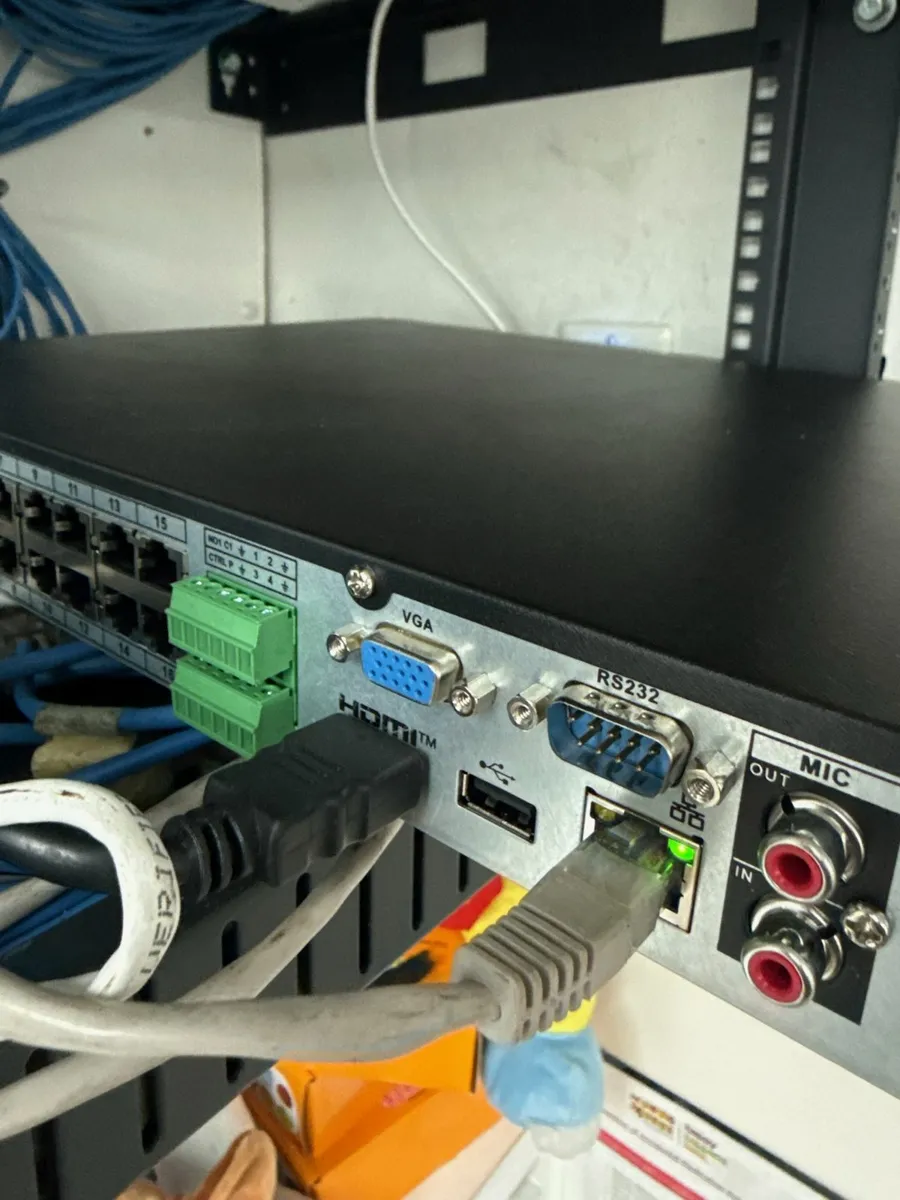
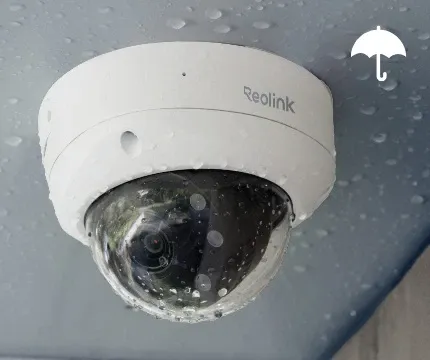
Below is the equipment a Bronx building typically receives after its scope is signed. Unless your company standardizes on a particular maker, or the owner names one, we propose our own unbranded line. Equipment comes as part of an installed job; managers who want spare cameras or recorders on the shelf can also buy through our security cameras store for the Bronx.
Audio, video and keypad panels with scrolling or button directories, surface or flush mounted, specified for outdoor gates where needed.
Handsets and video monitors in each unit, or answering on tenants' phones, or a mix for buildings with older residents.
Fob, card and keypad readers, with mobile credentials where the platform offers them and tenants opt in.
The hardware on the door itself: strike or magnet, push-to-leave button, overhead exit sensor and a contact that reports a propped door.
Door controllers, power supplies with battery backup, and the elevator interface on the reader side of the job.
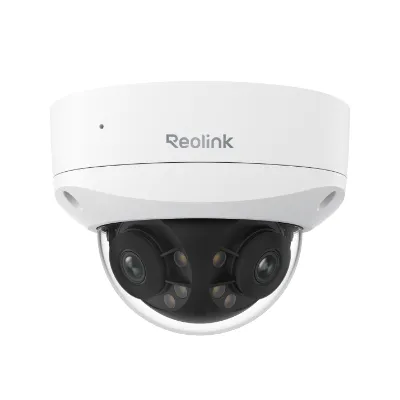
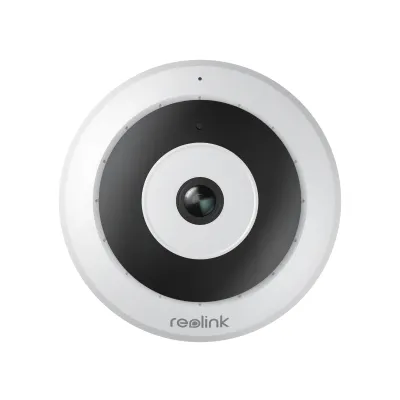
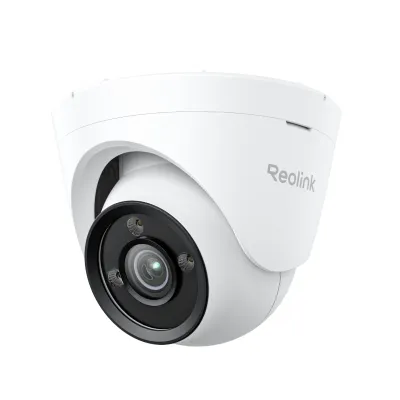
Turrets, domes and bullets sized to the space, vandal-resistant where they can be reached, with infrared for dark cellars and yards.
Network video recorders sized for the number of cameras and the retention the owner wants, with phone viewing for staff.
Door contacts, motion detectors, glass-break sensors, keypads and communicators for storefronts, offices and storage rooms.
Cat6, PoE switches, small wall racks, surge protection and UPS units that keep the essentials running in an outage.
Every platform sits somewhere between fully local and fully cloud-managed. A local system keeps video and entry logs on equipment in the building and has no monthly fee from the maker; the trade-off is that someone has to log into each building separately unless the systems are linked. A cloud-managed system lets the office change directories, issue credentials and view cameras for many buildings from one dashboard, and it usually carries a per-door, per-camera or per-building subscription set by the manufacturer. For a Bronx portfolio watching operating costs closely, we often recommend local recording for cameras and cloud management only for the entry and fob side, where remote administration saves the most staff time.

Ask an AI assistant about building security and you get an answer built for a suburban garden complex with a leasing office and a gated lot, assembled from national cost guides, lead-generation sites and product marketing. Here are the claims we hear repeated most often from Bronx managers, and how they hold up in the buildings we actually work in.
Guards and monitoring have their place, but they are not where most Bronx buildings lose security. The failures that generate tenant calls and HPD violations are physical: a lobby door that does not latch, an entry system that rings half the floors, a cellar door left open, keys that have been copied for years.
Fixing those is installation and repair work, and it has to be done before any monitoring or guard service has something reliable to work with. A guard cannot stop strangers coming through a door that never locks.
We install and maintain the equipment. Owners who want a guard company or a monitoring provider hire them separately, and our systems are set up so they can work alongside one.
Per-unit figures make spreadsheets easy and estimates wrong. A 60-unit Concourse building that can reuse its riser may cost less to re-equip than a 20-unit walk-up whose cable has to be replaced up a narrow stair hall.
What drives cost is the number of entrances, whether cable can be reused, the condition of the doors, the answering method tenants need, and whether an elevator company is involved. Unit count matters mostly for the number of apartment stations.
That is why we price per building after a walk-through. For repairs, the starting point is the same everywhere in the borough: the $250 service call.
National guides tend to assume a full replacement. In Bronx prewar buildings the existing riser is often still usable, and new panels that work over existing conductors avoid opening walls in occupied apartments.
Where the cable is broken in several places or water-damaged, replacing it is the right call, and we say so. But the decision should come from testing, not from a guide written for a different building stock.
The same applies to stations: a building with many older tenants may be better served by keeping wired handsets than by moving everyone to an app.
Biometric entry exists, but in New York City residential buildings it comes with obligations. Under the Tenant Data Privacy Law, smart access systems in class A multiple dwellings require express tenant consent for reference data, a published privacy policy and deletion timelines, and tenants cannot be required to use smart access to enter their own apartment.
For most Bronx rentals, fob or card readers do the job with far less data to manage. Biometric readers make more sense on staff-only doors or amenity spaces where consent is straightforward.
This is not legal advice. Owners considering biometric entry should review it with counsel before choosing a platform.
Battery and Wi-Fi cameras suit a single-family porch. In a masonry Bronx building with thick walls, a cellar and a steel stair door, Wi-Fi coverage is unreliable, batteries die in the cold, and a camera that has to be taken down to charge is a camera that is off when something happens.
Wired PoE cameras run on one cable for power and video, record continuously to a recorder in the building, and keep working when the Wi-Fi does not.
Wireless bridges still have a role, for example to reach a detached garage or a building across a courtyard without trenching, but as a link, not as the whole system.
In New York, alarm and low-voltage work requires state licensing, and fire alarm and elevator work have their own approval and licensing systems. We hold NYS low-voltage license #12000287431; elevator connections are made by the licensed elevator agency and fire alarm work follows the FDNY process.
Management firms also expect a vendor to carry insurance that names their owner entities, to complete their onboarding and to follow house rules in occupied buildings.
Checking those things before awarding a job takes a few minutes and avoids a contractor who cannot get the certificate or the permit you need later.
Promises like that are easy to write and hard to keep in a borough with traffic, parking rules and occupied buildings where apartment access must be arranged with tenants. We do not make them.
What we do: answer calls and texts at any hour through our AI receptionist, have a person respond from 8 AM to 8 PM every day, book within 2 hours, and schedule visits seven days a week in two-hour arrival windows, with early-day visits.
For a manager, a dependable booking and a technician who arrives inside the window and fixes the cause is worth more than a promise on a brochure.
Text us the buildings that worry you most. We will tell you which problems need money this month and which can wait for next year's budget.
Start with the building list. A super with one walk-up and an asset manager with dozens of Bronx addresses fill out the same short form: where the buildings are, about how many apartments and doors each has, and which one is causing the most calls. Repairs start with the $250 service call, and new systems start with a free walk-through. Rather talk it through? Call or text (646) 490-0629.
Thanks for the details. A scheduler will call or text you about the first visit.
From your first message to a system staff can run, the path below has seven stages. A quick repair usually skips straight from booking to handover on the same visit.
Addresses, units, entrances, the problem, any open violations and the super's number, by phone, text or the form.
A visit lands in a two-hour slot on any day you choose, usually in the morning. A breakdown is a $250 service call; a new system begins with a walk-through that costs nothing.
Every entrance and gate, the cellar, power supplies, the riser, sample apartments on failing lines, and the machine room with the elevator company when needed.
One scope per address, with must-fix items separated from improvements and any platform fee shown on its own line.
Insurance paperwork follows the award, written to your firm's list of named insureds. Ordering waits for the deposit, and anything special-order gets an install date after it is delivered.
Work in occupied halls with tenant notice handled by the office, then every door, release, station, reader and camera tested with the super.
Administrator logins to the manager, staff shown how to add fobs and export video, and a device list for the building file.
When a manager sends us to a Bronx building for the first time, the technician does not start at the lobby panel. He starts in the cellar, because that is where the story of the building's security is written. In a typical prewar elevator building off the Concourse, the cellar shows it all: two or three intercom power supplies from different decades, only one of them still in use; a fob controller in a plastic box with no label; a recorder on a shelf with a monitor that has been unplugged for months; and cable bundles taped to the pipes with no tags.
The first hour goes to sorting that out. Which power supply feeds the current panel? Is the recorder recording, and how many days does it keep? Who has the fob administrator login? Which cable goes up which riser? Only then do we go upstairs and test the lobby, the stair doors and a few apartments on the lines that have complaints.
Two things come up again and again. The first is a dead or weak release transformer that has been "fixed" by adding a second one, which creates more faults than it solves. The second is a cellar door with a mag lock that someone disconnected because it was not releasing, leaving the building's back door unlocked for months. Neither is expensive to fix. Both are invisible until someone looks.
Intercom work often needs access to apartments on the affected lines. HPD's rule on access, 28 RCNY §25-101, calls for written notice at least one week ahead for repairs or improvements, 24 hours for an inspection, and allows urgent repairs without written notice; entry is limited to 9 a.m. to 5 p.m. on weekdays that are not legal holidays unless the tenant agrees otherwise. The management office sends the notice. We give the office a list of the apartments we need and a realistic time window, and we keep the visit inside it.
Most of a lobby or entry job happens in common areas, cellars and stair halls. Tenants see a technician at the lobby door for part of a day while the panel is swapped, may lose intercom service for a few hours, and should be told how visitors and deliveries will reach them in the meantime. Where a front door has to be held on a manual lock during the change, the super or a porter covers it. We keep cable work out of the way of strollers, carts and walkers and clean up each day.
The first weeks after a new entry or fob system goes in produce questions: how to answer on the phone, how to get a fob for a home attendant, why a name is missing from the directory. The office handles most of them with the administrator login we hand over. A one-page tenant guide in English and Spanish, prepared by the office from the maker's instructions, cuts the calls considerably in most Bronx buildings.
Tenants ask who can see the cameras, whether their fob is tracking them, and what happens to their data. The answers come from the owner's policy, which for smart access systems has to meet the Tenant Data Privacy Law. We make sure the system can do what the policy says: limited viewer accounts, retention set to the policy, and credentials deleted at move-out.

Our technicians cover the whole borough, from the South Bronx waterfront to the Westchester line. The places below anchor the areas where managed rental buildings cluster, with a note on the security work typical nearby.
Seventy-eight buildings between 153rd and 167th Streets, mostly Art Deco and earlier elevator apartment houses with ornate lobbies where panels and readers have to fit the surround.
A shopping corridor where the city counted 657 storefronts, with apartment buildings on the surrounding blocks; vacant stores and shared rear yards come up often. Our Bronx office sits on Fordham Road.
A dense retail crossroads in Melrose and Mott Haven, with mixed-use buildings and newer affordable housing nearby.
The 171-building complex MetLife built between 1938 and 1942, a reference point for how large planned complexes handle many doors on one campus.
Steep streets, prewar walk-ups and elevator buildings, and the dense rent-stabilized stock of community districts 4, 5 and 7.
Postwar high-rises and garden apartments above the Hudson, with garages, long driveways and staffed lobbies.
We also cover managed buildings in Morrisania, Tremont, University Heights, Kingsbridge, Bedford Park, Norwood, Williamsbridge, Wakefield, Co-op City, Pelham Parkway, Morris Park, Soundview, Castle Hill, Hunts Point, Longwood, Port Morris and Throgs Neck. Bronx scheduling runs through our office at 460 E Fordham Rd.
Pricing for property management security in the Bronx has two entry points. Anything broken starts with the $250 service call, the same at any address in the borough: we diagnose, small fixes are covered, and on a larger repair the $250 is credited to the total. Anything new starts with a free on-site assessment and a written quote for that building. The ranges below are the ones already published on our Bronx service pages; anything else is priced per building because two Bronx buildings with the same unit count can need very different work.
| What the building needs | How it is priced |
|---|---|
| Something stopped working, from the lobby panel to a fob reader or camera | $250 visit; the fee comes off a bigger repair bill |
| Apartment intercom station replacement | $250 to $525 (Bronx door buzzer repair page) |
| Transformer replacement | $325 to $650 |
| Electric strike replaced with door alignment | $450 to $950 |
| Branch riser repair | $850 to $2,400, depending on chase access |
| New or replacement entry system | Written quote after a free on-site assessment |
| Fob and card access control | Written quote after a free on-site assessment |
| Elevator floor readers | Level 1 from $1,500 per car, Level 2 from $2,500 per car, plus the elevator company's own charges |
| Building cameras and recorder | Written quote after a free on-site assessment |
| Alarm central-station monitoring | $30 monthly with a keypad; $45 monthly when you also control it from a phone |
| Network cable drops | $150 to $300 per connection point |
| Maintenance agreement for one or more buildings | Quoted per portfolio after a site survey |
| Equipment the owner already purchased | Labor quoted by phone or text |
Full terms β including 50% deposit, one-year parts-only warranty on Abstract Enterprises Security Systems-supplied products, and the late-fee schedule β are set out in the service agreement. Our labor carries the 30-day warranty listed on our site, longer coverage is a paid add-on, and manufacturer warranties stay with the manufacturer.
We do not sell boxed bundles for rental buildings. Bronx managers tend to begin in one of the three ways below, and each is priced for the addresses in question.
Pick the address your phone rings about most. One $250 visit finds the cause and puts a repair price in writing, and you judge our work on that building before handing over others.
A front door and entry panel now, fobs on the cellar and roof next, cameras after that, all on one platform chosen at the start.
Vendor file, a master agreement if you use one, a survey of each building and a maintenance schedule quoted for the portfolio.
Some Bronx owners buy hardware on their own, through a lender's program or a bulk purchase. In that case we price only our labor, over the phone or by text, and the deposit locks in the date. Owner-bought gear is covered by whoever sold it, and so is its performance; a Wi-Fi camera that loses signal in a masonry hallway is a supplier issue, not an installation defect.
Our published approach to pricing entry-system repairs and new installs.
Published repair ranges for buzzers, releases and stations.
Simple buzz-in setups for walk-ups and side doors.
Code and phone-unlock locks for a rental office, a supply room or a community room.
Every installed camera package for the Bronx, priced.
A side-by-side look at two common video entry platforms.
A citywide primer on picking an apartment entry system.
Tell us about your Bronx properties and receive a written scope.
Yes. Many Bronx management companies keep in-house staff who can move furniture out of a cellar, open ceilings that are already scheduled to come down, or pull a string through an existing pipe. Tell us what your team will handle when we write the scope and the price reflects it. We stay responsible for the security equipment, the low-voltage connections and the final testing, so the work is still covered by our warranty.
Yes, and that is often why we are called. Open violations do not stop a security contractor from working in the building. Tell us which violations are open when you book so the technician prioritizes the ones tied to entrance doors, intercoms and door hardware. Clearing the violation itself is done by the owner through HPD's certification process once the work is complete.
If you book a visit for that day, yes. The visit is scheduled in a two-hour arrival window like any other appointment, and inspectors do not always give a precise time, so the booking should cover the window you were given. The technician can show what was repaired and test the entry system or door in front of the inspector. We do not represent owners at HPD or in housing court.
Yes. We write a phased scope that names the platform for the whole building up front, then splits the work into stages that each stand on their own, such as entry and front door first, fob readers second and cameras third. Each phase is priced separately and the later phases plug into the earlier ones. Prices for later phases are confirmed when that phase is ordered, because equipment costs change.
Yes. Supportive and senior buildings in the Bronx often have a desk staffed for long hours, and the systems are built around it: entry calls that ring the desk first, a release button and camera monitor at the desk, fob readers on staff-only doors, and logs the program staff can review. We work from the operator's own policies on visitors and residents and do not provide the desk staff ourselves.
Yes, the low-voltage run from the riser to the apartment station is part of our work, and we reuse the existing path through the wall wherever it is intact. Where a new run is needed, we use the least visible route available, such as along trim or through a closet. We do not patch or paint, so any finish work in the apartment is done by the building's own staff.
Yes, as a labor-only job. We quote the installation by phone or text and book it with the deposit. We do not do a separate walk-through for owner-supplied equipment. The equipment keeps its manufacturer warranty, and its performance, including any wireless signal it depends on, stays with the supplier rather than with us.
Our labor carries the 30-day warranty listed on our website, and longer coverage can be added for a fee. Products we supply carry the parts terms set out in the service agreement, and manufacturer warranties belong to the manufacturer. Damage from lightning, power surges, vandalism or changes made by others is not a warranty defect.
Visits are scheduled in two-hour arrival windows, seven days a week, and we favor the early part of the day so supers and tenants are not waiting into the evening. Technicians arrive inside the window you were given, not before it. Visits are booked first come, first served once they are paid.
Yes. New construction and gut renovations are the easiest time to do it right, because cable goes in before walls close and panels can be planned into the lobby design. We work from the architect's drawings and the general contractor's schedule, rough in the cable at the right stage, and install and program the equipment before the building is occupied. Any electrical work stays with the project's electrician.
If your portfolio reaches past the Harlem River, begin at the citywide page, property management security across NYC; the Abstract Enterprises Security Systems home page lists everything else we do. Managers with buildings in other boroughs can read our pages for Manhattan, Brooklyn and Queens.
Outside the city, see Staten Island, Long Island and the Hudson Valley. Still being written: county pages for Nassau and Suffolk, and for Westchester, Rockland, Orange, Putnam, Dutchess and Ulster. Buildings there can go on the same vendor file today by phone or text.
Self-managing Bronx landlords, with no management company in between, will get their own page on apartment building security systems in the Bronx.