What are you looking for?
About Us Contact Us Careers Get a Free Quote (800) 486-0943
Pick a service
✅ Got Your Own System?
🎬 Home TheatreQuote 🎶 AV SoundQuote 🔑 Access ControlQuote
Now pick your area
Pick your area
Long Island
Hudson Valley
Services available
Pricing & Tools
Pick a service for pricing
🚪 Intercom Pricing 🔔 Buzzer Repair Pricing
Calculators
📹 Camera System Calculator 🚨 Alarm Calculator ⚡ Cabling Quote Builder ✅ Got Your Own System?
Select your area
Managing rental buildings, garden complexes or mixed-use properties in Queens and want one security contractor for all of them? Call or text (347) 434-6392
Home › Property Management Security NYC › Property Management Security Queens
Licensed NYS Low-Voltage Contractor · Built for Property Managers, Managing Agents, Landlords & Owners

Property Management
Security in
Queens

Entry Systems · Fobs & Readers · Cameras · Elevator Control · Mailrooms · Repairs

Property management security in Queens costs $250 to start when something is broken, since every repair opens with that service call, while a new entry, fob or camera system for a building is priced only after we walk it at no charge. We work for management companies, managing agents, landlords and owners whose Queens buildings range from six-story prewar rentals in Jackson Heights and Elmhurst to garden-apartment campuses, Queens Boulevard elevator buildings, storefront buildings on busy avenues and new rental towers in Long Island City, and we keep the whole list on one vendor file, one scope format and one phone number.

Quick answer: For Queens managers, Abstract Enterprises Security Systems is the licensed low-voltage contractor behind the doors and cameras: courtyard and lobby entry panels, buzzer lines and door releases, fob readers, elevator floor control, cameras on entrances, mailrooms, lots and cellars, office and storefront alarms, plus the cable and batteries that keep it all running. Something broken? The $250 service call diagnoses it and is deducted from the invoice if the repair turns out bigger. Something new? We walk the building free and price it in writing. Every request is booked within 2 hours, any day of the week, in early-day windows; we join your vendor list and send the insurance certificate once you award the job.

Last updated November 27, 2026 by Abstract Enterprises Security Systems, NYS license #12000287431 · Sources: NYC HPD property registration, violation-clearing and Tenant Data Privacy Law pages; NYS Multiple Dwelling Law §50-a; 28 RCNY §25-101; NYC Open Data HPD violations (2025, Queens); U.S. Census QuickFacts for Queens County; NYC Rent Guidelines Board 2026 Housing Supply Report; NYC Emergency Management report on Ida; QNS, Oct 10, 2025; Historic Districts Council; LeFrak City entry, Wikipedia (links in each section)

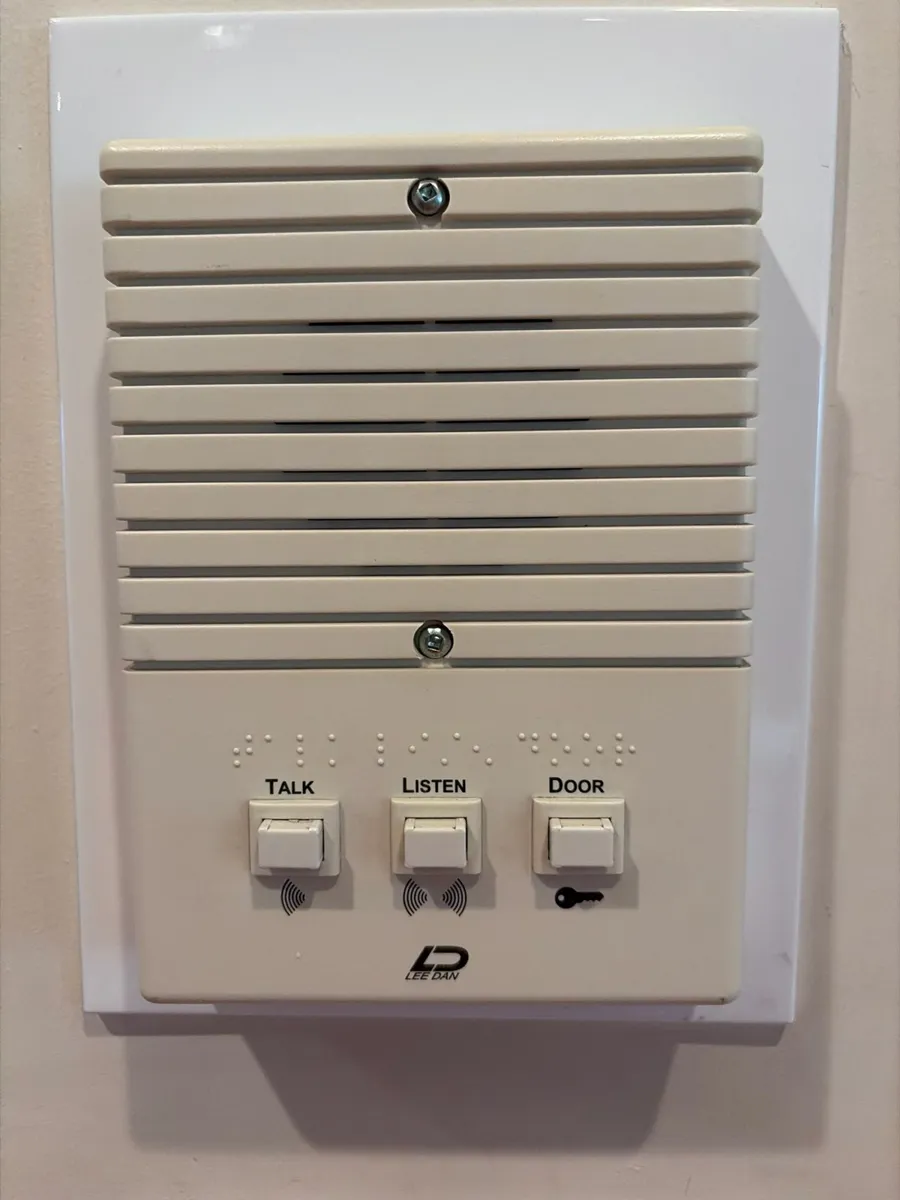
Property management security Queens: apartment intercom station with talk, listen and door buttons
Partner product photo: a pan-tilt camera that runs on one network cable. On a Queens garden complex or behind a postwar building, one of these on a corner can be turned to cover a long lawn, a courtyard path or a parking row that would otherwise take several fixed cameras.
Queens Property Security Quote
One rental building or a whole Queens portfolio

✅
Request Sent!
Received. Expect a call or text from us to choose a two-hour window for the first Queens visit.
2002
Owner-Operated Since
2 Hr
Booked Within
$250
Service Call
4.7★
201 Google Reviews

Two decades and thousands of jobs in, the founder who started in 2002 still runs the company. Your request gets a booking within 2 hours: (347) 434-6392 by call or text, or the Queens portfolio form.

  • Entry, readers, elevator control, cameras and alarms handled by one contractor for every Queens address you manage
  • A matching written scope for each building, so owners can line properties up against each other
  • On Google, 4.7 stars from 201 reviews; on paper, NYS low-voltage license #12000287431 and full insurance
The Neighborhood

Why Queens Property Managers Need a Different Security Plan

Queens is the borough where one management company can run almost every kind of residential building New York has. A single portfolio might hold a block-long garden complex in Jackson Heights built around an interior lawn, a six-story elevator building off Roosevelt Avenue in Elmhurst, a postwar tower on Queens Boulevard in Forest Hills or Rego Park, a row of three-family rentals in Ridgewood or Woodhaven, a storefront building on Main Street in Flushing or Jamaica Avenue in Jamaica, and a glass rental tower near Court Square in Long Island City that opened with a cloud intercom already on the wall. Each one came with whatever entry system, fob platform and cameras its builder or last vendor chose. Property management security in Queens starts with accepting that variety and building a plan that a small office can actually run across all of it.

The spread of buildings is not slowing down. The city's Rent Guidelines Board reports that Queens added 9,608 newly completed housing units in 2025, up 17.9 percent from the year before, and that the average new building in Queens held 33.7 units. The same report counts 5,913 newly certified 421-a units in Queens in 2025, a fifth of the city total, with Queens rental certifications up 104 percent (NYC Rent Guidelines Board, 2026 Housing Supply Report). In practice that means more Queens managers now hold a mix of 1930s buildings with two-wire buzzers and brand-new towers with app-based entry, and they need one contractor who can service both without treating either as a special case.

Tenants in Queens are also more varied than anywhere else in the city. Census figures put the foreign-born share of Queens residents at 47.6 percent, and 55.4 percent of residents five and older speak a language other than English at home, compared with 47.7 percent for the city as a whole (U.S. Census Bureau QuickFacts, 2020–2024). For a manager that shows up in practical ways: notices about intercom work or a new fob system have to be understood by everyone they affect, elderly tenants may answer the door with an apartment station and never use a phone app, and the directory on the lobby panel has to be easy to use for a visitor who does not read English well.

There is a compliance side to all of this. Queens buildings drew 342 HPD violations in 2025 whose description mentions an intercom: 79 class A, 261 class B and 2 class C, according to the city's Housing Maintenance Code violations dataset (NYC Open Data). The heaviest counts were in Community Boards 3, 7 and 8, which take in Jackson Heights and East Elmhurst, Flushing and the Fresh Meadows–Hillcrest–Briarwood area. A class B violation gives the owner 30 days from service to correct it, and most class C violations only 24 hours (NYC HPD, Clear Violations). That is the reason a Queens manager needs a security contractor who can be booked quickly, finds the cause rather than the symptom, and leaves paperwork the office can use to certify the correction.

Handing all of this to a single property management security company pays off in small, daily ways. Proposals arrive in one format, so a Woodside walk-up and a Rego Park tower can sit side by side on the owner's desk. Master passwords for every address live in one file. A tenant complaint about a silent buzzer goes to one phone. Spare strikes and power supplies bought for one building often fit the next. Most managers test us on a single address before adding others, which suits us fine. The sections that follow take each system in turn and link to the Queens page with the fuller technical detail.

Facts that shape security in a managed Queens building

  • A named managing agent: owners of multiple dwellings with three or more apartments register with HPD every year and list a managing agent who can be reached, and the registration has to be updated when the agent changes (NYC HPD, Register Your Property).
  • When an intercom is mandatory: under state law, a class A apartment house with at least eight units that went up or was converted after the start of 1968 must let each apartment talk to the front door and buzz it open, and its street, yard and cellar entrances must close and lock by themselves; buildings older than that owe tenants an intercom once a majority of apartments request one in writing (NY Senate, MDL §50-a).
  • Apartment work is scheduled on paper: a manager planning station swaps or riser work inside units sends tenants a written heads-up no less than seven days out, and technicians come between 9 and 5 on business days unless a tenant picks another time (28 RCNY §25-101).
  • Fobs and apps come with privacy duties: once a class A rental switches to keyless entry, Local Law 63 requires the owner to hand tenants a written policy, ask permission before capturing anything like a face or fingerprint template, purge authentication records after 90 days unless they are anonymized, and leave tenants free to reach their own door without the smart system (NYC Local Law 63 of 2021).
  • Violation clocks: 90 days for class A, 30 days for class B, 24 hours for most class C conditions and 14 days for class C self-closing door violations (NYC HPD).
  • Cellars flood: when the remnants of Ida hit in September 2021, 11 of the 13 New Yorkers who died drowned in flooded basement apartments (NYC Emergency Management), and the city's recovery plan notes that damaged properties were concentrated in Queens, Brooklyn and the Bronx (NYC CDBG-DR summary). Security equipment that lives on a cellar floor is at risk in every heavy storm.
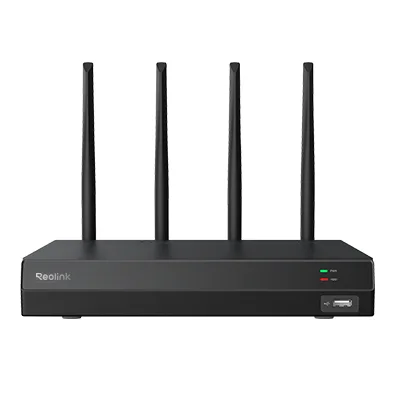
Black network video recorder with four antennas, partner product photo, for small Queens rental buildings in property management security
Partner product photo: a recorder with four Wi-Fi antennas. In a two-family rental or a walk-up where pulling cable to a detached garage or rear yard is impractical, a recorder like this can take wired cameras and a few wireless ones on the same screen.
What We Install

Property Management Security Services in Queens

Below is the full list of systems we handle in managed Queens buildings. Some arrive with a purchase, some were left behind by a previous owner, and some are simply what the building has always had. Any one of them can be the first job; all of them can be covered under a single vendor relationship, with the same documents and the same person answering your calls.

01

Entry panels and directories

The panel a visitor faces at the gate, lobby or side door, with a directory a non-English reader can follow, plus whatever each apartment answers with.

02

Buzzer and release repair

Apartments that stopped ringing, a lobby door that ignores the release button, a cooked transformer in the boiler room: each begins as a $250 service call.

03

Fobs, cards and phone credentials

Fob readers wherever tenants or staff pass: the courtyard gate, the laundry, the bike room, the parking lot door. The office adds and removes people itself.

04

Elevator floor control

A credential decides which floors the car will serve. The elevator company makes the controller connection; the reader side is ours.

05

Building cameras and recorders

Coverage of entrances, mailrooms, courtyards, parking areas, cellars and roofs, recorded on site and viewable by staff you authorize.

06

Mailroom and package control

Reader-controlled package rooms, delivery codes that open one door only, and cameras placed where theft actually happens.

07

Door hardware

New strikes, mag locks and exit hardware on lobby, courtyard and cellar doors, installed without blocking anyone's way out.

08

Burglar alarms

Panels, sensors and central-station monitoring for offices, storefronts, storage rooms and vacant units.

09

Cabling, switches and backup power

The cable, switches and batteries our own systems depend on, from a single riser pull to the link across a garden courtyard.

Most Queens portfolios end up using a few of these in every building and a few in only some. A walk-up with eight apartments might need nothing more than a reliable buzzer, a strike that holds and one camera on the vestibule. A garden campus might need panels at a dozen courtyard doors, a reader on every laundry room and a camera network tying the buildings back to the management office. The point is that the same contractor, using the same written format, quotes each one, so a manager comparing two buildings is comparing like with like.

We describe what we do as property management security installation, repair and maintenance, and we keep to that. We are not a guard company, we do not run a virtual doorman service, and we do not sell a managed-security subscription. We install and service the entry, access, camera and alarm hardware that a building's staff, an outside desk service or a monitoring provider would use, and we can work with a provider a building already has.

Entry Systems

Intercoms and Door Entry Across a Queens Rental Portfolio

Entry is where most property management intercom work in Queens begins, because it is the system tenants touch every day and the one HPD writes up. The buildings make it harder than it looks on paper. A Jackson Heights or Sunnyside courtyard building may have four or five separate entrances, each serving one stair hall, and each with its own panel, its own strike and its own power supply sitting somewhere in the cellar. A prewar six-story building in Elmhurst or Woodside usually still runs a two-wire or multi-wire buzzer system on a riser that passes through apartments. A newer tower in Long Island City or downtown Flushing more often has a video panel tied to a cloud account that someone at the developer set up and nobody at the management office can log into.

For a manager, the useful first step is not a brand decision. It is an inventory: every door that a resident or visitor uses, what panel or keypad is on it, where its power comes from, whether it releases a strike or a mag lock, and how apartments answer. Once that list exists for each building, the choice between repairing what is there, replacing the lobby side only, or moving the whole building to a new platform becomes a straightforward comparison. We build that list on the first walk-through and give it to you whether or not you hire us for the work.

Repair comes first wherever the existing system still has a future. Many Queens buildings have lobby panels and apartment stations that are fine, sitting on a transformer that runs hot, a strike that has been hammered out of alignment, or a riser pair that was cut during an apartment renovation. Those are service-call problems. Our intercom repair work in Queens starts with the $250 service call, and for the buzzer side of the same problems our Queens door buzzer repair page lists the published ranges: apartment stations $250–$525, a strike with alignment $450–$950, and riser repair $850–$2,400 in occupied buildings.

Replacement makes sense when parts are discontinued, when the same building keeps failing, or when the owner wants video, phone answering or remote management. In that case the useful questions are practical ones. Will the new system reuse the riser, or does it need new cable to every line? Will tenants answer at a station on the wall, on their phones, or both? Who holds the administrator account, and is it in the owner's name? Does the platform carry a monthly fee, and who pays it? Our Queens intercom installation page walks through the options for new systems in more detail; here the point is that every building in a portfolio gets those same questions answered in writing before anything is ordered.

Garden-apartment complexes deserve a separate word. Their courtyard doors are often the weakest point in the whole portfolio: heavy doors on long closers, strikes exposed to weather, and panels that face south into full sun. Where a complex has a gate to the street and then separate doors into each building, we usually recommend controlling both, with the gate on fobs and a visitor panel and each building door on fobs only. That way delivery drivers and visitors get one clear place to call from, and tenants are not buzzing strangers through the inner doors.

When a building in the portfolio is a co-op or a condo

Many Queens management firms run cooperative and condominium buildings alongside their rentals, and the security work in those buildings goes through a board rather than a single owner. The approvals, shareholder or owner notices and board voting are covered on our pages for Queens co-op security systems and Queens condo security systems. When a board is weighing a full entry replacement, the decision guides for co-op boards planning an intercom upgrade and for condo intercom replacement lay out repair versus replacement, cost drivers and how to compare bids. For the manager, nothing changes on our side: same vendor file, same scope format, same contact.

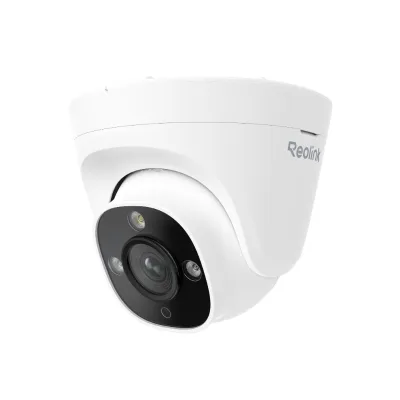
White turret camera with small spotlight, partner product photo, for side and rear doors in Queens property management security
Partner product photo: a turret camera with a built-in spotlight. Courtyard and rear doors in Queens garden buildings are where we most often pair a new entry panel with a camera that shows who actually came through.
Access Control

Fobs, Cards and Tenant Turnover in Queens Buildings

Keys are the oldest property management security problem and still the most expensive one over time. Every move-out in a building on brass keys raises the same question: were all the copies returned? In a Queens portfolio with long-tenured tenants, adult children who moved away with keys, home aides, dog walkers and contractors, the honest answer is almost always no. Electronic access control replaces that question with a list. A fob that is not returned is switched off from the office, and the log shows which credential opened which door and when.

For managed buildings we set access control up so the office can run it day to day without calling us: adding a new tenant, removing a moved-out tenant, giving the porter the trash room and cellar on weekday mornings, giving a contractor a credential that expires when the job ends. Programming visits, hardware changes and anything to do with how doors behave on power loss or a fire alarm signal stay with us. Our access control installation page for Queens lists the published single-door range of $1,500–$2,500 for a reader with an electric strike; multi-door buildings and campuses are quoted after the walk-through.

The legal side matters more in rentals than in owner-occupied buildings. The Tenant Data Privacy Law, Local Law 63 of 2021, applies to smart access systems in class A multiple dwellings. Owners must give tenants a plain-language written policy on what data the system collects and how long it is kept, collect reference data such as a face template or fingerprint only with express consent, protect the data, never sell it, and remove it within set periods after a tenant moves out. Owners also may not require tenants to use smart access to get into their own apartment (NYC Local Law 63 of 2021). We are not lawyers and this is not legal advice, but we design with those rules in view: we can switch biometric functions off, set short log retention, and leave a keyed option on every apartment door.

Queens portfolios raise one access question we see more often than in other boroughs: tenants without smartphones. Many longtime tenants, particularly older ones, will never install an app, and some do not have a phone that can. A good access system for a rental building treats the fob as the default credential and the phone as an option, not the other way around. The same goes for answering the door: if a building is moving to app-based answering, we plan in-apartment stations or a phone-line option for the tenants who need them.

Which doors get which credentials

  • Street gate or main lobby: every tenant, with visitor calls through the entry panel.
  • Courtyard and stair-hall doors: tenants of that building or that section of the campus only.
  • Laundry and storage rooms: tenants, with hours if the owner sets quiet times.
  • Bike rooms and parking: tenants who registered a bike or a car, so spaces stay with the people paying for them.
  • Cellar, boiler room, roof and trash room: super, porters and approved contractors, on schedules.
  • Management office and leasing office: staff only, with alarm arming tied to the last person out where the owner wants it.
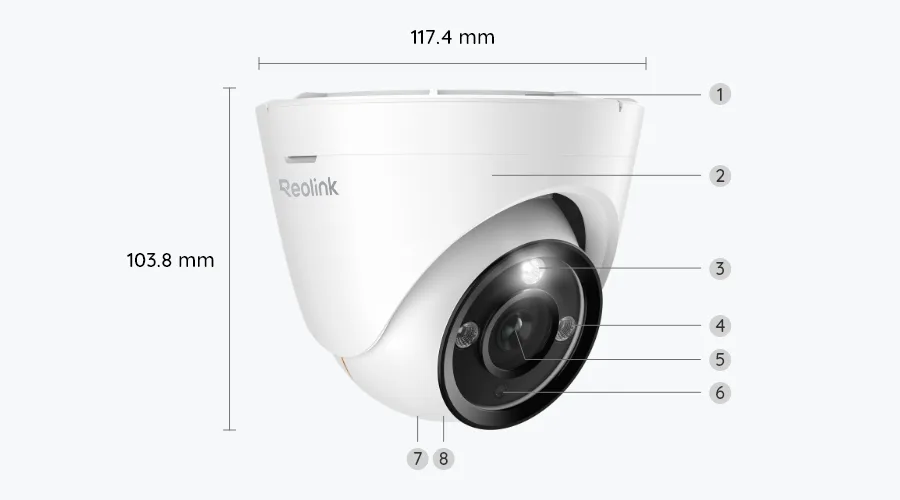
White turret camera with height and width callouts, partner product photo, for narrow corridors and door headers in Queens property management security
Partner product photo: a turret camera with its height and width marked. In the narrow cellar corridors that lead to laundry rooms in many Queens buildings, knowing the housing size ahead of time tells us whether the camera fits above the door header or has to go on the side wall.
Elevators

Elevator Access in Queens Towers and Six-Story Elevator Buildings

Queens has a lot of elevator buildings that are not towers: the five- and six-story apartment houses that line Queens Boulevard, Roosevelt Avenue, 37th Avenue and the side streets of Jackson Heights, Elmhurst, Kew Gardens and Forest Hills, most with one small passenger car. It also has a growing number of high-rise rentals in Long Island City, Flushing and Jamaica with several cars and a separate service car. Elevator floor control means different things in those two settings, and managers should know which one they are buying.

In a six-story building with one car, the usual goal is modest: keep the car from being used by people who are not tenants, and keep it from going to the roof or the cellar except for staff. A reader in the cab that has to see a fob before the car will answer a call does that. In a tower, managers often want more: amenity floors that only certain tenants can reach, a gym or roof deck on a schedule, and a service car that serves only the floor of a booked move during its window. Both are done with readers in the cab and a connection in the elevator controller, and that connection is the elevator company's work.

That last point is not a formality. Elevator work in New York has to be performed by a licensed elevator agency under the state's elevator licensing rules (NYC Department of Buildings), so we coordinate with the building's elevator maintenance company: we supply and wire the readers and the access controller, and they make the connection to the elevator and price their own share. Our Queens elevator access control page lists the published starting prices of $1,575 per car for a Level 1 reader and $2,625 per car for a Level 2 biometric reader; the elevator company's interface work is separate. Where a building is planning an elevator modernization, the cheapest time to add floor control is during that project, while the controller is being replaced anyway.

Two practical notes from Queens buildings. First, elevator cabs in older buildings often have no spare traveling-cable pairs, so a reader in the cab may have to wait for the elevator company's next scheduled work. Second, cameras in elevator cabs follow the same coordination rules: the elevator company decides how video and power reach the cab. We tell a manager about both before a price is approved, not on install day.

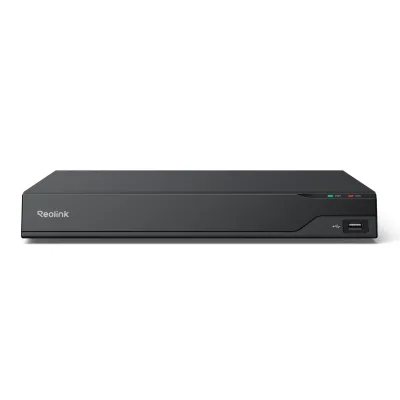
Black sixteen-channel PoE network video recorder, partner product photo, for a single Queens rental building in property management security
Partner product photo: a sixteen-channel recorder with built-in PoE ports. One of these in a locked closet usually covers the entrances, mailroom, elevator lobby and cellar of a single six-story Queens building, with room to grow.
Cameras

Cameras for Entrances, Courtyards, Mailrooms and Parking Areas

Property management security cameras in Queens buildings earn their keep in a few specific places, and the most common mistake we see is cameras everywhere except those places. The front door is usually covered. The places that generate incidents are more often the side door to the courtyard, the corridor to the mailroom, the cellar door where porters bring out trash, the parking lot behind the building, and the stair hall that a non-tenant can reach by following someone in.

A Forest Hills case from October 2025 shows why the inside of the lobby matters as much as the door. According to QNS, a man got into an apartment building near 112th Street and 73rd Avenue through the front door around 4:15 in the afternoon, was caught on surveillance video sitting on a couch in the lobby while he waited, then walked to an apartment, took a phone valued at $600 and left on foot through a courtyard. Police released surveillance images to identify him (QNS, Bill Parry, Oct 10, 2025). Cameras did not stop that burglary, and no camera promises to. What they did was produce a usable image of a face in the lobby and show which way he left, which is the job a building camera can realistically do.

For a managed building, placement follows a short list. One camera at each entrance at face height range, not mounted so high it only sees the tops of heads. One covering the inside of the vestibule or lobby, where people stop and look around. One on each route to the mailroom and the package area. One on the parking lot or driveway that can read a vehicle as it turns in, and where the owner wants it, a camera set up specifically to capture plates. One on the courtyard if it connects to the street. Cellars, roofs and laundry rooms follow, depending on the building's history. Our security camera installation page for Queens covers equipment, recording and pricing in depth, and the Queens camera pricing page lists four-camera 1080p systems starting at $950.

Building type changes the camera plan. Apartment-building camera work, including the placement rules for rental lobbies, hallways and mailrooms, is covered in depth on our page for apartment building security camera installation in Queens. Where the building is a cooperative or condominium, see the camera pages for Queens co-op security camera installation and Queens condo security camera installation, which deal with board policies on footage and owner privacy. On this page the concern is the portfolio: making sure each building's cameras record what matters, that someone at the office can pull a clip without driving out, and that each recorder and its logins are documented.

Keeping footage useful when you manage many buildings

  • One recorder per building or per campus: footage stays on site, so an internet outage does not stop recording.
  • Remote viewing for named staff only: each manager, super and owner gets their own login, so access can be removed when someone leaves.
  • Retention set by the owner: long enough to cover how late incidents are usually reported in that building, with drives sized to match.
  • Health alerts: recorders can notify the office when a camera goes offline or a drive fails, so a dead camera is not discovered after an incident.
  • No audio by default: recording sound in common areas can raise eavesdropping questions under New York Penal Law §250 (The Cooperator); we leave audio off unless the owner's counsel approves it.
  • Signs where the owner wants them: camera notices in the languages the building speaks, posted by the management office.
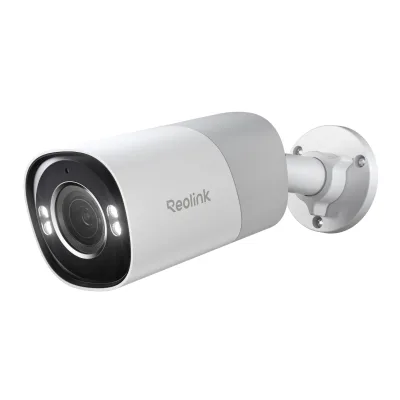
White zoom bullet camera on wall bracket, partner product photo, for parking lots and driveways in Queens property management security
Partner product photo: a bullet camera with optical zoom. Behind Queens garden complexes and along the driveways of postwar buildings, the zoom lets the camera be set to the lane where cars turn in rather than the whole lot.
Deliveries

Mailrooms, Package Deliveries and Delivery Access in Queens

Most Queens rental buildings were not designed for the number of boxes that now arrive every day. A six-story building from the 1930s has a bank of mailboxes in the vestibule and nothing else; packages end up on the lobby floor, on top of the radiator, or behind the stairs. Garden complexes have it worse, because a driver with forty stops in one complex will leave packages wherever the first open door is. The property management security question is not only theft. It is also tenants letting drivers in by buzzing every apartment, drivers propping doors, and packages blocking the egress path.

The fixes are modest and they work. Give drivers one door and one code that opens that door only, during delivery hours, so they stop pressing every button on the panel. Put packages behind a reader-controlled door, whether that is a converted storage room, a corner of the cellar near the elevator, or a dedicated package room in a newer building, and let tenants in with the same fob they use on the front door. Put a camera inside that room aimed at the shelves and one outside aimed at the door, so a disputed package can be checked against the log of who entered and when. Our part is the door hardware, readers, delivery codes, cameras and cabling. Electronic package lockers come from locker vendors; we provide the power, network and access integration they need where the locker maker supports it.

We do not alter mailboxes or their locks. What we can do is control the door to the mailroom or vestibule where the boxes sit, keep it closing and locking reliably, and cover it with a camera so a forced lock or a tampered box can be seen. In older Queens buildings where the mailboxes sit in an unlocked outer vestibule, moving the controlled door outward, so the mailboxes are inside the locked area, is often the single most effective change.

Holiday season makes all of this worse. November and December are when delivery volume peaks and when managers hear the most complaints, so it is also when we get the most calls about package rooms. If a building needs a new reader door or a package-room camera before the holidays, the walk-through should happen in early fall, because equipment is ordered after the deposit and any special-order hardware arrives on the manufacturer's schedule, not ours.

Notices that every tenant can read

Because more than half of Queens residents speak a language other than English at home, a notice about new fobs, an intercom replacement or a camera installation should go out in the languages the building actually speaks. Managers usually know their buildings well enough to choose: Spanish and Chinese are common across much of the borough, and individual buildings may need Bengali, Korean, Nepali, Tagalog, Russian or others. We supply plain-language descriptions of what is being installed, what tenants will notice and when, so the office can have them translated and posted. Where the building is moving to keyless entry, the written privacy policy required under the Tenant Data Privacy Law should go out the same way.

Alarms & Infrastructure

Alarms, Building Cabling, Backup Power and Fire Alarm Scope

Residential buildings rarely need a burglar alarm in the common areas, but managed properties are full of spaces that do: the management or leasing office, storefront tenants who lease from the same owner, storage rooms full of appliances and supplies, a maintenance shop, and vacant apartments between tenants. We install alarm panels and sensors in those spaces and connect them to central-station monitoring, with the two plans published on our Queens alarm installation page: $30 a month keypad-only, or $45 a month with the phone app. Alarms can also be tied to access control, so the office alarm disarms when an authorized fob opens the door in the morning.

Behind every system is cable, and Queens buildings make cable the hardest part of many jobs. Prewar brick buildings have few open chases; garden campuses have buildings separated by lawns, walkways and parking; newer towers have finished ceilings and fire-stopped risers that cannot be opened casually. We run the low-voltage cable, PoE switches and network gear for the systems we install, use existing conduit and risers wherever they are sound, and connect separate buildings with outdoor-rated or fiber links where the distance or the ground calls for it. Low-voltage wiring under 50 volts for these systems does not need an electrical permit in the city, with life-safety exceptions (NYC Admin. Code §28-105.4.7). For larger cabling projects, our structured cabling installation page for Queens covers the details.

We do not do electrical work. Where a new lobby panel, gate operator or recorder closet needs a new high-voltage circuit or outlet, the building's electrician provides it and we connect the low-voltage side. We say so in the written scope so nobody is surprised.

Backup power deserves more attention than it gets. In a power failure, mag locks release, recorders stop, and entry panels go dark unless they are on batteries. For managed buildings we recommend battery backup on the access controller, the lobby panel and its power supply, and the recorder and its switch, and we decide with the manager how each door should behave on power loss. In buildings with a history of cellar flooding, the closet that holds that equipment should be off the floor. After Ida, a number of Queens buildings found their buzzer transformers, recorders and alarm panels had been mounted at floor level in the boiler room; raising them is one of the cheapest forms of storm preparation there is.

Fire alarm work stays inside our licensing scope

Fire alarm systems are a separate trade with separate approvals. In New York City that means engineered drawings, FDNY plan review and acceptance testing, and work performed under the right FDNY certificates. Where a managed building's fire alarm is in our scope, our fire alarm installation page for Queens explains the process; we do not publish fire alarm prices. More often, the security side touches fire alarm in one specific place: mag-locked and reader-controlled doors that must release when the fire alarm activates. In those buildings we coordinate with whoever holds the fire alarm system so that release signal is provided and tested.

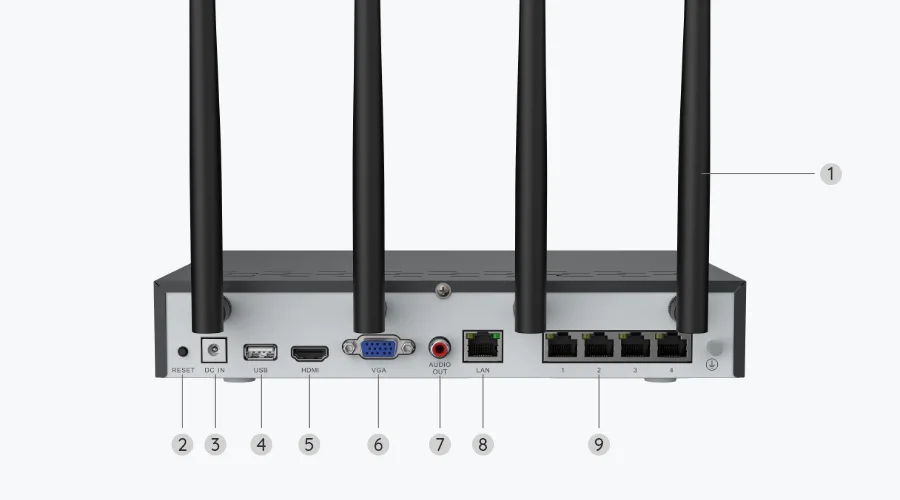
Rear panel of a four-antenna network video recorder with numbered ports, partner product photo, for Queens property management security closets
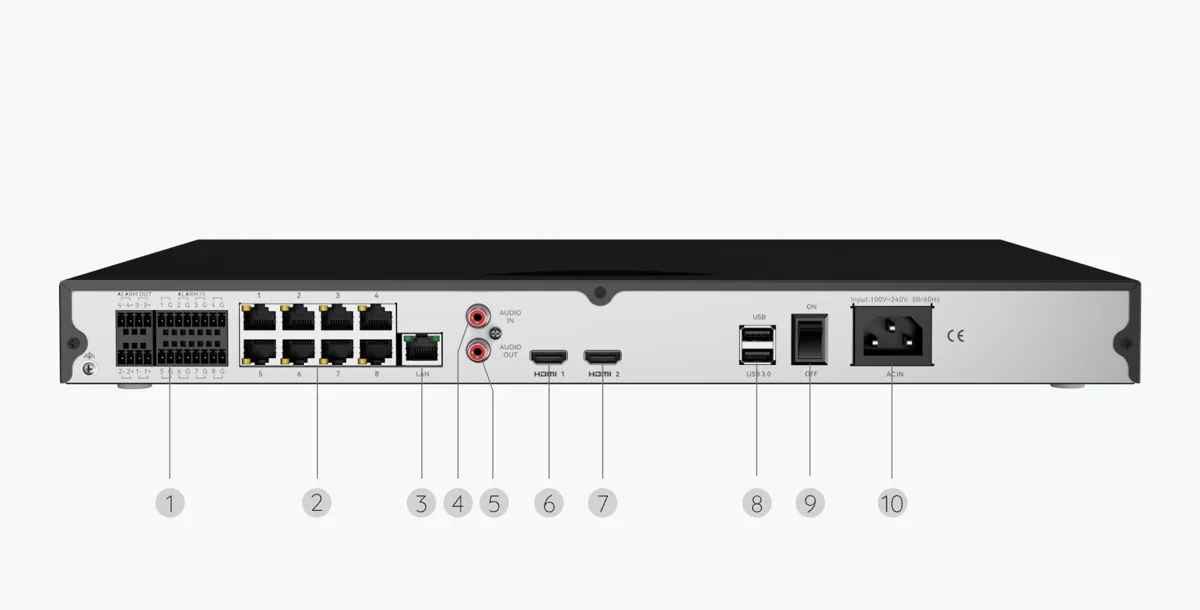
Partner product photo: the back of a network recorder with its ports numbered. The power input, network jack and video outputs here are what get plugged into the battery backup and switch in a building's security closet, which is why that closet belongs on a shelf, not the cellar floor.
Building Specialists

Property Management Security for Queens Building Types

The same manager may oversee every one of these building types in a single week. What changes from one to the next is where the cable can go, which doors matter, who is on site, and what tenants expect.

Garden-apartment complexes

Low-rise buildings around shared lawns, from Jackson Heights and Sunnyside to the larger postwar campuses toward the Nassau line. Many entrances, long distances between buildings, courtyard doors exposed to weather, and a management or super's office that wants to see the whole site.

Prewar six-story elevator buildings

The walk-in rental stock of Elmhurst, Woodside, Jackson Heights, Kew Gardens and Astoria. One lobby, one small elevator, a buzzer riser through apartments, mailboxes in the vestibule and a cellar that floods in heavy storms.

Postwar Queens Boulevard buildings

The larger elevator buildings of Forest Hills, Rego Park and Briarwood, often with a parking lot or garage, a laundry room in the cellar, and an entry system that was modern in the 1970s.

New rental towers

Long Island City, downtown Flushing and Jamaica towers with app-based entry, package rooms, amenity floors, garages and several elevators, usually built with systems the management office did not choose.

Mixed-use storefront buildings

Apartments over stores on Roosevelt Avenue, 37th Avenue, Main Street, Steinway Street and Jamaica Avenue. Separate residential and commercial entrances, a shared cellar, and store tenants with their own cameras and alarms.

Two- to four-family rentals

Ridgewood, Woodhaven, Richmond Hill and Astoria houses converted to rentals. A single front door, a few apartments, no super on site, and a landlord who wants to see the door from a phone.

How the approach changes by building

Building typeMain security concernWhat usually works
Garden complexMany doors, long distancesFobs on every courtyard and building door, one recorder per campus linked between buildings, gate-level visitor panel
Prewar six-storyOld riser, vestibule mailboxesRepair or reuse the riser where sound, controlled mailroom door, lobby and cellar cameras
Postwar Queens Boulevard buildingParking and laundry, aging entryLobby panel replacement, readers on laundry and parking doors, lot cameras
New towerLocked-in platforms, subscriptionsTransfer administrator accounts to the owner, document the system, add floor control and package-room access
Mixed-use storefrontShared cellar, separate tenantsSeparate access groups for commercial and residential doors, cellar camera
Small rental houseNo staff on siteVideo doorbell or small panel with phone answering, one or two cameras, smart locks for units where wanted

Landmarked buildings in a Queens portfolio

Parts of Jackson Heights, Sunnyside Gardens and other Queens neighborhoods are designated historic districts. The Jackson Heights Historic District, designated in 1993, was built mostly between 1914 and 1939 and is described by the Historic Districts Council as the first and still the largest garden-apartment community in the United States (Historic Districts Council). New cameras or entry panels on the facades of buildings in a historic district need a permit from the Landmarks Preservation Commission, so we plan mounting locations with that in mind and keep street-facing hardware small and close to door openings. Interior work and ordinary repairs are generally not affected.

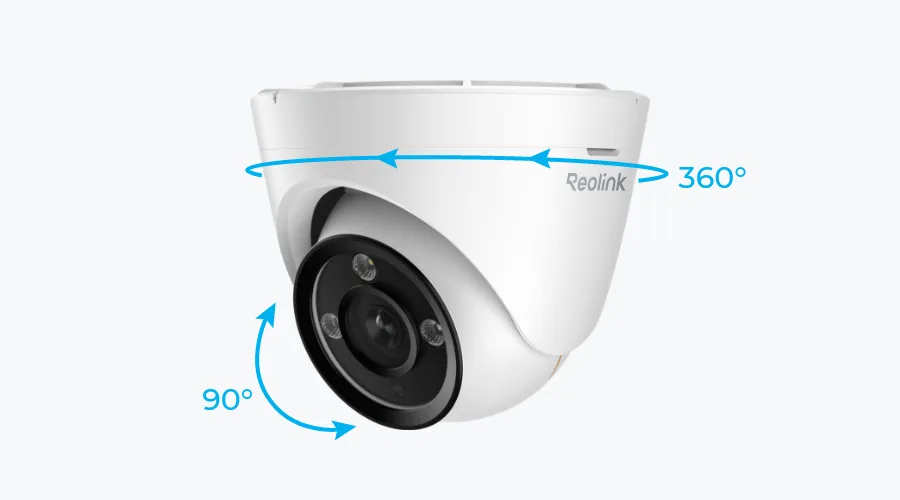
White turret camera with arrows showing 360 degree pan and 90 degree tilt, partner product photo, for Queens property management security
Partner product photo: a turret camera with its adjustment range marked. On a historic-district facade, being able to mount the camera tight against the door frame and still turn the lens toward the walk is what keeps the hardware small and discreet.
Commercial Portfolios

Commercial Property Management Security in Queens

Many Queens management firms also run commercial property: neighborhood retail strips, office floors above stores in Flushing and Jamaica, medical offices on Queens Boulevard, and warehouses and light-industrial buildings in Long Island City, Maspeth and around the airport. The systems are the same family: access control on staff and tenant doors, cameras, alarms with central-station monitoring, and the cabling that connects them. What changes is the schedule, since commercial tenants often want work done outside their business hours, and the tenant mix, since each tenant may have its own alarm company, its own cameras and its own key list.

In a mixed-use or multi-tenant commercial building, the manager's job is to keep the building-wide systems and each tenant's own systems from getting in each other's way. We usually suggest that the owner controls the shared doors, cellar, roof and loading areas on one access system, that each tenant controls its own suite door, and that any tenant camera that sees a shared space is documented so footage requests go to the right party. Warehouses and loading docks follow the same idea at a larger scale, with readers on staff doors, cameras on docks and yard, and alarms on overhead doors.

Points that come up on commercial and mixed-use jobs

  • Egress hardware: doors on mag locks need a sensor or exit device that releases them, must unlock on power loss, and must release on fire alarm activation where a fire alarm is present (NYC Building Code §1010.1.9.8 and §1010.1.9.9).
  • Work hours: construction-type work is generally limited to weekdays from 7 a.m. to 6 p.m. without an after-hours authorization (NYC DEP); most of our low-voltage work is quiet, and we schedule anything noisy inside those hours.
  • Insurance: the certificate of insurance is issued to the owner's and manager's requirements when the job is awarded.
  • Tenant coordination: work inside a leased suite goes through the tenant, with the manager copied.
Rack-style sixty-four-channel network video recorder, partner product photo, for large Queens campuses and commercial property management security
Partner product photo: a sixty-four-channel recorder with several drive bays. A recorder of this size suits a garden campus, a commercial strip or a warehouse where dozens of cameras report to one management office.
Vendor Setup

Becoming Your Security Vendor: W-9, Insurance on Award and Service Agreements

Management companies onboard vendors the same way whether the vendor is a plumber or a security contractor, and we fit into that process rather than asking you to change it. When a firm wants to add us as a property management security vendor, we complete the vendor packet, provide a W-9, and register in whatever vendor or work-order system the firm uses. Signed documents come back through e-signature, so a vendor file can usually be completed without anyone printing anything.

Insurance follows the award. When a building is awarded to us, we issue the certificate of insurance with the additional insureds and wording your firm and the owner require. We do not send a certificate with every quote, because most quotes do not become jobs and each certificate is written for a specific project and specific parties. If your firm has standing insurance requirements for all vendors, send them with the first request and we will confirm we meet them before you spend time on a walk-through.

Master service agreements are normal for us. If your firm uses a standard agreement for all trades, send it, and we will review it and sign or return comments. For a portfolio, the agreement usually sets how work orders are issued, how buildings are invoiced (often to each owning entity separately), and what documentation comes back at the end of each job. What we will not do is claim to be on any company's approved-vendor list before we actually are, or quote a preferred-vendor discount that has not been agreed.

Bids and requests for proposals are welcome too. Owners and boards sometimes want three comparable proposals for a building-wide upgrade. We respond to RFPs with a written scope per building, list exactly what equipment is proposed and why, and separate our price from anything the elevator company, electrician or a platform subscription adds, so the owner can compare bids line by line.

What a Queens portfolio vendor file usually contains

  • Completed vendor application and W-9 for Abstract Enterprises Security Systems
  • Proof of our NYS low-voltage license, #12000287431
  • Certificate of insurance issued on award, to each building's requirements
  • Signed master service agreement where your firm uses one
  • Billing instructions per building or per owning entity
  • On-site contacts and access instructions for each address
Service & Maintenance

Service Calls, Maintenance Agreements and What We Will Not Promise

Most of what a Queens property manager needs from a security contractor week to week is service: a buzzer line that went dead, a strike that stopped releasing, a reader that stopped reading, a camera that went black. Calls and texts to our Queens line are answered around the clock by our AI receptionist, and a person responds from 8 a.m. to 8 p.m. Eastern, seven days a week. Visits are booked within 2 hours of the request, in a two-hour arrival window, seven days a week with early-day visits, and they are scheduled first come, first served once the service call is paid. The technician arrives inside that window.

We are honest about what we do not offer. We do not promise same-day visits. We do not sell guaranteed response times or service level agreements. We do not offer round-the-clock emergency dispatch. And we do not run a virtual doorman, a remote video monitoring service or a managed-security subscription. A manager who needs a person watching a building at night needs a guard company or a monitoring provider, and we install and maintain the equipment that provider would use.

Property management security maintenance agreements are available for one building or a whole portfolio. The terms and price are set after a site survey of the buildings included, because a garden campus with forty doors and a walk-up with one are not the same commitment. A typical agreement covers scheduled visits to check doors, strikes, power supplies, batteries, readers, cameras and recorders, firmware where the manufacturer recommends it, and a written note of anything that is wearing out. Tenants contact the management office, not us; the office decides what becomes a work order.

Warranty terms are the same across every building. Our labor carries the 30-day warranty listed on our site, and one-year or longer coverage is available as a paid add-on. Manufacturer warranties on equipment belong to the manufacturer. Full terms are set out in the service agreement, and the paperwork is the same for every address in the portfolio.

After storms, surges and vandalism

Weather and vandalism account for a large share of property management security repair calls in Queens. Heavy rain floods cellars where transformers and recorders sit, summer storms send surges down long outdoor cable runs between garden buildings, and entry panels on busy avenues get kicked, pried and spray-painted. After a storm, the service call identifies what failed and why; where flooding was the cause, we recommend moving equipment up before replacing it. For outdoor runs between buildings, surge protection at each end is inexpensive compared with replacing a recorder. For panels that keep getting damaged, vandal-resistant housings and a camera aimed at the panel itself usually end the pattern.

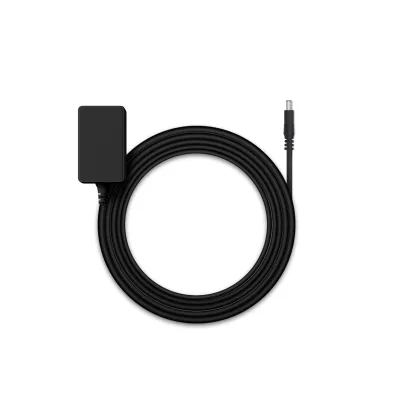
Black plug-in power adapter with long cord, partner product photo, for a single camera in Queens property management security
Partner product photo: a plug-in power adapter for a single camera. When one camera in a building goes dark, a failed adapter like this one, or a tripped outlet behind it, is among the first things a technician checks.
Your Questions Answered

Property Management Security in Queens: Questions Answered

Queens managers tend to raise these in a first meeting, usually in roughly this order: how one contractor copes with very different buildings, then campuses and storefront properties, then tenants, then upgrades and subscriptions, and finally weather and the seasons.

A wide range of buildings

Our portfolio runs from two-family rentals in Ridgewood to a large tower in Long Island City. Can one contractor really service both ends of that range?

Yes, and that range is normal in Queens. The skills overlap more than people expect: a two-family house needs a door that locks, a way to see and answer visitors, and perhaps two cameras; a tower needs the same things multiplied, plus floor control, package rooms and more careful administration. What changes is the scale of the paperwork and the coordination. Small houses get a short scope and often a phone quote for labor when the owner already has the equipment. Towers get a full walk-through, a written scope and coordination with the elevator company and the building's staff. Both go into the same vendor file and get the same service number.

Is it better to replace a failing system at one building now, or wait and replace a group of buildings together next year?

If the failing building has open violations or tenants who cannot reliably get in, fix that building now, either by repair or by replacement. Grouping only pays when buildings can genuinely share a platform, an ordering schedule and installation days. What we often suggest is a middle path: repair the failing building enough to make it reliable this year, choose the platform the whole group will move to, and make sure any new hardware bought for the failing building is from that platform. Next year's group project then picks up where this year's repair left off instead of replacing it.

Can one management login cover buildings that are owned by different LLCs?

Technically, many cloud access and camera platforms can put several sites under one management account. The better practice is to set each building, or each owning entity, up as its own site with the master account in the owner's name, and give the management company working access to all of them. That keeps the owner in control if a building is sold or changes managers, and it keeps one owner's tenants and footage separate from another's. Your staff still see all their buildings from one place.

Campuses, parking and storefronts

Should a multi-building rental campus record everything on one central recorder or keep a recorder in each building?

It depends on how the buildings are linked. If there is a reliable cable or fiber path between the buildings, one larger recorder in the management office is easier to administer and to search after an incident. If the links are long, exposed or unreliable, a recorder in each building keeps recording even when a link fails, and the office views them all through one interface. On many Queens campuses we end up with a mix: a central recorder for the buildings around the office and separate recorders in the far buildings.

Our complex's parking lot is next to a shopping strip. How do we keep tenant spaces for tenants?

Put the lot entrance on access control. A gate or barrier with a reader lets tenants in with the same fob they use on the building door, or with a vehicle tag if the owner prefers. Visitors call from an entry panel at the gate. A camera at the entrance set to the lane, and a second covering the lot, document who came in and when. We install the access control, panel and cameras; the gate operator itself comes from a gate contractor, and any new power for it comes from the building's electrician.

A store tenant on the ground floor has its own alarm company. Can its system and ours share the building's doors?

They can coexist, but they should not share a door. Give the store its own entrance and its own alarm, and keep the building's shared doors, such as the cellar, the rear corridor and the roof, on the owner's access system. Where the store's staff need the cellar, they get credentials in the owner's system for that door only, during their hours. Each alarm company then monitors only what it is responsible for, and a store alarm event does not depend on the residential side, or the other way around.

Tenants

Several tenants in one building have no smartphone. Can the intercom still ring their apartments?

Yes, if it is chosen with them in mind. Many current entry systems can ring an apartment station on the wall, a regular phone number, or an app, and a building can mix all three. When we propose a new system for a rental building, we ask how many apartments will need a station or a phone-line connection and price those in from the start. Moving a building fully to app-only answering when some tenants cannot use an app creates complaints and, under the intercom requirements for larger buildings, can leave apartments without a working way to answer the door.

A tenant asked for hallway footage after a dispute with a neighbor. Do we have to hand it over?

That is a question for the owner's counsel, and we do not give legal advice. What we can do is make whatever policy the owner sets easy to follow: limit who can export footage, keep a record of exports, and set retention so footage exists long enough for the owner to decide. Many owners provide footage to police on request and to tenants only through counsel or by subpoena. Having that policy written down before the first request arrives saves a manager from deciding under pressure.

Our walk-up has no elevator and no live-in super. What is the minimum that keeps the front door dependable?

A door that closes and latches on its own, a strike or lock that holds, a power supply with a little headroom, and an entry panel that can be answered from the apartments. Add battery backup if the door uses a mag lock. Add one camera covering the vestibule and mailboxes, viewable from the management office. That combination keeps the building compliant with the self-closing, self-locking entrance requirement for class A multiple dwellings and gives the office a way to see what happened when a tenant calls. For a small building, a lot of reliability comes from the closer and the strike, not the panel.

Upgrades and subscriptions

A new Long Island City rental came with a cloud intercom and a monthly platform fee. Can we keep the hardware and change the subscription?

Usually the hardware and the cloud service come as a pair: the panel is built to work with its maker's platform, and dropping the subscription may disable remote answering, apps or management. What can often change is who holds the account and who pays. Many developer-installed systems were registered to the developer or the original integrator; the first job is to transfer the master account to the owner. After that, the owner can compare the subscription cost with replacing the panel with something else, and we show both sides in writing.

When does repairing an old intercom stop making financial sense in a rental building?

When the same building needs a service call every few months, when parts are no longer made, or when the repairs needed in the next year add up to a large share of a replacement. Riser faults are the turning point we see most in Queens prewar buildings: one riser repair is worth doing, but a riser that fails on a different line every season usually means it is time to stop paying for repairs and plan new cable or a system that avoids the riser. We show the repair cost and the replacement cost side by side so the owner can decide.

Weather, power and seasons

What fails first after a power surge or a nearby lightning strike, and how is it prevented?

The parts connected to long outdoor cable runs usually go first: gate panels, cameras on detached buildings, parking lot readers, and the switch ports or recorder inputs they connect to. Power supplies and transformers in the cellar are next. Prevention is modest: surge protection on outdoor runs at both ends, a battery backup with surge protection for the recorder and access controller, and good grounding. After a surge, the service call identifies what was damaged; if a building takes repeated hits, we put the protection in before replacing the same parts again.

What should a fall walk-through of our buildings check before the heating season?

Doors first: closers adjusted for cold weather so doors still latch, strikes aligned, weatherstripping that is not stopping the door from closing. Then power: backup batteries tested and replaced if weak, power supplies checked under load, and anything in the cellar lifted off the floor. Then cameras: lenses cleaned, heaters working in outdoor housings where they exist, infrared not reflecting off cobwebs, and recorders actually holding the retention the owner expects. Finally the package room, since the holiday rush follows right after.

Is a class C intercom violation handled differently from a class B one?

The repair is often the same; the deadline is not. HPD gives owners 30 days from service to correct a class B condition and, for most class C conditions, 24 hours (NYC HPD). In Queens in 2025, almost all intercom-related violations were class B. For a class C, call or text as soon as the notice arrives and tell us it is a class C; we book within 2 hours on a first-come, first-served basis once the call is paid, and the paperwork from the visit describes the correction so the office can certify it.
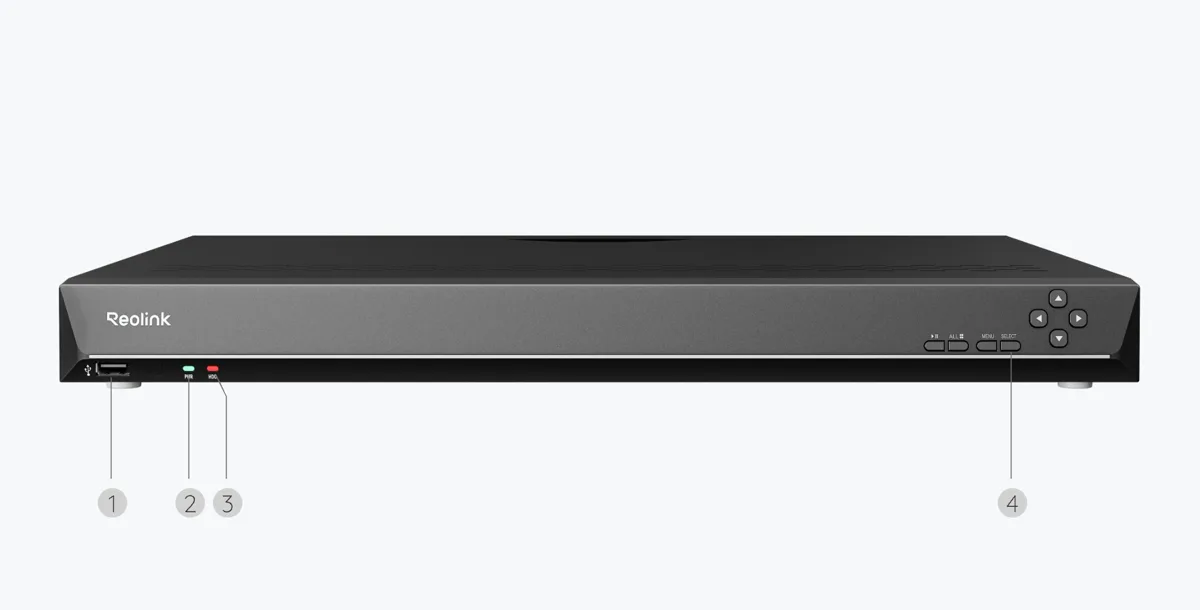
Rear of a sixty-four-channel network video recorder showing network, video and power ports, partner product photo, for Queens property management security
Partner product photo: the rear panel of a large recorder. On a Queens garden campus, the network ports on a unit like this are where links from the outlying buildings land, which is why each link gets surge protection before it reaches the recorder.
Equipment

Types of Property Management Security Equipment We Install in Queens

The hardware behind property management security is the same handful of categories in every building; what differs is the size and the brand mix. We install our house-brand equipment by default and the major brands when an owner asks for one or a building already uses one, and we service what is already in place. Brand names stay out of the scope until a manager asks, because the right choice depends on the building, not on what we happen to stock.

Entry panels

Audio or video panels with a directory, keypad or call buttons, in surface or flush housings. Courtyard and gate panels are built for weather; lobby panels can be matched to a renovated finish.

Apartment answering

Stations on the wall, phone-line answering, or an app on the tenant's phone, alone or mixed in one building.

Readers and credentials

Fob and card readers, keypads and mobile credentials. Biometric readers only where the owner chooses them and the Tenant Data Privacy Law steps are in place.

Door hardware

Strikes and mag locks matched to the frame, with the exit button, motion release and door contact each courtyard or lobby door needs to stay legal for egress.

Controllers

Access controllers in a locked enclosure with battery backup, and the interface to the elevator controller where floor control is part of the job.

Cameras

Domes for lobbies and corridors, turrets for doors, bullets and zoom bullets for lots and driveways, pan-tilt cameras for courtyards and wide outdoor areas.

Recorders

Network video recorders sized from a single building to a full campus, with drives sized to the retention the owner sets.

Alarm panels and sensors

Door and motion sensors, keypads and panels for offices, storefronts, storage rooms and vacant units, with central-station monitoring.

Network and power

Switches that power cameras over the data cable, fiber or outdoor-rated runs that bridge separate buildings, surge arrestors at both ends, and batteries that keep the closet alive in a blackout.

Local or cloud-managed, in plain terms

A locally managed system keeps its brain and its records in the building: the controller holds the fob list, the recorder holds the video, and the office logs in over the internet when it needs to. It has no platform fee and keeps working if the internet goes down, but each building is administered on its own. A cloud-managed system keeps the fob list and settings on the maker's servers, which lets a manager run every building from one screen and add a tenant from a phone, at the cost of a subscription and a dependence on the internet for some functions. Many Queens portfolios end up with both: cloud management for the access side, where convenience matters most, and local recording for video, where the volume of footage makes cloud storage expensive. We put any platform fees in the quote, separate from installation, so the owner sees the running cost before deciding.

Owners and managers who buy equipment for their own buildings can find our equipment-only options on the Queens security cameras page; we can also quote installation labor for equipment the owner already bought.

AI Reality Check

What AI Gets Wrong About Property Management Security in Queens

AI summaries and national cost guides describe property management security as if every building were a suburban office park. Here is what they tend to get wrong for Queens portfolios.

"Every building should move to an app-based intercom."

Not in a borough where so many tenants are older, speak little English or do not use smartphones. App answering is useful, but a rental building needs a way for every apartment to answer the door. The right system lets the building mix stations, phone lines and apps.

"Security costs are best budgeted per unit."

Per-unit figures ignore what actually drives a Queens job: how many doors there are, whether the riser can be reused, how far apart the buildings sit on a campus, and whether the elevator company is involved. A 48-unit garden building with six entrances can cost more to secure than a 120-unit tower with one lobby. We price per building after a walk-through.

"Cameras deter crime, so more cameras means fewer incidents."

Cameras help identify people and settle disputes. Whether they prevent anything depends on placement, lighting and whether anyone looks at the footage. In the Forest Hills burglary reported by QNS in October 2025, the camera in the lobby recorded the man waiting on the couch; it did not stop him. Good placement on the few spots that matter is worth more than a large count of cameras aimed at walls.

"A landlord can require fobs or face recognition for every tenant."

Not for a tenant's own apartment. New York City's Tenant Data Privacy Law bars owners of class A multiple dwellings from requiring tenants to use smart access to enter their own unit, and it sets rules on consent, data retention and privacy policies for any smart access system. Biometric readers in particular need care.

"Your security contractor can wire in the new gate motor and the outlet for the recorder."

A low-voltage contractor handles the low-voltage side. New high-voltage circuits and outlets are an electrician's work, and in our case always the building's electrician. A proposal that hides that line is going to grow later.

"Professional security companies guarantee round-the-clock response."

Some promise it; what a building actually needs is a contractor who books quickly and fixes the cause. We book within 2 hours, seven days a week, with early-day visits, first come, first served once a call is paid. We do not sell guaranteed response times, and we say so up front.

"Flood damage to security equipment is bad luck."

In Queens it is predictable. Ida showed how quickly cellars fill in an extreme rain, and a recorder or transformer mounted at floor level in the boiler room is a known risk. Raising equipment and putting the battery backup on a shelf costs very little compared with replacing it.

Talk to a Technician About Your Queens Buildings

Send us your Queens addresses with a line on what each one is doing wrong. You will hear back which faults are repairs, which systems are at the end of their life, and where we would begin.

Get In Touch

Request a Free Quote for Your Queens Buildings

A single Astoria rental or forty addresses from Long Island City to Glen Oaks: either way, start by listing the buildings, their rough size and the one giving you the most grief. A repair is a $250 service call, and anything new begins with a free walk-through. If you would rather talk it through, call or text (347) 434-6392.

✅

Request Sent!

Received. Expect a call or text from us to pick the day and arrival window for the Queens walk-through or repair.

How It Works

Our Installation Process for Queens Property Managers

Every Queens job follows the same eight stages. A straightforward repair compresses stages one, two and eight into a single trip.

01

Share the property list

Addresses, how many apartments and doors each has, the current complaints, and the name of whoever can open the cellar.

02

Booked within 2 hours

Monday through Sunday, we set a date and a two-hour window, as early in the day as the calendar allows. Broken equipment means the $250 service call; new equipment means a free look first.

03

Vendor file and building access

Our paperwork reaches your vendor desk while the super lines up keys to the cellar and roof and posts any notice tenants need.

04

Walk every door

Gates, courtyard doors, every stair hall, the cellar and boiler room, the roof bulkhead, the elevator machine room alongside the elevator mechanic, and a few apartments on separate lines.

05

Written scope per address

Each address gets its own priced scope, all in matching columns, with a cover sheet totaling the group for the owner.

06

Award, insurance and deposit

Once the owner approves, the insurance certificate goes out to your firm's requirements. Parts are bought after the deposit clears, and anything special-order is scheduled only when it is in hand.

07

Install, program and test

One building at a time, one riser line at a time where apartments are involved, with the super present for the final test of each door, station, reader and camera.

08

Handover and records

The office and super learn the software, master accounts are registered to the owner, and a written record lists every device, setting and cable route that is not obvious.

Field Notes

Field Notes: What We Check First in a Managed Queens Building

On a first visit to a Queens building we do not start at the lobby panel. We start at the doors nobody watches: the courtyard door in a garden building, the side door to the parking lot, the cellar door the porter uses for trash. If those doors do not close and lock on their own, nothing on the front panel matters much. A closer that has been left too weak after a summer adjustment, a strike that has been beaten until it barely catches, or a door held with a wedge because the reader stopped working months ago tells us how the building really runs.

The second stop is wherever the equipment lives. In prewar Queens buildings that is often a shelf in the boiler room or a box under the cellar stairs; in garden complexes it may be a closet in one building feeding several others; in new towers it is usually a proper closet with a rack that the management office has never been shown. We look at the power supplies and transformers, check whether anything is on battery backup, note whether the recorder's drive is full, and ask whether anyone has the administrator password. We also look at the floor: water stains, rust on the bottom of enclosures, and equipment sitting on milk crates are signs that the closet has flooded before.

Only then do we test the lobby, ride the elevator, check a sample of apartments on different lines and walk the roof door. The manager gets a short list at the end: what is failing now, what is aging and should be budgeted, and what can wait. For garden campuses we also mark which buildings are already linked to each other and which would need a new outdoor or fiber link before any shared system is possible.

For Tenants

Working in Occupied Queens Buildings: What Tenants See and What the Office Sends Them

Almost every property management security job in Queens happens with tenants at home. That shapes the schedule, the notices and how the work is broken up, and it is worth planning before the scope is signed rather than after.

Before the work

If the job touches apartments, such as new stations or rewiring on a riser line, city rules call for written notice at least a week ahead, with access during weekday business hours unless a tenant agrees to another time (28 RCNY §25-101). We give the office the list of affected apartments, the expected time in each and the dates by line, so the notice can be precise. For lobby-only work, a posted notice in the lobby and on each floor is usually enough. Where buildings have tenants who read other languages, the office sends the notice in those languages too.

During the work

The front door stays usable throughout. When a lobby panel is replaced, the old one stays live until the new one is ready, or the door is set to a temporary mode the super controls. Apartment work is done line by line, so a tenant on the A line is not waiting for the F line to finish. Our technicians arrive inside the scheduled two-hour window, never earlier, and the super or porter knows who is coming.

After the work

Tenants need short, clear instructions: how to answer the door, how to open it for a visitor, what to do if a fob stops working, and who to call, which is the management office rather than us. We provide a one-page guide for the office to translate and post, and we train the super so the first questions are answered in the building. If the building is moving to fobs or app access, the written privacy policy required by the Tenant Data Privacy Law goes out with the credentials.

Privacy questions tenants ask

The most common are whether cameras record sound, who can see the footage, and how long it is kept. We leave audio off by default, give footage access only to the people the owner names, and set retention to the owner's policy. The office answers the tenants; we make sure the system does what the office says it does.

Local Landmarks

Property Management Security Near Queens Landmarks

Queens neighborhoods differ enough that the building stock around a landmark says a lot about the security work nearby. These landmarks are named for orientation only; none of them is a client, and we do not name the buildings we serve.

LeFrak City, Corona and Elmhurst

Twenty 17-story towers on 40 acres between Junction Boulevard and 99th Street, north of the Long Island Expressway, with 4,605 apartments built between 1962 and 1971 (Wikipedia). The surrounding blocks are full of six-story rental buildings from the same and earlier eras, many still on their original buzzer systems.

Jackson Heights Historic District

Garden-apartment blocks built mainly from 1914 to 1939 around interior gardens. Courtyard doors, multiple stair-hall entrances and landmark rules on facade hardware are the defining security issues here.

Main Street, Flushing

One of the busiest commercial corridors in the city, lined with mixed-use buildings that have stores below, apartments or offices above, and newer towers with package rooms and app-based entry.

Austin Street and Queens Boulevard, Forest Hills

Prewar and postwar elevator buildings, many with parking lots behind and laundry rooms in the cellar, a mix of rentals, co-ops and condos often under the same managing agents.

Court Square and Hunters Point, Long Island City

New rental towers with cloud entry systems, garages, amenity floors and several elevators, alongside older walk-ups and light-industrial buildings converted to offices.

Jamaica Center and Jamaica Avenue

A growing downtown of new rental buildings next to older storefront blocks, with heavy foot traffic and commercial tenants sharing buildings with residents.

We also serve managed buildings in Astoria, Sunnyside, Woodside, Rego Park, Kew Gardens, Briarwood, Fresh Meadows, Bayside, Whitestone, Ridgewood, Woodhaven, Richmond Hill, Ozone Park, the Rockaways and the rest of the borough.

Pricing

Property Management Security Cost in Queens

Budgeting property management security in Queens comes down to two entry points. Anything broken is diagnosed on a $250 service call, which pays for a quick fix outright and is deducted from the invoice if the repair grows. Anything new is priced on paper after we have walked the building at no charge. The table collects the Queens figures already published on our service pages; for the rest, the doors, cable and distances at each address set the number.

What you are buyingHow it is priced in Queens
Intercom, buzzer, release, reader, camera or alarm repair$250 service call, credited toward a larger repair
Apartment station replacement$250–$525 (Queens door buzzer repair page)
Electric strike with alignment$450–$950 (Queens door buzzer repair page)
Riser repair in an occupied building$850–$2,400 (Queens door buzzer repair page)
Single door with reader and strike$1,500–$2,500 (Queens access control page)
Elevator floor controlFrom $1,575 per car, Level 1; from $2,625 per car, Level 2; elevator company's work priced by them
Four-camera 1080p systemStarting at $950 (Queens camera pricing page)
Alarm central-station monitoring$30 a month keypad-only, $45 a month with the app
Entry system upgrade or replacementWritten quote after a free on-site assessment
Maintenance agreement for one or more buildingsQuoted per portfolio after a site survey
Equipment the owner already boughtLabor quoted by phone or text

What moves the price in a Queens building

  • Door count: a single lobby, or a street gate plus courtyard, stair-hall, laundry, parking and cellar doors.
  • Distance: on a campus, the links between buildings can cost more than the equipment in them.
  • Riser condition: reusable wiring versus new cable through occupied apartments.
  • How tenants pick up: a wall unit per apartment costs more than routing calls to existing phones or an app, and most Queens rentals end up needing some of each.
  • The doors themselves: a sagging courtyard door or a bent frame has to be squared by a door contractor before any lock will hold.
  • Elevator scope: the elevator company's interface work, priced separately.
  • Platform fees: cloud-managed systems carry subscriptions, shown separately from installation.
  • Lead times: some panels and readers are built to order; we buy them once the deposit is paid, and the install date waits for the shipment.

Financing is available through Wisetack, subject to approval. Full terms — including 50% deposit, one-year parts-only warranty on Abstract Enterprises Security Systems-supplied products, and the late-fee schedule — are set out in the service agreement.

Shop Our Systems

Portfolio Security Projects & Pricing: Three Ways Queens Managers Start

Queens managers rarely hand over the whole list on day one. Nearly every portfolio we look after began with one of the three moves below, and each is quoted only for the addresses it covers.

Fix

The building with the most complaints

Send us the address with the open violation or the loudest tenants. The $250 service call ends with a written explanation of the fault and a price to fix it.

Standardize

One platform across a group

Pick a group of addresses, say every six-story building in one neighborhood, and move them onto one credential system and one style of lobby panel. Each address still gets its own walk-through and price.

Maintain

Scheduled portfolio service

Visits on a calendar to the addresses you pick, with the scope and the price written only after we have surveyed them.

Panels or cameras already purchased? Labor for owner-bought equipment is quoted over the phone or by text and scheduled once the deposit is in. The maker's warranty covers that hardware, and how it performs is between the owner and the seller.

Complete Services

Every Property Management Security Service in Queens

Intercom pricing

Published ranges for fixing an old entry system and for putting in a new one.

Door buzzer repair pricing

What the service call covers on buzzers, releases and strikes, with the published ranges.

Smart lock installation

Electronic locks for rental apartments, vacant units and offices in Queens.

Akuvox vs ButterflyMX

Two video entry platforms Queens managers often compare, side by side.

Apartment intercom systems

How apartment entry systems work in New York City rental buildings.

Free quote

Send the property list and get a written plan back.

FAQ

Queens Property Management Security FAQ

Can you meet the owner's architect or engineer on site during a renovation?
+

Yes. When a lobby, entrance or cellar is being renovated, the best time to plan entry panels, readers, cameras and cable paths is before the walls close. We walk the space with the architect, engineer or general contractor, mark backbox and conduit locations, and give them a list of what we need from their trades, such as power from the electrician and door preparation from the door supplier. That avoids opening a finished wall later.

Do you repair intercoms and cameras damaged by flooding?
+

Yes. After a flood, the $250 service call identifies which power supplies, transformers, recorders or panels were damaged and whether the cable survived. Water-damaged electronics are usually replaced rather than dried out. Before replacing anything that sat on or near the cellar floor, we recommend moving it to a wall-mounted enclosure or a shelf so the next storm does not repeat the bill.

Is the assessment free when we ask you to look at several buildings at once?
+

Yes. The on-site assessment for a new or replacement system is free for each building, whether you ask about one address or ten. We schedule the walk-throughs to group nearby buildings on the same day where we can. The $250 service call applies only when something needs to be diagnosed and repaired.

Do you install electronic package lockers?
+

We do not sell package locker systems. We install the reader-controlled doors, delivery codes, cameras and cabling for package rooms, and where a building buys lockers from a locker company, we can run the power and network connection they need and coordinate access with that vendor where the locker maker supports it.

Will our electrician need to be involved?
+

Only when the job needs new high-voltage power, such as a new outlet in a security closet, a circuit for a gate operator, or power at a new panel location where none exists. We do not do electrical work, so those items go to the building's electrician, and we list them in the written scope so the owner knows about them before approving the job.

Can you set up a virtual doorman for one of our buildings?
+

We do not run a virtual doorman service. We install and maintain the entry panels, cameras, readers and door hardware that a virtual doorman or remote concierge provider uses, and we can work with a provider the building has chosen. The staffing, monitoring and contract come from that provider.

How do we reach you when a building problem comes up after 8 p.m.?
+

Call or text the Queens number. Our AI receptionist answers calls and texts around the clock and books service, and a person responds from 8 a.m. to 8 p.m. Eastern, seven days a week. Visits are booked first come, first served once the service call is paid, with early-day arrival windows. We do not offer emergency overnight dispatch.

Do you service intercoms in two- and three-family rental houses?
+

Yes. Small rental houses are common in a Queens portfolio, and they usually need a reliable door, a way for each apartment to see and answer visitors, and sometimes a camera or two. Repairs start with the $250 service call. If the owner already bought a video doorbell or a small entry kit, we quote the installation labor by phone or text.

Can a new entry system use the wiring already in the walls?
+

Often. Many current panels can work over existing two-wire or multi-wire risers, which avoids pulling new cable through occupied apartments. Whether that is possible depends on the condition of the wiring and the system chosen, so we test the existing cable during the walk-through and say in the scope whether it will be reused or replaced.

How will our super know your technician is legitimately from you?
+

The booking confirmation goes to the contact you give us with the date and the two-hour arrival window, and the technician arrives inside that window, never earlier. If the super is unsure, they can call or text our Queens number to confirm the visit before letting anyone into the cellar, roof or apartments.

All Areas Served

Property Management Security Across New York City

Few of the firms we serve manage Queens alone; most also hold buildings in other boroughs or outside the city, and they keep one vendor file with us for all of it. Our citywide property management security overview explains how that works across New York City, and the Abstract Enterprises Security Systems home page has every service we offer. Managers with buildings across the river can go straight to the Manhattan property management security page, the Brooklyn property management security page or the Bronx property management security page.

Managers in the rest of our service area can read Staten Island, Long Island and the Hudson Valley. Still on the way: separate pages for Nassau and Suffolk counties, and Westchester , Rockland , Orange , Putnam , Dutchess and Ulster each getting their own. Buildings there are already covered today: just call or text. Owners who self-manage rental buildings in this borough will get their own guide too, on apartment building security systems in Queens .