What are you looking for?
About Us Contact Us Careers Get a Free Quote (800) 486-0943
Pick a service
✅ Got Your Own System?
🎬 Home TheatreQuote 🎶 AV SoundQuote 🔑 Access ControlQuote
Now pick your area
Pick your area
Long Island
Hudson Valley
Services available
Pricing & Tools
Pick a service for pricing
🚪 Intercom Pricing 🔔 Buzzer Repair Pricing
Calculators
📹 Camera System Calculator 🚨 Alarm Calculator ⚡ Cabling Quote Builder ✅ Got Your Own System?
Select your area
Managing Manhattan buildings and need one security vendor for intercoms, fobs and cameras across the portfolio? Call or text (929) 560-0737
Home › Property Management Security NYC › Property Management Security Manhattan
Licensed NYS Low-Voltage Contractor · For Property Managers, Managing Agents, Landlords & Owners

Property Management
Security in
Manhattan

Intercoms · Key Fobs · Cameras · Elevator Access · Package Rooms · Service Calls

Property management security in Manhattan starts with a $250 service call for repairs, and new intercom, access control and camera systems are quoted building by building after a free on-site assessment. We work for management firms, managing agents, landlords and owners who run a mix of doorman towers, prewar elevator rentals, walk-ups and mixed-use buildings with stores on the ground floor, and we keep every building in the portfolio on one vendor, one scope format and one phone number.

Quick answer: Abstract Enterprises Security Systems is a licensed low-voltage contractor that installs, repairs and maintains the security hardware a Manhattan property manager is responsible for: lobby and service-entrance intercoms, door releases and buzzers, fob and card readers, elevator floor control, cameras for lobbies, package rooms and cellars, burglar alarms and the cabling behind all of it. A repair starts with the $250 service call, which counts toward the bill if the fix turns into a bigger job. New systems are priced per building after a free walk-through. We book within 2 hours, seven days a week, register as a vendor with your firm, and issue the certificate of insurance once a job is awarded.

Last updated November 27, 2026 by Abstract Enterprises Security Systems, NYS license #12000287431 · Sources: NYC HPD property registration and Tenant Data Privacy Law pages; HPD ABCs of Housing for owners; NYS Multiple Dwelling Law §50-a; NYC Admin. Code §27-2043; LPC Permit Guidebook ch. 11; Manhattan Borough President e-commerce report, Oct 2022; The Cooperator, Sep 6, 2018; Our Town, Jan 9, 2025; NYC DEP and DOB rule pages (links in each section)

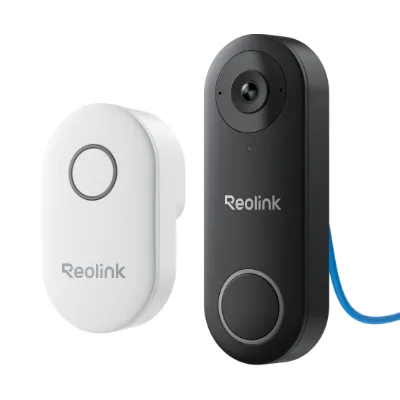
Property management security Manhattan: wired PoE video doorbell and plug-in chime, product photo, for single-entrance brownstone rentals and office doors
Partner product photo: a wired PoE video doorbell with its plug-in chime. For a brownstone rental or a single office door, this can be all the entry hardware a door needs; multi-apartment lobbies get a full entry panel.
Manhattan Property Security Quote
One building or the whole portfolio: tell us what you manage

✅
Request Sent!
Thanks. We will call or text to set up the first visit to your Manhattan building.
2002
Owner-Operated Since
2 Hr
Booked Within
$250
Service Call
4.7★
201 Google Reviews

Owner-operated since 2002 · Thousands of jobs completed · Booked within 2 hours. Call or text (929) 560-0737 or send the portfolio quote form.

  • One vendor for entry, access, elevator readers, cameras and alarms in every building you manage
  • The same written scope layout for each address, so owners can compare buildings side by side
  • Licensed NYS low-voltage contractor, insured, rated 4.7 out of 5 across 201 Google reviews
The Neighborhood

Why Manhattan Property Managers Need One Security Vendor for the Whole Portfolio

A Manhattan management firm rarely runs one kind of building. The same account executive might oversee a 30-story doorman rental near Lincoln Center, a five-story walk-up on East 11th Street, a prewar elevator building in Washington Heights and a mixed-use property in SoHo with a boutique on the ground floor and lofts above. Each of those addresses arrived with whatever entry system, fob readers and cameras the last owner or the last vendor chose. The result is a portfolio with six intercom brands, three fob platforms, recorders nobody can log into and a vendor list that grows every time something breaks. Property management security in this borough is mostly the work of turning that patchwork into something a small staff can actually run.

The paperwork side is just as real. Every residential building with three or more apartments has to be registered with HPD each year, and the registration names a managing agent, a natural person over 21 who is in control of and responsible for operating the building and who must have a New York City business address, according to HPD's property registration page. When a tenant calls 311 about a lobby door that will not lock, that registration is how the city finds the person responsible. HPD's guide for owners puts the duty plainly: owners must "provide and maintain security measures, heat, hot and cold water, and good lighting" (HPD, The ABCs of Housing for owners). Security sits in the same sentence as heat.

Manhattan adds friction a suburban manager never sees. Contractors get one freight elevator for a two-hour window. Supers guard the cellar keys. Landmarked facades limit where a camera can hang. Delivery volume has turned lobbies into warehouses, and the person at the front desk spends half the shift signing for boxes. Tenants in rent-regulated apartments, market-rate renters, commercial tenants and the owner's own staff all need different levels of access through the same handful of doors. Every one of those conditions shapes how a security job should be scoped, scheduled and paid for, and none of them shows up in a national product brochure.

That is the case for one property management security contractor across the portfolio. When the same company installs and services the intercoms, readers, elevator controls and cameras in every building, the manager gets one scope format, one set of administrator logins kept on file, one person to call when a tenant reports a dead buzzer, and spare parts that fit more than one address. We are that vendor for managers who want it, and we will just as happily take one building first so you can judge the work before handing over the rest. Each section below answers the question a manager usually asks about that system, then links to the Manhattan service page that covers it in depth.

Facts that shape security in a managed Manhattan building

  • Someone has to be named: HPD registration applies to every multiple dwelling of three or more units and to one- and two-family homes where the owner does not live, and the managing agent listed must keep a New York City business address and be reachable by phone at all times (NYC HPD).
  • Entrance doors are a legal requirement: Multiple Dwelling Law §50-a calls for self-closing, self-locking doors at street, cellar, court and yard entrances of class A multiple dwellings, and an intercom that lets each apartment talk to visitors and release the door in buildings of eight or more apartments erected or converted after January 1, 1968 (NY Senate, MDL §50-a).
  • Apartment doors have their own rule: the city's Housing Maintenance Code requires a key lock and at least one key for every apartment entrance door, and in class A buildings a heavy-duty latch set, a heavy-duty deadbolt and a chain door guard (NYC Admin. Code §27-2043).
  • Keyless entry carries data duties: under the Tenant Data Privacy Law, owners using fobs, apps or biometrics must give tenants a written privacy policy, get express consent, delete authentication data within 90 days unless anonymized, and may not require smart access to enter a tenant's own apartment (NYC HPD).
  • Deliveries never stopped growing: about 2.4 million packages are delivered across the five boroughs every weekday, and around 80 percent go to residential addresses, up from an estimated 40 percent before the pandemic (Manhattan Borough President, Oct 2022).
  • A lot of Manhattan is protected: the city counts more than 38,000 landmark properties, most of them inside 157 historic districts and extensions (NYC Landmarks Preservation Commission), and new cameras or intercom panels on those buildings need an LPC permit.
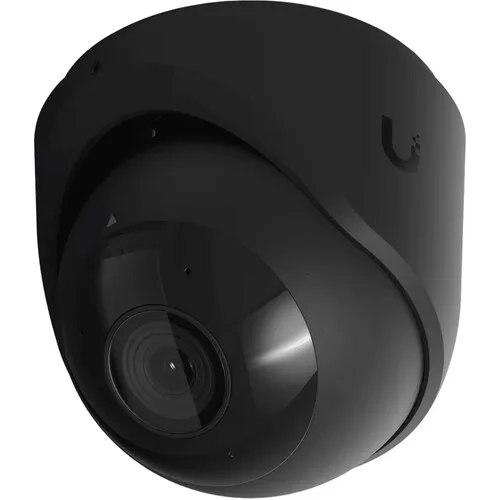
Black turret camera product photo for Manhattan property management security at building entrances and dark masonry facades
Product photo: a compact black turret camera. A dark housing blends into painted metal and dark stone at service entrances, which matters on prewar fronts.
What We Install

Property Management Security Services in Manhattan

These are the systems a property management company in Manhattan typically owns, inherits or has to keep working on behalf of an owner. We supply and install them, repair them, maintain them on a schedule and connect them to what is already in the building. The point of listing them together is that a manager can hand us any one of them, or all of them across a portfolio, under the same paperwork and the same contact.

01

Lobby and service-entrance intercoms

Video and audio entry panels, apartment stations or phone-app answering, delivery codes, and a separate call path for the service door.

02

Intercom, buzzer and release repair

Dead floors, doors that will not release, power supplies, strikes and handsets, starting with the $250 service call.

03

Fob, card and mobile access

Readers on front doors, service entrances, roof, laundry, bike and package rooms, managed from one login per building or per portfolio.

04

Elevator floor control

Readers that limit which floors a credential can reach, installed with the building's licensed elevator company.

05

Building cameras and recorders

Lobby, vestibule, mailroom, cellar, service entrance and roof coverage, recorded on site and viewable by authorized staff.

06

Package and delivery control

Fob-controlled package rooms, courier codes, delivery-door cameras and intercom routing for buildings without a full-time desk.

07

Mag locks, strikes and exit devices

The hardware that actually holds each controlled door shut, plus the push-to-leave button and the switch that reports a door left open.

08

Burglar alarms

Intrusion protection for management offices, storage rooms, vacant units and ground-floor commercial spaces, with central station monitoring available.

09

Cabling, switches and backup power

Cat6, riser pulls, PoE switches and battery backup for the security systems we install, run so the next technician can follow them.

Two limits are worth stating up front because managers ask. We do not sell a virtual doorman, a remote concierge or any managed, subscription-style security service; we install and maintain the intercoms, cameras and readers that a remote-attendant company or your own staff would work through, and we connect to a provider the building already uses. We also do not do electrical work. Everything low-voltage is ours; if a new panel location needs a new high-voltage circuit, the building's electrician runs it and we take it from there.

Door Entry First

Intercoms and Door Entry Across a Managed Manhattan Portfolio

The intercom is where most property management calls start, and for good reason: it is the system tenants touch every day, the one 311 complaints are about, and the one state law names. A manager with twenty buildings usually has a few that work well, a few that limp along on audio-only handsets from the 1980s, and one or two where half the apartments have not been able to buzz anyone in for months. The useful question is not which brand is best. It is which buildings should be repaired, which should be upgraded on their existing wiring, and which have reached the point where replacement costs less than another year of service calls.

For repairs, we start with the $250 service call. A technician traces the fault, which in managed buildings is most often a tired power supply, a strike worn out by a door that slams, a lobby panel damaged by weather or vandalism, or a riser pair broken during an apartment renovation. If the fix is simple, the service call covers it. If it is bigger, you get a written price before anything else happens, and the $250 goes toward it. For intercom faults the technician needs access to the apartments that are affected, because symptoms on one floor are often caused by a station on another; the visit goes better when the super has notified those tenants in advance.

For upgrades, the decision usually turns on the riser. Many Manhattan buildings have copper that can carry a modern video or IP system, which keeps walls closed and tenants undisturbed. Some do not. We tell you which after the walk-through and price both paths when both are real. Upgrades also raise the app question: some owners want phone answering with no apartment stations, some want a station in every unit, and many end up with both, because some tenants will never install an app. Our full detail on Manhattan entry systems is on the intercom installation in Manhattan page, and fault-finding is covered on intercom repair in Manhattan. When the problem is a buzzer and door release rather than the talk path, see door buzzer repair in Manhattan.

Brand is something we answer when asked. We install and repair Aiphone, Comelit, ButterflyMX, Akuvox, 2N, DoorBird and a long list of older and unbranded systems, and our default proposal uses our own unbranded line unless you name a platform. If the firm already has a standard, we quote that standard. Some panels are special order: they are ordered after the deposit and ship on the maker's schedule, so a date is given only when the equipment arrives.

When the building is a co-op or a condo

Plenty of Manhattan managing agents run co-ops and condominiums alongside rentals, and the security work there follows a board's approval process rather than an owner's sign-off. We have separate guides written for those boards: the co-op board intercom upgrade guide covers bid comparison, shareholder notice and phasing, and the condo intercom replacement guide walks condo boards through repair-or-replace decisions and owner notices. Agents can forward either one to a board president ahead of a meeting.

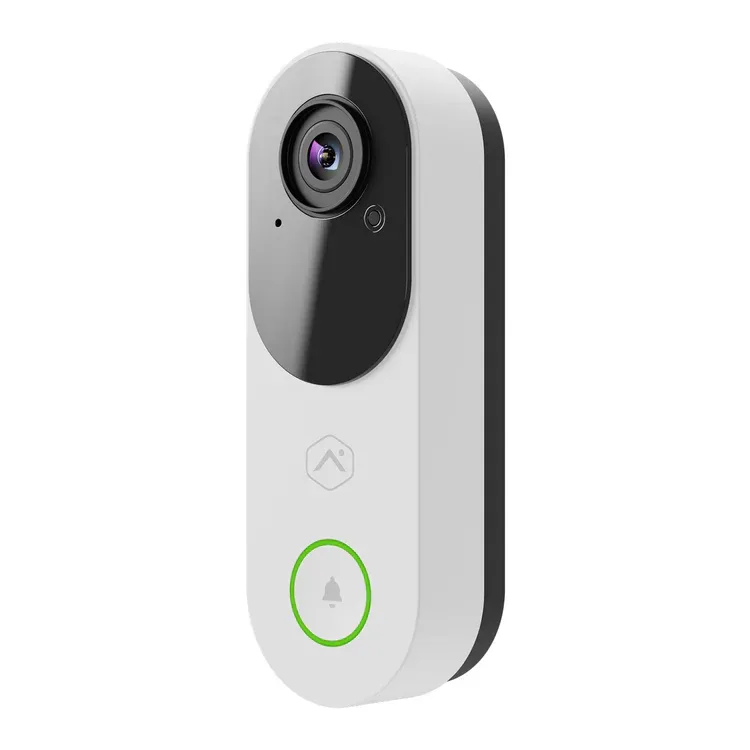
Slim white video doorbell with green-ringed button, product photo, for a management office or side door in Manhattan
Product photo: a slim video doorbell. On a management office or super’s door it lets staff see who is calling before they release the lock.
Access Control

Key Fobs, Credentials and Tenant Turnover in Manhattan Buildings

Keys are the weakest part of most rental buildings. Front-door keys get copied, master keys walk off with former porters, and nobody knows how many cellar keys exist. A fob or card system fixes that by giving every person a credential that can be turned off without changing a lock. For a property manager, the bigger benefit is administrative: tenants, staff, contractors and commercial tenants each get only the doors they need, on a schedule if necessary, and every change is a few clicks instead of a locksmith visit.

Turnover is where that pays off. Citywide rental vacancy fell to 1.4 percent in the 2023 Housing and Vacancy Survey, with only about 33,000 units available for rent across the city (NYC HPD, Feb 8, 2024). Apartments in Manhattan rarely sit empty, so the outgoing tenant's credentials need to go dark and the incoming tenant's need to work on the same day. We set up systems so a manager or resident manager can add and remove fobs and app invitations themselves, and we handle the programming visits, reader replacements and bulk changes that need a technician. Lost fob replacement, move-in activation and move-out deactivation stop being service calls.

Smart access also brings legal duties. The Tenant Data Privacy Law requires owners of multiple dwellings that use keyless systems to give tenants a written data retention and privacy policy, to obtain express consent before collecting reference data, to collect only the minimum data the law allows, and to delete authentication data no later than 90 days after it is generated unless it is anonymized; owners also may not sell that data, and may not require smart access to enter a tenant's own apartment (NYC HPD). We configure the system's log retention to the policy your counsel writes. This is general information, not legal advice.

Biometric readers and facial recognition panels exist and we can install them, but in rental buildings they raise more consent and retention questions than they solve; most managers we work with stay with fobs, cards, PIN codes and phone credentials. Full detail on readers, controllers, mag locks and strikes is on access control installation in Manhattan.

Who gets which doors

  • Tenants: lobby, their own floor if elevators are controlled, laundry, bike and storage rooms, package room if one exists.
  • Building staff: everything they service, with porters and handymen limited to working hours if the owner wants.
  • Contractors and vendors: temporary credentials or codes that expire on the last day of the job.
  • Commercial tenants: their own entrance and the shared cellar or trash room, but not the residential lobby.
  • Leasing agents and showings: time-limited access to a vacant unit or a showing code that expires after the appointment.
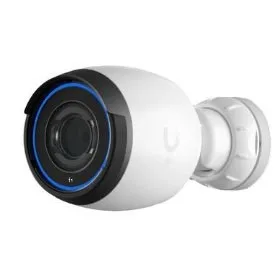
White bullet camera with blue ring product photo for service entrance and cellar door coverage in Manhattan property management security
Product photo: a white bullet camera. Its narrower view suits a long service corridor or a cellar door where the goal is a clear face at a known distance.
Elevators & Freight

Elevator Access, Freight Windows and Move-Day Control

Elevator floor control does two jobs in a managed building. In luxury rentals and full-floor apartments it keeps residents on their own floors and penthouses private. In every building it gives management control over the freight car and the service schedule. A reader in the cab, tied to the elevator controller, lets a credential reach only the floors it is allowed to reach, and it can open a floor to movers or a contractor for a set window and close it again automatically.

The elevator side of that work is not ours to do alone. Since January 1, 2022, the New York State Elevator Safety Act has required a license for anyone doing elevator construction, maintenance or repair, and in the city the work falls under a licensed Elevator Agency Director, with technicians working under that director's supervision (NYC Department of Buildings). We install the readers, controllers and cabling and arrange a joint visit with the building's elevator company, which makes the connection inside the controller. The owner gets one schedule and one scope, with the elevator company's part priced by them.

Freight logistics matter to us as a contractor, too. Most Manhattan buildings allow contractor deliveries only through the service entrance and only during set hours, and the city's noise rules permit construction work on weekdays between 7 a.m. and 6 p.m. unless a variance is issued (NYC DEP). Many buildings set even tighter contractor hours of their own. We book the freight car through the super, protect the cab and the lobby floor, and plan noisy work for the hours your house rules allow. See elevator access control installation in Manhattan for reader types and integration detail.

Cameras

Cameras for Lobbies, Service Entrances, Cellars and Package Rooms

Property management security cameras are less about catching a burglar in the act and more about answering questions after the fact: who propped the cellar door, which courier left the box at the wrong building, whether the tenant's claim about the slip in the lobby is accurate, when the contractor actually arrived. A good building system records the entrances, the vestibule, the mailroom and package area, the service entrance, the cellar corridor, the laundry and the roof door, with resolution and placement chosen so that faces are identifiable at the doors, not just shapes moving across a hallway.

For a portfolio, the decisions that matter most are recording location, retention and access. We record on site on a network video recorder sized for the retention the owner wants, so there is no monthly cloud fee required, and set up remote viewing for the people the owner authorizes: the manager, the resident manager, perhaps the owner. Retention is a policy decision, not a hardware default; so is who can export footage and how requests from tenants, insurers or police are logged. Write those rules down once for the portfolio and we configure every recorder to match.

The camera layouts, lens choices and recorder detail for rental and multifamily buildings in this borough live on the apartment building security camera installation in Manhattan page; this section is the portfolio view. We do not offer a monitored video service here. Cameras are recorded and viewed by your own people; if a building wants professional remote video monitoring, ask and we will explain what can be added for that building.

Placement that keeps footage useful

  • Inside the door, not over it: a camera set back in the vestibule sees faces; one aimed out through glass records glare.
  • Every way in: service, cellar, roof and garage doors are where most unwanted entries start in managed buildings.
  • The handoff point: wherever couriers leave packages, the camera should see both the person and the label side of the shelf.
  • Elevator lobbies, not cabs, first: a camera on each elevator landing is often simpler than video from a moving cab.
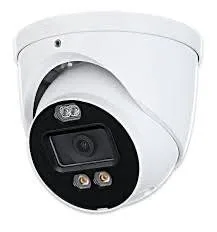
White eyeball turret camera product photo for lobby and corridor coverage in Manhattan managed buildings
Product photo: a white eyeball turret camera, the general-purpose choice for lobby ceilings and corridors in most of the buildings we wire.
Package Rooms

Package Rooms, Service Entrances and the Delivery Problem

Delivery volume is now a security problem in its own right. The Manhattan Borough President's 2022 report put deliveries at about 2.4 million packages every weekday across the city, roughly 80 percent of them to homes. Building staff feel that directly. A 2018 piece in The Cooperator described package rooms overflowing in mid-range buildings and doormen pulled away from the entrance to handle boxes, which leaves the door uncovered. Greg Cohen, president of Impact Management, put the growth in non-doorman buildings bluntly: "It could be 1,000 percent over the past five years and will continue to grow." On thefts from lobbies, he said, "We have security cameras, so we saw it."

Thieves follow the boxes. In January 2025, Our Town reported the arrest of a man police called a career burglar on East 89th Street in the early hours of December 29, 2024, after officers saw two packages fall from his jacket; the paper said earlier cases involved entering mailrooms or basements without authorization. Those are exactly the spaces a property manager controls with doors, readers and cameras.

What works depends on staffing. In a full-time doorman building, the fix is usually a locked package room off the lobby with a reader, so staff are not leaving the desk to walk boxes to apartments, plus a camera covering the room door and the desk. In a part-time or non-doorman building, couriers need a way in that does not involve buzzing random apartments: a delivery code at the intercom that opens only the vestibule or the package room door, logged and changeable. Smart package lockers are a product sold by locker companies; we do not sell them, but we secure the room they sit in, run the network cabling they need and put the room door under the same access system as the rest of the building.

The service entrance deserves the same attention as the front door. In many Manhattan buildings it carries the trash, the deliveries for ground-floor stores, the contractors and the movers, and it is the door most likely to be propped. A reader, a door position switch that reports when it is held open, a camera and a separate intercom call path for deliveries turn it from the building's weak point into a controlled entrance.

Alarms & Cabling

Alarms, Building Cabling and Fire Alarm Scope

Not every managed space needs an intercom or a reader. The management office, the super's workshop, storage cages, vacant apartments waiting for renovation and empty storefronts between leases are better served by a burglar alarm with door contacts, motion sensors and glass-break detection. We install those systems, and central station monitoring is available through our monitoring provider on the plans listed on our alarm pages. Vacant units are a particular concern in a tight rental market, because a stripped apartment or an unauthorized occupant costs far more than the alarm. Details are on alarm installation in Manhattan.

Behind every system is cabling, and in Manhattan cabling is where jobs go right or wrong. We run Cat6 and riser cable for the systems we install, put PoE switches and battery backup in the security closet, keep the security network separate from tenant Wi-Fi and label both ends so the next technician can trace them. When a building needs broader network or backbone work, our structured cabling installation in Manhattan page covers it. We do not sell IT management services; the network we build exists to run the security equipment.

Fire alarm systems are a separate, regulated discipline in New York City. They start with engineered drawings filed with the FDNY and are installed by a company holding the required certificates. Managers who need that work can read about our scope and the approval steps on fire alarm installation in Manhattan; we do not price it on this page. Where a building's fire alarm must release mag-locked doors, we coordinate the access control side with whoever holds the fire alarm contract.

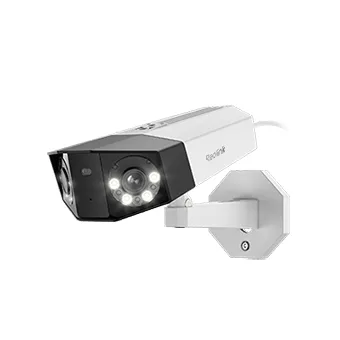
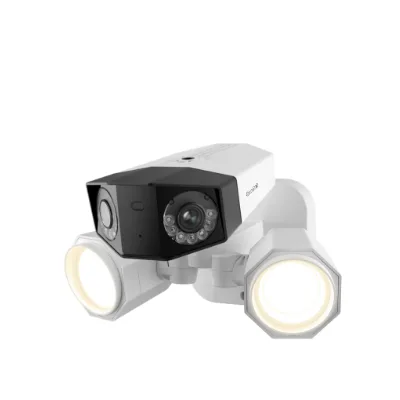
Dual-lens bullet camera with spotlights on a white wall bracket, partner product photo, for long service alleys in Manhattan managed buildings
Partner product photo: a dual-lens bullet camera on a wall bracket. Along a long service alley or loading area, two lenses in one housing cover both the near door and the far end on one cable run.
Building Specialists

Property Management Security for Manhattan's Architecture

A Manhattan portfolio can cover a century of construction in a few blocks. The building type decides where cable can travel, what the entrance can hold, how tenants will react to work in the halls, and how much of the job is labor versus equipment. These are the building types we see most in managed portfolios here, and what each usually needs.

Postwar and new doorman towers

Staffed lobbies, multiple elevator banks, garage and service entrances, amenity floors. The work is integration: one access platform for doors, elevators and amenities, and cameras the desk can actually watch.

Prewar elevator rentals

Six to sixteen stories, plaster and terra cotta, original risers and often a part-time or no doorman. Video entry on existing wiring, fob readers at the lobby and cellar, and careful cable paths.

Walk-ups and old-law tenements

Four to six stories with no elevator, narrow halls and vestibules, frequent tenant turnover. Durable lobby panels, reliable releases and a camera at the door and the mailboxes.

Mixed-use with ground-floor retail

Residential lobby beside storefronts, shared cellars and trash rooms, separate tenant schedules. Access groups that keep commercial staff out of the residential side.

Landmarked and historic-district buildings

Brownstones, cast-iron lofts and ornate prewar fronts where anything on the facade needs an LPC permit. Equipment set inside the door opening wherever possible.

Office and commercial properties

Class B and C office buildings and small commercial properties under the same manager. Tenant-floor access, after-hours entry and loading-dock cameras.

How the method changes by building

Towers. In a tower the hard part is usually not distance but coordination: the elevator company, the building engineer, the garage operator and sometimes a separate amenity vendor all touch the same doors. We map every controlled door and every system that already controls it before proposing anything, and we design the access groups so the desk staff, porters, garage attendants and residents each see a simple set of rights.

Prewar elevator buildings. These are the buildings where reusing the riser saves the most money. We test the existing pairs, look for spare conductors and use them where they are sound. When new cable has to go up, the preferred paths are existing chases, dumbwaiter shafts that have been closed, and the stairwell walls behind molding, with fire-stopping wherever a floor is penetrated.

Walk-ups. Turnover is high and budgets are tight, so equipment has to survive slammed doors and freezing vestibules. We favor vandal-resistant panels, strikes rated for heavy use and a power supply with battery backup, because a walk-up with a dead buzzer in January becomes a heat-and-access complaint very quickly.

Mixed-use. The commercial tenant's lease usually decides who pays for what at the shared doors. Our job is to give the manager the control: separate access groups for store staff, the trash room on a schedule, a camera covering the shared cellar corridor, and an intercom that does not ring residents when a supplier arrives for the restaurant.

Landmarked buildings. The LPC's permit guidebook lets staff approve intercom panels installed within or next to a door opening, allows a maximum of one intercom panel per door opening, says equipment should not go on a primary facade unless no other option exists, and limits cameras to two per 25 feet of street frontage on small buildings and three on large ones (LPC Permit Guidebook, chapter 11). We design inside those limits and give the owner's expediter what the application needs. Ordinary repair of existing equipment is exempt; new installations are not.

Co-op and condo buildings in a managed portfolio

When a firm also manages cooperatives and condominiums, the systems are the same but the decision-makers are boards, and the rules about who pays and who approves are different. Our board-facing pages cover those buildings in detail: co-op security systems in Manhattan for housing cooperatives and condo security systems in Manhattan for condominium associations. Managing agents can use one vendor relationship with us across rentals, co-ops and condos.

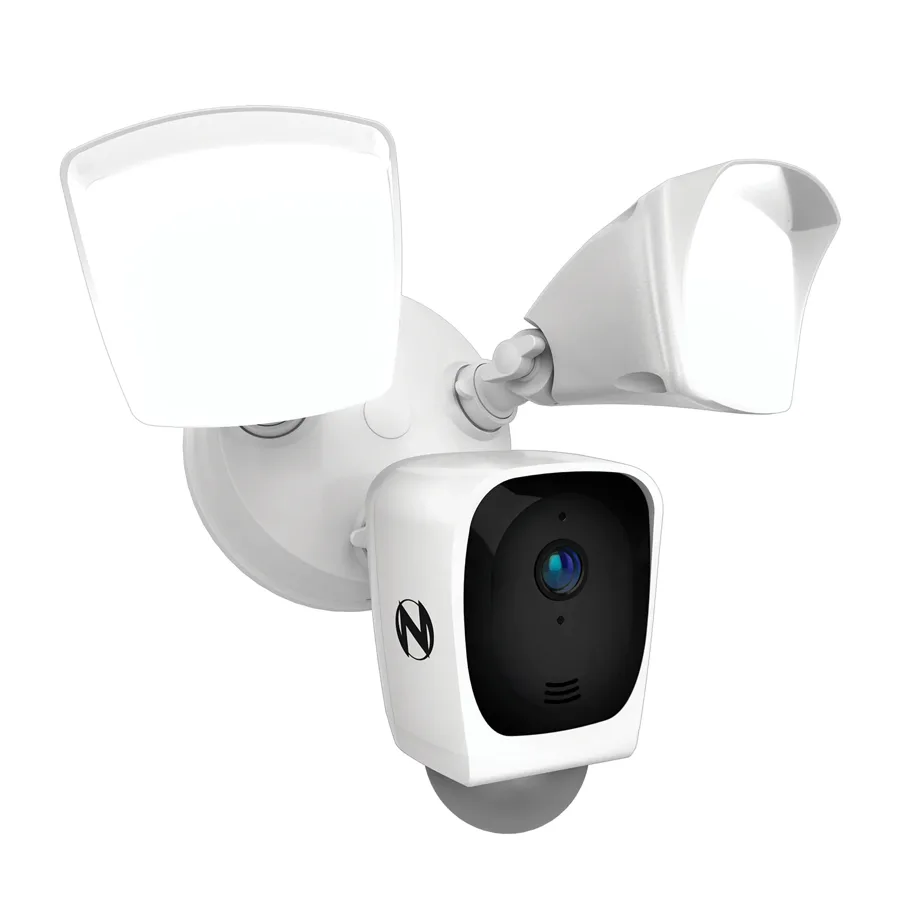
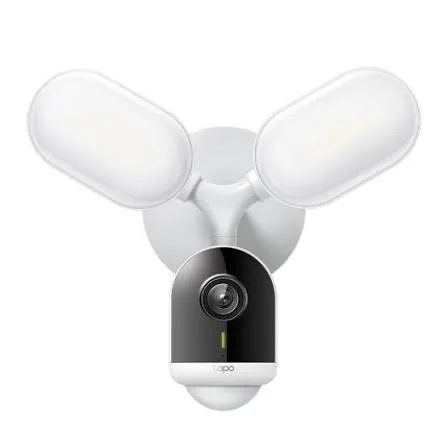
White floodlight camera with twin lamps, product photo, for rear yards and courtyards behind Manhattan walk-ups
Product photo: a floodlight camera with two lamps. Rear yards and courtyards behind walk-ups are often unlit; light and a camera together discourage people from using them as a way in.
Commercial Portfolios

Commercial Property Management Security in Manhattan: Retail, Office and Mixed-Use

Many Manhattan managers carry a commercial side: storefront condos, small office buildings, retail strips under residential towers. The security needs overlap with residential work but the priorities shift. Storefronts need cameras that cover the register area and the sidewalk entrance, an alarm for overnight, and a rear door that can be opened for deliveries without being left open. Office floors need tenant access by schedule and visitor entry that does not depend on a full-time lobby attendant.

The corridors we work in most for commercial management clients include 125th Street in Harlem, Broadway and the side streets of SoHo, the Garment District blocks of Seventh and Eighth Avenues in the West 30s, Lexington and Third Avenues on the Upper East Side, the office side streets around Madison Avenue in Midtown, and Lower Manhattan near Wall and Water Streets, where older office buildings have been turned into apartments. Each has its own building stock: cast-iron lofts in SoHo, prewar loft buildings in the Garment District, walk-up storefronts uptown and towers downtown.

For storefront and office camera detail, see commercial security camera installation in Manhattan. On this page, the point is that the same vendor can cover the commercial and residential halves of a mixed portfolio, with one administrator view per building.

Compliance points that come up on commercial and mixed-use jobs

  • Egress: locked doors must still let people out. Mag-locked doors get request-to-exit devices and release on fire alarm where the building's fire alarm contractor provides the connection.
  • Accessibility: entry panels, readers and exit buttons are mounted where a wheelchair user can reach and operate them, and new entrances are planned with the owner's architect when the doorway itself changes.
  • Landmarks: storefronts in historic districts follow the same LPC permit limits as residential facades.
  • Construction hours: weekday 7 a.m. to 6 p.m. under the noise code unless a variance is issued, and often narrower under the building's own rules.
Vendor Setup

Preferred Vendor Setup: W-9, Insurance on Award and Master Service Agreements

Management firms run on vendor files, and we make ours easy to complete. We register as a vendor through your firm's onboarding portal or paperwork, provide a W-9, and fill in whatever vendor questionnaire your accounts payable team uses. We will sign a master service agreement that covers more than one building so each new job is a work order rather than a fresh contract negotiation. We do not claim to be on any company's approved-vendor list until that company puts us there.

Insurance works the way most Manhattan managers expect. When a job is awarded, your firm sends its insurance requirements, including the additional insured wording for the owner entity and the management company, and the certificate of insurance is issued to match. We do not send certificates with a bid, because the requirements differ for each owner entity and building and the certificate should name the right parties the first time. Licensing is simple to verify: Abstract Enterprises Security Systems holds NYS low-voltage license #12000287431.

References are a common request on vendor forms. We do not give out client names, building addresses or contact details, because the owners and managers we work for expect their buildings kept out of our marketing. Our Google reviews, 4.7 out of 5 from 201 reviews, are the public record of our work, and on large commercial bids our owner handles reference requests personally.

What a portfolio vendor file usually includes

  • W-9 for the contracting entity and the NYS low-voltage license number.
  • Certificate of insurance on award, matched to each owner entity's requirements.
  • Master service agreement or the firm's standard contractor agreement.
  • Our rates and terms as set out in the service agreement, including the deposit and warranty terms.
  • Emergency contact information and the booking process for service calls.
  • A list of administrator logins and equipment for each building we install, kept on file for the manager.
Service & Maintenance

Service Calls, Maintenance Agreements and What We Will Not Promise

Here is how service works, stated plainly so it can go straight into a vendor file. Calls and texts to (929) 560-0737 are answered around the clock by an automated assistant that can take details and book; a person responds from 8 a.m. to 8 p.m., seven days a week. Service calls are booked within 2 hours of the request and scheduled first come, first served once paid, with early-day visits and a two-hour arrival window. We do not offer a guaranteed response time, a service level agreement or 24/7 on-site service, and we will not write one into a contract. A promise we could not keep on a snowy Saturday would be worth nothing to you.

Maintenance agreements are the better tool for a portfolio. We offer scheduled maintenance for the security systems in one building or many: checking panels, strikes, readers, power supplies, batteries, recorders and storage, cleaning camera domes, updating firmware where the maker supports it, and reporting what is wearing out before it fails. Terms and prices are quoted per portfolio after a site survey of the buildings involved, because a 12-unit walk-up and a 300-unit tower are not the same commitment. We do not publish maintenance prices or tiers.

Warranty follows the site's terms. Our labor carries the 30-day warranty published on our warranty page, and one-year or longer coverage is a paid add-on chosen at purchase. Equipment is covered by its manufacturer's warranty. Help by phone is free, and many app, user and programming problems can be solved remotely when the system is networked, which saves the owner a visit.

After storms, surges and vandalism

Lightning, power surges and water are the usual causes of a building system failing all at once. When that happens, we diagnose on a service call and document what failed and why, so the manager has what the owner's insurer will ask for. Surge protection and battery backup on new installs reduce the odds, and we recommend them on every lobby panel and recorder. Vandalized panels are replaced with vandal-resistant models where the building allows.

Your Questions Answered

Property Management Security in Manhattan: Questions Answered

These are the questions property managers, managing agents and owners ask when they are deciding whether one security contractor can cover a Manhattan portfolio. They are grouped the way a portfolio review usually runs: standardizing first, then tenants and access, then day-to-day operations, then budgets and owners, then the problems that keep coming back.

Standardizing a mixed portfolio

When several of our buildings are failing at once, which do we fix first?

Start with anything that affects getting in and out: a lobby door that does not lock, an entry system that cannot release the door, a service or cellar door that will not latch. Those are the conditions tied to state law and to 311 complaints, and they put tenants at risk. Next come the buildings generating repeat tenant calls, because each call costs staff time even when the fix is small. Cameras, upgrades and nice-to-have features come after. On a portfolio walk-through we rank each building this way in writing, so the owner sees why the order is what it is.

What happens to the system logins if the owner sells a building or moves it to another management firm?

The building’s security systems belong to the owner, so the administrator accounts should too. When we install, we set the master accounts up in the owner entity’s name and give the manager working access under it, rather than tying everything to one employee’s email or to our company. If the building is sold or changes managers, the owner hands over the master credentials and the new manager’s access is added while the old one is removed. Cloud platforms make this a transfer of the account; older on-site systems need the computer and the software license to go with the building.

What should a security scope of work for a Manhattan building contain so that several bids can be compared?

The scope should list every door to be controlled and what controls it, the number of apartments and how residents will answer (stations, app or both), whether existing wiring will be reused, the camera locations and the retention required, who supplies door hardware, what the elevator company is responsible for, the working hours and freight rules, and what documentation is delivered at the end. When those items are written down, bids can be compared line by line. When they are not, the lowest bid is often the one that left something out. We will write the scope for you on our walk-through even if you send it to other contractors.

Tenants, staff and access

Do keyless entry systems change what we have to give tenants under city law?

Yes. HPD’s summary of the Tenant Data Privacy Law says owners of multiple dwellings using smart access must give tenants a written data retention and privacy policy, get express consent before collecting reference data, keep only the minimum data allowed, and delete authentication data within 90 days unless it is anonymized. The same page says owners cannot require smart access to enter a tenant’s own apartment. The policy and consent forms come from the owner’s counsel; we configure retention and logging to match. This is general information, not legal advice.

How do we give porters, contractors and outside vendors access without handing out a master key?

Give each of them their own credential with an end date and a schedule. A porter's fob can open the trash room, cellar and roof during working hours only. A plumber working for two weeks gets a code that stops working on the last day. A cleaning company gets the doors it needs on its days. Each entry is logged, so if something goes missing there is a record of who could have been there. Master keys still exist for emergencies, but they stay with the super instead of circulating.

Should leasing agents be able to show vacant apartments without someone from the building letting them in?

Many managers now want that, and it can be done safely with time-limited access: a showing code or a mobile credential that opens the lobby and the vacant unit for the appointment window and then expires. The unit needs an electronic lock for this to work, and the access system needs to log who used the code. We install the locks and the access side; the self-guided tour software some leasing teams use is sold by others, and we connect to it only in the ways the lock maker documents.

Day-to-day operations

Which system settings should only a technician change?

Anything that changes how a door behaves when something goes wrong: what a lock does when power fails, how doors release on a fire alarm signal, door held-open timers and alarm outputs. Add to that network settings, firmware, controller configuration and anything involving wiring or power. Day-to-day work such as adding fobs, editing the directory, issuing delivery codes and exporting footage is meant for building staff, and we train them for it at handover. A well-meaning change to the first list can leave a door unlocked overnight, so we keep those settings behind a separate administrator role.

How should delivery drivers get through a service entrance without using the residents' intercom?

Give the service entrance its own entry panel or its own delivery button, with codes that open only that door and lead only to the package room or freight area. Commercial deliveries for ground-floor stores can be routed the same way. Drivers stop pressing every apartment button, tenants stop letting strangers in, and the logs show which code opened the door. In buildings with staff on the service door part of the day, the panel can be set to call the desk during staffed hours and use codes after.

Can the elevator limit movers to one floor on a move-in day?

Yes, where the elevator has floor control. The freight car can be placed on a schedule that serves only the moving tenant's floor and the lobby or service level during the booked window, and returns to normal afterward. That protects other floors from wandering movers and keeps the car from being held at a floor no one booked. It needs reader hardware in the cab and a connection in the elevator controller made by the building's licensed elevator company.

How do we give a ground-floor restaurant's staff the shared cellar without giving them the residential lobby?

Put the cellar door, the trash room and the commercial tenant's rear entrance in an access group of their own, and leave the residential lobby out of it. Restaurant staff get fobs or codes for their doors and hours; residents never see them in the lobby. If the cellar corridor is shared, a camera covering it settles the arguments about who left the door open or blocked the exit. Whether the commercial tenant pays for its share is a lease question for the owner.

Budgets and owners

How should we present a security proposal to an owner who wants one number for the whole portfolio?

Give the owner one summary page with a line per building and a total, and keep the building-level scopes behind it. Owners decide faster when they can see which buildings drive the cost and why, and they often approve the urgent buildings now and the rest in the next budget year. We format our proposals that way on request: a portfolio summary, then each building's scope with what is repaired, what is replaced and what is optional.

What documentation should we get at the end of an install so the next super is not starting from scratch?

A list of every device and where it is, the controller and recorder locations, the cable paths that are not obvious, the administrator logins, the retention and access settings, the warranty dates and the manufacturer support details. We hand that over at closeout and keep a copy on file for the manager. A surprising share of service calls in managed buildings come from missing information rather than broken equipment, so this matters.

Problems that keep coming back

Why does the same intercom fault keep returning after other vendors fix it?

Usually because the symptom was fixed and the cause was not. A strike that burns out every few months is often being fed the wrong voltage or fighting a door that does not close square. A lobby panel that dies every winter may be on a power supply with no headroom. Floors that go quiet after every renovation point to a riser that runs through apartments and gets cut. We look for the cause on the first visit and say so in writing, even when fixing it is not what you called about.

What happens to the intercom, doors and cameras during a power outage?

That depends on how the system was designed, and it should be decided on purpose. Mag locks release when power fails, which keeps exits open but leaves the entrance unlocked. Fail-secure strikes stay locked, which needs a key backup. Recorders and switches stop unless they have battery backup. For managed buildings we recommend battery backup on the access controller, lobby panel and recorder, and we document which doors do what when the power goes out so the super knows before it happens.

Dual-lens camera between two round floodlights, partner product photo, for package doors and back courts of Manhattan property management security
Partner product photo: a dual-lens camera set between two round floodlights. At a back court or delivery door it lights the area and covers it wall to wall from one mounting point.
Equipment

Types of Property Management Security Equipment We Install

The hardware below is what ends up in a managed Manhattan building once the scope is settled. Our default proposals use our own unbranded line, and we quote a specific manufacturer whenever the firm has a standard or the owner asks for one. Equipment is supplied as part of an installed job; managers who want spare cameras or recorders on hand can also buy equipment through our security cameras store for Manhattan.

Entry panels

Vandal-resistant video panels with a resident directory, keypad, reader and delivery codes; audio panels where a building only needs to replace like for like.

Apartment stations and app answering

Wall stations with video, audio handsets for buildings that want them, and phone-app answering so tenants can open the door from anywhere.

Readers and credentials

Fob, card, PIN and mobile readers; credentials that can be scheduled, expired and audited.

Door hardware

Mag locks, electric strikes, request-to-exit buttons, door position switches and the power supplies that drive them.

Controllers and elevator interfaces

Door controllers in the security closet and elevator reader kits for floor control, connected by the elevator company.

Cameras

Turret, dome and bullet cameras for lobbies, corridors, cellars and exteriors; wide-angle models for mailrooms and package rooms.

Recorders and storage

Network video recorders sized for the retention the owner sets, with drives that can be expanded as cameras are added.

Alarm panels and sensors

An intrusion panel with its own siren and keypad, plus the sensors that trip it: a contact on each door or window, motion detection inside, glass-break listening at storefront glass.

Network and power

Cat6 cabling, PoE switches, surge protection and battery backup units dedicated to the security systems.

Standalone versus cloud-managed, in plain terms

Standalone systems keep everything in the building: the intercom programming, the fob database and the video all live on local equipment. They have no subscription and keep working if the internet goes down, but each building is managed on its own. Cloud-managed systems put the administration online so one manager can see every site, at the cost of a recurring platform fee charged by the manufacturer and a dependence on the building's internet service. Many portfolios end up with a mix: cloud access control and intercoms for convenience, and cameras recorded locally so footage does not depend on an outside service. We price both and tell you what the ongoing fees are before you choose.

Sixteen-channel network video recorder product photo for a Manhattan managed building security closet
Product photo: a sixteen-channel network video recorder. One unit like this in the security closet records a mid-size building on site, with no cloud fee required.
AI Overview Reality Check

What AI Gets Wrong About Property Management Security in Manhattan

Managers increasingly ask a chatbot before they call a contractor, and the summaries they get are built mostly from national vendor blogs, lead-generation sites and product pages. Here are the claims we hear repeated most often, and how they hold up in a Manhattan portfolio.

"Property management security means hiring a monitoring company."

AI answers tend to blend guard services, remote video monitoring and hardware installation into one category. For a Manhattan manager they are separate purchases with separate contracts. Most of what keeps a residential building secure is physical: doors that close and lock, an entry system that works, credentials that can be turned off, cameras that record the right places.

Monitoring can sit on top of that, but it cannot make up for a cellar door that does not latch. When the hardware is wrong, a monitoring center simply watches the problem happen.

We install and maintain the hardware. Central station monitoring for burglar alarms is available through our provider, and if an owner wants remote video monitoring for a particular building, we will explain what can be added there. We do not bundle a managed service into the price of a door.

"Cost per unit is the right way to budget."

Sites like Angi, HomeAdvisor and Fixr publish national cost-per-door or cost-per-apartment averages, and AI tools repeat them. In Manhattan the biggest swings come from things a per-unit number cannot see: whether the riser can be reused, how many entrances the building has, whether the elevator is part of the job, and what the building's work rules allow.

Two 40-unit buildings on the same block can land far apart for those reasons alone. One reuses its wiring and has a single entrance; the other needs a new riser pull, a service entrance panel and a freight elevator reader.

That is why repairs here start with a $250 service call and new systems get a price after a free walk-through. A per-unit figure is fine for a rough capital plan, but it should never be the basis for a contract.

"Cloud everything; on-site equipment is outdated."

Cloud management is genuinely useful across a portfolio, and we install it often. What the summaries leave out is the ongoing platform fee per door or per apartment, the dependence on each building's internet connection, and the question of what happens when the owner sells a building or changes managers.

Local recording also remains the norm for video in most residential buildings, because uploading many cameras' worth of footage over a building internet line is expensive and slow.

The right answer is often hybrid: cloud administration for doors and intercoms, local recorders for cameras, and administrator accounts owned by the owner entity rather than the vendor.

"A virtual doorman replaces the front desk."

Remote attendant services can screen visitors and accept deliveries for buildings that cannot afford full-time staff, and some Manhattan owners use them. AI answers often present them as a full replacement for a doorman. In practice they depend on good hardware at the door, a reliable internet connection and a building layout that lets couriers be directed somewhere sensible.

They also do not sign for packages in person, help a tenant carry groceries or notice that the boiler room door is open. Owners should compare what the desk actually does all day with what the service covers.

We do not sell virtual doorman service. We install the panels, cameras, strikes and package-room access that such services need, and we connect to an existing provider when the owner already has one.

"Any security company can work in any building."

Generic advice says to get three quotes and pick the best value. In a managed Manhattan building, the shortlist is shorter than that. The contractor needs to clear the firm's vendor onboarding, match each owner entity's insurance requirements on award, work within freight windows and house rules, and coordinate with the elevator company and, where doors tie into a fire alarm, the fire alarm contractor.

Licensing matters too. Security and alarm installation is a licensed trade in New York; ours is NYS license #12000287431. Elevator connections are made by a licensed elevator company under the state and city rules that took effect in 2022.

Asking for those items up front saves a manager from approving the cheapest bid and then discovering the contractor cannot get through the service entrance.

"Tenants' privacy is just a matter of posting a sign."

Summaries about cameras in apartment buildings often reduce privacy to signage. For smart access systems in New York City, the Tenant Data Privacy Law sets real obligations: a written policy, express consent, data limits, deletion of authentication data within 90 days unless anonymized, and a ban on selling the data.

Camera policy is a separate set of decisions that the owner should make in writing: where cameras go and do not go, how long footage is kept, who may view and export it, and how requests from tenants, insurers and police are handled.

We configure systems to those written policies. We do not write them, and nothing here is legal advice; that belongs with the owner's attorney.

"Same-day, 24/7 service is standard in the industry."

Plenty of contractor websites promise round-the-clock response, and AI answers repeat it. Read the fine print and the promise usually means a phone line that takes a message. For a manager, an honest answer is more useful than a slogan.

Ours is this: an automated assistant answers calls and texts at any hour and can book; a person responds from 8 a.m. to 8 p.m., seven days a week; service calls are booked within 2 hours and scheduled first come, first served once paid, with early-day visits.

We do not offer guaranteed response times or same-day promises. For buildings that want fewer emergencies, a maintenance agreement priced per portfolio after a survey does more good than any response-time clause.
Talk to a Technician About Your Manhattan Buildings

Call or text with the list of addresses and what is failing, and get a plain answer on what to repair, what to upgrade and where to start.

Get In Touch

Request a Free Quote for Your Manhattan Portfolio

One building or forty, the first step is the same: tell us which properties you manage here, roughly how big each one is and which of them is giving you trouble. Repairs begin with the $250 service call, and anything new begins with a free walk-through. Prefer to talk? Call or text (929) 560-0737.

✅

Request Sent!

Got it. We will call or text to set up the walk-through or service call for your Manhattan building.

How It Works

Our Installation Process for Manhattan Property Managers

Eight steps from the first call to handover. A simple repair moves through the first, second and last steps in one visit.

01

Send the building list

Call, text or use the form with the addresses, unit and entrance counts, what is failing and who the on-site contact is.

02

Booked within 2 hours

We confirm a two-hour arrival window, seven days a week with early-day visits. Repairs start with the $250 service call; new systems with a free assessment.

03

Vendor file and access

W-9 and vendor paperwork go to your firm; the super arranges keys, freight and any tenant notices for the walk-through.

04

Walk the building

Every entrance, the cellar, the risers, the security closet, the elevator machine room with the elevator company if needed, and sample apartments.

05

Written scope per building

One scope and price per address in the same format, plus a portfolio summary for the owner when several buildings are involved.

06

Award, insurance and deposit

On award we issue the certificate of insurance to your requirements. Equipment is ordered after the deposit; special-order items get a date only once they arrive.

07

Install, program and test

Work within house rules and freight windows, floor by floor where tenants are affected; every door, station, reader and camera tested with the super.

08

Handover and records

Training for the manager and super, administrator logins, a device list and settings record, and the same number for service afterward.

Field Notes

Field Notes: What We Look at First in a Managed Manhattan Building

When a manager hands us a new building, the walk-through follows the same order every time, and it is not the order most people expect. We start at the service entrance and the cellar door, not the lobby. Those are the doors that get propped for deliveries and trash, and they tell us more about how the building actually runs than the front panel does. A door that does not latch on its own, a strike that clicks but does not release, or a cellar corridor with no light is usually the first thing on our list.

Next is the security closet, wherever it turns out to be: a shelf in the boiler room, a cabinet in the super's office, a rack under the stairs. We note what power supplies are there, whether anything has battery backup, whether the recorder's drive is full, and whether anyone in the building knows the administrator password. In managed buildings, the missing password is a surprisingly common reason a simple change becomes a service call.

Only then do we go to the lobby and up the riser, test a sample of apartments on different lines, and look at the roof door. By the end, the manager gets a plain list: what is failing, what is merely old, and what can wait. The pan-tilt camera below is the kind of thing that ends up on the roof list for buildings with terraces or deck space, where one movable camera can replace several fixed ones.

Pan-tilt outdoor camera with antennas, product photo, for rooftops and terraces of Manhattan managed buildings
Partner product photo: a pan-tilt outdoor camera. On a roof deck or terrace one camera that can be turned covers what would otherwise take two or three fixed ones.
For Tenants

Working in Occupied Buildings: What Tenants Experience and What Managers Send Them

Almost every managed building we work in is occupied, and tenants judge the new system partly by how the installation went. Most complaints come from surprises, so here is what happens, written so a manager can adapt it into a notice.

The notice

Before work starts, the manager or super posts and sends a notice with the dates, the floors, what the work is and what tenants need to do. If apartment stations are being replaced, tenants either are home during a two-hour window or leave access with the super. If the building is moving to phone answering, tenants get an invitation from the system and a one-page guide. If fobs are being issued, the notice says where to pick them up and points to the owner's privacy policy for the access system.

The work days

Our technicians arrive inside the scheduled window, never earlier, and check in with the super or the desk. Lobby floors and the elevator cab are protected. Inside an apartment, swapping a station usually takes well under an hour, reusing the existing wall box whenever the new station fits it. Before anything new is drilled inside a unit, we tell the tenant what and why. The lobby panel swap is the one moment everyone notices, so it is scheduled early in the day and kept short, with the super ready to let in deliveries while it is down.

The first weeks after

The same questions come up in every building: why the app did not ring, how to open the door from the phone, how to add a family member or a dog walker, why night video looks grainy. We give the super a short guide that answers them. Problems that need a technician go through the manager or the super rather than tenants calling us directly, so the building keeps one record of what was reported and fixed and so we only act on work the manager has authorized.

Tenant privacy questions

Tenants ask who can see the cameras and whether the fob system tracks them. The honest answer is that the owner sets the policy, and a good policy is written down. For keyless entry, the city's Tenant Data Privacy Law requires a written privacy policy and consent; for cameras, the owner decides where cameras go, how long footage is kept and who can view it. We set the systems up to match.

Twin-lamp floodlight camera product photo for trash areas and side alleys of Manhattan rental buildings
Product photo: a twin-lamp floodlight camera. Trash areas and side alleys are where tenants and porters go at night, so lighting them helps everyone, not just the recording.
Coverage Area

Property Management Security Near Manhattan's Landmarks

We work in managed buildings from the Financial District to Inwood. These are the parts of Manhattan where management portfolios tend to concentrate, and what the buildings there typically need.

Lincoln Center and the Upper West Side

Postwar rental towers on the avenues and brownstone and prewar rentals on the side streets near Lincoln Center, often in the same portfolio, with very different entrances.

Yorkville and Carnegie Hill, Upper East Side

Walk-ups and elevator rentals on the blocks around Lexington, Third and York Avenues, where mailrooms and cellars are the spaces managers most often want covered.

SoHo Cast Iron Historic District

Loft buildings with stores on the ground floor and residences above, inside a historic district where facade equipment follows LPC limits.

East Village and the Lower East Side

Old-law and new-law tenements with narrow vestibules, heavy turnover and entrances that take a beating.

Harlem along 125th Street

Mixed-use buildings and new rentals along the 125th Street corridor, with retail tenants sharing service doors and cellars.

Washington Heights and Inwood

Large prewar elevator apartment houses near Fort Tryon Park, where riser reuse and cellar access decide most intercom jobs.

We also serve managed buildings in Midtown East and Murray Hill, Chelsea, Hell's Kitchen, Gramercy, Kips Bay, the West Village, Tribeca, Battery Park City, the Financial District, Morningside Heights, Hamilton Heights, East Harlem and Roosevelt Island. Manhattan scheduling runs through our Bronx office at 460 E Fordham Rd.

Pricing

Property Management Security Cost in Manhattan

Property management security pricing in Manhattan has two starting points. Repairs begin with a $250 service call: we diagnose, the fee covers a simple fix, and on a larger repair it is credited to the total. New and replacement systems begin with a free on-site assessment and a written price for that building. We do not publish per-unit, per-door or package prices for managed buildings, and we do not publish maintenance agreement prices, because in this borough the building itself drives most of the number.

What you are buyingHow it is priced
Intercom, buzzer, release, reader, camera or alarm repair$250 service call, credited to a larger repair
Intercom or entry system upgrade or replacementWritten quote after a free on-site assessment
Fob, card or mobile access controlWritten quote after a free on-site assessment
Elevator floor controlWritten quote after a joint visit with the elevator company, whose work they price
Building cameras and recordersWritten quote after a free on-site assessment
Maintenance agreement for one or more buildingsQuoted per portfolio after a site survey
Equipment the owner already boughtLabor quoted by phone or text

What drives the price in a managed Manhattan building

  • Wiring: reusable riser and cable versus new pulls through occupied floors.
  • Entrances: one lobby door, or a vestibule pair plus service, cellar, garage and roof doors.
  • Answering: a station in every apartment, phone answering only, or both.
  • Door condition: whether frames and doors can take a strike or mag lock as they are.
  • Elevator scope: the elevator company's interface work, priced separately by them.
  • House rules: permitted hours, freight bookings and protection requirements that set the number of working days.
  • Platform fees: cloud-managed products carry manufacturer subscription fees, which we show separately from installation.
  • Special-order equipment: ordered after the deposit and delivered on the maker's timeline.

Financing is available through Wisetack, subject to approval. Full terms — including 50% deposit, one-year parts-only warranty on Abstract Enterprises Security Systems-supplied products, and the late-fee schedule — are set out in the service agreement. Our labor carries the 30-day warranty listed on our site, longer coverage is a paid add-on, and manufacturer warranties belong to the manufacturer.

Shop Our Systems

Portfolio Security Projects & Pricing: Three Ways Managers Start

There are no fixed packages for managed buildings, but most portfolio work in Manhattan starts in one of three ways. Each is priced for the building or buildings involved.

Fix

One failing building

A $250 service call for the building generating the most complaints, with a written cause and a repair price. Many managers start here to see how we work.

Standardize

One system, several buildings

The same fob platform or entry panel rolled out to a group of buildings, each with its own assessment and scope, under one vendor file.

Maintain

Portfolio maintenance

Scheduled checks and service across the portfolio, with terms and pricing set after a site survey of the buildings included.

Already have the equipment? If the owner bought panels, readers or cameras for a building, we quote the installation labor by phone or text and book it with the deposit. Equipment supplied by the owner keeps its own manufacturer warranty, and its performance is the supplier's responsibility.

Complete Services

Every Property Management Security Service in Manhattan

Intercom pricing

How intercom repairs and installations are priced across our service area.

Door buzzer repair pricing

What the service call covers on buzzers, releases and strikes.

Smart lock installation

Electronic locks for rental apartments, offices and vacant units in Manhattan.

Akuvox vs ButterflyMX

Two video entry platforms managers often compare, side by side.

Apartment intercom systems

How apartment entry systems work in New York City buildings.

Free quote

Send the building list and get a written plan back.

FAQ

Manhattan Property Management Security FAQ

Does the super or another staff member need to be at the building for every visit?
+

For the first walk-through and for any work in the cellar, roof, elevator machine room or apartments, yes, because those areas are locked and tenants need to be coordinated. For a lobby-only repair, a porter or desk attendant who can let the technician in and sign the work order is enough. Tell us the on-site contact when you book so the technician calls the right person on arrival.

Should we keep spare parts on site for the systems in our buildings?
+

For buildings with heavy wear, a few spares can save a second trip: a power supply, a strike, a reader and a box of blank fobs for the platform the building uses. We tell you which parts are worth stocking for each building and can supply them with the job. Special-order panels and parts are ordered when needed and arrive on the maker’s schedule.

Can you repair a system whose original installer is out of business?
+

Usually, as long as the manufacturer still supports the equipment or parts are still available. A $250 service call identifies what is installed and what has failed. If logins are lost, we explain the options for resetting or recovering them before any work is approved. If the platform is discontinued, we tell you plainly, so the building can plan a replacement instead of paying for repairs on hardware with no future.

Can you build to the security requirements in an insurance policy or a loan agreement?
+

We can install to any written requirement the owner gives us, such as camera coverage of certain doors, alarm monitoring or recording retention, and document what was installed. Whether that satisfies the insurer or lender, or earns any premium credit, is for them to decide, and we do not promise insurance discounts.

How far ahead should we plan a building-wide installation?
+

The walk-through and written scope come quickly; the calendar after that depends on the owner's approval, the deposit and the equipment. Equipment is ordered after the deposit, and special-order panels or readers ship on the manufacturer's timeline, so we give an install date only once they arrive. Elevator work adds the elevator company's schedule. For year-end or budget-cycle projects, starting the assessment a couple of months ahead is sensible.

Do you take out the old equipment when you replace a system?
+

Yes. The panels, stations, readers, power supplies and recorders we replace come out and leave the building with us, and we can hand back old equipment the owner wants to keep as spares. Abandoned cable inside occupied walls usually stays where it is, because removing it means opening walls, and we do not do patching or painting. Abandoned cable in open cellars and ceilings can be removed when it is part of the written scope.

Can new entry panels match the finish of a renovated lobby?
+

Often. Many panel lines come in more than one finish, and some can be flush-mounted so only the faceplate shows. When the lobby is being renovated, the best time to plan the panel location, backbox and cable is before the walls close, so we work from the designer’s drawings where they exist. Finish choices can affect lead time, which we state in the quote.

How long does a typical service call take once the technician arrives?
+

A straightforward repair, such as a power supply, a strike or a single station, is usually finished during the visit. Faults that move around the building or involve the riser take longer because affected apartments have to be checked. If the job turns out bigger than one visit, you get a written price before anything further is done.

Can you work alongside our elevator and fire alarm contractors on the same project?
+

Yes, and on most larger jobs we have to. Elevator floor control needs the licensed elevator company to make the connection in the controller, and mag-locked doors that must release on a fire alarm need the fire alarm contractor to provide that signal. We schedule joint visits, give each contractor a clear list of what we need from them, and keep the owner’s schedule in one place.

Do you provide security guards or patrol services?
+

No. We are an installation and service contractor for security systems, not a guard company. Many managers use both: guards or a desk where the building needs a person, and our entry, access and camera systems to cover the doors and hours that staff cannot.

Do you give us a written report after maintenance visits?
+

Ask for one when you book the visit and we will write it up for the building: what was checked, what was adjusted or replaced, what is wearing and should be budgeted for, and anything a tenant or staff member reported that needs follow-up. Managers can forward it to the owner as is.

All Areas Served

Property Management Security Across New York City

Manhattan is one borough in a citywide portfolio for many of the firms we work with. The citywide overview for property managers is on property management security across NYC, and our Abstract Enterprises Security Systems home page lists every service. Area pages for property managers are being added for Brooklyn, Queens, the Bronx and Staten Island, for Long Island, including Nassau and Suffolk, and for the Hudson Valley counties of Westchester, Rockland, Orange, Putnam, Dutchess and Ulster. Until they are live, call or text and we will cover those buildings under the same vendor file. Owners of rental buildings who manage their own properties can also expect a dedicated page on apartment building security systems in Manhattan.