Parking Lots · Garages · Lobbies & Vestibules · Campus Paths · Elevators · Recorders
Condo security camera installation in the Bronx starts at $950 for a four-camera house-brand system with a recorder, installed, and every camera a condominium adds beyond those four is priced after we confirm the layout on a site visit. Abstract Enterprises Security Systems, New York State low-voltage license #12000287431, plans common-area camera systems for condo boards, homeowners associations, unit owners and managing agents from our office on East Fordham Road: converted multi-building campuses in Parkchester, hillside elevator condos in Riverdale and Spuyten Duyvil, townhouse associations in Throgs Neck and Country Club, small loft and boutique condos in Mott Haven and Port Morris, and mixed-use condos over storefronts on the borough's commercial streets.
Quick answer: Most Bronx condominiums need more than four cameras, so $950 is the first step, not the total. We walk the property with the agent or a board officer at no charge and write a numbered camera plan the board can vote on: what each camera watches, how video gets between buildings or out to the lot, the recorder size and how many days it keeps, and which runs are concealed (concealed wiring is quoted as an extra before anything is ordered). Microphones stay off, no camera points into a unit, and the condominium holds every login. Requests are booked within 2 hours, seven days a week, with early-day visits.
Last updated November 27, 2026 · Written and reviewed by the Abstract Enterprises Security Systems installation team (company byline), New York State license #12000287431 · Published sources cited on this page: NY Real Property Law §339-e and §339-v; NY Penal Law §250.00, §250.05 and §250.45; NYC Landmarks Preservation Commission (permit guidebook, Bronx historic district maps); Historic Districts Council; NYC Comptroller (March 2024); NYC Economic Development Corporation; Security Today (May 2012); Bronx Times (October 2024); CooperatorNews; Habitat; FirstService Residential; The Real Deal; Welcome2TheBronx; CityRealty; Marketproof

Owner-run since 2002 · a walk for your Bronx property is scheduled within 2 hours of first contact, and we schedule all seven days · Bronx line (646) 490-0629
Ask most New Yorkers to picture a condominium and they picture glass: a doorman tower, a gym on the amenity floor, a garage ramp off a side street. The Bronx has some of that, but its condo stock is mostly something else. The borough's single largest block of condominium homes is a converted 1940s rental community. Its best-known hillside neighborhood is overwhelmingly cooperative, with condos arriving late and in small numbers. Its east shore holds townhouse associations with private lanes and guest parking instead of lobbies, and the South Bronx, for all its new construction, has produced far more rental buildings than condos. Condo security camera installation in the Bronx therefore starts with an honest question about which of those buildings we are standing in, because each one puts the cameras, the cable and the recorder somewhere different.
Parkchester is the clearest example of how unusual the borough is. Metropolitan Life planned it as a rental community of 171 brick buildings, eight or thirteen stories each, and it was converted to condominium ownership in two stages, roughly a third in 1974 and the remainder, now the Parkchester South Condominium, in 1986. A May 2012 report in the trade magazine Security Today described the community as more than 160 multistory buildings and about 12,000 residential units on 121 acres, with roughly 500 indoor and outdoor surveillance cameras managed through one video software platform and video from elevator cameras shown to officers when a car's emergency call is pressed. That is a camera system on the scale of a small college campus, run by a condominium. Few other condos in the city look like it, and it changes what "a condo camera project" can mean here.
Riverdale is the opposite case. CooperatorNews, profiling the neighborhood in its May 2010 issue, put it plainly: "While new residential construction is largely comprised of condos, co-ops tend to predominate in Riverdale." A local broker quoted in the same piece called condos "kind of a new entity to Riverdale." So a Riverdale condo board is often running a newer elevator building with a garage, a doorman desk and big west-facing windows, surrounded by older co-ops whose boards made very different choices. The camera questions there are about the garage, the desk and the glare, not about campus networking.
The best-known housing complex in the borough is not a condo at all. Co-op City in Baychester is a cooperative, owned and governed as one, so its camera decisions are made by a cooperative board under a different legal structure. We say that early because it comes up on calls: if your building is a co-op, the approvals, the paperwork and the ownership of the equipment work differently, and a co-op security camera installation page for the Bronx is being prepared. Everything on this page assumes a condominium declaration and bylaws.
In the South Bronx, condo ownership is newer still. Welcome2TheBronx reported in January 2023 that the area's first condo loft conversion dated only to 2008, that a newer East 138th Street development was the first new-construction condominium in the South Bronx since Melrose Commons in the 1990s, and that South Bronx condo prices had only just crossed $1 million. Along the Harlem River, NYC's Economic Development Corporation notes that a 30-block stretch of the Lower Concourse was rezoned in 2009 for residential and commercial use, and most of what rose there is rental. The handful of small condos in Mott Haven, Port Morris and Melrose tend to have six to two dozen units, no super living on site and a board of neighbors doing the work themselves.
One thing is the same in every one of these buildings. New York's Condominium Act treats lobbies, halls, stairs, entrances, parking areas, recreation spaces and "all apparatus and installations existing for common use" as common elements (Real Property Law §339-e), run by a board under the declaration and bylaws. Cameras in those spaces are a purchase by the condominium, approved the way its own documents require. That is why we write every Bronx condo camera proposal for a board vote rather than for one owner, and why buildings with a single landlord are better served by our page on apartment building security camera installation in the Bronx.

We sort Bronx condominiums into five rough groups when we plan cameras. These come from our own walk-throughs rather than any official count, and plenty of buildings straddle two groups. What matters is that each group has a different first problem to solve, and a proposal that ignores it tends to buy the wrong equipment.
Dozens of brick buildings, interior paths, ovals and lawns, a patrol or public safety office, and hundreds of entrances. First question: how do cameras in many buildings reach one place where someone actually looks at them, and who owns the paths between sections?
Mid-rise and high-rise buildings on steep lots, often with a garage below grade, a doorman or concierge desk and river-facing glass. First question: can a desk screen and a garage camera produce usable faces against afternoon glare and deep hillside shade?
Rows of attached homes in Throgs Neck, Country Club, Schuylerville and nearby shoreline blocks, with private lanes, a gate, mail kiosks and guest parking but no lobby. First question: where does a recorder live when no building is common, and how does video cross open ground?
Loft conversions and boutique new buildings in Mott Haven, Port Morris and Melrose, typically under two dozen units, often with a roof terrace and a vestibule where couriers leave everything. First question: who on a volunteer board holds the password and gets the alerts?
Residential floors over storefronts on streets such as Fordham Road, East Tremont Avenue or Westchester Avenue, with a shared rear yard or lot. First question: where does the residential system stop and the store owner's own cameras begin?
A sixth group shows up less often: office, medical and commercial condominiums, where each owner is a business. Those buildings need the same board-level planning, plus clear lines between what each unit owner records inside their own space and what the association records in the shared lobby and lot. We plan those too, under the same pricing, and the sections below apply with business hours in place of residents' schedules.
A condominium that spans many buildings is really several projects sharing one budget. Each building has its own lobby, elevator, laundry room and stairs, and the campus as a whole has paths, ovals, playgrounds, garages and lots that belong to everyone. The 2012 Security Today report on Parkchester is useful precisely because it shows where that kind of system ends up when it grows for years: about 500 cameras, video that officers can pull up across the complex, and elevator cameras tied to the emergency call in each car. The community's IT director at the time, Andre Butler, told the magazine the system "has been used proactively to stop criminal activity in progress and to investigate crimes after the fact." Most campus condos will not build to that scale, but the design questions are the same at fifty cameras or five hundred.
There are two workable designs. In the first, each building gets its own recorder in its own basement or electrical room, and a viewing workstation in the management or patrol office reaches all of them over the campus network. If one recorder fails, only one building goes dark. In the second, cameras from several neighboring buildings feed a larger recorder in a central room, which is cheaper on hardware but puts more weight on the links between buildings. We usually recommend a recorder per building, or per cluster of two or three buildings that already share a basement passage, with a single viewing desk. The proposal shows both options priced so the board can see what the redundancy costs.
Copper network cable is limited to about 100 meters per run, which is shorter than the walk between many campus buildings. Between buildings we use fiber where a conduit or basement passage already exists, and point-to-point wireless bridges mounted on rooftops or parapets where there is a clear line of sight and no conduit. Underground trenching across a lawn is rarely the right answer in an occupied complex. Every link is listed in the proposal, with what happens to recording if it drops: the building's own recorder keeps recording, and only live viewing from the central desk pauses.
Outdoor common areas on a campus are where residents notice cameras most and where boards get the most requests. We plan path cameras at the points people actually pass through: building entrances, the corners where paths meet, the entrances to garages and lots, and the edges of playgrounds rather than their middles. Residents' own windows face these paths, so every outdoor camera is aimed down at the ground and the walkway, with privacy masks drawn over any window that still falls into the frame. Lighting matters as much as the camera. Residents of Parkchester rallied in October 2024, as the Bronx Times reported, calling for "more lighting, cameras and increased law enforcement engagement," and that order is telling: a camera aimed into a dark stretch of path records a dark stretch of path.
Few campus boards can fund every building at once. We number buildings in the plan, standardize the camera models, recorder brand and cabling so later phases match the first, and size the central viewing software for the finished campus from day one. That way phase three does not need a new platform, and the patrol desk never has to learn two systems. Each phase is priced separately so it can go in a different fiscal year's budget.
Large Bronx complexes often employ their own patrol or public safety officers. Those officers are the people who will use the cameras every day, so we walk the campus with their supervisor as well as the managing agent, and we set up the viewing desk the way they work: building groups on separate screens, the busiest entrances given larger tiles, and export steps written for the night shift. We supply and install the system; we do not staff it or provide guards.

The condos that do exist in Riverdale and Spuyten Duyvil tend to be newer elevator buildings set into the hillside between the Henry Hudson Parkway and the river. That terrain shapes nearly every camera decision. Entrances sit on different levels, garages open off steep driveways, and the west-facing lobbies that sell the apartments also blind the cameras for part of every sunny afternoon.
A camera inside a glass lobby looking out toward a bright street or river view sees visitors as dark silhouettes against a white background. We solve that with placement first and technology second. The main entrance camera goes outside the door or in the vestibule, looking in toward the darker interior, so faces are lit by the daylight behind the camera rather than in front of it. A second camera inside the lobby covers the desk and the elevator bank. Cameras with true wide dynamic range help with whatever glare remains, and we confirm the view on a sunny afternoon before handover, not only in the morning.
Below-grade garages entered from a steep driveway are common on the Riverdale hillside. Cars come down the ramp fast and nose-first, often with headlights pointed straight at the camera. A camera mounted just inside the garage door and aimed back up the ramp gets blinded; a camera mounted at the side of the ramp, angled across the car's path, sees the driver's window and the side of the car instead. Inside, we cover the pedestrian doors to the elevator lobby, the storage cage area and the far corners where cars are parked for days, since that is where damage and break-ins usually go unnoticed.
Where a building has staff at a desk, the desk screen is the heart of the system. We lay it out by what staff need in the moment: the front door and vestibule largest, the garage entrance and package area next, then everything else on a rotating page. Staff can view live and play back the last few minutes; exporting clips and changing settings stays with the managing agent and the board's named administrator. That split keeps the desk useful without putting the condominium's whole archive one click away from every shift.
Two Bronx historic districts sit in this part of the borough. The Riverdale Historic District was designated on October 16, 1990, around the surviving houses of the original 1850s estates, and the Fieldston Historic District followed in January 2006, covering, as The Real Deal reported at the time, a 257-building area. Most buildings in both are houses rather than condos, but any condominium inside a district is subject to the Landmarks Preservation Commission's rules for exterior work. The Commission's permit guidebook says equipment "cannot be on or in front of a primary facade unless no other option exists," and that cameras "must be well spaced to avoid a cluttered, haphazard appearance." We plan side and rear mounts first and handle the paperwork with the board when a front-facing camera is truly needed.
Because so many Riverdale buildings are cooperatives, a condo's driveway, retaining wall or garage entrance sometimes sits right against a co-op's. Cameras at those edges should cover the condo's own property and stop there. We aim and mask them so a neighboring building's windows, terraces and entrances stay out of frame, and we put the aiming in writing so the board can show its neighbor exactly what each camera sees.

Out toward the Long Island Sound, condo ownership often looks like a row of attached houses rather than a building. Neighborhood guides such as Marketproof's note that "condo developments have arrived on Schurz Avenue" in Throgs Neck, alongside the gated co-op communities the peninsula is better known for. Similar townhouse-style associations sit in Country Club, Schuylerville, Pelham Bay and on the shoreline blocks near Eastchester Bay. Each owner has a front door of their own, and the association owns the lanes, the gate, the guest parking, the mail kiosk and sometimes a small clubhouse or pool. There is no lobby, and often no room at all that belongs to everyone.
The recorder needs a dry, locked, ventilated place with power and a network connection, and in a townhouse association that is the hardest thing to find. Options we use, in order of preference: a clubhouse or maintenance shed the association already owns; a weatherproof, ventilated enclosure on a post or wall with a battery backup inside; or a recorder in one owner's garage or basement under a written agreement with the board, with its own locked cabinet and its own power circuit supplied by the owner's electrician. The last option works but needs the most paperwork, and we never put it in a proposal without the board's attorney seeing the agreement first.
The cameras that matter most here watch the ways in and out: the gate or entrance from the public street, any pedestrian path that cuts through to a neighboring block, and the guest parking area where outsiders park. A second layer covers the mail kiosk, the dumpster or recycling area and the clubhouse door. We avoid aiming any camera along the fronts of the houses, where it would record each owner's door and windows; owners who want a camera on their own front door can install one on their own unit under the association's rules.
Townhouse rows are long, and the distance from the gate to wherever the recorder ends up can be several hundred feet. We use buried conduit only where the association is already digging; otherwise we run cable along fences and rear walls in protective conduit, or link the far cameras with a wireless bridge. Cameras at the end of long runs are powered over the network cable from a switch near the recorder, so no owner has to give up an outdoor outlet.
Associations near the water put cameras in salt air, wind off the Sound and the occasional storm surge. That means sealed housings rated for outdoor use, stainless steel mounting hardware, drip loops and sealed cable entries, and recorders and switches kept well above any ground-level room that has ever taken water. It also means a lens-cleaning visit on the maintenance schedule, since salt film builds up faster on the water side of a row than on the street side.

The South Bronx condos we see most are small: a converted warehouse with a dozen lofts, or a new six- or seven-story building with twenty-some units and a roof terrace. CityRealty, previewing one planned seven-story, 22-unit building on East 135th Street, called it Mott Haven's "first ground-up luxury condominium project," and described a setback top floor yielding a rooftop terrace. Buildings of that size do not have a doorman, often do not have a live-in super, and are run by a board of three or five owners who also have day jobs. The camera system has to work for them.
In a building this size, five to eight cameras usually cover what matters: the street door and vestibule, the mail and package area, the rear or service door, the elevator cab or landing, the roof terrace door, and the bike or storage room. The four-camera starting system covers the most important half of that list on day one, and the recorder is chosen with spare channels so the rest can be added when the budget allows.
Small condos rarely have a dedicated package room, so deliveries pile up in the vestibule or under the mailboxes. One camera inside, aimed at the floor where packages land and at the inner door, shows who picked up what and whether they belonged inside. A second camera at the street door shows who was let in behind a resident. We set the recorder to keep those two cameras at full quality, since they are the ones that end up in police reports.
Setback roof terraces in the South Bronx often sit beside, or below, taller buildings going up next door. A terrace camera aimed across the deck will take in neighbors' windows. We mount it above the terrace door, aimed back across the furniture toward the door itself, so it records who came up and when, and we mask the edges facing neighboring buildings.
With no staff, the admin password, the phone app and the alerts all belong to volunteers, and volunteers change. We register the system to the condominium, not to any person, give the board president and treasurer separate administrator accounts, and leave a sealed copy of the master credentials with the managing agent or the board's attorney. When officers change, removing an account takes a minute and nothing has to be reset. The Mott Haven Historic District, designated in July 1969, and Mott Haven East, designated in April 1994, both cover parts of this area, so façade mounts on landmarked blocks follow the same Landmarks Preservation Commission rules described above.

Compared with Manhattan or Brownstone Brooklyn, many more Bronx condominiums have surface parking: lots between campus buildings, guest spaces in townhouse associations, a paved yard behind a mixed-use building. Lots are where car break-ins, catalytic converter thefts, hit-and-run scrapes and dumping happen, and they are where boards most often ask us for cameras after an incident. For detailed lot design beyond condos, see our page on parking lot camera installation in the Bronx.
The single most useful lot camera watches the entrance, mounted low enough and close enough to see each car's front and the driver's side as it passes at walking speed. That camera tells the board which car came in and when, which narrows any incident in the rows to a handful of vehicles. Row cameras come second, mounted high on building walls and aimed down the aisles. A camera aimed across a whole lot from far away will show that something happened but rarely who did it.
Boards often expect every camera to read plates. In practice, a plate is readable when the camera is aimed at a choke point where cars slow down, the plate is lit at night, and the camera is set with a fast shutter so motion does not blur it. We can design one such point at a lot entrance. We cannot promise that a wide camera covering forty spaces will read plates in its corners, and we say so in the proposal.
Building walls are the easiest mounting points, with short cable runs and no digging. Where the lot is far from any wall, an existing light pole can carry a camera if the association owns the pole and its structure can take the load. We run low-voltage cable only: if a pole needs a new 120-volt circuit or outlet, the association's electrician supplies it, because we do not do electrical work. Cameras powered over the network cable usually make that unnecessary.
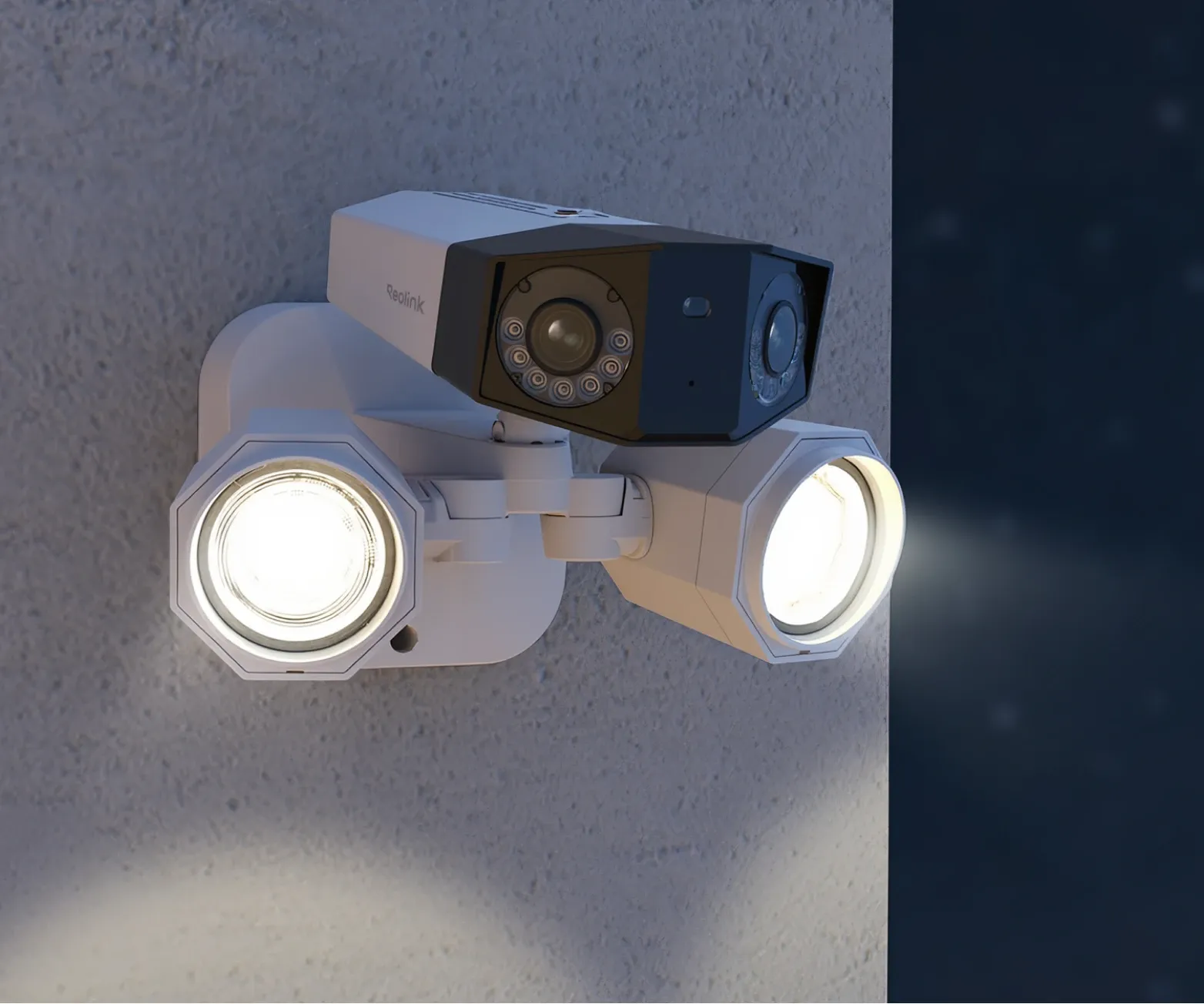
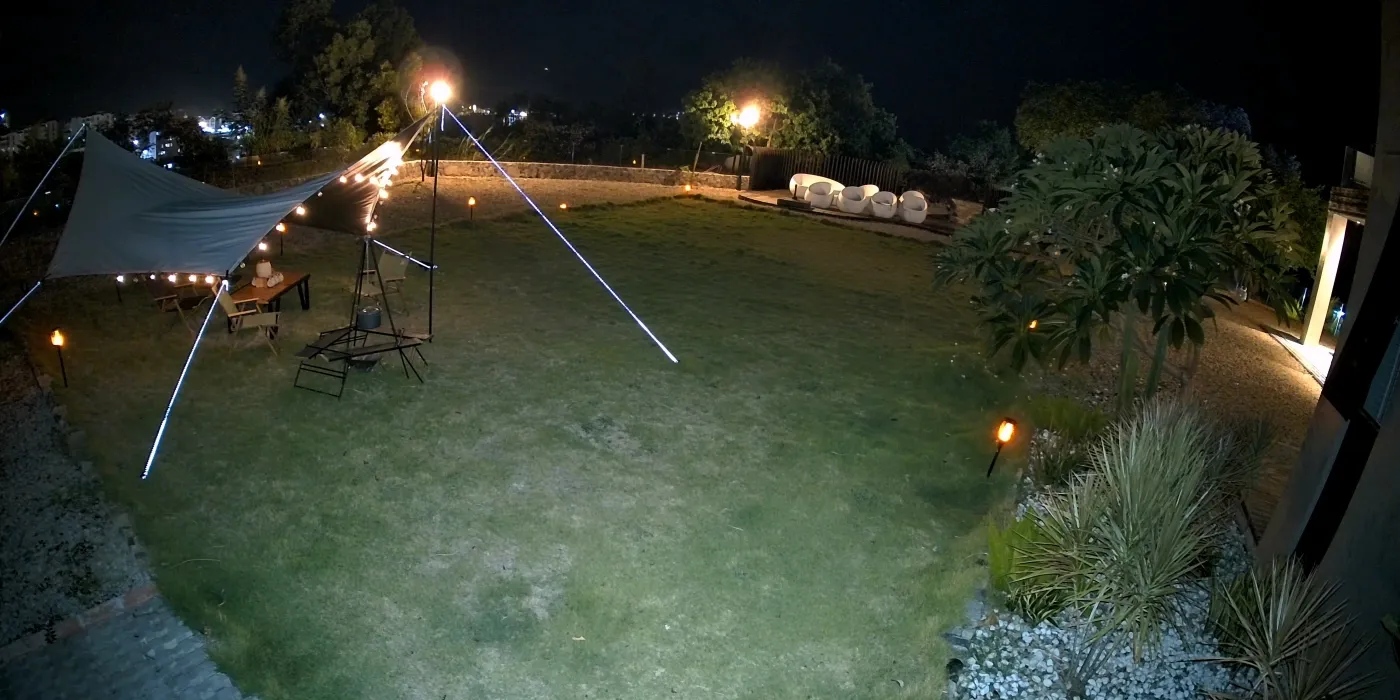
Infrared night vision turns a dark lot into a grey picture, which is enough to see movement but often not enough to describe a jacket or a car's color. Where the lot is poorly lit, a camera with its own floodlight or a full-color low-light sensor gives a far more useful picture, and the light itself discourages people from lingering. We aim lights so they do not shine into residents' windows across the lot.
Some condo lots are leased to an operator, shared with a neighboring building or partly owned by a commercial unit. Cameras can only go where the condominium has the right to mount them, so we check the declaration, the lease or the easement with the managing agent before a single camera goes on a pole.

Inside an elevator building, most camera coverage goes into a few predictable places. What changes from building to building is how many entrances there are and where the deliveries end up.
We plan two views at the main entrance whenever possible: one in the vestibule or just outside the door showing faces as people enter, and one inside showing the lobby, mailboxes and the path to the elevator. Doors that people prop open or that close slowly let others slip in behind residents; a camera on the inside of that door shows who came through on whose fob, which is often the most useful clip a board ever pulls.
Package theft in Bronx buildings follows the same pattern reported across the city: someone gets inside, finds deliveries left in the open and leaves with them in seconds. Cameras do not stop it on their own, but a clear view of the shelves and the door, at a height that shows faces rather than the tops of heads, gives owners and police something to work with. We pair package cameras with a short retention rule in the footage policy so owners know to report a missing delivery quickly.
A camera in each elevator cab is one of the most requested items in elevator condos. The camera itself is ours; the elevator car's travelling cable and controller belong to the elevator contractor, and nothing of ours goes into them. Most cabs get a wireless link: a small transmitter on top of the car and a receiver in the shaft or machine room, installed with the elevator contractor present where the building requires it. In older cars we look at the space above the ceiling panel before quoting, since a tight cab can limit the camera model.
Stairwell doors at the ground floor and the roof, the service entrance, the trash room door and the door to the cellar are the back-of-house entrances that boards forget until something happens there. One camera at each, aimed at the door from inside, is usually enough. We do not put cameras on each landing of a stairwell, which adds cost without adding much.
Shared laundry rooms get a camera aimed at the door and machines. Bike rooms get one aimed at the racks and the door. Storage cage areas get coverage of the aisles, never the inside of individual cages. None of these rooms ever has a camera aimed into a restroom or changing area that opens off it.
Every condo security camera system we install has the same four parts: cameras, a recorder, the cable and network that connect them, and the accounts people use to watch. The quality of the whole is set by the weakest of the four, which in older Bronx buildings is usually the cable and in newer ones is usually the accounts.
| Camera | Where it earns its place in a Bronx condo |
|---|---|
| Turret | Lobbies, vestibules and package areas, where a smooth, glare-free view of faces at door height matters |
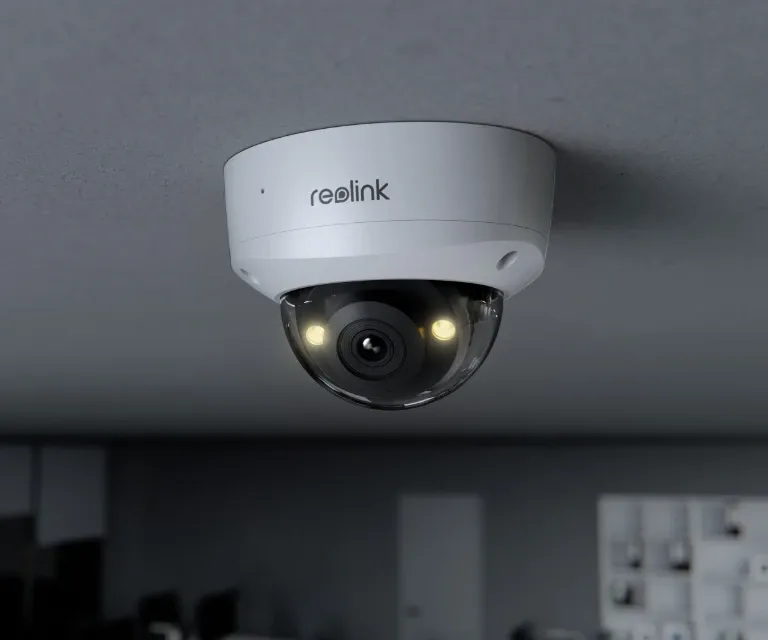
| Vandal-resistant dome | Low-ceilinged ground-floor corridors, laundry rooms and elevator landings within reach of passers-by |
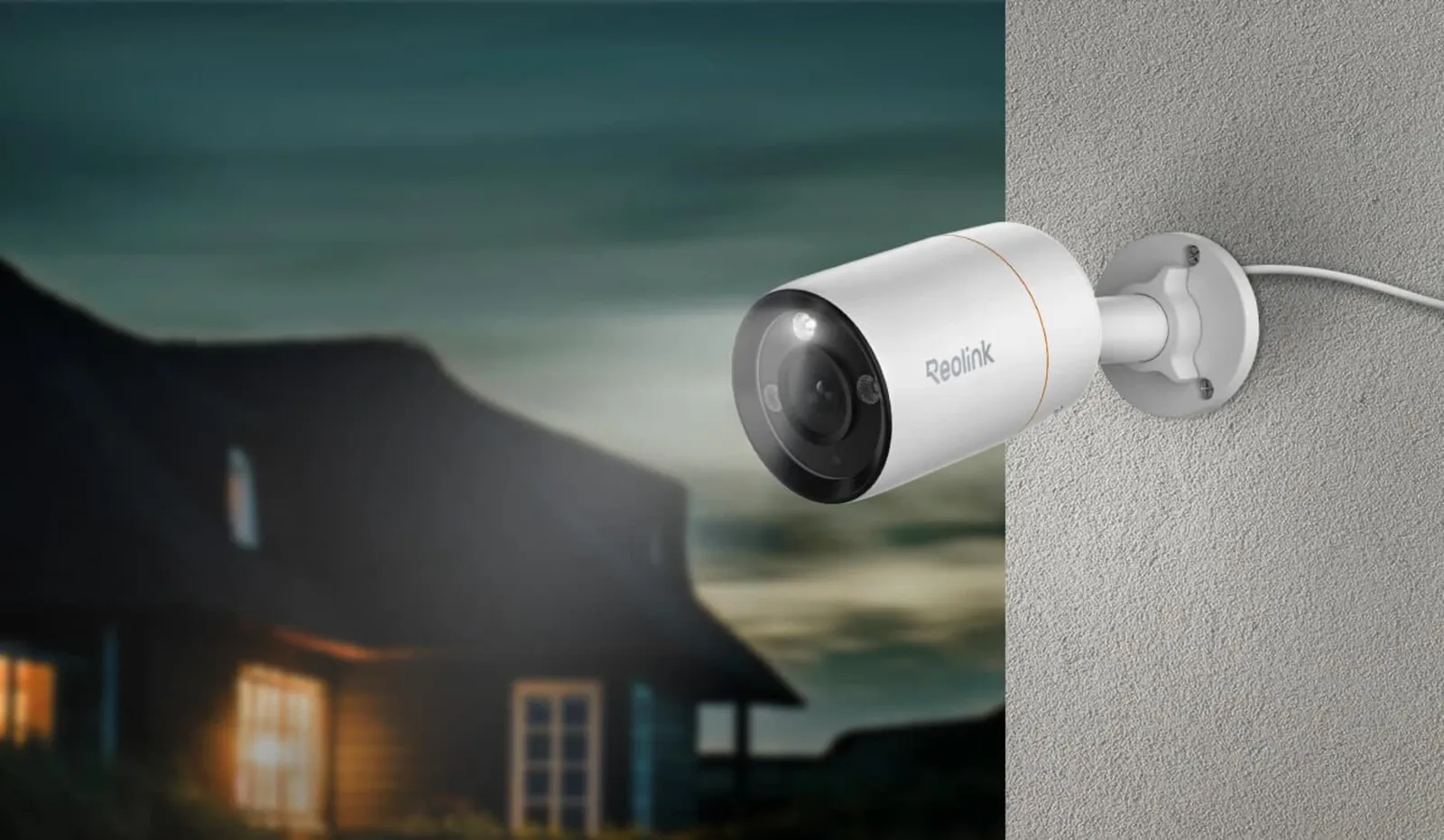
| Bullet | Parking lot rows, driveways, rear yards and long lanes, where a narrower, longer view is needed |
| Floodlight camera | Dim lots, guest parking and dumpster areas, where light and a color night picture both help |
| Pan-tilt-zoom | Large campus ovals and lots, alongside fixed cameras, for live zooming by patrol staff |
| Compact elevator camera | Inside cabs, with a wireless link to the shaft so nothing enters the elevator contractor's wiring |
Many converted Bronx buildings still have coaxial camera cable from an earlier system, sometimes decades old. Where that cable tests clean, an HD-over-coax system with a DVR recorder can reuse it and save the cost of new runs through plaster walls. Where it fails, or where the board wants higher resolution and power over one cable, we install network cameras on new Cat6 runs to an NVR. Hybrid recorders can run both kinds during a phased change. The proposal tells the board which runs we expect to reuse, which ones might fail their test, and what replacing a failed run would cost, before anything is ordered.
Recorders store video on hard drives sized to the number of cameras, the resolution and the number of days the board wants to keep. Trade guidance from FirstService Residential, published in September 2024, notes that building footage is "generally stored for 30 to 90 days depending on the building size." We size drives to the retention written into the board's footage policy and set the recorder to email the managing agent if a drive fails or recording stops, which is the failure we find most often on inherited systems.
Network cameras get power and data through one cable from a PoE switch next to the recorder. The recorder, switch and modem go on a battery backup so a short power cut does not stop recording or corrupt a drive. Remote viewing needs an internet connection at the recorder; we use the condominium's existing service where it has one and set up the recorder on its own network segment, separate from any building Wi-Fi residents use.
We create named accounts for each role: a full administrator for the board's designee, a manager account for the agent, live-and-playback accounts for staff or patrol, and view-only accounts for anyone else the board approves. Every account is on the condominium's own record, and we keep no standing access to the system after handover unless the board grants it in writing.

Our proposals price our own non-branded system first. It is the same professional-grade camera and recorder hardware we install across the city, with no monthly fees, local recording on the condominium's own recorder and a phone app for authorized viewers. For most Bronx condominiums it is the best value per camera, and it keeps the board out of any manufacturer's subscription.
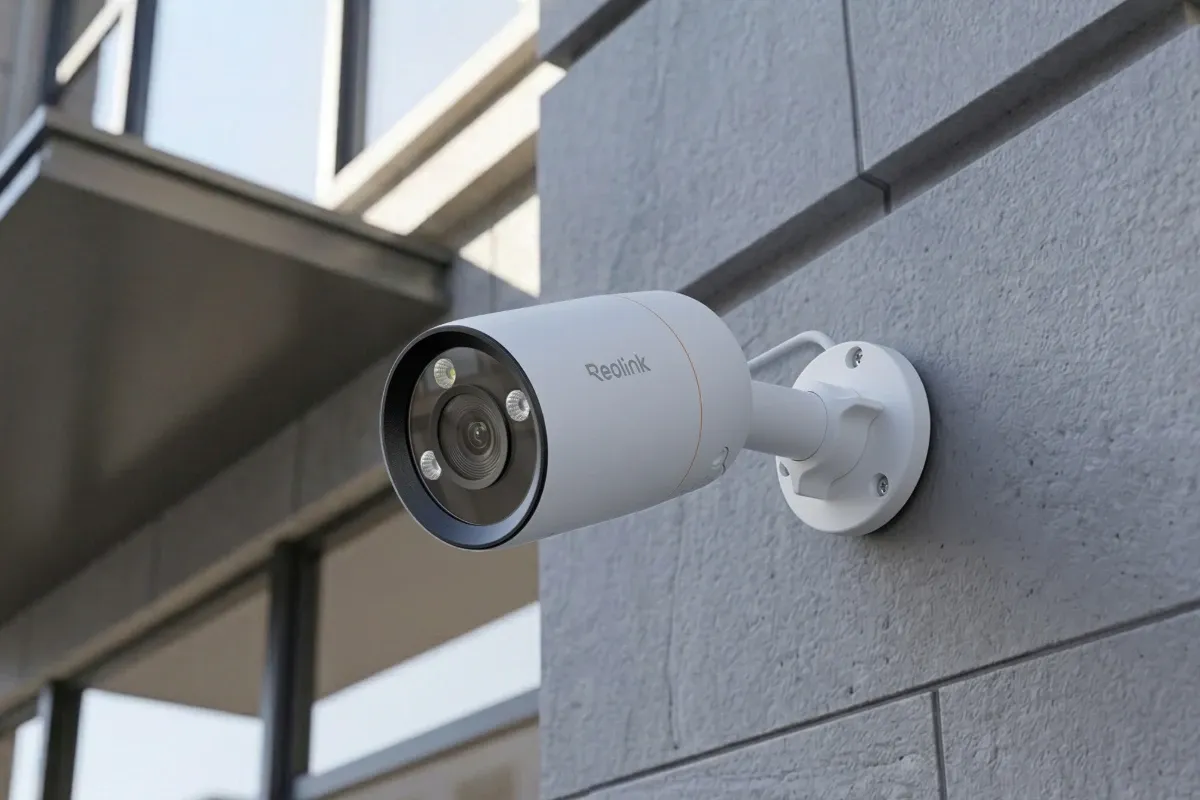
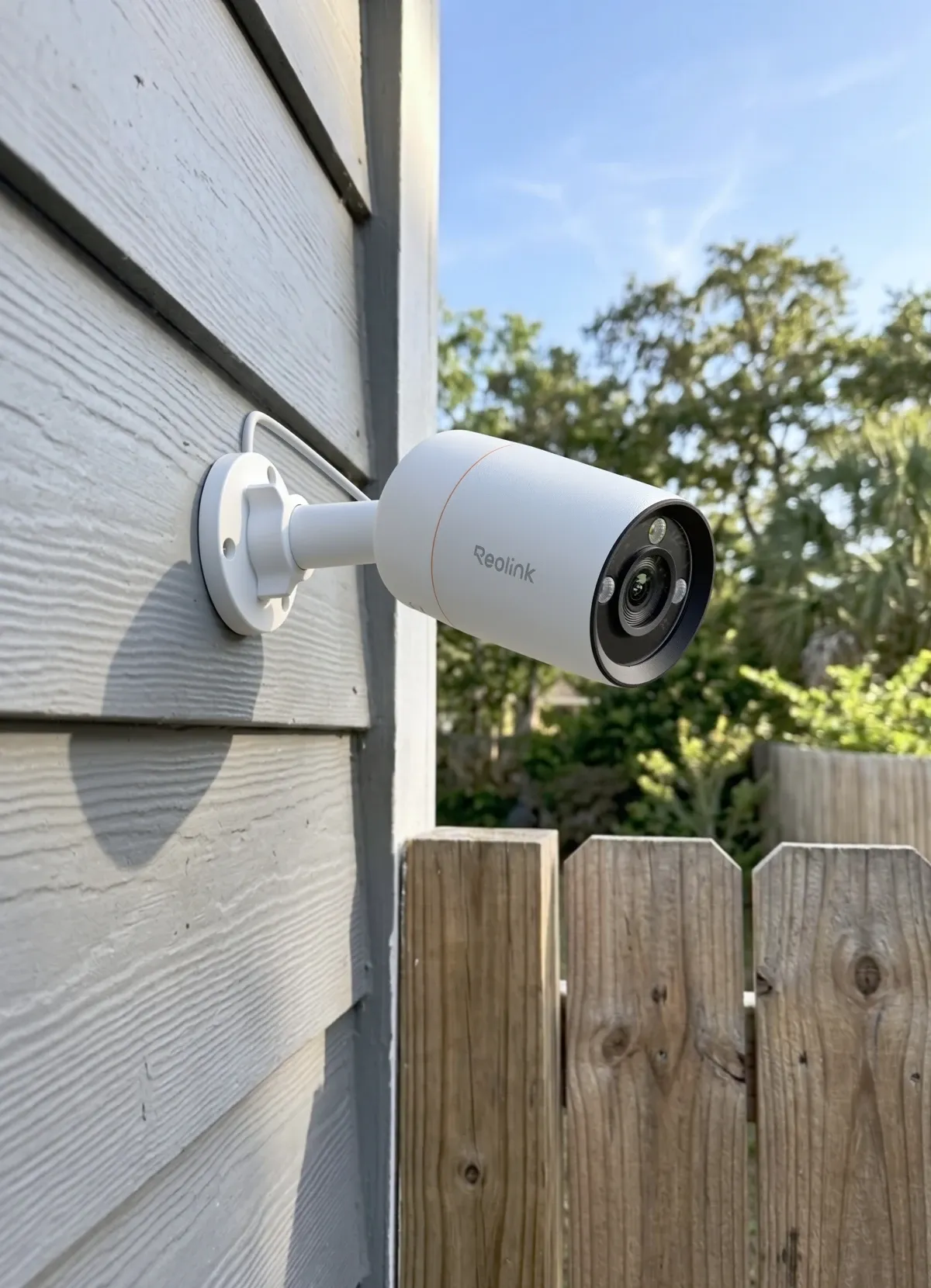
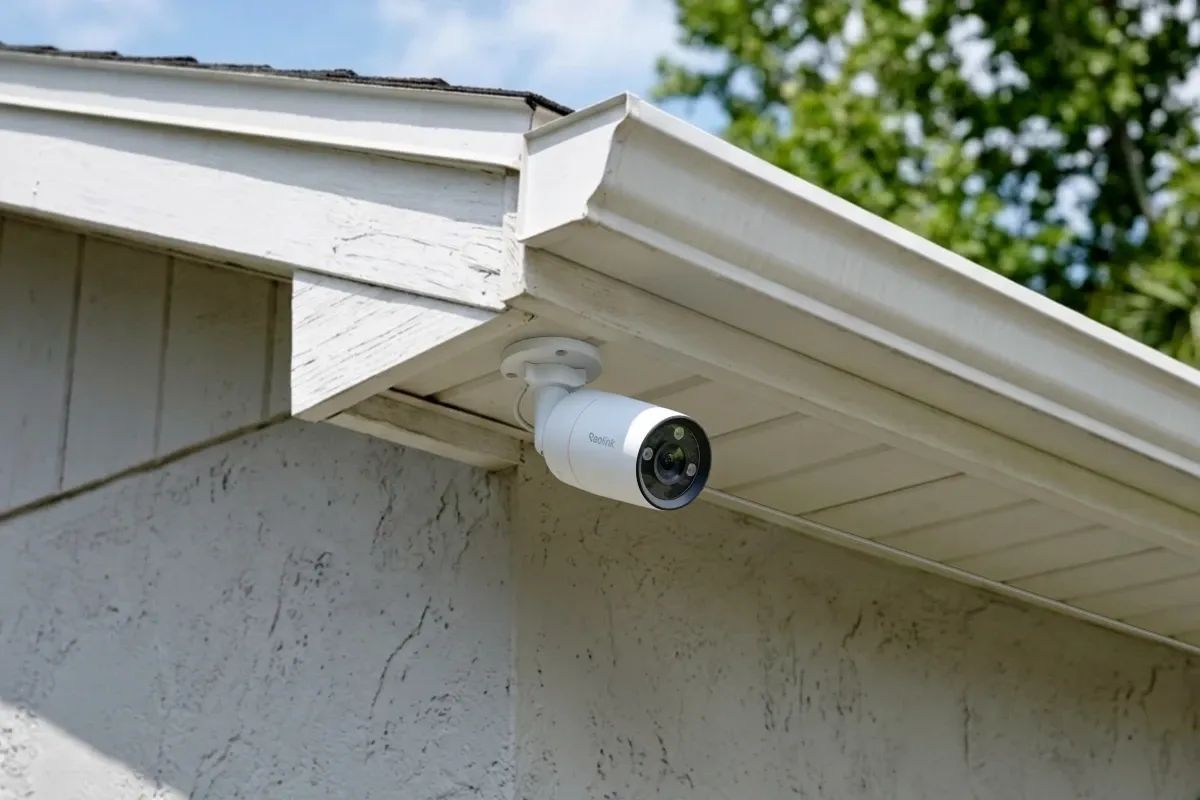
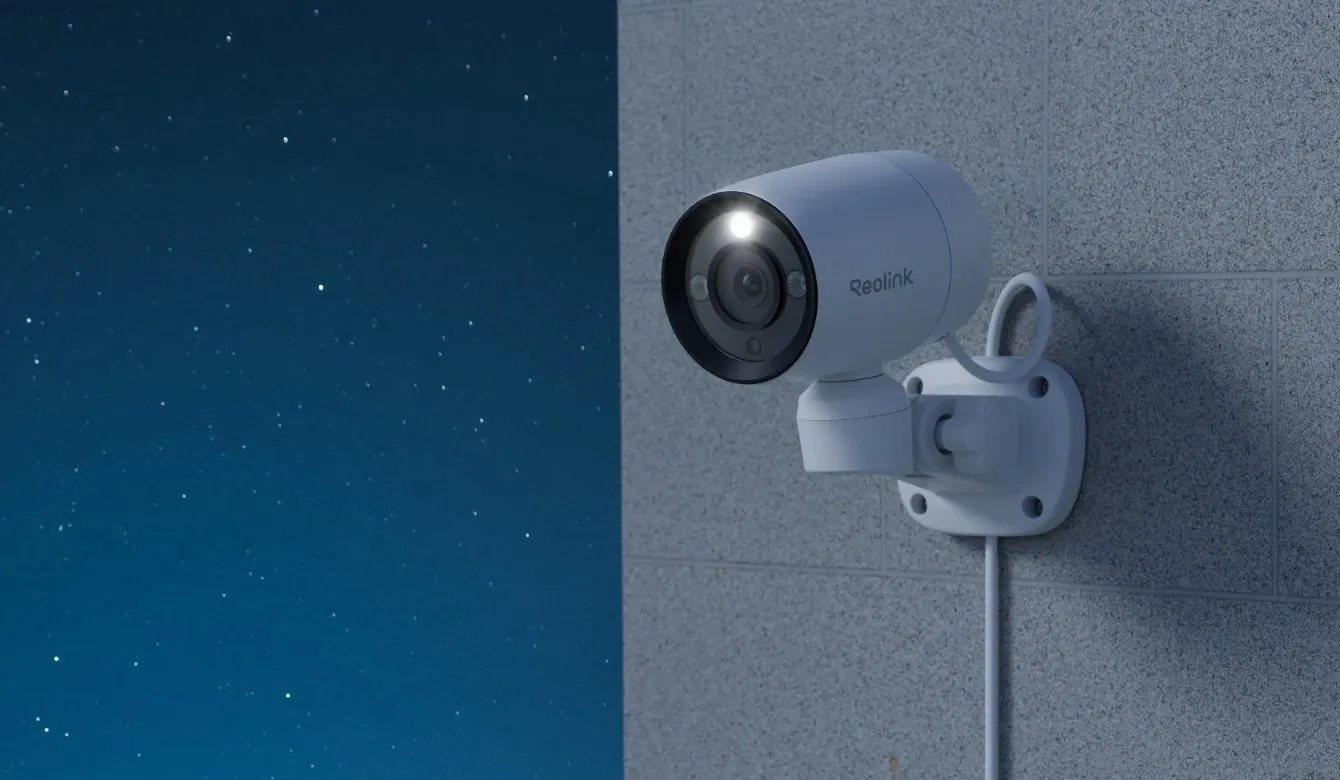
When a board prefers a named brand, we price that instead or alongside. We are a partner with Lorex, Luminys and Reolink, and we install and service other major brands boards ask for, including systems a sponsor or earlier vendor left behind. Brand choice changes the price, the app and sometimes the subscription, but it does not change how the cameras are placed, how the footage policy works or who owns the logins. If a brand carries a cloud subscription, the proposal lists it on its own line so the board can see the running cost before it votes.
Boards sometimes ask whether a large campus needs an enterprise video platform rather than recorders and an app. For a few hundred cameras with a central patrol desk, a video management platform that ties many recorders together can make sense, and we price it when the scale calls for it. For a single elevator building or a townhouse association, it adds cost without adding much the board will use.
Camera placement in a condominium is shaped by state criminal law, the Condominium Act and the condominium's own documents. What follows are published facts with their sources, so the board can see why we place cameras the way we do. It is not legal advice; the board's attorney should review the footage policy and any rule the board adopts.
Real Property Law §339-v lists what condominium bylaws must cover, including how the board is chosen and its powers and duties. Common elements, defined in §339-e, are managed by the board under those bylaws. A camera project is an exercise of that authority, which is why it goes through a board vote and, where the bylaws require it, owner notice or approval. Attorney Andrew Lieb, writing in Habitat in August 2023 about a board adopting camera rules, put the limit bluntly: "A house rule that is unauthorized by these foundational documents is unenforceable."
New York's eavesdropping law, Penal Law §250.05, makes it a class E felony to mechanically overhear a conversation without the consent of at least one party (the definition is in §250.00). Common-area cameras pick up conversations between residents who have not consented, so we disable the microphone on every condo camera and say so in the proposal. Elevator emergency phones and intercoms are separate devices that a person activates; they are not camera audio.
Penal Law §250.45 makes unlawful surveillance a class E felony and names bedrooms, changing rooms, fitting rooms, restrooms, toilets, bathrooms, washrooms and showers among the places where recording a person without their knowledge or consent, for no legitimate purpose, is a crime. No camera we install points into any of those spaces, including a restroom that opens off a gym, a pool deck or a laundry room.
A condo camera covers common elements. It does not point into any apartment, and outdoor cameras aimed at paths and lots are masked where a resident's window falls into the frame. CooperatorNews, in an April 2025 Q&A with attorney Ricardo M. Vera, noted that the law recognizes the interior of a neighbor's unit as subject to considerable privacy safeguards.
Owners sometimes put their own cameras or video doorbells on their unit doors, aimed down the hallway. Vera's answer in the same CooperatorNews piece was that condos typically prohibit unit owners from unilaterally altering common areas, that a camera installed without consent may have violated the governing bylaws, and that "a request for board consent is advisable." Boards can address this in a written rule, and a well-placed common-area camera often removes the reason owners install their own.
The Landmarks Preservation Commission's map page lists 13 historic districts in the Bronx, among them the Grand Concourse district designated in October 2011, Mott Haven, Riverdale and Fieldston. In any of them, cameras on a building's exterior follow the Commission's guidance on placement and appearance, and the board's architect or our office prepares what the Commission needs before installation.
New York State requires a license to install security and fire alarm systems, administered by the Department of State. Abstract Enterprises Security Systems holds New York State license #12000287431. Boards comparing bids should ask every contractor for theirs.
The camera system is only half the project. The other half is a short written policy that tells everyone who can see the video, how long it is kept and what happens when someone asks for a copy. Buildings that adopt one before installation hear far fewer complaints afterward, and when an incident does happen, the agent knows what to do without calling a board meeting.
Many Bronx condo apartments are rented by their owners. Citywide, the NYC Comptroller's March 2024 housing spotlight found that 60 percent of occupied condo units are actually occupied by renters, and that 18 percent of condo units are owned by LLCs. The Comptroller did not publish a Bronx figure, but in any building with rented units the policy should state how tenants request footage (usually through the owner and the agent) and the camera notice should reach tenants, not just owners.
Clear signs at entrances telling people that common areas are recorded are inexpensive and set expectations for residents, guests and delivery workers alike. We supply and mount standard signs with the installation if the board wants them, in English and Spanish or any other language the board chooses.
If a board decides after installation that a camera covers too much, or that retention should be longer, those are changes we make in an afternoon: re-aiming, a new privacy mask, a larger drive. We note every change in the handover documents so the policy and the system stay in step.
Camera projects fail more often in the board room than on the ceiling. Our proposals are written to make the vote easy: one document a treasurer can read in ten minutes, with everything a skeptical owner would ask already answered.
In newer buildings the sponsor may still hold unsold units or a seat on the board, and its approval is part of the board's own process. In managed buildings the agent usually countersigns after the vote; in self-managed condos an officer signs. We take direction from whoever the board authorizes in writing and send every document to every board member and agent on the thread so nobody is working from an old version.
Associations usually pay for cameras from the reserve fund, the operating budget or a special assessment voted under the bylaws, and a phased plan lets each phase land in a different budget year. Financing is available through Wisetack, subject to approval. The job is scheduled once the board's deposit is paid, and equipment is ordered only after that, since ordered equipment cannot be returned.
Once the board approves, we send the agent a one-page, plain-language summary of where cameras will be, what they will not record, who can see the video and when installers will be in the building. Boards that circulate it before work starts rarely hear objections afterward.
There is no condo markup in our Bronx pricing. A condominium pays the same camera prices as any other Bronx customer, and our entry system, four house-brand cameras with a DVR recorder, installed, is $950. The full Bronx package list, including higher-resolution, full-color and network-recorder systems, is on our Bronx security camera pricing page. Nearly every condominium needs more than four cameras, so the board should read $950 as the price of the first four, not of the project.
| Part of the project | How it is priced in the Bronx |
|---|---|
| Four-camera house-brand system with recorder, installed | $950 |
| Each added camera | A per-camera figure, set once the walk-through confirms where each one mounts |
| Concealed cable through finished walls and ceilings | Quoted as an extra, run by run, before the order |
| Links between buildings or to far lot cameras | Fiber or wireless bridge priced per link in the proposal |
| Bigger recorder, more drive space, NVR | Sized to camera count and retention, listed in the proposal |
| A named brand instead of the house system | Priced on request, with any subscription on its own line |
| Cameras the condominium already bought | Labor only, quoted by phone or text |
The same camera can take a short time to mount on an open lot wall in Throgs Neck or most of a morning to reach in a Grand Concourse conversion, where cable has to be fished through plaster and around marble without leaving damage. Distance to the recorder, ceiling height, concealed versus exposed runs, outdoor conduit and whether old cable can be reused all move the price. Walking the building first means the board votes on a number that holds.
Ordered equipment is not returnable, so anything that could add cost goes in the proposal up front: an old coax run that may fail its test, a lift for a double-height lobby or garage, trenching where a lot has no wall nearby, or a wireless link for an elevator. The board sees the worst case before it signs, and installation day brings no surprises.
If a board member or the agent has already bought cameras, we quote installation labor by phone or text from the model list and the spaces to cover, and book the work once the deposit is paid. We do not run site walk-throughs for customer-supplied equipment, and the equipment's performance and defects stay with whoever sold it.
Boards should keep three kinds of coverage apart when they compare bids. Our website lists a 30-day warranty on every installed system. A board that wants a year or more can buy an extended plan when it signs, and boards spending reserve money often do. Separately, each camera, recorder and hard drive comes with whatever its manufacturer offers, handled on that manufacturer's terms. Full terms — including 50% deposit, one-year parts-only warranty on Abstract Enterprises Security Systems-supplied products, and the late-fee schedule — are set out in the service agreement.
Financing is available through Wisetack, subject to approval.

Give us the neighborhood or cross streets, how many buildings and units, whether there is a garage or lot, and the spaces the board wants covered. A phone photo of the current recorder, or of the room where one could go, helps us prepare. To talk first, call or text (646) 490-0629.
Thank you. A coordinator at our Bronx office will reach out by phone or text, normally within 2 hours, to choose a walk date that suits the board.
Our Bronx office is at 460 East Fordham Road, roughly in the middle of the borough, and crews reach every neighborhood from there. The camera plan changes as much from one end of the borough to the other as it does between boroughs.
Hillside elevator condos, below-grade garages, doorman desks and river glare, inside a neighborhood of co-ops and large houses. Two historic districts, Riverdale (1990) and Fieldston (2006), mean exterior mounts are planned with the Landmarks Preservation Commission's guidance in mind. Expect garage and lobby cameras to dominate the plan. Our general Riverdale camera work is described on the Riverdale security camera installation page.
Prewar and postwar elevator buildings, most of them co-ops or rentals; the condominiums among them share the same narrow lobbies, old coax in the walls and steep side streets. Cable reuse testing is the big variable here, and the proposal usually prices both a coax and a new-cable option.
Art Deco and prewar apartment houses along the Concourse, inside the Grand Concourse Historic District designated in October 2011 for many of them, plus mixed-use buildings with condo floors over Fordham Road storefronts. Marble and terrazzo lobbies call for careful mounting, and storefront owners' cameras must stay separate from the association's.
Campus-scale condominium living, with interior paths, ovals, garages and patrol staff. Planning is about links between buildings, a central viewing desk and phasing across many budget years.
Townhouse associations, newer condo buildings on and near Schurz Avenue, and shoreline blocks facing Eastchester Bay and the Sound. Gates, lanes, guest parking and salt air shape the plan, and the recorder's location is often the first decision. Pelham Bay Park, the city's largest park, borders much of this area, which means long dark edges along property lines.
A small island of houses, boatyards and marinas reached by one bridge. For any condominium association there, salt exposure, wind and limited parking for crews make scheduling and hardware choices matter; we bring stainless mounts and plan early-day visits.
Loft conversions, small new condos and mixed-use buildings among a much larger stock of new rentals. Expect small systems run by volunteer boards, roof terrace cameras next to taller neighbors and vestibule package coverage.
Co-op City and the gated land co-ops of the east Bronx are cooperatives, not condominiums. Cooperative boards should see our co-op security camera installation page for the Bronx once it is published ; until then, call the Bronx line and we will walk you through the differences.

Outdoor cameras in the Bronx face more variety than most people expect: salt wind on the east shore, deep afternoon shade on the Riverdale hill, damp along the Harlem River and the Bronx River, and winters with snow, road salt and plows. Hardware and mounting choices follow from where the building sits.
Near Eastchester Bay, City Island and the Throgs Neck shore, we use outdoor-rated housings with sealed cable entries, stainless steel screws and brackets, and short rigid mounts that do not vibrate in wind. Pole cameras get heavier brackets and a second fastening point so gusts do not knock them out of aim.
On north- and east-facing hillside walls in Riverdale and Spuyten Duyvil, entrances fall into shade early in winter afternoons. Cameras with good low-light sensors, and a fixture or floodlight camera where the light is poor, keep faces visible without relying on infrared alone.
Recorders and switches dislike damp rooms. In buildings near the rivers or with a history of basement water, we mount equipment on walls or in cabinets off the floor, away from pipes, and recommend a dehumidifier in rooms that smell of damp. Where a ground-floor room has flooded before, we look for a room on a higher floor.
Lot and driveway cameras get mounted high enough that snow piles and plow blades will not reach them, and away from where plows throw slush. Salt spray dulls lenses at garage ramps and lot entrances, so lens cleaning goes on the maintenance schedule after the winter.
A battery backup keeps the recorder, switch and modem running through short outages and lets the recorder shut down cleanly in a long one. Buildings with a generator can have the camera equipment's circuit connected to it by their electrician; we supply the backup units and the low-voltage side.

A single camera added to a working recorder can be done within days of the first call. A campus-wide plan may sit through several board meetings between the proposal and the vote. Either way, the order of work is the same.
Start with a call, a text or the form on this page. A treasurer, a super or a patrol supervisor can make first contact; the walk lands on our calendar inside 2 hours, any day of the week, as a two-hour arrival window we try to put in the morning.
Someone who knows the property, usually the agent or super, leads us through each area on the board's list. We get into the intended recorder room, run a tester over old cable, measure out to lots and outlying buildings, and note mounting walls, light levels and outlets.
The board gets a drawing with numbered cameras, a schedule of what each covers, the recorder and its storage days, every building-to-building link, concealed runs priced line by line, and any risk of extra cost spelled out.
The board votes as its bylaws require, and the officer or agent it names signs and sends the deposit. Equipment orders and the condominium's insurance certificate both wait for that moment.
The agent receives a one-page notice for owners and tenants, plus a schedule by building or floor that follows the property's work hours, elevator bookings and any days the board wants kept clear.
Crews pull cable, mount cameras and fit out the recorder room. Each view is checked from the common areas, windows are masked, microphones are switched off and storage days are set to the policy.
The board's designee receives the admin login in the condominium's name, role accounts for agent and staff, a camera map with labels, written clip-export steps and a short hands-on session.
Many Bronx condo boards call us about a system they did not choose: cameras from the conversion, a sponsor's recorder, or a patchwork added building by building over twenty years. The right answer depends on what still works and who controls it.
If the cameras are reasonably recent and the recorder works, a repair visit often restores a dead camera, a failed drive or lost remote viewing. Those visits are handled through our security camera repair service in the Bronx, and we tell the board honestly whether the repair is worth it on equipment that old.
Where the existing recorder has spare channels and the cameras are a compatible type, new cameras can be added to it, which is the cheapest way to cover a package area or a lot that was missed. Hybrid recorders also let a board keep working analog cameras while new network cameras go in, replacing the old ones as they fail.
When nobody can log in, the recorder is out of support, cameras are analog standard-definition units from the 2000s or the cable is failing, replacing the system costs less over five years than nursing it. We reuse every cable run that tests clean and every mounting location that still makes sense, so replacement is rarely starting from zero.
A locked recorder whose password left with a former vendor or sponsor's integrator can usually be reset with physical access and proof that the condominium owns it, though some models erase their settings in the process. We document the existing camera views first so nothing is lost, then register the reset system to the condominium.
After handover, recorder health alerts go to the managing agent, and we suggest a check of every view, the drives, the clock and the user list once or twice a year. The board can book those check-ups whenever it likes; there is no monthly plan to sign up for.
Every Bronx condo we work in is occupied. The goal is a finished system with as little disruption as possible, and the habits below are how we get there.
These are planning ranges from our own surveys, not quotes and not a rule. They help a board judge whether a proposal is in the right neighborhood. The actual count comes from the walk and the board's priorities, and the per-camera price comes after we confirm the layout.
| Bronx condo type | Typical first-phase cameras | What they usually cover |
|---|---|---|
| Small South Bronx condo or loft, under 25 units | 5 to 8 | Street door, vestibule and packages, rear door, elevator, roof terrace door, bike room |
| Riverdale or Spuyten Duyvil elevator condo | 12 to 24 | Each street-level entry, the concierge desk, deliveries, every cab, the ramp and parking aisles, gym and lounge doors, stair and roof exits |
| Townhouse or waterfront association | 6 to 16 | Gate and entrance, through paths, guest parking, mail kiosk, dumpster area, clubhouse or pool gate |
| Mixed-use condo over stores | 6 to 12 | Residential entrance and lobby, mailboxes, elevator, rear yard or lot, service door, roof door |
| One building of a converted campus | 8 to 16 per building | Entrances, lobby, laundry, elevators, cellar doors, plus a share of path and lot cameras |
Large campuses multiply the per-building figure and add path, lot and garage cameras on top. That is how complexes end up in the hundreds, as Parkchester did, and why phasing matters so much there.
Boards hear a lot of confident advice about cameras from vendors, owners and the internet. Here are six claims we hear in Bronx condos, with what we have found to be true.
Not usually. Entrances, exits, elevators and the doors into stairwells capture almost everyone who moves through a building. Cameras on every landing multiply cost and recording without adding much evidence, and owners tend to dislike them. We put the budget where people have to pass.
Resolution helps only when the camera is placed and lit well. A high-resolution camera aimed into glare or across a dark lot still records a useless picture, and it fills drives faster. A well-placed 2MP or 4MP camera at a door often beats a distant 8MP one.
Battery and Wi-Fi cameras work for a single home. In a condo, brick and concrete walls weaken Wi-Fi, batteries need changing on ladders and cloud subscriptions multiply by the camera. Wired cameras with a local recorder are more reliable and usually cheaper over a few years. Wireless bridges still have a place for linking buildings or elevator cabs.
Plates are readable at a designed choke point with lighting and the right shutter settings. A wide camera across a whole lot will not read plates in its corners. We design a plate camera where the board needs one and say plainly what the others will and will not show.
Not if it tests clean. HD-over-coax cameras can run on good existing coax at a fraction of the cost of new cable through plaster walls. We test each run and replace only what fails.
Cameras record what happens; they do not stop a door from being propped or a lock from being forced. A door that closes and latches properly, and a working intercom and fob system, do more to keep people out. Cameras then show who got in anyway. Our condo security systems page for the Bronx covers intercoms, access control and entry hardware.
These are questions Bronx condo boards, agents and owners have asked us about their own properties. Your building may be different, and we are glad to answer yours on the phone at (646) 490-0629.
It can, if the camera sees the wall from the side rather than head-on. Taggers work fast and often at night, so we mount a camera at the far end of the wall, aimed along its face, with a light or a full-color low-light sensor so clothing and any vehicle show up. That record helps with police reports and insurance claims. Quick cleanup matters too, and many boards find that removing tags promptly discourages repeat visits.
Yes. We place the condo's cameras on its own walls and columns, aim them at its own spaces, doors and ramp, and draw privacy masks over the co-op's side where it falls into a frame. The co-op may want its own cameras on its side; if both boards agree, the two systems can be coordinated so the shared ramp is covered once rather than twice. The written aiming plan goes to both boards.
The gate, then the guest parking, then anything that lets people walk in without passing the gate. A camera at the gate showing each car's front and driver's side, and a second one showing the pedestrian opening, give the association a record of everyone who comes in. Guest parking is next, because that is where outsiders leave cars. Mail kiosks and dumpster areas usually make the second phase.
The condominium, through two officers with separate administrator accounts, plus a sealed copy of the master credentials kept by the managing agent or the board's attorney. No single owner should be the only person who can log in. When officers change, the outgoing officer's account is deleted and the incoming one gets a new account, without resetting the system.
Several things. Floodlight cameras can be re-aimed downward, their brightness turned down, or set to light up only when motion is detected rather than staying on from dusk to dawn. Shields can also cut the spill toward windows. We adjust them at night with the board's input and note the settings so they stay that way after any later service visit.
A shorter, stiffer bracket with two fastening points, stainless steel banding rated for the pole's diameter, and a camera with a lower profile that catches less wind. Long single-arm brackets act like levers in a gust. We re-aim, tighten and photograph the final view so the board can tell if it drifts again.
Usually. Cameras can mount on ceilings, plaster above the stone line, metal door frames or small painted plates fixed into mortar joints rather than the marble face. Cable runs above ceilings or behind existing trim. Where the stone is the only option, we drill in grout lines with masonry bits sized to the anchor, and the board approves the exact spots first.
No. Each cab camera is its own small project: a camera in the car, a wireless link to the shaft and a connection to that building's recorder. We survey every car once, note which ones have room above the ceiling panel and which need a slimmer camera, and price them individually so the board can add cabs building by building, often timed with the elevator contractor's own modernization schedule.
If the declaration makes the yard a common element, yes, and the restaurant's own cameras can still cover its back door and kitchen entry. Where the yard is a limited common element assigned to the commercial unit, the association needs that owner's written agreement before mounting anything there. We read the declaration's description of the yard with the agent before planning, and we keep the two systems on separate recorders either way.
Yes. Many housings come in white, black or grey, and outdoor cameras can be painted with a compatible paint as long as the lens, sensors and vents stay clear. On dark brick we often choose black housings so cameras recede into the facade. The Landmarks Preservation Commission asks for equipment to be as small as possible and painted to blend in historic districts, which is good practice on any building.
Usually, but away from the carrier's equipment. Antenna leases typically restrict who may work near the installation and may require the carrier's notice before roof work, so we review the lease terms with the agent and mount cameras at the roof door and parapet corners well clear of the antennas and cabinets. We never attach anything to the carrier's frames or run cable through its conduits.
Only if the board decides it should. Once the board controls the condominium, accounts are issued under the board's footage policy, and a sponsor that owns units is treated like any other owner unless the governing documents or a transition agreement say otherwise. If the sponsor's integrator still holds administrator access from construction, we remove it and register the system to the condominium.
Some calls to the Bronx line turn out not to be about a condominium at all. For those, and for related work a condo board may need next, these pages pick up where this one stops:
Abstract Enterprises Security Systems has been owner-run since 2002, and crews leave the Fordham Road office for condo jobs all over the borough. Over time these five findings have turned into items on the checklist we carry on every Bronx walk.
The best camera in the lot was pointed at the sky. Pole and wall cameras on exposed east Bronx sites drift after a few winters of wind. We photograph each final view at handover so the agent can compare it later, and we use stiffer brackets where gusts are strong.
The recorder lived in the boiler room. Heat and damp shortened drive life badly. Moving the recorder to a cooler, dry closet, even one floor up, did more for reliability than any new camera.
Old coax was better than expected, in places. In converted buildings we have found runs that tested perfectly after decades in the wall next to runs that had been cut during renovations. Testing every run before quoting is what keeps the price honest.
Nobody had looked at the night picture. Systems installed in daylight often looked fine until someone pulled a 2 a.m. clip and found the lot entrance black. We now check every outdoor camera after dark before we call the job finished.
Boards that shared the plan heard little afterward. Where owners and tenants saw a simple list of camera locations and a note on what would never be recorded, complaints were rare. Where cameras simply appeared, the same equipment drew objections.
Two bids for the same Bronx condo can differ by thousands of dollars and both be fair, because one counts twelve cameras and thirty days of storage and the other counts eighteen and ninety. Put these questions to each contractor so the proposals line up, and set our answers beside theirs.
| Question for every bidder | Our answer |
|---|---|
| Does the proposal say what each camera watches, or just how many there are? | A camera schedule ties each number on the drawing to the door, aisle or path it covers. |
| How many days of video does the quoted recorder keep? | Stated in the proposal and matched to the board's footage policy. |
| Which cable runs are concealed, and what do they add? | Each concealed run is listed and priced before anything is ordered. |
| How will video get between buildings or out to the lot? | Each fiber or wireless link is named and priced. |
| Who ends up controlling the recorder once you leave? | Your association, through its designee. Our own logins come off at handover unless the board asks otherwise in writing. |
| Are there monthly fees? | None on our house-brand system; any brand subscription is listed separately. |
| Is camera audio disabled? | Yes, on every common-area camera. |
| What is your New York State license number? | #12000287431. |
| Which warranty terms apply to the system? | Thirty days on our work as the website states; longer terms only if the board buys them at signing; cameras and drives stay under each manufacturer's policy. |
| At what point do you issue a certificate of insurance? | After the board awards the job, worded to the agent's requirements. |
We hold 4.7 stars from 201 Google reviews, and our crews work from offices in the Bronx and Brooklyn and a small office in Queens. We install and maintain camera systems that condominiums own. We do not offer virtual doorman services, guards or staffed watching of condo camera feeds, and we do not do electrical work.
It includes four house-brand cameras and a DVR recorder, installed, the same figure as on our Bronx camera price page. Most condominiums add cameras beyond those four, each priced after we confirm the layout on a site visit, and concealed cable runs are quoted separately before anything is ordered.
Yes. Each building's recorder can be reached from a viewing workstation in the patrol or management office over the campus network, with buildings grouped on separate screens. If a link between buildings drops, that building's recorder keeps recording and only live viewing from the central room pauses.
Not if the camera is chosen for it. We use cameras with strong low-light sensors at shaded entrances, add a floodlight camera or recommend better fixtures where light is poor, and check the view on a winter afternoon before handover rather than only at midday.
A camera on condominium property will usually take in some of the street beyond the gate. We aim it at the condominium's own entrance and driveway, keep neighboring homes and windows out of frame or masked, and avoid aiming any camera mainly at someone else's property. The board's attorney can advise on any specific concern.
Yes. Most recorders let us set storage per camera or reserve drive space for chosen cameras, so a lot entrance with repeated incidents can keep video for longer while hallway cameras keep the standard number of days. The longer period should be written into the footage policy, and the drive is sized for it in the proposal.
Nothing breaks. Accounts belong to roles, not people, so the outgoing officer's account is deleted and the new officer gets one. The master credentials stay with the condominium, held by the agent or the board's attorney, and no reset is needed.
We use vandal-resistant housings, mount cameras high enough to be out of easy reach, run cable in conduit where it is exposed, and place a second camera that sees the first. Tampering is then recorded by the camera that was not touched, and the recorder can alert the agent if a camera goes offline.
Through existing basement passages or conduit where they exist, in protective conduit along walls and fences where they do not, or over point-to-point wireless bridges where there is a clear line of sight. We avoid digging across lawns in an occupied complex unless the association is already trenching.
Yes. Most recorders can send a phone notification when a person or vehicle is detected in a chosen area during chosen hours, such as the lot entrance after midnight. We set the area and schedule tightly so the alerts stay useful instead of constant.
We can. The store or office owner's cameras inside their own unit are their system and their decision, on their own recorder. The association's cameras cover the shared lobby, rear yard and lot. Keeping the two separate avoids arguments about who can see what.
Yes, on a hybrid recorder that accepts both. That lets a board keep working analog cameras on clean coax while new network cameras go in where they matter most, and replace the older units as they fail or as the budget allows.
Yes, if the board wants them. We mount standard signs at entrances and the lot stating that common areas are recorded, in English and Spanish or any other language the board chooses, as part of the installation.
For the citywide picture, including how borough prices compare, start with condo security camera installation in NYC. Managing agents with condo buildings in more than one borough can also read our pages on condo security camera installation in Manhattan, condo security camera installation in Brooklyn, condo security camera installation in Queens and condo security camera installation on Staten Island, and associations east of the city can see condo security camera installation on Long Island. Back to Abstract Enterprises Security Systems.
From the campus oval to the guest spaces behind a townhouse row, every camera is placed for the board's vote and registered to the association. Four-camera systems from $950 installed in the Bronx. NYS license #12000287431 · 4.7 stars from 201 Google reviews.