:root{--a:#C8102E;--d:#111827;--g:#6b7280;--l:#f8f9fb;--b:#e5e7eb;--f:'Plus Jakarta Sans',sans-serif}*{margin:0;padding:0;box-sizing:border-box}body{font-family:var(--f);color:var(--d);background:#fff;line-height:1.7}.cx{max-width:1140px;margin:0 auto;padding:0 24px}nav:not(.mn-wrap){position:fixed;top:0;left:0;right:0;z-index:100;background:rgba(255,255,255,.97);backdrop-filter:blur(16px);border-bottom:1px solid var(--b);padding:0 24px}.sw{padding:100px 0;background:#fff}.sg{padding:100px 0;background:var(--l)}.sd{padding:100px 0;background:var(--d);color:#fff}h1{font-size:clamp(2.4rem,6.5vw,4.2rem);font-weight:800;line-height:1.05;letter-spacing:-1.5px}h2{font-size:clamp(1.8rem,4vw,2.6rem);font-weight:800;line-height:1.1;letter-spacing:-.8px;margin-bottom:20px}.ac{color:var(--a)}.sd h2{color:#fff}.lb{display:flex;align-items:center;gap:10px;margin-bottom:14px}.lbr{width:36px;height:3px;background:var(--a);border-radius:2px}.lbt{font-size:.75rem;color:var(--a);letter-spacing:2.5px;font-weight:700;text-transform:uppercase}.bt{font-size:1.02rem;line-height:1.8;color:var(--g);max-width:760px;margin-bottom:20px}.hero{min-height:100vh;display:flex;align-items:center;position:relative;overflow:hidden;background:#fff;padding-top:80px}.hero-grid{display:grid;grid-template-columns:1fr 1fr;gap:40px;align-items:start}.hero-img{position:relative;display:flex;flex-direction:column;align-items:center;justify-content:flex-start}.hero-img img{max-width:400px;width:100%;height:auto;-webkit-mask-image:radial-gradient(ellipse 80% 80% at 50% 50%,#000 40%,transparent 72%);mask-image:radial-gradient(ellipse 80% 80% at 50% 50%,#000 40%,transparent 72%)}@media(max-width:900px){.hero-grid{grid-template-columns:1fr;gap:10px}.hero-img img{max-width:280px}}.hbadge{display:inline-flex;align-items:center;gap:8px;background:rgba(200,16,46,.06);border:1px solid rgba(200,16,46,.12);border-radius:100px;padding:8px 18px;margin-bottom:28px;font-size:.78rem;font-weight:700;color:var(--a);letter-spacing:1.5px}.hsub{font-size:1.12rem;line-height:1.75;color:var(--g);max-width:640px;margin-bottom:36px}.bp{display:inline-block;background:var(--a);color:#fff;font-weight:700;font-size:.95rem;padding:14px 32px;border-radius:10px;text-decoration:none;box-shadow:0 4px 20px rgba(200,16,46,.25)}.bo{display:inline-block;border:2px solid var(--d);color:var(--d);font-weight:700;font-size:.95rem;padding:14px 32px;border-radius:10px;text-decoration:none}.br{display:flex;gap:14px;flex-wrap:wrap}.stats{display:flex;margin-top:64px;border-top:1px solid var(--b);padding-top:32px;flex-wrap:wrap}.st{flex:1 1 120px;text-align:center;padding:0 16px;border-right:1px solid var(--b)}.st:last-child{border-right:none}.stn{font-size:2.5rem;font-weight:800;line-height:1}.stl{font-size:.72rem;color:#9ca3af;letter-spacing:1.2px;margin-top:6px;text-transform:uppercase;font-weight:600}.sgrid{display:grid;grid-template-columns:repeat(auto-fit,minmax(260px,1fr));gap:18px}.sc{background:#fff;border:1px solid var(--b);border-radius:14px;padding:30px 24px;transition:all .35s;cursor:default;min-height:190px}.sc:hover{background:var(--d);border-color:var(--d);transform:translateY(-4px);box-shadow:0 12px 40px rgba(0,0,0,.1)}.sc .si{font-size:32px;margin-bottom:14px}.sc h3{font-size:1.05rem;font-weight:700;margin-bottom:8px;transition:color .3s}.sc p{font-size:.87rem;line-height:1.65;color:var(--g);transition:color .3s}.sc:hover h3{color:#fff}.sc:hover p{color:rgba(255,255,255,.7)}.pg{display:grid;grid-template-columns:repeat(auto-fit,minmax(240px,1fr));gap:20px}.fc{border:1px solid var(--b);border-radius:16px;overflow:hidden}.fi{border-bottom:1px solid var(--b);cursor:pointer;transition:background .3s}.fi:last-child{border-bottom:none}.fi.op{background:var(--l)}.fh{display:flex;justify-content:space-between;align-items:center;padding:20px 24px}.fq{font-size:1rem;font-weight:600;flex:1;padding-right:16px;line-height:1.5;transition:color .3s}.fi.op .fq{color:var(--a)}.ft{width:30px;height:30px;border-radius:8px;background:#f3f4f6;display:flex;align-items:center;justify-content:center;font-size:18px;color:#9ca3af;transition:all .3s;flex-shrink:0}.fi.op .ft{background:var(--a);color:#fff;transform:rotate(45deg)}.fa{max-height:0;overflow:hidden;transition:max-height .4s}.fa p{color:var(--g);font-size:.93rem;line-height:1.75;padding:0 24px 20px}.rv{opacity:0;transform:translateY(32px);transition:opacity .65s ease,transform .65s ease}.rv.vis{opacity:1;transform:translateY(0)}.lnk{color:var(--a);text-decoration:none;font-weight:700}footer{padding:36px 24px;background:#080a0f;border-top:1px solid rgba(255,255,255,.04)}.fti{max-width:1140px;margin:0 auto;display:flex;justify-content:space-between;align-items:center;flex-wrap:wrap;gap:14px}.fts{font-size:.6rem;color:rgba(255,255,255,.25);letter-spacing:1.5px;margin-top:2px}.ftc{font-size:.75rem;color:rgba(255,255,255,.2)}.hb{display:none;background:none;border:1px solid var(--b);border-radius:8px;font-size:20px;padding:6px 10px;cursor:pointer;color:var(--d)}@media(max-width:900px){.hb{display:block}}.wa-float{position:fixed;bottom:24px;right:24px;width:60px;height:60px;background:#25D366;border-radius:50%;display:flex;align-items:center;justify-content:center;box-shadow:0 4px 20px rgba(37,211,102,.4);z-index:999;transition:transform .3s}.wa-float:hover{transform:scale(1.1)}@media(max-width:768px){.sw,.sg,.sd{padding:70px 0}.stats{gap:20px}.st{border-right:none;border-bottom:1px solid var(--b);padding-bottom:16px;margin-bottom:16px;flex:1 1 45%}.st:last-child{border-bottom:none}.wa-float{bottom:16px;right:16px;width:54px;height:54px}}.qf-section{padding:100px 0;background:var(--l)}.qf-wrap{max-width:680px;margin:0 auto}.qf-form{display:grid;gap:16px;margin-top:32px}.qf-row{display:grid;grid-template-columns:1fr 1fr;gap:16px}@media(max-width:600px){.qf-row{grid-template-columns:1fr}}.qf-field{display:flex;flex-direction:column;gap:6px}.qf-field label{font-size:.78rem;font-weight:700;color:var(--d);letter-spacing:.5px}.qf-field input,.qf-field select,.qf-field textarea{font-family:var(--f);font-size:.92rem;padding:14px 16px;border:1px solid var(--b);border-radius:10px;background:#fff;color:var(--d);outline:none;transition:border-color .2s,box-shadow .2s}.qf-field input:focus,.qf-field select:focus,.qf-field textarea:focus{border-color:var(--a);box-shadow:0 0 0 3px rgba(200,16,46,.08)}.qf-field textarea{resize:vertical;min-height:80px}.qf-field select{cursor:pointer;-webkit-appearance:none;appearance:none;background-image:url("data:image/svg+xml,%3Csvg width='12' height='8' viewBox='0 0 12 8' fill='none' xmlns='http://www.w3.org/2000/svg'%3E%3Cpath d='M1 1.5L6 6.5L11 1.5' stroke='%236b7280' stroke-width='2' stroke-linecap='round' stroke-linejoin='round'/%3E%3C/svg%3E");background-repeat:no-repeat;background-position:right 14px center;padding-right:40px}.qf-submit{font-family:var(--f);display:inline-block;background:var(--a);color:#fff;font-weight:700;font-size:1rem;padding:16px 40px;border-radius:10px;border:none;cursor:pointer;transition:background .2s,transform .2s;box-shadow:0 4px 20px rgba(200,16,46,.25)}.qf-submit:hover{background:#a00d25;transform:translateY(-2px)}.qf-submit:disabled{opacity:.6;cursor:not-allowed;transform:none}.qf-success{display:none;text-align:center;padding:40px 20px}.qf-success.show{display:block}.qf-success h3{font-size:1.4rem;font-weight:800;color:var(--d);margin-bottom:10px}.qf-success p{color:var(--g);font-size:1rem}.qf-form.hidden{display:none}.hf-card{background:#fff;border:1px solid var(--b);border-radius:18px;padding:0;width:100%;max-width:420px;box-shadow:0 12px 50px rgba(0,0,0,.08);overflow:hidden}.hf-head{background:var(--d);padding:22px 28px 18px;text-align:center}.hf-title{font-size:1.2rem;font-weight:800;color:#fff;margin-bottom:4px}.hf-sub{font-size:.82rem;color:rgba(255,255,255,.5)}.hf-form{padding:22px 24px 18px;display:flex;flex-direction:column;gap:12px}.hf-form input,.hf-form select,.hf-form textarea{font-family:var(--f);font-size:.84rem;padding:11px 12px;border:1px solid var(--b);border-radius:10px;background:#fff;color:var(--d);outline:none;transition:border-color .2s;width:100%}.hf-form input:focus,.hf-form select:focus,.hf-form textarea:focus{border-color:var(--a);box-shadow:0 0 0 3px rgba(200,16,46,.08)}.hf-form select{cursor:pointer;-webkit-appearance:none;appearance:none;background-image:url("data:image/svg+xml,%3Csvg width='12' height='8' viewBox='0 0 12 8' fill='none' xmlns='http://www.w3.org/2000/svg'%3E%3Cpath d='M1 1.5L6 6.5L11 1.5' stroke='%236b7280' stroke-width='2' stroke-linecap='round' stroke-linejoin='round'/%3E%3C/svg%3E");background-repeat:no-repeat;background-position:right 12px center;padding-right:36px}.hf-btn{font-family:var(--f);width:100%;background:var(--a);color:#fff;font-weight:700;font-size:.9rem;padding:13px;border-radius:10px;border:none;cursor:pointer;transition:background .2s;box-shadow:0 4px 16px rgba(200,16,46,.2)}.hf-btn:hover{background:#a00d25}.hf-ok{display:none;padding:32px 24px;text-align:center}.hf-ok.show{display:block}@media(max-width:900px){.hf-card{display:none!important}}
Garage Ramps · Package Rooms · Bike Rooms · Lobbies · Roof Decks · Rear Yards
Condo security camera installation in Brooklyn starts at $950 for a four-camera house-brand system with its recorder, installed, the same figure our Brooklyn camera price list carries, and every camera a condominium adds beyond those four is priced once we have walked the building and confirmed where each one goes. Abstract Enterprises Security Systems is a licensed New York State low-voltage contractor working out of a Brooklyn office on Troy Avenue, and we plan, install, upgrade and take over camera systems for condo associations across the borough: glass towers on the Williamsburg and Greenpoint waterfront, Downtown Brooklyn high-rises, Gowanus and Park Slope mid-rises, and brownstones split into three or six condo units.
Quick answer: A Brooklyn condo board gets one written camera plan from us: every camera numbered with its purpose, the recorder size, how many days of footage it keeps and who holds each login. The base system is $950 for four cameras with a recorder. Most condos need more, and additional cameras are priced after the walk-through, with concealed runs through finished corridors quoted separately from open runs in a garage or cellar. Requests are booked within 2 hours, any day of the week, with visits early in the day.
Last updated November 27, 2026 · Written by the Abstract Enterprises Security Systems team, NYS license #12000287431 · Records and reporting relied on: NY Real Property Law §339-v; NY Penal Law §§250.00, 250.05 and 250.45; NYC Comptroller, Spotlight: New York City's Homeowner Housing Market (March 2024); NYC Department of City Planning (2004); Planetizen (2019); CBS New York; 6sqft (2021); DNAinfo (2015); LPC Permit Guidebook; FirstService Residential (2024); CooperatorNews; Habitat (2023); NYC Local Law 63 of 2021; 19 NYCRR Part 195

Owner-operated since 2002 · Thousands of jobs completed · Booked within 2 hours · Call or text (347) 934-8335
Ask a Brooklyn condo board who chose its cameras and the honest answer is usually "the sponsor." A large share of the borough's condominium buildings are less than twenty years old. They were designed, wired and outfitted by a developer who sold the units, collected the closing checks and handed the building to an elected board of managers along with a binder, a few keys and, if the board was lucky, a sheet with the recorder password. The cameras in that building were picked to pass a punch list and look tidy in a sales brochure. Nobody asked how many days of footage the association would need when a package walked out of the mailroom, or who would be allowed to export a clip.
That history explains most of the calls we get from Brooklyn condos. The board does not want a camera system; it already has one. It wants a camera system it controls. The integrator who installed it has moved on to the next tower. The recorder sits in a telecom closet nobody has a key to. Half the cameras are aimed at features the sales office wanted to show off, like the amenity lounge, while the bike room and the garage gate, where the actual losses happen, have one fuzzy view between them. Our first job in a Brooklyn condominium is usually an inventory: what exists, what still works, who can log in, and what the board would change if it were starting over.
The towers came in waves, each one set off by a land-use change. On May 10, 2004 the City Planning Commission approved the Downtown Brooklyn plan, which was written around office space and roughly a thousand homes. The homes arrived anyway, and in far greater number: Planetizen, citing a 2016 Borough President report, put the count at more than 11,000 housing units in the first dozen years, against a city projection of 979. A year later the city rezoned 175 blocks of the Williamsburg and Greenpoint waterfront, the action CBS New York says "reshaped the skyline" of north Brooklyn. In November 2021 the City Council approved the Gowanus plan, covering 82 blocks and nearly 8,500 expected homes around the canal.
Many of the buildings those plans produced are rentals, and we do not pretend otherwise. But the condominiums among them share a recognizable camera profile. They were wired for network cameras from day one, with power over Ethernet run to each device and a recorder in a closet or on a rack beside the building's internet equipment. They have glass lobbies, a garage or a valet entrance, a package room, a bike room, a gym, a roof terrace and sometimes a pool. Their cameras are typically from whatever line the integrator carried that year, set up on the integrator's account, with retention left at the factory default. When a board in one of these buildings calls us, the cable is usually good and the problem is control, coverage and documentation.
Brooklyn also has thousands of small condominiums that never had a sales office. A row house in Bedford-Stuyvesant, Clinton Hill or Crown Heights becomes three condo units; a four-story walk-up in Park Slope becomes six; a corner building in Prospect Heights gets a new top floor and becomes a ten-unit boutique condo with a retail space at grade. These associations often have no managing agent. The board of managers might simply be every owner in the building, and the person who handles the cameras is whoever is home during the day.
A small condo needs a different kind of plan. Four to eight cameras usually cover the stoop, the vestibule, the garden-level door under the stoop, the rear yard and the cellar. The recorder fits on a shelf. The question that matters most is not resolution but agreement: in a building where neighbors are also the entire board, a camera aimed at the shared rear yard can become a dispute if three owners want it and the garden-unit owner, whose patio it overlooks, does not. We draw the plan so each owner can see exactly what each camera sees before anyone votes.
A Brooklyn condo is rarely a building of owners alone. The New York City Comptroller's March 2024 spotlight on the homeowner housing market counted 318,000 occupied condominium apartments in the city and found that 60% of condo units are occupied by renters, a share it says has risen since the pandemic. That matters for cameras in two ways. First, the people walking through the lobby and the garage are often not the people who voted on the cameras, so notice and signage carry more weight. Second, footage requests often come from renters through their landlord, the unit owner, which means the board needs a written process for who may ask for a clip and through whom.
The camera requests we see from Brooklyn condominiums follow a pattern, and it is not the dramatic break-in people picture. It is small, repeated loss in shared spaces: a box taken from an open package shelf, an e-bike battery unclipped in the bike room, a car door dinged on a garage ramp with no view of the ramp, a roof deck furniture set scratched after a party nobody will admit to, a dog left to foul the courtyard, a tradesperson who propped the service door open and left. Each of those incidents ends with a board member asking the same question: can we see who did it? A camera plan is a list of those questions with an answer for each one.

No two Brooklyn condos are wired alike, but they fall into a handful of families, and each family has its own weak spots. The table below is how we start thinking about a building before the walk-through. It is a starting point, not a quote: the number of cameras always comes from the building itself.
| Brooklyn condo type | Where it is common | What the cameras usually need to solve | Typical camera range |
|---|---|---|---|
| Waterfront glass tower | Williamsburg, Greenpoint, DUMBO | Backlit lobbies, garage ramps, multiple amenity floors, sponsor-held logins | 24 to 64+ |
| Downtown high-rise | Downtown Brooklyn, Boerum Hill, Fort Greene | Heavy courier traffic, package rooms, retail at grade sharing doors | 32 to 64+ |
| New mid-rise elevator condo | Gowanus, Park Slope, Prospect Heights, Crown Heights, Bushwick | No doorman, one elevator, roof deck, bike room, rear yard | 10 to 24 |
| Loft or factory conversion | Williamsburg, Clinton Hill, Red Hook, Gowanus | Thick masonry, high ceilings, freight doors, long corridors | 12 to 32 |
| Brownstone or row-house condo | Bedford-Stuyvesant, Clinton Hill, Park Slope, Carroll Gardens | Stoop, under-stoop door, rear yard split among units, cellar | 4 to 8 |
| Southern Brooklyn elevator condo | Bay Ridge, Sheepshead Bay, Brighton Beach, Coney Island | Parking lots, wind and salt air near the water, older owners wanting simple viewing | 8 to 24 |
The towers along Kent Avenue, the Greenpoint shoreline and the DUMBO waterfront face west and south over the river, which is lovely for residents and hard on cameras. A lobby camera looking toward a glass wall sees a silhouette every afternoon unless it has strong wide dynamic range and is placed to look across the light rather than into it. These buildings also tend to have several separate amenity floors, a garage with a ramp and a gate, a loading dock and a package room large enough to need two views. The recorder is often a rack unit sized when the building opened, now short on channels. The usual job is to add channels or a second recorder, re-aim what exists, replace the handful of cameras that never produced a usable image, and move every account from the integrator's name to the association's.
Downtown condos sit among offices, a university campus, a courthouse district and the busiest shopping streets in the borough, so their lobbies see a steady flow of couriers, food deliveries and visitors. The desk staff, where there is a desk, need cameras that show a face at the door and a full figure at the package counter, plus a monitor they can actually read. Many of these buildings share a ground floor with retail condo units. The declaration usually decides which doors belong to the residential association and which to the commercial owner, and the camera plan has to follow those lines so that each party records only what it owns.
The eight-to-twelve-story condos that filled in Gowanus, Fourth Avenue in Park Slope, Prospect Heights and parts of Crown Heights and Bushwick are where we do the most complete camera installations, because their sponsors often installed only a few cameras or none. There is rarely a doorman. A part-time super or a managing agent handles problems remotely. Here the essential views are the street door and vestibule, the package area, the elevator cab or landings, the stair doors to the roof, the bike room and the rear or side yard. Remote viewing for the agent matters more than a lobby monitor, because nobody sits in the lobby.
Converted warehouses and factories in Williamsburg, Clinton Hill and along the Gowanus have walls of brick or concrete two feet thick, ceilings of twelve feet or more and corridors that run the length of a block. Cable routes are the hard part. We look for the old freight shaft, abandoned conduit and the paths the conversion contractor used for the intercom and fire alarm, then plan cameras around routes that already exist. Where the ceiling is exposed, cable runs neatly in conduit and nobody minds; where it is finished, we price the concealed runs as an extra and show them on the plan before the board orders anything.
A three-to-six-unit condo carved out of a brownstone has no lobby to speak of. The front camera covers the stoop and the sidewalk approach; a second covers the garden-level entrance under the stoop, where packages often get left; a third or fourth covers the rear yard and the back door; one more goes in the cellar near the meters and storage. The recorder lives in a closet or in the cellar on a shelf off the floor. In a historic district, the front camera's position has to respect the Landmarks Preservation Commission's guidance, which we cover in the privacy section below.
Condos in Bay Ridge, Sheepshead Bay, Brighton Beach and Coney Island are often mid-century buildings converted from rentals or newer buildings with surface parking lots. Lot coverage with full-color cameras, entrance coverage for buildings without staff, and simple phone viewing for board members who are not tech enthusiasts come up most. Near the water, we specify housings and mounts rated for salt air and steady wind, and we avoid cheap brackets that rust within a couple of winters.

Every condo camera on our plans has a job written beside it: identify faces at the street door, follow a person from the package shelf to the exit, read the time a car came down the ramp. A camera without a job is a camera nobody watches. Here is how those jobs play out in the spaces Brooklyn associations bring up most, with what we have learned about each.
Garages are where Brooklyn condos lose the most money per incident: a scraped car, a stolen catalytic converter, a bicycle taken from a rack by the wall. The gate itself needs one camera from inside looking out, aimed so a car's front plate and the driver's window are both in the frame as it waits for the gate. The ramp needs a view of the full slope. Each parking aisle needs coverage of the drive lane, not the individual spaces, because a lane view shows every person who walked to every car. Full-color low-light cameras earn their price here; a black-and-white night image cannot tell a residents' grey sedan from a visitor's silver one. Where a garage has EV chargers, a camera on the charging row answers the disputes about who unplugged whom.
The package room is the single most requested camera in a Brooklyn condo. One camera at the door is not enough; it shows who entered but not what they took. A second camera from the far corner, looking back across the shelves toward the door, shows hands on boxes. If the building has parcel lockers in the lobby instead of a room, a camera above and slightly to the side of the locker bank shows who opened which bay. We set the recorder's motion zones on the shelves, so a board member searching for a missing parcel can jump straight to every event at that shelf instead of scrolling through hours of an empty room.
Brooklyn condo owners ride, and e-bikes have made bike rooms a target. A bike room camera belongs at the door, covering everyone who comes in, plus one view down the length of the racks. In storage-cage rooms, we aim along the aisle rather than into individual cages: owners keep personal belongings there, and a camera that shows the inside of a neighbor's locker invites complaints. Battery charging in bike rooms is a fire-safety question for the board and the building's insurer, not something cameras solve, but a clear camera view does show whether the room's rules are being followed.
At the street door we want two things: a face, and a full figure. The vestibule camera sits at roughly head height off to one side so it sees faces as people reach for the door, not the tops of their heads. A second, wider camera covers the lobby itself and the path to the elevators. In glass-front Brooklyn lobbies, placement fights the sun; we often mount the face camera inside the vestibule looking out at an angle, or recess it into a soffit, so the bright street is not filling the frame. Where the building has a video intercom, its built-in camera is useful but not a replacement; it looks at whoever presses the button, not at the person who slips in behind them.
Elevator cameras are a common request in Brooklyn condo towers and in mid-rises without a doorman, because the elevator is the only route to every floor. A camera in the cab ceiling corner sees everyone who rides. Getting its video out of a moving car is the challenge. We use wireless elevator bridge kits that send the picture from the cab roof to a receiver in the shaft or machine room, which avoids touching the traveling cable. Anything that involves the elevator controller, the car's own wiring or the shaft beyond the bridge mounting belongs to the building's elevator contractor, and we coordinate the visit with them. Landing cameras on each floor are an alternative where the board prefers not to put a camera in the cab.
The doors people prop open are the doors that need a camera. Roof access doors in buildings with a shared terrace, the service entrance by the trash room, the stair door at the garage level and the side gate to the alley all fall into that group. A camera on the inside of each, aimed at the door and the first few feet beyond it, shows who opened it and whether they let anyone in. Pairing these cameras with a door contact that flags a door left open is possible through the recorder's alarm input on many models; it is a simple add-on that flags the event on the recorder, not a service where someone watches for you.
Roof decks and courtyards are amenities owners pay for, and boards want them protected without feeling watched. We place amenity cameras at the entrance to the space and along its edges, aimed inward over the shared deck or lawn. A roof camera in Brooklyn almost always has a view of neighboring buildings, terraces and windows; it gets aimed and, where the recorder supports it, privacy-masked so that neighboring windows are blacked out in the recording. In a brownstone condo where the rear yard is divided among units or assigned to the garden unit, the declaration may make the yard a limited common element, and the board should settle who decides before a camera goes up.
Cellar laundry rooms produce a surprising share of condo complaints, from vandalized machines to disputes over clothing left in dryers. A single camera at the door covering the machines is usually enough. Mailboxes get one camera, aimed at the box bank from the side. Residential corridors are where boards should think hardest: a corridor camera can show the doors of every unit on that floor, and some owners find that intrusive. Many Brooklyn boards stop at the elevator landing and the stair doors and leave the corridor uncovered; others cover long corridors in towers where a fire stair opens mid-hall. Either is a defensible choice; the point is to make it on purpose.

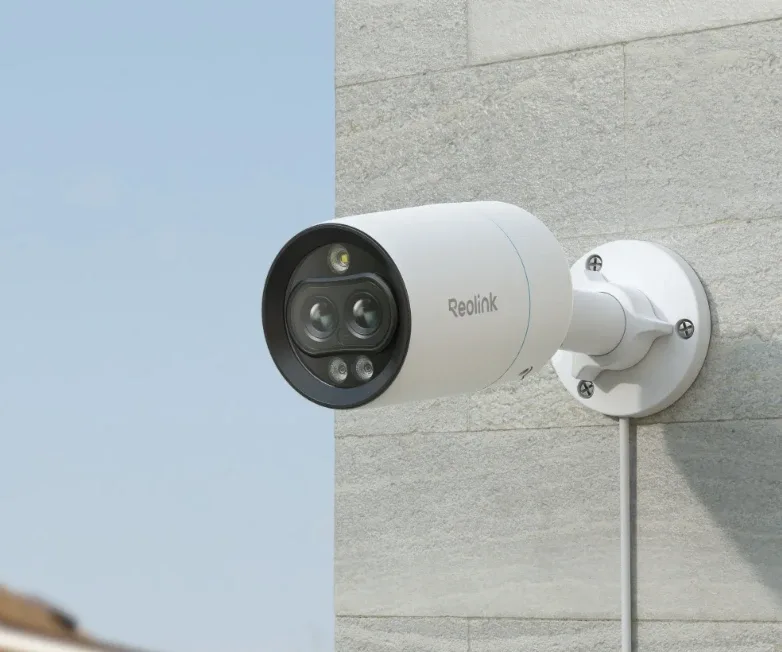
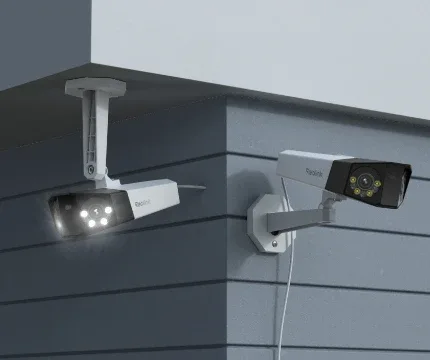
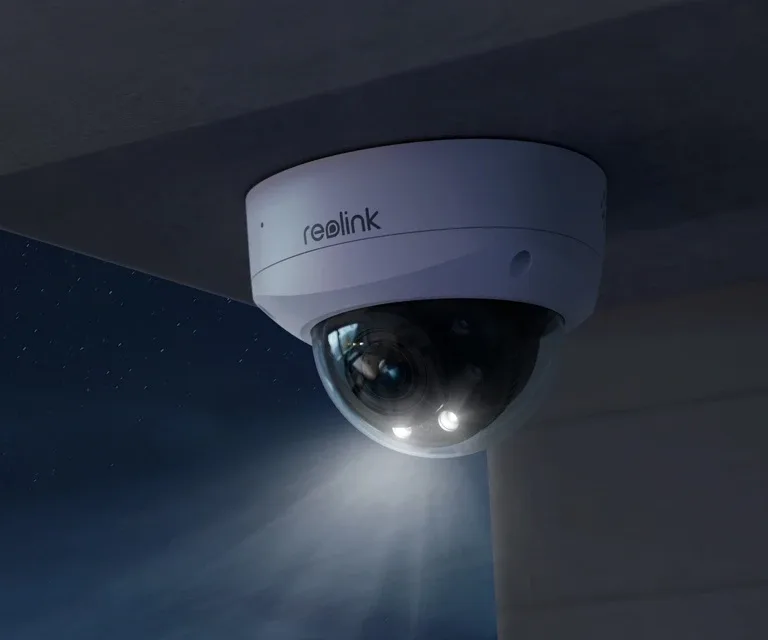
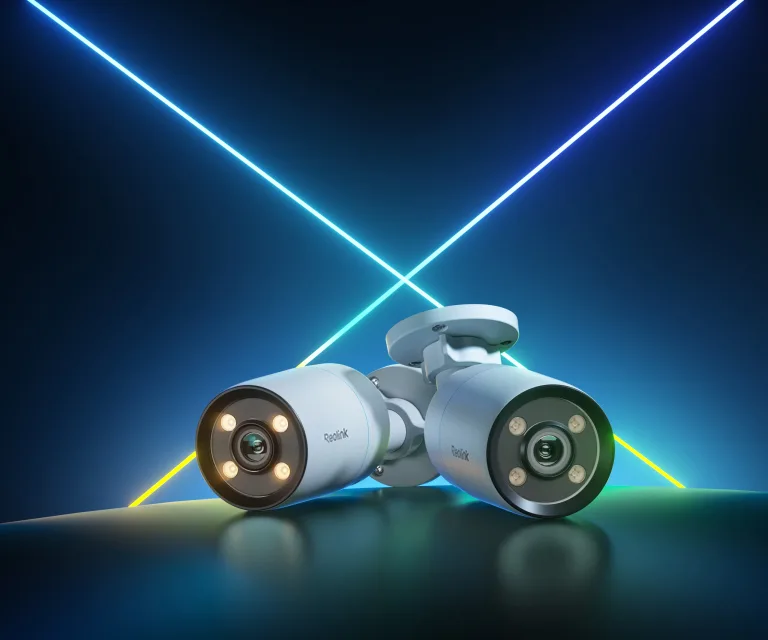
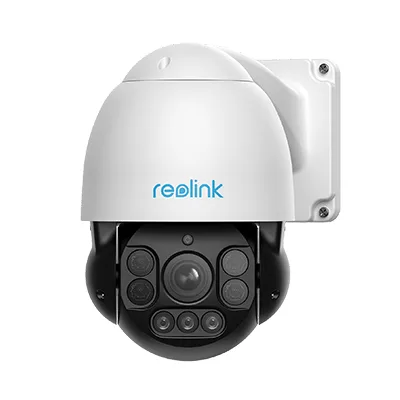
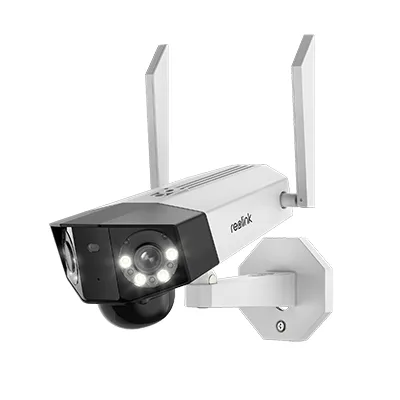
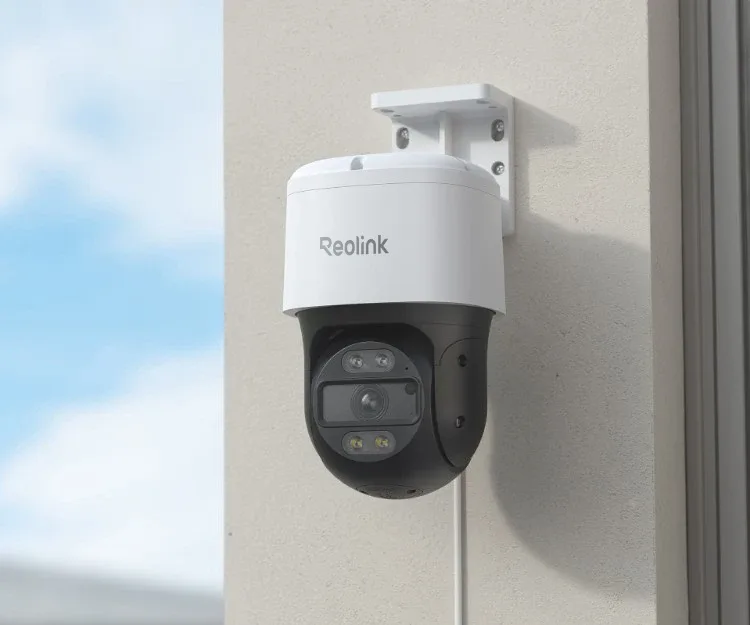
The default on every Brooklyn condo proposal we write is our house-brand system: network cameras, a network video recorder sized to the camera count and retention target, and power over Ethernet switches where the recorder's own ports run out. It is the system our price list is built on, it is what our technicians install every week, and parts are on our shelves. When a board asks for a named brand, we quote it alongside. Lorex, Luminys and Reolink are our partner brands, and we work with others the board may already own. We do not compare our pricing to retail store shelves; a board is buying a designed and installed system, not a box.
| Camera style | Where it earns its place in a condo | Watch out for |
|---|---|---|
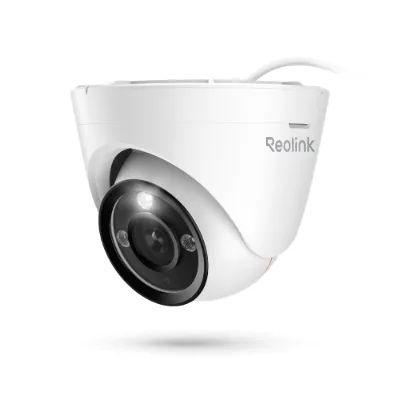
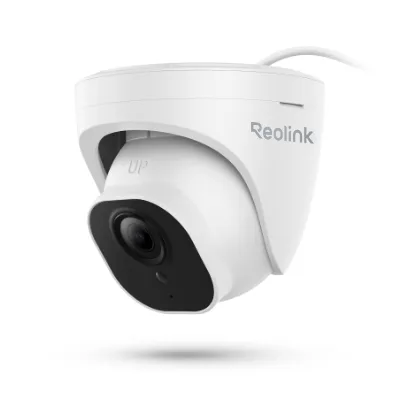
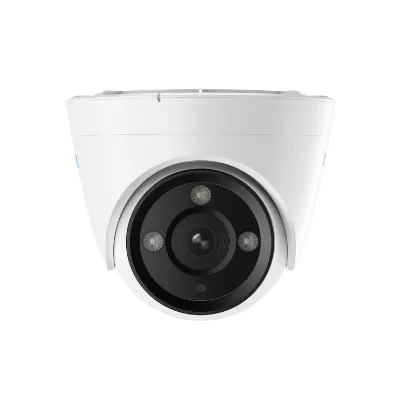
| Turret | Lobbies, package rooms, corridors, bike rooms; easy to aim, no dome glare at night | Reachable at low mounting heights |
| Vandal dome | Vestibules, garage lintels, stair doors within reach | Dome cover can catch reflections from strong lights |
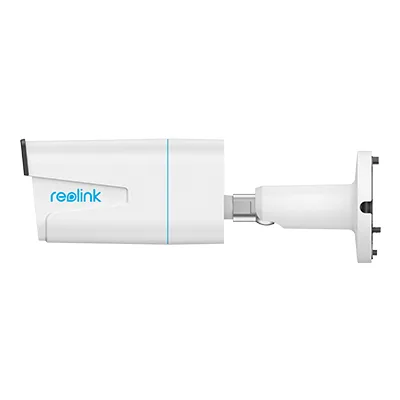
| Bullet | Rear yards, parking lots, long garage aisles | Visible and easy to knock if mounted low |
| Dual-lens or panoramic | Wide courtyards, roof decks, lot entrances | Needs more storage per camera |
| Pan-tilt-zoom | Large lots and plazas on condo complexes | Only useful when a person drives it or presets are set well |
| Elevator cab camera with wireless bridge | Cab ceiling corner | Coordination with the elevator contractor |
Boards often ask for the highest megapixel number available. A better question is what each camera must show at what distance. A 4-megapixel turret with a good sensor recognizes a face at a lobby door; the same resolution across a seventy-foot parking aisle only shows shapes. For long views we use varifocal lenses or move the camera closer. For dim garages and cellars we lean on cameras with larger sensors and full-color low-light performance, plus a modest light source where the board agrees to one. Wide dynamic range is non-negotiable at any glass entrance in Brooklyn's newer buildings.
A condo's recorder is sized by three numbers: how many cameras, how much detail each records, and how many days the board wants to keep. A 16-camera mid-rise keeping 30 days at sensible settings needs very different drives from a 48-camera tower keeping 60. We calculate it, show the board the math in the proposal and set retention to the agreed figure rather than letting the drives simply fill up. Motion-based recording stretches storage in quiet spaces like storage rooms; continuous recording is the right setting at the street door and the garage gate, where the board will want every second.
Condo cameras should sit on their own network segment, separate from the building's Wi-Fi and from any owner's devices. The recorder reaches the internet only for remote viewing, through the manufacturer's secured app connection or a properly configured remote-access path, never through ports opened on the router for anyone to find. Default passwords get changed on day one. Firmware gets updated at installation, and the board's documentation lists how to check for updates. A camera system that anyone on the internet can stumble into is worse than no system at all.
In a staffed Brooklyn condo, the desk gets a monitor arranged with the views staff actually use: street door, package room, garage gate, elevator. The managing agent gets phone and computer access to live and recorded video. Board members get the access the board decides they should have, which is often live view of common areas without the ability to export. Every person gets a named account. Shared logins make it impossible to know who exported a clip, and in a building where 60 percent of units may be rented, knowing who saw what is part of protecting the association.
Network cameras draw their power through the same cable that carries their video, from the recorder or a PoE switch, so most condo camera installations need no new outlets at the camera. The recorder, switches and a battery backup plug into existing outlets in the equipment closet. Where a closet has no outlet at all, or the board wants a dedicated circuit, that is work for the building's licensed electrician; we do not do electrical work, and we coordinate with whoever the association uses.


Boards usually ask for a camera count before anything else, because the count drives the budget. We arrive at it the other way around: list the places where something has gone wrong or could, give each one a camera job, and add up the jobs. The ranges below are what that exercise tends to produce in Brooklyn condominiums. They are not packages, and the board's own list always wins.
| Space | Three-to-six-unit brownstone condo | Mid-rise, 20 to 60 units | Tower, 100+ units |
|---|---|---|---|
| Street door and vestibule | 1 to 2 | 2 | 2 to 4 |
| Lobby and elevator approach | 0 | 1 to 2 | 2 to 4 |
| Package room or lockers | 0 to 1 | 2 | 2 to 4 |
| Elevator cabs or landings | 0 | 1 | 1 per cab |
| Garage gate, ramp and aisles | 0 | 0 to 4 | 6 to 16 |
| Bike room and storage | 0 to 1 | 2 | 2 to 6 |
| Stair, roof and service doors | 0 to 1 | 2 to 4 | 4 to 10 |
| Amenities: gym, roof deck, lounge, pool | 0 | 1 to 3 | 4 to 12 |
| Rear yard, courtyard or side path | 1 to 2 | 1 to 2 | 1 to 4 |
| Cellar, laundry and trash room | 1 | 1 to 2 | 2 to 4 |
Read across a row and a pattern appears: small Brooklyn condos spend most of their cameras outside, on the stoop, the under-stoop door and the yard, while towers spend most of theirs inside, in garages and amenity floors. That is why a brownstone condo's camera choices are mostly about weather and discretion, and a tower's are mostly about recorder size, account management and making forty views usable for a desk attendant.
A board that cannot fund everything in one budget year can phase the work. Phase one is nearly always the street door, package room and garage gate, the three places most incidents start. Phase two adds the bike room, stair and roof doors and the elevator. Phase three covers amenities and corridors if the board decides it wants them. We size the recorder and switches in phase one for the full plan, so later phases are cameras and cable only, with no second recorder to buy and no settings to rebuild.
Some boards come to us expecting a camera on every floor and leave with a smaller plan. In a mid-rise where every resident must pass the street door, the elevator or a stair door, cameras on those three points record every person entering any floor. Adding a camera to each corridor would cost more, store far more footage and raise owner privacy concerns, while answering few questions the entry cameras cannot. We will design whatever the board decides, but we will say so when cameras would add cost without adding answers.
"Condo cameras" covers more work than a single installation. These are the services Brooklyn condominium boards hire us for, each one priced in writing before it starts.
A survey of the building and a numbered camera plan built from the board's list of problems, with fields of view drawn on the floor plans or photos so every owner can see what each camera covers.
Cable, cameras, recorder, PoE switches and battery backup for a building with no usable system, from four cameras in a brownstone to a full tower with garage and amenity floors.
More channels, a larger recorder or a second one, and new cameras in the spaces the sponsor skipped, usually the bike room, roof doors and garage aisles.
New cameras and a new recorder on cable that tests good, including high-definition cameras on older coax in converted buildings, so walls stay closed.
Recovering administrator access, moving every login and cloud account into the association's name, relabeling cameras and documenting what the building owns.
Cab cameras with wireless bridges, installed in a visit coordinated with the building's elevator contractor, who keeps responsibility for the car and controller.
Retention, motion zones, privacy masks, named accounts, desk monitor layouts, door-held alerts through recorder inputs and intercom video channels where the panel supports it.
Failed cameras, dead drives and overheated switches, plus a yearly check of every view, drive health, firmware and user accounts, booked whenever the board wants it.
The end of an installation is a package of documents, not just a working screen. The association receives a camera map with every camera's number, location and purpose; a cable schedule showing which port feeds which camera; the recorder's make, model and serial number; the administrator and backup administrator accounts, held by the people the board names; a user list; step-by-step export instructions for its exact recorder; and an outline of a footage policy for the board and its attorney to finish. We keep a copy on file, so if the board changes and the binder goes missing, the next board can still find out what it owns.
That paperwork is what lets a Brooklyn condo board stay in control of its cameras through turnover on the board, a change of managing agent or the sale of half the units, which in a young condo can happen within a few years of the sponsor leaving. It is also what a later contractor, us or anyone else, needs to fix or expand the system without starting from scratch.
We are installers, not lawyers, and nothing on this page is legal advice. A board should have its attorney review any camera policy and any question about its own declaration and bylaws. What we can do is point to the sources that shape how we install, and explain the settings we use because of them.
New York's Condominium Act requires every condo's bylaws to address, among other things, the powers and duties of the board, the operation of the property and the payment of common expenses, and reserves for repairs, improvements and replacements (Real Property Law §339-v). In practice, that usually makes cameras in the lobby, garage, package room and amenity spaces a board decision paid from common charges or reserves. "Usually" is the honest word. Some declarations require an owner vote for improvements above a set cost, and some assign parts of a building, like a rear yard or a roof terrace, to particular units. The documents decide.
The limits run the other way too. In a Habitat Q&A on whether a condo board may watch staff and owners, attorney Andrew Lieb wrote that "a house rule that is unauthorized by these foundational documents is unenforceable" (Habitat, August 2023). A camera policy that rests on solid authority in the bylaws holds up; one invented at a single meeting may not.
New York's eavesdropping law makes the mechanical overhearing of a conversation without the consent of at least one party a crime (Penal Law §250.00 and §250.05). A microphone in a Brooklyn condo lobby records residents, guests and couriers who never agreed to anything. Many modern cameras ship with a built-in microphone switched on, so turning audio off on every camera is part of our installation checklist, not an afterthought.
The state's unlawful surveillance statute covers recording people without their knowledge or consent, for no legitimate purpose, in places such as a "bedroom, changing room, fitting room, restroom, toilet, bathroom, washroom, shower" (Penal Law §250.45). Brooklyn condo gyms, pool decks and spa rooms frequently include locker and changing areas; our cameras cover the doors to those rooms from outside and never the inside.
Unit owners in Brooklyn condos regularly mount doorbell cameras in common corridors or point a camera from a terrace at a shared roof deck. CooperatorNews, quoting attorney Ricardo Vera, notes that condos "typically prohibit unit owners from unilaterally altering" the common areas and that "a request for board consent is advisable" before an owner mounts a device there (CooperatorNews). A board that wants consistent hallways can adopt a policy, and if it chooses a single approved doorbell model and mounting position, we can install it to that standard for any owner who wants one.
Brooklyn has more historic districts than most people realize, and it holds the city's first: the Brooklyn Heights Historic District, designated by the Landmarks Preservation Commission on November 23, 1965 (DNAinfo). Park Slope, Fort Greene, Clinton Hill, Cobble Hill, Bedford-Stuyvesant and many other neighborhoods contain districts too. A camera on the front of a building in one of them is a change to a landmarked facade. The LPC's Permit Guidebook prefers cameras off the primary facade where possible and asks that cameras be "well spaced to avoid a cluttered, haphazard appearance." For a brownstone condo, that usually means a small camera tucked under the stoop, inside the vestibule or under a cornice, mounted into mortar joints rather than brownstone, with the application handled before the work. Rear facades are generally treated more flexibly, but the board should confirm with the LPC.
Some sponsor-installed Brooklyn condo entry systems already use fobs, phone credentials or face recognition. NYC Local Law 63 of 2021 sets rules for those "smart access" systems in class A multiple dwellings, including limits on what data is collected and how long it is kept (intro.nyc, Local Law 63 of 2021). Recording cameras are not entry systems, but a camera feature that identifies residents to unlock a door raises the question. How the law applies to a condominium's owner-occupied units is a question for counsel, and we do not switch on face-matching features without the board's attorney approving it.
New York's Department of State licenses security and fire alarm installers, and its rules for the trade name closed-circuit television and video surveillance used to detect or monitor intrusion among the systems covered (19 NYCRR Part 195). Abstract Enterprises Security Systems holds NYS license #12000287431. A board can and should ask any bidder for its license number before signing.

The camera system is half the project. The other half is a short written policy that says who sees recordings, who may ask for them and how long they last. Without one, the first contested request, a renter asking for garage footage after a fender-bender, or an owner demanding to see who complained about their dog, turns into an argument at a board meeting. We hand every Brooklyn condo a draft outline at handover; the board and its attorney finish it.
FirstService Residential, one of the largest managers of New York condos and co-ops, published best practices for building cameras in September 2024. It notes that footage is "generally stored for 30 to 90 days depending on the building size," that access usually sits with the property manager or a third-party provider, and that buildings "should maintain a log of requests and a list of anyone who accessed footage" (FirstService Residential). Those three points make a good spine for a Brooklyn condo policy.
Signs at the entrances saying the building's common areas are recorded are inexpensive and set expectations for residents, guests and the many renters living in Brooklyn condo units. A short notice to owners when cameras go in, with a map of covered areas, answers most questions before they become complaints. We supply the camera map; the managing agent or board sends the notice.
When something happens, the person exporting should save the clip in the recorder's native format and a common video format, note the camera name and time range, and record the export in the log. We show the agent and the designated board member how to do this during handover, and our documentation includes the steps for the exact recorder installed.
There is no condo surcharge on our cameras. A Brooklyn condominium pays the same camera pricing as anyone else in the borough, starting with a four-camera house-brand system with its recorder, installed, for $950. The full list of Brooklyn packages, including higher-resolution, full-color and deterrence-light options, is on our Brooklyn security camera pricing page.
Four cameras is a floor, not a typical condo. A brownstone condo might need six; a mid-rise sixteen; a waterfront tower forty or more. Every camera beyond the base system is priced per camera once we confirm the layout during the walk-through, because a turret on an open garage ceiling and a turret behind the finished plaster of a tower corridor take very different amounts of labor. We do not publish invented "per unit" or "per building" totals; the board gets a number for its building.
If the board or a board member has already purchased cameras, our price is installation labor only. Send the equipment list and a floor plan or photos, and we quote by phone or text message. The job is scheduled once the deposit is in. We do not do site surveys for customer-supplied equipment, and defects in hardware we did not supply go back to its seller.
The warranty on our work is the 30-day coverage listed on our website, counted from the day the system is switched on. Boards that want longer protection, often those paying from reserves, can buy a one-year or multi-year plan when they sign, and the proposal shows what each plan costs beside each option. Manufacturer warranties on cameras, recorders and drives are the manufacturers'. Full terms — including 50% deposit, one-year parts-only warranty on Abstract Enterprises Security Systems-supplied products, and the late-fee schedule — are set out in the service agreement. Plan details are on our warranty page.
Financing is available through Wisetack, subject to approval.

Tell us the address, the number of units and what keeps going wrong. Every request gets a survey date within 2 hours.
A few lines are enough: the building's location, roughly how many units, whether there is a garage, a doorman or a super, and the incidents the board wants to stop. Photos of the current recorder and any problem cameras help. Phone or text works too: (347) 934-8335.
Received. Someone from our Troy Avenue office will be in touch shortly to pick a survey date for the building.
Seven steps, the same in a three-unit brownstone and a forty-story tower. Only the length of each step changes.
Reach us by phone, text or the form on this page. The survey date is confirmed within 2 hours, seven days a week, with a two-hour arrival slot, usually in the morning.
We walk every shared space on the board's list, open the closet or rack where the recorder is or will be, log into the existing system if there is one, and test the cable that is already in the walls.
What comes back is a document a board can vote on: cameras numbered on the drawings, the reason for each, a few options with one price apiece, a list of concealed runs, how many days footage lasts and whether anything is billed monthly.
Once the vote passes in whatever form the condo's documents require, someone with signing authority countersigns and the deposit arrives. That is the moment cameras get purchased, and the moment our insurance certificate listing the association goes out.
We give the agent or board a plain summary and a floor-by-floor work schedule that owners can forward to the people renting their units.
Cable, cameras, recorder and battery backup go in within the building's work hours. Every camera is aimed and checked, audio is switched off, privacy masks are set and retention is fixed.
The association gets administrator and named user accounts, a short training session, export steps for its exact recorder, a labeled camera map and a footage-policy outline.
Brooklyn condo boards range from a professionally managed tower with a seven-member board and a monthly agenda to a three-owner brownstone that decides things over a group text. Both need the same thing from a contractor: a proposal clear enough that someone who has never thought about cameras can vote on it with confidence. Ours is written that way.
In a small Brooklyn condo with no agent, the treasurer usually signs, the deposit comes from the association's account, and one owner is the contact for access on install day. We keep the paperwork short, put every owner on the email with the plan, and walk the building with whoever can be there. A small association gets the same written scope as a large one; it just has fewer pages.
In a managed building, the managing agent collects bids, presents them, and countersigns the agreement after the vote. If the building's house rules require a certificate of insurance naming the condominium and the managing agent, it is issued once the job is awarded. Many Brooklyn towers also want a work schedule by floor, a contact for the super and a plan for any lobby closures; we provide them with the signed agreement.
The bylaws decide how a condo funds improvements, and Real Property Law §339-v requires bylaws to address reserves for repairs and replacements. Boards typically pay for a camera project from the operating budget when it is small, from reserves when the reserve study anticipates security equipment, or by assessment when it does not. We do not advise on the choice, but we do give a phased option when a board wants to spread the spending, and the phases are designed so each one works on its own.
Because so many Brooklyn condo units are rented, notice has to reach two audiences: owners, who receive it from the board or agent, and renters, who usually hear through their landlord or from a lobby posting. We supply a plain-language summary of what is being installed, where the cameras will be, and the days work will happen on each floor. Owners who rent their units can forward it to their tenants unchanged.
Most condo house rules limit contractor hours, and some towers require work to be finished before residents return in the evening. We schedule inside those windows with two-hour arrival times, early in the day. Equipment is ordered only after the deposit is received, and installation dates are booked first come, first served once paid. Special-order equipment, such as a named-brand camera the board picked that our suppliers do not stock, is ordered after the deposit and scheduled once it arrives; we do not promise dates before then.
Most Brooklyn condo associations that call us already have cameras. The decision in front of the board is whether to fix what is there, upgrade it, or start over. We answer that by testing, not by assuming a newer system is always the answer.
When the developer's integrator installed the cameras, the first task is administrative. We locate the recorder, confirm its make and model, and work with the board to recover or reset the administrator account so the association owns it. That sometimes means a factory reset with the manufacturer's procedure, which wipes stored footage and settings, so we export anything the board needs first. Then every account is rebuilt in the association's name: a primary administrator held by the managing agent or a board officer, a backup administrator, and named user accounts. Cloud services tied to the sponsor or the integrator are moved to the association's email address where the platform allows it.
A sound system with a few failed parts needs repair, not replacement: a camera with water in the housing, a recorder drive that died, a PoE switch that overheated in an unventilated closet. Recorders in Brooklyn condo closets fail most often from heat and from drives that have run continuously for years. For single-camera and recorder faults outside a larger project, our Brooklyn security camera repair service handles the diagnosis and fix.
If the cable is good but the picture is poor, the board can keep the cable and replace cameras and the recorder. Network cable installed by a sponsor in the last fifteen years is usually reusable. Older coaxial cable in converted buildings can often carry modern high-definition analog cameras, or network video over coax with adapters, which saves opening walls. We test each run before recommending either path, and the proposal shows which cable stays and which gets replaced.
Replacement is right when the recorder is unsupported, the cameras cannot be updated, the cable is damaged or undocumented throughout, or the system cannot be secured. In that case we design the new system from the coverage the board needs, reuse whatever conduit and pathways exist, and remove the old equipment so the building is not left with dead cameras on its walls.
A condo camera system needs a yearly look: clean the lenses on exterior cameras, check every camera is still aimed where the plan says, confirm the recorder is keeping the agreed number of days, check drive health, update firmware and remove accounts for people who have left. A board can book that check-up whenever it likes. There is no monthly contract to sign.
This page is written for condominium associations. Other Brooklyn camera work has its own pages: rental buildings run by a single owner are covered on our Brooklyn apartment building security camera installation page; homes, shops and offices on our security camera installation page for Brooklyn; and traditional closed-circuit systems on our Brooklyn CCTV installation page. For the condo's whole electronic security picture, including intercoms, fobs and package-room access, see our Brooklyn condo security systems page, and boards replacing a lobby entry panel can read our condo intercom replacement guide.


The same camera behaves differently on a Kent Avenue tower, a Carroll Gardens brownstone and a Brighton Beach elevator building. These are the local conditions we plan around.
West-facing lobbies along the East River get direct low sun in the afternoon and reflected light off the water all day. Cameras aimed toward that glass record dark silhouettes unless they are placed to look across the entrance rather than straight out, and set up with wide dynamic range tuned for the scene. We test the image at the time of day the problem happens, not just when we are installing.
Roof and corner cameras on waterfront buildings in Greenpoint, Williamsburg, DUMBO, Red Hook, Sheepshead Bay and Coney Island face steady wind and salt air. We use weather-rated housings, stainless or coated hardware and junction boxes that seal the cable connection, and we avoid long, flexible arms that vibrate in wind and blur the picture.
Some Brooklyn condos sit in low-lying blocks near the water or the Gowanus Canal, with garages and cellars below street level. Recorders and switches do not belong on a cellar floor anywhere, and in these buildings we look for an equipment location on a higher floor or at least on a wall shelf well off the ground, with cable entering from above. Garage cameras are mounted high on walls and columns rather than at bumper height.
Brownstone is soft and spalls if drilled carelessly, and a bracket anchored into a crumbling block will not stay aimed. On row-house condos we anchor into mortar joints or sound brick, keep exterior cable runs short and tidy, and bring cable through the wall at the least visible point. Where the facade is landmarked, the mounting detail is part of the approval the board seeks.
Newer Brooklyn condos have stone lobbies, wood-paneled elevator cabs and plaster corridors that owners paid for. We plan routes through ceiling spaces, closets and the paths the original low-voltage contractor used, use low-profile cameras in finished areas, and mark every concealed run on the plan. When a route would require opening a finished surface, the board sees that on paper before it approves.
Brooklyn keeps building, and a new tower next door can block a camera's view, dust a lens or, in the worst case, damage a mounting. Boards in fast-changing neighborhoods should expect to re-aim a camera or two over the years. Our yearly check-up includes confirming every view still matches the plan.
A short power interruption should not leave a gap in footage. We put the recorder and the PoE switches on a battery backup sized to carry them through brief outages and to let the recorder shut down cleanly in a longer one, so drives are not damaged. The backup plugs into an existing outlet in the equipment room.

The camera is looking into the light. When the sun is low over the water, the glass wall is many times brighter than a person's face, and a camera without strong wide dynamic range exposes for the bright background. Moving the face camera so it looks across the entrance from the side, adding a second camera inside the vestibule facing in, and enabling true wide dynamic range usually solves it. We check the result in the late afternoon, when the problem actually happens.
Cameras cannot stop tailgating, but they can make it visible and provable. A face-height camera at the inner door, a wide lobby camera and a package-counter camera together show who entered behind whom and where they went. Some boards add a door-held-open alert through the recorder. If the board wants to physically control entry, that is an access control conversation covered on our condo security systems page.
Somewhere dry, ventilated, lockable and reachable by more than one owner. A hall closet on a middle floor is often best; the cellar works if the recorder sits on a shelf well off the floor and the room stays dry. Avoid putting it inside any single owner's unit, because the association loses access when that owner is away or sells.
Aim it down and inward across the deck, mounted at the stair bulkhead or a parapet corner, so the frame is mostly your own floor. Then apply privacy masks on the recorder to black out any neighboring window or terrace that remains in view. The masked areas are never recorded.
High. Cameras go on upper walls and columns, cable runs along the ceiling in conduit and drops from above, and nothing electronic sits near the floor. The recorder lives on a higher level. If the garage has a sump or drainage issue, that is a building repair; our part is making sure the camera system is out of the water's reach.
That depends on the declaration. If the yard is a limited common element assigned to the garden unit, the board may need that owner's agreement, or may be limited to a camera covering only the rear door and the building wall. The board's attorney should read the documents. We can draw options for each answer so the decision is easy once the legal question is settled.
Usually the camera can be moved a few feet or swapped for a different lens to regain the view of the path that matters. If the old view is gone entirely, we look at what risk that camera was covering and whether a camera somewhere else covers it better. Re-aiming or relocating a camera is a small job priced on its own.
A camera at the garage door looking out will show the apron and the curb directly in front of it, which is often enough to show a vehicle blocking the entrance. We aim building cameras at the building's own entrances and approaches, not up and down the block.
Our proposals state a validity period, and equipment prices can change after it, but we will refresh a proposal at no charge if the board needs another meeting. Nothing is ordered until the agreement is signed and the deposit is received, so a board never commits by asking for a revision.
The association's administrator, ideally a board officer, removes the old agent's accounts and creates new named accounts for the new firm. If the outgoing agent held the only administrator login, recovering it is the same process as a sponsor takeover. We can do the handover in one short visit or remotely when the recorder's remote access is set up.
New buildings come with cameras chosen by the developer, aimed where the sales office wanted them and set up on someone else's account. The cable is often excellent; the coverage and control frequently are not. A board taking over a new Brooklyn condo should audit the system in its first year, while the sponsor's people can still be reached.
An intercom's camera wakes up when someone presses a button and looks at that person. It does not record the person who walks in behind, the courier who props the door, or the lobby. It complements a door camera; it does not replace one.
Ten well-placed cameras with jobs beat thirty aimed at walls. Extra cameras cost storage, attention and money every year. The plan should start with the incidents the board wants to answer and add cameras only where they answer one.
Cloud systems move the recorder off-site and replace it with a subscription per camera, forever, and they depend on the building's internet connection for every frame. For a few cameras that can make sense. For a condo with twenty or forty, a local recorder with secure remote viewing usually costs far less over the life of the system and keeps recording when the internet drops.
Mounting is the easy part. Licensing, cable testing, network security, retention settings, privacy masking, account setup and documentation are what separate a system the board can rely on from a collection of cameras. New York requires security installers to be licensed by the Department of State, and a board can ask for the number.
Recorders overwrite the oldest footage when drives fill, so the real retention is whatever the drive size allows, often far less than boards assume. Setting a fixed retention period, and sizing the drives to meet it, is the only way to know what will still be there when an owner reports a problem a week later.
These are patterns our technicians see again and again in Brooklyn condominiums. No building or client is identified.
Our four-camera house-brand system with its recorder costs $950 installed in Brooklyn, the same starting price as our Brooklyn camera price list. Condo buildings nearly always need more cameras. Each added camera is priced after the walk-through confirms its location, and runs concealed inside finished walls are quoted separately from open runs in a garage or cellar.
No. Common-area cameras record everyone who uses the shared spaces the same way. What differs is paperwork: renters usually learn about the cameras through their landlord, the unit owner, or a lobby notice, and a renter's request for footage normally goes through that owner under the board's written policy.
If the building is in a historic district or is an individual landmark, a camera on the front facade is a change the Landmarks Preservation Commission reviews. Its Permit Guidebook prefers cameras off the primary facade where possible and well spaced. We plan a small, discreet mounting, often under the stoop or inside the vestibule, and the board files before work starts.
A camera dedicated to the gate, aimed at the lane where cars stop and set up for moving vehicles, can record readable plates in most Brooklyn condo garages. A general overview camera usually cannot. We plan one camera for plates and drivers at the gate and separate cameras for the ramp and drive aisles.
Yes. We place one camera at the door and aim a second down the aisle between racks or cages, not into them. Where part of a cage interior still falls in the frame, the recorder's privacy mask blacks it out of the recording.
We use the routes the building already has: ceiling access panels, telecom risers, closets and the pathways the original low-voltage contractor used, and we reuse sponsor-installed network cable that tests good. Where a run truly needs a finished surface opened, the plan shows it and prices it before the board approves anything.
Usually. If network cable or conduit already connects the buildings, cameras in the second building can reach the main recorder through a switch. If not, a point-to-point wireless bridge or a new underground or aerial run can link them, or each building can have its own recorder viewed together in one app.
Often yes, but the board should first read the offering plan and any warranty terms, because altering sponsor-installed systems can affect warranty claims. Its attorney is the right person to confirm. We document the existing system before changing anything, so the board has a record either way.
Cameras powered from the recorder or a PoE switch stop when those devices lose power. We put the recorder and switches on a battery backup sized to ride through short outages and to let the recorder shut down cleanly in a long one, so footage already saved is protected.
With many current video intercoms it can, because their panels can share a video stream with a network recorder. Older or closed systems may not allow it. We check the model during the survey and, where it works, add the panel as a channel next to the vestibule camera.
Yes. We book seven days a week, and weekend surveys are common for self-managed Brooklyn condos whose board members work weekdays. Visits are scheduled in two-hour arrival windows early in the day.
Yes. When a system is replaced, our proposal includes taking down the old cameras, brackets and recorder and reusing any cable that tests good. Footage the board wants to keep is exported before the old recorder goes. Patching and painting the old mounting spots is left to the building's painter.
This Brooklyn page is part of our series on condo security camera installation in NYC, written for condominium boards, associations and managing agents in all five boroughs. Associations with buildings across the river can read about condo security camera installation in Manhattan and condo security camera installation in Queens. The other boroughs have their own pages: condo security camera installation in the Bronx and condo security camera installation on Staten Island. Cooperative boards in Brooklyn will have their own co-op security camera installation page, because shareholders and proprietary leases raise different questions from a condo's declaration. Back to Abstract Enterprises Security Systems. Outside the city, condo boards can read about condo security camera installation on Long Island.
Condo camera crews leave from 1282 Troy Avenue in East Flatbush. North Brooklyn waterfront towers, Downtown high-rises, brownstone condos in the brownstone belt and elevator buildings near the southern shore are all a normal day's drive.
A numbered plan, logins in the association's name and a written price, from the licensed crew that answers our Troy Avenue phone. Four cameras with a recorder start at $950 installed.