What are you looking for?
About Us Contact Us Careers Get a Free Quote (800) 486-0943
Pick a service
✅ Got Your Own System?
🎬 Home TheatreQuote 🎶 AV SoundQuote 🔑 Access ControlQuote
Now pick your area
Pick your area
Long Island
Hudson Valley
Services available
Pricing & Tools
Pick a service for pricing
🚪 Intercom Pricing 🔔 Buzzer Repair Pricing
Calculators
📹 Camera System Calculator 🚨 Alarm Calculator ⚡ Cabling Quote Builder ✅ Got Your Own System?
Select your area
Package room thefts, a garage nobody can see, or a recorder that stopped recording months ago? Book a condo camera survey anywhere in the five boroughs: (800) 486-0943
Home › Condo Security Camera Installation NYC
For Condo Boards, HOAs, Unit Owners & Managing Agents · All Five Boroughs

Condo Security
Camera Installation
NYC

Lobbies · Package Rooms · Elevators · Garages · Amenities · Recorders

Condo security camera installation in NYC starts at $950 for a four-camera house-brand system with recorder, installed, which is the lowest four-camera price on our New York City borough price pages, and larger condominium systems are priced per camera once we confirm the layout on a site visit. Condo boards, HOAs and managing agents in Manhattan, Brooklyn, Queens, the Bronx and Staten Island can have that visit booked within 2 hours of asking.

Short version for the board: Cameras in a condo's lobby, halls, elevators, garage and amenity rooms usually sit in the common elements, so the board decides where they go and who sees the recordings. Start with the entrances, the package room and the garage; that is where most condo incidents happen. Keep audio off, keep cameras out of restrooms and changing rooms, and aim corridor cameras so they never look into a unit. Four-camera systems start at $950 in Queens and the Bronx, $999 on Staten Island and $1,099 in Manhattan; extra cameras are priced after the layout is confirmed, and concealed wiring is extra. Financing is available through Wisetack, subject to approval. Building-wide security beyond cameras is on our NYC condo security systems page.

Last updated November 27, 2026 by Abstract Enterprises Security Systems, NYS license #12000287431 · Sources: NY Real Property Law §§339-e and 339-v; NY Penal Law §§250.00, 250.05 and 250.45; NYC Comptroller, Spotlight: New York City's Homeowner Housing Market (March 2024); FirstService Residential (Sept. 23, 2024); CooperatorNews, Q&A: Camera Placement; Habitat (Aug. 28, 2023); LPC Permit Guidebook ch. 11; NYC Local Law 63 of 2021; 19 NYCRR Part 195

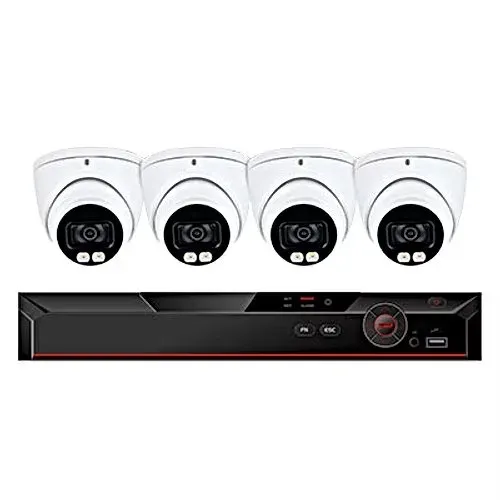
Condo security camera installation NYC: four white full-color turret cameras above a recorder with red trim
A house-brand set: four full-color turret cameras and a recorder. A kit like this covers a small condo's entrance, lobby, package room and rear door, and full-color models keep clothing and car colors visible in dim spaces.
NYC Condo Camera Request
Tell us the building, the borough and the spaces the board wants covered

✅
Request Sent!
Thanks. We will reach out to book the visit, usually within 2 hours of your request.
25+
Years Experience
2 Hr
Booking
100%
Licensed & Insured
4.7★
201 Google Reviews

Owner-operated since 2002 · Thousands of jobs completed · Visits booked within 2 hours, seven days a week

Why Condos Are Different

Condo Security Cameras Are a Board Decision, Not a Landlord's Purchase

In a rental building one owner buys the cameras, decides where they point and keeps the recordings. A condominium works the other way around. Every unit belongs to someone different, and the lobby, corridors, elevators, garage and amenity rooms usually belong to all of them together. New York's Condominium Act names those shared spaces in its definition of common elements: the "halls, corridors, lobbies, stairs, stairways, fire escapes, and entrances and exits of the building," the "basements, cellars, yards, gardens, recreational or community facilities, parking areas and storage spaces," and "all apparatus and installations existing for common use" (Real Property Law §339-e). Hold that list up against a camera layout and it covers nearly every place a condo security camera goes. That is why condo surveillance cameras are bought, approved and governed by the board of managers on behalf of all the owners, and why the questions a condo board asks us are different from the ones a landlord asks.

The board's authority is not unlimited, either. The Condominium Act requires the bylaws to cover the powers and duties of the board, whether it may hire a managing agent, and how rules for the use of the common elements are adopted (§339-v). In practice that means a condo camera project moves through a predictable chain: a board member or the managing agent spots a problem, the agent gathers proposals, the treasurer checks the operating budget or the reserve fund, the board votes the way its bylaws require, and owners are told. We write our condo security camera proposals for that chain. Each one names the camera locations, what each camera is meant to see, who will be able to view and export recordings, what the system costs to buy and what it costs to keep, so the people voting can see the whole decision on two pages.

Ownership patterns in New York City condos make the camera system matter more than it would elsewhere. The NYC Comptroller's March 2024 spotlight on the homeowner market, drawn from the 2023 Housing and Vacancy Survey, counted 318,000 occupied condominium apartments in the city and found that 18 percent of condo units are held by LLCs, 21 percent in Manhattan. Plenty of condo apartments are rented out by their owners, some are empty for months at a time, and some change hands every few years. A condo building video surveillance system is often the only consistent record of who came through the door when the people living upstairs keep changing, and the board is often the only party with a reason to keep it running.

What a condo board is really deciding when it votes on cameras

  • Coverage: which common elements get condo surveillance cameras, and which stay camera-free because owners expect privacy there or because nothing happens there that a recording would help with.
  • Access: who in the building may watch live video and who may pull and export a clip, and under what written policy.
  • Retention: how many days of recordings the recorder keeps before it overwrites, which drives how much storage we install.
  • Budget: whether the system is paid from operating funds, from reserves, or by an assessment, and what it will cost to maintain over its life.
  • Notice: how unit owners, and through them their tenants, learn about the cameras before they go live.

Every one of those decisions is the board's, made with its own managing agent and attorney. Our part is to make each decision easy to understand: what the hardware can do, what it costs, where it physically can and cannot go in your building, and what we have seen work in other condominiums around the five boroughs. If your condo also needs intercom, fob or elevator work, the broader picture lives on our condo security systems page for New York City; this page stays on cameras.

Camera Placement

Where Condo Building Security Cameras Go, Space by Space

A condominium has more kinds of shared space than most rental buildings, and each one has its own reason for a camera. Below is how we think about the common elements in a typical New York City condo, from the sidewalk inward. No building needs every item on the list. A 12-unit boutique condo in a converted walk-up may be well served by four or five cameras; a 200-unit tower with a garage, pool and roof deck may need forty or more. The point of walking through each space is to choose cameras for a purpose, not to cover walls.

Sidewalk, entrance and vestibule

The entrance camera is the one owners care about most, because it answers the most common question after an incident: who came in, and did someone let them in? We like two views here. One camera outside or in the vestibule catches faces as people approach the door, mounted low enough to see under hat brims and high enough to stay out of reach. A second, wider camera inside the lobby shows the door from behind, so tailgating is visible. Where the facade belongs to a landmark or a historic district, exterior mounting has rules of its own, covered further down.

Lobby and concierge desk

In staffed condo buildings the concierge desk usually gets a monitor showing the entrance, the package room and the garage, and the lobby camera itself covers the desk. That camera protects the staff as much as the building: a recorded view of the desk settles disputes about deliveries and keys quickly. Condo boards should know that camera views of employees raise their own questions under the building's employment arrangements, which is one reason we keep workplace coverage to open lobby areas and never to staff rooms.

Mailroom and package room

Package theft is the single most frequent reason condo boards call us. A good package room camera is mounted on the ceiling opposite the door, looking at the shelves and the door at once, with enough resolution to read a box label at a few feet. Where the package room is a locked space opened by fob, the camera recording plus the access log together answer almost every "my box disappeared" complaint. Many of those complaints, building staff tell us, turn out to be packages that never arrived at all, and a clear camera view is how the managing agent proves it.

Elevators and elevator landings

Cameras in elevator cabs are popular with condo boards and tricky to install. The camera in the cab is easy; getting its video out of a moving car is not. We use a wireless link between the cab and the hoistway that carries the video to the recorder, and we coordinate with the building's elevator contractor for access. Anything that touches the elevator controller, the car-top wiring or the traveling cable is the elevator contractor's work, not ours. Where a wireless link is not practical, a camera at each elevator landing on key floors, or one in the lobby facing the elevator doors, is a solid alternative.

Garage and parking areas

Condo garages need cameras that handle headlight glare and dim corners. We place one camera at the vehicle entrance to record cars entering and leaving, wide cameras along the drive aisles, and a camera at every door from the garage into the building, because those doors are where people slip in behind a car. Garage ceilings are also where low-light and full-color cameras earn their price.

Stairwells, roof doors and service entrances

The doors nobody watches are the ones that get propped open. A camera at the service entrance, the trash room door, the roof bulkhead and the cellar stair door costs little and closes the gap between the front door, which everyone watches, and the back door, which nobody does. In older converted condos, the rear yard and the side alley often matter more than the street.

Amenity spaces: gym, pool, roof deck, lounge, bike room and storage

Amenity cameras answer questions about damage, guests and after-hours use. In a gym a single ceiling camera near the entrance usually shows who came in and when, which is all most boards want. At a pool or roof deck, cameras should show the entrances and the open deck. Bike rooms and storage cages get a camera at the door and one down the main aisle. Changing rooms, restrooms and showers inside those amenity suites get no cameras at all; the law section below explains why.

Residential corridors

Hallway cameras are where condo owners disagree most. Some want a camera on every floor; others see a camera outside their door as an intrusion. The deciding detail is aim. A corridor camera at the end of a hall, angled down its length, records movement without looking into any apartment when doors open. A camera placed directly across from a unit door does the opposite, and an attorney quoted below explains why that can become a privacy problem. We mark every corridor camera on the plan with its field of view before the board votes on it.

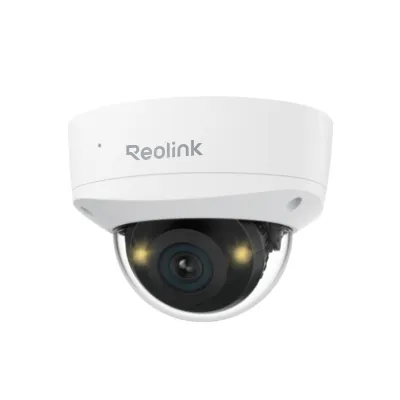
Reolink vandal-resistant dome camera with warm spotlights, a brand option for New York City condo building security cameras
A Reolink vandal-resistant dome with built-in spotlights. Impact-rated domes like this suit garages, stair doors and low ceilings where a camera might get bumped.

Places a condo camera should never point

  • Inside any unit, or through an open unit doorway, window or terrace.
  • Restrooms, changing rooms, showers and locker areas in the gym, pool or staff spaces.
  • Staff break rooms and any area where employees change clothes.
  • Neighboring buildings' windows and private yards beyond your property line.

We will not install a camera in those locations, even when a board or an owner asks. The reasons are legal as well as practical, and they are set out with sources in the privacy section of this page.

Equipment

Condo Security Camera Systems: Cameras, Recorders and Software

Every condo security camera system has three parts: the cameras, the recorder that stores their video, and the software owners and staff use to view it. Choices in each part decide how sharp the picture is, how many days of recording the building keeps, and how easy it is for the managing agent to pull a clip on a Monday morning. Our default is our own house-brand system, a non-branded line of cameras and recorders we install across the city, because it gives condo boards dependable image quality at the prices on our price pages. If a board prefers a named brand, we install those too; we are a partner with Lorex, Luminys and Reolink, and we put in other major lines on request.

Camera styles and what each is good for in a condo

Camera styleWhere it fits in a condoWhat to know
Turret (eyeball)Lobbies, corridors, package rooms, amenity entrancesEasy to aim, little glare from its own infrared, the everyday workhorse indoors.
Vandal domeGarages, stairwells, service doors, low ceilingsImpact-rated housing; hard to knock off aim; slightly more glare at night.
BulletExterior walls, driveways, garage ramps, rear yardsLong reach and a visible deterrent; a sun shield helps on south-facing facades.
Full-color low-lightGarages, courtyards, dim entrancesShows clothing and car colors at night instead of gray infrared images.
Deterrence cameraRear doors, bike rooms, loading areasFlashing red-and-blue light and a siren or talk-down speaker; use with care near bedroom windows.
PTZ (pan-tilt-zoom)Large plazas, courtyards, campus-style condosOne camera covers a wide area by moving; never a substitute for fixed cameras at doors.
Multi-sensor panoramicBig open garages, driveways and groundsSeveral lenses in one housing; replaces three or four fixed cameras on a large open space.

Resolution gets most of the attention and matters less than placement. A 4-megapixel turret mounted at the right height and distance will identify a face at a lobby door better than an 8-megapixel camera on a ceiling twenty feet away. We pick resolution camera by camera: 4K for wide spaces like garages and plazas where you will zoom into recordings, lower resolutions in tight corridors where the subject is always close.

DVR or NVR for a condominium?

Older condo buildings often have coaxial cable already running from the cameras to a recorder in a closet. A modern high-definition DVR can reuse that coax and still deliver sharp video, which saves the building the cost and disruption of pulling new cable through finished corridors. In new construction, or where we are running fresh cable anyway, an NVR with network cameras powered over Ethernet is our usual choice. It supports higher resolutions, cleaner audio-free analytics and simpler expansion. Many condo security camera upgrades are a mix: keep the coax and a new DVR for the cameras that already work well, and add network cameras where coverage is missing.

Storage and retention

The board decides how long recordings should be kept; we size the hard drives to match. Retention depends on the number of cameras, their resolution, whether they record continuously or on motion, and how busy each view is. A busy lobby camera fills a drive much faster than a quiet roof door. We will show the board two or three retention options with the drive capacity each needs, so the policy and the hardware agree from day one.

Viewing apps and user accounts

The software part is where condo systems most often go wrong after installation. A recorder with one shared password that every super, agent and board member has used for six years is a liability. We set up named accounts with different permissions: live view only for the concierge desk, playback and export for the managing agent, full administration held by the board through the agent. Every account belongs to the condominium, not to us and not to any individual, so control stays with the association when people move on.

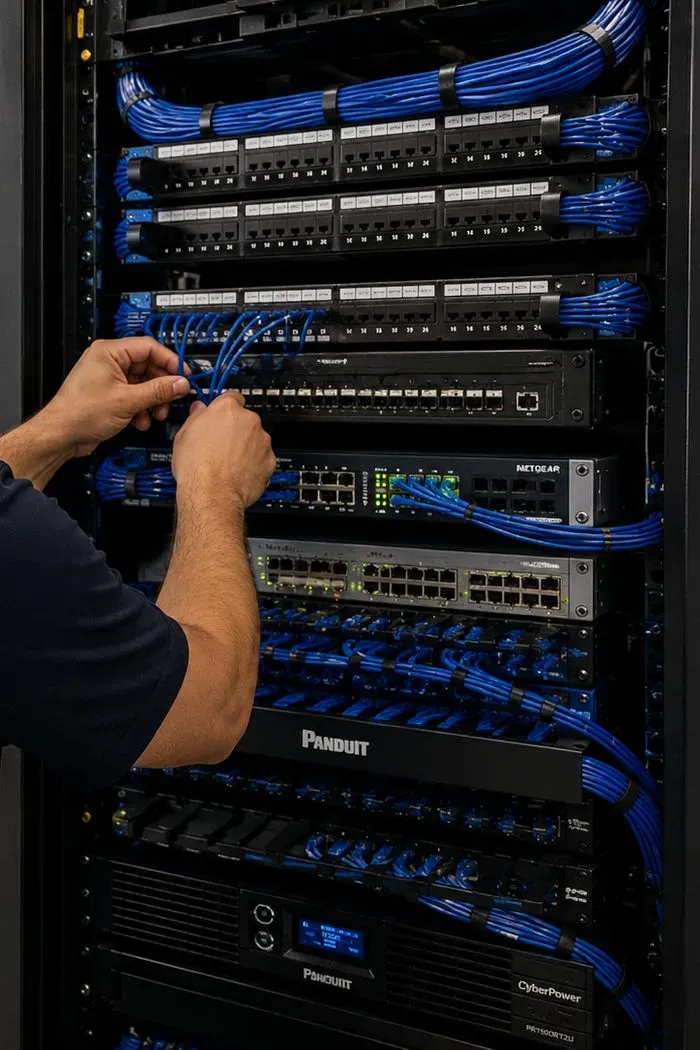
Hands seating blue patch cords in a PoE network switch above a battery backup in an equipment rack, NYC condo camera system
Patch cords going into a network switch, with a battery backup lower in the rack. In larger condos, network cameras draw power from a switch like this, and the battery keeps the switch and recorder running through a short outage.
Multi-sensor panoramic camera above a PTZ module for a large condo garage in New York City
Several lenses in one housing over a PTZ module. On a big open garage floor one unit like this can replace three or four fixed cameras.
Brands

House-Brand Systems First, Named Brands When a Condo Board Asks

Most condo boards ask the same thing first: what brand are these? Our answer is usually our own non-branded house system. We buy those cameras and recorders through our wholesaler, we have installed them in buildings across the five boroughs, and their prices are the ones published on our price pages. A single supplier for every camera in a building also means one viewing app, one set of spare parts and one support path, which matters more to a condo over ten years than any logo.

When a board has a reason to want a particular manufacturer, we price that instead. Lorex, Luminys and Reolink are the brands we hold partner relationships with. We also install Uniview, Hikvision, Dahua, Hanwha, Axis, Ubiquiti UniFi Protect and others when a building specifies them, for example to match an existing recorder or an access system that integrates with one camera platform. A named brand can make sense when the condo already owns a large investment in that platform, when its access control or intercom vendor requires it, or when the board's IT advisor prefers a particular cloud dashboard.

Two cautions apply to every brand. First, some cloud-managed camera platforms carry a per-camera subscription to keep remote viewing and recording features turned on, and those fees belong in the board's long-term budget alongside the purchase price. Second, any camera that connects to the internet should sit on its own network segment with its default passwords changed. We set both up as part of a condo security camera installation, regardless of which manufacturer is on the label.

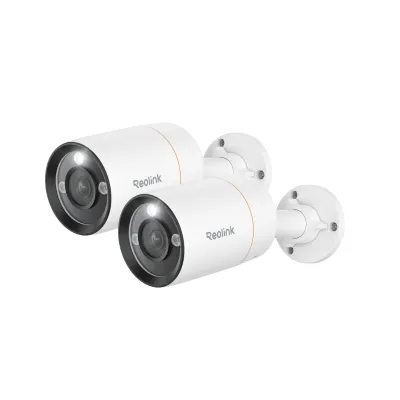
Two Reolink spotlight bullet cameras, an NYC condo security camera brand option for exterior walls
Two Reolink bullet cameras with spotlights. When a board wants a named brand for exterior walls and rear yards, a partner line like this is priced instead of the house system.
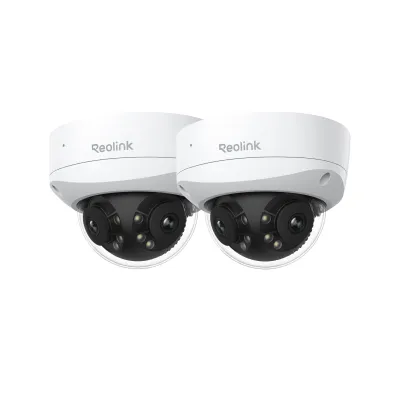
Two Reolink multi-lens dome cameras, a named-brand option for NYC condo camera systems
Two Reolink multi-lens domes. Reolink is one of the brands we partner with; we quote it when a board asks for a named brand instead of our house system.
Privacy & New York Law

Condo Camera Privacy Rules in New York: What the Sources Say

We are a licensed low-voltage contractor, not a law firm, and nothing here is legal advice. Every condominium should have its own attorney review a camera plan against its declaration, bylaws and house rules. What we can do is show boards the published sources we work from, so the questions they bring to counsel are the right ones.

Video in common areas versus audio anywhere

Video cameras in lobbies, hallways and other shared areas are widely used in New York condominiums. A Newman Ferrara attorney writing in CooperatorNews put the general principle plainly: "New York does not recognize a common law right of privacy in public or common areas" (CooperatorNews, Q&A: Camera Placement). Sound is different. New York's eavesdropping statute treats recording a conversation without the consent of at least one party as "mechanical overhearing of a conversation" (Penal Law §250.00), and eavesdropping is a class E felony under §250.05. A lobby microphone records conversations among people who are not party to the recording at all. For that reason, we install condo common-area cameras with audio recording switched off unless the board's counsel has approved otherwise in writing. Many of the cameras we sell have microphones built in; turning them off at the recorder is part of our setup.

Bathrooms, changing rooms and staff spaces

New York's unlawful surveillance statute makes it a class E felony to use a recording device for no legitimate purpose to view or record a person, without their knowledge or consent, "in a bedroom, changing room, fitting room, restroom, toilet, bathroom, washroom, shower" (Penal Law §250.45). FirstService Residential's guidance for New York condos and co-ops also points to Labor Law §203-c, which bars employers from video recording employees in restrooms, locker rooms or rooms where they change clothes (FirstService Residential, Sept. 23, 2024). A condo with a staffed lobby is an employer. We plan every amenity suite and staff area with those rooms left out entirely.

Cameras that look into a unit

The same CooperatorNews piece warns that a camera whose "vantage point is more expansive, and peers into a neighboring unit" invites a claim that it "interferes with a neighbor's privacy rights," because "the law recognizes the interior of a neighbor's unit as subject to considerable privacy safeguards." FirstService gives the matching practical rule: hallway cameras "must be carefully placed to avoid capturing footage that shows the inside of any residential unit." That is the reason we draw each corridor camera's field of view on the plan and, after installation, check each view with a unit door standing open.

The board's authority comes from its documents

A condo board can usually install cameras in the common elements, but the source of that power matters. In a 2023 Habitat magazine Q&A about cameras in a Midtown condo, attorney Andrew Lieb said: "A house rule that is unauthorized by these foundational documents is unenforceable," adding that if cameras rested only on such a rule, "you have a great case to get them taken down" (Habitat, Aug. 28, 2023). Before a vote, the board's counsel should confirm the declaration and bylaws support the plan and whether owners need a vote or only notice.

Owners who put up their own cameras

Video doorbells and small cameras mounted by owners outside their own doors are a growing source of condo disputes. CooperatorNews notes that condominiums "typically prohibit unit owners from unilaterally altering" the common areas, so owner-installed cameras without the board's consent "may have violated the governing bylaws," and it advises owners that "a request for board consent is advisable." Some boards respond by banning owner cameras in hallways; others approve a standard model and mounting position. Either way, the decision is the board's, and we will only install an owner's hallway camera once the owner shows us the board's written approval.

Landmark facades

Many Manhattan and Brooklyn condos sit in historic districts or in individually designated landmarks. The Landmarks Preservation Commission's permit guidebook allows staff-level approval for security cameras that meet its criteria, including keeping equipment off the primary facade where another location works, spacing cameras "to avoid a cluttered, haphazard appearance," and limiting how many cameras go on each stretch of street frontage (LPC Permit Guidebook, ch. 11). When a condo's exterior is landmarked, we design for those criteria and the building applies for the permit before exterior cameras go up; interior cameras are not affected.

Face recognition and the city's smart access law

NYC's Tenant Data Privacy law, Local Law 63 of 2021, sets rules for "smart access" systems, meaning entry systems that use fobs, apps or biometrics, in class A multiple dwellings, including a written privacy policy and limits on how long authentication data is kept (intro.nyc, Local Law 63 of 2021). Ordinary recording cameras are not entry systems. But if a condo board wants face recognition that unlocks a door, that becomes a smart access question, and how the law applies to owner-occupied condo units is one for the board's attorney. We do not install face-recognition entry on a condo without counsel's sign-off.

Who may legally install the system

New York requires a Department of State license to install, service or maintain security systems, and the Department's rules include closed-circuit and video surveillance systems used to detect or monitor intrusion (NYS DOS, 19 NYCRR Part 195). Our license number is #12000287431. Ask any condo security camera installation company you are considering for its number and check it.
Footage Policy

Who Sees the Recordings: Footage Access in a Condo Building

The most common fight about condo video surveillance is not about cameras at all. It is about recordings: an owner wants the clip of their car being scratched, a board member wants to watch the lobby from home, a police detective calls the managing agent. A building that decides these questions before the first incident avoids most of the arguments. FirstService Residential's advice for New York condos summarizes common practice well: footage "is generally stored for 30 to 90 days depending on the building size"; access usually goes to the property manager or a security provider rather than individual board members; "the property manager or security provider should maintain a log of requests and a list of anyone who accessed footage"; and "residents should not have access to footage or copies of footage without prior approval from the board and legal counsel."

We do not write the policy, but we build the system so whatever policy the board adopts can be followed. That includes:

  • Named user accounts for the managing agent, resident manager and concierge desk, each with only the permissions the policy allows, so the recorder's own log shows who logged in and when.
  • Export permissions limited to one or two people, so clips leave the system only through the person the policy names.
  • Retention matched to the policy: if the board chooses 30 days, the drives hold 30 days; if it chooses 60, we size for 60.
  • A clean export routine that saves a clip with its time stamp and camera name intact, so a recording handed to an insurer or the police is usable.
  • Remote viewing through the manufacturer's app for the people the policy authorizes, with board members' access set at whatever level the board itself decides.

Requests from police, insurers and attorneys should go to the managing agent and, where the board's policy says so, to its counsel. Whether to release a clip voluntarily or wait for a subpoena or court order is a legal decision for the condominium, not for the camera installer, and we never release a building's recordings ourselves. Our role is technical: help the agent find the clip quickly and export it properly.

Signs and notices

Many condos post signs at entrances stating that common areas are recorded. A sign tells visitors and residents that cameras are there, discourages some trouble before it starts, and matches the notice the board gives owners. The wording and the decision to post signs are the board's; we can install signage alongside the cameras if the board orders it.

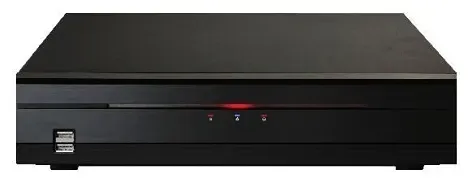
Black desktop video recorder with red status lights used for condo video surveillance in New York City
A desktop recorder with front status lights. Its drives hold the building's recordings for the number of days the board's footage policy sets.
Board Approval

Getting a Condo Camera Proposal Through the Board and Out to Owners

We have watched good condo camera projects stall for months for reasons that had nothing to do with cameras. A board member was not at the meeting where the plan was explained. An owner on the second floor heard "cameras in the hallways" and pictured one aimed at their door. The treasurer could not tell whether the price included storage. Each of those stalls is avoidable, and our proposal format is built to avoid them.

What goes into the board packet

  1. A floor-by-floor camera plan with every camera numbered and its field of view drawn, so nobody has to imagine where a camera points.
  2. A purpose line for each camera: "package room door and shelves," "garage ramp, plates entering," "roof bulkhead door." Cameras without a purpose come off the plan.
  3. Two or three options, for example entrances and package room only; entrances, garage and elevators; and full common-area coverage. Each option is priced on its own.
  4. The recording plan: retention in days, drive capacity, where the recorder lives, and how it is powered through a short outage.
  5. Ongoing costs: any software subscriptions, the warranty period and what an extended warranty would cost, and the expected lifespan of cameras and drives.
  6. A neutral summary of privacy design choices: audio off, no cameras in restrooms or changing rooms, corridor views checked against open unit doors.

Paying for it: operating budget, reserves or assessment

How a condo pays for cameras is a board decision under its own bylaws and financial plan. Smaller additions, such as a package room camera or a replacement recorder, often fit in the operating budget. A building-wide replacement is the kind of capital project many boards plan through the reserve fund or a special assessment. We can split a large plan into phases, entrances and package room this year and garage next year, so the system grows without a single large bill, and every phase is designed to plug into the same recorder. Financing is available through Wisetack, subject to approval.

Telling owners and tenants

Owners should hear about cameras from the board before they see a technician on a ladder. We supply the managing agent with a plain-language summary they can adapt for an owner notice: which spaces will be recorded, that audio is off, who can view recordings, how long recordings are kept, and the dates work will happen on each floor. Owners who rent out their units can pass it on to their tenants. When work requires access to a unit, which it rarely does for camera projects, we schedule it through the agent with notice.

Scheduling around a condo's house rules

Every condo has its own working hours, elevator reservation rules and insurance requirements for contractors. We follow them. The certificate of insurance naming the condominium and its managing agent is issued once the contract is awarded, and we work inside the building's permitted hours, early in the day where we can. Our crews book within 2 hours of a request, seven days a week, and jobs go on the calendar first come, first served once the deposit is paid.

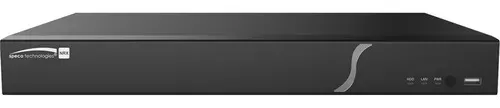
Rack-width network video recorder with a curved silver front for a condo camera closet in NYC
A rack-width recorder with a curved silver front. In larger condos the recorder lives in the building's equipment rack next to the network switch, on battery backup.
Pricing

Condo Security Camera Installation Cost in New York City

Our condo security camera installation pricing is the same camera pricing we publish for each borough. There is no separate "condo" markup. The base system on our price pages is a four-camera house-brand package with a recorder, installed. Here is where each borough starts:

BoroughFour-camera house-brand system, installedFull package list
Queens$950Queens camera prices
The Bronx$950Bronx camera prices
Staten Island$999Staten Island camera prices
Manhattan$1,099Manhattan camera prices
BrooklynSee the current Brooklyn package listBrooklyn camera prices

The citywide summary sits on our NYC security camera pricing page, and each borough page lists the higher-resolution, full-color, audio-capable and deterrence packages above the base system. A condominium almost always needs more than four cameras, so the four-camera price is a floor, not a quote. Additional cameras for a condo building are priced per camera after we confirm the layout on a site visit, because the same camera costs very different amounts to install on an open garage ceiling and behind a finished plaster corridor.

What moves a condo camera quote up or down

  • Concealed versus exposed cable. Fishing cable inside finished walls and ceilings costs more than running it in a garage or cellar. Concealed wiring is quoted as an extra, and we tell you before you order which runs will be concealed.
  • Reusable cable. Existing coax or network cable that tests good can cut the labor sharply. If a run might fail its test, we say so before the order, along with what replacing it would cost.
  • Elevator cameras. A wireless cab link adds equipment and coordination time with the elevator contractor.
  • Recorder size and retention. More cameras and longer retention mean more drive capacity.
  • Height and access. Double-height lobbies and garage ramps may need a lift.
  • Brand. A named brand or a cloud platform with subscriptions changes both the price and the long-term cost.

Customer-supplied cameras

Some associations buy their own hardware first, often through a board member or a previous vendor. In that case our number is installation labor alone, worked out from the camera list and the floor plan you send, and given over the phone or by text message. The work is scheduled once the deposit clears. We skip the survey visit for owner-purchased gear, and any defect in it goes back to the seller rather than to us.

Warranty and terms

On warranty, condo boards should read three layers separately. Our labor and the installed system carry the 30-day warranty posted on our site, starting the day the cameras go live. A one-year or longer plan can be bought at signing as an add-on, which many associations with reserve-funded systems prefer. The cameras, recorders and drives themselves are covered by their manufacturers on the manufacturers' terms. Full terms — including 50% deposit, one-year parts-only warranty on Abstract Enterprises Security Systems-supplied products, and the late-fee schedule — are set out in the service agreement. Plan details sit on our warranty page, and the board's proposal lists the price of each plan beside the system it covers.

Financing is available through Wisetack, subject to approval.

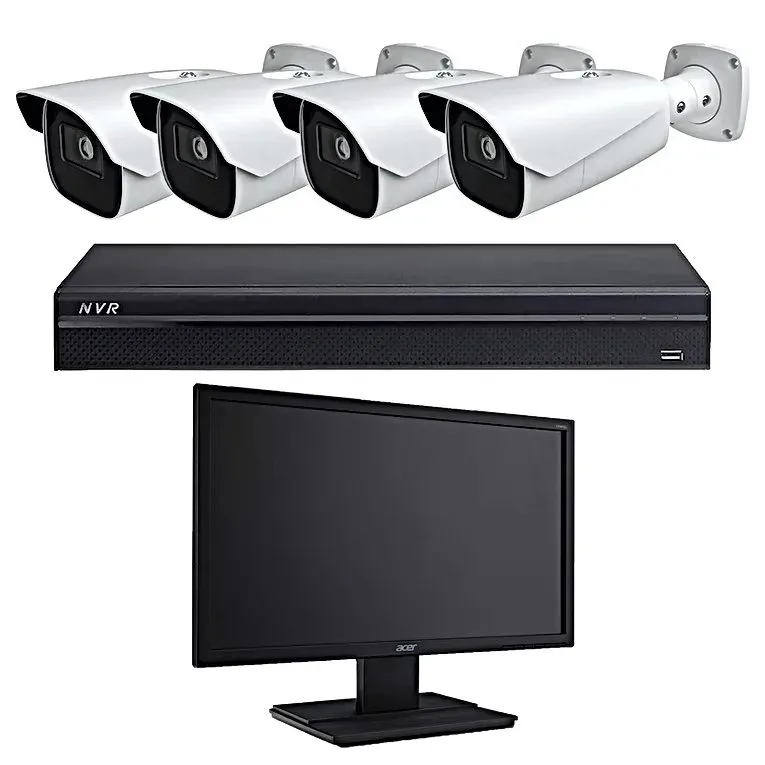
Four white bullet cameras with a recorder and monitor for condo surveillance camera installation in New York City
Four bullet cameras with a recorder and monitor. Bullets reach farther and are easy to see, which makes them a fit for rear yards, driveways and garage ramps.
Get In Touch

Request a Condo Camera Proposal in NYC

Send the building's address and borough, the number of units, the spaces the board wants covered and what is installed now. A photo of the existing recorder or the closet it sits in helps. To talk it through instead, call (800) 486-0943.

✅

Request Sent!

Thanks for the details. We will be in touch to put the camera survey on the calendar, normally within 2 hours.

Building Types

Camera Plans for Every Kind of New York City Condominium

"Condo" covers a wide range of buildings in this city, from a four-story walk-up with six owners to a glass tower with a staffed lobby and a valet garage. The camera plan for each looks different, and so do the cost, the installation method and the approval process.

High-rise and luxury condo towers

Dozens of doors, a garage, amenity floors and a concierge desk. These buildings need a recorder sized for 32 to 64 channels or more, elevator cab cameras, a desk monitor wall and careful account management, because staff, agents and board members all touch the system.

Mid-rise elevator condos

Eight to fifteen stories, one elevator bank, often a part-time super and no doorman. Entrance, package room, elevator and rear door cameras do most of the work, with remote viewing for the managing agent because nobody watches a monitor all day.

Low-rise and boutique condos

Converted walk-ups and townhouses with four to twenty units. A compact system of four to eight cameras, a small recorder in a closet, and cable run through existing chases or neatly in wire mold where walls are masonry.

Conversion condos

Former rental buildings, lofts, factories and offices. Old shells, new finishes, sometimes leftover coax and an inherited recorder. We test what is there before proposing what to replace.

Townhouse and garden condo communities

Several buildings on shared grounds with parking lots and gates. Long cable runs or wireless bridges between buildings, PTZ or panoramic cameras on the grounds, and full-color cameras for lots.

Mixed-use and commercial condos

Residential floors above retail or medical condo units, or office condos sharing a lobby. Separate camera groups and permissions for the residential board and each commercial owner, on one recorder or two, depending on what the declaration says each owns.

Commercial condo owners often ask whether a shop or office unit can tie its own cameras into the building system. Technically it can; whether it should is a question about who owns and pays for what, which the declaration usually answers. Our standard approach keeps each commercial unit's interior cameras on its own recorder, with the shared lobby, loading area and garage on the board's recorder.

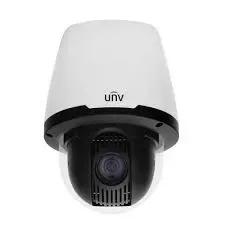
Pendant-mount pan-tilt-zoom dome camera for a condo courtyard or plaza in NYC
A pendant-mount PTZ dome. One PTZ can sweep a large courtyard or campus-style condo's grounds, alongside fixed cameras at every door.
Across the Five Boroughs

Condo Surveillance Cameras in Manhattan, Brooklyn, Queens, the Bronx and Staten Island

The same camera hardware works in every borough, but the buildings, the installation conditions and the typical condo problems differ. Here is what we see, borough by borough. Each borough also has its own condo security systems page covering intercoms, fobs and the rest of the building.

Manhattan

Manhattan has the city's largest condo towers and many of its oldest conversion condos, often within a few blocks of each other. Towers bring elevator banks, garages and amenity floors; conversions bring plaster walls, landmarked facades and tight riser space. Freight elevator reservations, certificate of insurance wording and restricted work hours shape the schedule more than the camera count does. More on the borough's condo buildings is on our Manhattan condo security systems page. A Manhattan page dedicated to condo security camera installation is in progress.

Brooklyn

Brooklyn's condo stock runs from waterfront towers to brownstone conversions and new mid-rise buildings along its commercial avenues. Package room and garage cameras are the most frequent requests, followed by rear yard coverage on converted row houses. Brick and brownstone walls often mean exterior cable runs in neat conduit rather than concealed paths. See our Brooklyn condo security systems page for the wider picture. A dedicated Brooklyn condo camera page is coming.

Queens

Queens condos include new towers in its fast-growing waterfront and downtown districts, mid-rise elevator condos, and garden-style complexes with parking lots. Lot and garage coverage, full-color cameras for night parking and package rooms in buildings without a doorman come up most. Our Queens condo security systems page covers the borough's condo buildings in more depth. A Queens condo camera page is planned.

The Bronx

Bronx condominiums are often converted prewar complexes, elevator condos in Riverdale and townhouse communities in the east Bronx, alongside a smaller number of newer buildings. Campus-style layouts mean cameras on grounds and gates as well as inside buildings, and long runs between buildings. The Bronx condo security systems page has more on these buildings. A Bronx condo camera page is in the works.

Staten Island

Staten Island condos are mostly low-rise communities built from the 1980s on, many with private lanes, parking courts, clubhouses and pools, plus a handful of larger elevator buildings. Cameras on gates, lots and amenity buildings matter more here than corridor cameras, and outdoor equipment has to stand up to coastal weather. Read more on our Staten Island condo security systems page. A Staten Island condo camera page is planned.

Co-op boards working through the same decisions have different governing documents and different rules about who owns what. A co-op security camera installation page for New York City is in preparation. In the meantime, the co-op security systems page covers co-op buildings.

How It Works

How a Condo Security Camera Installation Runs, Step by Step

A small addition, such as one package room camera on an existing recorder, can go from first call to finished work within days. A building-wide condo camera system may sit between proposal and vote for a few board meetings. Both follow the same seven steps.

1

Request and booking

Call, text or send the form. We book the site visit within 2 hours, any day of the week, with a two-hour arrival window, early in the day where possible.

2

Building walk

We walk every common element on the board's list, open the closet or rack where a recorder lives or will live, test any existing cable, and note mounting surfaces and power.

3

Camera plan and options

A numbered plan with each camera's purpose and field of view, two or three priced options, retention and storage, and any ongoing fees, formatted for the board packet.

4

Board vote and contract

Once the vote passes however the bylaws require, the agent countersigns our agreement and sends the deposit. Only after that do cameras get purchased, and the insurance certificate naming the condo goes out at the same point.

5

Owner notice

We give the agent a plain-language summary and a work schedule by floor, so owners and their tenants know what is happening and when.

6

Installation and setup

Cable, cameras and recorder go in within the building's work hours. We aim every camera, check views against open unit doors, switch off audio, and set retention.

7

Handover to the condominium

Named accounts for the agent, staff and board, a short training session, an export how-to, and a labeled camera map. All logins belong to the association.

Two details in that sequence protect the board. First, equipment is ordered only after the deposit and approval, and once ordered it cannot be returned, which is why everything that might add cost, such as a cable run that may fail its test, is disclosed before the order. Second, the handover leaves the building in control: admin passwords, app accounts and any cloud subscriptions are registered to the condominium, not to us and not to a board member who may sell their unit next year.

Existing Systems

Condo Security Camera Repair, Upgrade and Replacement

Many condo boards call us not to install a first system but because the one they have has quietly stopped doing its job. The recorder's drive failed months ago and nobody noticed. Half the cameras show black tiles. The sponsor's installer set it up, left, and took the password with them. Each of those situations has a different fix, and it is worth knowing which one the building is in before it votes on a full replacement.

Repair: when the system is sound but parts have failed

Dead cameras, a failing hard drive, a power supply that cuts out, or a recorder that has stopped recording on schedule can usually be fixed without replacing everything. We diagnose the system on a service visit and price the repair. Generic camera repair work, including diagnostics and repair pricing, is explained on our security camera repair page for NYC.

Upgrade: when the cable is good but the picture is not

A ten-year-old analog system often has perfectly good coax. Replacing the recorder with a modern high-definition DVR and swapping the cameras gives sharp video on the same cable, with a fraction of the labor of a full rewire. Adding cameras to cover spaces the original installer missed, usually the package room, the garage doors and the roof bulkhead, is part of most condo security camera upgrades.

Replacement: when the system cannot be saved

Some systems are past saving: obsolete recorders with no software updates, cable that fails testing throughout, or a layout that never matched the building. Then we plan a replacement as described above, often keeping the building covered during the changeover by installing the new recorder beside the old one and moving cameras over floor by floor.

Taking back a system the sponsor installed

In new condos the developer usually buys the first camera system, and its admin account, app and any cloud subscription may still be registered to the sponsor or the original installer years after the board took over. Recovering those accounts, resetting them in the condominium's name and documenting them is frequently the cheapest and most useful line in our proposal, because it turns a "replace everything" conversation into a much smaller repair.

Keeping it working: maintenance

Cameras get knocked out of aim, lenses get dirty, drives wear out and firmware ages. A periodic check of every view, the recording schedule, drive health and user accounts catches problems before an owner discovers them the day after an incident. What a maintenance visit includes is on our security camera maintenance page.

White turret camera with red and blue deterrence lights for a condo rear door in New York City
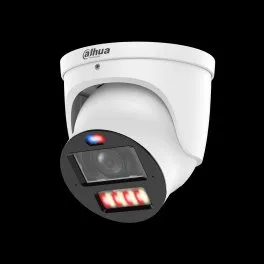
A turret camera with red-and-blue warning lights and a light bar. Deterrence models suit rear doors and bike rooms, kept away from bedroom windows.
Related Pages

Where Other Camera Questions Belong

This page is written for condominium boards, HOAs, unit owners and managing agents. Other buildings and other kinds of camera work have their own pages, each with the detail that applies to them:

Planning

How Many Cameras Does a Condo Building Need?

Boards often open with a number: "we want twelve cameras." A better opening is a list of spaces and the question each camera should answer. The camera count follows from that list. Still, it helps to know what similar buildings usually end up with, so the board can sense-check a proposal. The ranges below are typical camera counts for the common-area coverage we most often design in New York City condominiums. They are planning guides, not quotes; your building's layout decides the real number, and pricing follows the per-camera approach described in the pricing section.

BuildingSpaces usually coveredTypical camera count
Boutique walk-up, 4–12 unitsFront door, vestibule or hall, mail area, rear yard or rear door4–6
Small elevator condo, 12–40 unitsEntrance inside and out, lobby, package room, elevator cab or lobby elevator view, rear and service doors, roof door8–14
Mid-rise with garage, 40–120 unitsAll of the above plus garage entrance, drive aisles, garage-to-building doors, gym and bike room entrances16–32
Tower or campus, 120+ unitsAll of the above plus multiple elevator cabs, amenity floors, pool and roof deck, loading dock, grounds and gates32–64+

Two rules keep those numbers honest. First, every entrance and exit gets coverage before any corridor does; doors are where people come and go, and a door left uncovered is the gap an incident will find. Second, each camera has one job. A single camera asked to watch a lobby door, the mailboxes and the elevator at once usually does none of them well. Two well-placed cameras beat one wide one almost every time.

The recorder should be sized for the building's full plan, even when the board approves only the first phase. A 16-channel recorder installed for eight cameras costs a little more today and saves replacing the recorder when the garage cameras are added next year.

Installation Conditions

Lighting, Weather and Mounting in New York City Condo Buildings

Image quality in a condo depends as much on conditions in the building as on the camera itself. These are the conditions that most often decide which camera we specify and where it goes.

Glass lobbies and backlight

A camera inside a glass lobby looking toward the street sees bright daylight behind every visitor and records silhouettes. We counter that with cameras that handle wide dynamic range, and by mounting the face-capture camera so it looks across or slightly away from the glass rather than straight into it. Often the best face shot in a glass lobby comes from a camera beside the inner door, looking back toward the elevators as people walk in.

Dim garages and cellars

Garages and cellars are dark and full of reflective surfaces. Infrared cameras work, but their light bounces off nearby walls and pipes and washes out the image. Full-color low-light cameras, or infrared cameras positioned away from close surfaces, solve most of it. Headlights at the garage entrance call for a camera aimed inward rather than out at oncoming cars.

Exterior walls, salt air and winter

Outdoor cameras on New York condos face freeze-thaw cycles, wind-driven rain, and on waterfront buildings, salt air. We use weather-rated housings, seal every cable entry, and choose mounts that will not rust streaks down a facade. On masonry we anchor into the brick or stone itself rather than the mortar joints that crumble over time, and we keep exterior penetrations to a minimum.

Finished interiors

Condo lobbies and corridors are often finished in plaster, stone, wood paneling or wallcovering that owners paid for and do not want marred. We plan cable paths through existing ceilings, chases and closets wherever we can, and where cable must show, we run it in paintable wire mold or surface raceway along trim lines so it disappears. Which runs will be concealed, which will use raceway and which will be exposed in utility spaces is spelled out in the proposal, so nobody is surprised on installation day.

Power and outages

Most of the network cameras we install draw power through their data cable from a switch or recorder, so individual camera locations do not need outlets. The recorder and switch do need power, and we put them on a battery backup so a short outage or a tripped breaker does not leave a gap in the recordings at the very moment something may be happening.

Network & Cybersecurity

Keeping a Condo Camera System Off the Internet's Radar

A camera system that the managing agent can view from a phone is also, in principle, a system someone else could try to reach. Condo boards rarely ask about this, and they should. The steps that protect a building are not exotic, but they have to be done on purpose.

  • Default passwords changed on every camera, the recorder and the switch, and stored in a document the condominium holds.
  • A separate network segment for cameras, so the camera system does not share a network with the building's office computers, the gym's smart TVs or residents' devices.
  • No open ports on the building's router pointing at the recorder. Remote viewing goes through the manufacturer's secure app connection instead.
  • Firmware updates applied at handover and checked on maintenance visits, because manufacturers fix security flaws through updates.
  • Named accounts and prompt removal: when a super leaves or an agent changes, their access ends that day.

Where a condo's management company or IT consultant has its own network standards, we follow them and coordinate before installation. A condo security camera system integration with a building's existing network is far smoother when the person who manages that network is in the conversation early.

Board Checklist

A Condo Board's Checklist Before Signing a Camera Contract

Before the board signs with any condo security camera installation company, including us, it is worth confirming the following. Most items take a phone call or an email; skipping them is how buildings end up with systems they cannot manage.

  1. Counsel has confirmed the declaration and bylaws support cameras in the planned locations, and whether owners vote or receive notice.
  2. The board has at least a draft footage policy: who views, who exports, retention days, how owner and police requests are handled.
  3. The plan shows every camera's field of view, and no camera looks into a unit, restroom, changing room or staff changing area.
  4. Audio is off, or counsel has approved it in writing.
  5. The proposal states which cable runs are concealed, which use raceway and which are exposed, and the price of each.
  6. The recorder is sized for the whole plan, including later phases, and retention matches the policy.
  7. All software accounts, apps and subscriptions will be registered to the condominium.
  8. Ongoing costs, including any subscriptions and warranty options, are listed in writing.
  9. The installer's New York State license number has been checked.
  10. The insurance certificate requirements are written into the contract, to be satisfied on award.
  11. Owner notice has been drafted and the floor-by-floor work schedule agreed with the managing agent.
  12. Landmark approval, if the exterior is designated, is planned before exterior cameras go up.
Plain English

Camera Terms Condo Board Members Will See in Proposals

Camera proposals are full of jargon. Here is what the terms mean in plain language, so board members can compare bids on substance.

  • NVR (network video recorder): the box that stores video from network cameras. It sits in a closet or rack.
  • DVR (digital video recorder): the equivalent box for cameras on coaxial cable. Modern DVRs record in high definition on older coax.
  • PoE (power over Ethernet): one cable carries both video and power to a network camera, so no outlet is needed at the camera.
  • Channels: the number of cameras a recorder can handle. A 16-channel recorder takes up to 16 cameras.
  • Megapixels (MP) and 4K: image resolution. 4K is about 8 megapixels. Higher resolution means more detail and more storage.
  • Field of view: how wide an area a camera sees. Wide lenses see more but show each person smaller.
  • Varifocal lens: a lens the installer can zoom and focus on site to frame a view exactly.
  • WDR (wide dynamic range): a camera's ability to show faces against bright windows or doorways.
  • Retention: the number of days recordings are kept before the oldest are overwritten.
  • Analytics: software that detects events, such as a person crossing a line or a door left open, and sends alerts.
  • Cloud subscription: a monthly or yearly fee some platforms charge for remote access, cloud storage or features.
  • UPS: a battery backup that keeps the recorder and switch running through a short power loss.
After an Incident

The First Hour After Something Happens on a Condo Camera

The value of a condo camera system shows up on the morning after a break-in, a damaged car in the garage or a stolen package. What happens in the first hour decides whether the recording helps. These steps are practical, not legal; anything involving police, insurers or a dispute between owners should go through the managing agent and, where needed, the board's attorney.

  1. Note the time window and the place. "Between 1 and 3 a.m., garage level two, near space 14" lets the agent find a clip in minutes instead of hours.
  2. Lock the clip before it overwrites. Recorders overwrite the oldest video automatically. The person authorized to export should save the relevant clip promptly, especially if retention is short.
  3. Export with the time stamp and camera name. A clip that shows when and where it was recorded is far more useful to an insurer or detective than a phone video of a monitor.
  4. Log the request. Record who asked for the footage, why, and what was exported, as the board's policy requires.
  5. Look at the gaps. If the incident happened somewhere no camera covers, or a camera was dirty, dark or knocked out of aim, write it down. That list is the best possible input for the next camera decision.

If the agent cannot find or export a clip, or discovers the recorder was not recording, call us. We can help retrieve what is on the drives and, on a service visit, fix whatever stopped the system from doing its job. We do not release recordings to anyone ourselves; the condominium decides who receives them.

Owner Devices

Video Doorbells and Owner Cameras: Policy Options for Condo Boards

Unit owners increasingly install their own video doorbells or small cameras outside their apartment doors. In a condo, the hallway outside the door is usually a common element, so those devices touch board territory. Boards we work with tend to land on one of three approaches, each a choice for the board and its counsel:

Not permitted

No owner devices in common hallways; the building's own cameras cover corridors where the board has decided coverage is needed. Simple to enforce, and it avoids neighbor disputes about where a doorbell camera points.

Permitted with approval

Owners apply to the board, which approves a specific device, mounting position and field of view that does not look into a neighbor's door. Recordings stay the owner's responsibility.

Building-standard device

The board picks one model and mounting detail, and owners who want one have it installed to that standard. Hallways stay uniform and every device is aimed the same approved way.

Whatever the board decides, we follow it. We install owner hallway devices only with the board's written approval in hand, aimed exactly as approved, and never wired into the building's own camera system without the board's agreement. Inside their own units, owners can do what their declaration and the law allow; inside-the-unit cameras are a separate residential job and do not need the building's recorder at all.

Real Questions

Questions Condo Boards and Owners Ask Us About Cameras

Our condo has cameras, but nobody can log in to the recorder. Do we have to replace it?

Usually not. Most recorders can be reset and re-registered, though some reset procedures erase stored recordings and settings, so we confirm with the board before starting. Once access is back, we create named accounts in the condominium's name, check the drives and cameras, and tell you honestly whether the system is worth keeping.

An owner wants a copy of a clip from the garage. What should the managing agent do?

Follow the board's footage policy. If the building has none, that is the moment to write one with counsel. Technically, the agent can find the clip by time and camera and export it with the time stamp intact in a few minutes; whether to hand it to the owner is a decision for the board and its attorney.

Can the board watch the lobby from their phones?

The software can do it. Whether it should is a governance question. Many boards keep live view with the managing agent and the concierge desk and give board members playback only when the policy calls for it, which avoids board members becoming the building's informal security staff.

Can the cameras tell us when the package room door is propped open?

Yes. Most current recorders can flag a door left open, a person loitering after hours or a line crossed in a garage, and send an alert to the agent or staff. We set these rules sparingly, because a system that sends forty alerts a day trains everyone to ignore it.

We have a part-time super and no doorman. Who watches the cameras?

In most buildings, nobody watches live, and that is normal. Cameras in a condo without staff are a record to review after something happens, plus a deterrent. Remote viewing for the managing agent and alerts for a few high-value events cover the rest. We do not provide a live video watching service.

Will hallway cameras bother owners who work from home or have home businesses?

Corridor cameras record movement in the corridor, not inside units, and with audio off they capture nothing said behind a door. The best answer to owner concerns is the plan itself: show each camera's field of view in the owner notice so nobody has to guess.

Our elevators are old. Can a camera still go in the cab?

Usually yes, using a wireless link from the cab to the hoistway so nothing is added to the elevator's own wiring. The elevator contractor provides access and any work on the car or controller. If the hoistway layout rules out a wireless link, landing cameras do the job instead.

Can cameras help with dog waste and damage in the courtyard?

A courtyard camera with a wide view and enough resolution to identify people at a distance helps with exactly that. Expect it to show who and when; it will not stop the problem by itself, but it gives the board something concrete for its house rules process.

How long does installation take in an occupied condo?

A four- to eight-camera system with exposed or reusable cable is often a one-day job. Larger buildings with concealed cable, elevators and garages take several days, scheduled floor by floor inside the building's permitted hours so owners are not inconvenienced for long on any one floor.

Our board wants to add cameras in phases. Will the first phase work with the second?

It will if the recorder is sized for the full plan from the start. We usually recommend buying a recorder with spare channels in phase one, so later cameras plug straight in without replacing anything.

Do condo security cameras need a separate internet line?

Not necessarily. The recorder needs an internet connection for remote viewing and alerts, but it can share the building's existing service on its own isolated network segment. Buildings with heavy remote viewing sometimes choose a dedicated connection, which the board orders from its provider.

Can a commercial unit owner see the shared garage cameras?

If the board allows it, we can give a commercial owner a view-only account limited to the cameras that serve their space, such as the loading door. Everything else stays with the board's permissions.

Reality Check

Common Claims About Condo Cameras, Checked

Boards research before they call, and much of what comes back from search engines and chatbots is either generic or written for single-family homes. Here are claims we hear repeated, with what actually applies in a New York City condominium.

"Wireless cameras are cheaper and just as good for a condo"

Battery or Wi-Fi cameras are designed for houses. In a concrete condo building, Wi-Fi signal drops between floors, batteries need replacing on dozens of cameras, and footage often lives in individual cloud accounts rather than on one recorder the board controls. Wired cameras on a recorder cost more up front and far less to live with across a building.

"You need a camera on every floor"

Coverage should follow risk. Entrances, the package room, the garage and the back doors account for most incidents in condos we work in. Corridor cameras on every floor add cost, add owner objections and rarely show anything the lobby and elevator cameras did not.

"Recording audio makes the system more useful"

In common areas, audio exposes the building to New York's eavesdropping law, cited above, for little benefit. Video with good placement answers nearly every question a board has. We leave audio off unless counsel approves.

"The higher the megapixels, the better the camera"

Placement, lens choice and lighting matter more. A properly aimed 4-megapixel camera at a lobby door beats a 4K camera mounted too high and too far away. Higher resolution also consumes more storage, which shortens retention unless drives are added.

"A camera system is a one-time purchase"

Drives wear out, cameras get knocked, firmware needs updating and cloud platforms may charge subscriptions. Boards should plan for periodic maintenance and the eventual replacement of drives and cameras, and should ask any installer what the system costs to keep, not only to buy.

"The installer keeps the admin password for support"

That arrangement is how buildings end up locked out of their own systems. The condominium should hold every admin login, with installer access granted when needed and removed afterward.

From the Field

Field Notes From Condo Camera Work Across New York City

Our company has been installing security systems in New York since 2002, and condo buildings make up a steady share of that work. A few patterns repeat often enough that we now plan for them on every condo security camera installation.

The package room camera is always too far from the shelves. Original installers tend to mount it over the door, looking into the room, which shows the backs of people taking boxes. Moving it to the far corner, looking back at the door and the shelves at once, shows faces and labels. It is a small change that answers most package complaints.

Garage door cameras face the wrong way. A camera pointed out the garage entrance sees headlights and little else at night. Pointing it inward at cars after they pass the door, with a second camera at the pedestrian door, shows plates and people.

The recorder lives somewhere it cannot survive. We find recorders on top of boilers, in damp cellars and in closets with no ventilation. Heat kills hard drives. A short move to a ventilated closet with a battery backup is often worth more than a new camera.

Nobody knew it had stopped recording. The most common failure we see in condo systems is not a broken camera; it is a recorder that stopped writing to its drive weeks before anyone needed a clip. We configure health alerts so the agent hears about a failed drive the day it fails.

Owner notice prevents most objections. In buildings where the board circulated a plan showing each camera's view before installation, we rarely hear owner complaints afterward. Where cameras appeared without notice, the same equipment draws objections.

Why Us

Choosing a Condo Security Camera Installation Contractor

Condo boards usually collect two or three bids. Comparing them is easier with the right questions. Whoever you hire, ask each bidder these, and compare the answers rather than only the totals.

Question to ask every bidderOur answer
What is your New York State license number?NYS license #12000287431.
Who will own the admin logins and app accounts?The condominium, from day one.
Does the price include concealed wiring, storage and setup?Concealed runs are identified and priced before you order; storage and setup are in the quote.
Is audio recording on or off?Off, unless the board's counsel approves in writing.
What ongoing fees will we pay?None on our house-brand system; any brand subscription is listed in the proposal.
What warranty comes with it?30 days as listed on our site, with paid one-year and longer plans, plus manufacturer warranties.
How fast can you start?Visits booked within 2 hours, seven days a week; installs scheduled first come, first served once the deposit is paid.
When do you provide insurance certificates?On award, naming the condominium and managing agent as required.

Our crews work out of offices in Brooklyn and the Bronx, plus a small office in Queens, and cover all five boroughs. We hold 4.7 stars across 201 Google reviews. We do not do electrical work; where a camera location needs a new outlet, the building's electrician provides it, and most cameras are powered over their data cable, so it rarely comes up. We also do not offer virtual doorman or managed security services. We install and maintain the camera systems that condo boards own.

Frequently Asked Questions

Condo Security Camera FAQ

How much does condo security camera installation cost in NYC?
+

Our four-camera house-brand system with recorder starts at $950 installed in Queens and the Bronx, $999 on Staten Island and $1,099 in Manhattan, matching our borough camera price pages. Condo buildings almost always need more cameras, and each additional camera is priced after we confirm the layout, because concealed wiring in finished corridors costs more than exposed runs in a garage.

Does the condo board have to approve security cameras in common areas?
+

In most New York condominiums the lobby, halls, elevators, garage and amenity rooms are common elements governed by the board under the declaration and bylaws, so cameras there are a board decision. Whether owners must also vote depends on those documents; the board's attorney should confirm before the contract is signed.

Can condo security cameras record audio?
+

We install common-area cameras with audio recording turned off. New York's eavesdropping law treats recording a conversation without the consent of at least one party as a crime, and a lobby microphone records people who never agreed to it. Audio is enabled only if the board's counsel approves it in writing.

Where should cameras never be installed in a condo building?
+

Never inside units or aimed through unit doors or windows, and never in restrooms, changing rooms, showers, locker areas or staff changing spaces. New York's unlawful surveillance statute and labor law cover those rooms, and we will not install there even on request.

Who should have access to condo security camera footage?
+

That is set by the board's footage policy. Common practice in New York condos is to give viewing and export rights to the managing agent or resident manager, log every request, and release copies to owners only with board and counsel approval. We set up named accounts and export permissions to match the policy.

How long does a condo camera system keep recordings?
+

As long as the board chooses and the drives allow. Many New York buildings keep 30 to 90 days. We size recorder storage to the retention period in the board's policy, based on the number of cameras, their resolution and how busy each view is.

Can you put cameras inside our condo elevators?
+

Yes, in most cases, using a wireless link from the cab to the hoistway so the video reaches the recorder without changes to the elevator's wiring. The building's elevator contractor handles any work on the car, controller or traveling cable and provides access.

Do you install house-brand or name-brand condo security cameras?
+

Our default is our own non-branded house system at the prices on our price pages. We also install named brands when a board asks: we partner with Lorex, Luminys and Reolink, and we install other major lines such as Uniview, Hikvision, Hanwha, Axis and UniFi Protect to match existing equipment.

Can you upgrade our condo's old camera system instead of replacing it?
+

Often, yes. If the existing coax or network cable tests good, we can replace the recorder and cameras on the same cable, which costs far less than a rewire. We test before proposing and tell the board which runs, if any, need replacing before anything is ordered.

Can our condo install cameras the board already bought?
+

We can. When the association has already purchased its own cameras, our price covers installation labor only; send the camera models and the spaces to cover, and we quote by phone or text and put the job on the calendar once the deposit is in. We do not schedule walk-throughs for owner-bought equipment, and how that hardware performs is a matter between the condo and whoever sold it.

How quickly can you start a condo camera project?
+

We book the site visit within 2 hours of your request, seven days a week, early in the day where possible. Installations go on the schedule first come, first served once the contract is signed and the deposit is paid.

Is financing available for a condo security camera system?
+

Financing is available through Wisetack, subject to approval. Many boards also phase a large project, entrances and package room first and garage later, using a recorder sized for the full plan from the start.

Ready to Plan Your Condo's Cameras?

Abstract Enterprises Security Systems installs, upgrades and repairs condo security camera systems in all five boroughs. NYS license #12000287431 · 4.7 stars from 201 Google reviews.