Gatehouses · Clubhouses · Pools · Parking Lots · Mailbox Kiosks · Recorders
Condo security camera installation on Long Island starts at $999 for a four-camera house-brand system with recorder, installed, which is the Nassau County price on our camera price pages, and Suffolk County's four-camera system is $1,099 because of the longer drive east. Larger condo communities are priced per camera after we walk the property, and the walk is booked within 2 hours of your request, seven days a week.
Short version for the board: Most Long Island condos are spread over acres, not stacked in one tower, so the camera plan is driven by distance. Cover the entrance road or gate first, then the clubhouse and pool doors, the mailbox kiosks and the parking areas, and only then individual building doors. Expect cable that crosses lawns in conduit or a wireless bridge between buildings, and a recorder in the clubhouse or management office on battery backup. Audio stays off, nothing points into a unit or a pool changing room, and New York City's building rules do not apply out here; New York State law does. Prices come straight from our Long Island camera price page.
Last updated November 27, 2026 by Abstract Enterprises Security Systems, NYS license #12000287431 · Sources: NY Real Property Law §§339-e and 339-v; 13 NYCRR §22.3; NY Penal Law §§250.00, 250.05 and 250.45; NY Multiple Dwelling Law §50-a; Newsday (Apr. 2026); CBS New York (Aug. 25, 2015); Officer.com (Aug. 28, 2019); PSEG Long Island (Aug. 5, 2020); NY State Senate (2021); FirstService Residential (Sept. 23, 2024); CooperatorNews; ny.gov county profile; 19 NYCRR Part 195

Owner-operated since 2002 · Thousands of jobs completed · Property walks booked within 2 hours, seven days a week
A Manhattan condo board thinks about cameras floor by floor. A Long Island condo board thinks about them acre by acre. East of the city line, the typical condominium is a cluster of two- and three-story buildings set around parking courts, with a clubhouse, a pool, a row of mailbox kiosks and, in many communities, a gatehouse at the end of a private entrance road. The common elements are mostly outdoors, and the distances between them are measured in hundreds of feet. That one fact changes almost every decision in a condo security camera project here: where the recorder lives, how the cable gets from a pool fence to a clubhouse closet, what the cameras can see at night across an unlit lot, and what the board ends up paying.
Newsday's reporting on a new condominium planned beside the Mineola LIRR station put the contrast in the developer's own words: its concrete and metal construction, he said, "will stand out from existing condo communities made up of two- to three-story buildings with wood construction" (Newsday, April 2026). That is a fair description of most of the condo stock we see in Nassau and Suffolk, and it explains why camera work here looks more like campus work than building work. Wood-frame walls are easy to fish cable through; the open ground between buildings is not. A camera at the far end of a parking court may be 300 feet from the nearest place a recorder can safely sit.
The second difference is who is watching. Some Long Island communities have a staffed gatehouse; real estate listings for gated developments along Route 110 in Melville describe guard booths at the entrance as a selling point (ActiveRain, 2017). Most smaller condos have no staff at all, only a managing agent who visits and a landscaping crew on Tuesdays. In a staffed community the gate camera feeds a monitor in the booth and the recordings back up what the officer saw. In an unstaffed one, the cameras are the only witness, and the recordings matter only if someone can find the right clip after the fact. We design for whichever of those your community actually is.
The third difference is law. Long Island condos are governed by the same state Condominium Act as city condos, but none of the New York City local laws that city buildings deal with apply out here. A board in Garden City or Smithtown answers to its declaration and bylaws, to New York State statutes, and to its town or village, not to the city's Housing Maintenance Code or its tenant data privacy law. We set out what that means, with sources, further down this page. For the full picture of condo security on the Island, including gates, fobs, intercoms and amenity access, see our condo security systems page for Long Island; this page stays on cameras.
Boards often treat "Long Island" as one market. For a camera installer it is two, with a line at the county border that shows up in the price, the building types and the logistics.
Nassau condos tend to sit on smaller parcels in established villages. We see garden-style complexes from the 1970s and 1980s with analog coax still running through the attics, newer elevator condos within walking distance of LIRR stations in places like Mineola, Westbury and Hicksville, and townhouse communities squeezed between commercial strips on the North Shore. Parking is tighter, lots back onto public streets, and commuter parking spills into condo lots near stations. A Nassau camera plan usually spends more of its budget on lot edges and building doors and less on long runs to remote amenities. Nassau's four-camera house-brand system is $999 on our Nassau camera price page, the starting point for the whole Island. Boards that want the broader Nassau picture can read our Nassau County condo security systems page. A Nassau condo camera page of its own is in preparation.
Suffolk has the Island's large planned communities: gated developments with a clubhouse at the center and hundreds of attached homes around it, active-adult communities in Brookhaven and Riverhead, and seasonal condos on the North and South Forks. A 2021 overview of gated communities on eastern Long Island listed developments of 512 homes in Manorville and 653 in St. James, the latter "with the majority being condos" (55places, 2021). Communities that size mean long cable runs, wireless bridges and pole-mounted cameras on entrance roads. Suffolk's four-camera system is $1,099 on our Suffolk camera price page; the difference covers drive time east of the Nassau line. The county view of condo security lives on our Suffolk County condo security systems page, and a Suffolk condo camera page is in preparation.
The responding agency differs by location too. In Nassau, some incorporated villages run their own police departments while others are patrolled by the county police (Nassau County list of police departments). In Suffolk, the county police department has run a camera registration effort that asks owners to tell it where cameras are, so officers canvassing after a crime know whom to ask (Officer.com, 2019, cited above). Neither changes how the cameras are installed, but both affect how a board's footage policy should handle police requests, which we cover below.
We plan a Long Island condo from the public road inward, because that is the path every visitor, delivery driver and intruder takes. Not every community has every space below; a twelve-unit townhouse condo in Bellmore and a 600-home gated community in Brookhaven share only a few of them.
If there is one camera a Long Island condo should have, it is at the entrance. Every car that comes in passes that point, so a camera there turns "someone broke into cars last night" into a list of the vehicles that entered between midnight and four. In gated communities we usually place two cameras on the inbound lane: an overview that shows the car, the gate arm and the booth, and a narrow-angle camera aimed low at the bumper to record plates. Where there is no gate, a camera at the stop sign where the community road meets the public street does the same job. Plate cameras need the car to slow down, so we look for the speed bump, the gate or the stop line before choosing a pole.
The clubhouse is the community's shared living room, and its doors are where after-hours entry, guest disputes and damage questions start. One camera on each exterior door and one inside the lobby facing the entry usually answers who came in and when. Clubhouses are also the most sensible place for the recorder: heated, dry, locked, with internet service already in the management office.
Pool cameras cover the gate, the deck and the equipment shed, never the changing rooms or restrooms. Boards most often want them to settle guest-limit arguments, after-hours swimming and vandalism to furniture. Because the pool is often the farthest common element from any building, it is where long cable runs and wireless bridges come in.
Many Long Island townhouse condos use cluster mailbox units at the end of a street or beside the clubhouse rather than mailrooms inside buildings. A camera here should show the faces of people at the boxes and the vehicle they arrived in, without pointing at the windows of the units across the street. A short pole or the kiosk's own roof framing usually gives the right height.
Car break-ins and hit-and-run damage are the most common incidents boards bring to us. Open lots need full-color or well-lit infrared cameras at each entrance to the parking court, plus wide views along the rows. Carport roofs make good mounting points. LIRR-area elevator condos add underground garages, which need the same ramp and door coverage as a city garage.
The maintenance garage, salt and equipment storage, the dumpster enclosures and any RV or boat lot are low-traffic, high-cost areas. A single camera at each enclosure gate is usually enough.
In garden-style condos each building has its own entry and stairs. Covering every entry can double a system's size, so we start with the buildings nearest the road and the lots, and add others where incidents happen. Interior corridor cameras are less common out here than in the city, but where a building has an interior hall, the camera looks along it, not at unit doors.

We will not install a camera aimed at any of these, whoever asks. The legal background is in the privacy section below; the practical reason is that a single badly aimed camera can turn a security project into an owner dispute.
The cameras on a Long Island condo look like the cameras on a city building. What differs is everything between them and the recorder. A network camera cable has a practical limit of about 100 meters, roughly 328 feet, before the signal and the power it carries need help. In a tower that limit rarely matters. On a condo campus it decides the design.
| Method | When we use it on a Long Island condo | Trade-offs |
|---|---|---|
| Direct network cable | Cameras within about 300 feet of the recorder or a network switch, through attics, crawlspaces and carports | Cheapest and most reliable; the price page system includes runs up to 100 feet per camera, longer runs are quoted on site. |
| Cable in buried conduit | Pool fences, gatehouses and kiosks across a lawn from the clubhouse | Durable for decades; needs a trench or bore and utility markouts, and lawn restoration afterward. |
| Outdoor switch at a midpoint | Long runs that pass a building or a pole with power | Splits one long run into two legal ones; needs constant power and a weatherproof enclosure. |
| Fiber between buildings | Multi-building communities where the recorder serves several structures | Immune to lightning-induced surges between buildings; costs more to terminate. |
| Point-to-point wireless bridge | Gatehouses and pools with a clear line of sight to the clubhouse | No trench; needs a clear path above parked trucks and summer foliage. |
| Solar and cellular camera | Temporary coverage of a far corner, a construction phase or a boat lot | Useful as a stopgap; limited recording, monthly data costs, and weak in short winter days. |
Most communities end up with a mix. The clubhouse cluster runs on plain cable, the pool comes in on buried conduit installed during a repaving or landscaping project, and the gatehouse links back by wireless bridge. We map each run on the board's plan so nobody is surprised by a trench across the front lawn.
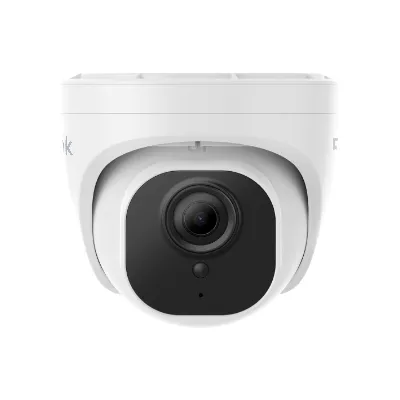
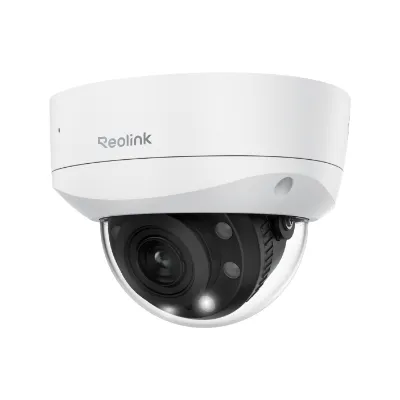
Turret cameras handle building doors, clubhouse lobbies and mailbox kiosks. Vandal-rated domes go where a camera is in reach, such as a pool equipment shed or a carport post. Long-reach bullets and varifocal cameras cover entrance roads and the far ends of parking courts. Full-color low-light models earn their keep in lots, because a car's color and a jacket's color matter more to the police than a gray infrared shape. Pan-tilt-zoom cameras have a place on a large green or a long entrance drive, but only alongside fixed cameras, never instead of them. We cover how each choice affects price in the pricing section.
The recorder goes where it is dry, ventilated, secure and close to the most cameras: usually the clubhouse office, sometimes a maintenance garage with a conditioned closet, occasionally the gatehouse itself in communities where the booth is staffed and heated. Storage is sized to the retention period the board picks; New York condo guidance commonly cites 30 to 90 days (FirstService Residential, 2024). Outdoor cameras watching trees and traffic generate more data than indoor ones, so lot and road cameras usually record on motion with a short continuous buffer.
License plate cameras are the most requested and most misunderstood item on Long Island condo wish lists. A plate camera is a narrow-view camera with a fast shutter and its own infrared, aimed where cars slow to under about 15 miles per hour and where the plate is within a set distance. Plate-recognition software, when the board wants it, can turn those images into a searchable list. It works at a gate or a stop line. It does not work on a camera mounted for a wide view of the whole entrance road.


Unless a board asks for a particular manufacturer, we quote our own non-branded house system, the same cameras and recorders priced on our Long Island price page. They come through our wholesaler, they carry no monthly fees, and we have installed them across the Island, the five boroughs and the Hudson Valley.
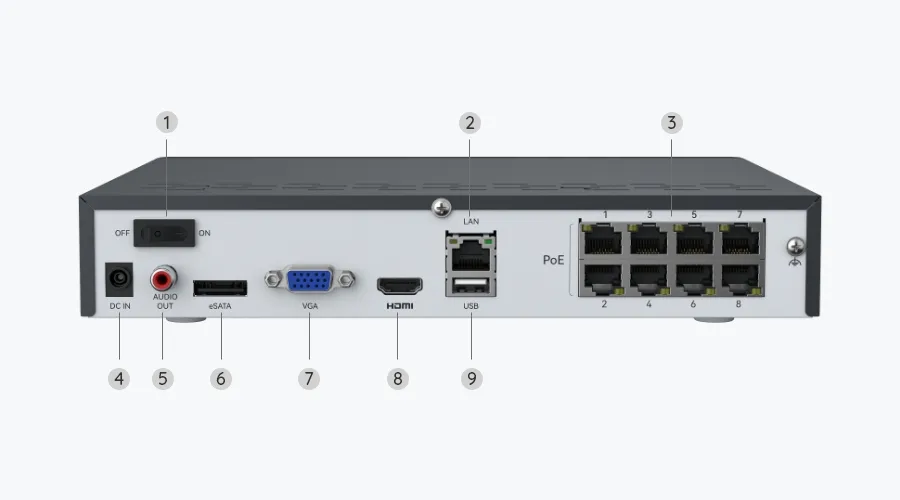
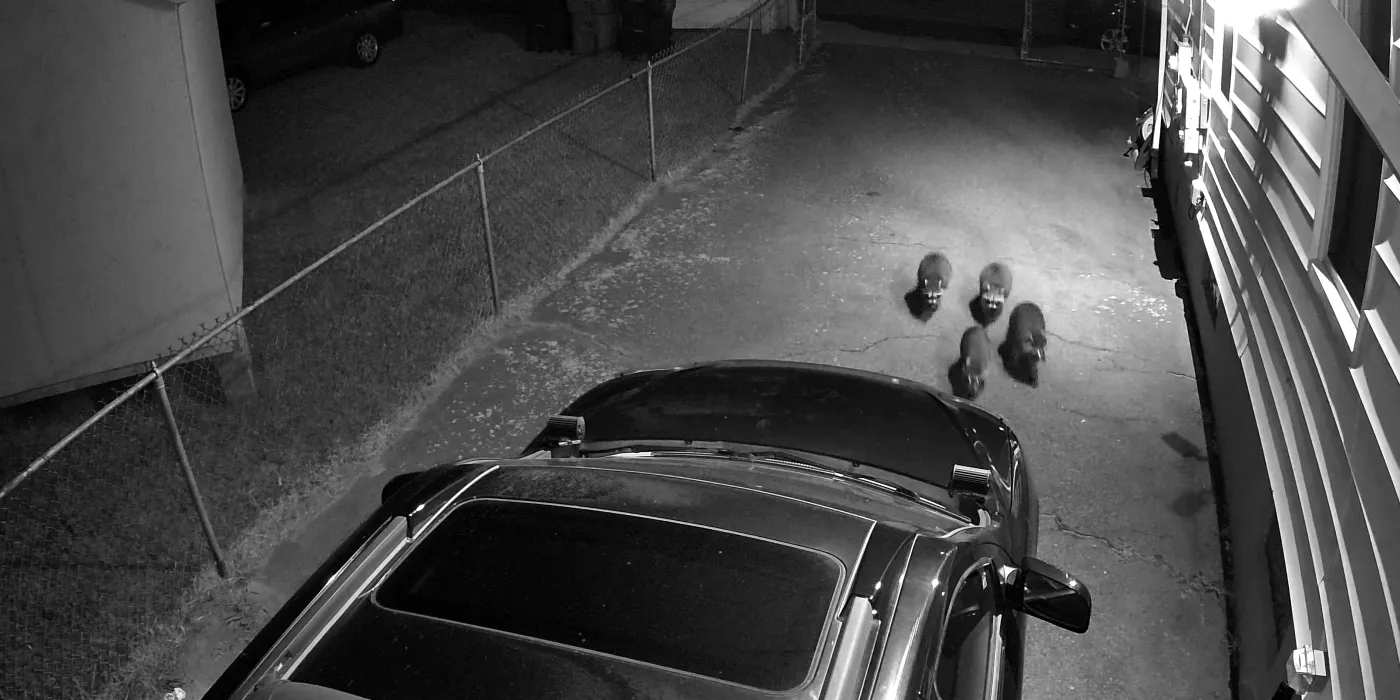
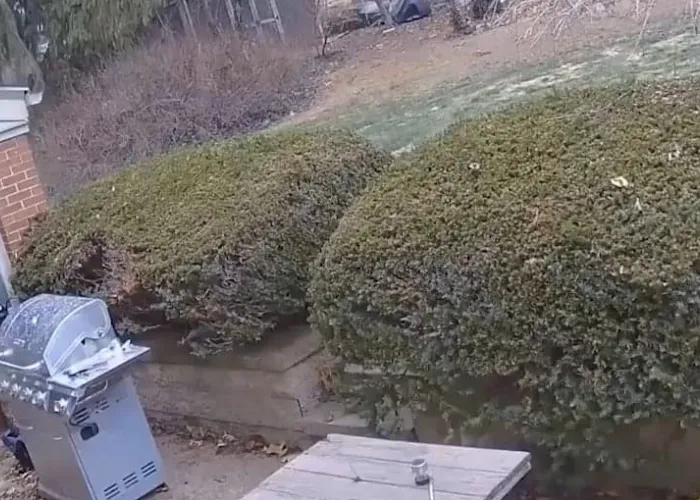
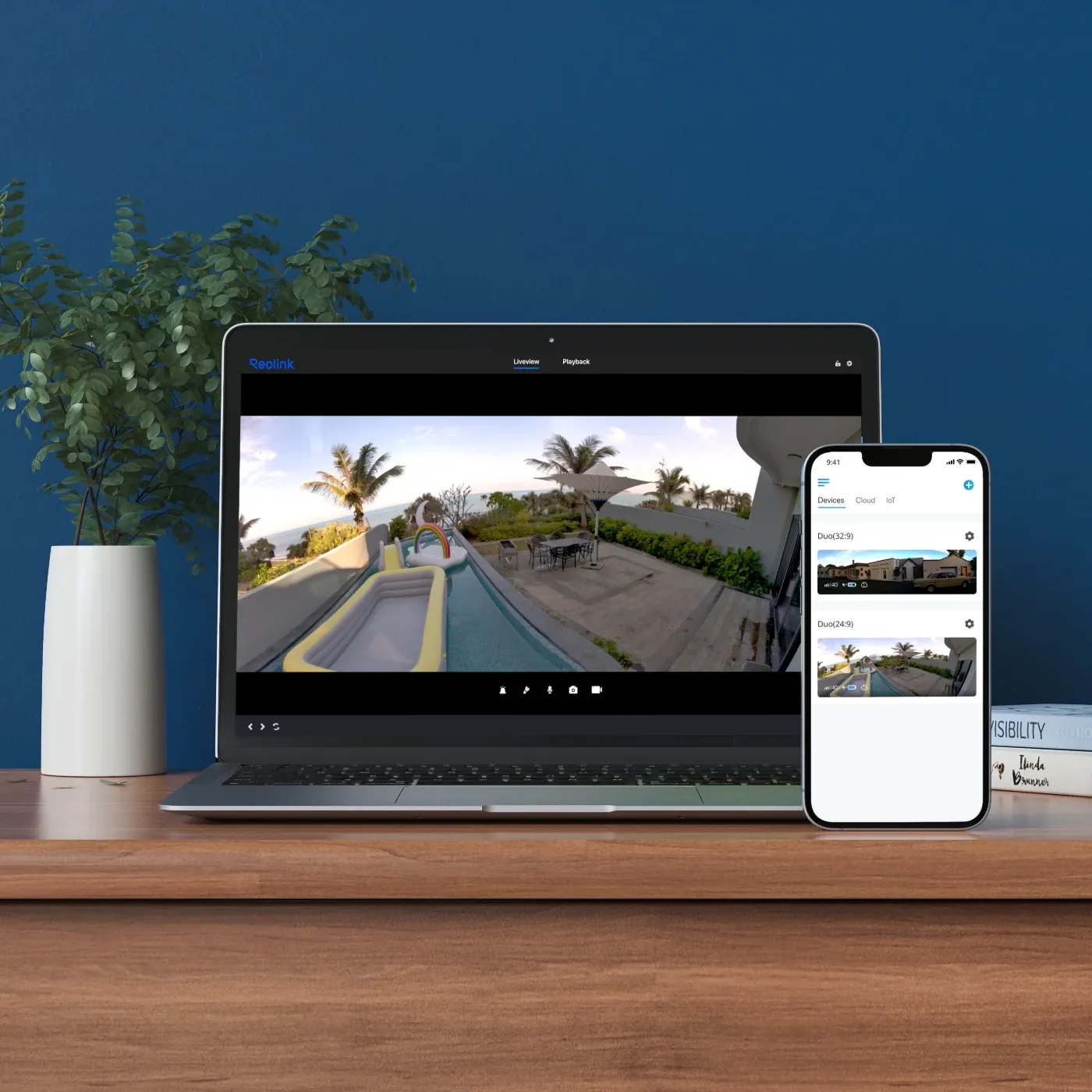
If a community wants a named brand, we price that instead. Lorex, Luminys and Reolink are the brands we hold partner relationships with, and the product photos on this page are Reolink images used for that reason. We also install and match existing Uniview, Hikvision, Dahua, Hanwha, Axis and UniFi Protect systems, which matters on Long Island because many communities have one brand at the clubhouse from one vendor and another at the gate from a different one.
Two notes apply to any brand. Cloud-managed platforms often charge per camera per month to keep remote viewing and recording features active, and that cost belongs in the board's long-range budget. And whichever brand you choose, every admin account and app login should be registered to the condominium, not to us or to a board member's personal email.


We are a licensed low-voltage contractor, not attorneys, and nothing on this page is legal advice. Each condominium should have its own counsel review a camera plan against its declaration, bylaws, rules and any master association documents. What follows are the public sources that most often come up when Long Island boards plan cameras.
New York's Condominium Act is state law. Its definition of common elements includes the "yards, gardens, recreational or community facilities, parking areas and storage spaces" along with halls, lobbies and entrances (Real Property Law §339-e), which on a Long Island campus describes most of the property. The same act requires the bylaws to cover the board's powers and how rules for the common elements are adopted (§339-v). That is where a board's authority to place cameras on lawns, lots and pool decks comes from.
Many Long Island communities are not a single condominium. A master homeowners association may own the entrance road, the clubhouse and the pool, while separate condo associations own the buildings. The state's rules for HOA offering plans require the plan to describe the common areas, including "the land, buildings, lots, parking facilities, recreational facilities" (13 NYCRR §22.3). Before cameras go up, counsel should confirm which entity owns each place a camera will be mounted, because that entity is the one that signs and pays.
Video of shared outdoor areas is widely used. Audio is different. New York's eavesdropping statute covers the "mechanical overhearing of a conversation" without the consent of at least one party (Penal Law §250.00), and eavesdropping is a class E felony (§250.05). A pool deck or clubhouse lobby microphone records conversations between people who agreed to nothing. Our condo installations ship with audio off, and we enable it only on written approval from the board's counsel.
The unlawful surveillance statute makes it a felony to record a person without knowledge or consent, for no legitimate purpose, "in a bedroom, changing room, fitting room, restroom, toilet, bathroom, washroom, shower" (Penal Law §250.45). Pool houses and clubhouse locker areas are exactly those rooms. FirstService Residential's New York guidance also points to the Labor Law's bar on video of employees in restrooms, locker rooms and changing areas (FirstService Residential, cited above), which covers the maintenance staff's room in the community garage.
Long Island condos raise a question tower buildings rarely do: the patio or deck behind a townhouse may be a limited common element reserved to one owner, even though the association maintains it. A Newman Ferrara attorney writing in CooperatorNews warned that a camera whose view "peers into a neighboring unit" invites a privacy claim, because "the law recognizes the interior of a neighbor's unit as subject to considerable privacy safeguards" (CooperatorNews, Q&A: Camera Placement). We aim lot and lawn cameras so private patios, decks and windows fall outside the frame, or mask those areas in the recorder where the view cannot be changed.
The same CooperatorNews piece notes that condominiums "typically prohibit unit owners from unilaterally altering" common areas and that "a request for board consent is advisable." On Long Island that comes up with video doorbells on shared porches and floodlight cameras on siding the association maintains. The board's rule decides; we install owner devices on common elements only with the board's written approval.
Boards reading online advice often run into New York City rules. Two come up most. The city's tenant data privacy law, Local Law 63 of 2021, regulates "smart access" systems in class A multiple dwellings in New York City (intro.nyc), and the entrance and intercom requirements in section 50-a of the Multiple Dwelling Law apply to New York City buildings (Multiple Dwelling Law §50-a), while towns and villages on Long Island fall under the separate Multiple Residence Law (Multiple Residence Law §3). A condo in Hauppauge or Massapequa is outside both. Statewide rules, such as the Penal Law sections above and the state's licensing of security installers, still apply everywhere.
New York State licenses security system installers through the Department of State, and its rules include closed-circuit and video surveillance systems used to detect or monitor intrusion (19 NYCRR Part 195). Our license number is NYS #12000287431, and boards should check any bidder's number before signing.
On Long Island the hardest footage questions usually come from distance and turnover. The managing agent may be in an office twenty miles away. Board members serve two-year terms and move to Florida. The gate officer works for a guard contractor that changes every few years. A footage policy has to survive all of that, and the camera system has to be set up so the policy can actually be followed.
FirstService Residential's New York guidance recommends that buildings "maintain a log of requests and a list of anyone who accessed footage," and that residents not receive footage "without prior approval from the board and legal counsel" (FirstService Residential, 2024, cited above). The setup that supports that kind of policy looks like this:
Requests may come from the Nassau County police, a village department, the Suffolk County police or an East End town department, depending on where the community sits. However the request arrives, it should go to the managing agent and, where the policy says so, to counsel. Whether to hand over a clip voluntarily or wait for a subpoena is the condominium's legal decision. We do not release recordings to anyone ourselves; our job is to make sure the agent can find and export a clip, with its date, time and camera name intact, in a few minutes.
A sign at the community entrance and at the clubhouse door stating that common areas are recorded tells visitors, contractors and residents the same thing the board's notice told owners. Wording and placement are the board's call; we can mount signs on the same poles as the cameras.

Long Island boards tend to move on a seasonal rhythm. Many hold their annual meeting in spring, approve capital work over the summer, and lose a quorum in winter when snowbird members head south. A camera project that misses the summer window often waits a year. We build our proposals so the board can decide in one meeting.
The Condominium Act lets the bylaws provide for reserves for capital expenditures (Real Property Law §339-v, cited above). Many Long Island communities fund a full camera system from reserves the same way they fund paving or roofs, while a single added camera or a replacement recorder usually comes from operating funds. That choice belongs to the board and its accountant. Financing is available through Wisetack, subject to approval.
Owner notice works better when it shows the plan. We give the managing agent a one-page summary with the site plan, the list of covered areas, a statement that audio is off and who can view recordings. In communities with many seasonal residents, sending it by email as well as posting it in the clubhouse saves the board a round of calls from owners who see a trench in April and wonder what it is.
Gated communities set contractor hours, vehicle passes and quiet periods around pool season and holidays. We follow them, book visits early in the day, and issue the insurance certificate naming the condominium, the master association and the managing agent once the contract is awarded. Trenching is scheduled around irrigation, lawn treatments and the landscaper's mowing day.
Our condo camera prices on Long Island are the same camera prices we publish for Nassau and Suffolk. There is no condo surcharge. The base system on each price page is four house-brand cameras with a recorder, installed, with cable runs up to 100 feet per camera.
| County | Four-camera house-brand system, installed | Full package list |
|---|---|---|
| Nassau County | $999 | Nassau camera prices |
| Suffolk County | $1,099 | Suffolk camera prices |
Each county page also lists higher-resolution, full-color, audio-capable and deterrence packages above the base system. A condo community almost always needs more than four cameras, and every camera beyond the package is priced per camera once we have confirmed the layout on a property walk, because a camera on a clubhouse eave and a camera at a pool 400 feet away are very different amounts of work.
If the community bought its own cameras, our price covers installation labor only. Send us the models and a marked-up site plan or aerial, and we quote by phone or text; the work goes on the schedule once the deposit is paid. We do not do walk-throughs for owner-supplied equipment, and the equipment's performance stays with whoever sold it.
Three warranty layers apply to a condo camera system. Our installation carries the 30-day warranty posted on our site from the day the system goes live, and a one-year or longer plan can be added at signing, which suits communities that fund cameras from reserves. The hardware itself is covered by its manufacturer on the manufacturer's terms. Full terms — including 50% deposit, one-year parts-only warranty on Abstract Enterprises Security Systems-supplied products, and the late-fee schedule — are set out in the service agreement. Plan details are on our warranty page, and each plan's price appears in the proposal next to the system it covers.

Send the community's name and town, the number of buildings and units, the areas the board wants covered and what is installed now. An aerial screenshot with the gate, clubhouse and pool marked helps us plan the walk. To talk it through, call (800) 486-0943.
Received. Someone from our office will reach out, usually inside two hours, and we will pick a morning that suits the community.
A Long Island board asking for "condo cameras" could be running a 24-unit garden complex next to a shopping center or a gated community the size of a small village. The plan, the cable method and the price all follow from which one it is.
Two- and three-story wood-frame buildings around shared parking, often built in the 1970s and 1980s. Attic and crawlspace cable paths make building doors easy; the lots and the gaps between buildings are where coverage and cable effort go.
A gatehouse, an entrance road, a clubhouse and pool at the center, and hundreds of attached homes around them. Gate and plate cameras, wireless or fiber links to the clubhouse, and a recorder sized for 32 channels or more.
Clubhouse-centered life, busy amenity calendars and many owners away in winter. Coverage leans toward the clubhouse, walking paths, the pool and the entrance, with remote viewing for the managing agent during the months the board is scattered.
Rows of attached homes with their own garages on association-owned lanes. Cameras at the lane entrances, the mailbox kiosk and guest parking, aimed so driveways and garage doors of individual owners are not the subject.
Newer concrete buildings near LIRR stations with lobbies, elevators, garages and roof amenities. These are the Long Island condos that look most like city buildings, with lobby, garage ramp, package room and elevator coverage.
Ocean, bay and harbor buildings on the South Shore and North Shore, and seasonal condos on the East End. Salt-rated hardware, equipment placed above flood-prone ground floors, and remote viewing for owners who are not there half the year.
Mixed-use village condos, with shops on the ground floor and residences above, appear in downtowns such as Patchogue, Rockville Centre and Port Jefferson. They need separate camera groups and permissions for the residential association and each commercial owner, set up so neither side sees more than the declaration says it should.

The hardware is the same from Elmont to Southold, but the communities, the conditions and the usual complaints change as you drive east. This is what we plan for in each part of the Island.
Great Neck, Port Washington, Roslyn, Glen Cove and Oyster Bay have older condo buildings on hilly lots, newer waterfront developments such as the Garvies Point project in Glen Cove, which Newsday reported would include 1,110 condos and apartments when complete, and townhouse condos tucked off Northern Boulevard. Hills complicate wireless links and make cable routes longer than they look on an aerial. Waterfront buildings need salt-rated cameras on harbor-facing walls.
Mineola, Garden City, Westbury, Hicksville and Carle Place are where most of the Island's new transit-oriented condos and apartments are going up around LIRR stations. These elevator buildings need garage, lobby, package room and elevator coverage, and their lots fill with commuter cars that do not belong. Older garden complexes in the same towns often still run analog cameras on coax, a good candidate for an upgrade on existing cable.
Long Beach, Lido Beach, Oceanside, Freeport, Merrick and Massapequa put condos close to tidal water. Long Beach has the Island's only oceanfront high-rises, where salt spray and wind are constant; inland South Shore complexes deal with flooding in low lots. Recorders and switches go above the ground floor wherever possible, and outdoor connections are sealed rather than taped.
Huntington, Melville, Dix Hills, Commack and Smithtown hold many of the Island's gated communities and larger condo developments, several with staffed gatehouses near the Long Island Expressway. Here the gate camera, the visitor lane and the guard's monitor are usually the heart of the system, with long links back to the clubhouse.
Ronkonkoma, Hauppauge, Lake Grove, Coram, Middle Island and Yaphank mix garden condos, active-adult communities and new transit-oriented development around the Ronkonkoma station. The communities are large and the distances long, so this is where wireless bridges, outdoor switches and pole cameras come up most. The 2015 Yaphank break-ins cited above happened in exactly this kind of community.
Riverhead, the North Fork, the Hamptons and Montauk have seasonal condos and active-adult communities with owners away for months. Cameras here are judged by whether an absent owner or managing agent can check the property after a storm, and whether the recorder rides out a winter power failure. East End jobs take the longest drive from our Brooklyn office, and we schedule them as early in the day as the community allows.
Co-op boards on the Island face similar choices under different documents. A co-op security camera installation page for Long Island is in preparation. Rental complexes owned by one landlord are covered on our apartment building security camera page for Long Island.
Adding a camera at a mailbox kiosk can take a single visit. A full community system can take a summer from first call to handover, mostly waiting for board meetings and trench schedules. Every project follows the same seven steps.
Reach us by phone, text or the form above. The walk goes on the calendar within 2 hours of your request, seven days a week, early in the day, with a two-hour window for our arrival.
We walk the entrance, clubhouse, pool, lots, kiosks and storage areas, measure the distances, check poles and power, test any old cable, and note where conduit or a wireless link is needed.
An aerial photo of the property marked up with camera views and cable paths, and phases the board can approve one at a time, each with its own number, recording days and yearly costs.
Once the board, or every association with a stake in the property, votes as its documents require, the managing agent signs and pays the deposit. Ordering and the insurance certificate follow.
Utility markouts are requested for any trench, and the agent sends owners the summary and work dates, including those away for the season.
Conduit, cable, links, cameras and recorder go in during the community's contractor hours. Views are checked against patios and windows, audio is turned off and retention is set.
Separate logins for the agent, the gate booth, the board and the maintenance staff, a training session, written export steps and a labeled aerial. The association holds every password.
Two points protect the board. Equipment is ordered only after approval and the deposit, and once ordered it cannot be returned, so anything that could add cost, such as an old coax run that may fail testing or a trench that may hit rock or roots, is put in writing before the order. And the community's lawn and paving are restored as part of the job, not left for the landscaper to discover.
Plenty of Long Island communities already have cameras. The trouble is usually that they were added one at a time over fifteen years by three different vendors, on two recorders nobody can log in to, with half the outdoor cameras fogged or dead.
A failed drive, a dead power supply, a camera knocked out of aim by a ladder or a snowplow, or water in an outdoor junction box can usually be fixed without starting over. General camera repair across the Island is covered on our security camera repair page for Long Island; on condo jobs we pair the repair with a quick check of every other camera so the board knows what else is close to failing.
Garden-style complexes wired with coax in the 1990s and 2000s can often keep that cable. A modern high-definition recorder and new cameras on the existing coax give a far sharper image than the old analog system, at a fraction of the cost of new cable, and the board avoids opening attic hatches in every building again.
Recorders with no software updates, cable that fails throughout, or cameras placed where nothing happens are reasons to replace. We phase the replacement so the entrance and clubhouse stay covered while the rest changes over.
In newer communities the developer often bought the first camera system, and the admin account may still belong to the sponsor or its installer long after turnover to the owners. We recover or reset those accounts, re-register everything to the association, and document it, so the next change of managing agent does not lock the board out again.
Outdoor cameras on Long Island collect pollen in spring, salt in winter and spider webs all summer. A periodic visit to clean lenses, check views, confirm the recorder is writing to its drives and update firmware keeps the system useful. Analog and coax-based systems are also covered on our CCTV installation page for Long Island.

Long Island condo cameras live outdoors more than city cameras do, and the Island's weather finds every weak point. These are the conditions we design around.
When Tropical Storm Isaias came through in August 2020, PSEG Long Island said the storm affected about 420,000 customers, with roughly 160,000 still out late that night (PSEG Long Island, cited above). Outages like that are when owners most want to know what is happening at the property. We put the recorder, network switch and any midpoint switches on battery backup sized for the load, and in communities with a clubhouse generator we connect the camera equipment to a circuit the generator already serves, through the community's electrician.
Long copper runs between buildings and up light poles pick up surges from nearby strikes. Surge protection at both ends of outdoor runs, proper grounding, and fiber between buildings where the run is long all reduce the chance that one storm takes out a switch and every camera on it.
Within sight of the ocean or the bay, standard mounts rust and connectors corrode. We use weather-rated housings, stainless hardware, sealed cable entries and drip loops, and we avoid pointing cameras straight into the prevailing wind where rain and spray collect on the lens.
Low cameras on lot edges and pool fences get hit by plow blades and buried by piled snow. Mounting heights, pole guards and placement behind curbs come from where the plow contractor actually pushes the snow, which the superintendent usually knows better than anyone.
Mature trees are part of what owners love about many Long Island condos, and they are also what sets off motion alerts all night and blocks views by June. We set detection zones that ignore branches, prefer person and vehicle detection over raw motion, and check leaf-on views when the walk happens in winter.
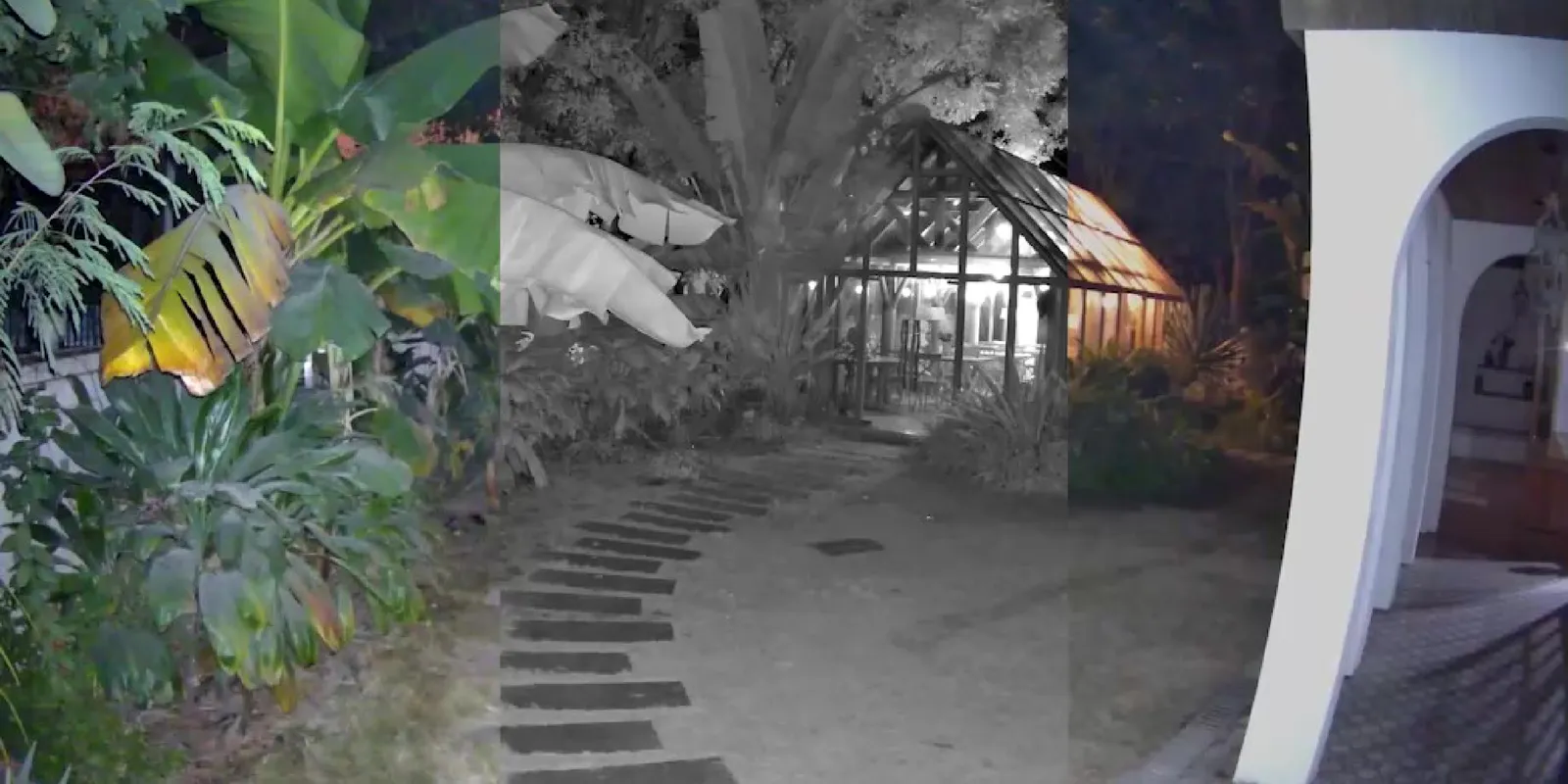
Many condo lots are lit for walking, not for cameras. Full-color low-light cameras work well where there is some light; where a lot is truly dark, infrared cameras placed away from parked car bumpers, which bounce infrared back into the lens, give a cleaner image.

Not a condo, or after a different kind of camera work? These pages cover the rest of Long Island:
A Long Island condo camera system usually touches more networks and more outsiders than a city building's. The clubhouse internet service may also feed guest Wi-Fi for residents at the pool. The guard contractor brings its own tablet to the booth. The landscaping company's foreman asks to see the lot camera after a mower hits a car. Each of those is a door into the system unless it is planned for.
Where a managing agent or the community's IT provider has its own network rules, we follow them and coordinate before installation day, so the camera system is not the one device on the property that ignores the standard.
Outdoor cameras on a condo campus need attention on a seasonal schedule more than a fixed one. This is the calendar we suggest to Long Island managing agents. The superintendent can handle most of it with a ladder and a soft cloth; the rest is a short service visit.
| Season | What to check | Why it matters here |
|---|---|---|
| Spring | Clean lenses and domes, re-aim anything moved by winter wind or plows, confirm the recorder still holds the full retention period | Pollen coats lenses, and plow season knocks low cameras out of aim before anyone notices. |
| Early summer | Check every outdoor view with the trees in full leaf, trim branches that block cameras, test pool and court cameras before opening day | Views chosen in winter can disappear behind foliage by June, just as pool season brings the most incidents. |
| Late summer | Confirm battery backup units hold a charge, check surge protection on long outdoor runs | Hurricane season and thunderstorms bring the outages and nearby strikes that take recorders and switches down. |
| Fall | Clear leaves from camera housings and pole tops, review user accounts before seasonal owners and board members leave | Accounts left active for people who are gone all winter are a common security gap. |
| Winter | Watch for ice on lenses, check cameras near plow paths, confirm health alerts still reach the managing agent | Many owners are away, so a camera or recorder failure can go unnoticed for weeks. |
The recorder's health alerts are the single most important item on that list. A camera that dies in January is a nuisance; a recorder that stops writing to its drive in January and is discovered in May is a gap in the community's record that nothing can fill.
After a break-in, a damaged car or a vandalized pool gate, the managing agent's first job is to save the clip before the recorder writes over it. Note the time window and the place as precisely as possible, export the clip with its date, time and camera name, and log who asked for it and why under the board's policy. Then write down any gap: a camera that was dark, fogged, blocked by a branch or simply missing. That list is the best guide to the community's next camera decision. If the agent cannot find or export the clip, or finds the recorder was not recording, we can help recover what the drives hold and fix the cause on a service visit.
Boards usually start with a number of cameras. We start with a list of places and the question each camera should answer, then count. The ranges below reflect what Long Island communities of each type tend to end up with; your property walk sets the real number.
| Community | Areas usually covered | Typical camera count |
|---|---|---|
| Small townhouse or garden condo, under 40 units | Entrance from the street, mailbox kiosk, main parking court, dumpster enclosure | 4–8 |
| Garden complex, 40–150 units | All of the above plus each parking court entrance, clubhouse or office door, pool gate, maintenance garage | 10–20 |
| Gated community, 150–400 homes | Gate overview and plate cameras, visitor lane, clubhouse doors and lobby, pool and deck, courts, kiosks, main lots, storage lot | 20–40 |
| Large planned or active-adult community, 400+ homes | Multiple entrances, several amenity buildings, walking paths at key points, all lots and kiosks | 40–64+ |
| Elevator condo near a station | Front door from both sides, mail and package room, each elevator cab, the ramp down to parking, the roof deck | 12–30 |
Two rules keep those counts honest. Every way onto the property is covered before any interior space, because the entrance is the one place every person and vehicle passes. And each camera has one job; a camera asked to watch the gate, the clubhouse door and the pool at once does none of them well. We also size the recorder for the community's full plan in the first phase, so later cameras plug in rather than forcing a second recorder.
Yes, and more reliably. A plate camera at the visitor lane, aimed where cars stop at the booth, records every plate with a time stamp, and an overview camera shows the car and driver's side. The guard still checks visitors in; the cameras replace the handwriting and the clipboard that gets lost. If the board wants a searchable plate list, recognition software can be added to the same camera.
Record every car either way. When the booth is empty, the overview and plate cameras become the only record of who came in, so they run on the same schedule all day. Some boards also send an alert to the managing agent when the gate arm is raised manually or held open during unstaffed hours. When the officer arrives, the booth monitor shows the same views, so nothing changes in how the cameras record.
They often do. A plow blade that clips a parked car at 4 a.m. or a mower that throws a stone into a windshield shows up on lot and lane cameras if those cameras cover the paths the crews actually drive. Before the season, ask the superintendent where the plow and mower routes run and make sure the views include them. The recording then goes to the contractor's insurer through the managing agent, under the board's footage policy.
Usually only where there is a path, a gap in the fence or a history of trespass. A camera every hundred feet along a wooded boundary records mostly deer and branches. A camera at each known footpath or fence gap, aimed along the line rather than into the neighboring land, covers the real entry points and keeps the preserve or course out of the recordings.
The common elements that lead to the empty units: the lane or parking court entrances, building entries and walkways. Cameras do not look into private units or yards, but an empty-season pattern, such as a car that keeps returning at night, shows up clearly on entrance cameras. Many boards also set alerts to the managing agent for movement in quiet areas after midnight during the off-season.
Usually the entity that owns the entrance, which is often the master association. We can run all cameras on one recorder with separate permission groups, so each condo association sees its own buildings and the master association sees the gate and amenities, or install separate recorders if the documents require it. Counsel should confirm ownership before the contract is signed.
Only if the pole has constant power. Many lot lights are switched by a photocell or timer, so the power disappears at dawn. Providing constant power at a pole is electrical work, which the community's electrician handles; we don't do electrical work. Often a better answer is to run network cable to the pole and power the camera from the switch, which needs no electrician at all.
A camera aimed at the enclosure gate, with enough resolution to read a truck's lettering or plate as it backs in, catches most of it. Pair it with a sign. Boards often find that a visible camera and a posted notice end the problem within weeks, and the recordings back up any charge-back to the owner whose contractor did the dumping.
A camera on the pool gate that shows faces as people come through, a second camera covering the fence line they climb, and a sign at the gate. Deterrence cameras with a light and a recorded voice message can be aimed at the deck after closing hours, kept away from nearby bedroom windows. Cameras record and discourage; the fence, the lock and the pool rules still do the stopping.
Vibration can soften the image on a camera mounted on a long arm or a thin pole, especially at high zoom. We mount cameras near the tracks on solid masonry or short, rigid brackets, choose wider lenses that hide small movements, and turn on image stabilization where the camera offers it. Headlights from trains at night are handled the same way as car headlights, by aiming across the light rather than into it.
If the lanes are common elements, yes. We place cameras at the lane entrances and along the lane itself, aimed down its length so passing cars and people are recorded while individual garage interiors and front doors are not the focus. Owners can see the field of view on the site plan before anything is installed.
One ceiling camera inside the gym door, looking into the room, shows who entered and when. If the clubhouse uses key fobs, the camera time stamp lines up with the fob log. The camera never covers the locker rooms or showers next door.

Board members research before they call. Much of what comes back from search results, chatbots and national cost guides from sites such as Angi, HomeAdvisor and Fixr is written for single-family houses or for New York City towers. Here is how common claims hold up on a Long Island condo property.
It can, for a while. Solar and cellular cameras are useful for a construction phase or a seasonal boat lot. As permanent coverage for a pool gate or an entrance, they struggle in December's short days, record less than a wired camera, and add a monthly data bill per camera.
For anything the community will rely on year after year, conduit or a wireless bridge to the recorder is the better investment.
Statewide laws are, and they matter most: the Penal Law's eavesdropping and unlawful surveillance sections and the state licensing of installers. But much of the condo camera advice online is written for New York City buildings and cites city laws that do not apply in Nassau or Suffolk.
Long Island boards should read their own declaration, bylaws and any master association documents first.
A pan-tilt-zoom camera looks at one place at a time. While it is zoomed on the pool, it is not recording the gate. On a campus, fixed cameras at entrances and doors do the reliable work, and a PTZ is an extra for a large open green.
National cost guides quote prices for a few cameras on a house. They cannot account for a 400-foot run to a pool, a trench across a lawn or a wireless link to a gatehouse, which are often the largest items on a Long Island condo proposal.
Our published price is the four-camera starting point for each county; everything beyond that is priced from the property walk, in writing.
Many lot lights switch off at dawn by photocell or timer. A camera on that circuit goes dark every morning. Constant power at a pole is electrician work, which is why we often power pole cameras over their network cable instead.
Resolution is not the problem; motion blur and headlight glare are. Reading plates at night takes a dedicated camera with a fast shutter, aimed where cars slow down, within a set distance. A wide 4K view of the entrance road will show that a car passed, not its plate.
The Suffolk County police camera registration effort described by Officer.com is a way to tell detectives where cameras exist so they can ask for footage after a crime; the article does not describe live police access to registered private cameras. Registering does not hand anyone the keys to the system.
Any release of recordings remains the board's decision under its footage policy.
Since 2002 we have put security systems into every kind of property, and Long Island condo communities keep teaching us the same handful of lessons. They are now part of every first walk.
The gate camera was aimed at the headlights. Original installers often point the entrance camera straight down the road at oncoming traffic. At night it records glare. Turning it to look at cars from the side as they stop at the gate, with a separate plate camera aimed low, fixes it.
The recorder was in the pool house. We find recorders in pump rooms, unheated sheds and gatehouses with space heaters. Chlorine fumes, damp and freezing winters kill drives. Moving the recorder to the clubhouse office, and bringing the pool cameras in over a link, usually solves more than the camera upgrade itself.
The summer view was not the winter view. Walks done in February show open sightlines that vanish once the trees leaf out. We ask the superintendent where the foliage fills in and place cameras accordingly.
Nobody knew it had stopped recording. The most common failure is a recorder that quietly stopped writing to its drive months earlier. Health alerts to the managing agent are now part of every handover.
The site plan prevented the arguments. Communities that circulated the plan, with each camera's view drawn on an aerial, rarely heard owner complaints. Where cameras simply appeared, owners asked who was watching their patio.
Most Long Island boards collect two or three bids. Asking each bidder the same questions makes the comparison about substance, not just the bottom line.
| Ask every bidder | Our answer |
|---|---|
| What is your New York State license number? | NYS license #12000287431. |
| How will video get from the pool and gate to the recorder? | Each run is drawn on the site plan as cable, conduit, fiber or wireless, with its own price. |
| Who restores the lawn after trenching? | We do, as part of the job. |
| Who owns the admin logins? | The association, from handover. |
| Is audio recording on? | Off, unless the board's counsel approves in writing. |
| What monthly fees come with the system? | Our house system has none. A brand that bills per camera is shown with its yearly cost. |
| How soon can you start? | The walk is set up within 2 hours of your request, any day. Install dates go in payment order: first paid, first scheduled. |
| When is the insurance certificate issued? | On award, naming the condominium, any master association and the managing agent. |
Our crews come out of our Brooklyn office at 1282 Troy Ave and cover all of Nassau and Suffolk, with 4.7 stars across 201 Google reviews. For references, read those reviews; we keep client communities out of our marketing. We do not do electrical work, we do not run virtual doorman or managed video services, and we do not take a community's footage; we install and maintain systems the community owns.
Long Island is one of three regions we cover for condo camera work. Boards with buildings in more than one place, and managing agents with portfolios that cross the city line, can find the matching page for each area here.
Our four-camera house-brand system with recorder is $999 installed in Nassau County and $1,099 in Suffolk County, matching our two county camera price pages. The difference covers the longer drive to Suffolk communities, many of which are an hour or more east of our crews. Cameras beyond the first four are priced per camera after the property walk.
No. Laws such as the city's Local Law 63 of 2021 on smart access systems and the Multiple Dwelling Law's entrance requirements apply to buildings in New York City, not to condos in Nassau or Suffolk towns and villages. State laws do apply everywhere, including the Penal Law sections on eavesdropping and unlawful surveillance. The condo's own declaration and bylaws govern where cameras go; counsel should confirm.
That is the board's choice. Suffolk County police have asked camera owners to register so detectives know where footage may exist after a crime; registration as described is a list of locations, not live police access. If the board registers, its footage policy should still say who handles police requests and when counsel is involved.
No. Cameras record what happened and can deter after-hours swimming, but nobody watches a recording in time to help a swimmer in trouble. Pool safety staffing and rules are a separate decision for the board and its insurer. We cover the gate, the deck and the equipment area, never the changing rooms or restrooms.
Video of the booth interior is commonly used to protect the officer and document visitor check-ins, and we can install one with audio turned off. The guard contractor should be told in writing, the camera should never cover a restroom or changing area, and the board's counsel should review the plan, since the officers are the contractor's employees.
Most boards decide against it. A public screen shows anyone in the clubhouse who is coming and going at the gate and the pool, which can conflict with the footage policy. Where a community wants a display, we usually limit it to the entrance and parking views, or put it in the management office instead.
Usually not at first. Covering the community's entrances, parking courts and the buildings nearest the road catches most of what happens, and building doors are added where incidents actually occur. A recorder sized for the full plan lets the board add entrance cameras building by building in later budget years.
All the way. We work in every part of Nassau and Suffolk, including Riverhead, the North Fork, the Hamptons and Montauk. East End jobs are scheduled early in the day, and the Suffolk price page applies to them.
No. Cameras are mounted and wired separately from the gate operator, the arm and the visitor call box, and they do not draw power from the gate controller. We coordinate with the community's gate service company if a camera has to share a pole or an enclosure with its equipment, so warranty and service responsibilities stay clear.
Yes, where those areas are common elements. We use salt-rated cameras on sealed mounts and aim them at the access path, gate or dock entrance rather than at boats owned by individuals or neighboring properties across the water. Power and cable routes near the water are planned above flood level where possible.
For a small garden complex, about an hour. For a gated community with a clubhouse, pool and several parking courts, plan on two to three hours with the superintendent, since we measure every run and check poles, conduit and old cable. The written site plan and options follow after the walk.
Often, if the courts already have fence damage, after-hours use or guest disputes. One camera at the court gate showing who enters is usually enough, and it can often share a cable route or wireless link with the pool cameras nearby.
Gatehouse to pool fence, Elmont to Montauk: we plan the cameras, run the cable and hand the association a system it controls. NYS license #12000287431 · 4.7 stars from 201 Google reviews.