Lakefront Homes · Long Wooded Driveways · Detached Garages · Weekend Homes · Historic Villages · Surge-Protected · Deer-Tuned · Lake-Rated · Fixture Swap or Long New Wiring · No Monthly Fees
Professional floodlight camera installation in Putnam County — the motion-activated light-plus-camera-plus-siren combo that lights up a driveway, backyard, dock, or detached garage and records everyone who trips it. Putnam is the smallest and most rural county we cover, a county of lakes and wooded hills: the lake communities of Mahopac, Lake Carmel, and Putnam Lake; the big-acreage wooded homes of Putnam Valley and Kent set well back down long driveways; the county seat at Carmel; the Metro-North commuter village of Brewster; and the historic Hudson riverfront villages of Cold Spring, Nelsonville, and Garrison. A lakefront home in Mahopac wants the dock, the yard, and the driveway lit; a wooded Kent property wants the long driveway and the detached garage covered; a weekend place near the reservoirs wants a deterrent that works while it sits empty all week. We replace an existing exterior fixture in under an hour, or run brand-new wiring — often a long one — and set a UL-listed box out to a detached garage, a dock, or the road end of a long wooded driveway where there’s no power yet, the part most owners hit a wall on. And because the Hudson Valley gets far more thunderstorms than the city and Putnam winters bring hard freeze-thaw and ice, we build in surge protection and weatherproof for the cold, and we rate lakefront installs for the waterfront. Ring, eufy, Lorex, Reolink, and Nest, with color night vision, a built-in siren, and no monthly fees on local storage. This is our Putnam County floodlight page — part of our Hudson Valley floodlight hub and our Putnam security camera installation; pair it with a doorbell camera at the entry, a full residential camera system, or for a storefront or office our commercial security cameras.
A floodlight camera is three deterrents in one fixture: a bright motion-activated light, a recording camera, and a built-in siren. When something crosses the driveway, the dock, the back yard, or the garage approach, the lights snap on, the camera records in full color, and your phone buzzes — and most would-be intruders give up before the second floodlight finishes warming up. Putnam is the smallest and most rural county we cover, and its character is lakes and wooded hills. This is the lake country of Mahopac, Lake Carmel, and Putnam Lake, where homes line the water and waterfront exposure is hard on hardware; the big-acreage wooded properties of Putnam Valley and Kent, set well back down long driveways; the county seat at Carmel; the Metro-North commuter village of Brewster; and the historic Hudson riverfront villages of Cold Spring, Nelsonville, and Garrison, where a preservation board has a say in what goes on the front of an older home. A floodlight cam earns its place on every one of those, but a Mahopac lakefront, a Kent wooded acre, a Brewster commuter home, and a Cold Spring landmark each ask for a different setup — and Putnam is also weekend-home country, where many properties sit empty Monday to Friday and want a deterrent that works while no one’s there.
The catch — and the reason Putnam owners call us instead of doing it themselves — is distance, power, and the conditions out here. A floodlight camera is wired straight into 120–240V at a junction box; it’s not a battery cam you stick to a wall. Replacing a light already mounted at the front door or garage takes under an hour because the box is in place. But the spot you actually want it — a detached garage across a wooded Kent lot, a dock down by the lake, the road end of a long Putnam Valley driveway — often has no power, and getting a circuit out there is a real run, sometimes a long one. New York law puts that new circuit and a UL-listed weatherproof box in licensed hands — and we handle both, however long the run out to the dock or garage. Three things genuinely differ from the city: the Hudson Valley gets far more thunderstorms, so a summer surge that would never faze a city camera regularly kills unprotected gear — we build surge protection in as standard. Putnam winters are colder and wetter with hard freeze-thaw and ice, so we weatherproof for the cold. And the lakefronts of Mahopac and Lake Carmel are hard on hardware, so we rate those installs for the waterfront. Add the deer and wildlife of the wooded hills, and we tune the motion hard with on-device person and vehicle detection so the herd doesn’t trigger the lights all night.
Every property is different, so we start with where the dark spots and the power are, not a boxed bundle. On a Mahopac lakefront it’s the dock, yard, and driveway; on a wooded Kent acre it’s the long driveway and the detached garage; on a Cold Spring landmark it’s a discreet, board-approved mount. Here’s what we put up.
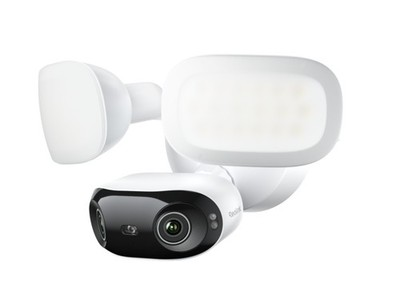
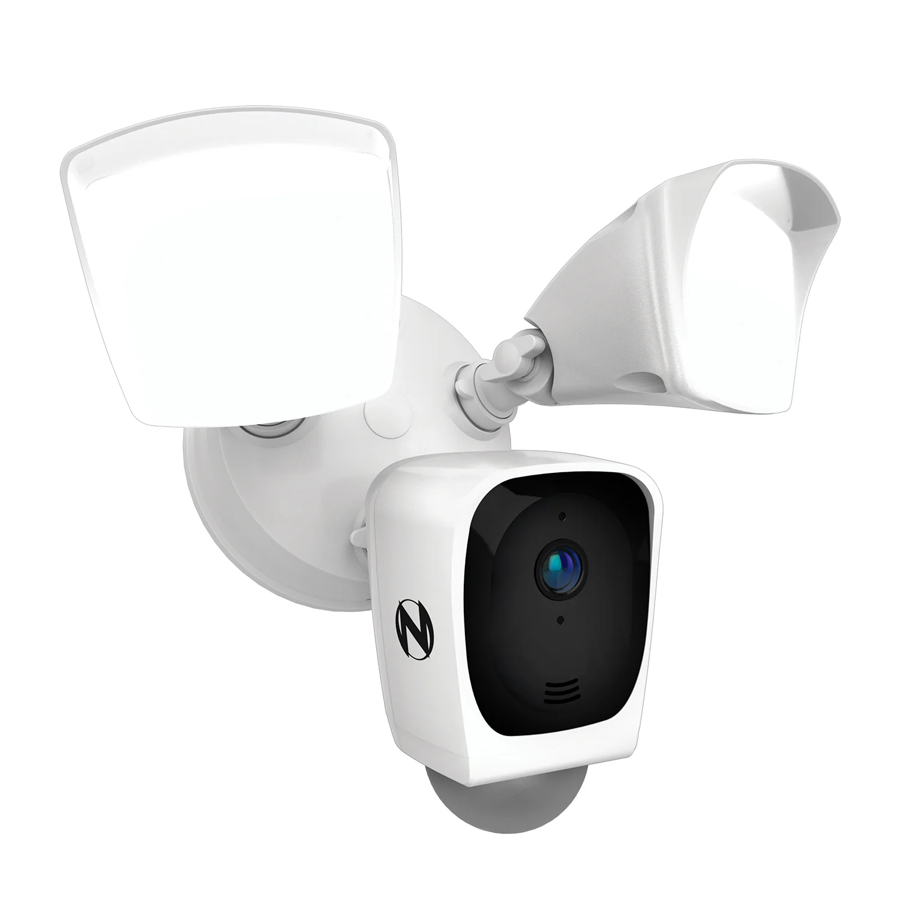
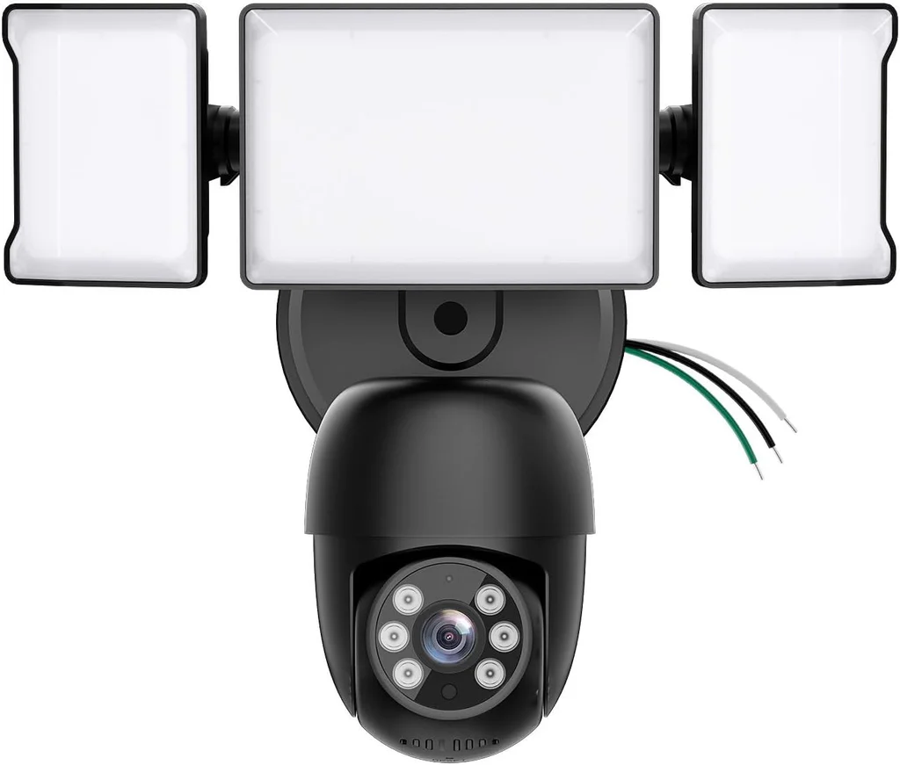
The standard install — a floodlight camera hardwired to your junction box for 24/7 power, no batteries, recording around the clock with the lights on motion.
No power at the detached garage, the dock, or the road end of a long wooded Putnam driveway? We pull a new circuit — often a long one — fit a UL-listed box, and finally light the spot that never had it.
Mahopac, Lake Carmel, and Putnam Lake waterfront is hard on hardware. We mount corrosion-resistant, weatherproof-rated floodlight cams and seal the penetrations so lake damp and spray don’t kill the camera.
The Hudson Valley gets far more thunderstorms than the city, and Putnam winters bring hard freeze-thaw and ice. We wire surge protection in and seal every install against the cold — baseline in the Hudson Valley, not an extra.
Floodlight cams set up for remote viewing so a weekend or seasonal owner can watch the dock, driveway, and yard from the city all week, with the lights and siren ready to trigger and no monthly fee.
In Cold Spring, Nelsonville, and Garrison we work to preservation-board rules — concealed mounts, rear-of-building runs, color-matched hardware the board will sign off on.
A floodlight camera works hardest exactly where a property is darkest and least watched — and in Putnam that ranges from a long wooded Kent driveway to a Mahopac dock to an empty weekend-home approach. These are the spots we wire most across Putnam.
The signature Putnam floodlight spot — light and record a driveway that runs hundreds of feet through the trees, often one at the house and one at the road end so a vehicle is lit before it reaches you.
Docks, boathouses, and waterfront yards on Mahopac, Lake Carmel, and Putnam Lake — lit and recorded with lake-rated hardware where the water meets the property.
Detached garages, sheds, and outbuildings across a wooded Putnam lot — the classic long-run new-wiring floodlight job that lights the blind side of the property.
Tree-lined property edges in Putnam Valley, Kent, and the Fahnestock-area hills — aimed and motion-tuned so the deer and wind-blown branches don’t trigger it but a person does.
The driveway and entry of a reservoir-area weekend home that sits empty all week — a lit, recorded, siren-equipped deterrent that works whether you’re there or in the city.
A floodlight over the entry and walkway deters package theft and lights the steps, pairing with a doorbell cam at the door.
You don’t need the jargon to get a good install, but a few terms come up on every Putnam floodlight quote. Here’s what they mean in plain English.
The electrical box behind an exterior fixture a floodlight wires into. By the front door or garage it’s a quick swap; out at a dock or the road end of a long wooded driveway with no power, we run a line — often a long one — and set a UL-listed box.
How bright the floodlight is. Most run 2,000 to 4,000+ lumens — enough to wash a long wooded driveway or a lakefront yard. We aim the panels so the light lands on your property, not the lake or the neighbor’s.
The floodlight delivers true-color footage at night instead of gray infrared — a readable face, a real car color, and a plate at the road end of a pitch-dark Putnam driveway.
Corrosion-resistant, waterproof-rated hardware for lakefront exposure plus whole-camera surge protection at the feed. Putnam’s lakes and its thunderstorms both punish unprotected gear — standard on our installs where they apply.
PIR sensors trigger on any heat and motion. On a wooded Putnam lot, a driveway camera can fire 30 to 80 times a night on deer alone — on-device person and vehicle detection cuts those false alerts way down.
A 95dB+ alarm in the camera you can trigger on motion or from the app — the difference between quietly recording someone at an empty weekend house and actively driving them off an isolated lakefront or wooded lot.
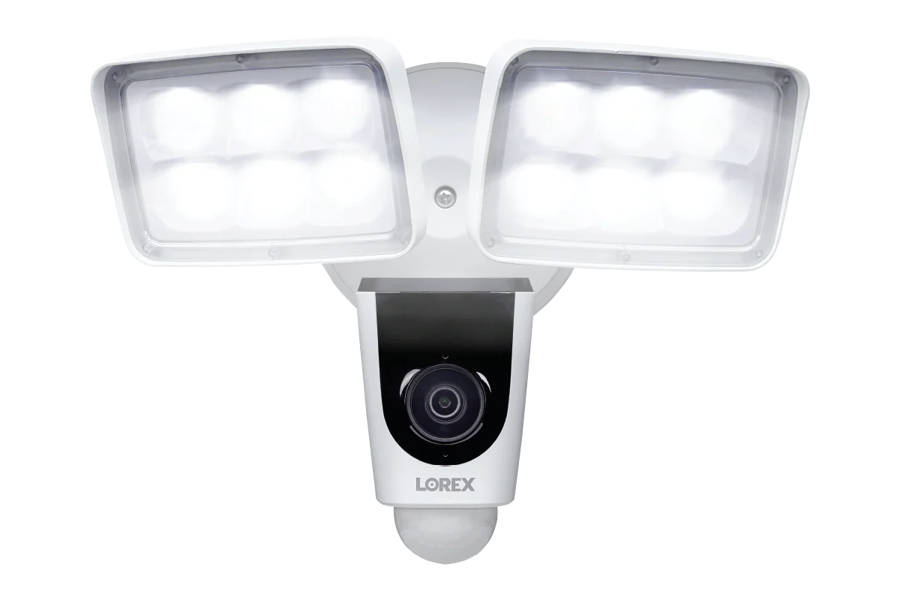
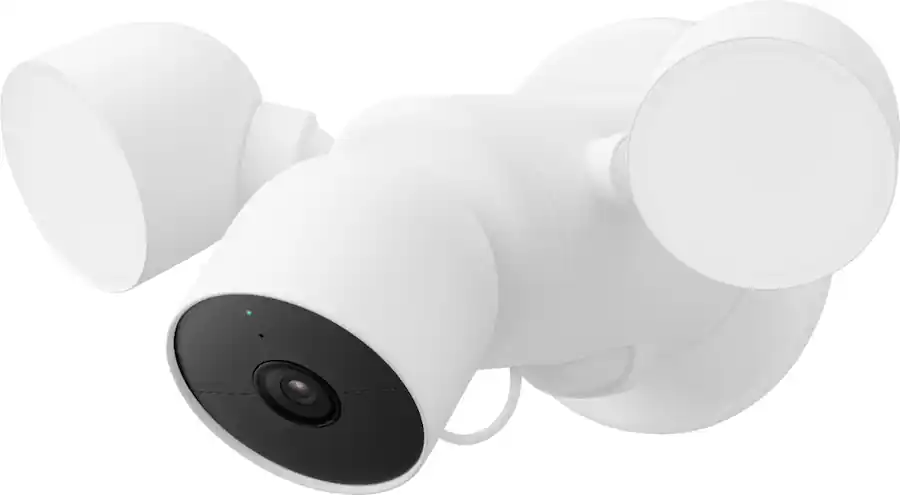
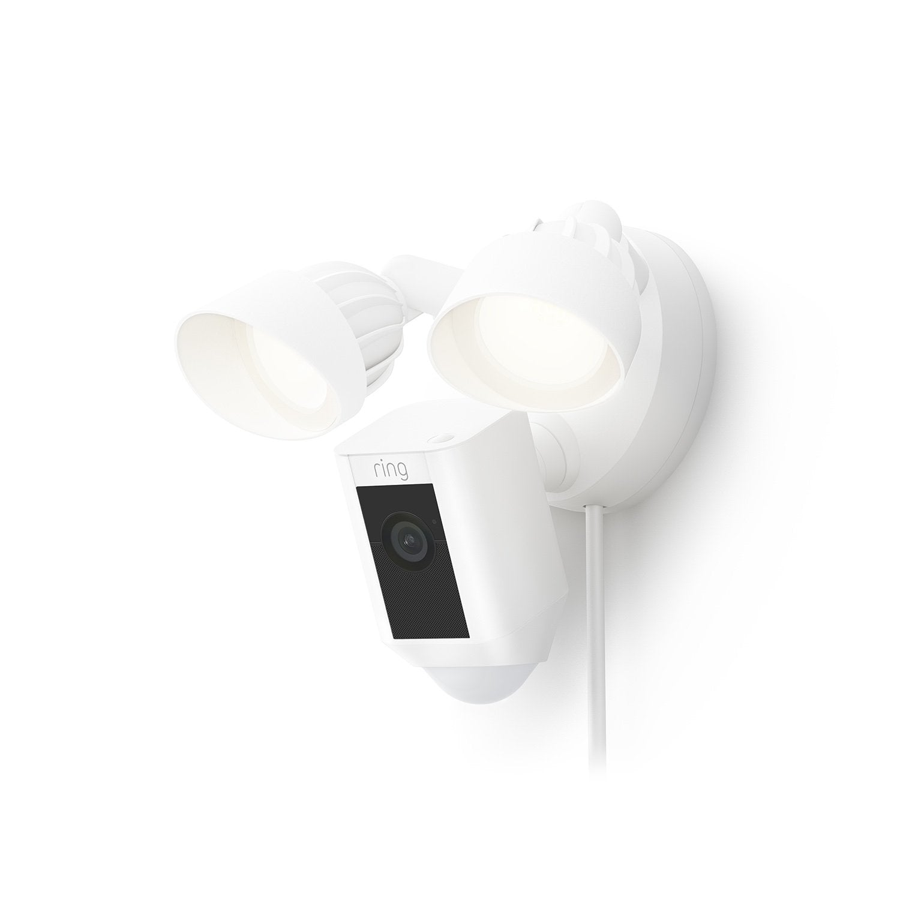
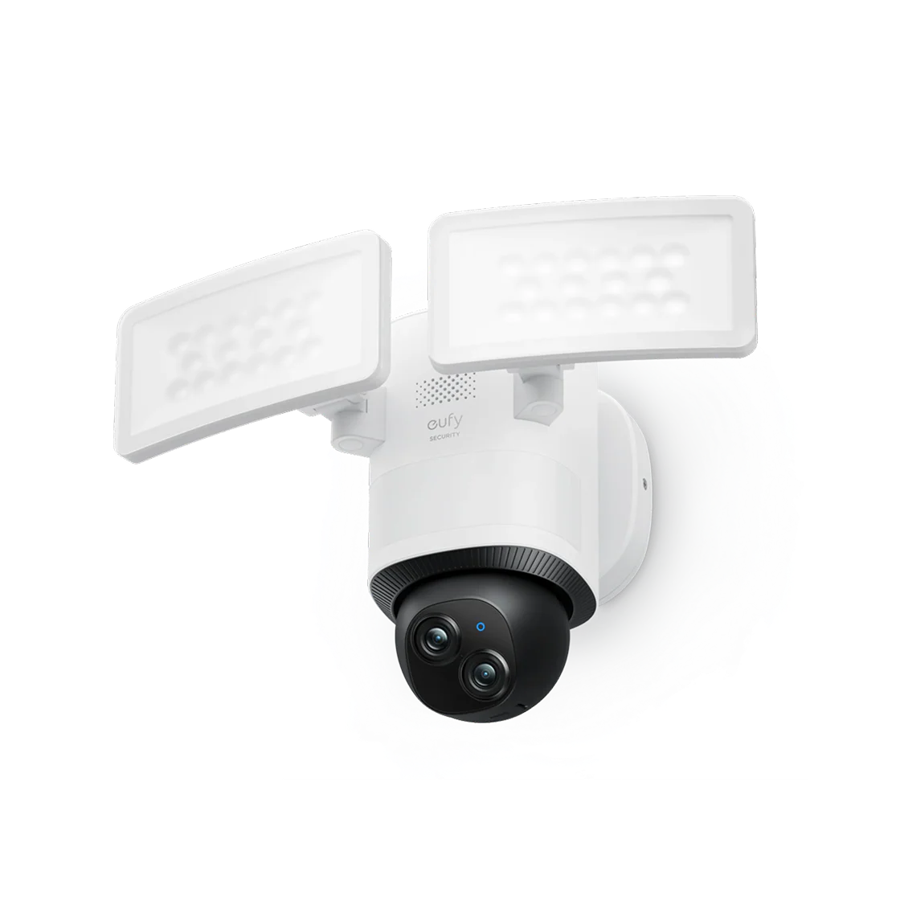
We install the floodlight cameras that hold up through a cold Putnam winter, a stormy summer, and lakefront damp, and we’re honest about which ones charge a monthly fee. eufy (Floodlight Cam E340, built-in siren, local storage, no fee) and Lorex (4K and 1080p WiFi floodlight, dual 4,000-lumen panels, no fee) are our go-to no-subscription picks for a driveway, dock, or back yard on a Putnam home. Reolink records locally too and is excellent over a wider wooded lot, a long driveway, or a lakefront perimeter. Ring (Floodlight Cam Pro, 270° view, 110dB siren) and Google Nest (Floodlight Cam) are common up here and easy to live with, but gate AI alerts, smart zones, and video history behind a monthly plan — we install them if you want the ecosystem, but you’ll know the recurring cost first. For a Route 6 or Route 9 storefront, a larger estate, or a property that wants many cameras, we’ll spec a floodlight-equipped Dahua or Hikvision tied into an NVR. On every job we add surge protection and weatherproof for the cold, and on lakefronts we go corrosion-resistant. We earn nothing extra steering you toward a brand — we pick what fits the spot, the lumens, and your budget, change default passwords, and secure the camera so it can’t be hijacked — and we’ll install one you already bought.
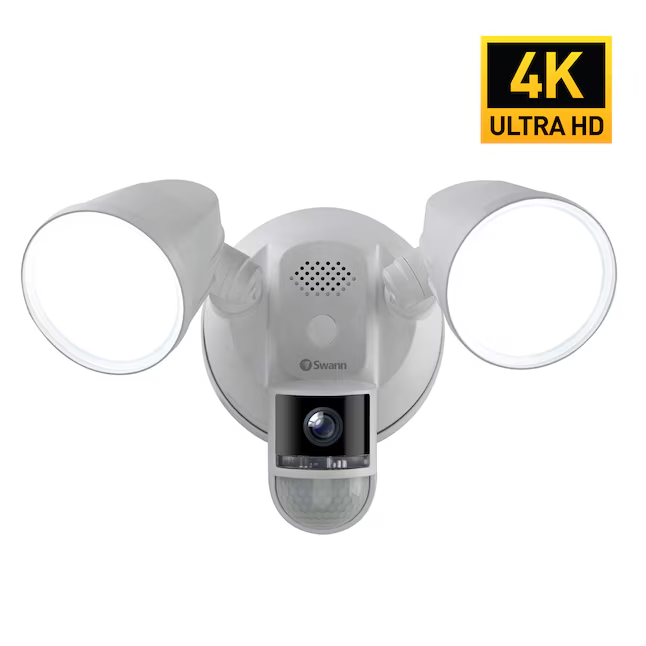
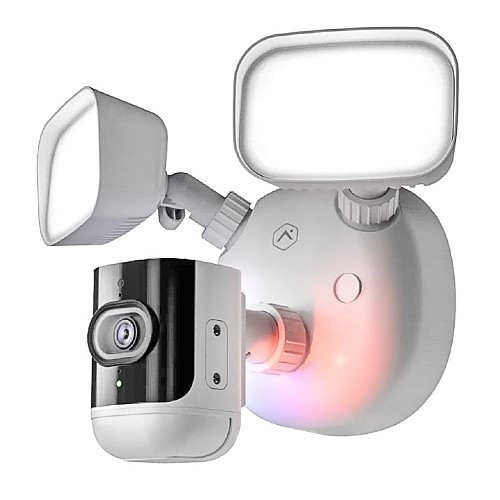
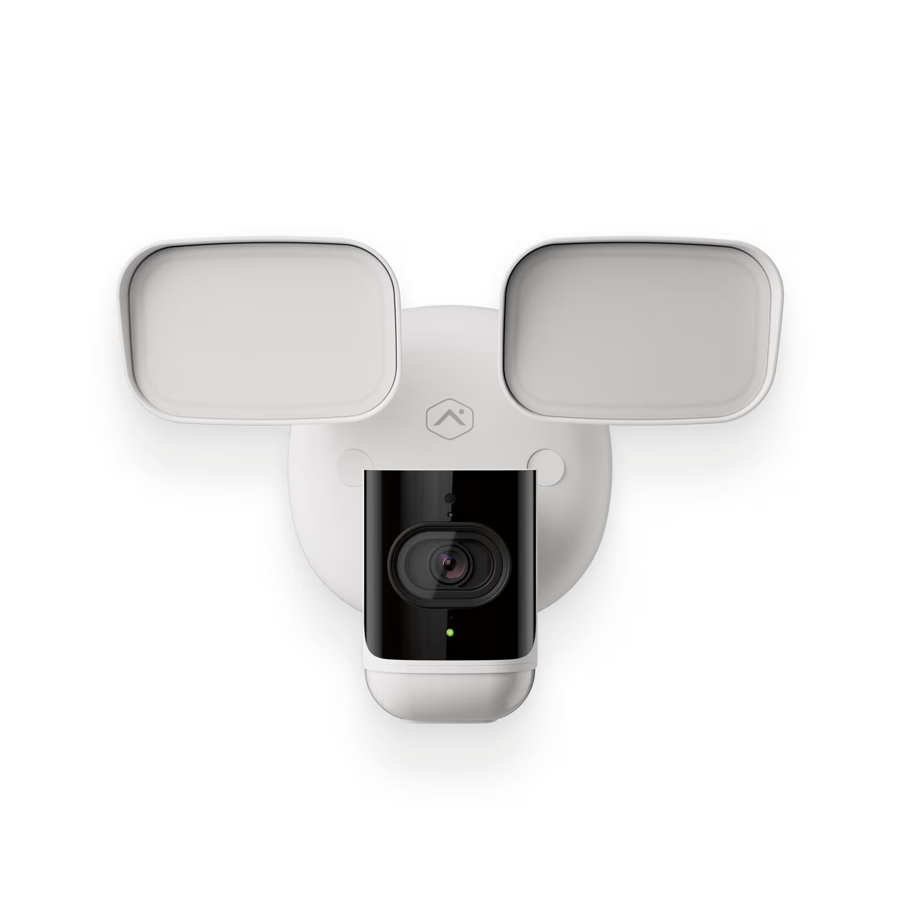
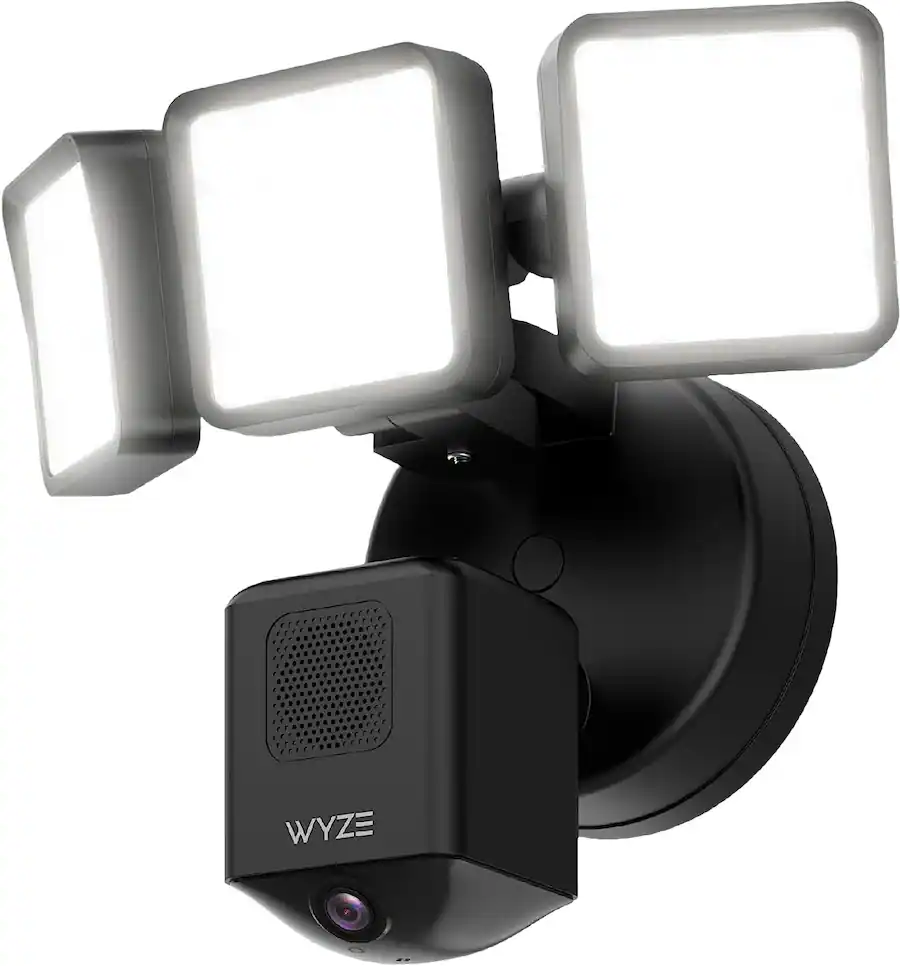
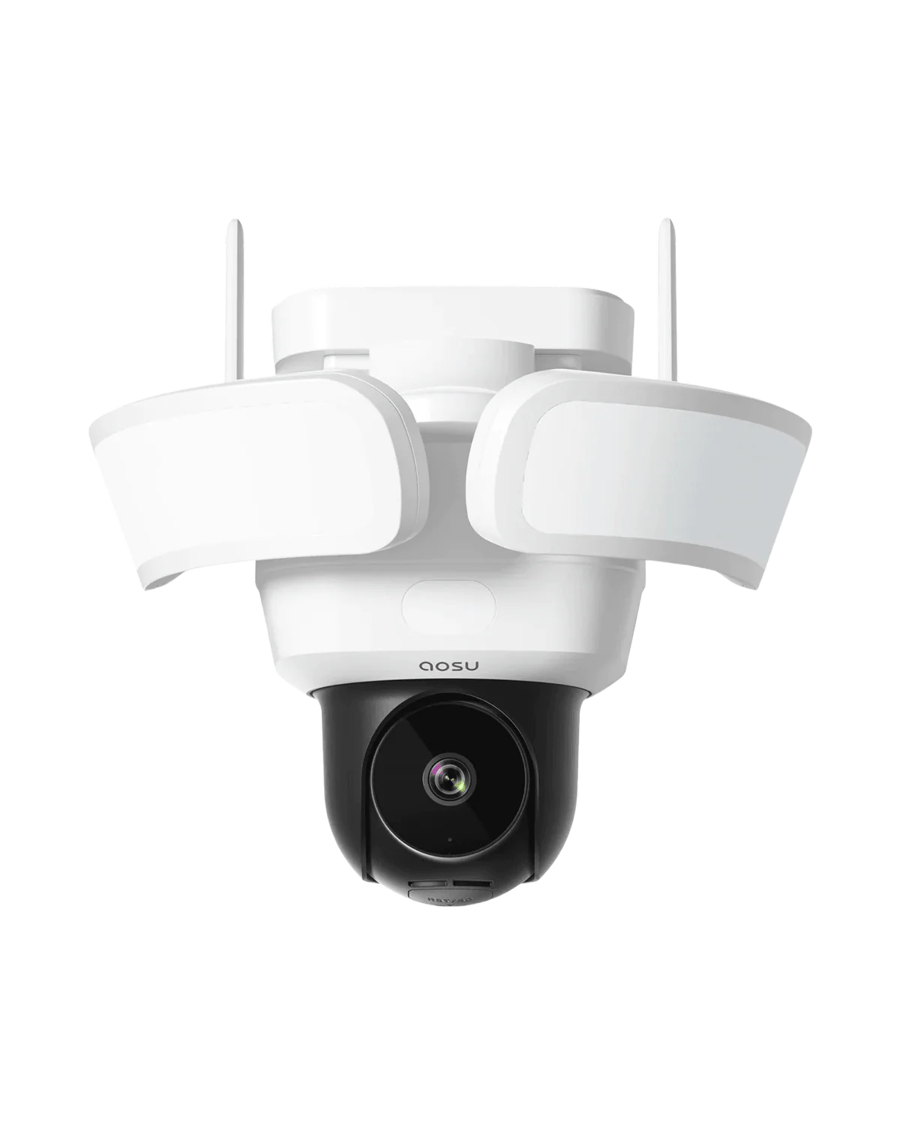
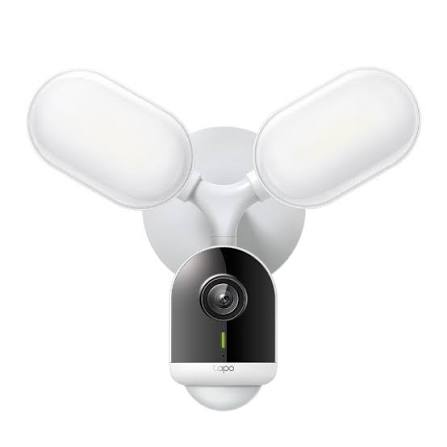
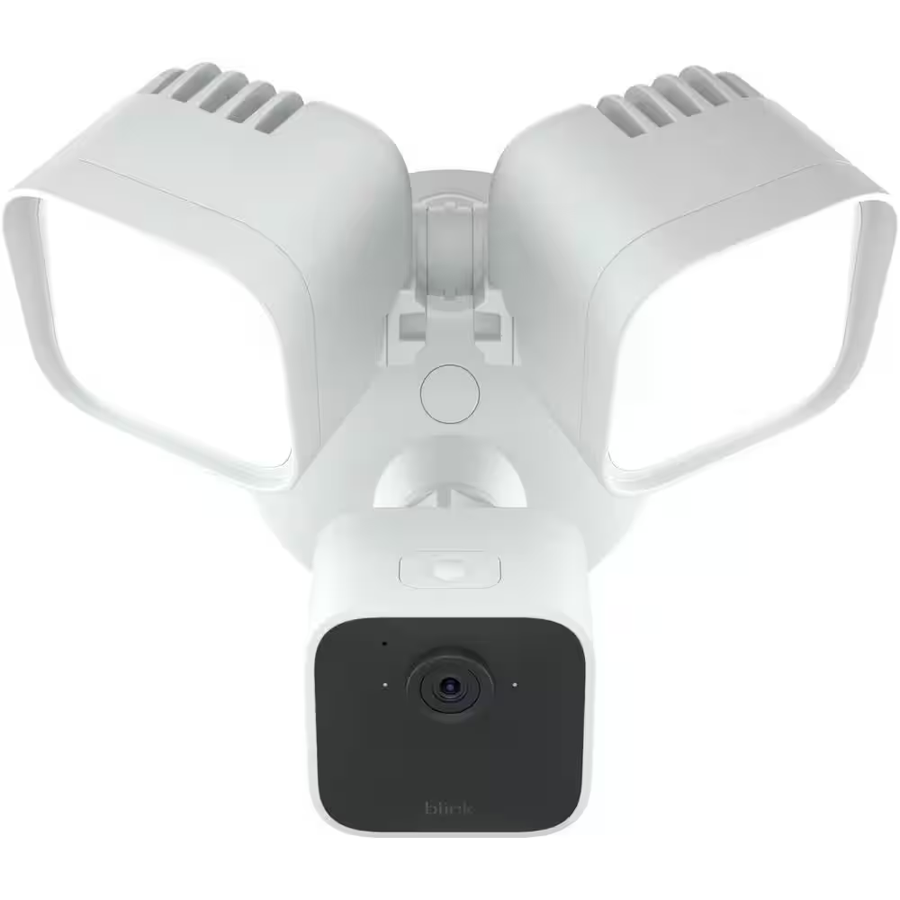
Past the core picks, Putnam owners have plenty of real floodlight cams to choose from and we install all of them. Wyze’s Floodlight Cam Pro (3,000 lumens, 180°) is a budget standout; Blink’s Wired Floodlight is a low-cost Alexa pick; TP-Link Tapo’s C720 records locally with no fee — all fine for a lake home or wooded lot. Swann’s 4K floodlight and Olafus’s bright smart floodlight cover a long driveway, while Alarm.com’s ADC-V729AC and Night Owl’s FWIP3-FL handle monitored setups and AOSU fills the value slot. We pick what fits the spot, not a brand deal.


Floodlight camera brands we install and service in Putnam County — eufy, Lorex, Reolink, Ring, Google Nest, Wyze, Blink, TP-Link Tapo, Swann, Olafus, Alarm.com, Night Owl, and AOSU.
Every quote is fixed-price after we see the spot — here are honest ranges so you can budget first. What drives the price most is whether power already reaches the spot you want lit — and how far out it sits. A swap onto an existing fixture is quick and cheap; running new wiring out to a detached garage, a dock, or the road end of a long wooded driveway is more labor — and on the longest runs, meaningfully more — but it’s the only way to light the spot that actually needs it. Putnam carries the Hudson Valley travel uplift from our Bronx office; every install includes surge protection and cold-weather weatherproofing, lakefronts get corrosion-resistant hardware, and camera gear is on top with no monthly fee on local-storage models.
There’s already an exterior light and box at the front door or garage — we drop in a floodlight camera, add surge protection, weatherproof and seal it, and set up the app. Quick and tidy, same-day when the schedule allows. Hudson Valley travel uplift included.
No power at the detached garage, the dock, or the road end of a long wooded driveway — we run a new circuit, often a long one, set a UL-listed box, and mount the cam. Price scales with the run length.
Several floodlight cams covering the driveway, dock, garage, and yard of a Putnam property, a mix of swaps and long runs, surge-protected, winterized, and lake-rated where needed.
Floodlight cams wired into a full NVR system with bullet, turret, and PTZ cameras across a larger wooded or lakefront estate — quoted after a walk-through.
We come out to the Putnam property, check whether there’s an existing fixture and box or a new run is needed out to the garage, dock, or driveway end, measure coverage and run length, plan surge protection, winterizing, and lake-rating, and hand you a written fixed-price quote.
We swap the existing fixture or run a new circuit — often a long one to a garage, dock, or road end — set a UL-listed weatherproof box with surge protection, mount the floodlight cam at the right height, aim the panels, and seal everything against cold and lake damp.
We power it up, set up live view and alerts on your phone (and remote access for weekend owners), tune the motion zones so the road, the deer, and wind-blown branches don’t trigger it, test the lights and siren, and walk you through the app.
How much does floodlight camera installation cost in Putnam County?
When an exterior light and box already sit where you want the camera — usually the front door or garage — a swap is $340 to $660 plus the camera, surge protection and the Hudson Valley travel uplift included. If there’s no power there and we run new wiring out to a detached garage, a dock, or the road end of a long wooded driveway, it’s $680 to $2,200 depending on how long the run is. We set a firm price after seeing the spot.
Why does the price jump for a dock or the road end of a long driveway?
A swap is simple — the box and power are already there. A long run means pulling a circuit from the panel and getting it across a wooded Putnam lot to the garage, dock, or driveway head, setting a weatherproof box, and tying it in to code. On a big wooded or lakefront lot that’s the bulk of the labor, but it’s the only way to light a spot that never had power.
I have a weekend place near the lakes — can I watch it all week?
Yes — that’s one of the most common Putnam floodlight jobs. We set up remote app access so you can check the dock, driveway, and yard from the city Monday to Friday, with the lights and siren ready to trigger and no monthly fee for local recording. A floodlight cam is a strong deterrent on a property that sits empty most of the week.
Will a floodlight cam survive a Mahopac or Lake Carmel lakefront?
Yes, installed for it. On the lakefronts we mount corrosion-resistant, waterproof-rated hardware and seal every penetration so lake damp, spray, and humidity don’t get behind the camera — the same care that makes our lakefront installs outlast the box-store ones.
Can I just install a floodlight camera myself?
If you’re swapping an existing fixture and comfortable killing the breaker and matching three wires, some Putnam homeowners do. The moment there’s no existing wiring — a detached garage, a dock, the road end of a long driveway — it’s a licensed job and often a long run, and a bad outdoor splice on a damp wooded or lakefront lot is a real shock and water hazard. Most of our calls are owners who bought the cam for the garage or dock and found no power out there.
What about solar floodlight cams for a remote dock or driveway end?
Solar floodlight options exist and genuinely fit some remote Putnam spots, but the wooded hills are a catch: tree cover and short HV winter sun often starve an undersized panel, so we size the panel up where solar makes sense. A plug-in like the eufy E340 skips the box but needs an outdoor outlet within reach, rare at a dock or driveway end. For a clean permanent install with full lumens we hardwire, and tell you when solar truly fits.
How high should a floodlight camera be mounted?
Generally 8 to 10 feet up — tall enough to cover a 30-to-40-foot run of driveway and stay beyond reach, low enough to catch a face and a plate. On a long wooded Putnam driveway we’ll set one at the house and one at the road end so the whole length is covered with no gap.
My driveway floodlight triggers dozens of times a night on deer — can that be fixed?
Yes — on a wooded Putnam lot a default-sensitivity camera can fire 30 to 80 times a night on deer and wildlife alone. We crop the motion zones, drop the sensitivity, and use on-device person and vehicle detection so your phone only buzzes for real activity, not the herd crossing the yard at dusk.
I live in a Cold Spring or Garrison historic district — can you still install one?
Yes — the Cold Spring and Garrison river villages are regular work for us. Where a preservation board limits what goes on the facade, we plan hidden mounts, rear-of-building runs, and color-matched hardware into the quote so the install clears the board and stays low-profile.
Do I need a licensed contractor for a floodlight camera in Putnam?
For a simple swap, not strictly — but any new wiring is a licensed job in New York and should be permitted and to code, especially a long run across a wooded or lakefront lot. We’re NYS licensed #12000287431 and insured — we wire to code, build in surge protection, seal it against the cold, and warranty the job.
Search “floodlight camera installation cost” and the AI Overview, Angi, HomeAdvisor, and Fixr hand you a flat national number that has little to do with a real Putnam install. Here’s what they leave out.
Angi, HomeAdvisor, and Fixr publish a flat floodlight-install average — around $400 a light — that ignores the single biggest factor in Putnam: whether there’s already power where you want it. A swap by the front door and a new circuit run hundreds of feet out to a detached garage, a dock, or the road end of a wooded driveway are completely different jobs at completely different prices, and a national average hides exactly that.
Almost every “how to install a floodlight camera” guide assumes one generic house with the junction box right where you need it. Putnam is a Mahopac lakefront, a wooded Kent acre, a Brewster commuter home, and a Cold Spring landmark all in one small county — and the right floodlight install for each is different. A generic guide can’t tell you the lakefront needs corrosion-resistant hardware and the landmark needs a concealed mount.
Generic floodlight content never warns you that the Hudson Valley gets far more thunderstorms than the city, that Putnam winters bring hard freeze-thaw and ice, and that lakefront damp corrodes cheap hardware — all of which kill an unprotected floodlight cam. Out here surge protection, cold-weather sealing, and lake-rating aren’t footnotes; they decide whether the install survives.
A PIR floodlight on a wooded Putnam property can trigger 30 to 80 times a night on deer and wildlife, so people mute the alerts and the camera becomes useless. Tuned zones and person/vehicle detection fix it, but a generic guide never warns you — and on a Putnam acre it’s the difference between a useful camera and one you ignore.
Ring and Nest floodlight cams paywall AI alerts, smart zones, and video history behind a monthly plan, while eufy, Lorex, and Reolink record locally for free. National results rarely lead with this, and across the cams a wooded-and-lakefront Putnam property usually wants, that recurring fee adds up fast.
National content assumes someone’s always home. A big share of Putnam is weekend and seasonal homes near the lakes and reservoirs that sit empty Monday to Friday — exactly when a lit, recorded, siren-equipped floodlight cam with remote access matters most. A generic guide never accounts for a property you watch from the city all week.
A floodlight camera is the highest-impact single device you can put outside a Putnam property — light, camera, and siren in one, exactly where a wooded or lakefront lot is darkest: the long driveway, the dock, the detached garage, the wooded edge. But the value is in the install: power run the full distance to the right spot even when that’s hundreds of feet out, surge protection and cold-weather sealing built in, lake-rating where the water is close, the height right, a cam at the road end of a long driveway, the motion tuned off the deer, remote access for a weekend owner, and a brand whose monthly-fee story you understand. The smart move isn’t the cheapest sight-unseen quote — it’s a licensed installer who knows lake and wooded property.
Easy to live with but a monthly plan unlocks AI alerts, smart zones, and history — a bill forever, times every cam on a property. We start from no-fee local storage and fit Ring or Nest only when you specifically want that ecosystem.
A swap maybe, but no license for a long wiring run to the garage or dock, no code-compliant circuit, no surge-protected weatherproof box, no lake-rated mount, no warranty. We’re a licensed contractor who handles the long runs, the winter, and the water, and stands behind it.
Works only if there’s an outdoor outlet exactly where you want the cam — rare at a Putnam dock or driveway end — and the cord shows. We hardwire clean and permanent, or size up solar where the trees and winter sun allow.
Two devices, two installs, two failure points. A floodlight cam is light, camera, and siren in one fixture on one feed — less to mount and run power to over a big lot, less to maintain in cold and lake damp.
Free on-property assessment, fixed price with the travel uplift built in, fixture swap or full long-run new wiring across the lot, surge protection, cold-weather sealing, and lake-rating where needed, right mounting height, a cam at the road end of a long driveway, tuned motion off the deer, remote access for weekend owners, no-fee local storage, warrantied — licensed NYS #12000287431.
This is our Putnam County floodlight page, part of our Hudson Valley hub. Jump up to the Hudson Valley floodlight hub, see our full Putnam camera service, or add a doorbell cam at the door. Back to our home page for everything we do.
Our Hudson Valley floodlight hub — coverage, pricing, and all six counties.
Hudson Valley Floodlight Hub →Our full Putnam camera service — whole-property NVR systems for lakefront, wooded, and commercial.
Putnam Cameras →Pair the floodlight with a doorbell cam at the entry — the combo that stops Putnam porch theft.
Putnam Doorbell →Build the floodlight into a complete home system on a local NVR for your Putnam property.
Residential Putnam →We run a new circuit the full distance out to the garage and set a weatherproof, surge-protected box, then mount a floodlight cam so the dark, set-back structure finally lights up and records.
We put a floodlight cam at the house and a second at the road end so the full length is lit and recorded — you see a vehicle turn in before it gets close.
Classic wooded Putnam problem — we crop the zones and switch on person/vehicle detection so you only get alerts that matter, not the herd crossing the yard.
Lake damp and an unsealed box. We re-mount corrosion-resistant, waterproof-rated hardware and seal it so it survives the waterfront.
We set up floodlight cams with remote app access so you watch the dock, driveway, and yard from the city, lights and siren ready to trigger, no monthly fee.
We work to the preservation rules — concealed mounts, rear-of-building runs, color-matched hardware — so the floodlight cam goes up and gets approved.
Illustrative field note — with floodlight camera work, common calls involve diagnosing an existing setup, confirming whether a firmware, configuration, or component fix will resolve the issue before recommending replacement, and completing the work efficiently. Hypothetical planning example — not a customer account, completed AESS project, verified review, or promised result.
Hypothetical planning example — not a customer account, completed AESS project, verified review, or promised result.
Illustrative scenario — a representative floodlight camera job includes assessing the property, selecting equipment matched to the site, clean installation, and a walkthrough of the finished system and app. Hypothetical planning example — not a customer account, completed AESS project, verified review, or promised result.
Hypothetical planning example — not a customer account, completed AESS project, verified review, or promised result.
Illustrative example — for floodlight camera, a typical visit covers an on-site review, a written scope and fixed quote, and professional installation or repair completed to code. Hypothetical planning example — not a customer account, completed AESS project, verified review, or promised result.
Hypothetical planning example — not a customer account, completed AESS project, verified review, or promised result.
Illustrative field note — with floodlight camera work, common calls involve diagnosing an existing setup, confirming whether a firmware, configuration, or component fix will resolve the issue before recommending replacement, and completing the work efficiently. Hypothetical planning example — not a customer account, completed AESS project, verified review, or promised result.
Hypothetical planning example — not a customer account, completed AESS project, verified review, or promised result.
A weekend place near Lake Carmel that captures how the Putnam floodlight job differs from the farms of Orange or the estates of Westchester. The owners lived in the city and came up Friday nights; the house sat empty all week, down a wooded driveway that ran a few hundred feet from the road, with a detached garage and a short path to the lake. After a neighbor’s place was broken into mid-week, they wanted a deterrent that worked while no one was there. The driveway was the first problem: pitch dark and long, so one floodlight cam at the house left the whole approach black — we added a second at the road end, and now a vehicle turning in is lit and recorded a few hundred feet out. The garage had no power, so we pulled a new circuit from the panel, ran it out in conduit, and set a UL-listed weatherproof box — surge-protected, because this is thunderstorm country, and cold-rated, because Putnam winters are hard. Because the lot is wooded and backs onto trees, we cropped the motion zones hard and turned on person/vehicle detection so the deer crossing at dusk didn’t fire the lights and siren all night and bury the owners’ phones in alerts while they were in the city. Then the part that mattered most for a weekend home: we set up remote access so they could pull up the driveway, yard, and garage from Manhattan any day of the week, with the lights and a tap-to-trigger siren ready. It all records to local storage, no monthly fee. The cameras were the easy part — the value was lighting a long wooded driveway end to end, getting power out to a dark garage, and making a house that’s empty five days a week watchable and defendable from the city, which is exactly the Putnam problem a DIY kit doesn’t solve.
Floodlight not coming on, camera offline, lights stuck on, triggering dozens of times a night on deer, corroded after a season by the lake, cracked or fogged after a hard winter, dead after a thunderstorm surge, siren not working, or a long run to the garage or dock that quit? We diagnose and fix floodlight cameras across Putnam County — replace surge-damaged, frost-cracked, or corroded gear and add protection, re-tune runaway motion off the wildlife, re-run a bad circuit across a wooded lot, or swap a unit that was never rated for the cold or the water. Scheduling is usually next-day out here.
Putnam County homeowners, lake-home owners, and businesses find us under many of these searches. Every one points to the same licensed crew — from a single floodlight camera installation on a driveway to a full lakefront or wooded-estate multi-cam build, plus long wiring runs, surge protection, repair, and service.
A swap onto an existing fixture and junction box — usually by the front door or garage — runs $340 to $660 plus the camera, including surge protection and the Hudson Valley travel uplift. A long new-wiring run out to a detached garage, dock, or the road end of a wooded driveway runs $680 to $2,200 depending on the distance. Several cams or a full estate build gets priced after we’ve walked the grounds. No monthly fee on local-storage models.
Yes — that’s the install most Putnam owners actually need. We pull a new circuit from the panel and run it the full distance — often hundreds of feet — to the garage, dock, or driveway head (trenching where needed), set a UL-listed surge-protected weatherproof box, and mount the floodlight cam, all to code.
Yes — we set up remote app access so you can check the dock, driveway, and yard from the city Monday to Friday, with the lights and siren ready to trigger and no monthly fee for local recording. A floodlight cam is a strong deterrent on a property that sits empty most of the week.
Yes, installed for it. On the lakefronts we mount corrosion-resistant, waterproof-rated hardware and seal every penetration so lake damp, spray, and humidity don’t get behind the camera.
Almost always on a wooded Putnam property. One light at the house leaves the road end of a long driveway dark. We set one at the house and one at the road end — sometimes a third at a garage or gate — so the full length is lit and recorded.
Yes — on a wooded Putnam lot a default-sensitivity camera can fire 30 to 80 times a night on deer and wildlife. We crop the motion zones, drop the sensitivity, and use on-device person and vehicle detection so your phone only buzzes for real activity.
If you’re swapping an existing fixture and comfortable killing the breaker and matching three wires, sometimes. The moment new wiring is involved — a detached garage, a dock, a long driveway end — it’s a licensed job and often a long run, and a bad outdoor splice on a damp wooded or lakefront lot is a real shock and water hazard.
Yes — the Cold Spring and Garrison river villages are regular work for us. Where a preservation board limits what goes on the facade, we plan hidden mounts, rear-of-building runs, and color-matched hardware into the quote so the install clears the board and stays low-profile.
eufy, Lorex, and Reolink for no-monthly-fee local storage; Ring and Nest if you want that ecosystem (they charge monthly for AI and history); and Dahua or Hikvision floodlight-equipped cameras on an NVR for a Route 6 storefront, a larger estate, or a property that wants many cameras. And we’re glad to mount a unit you already own.
eufy, Lorex, and Reolink record to local storage with no recurring fee for basic motion recording. Ring and Nest paywall AI alerts, smart zones, and history behind a plan. We spell out which features are free before you spend a dime.
Yes — the floodlight produces true-color footage after dark instead of gray infrared, so you get a real face, car color, and plate at the road end of a pitch-dark Putnam driveway at night.
Yes — models with a built-in 95dB+ siren and two-way audio let you trigger the alarm and speak through the camera. On a dark, isolated wooded lot, a lakefront, or an empty weekend home the light coming on is often enough on its own.
Illustrative scenario — a representative floodlight camera job includes assessing the property, selecting equipment matched to the site, clean installation, and a walkthrough of the finished system and app. Hypothetical planning example — not a customer account, completed AESS project, verified review, or promised result.
Illustrative example — for floodlight camera, a typical visit covers an on-site review, a written scope and fixed quote, and professional installation or repair completed to code. Hypothetical planning example — not a customer account, completed AESS project, verified review, or promised result.