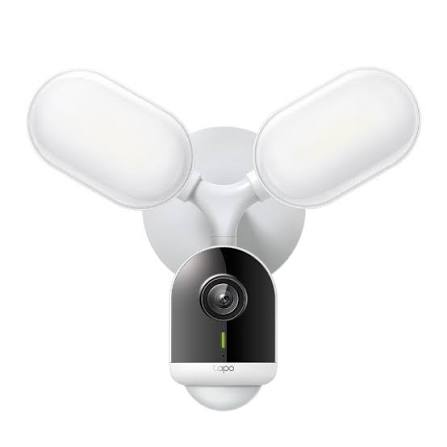
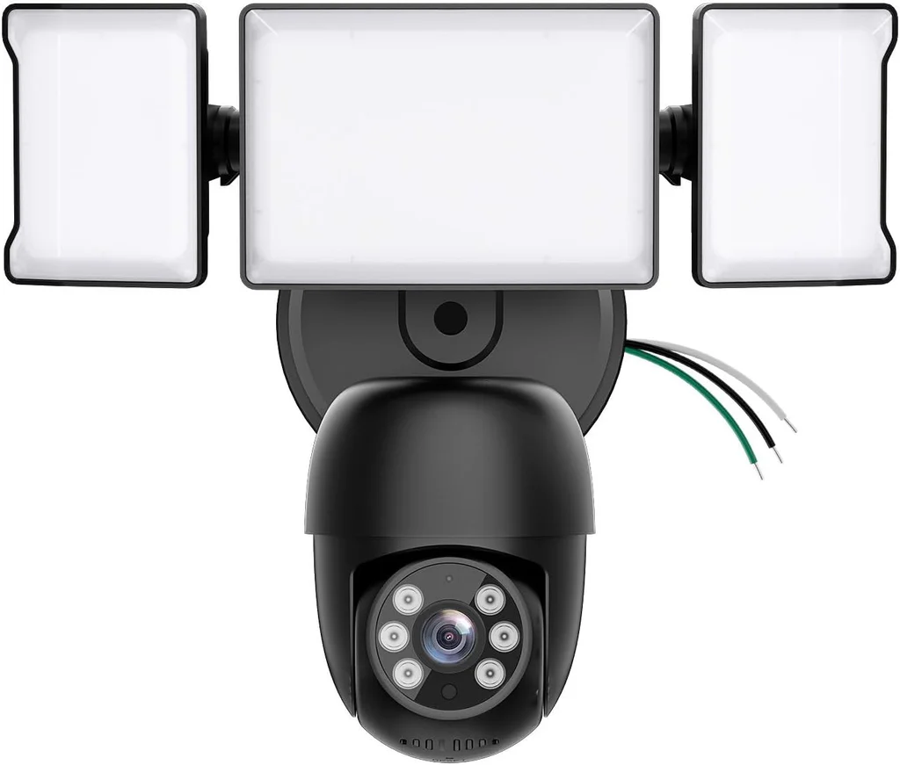
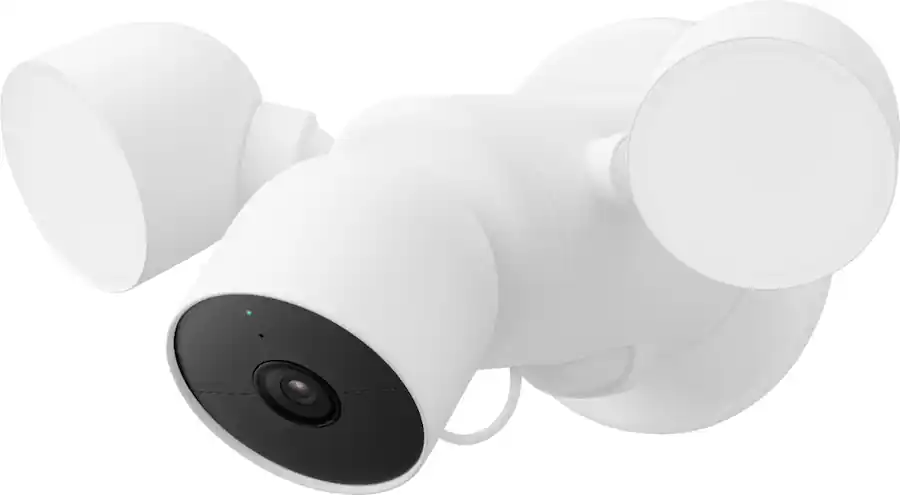
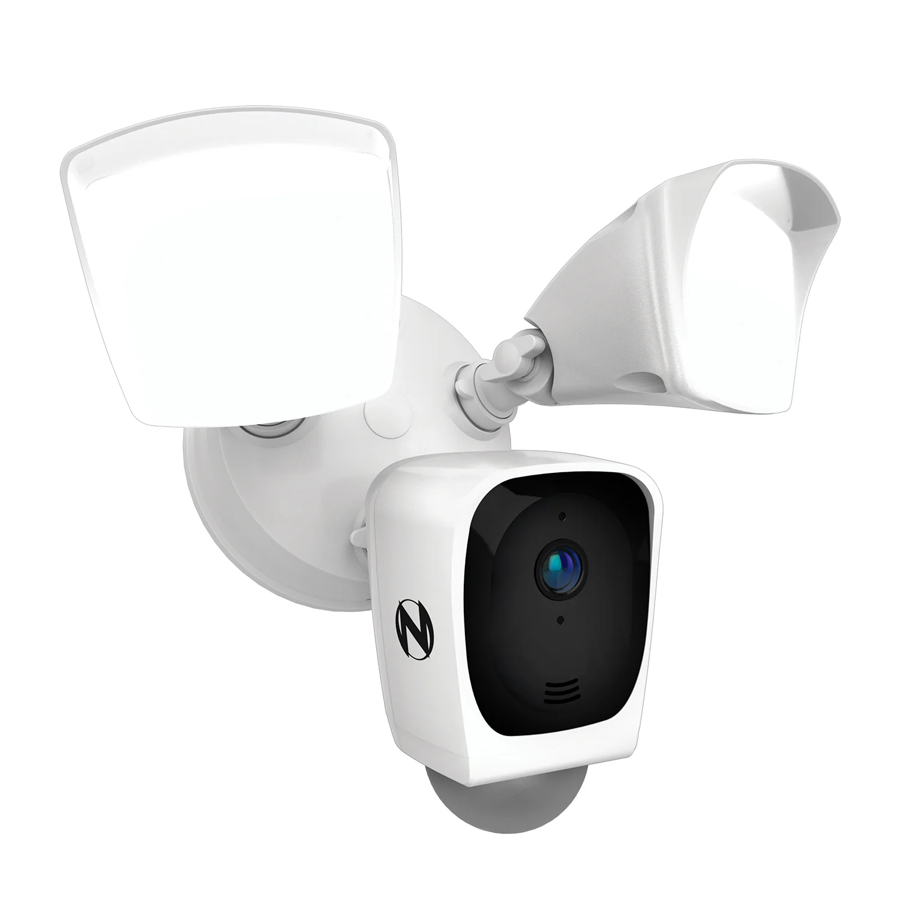
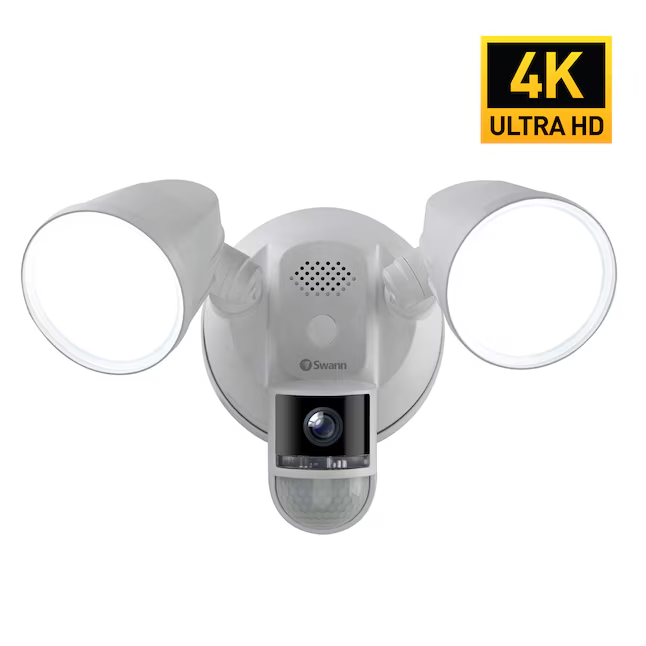
Brownstone Rear Gardens · Side Alleys · Rooftops & Terraces · Co-op Board Docs & COI · Pre-War Wiring · Color Night Vision · No Monthly Fees
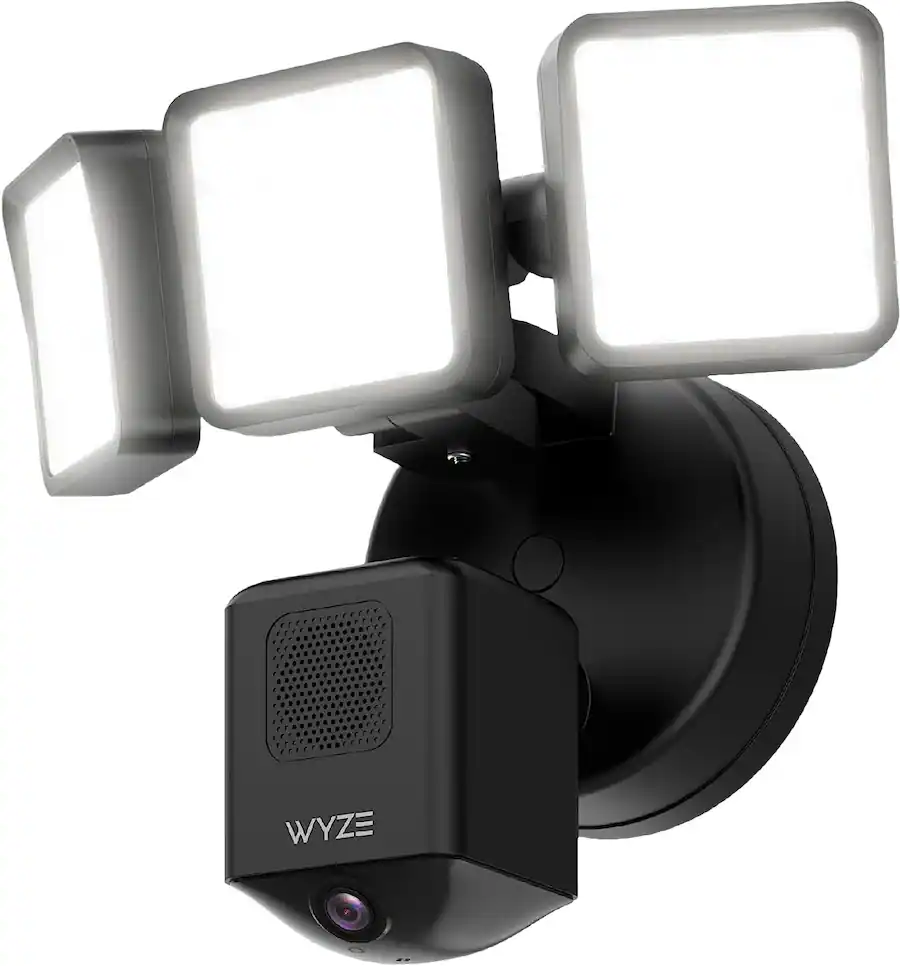
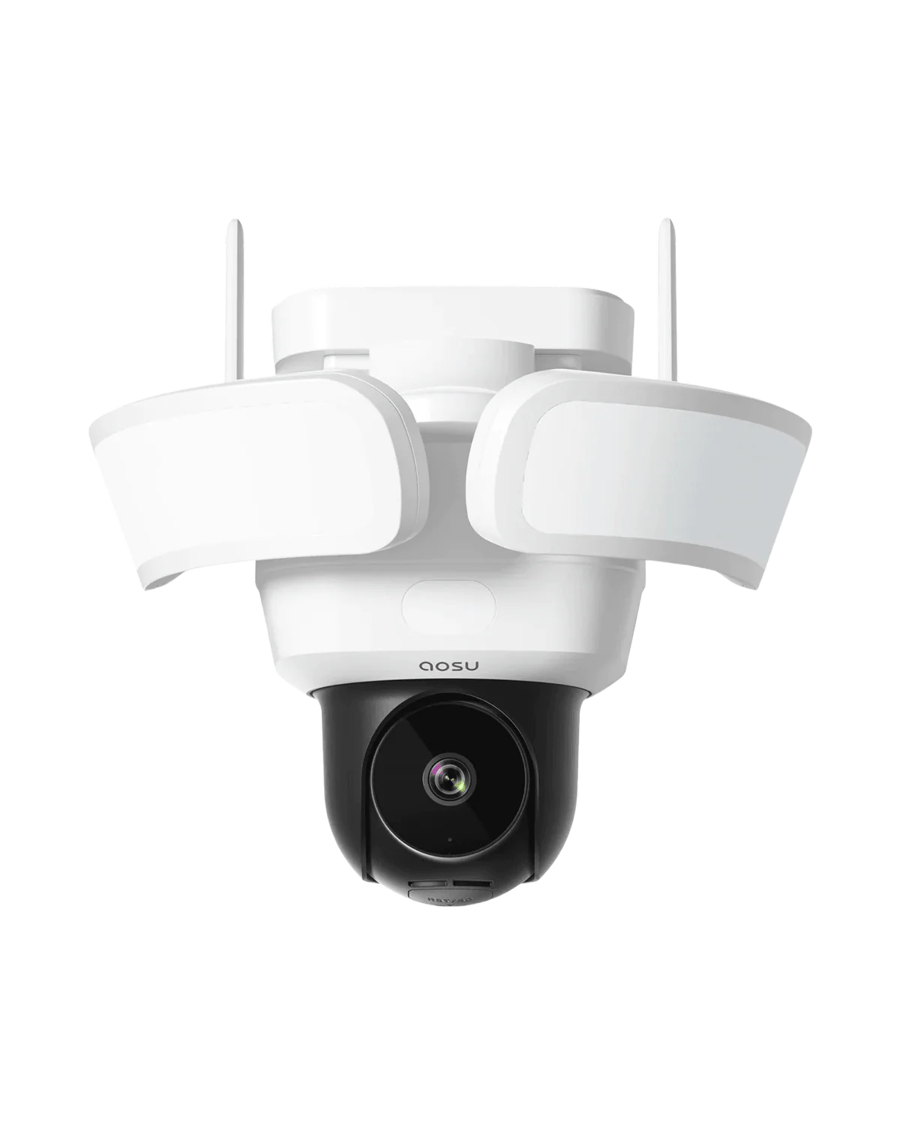
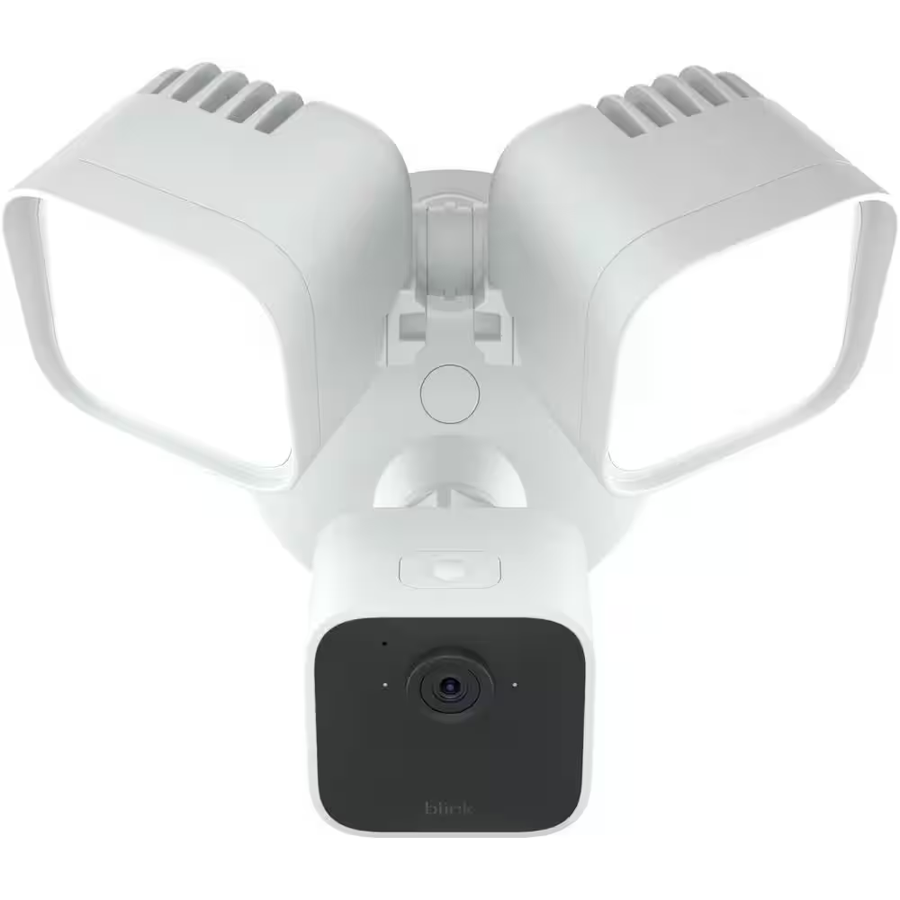
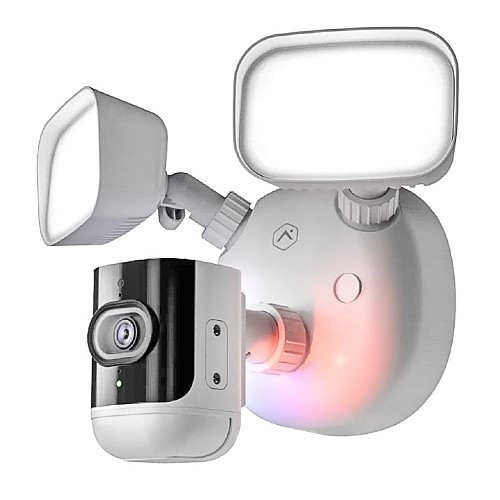
Professional floodlight camera installation in Manhattan — the motion-activated light-plus-camera-plus-siren combo that lights up a brownstone rear garden, a side alley, a rooftop, or a terrace and records everyone who trips it. Manhattan isn’t the suburbs: there’s no driveway and rarely a “backyard” in the Long Island sense — the dark, unwatched spots here are the rear garden behind a townhouse, the gated side alley, the roof and terrace, and the recessed stoop. We replace an existing exterior fixture in under an hour, or — the harder Manhattan job — fish brand-new power out to a rear garden or up to a roof through pre-war plaster without scarring a landmark facade, and where you’re in a co-op or condo we provide the board documentation and COI the building requires before anyone drills outside. Ring, eufy, Lorex, Reolink, and Nest, with color night vision that beats infrared in tight enclosed vestibules, a built-in siren, and no monthly fees on local storage. This is our Manhattan floodlight page — part of our NYC floodlight hub and our Manhattan security camera installation; pair it with a doorbell camera at the entry, a full residential camera system, or for a building or storefront our commercial security cameras.
A floodlight camera is three deterrents in one fixture: a bright motion-activated light, a recording camera, and a built-in siren. When something crosses the rear garden, the side alley, or the roof landing, the lights snap on, the camera records in full color, and your phone buzzes — and most would-be intruders are gone before the second floodlight finishes warming up. In Manhattan that combination solves a specific problem: the densest, most vertical building stock in the country has very few of the spots a floodlight was marketed for — no driveway, no suburban backyard — but it has plenty of the dark, unwatched ones a floodlight cam was actually built to own. The rear garden behind a townhouse. The gated side alley nobody on the street can see. The roof bulkhead and the terrace. The recessed, pitch-black stoop. Those are where a Manhattan floodlight earns its place.
The catch — and the reason Manhattan owners call us instead of doing it themselves — is the building, not just the wiring. A floodlight camera is hardwired to 120–240V through a junction box; replacing an existing exterior light is quick, but the spot you actually want it — the rear garden, the roof, the far end of a townhouse — often has no power, and getting it there means fishing a new line through pre-war plaster and brick without scarring a landmark facade or a co-op’s common wall. On top of the wiring, most Manhattan residents answer to a co-op or condo board: any hardware on the exterior, the roof, or a shared wall needs board approval and a certificate of insurance before a single hole is drilled. We handle both halves — the discreet pre-war wiring run and the board documentation and COI the building demands — plus the camera setup, the app, and channel-locked WiFi so the camera doesn’t drop offline in the most crowded radio environment in North America.
Every building is different, so we start with where the dark spots and the power are and what your board allows, not a boxed bundle. In Manhattan that usually means the rear garden, the roof, a terrace, or an enclosed entry — and the board paperwork to put hardware there. Here’s what we put up.
The dark, unwatched rear garden behind a brownstone or townhouse — the Manhattan spot a floodlight cam owns, lit and recorded with a siren you can trigger from your phone.
Roof bulkheads, setback terraces, and penthouse decks — the unwatched high approaches. We run power up and mount a floodlight cam where building WiFi and a battery cam can’t hold.
Board approval and COI handled for any exterior, roof, or shared-wall mount — the paperwork most installers skip and most Manhattan buildings require before you can drill.
Fishing a new circuit through plaster and brick to a rear garden or roof without scarring a landmark facade — the hard Manhattan wiring job a fixture-swap kit can’t touch.
In a tight, enclosed pre-war vestibule, infrared bounces off hard walls and washes out the image — a floodlight with color night vision gives a readable face instead of a gray smear.
A Midtown apartment can see 60-plus competing networks. We channel-lock the camera so it doesn’t drop offline by week two in Manhattan’s shredded 2.4GHz band.
A floodlight camera works hardest exactly where a property is darkest and least watched — and in Manhattan those spots aren’t driveways and lawns, they’re gardens, alleys, roofs, and enclosed entries. These are the placements we wire most across the borough.
Behind a townhouse or garden-level apartment — the darkest, least-visible approach in Manhattan, and the floodlight cam’s home turf.
The gated side alley and service passage between buildings, invisible from the street, where someone can work unseen — lit and recorded.
Roof access, bulkhead doors, and the path to a water tower or mechanicals — the high, unwatched approach on a Manhattan building.
Setback terraces and penthouse decks where the apartment’s WiFi fades and a battery cam dies — a hardwired floodlight cam holds.
The dark, enclosed stoop and pre-war vestibule where package theft happens and infrared washes out — a color-night floodlight reads the face.
The full exterior of a multi-floor townhouse — front, rear, and the level nobody can see — covered without scarring the facade.
You don’t need the jargon to get a good install, but a few terms come up on every Manhattan floodlight quote — including a couple you only hear in this market. Here’s what they mean in plain English.
The electrical box behind an exterior fixture a floodlight wires into. By an existing light it’s a quick swap; out at the rear garden or up on the roof with no power, we fish a new line and set a UL-listed box.
Most Manhattan co-ops and condos require board sign-off and a certificate of insurance before any exterior, roof, or shared-wall work. We prepare the documentation and carry the COI the building demands.
The floodlight delivers true-color footage instead of gray infrared — critical in a tight pre-war vestibule where IR bounces off the walls and washes the image out.
When a camera’s infrared reflects off a hard, enclosed surface back into the lens and blinds it — common in Manhattan’s recessed stoops and vestibules, and exactly what a floodlight’s color night vision avoids.
Pinning the camera to a clear WiFi channel so it survives Manhattan’s 60-plus-network radio environment without dropping offline — mandatory here, not optional.
A 95dB+ alarm in the camera you can trigger on motion or from the app — the difference between quietly recording someone in the rear garden and actively driving them off.
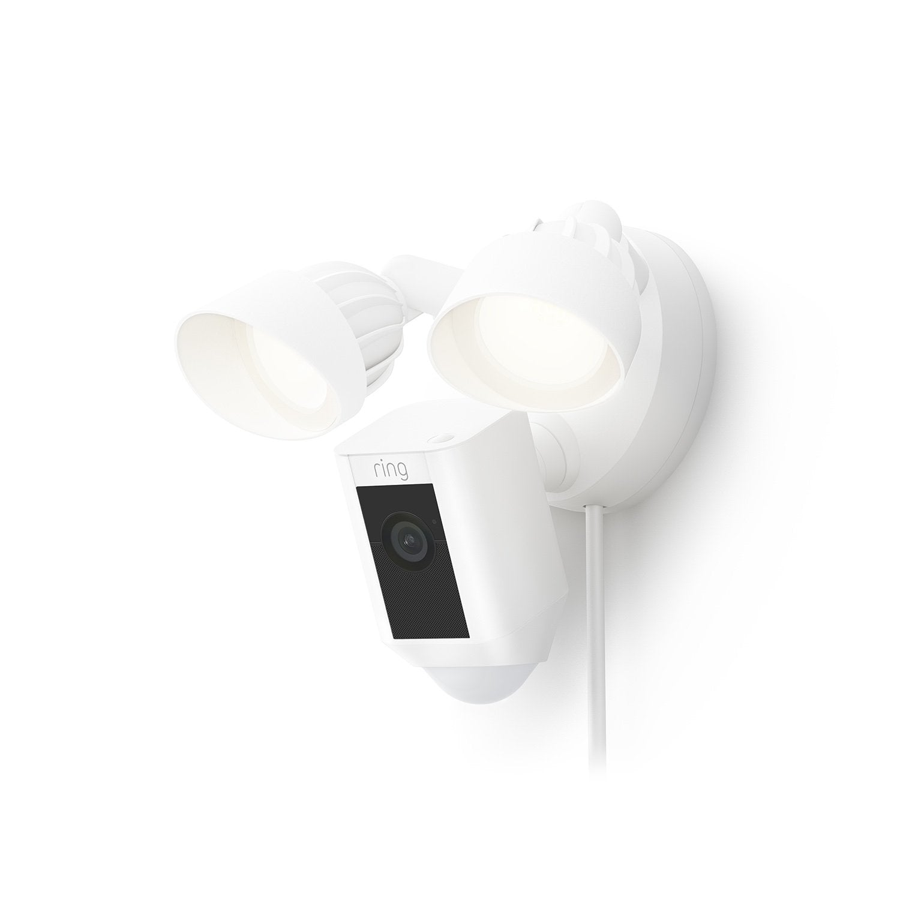
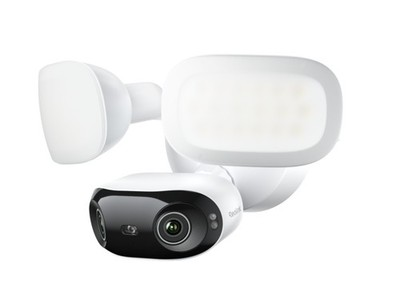
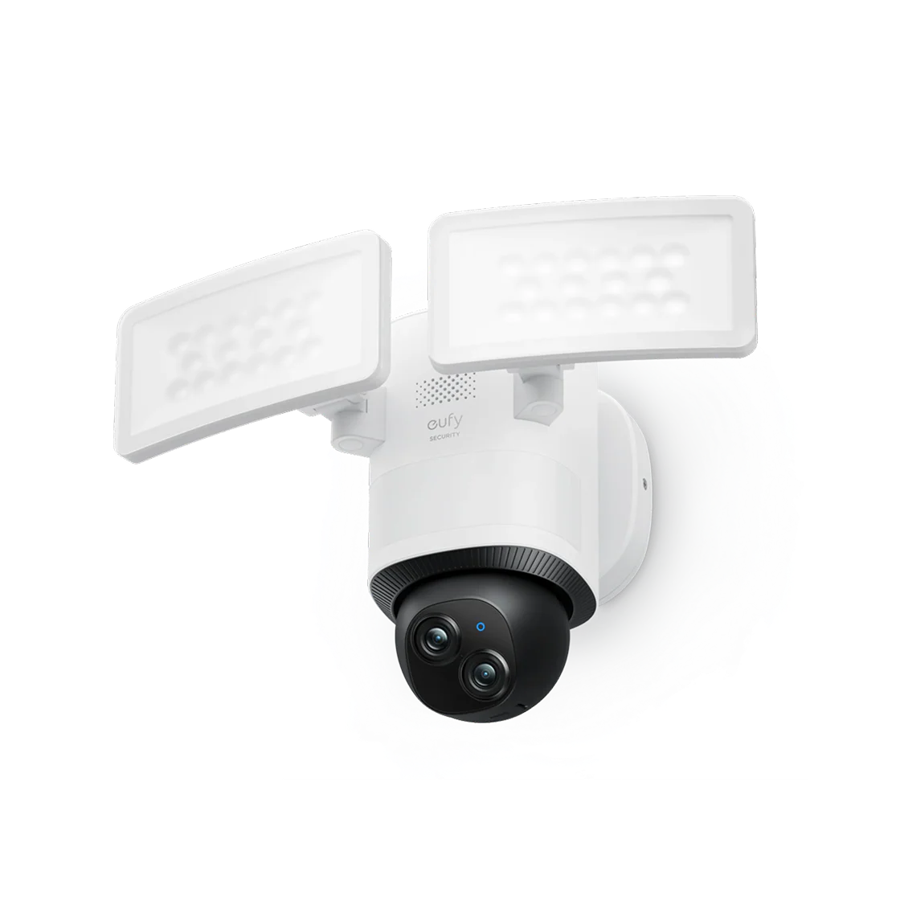
We install the floodlight cameras that hold up on a Manhattan building and we’re honest about which ones charge a monthly fee. eufy (Floodlight Cam E340, built-in siren, local storage, no fee) and Lorex (4K and 1080p WiFi floodlight, dual 4,000-lumen panels, no fee) are our go-to no-subscription picks for a rear garden or roof. Reolink records locally too and works well over a wider yard or terrace. Ring (Floodlight Cam Pro, 110dB siren) and Google Nest (Floodlight Cam) are the most-requested Manhattan devices and easy to live with, but gate AI alerts, smart zones, and video history behind a monthly plan — we install them if you want the ecosystem, but you’ll know the recurring cost first. For a co-op, condo, or storefront we’ll spec a floodlight-equipped Dahua or Hikvision tied into the building NVR. Whatever the brand, we channel-lock it for Manhattan’s WiFi, change default passwords, and secure the camera so it can’t be hijacked — and we’ll install one you already bought.
Every quote is fixed-price after we see the spot — here are honest ranges so you can budget first. In Manhattan two things drive the number that the suburbs never deal with: whether power has to be fished through pre-war plaster to a rear garden or roof, and whether your co-op or condo board requires approval and a COI before any exterior work. A swap onto an existing fixture is quick and cheap; a pre-war run plus board paperwork is more labor, but it’s the only way to cover the spot that actually needs it. Camera hardware is on top, with no monthly fee on local-storage models.
You have an existing exterior light and junction box — we swap in a floodlight camera, seal it, channel-lock it, and set up the app. Fast, clean.
No power at the rear garden, roof, or terrace — we fish a new line through plaster and brick, set a UL-listed box, and mount the cam without scarring the facade.
Includes the board documentation and COI plus the install — for any exterior, roof, or shared-wall mount your building requires approval for.
Front, rear garden, side alley, and roof of a Manhattan townhouse on one plan — a mix of swaps and pre-war runs, quoted after a walk-through.
We come to the apartment, townhouse, or building, check whether there’s an existing fixture or power has to be fished to the rear garden or roof, confirm what your board requires, and hand you a written fixed-price quote.
We prepare any board documentation and COI, then swap the fixture or fish a new line through pre-war walls, set a UL-listed box, mount the floodlight cam, aim the panels, and seal it against the weather.
We power it up, channel-lock the WiFi for Manhattan’s radio environment, set up live view and alerts on your phone, tune the motion zones for the street, test the lights and siren, and walk you through the app.
How much does floodlight camera installation cost in Manhattan?
If there’s an existing exterior light and junction box, a swap runs $325 to $650 plus the camera. If power has to be fished through pre-war walls to a rear garden, roof, or terrace, it’s $650 to $1,800 depending on the run; a co-op or condo install that needs board documentation and a COI runs $900 to $2,400. We give a fixed price after seeing the spot and confirming what your building requires.
Why does a Manhattan install cost more than the suburbs?
Two things the suburbs don’t have: pre-war buildings where power has to be fished through plaster and brick without scarring a landmark facade, and co-op or condo boards that require approval and a certificate of insurance before any exterior work. Both are real labor and paperwork, and both are unavoidable if you want the camera where it actually needs to go.
Do I need board approval for a floodlight camera on my co-op or condo?
Almost always, yes — any hardware on the exterior, the roof, a terrace, or a shared wall typically needs board sign-off and a certificate of insurance before work begins. We prepare the documentation and carry the COI your building requires, which is the part most installers skip and most boards won’t.
Can you install on a terrace or roof in my building?
Yes — terraces, setbacks, and roof areas are exactly where a hardwired floodlight cam beats a battery one, because the building WiFi fades and batteries die up there. We coordinate with management, handle the board paperwork and COI, run power, and mount it cleanly.
I live in a pre-war building — can you run power without wrecking the walls?
Yes — fishing power through plaster and brick is the core Manhattan skill. We run a new line to the rear garden, roof, or terrace with minimal, patchable openings and without scarring a landmark facade, then set a UL-listed weatherproof box. It’s the part a fixture-swap kit and a handyman can’t do.
My stoop vestibule is dark and my old camera footage is washed out — why?
That’s IR washout: in a tight, enclosed pre-war vestibule the camera’s infrared bounces off the hard walls back into the lens and blinds it. A floodlight cam with color night vision avoids it entirely — you get a readable, full-color face instead of a gray smear, which is exactly what you need at the entry.
My camera keeps dropping offline — is that a Manhattan thing?
Often, yes — a Midtown apartment can see 60 to 80 competing WiFi networks and the 2.4GHz band is shredded, so a camera left on auto-channel drops offline within weeks. We channel-lock the camera to a clear channel, and for a roof or terrace out of WiFi range we’ll hardwire the data or add a dedicated link so it stays up.
How high should a floodlight camera be mounted?
Usually 8 to 10 feet — high enough to cover a rear garden or alley and stay out of reach, low enough to read a face. In a tight Manhattan garden or alley we set the angle carefully so it covers your space without pointing into a neighbor’s window.
Will it record in color at night?
Yes — the floodlight produces true-color footage after dark instead of gray infrared, which matters most in Manhattan’s enclosed entries and narrow alleys where IR washes out and ambient light is uneven.
Do I need a licensed contractor for a floodlight camera in Manhattan?
For a simple swap, not strictly — but any new wiring is a licensed job in New York, and your co-op or condo and its insurer will require a licensed, insured contractor with a COI for exterior or roof work anyway. We’re NYS licensed #12000287431 and insured, wire to code, and warranty the work.
How do I avoid a bad Manhattan floodlight install?
Watch for anyone who skips the board paperwork, can’t produce a COI, quotes a pre-war run sight unseen, or ignores the WiFi environment. Board documentation, a clean fished line that doesn’t scar the facade, color night vision for the vestibule, and a channel-locked camera are what separate a real Manhattan install from a callback.
Search “floodlight camera installation cost” and the AI Overview, Angi, HomeAdvisor, and Fixr hand you a flat national number built for a suburban house — not a Manhattan co-op, townhouse, or pre-war walk-up. Here’s what they leave out.
Angi, HomeAdvisor, and Fixr publish a flat floodlight-install average — around $400 a light — built on a suburban house with a junction box already by the garage. It ignores the two things that actually decide a Manhattan quote: fishing power through pre-war walls and the co-op or condo board approval and COI. A national average hides exactly what your install hinges on.
Almost every “where to put a floodlight camera” guide pictures a driveway and a suburban backyard. Manhattan has neither — the spots that matter are the rear garden, the side alley, the roof, the terrace, and the enclosed stoop, and the placement logic for those is nothing like a colonial’s.
Those roundups rank whichever brand bought the slot, not what fits a Manhattan building. The right cam here depends on color night vision for an enclosed vestibule, holding a signal in a 60-network radio environment, and whether the board will approve it — not a sponsored ranking.
National content never tells you that most Manhattan residents can’t put hardware on an exterior wall, roof, or terrace without board approval and a certificate of insurance. Skip that step and the work gets torn out — it’s the single biggest difference between a city install and the suburban version those guides describe.
A standard infrared camera in a tight, enclosed Manhattan vestibule produces a gray, washed-out image because the IR bounces off the hard walls into the lens. A floodlight with color night vision fixes it — but a guide written for an open suburban yard never warns you, and it’s the difference between a usable face and useless footage at your door.
A camera on auto-channel in a Manhattan apartment competing with dozens of neighboring routers drops offline within weeks, so the footage you need has a gap. Channel-locking or a hardwired link fixes it, and national results — written for a house with one router — never raise it.
A floodlight camera is the highest-impact single device you can put outside a Manhattan home — light, camera, and siren in one, exactly where the building is darkest and least watched: the rear garden, the alley, the roof, the stoop. But the value is entirely in the install: power fished cleanly through pre-war walls, the board paperwork and COI handled, color night vision where IR fails, and the camera locked to a channel that survives the city. The smart move isn’t the cheapest sight-unseen quote — it’s a licensed installer who knows Manhattan buildings.
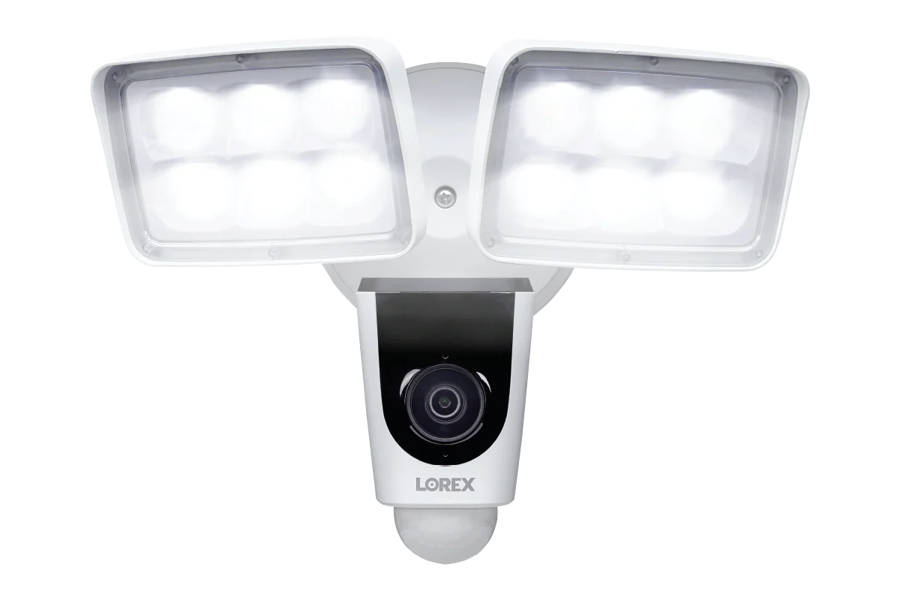
The most-requested Manhattan devices and easy to live with, but a monthly plan unlocks AI alerts and history — and they won’t handle your board paperwork or fish power to a roof. We default to no-fee local storage and do the parts they can’t.
A swap maybe, but no license for new wiring, no COI your board will accept, no pre-war fishing skill, no warranty. We’re a licensed, insured contractor who clears the board and runs power properly.
A stick-on battery cam dies on a terrace or roof out of WiFi range and gives a washed-out image in an enclosed vestibule. We hardwire, channel-lock, and use color night vision so it actually works in a Manhattan building.
Two devices, two installs, two failure points — and two board submissions. A floodlight cam is light, camera, and siren in one fixture on one feed, less to mount and approve.
Free on-site assessment, fixed price, board documentation and COI, pre-war wiring without scarring the facade, color night vision for vestibules, channel-locked WiFi, no-fee local storage, warrantied — licensed NYS #12000287431.
This is our Manhattan floodlight page, part of our citywide hub. Jump up to the NYC floodlight hub, see our full Manhattan camera service, or add a doorbell cam at the door. Return to our home page to see the full scope of our work.
Our full NYC floodlight hub — coverage, pricing, and every borough and area we serve.
NYC Floodlight Hub →Our full Manhattan camera service — whole-building NVR systems for co-ops, condos, and townhouses.
Manhattan Cameras →Pair the floodlight with a doorbell cam at the entry — co-op-friendly, peephole and hardwired options.
Manhattan Doorbell →Build the floodlight into a complete home system on a local NVR for your apartment or townhouse.
Residential Manhattan →We prepare the board documentation and carry the COI your co-op or condo requires, then do the install once it’s approved — the step most installers skip.
We fish a new circuit through the pre-war walls to the garden, set a weatherproof box, and mount a floodlight cam where there was never light.
IR washout in an enclosed vestibule. We swap to a floodlight cam with color night vision so you get a readable, full-color face at the door.
It’s out of WiFi range or fighting Manhattan’s crowded band. We hardwire or add a dedicated link and channel-lock it so it stays up.
A floodlight over the stoop lights and records the approach in color, paired with a doorbell cam at the door — the combo that stops it.
A high-lumen floodlight cam with a siren over the alley lights it, records it, and lets you warn them off from your phone.
“Co-op wouldn’t approve my last guy — no insurance on file. Abstract handled the board package and COI the same week, then put a floodlight cam over the rear garden. Lights, siren, no monthly fee, and the board signed off clean.”
— Margaret S., Upper West Side
“Pre-war townhouse, needed power out to the back garden with no fixture there. They fished the line without touching the facade, set a sealed box, and now the darkest part of the property lights up and records. Couldn’t tell they’d been there.”
— David K., Harlem
“My old stoop camera was useless at night — just gray glare. They put in a color-night floodlight cam and now I can actually read a face at the door. Channel-locked it too, hasn’t dropped once.”
— Priya R., Chelsea
“Terrace camera kept dying on battery and WiFi. They hardwired a floodlight cam up there, locked the channel, and it’s been rock solid. Handled the condo paperwork start to finish.”
— Anthony M., Battery Park City
A pre-war townhouse in Harlem that shows why the Manhattan floodlight job is really two jobs — the wiring and the building. The owner wanted a floodlight cam over the rear garden, the darkest and least-visible part of the property, where there had never been a fixture or any power. Before we could touch the exterior, the co-op next door shared a property line and the owner’s own building required a certificate of insurance and a brief board package for any work affecting the rear facade, so the first thing we did was prepare the documentation and get it on file. The wiring was the pre-war part: we fished a new circuit from an interior panel out through plaster and a brick exterior wall to the garden, keeping the openings small and patchable and routing so nothing scarred the historic facade, then set a UL-listed weatherproof box. We mounted the floodlight at nine feet, angled so it washed the garden without throwing light into the neighbor’s windows, and because the back of the house sat in a tight, shadowed well we used a color-night-vision unit so the footage came back readable instead of the gray IR smear the owner’s old camera gave. Last, we channel-locked the WiFi against the dozens of competing networks in the building so it wouldn’t drop offline. The camera itself took twenty minutes; the value was the board paperwork and getting clean power to a dark garden in a landmarked pre-war building without leaving a mark.
Floodlight not coming on, camera offline, dropping off the WiFi, washed-out gray footage in the vestibule, lights stuck on, siren dead, or a terrace cam that keeps dying? We diagnose and fix floodlight cameras across Manhattan — channel-lock a camera that won’t stay online, swap an IR unit for color night vision in an enclosed entry, re-run power to a rear garden or roof, or replace a unit that wasn’t mounted for the building. Most fixes in 1–2 hours.
Manhattan owners, renters, and boards find us under many of these searches. Every one points to the same licensed crew — from a single floodlight camera installation on a rear garden to a full co-op board package and townhouse build, plus wiring, repair, and service.
A swap onto an existing fixture runs $325 to $650 plus the camera. Fishing new power through pre-war walls to a rear garden, roof, or terrace runs $650 to $1,800 depending on the run. A co-op or condo install that needs board documentation and a COI runs $900 to $2,400. We give a fixed price after seeing the spot and confirming what your building requires. No monthly fee on local-storage models.
Almost always — any hardware on the exterior, roof, terrace, or a shared wall typically needs board sign-off and a certificate of insurance before work begins. We prepare the documentation and carry the COI your building requires, which is the step most installers skip.
Yes — that’s the core Manhattan job. We fish a new circuit through plaster and brick to the spot with minimal, patchable openings and without scarring a landmark facade, then set a UL-listed weatherproof box and mount the cam.
IR washout — in a tight, enclosed pre-war vestibule the camera’s infrared bounces off the hard walls back into the lens. A floodlight cam with color night vision avoids it, giving a readable full-color face instead of a gray smear.
Yes — a Manhattan apartment can see 60-plus competing WiFi networks, so a camera on auto-channel drops within weeks. We channel-lock it to a clear channel, and for a roof or terrace out of range we hardwire the data or add a dedicated link.
eufy, Lorex, and Reolink for no-monthly-fee local storage; Ring and Nest if you want that ecosystem (they charge monthly for AI and history); and Dahua or Hikvision floodlight-equipped cameras on a building NVR for a co-op, condo, or storefront. We’re glad to mount a unit you bought yourself, too.
eufy, Lorex, and Reolink record to local storage with no recurring fee. Ring and Nest paywall AI alerts, smart zones, and history behind a plan. We tell you which features are free before you buy.
Yes — the floodlight produces true-color footage instead of gray infrared, which matters most in Manhattan’s enclosed entries and narrow alleys where IR washes out.
Usually 8 to 10 feet — high enough to cover a rear garden or alley and stay out of reach, low enough to read a face. In a tight Manhattan garden we set the angle so it covers your space without pointing into a neighbor’s window.
Yes — models with a built-in 95dB+ siren and two-way audio let you trigger the alarm and speak through the camera. In a dark rear garden or alley the light coming on is often enough on its own.
For a simple swap, not strictly — but any new wiring is a licensed job in New York, and your co-op or condo and its insurer will require a licensed, insured contractor with a COI for exterior or roof work. We’re NYS licensed #12000287431 and insured, wire to code, and warranty the work.
Yes — we cover the front, the rear garden, the side alley, and the roof of a Manhattan townhouse on one plan, mixing fixture swaps and pre-war runs so the whole exterior is lit and recorded, facade intact.
"Excellent work installing cameras at my building in Brooklyn. Clean wiring, professional team, everything works perfectly on my phone."
"Best security camera company in NYC. Cameras on my brownstone without damaging the brick. Cables completely hidden. 4K picture quality is incredible."