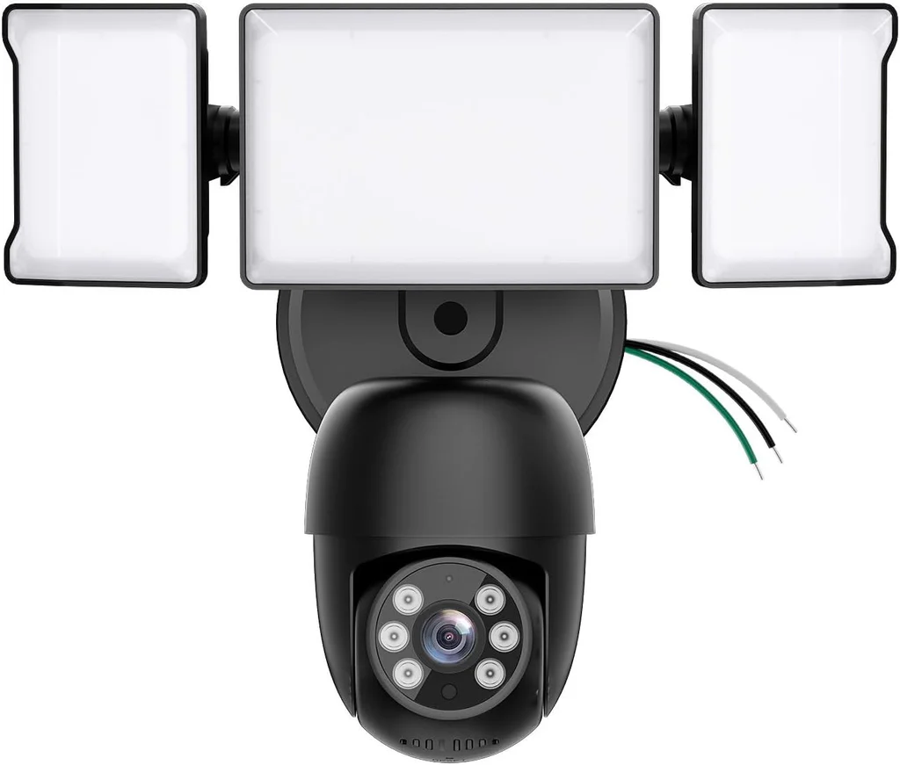
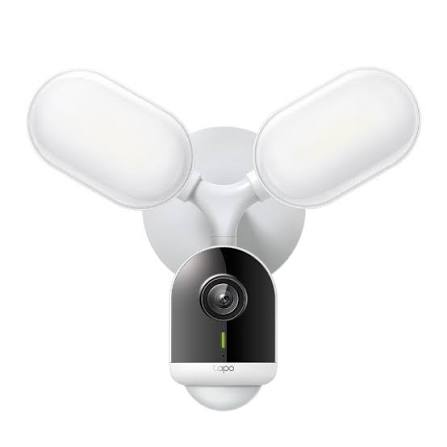
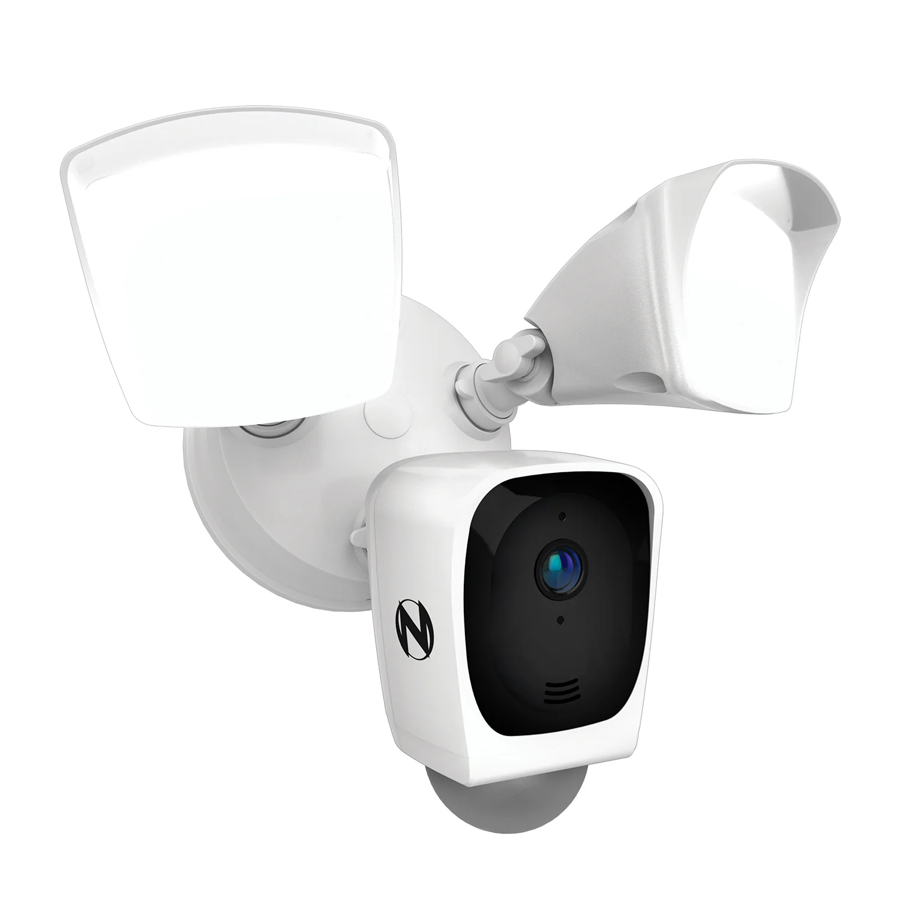
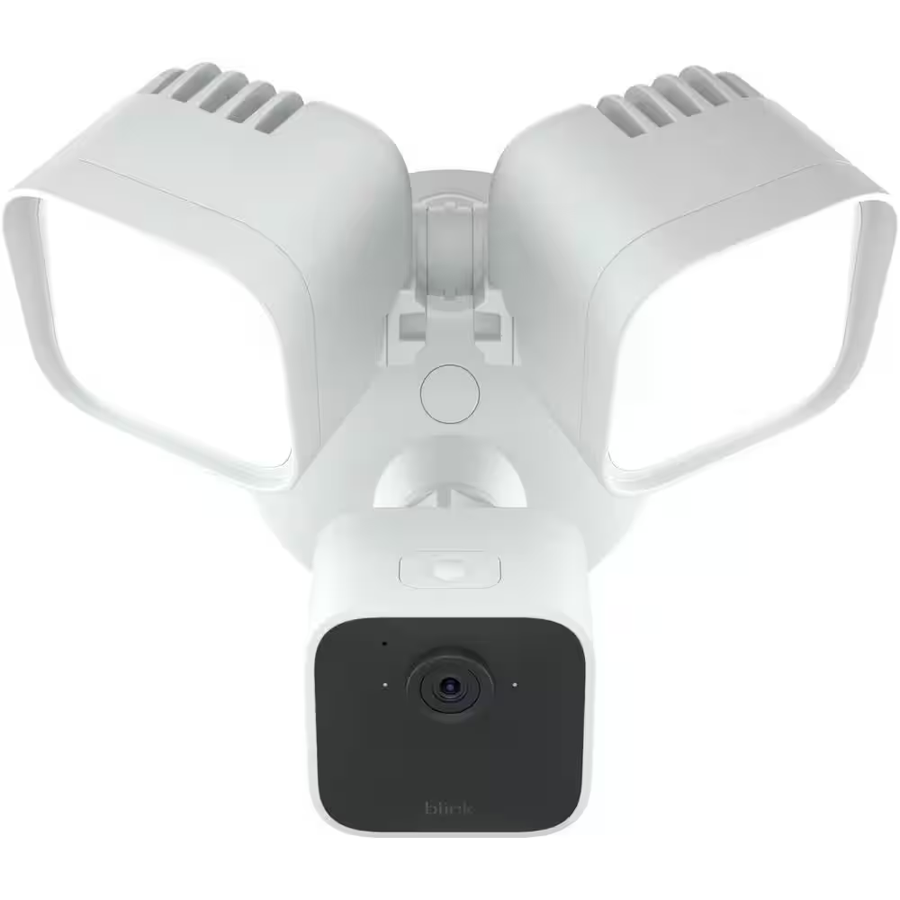
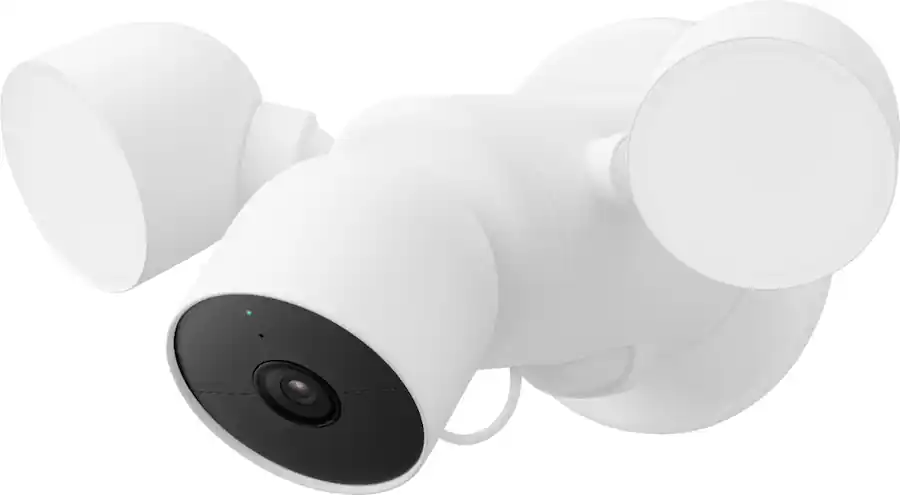
Motion-Activated Floodlight Cams · Junction-Box Wiring · New Circuits Run · Built-In Siren · Color Night Vision · No Monthly Fees
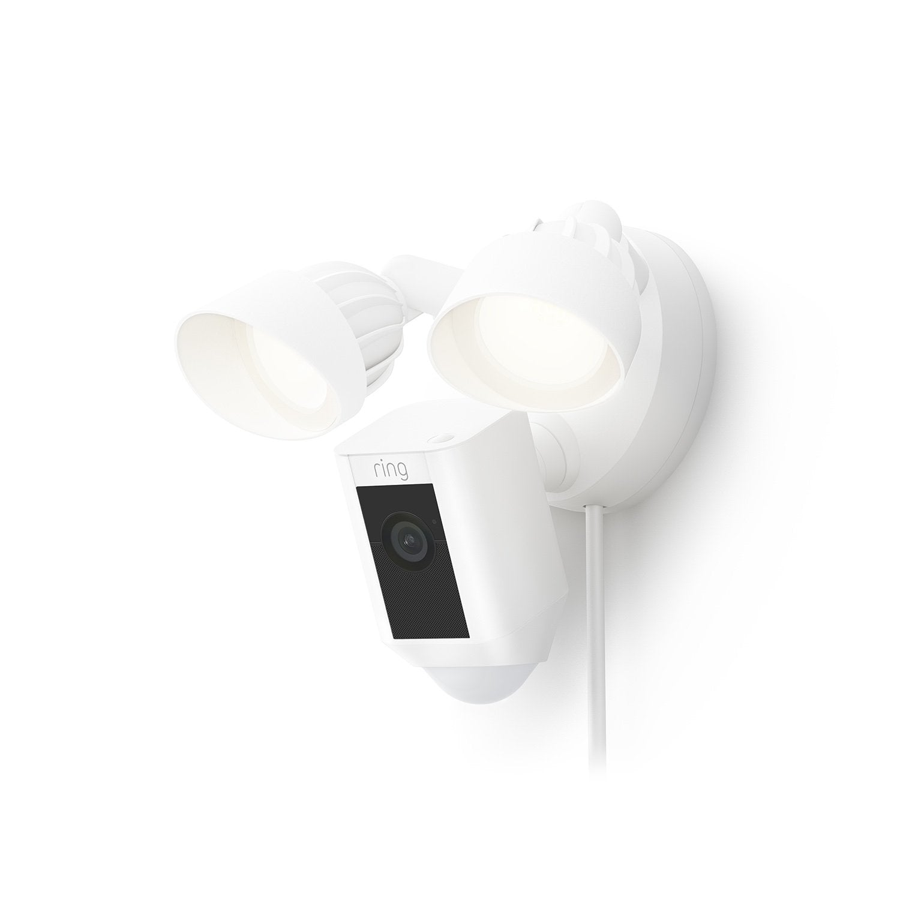
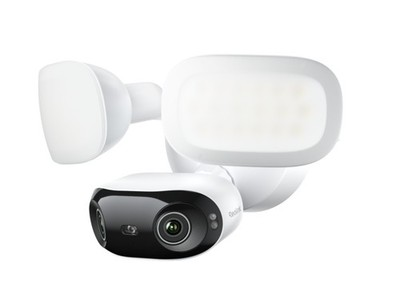
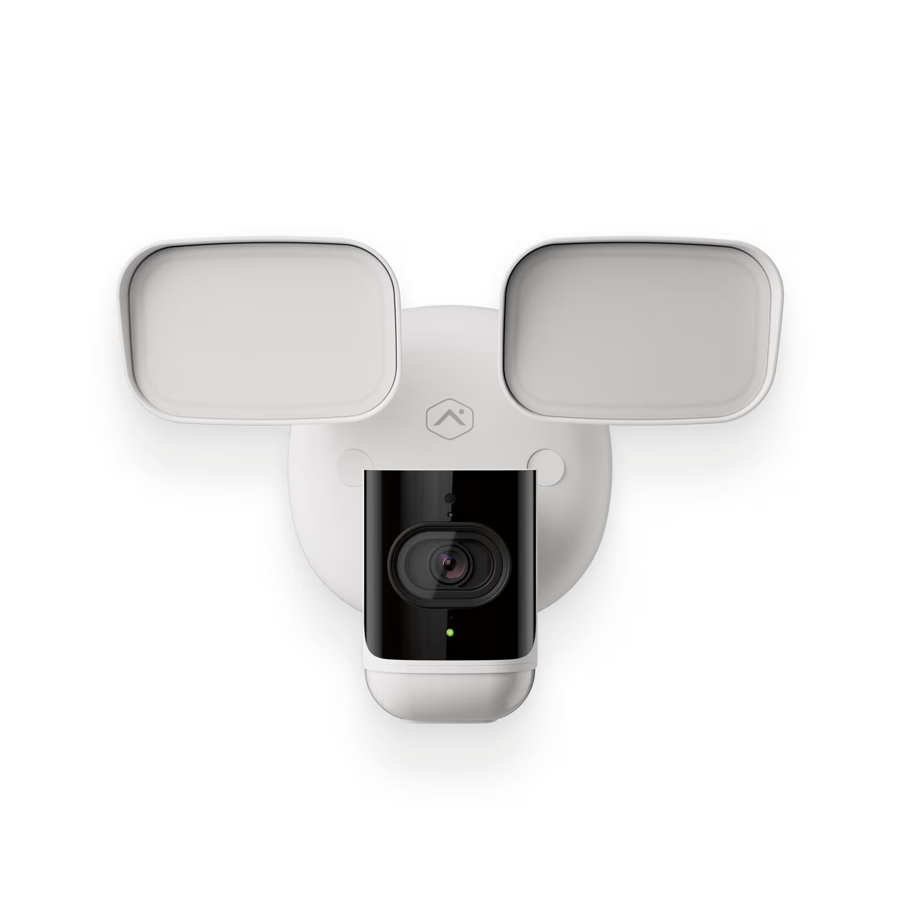
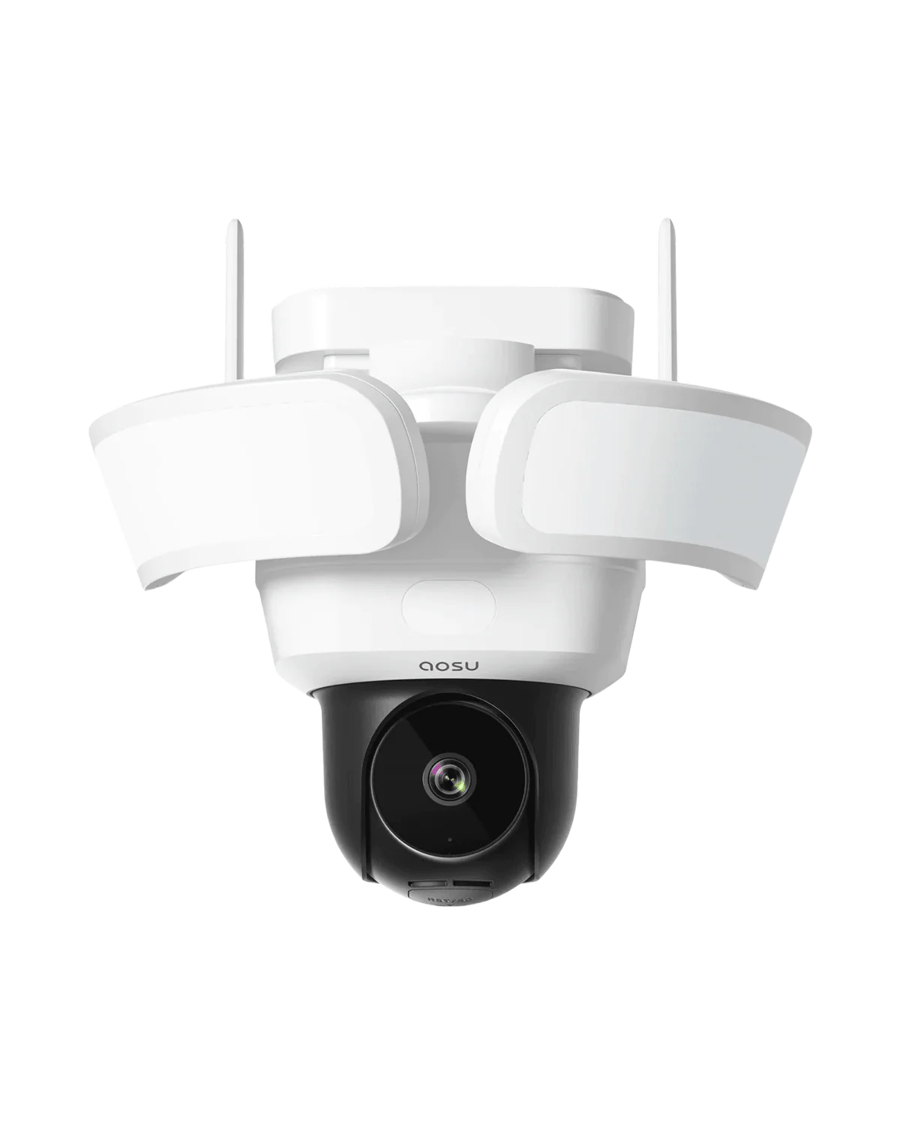
Professional floodlight camera installation across all five NYC boroughs — the motion-activated light-plus-camera-plus-siren combo that lights up a driveway, stoop, backyard, or alley and records everyone who trips it. We replace an existing fixture on your junction box in under an hour, or run brand-new wiring and set a UL-listed box where there’s no power yet — the part most homeowners hit a wall on. Ring, eufy, Lorex, Reolink, and Nest, wired for 24/7 power so there are no batteries to recharge, with color night vision, a built-in siren, and no monthly fees on local storage. This is our NYC floodlight hub — part of our security camera installation in NYC; pair it with a doorbell camera at the entry or a full residential camera system, and for business properties see our commercial security cameras.
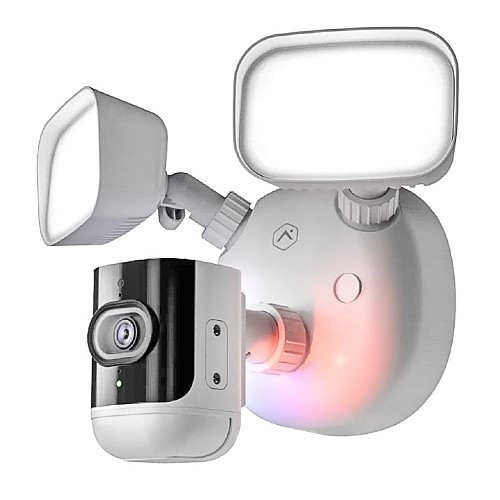
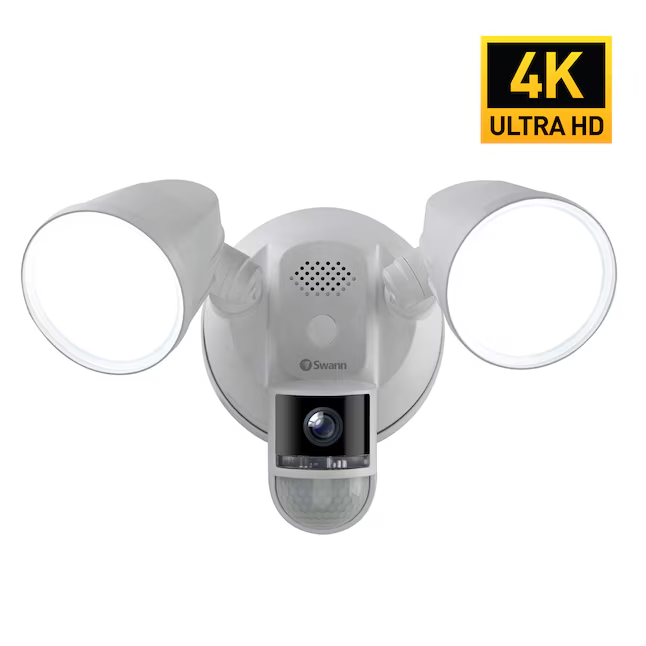
A floodlight camera is three deterrents in one fixture: a bright motion-activated light, a recording camera, and a built-in siren. When something crosses the yard, the alley, or the driveway, the lights snap on, the camera records in full color, and you get an alert — and most would-be intruders are gone before the second floodlight even warms up. That combination is exactly why it’s the single most popular outdoor-security product we install in New York: one device covers the lighting, the footage, and the scare-off that used to take three. For a dark stoop in Brooklyn, a driveway in Queens, a back alley behind a Bronx storefront, or a Staten Island side yard, it’s the highest-impact camera you can put up.
The catch — and the reason people call us instead of doing it themselves — is power. A floodlight camera is hardwired to 120–240V through a junction box; it isn’t a battery cam you stick to a wall. If you’re replacing an existing exterior light, the box and wiring are already there and the swap takes under an hour. But the spot you actually want it — the dark corner of the driveway, the back of the building, the garage with no fixture — usually has no power at all. That’s where most DIY jobs stall: New York law requires a licensed hand to run a new circuit and set a UL-listed weatherproof box, and getting it fished through a brick or frame wall, sealed against weather, and tied into the panel safely is the actual job. We do both — the quick fixture swap and the full new-wiring run — and we do the camera setup, the app, and the motion tuning on top of it.
Every property is different, so we start with where the dark spots and the power are, not a boxed bundle. Most jobs are one of two things: a fast swap onto an existing fixture, or a new-wiring run to a spot that never had power. Here’s what we put up.
The standard install — a floodlight camera hardwired to your junction box for 24/7 power, no batteries to recharge, recording around the clock with the lights on motion.
No fixture where you want it? We run a new circuit, set a UL-listed weatherproof junction box, and power a floodlight cam in the dark corner that never had light — the install DIY kits can’t handle.
Models with a 95dB+ built-in siren and two-way audio — the lights hit, the alarm sounds, and you can talk through the camera, turning a passive recording into an active scare-off.
2,000 to 4,000+ lumen floodlights aimed to wash a whole driveway, yard, or lot in light, with each panel adjusted so the coverage lands where you need it and not in a neighbor’s window.
The floodlight itself delivers true-color footage after dark instead of gray infrared — a readable face and a real clothing color at 2am instead of a washed-out blur.
WiFi floodlight cams for a single spot, or PoE models tied into an NVR when you want the floodlight to be one camera in a larger system — we wire whichever fits the property.
A floodlight camera works hardest exactly where a property is darkest and least watched. These are the placements we wire most across the five boroughs.
The number-one floodlight spot in the outer boroughs — catch and light anyone approaching the car, the gate, or the driveway, with a plate-readable angle.
A floodlight over the stoop or entry deters package theft and lights the steps, pairing naturally with a doorbell camera at the door itself.
The dark rear and side yards intruders prefer — a floodlight cam turns the one unlit approach into the most visible one.
Behind a shop or restaurant, a floodlight over the back door and alley stops loitering, dumping, and after-hours break-ins where it’s darkest.
Detached garages and loading spots usually have no fixture — the classic new-wiring floodlight job that finally lights and records the blind side of a property.
Shared entries, courtyards, and parking pads behind walk-ups and small apartment buildings, lit and recorded so tenants and managing agents both have eyes on them.
You don’t need the jargon to get a good install, but a few terms come up on every floodlight quote. Here’s what they mean in plain English.
The electrical box behind an exterior fixture that a floodlight camera wires into. Have one already? The install is a quick swap. Don’t? We set a UL-listed weatherproof box and run power to it.
How bright the floodlight is. Most floodlight cams run 2,000 to 4,000+ lumens — enough to wash a driveway or yard. We aim the panels so the light lands on your property, not the neighbor’s.
PIR sensors trigger on heat and throw constant false alerts in NYC — passing cars, steam off a vent, sun on brick. Radar-motion models cut those by most, worth it on a busy street.
The floodlight delivers true-color footage at night instead of gray infrared, so you get a real face and clothing color after dark.
A 95dB+ alarm in the camera you can trigger on motion or manually — the difference between quietly recording an intruder and actively driving them off.
The weatherproof rating an outdoor floodlight cam needs — sealed against NYC rain, snow, and salt. We silicone-seal the box so water never gets behind the fixture.
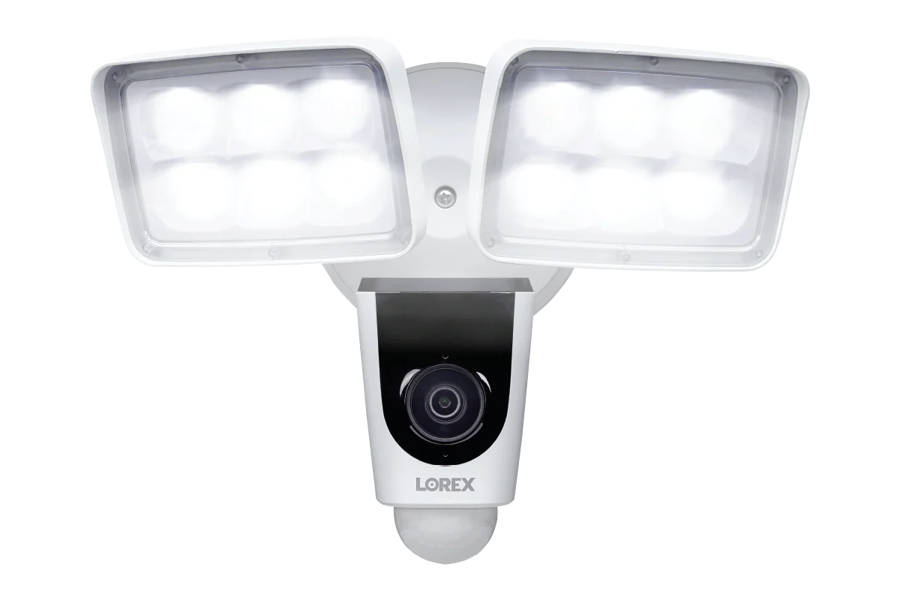
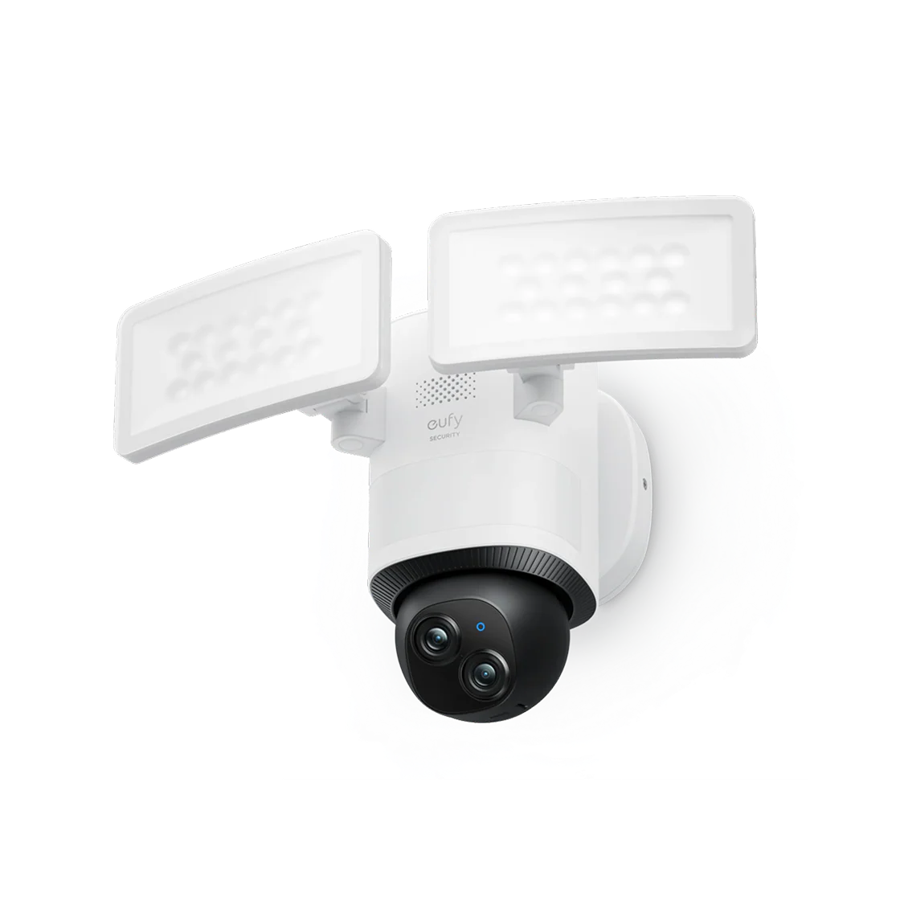
We install the floodlight cameras that actually hold up outdoors in New York, and we’re honest about which ones charge a monthly fee and which don’t. eufy (Floodlight Cam E340, 2,000–2,500 lumen, built-in siren, local storage, no monthly fee) and Lorex (4K and 1080p WiFi floodlight, dual 4,000-lumen panels, local microSD, no fee) are our go-to no-subscription picks. Reolink (Duo Floodlight, dual-lens) records locally too. Ring (Floodlight Cam Pro) and Google Nest (Floodlight Cam) are popular and easy to live with, but gate AI alerts, smart zones, and video history behind a monthly plan — we install them if you want the ecosystem, but you’ll know the recurring cost before you buy. For a commercial property we’ll spec a floodlight-equipped Dahua or Hikvision camera tied into an NVR. We earn nothing extra steering you toward a brand — we pick what fits the spot, the lighting you need, and your budget, change default passwords, and secure the camera so it can’t be hijacked. We’ll also install a floodlight cam you already bought.
Every quote is fixed-price after we see the spot — here are honest ranges so you can budget first. The single biggest factor is whether there’s already power where you want the camera. A swap onto an existing fixture is quick and cheap; running new wiring to a dark corner is more labor but it’s the only way to light the spot that actually needs it. Camera hardware is on top, and there’s no monthly fee on local-storage models.
You have an existing exterior light and junction box — we swap in a floodlight camera, seal it, and set up the app. Fast, clean, same-day.
No power at the spot — we run a new circuit, set a UL-listed weatherproof box, and mount the floodlight cam. Price depends on the run length and wall type.
Several floodlight cams covering the driveway, backyard, and entries of a home or storefront, mix of swaps and new runs.
Floodlight cams wired into a full NVR system with bullet and turret cameras for whole-property coverage — quoted after a walk-through.
We look at where you want the floodlight, check whether there’s an existing fixture and junction box or a new run is needed, measure the coverage, and hand you a written fixed-price quote.
We swap the existing fixture or run a new circuit and set a UL-listed weatherproof box, mount the floodlight cam at the right height for its motion range, aim the panels, and silicone-seal it against the weather.
We power it up, set up live view and alerts on your phone, tune the motion zones so cars and steam don’t trigger it, test the lights and siren, and walk you through the app before we leave.
How much does floodlight camera installation cost in NYC?
If there’s already an exterior light and junction box where you want it, a swap runs $275 to $550 plus the camera. If there’s no power there and we have to run new wiring and set a UL-listed box, it’s $550 to $1,200 depending on the run length and whether it’s brick or frame. We give a fixed price after seeing the spot.
Why is running new wiring so much more than a swap?
A swap is plug-and-play — the box and power are already there. A new run means pulling a circuit from the panel, fishing it through a wall, setting a weatherproof box, and tying it in safely and to code. It’s real electrical labor, but it’s the only way to put a floodlight on the dark corner that never had one.
Can I just install a floodlight camera myself?
If you’re swapping an existing fixture and you’re comfortable killing the breaker and matching three wires, some people do. The moment there’s no existing wiring, it’s a different job — New York requires a licensed hand to run a new circuit, and a bad outdoor splice is a shock and water-ingress hazard. Most calls we get are exactly that: someone bought the cam, then found there was no power where they wanted it.
What about the plug-in floodlight cams that need no junction box?
Models like the eufy E340 with an AC plug skip the junction box, but you still need an outdoor outlet within the cord’s reach, the cord run looks messy, and outlets are rare on the exact dark corners people want covered. For a clean, permanent install we hardwire — but if a plug-in genuinely fits your spot we’ll tell you and save you the wiring cost.
How high should a floodlight camera be mounted?
Most floodlight cams want 8 to 10 feet up for the best motion range — high enough to cover 30 to 40 feet out, low enough to read a face. Too high and it films the tops of heads; too low and someone can reach it. We set the height to the camera and the spot.
My floodlight keeps triggering on cars and nothing’s there — can that be fixed?
Yes — that’s a PIR sensor reacting to heat and headlights, classic on an NYC street. We tune the motion zones to ignore the road, drop the sensitivity, and on a busy block we’ll recommend a radar-motion model that cuts the false alerts way down so your phone only buzzes for real activity.
Will one floodlight cover my whole backyard?
Often one well-placed 3,000–4,000-lumen unit covers a typical city backyard, but a long or L-shaped yard may want two so there’s no dark gap behind a shed or fence. We map the coverage on the walk-through so you’re not left with a blind corner.
Do I need a licensed contractor for a floodlight camera?
For a simple fixture swap, not strictly — but the second any new wiring is involved, New York wants a licensed hand, and a co-op or managing agent will want a certificate of insurance either way. We’re NYS licensed #12000287431 and insured, we wire to code, weatherproof it, and warranty the work.
How do I avoid a bad floodlight install?
Watch for anyone who quotes a new-wiring job sight unseen, leaves the junction box unsealed, or mounts the cam so low it’s reachable. A sealed weatherproof box, the right mounting height, aimed panels, and tuned motion zones are what separate a real install from a cam that leaks, false-triggers, or gets ripped down.
I rent — can I get a floodlight camera?
If it’s a swap onto an existing fixture, often yes with the landlord’s OK, and it can come back down cleanly. New wiring needs owner approval since it’s a permanent change. We’ll tell you which path your spot needs and keep it reversible where we can.
Can you put floodlight cams on a small apartment building or its courtyard?
Yes — shared entries, courtyards, and back parking pads are some of the best floodlight spots, and managing agents like that they light the common area and record it at once. We provide the certificate of insurance buildings require.
Search “floodlight camera installation cost” and the AI Overview, Angi, HomeAdvisor, and Fixr hand you a flat national number that has little to do with a real New York install. Here’s what they leave out.
Angi, HomeAdvisor, and Fixr publish a flat floodlight-install average that ignores the single biggest factor: whether there’s already power where you want it. A swap onto an existing fixture and a brand-new wiring run to a dark corner are completely different jobs at completely different prices — a national average hides exactly the thing that decides yours.
Almost every “how to install a floodlight camera” guide quietly assumes a junction box is already there. The hard, valuable NYC install — running a new circuit to the garage, the back alley, the dark side yard that never had a fixture — is the part those guides skip and the part most people actually need.
Those roundups rank whichever brand bought the slot, not what fits a New York property. The right floodlight cam depends on the lumens the spot needs, whether you want a siren, whether you’ll tolerate a monthly fee, and the false-alert problem on your street — not a sponsored ranking.
Ring and Nest floodlight cams paywall AI alerts, smart zones, and even video history behind a monthly plan, while eufy, Lorex, and Reolink record locally for free. National results rarely lead with this, and it’s the difference between a one-time cost and a bill forever.
A PIR floodlight on a city street triggers all night on passing cars, headlights, and steam off a vent — so people mute the alerts and the camera becomes useless. Tuned motion zones or a radar-motion model fix it, but a generic guide written for a quiet suburb never warns you.
An outdoor floodlight box that isn’t silicone-sealed lets water in and fails; a cam mounted too low gets ripped down and too high films the tops of heads. National content treats these as footnotes when they’re the difference between an install that lasts and one that doesn’t.
A floodlight camera is the highest-impact single device you can put outside a New York home or business — light, camera, and siren in one, exactly where a property is darkest. But the value is in the install: power run to the right spot, the box sealed, the height right, the motion tuned, and a brand whose monthly-fee story you actually understand. The smart move isn’t the cheapest sight-unseen quote — it’s a licensed installer who sees the spot first.
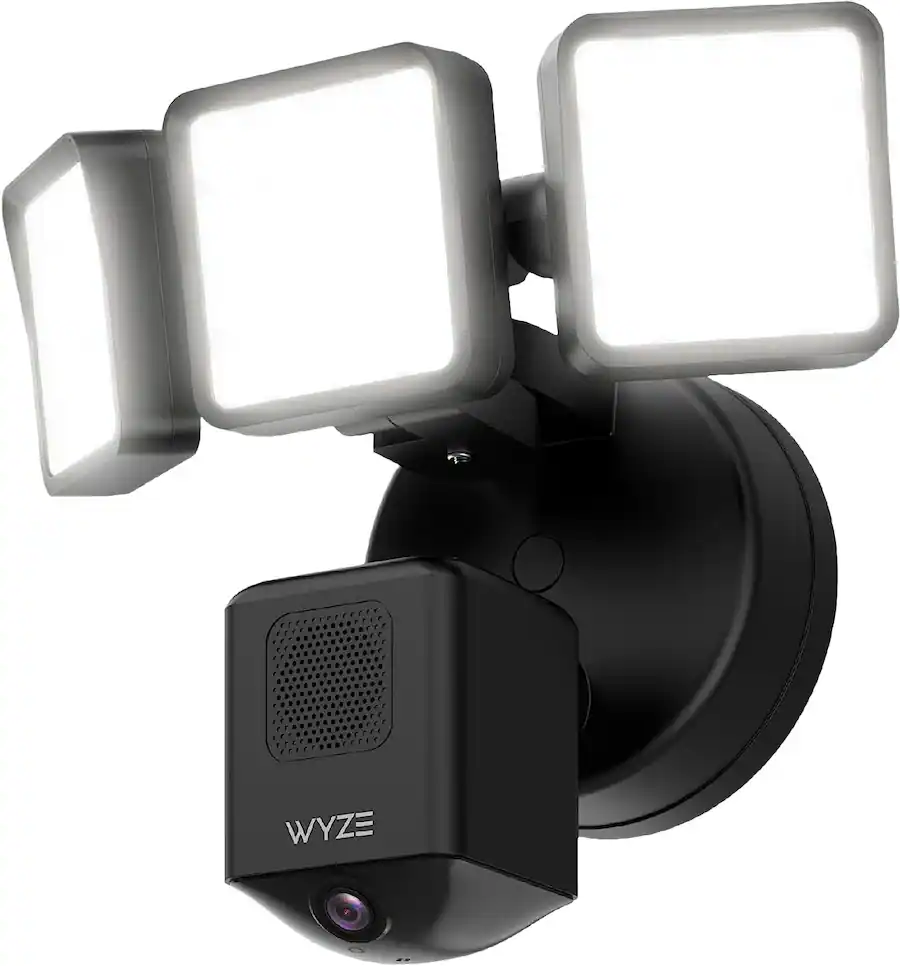
Easy to live with but a monthly plan unlocks AI alerts, smart zones, and video history — a bill forever. We install them if you want the ecosystem, but we default to no-fee local storage.
A swap maybe, but no license for new wiring, no code-compliant circuit, no sealed weatherproof box, no warranty. We’re a licensed contractor who runs power properly and stands behind it.
Works only if there’s an outdoor outlet exactly where you want the cam — rare on the dark corners that need one, and the cord looks it. We hardwire clean and permanent.
Two devices, two installs, two failure points. A floodlight cam is light, camera, and siren in one fixture on one power feed — less to mount, less to maintain.
Free spot assessment, fixed price, fixture swap or full new-wiring run, sealed weatherproof box, right mounting height, tuned motion zones, no-fee local storage, warrantied — licensed NYS #12000287431.
A floodlight camera is one piece of a property’s security. Jump to our main NYC camera hub, add a doorbell at the door, or build it into a full residential or commercial system.
Our main NYC camera hub — full CCTV systems, NVRs, and whole-property coverage.
View Camera Hub →Pair a floodlight on the yard with a doorbell cam at the entry — the classic NYC combo.
View Doorbell →A full home system — floodlight cams plus bullet and turret cameras on a local NVR.
View Residential →Floodlight-equipped cameras for storefronts, alleys, and lots, tied into a commercial NVR.
View Commercial →We run a new circuit and set a weatherproof box, then mount a floodlight cam so the one unlit approach becomes the most visible spot on the property.
We tune the motion zones to ignore the street and, on a busy block, fit a radar-motion model so you only get alerts that matter.
A floodlight over the entry lights and records the approach, paired with a doorbell cam at the door — the combo that actually stops porch piracy.
A high-lumen floodlight cam with a siren over the back door and alley lights the space, records it, and gives you a button to scare them off.
The most common call we get — we run the power, set the box, and mount the cam you already bought, clean and to code.
An unsealed box and the wrong IP rating. We re-mount a properly weather-rated unit and silicone-seal the box so water stays out for good.
“Wanted a floodlight cam on the dark side of the driveway in Bayside — no light there at all. They ran the wiring, set a sealed box, and now the whole drive lights up and records the second anyone pulls in. Clean job, no monthly fee.”
— Anthony D., Queens
“Back alley behind my Bronx storefront was pitch black and people kept dumping. Floodlight cam with the siren fixed it overnight — lights hit, alarm sounds, they scatter. Licensed and insured, gave me the COI my landlord needed.”
— Marisol R., Bronx
“Swapped my old busted floodlight for a Lorex one in Brooklyn, color at night, no subscription. They tuned it so it stopped going off every time a car passed. Up in under an hour.”
— Kevin T., Brooklyn
“Bought a eufy floodlight cam myself and realized there was no outlet or box where I wanted it on Staten Island. They wired it properly, mounted it at the right height, set up my phone. Exactly what I couldn’t do myself.”
— Dana L., Staten Island
A Queens two-family that shows why the floodlight job is really a wiring job: the owner had bought a 4,000-lumen floodlight cam to cover the driveway and the side path between the houses, and assumed it was an afternoon’s work. The problem was there wasn’t a single exterior fixture or outlet anywhere along that side of the building — the one stretch that needed light was the one stretch with no power. The actual install was electrical: we pulled a new circuit off the panel in the basement, fished it up through the frame wall to the eave, set a UL-listed weatherproof junction box, and only then mounted the camera. We set it at nine feet so it covered the length of the driveway and read a face without being reachable, aimed the two panels so one washed the drive and the other the side path, silicone-sealed the box against the weather, and tuned the motion zones to ignore the street so it wouldn’t fire every time a car passed on the avenue. Lights, camera, and a tap-to-trigger siren, all on local storage with no monthly fee. The camera was the easy part — the value was getting power to the dark corner safely and to code, which is exactly where a DIY kit leaves you stranded.
Floodlight not coming on, camera offline, lights stuck on, triggering on everything, fogged-up or leaking lens, siren dead, or a system another company wired wrong? We diagnose and fix floodlight cameras across all five boroughs — re-seal a leaking box, re-tune runaway motion, re-run a bad circuit, or replace a unit that was never rated for outdoors. Same-day in most of NYC.
New Yorkers find us under many of these searches. Every one points to the same licensed crew — from a single motion-activated floodlight camera installation to a full multi-corner floodlight system, plus wiring, repair, and service.
A swap onto an existing fixture and junction box runs $275 to $550 plus the camera. A new-wiring install — running a circuit and setting a UL-listed box where there’s no power — runs $550 to $1,200 depending on the run and the wall. Multiple cams or a full system is quoted after a walk-through. No monthly fee on local-storage models.
Yes — that’s the install most people actually need and the one DIY kits can’t do. We pull a new circuit from the panel, fish it through the wall, set a UL-listed weatherproof junction box, and mount the floodlight cam, all to code.
If you’re swapping an existing fixture and comfortable killing the breaker and matching three wires, sometimes. The moment new wiring is involved it’s a licensed job in New York, and a bad outdoor splice is a real shock and water hazard. Most of our calls are people who bought the cam and found no power where they wanted it.
eufy, Lorex, and Reolink for no-monthly-fee local storage; Ring and Nest if you want that ecosystem (they charge monthly for AI and history); and Dahua or Hikvision floodlight-equipped cameras tied into an NVR for commercial. We’ll also install one you already bought.
eufy, Lorex, and Reolink record to local storage with no recurring fee for basic motion recording. Ring and Nest paywall AI alerts, smart zones, and video history behind a plan. We tell you exactly which features are free and which aren’t before you buy.
Usually 8 to 10 feet — high enough to cover 30 to 40 feet of motion range and out of easy reach, low enough to capture a readable face. We set the height to the specific camera and spot.
Yes — that’s a PIR sensor reacting to heat and headlights. We tune the motion zones to ignore the street and drop the sensitivity, and on a busy block we’ll fit a radar-motion model that cuts the false alerts way down.
Yes — the floodlight itself produces true-color footage after dark instead of gray infrared, so you get a real face and clothing color at night.
Yes — we install IP65/IP66-rated units and silicone-seal the junction box so rain, snow, and salt stay out. The most common reason an old floodlight cam fails is an unsealed box, which we fix on every install.
Yes — models with a built-in 95dB+ siren and two-way audio let you trigger the alarm and speak through the camera, turning a passive recording into an active deterrent. The light coming on is often enough on its own.
For a simple swap, not strictly, but any new wiring is a licensed job in New York and co-ops and managing agents want a certificate of insurance regardless. We’re NYS licensed #12000287431 and insured, wire to code, and warranty the work.
Yes — storefronts, back alleys, courtyards, and shared entries are some of the best floodlight spots. We provide the certificate of insurance buildings require and tie the cameras into a larger system if you want.
"Excellent work installing cameras at my building in Brooklyn. Clean wiring, professional team, everything works perfectly on my phone."
"Best security camera company in NYC. Cameras on my brownstone without damaging the brick. Cables completely hidden. 4K picture quality is incredible."