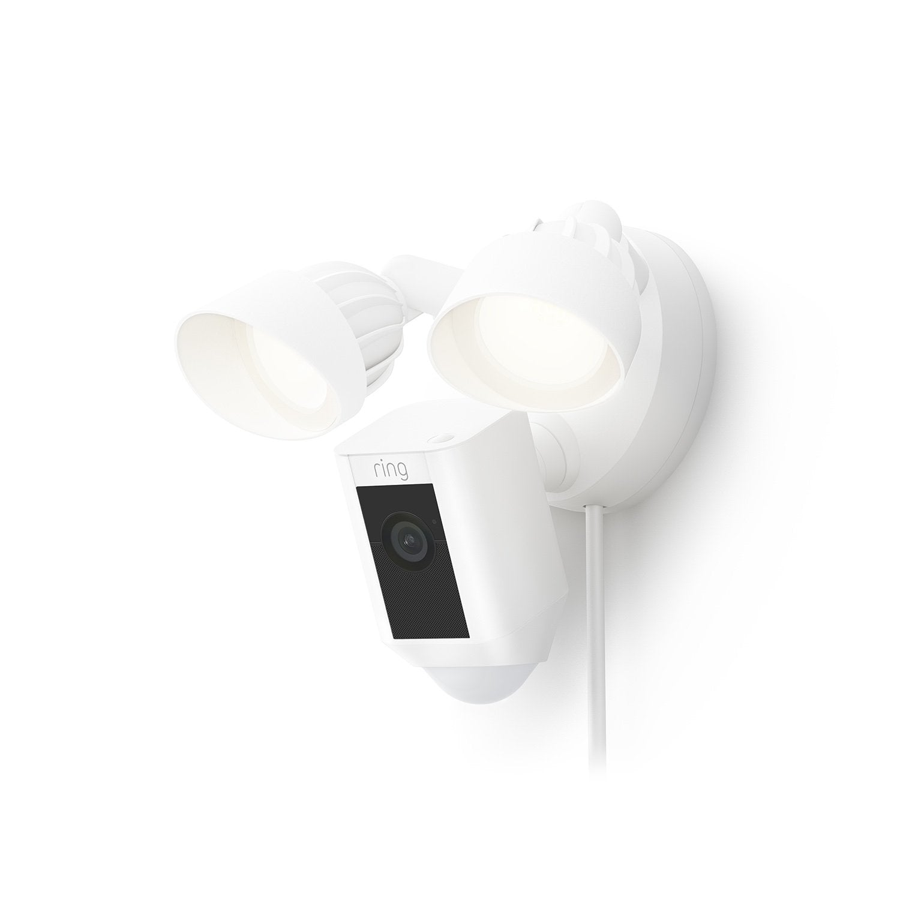
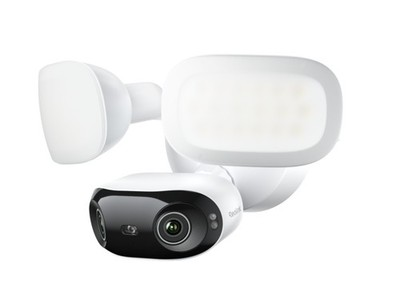
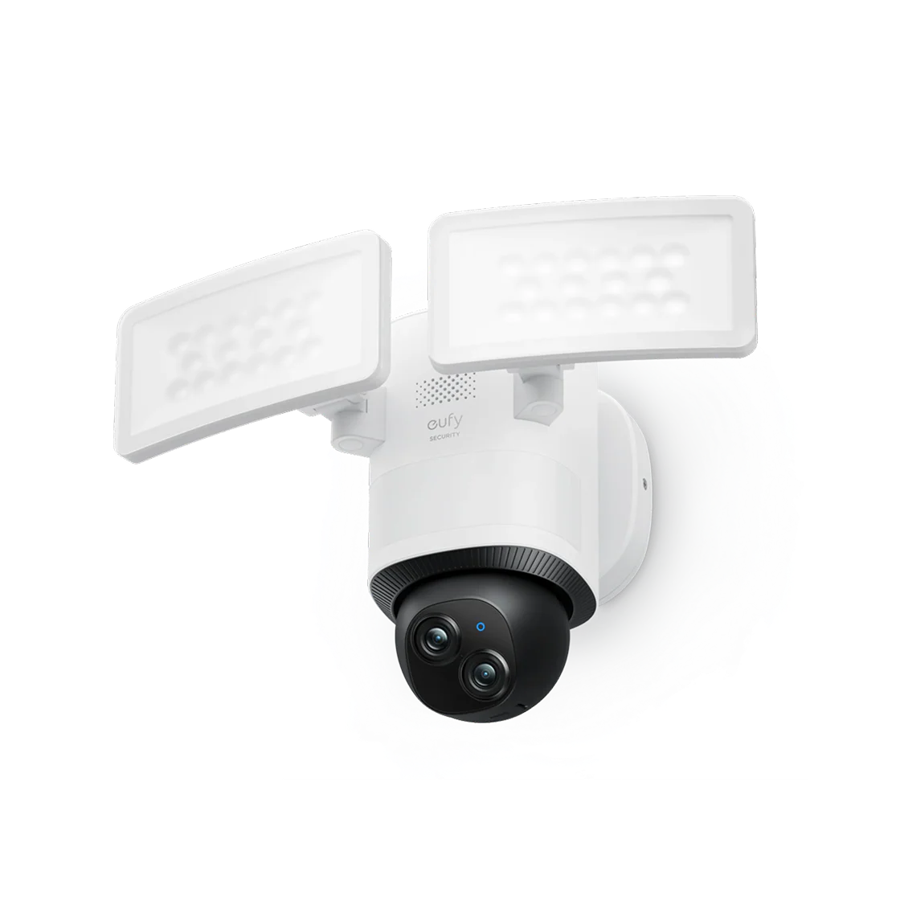
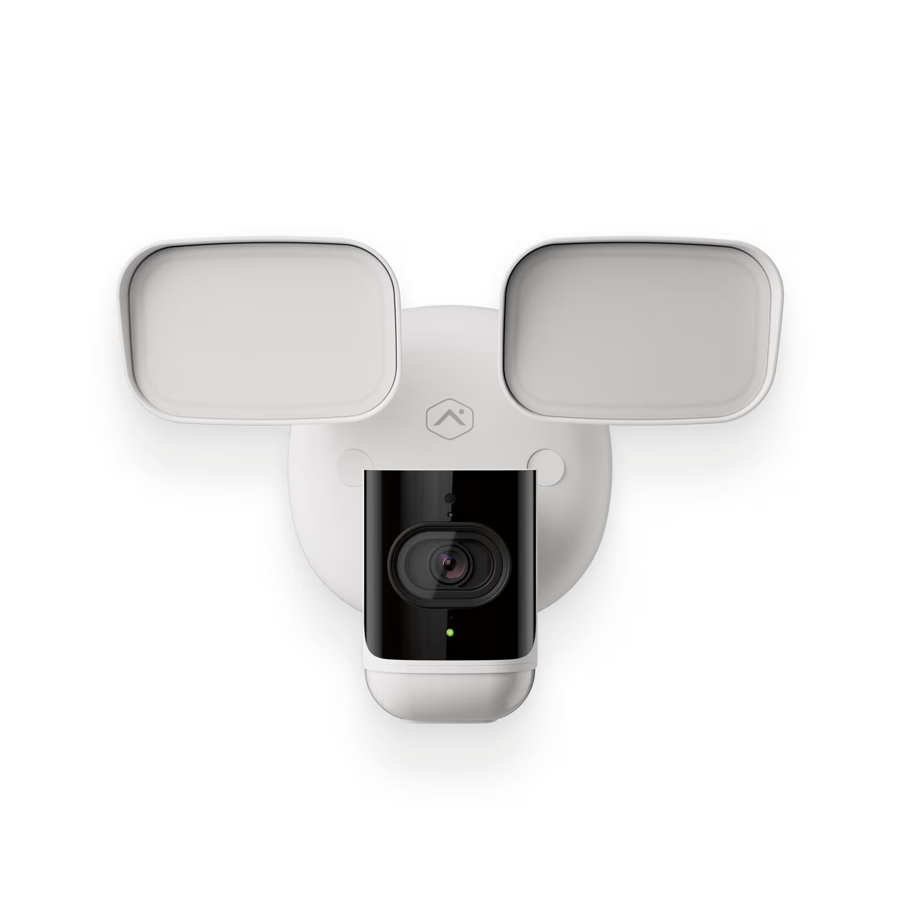
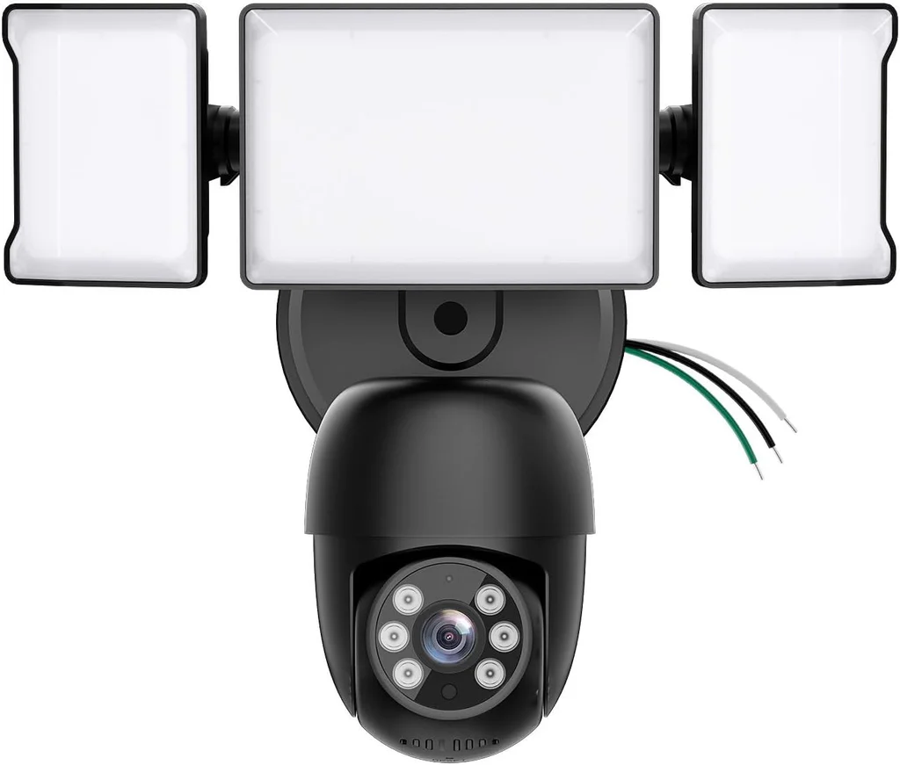
Driveways · Backyards · Detached Garages · Two & Three-Family Homes · Attached-House Alleys · Fixture Swap or New Wiring · Built-In Siren · No Monthly Fees
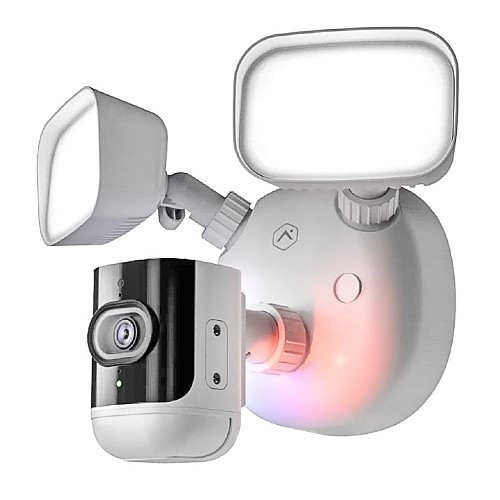
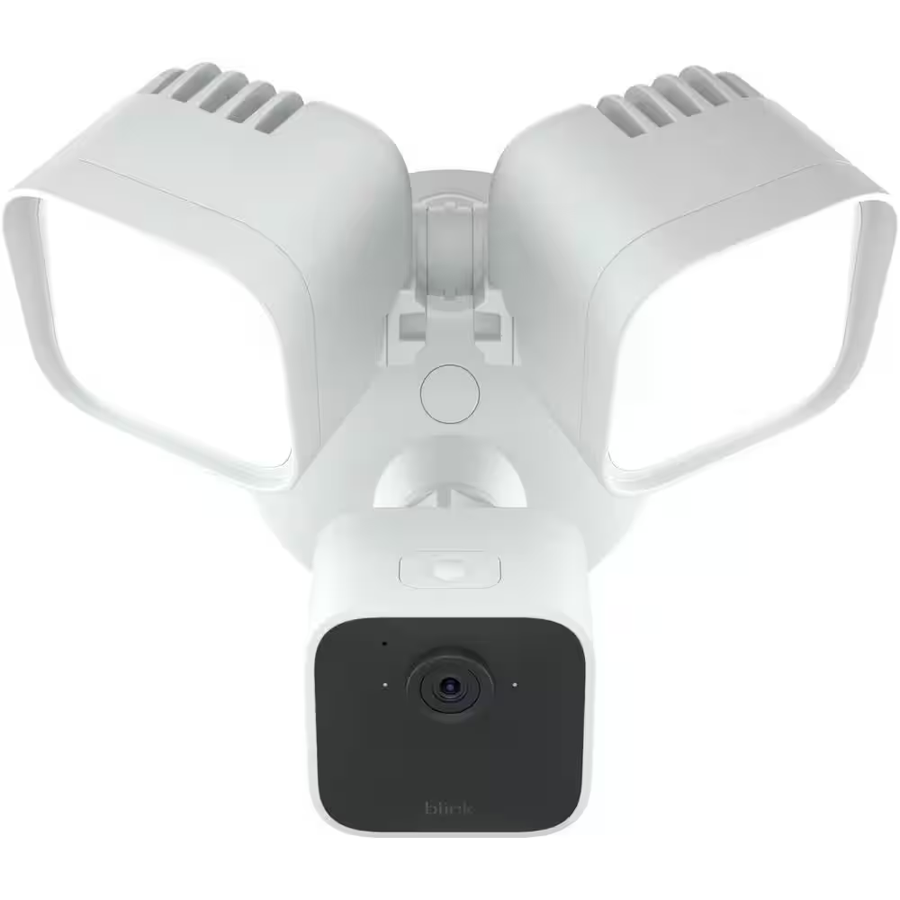
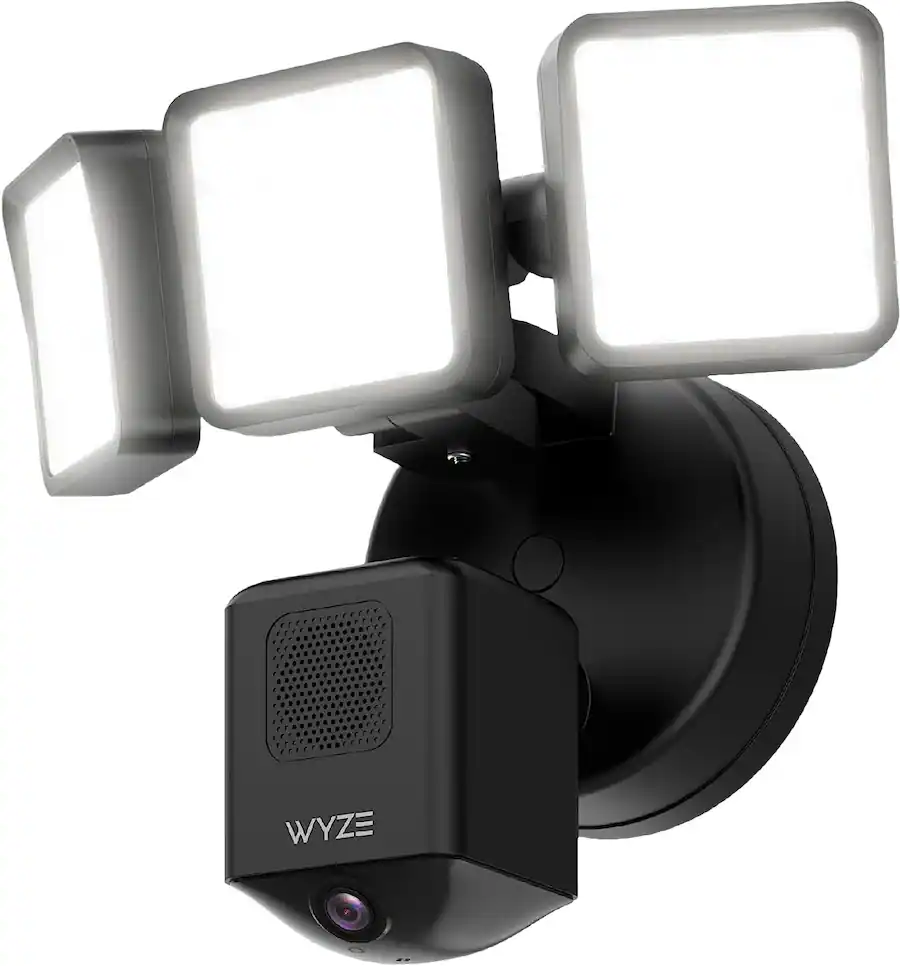
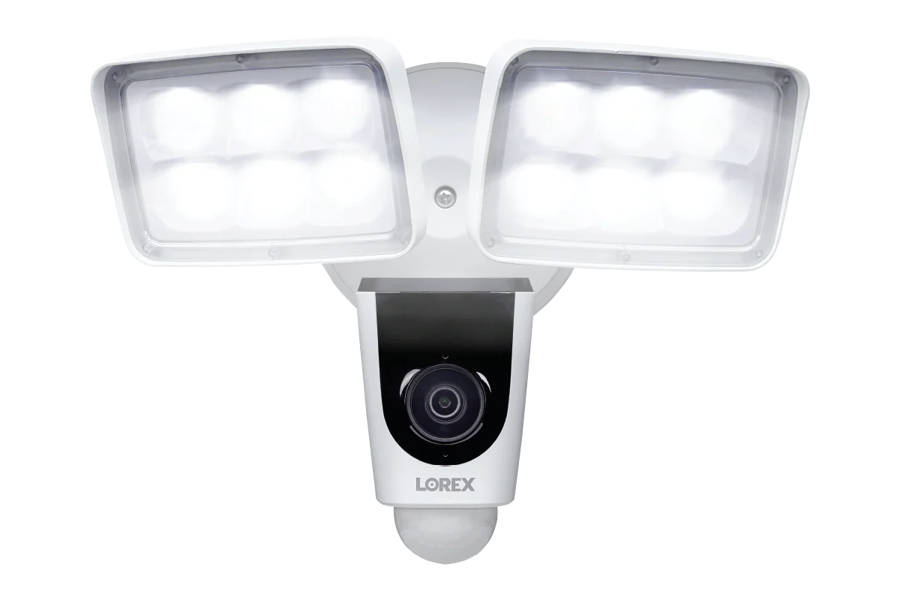
Professional floodlight camera installation in Queens — the motion-activated light-plus-camera-plus-siren combo that lights up a driveway, backyard, detached garage, or attached-house alley and records everyone who trips it. Queens is the borough of homeowners: more single, two, and three-family houses than anywhere else in the city, from the attached rowhouses of Astoria, Ridgewood, Jackson Heights, and Sunnyside to the detached homes with real driveways and backyards in Bayside, Forest Hills, Whitestone, Howard Beach, Fresh Meadows, and Bellerose. That makes it floodlight country — the driveway, the deep backyard, the detached garage, and the dark passage between attached houses are exactly the spots a floodlight cam owns. We replace an existing exterior fixture in under an hour, or run brand-new wiring and set a UL-listed box out to a garage or the back of the yard where there’s no power yet — the part most homeowners hit a wall on. Ring, eufy, Lorex, Reolink, and Nest, with color night vision, a built-in siren, and no monthly fees on local storage. This is our Queens floodlight page — part of our NYC floodlight hub and our Queens security camera installation; pair it with a doorbell camera at the entry, a full residential camera system, or for a storefront our commercial security cameras.
A floodlight camera is three deterrents in one fixture: a bright motion-activated light, a recording camera, and a built-in siren. When something crosses the driveway, the backyard, or the passage between houses, the lights snap on, the camera records in full color, and your phone buzzes — and most would-be intruders are gone before the second floodlight finishes warming up. Queens is the borough where this fits the most homes, because Queens is the borough of homeowners: more single, two, and three-family houses than anywhere else in the city. From the attached rowhouses of Astoria, Ridgewood, Jackson Heights, and Sunnyside to the detached homes with real driveways and deep backyards in Bayside, Whitestone, Forest Hills, Howard Beach, Fresh Meadows, and Bellerose, the dark spots are the same ones a floodlight cam was built to own — the driveway, the back of the yard, the detached garage, and the narrow alley between attached houses.
The catch — and the reason Queens homeowners call us instead of doing it themselves — is power. A floodlight camera draws 120–240V hardwired through a junction box — it’s not a stick-up battery unit. If you’re replacing an existing exterior light by the side door or garage, the box is already there and the swap takes under an hour. But the spot you actually want it — the back of the yard, a detached garage in Bayside, the far end of a long side driveway — often has no power. New York requires a licensed hand to run a new circuit and set a UL-listed weatherproof box, and we do both: the quick swap and the new run out to the garage or yard, plus the camera setup, the app, and motion tuning so cars passing on the street don’t trip it all night. On a two or three-family home we place the cams to cover the shared driveway, side passage, and back entrances while respecting each unit’s privacy.
Every property is different, so we start with where the dark spots and the power are, not a boxed bundle. On an attached Astoria rowhouse it’s usually the side passage and back; on a detached Bayside home it’s the driveway, yard, and garage. Here’s what we put up.
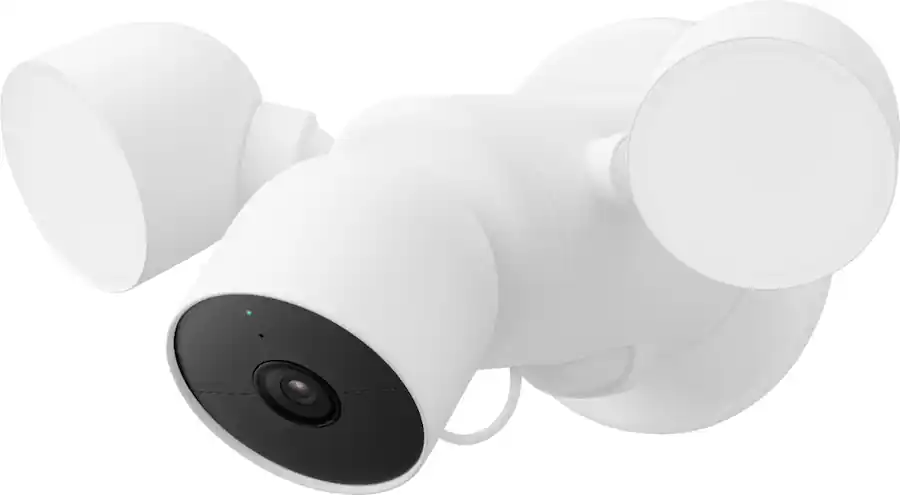
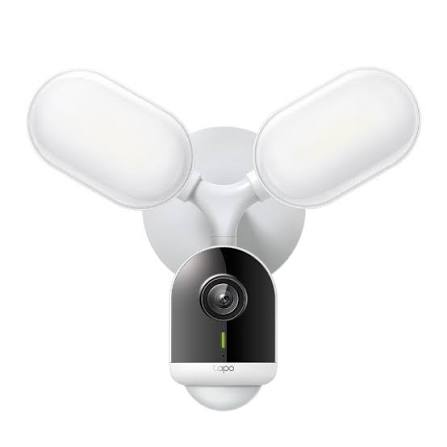
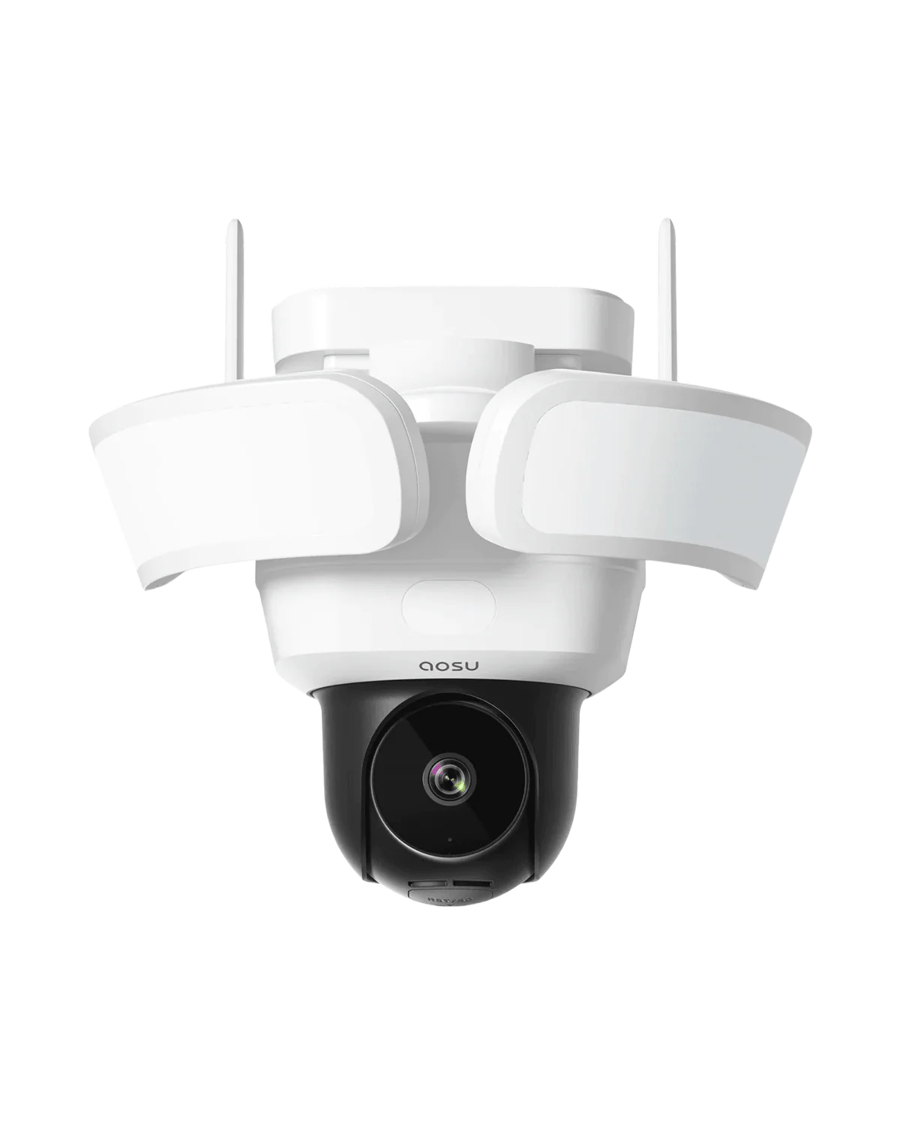
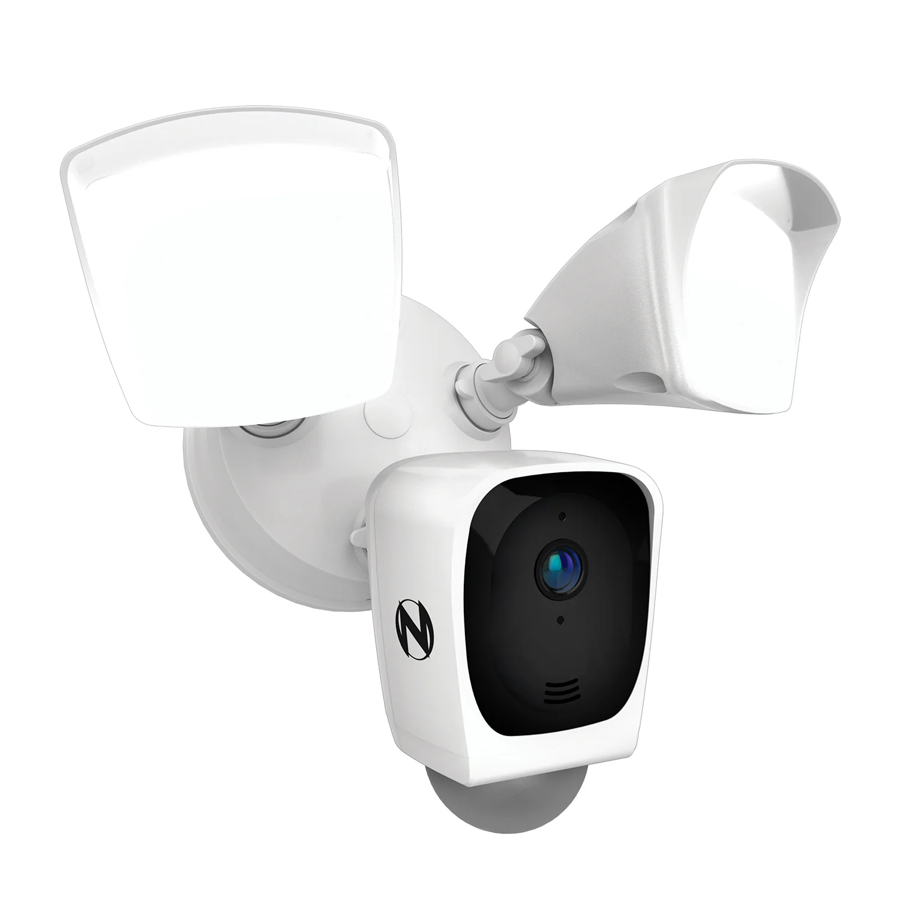
The standard install — a floodlight camera hardwired to your junction box for 24/7 power, no batteries, recording around the clock with the lights on motion.
No power at the detached garage or the back of a Queens yard? We run a new circuit, set a UL-listed box, and light the spot that never had it — the job DIY kits can’t handle.
Models with a 95dB+ built-in siren and two-way audio — lights hit, alarm sounds, and you can warn someone off from your phone, day or night.
2,000 to 4,000+ lumen floodlights aimed to wash a whole driveway or backyard, each panel set so the light lands on your property, not the attached neighbor’s window.
The floodlight delivers true-color footage after dark instead of gray infrared — a readable face, a real car color, a plate at the end of a Queens driveway at 2am.
Floodlight coverage for the multi-family homes Queens is full of — shared driveways, side passages, and back entrances, placed to respect each unit’s privacy.
A floodlight camera works hardest exactly where a property is darkest and least watched — and on a Queens home that’s the driveway, the backyard, the garage, and the passage between attached houses. These are the spots we wire most often across Queens.
The number-one Queens floodlight spot — light and record anyone approaching the cars in the driveway, with a plate-readable angle at the street, including long side driveways.
The deep rear and side yards behind Queens homes — a floodlight cam turns the dark, unwatched approach into the most visible part of the property.
Detached garages at the back of the lot that rarely have a fixture — the classic new-wiring floodlight job that finally lights the blind side of a Queens home.
The narrow passage between attached and semi-detached houses in Astoria, Ridgewood, and Woodhaven — invisible from the street, now lit and recorded.
A floodlight over the entry and walkway deters package theft and lights the steps, pairing with a doorbell cam at the door.
The rear, side, and basement entrances of two and three-family homes — lit and recorded so the back of the house isn’t the blind spot.
You don’t need the jargon to get a good install, but a few terms come up on every Queens floodlight quote. Here’s what they mean in plain English.
The electrical box behind an exterior fixture a floodlight wires into. By the side door or garage it’s a quick swap; out at the yard or detached garage with no power, we run a line and set a UL-listed box.
How bright the floodlight is. Most run 2,000 to 4,000+ lumens — enough to wash a Queens driveway or backyard. We aim the panels so the light lands on your property, not the attached neighbor’s.
The floodlight delivers true-color footage at night instead of gray infrared — a readable face, a real car color, and a plate at the end of the driveway.
PIR sensors trigger on heat and headlights — a problem on a busy Queens block. Radar-motion models cut those false alerts down hard, worth it on a heavily trafficked street.
A 95dB+ alarm in the camera you can trigger on motion or from the app — the difference between quietly recording someone in the yard and actively driving them off.
Blacked-out regions of the camera view so a floodlight cam covers your driveway or yard without recording an attached neighbor’s window — important on Queens’ tight attached lots.
We install the floodlight cameras that hold up through a Queens winter and we’re honest about which ones charge a monthly fee. eufy (Floodlight Cam E340, built-in siren, local storage, no fee) and Lorex (4K and 1080p WiFi floodlight, dual 4,000-lumen panels, no fee) are our go-to no-subscription picks for a driveway or backyard. Reolink records locally too and is excellent over a wider Queens yard. Ring (Floodlight Cam Pro, 110dB siren) and Google Nest (Floodlight Cam) are popular and easy to live with, but gate AI alerts, smart zones, and video history behind a monthly plan — we install them if you want the ecosystem, but you’ll know the recurring cost first. For a two or three-family, an apartment building, or a storefront we’ll spec a floodlight-equipped Dahua or Hikvision tied into an NVR. We earn nothing extra steering you toward a brand — we pick what fits the spot, the lumens, and your budget, change default passwords, and secure the camera so it can’t be hijacked — and we’ll install one you already bought.
Every quote is fixed-price after we see the spot — here are honest ranges so you can budget first. What drives the price most is simply whether power already reaches the spot you want covered. A swap onto an existing fixture is quick and cheap; running new wiring out to a detached garage or the back of a Queens yard is more labor — usually priced by the run — but it’s the only way to light the spot that actually needs it. The camera itself is separate, and local-storage models carry no monthly fee.
You have an existing exterior light and junction box by the side door or garage — we swap in a floodlight camera, seal it, and set up the app. Fast, clean, same-day.
No power at the detached garage or back of the yard — we run a new circuit, set a UL-listed box, and mount the cam. Price depends on the run.
Several floodlight cams covering the driveway, backyard, garage, and back entrances of a Queens home or two-family, a mix of swaps and new runs.
Floodlight cams wired into a full NVR system with bullet and turret cameras for whole-property coverage on a larger lot or multi-family — quoted after a walk-through.
We come out to the Queens home, check whether there’s an existing fixture and box or a new run is needed out to the garage or yard, measure coverage and run length, and hand you a written fixed-price quote.
We swap the existing fixture or run a new circuit and set a UL-listed weatherproof box, mount the floodlight cam at the right height, aim the panels at the driveway or yard, and silicone-seal it against the weather.
We power it up, set up live view and alerts on your phone, tune the motion zones so cars on the street and the attached neighbor don’t trigger it, test the lights and siren, and walk you through the app.
How much does floodlight camera installation cost in Queens?
If there’s already an exterior light and junction box where you want it — usually by the side door or garage — a swap runs $300 to $575 plus the camera. If there’s no power there and we run new wiring out to a detached garage or the back of the yard, it’s $575 to $1,500 depending on the run. We set a fixed price once we’ve looked at the spot.
Why does running new wiring to the garage cost more than a swap?
With a swap the box and the power already exist, so it goes fast. A new run means pulling a circuit from the panel, getting it out to the detached garage or the back of the yard, setting a weatherproof box, and tying it in to code. It’s real electrical labor priced by the run, but it’s the only way to light a spot that never had power.
I own a two-family in Queens — where can I put floodlight cams?
You can light and record shared and common areas — the driveway, side passage, backyard, and back entrances — but not the interior of a tenant’s unit. We place the cams to cover the shared approaches while respecting each unit’s privacy, which keeps it effective and compliant.
I rent a unit in a Queens house — can I add a floodlight camera?
Under New York law a tenant may generally put a camera on the exterior as long as it doesn’t damage the building or record a neighbor’s unit. Because a hardwired floodlight ties into the building’s electrical, it’s worth your landlord’s sign-off; we install it cleanly, and a plug-in model is an option where wiring isn’t allowed.
Can I just install a floodlight camera myself?
If you’re swapping an existing fixture and comfortable killing the breaker and matching three wires, some Queens homeowners do. The moment there’s no existing wiring — the back of the yard, a detached garage — it’s a licensed job, and a bad outdoor splice is a shock and water hazard. A huge share of our calls are folks who picked up the cam for the garage, then discovered there’s no power out there.
What about plug-in floodlight cams that need no junction box?
Models like the eufy E340 with an AC plug skip the box, but you still need an outdoor outlet within reach — rare at a detached garage or the back fence — and the cord looks messy. When the install needs to be clean and permanent we hardwire, but if a plug-in honestly suits your spot we’ll say so and spare you the wiring cost.
How high should a floodlight camera be mounted?
Usually 8 to 10 feet — high enough to cover a 30 to 40 foot driveway and stay out of reach, low enough to read a face and a plate. On a tight attached lot we set the angle so it covers your space without pointing into the neighbor’s window.
My floodlight keeps triggering on cars going by — can that be fixed?
Yes — that’s a PIR sensor reacting to headlights and heat off a busy Queens street. We tune the motion zones to ignore the street, drop the sensitivity, and on a busy block we’ll recommend a radar-motion model so your phone only buzzes for real activity in the driveway or yard.
Do I need a licensed contractor for a floodlight camera in Queens?
For a simple swap, not strictly — but any new wiring is a licensed job in New York and should be permitted and to code. We’re NYS licensed #12000287431 and insured, we wire to code, weatherproof it, and warranty the work.
My home is in Forest Hills Gardens — are there extra rules?
Yes — Forest Hills Gardens has its own private architectural review covenant separate from city rules, so visible exterior hardware can need approval before installation. We’ve worked within that, routing cleanly and submitting where required, so your floodlight cam goes up without a covenant problem.
Search “floodlight camera installation cost” and the AI Overview, Angi, HomeAdvisor, and Fixr hand you a flat national number that has little to do with a real Queens install. Here’s what they leave out.
Angi, HomeAdvisor, and Fixr publish a flat floodlight-install average — around $400 a light — that ignores the single biggest factor in Queens: whether there’s already power where you want it. A swap by the side door and a new circuit run to a detached garage are completely different jobs at completely different prices, and a national average hides exactly that.
Almost every “how to install a floodlight camera” guide assumes a junction box is already there. The hard, valuable Queens install — running a new line out to the detached garage or the back of a deep yard that never had a fixture — is the part those guides skip and the part most homeowners here actually need.
Those roundups rank whichever brand bought the slot, not what fits a Queens home. The right cam depends on the lumens a driveway or backyard needs, whether you want a siren, whether you’ll tolerate a monthly fee, and the false-alert problem from street traffic — not a sponsored ranking.
Ring and Nest floodlight cams paywall AI alerts, smart zones, and video history behind a monthly plan, while eufy, Lorex, and Reolink record locally for free. National results rarely lead with this, and across the two or three cams a Queens home usually wants, that recurring fee adds up fast.
Queens is full of two and three-family homes where you can cover the shared driveway and yard but not a tenant’s unit, and tenants have their own rights to add an exterior camera. A national how-to never touches this, but it’s exactly what a Queens owner or renter is actually asking before they drill.
A PIR floodlight facing a busy Queens street triggers all evening on passing cars and headlights, so people mute the alerts and the camera becomes useless. Tuned motion zones or a radar-motion model fix it, but a generic guide never warns you — and on a crowded block it’s the difference between a useful camera and one you ignore.
A floodlight camera is the highest-impact single device you can put outside a Queens home — light, camera, and siren in one, exactly where the property is darkest: the driveway, the backyard, the detached garage, the passage between attached houses. But the value is in the install: power run to the right spot even when it’s the far end of the yard, the box sealed, the height right, the motion tuned off the street, the placement compliant on a multi-family, and a brand whose monthly-fee story you understand. The smart move isn’t the cheapest sight-unseen quote — it’s a licensed installer who knows Queens homes.
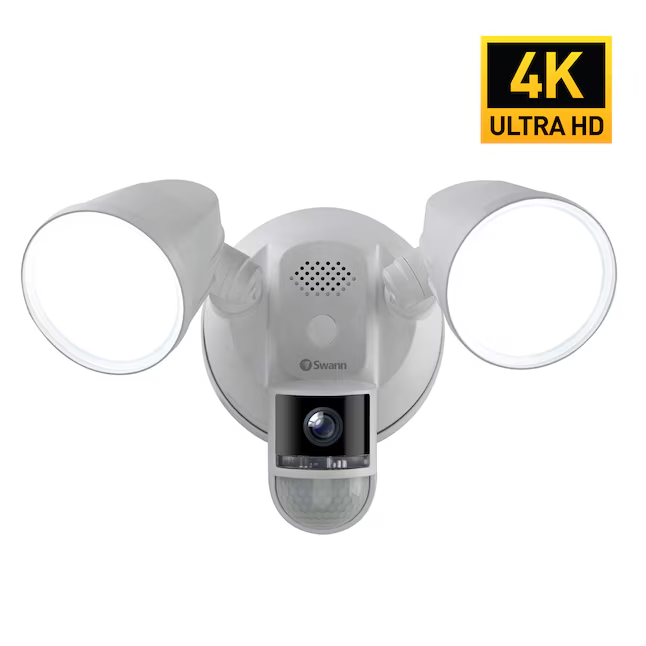
Easy to live with but a monthly plan unlocks AI alerts, smart zones, and history — a bill forever, times every cam on the property. We lead with no-fee local storage and put up Ring or Nest only when you specifically want that ecosystem.
A swap maybe, but no license for new wiring out to the garage, no code-compliant circuit, no sealed box, no warranty, and no read on multi-family privacy rules. We’re a licensed contractor who does it properly and warranties the result.
Works only if there’s an outdoor outlet exactly where you want the cam — rare at a Queens detached garage or back fence — and the cord shows. We hardwire clean and permanent.
Two devices, two installs, two failure points. A floodlight cam is light, camera, and siren in one fixture on one feed — less to mount over a driveway or yard, less to maintain.
Free on-property assessment, fixed price, fixture swap or full new-wiring run to the garage or yard, sealed weatherproof box, right mounting height, tuned motion zones, compliant multi-family placement, no-fee local storage, warrantied — licensed NYS #12000287431.
This is our Queens floodlight page, part of our citywide hub. Jump up to the NYC floodlight hub, see our full Queens camera service, or add a doorbell cam at the door. Back to our home page for everything we do.
Our full NYC floodlight hub — coverage, pricing, and every borough and area we serve.
NYC Floodlight Hub →Our full Queens camera service — whole-property NVR systems for single, two, and three-family homes.
Queens Cameras →Pair the floodlight with a doorbell cam at the entry — the combo that stops Queens porch piracy.
Queens Doorbell →Build the floodlight into a complete home system on a local NVR for your Queens house.
Residential Queens →We run a new circuit out to the garage and set a weatherproof box, then mount a floodlight cam so the blind side of the property finally lights up and records.
We tune the motion zones to ignore the street and, on a busy block, fit a radar-motion model so you only get alerts that matter in the driveway and yard.
A floodlight over the entry and walkway lights and records the approach in color, paired with a doorbell cam at the door — the combo that stops porch piracy.
A floodlight cam over the side passage lights it, records it, and sounds a siren you can trigger — set so it doesn’t point into the attached neighbor’s window.
A common Queens call — we run the power out to the detached garage, set the box, and mount the cam you already bought, clean and to code.
An unsealed box and the wrong IP rating. We re-mount a properly weather-rated unit and silicone-seal the box so water stays out through the Queens winter.
“Detached garage in Whitestone, no power out there at all. They ran the line, set a sealed box, and now the whole back of the property lights up and records when anyone walks back there. Clean job, no monthly fee.”
— Anthony G., Whitestone
“Long side driveway in Bayside was pitch dark. They put a 4,000-lumen Lorex floodlight cam at the garage aimed down the drive, color at night, tuned so the road doesn’t set it off. Reads a plate at the street now.”
— Susan L., Bayside
“Swapped the busted floodlight by my side door in Ridgewood for a eufy one, no subscription, built-in siren. Up in under an hour, zones set so the attached neighbor’s window doesn’t trigger it. Exactly what I wanted.”
— Mehmet A., Ridgewood
“Three-family in Jackson Heights — needed the shared driveway and back entrances covered without pointing into the tenants’ windows. They placed the floodlight cams perfectly and kept it compliant. Professional and bilingual, which my parents appreciated.”
— Carla R., Jackson Heights
A detached two-family in Fresh Meadows that shows why the Queens floodlight job is so often a wiring job. The owner had bought a 4,000-lumen floodlight cam to cover the long side driveway and the detached garage at the back, and assumed it was an afternoon’s work. The problem was the garage sat at the far end of the driveway with no power run to it — the one structure that most needed light and a camera was the one with no electricity at all, the same gap we see on Queens homes constantly. The actual install was electrical: we pulled a new circuit off the panel, ran it out along the soffit and across to the garage, trenched the last short stretch, set a UL-listed weatherproof box on the garage wall, and only then mounted the camera. We set it at nine feet so it covered the length of the driveway and read a plate at the street without being reachable, aimed one panel down the drive and one across the garage apron, and cropped the motion zones so the public sidewalk and the road didn’t fire it every time a car passed. Because it’s a two-family, we also placed the coverage so it caught the shared driveway and the back entrances without pointing into the upstairs tenant’s windows. Light, camera, and a siren you fire from the app — all recording locally with no monthly fee. The camera was the easy part — the value was getting power safely down to a dark garage and keeping the multi-family coverage compliant, which is exactly where a DIY kit leaves a Queens homeowner stuck.
Floodlight not coming on, camera offline, lights stuck on, triggering on every passing car, fogged-up or leaking lens after winter, siren dead, or a run to the garage that quit? We diagnose and fix floodlight cameras across Queens — re-seal a leaking box, re-tune runaway motion off the street, re-run a bad circuit to a detached garage, or replace a unit that was never rated for a Queens winter. Same-day in most of the borough.
Queens homeowners, renters, and landlords find us under many of these searches. Every one points to the same licensed crew — from a single floodlight camera installation on a driveway to a full two or three-family multi-cam build, plus wiring, repair, and service.
A swap onto an existing fixture and junction box — usually by the side door or garage — runs $300 to $575 plus the camera. A new-wiring install out to a detached garage or the back of the yard runs $575 to $1,500 depending on the run. Multiple cams or a full system is quoted after a walk-through. No monthly fee on local-storage models.
Yes — that’s the install most Queens homeowners actually need. We pull a new circuit from the panel, get it out to the detached garage or the back of the yard (trenching if needed), set a UL-listed weatherproof box, and mount the floodlight cam, all to code.
If you’re swapping an existing fixture and comfortable killing the breaker and matching three wires, sometimes. The moment new wiring is involved — out to the garage or far end of the yard — it’s a licensed job in New York, and a bad outdoor splice is a real shock and water hazard. Most of our calls are people who bought the cam for the garage and found no power there.
You can cover shared and common areas — the driveway, side passage, backyard, and back entrances — but not the interior of a tenant’s unit. We place the cams to cover the shared approaches while respecting each unit’s privacy, which keeps it effective and compliant.
eufy, Lorex, and Reolink for no-monthly-fee local storage; Ring and Nest if you want that ecosystem (they charge monthly for AI and history); and Dahua or Hikvision floodlight-equipped cameras on an NVR for a multi-family, building, or storefront. We’re glad to mount one you already purchased, too.
eufy, Lorex, and Reolink record to local storage with no recurring fee for basic motion recording. Ring and Nest paywall AI alerts, smart zones, and history behind a plan. We tell you which features are free before you buy — it adds up across the cams a Queens home usually wants.
Usually 8 to 10 feet — high enough to cover a 30 to 40 foot driveway and stay out of reach, low enough to read a face and a plate. On a tight attached lot we set the angle so it covers your space without pointing into the neighbor’s window.
Yes — that’s a PIR sensor reacting to headlights and heat off a busy Queens street. We crop the motion zones off the street and ease back the sensitivity, and on a high-traffic block we’ll add a radar-motion model that slashes the false alerts.
Yes — the floodlight produces true-color footage after dark instead of gray infrared, so you get a real face, car color, and plate at the end of the driveway at night.
Yes — we install IP65/IP66-rated units and silicone-seal the junction box so rain, snow, and ice stay out. The usual culprit when an old floodlight cam dies here is an unsealed box — which we take care of on every install.
Yes — models with a built-in 95dB+ siren and two-way audio let you trigger the alarm and speak through the camera. On a dark Queens backyard the light coming on is often enough on its own.
Yes — Forest Hills Gardens has its own private architectural review covenant separate from city rules, so visible exterior hardware can need approval first. We’ve worked within it, routing cleanly and submitting where required, so the floodlight cam goes up without a covenant issue.
"Excellent work installing cameras at my building in Brooklyn. Clean wiring, professional team, everything works perfectly on my phone."
"Best security camera company in NYC. Cameras on my brownstone without damaging the brick. Cables completely hidden. 4K picture quality is incredible."