Indoor Channels Retired · Window & Hot-Tub Privacy Masks · Audio Off · Alerts Routed to the Local Host · Clean Checkout Clips
In Ulster County a Super Live Plus recorder very often watches a house where somebody else is sleeping tonight. The county comptroller counted 2,827 homes operating as short-term rentals in May 2025, 98 percent of them whole houses, and in Shandaken nearly one home in ten is a rental. Airbnb has banned every indoor camera since April 30, 2024; Vrbo forbids cameras that look in through a window; New York law punishes recording people where they expect privacy. So the app work here is less about getting a picture and more about getting the right picture: which channels the TVT-made recorder keeps, what each one is allowed to see and hear, whose phone rings when a car pulls in at 1 a.m., and how a clean clip gets out before a damage claim runs out of time.
Reviewed and updated October 18, 2026 · checked against Airbnb’s and Vrbo’s published camera policies, the Ulster County Comptroller’s 2025 short-term rental report, Ulster County occupancy-tax registration, town rental laws, New York Penal Law Article 250, the SuperLive Plus App Store record and TVT recorder manuals · Anwar Timothy, NYS license #12000287431

Guests arriving Friday and the cameras are grey, or a guest message asking about a camera? Send us two things before anything else: a screenshot of the Super Live Plus channel list, and one line per camera saying where it hangs and what it points at. From that alone we can usually tell you which channels are fine for a listing, which need a mask or a new angle, and which have to go — and whether the grey squares are a recorder, a router or a phone problem. Call or text (845) 640-3835.
Ulster has become one of the places New York goes for a weekend. The Ulster County Comptroller’s office, working from AirDNA data, found that the monthly average number of short-term rentals in the county rose from 942 in 2015 to 3,013 in 2024, an increase of 220 percent, peaking at 3,310 in October 2023. In May 2025 the count stood at 2,827 housing units, or 3.28 percent of every home in the county, and 98 percent of those listings were entire houses rather than spare rooms. Four towns — Shandaken, Woodstock, Gardiner and Denning — had more than seven percent of their housing in the rental pool, and Shandaken topped the county at 9.76 percent: 261 rentals among 2,675 homes. The same report found that 1,008 of the rentals send their owner’s mail outside Ulster, 603 of them to New York City.
Put those numbers next to a camera system and the job changes. A recorder in a Phoenicia cabin or a Woodstock cottage is not only watching an empty house for its owner; for most of the year it is pointed at a place where strangers have paid to feel private. The hosting platforms have written that tension into their rules. Airbnb announced on March 11, 2024 that security cameras are “not allowed inside listings, regardless of their location, purpose or prior disclosure,” effective April 30 of that year, and that outdoor cameras must be disclosed with their general location before guests book and may not monitor indoor spaces or areas such as an enclosed outdoor shower or sauna. Vrbo’s surveillance policy goes further on angles: a camera placed outside but aimed in through a window counts as indoor surveillance, and any camera that can see part of a pool or hot tub must be disclosed both in the listing and at the property itself.
Most of the camera systems we meet in Ulster rentals were not designed with any of that in mind. They were bought as a four- or eight-camera kit, often a white-label recorder built on TVT’s platform, and the owner watches it through Super Live Plus — the free app the App Store lists under the seller name Peng AnTai with a support link to TVT, rated 3.9 stars from 15,849 U.S. ratings. The cameras went up wherever the cable reached: one over the kitchen island to watch the dog, one in the mudroom, one on the porch looking at the front windows, one on the deck that happens to catch the hot tub. When the house became a rental, the app kept showing every one of them. That is the system an Ulster host needs to reshape — channel by channel, inside the recorder rather than just inside the app — before the next booking.
Ulster’s own patchwork of local rules adds a second layer. Each town writes its own rental law, and the differences matter for cameras. Hurley allows rentals only in the owner’s primary residence with the owner present for each stay, so a family’s own indoor cameras share the house with guests. The Village of New Paltz limits rentals in residential districts to the host’s own home. Esopus requires a host within roughly fifteen driving miles of a non-owner-occupied rental, Woodstock’s investment rentals must name a local contact, and Kingston has capped whole-home permits at about 106. Separately, every hotel, motel and short-term rental operator must register with the Ulster County Department of Finance within three days of starting business, and the state’s December 2024 law adds a registry framework on top. None of these laws tells you where to aim a camera — but each one decides who lives in the house, who answers at night and how long a rental can last, and those are exactly the questions a camera set-up has to answer.
Many Ulster rental owners pair this work with a keypad smart lock in Ulster County, so the door code changes for every guest while the cameras stay pointed outward.

The most common emergency call from an Ulster host is not about privacy at all: the cameras disappeared from Super Live Plus a day or two before guests arrive, and the owner is in Brooklyn. We triage by phone first, then send a technician into the gap before check-in. Most systems are back on the owner’s phone within one to two hours of arrival. These are the checks we run, in order, and the ones a cleaner or neighbour can help with while you stay on the line.
| What Super Live Plus shows | Most likely cause at an Ulster rental | First thing to try |
|---|---|---|
| Every channel grey on every phone | Recorder or router unpowered, or the internet line down after a storm | Ask the cleaner whether the recorder’s lights are on and whether the house Wi-Fi works |
| Recorder green but some tiles black | Cameras unplugged, a PoE port off, or an indoor channel already disabled on purpose | Compare the black tiles with your camera list before assuming a fault |
| Grey only away from the house | Remote path broken (NAT service off, forwarded port gone after a router reset) | Test on cellular with Wi-Fi switched off; note the exact message |
| Password refused | Login changed by a previous helper, or a phone still holding an old password | Stop retrying — repeated wrong attempts can lock the account |
| Live view fine, playback empty | Hard drive full or failed, or recording set to a schedule that excludes the hours you need | Check the recorder’s disk status and record schedule before the clip is overwritten |
If the box itself has failed, see recorder replacement for Ulster DVRs; the app set-up described here moves across to the new recorder.
Every Ulster job starts from one question: who is in the house, and who is watching it? The services below are the pieces we combine to answer it, on the recorder, the network and every phone that opens Super Live Plus.
An indoor camera that is merely unplugged still shows as a channel and still sits in the house. We remove the camera, delete or disable the channel on the recorder, take it off every phone’s view, and record what was removed and when.
Windows, a neighbour’s yard, an outdoor shower or a hot tub at the edge of a driveway shot can be blanked inside the recorder. The TVT NVR manual allows up to four mask areas per camera; we draw them, then check the result on the phone, not just on the monitor.
Many cameras carry microphones. On a rental porch or patio we switch audio recording off on the recorder and the cameras, so guests’ conversations are never captured and two-way talk cannot be opened by accident.
Push alerts from the recorder can run on a schedule. We set motion areas on the driveway and gate, decide which events reach the owner, the local host or the cleaner, and stop the all-night pinging from deer, headlights and swaying branches.
We show the host how to pull a clip by time from the app and how to export a clean copy from the recorder to USB, so evidence for a damage claim or a neighbour’s complaint is saved before the drive overwrites it.
The recorder, router and modem go into an owner’s closet or locked cabinet with power protection, the guest Wi-Fi is separated from the camera network, and the router is set so a guest reset does not strand the system.
When the app shows grey, we trace the break through power, router, internet line and the recorder’s NAT link or forwarded ports, re-add the recorder by serial or QR code, and test from outside the property on cellular.
Rental houses collect phones: past managers, a former partner, the handyman. We list every account on the recorder, retire the old ones, change the administrator password and leave the owner with the only copy.
TVT’s NVMS-9000 firmware before version 1.3.4 carries a published flaw that can leak administrator passwords from an exposed port. We check the version, close forwarded ports that are no longer needed and update where the maker offers it.

Ulster’s housing is old, spread out and increasingly shared with visitors. The Census Bureau’s American Community Survey counts about 86,200 homes in the county, a quarter of them built before 1940, and 6,545 held for seasonal or occasional use — 70 percent of the homes in Hardenburgh, 55 percent in Denning and a third in Shandaken. Each kind of building puts the recorder, the cameras and the guests in a different relationship.
One open room, a sleeping loft and a deck, often with the recorder in a utility closet off the kitchen. Indoor coverage has to go entirely; the deck camera usually needs a mask where it catches the hot tub, and the driveway camera becomes the main view.
Older frame houses on small lots close to neighbours. Porch cameras built for package watching tend to look straight at the front windows and the next house; we re-aim or mask so the view stops at the property line and the glass.
The family’s own cameras — nursery monitor, back hall, garage — share the building with paying guests. Here the recorder needs a clear split between channels that stay with the family and channels that can never see the guest side.
Stockade and Rondout buildings with a rental unit upstairs and a shared entry. Hallway and stair cameras are the hard case: a common area in a multi-unit building is treated differently by Vrbo from the inside of a single home, and the rules for each unit have to be clear.
Shared houses near the SUNY campus with a landlord who owns the cameras and tenants who change every year. Driveway, porch and trash-area views are common; anything pointed at bedrooms, bathrooms or common rooms where tenants live is not something we set up.
A guest cottage on a working farm off Route 32 or Route 209, with barn and equipment cameras on the same recorder. The farm channels keep running; the cottage channels are cut back to the parking area and the path.
On an old Ulster house the cable usually decides where a camera went, not the owner. Coax or network runs come up through a wall cavity, along a joist or through a window frame, and the camera sits at the end of whatever length was in the box. When we retire an indoor camera we pull or terminate that cable rather than leave a live run behind a guest-room wall, and we label the end in the recorder closet so the next person does not plug a camera back in without knowing what it was for.
Outdoors, the aim of each camera is set by what it must not see as much as by what it should. On a cottage with the porch two steps from the living-room window, a slight tilt down and a mask across the glass is usually enough. On a cabin where the deck wraps around a hot tub, we often move the camera to the corner of the building so the hot tub falls out of frame entirely, because a mask can be switched off by anyone with administrator rights, while a different mounting angle cannot. Where a property sits inside a Kingston historic district, we keep to existing mounting points and cable paths, since the city’s preservation commission reviews material changes visible from the street and ordinary maintenance is exempt.

Ulster’s hospitality businesses run on the same camera tension as its rental houses: guests who expect privacy, owners who need to see the grounds, and staff who come and go. These are the places we work on most.
Uptown Kingston, New Paltz’s Main Street and Saugerties village have small lodgings where the owner lives on site. Lobby and parking cameras feed the owner’s phone; corridor cameras outside guest rooms need careful thought about what each frame shows.
In 2023 Hudson Valley One reported Saugerties officials looking into neighbours’ noise complaints about events at a farm property. Venue owners use parking-lot and gate cameras to see when guests arrive and leave and to answer complaints with something more than memory.
The Shawangunk Wine Trail runs through Ulster on the west side of the Hudson, and farm stands and pick-your-own orchards line the county roads. Tasting-room and lot cameras run on the same recorder as the barns, often over a rural internet line.
Rental management companies serving Saugerties, Woodstock, Kingston and New Paltz look after dozens of houses, each with its own recorder. They need consistent names in the app, consistent channel layouts and one policy for what is recorded.
The Village of New Paltz registers and inspects rental properties, telling tenants a building official has examined their home within the previous twelve months. Landlords there use cameras on parking and entries, and want a written record of what each camera covers.
This is general information about published rules, not legal advice. For a rental question that turns on a specific permit, ask the town and, where needed, a lawyer. Rental hosts who also run a video doorbell at an Ulster front door should apply the same disclosure to it.

These are the questions Ulster hosts, owner-occupiers, landlords and venue owners bring us about Super Live Plus. They are grouped by the decision behind them — what the recorder may see, who it alerts, what it proves and how it survives the people passing through the house — and answered for the towns, rules and houses found here.
Unplugging is not enough. Airbnb’s announcement says indoor security cameras are not allowed inside listings regardless of location, purpose or prior disclosure, and rental-industry guides read the rule as covering a camera that is merely switched off: a guest who sees a lens on the wall has no way of knowing it is dead. The camera itself should come down. If it was cabled, the run should be terminated in the recorder closet or pulled, and the wall plate patched so nothing that looks like a camera mount remains in the room.
Then deal with the recorder and the app. On a TVT-platform recorder the channel can be deleted or disabled so it no longer appears in live view or records; once it is gone from the recorder, it disappears from Super Live Plus on every phone the next time the device list refreshes. If the house is also your own home for part of the year, decide now whether that camera ever goes back up — reinstalling it between bookings is exactly the kind of habit that leads to a forgotten camera during a stay. We write the change down with the date, which is useful if a guest or the platform ever asks.
You have three choices: move the camera so the tub falls out of frame, mask the tub inside the recorder, or keep the view and disclose it. Airbnb bars outdoor cameras from areas with a greater expectation of privacy and names examples such as an enclosed outdoor shower or sauna; Vrbo is more specific, saying that if an outdoor camera can see any part of a pool or hot tub, the host must state that in the listing and at a visible place at the property, such as a welcome binder or a sign near the area. Most Shandaken hosts would rather the camera simply not see the tub.
Moving the camera is the strongest fix, because nobody can undo a mounting angle from a phone. Where that is not practical, the TVT NVR manual describes privacy masks under Settings → Camera → Image → Mask Settings, with up to four areas per camera. A masked area is blanked in live view and recording. We draw the mask with a margin around the tub, then check it from Super Live Plus on a phone, because a mask drawn on the recorder’s monitor at one resolution can sit slightly differently on a sub-stream. Whatever you choose, the listing should describe the camera as it actually is.
Usually, yes. Vrbo’s policy says cameras must not be placed outside and used to capture the inside of the property, with a camera pointed through a window as its example. A mask over the window pane in that camera’s image removes the inside of the room from both live view and recording. The porch, the steps and the path to the door stay visible, which is what a host needs to see arrivals and deliveries.
Two cautions. First, glass reflects and night lighting changes what shows through it, so we check the mask in daylight and after dark with the interior lights on. Second, a guest who has already complained will judge by the camera, not the settings; if the lens still visibly faces the window, consider a small re-aim as well, and reply to the guest with what was changed. Keep the old disclosure wording in your records and update the listing so the description matches the new coverage.
It can, if it records their conversation. New York’s eavesdropping law, Penal Law §250.05, makes it a felony to record a conversation without the consent of at least one party to it, and a host who is not in the conversation is not a party. Many outdoor cameras sold in kits have a microphone and record audio by default. On a rental, we switch audio off — on the camera and in the recorder’s recording settings — and confirm in Super Live Plus that playback is silent.
Two-way talk is a separate feature. Some hosts like being able to speak through a camera to a delivery driver or a lost guest. That is speaking, not recording, but it does mean the microphone is live while the session is open. If you keep two-way talk on a doorbell, say so in the house information, and do not use it on cameras near seating areas or hot tubs. Airbnb’s policy separately allows noise decibel monitors in common spaces precisely because they measure volume without recording sound — a different device from a camera with a microphone.
Write it from the channel list, not from memory. Open Super Live Plus, go through each live tile and describe it in plain terms: where the camera is mounted, what the frame covers, whether it records continuously or on motion, and whether audio is off. “Camera on the garage corner covering the driveway and parking area, video only” is the kind of line both platforms ask for; Vrbo says a photo of the camera in the listing does not count as disclosure.
The common mistake is a disclosure written when the system was installed and never revisited. A camera gets nudged by a ladder, a mask is lost in a firmware update, a new camera goes up on the shed. We leave each Ulster rental owner with a one-page table — channel number, name, location, coverage, audio, recording mode — plus a screenshot of each view as of the visit. When anything changes on the recorder, the table and the listing change the same day.
Hurley’s law, as summarised in a 2026 review of Ulster town rules, allows short-term rentals only in the owner’s primary residence with the owner present for each stay. That puts your family’s own cameras — a baby monitor, a back-hall camera, a garage view — in the same building as paying guests. Airbnb’s ban on indoor cameras applies to the listing, and for a rented room inside your home the safe reading is that no indoor camera should be able to see any part of the guest’s space or the routes they use.
So the first step is a map: which rooms, stairs and halls guests use, and which stay private to the family. Indoor cameras that can see any guest area come down. Cameras that remain in genuinely private family rooms — a nursery the guests never enter, for example — should be on a separate recorder or on channels that the guest side can never be pointed at, and they should not be described as security cameras for the listing. Many owner-hosts find it simpler to keep indoor cameras off the TVT recorder entirely during the rental season and rely on outdoor views and a doorbell.
Technically a TVT recorder can record on a schedule, and push alerts can follow a schedule too — the NVR manual shows schedule settings under recording and under Event Notification → Push. But a schedule is the wrong tool for a camera that guests could see. A schedule does not move the lens, does not tell a guest the camera is off, and a booking that changes at the last minute will not change the schedule with it. Airbnb’s ban is about cameras inside the listing, not about when they record.
Where schedules do help is outdoors. A driveway camera can record continuously every day but only send alerts during the hours you are asleep; a gate camera at a farm stay can alert during the night and stay quiet while the farm is working. For a hallway inside a home you share with guests, we recommend removing the camera for the season rather than relying on timing.
Yes, with the same discipline as a rental: outdoor views of the parking area, the porch and the trash area, masks over any window that the frame catches, and no audio. Student houses near the SUNY New Paltz campus — which enrolls more than 6,000 undergraduates — change tenants almost every year, so the system should be set up once in a way that does not depend on each year’s group agreeing. Unlawful surveillance under Penal Law §250.45 includes recording people without consent in bedrooms, bathrooms and similar rooms where they have a reasonable expectation of privacy.
Shared living rooms and kitchens inside a student house are the tenants’ home. We do not install cameras there for a landlord. For the outdoor channels, a written note to tenants listing each camera and what it covers avoids disputes, and keeping the recorder in a locked space the landlord controls keeps tenants from unplugging the system after a noisy weekend.
Very few. The point of a nearby host is to respond to something real: a car that should not be there, a gate left open, a guest locked out. Every alert that is not one of those teaches the host to ignore the phone. On a TVT recorder the alert rules start with the motion areas you draw on each camera — the manual allows more than one area per camera — and the push setting, which can be tied to a schedule. We draw areas on the driveway entrance and the parking pad, leave out the road, the trees and the neighbour’s lights, and set night-only push for those channels.
Then we decide who gets what. The owner in the city may want every alert; the local host in Port Ewen or West Park wants only the driveway at night. Because alerts in Super Live Plus follow the phone and account that receives them, the local host’s phone should be set up with only the channels and alert types that matter to them, and tested with a real car pulling in before the visit ends.
The cameras will not count cars for you on most budget recorders, but the motion area can be drawn so that only the parking pad triggers it, and the recording that follows gives you the count in a few seconds of playback. Headlights sweeping across a frame from the road are the classic false trigger on a Catskills driveway; the fix is a motion area that stops short of the road edge and, where the recorder offers it, raising sensitivity thresholds on that channel.
Some newer TVT-platform recorders and cameras offer vehicle or human detection as a separate event type; where yours does, use vehicle events on the parking channel rather than plain motion. Either way, the result should be one alert when cars arrive, which the host can open to see how many there are, rather than a stream of notifications through the evening.
It can tell her that a car left and the porch is quiet, which is usually what she needs to decide whether to drive over. The simplest version is a motion alert on the parking channel during checkout hours sent to a phone the cleaner uses for your property. The cleaner does not need to see live video of the house during a stay for this, and generally should not.
Airbnb’s help centre says a host files a reimbursement request in the Resolution Center within 14 days of the responsible guest’s checkout. Most budget recorders overwrite the oldest footage when the drive fills, and a small drive on a busy driveway may hold well under two weeks. So the clips should be saved the day you notice a problem, not when the claim is drafted.
In Super Live Plus, open playback for the parking or porch channel, pick the date, and record the relevant minutes on the phone; the manual describes playback by date with forward, rewind and single-frame controls. For a cleaner copy, export from the recorder to a USB stick by time range, which keeps the original resolution and the recorder’s time stamp. Check the recorder’s clock before you rely on the time — after a power cut it can drift — and save arrival and departure for the whole stay, not just the moment of damage.
It can show who arrived and when, how many people and vehicles came and went, what was carried in or out, and whether something visible outdoors — a railing, a grill, a fence — was damaged during the stay. It cannot show what happened inside, because there should be no indoor camera, and it cannot show anything hidden behind a mask. That is the trade the platforms have chosen, and it is why the rest of your evidence matters: dated photos of each room at check-in, receipts and the cleaner’s notes.
Footage helps most when it shows a timeline. A clip of eight people arriving for a four-guest booking, followed by a broken deck chair the next morning, says more than either alone. We set channels so the arrival point is clear and well lit at night, and we make sure the time stamp on the image is legible on a phone screen, because that is often where the clip will be watched.
Yes, and you should never hand over the login. Find the moment in playback, save a short clip to your phone or export it from the recorder, and send the file. The Super Live Plus manual describes a press-and-hold option that shares a device by QR code; that shares access to the recorder itself, which is far more than a neighbour needs and hard to take back. A clip is a file; a shared device is an open door.
Before you send it, watch the whole clip to be sure it shows only the road and your driveway, not your guests’ faces at the door or anything else you would not want shared. If the neighbour intends to report the damage to police, keep your original export untouched and send a copy. The recorder’s time stamp and a note of the channel and date make the clip easy for anyone else to rely on.
On a flat home network, yes. Any device on the same network can usually see the recorder’s address, and the recorder’s web page or client port answers anyone who asks. The SuperLive Plus manual lists the recorder’s factory login as admin with the password 123456; a recorder that still has it is open to the first curious guest. TVT’s NVMS-9000 firmware before version 1.3.4 is also the subject of CVE-2024-14007, a flaw that can disclose administrator usernames and passwords to anyone who reaches its control port.
The fix is separation. Most current routers can run a guest network that cannot see the main one; the recorder and any owner devices stay on the main network, and guests get the guest network’s password. We also change the administrator password, retire old accounts, check the firmware version and remove forwarded ports the remote viewing no longer needs. With that done, a guest on the Wi-Fi sees the internet and nothing else.
A factory-reset router forgets everything: guest network, reserved addresses, any port forwards. If the recorder relied on a forward, remote viewing breaks until it is rebuilt; if it relied on a fixed address the router no longer recognises, it may lose its connection entirely. Phoenicia is also in one of the ZIP codes Hudson Valley One listed among Ulster’s worst for cell coverage, so you may not even be able to call a guest to talk them through it.
Three changes make the system resilient. Put the router and modem where guests cannot reach them, in the owner’s closet with the recorder. Use the recorder’s NAT link, which reaches TVT’s servers outbound and does not depend on forwarded ports, as the remote path. And set the recorder to take its address automatically with a reservation on the router, so that if the router is reset the recorder still gets an address and the app comes back once the internet does. We leave a printed card in the closet with the router’s settings in case a reset happens anyway.
The camera rules change from a platform’s policy to ordinary landlord-and-tenant privacy. A long-term tenant’s apartment is their home; cameras inside it are out of the question, and outdoor cameras that see into their windows deserve the same masks as before. What usually changes is who watches. With a tenant in place, the owner rarely needs live alerts from the porch, and the tenant may reasonably ask what the cameras cover.
In practice we tidy the system for its new use: remove alert recipients who belonged to the rental operation, such as cleaners and co-hosts; decide with the tenant whether they get their own login to an entrance camera; and make sure the recorder is not on the tenant’s internet account. A 2026 summary of Kingston’s rules says the city reopens a short application window when renewals drop below the cap, so keep the rental-ready channel layout written down in case you return to hosting.
Not directly. The county registration gives you a Certificate of Authority to collect the four percent occupancy tax and must be displayed where occupants will see it; it says nothing about security equipment. The state law signed in December 2024 and amended in February 2025 lets counties create registries that record addresses, lengths of stay and guest numbers. Neither asks you to list cameras.
Your town’s rental permit is where cameras can come up, because some towns inspect each year and an inspector may look at the house as guests would. A camera in a bedroom or bathroom would be a problem for any reasonable inspector; a disclosed driveway camera is not. Keep your one-page camera table with the permit papers so you can show it if asked.
Super Live Plus is a viewer, not a camera brand. The equipment it opens is whatever TVT-platform recorder sits in the closet, the cameras cabled to it, and the network between the house and your phone. This is the equipment we work with in Ulster rentals and homes, and how each piece behaves when guests are part of the picture.
Older kits record analog HD cameras over coax. Masks, motion areas and channel deletion are set on the DVR itself; the app just shows the result. Retiring an indoor coax camera means terminating the run at the DVR.
Newer systems power and connect each camera with one network cable. Some cameras carry their own microphone and their own settings page, so audio must be switched off at the camera as well as on the recorder.
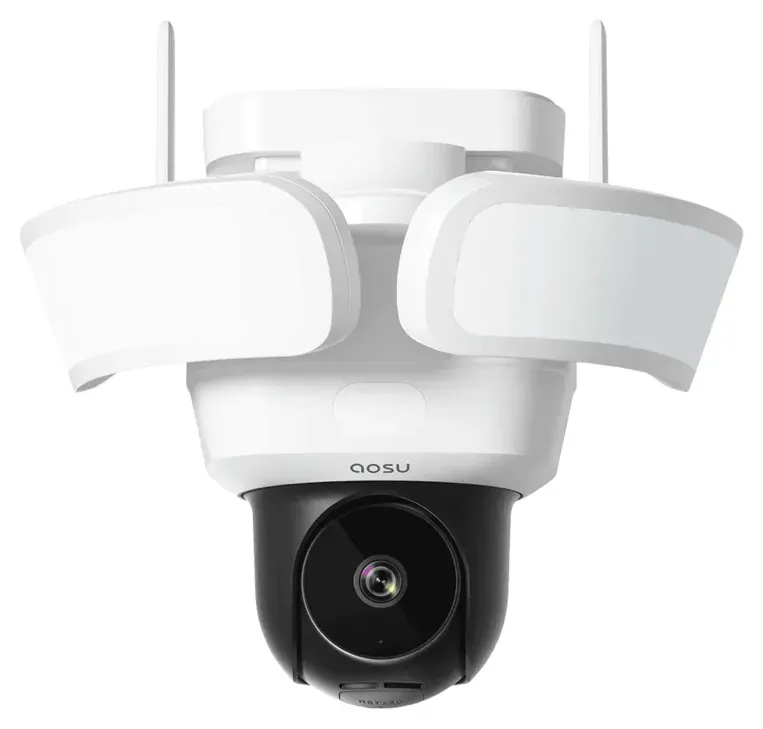
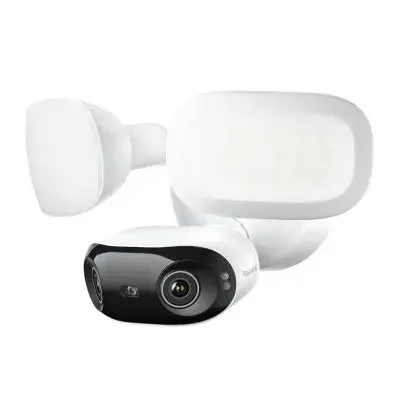
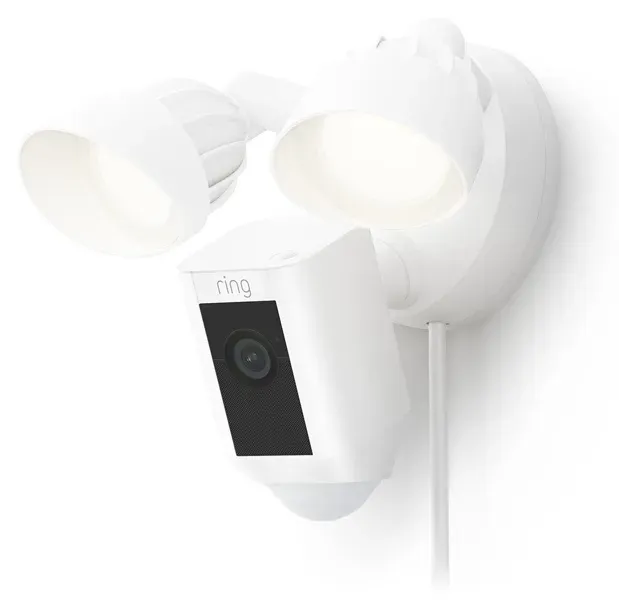
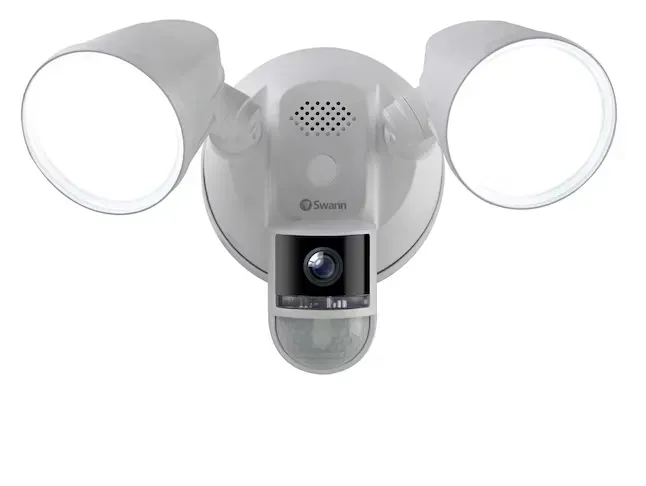
Popular over rental driveways because the light deters and the camera records. Many have wide lenses; we check what the edge of the frame catches, including neighbours’ windows.
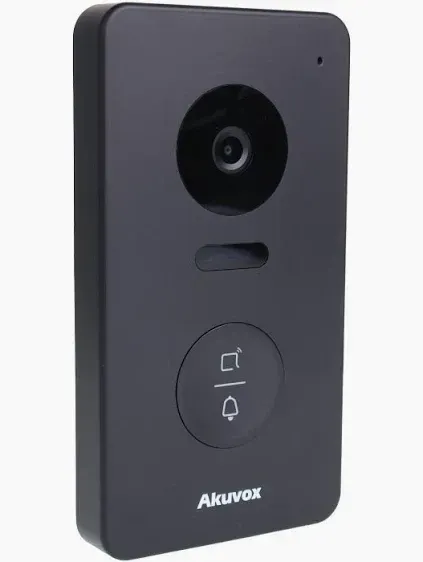
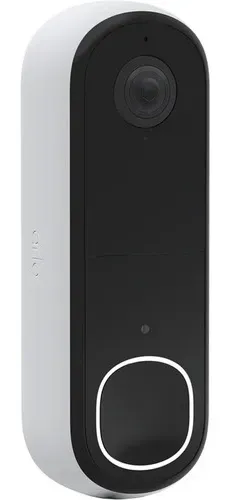
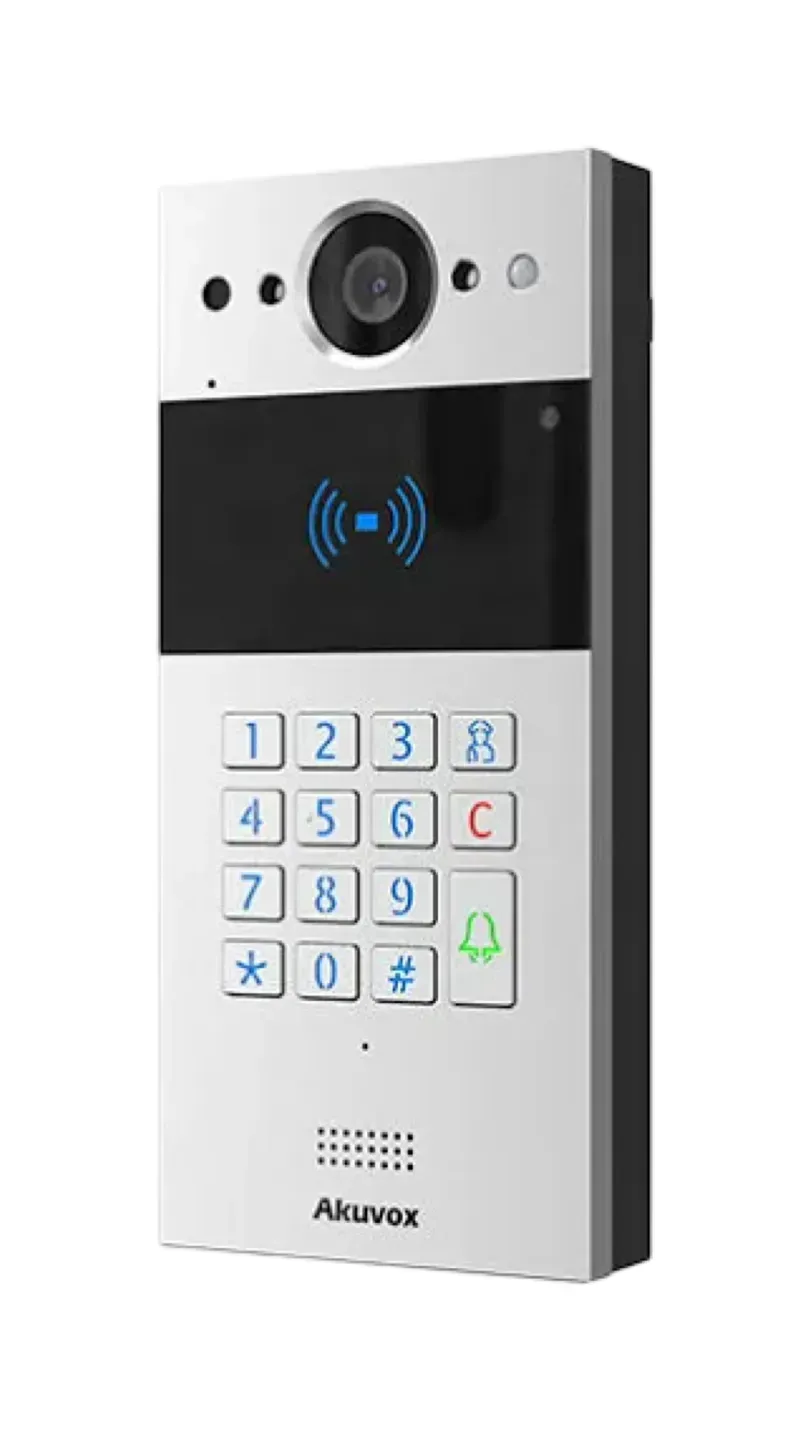
The App Store version history shows Super Live Plus gained doorbell support in 2022 and intercom and door-open options later. Front-door cameras are allowed by the platforms when disclosed.
A camera that moves can be swung toward a window from the app. On rentals we lock it to fixed presets, mask what it must not see and remove pan control from anyone but the owner.
The quiet half of the system. A router that keeps guests on their own network and keeps the recorder on a stable address is worth more than any camera upgrade.
| How phones reach the recorder | What it needs at the house | How it behaves at an Ulster rental |
|---|---|---|
| NAT link (QR code or serial number) | Recorder’s NAT setting enabled; outbound internet | Survives a guest resetting the router, because nothing on the router needs configuring; our usual choice for rentals |
| Address and forwarded port | Public address or domain, and port forwards on the router | Breaks when a router is reset or replaced; opens a door to the internet that needs closing if unused |
| VPN back to the house | A router or device that runs the VPN | Secure for owners and managers, but more to explain to a co-host and more to break if the router is changed |
| Same Wi-Fi as the recorder | Phone on the main network | Fine for the owner on site; never the guest network, which should not see the recorder at all |
| Option | Strength | Where it falls short for an Ulster rental with a TVT recorder |
|---|---|---|
| ADT | Professional monitoring and its own installed equipment | Typically replaces rather than repairs an existing third-party recorder; monitoring contracts suit a primary home more than a weekend rental |
| Ring | Simple doorbells and floodlights in one consumer app | A separate app and ecosystem; it does not open or fix a TVT recorder already wired into the house |
| SimpliSafe | Do-it-yourself alarm with cameras and optional monitoring | Again a new system; the existing recorder, its channels and its masks stay as they are unless someone deals with them |
| Abstract Enterprises | Works on the recorder, cameras, network and every phone already in place | We do not sell monitoring; if the recorder is beyond saving, we quote a replacement at the Ulster rate below |

We could not read Google’s AI Overview answers directly from our build environment, so this section tests seven claims that recur in hosting forums, rental-camera blogs, help-desk answers and summary sites, including the cost pages run by Angi, HomeAdvisor and Fixr. Each is checked against the platforms’ own policies, New York law and the TVT documentation.
That was the rule until 2024. Airbnb’s own newsroom post explains that it previously allowed indoor cameras in common areas such as hallways and living rooms if they were disclosed, clearly visible and kept out of sleeping areas and bathrooms. The March 2024 update replaced that with a flat ban, effective April 30, 2024, “regardless of their location, purpose or prior disclosure.”
Plenty of articles written before 2024 still circulate, and summaries built from them repeat the old rule. Many Ulster rentals were set up during the boom the county comptroller describes, when the old rule applied, which is why we still find disclosed living-room cameras in the field.
The correction is simple: if a camera is inside the rental, it goes. Outdoor cameras stay, disclosed, pointed away from the inside.
From the guest’s side, an unplugged camera looks exactly like a working one. Rental-industry guides reading Airbnb’s policy say the indoor ban applies even when a device is switched off, and Vrbo’s policy talks about devices that are not allowed inside at all, not devices that are turned off.
There is also a practical problem. A switched-off camera is one cable and one click away from being switched on again by a well-meaning helper, and a recorder channel that is merely disabled can be re-enabled by anyone with administrator rights.
So we remove indoor cameras physically, retire their channels, and note it in writing. That is the only state a guest, a platform or an inspector can verify.
Both platforms limit outdoor views. Airbnb excludes outdoor areas with a greater expectation of privacy, such as an enclosed outdoor shower or sauna, and bars outdoor cameras from monitoring indoor spaces. Vrbo forbids outdoor cameras that capture the inside through a window and requires extra disclosure for any camera that sees a pool or hot tub.
New York law adds its own limit. Penal Law §250.45 is about recording people where they have a reasonable expectation of privacy without their knowledge, and a camera on the outside wall that looks into a bedroom window can do exactly that.
The correction is to review each outdoor frame for windows, hot tubs, outdoor showers and neighbours’ property, and use aim and masks so the camera sees only what it is for.
Ownership of the camera has nothing to do with consent to record a conversation. New York’s eavesdropping statute, Penal Law §250.05, requires the consent of at least one party to the conversation, and the host is not a party to guests chatting on the porch.
Many kit cameras ship with audio recording on, and app reviews and forums show owners discovering it only when they play back a clip. Vrbo’s policy names audio recorders alongside cameras in its indoor ban.
On every rental we switch audio off at the camera and the recorder, then confirm playback in Super Live Plus is silent.
Footage helps, but it is one piece. Airbnb’s host damage protection asks hosts to file within 14 days of checkout and support the request, and outdoor cameras by design cannot show what happened inside the house.
Phone screen recordings also lose quality and can show the phone’s time rather than the recorder’s. A clip exported from the recorder keeps its resolution and time stamp, which matters when someone else reviews it.
Our advice is to export arrival and departure clips from the recorder the day a problem appears, and pair them with dated room photos and receipts.
Guests do not need the app to reach a recorder that sits on the same network they do. The SuperLive Plus manual gives the factory login as admin and 123456, and the NVD record for CVE-2024-14007 describes NVMS-9000 firmware before 1.3.4 disclosing administrator credentials to anyone who reaches its control port.
GreyNoise reported a surge of exploitation attempts against TVT NVMS9000 DVRs in spring 2025, peaking at more than 2,500 unique addresses on April 3, which shows these recorders are actively hunted when exposed.
Separating the guest network, changing the factory password, retiring old accounts and closing unnecessary ports is the correction — the app is not the only door.
The App Store lists SuperLive Plus as a free app from the seller Peng AnTai with a support link to TVT’s site, and Google Play describes it as client software for DVRs and IP cameras of compatible models. Retailers sell recorders labelled “SuperLive Plus” because that is the app they open, not because the app maker builds them.
For a host, that means there is no Super Live Plus parts counter. A failed TVT-platform recorder is replaced with a compatible recorder, and cameras are matched to the recorder’s type — analog HD over coax or network cameras over PoE.
We identify the recorder from its label and menus before quoting, so the replacement keeps working with Super Live Plus or moves the house to an app the owner prefers.
Send a screenshot of your Super Live Plus channel list and a line on where each camera points. We will tell you which channels a listing can keep, which need a mask or new angle and which should go — free, before anyone books a visit.
Say where the house is, whether guests, tenants or only family sleep there, where it is listed and what the app is doing; the written Ulster price comes back that business day. Prefer to talk first? Call (845) 640-3835.
Received. An Ulster technician reads every request and phones back before the business day ends; with guests arriving soon, ring (845) 640-3835.
Seven steps, the same for a Phoenicia cabin as for a New Paltz student house. The first happens before anyone drives, because most of the decisions about what a rental camera may see can be made from your screenshots.
You send screenshots of every Super Live Plus tile and a line on where each camera points. We sort them into keep, mask, re-aim or remove, and note anything a platform or New York law would object to.
We schedule the visit for the gap between checkout and the next check-in and agree who lets us in, so no guest is disturbed and the house is empty while we work.
Indoor cameras are taken down, their cable runs terminated in the recorder closet, and their channels deleted or disabled on the recorder so they vanish from every phone.
Each outdoor camera is re-aimed or masked away from windows, hot tubs, outdoor showers and neighbours, audio is switched off at camera and recorder, and moving cameras are locked to presets.
The recorder, router and modem go where guests cannot reach them, guest Wi-Fi is separated, the factory password and old accounts are retired, firmware is checked and unneeded port forwards are closed.
Motion areas and push schedules are set so the owner, the local host or the cleaner each receive only the events they act on, and one real arrival is used to test them.
We walk the house as a guest would, open Super Live Plus on the owner’s phone off the house Wi-Fi, export a practice clip, and leave a one-page camera table for the listing and permit file.
We reach Ulster from the Thruway — Exit 18 for New Paltz, Exit 19 for Kingston and Route 28 into the mountains, Exit 20 for Saugerties and Woodstock. These are the places our rental and home work most often centres on, and what each one means for a Super Live Plus set-up.
Woodstock’s investment rentals must name a local contact under the town’s permit law, and about a fifth of its homes are seasonal. Central Hudson listed Woodstock among the hardest-hit areas after the September 26, 2026 nor’easter, so alert routing and outage recovery go together here.
The county’s densest rental town at 9.76 percent of homes, where non-resident licences are capped at 100 and the cap has been reached. ZIP 12464 was on Hudson Valley One’s list of Ulster’s worst cell-coverage areas, which shapes how a host tests the app from away.
The ten-acre National Historic Landmark district sits a short walk from a campus of more than 6,000 undergraduates. The Village registers and inspects rental homes; student houses and owner-hosted rooms are our usual New Paltz jobs.
The 1676 stone Senate House anchors the Stockade, one of the city’s preservation districts. Two-family houses and apartments over shops here mix long-term tenants with the roughly 106 capped whole-home rentals.
The reservoir, completed in 1915, rings Shokan, Boiceville and Olivebridge, where Olive limited non-owner-occupied rental permits to 24 for 2026. Rental cabins here often sit on long wooded driveways where headlight and deer alerts need taming.
Esopus requires a host within about fifteen driving miles for non-owner-occupied rentals, plus site-plan approval and liability insurance. Saugerties, up the river near the bluestone sculpture park Opus 40, permits rentals with a yearly inspection under its 2022 law.
We also serve Hurley and West Hurley, Marbletown’s Stone Ridge and High Falls, Rosendale and Tillson, Gardiner, Shawangunk and Wallkill, Lloyd and Highland at the Walkway’s west end, Marlborough and Milton, Plattekill, Rochester’s Accord and Kerhonkson, Wawarsing and Ellenville, Denning, Hardenburgh, the Town of Ulster and Lake Katrine — every one of the county’s twenty towns and its city.

Ulster pricing is built from two published figures and one Ulster factor. Looking at your screenshots, channel list and camera descriptions by phone or text costs nothing. Work at the house is our standard service rate of $195 an hour with a three-hour minimum, $585, which is the same in every county. If the recorder itself has failed, replacement is priced from our DVR upgrade figures with Ulster’s 1.53 area factor applied, and the app set-up moves to the new box.
| Item | Ulster County price | What it covers |
|---|---|---|
| Phone and screenshot review | $0 | We read your channel list and camera descriptions and tell you what needs changing and why |
| On-site service | $195/hr, 3-hour minimum ($585) | Indoor camera removal, channel retirement, masks, audio, alerts, network separation, logins and app testing |
| 4-channel recorder replacement | $689–$1,071 | Recorder supplied and installed, cameras re-connected, app re-added |
| 8-channel recorder replacement | $995–$1,530 | As above, eight channels |
| 8-channel hybrid recorder | $1,224–$1,836 | For houses mixing coax and network cameras |
| 16-channel recorder replacement | $1,836–$3,366 | Larger properties, venues and farms |
| 32-channel recorder | $3,366+ | Campgrounds, inns and multi-building sites |
A typical rental reset — one indoor camera removed and its run terminated, two outdoor masks, audio off on four cameras, a guest network separated from the recorder, alerts set for the owner and a local host, and the app tested from off the property — usually fits inside the three-hour minimum. Larger houses, or ones where the recorder must move to an owner’s closet, take longer, and we tell you before starting.
The 1.53 factor reflects the distance from our Bronx base to Ulster; it applies to the recorder replacement figures above, not to the hourly rate. Prices are confirmed in writing the same day.

Describe the house and the cameras, and you will get a written Ulster price the same day — with what will be removed, masked or changed listed line by line.
Three ways Ulster owners usually buy this work. Each uses only the figures in the table above.
You send screenshots of every Super Live Plus tile and a line on each camera. We return a written list: keep, mask, re-aim or remove, with the reason for each and what the listing should say. Good for hosts who can do the physical work themselves.
The three-hour minimum at $195 an hour covers most single houses: indoor cameras removed, channels retired, masks drawn, audio off, guest Wi-Fi separated, alert recipients set, owner password changed, and a one-page camera table left for the listing and the permit file.
When the old box has failed or is past updating, a new recorder at the Ulster figures above, with the same reset done on the new system and the app re-added on every phone that should have it.
If you have already bought a recorder, cameras or a router, we install and configure them at the hourly rate with no equipment mark-up. We check first that a recorder you supply works with Super Live Plus, or with the app you would rather use, and that any camera you supply can have its audio switched off.

A rental camera problem is often partly a door, a cable or a network problem. These Ulster County pages cover the rest of the house, so it can all be handled on one visit.
fixing a dead camera · swapping an old DVR · a new NVR for the house · a pre-season camera tune-up
when the box opens in DMSS · Hik-Connect help · Guarding Vision help · watching from a desktop PC
home security cameras · floodlight cameras over a driveway · wireless cameras · smart locks for guest codes
a guest and owner network · new cable runs · damaged runs repaired · other low-voltage work
commercial cameras · parking-lot cameras · camera repair prices · Ulster camera pricing
This is a note on how we work, not a story about one house. The rental camera review that goes wrong is the one done from the recorder closet. Everything looks fine on the monitor: eight tiles, all outdoors, all sharp. Then a guest stands on the porch at night with the living-room lights on and sees a lens pointing past them into the room.
So every Ulster rental visit includes a walk. We go in through the door guests use, stand where guests sit — the deck, the hot tub, the porch swing, the bedroom window — and look for every lens we can see. Then we go back to Super Live Plus on a phone and check each channel against what we saw, in daylight and again with the house lights on after dark if the visit runs late enough. Anything a guest would reasonably feel watched by is masked, re-aimed or removed.
The last step is the owner’s phone. We open Super Live Plus on it, off the house Wi-Fi, and go through each tile with the owner so the camera table we leave matches what they will see from the city. A disclosure written from that walk is one a guest can check against the house and find true.

Yes. We book Ulster visits seven days a week in two-hour windows, the last ones starting at 8 PM, so a Monday to Thursday slot between stays is usually easy. Tell us the checkout and check-in times and who will let us in — a cleaner, a neighbour or a lockbox code that you change afterwards. We finish by testing Super Live Plus from off the property and send you the camera table the same day.
Yes, every rental visit ends with one. It lists each channel by number and name, where the camera is mounted, what the frame covers, whether audio is off and whether it records all the time or on motion, with a screenshot of the view as it stood that day. Both Airbnb and Vrbo ask hosts to describe outdoor cameras before booking, and Vrbo says a photo of the camera alone is not enough, so the table is written to be pasted straight in.
Not straight away. Disabling or deleting a channel stops new recording; what is already on the hard drive stays until the recorder overwrites it in the normal cycle. If that older footage shows the inside of a house where guests stayed, it is better not to keep it. We can show you how to let it age out, or clear it, before the drive goes to anyone else.
Yes, when it is outside and disclosed. Airbnb’s 2024 announcement names doorbell cameras among the devices that remain permitted, provided guests are told about outdoor cameras and their general location before they book, and that no outdoor camera monitors the inside of the listing. A doorbell that looks through a glass storm door into the hall is the exception to check; a mask over the glass usually solves it.
No. Airbnb describes noise decibel monitors as devices that measure sound level only, without recording or transmitting conversations, allowed in common spaces when disclosed. They run in their own apps. Super Live Plus shows cameras and doorbells on a TVT-platform recorder; a camera microphone in the app is a different thing and should stay off on a rental.
For the driveway and front door we usually set continuous recording, so there is no gap when someone walks in slowly or a motion trigger is missed at night, and use motion only to decide when alerts go out. On a small drive, continuous recording shortens how many days are kept, so we check the drive size against your typical gap between stays before choosing.
Only if it is built to work with Super Live Plus, and most smart locks are not; they live in their own app. That is fine. What matters is that the lock camera is counted in your disclosure like any other outdoor camera, that its audio settings are checked, and that guest codes are changed for every stay. We list it in the camera table even when it sits in a different app.
No. Airbnb requires outdoor cameras to be disclosed before guests book, and Vrbo requires the location and coverage to be clearly disclosed in the property listing. The house manual is a good second place — and for Vrbo, a pool or hot tub that a camera can see must also be disclosed at the property — but it does not replace the listing.
Yes. The camera table we leave records which cameras were taken down, which channels were deleted or disabled on the recorder and the date of the visit. Keep it with your town permit papers. It is a record of what we changed, not a legal opinion; if a dispute turns on the law, take it to a lawyer.
Talk to the platform first, and do not send anything that shows other people. Outdoor footage of a stay can include neighbours, cleaners and other guests. If you decide to share, export only the minutes in question from the recorder and watch the whole clip before sending. Never share recorder access or the app login to meet such a request.
Ulster sits at the northern end of our Hudson Valley Super Live Plus support hub. Many Ulster owners live somewhere else on this list — an apartment in Brooklyn, a house in Nassau — and the page for that area covers its own buildings, lines and rules.
Hudson Valley Super Live Plus help (hub) · Westchester · Rockland · Orange County · Putnam · Dutchess
NYC Super Live Plus help (hub) · the Bronx · Brooklyn · Manhattan · Queens · Staten Island
Long Island Super Live Plus help (hub) · Nassau County · Suffolk County
More about Abstract Enterprises Security Systems — who we are and how we are licensed — is on our about page.
Every statement on this page about the platforms, the law, the county, the app or the recorders comes from a document below. Where we read only a search excerpt, the link says so. Summaries of town rental laws come from a third-party review dated July 2026; confirm any rule with the town for your address. Prices are our hourly service rate and our recorder replacement figures at the 1.53× Ulster rate.
Whether the recorder has gone grey, a guest has questioned a lens, the hot tub shows up in a driveway view or the cleaner never hears that guests have left, phone (845) 640-3835. We book the next open two-hour window between stays, and most systems are back on your phone within one to two hours of arrival.
Hosts reach us on (845) 640-3835, by phone or text, or on WhatsApp. The crew that drives up the Thruway to Ulster rentals is dispatched by Abstract Enterprises Security Systems from 460 E Fordham Rd, Bronx, NY 10458.
On Google we hold 4.7★ from 201 reviews. Management companies that need our insurance certificate for a rental file can ask for one, quotes arrive in writing on the day you ask, and NYS low-voltage license #12000287431 covers the work.
Full terms β including 50% deposit, one-year parts-only warranty on AESS-supplied products, and the late-fee schedule β are set out in the service agreement. See our warranty page.
Page reviewed and updated October 18, 2026. Changelog: Ulster County Super Live Plus support page rebuilt from new research on Airbnb’s and Vrbo’s camera policies, New York’s surveillance and eavesdropping laws, the Ulster County Comptroller’s 2025 short-term rental report, county and town rental rules, the app’s store records and TVT recorder manuals, with prices at the standard service rate and the 1.53× Ulster area rate.