What are you looking for?
About Us Contact Us Careers Get a Free Quote (800) 486-0943
Pick a service
โœ… Got Your Own System?
๐ŸŽฌ Home TheatreQuote ๐ŸŽถ AV SoundQuote ๐Ÿ”‘ Access ControlQuote
Now pick your area
Pick your area
Long Island
Hudson Valley
Services available
Pricing & Tools
Pick a service for pricing
๐Ÿšช Intercom Pricing ๐Ÿ”” Buzzer Repair Pricing
Calculators
๐Ÿ“น Camera System Calculator ๐Ÿšจ Alarm Calculator โšก Cabling Quote Builder โœ… Got Your Own System?
Select your area
Home โ€บ Security Camera Maintenance Hudson Valley โ€บ Rockland County
Shuls ยท Yeshivas ยท Multi-Family ยท Route 59 Retail ยท Homes ยท NYS Licensed

Security Camera
Maintenance in
Rockland County

Who Paid for It ยท Who Relies on It ยท Who Keeps It Running

A Rockland camera system rarely belongs to just one person's worries. The cameras at a shul in Monsey may have been bought with a state hate-crimes grant, the ones at a yeshiva in Spring Valley with the state's nonpublic-school safety money, the ones on a Nanuet plaza may share a pole with a town plate reader, and the ones in a Ramapo two-family sit in a building the county now inspects. Our Rockland maintenance plans keep each camera recording, keep the paperwork straight for whoever paid or watches, and make sure a part replaced next year still fits the rules it was bought under.

Facts, prices and links re-checked October 18, 2026 โ€” who holds NYS license #12000287431, signs off every Rockland page; Rockland calls ring (845) 640-3835 and post goes to 460 E Fordham Rd, Bronx, NY 10458

Security camera maintenance Rockland County: manufacturer product photo of four white full-colour turret cameras above a black NVR and a flat monitor
Manufacturer product photo: four turret cameras, a network video recorder and a monitor. On a maintenance visit the recorder is checked first, because it is the one part every camera depends on.
Rockland Camera Maintenance Quote
Building type, camera count, how it was paid for โ€” a written figure the same business day

โœ…
Request Sent!
A technician will ring you back about the Rockland cameras before the business day closes.
25+
Years Experience
โœ“
Same-Day Estimates
100%
Licensed & Insured
4.6โ˜…
390+ Google Reviews

Start by telling us who paid for the cameras. In Rockland that answer changes the job more than the brand on the recorder does. A system bought with a state or federal security grant, or with a school's safety-equipment allocation, carries purchasing, record-keeping and sometimes brand rules that a privately bought system does not. Text a photo of the recorder label, the camera count and the name of any grant to (845) 640-3835 and we will tell you what a visit should cover and what paperwork it should leave behind.

  • A single Rockland visit costs $195โ€“$455 for a house or small system, and a yearly plan for a home or small building begins at $260
  • Every visit ends with a dated, itemised record that matches the way grant programs ask for documentation
  • Same-day written estimates, under NYS license #12000287431
The Neighborhood

Why Rockland County Properties Need Security Camera Maintenance

Rockland is a small county with an unusually crowded camera map. It covers about 199 square miles, according to the state's county profile, yet its five towns hold 19 incorporated villages and 16 hamlets, and the Census Bureau counted 357,397 residents in about 110,000 housing units in mid-2025 โ€” with an average of 3.22 people per household, a larger figure than either Long Island county. Big households, many of them observant Jewish families in Ramapo's villages, support a dense web of synagogues, yeshivas, community halls and kosher shops. After the December 28, 2019 machete attack at a rabbi's home in Monsey, community leaders were urged at a roundtable in Ramapo Town Hall to apply for security grant funding for schools and places of worship, and the county approved a ring of license-plate readers at its borders. That is where the maintenance story here begins.

A large share of those cameras were not bought out of a single owner's pocket. New York's Securing Communities Against Hate Crimes program, administered by the Division of Criminal Justice Services, announced a record $70 million for 290 organizations on September 8, 2026, with 99 grants totalling $24,187,697 in the Mid-Hudson region alone and a maximum request of $250,000 per organization. The federal Nonprofit Security Grant Program funds the same kinds of buildings through the state's homeland-security office, and the State Education Department's Nonpublic School Safety Equipment grant reimburses religious and independent schools โ€” $185 million for its latest three-year cycle. Each program pays for cameras in its own way, and each comes with rules that still apply when a camera fails three years later. Most owners only discover those rules when the first repair invoice arrives.

Then there are the cameras other people care about. In April 2018 The Journal News reported that police across Rockland were enlisting residents and businesses with camera systems, and since then the Clarkstown Police Department has asked residents and businesses to register privately owned camera systems so detectives know where footage might exist. The Rockland County Business Journal reported in October 2026 that the county has an estimated 160 to 200 automated license-plate readers, many along Routes 59, 303 and 304 and the New Jersey line โ€” and that several of Clarkstown's Flock cameras sit on private property in retail corridors, without the property owners being paid. The Sheriff told the paper his office runs 55 fixed plate-reader sites, most at the county's entry and exit points, approved after the Monsey attack. A plaza owner on Route 59 can therefore have a town camera on the light pole, a registered camera over the door and a tenant's cameras inside, all in one parking lot.

Finally, buildings. In Spring Valley the state handed fire-safety and property-maintenance enforcement to Rockland County after a March 2021 fire killed two people at an adult home; the county's Office of Buildings and Codes took over on February 14, 2022 and, by News 12's count three years later, had done 4,000 inspections and issued 16,000 violations. Multi-family houses and rooming houses across Ramapo now get closer attention than they used to, and camera work in them has to respect fire doors, shared spaces and privacy rules. Put together, maintenance in Rockland is less about weather and grime than about ownership: knowing which camera belongs to whom, what paid for it, who is allowed to change it, and keeping the records that prove it all worked. Owners who keep cameras on a schedule often have the same visit look over their door access readers or their alarm and panic-button system, which grant programs fund alongside cameras.

Rockland County facts that shape a camera maintenance plan

  • Big households in a small county. 357,397 people and 109,999 housing units (Census Bureau, July 2025), 3.22 persons per household and 67.9% owner-occupied homes; the state lists five towns and the county's tourism office counts 19 villages and 16 hamlets.
  • Security grants on a record scale. $70 million across 290 nonprofits in the September 2026 state round, 99 of the grants in the Mid-Hudson region; up to $250,000 per organization.
  • A school-safety deadline this winter. NYSED lists the eligibility window for its Nonpublic School Safety Equipment grant as running to December 31, 2026, with claims due January 14, 2027 โ€” and lists "system maintenance/service call" among eligible security-system costs.
  • Plate readers on private lots. An estimated 160โ€“200 automated plate readers countywide; Clarkstown signed a three-year, $126,000 contract for 14 Flock cameras in March 2025, paid for with a state law-enforcement technology grant.
  • One electric utility. Every Rockland municipality is on Orange & Rockland's customer list; PowerOutage.us tracks 122,475 O&R customers in the county. On July 6, 2026, O&R still listed 321 Rockland customers out after the holiday-week storms, 88 in Clarkstown and 72 in Pomona/Ramapo.
  • Code enforcement with teeth. 4,000 inspections and 16,000 violations in Spring Valley in the county's first three years in charge there, and annual county health-department inspections of every rooming house.

Who has a stake in a Rockland camera

PartyWhat they care aboutWhat maintenance has to give them
The owner or boardCameras that record when something happens, at a predictable yearly cost.Working cameras, tested alerts, a dated record of every check and every fix.
A grant programThat funded equipment is used as approved, bought fairly and documented.Itemised invoices, unchanged coverage unless a change is approved, replacement parts that the program allows.
Town policeKnowing where footage may exist, and getting it when a crime happens nearby.A recorder that can export a clip quickly and an up-to-date camera list if you have registered.
County inspectorsFire separation, self-closing doors and safe shared spaces in rented buildings.Camera cable and hardware that never holds a fire door open or leaves an open hole in a rated wall.
Tenants and residentsSafety in shared areas and privacy in their own rooms.Views kept on entrances, halls and lots, and away from places the law protects.

No single visit can satisfy all of these parties by accident. That is why a Rockland plan starts by writing down which column each camera falls into, and only then turns to cleaning, aiming and testing.

Security camera maintenance Rockland County: manufacturer product photo of four white turret cameras with small red and blue warning lights and twin white lights
Manufacturer product photo: turret cameras with red-and-blue warning lights and white lights. Their triggers and schedules are tested on a visit so they do not fire during a crowded event.

Cameras Dark at a Rockland Property Today

If the recorder will not show a picture, a camera has gone black, or the phone app has been reporting "offline" since the last O&R outage, treat it as a repair first and a maintenance question second. Call (845) 640-3835; we book the earliest same-day slot available and most faults are fixed within one to two hours of arrival. If the building is a shul or yeshiva and the failure happened over Shabbat or a holiday, tell us that when you call โ€” the footage you may need is often on the drive right now and should be copied before anything is restarted.

Four things to gather while you wait

  • The last good frame on each dark camera. Scroll back in playback until the picture returns and write down the date and time; it tells the technician whether the cause was power, a drive or the camera itself.
  • How the system was paid for. If a grant bought any part of it, find the award letter or contract number. It decides which replacement parts can be used and what the invoice has to show.
  • Who else might have touched it. A volunteer, a tenant, a previous installer or a contractor working nearby โ€” knowing that saves an hour of guessing.
  • Whether police have asked for footage. If an officer has already asked, say so first; we export and preserve before we repair.

Fixing what broke is a job for our Rockland County security camera repair team, and published repair line items are on the Rockland camera repair prices page. A maintenance plan is how you stop paying for the same failure twice.

What We Install

Security Camera Maintenance Services in Rockland County

A Rockland maintenance plan is built from the jobs below. A raised ranch in New City needs a different mix from a yeshiva campus in Ramapo or a strip center on Route 59, so the plan lists only the jobs your system actually needs, in the order that protects the most footage first.

Ownership and Funding Map

Every camera, recorder, switch and power supply is listed with who owns it, what paid for it and who may change it โ€” including cameras on your property that belong to someone else, such as a town plate reader.

Grant-Ready Service Records

Visit reports and invoices are itemised camera by camera, dated and signed, so a grant monitor, a school's business office or an auditor can match each line to the equipment on the original award.

Compliant Replacement Parts

When a part fails on a system bought with federal grant money, the replacement is chosen from makers the program allows, and the reason is written into the record before anything is ordered.

Unattended-Period Resilience

For buildings where nobody touches the system for a day or more at a time, drives are checked for health, recording is confirmed to continue through a restart, and alerts go to someone who can act.

Entrance Coverage Checks

Views of doors, gates and approaches are compared with a reference image from the first visit, so a camera nudged by a ladder, a sukkah frame or a delivery truck is put back where the plan says it belongs.

Multi-Family and Rooming-House Review

Shared-area cameras are checked for coverage and for privacy, cable routes are checked so no fire door is held open or rated wall left open, and the owner gets a record ready for the county inspector's visit.

Police-Request Readiness

Clip export is tested end to end โ€” find, cut, copy, play back on another computer โ€” so that when a detective from Clarkstown, Ramapo or Orangetown asks, the footage leaves the building in minutes.

Picture, Lens and Night Check

Lenses and domes are cleaned, focus and exposure checked by day and after dark, infrared glare from webs and nearby walls removed, and the time stamp confirmed against an accurate clock.

Account and Access Clean-Up

Old logins left by volunteers, former tenants or a previous company are listed and removed with the owner's approval, and admin access is moved into the organization's own name.

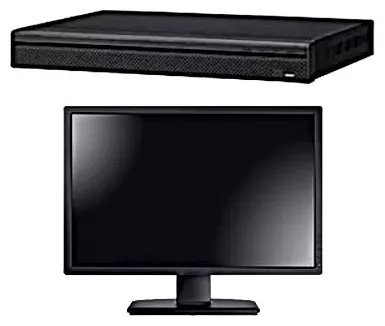
Security camera maintenance Rockland County: manufacturer product photo of a slim black network video recorder above a black flat-screen monitor
Manufacturer product photo: a slim recorder and a monitor. Drive health, retention and clip export are all checked from a screen like this.
Building Specialists

Camera Maintenance for Rockland County's Architecture

Rockland grew fast once the first Tappan Zee Bridge, the Palisades Parkway and the Thruway opened in the 1950s; the county historical society records that builders were putting up more than a thousand homes a year that decade. The building stock that came out of that boom, and the institutions that have grown around it since, wear camera systems out in different ways.

Shuls, Batei Midrash and Community Halls

Entrances, parking areas and side doors are the cameras that matter most, often added in stages by different installers after 2019. Visits must fit around services, Shabbat and holidays, and grant-funded equipment has to stay where the award said it would be.

Yeshivas and Private Schools

Large campuses, drop-off lines, buses and children at the doors from early morning. Systems funded through the state's nonpublic-school safety grant can claim maintenance and service calls, which makes the timing of visits a budgeting question as well as a technical one.

Two-Families, Multi-Family Houses and Rooming Houses

Across Spring Valley, Monsey and the rest of Ramapo, houses divided into several units share hallways, side entrances and driveways. Cameras in common areas need to stay in common areas, and cable work has to leave fire separation intact.

Raised Ranches and Split-Levels

The 1950sโ€“70s houses of New City, Pomona, Pearl River and Nanuet. The recorder usually ends up in the lower-level den or a utility room, the driveway camera hangs from a shallow overhang, and with more than three people per household on average, a dozen phones may be logged into the app.

River-Village Storefronts

Old brick and frame buildings on Main Street and Broadway in Nyack, along Piermont Avenue and in Haverstraw village, with apartments upstairs and recorders in back rooms or basements. Mounts in old masonry loosen, and shared basements mean shared risks.

Plazas, Office Parks and Corporate Campuses

Strip centers along Route 59, office towers like Blue Hill Plaza in Pearl River and industrial parks off Route 303. Ownership changes often, cameras come with the property, and several parties โ€” landlord, tenants, police โ€” may have hardware on the same site.

How the work changes from one building to the next

  • Houses of worship: we confirm which cameras the grant funded, keep their views on the approved entrances and approaches, and schedule work away from Friday afternoon, Shabbat and Yom Tov.
  • Schools: work on cameras over doors and drop-off areas happens when children are not at those doors, and every visit produces the dated service record the school's grant claim needs.
  • Divided houses and rooming houses: we check that cable passing between units goes through properly sealed openings, that no camera hardware stops a self-closing door from closing, and that no camera looks into a room someone sleeps or bathes in.
  • Split-levels: lower-level recorders are checked for heat and dust next to boilers and dryers, and the long list of family logins is trimmed to people who really need them.
  • Commercial sites: the visit starts with a walk-round that marks which hardware is yours, which is a tenant's and which belongs to a public agency, so nobody's equipment is touched without its owner's say.
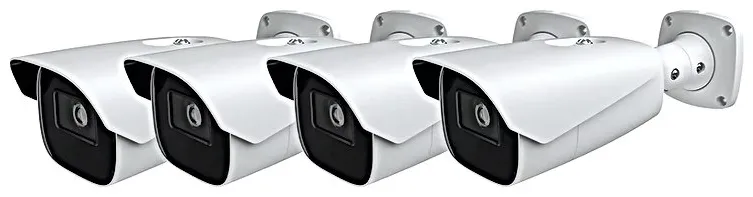
Security camera maintenance Rockland County: manufacturer product photo of four white bullet cameras on short white wall brackets
Manufacturer product photo: white bullet cameras on wall brackets. Their sunshields gather webs and their mounts loosen on siding, so both are checked by hand.
Commercial Security Camera Maintenance

Business Camera Maintenance in Rockland County

For a Rockland business, the question is rarely whether a camera exists. It is whether the camera is yours, whether it recorded, and whether you can hand over the clip when the town police call. These are the commercial settings where those questions come up most.

Route 59: Nanuet to Monsey

The county's main retail spine, from the Nanuet Town Centre โ€” the outdoor center that replaced the Nanuet Mall in 2013 โ€” through Spring Valley to the kosher groceries and shops of Monsey. Busy lots, long hours, and in Clarkstown, town plate readers near the North and South Middletown Road intersections.

Palisades Center, West Nyack

The mall that opened in March 1998 and sold at a February 2026 foreclosure auction for $175 million, with its new owners describing themselves as long-term holders of the 2.3-million-square-foot property. Tenant systems inside, landlord systems outside, and a town plate reader reported near the mall.

Route 303 and the Orangeburgโ€“Blauvelt Corridor

Industrial and flex buildings such as Bradley Corporate Park, plus the 54-acre site at 108 Route 303 in Tappan that sold for about $79 million in 2026. Loading docks, yard cameras and new owners inheriting systems they did not choose.

Pearl River Offices and Campuses

Blue Hill Plaza's two buildings on 90 acres, and the former Pfizer research campus now marketed as the Hudson Valley iCampus. Large, multi-tenant properties where a camera on one floor may belong to the landlord and the next one to a tenant.

Nyack, Piermont and Haverstraw Main Streets

Restaurants, galleries and shops in old buildings by the river. Small systems, recorders in back rooms, owners who change cameras piecemeal โ€” and in Hurricane Sandy, Piermont's business district went dark and basements had to be pumped out.

Shops Serving the Orthodox Community

Grocery, clothing and bookshops in Monsey and Spring Valley that close early on Fridays and stay shut through Shabbat. A system that fails on Friday afternoon may not be noticed until Saturday night, which makes alerts and drive health the first things to check.

Rules and programs that turn upkeep into more than housekeeping

  • Police camera registration: Clarkstown police ask residents and businesses to register private camera systems so officers know what may have been recorded near an incident. The department says the program is voluntary, that owners are contacted only if something happens nearby, and that "this program is not one that has remote access to your cameras." A registered camera is only useful if it still works and its clock is right.
  • Plate readers on private property: RCBJ reported that Clarkstown placed several Flock cameras on private property in retail corridors along state roads, which avoids state DOT approval. Those cameras belong to the town's vendor contract, not to the property owner, and our technicians do not open, move or power-cycle them.
  • Grant-funded equipment: federal grant rules bar spending on equipment from certain makers, including Hikvision and Dahua, and New York's homeland-security office reminds grantees that reimbursement "may be in jeopardy" if covered equipment is used. Replacement parts on a federally funded system are chosen with that list in mind.
  • Licensing: Rockland's Chapter 286 home improvement law, in a revised version effective May 14, 2026, requires a county home improvement licence for residential improvement work, and Chapter 250 governs electrical licensing for wiring at 50 volts or more. New circuits, outlets and panel work for camera power are electricians' work; our camera work is done under NYS license #12000287431.
  • Privacy: New York's General Business Law ยง395-b makes it a crime for an owner or manager to knowingly allow a device that secretly records the inside of a restroom, bathroom, shower, fitting room or a guest room in a hotel, motel or inn, and Article 250 of the Penal Law covers recording conversations without consent. After each firmware update we confirm microphones are still off unless the owner has a lawful reason to use them.
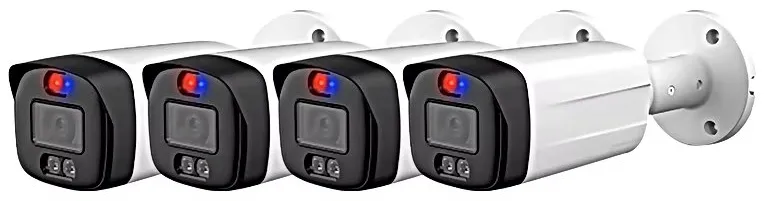
Security camera maintenance Rockland County: manufacturer product photo of four black-faced bullet cameras with red and blue warning lights on white wall mounts
Manufacturer product photo: bullet cameras with built-in warning lights, the kind used over plaza lots and side yards. Light and siren schedules are reviewed on each visit.
Grant-Funded Systems

Keeping Grant-Funded Rockland Camera Systems Working and Eligible

Three public programs pay for a large share of the cameras on Rockland's synagogues, yeshivas and community buildings. They are run by three different agencies, they reimburse in different ways, and they treat upkeep differently. A board that knows which program bought which camera can usually keep the system working without putting the grant at risk; a board that does not often finds out at the worst moment, when a part fails and the cheapest replacement turns out to be one the program will not pay for.

ProgramWho runs itWhat it says about upkeepWhat a maintenance visit must respect
Securing Communities Against Hate Crimes (SCAHC)NYS Division of Criminal Justice ServicesFunds physical security such as lighting, locks, alarms, access controls and related training for nonprofits at risk of hate crimes; reimbursement comes after the work is completed and paid for.State procurement rules (the same rules the homeland-security office applies), a 30% minority- and women-owned business goal on discretionary spending, and records of every purchase.
Nonprofit Security Grant Program (NSGP)FEMA, through the NYS Division of Homeland Security and Emergency ServicesFEMA's preparedness grants manual allows maintenance contracts, warranties, repair or replacement costs, upgrades and user fees; contracts bought with the original equipment may run past the award period, stand-alone ones may not.No equipment or services from covered telecommunications makers, including Hikvision and Dahua; any change of approved scope needs prior written approval.
Nonpublic School Safety Equipment (NPSE)NYS Education DepartmentLists "system maintenance/service call" among eligible security-system costs; staff who maintain cameras and monthly fob-maintenance charges from a security company are listed as ineligible.Reimbursement of past expenses; eligibility window to December 31, 2026 and claims due January 14, 2027 for the current cycle.

A few practical consequences follow from that table. First, the paperwork is part of the job. The Community Security Initiative, which helps New York nonprofits through both state and federal security grants, lists the records FEMA expects grantees to keep โ€” specifications, solicitations, competitive quotes, the basis for selecting a vendor, purchase orders, contracts, invoices and cancelled checks. A maintenance invoice that says "service visit, $585" is much harder to defend later than one that names each camera, each test and each part.

Second, the coverage on the award is not a suggestion. The state homeland-security office's guidance for grantees says cameras bought under the program should secure the outside of the building, and that interior cameras should face points of entry. When a maintenance visit finds a grant-funded camera that has been turned toward a parking space or an office door, the right move is to restore it to its approved view or to get the change approved โ€” not to leave it where a volunteer happened to point it.

Third, the programs reward planning. FEMA's manual allows a maintenance agreement to run past the end of the award only when it is bought as part of the original equipment purchase; buy it separately a year later and it can cover no longer than the award period that pays for it. And the school program's current window closes on December 31, 2026, which means a yeshiva that wants a service call reimbursed under this cycle needs to have it done, invoiced and paid before then.

What a Rockland grant-funded system should have on file after every visit

  • A camera-by-camera list matching the equipment on the award, with location, model, serial number and firmware version.
  • A dated reference image of each grant-funded camera's view, so anyone can see it still covers what the award described.
  • An itemised invoice: labour by task, every part by maker and model, with the grant name or contract number written on it if you ask for that.
  • For any replacement part on a federally funded system, a note confirming the maker is not on the covered-equipment list.
  • The date and result of each drive-health, recording and alert test, signed by the technician.

None of this is legal or grant advice. Your program representative at DCJS, DHSES or NYSED has the final word on what your award allows, and we encourage boards to check each step with them before work starts.

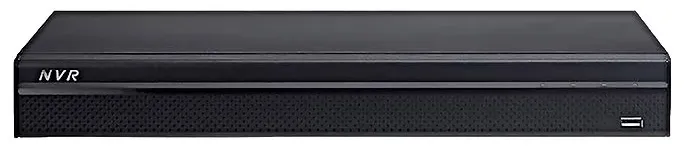
Security camera maintenance Rockland County: manufacturer product photo of the front panel of a black network video recorder with a USB port
Manufacturer product photo: the front of a network video recorder. On a grant-funded system its model, serial number and firmware are written into the inventory on every visit.
Your Questions Answered

Security Camera Maintenance in Rockland County: Questions Answered

Boards, gabbaim, school business offices, landlords and plaza owners ask us versions of the questions below, grouped here by whose interest is at stake rather than by camera model. Prices are under Pricing; short booking and paperwork questions sit in the FAQ further down.

Grant-Funded Systems at Shuls, Schools and Nonprofits

Our shul's cameras were bought with a security grant โ€” can grant money also pay to keep them running?

It depends on which grant, and on when the maintenance is bought. Under the federal Nonprofit Security Grant Program, FEMA's preparedness grants manual says maintenance contracts, warranties, repair or replacement costs, upgrades and user fees are allowable. The catch is timing: a maintenance agreement or warranty bought together with the original equipment may run beyond the award's period of performance, but a stand-alone agreement bought later on equipment you already own cannot run longer than the period of the award that pays for it. A copy of the FY2026 notice of funding published by Missouri's homeland-security office lists a 24-month period of performance; check the period printed on your own award.

The state's Securing Communities Against Hate Crimes program is framed around physical security improvements โ€” lighting, locks, alarms, access controls and the like โ€” plus security training, and it reimburses only after the work is done and paid for. Whether a particular service agreement fits your state award is a question for your DCJS program representative, not for us, and we would rather you ask than guess.

In practice, the shuls that keep grant-funded systems healthy do two things. When they apply, they ask whether upkeep can be built into the original purchase. And whatever the answer, they budget a modest yearly amount from their own funds for the visits the grant cannot cover โ€” so the cameras are not left to drift once the award period ends. Our itemised quotes are written so that a program representative can see exactly which lines are equipment, which are installation and which are maintenance.

Our yeshiva still has safety-equipment money left for this cycle โ€” does a camera service call count, and how much time is left?

The State Education Department's list of eligible purchases under the Nonpublic School Safety Equipment grant includes security systems โ€” "alarm system, cameras and affiliated recording devices, central lockdown, monitoring system, motion detectors" and more โ€” and ends that line with "system maintenance/service call". The same department's ineligible list excludes a staff "cyber security officer" who maintains or repairs cameras, and monthly maintenance charges for door fobs through a security company. So a contractor's service call on the camera system is on the eligible list; a salaried employee doing the same work is not.

Timing matters more than usual this year. NYSED's grant page lists the eligibility dates for the current cycle as running to December 31, 2026, with a claim submission deadline of January 14, 2027, and describes the grant as reimbursing past expenses from each school's per-pupil allocation. A service visit that is booked for January will not help a claim that closes on expenses incurred by the end of December.

If your school wants to use the allocation for upkeep, the sensible order is: confirm with NYSED's program office that your planned visit fits the guidance, book it early enough that any parts found to be failing can be quoted, approved and fitted before the window closes, and ask us for an invoice that lists the date, each camera serviced and each part separately. Rockland has many religious and independent schools, and late-December calendars fill quickly.

Our cameras were bought with federal security-grant money โ€” are there makers whose parts we are not allowed to use for repairs?

Yes. Since August 13, 2020, FEMA recipients, subrecipients and their contractors have been prohibited from spending federal funds on equipment, systems or services that use covered telecommunications equipment. The New York homeland-security office's guidance to nonprofit grantees names the companies โ€” Huawei, ZTE, Hytera, Hangzhou Hikvision and Dahua, along with their subsidiaries and affiliates โ€” and warns that if vendors use covered equipment, "reimbursement may be in jeopardy."

That matters for maintenance because a failed camera is usually replaced with whatever is cheapest and compatible with the recorder. On a privately funded system that is a reasonable choice; on a federally funded one it can create a problem with the grant. It also matters for the recorder itself: many older systems in the county were built around one of the named brands, and a board may not realise that a like-for-like swap is off the table if grant money is involved.

On a grant-funded system we check the maker of every replacement part against the covered list before ordering, write that check into the visit record, and tell you when a compatible part from an allowed maker will lose a feature the original had. If a repair is being paid for from your own budget rather than the grant, the rules may differ โ€” ask your program representative before deciding, and keep the answer with the invoice.

The grant paid for cameras on our entrances โ€” can we turn one to watch the parking lot instead?

Not on your own, and not while the award is open. The Community Security Initiative's guidance for federal grantees says any change of project scope or objective requires FEMA's prior written approval, submitted through the state, and that subrecipients may not implement the change until the approval arrives. The state homeland-security office also tells grantees that grant-funded cameras should secure the outside of the building and that interior cameras should face points of entry.

This is one of the most common things we find on maintenance visits at community buildings: a camera that was installed to cover a side door has been nudged โ€” sometimes deliberately, sometimes by a ladder or a sukkah frame โ€” and now looks at a car, a bike rack or nothing at all. The grant-funded coverage has quietly disappeared, and nobody notices until the side door is where something happens.

Our first visit saves a reference image of each grant-funded view. On every later visit we compare the live picture with that image and put the camera back if it has drifted. If the board genuinely needs the parking lot covered, the cleaner route is a separate camera paid from its own budget, or a written scope change approved through the program โ€” and we document whichever you choose.

Our grant made us collect sealed bids for the installation โ€” does a maintenance contract have to be bid out the same way?

If grant money will pay for it, assume yes. The Community Security Initiative's post-grant guidance describes New York's procurement rules for these programs: fair and open competition, advertising for a reasonable period, sealed bids opened at one time before a committee, a scoring method fixed before bids are opened, and bids itemised rather than given as a lump sum. It also lists practices that count as restricting competition, including specifying brand names and using only contractors already on retainer.

The same guidance warns about conflicts of interest: a contractor who drafts the specifications or helps develop the grant application or budget should be excluded from bidding on that work. That is worth knowing before you ask an installer to "help with the paperwork" โ€” the help may cost them the chance to bid.

For maintenance paid from your own budget, none of those grant rules apply, though many boards follow similar habits anyway. Either way, we provide itemised quotes โ€” per camera, per visit, per test โ€” so they can be compared line by line with other bids, and we will tell you plainly if a request would put us on the wrong side of a conflict-of-interest rule.

Shabbat, Yom Tov and the Hours Nobody Touches the System

Nobody in our shul may handle the system from Friday evening until after Shabbat โ€” how do we keep a failed drive from costing a whole Shabbat of recording?

Design the recording so that one failure does not stop it. In most small systems the recorder writes to a single hard drive; if that drive fails at nine on Friday night, the cameras keep showing a live picture but nothing is saved until someone replaces the drive on Sunday. Backblaze, which publishes failure statistics for hundreds of thousands of drives, reported an annualised failure rate of 1.36% in the second quarter of 2025 โ€” low for any single drive, but not zero, and the odds rise as drives age.

The fixes are mechanical rather than clever. A recorder with two drive bays can mirror one drive onto the other, so a single failure loses nothing. A camera with a memory card slot can hold a local copy as a back-up. And a drive-health check on every maintenance visit catches the drives that are starting to report errors before they fail outright. For a multi-day Yom Tov, when the building may be busy and unattended by anyone allowed to handle the system for two or three days in a row, those measures matter even more.

Who receives the failure alert is a community decision, and we follow the guidance of your rabbi and board rather than offering any of our own. Some congregations route alerts to a designated non-observant contact or to us; others accept that nothing will be done until after havdalah and rely on mirroring to cover the gap. We set it up whichever way you choose, and test it on the next weekday visit.

Divided Houses, Rooming Houses and the County Inspector

The county inspects our Spring Valley two-family โ€” do the cameras form part of what the Office of Buildings and Codes looks at?

We have not found any rule that makes cameras themselves an inspection item. Rockland County's Office of Buildings and Codes says it administers and enforces the New York State Uniform Fire Prevention and Building Code and the Energy Code within the Village of Spring Valley, and its inspections are about fire safety and property maintenance. When News 12 looked at the county's first three years there, officials counted 4,000 inspections and 16,000 violations; the examples described were overcrowded rooms and unsafe attic conversions, not cameras.

Where cameras do come into it is through what the installation did to the building. Camera cable is often run in a hurry: through a fire-rated wall with an unsealed hole, along a stair, through the frame of a door, or with a power supply plugged into an overloaded extension cord in a hallway. Those are the kinds of conditions an inspector looking at fire separation and electrical safety may notice, even though the camera is not what they came for.

On a maintenance visit in a divided house we walk the cable routes as well as the cameras. We note any opening we find in a wall or ceiling that the cable passes through, any power supply on a cord rather than a proper outlet, and any hardware near a door. Small low-voltage fixes are done the same day; anything involving fire-rated construction or line-voltage wiring is written up for the right trade before the inspector's visit.

We rent rooms in a house in Ramapo โ€” where may shared-area cameras point, and where may they never point?

Shared entrances, halls, stairways, driveways and parking areas are the usual places for cameras in a rented house. The firm line in New York law is General Business Law ยง395-b: an owner or manager who knowingly allows a device to be installed or kept for the purpose of secretly recording the inside of a restroom, toilet, bathroom, washroom, shower or fitting room โ€” or a guest room in a hotel, motel or inn โ€” commits a crime. Separately, Article 250 of the Penal Law makes recording a conversation without the consent of at least one party a crime.

Rooming houses in Rockland carry an extra layer of oversight. The county health department says it inspects and permits every rooming house each year, under rules that cover bathroom facilities, cooking and dining restrictions, door locks, sleeping-area floor space and smoke and carbon-monoxide detectors. Cameras are not on that list, but an inspector walking through a shared house will notice one that points down a corridor of bedroom doors or into a shared bathroom entrance.

On a maintenance visit we check each shared-area camera's view by day and by night, because infrared and wide lenses often see more than the owner realises โ€” through a glass panel, an open door or a mirror. Anything that captures the inside of a private room or a bathroom is re-aimed or masked on the spot, and audio is confirmed off. If a tenant has put up their own camera in a shared area, we note it for the owner rather than touching it.

A camera cable was run through the frame of a fire door in our building โ€” is that a problem?

It can be. Fire doors in apartment buildings are meant to close and latch on their own, so that a fire on one side stays there. When the county took over code enforcement in Spring Valley, its Buildings and Codes director told NBC New York after a 2022 apartment fire that "to contain the fire, you need self-closing doors and fireproof doors," and the violations found in that building included doors that closed improperly. Anything that stops a fire door closing fully โ€” a cable pinched in the frame, a camera bracket on the stop, a wedge left by an installer โ€” works against that.

Cable through a door frame is also a reliability problem for the camera. Every time the door swings, the cable flexes; over months it fatigues, the connection becomes intermittent, and the camera starts dropping out at odd hours. It is one of the more common reasons we see for a hallway camera that "goes offline for no reason".

The fix is usually to re-route the cable above the door through a properly sealed penetration, or through a hinge-side transfer designed for the purpose, so the door closes exactly as it did before the camera arrived. Where a fire-rated wall or door assembly is involved, we write up the condition and coordinate with the building's contractor so the rated construction is restored correctly rather than improvised.

Plate Readers, Police and Cameras That Are Not Yours

A town plate-reader camera was mounted on our plaza's light pole โ€” is it part of our system, and may our technician work near it?

It is not part of your system. RCBJ's October 2026 reporting found that Clarkstown's 14 Flock cameras โ€” three on Route 59 near the North and South Middletown Road intersections, two on Route 303, one at Route 59 and Mountainview Avenue in Valley Cottage and one near the Palisades Center โ€” include several on private property in retail corridors, and that the property owners are not paid. The cameras are covered by the town's contract with its vendor, which restricts their use to authorised law-enforcement purposes.

For maintenance, that means three things. We do not open, re-aim, power-cycle or clean a public agency's camera, even if it is a few feet from yours. If our work on your own camera on the same pole requires a lift, we check the pole first and keep clear of the other hardware. And if the town's camera appears to share power with your lighting or your cameras, we note it in your system map so an electrician or the town can confirm whose circuit is whose.

Owners sometimes ask us to take a plate reader down or to block its view. That is a conversation for the owner and the town police, not a maintenance task. What we can do is make sure your own cameras โ€” the ones your insurer and your tenants rely on โ€” are documented separately, so nobody confuses the two systems when something goes wrong.

Our new driveway camera can read license plates โ€” with the debate over plate readers in Rockland, should that feature be switched on?

That is your decision, but it is worth making deliberately rather than by default. Many current cameras ship with vehicle and plate analytics that can be switched on in a menu. The public debate in Rockland is about police systems: RCBJ reported in October 2026 that a faction of the Working Families Party had organised rallies against automated plate readers, and in August 2026 Ramapo's police chief paused a planned test of a newer generation of plate-reader cameras, citing privacy and constitutional concerns, while keeping the department's existing fixed readers.

We have not found a New York rule that bans a homeowner or business from reading plates on its own driveway or lot. The practical questions are narrower. Does the camera see only your property, or the whole street? Where is the data stored โ€” on your recorder, or in a manufacturer's cloud? Who can search it, and for how long is it kept? A camera that logs every passing car on a public road holds information you may not want to be responsible for.

On a maintenance visit we can show you what the analytics actually capture, narrow the detection zone to your own gate or driveway, set how long the plate log is kept, and switch the feature off entirely if you prefer. The recording itself is unaffected either way; the change only decides what the camera adds to it.

Buildings Changing Hands and Changing Use

We just bought a building in Nanuet and the seller's camera company can still log in โ€” how do we lock them out without losing the recordings?

Rockland's commercial property market has been busy: the Palisades Center sold at a foreclosure auction for $175 million in February 2026, and RCBJ and local outlets reported several 2026 sales along Route 59 and Route 303, from the Monsey Center to a 54-acre industrial site in Tappan. Camera systems almost always transfer with the building, and with them come the seller's admin accounts, the previous company's remote-access service and sometimes a cloud subscription in someone else's name.

The order of work matters. First, export or copy any footage you are legally obliged or likely to need, because some changes โ€” a factory reset, a firmware jump โ€” can wipe recordings. Next, create a new administrator account in your own organisation's name and confirm it works. Only then remove or disable the old accounts, change the remote-access and cloud credentials, and check the router for port-forwarding rules the previous company set up.

On the first visit after a sale we list every account, every remote path and every device we find, and leave you with the new credentials in a sealed envelope or a password manager of your choice. If the old company still holds the only admin login and will not hand it over, many makers have a reset process that recovers access โ€” but some of those reset the recorder too, so we copy footage first.

Half of our office building is being turned into apartments โ€” what has to change in the camera system?

Office-to-residential conversion is a live topic in Rockland: in September 2025 RCBJ reported a proposal to turn the offices of 2 Blue Hill Plaza in Pearl River into 341 rental apartments, in a two-building, 1.2-million-square-foot complex on 90 acres along Route 304. Whatever happens there, the same question applies to any mixed building. Cameras that made sense in an office โ€” over desks, in corridors outside private offices, in break rooms โ€” may be unacceptable once people live on the other side of the door.

The rules change with the use. Residents' homes, bathrooms and anything close to them are off limits under the privacy laws described above, and audio recording in shared areas becomes harder to justify. Lobby, elevator, mailroom, garage and entrance cameras usually stay, but their recording and retention settings may need to differ from the commercial half, and the residential managing agent may need its own access without seeing the office tenants' cameras.

A maintenance visit during a conversion is part audit and part relocation plan. We list which cameras sit in space becoming residential, which should be removed or re-aimed, how the recorder should be split into separate groups or separate systems, and what the new floor plan needs at doors and entrances. The installation work for new coverage is quoted separately; the maintenance plan picks up once the building settles into its new shape.

After the First Warranty Year

Our grant-funded system is past its first-year warranty โ€” what tends to wear out first in years two to five?

Usually not the cameras. The parts that age first are the ones that work hardest or sit in the worst conditions: the recorder's hard drive, which writes continuously; the battery inside any backup power unit, which APC says typically lasts three to five years and loses life quickly in heat; outdoor connectors and junction boxes; and the cheapest power supplies in the system. Firmware also ages โ€” makers patch security holes, and a recorder that has never been updated may be exposed in ways its owner never sees.

Use changes the picture too. A community building that hosts large crowds on holidays and simchas sees doors propped, ladders moved, decorations hung and cameras knocked; a yeshiva's entrance cameras face children, bikes and buses every weekday. By the third year we typically find at least one camera that has drifted off its approved view, one or two with dirty or webbed lenses, and a recorder whose time has wandered from the correct clock.

A plan for years two to five should therefore put drive health, battery run-time and firmware first, then views and picture quality. On grant-funded systems, any replacement of a recorder or camera is also a moment to recheck the covered-equipment rule and update the inventory that matches the award. Spending a little each year on those checks is much cheaper than replacing a recorder that failed silently and took a month of footage with it.
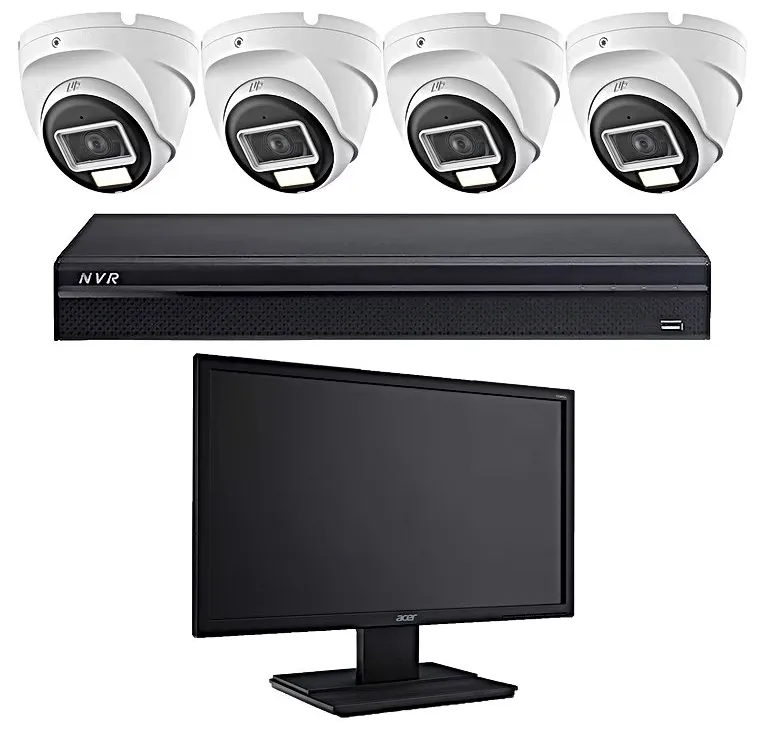
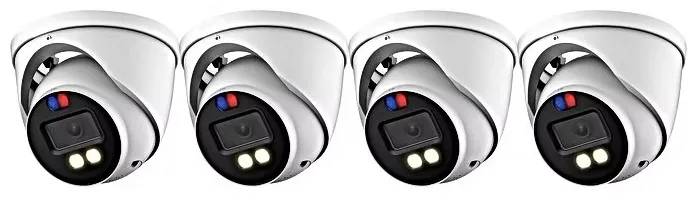
Equipment

Types of Security Camera Systems We Maintain

Rockland's systems were put up by many hands over many years โ€” professional integrators, grant-funded contractors, store-bought kits and the occasional handy congregant. We maintain all of them. What each type needs on a visit is set out below.

Recorders (NVRs and DVRs)

The single point of failure in most systems. Drive health, free space, retention, time sync, firmware, export and remote access are all checked here, and a second drive or mirrored storage is recommended wherever a building goes a day or more without anyone able to handle it.

Turret and Eyeball Cameras

The most common entrance camera on community buildings and homes. No bubble in front of the lens means less glare at night, but the ball joint can be knocked off its view, so it is compared with its reference image every visit.

Dome Cameras

Used inside halls, lobbies and classrooms and under canopies. Domes scratch and collect dust on the inside of the bubble; they are cleaned with lens-safe materials and checked for infrared reflection at night.

Bullet Cameras

Long-range views of parking lots, side yards and loading areas. Sunshields collect webs and nests, and mounts on wood or vinyl siding loosen with temperature swings, so mounts and seals are checked by hand.

Deterrence Cameras with Lights and Sirens

Cameras that flash red-and-blue lights or sound a siren on motion. Their triggers are tested, and their schedules set so they do not go off during a crowded event or wake a street of neighbours at two in the morning.

PoE Switches and Power Supplies

The hidden half of every system. We measure power at the camera end, look for overheating in closets and lower-level rooms, and replace failing supplies before they take cameras with them.

Battery Backup Units

Rockland is all on one utility, O&R, so every outage hits the whole system at once. We time how long the battery actually holds the recorder and switch, and date-label the battery so its replacement is planned rather than discovered.

Wi-Fi and App-Based Cameras

Doorbells and plug-in cameras common in houses and small shops. They depend on the router, the cloud account and the phone app; we check signal, firmware, subscription status and who has access to the account.

Plate-Capable and Analytic Cameras

Cameras with vehicle, person or plate detection. We check what the analytics record, where the data is kept and for how long, and narrow detection zones to the owner's own property.

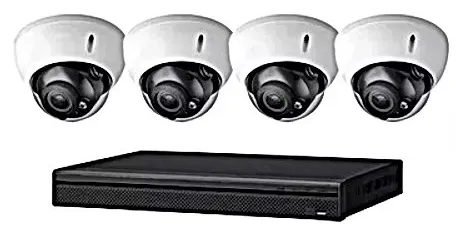
Security camera maintenance Rockland County: manufacturer product photo of four white varifocal dome cameras above a slim black recorder
Manufacturer product photo: four dome cameras with adjustable zoom lenses and a slim recorder. Zoomed views are compared with a reference image so a nudged camera is put back.
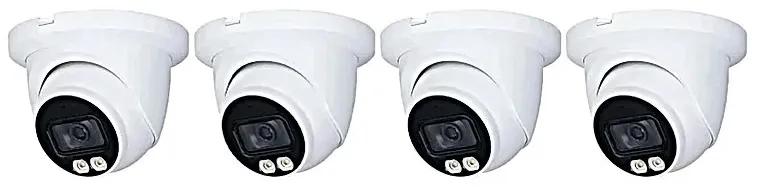
Security camera maintenance Rockland County: manufacturer product photo of a row of four white turret cameras with twin lights under each lens
Manufacturer product photo: four turret cameras of the type often mounted over entrances. With no bubble over the lens they glare less at night, but their ball joints can be knocked off the approved view.
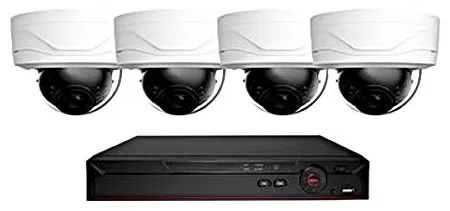
Security camera maintenance Rockland County: manufacturer product photo of four white dome cameras above a black digital video recorder
Manufacturer product photo: dome cameras and a digital video recorder. Domes in halls and lobbies are cleaned inside and out and checked for infrared reflection after dark.
AI Overview Reality Check

What AI Gets Wrong About Security Camera Maintenance in Rockland County

Instead we took seven assumptions that turn up repeatedly in general advice about camera upkeep, grants and local rules โ€” the raw material automated answers are built from โ€” and tested each one against what Rockland owners actually deal with.

Claim 1: "Security grants pay for new equipment, never for upkeep"

This is the most expensive misunderstanding we meet at community buildings. FEMA's preparedness grants manual, which governs the federal Nonprofit Security Grant Program, states that maintenance contracts, warranties, repair or replacement costs, upgrades and user fees are allowable, with timing limits on agreements bought separately from the original equipment.

On the state side, the Education Department's school-safety grant puts "system maintenance/service call" on its eligible list for security systems. Not every program is as clear โ€” the state hate-crimes grant is framed around physical improvements and training โ€” but "never" is simply wrong.

The right answer is program by program, and the time to ask is at the application stage, when upkeep can be built into the original purchase. Boards that ask later often find the window has closed.

Claim 2: "Any compatible replacement part will do"

For a camera bought from a shop with your own money, compatibility is the main test. For a system bought with federal grant money it is not: FEMA recipients and their contractors may not spend federal funds on equipment from covered telecommunications makers, a list that New York's homeland-security office spells out as including Hikvision and Dahua.

That rule surprises boards whose original systems were built around one of those brands, because the obvious like-for-like replacement is the one they cannot charge to the grant. It also applies to services, not just boxes.

A Rockland maintenance record for a federally funded system therefore notes the maker of every part fitted. It takes a minute on the day and can save an argument over reimbursement months later.

Claim 3: "Inside cameras do the most for a house of worship"

General security advice often starts indoors โ€” the sanctuary, the office, the hallway. The guidance New York's homeland-security office gives nonprofit grantees points the other way: cameras bought under the program should secure the exterior of the building, to deter or detect an attack before anyone gets inside, and interior cameras should face points of entry.

That emphasis has a maintenance cost that boards rarely budget for. Exterior cameras face weather, road dust, webs, nesting birds and the occasional ladder, while indoor cameras sit in clean, still air. In our experience the outside cameras on a community building need more frequent attention than the inside ones.

So a Rockland plan for a synagogue or school puts the entrance, parking and perimeter cameras at the top of every visit's list, checks their views against the approved layout, and treats interior cameras as a lighter, less frequent job.

Claim 4: "A home improvement licence covers any camera work in the county"

Rockland separates the trades. Chapter 286 of the county's laws, revised with an effective date of May 14, 2026, requires a home improvement licence for people doing home improvement work, and Chapter 250 governs electrical licensing for wiring at 50 volts or more and the agencies that inspect it.

Camera cabling and PoE equipment run well below 50 volts, but the outlets, circuits and panel connections that feed recorders and battery units do not. A contractor who is happy to "just add an outlet" while servicing cameras may be stepping into licensed electrical work.

We keep to the low-voltage side under our NYS licence and write up any line-voltage need for your electrician. Before hiring anyone for work at a house, it is also worth searching the county's home improvement licence database, which the county maintains online.

Claim 5: "In a rental, the landlord can put cameras anywhere in the building"

Owning the building does not make every view legal. New York's General Business Law ยง395-b makes it a crime for an owner or manager to knowingly allow a device to secretly record the inside of a restroom, toilet, bathroom, washroom, shower or fitting room, or a guest room in a hotel, motel or inn, and the Penal Law separately protects conversations.

In Rockland the question is sharper because so many houses are divided into units or rented by the room, and the county inspects rooming houses every year. A camera that was legal when the house was a single family can become a problem once the room beyond it is someone's bedroom.

Every maintenance visit in a rented building includes a view-by-view privacy check, day and night. It is part of the job, not an optional extra.

Claim 6: "Rockland's weather is gentle, so cameras need little attention"

There is some truth here. Earth Networks' 2020 New York lightning report recorded 64,575 lightning pulses and 28 thunder days in Rockland, the lowest of the six Hudson Valley counties, against 275,059 in neighbouring Orange.

But a quiet sky is not the same as quiet power. The whole county is on a single utility, and O&R called Hurricane Sandy the worst storm in its history, with 230,000 outages and 80% of its customers losing power. In July 2026, heat and storms affected more than 47,000 O&R customers across its territory, and Rockland still had 321 out on the evening of July 6.

Outages hit every camera in a building at once, and restarts are where recorders lose their time, their settings or their drives. In Rockland, battery run-time and restart behaviour deserve more attention than lightning protection.

Claim 7: "License-plate cameras are only a police matter"

The plate readers in the Rockland news are police systems: RCBJ counted an estimated 160 to 200 in the county, most bought by Clarkstown or the Sheriff, whose office operates 55 fixed sites. But plate-reading is now a feature on many ordinary cameras that owners buy for driveways and lots.

A privately owned camera that logs every passing plate on a public road holds data that its owner is responsible for โ€” where it is stored, who can search it and how long it is kept. Few owners know whether the feature is even on.

Checking what your analytics actually record, and narrowing them to your own property, is now a normal part of maintaining a modern Rockland system.

Grant Paperwork Due? Book the Service Visit Early

Tell us which program funded the system, how many cameras it has and when your claim or report is due. We will tell you what a visit covers, what the itemised invoice will show and what it costs at Rockland rates.

Get In Touch

Request a Free Quote

Describe the building and the system in a few lines โ€” who uses it, how many cameras, where the recorder lives and whether any grant paid for it. A licensed technician calls back that business day with a written figure for a single visit or a yearly plan, or asks to see the site first. Nothing is booked until you agree.

Thanks โ€” Request Received

A technician will call about the Rockland system today. If cameras are down right now, ring (845) 640-3835 directly.

How It Works

Our Maintenance Process

The same seven stages apply to a raised ranch with four cameras and a yeshiva campus with sixty. The first visit takes longest, because it produces the ownership map and the reference images every later visit is checked against.

1. Who owns, who paid, who watches

A short call and a few photos: the recorder label, the main views, any grant award or contract number, and whether you have registered cameras with the police.

2. Map every device and every owner

The first visit lists each camera, recorder, switch and power supply with its owner and funding source, flags hardware that belongs to someone else, and saves a reference image of every view.

3. Set the schedule around the building

Visits are planned around services, school hours, Shabbat and holidays, store hours or tenant access, and around any grant claim or inspection date you need to meet.

4. Written scope and price

You get the price of each visit at Rockland rates, the checklist it covers and the service-agreement terms in writing, broken into lines a grant reviewer can follow, and only then do we pick dates.

5. Inspect, test and correct

Lenses cleaned, views compared with the reference, drive health and retention read, export tested, alerts fired, battery run-time timed, accounts and analytics reviewed, privacy checked.

6. Fix small, quote the rest

Drifted views, loose mounts and stale logins are put right the same day. Failing drives, batteries and cameras are photographed and quoted first, with allowed makers named for grant-funded systems.

7. Signed, itemised record

The visit closes with a dated report: each device checked, each test result, each part fitted by maker and model, the oldest footage on the drive and the date of the next visit.

Coverage Area

Security Camera Maintenance Near Rockland County's Landmarks

We cover all five towns and their villages, from the New Jersey line to the Hudson shore at Stony Point. These six places earn a card because of the buildings and systems around them, not because any of them is our customer.

Mario M. Cuomo Bridge, South Nyack

The twin spans that opened in 2017 and 2018 to replace the Tappan Zee Bridge, which opened in 1955 as Rockland's building boom took off. River-village shops and houses below it run small systems in old buildings.

Palisades Center, West Nyack

Opened in 1998 and sold at auction in 2026; tenant camera systems inside, landlord systems outside, and a town plate reader reported nearby.

Nanuet Town Centre and Route 59

The open-air center that replaced the Nanuet Mall in 2013, at one end of a retail corridor that runs west through Spring Valley to Monsey. Plaza cameras, tenant cameras and public cameras share the same lots.

Haverstraw Brick Museum

A reminder of the village that in 1883 had 41 brickyards and some 2,400 workers, when it was the world's largest brick producer. Brick storefronts and houses there hold camera mounts that loosen as old mortar ages.

DeWint House, Tappan

Built in 1700 and the oldest surviving building in Rockland, it was George Washington's temporary headquarters. Tappan's mix of old houses and the Route 303 industrial corridor nearby shows how varied a single hamlet's systems can be.

Stony Point Lighthouse

The oldest lighthouse on the Hudson, first lit in 1826. Stony Point, at the county's northern edge, is one of two Rockland towns that, by RCBJ's count from public-records requests, have bought no plate readers of their own.

Town by town: what the record shows

  • Ramapo (Monsey, Spring Valley in part, Suffern, Airmont, Kaser, New Square, Chestnut Ridge, Wesley Hills, Pomona in part): the county's most populous town, with many synagogues and yeshivas, county-run code enforcement in Spring Valley, and a police department that paused a newer plate-reader test in 2026. Grant-funded systems and divided houses lead the list.
  • Clarkstown (New City, Nanuet, West Nyack, Valley Cottage, Congers, Bardonia): home of the police camera registration program and the only Rockland town using AI-driven Flock plate readers, several on private retail property. Plaza ownership mapping and export readiness come first.
  • Orangetown (Pearl River, Orangeburg, Blauvelt, Tappan, Sparkill, Piermont, South Nyack, Grand View): office campuses, the Route 303 industrial corridor and river villages; police use fixed plate readers. Building sales and conversions drive most first visits.
  • Haverstraw (Haverstraw village, West Haverstraw, Garnerville, Thiells, Pomona in part): brick-era village buildings and newer housing; the town has bought no plate readers, per RCBJ. Old masonry mounts and shared basements are the usual work.
  • Stony Point (Stony Point, Tomkins Cove): the quietest town for public surveillance hardware; homes, marinas and small businesses with Wi-Fi and kit systems that need account and firmware attention.

Scheduled visits also run to Hillburn, Sloatsburg, Montebello, New Hempstead, Viola, Upper Nyack, Nyack, Palisades, Tallman and Pearl River's neighbouring hamlets. Rockland is part of our Hudson Valley security camera maintenance coverage, which lists the neighbouring counties.

Pricing

Security Camera Maintenance Cost in Rockland County

Our published Rockland prices are the city base for camera maintenance times the county factor of 1.30, rounded to the dollar. Anything physical a visit uses โ€” a drive, a battery, a power supply, a replacement camera โ€” is a separate line on your written quote, with the maker and model named so grant-funded systems can be checked.

Rockland maintenance workPriceWhat it covers
One-time tune-up, home or small system$195โ€“$455A single visit: ownership map started, lenses cleaned and views checked against reference images, drive health and retention read, clip export tested, alerts fired, battery run-time timed, accounts reviewed, signed itemised record
Scheduled plan, home or small building$260โ€“$650 per yearScheduled visits with the same checks, priority booking and a report after each; in practice about $65โ€“$195 a camera a year, depending on camera count, mounting heights and access
Commercial and institutional plan$1,300โ€“$6,500+ per yearPlazas, office buildings, synagogues, schools and multi-family buildings; set after a walkthrough, with grant-ready records and visits timed around services, school hours or store hours
Same-day repair visit$247โ€“$1,170For a recorder that will not boot, a run of black tiles or a gap in playback: diagnosed and repaired the same day, priced per job
Service after an AESS installation$195/hr, 3-hr minimum ($585)Our hourly rate for coming back to make changes or additions to a system we put in; brand-new installations get a fixed quote instead

What moves a Rockland price is less the number of cameras than the shape of the job. A building with one owner and one recorder is quicker than a plaza where we must first sort the landlord's, tenants' and public cameras. Visits that must fit narrow windows โ€” between morning minyan and school drop-off, or before a Friday early close โ€” take careful scheduling, and grant-funded systems need a little more paperwork. Grouping several buildings for one owner on the same day keeps the cost down.

Three worked examples on the published prices

A synagogue in Ramapo with a grant-funded system. Twelve cameras covering entrances and the parking area, one recorder in the office, bought partly with a state hate-crimes grant. The board wants two visits a year with itemised reports. That falls in the commercial and institutional range of $1,300โ€“$6,500+ a year, toward the lower end for a single building; the exact figure follows a walkthrough, and any replacement parts are quoted separately with their makers listed.

A divided house in Spring Valley. Six cameras on shared entrances, halls and the driveway, recorder in the basement. The owner wants a check before the county's periodic inspection and one more later in the year. That sits in the scheduled plan range of $260โ€“$650 a year, with any cable re-routing at a fire door quoted as a separate line.

A strip plaza on Route 59. Twenty landlord cameras, three tenants with their own systems and a town plate reader on one pole. The landlord wants quarterly visits and a map showing whose equipment is whose. That is a commercial plan priced after the first walkthrough, because sorting ownership on day one decides the hours.

The money side is never left to a handshake. Full terms โ€” including 50% deposit, the 30-day warranty and optional paid extended warranty, and the late-fee schedule โ€” are set out in the service agreement.

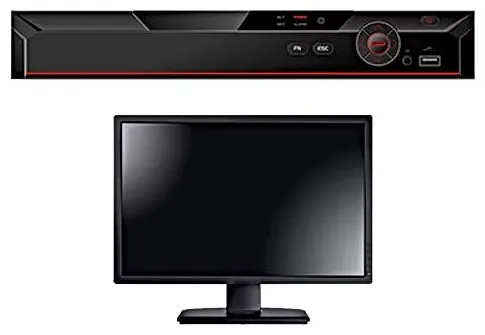
Security camera maintenance Rockland County: manufacturer product photo of a black recorder with a red trim strip and a front USB port above a monitor
Manufacturer product photo: a recorder with a front USB port above a monitor. Exporting a clip through that port is tested on every visit, so footage can leave the building quickly when police ask.
Shop Our Systems

Security Camera Maintenance Packages & Pricing

Most Rockland jobs start from one of these three. Your written figure then sits somewhere inside the range depending on how many cameras there are, how hard they are to reach and how much record-keeping the funder asks for. There is no monthly fee for footage that stays on your own recorder.

Rockland Tune-Up

$195โ€“$455

One visit for a home or small business: cameras cleaned and checked against reference views, drive and retention read, export and alerts tested, accounts reviewed, and an itemised record you keep.

Home and Building Plan

$260โ€“$650 / year

Scheduled visits for houses, divided houses and small buildings, priority booking, privacy and fire-door checks in rented buildings, and a report after each visit.

Institutional and Commercial Plan

$1,300โ€“$6,500+ / year

For synagogues, schools, plazas and offices: ownership mapping, grant-ready itemised records, allowed-maker checks on replacement parts, and visits timed around your calendar.

Bought your own cameras? They can join the same plan

Plenty of Rockland systems were not put in by a professional at all: a congregant with a drill, a landlord with a box from the hardware store, a company that has since closed. We maintain those too. On the first visit each device gets logged with its model and firmware, and you get a straight verdict on which pieces deserve upkeep and which are close to retirement. If you later want equipment added and prefer to supply it yourself, our bring-your-own-equipment calculator shows the labour-only line items.

Security camera maintenance Rockland County: manufacturer product photo of four white turret cameras with twin lights above a black recorder with a red trim strip
Manufacturer product photo: four dual-light turret cameras and a recorder. A plan keeps an inventory of every camera and recorder like these, with model and firmware for each.

Speak to a Rockland Camera Technician

A grant-funded recorder beeping in the office, a new owner locked out of a plaza system, an inspector due at a two-family next week โ€” explain it on the phone, and the technician you speak to is the one who schedules the work.

Complete Services

Every Security Camera Maintenance Service in Rockland County

An itemised visit report often points to a bigger job โ€” a recorder that should be retired, cable that needs re-pulling around a fire door, a second camera at a busy entrance. These Rockland pages pick up from there.

Camera Repair, Rockland County

Cameras and recorders that have failed.

NVR Installation, Rockland County

Replacement recorders with mirrored storage.

DVR Upgrades, Rockland County

Older analog systems converted or replaced.

Network Cable Repair, Rockland County

Runs pinched in doors or damaged in walls.

School Cameras, Rockland County

New coverage for yeshivas and private schools.

Apartment Building Cameras, Rockland County

Shared-area coverage for multi-family buildings.

Commercial Cameras, Rockland County

Plazas, offices and industrial sites.

Parking Lot Cameras, Rockland County

Lot and pole coverage for plazas and halls.

Security Camera Installation, Rockland County

New systems for homes and businesses.

Field Notes

Field Notes: Ask Who Paid Before You Pick Up a Screwdriver

The first question I ask in a Rockland building is not "what's broken?" It is "who paid for this, and who else uses it?" The answer changes everything that follows. If a grant bought the cameras, I want the award letter on the table before I order a single part. If the town has a camera on the pole outside, I want to know which box on that pole is ours before anyone goes up a ladder. If tenants live behind the hallway walls, I want to see every view after dark before I touch the aim.

Then I walk the building with whoever knows it best โ€” the gabbai, the office manager, the super, the owner โ€” and we label each camera with its owner and its purpose. It is slow the first time. It is also the only way to make every later visit fast, because from then on we are checking against a map rather than guessing.

The last thing I do is export a clip, on the spot, from a camera the owner chooses, and play it on their own phone or laptop. If that takes more than a few minutes, it goes to the top of the list for the next visit. When the police call, nobody wants to be learning the menus.

โ€” Owner, NYS license #12000287431

FAQ

Rockland County Security Camera Maintenance FAQ

Quick points for boards, office managers and owners about calendars, invoices and system settings.

Can visits to a synagogue or yeshiva be kept away from Friday afternoons, Shabbat, Yom Tov and school drop-off times?
+

Yes. On Fridays we finish well before the early close, and we do not work on Shabbat or Yom Tov. At schools, cameras over entrances and drop-off areas are serviced before arrival or after dismissal, and the rest during class time away from the doors. Send us the year's calendar and we plan every visit at once instead of one at a time.

Can your quote be itemised camera by camera, the way grant reviewers ask for?
+

Yes. The procurement guidance New York nonprofits follow asks for bids detailed item by item rather than as a lump sum, so our quotes list each camera, each test and each part separately, with labour shown by task. That makes them easy to score against other bids and to match against the equipment on your award.

Our grant reimburses us only after we have paid โ€” will your invoice show what the reimbursement claim needs?
+

Our invoices show the date of each visit, the address, each device serviced, each part by maker, model and quantity, and labour by task, and we can add your grant contract number on request. Proof of payment, such as a cancelled check, comes from your side; keep it with the invoice, because reimbursement programs ask for both.

Can you mark which cameras a particular grant paid for, on the recorder and in the log?
+

Yes. We add a short funding code to each camera's name on the recorder and keep a funding column in the inventory, so anyone opening the system or the file can see which cameras belong to which award. On request we also put a small label inside each grant-funded camera's mount, out of public view.

Can you help write the camera section of our grant application?
+

We can give you our published prices and general information about what a system of your size usually needs. Be careful about more than that: the conflict-of-interest guidance for these grants says a contractor who drafts the specifications or helps develop the application or budget should be excluded from bidding on the work. Decide early whether you want us as an adviser or as a bidder, because it is hard to be both.

Do synagogues, schools and other nonprofits pay the same maintenance rates as businesses?
+

Yes. The Rockland prices on this page apply to every kind of property, and we do not publish a separate nonprofit rate. What differs is the shape of the job: institutional plans usually include more paperwork and tighter scheduling, which the written quote reflects line by line before you agree to anything.

Several of our cameras record sound โ€” should that be switched off?
+

In most cases, yes. Article 250 of New York's Penal Law makes recording a conversation without the consent of at least one party a crime, and in halls, offices and shared hallways that is hard to guarantee. Some firmware updates switch audio back on, so we confirm microphones are off after every update unless the owner has a lawful reason, agreed in writing, to keep them on.

We share a parking lot with the building next door โ€” can our cameras cover all of it?
+

Shared lots are common along Route 59 and on community campuses. The privacy laws described on this page are aimed at bathrooms, fitting rooms, guest rooms and conversations rather than open parking, but it is still good practice to tell your neighbour, mount cameras on your own building or poles, and keep views away from the windows of nearby homes. We note any shared coverage in your system map.

Can the cameras keep recording on Shabbat while phone notifications stay quiet?
+

Yes. Recording and phone notifications are separate settings on most systems. We can schedule notifications to pause on Friday evening and resume after Shabbat, while the recorder keeps recording and logging events as usual. Whether anything should be automated, and at what times, is your community's decision; we set it up to match the times you give us.

All Areas Served

Security Camera Maintenance Across the Hudson Valley, New York City and Long Island

Own buildings on both sides of the Tappan Zee crossing, or in the city as well? Each county and borough has its own page with its own prices, and the Hudson Valley security camera maintenance hub ties the six counties north of the city together.

Grant programs often fund door readers, panic buttons and lighting alongside cameras. For those trades, start from the Abstract Enterprises Security Systems home page; our credentials and insurance are on the about us page.

Sources

Where the Rockland Camera Maintenance Facts Come From

Grant rules, police programs, plate-reader counts, code-enforcement figures, outage numbers and privacy laws cited above trace to the documents below. Reddit threads in r/Rockland surfaced in search but could not be opened, and no Google AI Overview, People Also Ask or Yelp review text was retrievable. The maintenance routine itself is AESS practice, not a requirement of any source, and every price is the silo base rate times 1.30.

This page explains how we work; it does not replace your program representative on award conditions, the county consumer-protection office on licences, or a licensed electrician on anything above low voltage.

Recorder Down Before Shabbat or a Board Meeting? Call the Rockland Line

A recorder showing a drive error on Friday afternoon, a plaza system the new owner cannot log into, a detective asking for last night's clip โ€” ring (845) 640-3835. Footage is copied before anything is changed, and most systems are recording again within one to two hours of the technician arriving.

Rockland Camera Upkeep From a Licensed, Insured Crew

Phone for Rockland work: (845) 640-3835. Written messages: WhatsApp (718) 679-0359. Business address: Abstract Enterprises Security Systems, 460 E Fordham Rd, Bronx, NY 10458.

Google reviewers give us 4.6โ˜… (390+ reviews so far). Our state licence number is 12000287431, the crew carries insurance, and quotes go out in writing on the day you ask.

On grant-funded jobs the maker of every part is listed, and each maker's own warranty sits on top of ours. Full terms โ€” including 50% deposit, the 30-day warranty and optional paid extended warranty, and the late-fee schedule โ€” are set out in the service agreement. See our warranty page.

Page reviewed and updated October 18, 2026. Changelog: Rockland County camera maintenance page rebuilt from new research on state and federal security grants and the school-safety grant's 2026 deadline, Clarkstown's camera registration program, plate readers on private property, county code enforcement in Spring Valley, rooming-house rules, privacy law, O&R outages and property changes along Route 59 and Route 303, on the silo base prices at the Rockland area factor of 1.30.