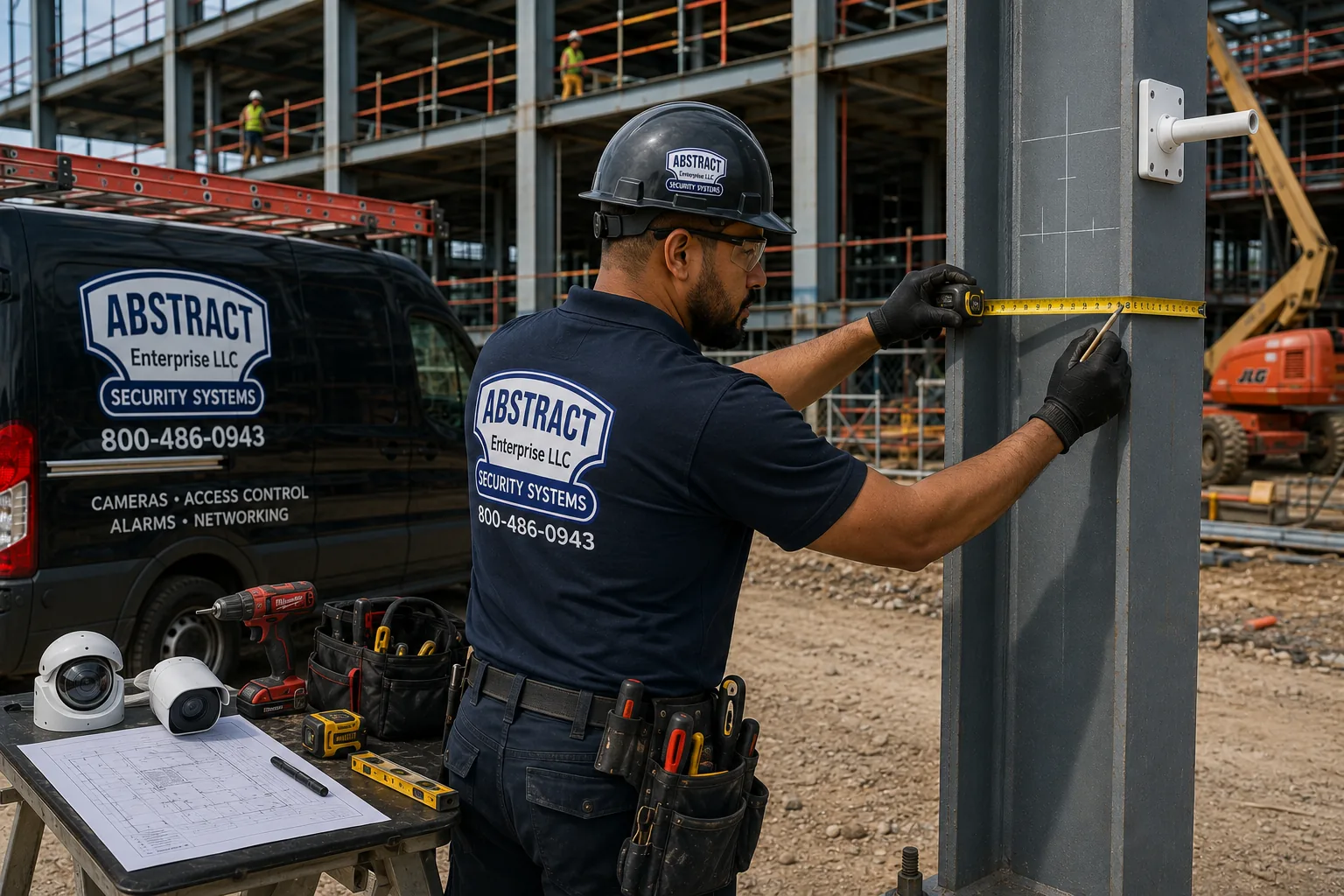
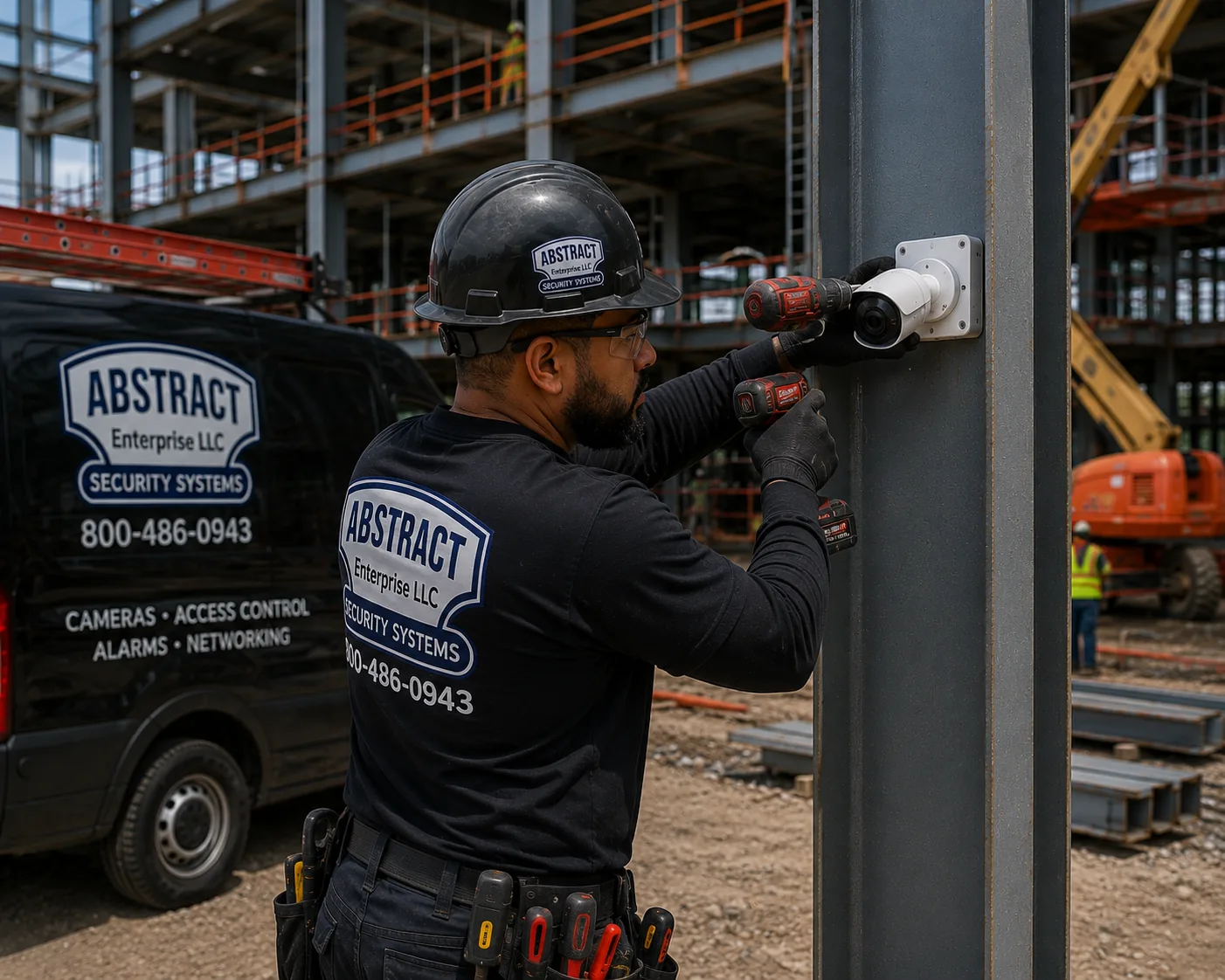
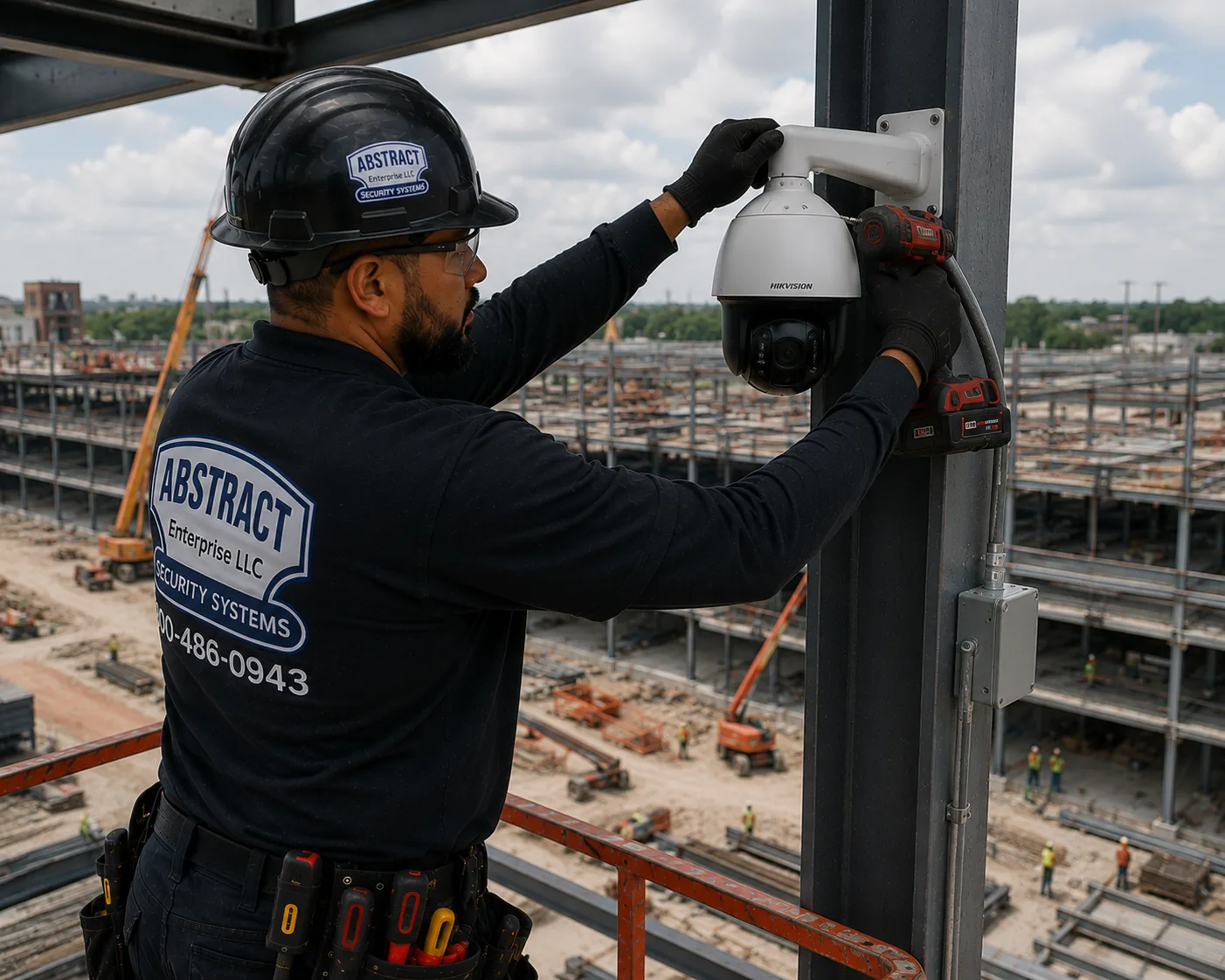
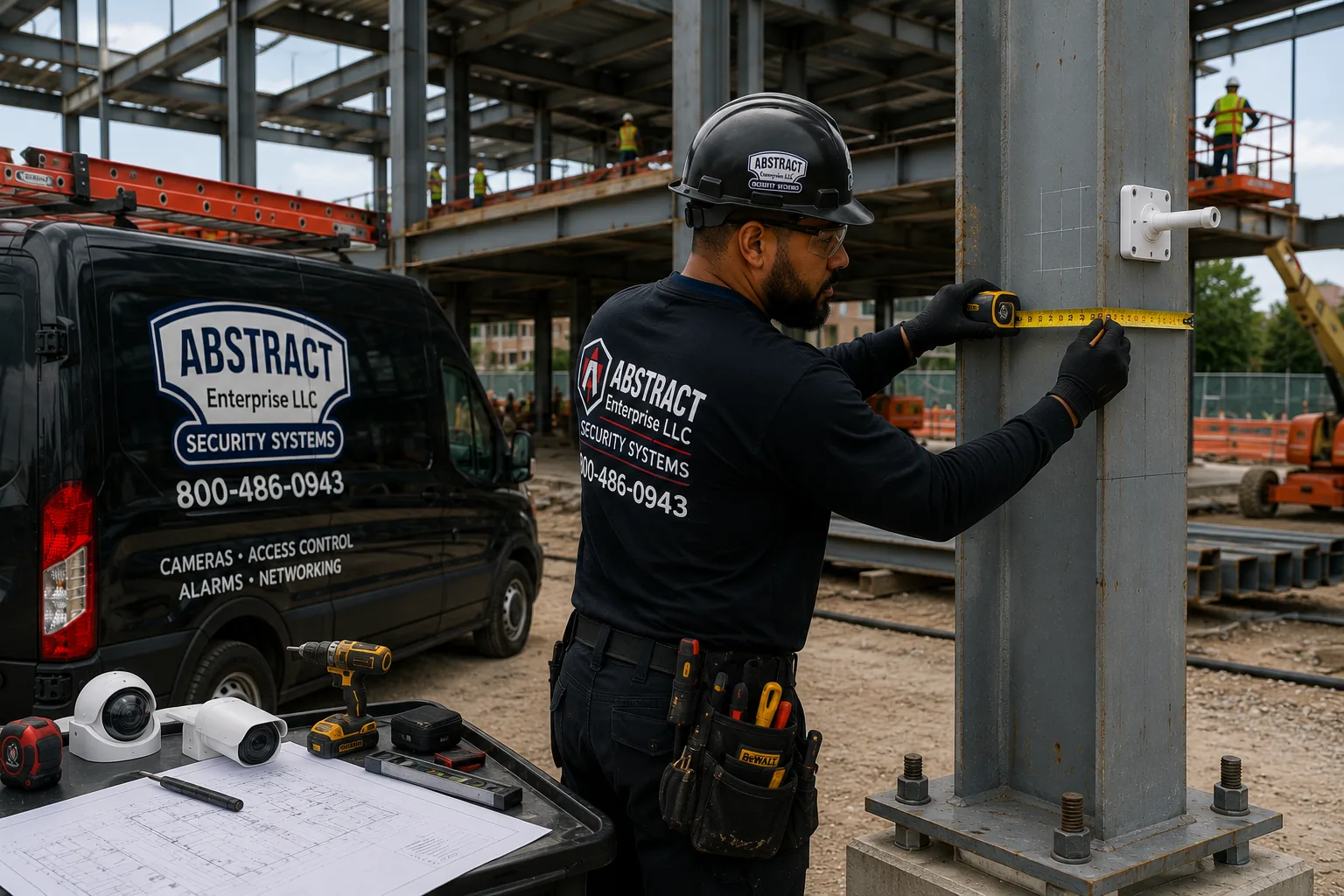
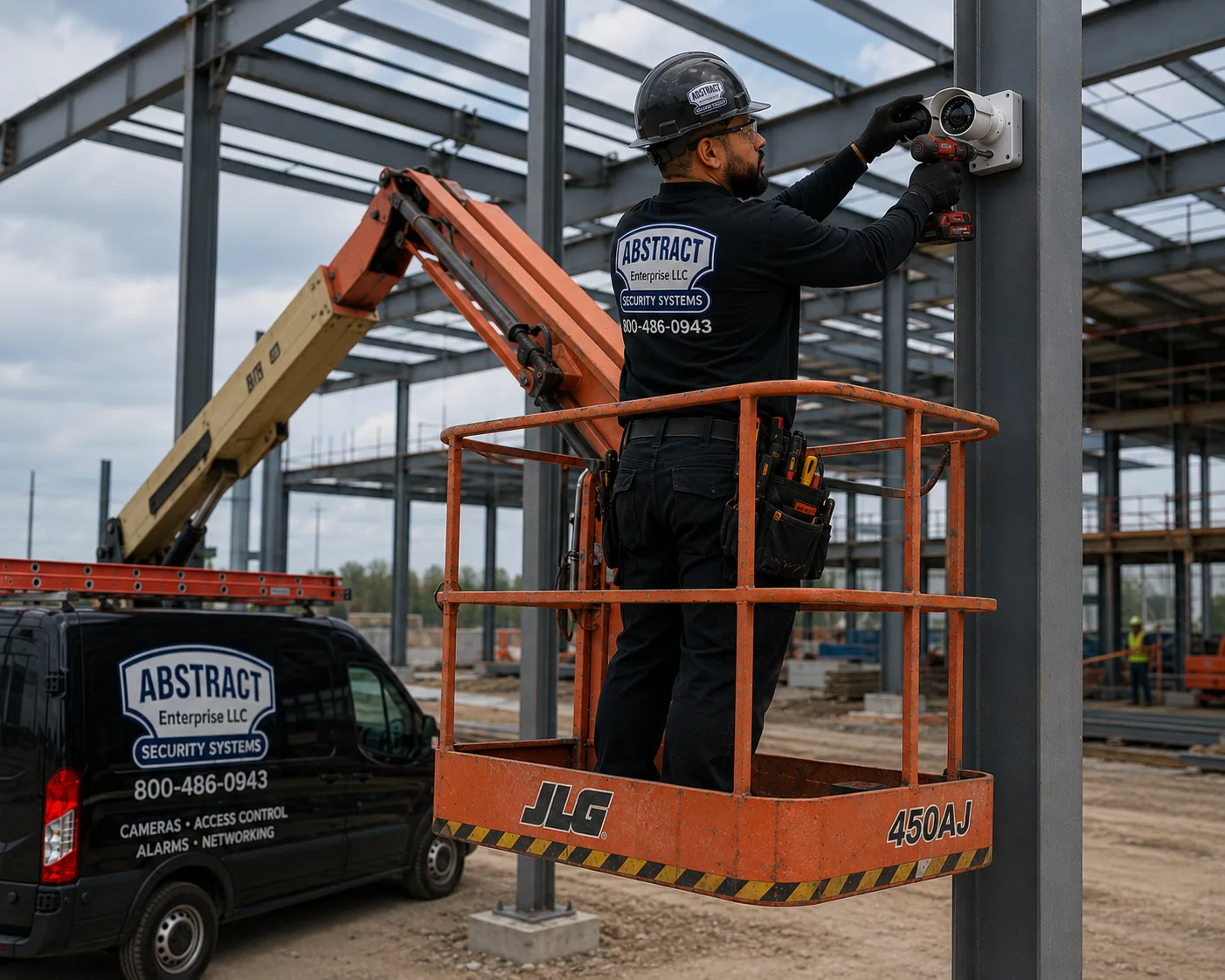
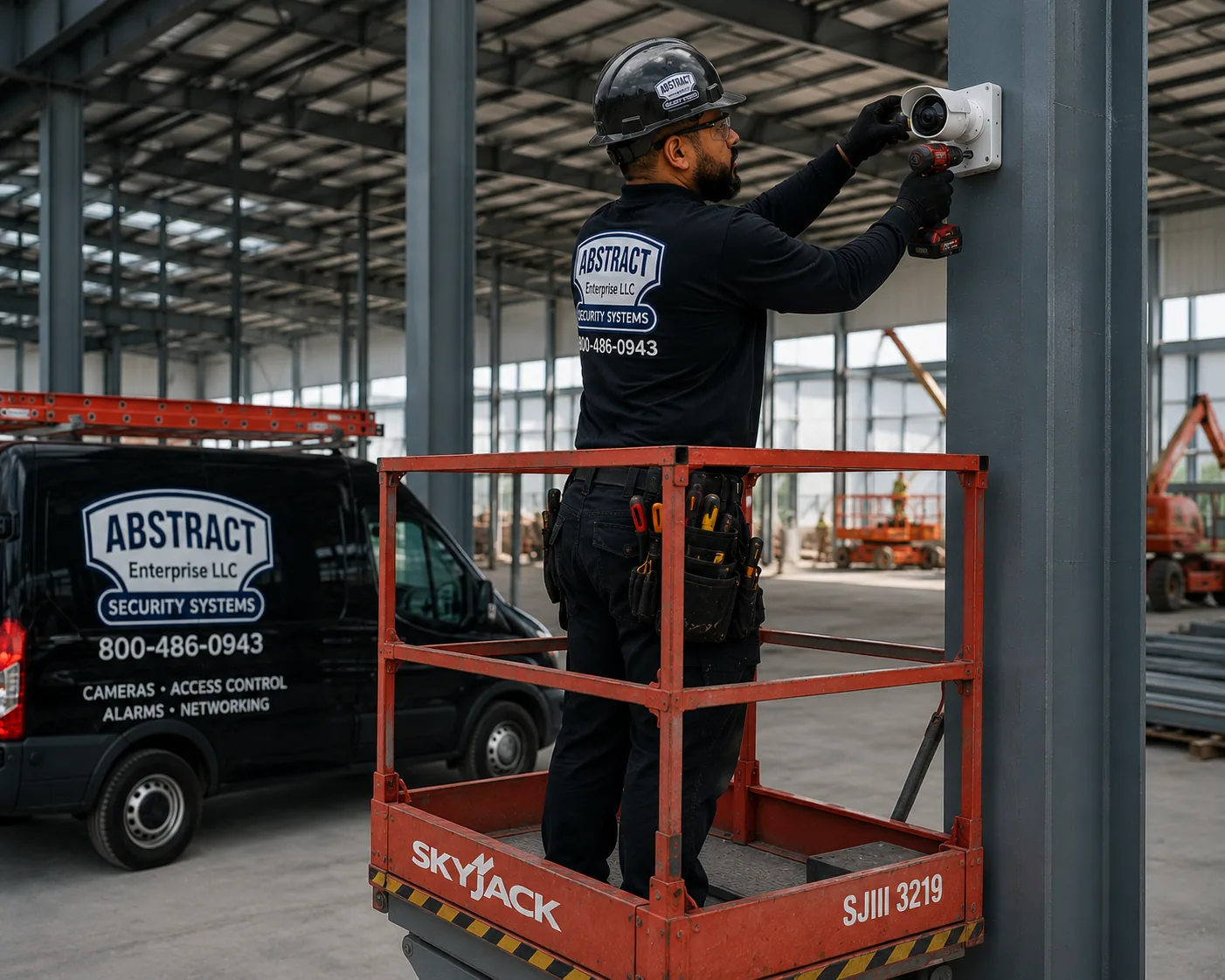
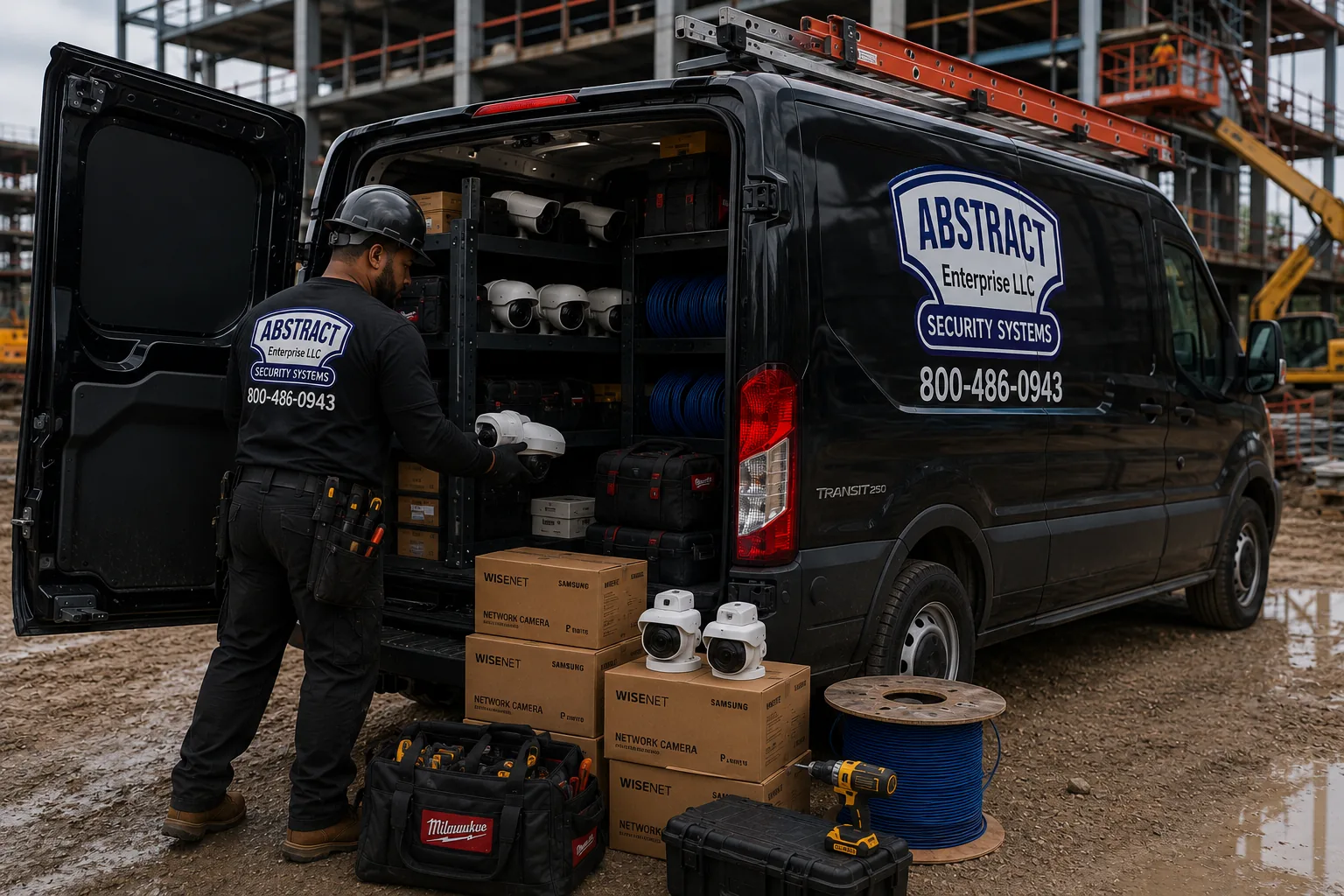
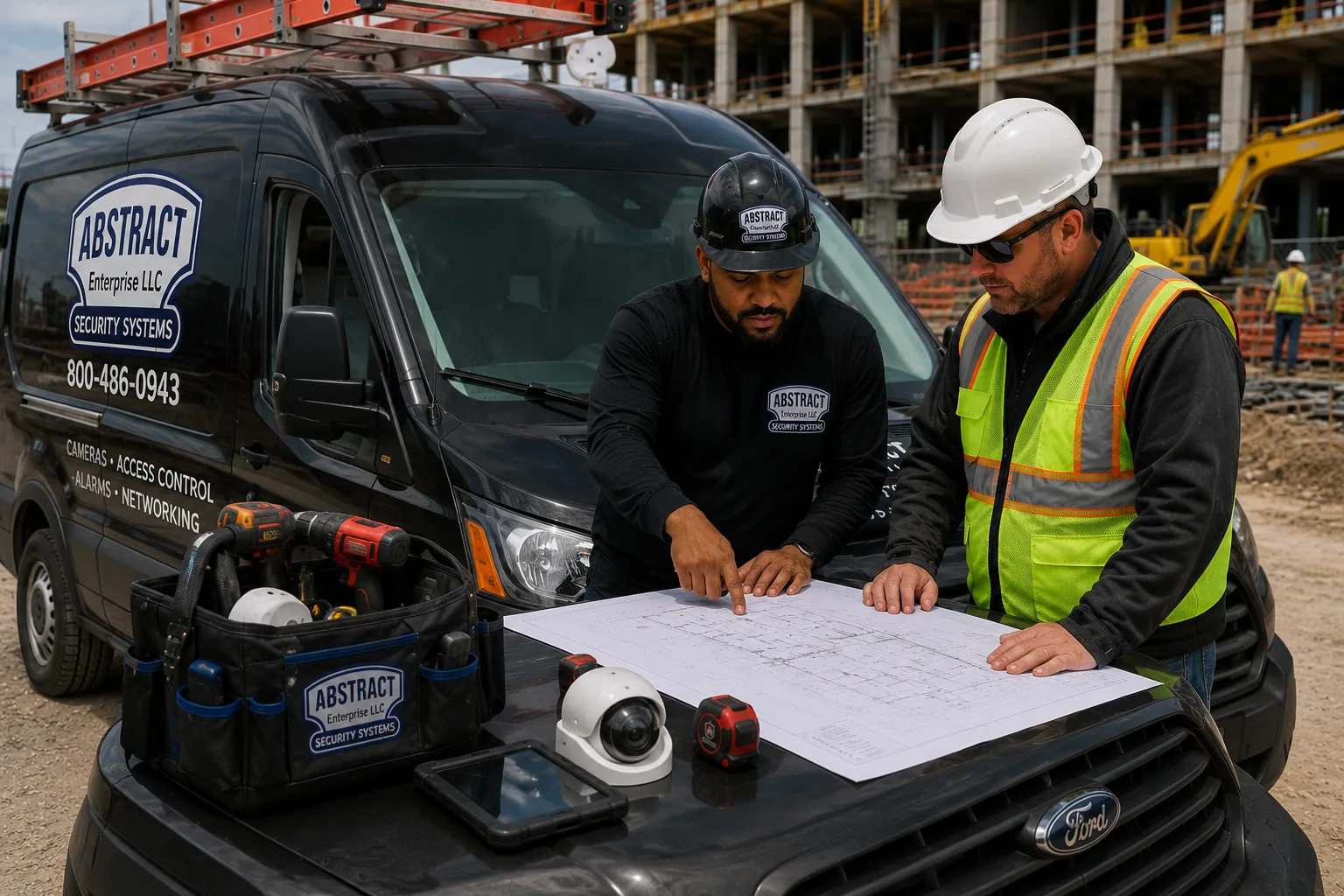
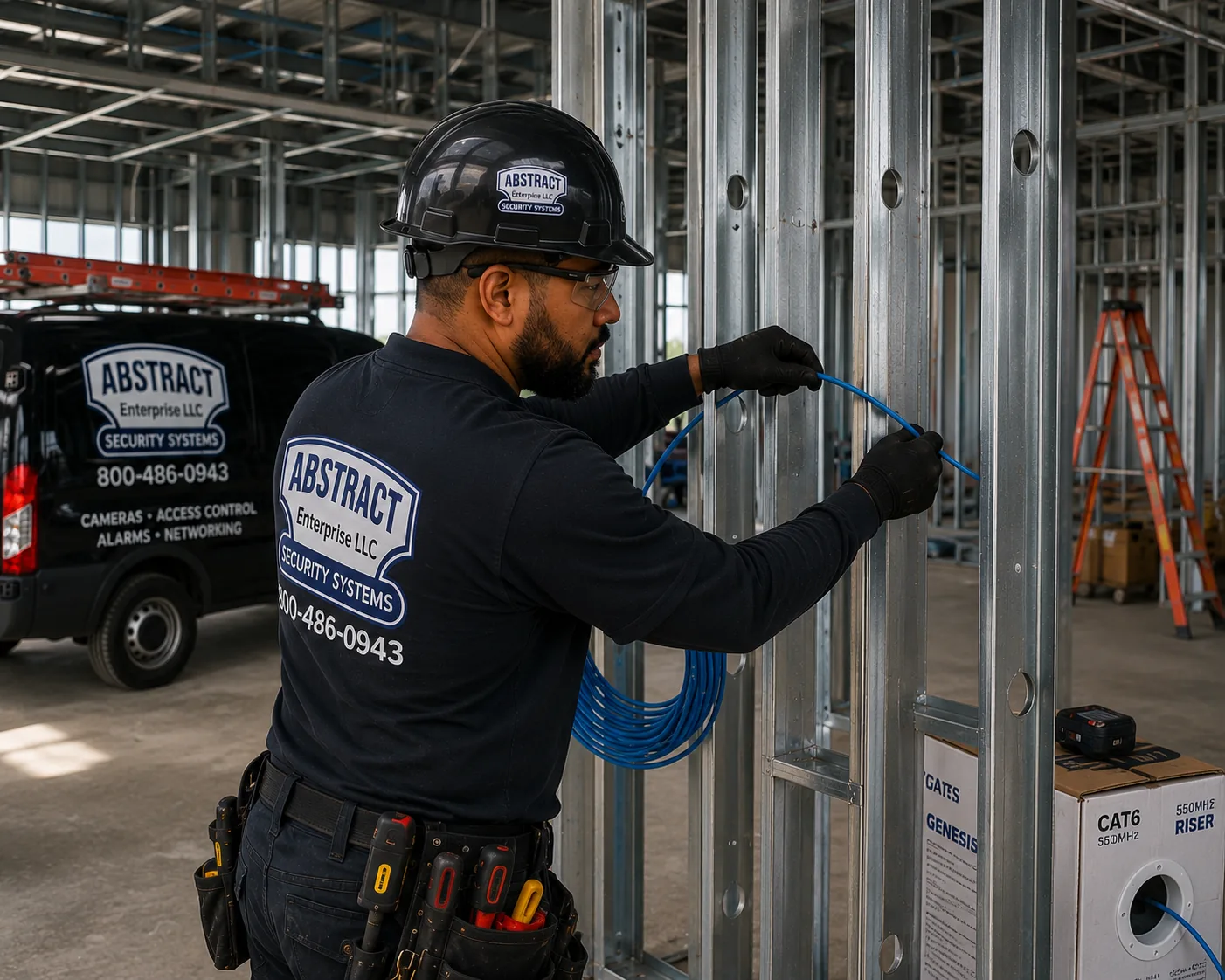
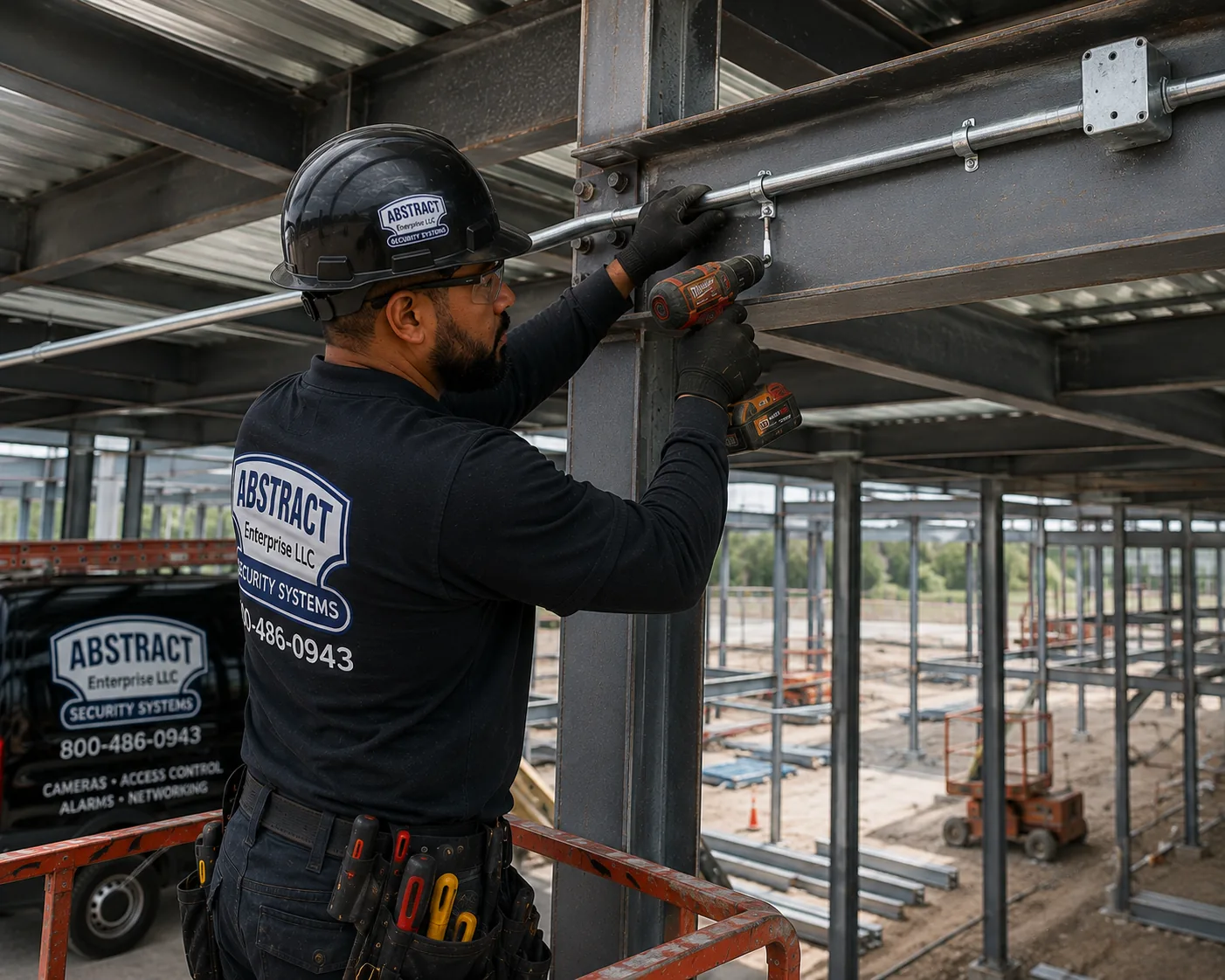
Jobsite cameras for the borough we're headquartered in — infill lots wedged between occupied rowhouses, condo and rental builds, brownstone gut renovations, warehouse fit-outs, and stalled shells that need watching. Fence-line, gate, and interior coverage installed by a licensed NYS low-voltage contractor based at 1282 Troy Ave, monitored 24/7, rented month-to-month, and removed or converted clean at closeout.
Brooklyn construction runs on a rhythm thieves have memorized: crews out by four, sites dark by six, and a plywood fence as the only thing between the street and everything inside it. The pry bar shows up Sunday night. The generator leaves through the gap Monday at 2 AM. And the borough's signature loss — the one every builder here eventually eats — is the appliance package: fridges, ranges, washers, and mini-splits staged on finished floors in the final weeks before closing, gone in one organized night with a box truck at the curb.
The economics are the same national bleed — $300 million to $1 billion a year in equipment and material theft per NER/NICB reporting, tool recovery under 7% — but Brooklyn adds its own multipliers. Scaffold pipe and plank have a resale market. Scrappers work the dumpster line and graduate to whatever's inside the fence. Stalled shells collect squatters and dumping in weeks. And on an infill lot squeezed between occupied rowhouses, every incident comes with an audience of neighbors who were already nervous about your excavation.
Nothing in the code requires a camera on any of it — Brooklyn projects answer to DOB permits, site-safety rules scaled to building size, and fence and shed standards that say nothing about surveillance, and most borough jobs run below the thresholds that trigger full-time safety staffing anyway. Which is exactly the point: on a lightly staffed 25-foot lot, the camera is the after-hours presence. It logs the gate, answers the 3 AM fence breach, documents the underpinning next to the neighbor who'll claim a cracked stoop in March, and proves to your lender the idle months weren't unwatched. That's what you're buying — not a checkbox.
A rowhouse infill, a Gowanus tower, a Sunset Park warehouse fit-out, and a stalled shell east of the park are four different security problems. The borough catalog, in the order sites order it:
Self-powered heads with LTE uplink that go live at fence day — no temp service, no internet, no trenching. The unit that covers the lot while the site is still a hole.
Plate capture and ID-height heads on the gate and every fence run — because on a Brooklyn lot, the plywood line is the entire perimeter and the gate is the whole story.
Hardwired 4K coverage once temp power lands — continuous recording for condo and rental builds, engineered to convert into the finished building's permanent system.
Compact heads on the floors holding appliance packages, fixtures, and flooring in the pre-closing weeks — the highest-value, most-hit square footage on any Brooklyn job.
Auto-tracking pan-tilt-zoom for contractor yards, truck courts, and the bigger footprints — one elevated head sweeping what would take six fixed cameras.
After-hours zones tuned for blocks that never empty — an alert means someone inside your fence, not every dog-walker passing the gate.
Person-detection fires a strobe and a live voice naming the intruder's position — which ends a fence-gap visit fast on a quiet residential block where everyone hears it.
Deck-by-deck documentation for lenders, tax-deadline milestones, and buyers — plus the day-by-day record when a schedule or draw dispute needs receipts.
On-site recording with cloud clips that survive a stolen recorder — one app across the Bed-Stuy flip, the Gowanus condo, and the Canarsie yard.
Most Brooklyn jobs have nobody on site after four and no budget for a guard. Monitored plans fill that seat: operators verify every after-hours event, fire the strobe and talk-down, work your call list, and hand the precinct a video-verified intrusion report with a description — the call that gets a car to a fence breach while the crew with the pry bar is still inside. Recording tells you Monday what you lost; monitoring interrupts it Sunday night.
For demolition sites, laydown yards, and the borough's bigger open footprints, a solar surveillance trailer in Brooklyn parks a mast-mounted PTZ with strobes and audio anywhere a truck can back in — no structure needed, gone when the steel rises. Rates on the trailer pricing page.
Infill lot / rowhouse build — the borough's signature project: a narrow lot between occupied attached houses, often 25 by 100, producing a townhouse or small condo. Its security problem is concentration — everything of value inside one plywood rectangle with neighbors on three sides and a gate on the fourth.
Gut renovation — a brownstone or rowhouse stripped to structure and rebuilt. The exposure runs in phases: copper and mechanicals mid-job, then a finished-floor spike at the end when fixtures and appliances land weeks before closing.
Underpinning — foundation work beneath or beside the attached neighbor, and the source of the borough's most reliable claims. Continuous camera documentation of the shared wall and the neighbor's stoop during this phase is the cheapest dispute insurance a builder can buy.
Idle / stalled shell — a project paused by financing, litigation, or sequencing. Brooklyn's stalled sites collect scrappers, squatters, and dumping within weeks of going quiet; battery-powered monitored units are the standard answer because idle sites usually have no live power.
Video verification — a live operator confirming a real intruder before police are called, which is what turns a burglar-alarm shrug into a prioritized response on a busy precinct's night.
NDAA-compliant — the Section 889 hardware standard that public and federally funded work must meet. Any school or agency project in the borough starts its brand list with this word, not with price.
Brooklyn's project mix runs from four-story self-cert jobs to school construction, and the brand list follows the funding. Public and federally touched work — SCA projects, agency buildings, anything with a compliance file — falls under NDAA §889, which rules out Hikvision and Dahua and puts Axis, Hanwha Vision, Avigilon / Alta, and Verkada on the spec with paperwork attached. Private infill, flips, and fit-outs can run LTS/Platinum for price-performance or entry lines on short jobs — we install Dahua in Brooklyn where it's an honest budget fit, and keep it off anything an auditor will ever read.
How the borough sorts them: Verkada for developers who want the flip in Crown Heights and the condo in Gowanus on one cloud dashboard; Avigilon appearance search for "find the guy with the duffel across three weeks of nights"; Axis low-light heads for fence lines under sodium glow; Hanwha multi-sensors where one corner mount has to see the gate and both fence runs. Tell us the funding and what's been walking off — the list writes itself.
Gate plate-capture, a yard head, and a finish-floor unit for the closing stretch — the two-to-three-camera setup that covers a 25×100 lot end to end.
Fence-line and gate coverage through foundation, converting to wired PoE as the building rises — one contractor from excavation to the lobby system buyers see.
PTZ over the truck court, plate capture at the roll gates, thermal where the fence backs an alley — built for the Sunset Park–Red Hook–East Williamsburg industrial spine.
Any layout above plus 24/7 live operators, talk-down deterrence, and video-verified dispatch — the after-hours presence a small site can't staff.
Every package hands off cleanly to the rest of the low-voltage scope — site and building alarms, tel-data backbone, and the permanent systems the finished property keeps.
Cameras follow the work — and so do the crews that scout it. Where Brooklyn's construction is concentrated this cycle:
The 2021 rezoning is now producing at full speed — more than 8,500 units in the pipeline, towers finishing on Nevins Street, Maison Bond wrapping on the canal, and a roughly $1 billion, 1,000-unit complex at 175 Third Street approved this spring. Fences and sheds are going up as fast as they come down.
Gowanus Green — a multi-phase, roughly 955-unit fully affordable development — is targeting a 2026 construction start, and groundbreakings like 213 3rd Avenue keep the piling rigs busy. Brownfield-program sites mean long excavation phases with equipment parked on them for months.
Projects frozen by the old tax program's expiration have been moving again under state action and its replacement incentive — which means shells that sat dark are re-mobilizing across the borough, each one a site that needs watching from the first day the fence goes back up.
Under the headlines, Brooklyn's real volume is small: rowhouse builds, brownstone guts, and four-to-eight-unit condos across Bed-Stuy, Crown Heights, Bushwick, and Flatbush — thousands of lightly staffed sites where the camera is the only after-hours presence.
Warehouse fit-outs and logistics conversions keep rolling through Sunset Park, Red Hook, and East Williamsburg — truck courts, roll gates, and outdoor staging that get scouted from the street and hit from the alley.
Downtown Brooklyn's tower churn and the Williamsburg–Greenpoint waterfront's continuing build-out carry the borough's biggest single sites — hoists, sheds, and finish floors measured in hundreds of units.
How we work the borough: straight out of our own HQ at 1282 Troy Ave — Utica Ave and Kings Highway to the south and east, Atlantic and Flatbush to Downtown and the waterfront, the BQE to Sunset Park and Greenpoint. No bridge, no excuse, usually no next-day wait.
The 25×100 specialists — two or three cameras, one rental payment, the whole lot answered after hours.
Portfolio operators whose units move project to project with them — coverage that closes with the building and reopens at the next one.
Gowanus-scale builds with hoists, finish floors, and TCO dates — plus the lobby system buyers and lenders expect at closing.
Crews running six sites with no site-safety headcount — accountability at every gate from one phone.
Sunset Park and Red Hook fit-outs with truck courts and alley-backed fence lines fixed heads can't hold alone.
Idle-asset protection on stalled projects — documented, monitored, and reportable while the capital stack sorts itself out.
School construction and agency work with NDAA specs and formal footage-handling requirements.
Machines sleeping on cleared lots and in yards along the commercial strips — deterrence where the fleet parks.
Collected on site walks from Greenpoint to Canarsie — answered here the way we answer them leaning on the fence.
With a better record than theirs. Continuous cameras on the shared-wall lines, the rear yard interface, and the sidewalk in front give you a time-stamped account of every phase — what the excavation actually did, when the underpinning was shored, what the neighbor's façade looked like every single morning. Their cell-phone photos capture moments they choose; your system captures everything, neutrally, with timestamps nobody can argue with. When the cracked-stoop letter arrives in March, you respond with footage of that stoop across five months, and the conversation gets short. It also keeps your own crews honest about protection measures — which, on an infill job, is half of staying out of trouble in the first place.
Treat the last six weeks as their own security project, because that's what the crews who did it do. The moment fixtures and appliances land, the finish floors get compact interior heads with tight after-hours zones, the gate camera gets an arming schedule, and — on monitored plans — operators treat any evening entry as an event, not a maybe. The box-truck job needs twenty quiet minutes at the curb and a propped door; talk-down audio announcing a live operator ends it in the first ninety seconds. Pre-closing losses are the most predictable theft in Brooklyn construction, which is exactly why they're the most preventable.
Patterns are the easiest thing a camera system beats. A head on that fence run with person-detection catches the same entry at the same hour — and once you add a strobe and a talk-down speaker, the third visit ends with a voice describing the visitor's jacket to the whole block. Most repeat wanderers never come back after being spoken to. You'll also finally learn whether it's kids, a scrapper working a route, or someone measuring you up for a bigger night — which changes what you do next. And screw the panel back with security fasteners; we'll point out the weak runs during the walk, because the fence and the cameras are one system.
Three things, stacked. First, a gate head with plate capture — machines leave on wheels, and the plate log turns "sometime this weekend" into a truck, a time, and a direction. Second, after-hours zones on wherever the equipment sleeps, with monitored response so the loading gets interrupted, not reviewed. Third — and this is the portfolio answer — the same rented units move with you from flip to flip, so every project you run inherits the deterrent from day one instead of starting naked. Two thefts a year at $3–8K each is a worse line item than a camera rental; that's the whole math.
Act fast, because occupancy claims get harder with time. Cameras do two jobs here: prevention and proof. Monitored battery units on the entries mean the next attempted entry gets a live response — talk-down, your call list, a precinct call with video — instead of another quiet move-in. And the recorded timeline documents that the building is secured, monitored, and unoccupied, which is exactly the evidence your attorney wants when establishing trespass rather than tenancy. Pair the cameras with physically re-securing every opening the same week. We do a lot of idle-shell work in this borough; the pattern is always the same — the watched shells stay empty, the dark ones don't.
People who know exactly what it's worth — pipe, clamps, and plank have a cash resale market, and a few sticks a week is the signature of someone harvesting on a schedule, often with site access or a view of your storage habits. The fix is a head on the scaffold staging and the gate, with the plate log doing the heavy lifting: pipe leaves in trucks, and trucks have plates. Once the staging is visibly covered, the harvesting moves to someone else's job — and if it doesn't, you'll have the clip that tells you whether the problem is outside the fence or on the payroll.
Now the building answers instead of the people. On a small job the camera plan is simple — the gate and the room where tools live — and that's enough to reconstruct any afternoon: who entered, who left carrying what, in what order. Half the time the clip clears the accused crew and finds a walk-in nobody noticed; the other half it settles things without another word needed. Either way, the accusations stop, which on a five-person job is worth as much as the tools. And going forward, the mere existence of the gate record keeps the question from ever coming up again.
Two, usually three. One plate-capture head at the gate — the only way in for anything on wheels or two legs. One elevated head covering the yard and fence runs. And, during the finish stretch, one interior unit on the floor holding the money. That's the whole exposure map of a standard infill lot. Quotes for eight cameras on a 25-foot lot are selling hardware, not security — the lot doesn't have eight sight lines to fill. We'd rather cover you with three and have you extend the rental to your next project than pad this one.
The fence is the line, and holding it is mostly about making the inside feel different from the outside. Curbside dumpster picking is background noise; the step through your gate is trespass, and the system should mark that step instantly — person-detection inside the line, strobe, and a talk-down that makes clear the yard is watched and reported. Scrappers are rational: they're optimizing per hour, and a site that talks back is a bad hourly rate. The same coverage also documents the escalation pattern if one regular graduates from copper scraps to your copper spools — which is exactly the progression this borough's loss reports keep showing.
Elevation plus the alley line. One PTZ mounted high on the building sweeps the whole court — trailers, staged pallets, the dock doors — with auto-tracking that follows anything moving after hours. The alley fence gets its own fixed head, thermal if the lighting's bad, because alley approaches are how these jobs get scouted and entered. Add plate capture at the roll gates and every overnight visit becomes a truck, a time, and a route. Warehouse courts are actually easy coverage — big sight lines, mountable structure everywhere — they just need heads placed for the geometry instead of bolted wherever the electrician had ladder access.
Really — because your actual problem is frequency, and frequency is a pattern. A head covering the fence face identifies the regulars, their hours, and their direction of travel, which gives you three options you don't have now: talk-down that interrupts the session mid-tag, a documented report the precinct can act on if it's one prolific actor, and — for the wheatpaste crews, who are commercial operations — evidence for the fines process. There's also a quieter effect: fences known to be watched get skipped on the route. You're not going to camera your way to a pristine fence forever, but weekly becomes rarely, and the block association letter stops being about you.
You care most about the back. Front entries are exposed to the street, the neighbors, and your gate camera; the rear alley offers cover, time, and a fence nobody's watching — which is why experienced crews walk the alley first. One head on the rear line, thermal if the alley's unlit, closes the approach that professional visits actually use. The general rule we walk every Brooklyn lot with: cover the entrance people are supposed to use, then cover the one they'd rather use. The second camera is usually the one that ends up mattering.
Strip it of everything portable, seal every opening, and leave it watched. Battery-and-cellular monitored units need no live power, run through the cold, and turn a dark shell into a site with a live response — operators on every entry attempt, your list called, the precinct given video when it's real. Add a monthly check visit for batteries and re-aims, keep the signage up, and photograph the seal-up so the spring dispute about "what condition was it left in" never happens. Idle sites are when Brooklyn shells get harvested and occupied; watched idle sites, in our experience, make it to spring the way you left them.
Yes — and on deadline-driven projects it should be designed for that from day one. Time-lapse heads produce a deck-by-deck, dated visual record of milestones; the same footage feeds draw requests, lender updates, and the file you'd hand anyone who ever questions when work was performed. It's neutral, continuous, and time-stamped — better evidence than progress photos taken by the party with the deadline. The security system and the documentation system are the same cameras doing two jobs, which on a deadline build makes the rental line the easiest one in the budget to defend.
Usually two or three: a plate-capture head at the gate, an elevated unit covering the yard and fence runs, and an interior head on the finish floor during the closing stretch. Small lots have small exposure maps.
They can complain about anything — but cameras aimed at your own site, gate, and fence line are lawful in New York. Aim at the project, never into neighboring windows, post signage, and the system stays both legal and useful.
A gate camera with plate capture, one elevated yard head, and a battery-cellular unit so coverage starts before temp power — adding an interior head when appliances and fixtures land.
Seal every opening, then monitor the entries with battery-powered cameras and live operators — attempted entries get talk-down and a precinct call, and the recorded timeline supports trespass enforcement if anyone gets in.
Pole-mounted heads above the fence line, gate-post plate capture, and battery units clamped to the fence framing — with solar or battery power so nothing waits on site electricity.
In Brooklyn, often the same day — our headquarters is in the borough, and battery-cellular units go live in hours, with wired coverage following once the emergency layer is up.
Documented surveillance can factor into underwriting and claims outcomes, and some carriers ask about it directly — but credits vary by policy, so confirm with your broker. Preventing the loss is the reliable savings.
One monitored battery-cellular camera on the gate — around $349 a month — paired with a tight fence, security fasteners, and signage. It's the minimum that still produces deterrence, alerts, and evidence.
Search-engine AI answers average the whole internet's advice into one tidy paragraph. Brooklyn's lots are not average. Where the summaries break on a borough project:
Brooklyn's loss ledger says the opposite. A rowhouse build concentrates the same generators, copper, and appliance packages as a big job inside one plywood rectangle — with no site staff, no overnight presence, and a fence a pry bar opens in a minute.
The big projects the summaries imagine have safety staff, logistics managers, and lit perimeters. The 25-foot lot has a padlock.
Small sites don't need less security per square foot; they need more — they just need very little of it: two or three heads and the whole exposure is answered.
The fence is a visual screen, not a barrier — every Brooklyn builder has re-screwed a pried panel, and the fence's real function for a thief is privacy once they're through it.
Locks and fasteners set the entry cost; only detection and response set the exit cost. A fence with a camera and talk-down behind it is a trap announcing itself; a fence alone is a curtain.
We tighten the physical layer on every walk — then put the system behind it that makes breaching it pointless.
The eyes-on-the-street theory dies at 2 AM on a residential block. Brooklyn's construction theft happens precisely when the stoops empty — and density then works for the thief: one more person at a gate, one more box truck at a curb, invisible.
Neighbors also don't watch your site; they watch their own block, and their footage — if any exists — is a favor you request after the fact.
Deterrence you control is the only kind that's on duty during the hours theft actually keeps.
Ask anyone who's filed: the deductible, the premium history, the schedule slip while replacements ship, and the sub sitting idle all land outside the payout. A stolen appliance package the week before closing costs a closing date, not just appliances.
Carriers increasingly ask about site security on their questionnaires — and a documented loss with footage settles faster and cleaner than a mystery.
Insurance is the backstop for the loss you couldn't prevent. Treating it as the plan is how premiums become the second theft.
Half-right about consumer Wi-Fi gear, wrong about professional systems. Brownstone walls do eat Wi-Fi — which is why jobsite units run cellular uplinks that don't care about your party walls, with external antennas where a shell's interior needs them.
And once temp power exists, PoE cabling — our native trade — carries video through any structure Brooklyn can offer.
The masonry problem is real for the camera you'd buy at a big-box register. It is not a property of wireless; it's a property of that product.
The first hit is the expensive lesson: it arrives at the worst phase, costs a deductible plus a schedule, and — the part the summaries miss — it marks your site. Crews that scored once come back, and sites that got hit get traded as information.
Coverage from fence day costs the same monthly as coverage from the day after, minus the loss, and pre-incident footage is what makes any later claim or dispute winnable.
Security purchased after the theft is a tax with worse timing. The calendar is the whole trick: cameras first, then the fence never gets famous.
Mounting the bracket is. What the hour doesn't include: aiming that produces plates and faces instead of scenery, zones tuned so the block's foot traffic doesn't bury the alerts, an arming schedule that matches your crew's actual hours, retention set for the claim that surfaces in month eight, and re-aims as the fence, the scaffold, and the phases move.
It also doesn't include anyone answering when a head goes dark the weekend the appliances land.
The bracket is hardware. The system — placement, tuning, response, and a licensed contractor accountable for it — is the product, and it's the part that ends up mattering.
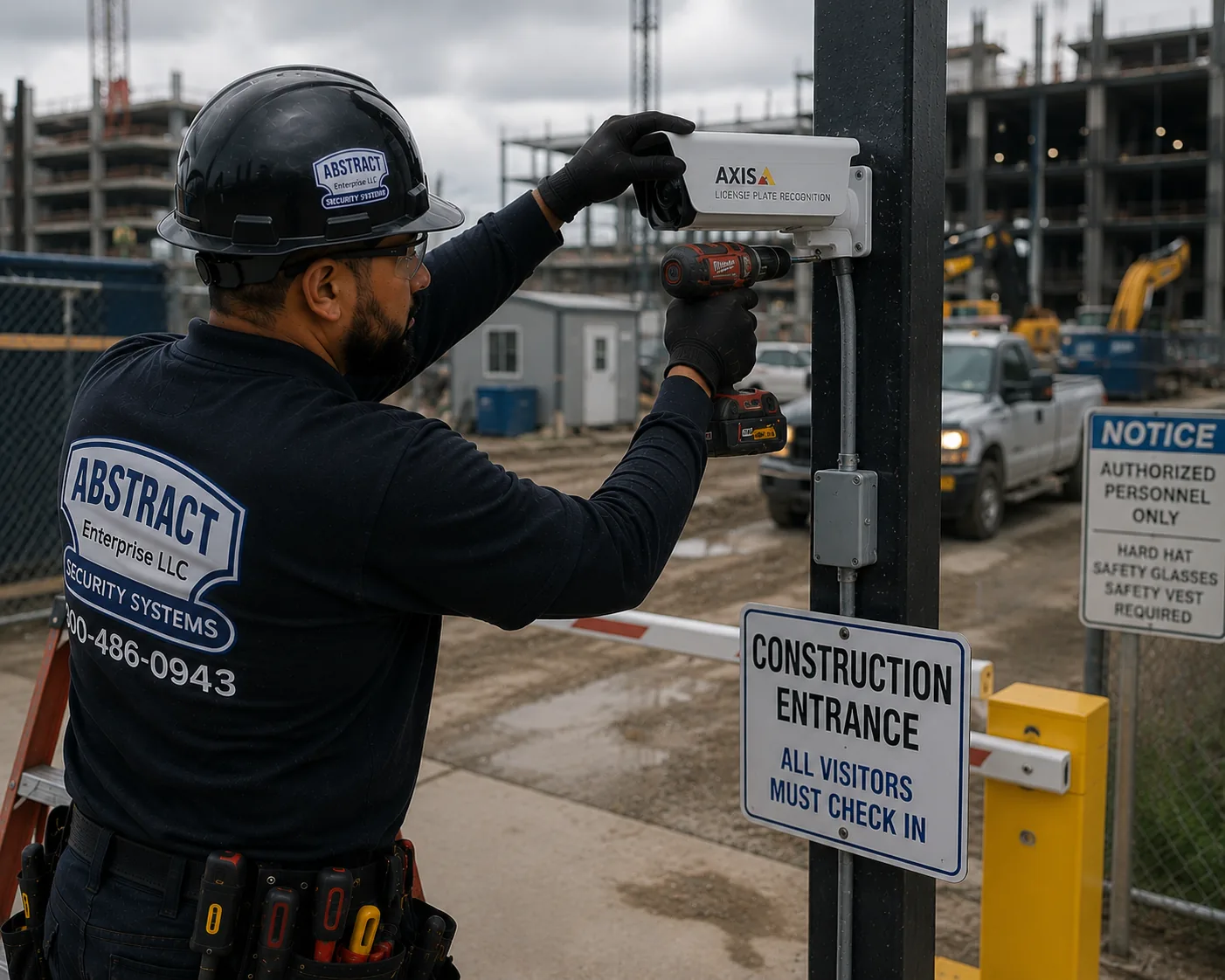
Fair's fair: a one-floor storefront reno with landlord Wi-Fi and a busy street can get by on a decent consumer camera, and if that's your job we'll say so on the phone. The DIY route falls apart where Brooklyn projects actually live — fenced lots with no power for months, brick shells that eat consumer Wi-Fi, a fence line that moves twice, an appliance-week exposure spike no factory preset understands, and a claims environment where "the SD card left with the camera" has ended more than one argument badly.
A licensed deployment ships what the box can't: battery-cellular units live before temp service, aiming that produces plates instead of scenery, zones tuned for a block that never fully sleeps, monitored response with video-verified precinct calls, re-aims as the site reshapes, retention mapped to underpinning-claim timelines, and one accountable NYS-licensed contractor — #12000287431, headquartered in this borough — who shows up when a head dies on a Friday. Already bought hardware? Our install-your-own-system service mounts and configures it properly instead of talking you out of it.
| Decision Point | Abstract — Licensed Deployment | DIY / Consumer Setup |
|---|---|---|
| Power & connectivity | Battery + LTE from fence day; PoE backbone once the site electrifies | A Wi-Fi camera on a lot with no Wi-Fi and no outlet |
| Placement | Gate, fence runs, rear alley, finish floors — walked and aimed for evidence | Wherever the ladder reached, facing mostly sky |
| Alerts | AI person/vehicle zones, armed to your crew's actual hours | Every passing dog until the app gets muted for good |
| The closing stretch | Interior heads added when appliances land; monitored escalation | The same one camera, watching the same one door |
| Site changes | Re-aims and relocations included as fences and phases move | A camera aimed at June's work while October's gets hit |
| Response | 24/7 operators, strobe + talk-down, video-verified dispatch | A 3 AM notification under a Do Not Disturb |
| Evidence | ID-grade capture, true time-stamps, 60–90 day retention, archived incidents | A silhouette, a factory clock, a 30-day loop that already ate it |
| Accountability | NYS Lic #12000287431 · insured · HQ at 1282 Troy Ave | A support chat, a return window, a shrug |
NYS low-voltage license #12000287431 — the first box on every GC prequal, lender questionnaire, and public bid.
Headquarters at 1282 Troy Ave — your site is a drive, not a dispatch decision, which is why same-day is normal here.
(347) 934-8335 rings the person who walks your lot and runs the install — not an out-of-state queue.
30-day minimum, then month-to-month for the life of the build — and the units move to your next project when this one closes.
Infill geometry, rear alleys, brick shells, idle winters, appliance weeks — a playbook written on lots like yours, not imported from a suburb.
Cameras today; access control, intercoms, and cabling at closeout — one contractor, fence day through move-in.
NDAA-compliant specs and documentation for school and agency projects — honest value lines where private budgets call for them.
Retention tuned to underpinning and injury-claim timelines, incidents archived same-day, exports carriers accept without a fight.
Installer's notes — the borough-lot checklist:
1. Walk the fence like a thief. Which panel gives first, where the alley offers cover, which corner the streetlight misses. The weak run gets the head; the pried panel gets security fasteners the same visit.
2. Find the one gate that matters. Everything on wheels enters and leaves through it. The plate-capture position — height, angle, backlight — is the single most valuable ten minutes of the walk.
3. Ask where the money will sit, and when. Copper mid-job, appliances at the end, machines every night. The camera schedule follows the exposure schedule, not the calendar the boxes shipped on.
4. Look at the neighbors' side of the line. Shared walls, the stoop that will star in a claim, the rear yards behind the site. Those elevations get continuous documentation from day one — the disputes here mature in months, not days.
5. Plan for the site going quiet. Holiday weeks, financing gaps, winter idles. Which units hold the shell, how batteries get serviced, who gets the 3 AM call. A Brooklyn plan that only covers the busy months only covers half the risk.
Site walk, fence check, and a firm monthly number — same-day emergencies, next-day standard, from our HQ in the borough.
Abstract Enterprises Security Systems — headquartered in Brooklyn at 1282 Troy Ave, with a Bronx office at 460 E Fordham Rd
The line borough clients repeat — a morning call after a break-in, units live before dark, because the truck loads five minutes from the yard.
Reviewers mention being quoted fewer cameras than competitors bid — the two-or-three-head lot plan instead of the eight-camera padding.
Flippers and small developers note the units moving project to project with them — one vendor, one app, every active address covered.
Read the full, unedited reviews on our Google Business Profiles — search "Abstract Enterprises Security Systems."
Monitored unit rentals start around $349 a month, a two-unit fence-and-gate setup runs $649, full monitored coverage lands around $999, and hardwired systems price at $500 to $2,500 per camera installed — most complete Brooklyn site systems fall between $6,500 and $18,000, firmed up after a site walk.
Fastest of anywhere we work — our headquarters is at 1282 Troy Ave in the borough, so standard installs book next business day and post-break-in emergencies regularly get units live the same day you call.
They're often the sites that need them most: a 25-by-100 lot holds the same generators, copper, and appliance packages as a big job with a fraction of the fencing and none of the staffing. Two or three well-placed units — gate, yard, and the floor holding finishes — typically cover the whole exposure for one rental payment.
Rent — and let the units follow you. Brooklyn portfolio builders move the same cameras from project to project: we relocate them at each closing, re-aim for the new site, and the monthly stays the same. Buying makes sense when a finished building will keep the system permanently.
That's one of our most common Brooklyn calls. Idle shells attract scrappers, squatters, and dumping within weeks. Monitored battery-and-cellular units need no active site power, operators respond to every after-hours entry, and the recording gives your lender and insurer proof the asset is being watched.
Cameras aimed at your own site, fence line, and gate are lawful, and New York is a one-party-consent state. We aim coverage at the project — never into neighboring windows or yards — and post signage, which keeps the system useful as evidence and keeps the block on your side.
On monitored plans, live operators verify the entry on video, trigger the strobe and talk-down speaker, call your list, and give the precinct a video-verified report with a description — the kind of call that gets a car rolling. Unmonitored systems send the alert and clip straight to your phone.
Yes — school construction, city agency, and federally funded projects get NDAA-compliant hardware (Axis, Hanwha Vision, Avigilon, Verkada) with the documentation for your compliance file, while private jobs can run value lines where the spec allows.
Attached-rowhouse work generates claims that surface months later, so we recommend 60 to 90 days of retention on excavation and underpinning phases, with any flagged incident archived permanently the day it happens and exports formatted for carriers and counsel.
Yes — battery-and-cellular units carry their own power and connection, so coverage starts at fence day, before temp service exists. Wired PoE systems follow once the site electrifies, and everything lands in the same app.
Documented security measures can factor into underwriting and claims outcomes, and several carriers ask about site surveillance on their questionnaires — but terms vary, so ask your broker what your policy credits. What cameras reliably do is prevent losses and document the ones they can't prevent.
Removal is included on every rental — units, mounts, and signage come off clean at closeout. If the finished building should stay covered, we convert the jobsite layout into the permanent camera and intercom package before tenants or buyers move in.
Tower churn, brownstone guts, and co-op-adjacent work. Construction site security camera installation in Downtown Brooklyn and the western brownstone belt, minutes from HQ. Request Downtown coverage →
Waterfront builds, loft conversions, and infill on every side street. Jobsite camera installation across Williamsburg and the north-side corridor. Request North Brooklyn coverage →
The rezoning's tower wave — piling rigs, brownfield phases, and finish floors by the hundred. Construction camera systems for Gowanus builds, fence day to lobby handoff. Request Gowanus coverage →
The infill and gut-reno heartland — thousands of small sites, one after-hours problem. Jobsite security cameras in Bed-Stuy and the central belt, two-to-three-head plans standard. Request Central Brooklyn coverage →
Warehouse fit-outs, truck courts, and yard security along the industrial spine. Construction site cameras for Sunset Park and the harbor belt, PTZ and plate capture forward. Request Waterfront coverage →
Housing starts, yards, and idle-site protection east of the park. Jobsite camera installation in East New York on the same same-day standard — HQ is closest to here. Request East Brooklyn coverage →
Working across the river? The Manhattan construction camera page covers tower and conversion work, and the NYC hub covers all five boroughs.
Building past the city line? The Long Island hub and the Hudson Valley hub carry the suburbs and the counties — same crew, same app.
Text or call (347) 934-8335 with the lot address — you'll get a yes-or-no and a deploy window inside one business day, usually faster.
The national jobsite-camera brands ship a solar tower to markets they'll never visit and watch it from three time zones away. That model was built for a Texas lot with room to park a trailer — not a 25-foot Bed-Stuy infill where the "site" is a fence, a hole, and a neighbor's wall. The honest comparison:
| Abstract — Local Licensed Crew | Typical National Unit Company | |
|---|---|---|
| Fit for the lot | Heads on your fence, gate, scaffold & floors — sized to a 25-ft frontage | A freestanding tower with no footprint to stand on |
| Getting on site | A truck from Troy Ave — often same-day | Freight scheduling and a curbside drop window |
| Placement | Walked in person — alley line, weak fence run, backlight at the gate | Wherever the delivery fits, facing whatever it faces |
| Pricing | Monitored units from $349/mo, month-to-month | $500–$900+/mo per unit, often 6–12-month terms |
| Site changes | Re-aims & relocations included — even to your next project | A change order and a queue |
| The finish stretch | Interior heads added for appliance weeks; monitored escalation | The tower still watching the same patch of street |
| Beyond cameras | Full licensed low-voltage bench through permanent conversion | Cameras only; everything else is somebody else |
| Accountability | NYS Lic #12000287431 · insured · HQ in the borough | An 800 number and an SLA paragraph |
Where the nationals genuinely fit: open highway projects and fifty-state builders standardizing one vendor. On a Brooklyn lot, local isn't a preference — it's the only model that physically fits.
Numbers you can drop into a budget today — confirmed to the dollar after the walk. Same unit rates as every borough; what changes in Brooklyn is how few units most lots actually need.
One monitored battery-cellular unit — the gate or the yard, with AI alerts, cloud clips, and signage. The infill and idle-site answer.
Two units — gate + yard, or fence + finish floor — one app, relocations included. The working setup for most Brooklyn lots.
Multi-unit coverage with 24/7 live operators, talk-down deterrence, and video-verified dispatch — the after-hours staff a small site can't hire.
Hardwired PoE systems for condo, rental, and warehouse projects — most complete Brooklyn site systems land $6,500–$18,000 depending on head count and runs, engineered to convert into the permanent building system at closeout.
Plate capture at the gate · interior finish-floor heads for the closing stretch · thermal on alley-backed fence lines · progress time-lapse from $149/mo · surveillance trailers from $2,500/mo for demo lots and yards · closeout removal included on every rental.
Pried fence, cleaned-out floor, a generator gone — call before noon and battery-cellular units are typically live the same day. The truck loads at Troy Ave; your lot is a drive, not a decision.
Financing pauses, holiday weeks, winter sleeps — the windows when Brooklyn shells get harvested and occupied. Book monitored idle coverage before the site goes quiet, with battery service and check visits included.
The cheapest install day is fence day: the gate head logging plates before the first delivery, the yard covered before the first machine sleeps over, and the neighbors documented before the first complaint.
Finish floors cleared by box truck before closing. Fix: interior heads the day fixtures land, armed zones, monitored escalation through the TCO stretch.
The same fence run breached on repeat. Fix: a head on the weak run, security fasteners, strobe + talk-down that ends the pattern on visit three.
Squatters in a stalled project. Fix: sealed openings plus monitored battery units on every entry — response tonight, a trespass-grade timeline for counsel.
A neighbor claim eight months after excavation. Fix: continuous shared-wall documentation from day one, 60–90 day retention, incidents archived same-day.
Professional visits through the unwatched back line. Fix: a rear head — thermal where the alley's dark — closing the approach crews actually use.
Coverage that dies at each closing. Fix: rented units that relocate to your next project — every new fence day inherits the deterrent.
Site walk → fence & gate plan → firm monthly number. Same-day emergencies, next-day standard — from the borough, for the borough.
Use the long form when you've got specifics — lot dimensions, phase schedule, what's walked off, whether the site will idle, how many projects you're running. It goes straight to the owner's inbox, and what comes back is a spec for your lot — not a script.
Permanent systems for Brooklyn buildings
Retail, warehouse, mixed-use & institutional
Mast coverage for demo lots & yards
Card, fob & mobile entry at closeout
Site trailers today, finished buildings tomorrow
Tel-data backbone from cellar to roof
Existing systems fixed, upgraded, re-aimed
Video entry for the buildings you hand over