What are you looking for?
About Us Contact Us Careers Get a Free Quote (800) 486-0943
Pick a service
โœ… Got Your Own System?
๐ŸŽฌ Home TheatreQuote ๐ŸŽถ AV SoundQuote ๐Ÿ”‘ Access ControlQuote
Now pick your area
Pick your area
Long Island
Hudson Valley
Services available
Pricing & Tools
Pick a service for pricing
๐Ÿšช Intercom Pricing ๐Ÿ”” Buzzer Repair Pricing
Calculators
๐Ÿ“น Camera System Calculator ๐Ÿšจ Alarm Calculator โšก Cabling Quote Builder โœ… Got Your Own System?
Select your area
Stuck between a Lorex kit and a Swann kit? Ask the crew that installs both: (800) 486-0943
Home โ€บ Best Security Camera Brands โ€บ Lorex vs Swann
Installer Head-to-Head ยท Wired PoE Recorder Systems ยท Specs From Lorex.com and Swann.com ยท NYC Installed Prices

Lorex vs Swann:
Which Security Camera System Is Better?

Cameras, Recorders, Apps, Cloud Plans, Warranty and Smart-Home Support Compared ยท Also Searched as Swann vs Lorex ยท Updated for 2026

Lorex vs Swann is a closer race than the review sites make it look, but for most New York properties Lorex wins: its recorder takes twice the hard-drive storage, its cameras carry a siren, warning light and voice message, it still works with Google Assistant, and it documents ONVIF support for adding other brands. Swann wins on the standard manufacturer warranty and on the cheaper optional cloud plan. Neither brand requires a monthly fee.

Quick answer: Choose Lorex for a bigger, longer-lived system with built-in deterrence and Alexa or Google screens; choose Swann for a simple eight-camera house system with a two-year standard warranty when bought direct. Installed in NYC by us, a 4-camera wired system starts from $1,899 for Lorex and $1,779 for Swann on our current price lists, with the recorder, at least two weeks of recording, cable up to 100 ft per camera and phone setup included. Requests are booked within 2 hours.

Both brands grew up on the same shelf: big boxes in warehouse stores, a recorder and four or eight cameras, sold to homeowners who planned to put it up on a Saturday. Most comparisons stop there and score the unboxing. We see the other end of the story, the Swann kit in a Flatbush basement whose owner cannot get the app to log in after a phone upgrade, the Lorex system on a Bronx two-family that needs four more cameras and has nowhere to plug them in. This page compares the two brands the way an installer has to: recorder capacity, cable and power, the app, the plan you might pay for, the warranty and what happens when the system needs to grow. Facts come from Lorex's and Swann's own product and support pages. Opinions come from the jobs.

Reviewed and updated November 5, 2026, against Lorex's product pages for the N910A62 Fusion recorder and E910AB 12MP bullet and Lorex's warranty, ONVIF and Connect Cloud+ pages; Swann's product pages for the EliteX 6K/12MP system (SWNVK-8EX412MPB) and the AdvancedX 4K system (SWNVK-8ADVANX4B), Swann's Secure+ plans page, Swann's support articles on warranty and on the end of Google Home support, and Swann's About page; Dahua's press release on the sale of Lorex; the FCC Covered List (page dated October 30, 2026); and a live check of what ranks for "lorex vs swann" (security.org, Lorex's own comparison pages, VueVille, Trusty Joe, CCTV Forum, YouTube and Reddit's r/homedefense, r/homesecurity and r/videosurveillance). Installed prices come from our own NYC brand price pages. We could not capture Google's People Also Ask panel in our build environment, and where a manufacturer page did not confirm a detail, this page says so instead of guessing. ยท Anwar Timothy, NYS license #12000287431 ยท crews dispatched from our Troy Avenue office in Brooklyn
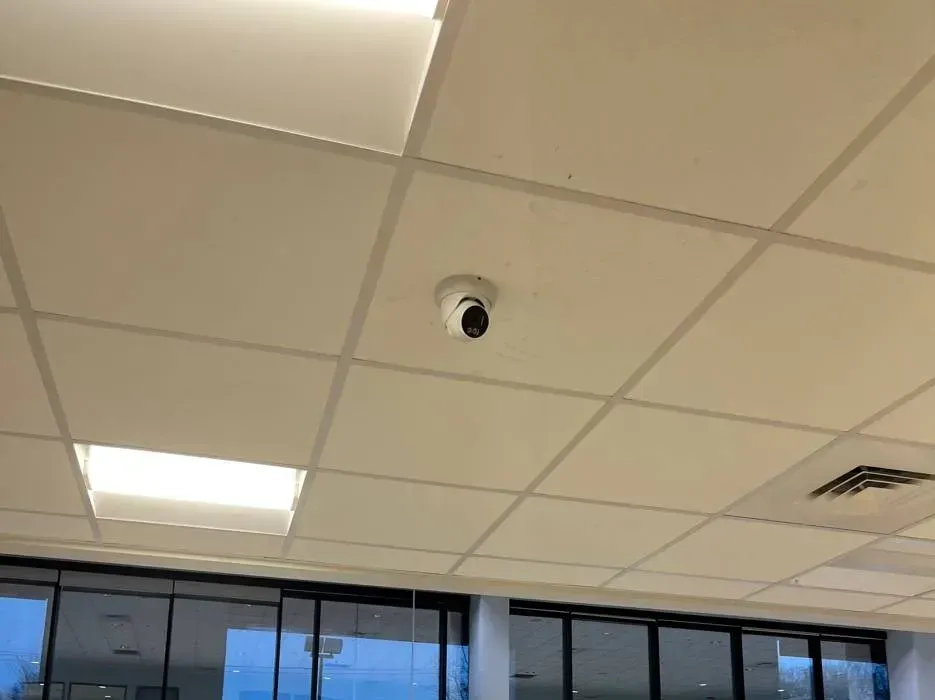
Ceiling dome camera in a drop ceiling facing a glass entrance, Lorex vs Swann NYC comparison
A dome camera set into a drop ceiling, aimed toward a wall of glass entrance doors. Entrances like this are where a wide view and a well-tuned detection zone matter more than the brand name.
Lorex or Swann for My Property?
Tell us the building and what you want covered, and a technician calls back with an honest pick between the two, or a third option if neither fits

โœ…
Request Sent!
Thank you. A technician will call you back within 2 hours during business hours with a Lorex or Swann recommendation for your property.
25+
Years Experience
2
Brands Wired Side by Side
100%
Licensed & Insured
4.7โ˜…
201 Google Reviews

Owner-operated since 2002 ยท Thousands of jobs completed ยท Booked within 2 hours

The short version, for people standing in the store aisle. Lorex and Swann both sell wired recorder systems that keep your video on a hard drive in your own building, both let you watch live and recorded video on your phone for free, and both sell an optional cloud plan on top. The real differences are in four places. First, storage: the Lorex Fusion recorder we compared supports up to 16 TB of hard drive, while the Swann EliteX and AdvancedX recorders top out at 8 TB. Both the Lorex Fusion and the Swann EliteX reach 16 cameras the same way, eight wired PoE ports plus eight cameras joined over the network, and the Swann AdvancedX recorder we compared is an eight-channel box. Second, deterrence: the Lorex 12MP bullet has a siren, a warning light and a pre-recorded voice message; the Swann EliteX camera has a siren and two-way audio, and the Swann AdvancedX 4K camera has lights but no siren. Third, smart-home support: Lorex lists Alexa, Google Assistant and Chromecast; Swann announced that Google Home support ended in August 2025. Fourth, the warranty: Swann's standard warranty is 24 months on devices bought from swann.com in 2025, and Lorex's standard warranty is one year.

So if you are wiring a whole house, a two-family, a store or a small building and you expect to add cameras later, we lean Lorex. If you want a tidy four-to-eight camera house system, you value the longer manufacturer warranty, and you are happy living entirely inside the Swann Security app, Swann is a reasonable pick and costs a little less installed. The rest of this page shows where each of those statements comes from and how it plays out on real New York properties.

Side by Side

Lorex vs Swann Compared in One Table

We matched like with like: Lorex's Fusion 16-camera-capable PoE recorder and its 12MP E910AB bullet against Swann's two current wired PoE systems, the EliteX 6K/12MP four-bullet kit and the AdvancedX 4K four-bullet kit. Every cell comes from the manufacturer's own product, plan or support page, checked on November 5, 2026. Where a page did not state something, the cell says "not stated" rather than borrowing a number from a reseller or a forum. Cloud plan prices are the manufacturers' own. Our installed prices sit in their own section further down and are never set beside a store price.

What we comparedLorexSwann
Representative camera resolutionE910AB bullet: 12MP sensor, 4640ร—2624, 15 frames per second at every resolutionEliteX bullets: "6K/12MP" video, frame rate not stated; AdvancedX bullets: 4K, frame rate not stated
Field of view139ยฐ (2.8 mm fixed lens, F1.6)90ยฐ on both the EliteX and AdvancedX cameras; lens not stated
Night videoInfrared to 98 ft (30 m), Color Night Vision and Smart Security LightingEliteX: 82 ft (25 m) in total darkness and color up to 82 ft with the sensor light; AdvancedX: 100 ft (30 m) infrared and color up to 50 ft (15 m) with the sensor light
Deterrence and audioWarning light, siren and pre-recorded message; microphone and speakerEliteX: sensor lights, siren and two-way audio; AdvancedX: sensor lights, no siren, one-way audio (microphone only)
Weather ratingIP67; โˆ’22 ยฐF to 140 ยฐFIP66 on both; โˆ’22 ยฐF to 131 ยฐF
Recorder camera countN910A62 Fusion: 16 cameras (8 wired PoE + 8 Fusion Wi-Fi)EliteX: 8 PoE channels plus 8 cameras via the network, up to 16; AdvancedX: 8 channels
Storage2 TB included, up to 16 TB (one SATA bay)EliteX: 2 TB included; AdvancedX: 1 TB included; both up to 8 TB
PoE power25.5 W maximum per port, 72 W total8 PoE ports; per-port and total wattage not stated
Smart detectionPerson, vehicle, face, mask, package (missing or left behind) and animalEliteX: video-based motion, people and perimeter intrusion, with AI detection of people and vehicles; AdvancedX adds line crossing and sound detection. The EliteX page lists PIR thermal sensing as "No"
AppLorex Home (Lorex Classic and the Lorex Cloud client also listed)Swann Security app
Monthly fee required?No. Optional Connect Cloud+: $5.99 a month for one camera, $16.99 for multi-camera, up to 60 days of cloud clipsNo. Free tier keeps 1 day of cloud on wired systems; optional Secure+ Extra $4.99 a month (one device) or Unlimited $12.99 a month, 60 days of cloud
Smart homeAlexa, Google Assistant, Chromecast, Echo Show, Google Home HubGoogle Home support ended August 2025 (Swann support notice); other assistants not stated on the pages we used
Other brands (ONVIF)Cameras ONVIF Profile G, S and T compliant; Lorex says its recorders work best with Lorex camerasONVIF not stated on either Swann system page we checked
Standard warrantyOne year from purchase; 3 years for systems sold through the Lorex for Business Partner Program24 months on devices bought from swann.com in 2025 (devices sold earlier may carry 12 months); extended to 36 months or more while a Secure+ plan stays active
Best forLarger houses, multi-family buildings and stores that want deterrence, voice assistants and room to growFour-to-eight camera houses that want a simple app, a cheaper cloud add-on and the longer standard warranty

Two cells deserve a second look before you decide. The camera count line shows how similar the two recorders are on paper: each pairs eight wired ports with eight more cameras that join over the network, so a "16-camera" label on either box really means eight wired cameras unless you add a network switch and accept the brand's rules for which cameras count. And the warranty line is the one place Swann clearly leads, but its longest coverage only lasts while you keep paying for a cloud plan, which is a trade-off we come back to below.

The Verdict by Owner

Who Should Choose Lorex and Who Should Choose Swann

Specification tables make every brand look complete. What decides the right pick is the property and the person holding the phone. Here is how we split it after wiring both brands on houses, stores and small buildings across the five boroughs, Long Island and the Hudson Valley.

Lorex is the better fit if

  • You want the camera to do the talking. A siren, a flashing warning light and a pre-recorded warning message on the same bullet camera stop more trespassers in a driveway than a recording ever will. Lorex lists all three on the E910AB.
  • You want months, not weeks, of video. Room for a 16 TB drive matters on a ten- or twelve-camera system running high resolution around the clock.
  • Your household lives on Alexa or Google. Pulling the front-door camera onto an Echo Show or a Google display in the kitchen is something Lorex still supports, and Swann no longer does with Google.
  • You may add other brands later. Lorex documents ONVIF compliance on its cameras, which keeps the door open to other recorders and video software.
  • You need a wider single view. A 139ยฐ camera covers a yard or a deli floor that would take two 90ยฐ cameras.

Swann is the better fit if

  • The warranty is the deciding line on your list. A 24-month standard warranty on devices bought direct from swann.com is twice Lorex's standard year.
  • You want cloud backup but not a big monthly bill. Swann's Unlimited plan covers every device for $12.99 a month, against $16.99 for Lorex's multi-camera plan.
  • Four to eight cameras will always be enough. A detached house with a front, a back, a driveway and a side yard fits neatly on an eight-channel Swann recorder.
  • You want two-way talk on every outdoor camera at a lower installed price. The EliteX kit pairs a siren and two-way audio with 12MP video, and our installed price for it sits just under the Lorex entry system.
  • The household already runs on the Swann Security app. If you are adding to or replacing an existing Swann system that the family knows, staying put avoids teaching everyone a new app.

When we would install neither

Some jobs outgrow both consumer brands. A co-op board that wants twenty cameras, a managed network and someone else's software watching the lobby is better served by a professional line such as Hanwha, Axis or UniFi. A landlord who only wants the cheapest reliable recording for a hallway may be best off with our own non-branded system. And if the owner's real problem is the front door, a video intercom or a doorbell camera may solve it without a recorder at all. We say so on the visit; a brand comparison is only useful if it is allowed to end with "neither."

Behind the Labels

Who Makes Lorex and Swann, and Does It Matter?

Owners ask us where the cameras come from on nearly every estimate, usually after reading a headline about banned Chinese equipment. Here is what the companies and the federal government actually say, without the forum rumors.

Swann

Swann says on its own website that it was founded in 1987 in Melbourne, Australia, and its Australian site lists Swann Communications Pty. Ltd. in Port Melbourne. Swann's LinkedIn page describes the company as starting in the basement of David Swann's family home and pioneering do-it-yourself security. Third-party sites report later changes of ownership, but Swann's own pages that we checked do not describe its current owner, so we leave that out rather than repeat a secondhand claim.

Lorex

Lorex was owned for years by Dahua Technology, and Dahua issued a press release announcing that it would sell Lorex to Skywatch, a privately held cloud services company headquartered in Taiwan, for about $72 million. That is the documented part. Claims about which factory makes a given Lorex camera today are forum opinion, and we do not repeat them as fact.

What the FCC Covered List says

The list that matters for equipment authorization is the Federal Communications Commission's Covered List. On the version dated October 30, 2026, the video surveillance companies named are Dahua Technology Company and Hangzhou Hikvision Digital Technology Company, alongside telecom names such as Huawei, ZTE and Hytera. Lorex, Swann and Skywatch are not named. If a federal contract, a lender or an insurer gives you a stricter list, follow theirs; for a house or a store in New York, neither brand is on the federal list today.

Privacy steps that matter more than the logo

Whichever brand you choose, the practical protections are the same, and they are the ones we set up on every job: change the default recorder and app passwords to long unique ones, turn on two-step login in the app where it is offered, keep the recorder's firmware current, give each family member or employee their own login instead of sharing one, and put the recorder behind your router rather than exposing it directly to the internet. A brand name does not protect a recorder that still uses the password printed on the box.

The Cameras

Lorex vs Swann Cameras: Picture, Coverage, Night and Deterrence

Both brands sell bullets, domes, turrets, floodlight cameras and doorbells, so we compared the wired bullets that come in each brand's flagship four-camera PoE kit. The bullet is the camera most New York houses use on the driveway, the alley and the back door, and it is the camera that has to survive January on a north-facing wall.

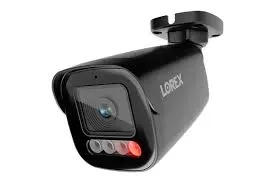
Lorex black bullet camera with red and blue warning lights, Lorex vs Swann NYC comparison
A Lorex product photo of a black bullet camera with its red and blue warning lights showing under the lens. Built-in lights and a siren are the deterrence features this comparison weighs against Swann.

Resolution: 12MP on both flagships, measured differently

The Lorex E910AB uses a 12MP sensor recording at 4640ร—2624. Swann markets its EliteX kit as "6K/12MP" and its recorder as accepting cameras up to 16MP, while the AdvancedX kit is a 4K system. On paper, then, the Lorex E910AB and the Swann EliteX bullets are the same class of camera. The difference we can document is that Lorex publishes the exact pixel count and frame rate and Swann's EliteX page does not state a frame rate at all. When a spec sheet leaves out the frame rate, ask for it before you buy, because it decides how smooth a person walking past looks in playback.

Frame rate: the number that decides whether you see the face

Lorex lists 15 frames per second at 4K+ and at every lower resolution on the E910AB. Fifteen frames a second is the common setting for residential recording: smooth enough to follow someone up a stoop, light enough on storage. For a register, a cash drawer or a fast-moving car in a driveway we often prefer a higher frame rate, and with both brands that is a recorder setting you trade against how many days of video you keep. Neither brand's frame rate replaces good camera placement; a camera at head height near the door beats a high-resolution camera on the roofline every time.

Field of view: 139ยฐ against 90ยฐ

This is the clearest camera-level difference in the comparison. Lorex lists a 139ยฐ field of view on the E910AB. Swann lists 90ยฐ on both the EliteX and the AdvancedX cameras. A 90ยฐ camera is a good tool for a narrow side alley, a gate or a hallway, and it puts more pixels on a face at a given distance. A 139ยฐ camera can watch a whole backyard, a two-car driveway or a store floor from one corner. On a typical Queens or Bronx house, that can mean one Lorex camera where Swann would want two, which changes the camera count and the installed price more than any per-camera difference.

Night video: infrared, sensor lights and color

Lorex rates the E910AB's infrared at 98 ft (30 m) and adds Color Night Vision with Smart Security Lighting. Swann rates the EliteX at 82 ft (25 m) in total darkness and in color up to 82 ft with its sensor light, and the AdvancedX at 100 ft (30 m) infrared with color up to 50 ft (15 m) when the light comes on. In practice, New York nights are rarely total darkness; streetlights, porch lights and the neighbor's window all change what the camera sees. What matters more is whether the light that turns on to give you color video also annoys the neighbors or reflects off a nearby wall. We aim those lights and adjust their sensitivity on site with both brands.

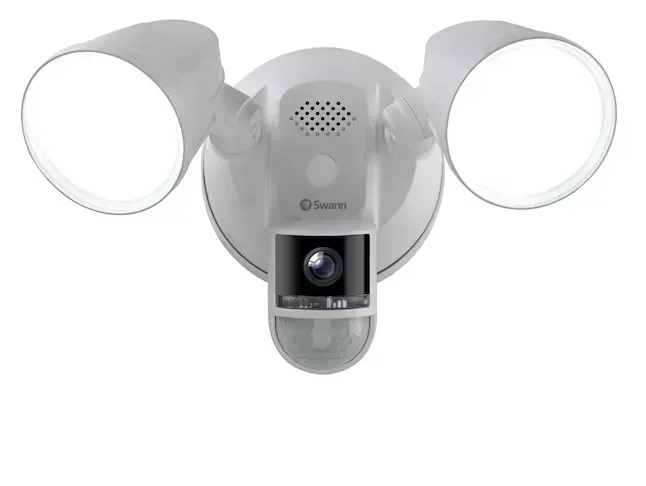
Swann white floodlight camera with twin lamps and a motion sensor, Lorex vs Swann NYC comparison
A Swann product photo of a white floodlight camera with two round lamps, the Swann logo above the lens and a motion sensor below it. Sensor lights that switch on for color night video appear across Swann's current range.

Deterrence: siren, light and a voice

Lorex lists active deterrence on the E910AB: a warning light, a siren and a pre-recorded message, plus a microphone and a speaker so you can talk through the camera. Swann's EliteX kit lists sensor lights, a siren and two-way audio, which puts it close to Lorex on this line. The Swann AdvancedX kit lists sensor lights but no siren, and one-way audio, meaning the cameras can record sound but you cannot speak through them. If deterrence is the reason you are buying cameras, the comparison is Lorex E910AB against Swann EliteX, and the AdvancedX should drop off your list.

Heat sensing: the Swann feature reviews still mention

Security.org's comparison credits Swann with heat-sensing technology, and older Swann systems were built around a passive infrared (PIR) sensor that responds to body heat as well as movement. That is worth knowing if you own an older Swann kit. But the current EliteX product page lists "PIR Thermal / Motion Sensor: No," and both current systems describe video-based detection of people and vehicles instead. If heat sensing is the reason you were leaning Swann, check the exact model you are buying; on the flagship wired kit we compared, it is not there.

Weather and cold

The Lorex E910AB is rated IP67 and โˆ’22 ยฐF to 140 ยฐF. Both Swann systems are rated IP66 and โˆ’22 ยฐF to 131 ยฐF. IP67 adds protection against temporary immersion; IP66 covers powerful water jets. On a wall under a soffit either rating is plenty. Where we have seen weather beat cameras is at the cable, not the housing: an unsealed hole above a window, a connector left hanging in a drip line, or a camera mounted where the gutter overflows onto it. We seal every exterior penetration, add a drip loop to every outdoor cable and keep connectors inside a junction box or the wall, whichever brand goes up.

Audio and New York's recording rules

Two-way audio on the Lorex E910AB and the Swann EliteX lets you tell a delivery driver where to leave a package. Recording sound is a different matter from recording video, and the rules around recording conversations are stricter. On jobs where the cameras watch shared hallways, tenants or employees, we usually leave audio recording off and use the speaker only for live talk-down. If you are unsure, ask a lawyer before turning audio recording on; we are installers, not attorneys.

The Recorders

Lorex vs Swann Recorders: Capacity, Drives and Power

Owners shop cameras. Installers worry about the recorder, because it decides how many cameras you can ever have, how long the video lasts and whether a new camera in three years will even connect. We compared the Lorex N910A62 Fusion recorder with the recorders that ship in Swann's EliteX and AdvancedX kits.

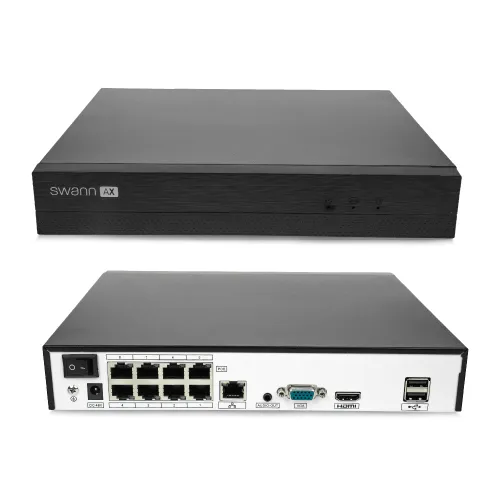
Swann AX recorder front and rear with eight PoE camera ports, Lorex vs Swann NYC comparison
A Swann product photo of an AX-series recorder from the front and back. The rear shows eight PoE camera ports beside the network, HDMI, VGA and USB connections: eight wired cameras is the real limit of the box before a switch is added.

Ports and camera count

The Lorex N910A62 is sold as 16-camera capable: eight wired PoE cameras plus eight Lorex Fusion Wi-Fi cameras. Swann's EliteX recorder is described as eight channels on the recorder plus eight cameras via the network, up to 16 cameras. The AdvancedX recorder is an eight-channel unit. So the real wired capacity of all three is eight cameras plugged straight into the back of the box. Going past eight means either Wi-Fi cameras or a separate PoE switch on the network, and each brand decides which of its cameras will count. If you know today that you want ten or twelve wired cameras, we size the recorder for that on the first visit rather than fill an eight-port box and start over.

Hard drive: 16 TB against 8 TB

Lorex ships the N910A62 with a 2 TB drive and supports up to 16 TB in its single SATA bay. Swann ships the EliteX with 2 TB and the AdvancedX with 1 TB, and both support up to 8 TB. For a four-camera house recording around the clock, 2 TB usually covers our minimum of two weeks. For eight or more high-resolution cameras, or a store owner who wants a month of video before overwriting, the extra ceiling on the Lorex box is the difference between upgrading the drive and replacing the recorder.

Power over Ethernet

With PoE, a single network cable carries video and power to each camera, so there is no outlet to find on the outside wall. Lorex publishes the N910A62's budget: up to 25.5 W on one port and 72 W across the box. Swann's pages confirm the PoE ports but do not state the wattage. The number matters when cameras with spotlights and sirens all fire at once on a cold night, which is exactly when a camera is most likely to drop out if the recorder is short on power. With either brand, a long run, a pan-tilt camera or a heated housing is a reason we may add a separate PoE switch with a known budget.

Smart detection on the box

Lorex lists person, vehicle, face, mask, package (missing or left behind) and animal detection on the Fusion recorder. Swann lists video-based motion, people and perimeter intrusion detection on the EliteX, and adds line crossing and sound detection on the AdvancedX, with people and vehicle detection on both. Package detection is the Lorex feature owners in apartment-heavy neighborhoods ask about most, because a stoop delivery is the theft they actually suffer. Swann's line-crossing rule is useful for a gate or a driveway entrance, where you only want an alert when someone crosses in, not when a pedestrian walks past on the sidewalk.

Where the recorder should live

Neither brand's recorder likes heat, dust, damp or being found. In New York houses we usually put it in a ventilated cabinet in the basement, a closet near the router, or a locked utility room in a store, on a small battery backup so a power blink does not corrupt the drive. We keep it away from the boiler, the water heater and any floor drain. A recorder sitting on top of a refrigerator behind the register is the first thing a thief carries out, video and all, so on retail jobs we hide it and add a cloud plan or a second copy of key clips.

Storage

How Long Each System Keeps Your Video

The second question on every estimate is how far back the video goes. The honest answer is that neither the box nor the brand decides it; four settings do. The size of the drive, the number of cameras, the resolution and frame rate each camera records at, and whether the cameras record all the time or only on motion. Change any one and the number of days changes with it.

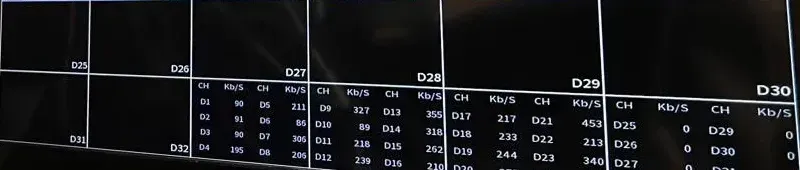
Here is how we size it. We pick the cameras and the recording mode first, then look at the bitrate each camera actually produces on the recorder's own status screen, add the channels up and divide the drive by the total. On our installed price lists, every Lorex and Swann package is sized to keep at least two weeks of continuous recording, and a bigger drive costs more because it is more drive. Swann's AdvancedX kit advertises 24/7 recording; Lorex's Fusion recorder records continuously as well. Both let you switch individual cameras to motion-only recording, which stretches the drive on cameras that watch quiet spaces like a back hallway or a storage room.

Lorex vs Swann in NYC: recorder status screen listing the live bitrate of each camera channel
A recorder status screen from the AESS job library, listing each camera channel and the data it is sending in kilobits per second. Whatever the logo on the box, this is the screen we read to size a hard drive, and it is why we compare the Lorex and Swann recorders as closely as the cameras.

Two cautions. First, a scene with constant motion, such as trees in wind, a busy sidewalk or rain on the lens, produces more data than a quiet one, so the same camera keeps fewer days in a windy October than in a still August. Second, the drive ceiling matters more than the drive in the box. A Lorex recorder that can take 16 TB can grow from two weeks to well over a month on the same box, while a Swann recorder at its 8 TB limit has gone as far as it can. If your insurer, your landlord or your board wants a fixed number of days, tell us up front and we will size for it in writing.

The Apps

Lorex Home App vs Swann Security App

After the ladders are gone, the app is the system. It is where you check the porch at midnight, find the clip when the car door gets keyed, and add your mother so she can see the front door too. Here is how the two apps compare in daily use.

Lorex: Lorex Home, plus voice-assistant screens

Lorex's current app for the Fusion recorder is Lorex Home; the recorder page also lists the older Lorex Classic app and the Lorex Cloud client for computers. Lorex's smart-home list is the long one: Alexa, Google Assistant, Chromecast, Echo Show and Google Home Hub. For families who already ask a kitchen speaker for the weather, being able to say "show me the front door" is a feature they use daily. The trade-off is that Lorex has changed apps over the years, and owners of older Lorex recorders sometimes find their model belongs to a different app from a newer camera. Before we add to an old Lorex system, we check which app the recorder belongs to.

Swann: one app for everything, and no more Google screens

Swann runs its cameras, recorders and doorbells through the Swann Security app. That simplicity is a real strength for households that do not want to think about software. The change to know about is Swann's own support notice: Google Home integration was discontinued in August 2025, existing and new account links were disabled, and streaming through Google Home devices is no longer supported. Swann recommends using the Swann Security app instead. On r/videosurveillance, a Swann owner also warned that Swann has been changing over its ecosystem and that older models may not be supported in the near future. We cannot confirm the second point from Swann's pages, but it matches calls we get from owners of older Swann DVRs whose phones no longer connect.

Giving other people access the right way

Both apps let the owner invite other users. Use that instead of sharing your own login. A shared password means you cannot remove one person without changing it for everyone, and it means every alert, every setting change and every deleted clip looks like it came from you. On two-family houses and small buildings we set up the owner account, then separate logins for a spouse, a tenant-facing super or a store manager, with only the cameras each one should see.

Getting a clip to the police or an insurer

The real test of a system is the morning after something happens. You need to find the right minute fast, save it, and hand it to someone on a device that is not yours. Both brands let you search by time and by detection type and export a clip from the app or straight from the recorder to a USB stick. We do a test export on every handover and play it on another phone, because a file that only plays inside the brand's app is not much use to a detective or an adjuster.

Alerts you will not learn to ignore

An app that buzzes every time a bus goes by trains you to swipe alerts away, and then the one that matters gets swiped too. With Lorex we lean on person, vehicle and package detection and draw motion zones away from the street. With Swann we use people and vehicle detection and, on the AdvancedX, line-crossing rules across the gate or the driveway mouth. On both, we schedule alerts so a store owner is not pinged every time an employee walks past during business hours.

Monthly Plans

Lorex vs Swann Cloud Plans: What Is Free and What Costs Extra

This is where both brands beat the doorbell-camera companies: neither one needs a subscription for the system to work. Video records to the hard drive in your building, and live view and playback work in the app without paying anything. Swann's EliteX page puts it plainly: "no subscriptions or surprises," with cloud backup optional. Lorex says its cameras and systems do not require a subscription.

What the optional plans add

  • Lorex Connect Cloud+: $5.99 a month for a single camera or $16.99 a month for multiple cameras, with up to 60 days of cloud retention for supported smart motion events.
  • Swann Secure+ Free: no charge; one day of cloud storage on wired multi-camera systems and other devices outside the Evo range (none on Evo devices).
  • Swann Secure+ Extra: $4.99 a month or $49.99 a year for one device, 60 days of cloud storage, with smart alerts for people, vehicles, pets and packages, priority support and the extended warranty.
  • Swann Secure+ Unlimited: $12.99 a month or $129.99 a year for unlimited devices, with the same 60 days and benefits.

On price alone, Swann's plans are cheaper at both ends. On a multi-camera wired system, Swann Unlimited at $12.99 covers every camera for less than Lorex's $16.99 multi-camera plan, and Swann's free tier keeps a day of cloud video at no cost.

Do you need cloud at all?

For most houses, no. The recorder keeps weeks of video and the app reaches it from anywhere. Cloud earns its keep in two situations: a store or a ground-floor apartment where a thief could take the recorder, and a property where you want key events stored somewhere other than the building, such as a rental you visit once a month. In those cases we often suggest a cloud plan on the two or three cameras that watch the entrance rather than every camera.

The warranty strings attached to Swann's plans

Swann's Extra and Unlimited plans extend the product warranty, which we cover in the warranty section below. Read that section before you treat the plan as pure cloud storage; the extended coverage only applies if the plan is started within six months of purchase and kept active on the same device.

Openness

ONVIF and Mixing Brands: Lorex's Quiet Advantage

ONVIF is an industry standard that lets a camera from one maker send video to a recorder or software from another. It is the difference between a system you can grow with any good camera and a system that only ever accepts its own brand. VueVille's comparison summed it up in one line: "Lorex supports ONVIF, Swann doesn't." Here is the current picture from the manufacturers themselves.

Lorex: ONVIF cameras, recorders tuned for Lorex

Lorex says its cameras are ONVIF Profile G, S and T compliant, and the E910AB's page lists compatibility with ONVIF-conformant products. Lorex publishes a help article on connecting ONVIF-conformant cameras to its X Series recorders. On the other hand, Lorex's professional FAQ says its recorders are designed to work best with Lorex cameras, so a third-party camera on a Lorex recorder may get video without every smart feature. On a job, that means Lorex cameras can move to a different recorder or video software later, which protects the money you put into the cameras.

Swann: not stated on the system pages

Neither Swann system page we checked, EliteX or AdvancedX, states ONVIF support. Some owners on IP Cam Talk report adding ONVIF cameras to a Swann recorder after a firmware update, and a few Swann camera lines are said to support it, but that is user experience, not a manufacturer promise. Swann's refund policy notes that it cannot support third-party software. If mixing brands matters to you, treat a Swann system as a Swann-only system unless the exact model's documentation says otherwise.

Why this matters more in year five than in year one

Nobody buys a camera kit planning to replace the recorder. But hard drives fail, recorders get stolen, apps get retired, and a store opens a second room that needs cameras. When that day comes, ONVIF cameras can often stay on the wall while the box behind them changes, and the cable we pulled stays exactly where it is. Cameras that only speak to their own brand's recorder usually come down with it.

Warranty

Warranty and Support: Swann's Clearest Win, With Conditions

Swann's support center says it provides a 24-month manufacturer's warranty on all devices purchased from the swann.com website in Australia, the United States, Canada and the United Kingdom in 2025, and that devices sold before 2025 may only carry a 12-month warranty. Lorex's warranty page says the Lorex warranty covers the product for one year from the documented date of purchase, with some exceptions, and Lorex's professional site lists three years through the Lorex for Business Partner Program.

Swann's extended ("lifetime") warranty, read closely

Swann extends the warranty to 36 months or more for customers with an active Secure+ subscription started within six months of purchase. Swann's own wording sets the conditions: the extended warranty applies only while you are an active member, it ends if you cancel, the device must never be unpaired or removed from the subscribing account, and if you do not subscribe within six months only the standard warranty applies. Swann also notes that "Lifetime Support," printed on some boxes, means helpdesk access for the life of the product and is not a lifetime warranty.

Where you bought it matters

Note the wording on Swann's 24-month promise: devices purchased from swann.com. A Swann kit bought at a warehouse store or online marketplace may carry different terms, and older stock may be on the 12-month warranty. With either brand, keep the receipt and register the product, because both manufacturers ask for proof of purchase on a claim.

Who you call when something breaks

A manufacturer warranty covers the part; it does not send someone up a ladder. When we supply the equipment, our own terms apply on top, and we are the ones who come back to swap a failed camera or recorder and put the system right. Full terms โ€” including 50% deposit, one-year parts-only warranty on AESS-supplied products, and the late-fee schedule โ€” are set out in the service agreement.

Before You Buy

Six Things to Settle Before Choosing Either Brand

These are the questions we work through with owners on the first call. Answer them honestly and the brand usually picks itself.

1. How many cameras will this property need in three years?

Count today's spots, then add the ones you will want after the first incident: the side alley nobody watches, the basement door, the garage, the second-floor porch. If the honest number is more than eight, plan for a switch or a bigger recorder now. Both brands' recorders have eight wired ports, and the Lorex box has the higher storage ceiling to carry the extra cameras.

2. Will anyone use a voice assistant or a TV to watch the cameras?

If the family wants the doorbell or the driveway on an Echo Show, a Google display or a Chromecast TV, that is a Lorex feature today. Swann users watch on the Swann Security app, and Google Home support is gone.

3. Is the goal to record what happened, or to stop it?

Recording is the floor. If you want the camera to flash, sound a siren and speak when someone walks up the driveway at 2 a.m., choose a camera with deterrence: the Lorex E910AB or the Swann EliteX, not the Swann AdvancedX.

4. How long must the video last?

Two weeks covers most households. Landlords, stores and anyone dealing with insurers often want a month or more. Tell us the number and we size the drive. If it is long and the camera count is high, the 16 TB ceiling on the Lorex recorder matters.

5. How much do you care about the manufacturer warranty?

If a failed camera in year two would really bother you, Swann's 24-month standard warranty on direct purchases is the strongest point in its favor, and keeping a Secure+ plan active can stretch it further. If you will keep a plan running anyway for cloud copies, that extended coverage comes along at no extra cost.

6. Could you ever want a camera from another brand?

If there is any chance you will add a specialty camera, a license-plate camera or a professional recorder later, the Lorex cameras' documented ONVIF compliance gives you more room. If you expect to stay inside one brand for good, this matters less.

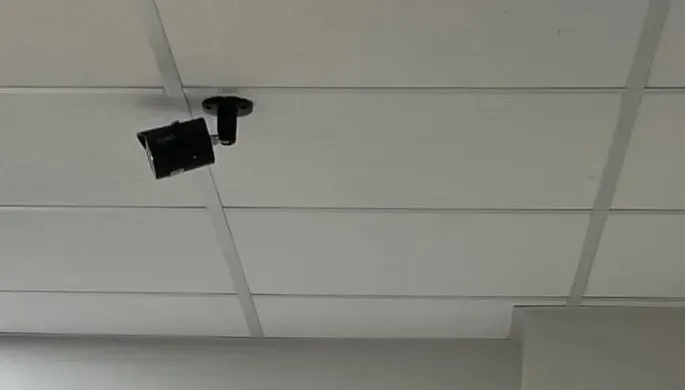
Black bullet camera on a short pole mount below a drop ceiling, Lorex vs Swann NYC comparison
A black bullet camera hanging from a short pole mount under a drop ceiling on an AESS job, aimed down a room. Indoor commercial spaces like this often need more than eight cameras, which is where recorder capacity decides the brand.
Year Two and Beyond

Owning a Lorex or Swann System After the First Year

The first month with any camera system is a honeymoon. The differences between Lorex and Swann show up later, when a drive fills, a phone gets replaced, an app updates or a camera goes dark after a storm. Here is what owning each one tends to look like once the novelty wears off.

Hard drives wear out

A drive recording around the clock works harder than the one in a laptop. On both brands, the recorder can show drive health and the oldest recording date, and we teach owners to glance at it every few months. When a drive starts failing, the fix is the same on both: a surveillance-rated replacement, formatted on the recorder. The difference is the ceiling. A Lorex owner can go up to 16 TB at that point; a Swann owner stops at 8 TB.

Firmware and app updates

Both brands push updates to recorders and apps. Updates fix security holes and add features, and occasionally they change how a menu works. We bring firmware current on the day of install and recommend leaving automatic updates on where the recorder offers them. If an update ever breaks a feature you rely on, call us before resetting anything; a reset can wipe the recorder's settings and user list.

New phones and forgotten passwords

The most common service call on both brands is not hardware at all. It is a new phone, a forgotten app password and an owner who never wrote down the recorder login. At handover we leave the owner with the recorder's admin login written down and stored somewhere safe, separate from the app account. That single step saves most of these calls.

Adding cameras

Year two is when owners add the side alley or the garage. With Lorex, a new Lorex camera usually drops onto the recorder or a switch with little fuss, and ONVIF cameras are an option. With Swann, stick to cameras Swann lists as compatible with your recorder; Swann publishes a camera compatibility chart, and we check it before ordering.

When a camera dies

Lightning, a hard winter or a ladder knocked into a housing can take a camera out. Under the manufacturer warranty, Lorex's standard year or Swann's 24 months, the part is replaced; the labor to swap it is the cost owners forget. Because the cable stays in place, replacing one camera on a wired system is a short visit, and the replacement is usually a newer model that works on the same recorder.

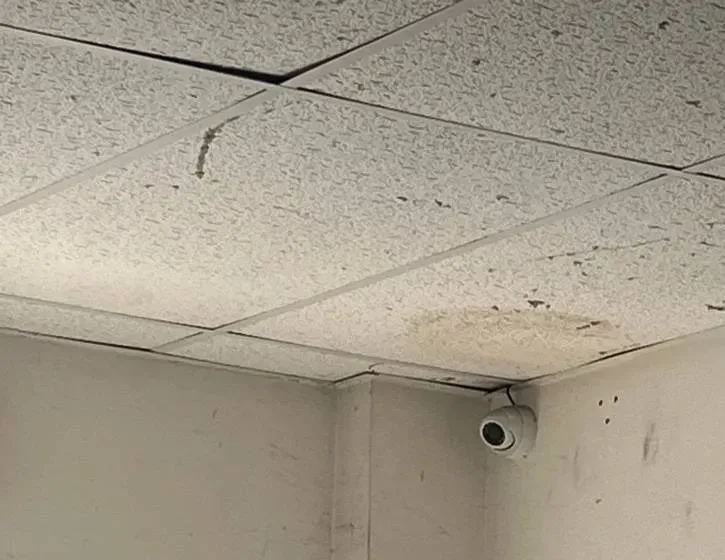
Turret camera high in the corner of an unfinished storage room, Lorex vs Swann NYC comparison
A turret camera mounted high in the corner of an unfinished storage room below a stained drop ceiling. Quiet rooms like this are good candidates for motion-only recording, which stretches the hard drive on either brand.
What Owners Say

What Owners on Reddit and Camera Forums Report

Review sites test a kit for a few weeks. Owners on forums live with it for years, and they tend to post when something goes wrong. We read the threads that rank for this comparison, and here is what stands out, with our view from the jobs next to each one. These are individual owners' opinions, not test results.

"Both are good, the difference is the details"

An older r/homedefense thread on Lorex or Swann has a top reply saying both brands give most owners what they want. That still holds for a basic four-camera house. The details that separate them today, storage ceiling, field of view, Google support and the warranty, are the ones in our table.

"Stay away from Lorex customer service"

In an r/homesecurity thread comparing Reolink, Lorex and Swann, one owner warns others away from Lorex over customer service stories. Complaints like that show up for every consumer brand, Swann included, and they are a good reason to buy from a seller who will handle the warranty claim for you, or to have the system installed by someone who will.

"The Swann kit was better because it came as a kit"

An r/homedefense owner who tried several brands preferred Swann mainly because it arrived pre-configured as one kit rather than separate pieces. That matches what we see: Swann's strength is a tidy box that works together out of the gate. The trade-off shows up when you want to grow past it.

"Swann is changing its ecosystem"

On r/videosurveillance, a reply about Swann doorbells warns that Swann is changing over its ecosystem and older models may lose support. Swann's own Google Home notice is one documented example of a feature going away. If you are buying older Swann stock at a discount, ask which app it uses before you pay.

"Both disappointed me, what else is there?"

Some owners asking for a six-camera system on a budget say both brands disappointed them in reviews and look elsewhere. That is a fair question to ask us too. For many New York houses the answer is our own non-branded system or a different brand from our brand comparison hub, and we are happy to price it next to both.

Your Building

Lorex or Swann for Each Kind of New York Property

Spec sheets are written for a generic suburban house. New York is not generic: brick party walls, stoops, shared alleys, basement units, storefront gates and roofs you need a landlord's permission to reach. Here is how the two brands line up on the properties we wire most often.

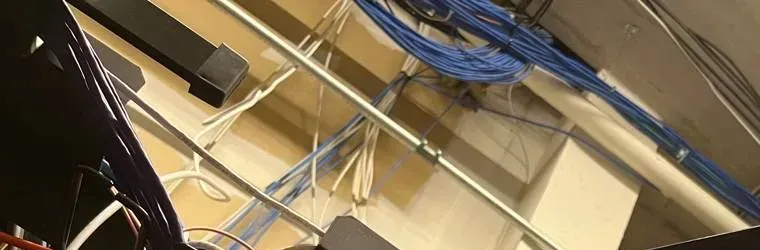
Blue and white network cable bundles run along a ceiling to cameras, Lorex vs Swann NYC comparison
Bundles of blue and white network cable running along a ceiling on an AESS job. Each run carries power and video to one camera, and these runs usually outlast the recorder and cameras on either brand.

Frame and brick one- and two-family houses

A typical house in Canarsie, East Flatbush, Ozone Park or Pelham Bay wants a camera on the front door, one on the driveway, one on the backyard and one on the side alley, and the owner often adds a garage or basement entrance later. That is four to six cameras today and eight soon. Either brand handles it. We lean Lorex when the backyard or driveway is wide, because one 139ยฐ camera can do the job of two 90ยฐ cameras, and when the owner wants the siren and voice warning aimed at the driveway. We lean Swann when the owner is replacing an older Swann system the family already knows and wants to keep the same app.

Brownstones and row houses

Brownstones in Bed-Stuy, Park Slope, Harlem or Crown Heights are narrow and deep. The stoop and the parlor-floor door need one view, the garden-level entrance under the stoop needs another, and the rear yard needs a third. Here the narrower Swann field of view is not a handicap, because the spaces are narrow too, and the brick facades mean wired cameras are worth the extra labor. Both brands work. The deciding factor is usually the household: if the family wants to see the stoop on a kitchen display, it is Lorex; if they just want phones and a longer warranty, Swann fits.

Walk-up apartment buildings

A four- to eight-unit walk-up needs cameras at the street door, the vestibule, the mailboxes, each stair landing, the basement and the rear yard or trash area. That count passes eight quickly. Because both brands' recorders top out at eight wired cameras on their own ports, we either add a PoE switch or choose a professional recorder. Between the two consumer brands, Lorex's 16 TB drive ceiling suits a building better, since landlords and supers often want more than two weeks of video for HPD complaints, package disputes and insurance claims. Tenants' privacy matters here: cameras watch common areas, never into units, and audio recording stays off.

Delis, salons, restaurants and corner stores

A store wants the register, the door, each aisle, the stockroom and the back exit. Two things decide the brand. First, the wide Lorex view covers a small floor from one corner. Second, the recorder has to be hidden and backed up, because it is the first thing taken in a break-in. With Swann we would put the Unlimited cloud plan on it for off-site copies at the lower monthly price; with Lorex we would use Connect Cloud+ on the door and register cameras. Either way, we mount cameras high enough to be out of reach and angle the register camera to see hands and the counter, not just the top of a head.

Driveways, garages, yards and lots

Open spaces reward wide cameras and strong lights. A body-shop yard in the Bronx, a long driveway on Staten Island or a shared parking pad behind a Queens multi-family is where the Lorex 139ยฐ view and its siren earn their keep. Swann's line-crossing detection on the AdvancedX is useful at the mouth of a driveway, alerting only when someone enters rather than every time a car passes on the street. For plate-reading at a gate, neither general-purpose bullet is ideal; that is a job for a dedicated zoom camera placed for the purpose.

Houses on Long Island and in the Hudson Valley

Detached houses in Nassau, Suffolk, Westchester and up the Hudson have longer cable runs, detached garages, sheds and back acreage. Long runs make the PoE budget matter, which is a point for the Lorex recorder's published wattage. Outbuildings past the 100 ft mark usually need a switch or an outdoor-rated link, whichever brand goes on the house. Winter matters too: both brands are rated down to โˆ’22 ยฐF, and we place cameras under eaves and away from ice dams and gutters that overflow.

Offices and small professional suites

An office wants the entrance, reception, the hallway to the back and the room with the network equipment. Four to eight cameras, a recorder in the network closet, and logins for two or three managers is a comfortable Swann job, and the cheaper Unlimited plan gives off-site copies. If the office already uses Google or Alexa displays in a conference room, or expects to merge into a bigger system later, Lorex's ONVIF cameras keep that option open.

Beyond the Kit

Doorbells, Floodlights and Wi-Fi: the Rest of Each Lineup

Most systems end up with more than four bullets. Here is how the two brands' extras fit into a wired recorder system, and where we would mix in something else.

Video doorbells

Lorex sells wired and Wi-Fi video doorbells, and our Lorex price list includes the Lorex 2K Wi-Fi Video Doorbell. Swann's current doorbell on our Swann price list is the EVO Wireless Video Doorbell with SwannShield AI voice assistant. Note that Swann's free cloud tier keeps no cloud video on the Evo range, so a Swann doorbell without a plan relies on its own storage and live view. On brownstones with an old two-wire chime, both brands' wired doorbells usually work with a transformer upgrade; on apartment doors, a doorbell camera is often the wrong tool and a video intercom is the right one.

Floodlight cameras

Both brands sell floodlight cameras that replace an outdoor light fixture over a garage or back door, and both appear in the photos on this page. A floodlight camera needs a working fixture box and a circuit that stays on, so before we mount one we check that the light is not on a switch the family flips off every night. Over a driveway, a floodlight camera plus one wide bullet is often a better plan than three bullets.

Lorex white turret camera with a spotlight beside the lens, Lorex vs Swann NYC comparison
A Lorex product photo of a white turret camera with a small spotlight and sensor under the lens, the kind of camera we mount under a porch ceiling or soffit.

Wi-Fi cameras on a wired recorder

Lorex Fusion lets eight Lorex Wi-Fi cameras join the N910A62 alongside eight wired ones, and Swann's EliteX recorder lists eight cameras via the network. Wi-Fi is fine for an indoor nanny camera or a detached shed with a good signal. Outside a brick house, we wire. Masonry eats Wi-Fi signal, and the camera you most need, on the back fence or the far end of the driveway, is the one most likely to drop. PoE also keeps the camera powered without batteries to change on a ladder in February.

Older Swann and Lorex coax (DVR) systems

Both brands still sell analog DVR kits, and our Swann price list includes several 1080p and 4K DVR systems. If your building already has coax cable to every camera, a DVR upgrade can reuse it and save the cost of new runs. If you want the best picture, smart detection and PoE simplicity, the jump to an NVR system and Cat6 is usually worth it. We look at the existing cable before recommending either path.

The Installer's View

DIY or Installed? Where Each Brand Holds Up

Both brands are built to be put up by owners, and plenty of owners do it well. The question is not whether you can screw a camera to a wall; it is whether the cable, the power, the aim and the recorder will still be right in three years. Here is our honest call.

Fine to do yourself

  • A detached house with an unfinished basement or attic, where cable can run along joists to every camera without opening a finished wall.
  • Four cameras on wood-frame or vinyl siding, all reachable from a standard ladder.
  • A recorder that sits next to the router, so the network connection is one short patch cable.
  • Indoor Wi-Fi cameras that just need an outlet and the app.

Holds up better with an installer

  • Brick, stone and concrete. Drilling masonry without cracking face brick, then sealing the hole so water does not follow the cable into the wall, is most of the labor on a New York house.
  • Finished walls and ceilings. Fishing cable through plaster and lath, around fire blocking and past old knob-and-tube remnants takes the right tools and patience.
  • Runs over 100 ft. PoE has a distance limit; past it, cameras drop out at night when the infrared and lights draw the most power.
  • Second and third stories. Roofline cameras on a three-story frame house need the right ladder, the right anchors and, often, the landlord's or neighbor's permission.
  • More than eight cameras. Adding a switch, planning PoE power and keeping the recorder's camera count straight is network work as much as camera work.
  • Stores and multi-family buildings. Recorder security, tenant privacy, user logins and cloud backup need to be set up deliberately, not left at the defaults.

The most common rescue job we get on both brands is the same: a kit bought with four cameras and 60-foot cables, put up in a hurry, with the recorder on a shelf in a hot closet and every camera aimed too high. Re-aiming, re-running and sealing a DIY job usually costs more than installing it the first time.

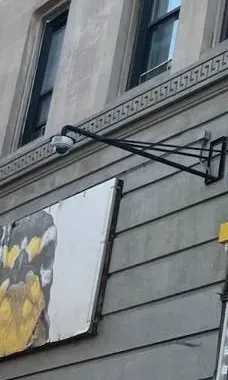
Dome camera on a long wall arm over a stone building facade, Lorex vs Swann NYC comparison
A dome camera mounted on a long wall arm that holds it out from a stone facade, so it can look along the front of the building. Mounting on masonry like this is where a professional install earns its cost.
Installed Price

We Install Both: Lorex and Swann Installed Prices in NYC

These are our own installed prices at the NYC rate, taken from our Lorex and Swann price pages at the time of writing. They include the equipment, mounting, a Cat6 run up to 100 ft per camera (exposed, attic or basement), termination, testing, a recorder with a hard drive sized for at least two weeks of recording, and phone app setup. Prices are plus sales tax, and equipment prices move, so the live price pages are always the current word.

  • Lorex: complete 4-camera wired systems from $1,899 installed; Lorex cameras installed from $290 each; Lorex recorders with setup from $510; four E910AB 12MP bullets on a Lorex recorder at $2,243 installed. See every Lorex package and build your own.
  • Swann: complete 4-camera systems from $1,779 installed; Swann cameras installed from $290 to $400 each; the EliteX 6K/12MP four-bullet system (SWNVK-8EX412MPB) at $1,799 installed; the AdvancedX 4K four-bullet system (SWNVK-8ADVANX4B) at $1,819 installed. See every Swann package and build your own.
  • Hidden wiring: in-wall wiring in hollow drywall is $200 more per camera, up to 100 ft, on either brand. Spray foam, plaster, brick and exterior walls are checked on site.

Read those numbers the right way. The lowest Swann package is cheaper to start, but the EliteX system with a siren and two-way audio is within a few hundred dollars of the Lorex 12MP system, and the wider Lorex view can mean fewer cameras on the same property. Count the cameras you actually need, not the number in the box.

What we would put on a typical NYC house

For a brick two-family with a stoop, a driveway, a backyard and a side alley, owners who want deterrence and room for more cameras, our pick is a Lorex Fusion recorder with E910AB bullets on the driveway and yard and a narrower camera on the alley. For the same house where the owner wants a straightforward four-camera system, two-way audio on each camera and the longer manufacturer warranty, the Swann EliteX kit is a sound choice. Either way, the written quote names the exact models, cable runs and drive size before any work starts.

And if value matters more than the brand

If you have no attachment to either name, ask us to price our own non-branded system as well. On most houses it comes in lower than both brands and is the system our quotes default to. You can see it on our security camera installation NYC page, and the best security camera brands hub compares every brand we install side by side.

Switching

Replacing an Old Swann or Lorex System

Half of the Lorex vs Swann calls we take are not first-time buyers. They are owners with an aging system, a dead hard drive or an app that stopped connecting, deciding whether to replace like with like or switch brands. Here is how that usually goes.

From Swann to Lorex

Because Swann's system pages do not state ONVIF support, assume an old Swann camera will not join a new Lorex recorder. The cable is what you keep. If the old system was a wired PoE system, the Cat5e or Cat6 runs can usually be tested and reused for new Lorex cameras. If it was an analog DVR on coax, the coax can carry a new analog system or be replaced with Cat6 for an NVR. Owners who lost Google Home on their Swann system are the most common Swann-to-Lorex switchers we see.

From Lorex to Swann

Lorex cameras are documented as ONVIF compliant, but Swann does not state that its recorders accept ONVIF cameras, so plan on new cameras with the new recorder. Again, the cable stays. Owners who make this move are usually after Swann's longer standard warranty or cheaper whole-system cloud plan.

Staying with the same brand

Replacing an old recorder with a new one of the same brand is not automatically plug-and-play either. Both brands have changed apps and camera generations over the years, and an older camera may not appear on a newer recorder or in the current app. We check the model labels on the old cameras and recorder first; a photo of the labels on WhatsApp before the visit saves time.

What we do with the old equipment

Cameras that still work and are compatible stay up. Working cameras that are not compatible can go to a detached garage on their own small recorder, or come down and go back to you. We never leave dead hardware on a facade, and we patch and seal every hole we stop using.

Reality Check

What Reviews and AI Answers Get Wrong About Lorex vs Swann

"Swann has heat sensing, Lorex does not"

Older Swann systems leaned on heat-and-motion (PIR) sensing, and reviews still repeat it. The current Swann EliteX page lists PIR thermal sensing as "No." Both brands now rely mainly on video analytics to tell people and vehicles from leaves and shadows.

"16-channel means 16 wired cameras"

Both the Lorex Fusion and the Swann EliteX recorders reach 16 by adding eight network cameras to eight wired PoE ports. More than eight wired cameras means a switch, and each brand decides which cameras it will accept.

"Security.org scored Lorex higher, so Lorex is better for me"

Lorex's own comparison page quotes security.org scoring Lorex 9.6 against Swann's 8.1. Review scores average many features you may not care about. If your top two needs are the warranty and a cheap whole-system cloud plan, Swann wins your scorecard even if it loses the reviewer's.

"Swann works with Google"

It did. Swann's support center says Google Home integration was discontinued in August 2025 and that account links are disabled. Many comparison articles were written before that notice.

"No subscription means no phone access"

With both brands, live view and playback from the recorder work in the app with no plan. The plans add cloud copies, extra alert features and, on Swann, the extended warranty.

"Wi-Fi cameras are just as good"

For an indoor room with a strong signal, often they are. On the outside of a brick building, wired PoE cameras keep recording through the nights when Wi-Fi drops, and they never need a battery changed.

Already Bought a Lorex or Swann Kit?

Good. We install customer-supplied kits all the time, priced per camera for your area, and we will tell you honestly if a piece of it is wrong for the spot you had in mind. Before the visit, send us the model number on the box or a photo of the recorder label so we can confirm the cable lengths, the PoE budget and the app. If the kit's included cables are too short for the runs your building needs, which is common on two- and three-story houses, we run new Cat6 and keep the kit's cables as spares. See our Lorex camera installation NYC page for Lorex jobs, and the Swann camera installation prices NYC page for Swann jobs, including install-your-own pricing.

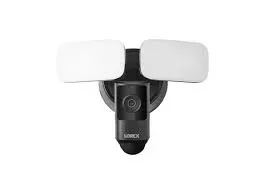
Lorex black floodlight camera with two white light panels, Lorex vs Swann NYC comparison
A Lorex product photo of a black floodlight camera with two white light panels above the lens, a fixture-replacement camera for a garage or back door.
Get In Touch

Request a Free Quote

Tell us the address or cross streets, the type of building, the places you want covered, whether you are leaning Lorex or Swann (or neither), and whether you already own any cameras. A technician will call back with a recommendation and next steps, or you can call (800) 486-0943 now.

โœ…
Request Sent!
Thank you. A technician will call you back within 2 hours during business hours with a Lorex or Swann recommendation for your property.
How It Works

How We Install a Lorex or Swann System

1. The property and the list

What kind of building, which spots need a camera, who uses the app, and whether deterrence, warranty, cloud cost or room to grow matters most.

2. Brand check

Lorex, Swann or a third option matched to the building, plus a look at any old Swann or Lorex recorder, cameras or doorbell already on site.

3. Site visit

Cable routes, recorder location, power, Wi-Fi strength for any wireless cameras, and each camera's view checked from the spot it will mount.

4. Written quote

Exact models, cable runs, hard-drive size and any optional cloud plan written out, priced from our installed price lists.

5. Cable and mounting

Cat6 run through existing paths where we can, exterior holes sealed with drip loops, cameras mounted and aimed.

6. Recorder and network

Recorder placed in a dry, hidden spot on battery backup where possible, firmware brought current and default passwords replaced.

7. Detection and alerts

Motion zones, person and vehicle detection, line-crossing or package rules and alert schedules tuned while someone walks the property.

8. Test and hand over

Every view checked by day and at night, a clip exported and played on another device, and a separate login set up for each user.

FAQ

Lorex vs Swann FAQ

Which is better for most New York homes, Lorex or Swann?
+

For most houses and small buildings we lean Lorex: its recorder takes up to 16 TB of storage, its 12MP bullet has a siren, warning light and voice message, its cameras are ONVIF compliant and it still works with Google Assistant and Alexa. Swann is the better pick when the longer standard warranty or the cheaper whole-system cloud plan matters most, and for a simple four-to-eight camera house it costs a little less installed.

Is Swann vs Lorex a different comparison from Lorex vs Swann?
+

No. It is the same pair searched in the other order, and everything on this page applies either way. We keep a single page for the pair so the answer stays in one place and stays current.

Do Swann or Lorex systems charge a monthly fee?
+

Neither requires one. Both record to a hard drive in your building and show live and recorded video in the app for free. Lorex Connect Cloud+ is optional at $5.99 a month for one camera or $16.99 for multiple cameras. Swann Secure+ has a free tier, an Extra plan at $4.99 a month for one device and an Unlimited plan at $12.99 a month for every device.

Does Swann still work with Google Home?
+

No. Swann's support center says Google Home integration was discontinued in August 2025, existing and new account links are disabled, and streaming through Google Home devices is not supported. Lorex lists Google Assistant, Alexa and Chromecast support on its Fusion recorder.

How long is the Swann warranty compared with Lorex?
+

Swann gives a 24-month manufacturer's warranty on devices bought from swann.com in 2025, and devices sold earlier may carry 12 months. Swann extends coverage to 36 months or more while a Secure+ plan started within six months of purchase stays active. Lorex's standard warranty is one year from the date of purchase.

Can I add Lorex cameras to a Swann recorder, or Swann cameras to a Lorex recorder?
+

Plan on no. Lorex says its cameras are ONVIF compliant, but the Swann system pages we checked do not state ONVIF support, and Lorex says its own recorders work best with Lorex cameras. When owners switch brands we usually keep and test the existing cable and replace the cameras with the recorder.

Do current Swann cameras still use heat sensing?
+

Not the flagship wired kit we compared. Older Swann systems used heat-and-motion PIR sensing, but the EliteX product page lists PIR thermal sensing as No and describes video-based detection of people and vehicles instead. Check the exact model if heat sensing matters to you.

Which brand covers a wider area with one camera?
+

Lorex, on the cameras we compared. The Lorex E910AB lists a 139 degree field of view, while the Swann EliteX and AdvancedX cameras list 90 degrees. On a wide yard or driveway that can mean one Lorex camera where Swann would need two.

Are Swann or Lorex cameras banned by the FCC?
+

No. On the FCC Covered List dated October 30, 2026, the video surveillance companies named are Dahua and Hikvision. Lorex, Swann and Skywatch, the company Dahua announced it was selling Lorex to, are not named.

What does a 4-camera Lorex or Swann system cost installed in NYC?
+

On our current NYC price lists, a complete 4-camera Lorex system starts from $1,899 installed and a complete 4-camera Swann system starts from $1,779, both with the recorder, at least two weeks of recording, cable up to 100 ft per camera and phone setup. Hidden in-wall wiring in hollow drywall is $200 more per camera. Prices are plus sales tax.

My old Swann or Lorex system stopped connecting to the app. Should I replace it?
+

Often the cable can stay and only the recorder and cameras need replacing. Both brands have changed apps and camera generations, so an older recorder may not work with the current app. Send us a photo of the recorder label and we will tell you whether a firmware update, a new recorder or a full upgrade is the sensible fix.

What should I send you before you install a Swann or Lorex kit I bought?
+

Yes. We install customer-supplied kits priced per camera for your area. Send the model number first so we can check the cable lengths, the PoE power and the app, and we will run new Cat6 where the kit's cables are too short for your building.

Still Deciding Between Lorex and Swann? Ask the Crew That Wires Both

Tell us about the building, the spots you want covered and what matters most, deterrence, warranty, cloud cost or room to grow, and we will tell you which of the two we would put on your property, or whether something else fits better. Call or text (800) 486-0943, message us on WhatsApp, or use the request form. Licensed under NYS license #12000287431, rated 4.7โ˜… across 201 Google Reviews, owner-operated since 2002, and booked within 2 hours of your request.