A Lock Plan the Landlord Signs Off On · A Code for Every Person Behind the Counter · Back Doors That Report · Opening and Closing on Schedule
Morris Park Avenue is a little over a mile of shops between Unionport Road and Williamsbridge Road, run mostly by families who rent the ground floor of a building they do not own. The city’s own survey of the avenue counted 235 storefronts and found that 85 percent of the merchants who answered rent their space. That single fact shapes what access control means here. The front door belongs to the landlord, the codes belong to the business, the back door opens onto a yard or a lot that others use, and the apartment entrance next to the shop belongs to the people upstairs. We design and install keypad, card, fob, phone and video entry for those doors — shop fronts behind roll-down gates, stockroom and cellar doors, back doors, offices up a flight of stairs, and the street doors of the buildings above — with written plans a landlord can approve and no monthly fee unless you choose one.
Reviewed and updated October 18, 2026: CityLand’s 2017 report on the Morris Park BID, the Morris Park BID’s own site, the SBS Avenue NYC Commercial District Needs Assessment for Morris Park & Van Nest, Wikipedia’s Morris Park article, the Bronx Times on 49th Precinct burglaries (2020) and the 2026 Columbus Day Parade, ABC7’s 2024 report on a Morris Park Avenue deli robbery, the Governor’s May 2026 Greater Morris Park DRI awards, the Riverdale Press profile of the BID’s director, News 12 on the repeal of the 2026 storefront-gate deadline, NYC Building Code §§1010.1.4.4 and 1010.1.9, Multiple Dwelling Law §§4 and 50-a, Local Law 63 of 2021 and Civil Rights Law §52-c · Anwar Timothy, NYS license #12000287431 · dispatched from our office on East Fordham Road

Start with the lease, then walk the building. Before anyone talks about readers, find the clause in your lease about alterations and the one about the landlord’s right to enter. Then take four photos: the shop door with the gate up, the same door with the gate down, the back or cellar door, and the street door to the floors above if your building has one. Text them with the lease clause and a line about who opens and who closes to (646) 490-0629. From that we can usually tell you which doors are yours to change, which need the landlord’s signature, what each opening should get, and roughly what it costs.
Morris Park sits in the East Bronx between the Bronx Park side of White Plains Road and the medical campuses along Eastchester Road. Wikipedia’s article on the neighborhood gives its rough edges as Neill Avenue and Pelham Parkway to the north, Eastchester Road to the east, the Amtrak Northeast Corridor tracks and Sackett Avenue to the south, and Bronxdale Avenue and White Plains Road to the west, and names Williamsbridge Road and Morris Park Avenue as its main streets. The name comes from John Albert Morris’s racecourse, which ran from 1889 to 1910; after a 1910 fire the track was cut into the building lots of today, and several of the cross streets — Cruger, Holland, Radcliff, Colden, Paulding and Hone avenues — carry the names of early New York mayors.
Most of the housing is one- and two-family homes, and the neighborhood is often described as the most suburban corner of the borough. Its commercial life runs in a line down the middle. Morris Park Avenue is where people buy bread, get their hair cut, file their taxes, see a dentist, order a cake for a christening, and sit down to dinner. Wikipedia describes a large Italian-American population and, since the early 2000s, a large Albanian-American one; the city’s small-business survey of the area adds Jewish, Asian, Hispanic, African American, Yemeni and Middle Eastern communities and calls the district “multi-generational” with “a small village feel.” The shop signs on the avenue show all of that at once.
The avenue is also a managed district. In August 2017 the City Planning Commission approved the Department of Small Business Services’ plan for a Morris Park Business Improvement District, and CityLand’s report on the vote sets out its shape: 188 properties along both sides of Morris Park Avenue over 1.06 miles from Unionport Road to Williamsbridge Road, a low-density, pedestrian-oriented corridor zoned with C1 and C2 commercial overlays that allow restaurants, boutiques, specialized retail, health, legal, real-estate and financial offices, and beauty, hair and nail salons. The first-year budget was $390,000, raised from commercial properties at about $42.50 per foot of lot frontage, with $300 more for a corner lot. The BID’s own site says its management association was formed by a local law passed by the City Council in 2018, and that the district runs from Unionport Road and Amethyst Street in the west to Williamsbridge Road in the east.
The best picture of the avenue’s businesses comes from the Commercial District Needs Assessment that the city’s Avenue NYC program carried out with the BID between September 2020 and June 2021. On Morris Park Avenue alone it counted 235 storefronts with a vacancy rate of 7.66 percent. Of the 125 merchants the BID surveyed there in winter 2020, 85 percent rent their space and 13 percent own it. Asked what would bring more shoppers, 83 percent named parking and 46 percent named safety. Across the five corridors it studied — Morris Park Avenue, White Plains Road, Lydig Avenue, Williamsbridge Road and Bronxdale Avenue — the assessment rated 592 storefronts and judged 20 percent of them in poor condition. Those numbers describe the typical customer for access control on this avenue: a family business that rents, worries about safety, and works in a building whose doors, frames and wiring belong to somebody else.
The police record points the same way. At a Build the Block meeting at the Morris Park Community Association in August 2020, the Bronx Times reported, the 49th Precinct’s community affairs officer told residents that while most burglaries elsewhere in the borough were residential, “in the 49th they are commercial,” and that police believed a small number of people were hitting phone stores and other businesses. Wikipedia’s summary of precinct figures for 2022 lists 133 burglaries, 273 robberies and 611 grand larcenies across the whole 49th Precinct, which also covers Allerton, Van Nest and Pelham Parkway. Two reports from the avenue itself show what that looks like at a door: in 2008 a burglar smashed the front window of a dance studio in the mini-mall at Morris Park and Bronxdale avenues just after midnight and searched every drawer, and in July 2024 ABC7 reported two masked men robbing a deli on Morris Park Avenue minutes after its owner had left. Nobody installs a keypad to stop an armed robbery; the point is that shops here are worked, opened and closed by a few people at the edges of the day, and the doors have to be designed around those moments.
The district is also about to change. Wikipedia records that in August 2024 the City Council rezoned 46 blocks of Morris Park, Van Nest and Parkchester around the planned Metro-North stations, and in May 2026 the Governor announced ten Downtown Revitalization Initiative projects for Greater Morris Park, among them $750,000 for trees, planters and banners on Morris Park Avenue between Unionport and Williamsbridge roads and a $1,000,000 Small Business Improvement Fund for exterior and limited interior renovations. New customers, new neighbors and renovation money all arrive at the same storefront doors.

A shop that cannot open loses the morning, and a shop that cannot lock its back door cannot close. Call (646) 490-0629 and tell us what the door is doing. On storefronts the usual culprits are simple: a keypad whose batteries died over a cold weekend, an electric strike knocked out of line because the door sagged on its pivots, a power supply on the same outlet as a freezer or a coffee machine that tripped a breaker, a reader that went offline when the internet provider swapped the router, or a door closer so worn that the latch never reaches the strike. Most single faults like these are fixed within an hour or two of our arrival.
We service systems other companies installed, including keypads, readers, magnetic locks and video door stations. If you rent, tell us whether the hardware is yours or the landlord’s before the visit; we will repair the landlord’s equipment only with the owner’s or managing agent’s authorization, and we will say so on the work order.
A typical Morris Park Avenue job pulls together three or four of the services below. A bakery might need the front door, the back door and a schedule for the early baker; a salon adds stylists who keep their own hours; a building owner with apartments upstairs adds the residential street door. We price them as one design so they share an app, one list of people and, where it makes sense, one battery-backed power supply in the cellar.
Keypads, card and fob readers and phone release on the customer door, placed so staff can reach them once the roll-down gate is up, with hardware chosen for the narrow aluminum frames most storefront doors use.
Readers, contacts and alarmed exit hardware on the steel doors behind the shop, the stockroom and the cellar stairs, so the door that faces a yard or a lot reports when it opens, when it is propped and when it is forced.
A personal code, card or phone key for everyone who opens or closes, with hours that match their shifts, a family member’s Sunday hours, and a log the owner can read from home.
Video door stations and fob readers for the narrow street doors that lead to offices, salons and apartments above the shops, built to the Multiple Dwelling Law where three or more households live upstairs.
A written door schedule, product sheets and a description of every hole and wire, in a form a landlord or managing agent can approve, and a plan for what happens to the hardware when the lease ends.
Doors that unlock for business only after the first person arrives, relock at closing, stay shut on holidays and follow a different timetable on parade Sunday or a street-fair weekend.
Alerts to the right people when a door opens after hours, a back door is held open, or the gate goes up at the wrong time, with a list of who answers the alarm company’s call at night.
Almost every avenue job also involves the camera system, because a door log says which code opened the door and a recording shows who used it; see security cameras for Morris Park shops. One cable route to the cellar can serve both.
The avenue grew up in the decades after the racecourse lots were sold, and its buildings show it. Low commercial rows sit next to small buildings with a shop on the ground floor and apartments or offices above, and the city’s zoning overlays let both live on the same lot. Each type changes where the doors are and who controls them.
Several storefronts under one roof, sometimes sharing a rear service corridor or a lot, like the mini-mall at Morris Park and Bronxdale avenues the Bronx Times described in 2008. The shared back is the issue: a corridor door used by every tenant needs its own credentials and its own log.
Two or three stories with a shop below and homes above, each with its own street door side by side. The shop tenant controls one door, the building owner the other, and they often share a cellar and a meter room. Keeping those two systems apart, or joining them carefully, is most of the design.
Real-estate listings and local history groups describe five-story apartment buildings from the 1910s and 1920s along the avenue, some with stores at street level. These are multiple dwellings, so the residential entrance follows Multiple Dwelling Law §50-a and the city’s tenant data rules, while the shops keep their own doors.
A corner lot pays the BID’s corner surcharge and usually has two street faces: a shop door on the avenue and a side door, delivery door or apartment entrance on the cross street. Two public faces mean two places to watch and, often, one door that should become exit-only.
Accountants, insurance and real-estate offices, tutors and salons often take the floor above a shop and share a narrow stair door on the avenue. Clients arrive by appointment; the door has to let them up without the tenant walking down every time.
Aluminum shop doors. Most storefront doors are aluminum and glass with a narrow frame and a pivot or butt hinges, and the frame has very little room for a lock. We use locks and strikes made for narrow stiles or an electrified exit device, run power through an electric transfer hinge or a concealed door cord, and avoid drilling glazing beads or the glass channel. If a door has dropped on its pivots, it is adjusted before any electric hardware goes on, because a sagging aluminum door is the commonest reason a storefront lock fails.
Steel back doors. The doors behind the shops are usually hollow-metal doors in steel frames, often with a crossbar, a drop bar or a padlock hasp added over the years. We look at what the tenant actually does at night before choosing hardware, because a back door that is barred from inside is a different design problem from one that has to open from outside at five in the morning.
The cellar as the hub. Most shop buildings here have a cellar, reached by inside stairs or by steel doors in the sidewalk. The controller, the battery-backed supply and the network switch go on a dry wall there, off the floor, away from the compressor of the walk-in cooler and the boiler, on a circuit that is labeled for the next electrician. Where the cellar is shared with the landlord or the tenants upstairs, the equipment goes in a locked enclosure.

On most streets in the city, the person who wants an access system and the person who owns the door are the same. On Morris Park Avenue they usually are not. When 85 percent of the merchants answering a city survey say they rent, the first question about any reader, keypad or electric strike is not technical. It is whose door this is, who has to agree, and who will own the hardware the day the shop changes hands.
Commercial leases deal with that in their own words, and we are not lawyers, so we do not tell tenants what their lease means. What we can describe is what landlords and tenants on the avenue usually need to settle before work starts, because a plan that skips these points tends to stop halfway, with a hole in the door frame and nobody willing to pay for the rest.
Consent in writing. Drilling a frame, running cable through a party wall or a cellar ceiling, and connecting to the building’s power are alterations in almost any lease. We give tenants a one-page description of the work — which door, which product, where the holes go, where the cable runs, where the power comes from — with the product data sheets attached, so the landlord can say yes to something specific rather than to “an access system.”
The landlord’s right to get in. Most leases let the owner enter in an emergency, and many owners hold a key to every shop. Moving to codes and cards should not quietly take that away; it should replace it with something better, such as a sealed emergency key, an owner’s credential that logs every use, or a key safe whose code the tenant can change. We set it up so the owner can still reach a burst pipe at night and the tenant can still see that the door was opened.
What stays and what goes. When the lease ends, does the reader stay on the door as an improvement, or does the tenant take it and patch the frame? Settle it before the work, write it into the consent, and choose hardware accordingly: a tenant who will take the system away should not put it on the landlord’s door in a way that cannot be undone cleanly.
Power and the meter. The supply for a strike or a controller has to come from somewhere. In a building with separate meters, it should come from the tenant’s panel, not from a hallway light or the owner’s cellar outlet, so the shop pays for its own system and nobody unplugs it to run a vacuum. Where the only convenient outlet is the landlord’s, the consent says so.
Storefront vacancy on the avenue was 7.66 percent when the city counted, low by citywide standards, but shops still turn over. A store that closes leaves behind whatever its tenant installed: a keypad still holding the old owner’s codes, a reader registered to an account nobody can log into, a magnetic lock wired in a way nobody remembers. The next tenant inherits all of it. We reset or remove inherited equipment, prove who controls the administrator account before anything is reprogrammed, and give the new tenant a system that is registered to them and documented.
Many small buildings on and off the avenue are owned by a family that lives above or behind the shop it rents out, or that runs the shop itself. Then one family controls every door, and the question becomes how to separate its roles: the owner as landlord, the owner as shopkeeper and the owner as resident. We give each role its own credentials and its own log, so the family can let the shop’s staff in without letting them into the house, and can hand the shop over to a tenant one day without rewiring the building.

The needs assessment describes Morris Park’s businesses as family-owned and often multi-generational, with an established base of regular customers and a particularly busy season around the holidays. The BID runs a holiday trolley, the Pulse light installation on the Loreto Playground fence lights the avenue at night, and once a year the street belongs to the parade. Access control on the avenue is as much about the clock as about the locks.
Every shop has two vulnerable moments a day: the person who opens alone and the person who closes alone. The 2024 deli robbery that ABC7 reported happened minutes after the owner had left for the day. A door system cannot stop a robbery, but it can shape those two moments. The shop door does not unlock for the public until the first employee has used their own credential, so a schedule cannot leave the door open on a morning nobody came in. The person opening can see the inside of the shop on a phone before lifting the gate. The last person out gets a reminder if the back door is still unlocked when they lock the front. And the owner gets one notification a day that the shop was opened and one that it was closed, which on most days is all they need to know.
A business that has passed from parents to children often has a key ring to match: keys cut for relatives who no longer work there, a key for the cousin who does the books, a spare kept at the house. Moving such a shop to personal codes is partly a family conversation. We list everyone who can get in today, decide with the owner who still needs access and when, and give each person a credential that suits them. An older relative who opens the bakery before dawn may want a keypad with large, lit buttons and no phone at all; a son who manages the second shift may want a phone key; a part-timer gets a card that can be cancelled in seconds.
The Bronx Times reported that the 49th annual Morris Park Columbus Day Parade, organized by the Morris Park Community Association, stepped off on Sunday, October 11, 2026 despite the rain. Wikipedia describes the route as starting at Morris Park Avenue and White Plains Road and turning north on Williamsbridge Road to Pelham Parkway South, while the Bronx Times placed the 2026 start at Bronxdale and Morris Park avenues; either way, the avenue is closed to traffic and crowded for much of the day. For a shop, that changes the timetable: deliveries come early or not at all, the front door may open late or close early. A controller with a holiday calendar can hold all of that in advance — the parade Sunday, Christmas Eve hours, Easter, the days the shop closes for a family wedding — so nobody has to remember to change the schedule on the morning.

The city’s assessment looked at five commercial streets in Morris Park and Van Nest, and each has a different mix of businesses and a different set of door problems. These are the corridors we are asked about most, and what tends to matter on each.
The BID corridor: 235 storefronts, among them pastry shops, restaurants with outdoor tables in warm weather, salons, and the health, legal, real-estate and financial offices the zoning overlays allow. The library at 985 Morris Park Avenue and Loreto Playground break up the row. The priorities are the customer door behind the gate, the back door, staff schedules and the upstairs entrance.
The north–south shopping street that carries the parade to Pelham Parkway, with the Morris Park post office at 1807 Williamsbridge Road and FDNY Squad 61 at 1518. The assessment counted a storefront vacancy of 4.4 percent here, and 80 percent of the merchants it surveyed rent. Restaurants, offices and service businesses share buildings with apartments, so the residential door beside the shop is often as important as the shop itself.
On the western side of the district, under and near the elevated 2 and 5 trains, the assessment found merchants worried about safety more than anywhere else: 61 percent on White Plains Road and 83 percent on Lydig Avenue named it, against 46 percent on Morris Park Avenue, and it noted poor street lighting under the elevated tracks. Shops there want back doors that report, and owners want to see the street before they open the gate.

A shop door is governed by the building code, the lease, the rules for any apartments above, and the law on employee monitoring. This is a plain-language summary of the ones that come up on the avenue. None of it is legal advice; for a specific building, the Department of Buildings, an architect or the parties’ lawyers have the last word.
| Rule or document | What it says, in short | Where it meets a Morris Park building |
|---|---|---|
| The commercial lease | Usually requires the landlord’s consent for alterations and reserves the landlord’s right to enter; says what happens to improvements when the lease ends | Every rented storefront; the first document we ask to see, though only the parties can interpret it |
| Building Code §1010.1.9 | Exit doors open from inside without a key or special knowledge; electric locks release on power loss and fire alarm; magnetic locks need direct-cut push-to-exit | Shop fronts, back doors, cellar stairs and any office suite open to the public |
| Building Code §1010.1.4.4 (Local Law 75 of 2009) | Storefront security grilles installed or replaced must permit visibility of most of the covered area; the 2026 deadline for existing gates was repealed in June 2026 (Intro 910-A) | Any shop replacing a roll-down gate; the gate choice decides where a keypad can sit |
| Multiple Dwelling Law §4 and §50-a | Three or more independent households make a multiple dwelling; its entrance doors must self-close and self-lock, and buildings of eight or more apartments need an intercom | Store-and-apartment buildings with three or more homes upstairs, and the larger walk-ups |
| Local Law 63 of 2021 (Tenant Data Privacy) | A building owner with fobs, app entry or biometrics on a residential door must hand tenants a written data policy, keep collection to the minimum, purge credential data after 90 days unless it is anonymized, and leave tenants free to use a key for their own apartment door | The residential door of a multiple dwelling, not the shop door |
| Civil Rights Law §52-c | Employers that electronically monitor employees’ phone, email or internet use must give notice on hiring, get it acknowledged and post it | Shops and offices that review staff door logs; the safe course is to mention the log in the notice |
| Business Improvement District | Commercial properties pay an assessment by frontage; the BID provides cleaning, safety and promotion | Not a door rule, but the BID is the merchants’ channel to the precinct, the city and the new Small Business Improvement Fund |
When the precinct told the 2020 community meeting that burglaries in the 49th were mostly commercial and that phone stores and other businesses were being hit, it was describing break-ins that happen after closing, when the gate is down and the shop is empty. The 2008 dance-studio burglary on the avenue started with a hammer through the front window at 12:22 a.m. The owner told the Bronx Times there was no cash to find because the studio never kept money there overnight, and that she planned to add outside lighting. Each of those details is a design lesson.
A shop front on a lit avenue, behind a gate, in view of passing cars, is not where a careful burglar starts. The back door onto a yard, a cellar door in the sidewalk, a skylight, the shared corridor of a mini-mall or the wall of an empty shop next door are all quieter. That is why we spend more time on the back of a Morris Park shop than on the front. The back door gets a contact that reports opening and a sensor that reports force, and it is the door whose alerts go to the owner’s phone at night.
An access system is not an alarm. It knows when a door that should be locked has been opened, and it can send that to a phone, but it will not call the police and it cannot hear glass break. For a shop that closes at night, the right design ties the door contacts to a monitored intrusion alarm, or at least to the camera system, so an after-hours opening produces a recording and a call rather than just a line in a log. Where a shop has both, the alarm should arm when the last credential is used at closing and disarm only for a code that is allowed at that hour.
When an alarm company calls about a break-in, it calls a list. On many avenue shops that list is out of date: a manager who left, a relative who moved to Westchester, a number that rings in an empty apartment. We rebuild the list with the owner, give every name on it a credential that works at night, and arrange that the first person to arrive can see the shop on the camera and open the door without touching the gate if police are already there.
The 2024 deli robbery was not a burglary; it happened while the store was open and staffed. No lock plan stops an armed robbery, and staff should never be asked to fight one. What design can do is modest: a door behind the counter that keeps strangers out of the back room, a panic button that alerts the owner and the alarm company, and a camera at the door at face height. Those are choices to make with the staff, not for them.

These are the questions shopkeepers, office tenants and building owners on and around Morris Park Avenue ask when we walk their doors, grouped by the part of the business they concern. Each answer is complete here; the FAQ further down covers different ground.
Send something specific enough to say yes to. The request should name the door, the product and its data sheet, show where each hole goes in the door and frame, describe the cable route from the door to the controller and where the controller and its power supply will sit, say which electrical panel feeds it, and state whether the equipment stays at the end of the lease or comes out with the frame patched. A photo of the door marked up with those positions does more than a page of text.
We prepare that package as part of the estimate, in a form a tenant can forward to a landlord or managing agent unchanged. Landlords tend to approve quickly when they can see that nothing touches the building’s fire alarm, the apartments upstairs or the structure, and that the door will still open from inside without a key. What the lease actually requires, and whether consent can be withheld, is a matter between the parties and their lawyers.
Replace the loose key with a controlled one. Three arrangements work well. The landlord can have a personal credential that opens the shop door at any hour and records every use in the tenant’s log; the landlord can hold a key to the lock’s mechanical override, kept in a sealed, signed envelope so an opening is obvious; or a small key safe can be fitted in the cellar or the building hallway with a code the tenant changes and shares with the owner.
Whichever you choose, write it down and give both sides a copy. The common failure is a landlord who still has an old key to a cylinder that no longer exists, discovers it during a flood at two in the morning, and breaks the door. A credential that works and is logged protects both the owner’s right to reach the building and the tenant’s right to know when someone did.
It depends on whether anyone can prove control of them. A standalone keypad can usually be reset to factory settings at the device and reprogrammed with your codes, and that is fine if the hardware is sound. A networked reader is harder: it is registered to someone’s cloud account or controller, and if that account belonged to the old tenant, nobody else can manage it, and the old tenant may still be able to unlock your door from their phone.
We start by finding the controller and the account behind it. If the landlord or the former tenant can hand over the administrator login, we transfer it to you, change every password and delete every credential. If they cannot, we replace the controller and keep only the hardware that can be reused safely. Either way, the lock cylinders are rekeyed, because the previous tenant’s keys are still out there.
Design the opening routine, not just the lock. The baker should be able to see the shop and the back door on a phone before stepping out of the car or off the bus; the outside lighting over the door should come on as they approach; and the door they use should open with one action from a credential they carry, so they are not standing at the gate fumbling with keys. Once inside, the door should relock behind them automatically.
Two more features are worth having. A duress code — a variant of the baker’s code that opens the door normally but quietly alerts the owner or the alarm company — covers the case where someone forces them to open up. And a check-in alert to the owner if the shop has not been opened by a set time covers the morning the baker did not arrive at all, whether because of a flat tire or something worse.
Yes. Every credential on a business system can carry its own schedule. Staff codes can be limited to opening hours on the days they work; your father’s code can work on Sundays, or at any hour, and only at the doors he needs, perhaps the back door and the office but not the cash room. The system does not need to treat him as a special case; he is simply a person with a broader schedule.
For older relatives who come in when the shop is empty, add two things. Let the door relock on its own a few seconds after it closes, so he never has to remember to lock it, and let his arrival send a quiet notification to whoever in the family wants to know he got there. If he would rather not use a phone, a keypad with lit buttons or a simple card is enough.
Treat each stylist as a separate business sharing your door. Each gets a personal credential that works on the days and hours their booth agreement allows, opens the front door and any shared room such as the color bar or the laundry, and does not open your office or the stock room. When a stylist leaves, you end that credential and nobody else is affected.
Two details matter in a salon. A stylist arriving early for a client should be able to let the client in without handing over a code, which a video station or a phone release at the front door handles. And because the stylists are not your employees, decide in writing who can see the door log: usually the owner sees everything and each stylist sees nothing, or only their own entries.
Only people on a short, current list, each with a credential that works at night. Make the list with the alarm company and the access system at the same time: the owner, one or two managers, and perhaps a relative who lives close. Each person on it gets a night-time credential; nobody else’s code works after closing. When someone leaves the list, they are removed from both.
The person who responds should not walk into a dark shop. They should be able to see the cameras from the car, meet the police outside, and open the door remotely or with their own credential once officers are there, without lifting the gate if the break-in was at the back. The door log then shows who opened the shop and when, which the insurer and the detectives will both ask about.
The gate and the lock are one decision. Under Building Code §1010.1.4.4, a grille installed or replaced on a business or shop front must still leave most of the covered area visible from the sidewalk; what changed on June 30, 2026, News 12 reported, is that existing solid gates no longer have to be swapped out. If your gate is sound, the law no longer forces the change. If you are replacing it anyway, plan the door hardware at the same time, because a see-through grille changes what the street can see of the keypad and the door.
The practical point is reach. With a gate down, nobody can touch the door; with it up, the door is the barrier. A keypad or reader goes inside the gate line, on the door frame or the mullion beside it, so staff lift the gate and then use their credential. A motorized gate operator can be switched on by the same credential, but only with the gate maker’s safety devices in place. A registered design professional should confirm what a replacement grille needs; we handle the door.
Usually one entrance, one exit. A shop with two public doors has two places where customers come in unseen and two doors to lock at night. If the business does not need both, make the side-street door exit-only: it opens from inside with panic hardware or a lever, it never opens from outside, and a contact tells you if it is propped. Staff and deliveries then use the front door or a credential on the back.
If the side door has to stay an entrance — because deliveries come that way or because the shop is a restaurant with seating on both streets — give it its own schedule and its own alerts. Do not lock either door from the inside in a way that stops people leaving; corner shops are often the ones where an extra bolt was added to a door the fire code says must open.
Put a video door station at the street door and a release upstairs. The client presses the button, you see and speak to them on a screen at the desk or on your phone, and the street door unlocks for a few seconds. The door relocks behind them and the stair stays closed to anyone else. Your staff use their own credentials; clients never get a code.
If you share that stair door with the shop below or with apartments above, the station should call only your suite when your button is pressed, and the building owner should agree the arrangement, because it is the owner’s door. For a busy tax season, the release can be set to work only during office hours, so a caller after closing cannot be buzzed in by mistake.
Possibly, but nobody can promise it yet. The Governor’s May 2026 announcement describes a $1,000,000 fund to give grants to small businesses in the Greater Morris Park investment area for exterior and limited interior renovations that improve how a business works and looks. Door hardware, a new storefront entrance or a safer back door could plausibly fit that description, but the fund’s eligibility rules, application process and administrator will decide.
If you plan to apply, ask the Morris Park BID, which helped shape the projects, when the fund opens and what it covers. Get a written, itemized estimate in advance, because grant programs usually want one, and separate the door work from any monthly service so the capital cost is clear. We will provide that estimate either way, and we will not inflate it because a grant might pay.
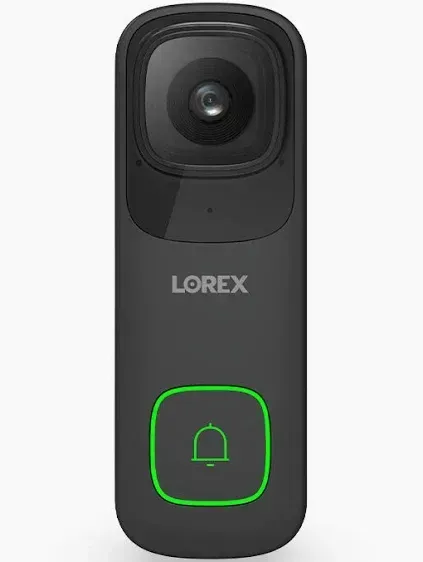
Storefronts need different hardware from apartment lobbies. This is what we fit on and around Morris Park Avenue, and the job each item does best.
| Equipment | Best Morris Park use | What to know |
|---|---|---|
| Narrow-stile electric lock or electrified exit device | Aluminum-and-glass shop doors on the avenue | Made to fit the thin frame; power runs through a transfer hinge or door cord, never across the glass |
| Keypad or card reader on the mullion | Inside the gate line beside the shop door | Reachable once the gate is up; vandal-resistant and rated for outdoor use |
| Wired reader and electric strike | Steel back doors, cellar stair doors and stockrooms | Strike chosen for the frame and the door’s swing; contact and forced-door alarm on every back door |
| Panic hardware with alarm | Side-street doors made exit-only; back doors used for escape | Opens from inside with one push; sounds and reports if opened or propped |
| Video door station | Stair doors to offices, salons and apartments above shops | Calls one suite or a list; release from a desk screen or a phone |
| Gate and door position sensors | Roll-down gates and overhead doors | Report when the gate goes up or down, so opening and closing appear in the same log |
| Controller with battery backup | Cellar wall in a locked enclosure | Holds codes and schedules locally, keeps doors working through short outages, and is labeled for the next technician |
| Cloud or phone management | Owners who want to change staff codes from home | Choose a system that keeps working at the door if the internet is down; administrator account in the business owner’s name |
We use credentials that cannot be copied at a kiosk: encrypted cards and fobs, phone keys and personal codes. Old 125 kHz proximity cards are cheap, but they can be cloned in seconds with inexpensive tools, and on a storefront where staff come and go that is a risk we do not install. Where a lock keeps a key override, we fit a restricted, pick-resistant cylinder and record who holds the override keys.

We could not see Google’s AI Overview answers while writing this page, so none is quoted. The claims below are ones that come up again and again in generic AI answers, cost guides and product round-ups about small-business access control. We test each against how Morris Park Avenue shops actually work.
Generic advice is written as if the business owns its building. On Morris Park Avenue, 85 percent of the merchants the city surveyed rent.
For them the door, the frame, the wall and the power usually belong to the landlord, and drilling any of them is an alteration that needs consent.
The cheapest system in the world is expensive if it has to come off the door because nobody asked. A proper plan starts with the lease and a written description the landlord can approve, which national brands such as ADT, Ring and SimpliSafe will not prepare for you. A local survey is where that paperwork gets written.
Smart-lock marketing assumes a wooden or steel house door with a round bore for a deadbolt. A shop door on the avenue is usually an aluminum-and-glass storefront door with a frame a couple of inches wide.
Most residential smart locks simply do not fit, and the ones that are forced in leave a door that sticks, a frame that cracks or a lock that fails the first cold morning.
The right hardware is a narrow-stile lock, an electrified exit device or a strike made for aluminum frames, with power brought in through the hinge side. It costs more than a box from the hardware store, and it works for years.
A reader decides who a closed, latched door will open for. It does nothing about a hammer through the front window, which is how the 2008 dance-studio burglary on the avenue began.
It also does nothing about a robbery while the shop is open, as the 2024 deli case showed.
What an access system contributes after hours is knowledge: which door opened, when, and whether it was forced. Tied to a monitored alarm and cameras, that knowledge brings a response; on its own, it produces a log. Any answer that promises a lock will stop burglaries on a commercial street is selling the wrong thing.
Many small-business guides suggest one keypad code for “the team.” On a family-run avenue shop, that code is soon known to former staff, relatives, delivery drivers and the cousin who helped out one Christmas.
Nobody can tell from the log who opened the door, and changing the code locks everyone out at once.
Personal codes cost nothing extra on any modern keypad or controller. They let the owner end one person’s access without disturbing anyone else, and they turn the door log from a list of times into a record of who was there.
Cost guides from Angi, HomeAdvisor and Fixr, and installers’ blogs, publish national per-door ranges like this. They are averages across very different buildings.
A shop on the avenue may need only a keypad on the back door and a reader on the front; a building with apartments upstairs adds a residential entrance under different rules.
Our published Bronx prices start at $1,500 to $2,500 for one controlled door with reader or keypad, strike, power and programming, $1,500 to $2,000 for a keypad on a staff or back door, and $4,000 to $12,000 for readers on several office doors. Itemized quotes show what each door costs, so a tenant can start with the door that matters most.
AI answers often say a landlord must follow the city’s smart-access privacy law as soon as anyone rents an apartment. The law applies to multiple dwellings, which under state law means three or more households living independently.
A store with one or two apartments above is outside it; a store under a five-story walk-up is inside it, but only for the residential door, not the shop.
The sensible course for any building owner on the avenue is to build the residential door as if the rules applied anyway: personal credentials, no biometrics, short log retention and a written note to tenants of what the system records. Then a third apartment upstairs changes nothing.
Storefront doors take a beating: hundreds of openings a day, a gate slammed onto the sill, deliveries wheeled through, salt and slush all winter.
Closers wear, pivots sag, strikes drift out of line and batteries fail, and on a shop the first sign is usually a door that does not latch at closing.
We leave every business with a short monthly check — let each controlled door close on its own and watch it latch, try a deleted code, open the back door after hours and confirm the alert, look at the controller’s battery light — and a quarterly review of who still has a credential.
A ten-minute call with your photos and the lease clause usually settles which doors are yours to change, what the landlord needs to see, and what a sensible first phase costs.
Tell us about the property — a rented shop on Morris Park Avenue, a store with apartments above on Williamsbridge Road, an office up the stairs, a corner building with two street doors — which doors you want controlled, who opens and closes, and whether the landlord is on board. We answer in writing the same business day using our published Bronx prices. Prefer to talk? Call (646) 490-0629.
Thanks — the details for your Morris Park shop or building are with a technician, who will phone before the end of the business day. Door open or stuck right now? Call (646) 490-0629.
Seven steps, whatever the size of the shop. The one owners do not expect is the second: before we order anything, the landlord sees exactly what we plan to do to the building, because on a rented avenue storefront that signature decides more than the hardware does.
Photos of the shop door with the gate up and down, the back and cellar doors and any upstairs entrance; the lease clause on alterations and entry; and a list of everyone who can open the shop today, including relatives, former staff and the landlord.
A one-page description of each door, product, hole, cable route and power source, with data sheets, written for the owner or managing agent; plus a note on what stays at the end of the lease. Work is scheduled once consent is in writing.
On site we check door frames, pivots and closers, the gate and its reach, the back door’s swing and bars, the cellar route and the tenant’s panel. The price is fixed from our published Bronx figures, door by door.
Sagging doors adjusted, worn closers replaced, frames prepared, and cable pulled to the cellar along the agreed route, labeled at both ends. Noisy work is done when the shop is closed so customers are not disturbed.
Narrow-stile locks, strikes, readers, exit devices and contacts mounted; controller and battery-backed supply installed in a locked enclosure. We cut the power to prove what each door does, and check that every exit opens from inside.
Each person gets their own credential and hours; seasonal staff get end dates; the landlord’s emergency access is set and logged; holidays and parade Sunday are entered; night-time keyholders are matched to the alarm company’s list.
The administrator account goes in the business owner’s name with recovery details written down; the owner learns to add and end a credential; the landlord receives a copy of the as-built description; a first review of who holds access is booked for a month later.

Once a month, let each controlled door close by itself and watch it latch. Try a code you have deleted and confirm it fails. Open the back door after the night schedule starts and confirm the alert arrives. Check that the gate sensor logs the gate going up and down. Once a quarter, end every credential that belongs to someone who no longer works there, and confirm the alarm company’s list still matches the people who can open at night.
Morris Park’s landmarks are the everyday kind: a library, a playground, a firehouse, a post office and the stations that bring people to the avenue. These are the six we use to find our way to a job.
985 Morris Park Avenue: a two-story, 6,600-square-foot New York Public Library branch that opened in 2006, the first branch built in the neighborhood (Wikipedia). It sits inside the BID corridor, between the shops.
Bounded by Morris Park, Haight, Van Nest and Tomlinson avenues and named for Officer Alfred Loreto, killed in 1950 while stopping an attempted kidnapping (Wikipedia). The BID’s 110-foot “Pulse” light installation on its fence launched in 2024 (Riverdale Press).
The crossroads at the eastern end of the BID, where the Columbus Day Parade turns north toward Pelham Parkway South. The Bronx Times reported the 49th annual parade on Sunday, October 11, 2026, organized by the Morris Park Community Association.
FDNY Squad 61/Battalion 20 at 1518 Williamsbridge Road and the Morris Park Station post office at 1807 Williamsbridge Road (Wikipedia) — the firefighters who would open a shop door in an emergency, and the carriers who need the upstairs doors to work.
2121 Eastchester Road, covering Morris Park, Allerton, Van Nest, Pelham Parkway and Pelham Gardens. Its community affairs officers brief merchants and residents at Build the Block meetings, and its detectives are the ones who ask for a door log after a break-in.
The 5 train’s Morris Park station under the Esplanade, and the Metro-North station planned for the area, with a $2,750,000 public plaza linking it to the Hutchinson Metro Center campus and Marconi Street among the 2026 state awards (Wikipedia; Office of the Governor).
We also serve the neighborhoods around Morris Park: Van Nest to the southwest, Parkchester and Westchester Square to the south, Indian Village at the northern edge by the medical campus, Pelham Parkway to the north and northeast, and Bronxdale and Allerton beyond.
The figures below apply to Morris Park as they stand: the Bronx multiplier is 1.00, the same as our Brooklyn base. Each installed price includes hardware, labor, programming, the first set of credentials and a walk-through with the owner; 8.875 percent New York City sales tax is added on top. Once we have seen every door, the number is fixed in writing.
| System or item | Morris Park price | Typical Morris Park use |
|---|---|---|
| Single door: keypad or fob reader with electric strike | $1,500 – $2,500 | The customer door of a shop on the avenue, or the stair door to an office above |
| Keypad on a staff, garage or back door | $1,500 – $2,000 | The steel back door to a yard or lot, a cellar stair door or a stockroom |
| Multi-door system | $4,000 – $15,000 | Shop front, back door and cellar on one controller with schedules, or a store and the apartment entrance beside it |
| Card readers on several office doors in a shared building | $4,000 – $12,000 | A dental or professional practice with reception, treatment or file rooms and a staff entrance |
| Full building | $15,000 – $40,000+ | A walk-up with stores below and apartments above, every entrance and the cellar under one system |
| Video intercom panel with integrated fob access, replacing a buzzer | $1,500 – $3,000 | The narrow street door shared by apartments or offices above a shop |
| Buzzer repair (for comparison) | $200 – $500 | Restores an old buzzer without codes, logs or schedules |
| Service and repair visit | $195/hr, 3-hr minimum ($585) | Readers, keypads, strikes and controllers from any maker or previous installer |
Gate operators, replacement storefront grilles, powered door openers and any work that needs a registered design professional or a Department of Buildings filing are priced after the survey, because they depend on the opening and the permit path; we do not publish a fixed figure for them. Jobs under $500 are paid in full up front and jobs over $500 take a 50 percent deposit, under our standard service agreement.

Your photos and the lease clause are all it takes. Every door is listed on the written price with what it will get, where the cable runs and why, in a form you can forward to the owner the same day.
One controlled door at $1,500 to $2,500: a narrow-stile lock or strike, a keypad or card reader inside the gate line, battery-backed power from the tenant’s own panel, door adjustment, personal codes for each person who opens, and a landlord consent package.
A multi-door system at $4,000 to $15,000: the shop door, the back door and the cellar or stockroom on one controller, opening and closing schedules, a holiday calendar, after-hours alerts on the back door, and gate sensors so opening and closing appear in one log.
For owners of walk-ups with stores below and apartments above: $15,000 to $40,000 and up for every shop door, the residential entrance, the cellar and yard doors, video calling to each apartment, and the written data policy the Tenant Data Privacy Law expects for the homes upstairs.
We install owner-supplied keypads, smart locks, readers and controllers on a labor-only basis, priced once we have seen the model and the door. Before buying for a Morris Park Avenue shop, check three things: that the product is made for your door (aluminum narrow-stile, steel hollow-metal or wood) and its swing; that it keeps working by code when the internet is down; and that the administrator account will be in the business owner’s name, not the seller’s or a former manager’s. If a product will not fit safely, we will tell you before we start.
Call stations and handsets for the homes and suites above the avenue’s shops, new systems and fixes to old ones. See intercom installation in Morris Park and door buzzer repair in Morris Park.
Sales-floor, back-door and street cameras that pair with the door log. See security cameras in Morris Park and commercial security cameras in the Bronx.
Burglar alarms that arm when the last person leaves and reuse the back-door contacts, plus fire alarm service. See alarm installation in Morris Park and fire alarm installation in Morris Park.
Low-voltage cable from the shop doors to the cellar, done neatly and labeled. See structured cabling in Morris Park and low-voltage installation in the Bronx.
For the side-street houses behind the avenue and the owners who live above their shops, battery keypads and app locks. Related pages: smart locks in Morris Park, smart lock installation in the Bronx and doorbell cameras in the Bronx.
Access control in the Bronx, access control across NYC and commercial security systems in the Bronx.
This is a note on how we work, not a story about a particular shop. When we are called to a storefront that already has a reader or keypad, the first question is not what is wrong with the door. It is who owns the system: whose name is on the administrator account, whose email receives the alerts, whose phone can unlock the door from across town. On a busy avenue the answers are often surprising. The account belongs to a manager who left two years ago. The alerts go to the previous tenant. The installer registered the system under his own company and has since closed.
None of that shows at the door, and all of it matters more than the hardware. Before we change a strike or add a code, we find the controller, establish who can log in, and move control to the business owner, with the landlord told what was done. Only then do we start on the door. A shop that cannot prove who controls its locks does not really control them.

Many access systems can export each person's first and last entry of the day, and some connect directly to payroll or scheduling software. That is handy as a cross-check, but a door log is not a time clock: people hold doors for each other, step out for deliveries and come back through the back. If you want to use it for pay, choose a system with a proper time-and-attendance link and tell staff in writing how entries are used.
It can, but the two have to be designed together. A crossbar is fine when the shop is empty and the bar is set from inside by the last person, who then leaves by the front. It becomes a problem when someone is working inside with the bar in place, because the back door may be their only way out. A better arrangement is panic hardware with an alarmed exit and a reinforced strike, which resists prying as well as a bar does and still opens with one push from inside.
Yes. A heavy-duty position sensor on the gate, or a contact on a motorized gate's operator, reports each time the gate opens or closes. The event goes into the same log as the door, so the owner sees one timeline: gate up at 6:52, door opened by the baker at 6:53, gate down at 9:14 p.m. An alert can also be sent if the gate goes up outside business hours.
It should have one. Walk-in coolers, display fridges, ovens and espresso machines draw heavy, changing loads, and a door power supply that shares their outlet goes down whenever they trip a breaker, which is often at night when nobody is there to reset it. We feed the controller and its battery-backed supply from a dedicated, labeled circuit on the tenant's own panel, installed by a licensed electrician where a new circuit is needed, so a tripped cooler never decides whether the back door is locked.
Yes. A low-energy door operator with push plates inside and out makes a storefront much easier for wheelchair users, parents with strollers and older customers. It has to be wired with the lock, so the operator never pushes against a door that is still locked and the push plate works only when the door is meant to be open. Operators need power at the head of the door and sometimes a design professional's input, so we price them after the survey.
It can lock the door against people coming in, never against people going out. A button can switch the front door to locked-from-outside, alert the owner and the alarm company, and start the cameras recording, while the inside lever or push bar still opens the door for anyone leaving, as the building code requires. Think carefully before fitting one: locking a robber inside with staff is dangerous, and the button is best used for threats outside the door, not inside the shop.
It is the wise course. New York's Civil Rights Law section 52-c requires private employers that electronically monitor employees' telephone, email or internet use to give written notice on hiring, get it acknowledged and post it where staff can see it. The law does not mention door logs specifically, so whether they are covered is unsettled, but adding a line about the access log to the same notice costs nothing. Your employment lawyer can confirm the wording.
Technically yes; in practice it is rarely worth it. A shared controller saves the cost of one box and one power supply, but it ties two separate businesses together: one administrator account, one set of firmware updates, and a problem the day either shop closes or changes hands. If the landlord owns the system and manages it for both tenants, sharing can work with each shop limited to its own doors and its own log. Between two independent tenants, separate controllers are cleaner and cost little more.
This page is one of many in the Bronx. Borough-wide prices and every other Bronx building type are on Bronx access control installation, which reports up to the NYC access control hub; outside the city, each county below keeps its own page with its own multiplier.
Access control installation in NYC (hub) · the Bronx · Brooklyn · Manhattan · Queens · Staten Island
Access control installation in the Hudson Valley (hub) · Westchester · Rockland · Orange County · Putnam · Dutchess · Ulster
Indian Village, Bronx · Olinville, Bronx · Laconia, Bronx · Harding Park, Bronx · Fieldston, Bronx · Edenwald, Bronx · Eastchester, Bronx · Country Club, Bronx · Clason Point, Bronx · Bedford Park, Bronx · New Utrecht, Brooklyn · Gowanus, Brooklyn · Fulton Ferry, Brooklyn · DUMBO, Brooklyn · Cobble Hill, Brooklyn · Bay Ridge, Brooklyn · Bensonhurst, Brooklyn · Boerum Hill, Brooklyn · Brighton Beach, Brooklyn · City Line, Brooklyn
East Bronx neighborhood pages around Morris Park: Van Nest, Indian Village, Pelham Parkway, Pelham Gardens, Allerton, Bronxdale, Parkchester, Westchester Square, Olinville and Williamsbridge. For a shopping street with very different buildings, compare Fordham and the Hub. Related Morris Park pages: intercoms, cameras and cabling. Before anyone drills your door frame, check who they are: our about page sets out the license and insurance behind Abstract Enterprises Security Systems.
We opened and read each of the documents listed here in October 2026, and nothing local on this page — no address, count, date or quote — rests on anything else. Where sources disagree — on the parade’s starting corner, for instance — the page says so instead of choosing silently. The prices are the exception: they are AESS’s own published figures at the Bronx rate, not taken from any guide.
Some sources we normally check could not be reached for this page: Google’s question boxes, related searches and AI Overview, Answer the Public, Bing and DuckDuckGo suggestions, Yelp reviews, and the full text of Reddit threads about Morris Park (only short excerpts were visible; nothing on this page depends on them). Descriptions of older apartment buildings on the avenue come from search-result excerpts of listings and a local history group, and are used only to describe building types, never to identify a property.
A storefront that cannot be locked at closing, or a back door hanging open onto the yard, is a same-day job. Call (646) 490-0629, tell us which door has failed and what it is doing, and we give you an arrival window on the call. If the door cannot be repaired that night, we secure it mechanically first and come back for the electronics.
Abstract Enterprises Security Systems works out of 460 E Fordham Rd, Bronx, NY 10458, close enough to the avenue that a technician can usually be at a Morris Park shop door between the morning rush and lunch. Call or text (646) 490-0629, or send the door photos and the lease clause by WhatsApp.
Rated 4.7★ across 201 Google reviews. Licensed by New York State, #12000287431, and insured; landlords and managing agents who want our certificate of insurance before work starts only need to ask. Written estimates go out the day the photos arrive.
Full terms — including 50% deposit, the 30-day warranty and optional paid extended warranty, and the late-fee schedule — are set out in the service agreement. See our warranty page.
Revision log, October 18, 2026: page rebuilt from scratch around Morris Park Avenue’s rented storefronts — landlord consent and emergency entry, inherited systems, staff and family credentials, back doors after closing, holiday and parade schedules, and the doors to offices and apartments above the shops — with new local research and prices at the Bronx rate of 1.00 times the Brooklyn base; service rate unchanged at $195 an hour with a 3-hour minimum.