Know Whose Door It Is First · Written Approval Before Hardware · Free Exit Always · No Monthly Fees
Parkchester is the rare Bronx neighborhood where the front door of almost every apartment building already belongs to someone with a system. The 171 red-brick buildings Metropolitan Life put up between 1939 and 1942 are now two condominiums, North and South, and their entrances run on a condominium-owned fob system and, since 2024–25, an app-based video intercom that another company installed across the whole complex. Parkchester South even lists the apartment door and most locks among its common elements. So the honest first question on any Parkchester call is not which reader to buy but whose door it is. We sort that out with you, then do the work that is genuinely yours to order: inside your unit, on doors the board approves in writing, in the shops and offices on Metropolitan Avenue and the ovals, and in the ordinary private buildings that surround the complex.
Reviewed and updated October 18, 2026: the Parkchester South Condominium’s building-key and facility-services pages, the Parkchester North Condominium’s Rules and Regulations (January 2009 update), Parkchester Preservation Management’s history timeline, Comelit’s Parkchester case study and the residents’ intercom FAQ, Bronx Times reporting on the 2024 safety rallies, News 12 Bronx reports from 2025, Wikipedia’s Parkchester and Parkchester station articles and NYC Parks’ Hugh J. Grant Circle history · Anwar Timothy, NYS license #12000287431 · Parkchester visits dispatched from our office on East Fordham Road

Tell us three things before anything else: which quadrant you are in, whether you own or rent, and which door you mean. Inside the complex, North and South have different rules, an owner can approve things a renter cannot, and the building entrance, the corridor, the apartment door and the rooms inside the apartment each have a different answer to who may change them. Outside the complex, along Starling Avenue, Unionport Road, White Plains Road or in the Stratton Park blocks west of White Plains Road, the owner of the building decides, as anywhere else in the Bronx. Call or text (646) 490-0629 with that, plus a photo of the door. If the door is not yours to change, we will tell you so on the first call and point you to the office that can act; if it is, you get a written plan and a price at our Bronx rate the same business day.
Parkchester began as a single landlord’s idea. In 1938 the Metropolitan Life Insurance Company bought 129 acres from the New York Catholic Protectory and announced a self-contained apartment community with its own shops, its own central heating plant and landscaped open space, building on only about 27 percent of the land; Richmond H. Shreve, whose firm designed the Empire State Building, drew the plans (Parkchester Preservation Management history). Wikipedia dates construction from 1939 to 1942 and counts 171 four-sided brick buildings, either eight or thirteen stories, with 12,271 apartments (Wikipedia: Parkchester, Bronx). The same name now covers the streets around it as well: Wikipedia draws the neighborhood from East Tremont Avenue on the north to Castle Hill Avenue on the east, Westchester Avenue on the south, East 177th Street and the Cross Bronx Expressway on the southwest and White Plains Road on the west.
For thirty years one owner held every door. That changed in stages. MetLife sold the complex in 1968 to a syndicate headed by Harry B. Helmsley; the North Quadrant became the Parkchester North Condominium in the early 1970s (management’s timeline marks 1972, Wikipedia says about a third of the complex converted in 1974), and the South, East and West Quadrants became the Parkchester South Condominium in 1986. In 1998 a partnership called Parkchester Preservation Company bought all 6,362 unsold sponsor apartments, which sat in every building in all four quadrants, and took over the legal role of sponsor (management timeline). Parkchester Preservation Management describes itself as the exclusive on-site rental agent for those sponsor-owned apartments. The result is a mix you cannot see from the sidewalk: in one stairwell there may be an owner who has lived there since the 1980s, a renter of the sponsor, a renter of a private investor and an owner who has just moved in.
That mix is why access control in Parkchester works differently from anywhere else we serve. The Parkchester South Condominium says it oversees nearly 8,000 apartments in the east, west and south quadrants (PSC home page). Its building-key page describes the controllers, sub-controllers and door readers, and the exterior doors they control, as a common element maintained by the condominium, with key fobs bought and issued only by the condominium for a fee the board sets, currently $11 (PSC Building Keys). Its facility-services page goes further and lists hallways, the apartment door, windows and most locks among the common elements, maintained by a unionized staff that includes locksmiths (PSC Facility Services). In the North, the condominium’s own rules say the bottom lock cylinder on each apartment door belongs to the condominium, that a second cylinder may be added or changed, and that all unit door keys must be filed with the Management Office (PNC Rules and Regulations).
On top of the fobs sits the newest layer. Comelit, the intercom maker, writes that a modernization plan for Parkchester’s intercoms began in September 2024 and that within nine months all 171 buildings had touch-screen entrance panels and network gateways, with each resident given a lifetime app license, installed by a firm called Total Security; residents without smartphones receive the call on an ordinary phone and press *9 to open the door (Comelit case study). The residents’ intercom help site adds that the fob system was not changed and is separate from the intercom, and that only registered residents whose email or phone number is on file with management can be added (Parkchester intercom FAQ). None of that system is ours, and we do not service it.
Residents have been loud about doors. In August 2024 a man kicked a large hole through an apartment door in a building about a block from the 6 train and climbed in while the woman who lived there hid in her bathroom; he was arrested. Around 100 neighbors rallied on September 21, 2024, and planned a second rally for October 13, asking for lighting, cameras and stronger doors; one longtime resident told the Bronx Times she had not realized until then that her door was hollow, and the residents’ private Facebook group was cataloguing faulty lobby door locks and missing packages alongside elevator outages (Bronx Times, October 7, 2024). In 2025 News 12 reported a couple, both using wheelchairs, who said they had been unable to buzz in guests or medication deliveries for months while management said the system was working (News 12, February 5, 2025), and later a new emergency call point near Virginia and McGraw avenues (News 12, July 22, 2025).
Read together, those sources set the limits of this page. A private installer cannot fix a condominium’s lobby door because a resident asks, cannot swap an apartment door the condominium owns, and should not sell anyone a way around a building-wide fob system. What we can do is narrower and, we think, more useful: tell each caller exactly where their own authority ends, do the work that sits inside it, help owners and boards put a written request or a bid package together, and serve the large part of Parkchester that is not inside the complex at all. Wikipedia notes that the surrounding area is dominated by multi-unit buildings unrelated to the complex, with 78.4 percent of housing units renter-occupied, and that the retail backbones run along Metropolitan Avenue, East Tremont Avenue, Unionport Road and White Plains Road, with more shops on Starling and McGraw avenues.
Schematic drawn by AESS from Wikipedia’s boundary descriptions and the condominiums’ quadrant names; not a survey and not to scale.
Timeline drawn by AESS from the sources cited on this page. Where sources give different years, both are shown in the text.

Two kinds of Parkchester call reach us when something has failed, and they get opposite answers.
If the failure is a condominium building entrance, its fob reader, the Comelit panel, the lobby door that will not latch, or your own apartment door in a building where the condominium owns the door, the fastest fix is the condominium, not us. In the South the Service Department handles repairs and the condominium says private arrangements with its staff are prohibited (PSC Facility Services); in the North, complaints about building service go in writing to the Board of Managers, the managing agent or the General Manager (PNC rule 22). If the intercom does not ring your phone, the residents’ help site says the usual cause is that your number or email is not on file with management. Write down the date, the door and what happened, and keep a copy: a dated, written record is what boards, managers and, if it comes to that, city agencies act on.
If the failure is yours, a keypad deadbolt in an approved position inside your unit, a reader on your shop’s back door on Metropolitan Avenue, an office door in a medical suite, or the street door of a privately owned building on Starling Avenue or in Stratton Park, call or text (646) 490-0629. Same-day visits are usually possible. Service is billed at $195 an hour with a three-hour minimum ($585), and we work on systems we did not install, provided the person calling has the right to authorize the work.
Every Parkchester access question we answer starts with the same exercise: walk from the sidewalk to the couch and name the owner of each opening on the way. The answer changes four or five times in thirty feet, and it is different in the North and in the South, so we write it down rather than rely on memory.
The New York Condominium Act frames it. A condominium is made of units, owned by individuals, and common elements, owned by all unit owners together and run by the Board of Managers. Courts reading that law in a case involving Parkchester North have repeated its rule that each unit owner is deemed the person in control of the unit owned, while the board controls the common elements (Smith v. Parkchester North, via vLex). Where exactly the line falls between unit and common element is set by each condominium’s declaration and bylaws, and Parkchester’s two condominiums publish more of their line than most.
The table below is our working map, built only from what the two condominiums publish. It is not legal advice and it does not replace the declaration, the bylaws or a letter from the managing agent; where a published rule is silent, the table says so, and the right step is to ask the office in writing before anyone buys hardware.
| Opening | Who owns or controls it | Who to call | What an outside installer can do |
|---|---|---|---|
| Sidewalk paths, lawns, ovals and the walkways between buildings | Condominium (common element) | Condominium; Parkchester Police patrol it | Nothing on our side. Report lighting or safety problems to the condominium in writing; the 2025 emergency call point near Virginia and McGraw avenues was a condominium project. |
| Building entrance door, its fob reader and controller | Condominium (PSC lists the readers, controllers and the exterior doors they control as a common element) | Condominium Service Department / management | Nothing, unless the condominium hires us. Fobs come only from the condominium. |
| Comelit entrance panel, gateway and app | Condominium system, installed by another contractor in 2024–25 | Management and that contractor’s support channel | Nothing. If the panel does not reach you, management must have your phone or email on file. |
| Lobby, stairs, corridors, elevator vestibules, basements | Condominium (common element) | Condominium | Nothing. Storage and service space in basements can be relocated by the board under PNC rules. |
| The apartment entrance door itself | South: listed as a common element. North: the published rules govern its locks; the door’s status is set in the declaration | South: Service Department. North: ask management | In the South, nothing without written approval. Hollow-door concerns go to the condominium. |
| Bottom lock cylinder on the apartment door (North) | Parkchester North Condominium property (rule 19) | Condominium | Nothing. Owners and tenants may not change it. |
| Second lock cylinder on the apartment door (North) | May be added or changed by the unit owner or tenant (rule 19) | Unit owner | A keypad or keyed deadbolt in that position, if management accepts the model and a key is filed with the Management Office. |
| Locks in the South apartment door | PSC says most locks are common elements | Service Department | Only what the Service Department confirms in writing is not a common element. |
| Interior doors, closets, cabinets, a home office inside the unit | Unit owner | Unit owner (renters ask their owner) | Locks, keypads, contact sensors and cameras that stay inside the unit. |
| Terrace-level patio door (ground-floor T apartments) | Not stated in the published rules; the patio and exterior are likely common or limited-common elements | Ask management | Nothing until management says in writing what is the owner’s. |
| Shop and office doors in the retail buildings | The retail landlord and the tenant’s lease | Tenant, with landlord consent | Readers, keypads, strikes and video at the tenant’s own doors. |
| Buildings outside the complex | Their own owners | The owner or managing agent | Everything we do anywhere else in the Bronx. |
Two things stand out on that map. First, the line between condominium and owner runs through the apartment door itself, which is exactly the door residents most want to strengthen after the 2024 break-in. Second, almost every row that ends with “nothing” for an outside installer still has a useful next step for the resident: a dated written request to the right office. We would rather help you write that request well than sell you a lock you will be told to remove.
Where a row does belong to you, we treat it like any other door: check that it closes and latches, choose hardware that suits it, keep free exit from the inside, and leave you with a written record of what was installed and who holds the codes.
Simplified flow drawn by AESS from the condominium, Comelit and residents’ FAQ pages; it shows who runs each system, not how it is wired.
Drawn by AESS from the condominiums’ published pages and rules. The colors show who decides; they are not a legal opinion.

Every service below assumes the door is one the client controls. Where it is not, the service is the written request, not the hardware.
In the North, a keypad or keyed deadbolt in the second lock position that the rules allow an owner or tenant to change, with the spare key filed at the Management Office as rule 19 requires. We bring the model sheet first so management can say yes or no before we drill.
For anything that touches a common element, we prepare the paperwork a board expects to see: the product data sheet, a drawing of where it mounts, how it is powered, what happens in a fire or outage, who holds the codes, and our certificate of insurance.
Locks on interior doors, a lockable home-office or file-room door, door contacts and indoor cameras that watch the inside of your own entrance, set up so that a renter’s or relative’s privacy is respected.
For owners who rent several Parkchester apartments: a consistent, management-approved lock model across units so codes can be changed between tenants without a locksmith visit, with a written log of which code is live in which apartment.
For the condominiums or their agents: surveys, bid responses and installations on common-element doors such as storage rooms, offices or service doors, only under a written contract with the condominium and only alongside the existing systems.
Readers, keypads, electric strikes and video entry for stores, banks, offices and medical or dental suites in the Parkchester retail buildings and along Metropolitan Avenue, Unionport Road and White Plains Road.
Full entry systems for the walk-ups and elevator buildings that are not part of Parkchester: street-door video intercoms with fobs, vestibule and cellar doors, package rooms and gates.
Diagnosis and repair of entry systems in buildings and shops that are not condominium common elements, whoever installed them, at $195 an hour with a three-hour minimum.
Six kinds of property make up the Parkchester we serve: two heights of complex building, the terrace units, the retail space MetLife built in, and the private buildings on and beyond the edges. The rules for touching a door differ for each.
The most common building in the complex: a four-sided brick block with a single elevator, according to Wikipedia. Entry is the condominium’s fob door and Comelit panel. For a unit owner here, the work we can do is inside the apartment and, in the North, in the second lock position, after approval.
Taller, with two elevators side by side (Wikipedia). More apartments share one entrance, which is why residents notice lobby-door failures quickly. Same ownership rules as the eight-story blocks: the entrance, lobby and corridors are the condominium’s.
Some ground floors have terrace-level units, marked with a T, whose living rooms open through an extra screened door to a concrete patio (Wikipedia). A patio door is the one apartment opening that faces the outside directly. Its status is not spelled out in the published rules, so the first step is a written question to management.
Management’s history describes a shopping center of more than 500,000 square feet largely built into the residential structures near Hugh J. Grant Circle. Shop doors belong to the retail landlord’s premises and the tenant’s lease, not to the condominiums, so tenants can order work with landlord consent.
Wikipedia notes that the area around the complex is dominated by multi-unit buildings unrelated to it. These have ordinary private owners and the usual city rules for multiple dwellings, so the full range of street-door, vestibule and cellar-door work applies.
West of White Plains Road, Wikipedia describes Stratton Park, bounded by the Amtrak Northeast Corridor and East 177th Street, in ZIP 10460, whose residents consider themselves part of Parkchester. It is outside the complex, so owners there decide for themselves.
Generic door elevations drawn by AESS. Lock positions on real Parkchester doors vary; the rules quoted apply to whatever cylinders the door has.

Most Parkchester owners who call us want one thing: a stronger, smarter apartment door after reading about the 2024 break-in. The published rules shape the answer. In the North, the bottom cylinder is the condominium’s and stays; the second cylinder may be added or changed, and every unit door key, including the key to a new second lock, must be filed with the Management Office (PNC rule 19). That leaves room for a good deadbolt, keyed or keypad, in the second position, provided management accepts the model. In the South, the condominium lists the apartment door and most locks as common elements and says its own staff, including locksmiths, can do non-common work for a fee through the Service Department (PSC Facility Services). There, the first call is to the Service Department, and we step in only for what it confirms in writing is the owner’s to change.
A keypad deadbolt in the second position does two useful things in a building like this. It removes the hunt for keys when you come home with shopping from Metropolitan Avenue, and it lets you give a relative, an aide or a dog-sitter a code that you can cancel without changing a cylinder. It does not make a hollow door solid. If you are worried about the door itself, the right request is to the condominium, because in the South the door is theirs and in the North its replacement is a matter for the declaration and the board.
Inside the apartment, almost everything is the owner’s. That is where we fit locks on interior doors, a lockable home-office door, door contacts that report when the entrance opens, and an indoor camera aimed at the inside of your own entrance. The North’s rule 2 bars personal items on the outside of apartment doors, so we do not mount doorbell cameras or keypads on the corridor face of a door unless the condominium has approved it in writing; an indoor camera that sees the door from inside does not touch the common element at all.
If an owner or household member has a disability and needs a physical change, such as a lever handle, an automatic opener or a different lock, the route is a reasonable-accommodation request. Parkchester’s published policy says an accommodation may include a physical change to a unit or a common area, that requests can be made in writing or orally to Resident Services at 2000 East Tremont Avenue, and that a decision follows within ten business days of complete paperwork (Parkchester Reasonable Accommodation Policy). If the condominium approves a change and asks the resident to arrange the work, we can quote it and install it to their conditions.
Generic plan drawn by AESS; real Parkchester layouts differ by building and line.
Compiled by AESS from published pages; offices and procedures can change, so confirm before sending.
Template drawn by AESS. It is a format for asking, not a promise of approval; the condominium decides.

A large share of Parkchester apartments are rented by owners who do not live there: the sponsor, and private investors who own anything from one unit to dozens. The South’s key policy has a whole access group for them. A non-resident owner’s agents and employees can be issued fobs that open, around the clock, only the buildings where that owner holds title; the policy’s own example is an owner with 25 apartments in ten buildings and three keys (PSC Building Keys, Access Group II). The North requires the board’s prior written consent before a unit owner leases or renews a lease (PNC rules 32 and 33) and makes unit owners responsible for their tenants’ acts.
What that leaves for a landlord of condominium units is the turnover between tenants. A mechanical second lock means a cylinder change, or a filed rekey, every time a tenant leaves. An approved keypad deadbolt in the same position lets the owner retire the departing tenant’s code the day the keys come back, issue a new one at move-in, and give a contractor a code for a week of painting. Using one approved model in every unit keeps the paperwork simple: one data sheet to management, one way of filing spare keys, one procedure for the staff.
We set these up as a short written procedure rather than as an app on the owner’s phone alone: which code belongs to which tenant, when it was issued, who deleted it and when, and where the filed key is. That matters if a former tenant disputes a lockout, and it matters to the condominium when it asks how the owner controls access to a unit it is responsible for watching over.
Summary drawn by AESS from the Parkchester South Condominium’s Building Keys page; the condominium’s own page governs.
Illustration drawn by AESS of the example on the PSC Building Keys page.
Illustrative sequence drawn by AESS; it applies only where management has approved the lock.
The condominiums are large organizations with their own staff, systems and contractors. The building-entry system in the South is described in detail on its website, the intercom upgrade was carried out by another firm, and the South says it runs the fourth largest high-pressure steam plant in the metropolitan area for both condominiums and over 75 commercial enterprises (PSC Facility Services). An outside installer is one of several possible bidders on a project, not a substitute for the condominium’s own people.
When a board or managing agent asks us to bid, we start by asking for the existing systems’ documentation: controller model and software, how fobs are formatted, where the controllers sit, and who supports the intercom. We do not promise that a new door will join the existing fob system until we have seen that documentation and the system’s owner has agreed. Where joining is not possible, we say so and price a separate, clearly labeled system for that door instead.
Typical common-element doors that boards put out to bid in buildings like these are storage and bicycle rooms, management and security offices, staff-only service doors and doors to mechanical spaces. Every one of them has to keep free exit from the inside and, where it is on a required exit route, release as the NYC Building Code requires (NYC Building Code 1010.1.9.8–9). Entry logs from a residential building also carry privacy duties under the city’s Tenant Data Privacy Law, which covers smart access systems in multiple dwellings (HPD: Tenant Data Privacy Law); in a condominium, how those duties apply is a question for the board’s counsel, and we build retention settings to whatever they decide.
Intake chart drawn by AESS. It describes how we decide whether to take a job, not how the condominiums decide requests.
Parkchester’s shops sit in two kinds of place: the retail space MetLife built into the complex, and the private buildings on the streets around it. Listings name Olshan Properties as owner of the Parkchester retail district on Metropolitan Avenue (LoopNet listing); the condominiums say they heat over 75 commercial enterprises. Either way, the shop tenant’s door is a lease question, not a condominium question.
The main shopping street through the complex, with national chains, banks and local stores, and the medical and dental offices management advertises. A student newspaper reported in January 2026 that several clothing stores had closed since the pandemic and that a Starbucks had replaced a Boston Market near the station. Turnover means doors that need new codes for each tenant.
The circle around the elevated Parkchester station, named for Mayor Hugh J. Grant and renovated by NYC Parks in 2021 under its Parks Without Borders program. Storefronts facing the circle get the heaviest foot traffic in the neighborhood, so a keypad that passers-by can watch is a poor choice there.
The Bronx Times calls the stretch of Starling Avenue between Castle Hill Avenue and Unionport Road the center of Bangla Bazaar, with groceries, restaurants, clothing stores, pharmacies, tax offices and driving schools; Wikipedia also lists Olmstead Avenue, Odell and Purdy streets and Castle Hill Avenue. Most of these shops are in private buildings with apartments above.
The northern edge of the complex and home to the condominium offices at 1970 and 2000 East Tremont Avenue. Residents told the Bronx Times in 2024 that parts of it were poorly lit; the planned Metro-North station will sit on it, east of Unionport Road.
The north–south streets carrying buses through and beside the complex, lined with shops and services in private buildings, and on Castle Hill Avenue, St. Raymond Academy for Girls and the FDNY firehouse.
The western and southern edges: White Plains Road separates the complex from Stratton Park, and Westchester Avenue carries the 6 train, the Parkchester library at 1985 Westchester Avenue and a long run of storefronts below the elevated line.
Generic elevation drawn by AESS for leased retail space.
Generic section drawn by AESS; not any Parkchester building.

These are the questions Parkchester owners, renters, landlords and shopkeepers bring us, grouped by who is asking. Each answer starts with who controls the door, because in Parkchester that decides everything else.
Under rule 19 of the North’s Rules and Regulations, owners and tenants may not change the bottom cylinder, may add or change a second cylinder, and must file all unit door keys with the Management Office (PNC rules). In practice the upper position can take a good keyed deadbolt or a keypad deadbolt with a key override, as long as management accepts the model and receives a key.
We bring the product sheet to you first so you can send it to management with a short note naming the apartment and the position. Once approval comes back in writing, the installation itself is ordinary locksmith-grade work: a correctly sized bore, a strike reinforced into the frame, a test that the bolt throws fully, and the filed key handed to management with a receipt.
If you rent from a unit owner, the request goes through that owner, who answers to the board for what happens in the unit.
In Parkchester South, not on your own: the condominium lists the apartment door as a common element (PSC Facility Services). In the North, the published rules cover the locks but not the door slab, so whether an owner may replace or reinforce the door is a question for the declaration and the Board of Managers. Either way, a contractor who swaps or plates a door without written approval exposes the owner to a violation and to being told to put it back.
The useful step is a written request. Residents who rallied in 2024 asked management to replace or reinforce doors at the sponsor’s expense, and their council member’s office was reported as saying $500,000 in capital improvements for the two condominiums would come with the Metro-North package (Bronx Times). A dated letter from you, naming the apartment and the concern, puts your door on that record.
What you can do now without touching the door: an approved deadbolt in the upper position in the North, a door contact that alerts your phone, and an indoor camera that sees the entrance from inside the unit. None of those makes the door stronger, and we will not pretend otherwise.
Not without written permission. The North’s rule 2 says no personal property or decorative items on the outside of apartment doors, with FDNY “tot finder” stickers as the only stated exception (PNC rule 2), and the corridor is a common element in both condominiums. A doorbell camera also records neighbors in a shared hallway, which is the kind of thing a board will want to decide once for everybody.
The approach that stays inside your own space is an indoor camera aimed at the back of your entrance door, or a door contact that tells your phone when the door opens. If the board does approve a corridor-side device, ask for the approval to name the model and the mounting, and we will install exactly that.
Do not assume so. Wikipedia describes the terrace-level T apartments as having an extra screened door from the living room to a concrete patio, but neither condominium’s published rules say whether that door, the patio or the opening is part of the unit. A terrace faces the grounds directly, so it is exactly the opening a board is likely to treat as common or limited-common.
Ask management in writing what is yours: the screen door, the door behind it, the patio, the fence if there is one. If the answer gives you the interior door, we can fit a keyed or keypad lock and a contact on it; if it gives you nothing, the request goes back to the condominium.
Not a reputable one. The entrance door and its fob hardware are condominium common elements; a private repair would be unauthorized work on someone else’s property, could break the fob system’s monitoring, and would leave you liable if it failed.
What works is a written report to the condominium, with the building, the date and what the door does, kept on file. Residents organized through the Parkchester Watch Group have used exactly that kind of record, and the Bronx Times reported that faulty lobby door locks were among the things residents were documenting in 2024 (Bronx Times). If the written route gets no answer, a copy to the Board of Managers, rather than only to the front desk, is the next step the published rules point to.
Management. The residents’ intercom help site says the system calls the home and mobile numbers on file with Parkchester’s management office, that a changed phone number has to be updated there, and that the app works only once your email is on file and the welcome message has arrived (Parkchester intercom FAQ). It lists separate management numbers for the North and for the South or the sponsor’s rental office.
We cannot reprogram it: the panels, gateways and resident records belong to the condominium’s system, and Comelit says resident contact details are stored locally in each building’s gateway on a closed network.
The South’s key program has a group for exactly this. A resident who is elderly or disabled and lives alone can ask, by a letter countersigned by the caregiver, for a fob issued to the caregiver; the caregiver registers in person with photo identification, the fob can be limited to set days and hours and given an expiry date, and the caregiver may not establish residency (PSC Building Keys, Access Group III). That is safer than lending her own fob, which the policy says must not be swapped among household members.
Inside the apartment, a keypad deadbolt in an approved position can give the aide a personal code that your mother, or you, can cancel the day the agency changes staff. If she needs something more physical, such as an automatic opener, that goes through the reasonable-accommodation process described on this page.
Through the South’s Access Group II. A non-resident owner sends a letter listing the people who need access and the buildings where the owner holds title; each person gets a fob in their own name that opens those buildings around the clock, and the group is updated as the owner buys or sells, without reissuing fobs. The policy adds that the fob may be used only on the owner’s business (PSC Building Keys).
Keep a simple list: each fob holder, the date issued, and the day you told the condominium they left your employment. It is the same record you would want for apartment keys.
If you turn a unit over every year or two, a single approved keypad deadbolt usually pays for itself within a few changes, because retiring a code costs nothing while each rekey is a new visit. If the same tenant stays for many years, a good mechanical lock is simpler and has no batteries to forget.
Whichever you choose, the North still requires a filed key, and a keypad lock still has one. What the keypad changes is that the departing tenant’s way in can be ended the moment you get the apartment back, and a painter or exterminator can be given a code that stops on Friday.
Find out which position it is in and whether management has a key. In the North, a tenant who changed the bottom cylinder has broken rule 19 and the condominium’s cylinder has to go back; a lock in the upper position may be acceptable if management approves the model and receives a key. In the South, any lock change should have gone through the Service Department.
Then put it right in writing: tell the tenant what the lease and the condominium require, ask management whether the device can stay, and either file the key or have it removed. We can swap an unapproved lock for the condominium’s standard or for an approved model, and return the tenant’s device to them.
Start with your lease and the floor plan. The shop or office side of the door belongs to your premises under the lease with the retail landlord; the corridor beyond it may be part of the residential building, which in the complex is a condominium common element. If the door is on a required exit route for either side, the Building Code decides how it must release.
In practice that means two written consents: the retail landlord for any work on your door and frame, and, if anything mounts on the corridor side or the door is an exit for residents, the condominium as well. We draw the door, mark which side each device is on and send the package to both.
No. The condominium rules, fob program and intercom apply only to the complex. A privately owned building on Starling Avenue, Unionport Road, White Plains Road or in Stratton Park follows its owner’s decisions and the city’s rules for multiple dwellings, such as the self-closing, self-locking door and intercom requirements of Multiple Dwelling Law §50-a (MDL §50-a).
That makes these buildings the simplest Parkchester work we do: the owner or managing agent decides, we survey the doors, and the system is designed around the building’s residents and shops rather than around someone else’s platform.
It is worth planning, not rushing. The city says the rezoning around the new Bronx stations was approved in August 2024 and that the MTA expects the stations to open in 2027 (NYC Planning); Wikipedia places the Parkchester/Van Nest station on East Tremont Avenue just east of Unionport Road and reports that up to 7,000 homes could follow in the three neighborhoods rezoned. If you already plan to replace an old street-door system in the next few years, choosing one that can add credentials and readers without rewiring keeps options open.
What we would not do is buy hardware for foot traffic that has not arrived. Build the system for the residents and tenants you have, with cable and capacity for one or two more doors, and revisit it once the station and the new buildings are real.
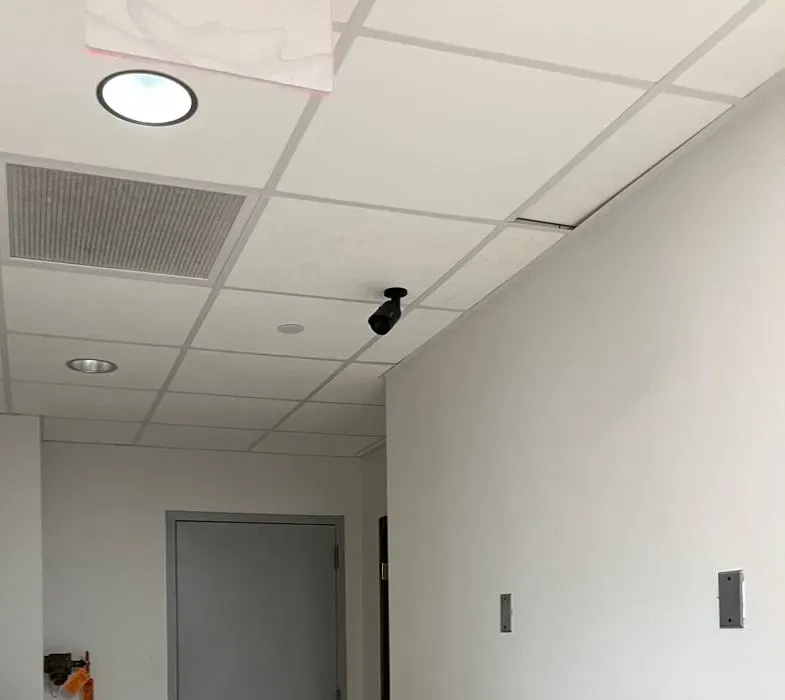
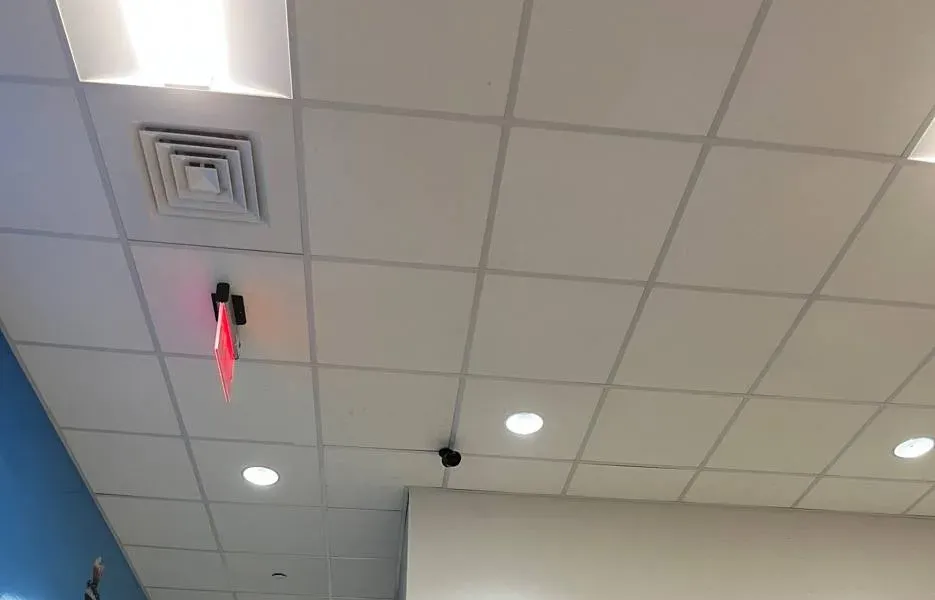
What we install in Parkchester, where each item fits, and the ownership question attached to it.
| Equipment | Where it fits in Parkchester | Ownership note |
|---|---|---|
| Keypad deadbolt with key override | Upper lock position in North apartments, after approval; doors of privately owned buildings | Needs a filed key in the North; batteries on a written schedule |
| High-security keyed deadbolt | Owners who prefer no batteries; investor units with long tenancies | Same approval and filed-key rule as a keypad |
| Keypad or keyed lever for interior doors | Home offices, file rooms, a relative’s room inside the unit | Interior doors are the owner’s; keep free exit from inside every room |
| Door contact and small hub | Alerts when the apartment entrance opens, mounted on the inside face | Nothing on the corridor side |
| Indoor camera aimed at the entrance | Seeing who comes in, without recording the shared corridor | Agree it with everyone who lives there |
| Fob or card reader with electric strike | Shop back doors, stockrooms and office suites; doors in private buildings | Landlord consent for leased space; exit release where required |
| Video entry station with call buttons | Street doors of private walk-ups and elevator buildings around the complex | Not for condominium entrances, which have their own system |
| Request-to-exit button or push bar | Any electrified door we install on an exit route | Required for free exit under the Building Code |
| Controller with battery-backed power supply | Shops and private buildings with more than one door | Located inside the client’s own space |
| Phone credentials | Office staff and owners who prefer phones to fobs | Separate from the condominium’s Comelit app; never used to open condominium doors |
The condominiums chose Comelit for the building intercom and run their own fob platform. That choice binds the condominium doors, not your shop or your apartment. For an approved upper-position deadbolt we suggest models management already sees often, because a familiar product is approved faster. For shops and private buildings we choose by four tests before any logo: whether the credentials can be copied easily, whether codes and users can be exported if you change installer, whether it runs without a subscription you did not agree to, and whether it keeps working when the internet connection drops.
Battery deadbolts in apartments keep their last state in an outage and open with the key; their weakness is a battery left to die. We give every owner a written replacement date and set low-battery warnings where the lock supports them.
Wired strikes and readers in shops and private buildings run from a power supply with batteries sized for the door. On exit routes the lock releases on power loss and on fire alarm where the code requires it, and the door still latches mechanically.

Google’s AI Overview and related-question boxes were unreachable from the environment we researched in, so nothing below quotes them. Instead, here are seven pieces of access control advice that circulate widely online and in sales pitches, each checked against what Parkchester’s own documents and local reporting say.
In most private buildings, an installer hired by the owner can. In Parkchester, the building entrances, their readers and controllers, and the intercom panels belong to the condominiums, which say so on their own websites and run them with their own staff and contractors.
A resident cannot hire anyone to change those doors, and a contractor who agrees to is doing unauthorized work on someone else’s property. The honest service an outside installer can offer here is advice on how to ask, and work on the doors that are actually yours.
When a website or chatbot promises a lobby upgrade “for your apartment building” without asking who owns it, ask that question back before you pay anything.
Some smart locks fit over an existing deadbolt and come off cleanly, and that advice works in many rentals. In the North, the bottom cylinder is the condominium’s, a change to the second cylinder still requires a filed key, and a renter of a unit owner answers to that owner.
In the South, the condominium treats the door and most locks as common elements. A lock that comes off cleanly is still a lock the condominium did not approve while it was on.
The renter-friendly route is the owner’s written consent, then management’s, then the installation.
On a private house, often true. In an apartment corridor it means fixing a device to a common-element door and recording neighbors in a shared space, and the North’s rules bar personal items on the outside of apartment doors.
At the 2024 rally one resident’s sign read that she should not have to rely on her neighbor’s doorbell camera, which shows both how common they already are and how much residents expect the building, not individual tenants, to provide.
Inside the unit, a camera facing the back of your own door gives you the record of who came in without touching the corridor.
Cost guides from home-services sites and installers publish ranges like that, and they describe a reader, an electric strike, a controller and wiring on a commercial door. An approved deadbolt in an apartment door is a much smaller job, and a condominium-owned entrance is not a job a resident can buy at all.
Our own published Bronx prices, on this page, start at $1,500 to $2,500 for a single wired door with a reader or keypad and strike; service visits are $195 an hour with a three-hour minimum.
For apartment work in the complex we quote item by item after management approves the model, so you do not pay for wiring a battery lock does not need.
Parkchester has two: the NYPD’s 43rd Precinct, which is the city police for the area, and the complex’s own Parkchester Police, formerly the Department of Public Safety, whose officers are special patrolmen with limited peace-officer powers on the property, according to Wikipedia.
Neither maintains doors. Locks, closers and readers are the property owner’s job: the condominiums for their common elements, landlords for their buildings, owners for their units.
Comelit says each new entrance panel has a security button that calls the Parkchester Police concierge stations, and News 12 reported a public emergency call point near Virginia and McGraw avenues in 2025 (News 12). Those reach help faster; they do not secure a door.
A better door helps only if it closes and latches every time. Residents told the Bronx Times in 2024 that they were documenting missing packages alongside faulty lobby door locks, which is the usual combination: the door, not the technology, is the gap.
The North’s rules require supplies and packages to be delivered through the building’s front entrance, so in the complex any change to delivery handling is the condominium’s to make.
Shops and private buildings around the complex can solve it themselves with a package room on a separate credential or lockers, as long as the street door is fixed first.
Parkchester shows the opposite. The residents’ help site says the fob system was not changed by the intercom upgrade and is separate from it: the intercom lets you see and admit visitors, the fob is how residents get in.
App-based entry also depends on the resident’s details being on file. The intercom FAQ’s most common problems are an email address management does not have and a phone number that changed.
For shops and private buildings we usually recommend the same split: a credential residents or staff carry, plus a video call station for visitors.

Call or text (646) 490-0629 with your quadrant, whether you own or rent, and a photo of the door. We will tell you who controls it and what the next step is, free.
Tell us which quadrant or street, whether you own, rent or manage, and which door you mean: the upper lock of an apartment door, a door inside the unit, a shop or clinic door, or the street door of a building outside the complex. A technician will call back the same business day.
Thanks. A technician will call back before the end of the business day, starting with who controls the door you described. For a shop or private-building door that has failed now, use the Parkchester line, (646) 490-0629.
On the first call we establish the quadrant or address, whether you own, rent or manage, and which door you mean, and tell you plainly whether the door is yours to change.
For work in the complex we identify the rule that applies and prepare the written request: product sheet, mounting position, power, key filing and insurance certificate. Nothing is ordered until the approval is in writing.
We look at the door and frame: whether it closes and latches, the thickness, the backset, the strike, and for shops whether the door is on an exit route.
Each item priced separately at our Bronx rate, with what we will not touch listed as clearly as what we will.
Locks, readers, strikes and contacts go in exactly where the approval says, with free exit checked from inside at every door we touch.
We enroll the people you name, set time limits for aides, cleaners or contractors, and give the owner or tenant the administrator role.
Where the condominium requires a filed key we deliver it with a receipt; every client gets a one-page record of the hardware, the codes’ holders and the battery dates.
A check-in call after the first month and a written reminder before batteries are due.
Sample record drawn by AESS; apartment details, models and dates are placeholders.
A one-page record for the apartment, shop or building: each door we worked on, the device and its position, the approval it rests on, where any filed key is, who holds codes and when batteries are due. For condominium units, keep it with the approval letter; a buyer or the board may ask for both.
Six reference points that Parkchester customers mention when giving directions, with a note on whose doors stand around each one.
The two-acre oval at the center of the complex, formerly Metropolitan Oval, with Raymond Granville Barger’s Fantasia fountain from 1941. The buildings around it are condominium buildings; the shops on the approaches are retail tenancies.
The elevated 6 express station in the circle, opened in 1920; Wikipedia lists it as the busiest station on the Pelham Line in 2017. NYC Parks renovated the circle in 2021. Shop doors facing it see constant foot traffic.
Opened in October 1941 as Macy’s first branch store, with about 175,000 square feet of selling space according to Wikipedia. It anchors the Metropolitan Avenue retail strip around which most of our shop work in the complex happens.
Opened in 1939 and later run as a seven-screen multiplex until it closed in 2013, it was converted to a Marshalls store, according to Wikipedia; its terracotta harlequins and dancers are among the complex’s best-known ornaments.
The New York Public Library branch at 1985 Westchester Avenue, which opened inside the development in 1942 and moved to its current two-story building in 1985 (Wikipedia). Westchester Avenue’s storefronts under the 6 run past it.
The Parkchester North Condominium lists its office at 1970 East Tremont Avenue; Resident Services and the South’s main address are at 2000 East Tremont Avenue. This is where written requests about doors and locks go.
We also install access control in the neighborhoods around Parkchester: Castle Hill, Unionport, Van Nest, Westchester Square, Park Versailles, Soundview, Bronx River and West Farms. The name Parkchester itself was formed from two of them, Park Versailles and Westchester Heights, according to Wikipedia.

Parkchester work is billed at the Bronx multiplier of 1.00, identical to our Brooklyn base list. Each price below is for an installed door or system with normal access, covering hardware, labor, programming and one walk-through; the 8.875 percent New York City sales tax is added on the invoice. Condominium entrances are not on this list because residents cannot order work on them.
| System or item | Parkchester price | Typical Parkchester use |
|---|---|---|
| Single door: keypad or fob reader with electric strike | $1,500 – $2,500 | A shop’s staff door, a clinic suite door, or the street door of a small private building |
| Keypad on a staff, service or back door | $1,500 – $2,000 | Stockroom or rear door of a store on Metropolitan Avenue, Starling Avenue or Unionport Road |
| Video intercom panel with integrated fob access, replacing a buzzer | $1,500 – $3,000 | Street door of a privately owned walk-up outside the complex |
| Multi-door system | $4,000 – $15,000 | A store with front, back and stockroom doors, or a private building with street, vestibule and cellar doors |
| Card readers on several office doors in a shared building | $4,000 – $12,000 | Medical, dental or professional suites with several rooms |
| Full building | $15,000 – $40,000+ | Larger private apartment buildings around the complex, or a condominium project under a board contract |
| Buzzer repair (for comparison) | $200 – $500 | A stopgap for an aging buzzer in a private walk-up near the complex; no fobs, no entry record, no remote changes |
| Service and repair visit | $195/hr, 3-hr minimum ($585) | Any brand or installer, on doors the caller has the right to authorize |
Apartment work inside the complex, such as an approved keypad deadbolt in the upper position, interior door locks or door contacts, is smaller than a wired door and is quoted item by item once management has approved the model; we do not publish a figure we have not checked against the approved product. Payment terms follow our standard agreement: jobs under $500 are paid in full up front, and jobs over $500 take a 50 percent deposit. Full terms — including 50% deposit, the 30-day warranty and optional paid extended warranty, and the late-fee schedule — are set out in the service agreement.

Call or text (646) 490-0629 with the door, the address or quadrant and a photo. Same-day written quote at the Bronx rate.
Priced $1,500 to $2,500 for a single opening in leased retail or office space: the door checked and adjusted, a reader or keypad, an electric strike, a battery-backed power supply, staff codes and a free-exit check. Suits a stockroom or back door on Metropolitan Avenue or Starling Avenue, with the landlord’s consent attached.
A multi-door system at $4,000 to $15,000: front, back and stockroom doors, or several rooms of a clinic, on one controller with separate staff groups, time schedules and a door log kept to the retention period you choose.
A complete system at $15,000 to $40,000 and up for apartment buildings outside the complex: street-door video intercom with fobs, vestibule, cellar and package-room doors, door repair and a written record per door.
Many Parkchester owners buy a keypad deadbolt before they ask management. We install owner-supplied hardware on a labor-only basis, priced after we see the model and the door, but only once the approval is in writing. Before buying, check that the lock fits the door’s thickness and backset, that it keeps a mechanical key override for the filed key, and that management will accept that make and model.
For private buildings around the complex, see intercom installation in Parkchester and door buzzer repair in Parkchester. Condominium intercoms are serviced through management.
Cameras for shops, clinics and private buildings, and indoor cameras inside apartments. See security cameras in Parkchester.
Burglar and fire alarm work has its own pages, Parkchester alarm systems and Parkchester fire alarms; the switches we fit on a store’s doors can often double as alarm sensors.
Readers and cameras in a store or a private building are only as reliable as the cable run to them. See structured cabling in Parkchester and low-voltage installation in the Bronx.
Where a door really is the client’s, a battery lock or a doorbell may be all it needs; our borough pages on Bronx smart lock installation and Bronx doorbell camera installation cover both.
Parkchester sits under our Bronx access control page, which sits under the New York City access control hub; shop owners comparing whole-store packages can also read Bronx commercial security systems.
This is a note on method, not a story about a particular apartment. In a condominium, the most expensive mistake is a correct installation on the wrong door. A lock can be fitted perfectly and still have to come out because nobody asked whether the cylinder was the owner’s to change, or because management never received a key.
So on Parkchester calls we reverse the usual order. The first visit, often only a phone call and two photos, is about paperwork: which position, which model, which office, who signs. We send the owner a one-page request to forward. Only when the answer comes back in writing do we order hardware and book the installation, and the key that has to be filed leaves with us in an envelope addressed to the Management Office.
It is slower by a week or two. It also means nobody gets a violation letter about something we installed.
No. We have no contract with the Parkchester North Condominium, the Parkchester South Condominium, Parkchester Preservation Management or Parkchester Police, and we do not service their fob readers, intercom panels or entrance doors. We work for unit owners, tenants with their owner’s consent, retail and office tenants, and owners of buildings outside the complex. If a condominium or its managing agent asks us to bid on a project, that would be under a separate written contract with them.
It is quoted item by item rather than taken from the wired-door table, because a battery deadbolt in an existing door needs no strike, cable or controller. The quote covers the lock, the bore and strike work, programming and delivering the filed key to management. If you already bought a lock that management approved, we install it labor-only. For comparison, our published single-door prices for wired readers with electric strikes are $1,500 to $2,500 at the Bronx rate.
A camera inside your own unit, aimed at the inside of your entrance, does not touch the condominium’s corridor or door, so the condominium rules we have read do not address it. The people inside the apartment are a different matter: tell everyone who lives there, avoid bedrooms and bathrooms, and if you rent the unit out, do not leave a camera running in a tenant’s home. We set the camera to record the door, not the room.
Then we do not install it, and you keep the written answer. Ask whether a different model or position would be acceptable; boards often refuse a specific product rather than the idea. If the request was about a disability, it can be resubmitted as a reasonable-accommodation request, which Parkchester’s published policy says will be answered in writing, with reasons if denied, within ten business days of complete paperwork.
Yes. Interior doors are part of the unit, so a keypad lever or deadbolt on a home-office or file-room door is the owner’s choice. We fit models that always open from inside without a code or key, so nobody can be trapped, and give the office its own codes so a cleaner or relative can use the front door without opening your files.
No, and many lock apps let you limit it. An entry history is useful to the person who lives there and, briefly, at changeover, to confirm an old code is gone; it is not a tool for watching a tenant. We set the owner’s account to manage codes only, give the tenant the history for their own codes, and write down who can see what. If the condominium ever asks how the unit’s access is controlled, that written arrangement is the answer.
Ask your landlord first, in writing. Parkchester Preservation Management describes itself as the exclusive on-site rental agent for the sponsor-owned apartments, so it stands in the owner’s place for your unit and answers to the condominium for the door. We will install only what the landlord approves in writing.
Do not plan on it. Parkchester Police are special patrolmen employed for the complex, with authority limited to their area and working hours, according to Wikipedia, and we know of no arrangement for them to receive alarms from shops. Send door alarms to your own monitoring company or to your phone, and call 911 for a crime in progress; the NYPD’s 43rd Precinct covers the area. Give your landlord and your monitoring company the same list of keyholders, so whoever is called can get in.
Yes. Wikipedia describes Stratton Park, between White Plains Road and the Amtrak Northeast Corridor, as a part of Parkchester whose residents consider themselves Parkchester, and the shops of Starling Avenue and Castle Hill Avenue are a few blocks east. Those buildings are outside the complex, so their owners order work directly, at the same Bronx prices and from the same Parkchester line.
Yes. We keep a record of every device we install in a condominium unit, and removal is priced as a service visit. Where we filled or covered holes, we say so in the record. That record, with your approval letter, is also what a buyer’s attorney or the board will ask for when you sell.
Parkchester is one of many neighborhoods we cover from the Bronx office. For work elsewhere, prices follow the multiplier of the borough or county the job is in; the Bronx access control installation page explains borough-wide options, and the NYC hub links every borough and suburban region we serve.
Access control installation in NYC (hub) · the Bronx · Brooklyn · Manhattan · Queens · Staten Island
Access control installation in the Hudson Valley (hub) · Westchester · Rockland · Orange County · Putnam · Dutchess · Ulster
Pelham Bay · Olinville · Morris Park · Morris Heights · Melrose · Laconia · Harding Park · Indian Village · Fieldston · Eastchester · Edenwald · Clason Point · Country Club · Bedford Park
Park Slope · New Utrecht · Marine Park · Bay Ridge · Bensonhurst · Boerum Hill · Brighton Beach · City Line · Cobble Hill · DUMBO · Fulton Ferry · Gowanus
Intercoms in Parkchester · Cameras in Parkchester · Cabling in Parkchester · Alarms in Parkchester
We opened every document below during October 2026 while writing about Parkchester, and we quote nothing we did not read. Where two sources disagree, the page says so.
Some sources our blueprint calls for could not be reached from our research environment and are not quoted: Google’s People Also Ask, related searches and AI Overview, Answer the Public, Bing and DuckDuckGo suggestions, Yelp reviews, and Reddit threads about Parkchester, where search returned only excerpts. The full declarations and bylaws of both condominiums are not public, so where this page describes the line between unit and common element it relies on the condominiums’ own published pages and rules.
If it is a condominium entrance, intercom or a South apartment door, call the condominium’s service line and put it in writing. If it is your shop, your office, an approved lock in your unit or a building outside the complex, call or text the Parkchester line, (646) 490-0629; a person answers, and same-day visits are usually possible.
Abstract Enterprises Security Systems is run by Anwar Timothy, licensed by New York State for security and fire alarm installation (#12000287431), and dispatches Parkchester visits from our Bronx office on East Fordham Road. Customers rate us 4.7 out of 5 across 201 Google reviews.
In Parkchester we work for unit owners, tenants with their owner’s consent, investor owners, retail and office tenants, and the owners of the private buildings around the complex. We carry liability insurance and provide certificates naming a condominium, managing agent or landlord when they ask.
We do not hold a contract with either condominium, Parkchester Preservation Management or Parkchester Police, and nothing on this page is legal advice; the condominium documents and your lease decide what you may change.
What changed on October 18, 2026: this page was rewritten from nothing, with new research. It now explains who owns each door in Parkchester, what unit owners, renters, investor owners, boards and shops can and cannot order, and the sources behind each statement.