What are you looking for?
About Us Contact Us Careers Get a Free Quote (800) 486-0943
Pick a service
✅ Got Your Own System?
🎬 Home TheatreQuote đŸŽ¶ AV SoundQuote 🔑 Access ControlQuote
Now pick your area
Pick your area
Long Island
Hudson Valley
Services available
Pricing & Tools
Pick a service for pricing
đŸšȘ Intercom Pricing 🔔 Buzzer Repair Pricing
Calculators
đŸ“č Camera System Calculator 🚹 Alarm Calculator ⚡ Cabling Quote Builder ✅ Got Your Own System?
Select your area
A fob reader gone dark, a street door that no longer latches, or a shop’s back door that will not relock? Ocean Hill line: (347) 934-8335
Home â€ș Access Control Installation Brooklyn â€ș Ocean Hill
Walk-Ups & Rebuilt Row Houses · New Mid-Rises Along Broadway · Rent-Regulated Buildings · Storefront Churches · Delis & Salons on Fulton, Rockaway & Ralph · Atlantic Avenue Shops

Access Control
Installation in
Ocean Hill

Fob Street Doors · Electric Strikes · Keypads · Video Entry · Brooklyn Base Pricing

Access control installation in Ocean Hill starts with a street door that closes and latches on its own, then adds the reader: encrypted fobs, personal codes or phone keys on the front and back doors of walk-ups and rebuilt row houses, the garages, laundries and courtyards of the newer buildings along Broadway, and the side doors and stockrooms of the churches, delis and salons on Fulton Street, Rockaway Avenue and Ralph Avenue. One controlled door with a reader or keypad, an electric strike, the wiring and ten fobs is $1,500 to $2,500 on our Brooklyn list, and a visit is booked within two hours of your call.

Reviewed and updated November 12, 2026, against NYCHA’s September 2025 PACT community plan for Ocean Hill Apartments, Saratoga Village and the Stuyvesant Gardens and Bedford-Stuyvesant Rehab developments, News 12 Brooklyn’s September 2025 report on the $433 million renovation, the NYC Comptroller’s 2022 survey of NYCHA entrance doors, News 12’s March 2026 report on a Bed-Stuy building left open by a dead card reader, Brownstoner’s 2023 report on 1510 Broadway, the Department of Small Business Services’ Ocean Hill–Weeksville commercial district needs assessment, a 2016 DHCR fob decision, Brick Underground’s report on fobs in rent-stabilized buildings, Habitat Magazine on intercom law, the Multiple Dwelling Law, the NYC Building Code’s locked-egress sections and HPD’s Tenant Data Privacy Law page · Abstract Enterprises Security Systems, NYS license #12000287431 · technicians leave from our office at 1282 Troy Ave, Brooklyn

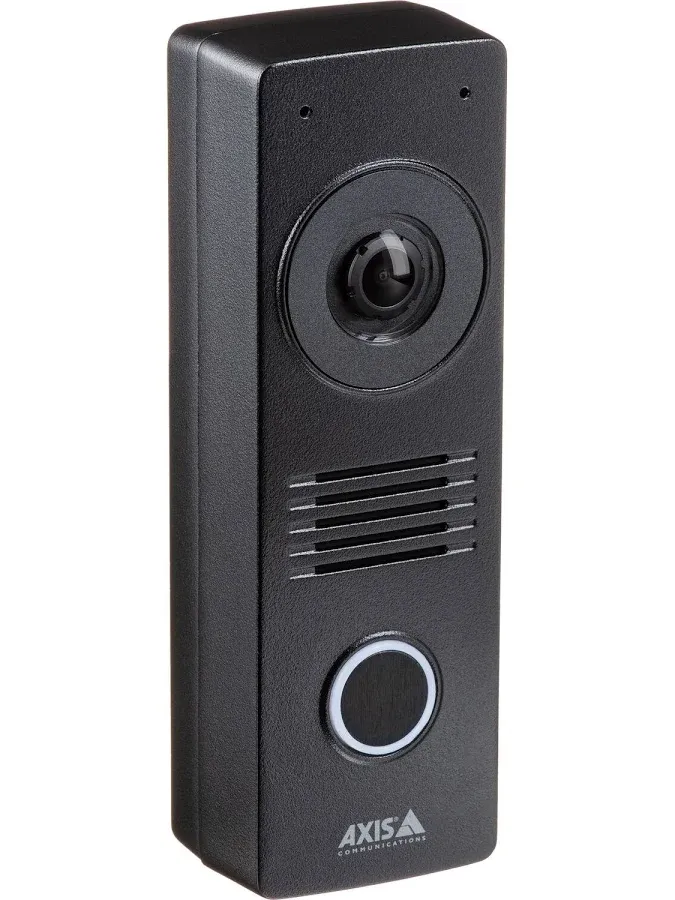
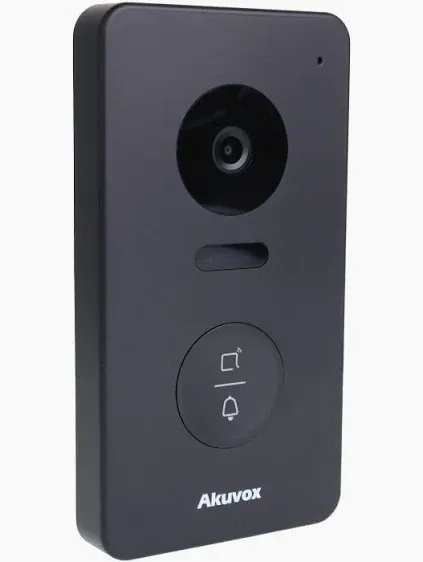
Ocean Hill, Brooklyn street door reference: a dark grey surface-mounted Akuvox door station with a round camera lens, a small indicator slot and a round button showing door and bell icons
Photo from our job library, not taken in Ocean Hill: a compact surface-mounted station with a camera and one button. On the brick beside the street door of a small Ocean Hill walk-up or two-family, a station this size lets whoever is upstairs see and speak to a caller, while the fob reader beside it handles everyone who lives there.
Ocean Hill Door Request
Walk-up, row house, new building, church, shop or lot: tell us which doors and who opens them

✅
Request Sent!
A technician will call you back about the Ocean Hill property, normally within two hours during business hours.
25+
Years Experience
✓
Same-Day Estimates
100%
Licensed & Insured
4.7★
201 Google Reviews

Owner-operated since 2002 · Thousands of jobs completed · Booked within 2 hours

Quick answer: Ocean Hill is priced on the Brooklyn base list. A single controlled door with a reader or keypad, an electric strike, the wiring and ten fobs is $1,500 to $2,500; a keypad on a back, cellar or staff door is $1,500 to $2,000; a video entry panel with fob access that replaces an old buzzer is $1,500 to $3,000; readers on several office or program doors in a shared building are $4,000 to $12,000; a multi-door building system managed from the cloud is $4,000 to $15,000; and a full building system is $15,000 to $40,000. A visit is booked within two hours of your call, and the price is fixed in writing after it.

  • Text a photo of each door from outside and inside to (347) 934-8335, and tell us whether the door closes and latches by itself today; in Ocean Hill that answer decides more of the price than the reader does
  • New York State license #12000287431; say on the first call if a landlord, a nonprofit sponsor, a board of trustees or a managing agent has to approve the work
The Neighborhood

Why Ocean Hill Properties Need Access Control

The clearest picture of what goes wrong at an Ocean Hill street door does not come from Ocean Hill at all. In September 2022 the city Comptroller’s office sent more than a hundred auditors to 262 public housing developments and checked the entrance doors. Citywide, 40.1 percent of residential entrance doors had broken locks and 57.9 percent were “not secured,” meaning open, broken or both. Brooklyn was worse than any other borough: 66.0 percent not secured, up from 17.0 percent four years earlier. The failures the auditors listed are the ones we find on private buildings too: locks that did not latch onto the frame or the strike plate, missing or broken frame magnets, doors propped open, door closers that had given out, and intercoms and release buttons that did not work. One resident told them the intercom in her building had been broken for ten years.

That matters in Ocean Hill because the neighborhood is about to see what a working version looks like on a large scale. In September 2025 NYCHA closed on $433 million to renovate 920 apartments in 14 buildings under its PACT program, and its community plan for Ocean Hill Apartments, Saratoga Village and three Bedford-Stuyvesant developments says plainly that “electronic key fob access controls will replace traditional keys at lobby doors (front and back),” with fobs on laundry, recycling and parcel rooms as well. Ocean Hill Apartments alone is four buildings and 236 apartments, run from a management office at 24 Mother Gaston Boulevard. When the buildings on one side of a street open with fobs and video intercoms, the tenants of the private walk-ups on the other side start asking their own landlords why they still carry a key that was copied years ago.

Most of the doors we are asked about here belong to those private buildings, and they come in more ages than almost anywhere else in Brooklyn. There are rows and two-families from before 1930 in brownstone, limestone, brick and wood; older shells rebuilt inside after the abandonment of the 1970s; houses and walk-ups built new in the rebuilding that began in 1993, when the community board records more than 1,500 units going up between Broadway, Saratoga Avenue, Atlantic Avenue and Van Sinderen Avenue; and a new generation of mid-rise buildings such as 1510 Broadway at Hancock Street, eight stories and 108 apartments, which News 12 covered at its ribbon-cutting in October 2025. Each age brings a different door, a different frame and a different way to get cable from the cellar to the entrance, and the plan follows the building, not a catalog.

The cost of a door system failing is not abstract either. In March 2026 News 12 Brooklyn reported on a four-story building on Bedford Avenue in Bed-Stuy whose front-door locks had been broken for at least four months. Tenants found trespassers sitting in the stairwell and filed repeated 311 complaints; the management company told the station that “an access card reader that was found to be inoperable and needs replacement” was the cause, and HPD issued violations and took the job into its Emergency Repair Program. “I’m a senior. I’m scared. We can’t have people coming in and out of here,” one tenant said. One part failed, the door stopped locking, and nothing about the system had been designed to keep that from happening. Designing for the day a part fails is most of what separates a good installation from a reader screwed to a wall.

Then there are the businesses. When the Department of Small Business Services and the Bridge Street Development Corporation counted the storefronts on Ocean Hill’s commercial corridors, houses of worship were the largest single category, 79 of 560 storefronts, ahead of salons and barbershops at 65 and delis and bodegas at 52. In their surveys, safety was one of the improvements merchants and shoppers asked for most, and the lighting under the Broadway el was singled out for making the corridor feel worse at night. A storefront church needs a side door that volunteers can open on their days; a deli that never closes still has a cellar, a stockroom and an office; a salon that locks its door after dark needs to let a booked client in from the chair. Those are access control jobs as much as any lobby is.

Ocean Hill facts we checked before writing this page

  • Public housing doors. NYCHA’s September 2025 PACT plan covers 14 buildings and 927 apartments in five developments, including Ocean Hill Apartments (4 buildings, 236 apartments) and Saratoga Village (1 building, 125 apartments): fob access at front and back lobby doors, fob-controlled laundry, recycling, parcel and trash rooms, a new video intercom at every entrance and more than 1,000 cameras watched off site. The plan does not put fobs on apartment doors.
  • How doors fail. The Comptroller’s 2022 survey found 66.0 percent of Brooklyn NYCHA entrance doors not secured and 28.5 percent of rear or side doors with broken locks; it named unlatched locks, missing frame magnets, propped doors and failed closers.
  • Building ages. Pre-1930 rows and 1920s two-families with top-floor rentals (Brownstoner on Jardine Place); more than 1,500 units built or rehabilitated from 1993 between Broadway, Saratoga, Atlantic and Van Sinderen (Community Board 16 needs statement); Prospect Plaza rebuilt as low-rise walk-ups after its towers came down.
  • New buildings. 1510 Broadway at Hancock Street: eight stories, 108 apartments, about 9,105 square feet of ground-floor stores, a courtyard of about 7,000 square feet, a second-floor lounge, shared laundry, 65 bicycle spaces and 21 below-grade parking spaces, with sound-deadening windows facing the elevated train (Brownstoner, 2023); 16 apartments set aside for formerly homeless households (News 12, 2025).
  • Storefronts. 560 storefronts on the Broadway, Fulton Street, Rockaway Avenue and Ralph Avenue corridors, 11.3 percent vacant; 79 houses of worship, 65 salons and barbershops, 52 delis and bodegas; 83 percent of surveyed merchants rent their space (SBS Neighborhood 360° assessment).
  • Precincts and board. Community Board 16; the 73rd Precinct at 1470 East New York Avenue covers Brownsville and Ocean Hill, and blocks on the western edge fall to the 81st Precinct at 30 Ralph Avenue.
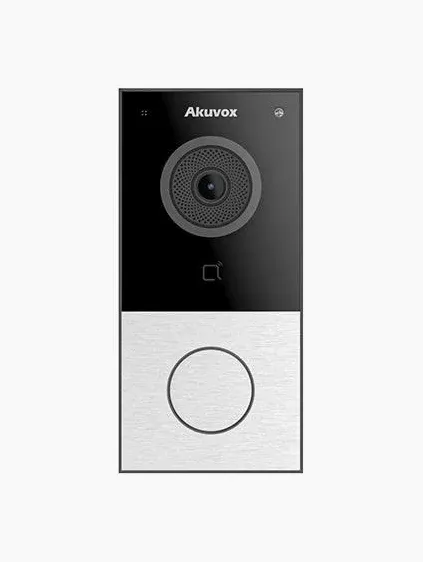
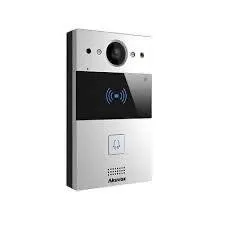
Ocean Hill, Brooklyn walk-up entrance reference: a compact Akuvox door station with a black upper half holding a camera and a contactless reader symbol, and a silver lower half with one round call button
Photo from our job library, not taken in Ocean Hill: a one-button station with a camera and a fob reader in the same housing. On a two-family or a three-apartment house on a block like Macon or Halsey Street, one device like this can replace the old bell, the separate keypad and the key under the mat.

Owners who call us about a street door in Ocean Hill usually ask about the cellar or back door in the same breath, and shop owners who call about a back door usually ask about a camera over it. Both are covered below, priced from the same Brooklyn list.

Card Reader Dead or a Street Door That Won’t Latch in Ocean Hill?

Not every call is a new system. If the reader on your building’s street door has gone dark, the strike buzzes but the door will not open, the door opens with a fob but swings back without catching, or the back door of a shop on Fulton Street releases and never relocks, ring (347) 934-8335 and tell us what the door is doing, or text a short video of it closing. A visit is booked within two hours of the call. In Ocean Hill the cause is often mechanical before it is electronic: a closer that has lost its oil, a strike that has shifted in a frame that settled, a door that sagged on worn hinges, or a power supply in the cellar plugged into an outlet that somebody switched off. We work on systems other companies installed as well as our own, and we tell you plainly when a part is not worth repairing.

What We Install

Access Control Services in Ocean Hill

These are the jobs Ocean Hill owners, managers, congregations and shopkeepers ask us for most. Any of them can start with a single door and grow onto the same controller later, so a walk-up can begin with its street door and add the cellar next year, and a church can begin with the side door the volunteers use and add the office when the budget allows.

đŸšȘ

Street doors for walk-ups

An electric strike or electrified lock, a fob reader or keypad, a door contact and an exit device on the front door of a three- to twenty-apartment building, with fobs issued household by household and an override key kept on a restricted keyway.

🔑

Keys-to-fobs conversions

Moving a rent-regulated or market-rate building from a copied street-door key to fobs, planned around the conditions DHCR has set in past rulings and the paperwork the city’s Tenant Data Privacy Law asks owners to give tenants.

đŸ“č

Video entry with fob access

A door station with a camera, a directory or a call button and a built-in reader, replacing an old two-wire buzzer at the street door, so tenants can see a caller on a phone or an indoor screen and release the door from upstairs.

🏱

Common rooms in newer buildings

Readers on the garage, bike room, laundry, courtyard, lounge and package room of the mid-rise buildings along Broadway and near Broadway Junction, each with its own list, hours and alerts, on one system the manager runs from a browser.

â›Ș

Storefront churches and halls

Keypads or readers on the side door volunteers use, the pastor’s office and the storage room, with codes for each ministry or volunteer that work on their days and stop when that person no longer serves.

🛒

Delis, salons and shops

Staff-only doors inside a store that never locks its front: the cellar, the stockroom, the office with the safe, and the back door to the yard, with a code per employee that ends the day they leave.

đŸ…żïž

Lots and garages

Personnel doors beside roll-down gates, gates into fenced lots on Atlantic Avenue, and garage doors in new buildings, wired so the people door, not the vehicle door, carries the reader and the record.

🔧

Door hardware first

Closers, hinges, strikes and frames repaired or replaced so every controlled door shuts and latches without a push, which is the part of the job that keeps a reader door from ending up standing open.

đŸ› ïž

Repairs and takeovers

Dead readers, strikes that hum and hold, controllers whose logins nobody has, and systems another installer put in, with a written list of what is worth keeping and what is not.

Building Specialists

Access Control for Ocean Hill’s Architecture

On one Ocean Hill block you can find a house from the 1890s, a shell rebuilt in the 1980s, a house built new in 1995 and an apartment building finished last year. Before we price anything we date the building, because the age of the walls, the door and the frame decides how a lock and a cable get in. These are the six kinds of property we plan for most often.

Pre-1930 rows and two-families

Brownstone, limestone, brick and frame houses with heavy wood doors, a vestibule, often a pair of street doors, and a cellar under the stoop. A strike in the old frame, a reader on the masonry beside the door, cable up from the cellar, and a separate household list for the tenant upstairs.

Shells rebuilt inside

Old fronts with new interiors behind them, rebuilt after the abandonment of the 1970s. The face is old and the walls behind it are newer framing, so cable paths are easier inside than the front suggests, but the original door frame may have been kept and needs checking.

Houses from the 1993 rebuilding

Two- and three-family houses and small walk-ups built new from the 1990s, usually with steel doors in steel frames, framed walls, a basement and a front yard behind a fence. Strikes made for hollow-metal frames and readers on the jamb or the wall beside it.

Walk-up apartment buildings

Prewar and postwar walk-ups of six to twenty apartments with a street door, an inner vestibule door, a cellar door and often a door to the yard. The street door and the vestibule door are the pair that matter; the cellar and yard doors get a lock that reports when it opens.

Newer mid-rise buildings

Buildings finished since about 2010 along Broadway, Rockaway Avenue and near the junction, with aluminum-and-glass lobby doors, a garage or bike room, laundry, a courtyard and stores at street level. Many doors, many groups of users and a manager rather than an owner on site.

Mixed-use storefront buildings

Two- to four-story buildings with a store, a church or a salon on the ground floor and apartments above, sharing a street door or a cellar. The business and the residents go on separate lists and, where possible, separate doors.

How the hardware changes from one Ocean Hill building to the next

BuildingDoors that matter mostUsual lockUsual credentialWhere the controller goes
Pre-1930 row or two-familyStreet door, vestibule door, under-stoop cellar doorElectric strike cut into the old wood frameCodes or fobs per household; a call station for visitorsA dry wall in the cellar, above the floor and away from the boiler
Rebuilt shellStreet door, inner door, rear yard doorStrike or electrified lockset, depending on which frame was keptFobs for tenants, codes for the owner’s familyUtility closet or cellar wall, cable through the newer framing
1990s house or walk-upSteel front door, basement door, side or yard gateStrike made for hollow-metal framesFobs or codes per householdBasement wall near the electric panel, on a circuit an electrician confirms
Walk-up apartment buildingStreet door, vestibule door, cellar, roof and yard doorsStrike on the street door; contacts and listed hardware on the restEncrypted fobs per occupant, a few codes for serviceSuper’s room or a locked cellar closet
Newer mid-riseLobby, garage, bike room, laundry, courtyard, package room, retail service doorElectrified locks or strikes for aluminum frames; maglocks only with full release hardwareFobs and phone keys, grouped by resident, staff and retail tenantTelecom or security room on the ground floor
Mixed-use storefront buildingShared street door, shop back door, cellarStrike on the shared door; keypad lock on the shop’s staff doorCodes for staff on schedules, fobs for residentsThe shop’s locked office for the shop’s doors; the owner’s cellar for the residents’

What the walls and frames mean for the install

The old wood frames on pre-1930 houses take a strike well once we find solid wood behind the trim, but they are often soft where the original lock and two or three later locks were cut in. We fill and reinforce the frame before cutting, or set the strike lower or higher to reach sound wood. The masonry beside the door is usually brick with a brownstone or limestone face, and readers go into mortar joints rather than the stone whenever the layout allows, so a later owner can remove them without leaving scars on the carved surface.

The houses and walk-ups built from the 1990s onward are a different job. Their steel doors hang in hollow-metal frames that may be empty, partly filled or packed solid with grout, and the only way to know is to sound the frame and, where needed, drill a small inspection hole where the strike will go. Strikes made for hollow-metal frames are the right part there; a strike meant for a wood jamb will not hold. Cable is easier, because the walls are framed and the basement is open, but foil-faced insulation in some of those walls means we prefer wired readers over wireless locks on any door that matters.

Newer mid-rises usually have aluminum-and-glass lobby doors with narrow stiles, which rule out many strikes and push us toward electrified locks or electric latch retraction in the door’s own exit hardware. Where an owner wants a magnetic lock, it goes in only with the release devices the Building Code requires for it. Those buildings also have a telecom room with power and network already in it, which makes the controller easy to place, and a property manager rather than an owner as the person who will run the system, so the handover matters more than the hardware.

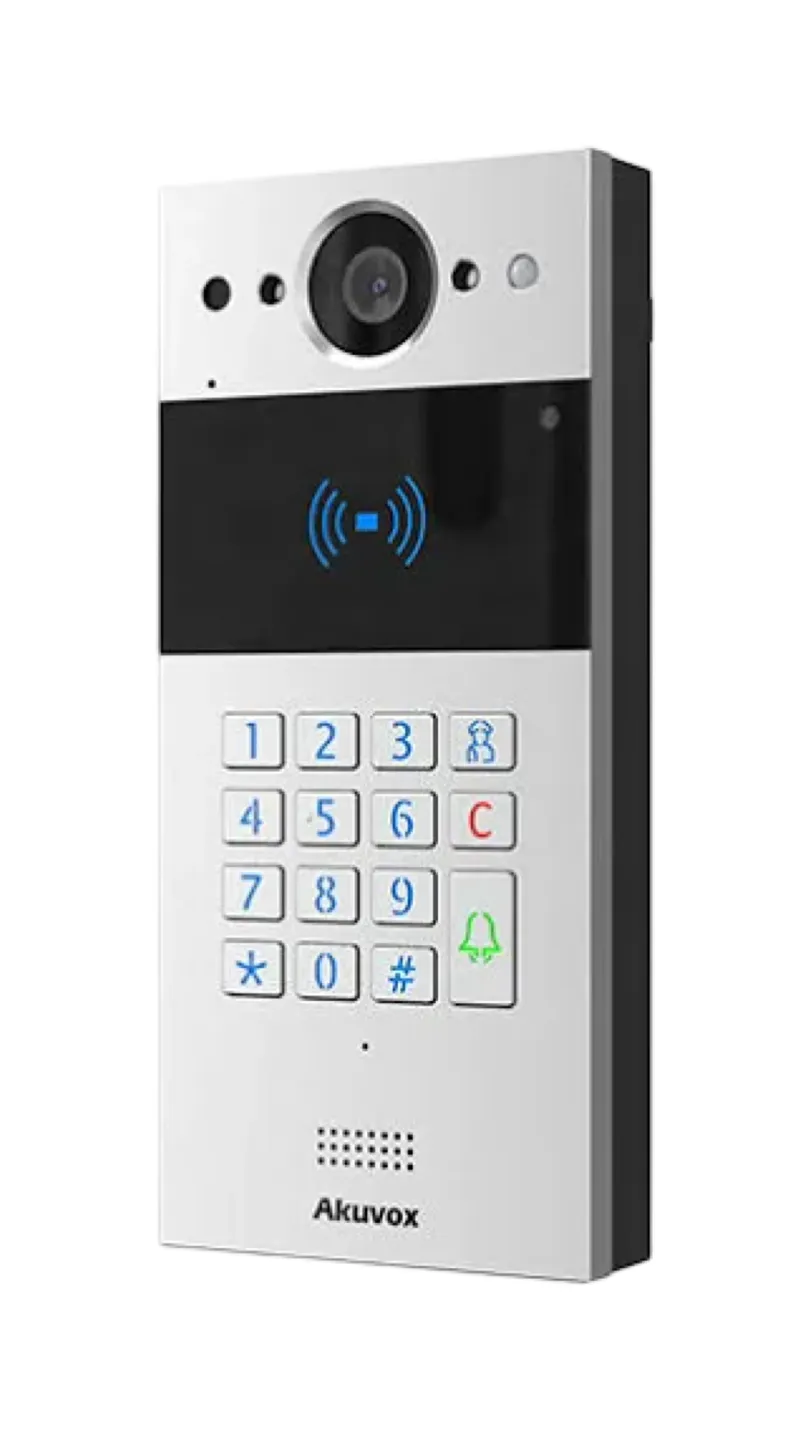
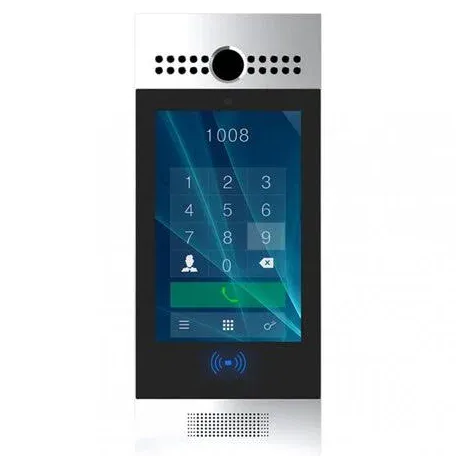
Ocean Hill, Brooklyn apartment entrance reference: a tall silver-and-black Akuvox door station with a camera at the top, a contactless card reader symbol, a twelve-key keypad and a speaker grille
Photo from our job library, not taken in Ocean Hill: a tall station combining a camera, a fob reader, a keypad and a speaker. On the entrance of a twelve- to twenty-apartment walk-up, a single panel like this can carry the visitor call, the tenants’ fobs and a code for the super, which keeps the brick beside the door from collecting three separate devices.
The Door Comes First

Fix the Door Before the Reader: What the City’s Door Survey Means for Ocean Hill Owners

When the Comptroller’s auditors went building to building in 2022, they were not testing card readers. They were standing at entrance doors, pushing them, letting them close, and writing down what happened. More than a third of the residential entrance doors they checked across the city were simply open, and four in ten had locks that were broken. On rear and side doors, 37.5 percent were open and 28.5 percent had broken locks. Those numbers come from public housing, but the causes they list are the ordinary wear of any busy door, and every one of them will defeat a fob reader just as surely as it defeats a key. “Broken doors are a symbolic reminder that home safety starts at the entrance,” the Comptroller said when the survey came out.

The lesson for a private Ocean Hill building is that the electronic part of access control is the easy part. A reader decides whether a person may open the door. Whether the door is then locked again depends on a closer that pulls it shut, hinges that keep it hanging square, a latch or strike that catches every time, a frame that has not twisted, and nobody wedging it open with a folded flyer. If any of those is wrong, the best reader in the world becomes a decoration beside an open door. So every Ocean Hill job we price begins with the door itself, and when the door is the problem we say so before we sell anything that plugs in.

This is also where the money goes furthest. A closer adjusted or replaced, a strike reset in a frame that had settled, a hinge with a worn knuckle swapped, a threshold that was catching the bottom of the door trimmed: on many buildings that work is what turns a door that “mostly” locks into one that locks every time, and it is included in the door price on our list wherever the existing hardware can be brought back. When it cannot, for example when a steel frame has been bent by years of being forced, or a wood door has split along its lock edge, we price the repair or replacement separately and tell you before anything is ordered.

The five parts that fail first on an Ocean Hill street door

  • The closer. Hydraulic closers lose their oil and their adjustment. A door that closes too slowly is held by the wind or a passer-by; one that slams wears the latch and the frame. We set closing and latching speeds so the door finishes the last few inches firmly without banging.
  • The strike or latch. On older buildings the strike has often been moved two or three times. If the latch does not drop fully into the strike, the door looks shut and pushes open. We fix the alignment and, on a controlled door, fit a strike with a monitoring switch so the system knows when the latch is really in.
  • The frame magnet and contact. The “frame magnets” the auditors found missing are usually the magnet half of a door position contact. Without it the system cannot tell a door that is shut from one that is propped, and nobody is warned. Every door we control gets one.
  • The hinges. A heavy wood or steel door on worn hinges drops at the lock side, rubs the frame and stops latching. Replacing the hinges, or adding a continuous hinge on a heavily used steel door, is often what makes the strike work again.
  • Propping. People prop doors when the door is too heavy, too slow, or the only way to carry something in. A held-open alarm that sounds at the door and sends a message after a set time, plus a closer that is not exhausting to open, does more against propping than any sign.

What a reader adds once the door works

Once the door latches every time, a reader does three things a key cannot. It lets the owner switch one person off in a minute without changing every lock, which matters in a building where tenants move out and keys have been copied at hardware stores for years. It records which credential opened the door and when, within the limits the city’s privacy law sets for residential buildings. And through the door contact it tells the owner or the super when the door was forced or held open, which is the information that turns a door problem from something a tenant reports to 311 weeks later into something the building hears about the same evening. None of that is worth anything on a door that stands open, which is why the order of the work does not change.

Across the Street

Fobs at the PACT Buildings: What NYCHA’s Plan for Ocean Hill Apartments and Saratoga Village Puts on the Doors

The largest access control project in or near Ocean Hill is not one we are part of. NYCHA’s September 2025 community plan for Bedford-Stuyvesant Rehab, Ocean Hill Apartments, Saratoga Village and Stuyvesant Gardens I and II, a package of 14 buildings and 927 apartments built between 1914 and 1986, is being carried out by NYCHA’s own development partners and their contractors. We mention it because it is the most detailed public description anyone in the neighborhood has of what a full door system for apartment buildings includes, and because private owners nearby are already being asked by their tenants for the same things.

According to the plan, “New doors (front and back) at all building lobbies will have modern intercoms and key fob access technology,” and fobs will also control the laundry, recycling and parcel rooms, with trash rooms “restricted with a key fob.” A new video intercom will go in at every building entrance. More than 1,000 cameras are planned for stairwells, elevators, roofs, entrances, hallways and grounds, watched by an off-site security team that reports to property management. News 12 Brooklyn reported that the financing closed on $433 million in late September 2025 and quoted a longtime resident: “It’s overdue. It’s well overdue - we needed the change.”

Three things in that plan are worth a private owner’s attention. First, the doors are new. The plan replaces the lobby doors rather than putting readers on old ones, which is the Comptroller’s survey turned into a budget line. Second, the fob does not stop at the street door: the rooms people actually fight over, the laundry, the trash room and the parcel room, are on the same system. Third, there is a video intercom at every entrance, so a visitor calls a resident instead of waiting for someone to come out. A twenty-apartment private building does not need a thousand cameras or an off-site security team. It may well need two of those three ideas.

How the same thinking scales down to a private walk-up

For most private Ocean Hill buildings the sensible version is a sound street door with a reader, a video station that rings tenants’ phones, a controlled back or yard door, and a reader on whichever cellar room causes the most trouble, usually the laundry or the trash and recycling room. That puts the doors tenants care about on one list, lets the owner cancel a fob in a minute, and costs a fraction of a full building system. A six- or eight-apartment building typically lands in the single-door or video-panel range on our list for the street door, with each further door adding to it; a larger building with a garage or several common rooms moves into the multi-door range.

What a private owner should not copy is the scale of the record-keeping. A large housing program has its own legal and management structure for camera footage and entry data. A small landlord who starts collecting fob records takes on the duties of the city’s Tenant Data Privacy Law, explained in the next section, and should collect only what the building will actually use. We set private systems up to keep the minimum, and to keep it for the shortest time that still lets the owner answer a real problem.

What the plan does not cover, and what we do not do

The PACT plan describes fobs on building and service-room doors. It does not describe fobs on apartment doors, and residents should not expect their own front door to change because the lobby has. Inside those buildings the doors and fixtures belong to the development, so any change to them goes through its manager rather than through an outside installer hired by a resident. Residents with a door problem in those buildings should go to the property management office; the plan lists it at 24 Mother Gaston Boulevard for Ocean Hill Apartments. Our work in Ocean Hill is for private owners, boards, congregations and businesses.

Rent-Regulated Buildings

Switching From Keys to Fobs in a Rent-Regulated Ocean Hill Building

Many Ocean Hill apartment buildings hold rent-stabilized or income-restricted apartments, and in those buildings a change at the street door is not only a hardware decision. The state housing agency, DHCR, has ruled on landlords’ switches from metal keys to fobs more than once, and the conditions it has attached to approvals are a good checklist for any owner, regulated or not. We are installers, not lawyers, so we build to those conditions and tell owners to confirm what applies to their own building with their attorney or the agency.

One decision often cited, DHCR docket DR430034RT from July 29, 2016, approved a landlord’s change from keys to fobs at no change in rent, on conditions: the building must still open with a metal key in an emergency; the system must have a 48-hour battery backup; a camera must watch the entry; management must help tenants with access during office hours and give them a contact for the super afterward; Sabbath observers who cannot operate electronic devices must be accommodated; and no equipment may be installed inside tenants’ apartments. Every occupant, children included, gets a free fob, with up to four more free for guests or employees, and a replacement may cost no more than $25. The system may record entries but not exits, the landlord may check identity but not record it, and a tenant’s name, address and photo may not appear on the fob.

Brick Underground’s reporting on several DHCR rulings adds that fobs must be free to every lawful occupant, including relatives, roommates and approved subtenants, and that a landlord “cannot use the transition to solicit new details about residents,” such as driver’s license or Social Security numbers. It also notes a practical point that owners sometimes miss: “However, fob data is not all that useful on its own.” A fob can be lent, and a door held for someone leaves no record. A fob system is a way to run a door, not a way to build a case against a tenant, and we do not set systems up as one.

What the city’s Tenant Data Privacy Law adds

Since Local Law 63 of 2021, owners of multiple dwellings that use smart access, which HPD defines to include fobs, key cards, phone apps and biometric readers, must give tenants a data retention and privacy policy, collect only a short list of minimum data, get tenants’ express consent, destroy authentication data within 90 days unless it is anonymized, never sell it, and never use it to track tenants outside the building, to harass or evict them, or to track their relationships. An owner also cannot require smart access to enter a tenant’s own apartment. We configure the systems we install so the owner can meet those duties: short log retention by default, no photos on fobs, no exit logging where the owner has agreed not to keep it, and administrator access limited to the people who need it.

How we stage a conversion so nobody is locked out

The hardware for a fob street door goes in on one visit. The switch from keys does not have to. On regulated buildings we install the reader and the strike, leave the existing key cylinder working, issue fobs to every household from the owner’s occupant list, and only then set a date when the old key stops opening the door, with the override cylinder on a restricted keyway kept for emergencies as DHCR has required. Tenants who were missed come to the office during posted hours, which is the moment the owner wants to find them anyway. The fobs carry no names or apartment numbers, and the list of who holds which fob lives in the system, not on a sheet taped inside the super’s door.

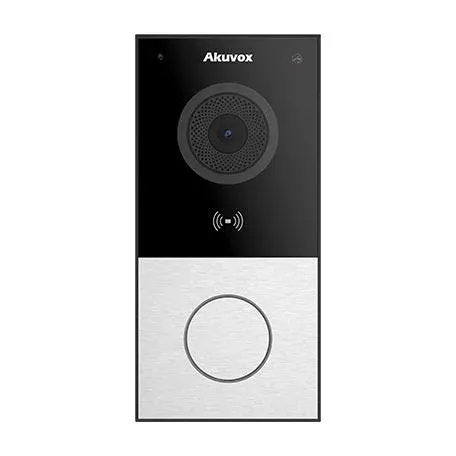
Ocean Hill, Brooklyn rent-regulated building entrance reference: a narrow Akuvox door station with a black glass top section holding a camera and a brushed silver lower faceplate with one round button
Photo from our job library, not taken in Ocean Hill: a narrow station with a camera behind black glass and a single call button. In a small Ocean Hill building converting from keys, a station like this handles visitors while the existing key cylinder stays in the door until every household has its fobs.
Newer Buildings

Many Doors Behind One Lobby: Access Control in Ocean Hill’s Newer Mid-Rises

The buildings going up on Ocean Hill’s empty lots are a different kind of access control job from the walk-ups beside them. Take 1510 Broadway at Hancock Street, which Brownstoner described in 2023 as rising on a lot that had stood empty for years, and which News 12 placed “at the intersection of Bushwick and Ocean Hill” at its opening in October 2025. Brownstoner lists eight stories and 108 apartments, about 9,105 square feet of ground-floor stores along Broadway and Hancock, a landscaped courtyard of roughly 7,000 square feet, a second-floor resident lounge, shared laundry, 65 bicycle spaces and 21 below-grade parking spaces. Count the doors in that description and you have a lobby, a courtyard, a lounge, a laundry, a bike room, a garage and a set of retail service doors, each used by a different group of people at different hours.

That is the pattern for most of the newer buildings near the el and the junction: one front door that everyone uses, and a ring of doors behind it that only some people should open. The common mistakes are predictable. Every fob opens every door, so the bike room is as open as the lobby. The garage has a reader but the door from the garage into the building does not, so anyone who walks down the ramp behind a car reaches the elevators. Retail tenants’ staff are given residents’ fobs because their back door opens onto a shared corridor. And the system’s login stays with the developer’s installer, so the managing agent cannot cancel a fob without a service call.

We plan those buildings door by door and group by group. Residents get the lobby, their own floor’s amenities and the rooms they pay for: a parking space holder gets the garage, a bike room tenant gets the bike room. Staff get service doors on schedules. Retail tenants get their own doors and nothing on the residential side. The courtyard and lounge can open by fob during set hours and lock at night, while still letting anyone already inside leave. And from the first day the owner’s manager holds the administrator login, with our technicians on a separate account that the manager can switch off.

A door list for a newer Ocean Hill building

DoorWho opens itWhat it should do
Street lobbyResidents, their visitors through the video station, deliveries through a courier credentialFob or phone key; video call to residents’ phones; held-open alert
Inner lobby or vestibuleResidents onlySecond check so couriers who reach the package area go no further
Garage to buildingResidents with a parking spaceReader on the people door, not only on the vehicle door
Bike room, laundry, storageResidents who use themGroup-based access; laundry on posted hours if the board or owner wants
Courtyard and loungeResidentsScheduled hours in, free exit at all times
Retail service doorsEach store’s staffSeparate list, managed by the store, no access to residential doors
Trash and service roomsSuper and porters, residents where the layout requiresFob or code, with a contact to catch propping on collection nights
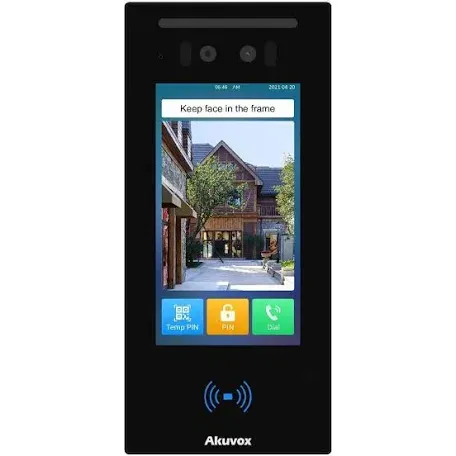
Ocean Hill, Brooklyn new building lobby reference: a tall black Akuvox entry panel with two cameras at the top, a large touchscreen showing a building photo and on-screen buttons, and a contactless reader symbol beneath
Photo from our job library, not taken in Ocean Hill: a large touchscreen entry panel with two cameras and a reader below the screen. A panel of this kind suits the lobby of a hundred-apartment building near Broadway, where visitors need a searchable directory and residents need a reader that does not make them queue behind a delivery.
After Dark

Under the Broadway El After Dark: Light, Noise and a Door People Can Use

When the Department of Small Business Services surveyed merchants and shoppers for its Ocean Hill–Weeksville commercial district assessment, the lighting under the Broadway el came up as a reason the corridor felt worse at night, and safety was among the improvements both groups asked for most. Developers have noticed the train too: Brownstoner reported that 1510 Broadway was given sound-deadening windows because it overlooks the elevated tracks. Neither of those findings is about door systems, but both describe the conditions an access control door on Broadway has to work in: little light, a lot of noise, and people who want to get inside quickly.

Those conditions change the choices. A reader that only shows a faint light is hard to find in the shadow of the structure, and a keypad with dark keys is worse, so we use backlit keypads and readers with a clear lit ring, and we suggest a light over the door wherever the owner can add one. The click of a strike disappears under a passing train, so residents need a signal they can see: a reader that turns green and stays green while the door is released, and a door handle or push plate that tells them plainly the door is now free. A video station needs a camera that copes with low light and bright headlights, and its speaker has to be loud enough to be heard over the trains without being so loud that it announces every call to the street.

Speed matters at night too. A resident standing at a door under the el with groceries does not want to search a bag for a fob. That is where phone keys and personal codes earn their place, alongside the fob rather than instead of it, so each person can use whatever is fastest for them. And the door has to close behind them: a closer adjusted for the wind that funnels along the avenue, and a held-open alert to the super or the owner if it does not, so the building does not learn the next morning that its street door stood open all night.

Commercial Access Control

Business Access Control in Ocean Hill

Ocean Hill’s businesses sit on four corridors that the city’s Neighborhood 360° assessment, produced with the Bridge Street Development Corporation, studied store by store: Broadway from Lexington Avenue to Conway Street, Ralph Avenue and Rockaway Avenue from Broadway to East New York Avenue, and Fulton Street from Utica Avenue to Mother Gaston Boulevard. Atlantic Avenue and the Broadway Junction blocks add auto-oriented businesses, lots and storage. Each corridor has its own kind of door.

Broadway, Lexington Avenue to Conway Street

Shops and salons under the el and the ground floors of newer buildings such as 1510 Broadway. The usual job is a lit keypad or reader on the staff door, a buzz-in front door for salons after dark, and retail service doors kept off the residential system upstairs.

Fulton Street, Utica Avenue to Mother Gaston Boulevard

The assessment found storefront conditions poorest on Fulton between Howard and Rockaway Avenues, and many storefront churches along the street. Side doors for volunteers, office doors for the pastor, and back doors that need to lock without blocking an exit.

Rockaway Avenue, Broadway to East New York Avenue

Delis, groceries and small offices in two- to four-story buildings with apartments above. Cellar doors, stockrooms and offices with safes inside stores that keep their front doors open long hours.

Ralph Avenue, Broadway to East New York Avenue

Salons, barbershops, child care and community services on Ocean Hill’s western edge. Front doors that switch from walk-in to appointment-only at a set hour, and staff doors on codes that end when a stylist or worker moves on.

Atlantic Avenue and Broadway Junction

Gas stations, car washes, repair shops and storage under and beside the LIRR viaduct, around the transit hub the city committed $95 million to in 2023. Personnel doors beside roll-down gates, fenced lots and offices at the back of a yard.

Storefront congregations across the neighborhood

Seventy-nine of the 560 storefronts counted were houses of worship, including former synagogue buildings now used as churches. Doors used by many volunteers on a few days a week, often with nobody in the building in between.

Storefront churches and the doors volunteers open

A storefront church is usually a long, narrow ground floor with a sanctuary at the front, an office and storage behind it, a restroom, and a back door to a yard or an alley. The front is opened by whoever leads that day’s service or meeting, and over the years keys have been given to deacons, ushers, musicians, the cleaning volunteer and the person who runs the food pantry. When the congregation cannot say who holds a key, the honest answer is everybody who ever served. A keypad or reader on the door the volunteers use, with a code per person or per ministry that works on that ministry’s days, solves the problem without asking anybody to hand a key back. The pastor’s office and the storage room get their own codes, and the front doors stay on the key and the bar they already have, because on service days they stand open anyway.

Many congregations rent their storefront, so the landlord’s written consent comes first. We prepare a one-page description of exactly what will be fixed to the door and frame, and how it comes off at the end of a lease, which landlords tend to approve faster than a vague request. Trustees and treasurers also ask us for a price that separates the hardware from the labor, and we provide one on the written quote.

Delis, salons and shops that never quite close

A deli on Rockaway Avenue that stays open into the night does not lock its front door, so its access control is all inside: the cellar stair behind the counter, the stockroom, the office with the safe, and the back door to the yard. Those doors get keypad locks with a code per employee, so that the day a worker leaves, one code is deleted and nothing else changes. Salons and barbershops on Ralph Avenue and Broadway often want the opposite: a front door that is open to walk-ins by day and switches to buzz-in after a set hour, with a release button at the station where the stylist works and a small camera or video station so the stylist can see who is waiting. Small offices above stores need a street-door code for staff and a way to let a client in from upstairs without walking down.

Rules that apply to Ocean Hill business and building doors

  • Exits stay exits. NYC Building Code section 1010.1.9.8 lets an egress door be electrically locked only with a sensor on the egress side that releases it, release on loss of power and on a fire alarm or sprinkler signal where the building has one, and a “PUSH TO EXIT” button 40 to 48 inches above the floor within 5 feet of the door that cuts power to the lock and keeps it unlocked for at least 30 seconds; the hardware must be listed to UL 294. Section 1010.1.9.9 covers magnetic locks released by the door’s own exit hardware. A church or salon full of people must be able to leave without knowing a code.
  • Apartment entrances. Multiple Dwelling Law section 50-a requires self-closing, self-locking entrance doors on class A multiple dwellings built or converted after January 1, 1968, an intercom with voice and remote release at the main entrance of buildings with eight or more apartments, and roof doors that close by themselves but are not self-locking; older buildings must install the intercom and self-locking door when a majority of tenants ask in writing. Habitat Magazine notes that courts have treated a working intercom as part of the warranty of habitability.
  • Tenant data. Local Law 63 of 2021 governs fobs, cards, apps and biometrics in multiple dwellings, as described above, and DHCR rulings set conditions on key-to-fob conversions in rent-stabilized buildings.
  • Power. The NYC Department of Buildings states that “No installation and modification to any electrical systems can be performed without a permit,” and electrical work is done by a NYC Licensed Master Electrician. Abstract Enterprises Security Systems installs the low-voltage door system; when a door needs a new 120-volt outlet or circuit for its power supply, the owner’s licensed electrician provides it, and we tell you that in the quote.
  • Our license. Abstract Enterprises Security Systems works under New York State license #12000287431 and carries insurance; landlords and managing agents can ask for a certificate once the job is awarded.
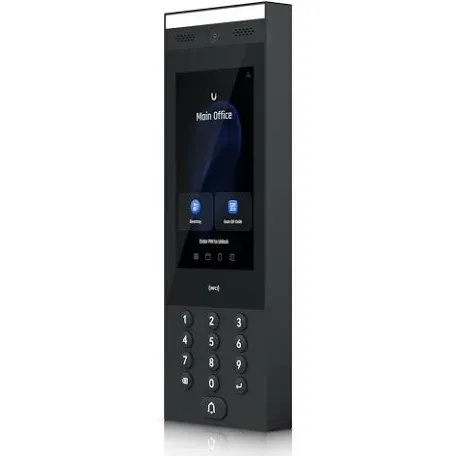
Ocean Hill, Brooklyn storefront office entrance reference: a tall dark entry panel with a small camera, a screen showing a Main Office directory listing and a numeric keypad below
Photo from our job library, not taken in Ocean Hill: an entry panel whose screen lists a main office above a numeric keypad. In a mixed-use building on Fulton Street or Rockaway Avenue, a panel like this can send visitors to the church office or the business on the ground floor and to the apartments upstairs from one place, while staff and residents use their own codes.
Your Questions Answered

Access Control in Ocean Hill: Questions Answered

Owners of walk-ups and rebuilt rows

Counted per apartment, what does it cost to take an Ocean Hill walk-up from a street-door key to fobs?

Start from the door, not the apartment count. On our Brooklyn list a single controlled door with a reader or keypad, an electric strike, the wiring and ten fobs is $1,500 to $2,500, and a video entry panel with fob access that replaces an old buzzer is $1,500 to $3,000. Divide whichever of those fits your building by the number of apartments and you have the per-apartment figure for the street door. Owners of six- and eight-apartment buildings on blocks like Macon, Halsey or MacDougal Street are usually surprised by how small that figure is compared with one round of rekeying and copying keys after a turnover.

The figure grows with what the building adds. A controlled vestibule door, a back or yard door, a cellar laundry or a trash room each add a door to the job, and a building that wants several of them moves into the multi-door range of $4,000 to $15,000. Fobs beyond the first ten are added at the written price. Two things can raise the bill that the apartment count does not show: a door or frame that has to be repaired or replaced before it can hold a strike, and a missing outlet for the power supply that the owner’s electrician must add. We name both before anything is ordered, because once equipment is ordered it is not returned.

News 12 found a Bed-Stuy street door unlocked for four months while one dead card reader waited to be replaced. How do we stop a single failed part from leaving our door open that long?

By making sure no single part can unlock the door when it fails. On the doors we install, the reader only asks the controller whether a person may enter; the lock is an electric strike set to stay locked when it loses power, and the door still closes and latches mechanically on its closer. If a reader dies, the door stays locked and the override key, which DHCR has required owners to keep, still opens it. Tenants are inconvenienced for a day; the building is not left open. The Bed-Stuy story is a reminder of what happens when a building is set up the other way round, or when a door that depends on one part has no plan for replacing it.

The second half of the answer is parts. We use readers, strikes and controllers that are standard stock at the supply houses we buy from, not one-off models that have to be special-ordered, and we tell owners at handover which part numbers are on their doors. For a larger building, keeping one spare reader on the shelf is cheap insurance. Then the door contact and the system’s alerts tell the owner the day a door stops reporting normally, instead of the tenants finding out at the door and calling 311.

The builder of our 1990s Ocean Hill walk-up hung the street door in a steel frame we can’t see inside. How do you find out what is in that frame before cutting it for a strike?

We sound it and, if needed, look inside it. A hollow-metal frame that is empty rings when tapped; one packed with grout or concrete sounds dead; many are filled only partway. Before quoting we tap along the lock side of the frame, check the hinge side for clues to how it was set, and, where the sound is unclear, drill one small hole at the exact spot where the strike will go, which the strike’s faceplate later covers. That tells us whether a standard hollow-metal strike will drop in, whether the grout has to be chipped out to make room for the strike body, or whether a different lock would be smarter.

The answer changes the price, which is why we find it before the quote rather than on installation day. An empty or partly filled frame is routine. A frame packed solid takes longer, and a frame that has been bent by years of being forced may need straightening or replacement before any strike will hold. Many of the 1990s buildings also have a basement directly below the entrance, which makes the cable from the controller to the door one of the easier parts of the job.

Newer buildings beside the el

Trains pass over our Broadway entrance every few minutes and drown out the click of the strike. How does someone at the door know it has released?

They should be able to see it. On doors under the el we use readers with a lit ring that turns green and stays green for as long as the door is released, rather than readers that blink once and rely on a beep. Door stations that release the door for visitors can show a message on their screen or light their call button while the door is free. Where the door has exit hardware with electric latch retraction, the push bar itself pulls in, which a person can see and feel. The release time is set long enough that a resident who misses the first moment is not left pulling a door that has just relocked.

We also look at the door’s own feel. A heavy aluminum lobby door with a strong closer and wind behind it can seem locked even when it is free, so we adjust the closer and, where a door has an automatic opener, let the opener start the swing once the reader approves the fob. The video station’s speaker is set so a visitor can hear the resident over a passing train, which also helps the visitor know when to push.

Our new building has far fewer parking spaces than apartments. Can the garage door open only for residents who were given a space, and stop the day a space changes hands?

Yes, and it is one of the main reasons to put a garage on the same system as the lobby. Residents with a space go into a group that the garage reader accepts; everyone else’s fob opens the lobby and nothing below it. When a space is reassigned, the manager moves one person out of the group and another in, and the change takes effect at once without collecting a remote. A building like 1510 Broadway, which Brownstoner lists with 21 below-grade spaces for 108 apartments, is exactly where a shared garage remote or a code that every driver knows stops working as an idea within a year.

Two details make it hold up. The door from the garage into the building gets its own reader, so someone who walks down the ramp behind a car still cannot reach the elevators or the halls. And the vehicle door is set to close after each car with its safety sensors working, while the people door carries the record of who came in. Where vehicles use a tag rather than a fob, the tag is enrolled to the same person, so cancelling the space cancels both.

Several of our residents work overnight and get home at three or four in the morning. Can the street door tell us it is in trouble before one of them finds it dead?

A system managed from the cloud can. The controller reports to the management software, and the manager or owner can be sent a message when a reader stops answering, the controller goes offline, the battery is running low or charging has stopped, or a door is held open or forced. Those alerts arrive at whatever hour they happen, so the person responsible hears about a failing street door in the evening, not from a resident standing outside it before dawn. The door itself still works on site if the internet drops; only the reporting waits until the connection returns.

The other half is the battery. The controller and lock run on a battery when the power fails, and the battery wears out over a few years. A system that reports battery health lets it be replaced before the first long outage rather than after. For buildings where many residents come home late, we also make sure the reader and the area around the door are lit, and that a resident who has a problem at night has a number that reaches someone, as DHCR has expected owners to provide for off-hours access.

Congregations and community spaces

Our congregation worships in an old auto garage on Saratoga Avenue with a wide overhead door and one small door beside it. Which one gets the reader?

The small door. Ocean Hill has congregations in buildings that started life as something else; Brownstoner notes that the Healing Sanctuary at 17 Saratoga Avenue is housed in a 1920s auto garage. In a building like that, people come and go through the personnel door, and that is the door that should carry the reader or keypad, the electric strike, the door contact and the record. The overhead door is a vehicle and loading door. It stays locked from inside with its own bolt or the operator’s lock, gets a contact so the system knows when it is open, and is opened on purpose by someone who is already inside.

If the overhead door has an electric operator, its wall button can be kept somewhere only staff reach, and the operator can be left off the access system entirely, which keeps a code from ever opening the whole front of the building. On days when the overhead door is opened for an event, the exit rules still apply to the room inside, so any doors people use to leave must open without a code. We look at the occupancy and the exits before we suggest where a lock goes in a building of that size.

Our church’s trustees change at every annual meeting, and last year’s never passed on the codes. How do we set up a door system that survives a change of officers?

Tie the system to the church, not to any one person. The administrator account is set up on an email address that belongs to the congregation, with two administrators, typically the pastor and the clerk or treasurer, and a third login kept sealed with the church’s papers. Every volunteer gets their own code or fob, recorded against their name and their ministry, so when a trustee or a volunteer leaves office, their credential is switched off at the same meeting that elects their successor, and nobody has to ask for a key back.

At handover we leave a short printed sheet with the administrator details, the override key’s location and the list of doors, and we offer a short refresher whenever the officers change. A congregation that rents its storefront should also keep a copy of the landlord’s consent with those papers, so the next set of trustees knows what was agreed about the equipment on the door.

Shops on Broadway, Fulton, Rockaway and Ralph

Our Rockaway Avenue deli never locks its front door. Which doors inside a store that stays open almost around the clock are worth controlling?

The ones that lead to money, stock or the building. In most Ocean Hill delis that means the office or the room with the safe, the cellar stair or hatch to storage, the stockroom, and the back door to the yard. The front door stays a customer door. Each of those inside doors gets a keypad lock or a reader with a code per worker, so the owner can see which shift opened the cellar and can delete one person’s code the day they leave without changing a lock. Where the cellar is shared with the building above, the deli’s door and the residents’ door go on separate lists.

Pair each controlled door with a contact, so a door left open behind the counter sends a message rather than being noticed at closing time. A store that already has cameras can have the camera over the office door follow the door events, which makes the footage easy to find. What access control does not do in a store that never closes is stop trouble at the counter; that is a matter of staffing, cameras and an alarm with a panic function, which we can price on the same visit.

Our salon on Broadway sits under the el, and after dark we would rather not have walk-ins. Can the front door switch from walk-in to buzz-in at a set hour?

Yes. The front door gets an electric strike or an electrified lock and a schedule: unlocked for walk-ins during the hours you choose, then locked from the set time onward, so the street door is buzz-in only. A small video station or camera at the door shows who is waiting on a screen or a phone at the stylist’s station, and a release button there opens the door without anyone walking to the front. Clients and staff inside can always leave, because the inside handle or push plate opens the door whatever the schedule says.

Staff get their own codes for opening and closing, so the first person in is not waiting on the sidewalk for the owner. The schedule can change with the season, starting earlier in the winter when the corridor is dark by five. And if the salon ever wants to reopen to walk-ins for a late event, one tap in the app unlocks the door and the schedule resumes the next day.

The landlord put one keypad on our building’s shared street door years ago, and every business and apartment uses the same code. Can each of us have our own code on it, or do we need our own door?

Usually your own code is enough, if the landlord agrees to a keypad or reader that can hold many users. Old single-code keypads cannot tell one person from another, so the code spreads and nobody can be cut off. A replacement keypad or reader on the same door holds a separate code or fob for each business’s staff and each household, with the shops’ codes limited to business hours if the landlord wants. When a shop worker leaves, the shop’s manager or the landlord deletes that one code; nobody else has to learn a new one.

A separate door for the business is better when the shop and the apartments share nothing else and the building has a second entrance that can be used. It is not worth cutting a new opening just for access control. Because the door belongs to the landlord, the request has to come from or be approved by them, and we price the replacement keypad on the Brooklyn list for the landlord to approve.

Row houses and two-families

Our Ocean Hill row house has original double doors, one leaf held shut by bolts at the top and bottom. Can the strike go on the active leaf only, and what stops the fixed leaf being pushed in?

Yes, the strike goes on the active leaf, and the fixed leaf is what makes it work or fail. On many old pairs, the fixed leaf is held only by small surface bolts or by flush bolts that no longer reach their holes in the floor and the head of the frame because the doors have sagged. Push that leaf and both doors swing in together, whatever the lock on the active leaf is doing. Before we fit a strike, we make sure the fixed leaf’s bolts engage fully at both ends, replacing them with heavier flush bolts if needed, and we often add a contact to the fixed leaf so the system knows if anyone has drawn its bolts.

The strike itself is mounted in the edge of the fixed leaf or in a plate between the two, depending on how the pair meets, and an astragal covering the gap keeps anyone from slipping a tool to the latch. Where a pair has warped beyond adjustment, a carpenter’s repair comes first. The result is a pair that looks unchanged from the street and holds like a single door.
Ocean Hill, Brooklyn storefront door reference: a narrow black AXIS video door station with a camera at the top, a speaker grille and a call button with a lit ring
Photo from our job library, not taken in Ocean Hill: a narrow video door station with a lit ring around its call button. On a salon or shop door under the Broadway el, a lit button like this is easy to find in poor light, and the station’s camera shows staff at the back of the shop who is waiting outside.
Equipment

Types of Access Control We Install in Ocean Hill

Electric strikes for old and new frames

Fail-secure strikes for wood frames on pre-1930 houses and for hollow-metal frames on 1990s buildings, with a latch-monitoring switch so the system knows the door is truly locked.

Electrified locks and latch retraction

Electrified locksets and electric latch retraction in exit hardware for the narrow aluminum-and-glass lobby doors of newer buildings, where most strikes will not fit.

Encrypted fob readers

Readers using encrypted credentials rather than old 125 kHz fobs that a cheap device can copy, with a lit ring that shows clearly when the door is released.

Backlit keypads

Weather-rated keypads with physical, lit buttons for staff doors, church side doors and cellar doors, readable under the el and usable with cold hands.

Video entry stations

One-button stations for two-families and directory panels for larger buildings, with a camera, a speaker loud enough for a busy avenue and a built-in reader, ringing tenants’ phones or indoor screens.

Door contacts and exit devices

Door position contacts on every controlled door, motion and push-to-exit devices placed to the Building Code’s heights and distances, and held-open alarms at the door.

Controllers and batteries

Controllers that keep every credential and schedule on site if the internet drops, with batteries sized for the door hardware and health reporting so a weak battery is replaced in time.

Restricted override cylinders

Mechanical key cylinders on a restricted keyway, so the emergency key that regulated buildings must keep cannot be copied at a corner hardware store.

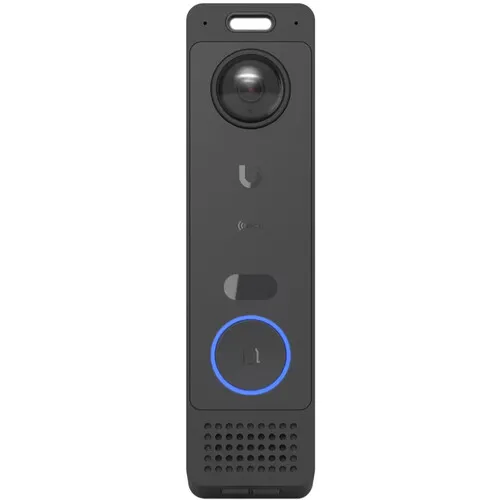
Ocean Hill, Brooklyn back door reference: a slim black entry device with a wide camera lens at the top and a blue lit ring around a button near the bottom
Photo from our job library, not taken in Ocean Hill: a slim entry device with a wide camera lens and a blue lit button. Its narrow body suits the trim beside a deli’s back door or a church’s side door in Ocean Hill, where there is little flat wall and the light is poor after dark.

ADT, Ring, SimpliSafe and a local installer at an Ocean Hill door

Many Ocean Hill owners already have part of an answer: a national alarm company’s panel, a battery doorbell from a big-box store, a smart lock on one door. Each solves one piece. An alarm reports that a door opened when it should not have, but does not decide who may open it. A battery doorbell shows who is outside but does not unlock a street door for a building of tenants. A battery smart lock works well on a single household’s door, until its batteries or its Wi-Fi give out, and it was not designed for a door that dozens of people open every day. An installed access system starts with the door hardware, ties it to one list of people, and keeps working on site when the internet or the power does not.

For a single-family house, a good smart lock may be enough, and we say so. For a street door shared by several households, a church used by many volunteers, or a shop with staff who come and go, the difference is the strike, the closer, the controller and the ability to switch off one person without touching everyone else. ADT, Ring and SimpliSafe make products that have their place; the question is whether that place is your building’s front door.

AI Overview Reality Check

What AI Gets Wrong About Access Control in Ocean Hill

These are generalizations we see repeated in quick online answers, product blogs and national cost guides from sites such as Angi, HomeAdvisor and Fixr. Each is set against what an Ocean Hill door actually needs. We do not attribute a particular claim to any of those sources unless we quote it.

“Put a reader on the door and the building is secure.”

This is the most common shortcut, and the city’s own audit shows why it fails. The Comptroller’s 2022 survey did not find readers missing; it found doors that did not latch, frame magnets that were gone, closers that had worn out and doors that were propped. A reader on a door like that controls nothing.

In Ocean Hill the doors are often older than the people using them, or were hung by a builder in the 1990s and never adjusted since. Frames settle, hinges wear and closers lose their oil, and each of those turns a locked door into a door that only looks locked.

The real order of work is door first, then hardware, then electronics. When an owner’s budget only stretches to one of those this year, the door repair is the one that makes the building safer, and we will tell you that even if it means a smaller job for us.

“A fob costs a few dollars, so a fob system is cheap.”

The fob is the cheapest part of the job. What costs money is the lock that the fob releases, the controller that decides whether to release it, the cable from the controller to the door, the exit device and contact the code requires, and the labor to make an old door close and latch reliably.

That is why one controlled door on our Brooklyn list is $1,500 to $2,500 with ten fobs included, and why a building that also wants its vestibule, cellar and yard doors on the system moves into the multi-door range. National guides that quote a figure per fob or per reader leave out most of the door.

The useful comparison for an Ocean Hill owner is not fob versus key, but the cost of a working controlled door against what the building spends on copied keys, rekeying after turnovers, and repeated repairs to a door that nobody ever fixed properly.

“Fobs let a landlord track tenants.”

Fob systems can record when a credential is used, and that has made tenants wary, especially since a Brownsville landlord’s 2019 attempt to add facial-recognition entry at Atlantic Plaza Towers drew opposition from about 350 residents, as amNY reported. But in New York City an owner of a multiple dwelling who uses fobs is bound by the Tenant Data Privacy Law.

That law limits what can be collected, requires a written policy and tenants’ consent, requires authentication data to be destroyed within 90 days unless it is anonymized, forbids selling it, and forbids using it to harass or evict tenants or to track their relationships. DHCR rulings on rent-stabilized buildings have also barred recording new identity details during a conversion and, in one decision, limited the record to entries.

A system can be set up to respect all of that, and the ones we install are. As Brick Underground put it, “fob data is not all that useful on its own,” and an owner who tries to make it more than that is taking on legal risk the door system does not need.

“Magnetic locks are the simplest electric lock.”

They are simple to mount, which is why they appear on so many storefront doors. They are not simple to make legal. The NYC Building Code requires a magnetically locked egress door to release from the door’s own exit hardware or from a sensor and a push-to-exit button, on loss of power and, where the building has one, on a fire alarm signal.

A maglock fitted without those releases is a trap in a fire, and in a storefront church full of people or a salon with clients in chairs it is the wrong lock. A maglock fitted with all of them is no longer the simplest choice, because the releases cost as much as the lock.

On most Ocean Hill doors an electric strike or an electrified lock is the better part: the door always opens from inside with the handle, and the lock holds when the power fails. We use maglocks only where the door cannot take anything else, and only with the full set of releases.

“Wireless smart locks avoid the cost of running cable.”

For one household’s door that is often true. For a street door used by every tenant in a building, a battery lock means batteries that run down on a busy door, a radio link that walls and metal can interrupt, and a lock body that was never designed for hundreds of openings a week.

Ocean Hill’s buildings make wireless harder rather than easier. Brick and stone party walls, steel frames on 1990s houses and, in some newer walls, foil-faced insulation all weaken signals between a door and a hub. A street door that drops off the network is a door that cannot have a fob cancelled.

Most Ocean Hill buildings have a cellar or basement directly below the entrance, which makes a wired run to the street door shorter than people expect. We wire the doors that many people use and keep battery locks for the doors where they genuinely fit.

“Access control replaces the intercom.”

It does not, and in many buildings the law says it cannot. Multiple Dwelling Law section 50-a requires an intercom with voice and remote release at the main entrance of a class A building with eight or more apartments built or converted after 1968, and older buildings must add one when a majority of tenants ask in writing. Habitat Magazine notes that courts have treated a working intercom as part of the warranty of habitability.

Fobs let residents in. Visitors, couriers and home attendants still need a way to reach a resident, and residents need a way to let them in. That is why the PACT plan for Ocean Hill Apartments and Saratoga Village puts a video intercom at every entrance alongside the fobs.

The practical answer for most private buildings is one device that does both: a video station with a built-in reader, priced on our list as a video entry panel with fob access replacing a buzzer, at $1,500 to $3,000.

“The neighborhood doesn’t matter; access control is the same everywhere.”

The parts are the same everywhere. The job is not. In Ocean Hill an installer can meet a pre-1930 wood frame, a 1990s hollow-metal frame and a new aluminum storefront door on the same block, each needing a different strike or lock, a different way to bring cable up from the cellar, and a different conversation about who owns the door.

The users differ too. A walk-up may have rent-stabilized tenants whose conversion follows DHCR conditions; the church next door has volunteers who serve on two days a week; the deli on the corner never locks its front; and the new building down the block has a manager, a garage and retail tenants. An answer written for an office park fits none of them.

That is why our quotes in Ocean Hill begin with photos of every door and a question about who opens it, and why the price is fixed only after someone has stood at the door.

Show Us the Door First: Start Your Ocean Hill Quote

Send a photo of each door from outside and inside, a short video of the street door closing by itself, and a line on who opens it today, from tenants and the super to volunteers and staff. A technician will call back, normally within two hours during business hours.

Get In Touch

Request a Free Quote

A walk-up street door off Macon Street, a new building’s garage near Broadway, a storefront church on Fulton Street or a deli’s cellar on Rockaway Avenue: describe it in a few lines and a written price from the Brooklyn list follows the visit. Prefer the phone? (347) 934-8335.

✅

We Got Your Request!

Received. A technician will phone you about the Ocean Hill property, normally within two hours during business hours. A street door that will not lock at all? Call (347) 934-8335.

How It Works

Our Installation Process

The same eight steps cover a deli’s cellar door and a hundred-apartment building. What changes in Ocean Hill is steps two and four: we date the building and test every door before we price it, and we make each door close and latch on its own before any electronics go on it.

1. Photos, the door list and who uses each door

You text each door from outside and inside and tell us who opens it today: tenants, the super, a home attendant, staff, volunteers or a retail tenant.

2. Survey the doors, frames and cellar

We open and close every door, sound the frames, check closers and hinges, find the building’s age behind its front, and plan the cable path up from the cellar.

3. Written door plan and Brooklyn price

Every reader, lock, contact and exit device is listed door by door with the Brooklyn price, and anything that might add cost is named before anything is ordered.

4. Make each door close and latch by itself

Closers, hinges, strikes and frames are adjusted or replaced first, so each controlled door shuts and locks without a push.

5. Mount the controller and run the cable

The battery-backed controller goes on a wall in a dry room, cable runs inside to each door, and the lock, reader, contact and exit device are installed.

6. Enroll people and set the rules

Fobs, codes and phone keys are issued household by household or person by person, with schedules for staff and volunteers and separate groups for residents and businesses.

7. Test on battery and with the power off

Each door is tested on battery and with all power removed: the lock holds where it should, the exit side always opens, and the override key works.

8. Handover and a follow-up visit

You get the administrator login, a door list, the override keys and a one-page guide for tenants or staff, and we return after the first weeks to adjust closers and schedules.

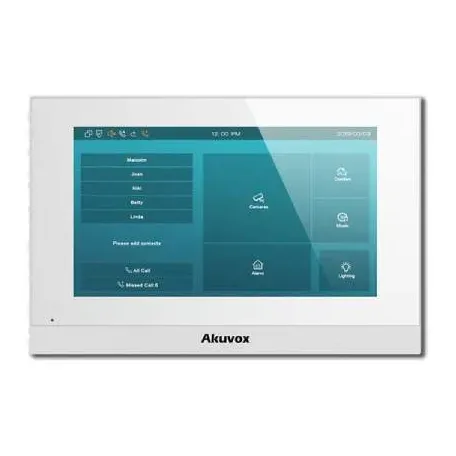
Ocean Hill, Brooklyn apartment handover reference: a white Akuvox indoor touchscreen monitor showing a teal home screen with menu tiles for calls, door release and settings
Photo from our job library, not taken in Ocean Hill: an indoor screen with tiles for calls, door release and settings. For tenants in an Ocean Hill walk-up who do not want to rely on a phone app, a screen like this in the apartment answers the street door and releases it with one touch.

Once a year: a fifteen-minute check on an Ocean Hill door system

Pick a date, such as the first cold week of the autumn, and do four things. Open every controlled door and let it go: does it close and latch without a push, including when the wind is blowing down the avenue? Look at the system for the battery status and for held-open or forced-door alerts that have been ignored. Find the override key, try it in the lock, and make sure two people know where it lives. Then print the list of active fobs and codes and cancel every one that belongs to a tenant who moved, a worker who left or a volunteer who no longer serves. A list that is cleaned once a year stays a list the building can trust.

Coverage Area

Access Control Near Ocean Hill’s Landmarks

Callers describe their addresses by these places, so we list them: “across from Saratoga Park,” “two blocks from the library,” “by the junction.” None of them is a customer of ours, and each belongs to its own owner or agency.

Saratoga Park

The 3.21-acre park bounded by Halsey Street, Macon Street, Saratoga Avenue and Howard Avenue, bought by the city in 1896, with a 1921 World War I memorial.

Saratoga Library

The Brooklyn Public Library branch at 8 Thomas S. Boyland Street at Macon Street, a 1908 Classical Revival building by Rudolph L. Daus.

Broadway Junction

The meeting point of Broadway, Atlantic Avenue, Rockaway Avenue and Van Sinderen Avenue, served by the A, C, J, L and Z trains, where the city committed $95 million in 2023.

Jardine Place

One of the one-block Place streets between Atlantic Avenue and Herkimer Street, lined with Renaissance and Romanesque Revival two-family houses with top-floor rentals.

Prospect Plaza

The former NYCHA towers on the Saratoga and Howard Avenue blocks, the first NYCHA development fully demolished and rebuilt as low-rise housing.

73rd Precinct

The station house at 1470 East New York Avenue, which the NYPD describes as serving Brownsville and Ocean Hill.

We also work in the neighborhoods around Ocean Hill: access control in Bedford-Stuyvesant to the west, Brownsville to the south, East New York beyond Van Sinderen Avenue, and Bushwick across Broadway. Each of those pages is written for its own streets and buildings.

Pricing

Access Control Cost in Ocean Hill

Ocean Hill pays the Brooklyn base list, the same as the rest of the borough, with no surcharge for a walk-up, a church or a shop under the el. At the bottom of its range, a controlled door includes the reader or keypad, the electric strike, the cable and ten programmed fobs. Sales tax is added, the figure is fixed in writing after the visit, and larger jobs begin with a deposit.

ItemBrooklyn priceTypical Ocean Hill use
Single controlled door: reader or keypad, electric strike, wiring, 10 fobs$1,500 – $2,500The street door of a walk-up or two-family, or a new building’s garage-to-lobby door
Keypad on a personnel or service door$1,500 – $2,000A deli’s cellar or office door, a church side door, the personnel door beside a roll-down gate on Atlantic Avenue
Video intercom panel with fob access, replacing a buzzer$1,500 – $3,000A walk-up’s street door where tenants need to see and speak to visitors, or a salon’s buzz-in front door
Card readers on several office doors in a shared building$4,000 – $12,000A church’s side door, office and storage, or program rooms in a community building
Multi-door building system with cloud management$4,000 – $15,000A walk-up’s street, vestibule, cellar and yard doors, or a new building’s lobby, garage, laundry and bike room
Full building system$15,000 – $40,000Every common door of a large newer building, including retail service doors and the courtyard
Service visit outside warranty$195/hr, 3-hr minimum ($585)Changes on site, and systems another installer put in

What moves an Ocean Hill price up or down

  • The door. A sound door in a sound frame takes a strike within the door price. A split wood door, a bent steel frame or a frame packed with grout adds work, and a door that has to be replaced is priced separately.
  • The frame and the lock. Narrow aluminum lobby doors need electrified locks or latch retraction rather than a strike, which sits higher in the range.
  • The cable path. A cellar directly below the entrance keeps runs short. A controller several floors away, or a run across a yard to a back door, adds labor.
  • Power. Where there is no outlet near the controller, the owner’s licensed electrician adds one; that cost is outside our price, and we tell you before you order.
  • How many people and groups. Ten fobs are included in the single-door price. A building with many households, staff groups and schedules needs more credentials and more setup.
  • Video and visitors. A one-button video station costs less than a directory panel for a large building, and both cost less when installed with the reader than added later.
Full terms — including 50% deposit, one-year parts-only warranty on Abstract Enterprises Security Systems-supplied products, and the late-fee schedule — are set out in the service agreement.
Ocean Hill, Brooklyn building entrance pricing reference: a brushed-steel entry panel with a camera and speaker grille above a touchscreen showing a numeric keypad and apartment number, and a contactless reader mark below
Photo from our job library, not taken in Ocean Hill: a brushed-steel panel whose touchscreen shows a keypad for dialing an apartment, with a reader mark below. For an Ocean Hill walk-up replacing an old buzzer, a panel of this type falls under the video intercom with fob access line of the Brooklyn list.

Get a Written Brooklyn Price for Your Ocean Hill Doors

Tell us how many doors, how many apartments or users, whether the street door closes by itself today and who has to approve the work, send a photo of each door, and the price comes back in writing after one visit.

Shop Our Systems

Access Control Packages & Pricing

Street Door First — $1,500 to $2,500

The street door of a walk-up, row house or two-family: the door and closer brought back to latching on their own, an electric strike, a fob reader or keypad, a door contact, an exit device, a battery-backed controller with room for more doors, a restricted override cylinder and ten encrypted fobs.

Staff or Side Door — $1,500 to $2,000

A backlit keypad on a deli’s cellar or office door, a church’s side door or the personnel door beside a roll-down gate, with a code per worker or volunteer, schedules for their days and hours, and an alert to the owner’s phone when the door is forced or left open.

Whole Building — $4,000 to $15,000

Several doors on one cloud-managed system: a walk-up’s street, vestibule, cellar and yard doors, or a newer building’s lobby, garage, laundry, bike room and courtyard, each with its own list, hours and alerts, and the manager holding the administrator login.

Supplying your own hardware? Labor-only installation

If you already bought a keypad lock, a reader, a smart lock or a video station, we can install it labor-only, as long as it is a listed product that suits the door. We check the model first and tell you plainly if it will not work, for example an indoor-rated keypad meant for a street door under the el, or a strike made for a wood jamb when your frame is hollow metal. Labor-only work is quoted on the same Brooklyn rates, and we do not do walk-throughs on customer-supplied equipment: the hardware’s own warranty stays with whoever sold it, and its Wi-Fi signal is the owner’s responsibility.

Complete Services

Every Access Control Service in Ocean Hill

New installations

Street doors, vestibules, cellars, yards, garages, laundries, bike rooms, church side doors and shop staff doors, priced on the Brooklyn list.

Keys-to-fobs conversions

Staged changeovers for rent-regulated and market-rate buildings, with the override key kept, fobs issued from the occupant list and the old key retired on a set date.

Door hardware repair

Closers, hinges, strikes, flush bolts and frames put right so controlled doors latch every time, including doors on systems we did not install.

Repairs and takeovers

Dead readers, strikes that will not release, controllers with lost logins, and systems another installer left behind, with a written list of what is worth keeping.

Video entry with door release

Stations at the street door that ring tenants’ phones or indoor screens and release the door, with a reader built in so one device does both jobs.

Brooklyn and citywide

Elsewhere in the borough, start with access control installation for Brooklyn; for buildings in other boroughs, see access control installation across NYC.

Often Paired

What Ocean Hill Owners Add to a Door System

Most Ocean Hill buildings that put their street door on fobs pair it with a camera over the entrance, so that a forced-door or held-open alert comes with a picture, and with a video station so visitors reach tenants without anyone coming downstairs. Churches usually pair the side door’s keypad with an alarm for the hours the building is empty, and delis pair the office and cellar doors with the cameras they already have, set to follow the door events. Booked together, the cable for both goes in on the same visit, which costs less than coming back.

Field Notes

Field Notes: Let the Street Door Close Before Anyone Talks About Readers

This describes how we start on an Ocean Hill building, not a particular customer. Before we look at a reader, a panel or a catalog, we stand inside the vestibule, open the street door all the way and let go. Then we watch. A good door swings back steadily, slows for the last few inches and drops its latch into the strike with a firm sound. A tired door drifts, stops an inch short, or slams and bounces back off the frame. We do the same from half open and from a crack, because a door that latches from wide open but not from a few inches is the door tenants find ajar in the morning.

Then we look at what the door has been through. On older houses we count the old lock holes in the edge and the frame, and feel how much solid wood is left. On 1990s buildings we tap the frame and listen. We check the hinges for drop at the lock side, the closer for oil, and the threshold for wear. We ask how many keys are out there, whether the building has rent-stabilized tenants, and who the owner wants to be able to switch people off. Only after that do we go down to the cellar to see where the controller can live and how the cable will come up. By then the owner usually knows whether this is a door job, an electronics job or both, and so do we.

Ocean Hill, Brooklyn side door reference: a small silver and black door station with a camera, a contactless reader symbol and a bell button
Photo from our job library, not taken in Ocean Hill: a small station with a camera, a fob reader and a bell button. It is about the size of a doorbell plate, which suits the narrow trim beside the side door of an Ocean Hill church or the yard door of a two-family, where there is no room for a larger panel.
FAQ

Ocean Hill Access Control FAQ

If a tenant moves into our walk-up from one of the PACT buildings, will the fob she used there open our street door?
+

No. Every system only accepts the credentials enrolled on it, and a well-set-up system uses encrypted credentials that belong to that system alone. A fob from another building, public or private, is simply refused at your reader. Your new tenant gets her own fob from your building, enrolled to her household, and the fob from her old building stays with that building’s management.

How long does an ordinary building fob last before it needs replacing?
+

A standard fob has no battery. It takes its power from the reader when it is held close, so it does not run down. Fobs are replaced when they crack, get lost or wear out on a key ring after years of handling, or when a building moves to a more secure kind of credential. Phone keys do not wear out at all, though they depend on the phone.

Will a fob reader beside the street door interfere with the Wi-Fi in the ground-floor apartment next to it?
+

No. Fob readers work at very short range, a few inches, on a different frequency from home Wi-Fi, and the wired readers we install talk to the controller over their own cable rather than over the air. A tenant’s router and a reader on the other side of the wall do not affect each other.

Our building is run by a court-appointed 7A administrator. Can the administrator hire you to put the street door on fobs?
+

We work for whoever has the authority to contract for the building’s common doors. Where a housing court has appointed an administrator, that person usually manages repairs, and we provide the written door plan and Brooklyn price in the form the administrator needs. Questions about what the administrator may approve or spend belong to the administrator and the court, not to us.

Our tenants’ association wants a reader on the street door, but the owner has not agreed. Can the tenants hire you directly?
+

Not for the building’s street door. The entrance door, its lock and its frame belong to the owner, who is also responsible under the law for keeping them working, so the owner or the owner’s agent has to order and approve the work. What we can do is give the association a written description and price of what a working fob door would involve, which tenants sometimes bring to the owner.

If our building changes its internet provider, do the readers have to be replaced?
+

No. The readers are wired to the controller, and the controller only needs an internet connection to report to the management software. When the provider changes, the controller is connected to the new router and set up on the new network, which is a short service visit or something the building’s own technician can do with our instructions. The doors keep working on site while the internet is down.

How often does the battery inside the door controller need replacing?
+

Every few years, depending on how often the power fails and how hard the battery works. Batteries lose capacity with age even when they are rarely used. A system that reports battery health tells you when it is getting weak, and the yearly check on this page includes a look at it. Replacement batteries are standard parts and are quoted at the time.

Can the emergency key for our fob door be copied at a hardware store on Broadway?
+

Not if the override cylinder uses a restricted keyway, which is what we install. Keys for a restricted keyway are cut only by an authorized locksmith for the registered owner, so the few emergency keys a building keeps cannot quietly multiply the way ordinary street-door keys do. We hand the owner a written count of how many override keys exist and who received them.

Does the door system send anything to HPD, the NYPD or any other city agency?
+

No. The systems we install are private. Door events go to the owner’s or manager’s account and nowhere else. If an agency or the police ask the owner for records about a particular incident, that is the owner’s decision, made within the limits of the Tenant Data Privacy Law and with the owner’s own legal advice.

We may gut-renovate our Ocean Hill building in a few years. Can the readers and controller come out and go back in afterward?
+

Yes. Readers, controllers, power supplies and video stations can be taken down, stored and reinstalled, and the people and schedules saved in the system come back with them. Strikes cut into an old frame usually do not survive a new frame, and cable that runs through walls being opened is normally replaced. Tell us before the renovation starts, so we can mark what to keep and leave pull strings in the new walls.

Does an Ocean Hill job begin with a deposit, and when is the rest paid?
+

Larger jobs begin with a deposit, which lets us order the equipment, and the balance is due when the work is finished and tested. Because equipment cannot be returned once it is ordered, anything that might add cost, such as a frame that needs repair, is named in the written quote before the deposit is paid.

More Access Control Installation near Ocean Hill

Access Control Installation Brooklyn, NY | Fob & Card · Access Control Installation NYC | Key Fob, Card & Keypad · Access Control Installation Manhattan NY | Card Reader · Access Control Installation Queens NY | Card Reader · Access Control Installation Bronx NY | Card Reader · Access Control Installation Staten Island NY · Access Control Installation Long Island NY · Access Control Installation Hudson Valley NY · Access Control Installation Nassau County | Licensed · Access Control Installation Suffolk County NY · Access Control Installation Westchester County NY · Access Control Installation Rockland County NY · Access Control Installation Orange County NY · Access Control Installation Putnam County NY · Access Control Installation Dutchess County NY · Access Control Installation Ulster County NY

Access Control Installation Bath Beach Brooklyn NY · Access Control Installation Bay Ridge Brooklyn NY · Access Control Installation Bedford Stuyvesant Brooklyn NY · Access Control Installation Bensonhurst Brooklyn NY · Access Control Installation Bergen Beach Brooklyn NY · Access Control Installation Beverley Square Brooklyn NY · Access Control Installation Boerum Hill Brooklyn NY · Access Control Installation Borough Park Brooklyn NY · Access Control Installation Brighton Beach Brooklyn · Access Control Installation Brooklyn Chinatown Brooklyn NY · Access Control Installation Brooklyn Heights, Brooklyn NY · Access Control Installation Brooklyn Navy Yard Brooklyn NY · Access Control Installation Brownsville Brooklyn NY · Access Control Installation Bushwick Brooklyn NY · Access Control Installation Cadman Plaza Brooklyn NY · Access Control Installation Canarsie Brooklyn NY · Access Control Installation Carroll Gardens Brooklyn NY · Access Control Installation City Line Brooklyn NY · Access Control Installation Clinton Hill Brooklyn NY · Cobble Hill Access Control Installation | Brooklyn NY · Access Control Columbia Street Waterfront Brooklyn NY · Access Control Installation Coney Island Brooklyn NY · Access Control Installation Crown Heights Brooklyn NY · Access Control Installation Cypress Hills Brooklyn NY

Other services in Ocean Hill

Security Camera Installation Ocean Hill Brooklyn NY · Door Buzzer Installation Ocean Hill Brooklyn NY · Security Camera Repair Ocean Hill Brooklyn NY | Any Brand · Intercom Installation Ocean Hill Brooklyn NY | Abstract Enterprises Security Systems · TV Installation Ocean Hill Brooklyn NY · Door Buzzer Repair Ocean Hill Brooklyn NY | Row House Doors · Fire Alarm Installation Ocean Hill Brooklyn NY · Alarm Installation Ocean Hill Brooklyn NY · Structured Cabling Installation Ocean Hill Brooklyn NY

A Street Door That Will Not Latch or a Reader That Will Not Read? Call the Ocean Hill Line

A reader that stopped answering, a strike that buzzes and holds, or a door that swings back without catching rarely needs a whole new system. Ring (347) 934-8335, describe what the door is doing, and a visit is booked within two hours of the call.

Ocean Hill Door Systems From a Licensed, Insured Brooklyn Team

The Ocean Hill line is (347) 934-8335 for calls and texts; door photos and videos are easiest by WhatsApp. The company behind the work, and behind every quote, schedule and invoice, is Abstract Enterprises Security Systems, owner-operated since 2002 and based at 1282 Troy Ave, Brooklyn, NY 11203.

Customers have rated us 4.7★ across 201 Google reviews. Work is done under New York State license #12000287431, we are insured, and the written price follows the visit.

Revision log, November 12, 2026: this page was rebuilt from scratch around how doors work in Ocean Hill — fixing the door before adding a reader, what NYCHA’s PACT plan puts on the doors of Ocean Hill Apartments and Saratoga Village, key-to-fob conversions in rent-regulated buildings under DHCR conditions and the Tenant Data Privacy Law, the many doors behind one lobby in the newer mid-rises along Broadway, doors under the el after dark, and the side doors, cellars and staff doors of storefront churches, delis, salons and Atlantic Avenue businesses. Prices are the published Brooklyn base figures.