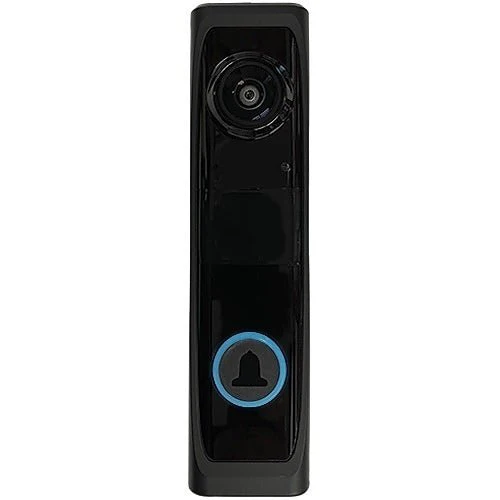
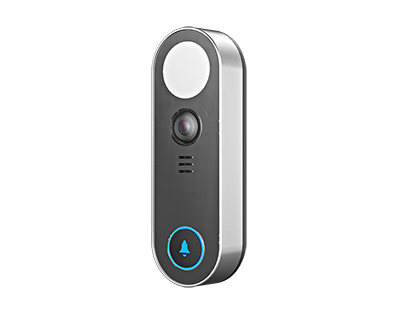
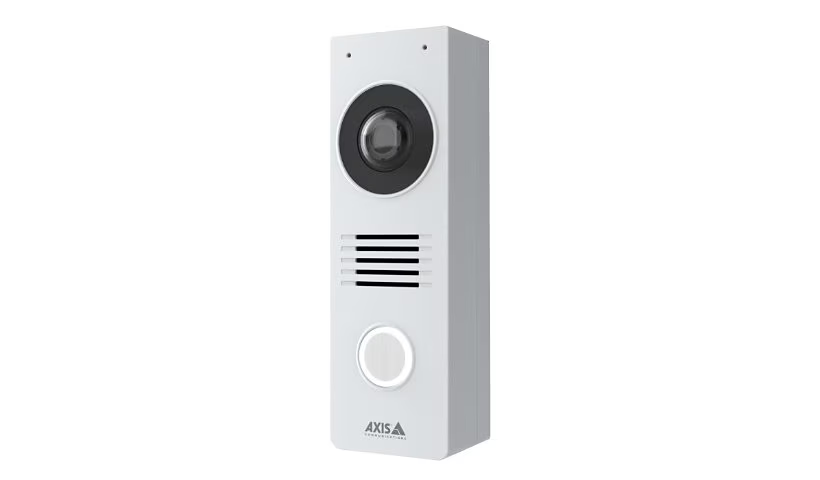
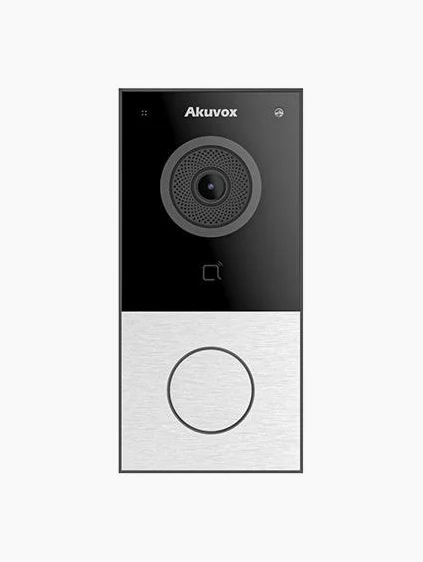
Wired and battery video doorbells installed on suburban colonials and split-levels, rural large-lot homes set far down the driveway, Hudson riverfront and historic-village houses, and gated estate entrances — see who’s at your door from your phone, anywhere. Weatherproof mounting built for upstate winters, transformer and chime wiring, mesh Wi-Fi or a 4G option where the driveway is long and rural broadband is weak, motion tuning that ignores deer and passing cars, app setup, and motion tuning. No monthly fees on most systems.
A doorbell camera is one of the most-requested security upgrades in Orange County, and for good reason: it answers the two things residents worry about most — who is at the door, and where did my delivery go. Orange County is a mix of suburban neighborhoods, growing commercial centers, village downtowns, and rural and wooded properties on larger lots — from the colonials of Middletown, Goshen, and Monroe to the farms of the Black Dirt region and the gated estates of Tuxedo Park, all in one county — suburban colonials and split-levels in Middletown and Goshen, rural large-lot homes in Warwick and Florida, riverfront houses in Cornwall-on-Hudson, and gated estates in Tuxedo Park. Abstract Enterprises Security Systems is a licensed New York low-voltage contractor (NYS #12000287431) installing video doorbells across every Orange County community — from Newburgh and Middletown to Goshen, Monroe, and the river towns.
What makes doorbell installation in Orange County different is the spread. We’re wiring suburban colonials and split-levels in Middletown, Goshen, and Monroe, rural large-lot homes set hundreds of feet down a driveway in Warwick and Florida, Hudson riverfront houses in Cornwall-on-Hudson and Newburgh, and gated estates in Tuxedo Park where the front door is far from the road. A clean install here is rarely a quick swap. It is figuring out whether your decades-old chime transformer can carry a modern video doorbell, whether weak rural broadband can actually keep the doorbell online, and whether a wired or battery unit makes sense for a property where Wi-Fi struggles to reach the entry.
We handle all of it: voltage testing, transformer upgrades, chime bypass and chime-connector wiring, weatherproof mounting that survives upstate winters, 2.4 GHz Wi-Fi configuration with a mesh node or relay where the driveway is long, motion-zone tuning so you aren’t pinged by every deer or passing car, and a full walkthrough before we leave. For gated communities, apartment buildings, and condo associations that need true buzz-in entry, that’s a different system — see our Orange County intercom installation service. This page is about the front-door video doorbell for your home or business.
Package theft and unknown visitors drive most calls. On Orange County properties — from rural large-lot homes in Warwick to suburban colonials in Middletown and apartment lobbies in Newburgh — deliveries are left at the door, by a gate, or in a vestibule, and you may not even know a courier came. A doorbell camera at the entry resolves the large majority of these cases on footage alone — you see exactly when a delivery arrived, where it was left, and who approached. Paired with motion alerts, you catch it live and can speak through the two-way audio, even when you’re an hour or more away in the city.
Beyond packages, a video doorbell gives you a record of everyone who approaches your door, two-way talk so you can direct a delivery or admit a caretaker without being home, and a visible deterrent that signals the entry is watched. For the many Orange County homes that are weekend or second homes — empty Monday through Thursday — being able to see and answer the door from your phone, from Brooklyn or Manhattan, is the entire point.
Capture every drop-off and pickup at the stoop, vestibule, or porch.
Two-way talk to couriers and visitors from your phone, on any network.
Live view and motion alerts before you ever open the door.
Local or cloud recording for police reports and building management.
The right doorbell depends on what’s behind your wall and whether you own or rent. We assess your entry on-site — voltage at the existing button, chime type, mounting surface, and Wi-Fi reach — before recommending anything.

Powered by your existing doorbell transformer (typically 16–24 VAC). Never needs charging, supports continuous power, and can ring your existing mechanical or digital chime through a chime connector. Best for homeowners and any door with working low-voltage wiring. We test transformer voltage first — many older Orange County transformers read too low and need an upgrade to 16–24 VAC at 30 VA or higher.

No wiring required — the unit runs on a rechargeable or replaceable battery and pairs over Wi-Fi. Ideal for renters whose lease forbids drilling into the building, apartments with no doorbell wiring, and entries where running new low-voltage cable isn’t practical. We mount it, set realistic battery-life expectations for Orange County winters, and pair a plug-in chime indoors so you still hear the ring.

Many older Orange County homes have no doorbell transformer at all. We can install a dedicated transformer and run new low-voltage wiring for a true hardwired setup, or fit a battery doorbell with a plug-in chime kit so nothing needs to be wired. Where an old, abandoned intercom once ran, we can often reuse that existing wiring path for the new doorbell — saving the labor of a fresh cable run.
The small low-voltage power supply (usually near your panel, furnace, or behind the chime) that feeds a wired doorbell. Video doorbells generally need 16–24 VAC.
A mechanical chime physically strikes a bar; a digital chime plays a tone. Some doorbells need a chime connector or jumper to work with one or the other.
A small part that bypasses or adapts the existing chime so a video doorbell powers correctly and the indoor ring still sounds.
Almost every video doorbell connects on the 2.4 GHz band (longer range through walls), not 5 GHz. We make sure your entry has usable signal before install.
App-defined areas the camera watches for motion. Tuned correctly, you get alerts for someone at your door — not every pedestrian on a busy block.
Footage saved on a card/base station (no monthly fee) versus the manufacturer’s cloud subscription. We’ll set up whichever you prefer.
We install whatever fits your door and your preference — whether you bought the unit yourself or want us to supply it. We’re brand-agnostic and set up local storage wherever a no-monthly-fee option exists.
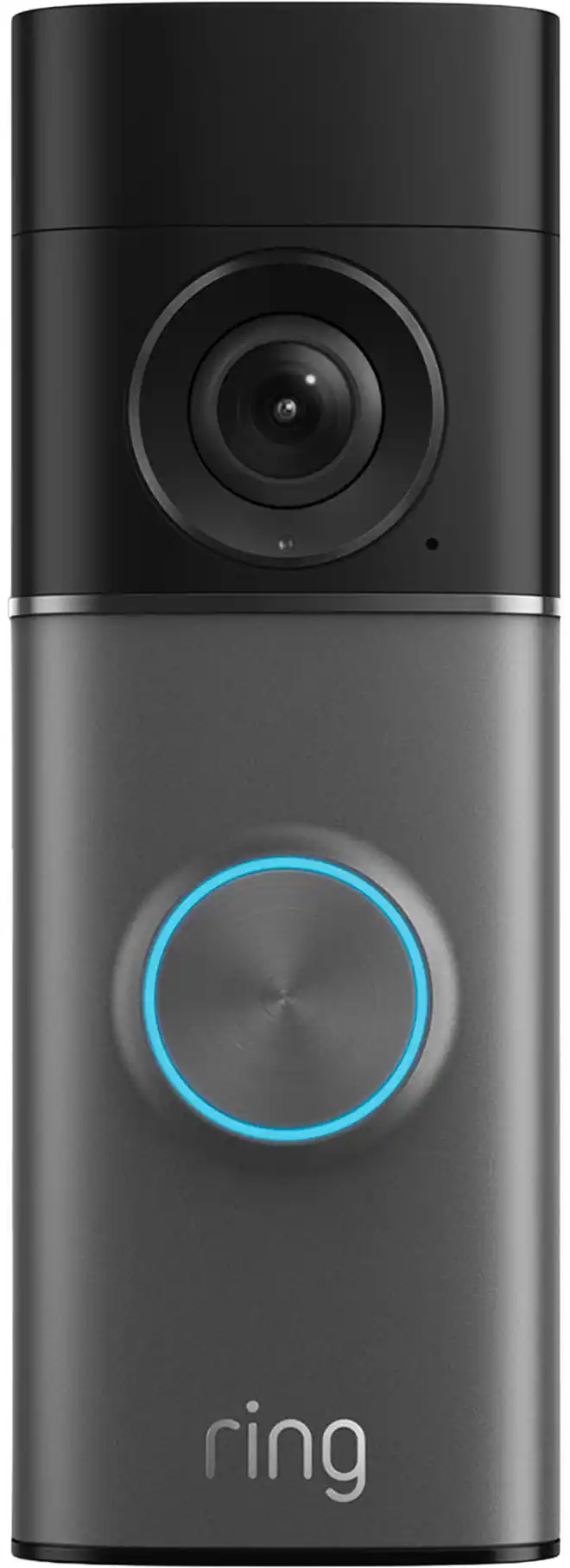
RingWired, Plus & Pro models — chime-connector wiring and transformer checks handled.
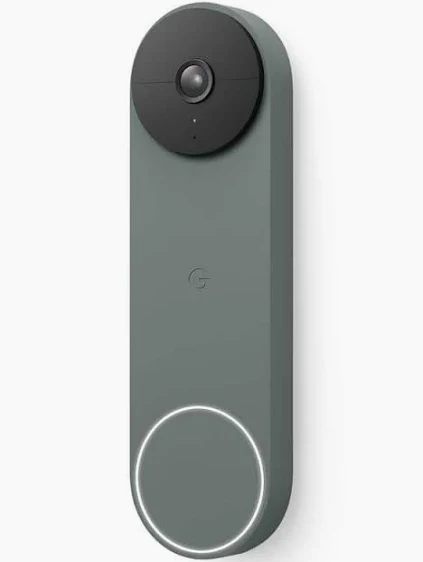
Google NestWired and battery Nest Doorbell with on-device detection and Home app setup.
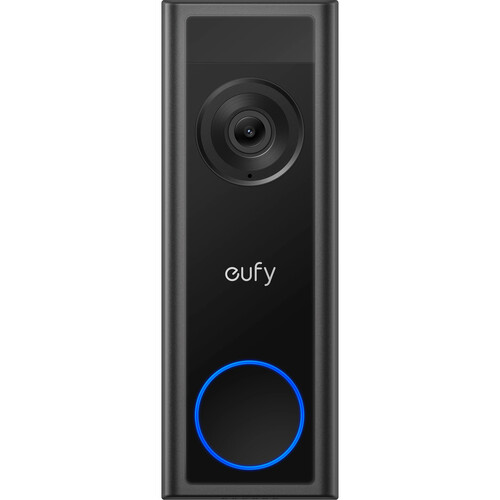
EufyLocal-storage favorite — HomeBase recording, no monthly fee. Wired and battery.
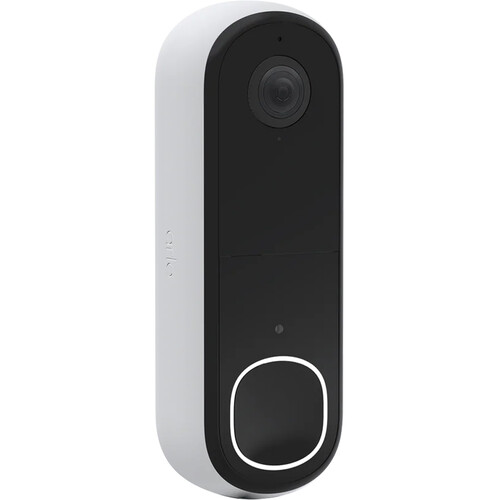
Arlo2K wire-free and wired video doorbells with wide head-to-toe field of view.
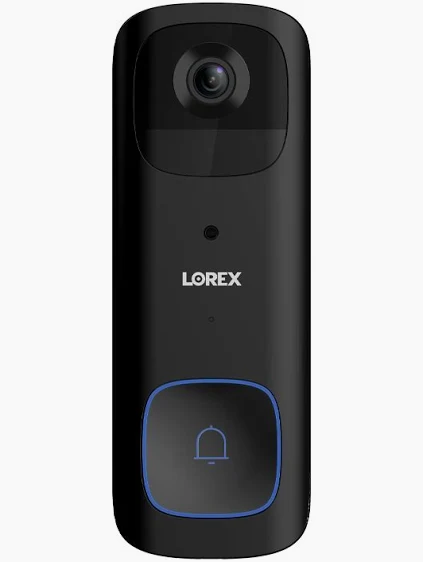
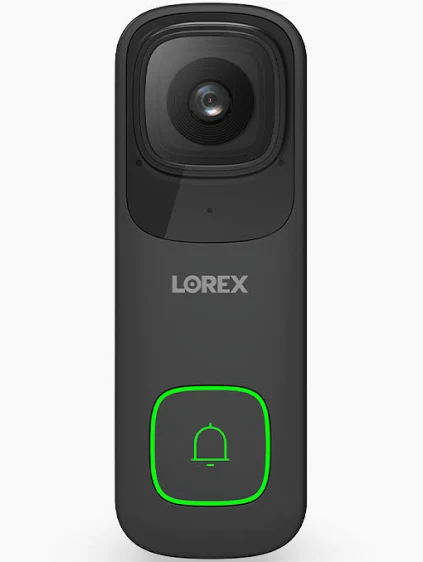
Lorex2K wired doorbells that record to a local NVR — pairs with a full camera system.
ReolinkPoE and Wi-Fi doorbells with local storage and no subscription.
AOSUBattery video doorbells with included chime — clean renter-friendly installs.
Uniview (UNV)Wi-Fi and PoE video doorbells that integrate with UNV recorders.
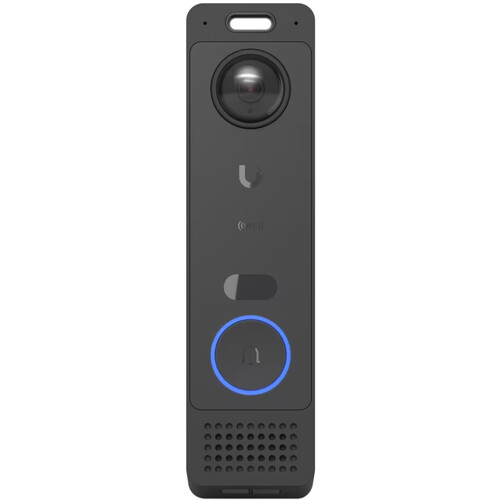
Ubiquiti UniFiG6 Entry door station for UniFi Protect — pro-grade local recording.
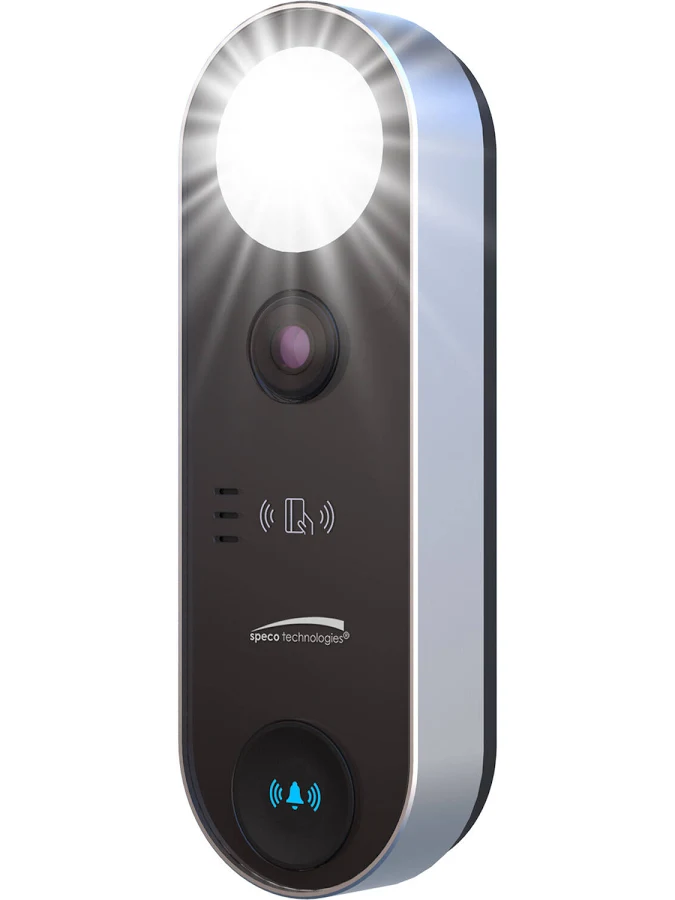
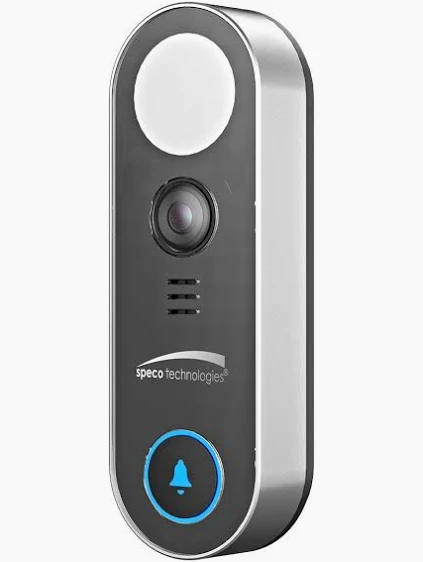
Speco TechnologiesFloodlight video doorbells for storefronts and pro security integrations.
Digital WatchdogMEGApix InterCam 2.1MP IP video intercom door station for commercial entries and access integration.
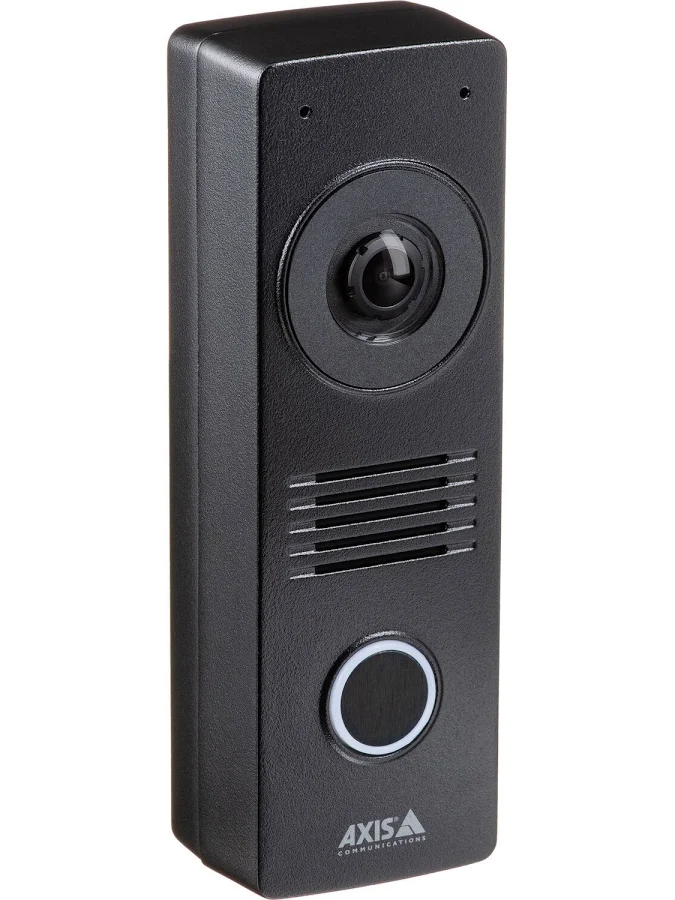
Axis CommunicationsI8116-E network video intercom — commercial-grade door entry over IP.
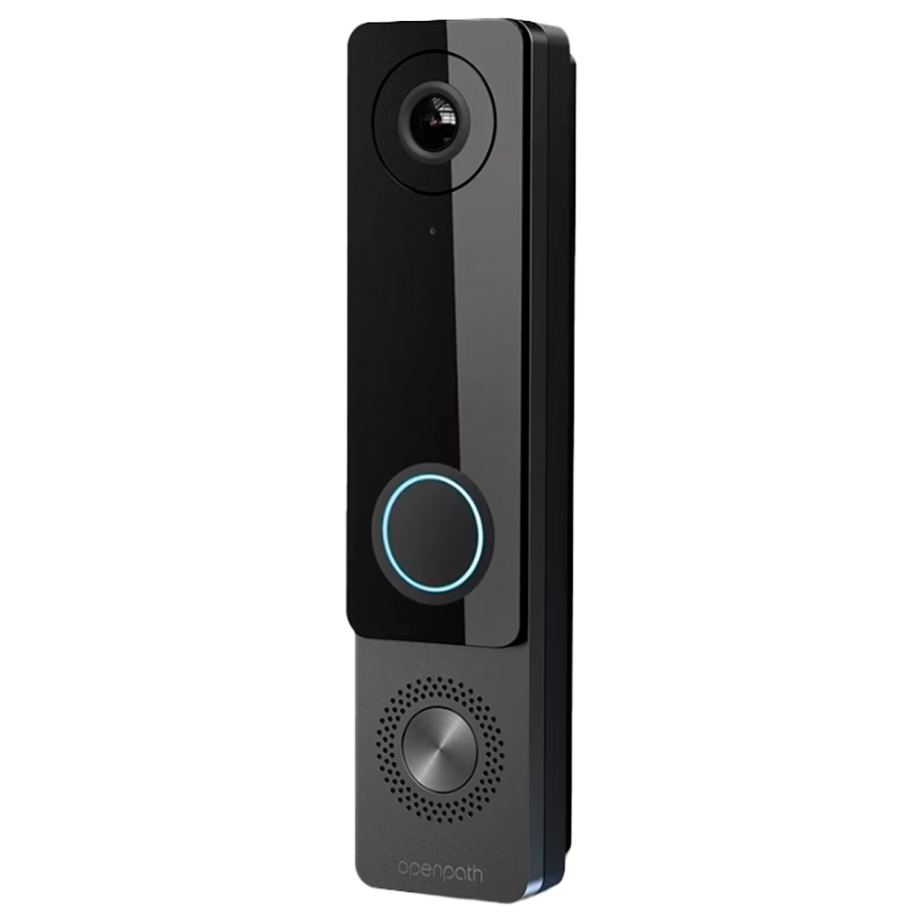
AvigilonAVI-OP video door entry with integrated access reader for managed buildings.
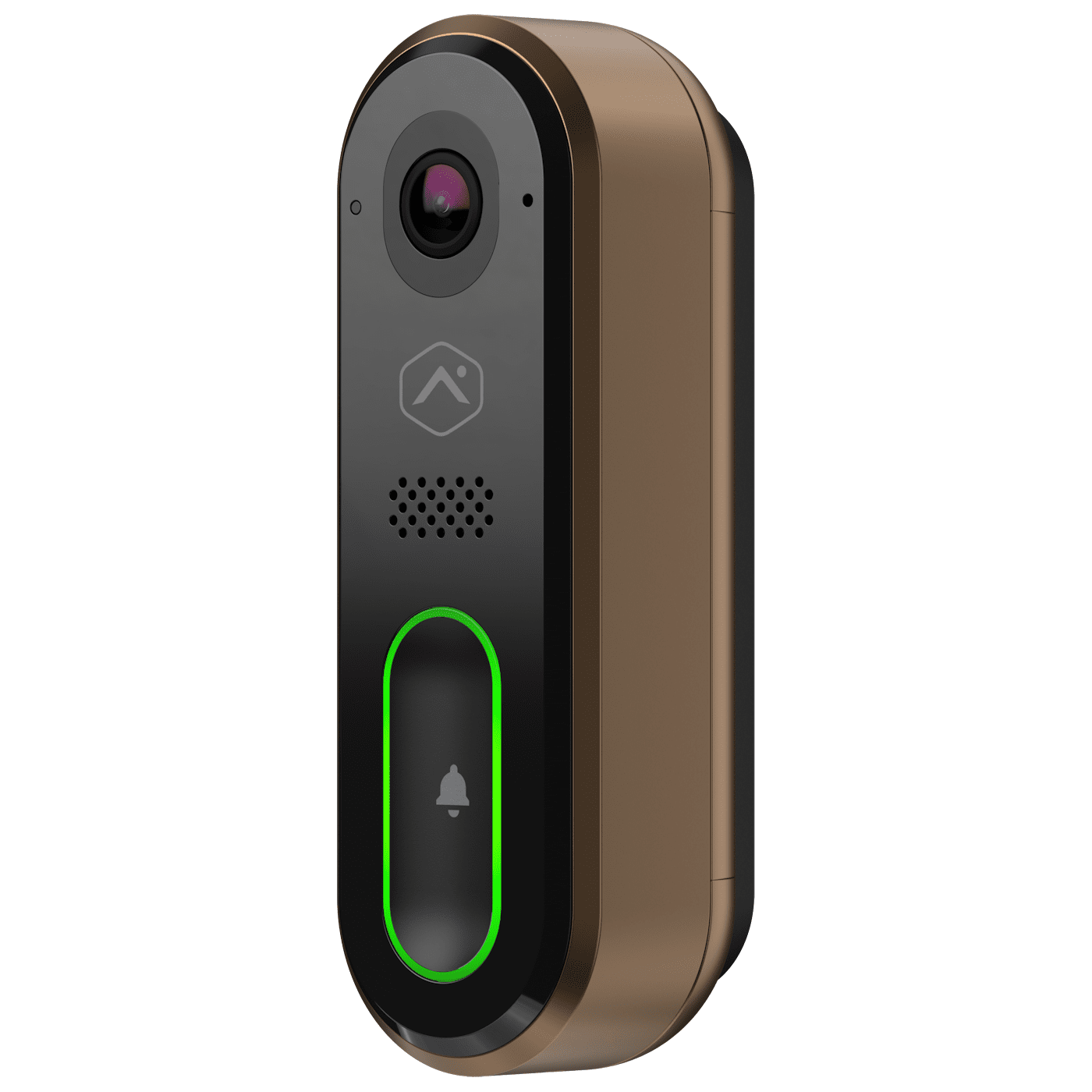
Alarm.comVDB750/770/775 video doorbells for monitored alarm and smart-home accounts.
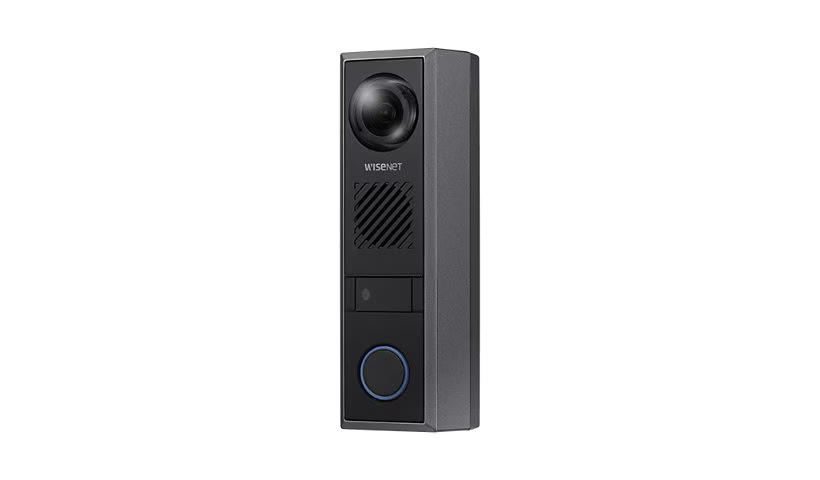
Hanwha WisenetWisenet video doorbells for pro CCTV and enterprise security stacks.
NapcoPBELL self-healing Wi-Fi HD doorbell for alarm-dealer installations.
InVidIP video doorbells for commercial surveillance and access projects.
TVT / Super Live PlusTVT video doorbells viewed in the Super Live Plus app with local recording.
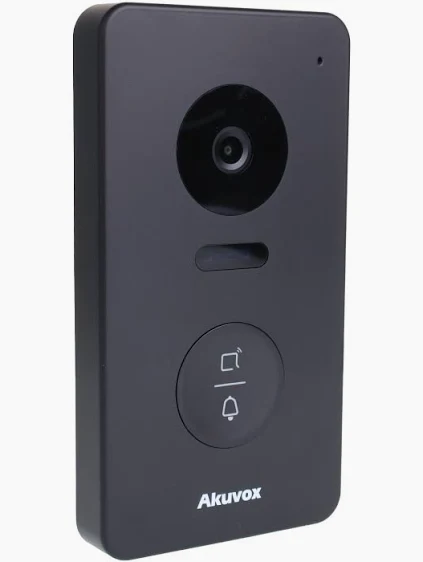
Akuvox & AiphoneVideo door stations that behave like a proper entry intercom with card access.
Video Doorbell Pro — wired install with chime-connector and transformer check.
Wi-Fi video doorbells for residential entries with two-way talk and motion alerts.
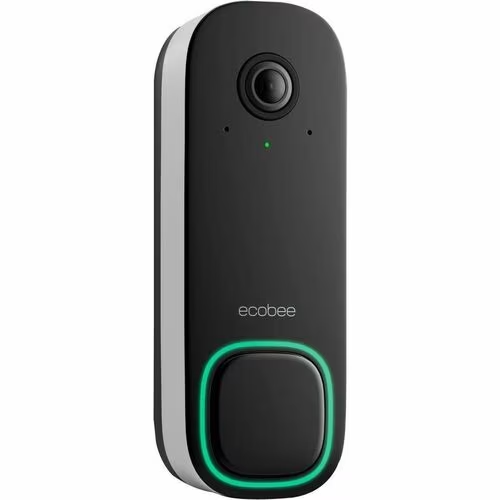
ecobee Smart Video Doorbell (wired) — integrates with ecobee smart-home and thermostat ecosystem.
Amcrest & morePoE and Wi-Fi doorbells that integrate with existing camera recorders.
Most failed doorbell-camera installs in Orange County come down to power and Wi-Fi range. A modern video doorbell draws more than the old mechanical button it’s replacing, and many older Orange County transformers can’t supply it. The symptoms are predictable: it buzzes, the chime is faint or silent, night vision drops out, live video freezes, or the doorbell keeps falling off Wi-Fi. The fix is usually a transformer upgrade to 16–24 VAC at adequate VA — not a different doorbell.
We test the actual voltage at your existing button before quoting, identify whether your chime is mechanical or digital, and install the correct chime connector or jumper so the indoor ring still works. On clapboard, fieldstone, brick, and the historic facades common across the river towns, we use the right anchors, seal every penetration against weather, and mount at the proper height (around 40–48 inches) for a clean, level result that captures faces, not foreheads.
The bigger Orange County challenge is connectivity. A weekend house on weak rural broadband, or a front door hundreds of feet from a router in a big house, often can’t hold the signal a Wi-Fi doorbell needs — the number-one reason a self-installed doorbell out here keeps reading “offline.” Part of doing this job right is knowing when to mesh-extend toward the entry, hardwire where wireless won’t reach, or set the doorbell to record locally so a flaky connection doesn’t cost you footage.
We install across every Orange County community — from Newburgh, Middletown, Monroe, and Goshen to Warwick, Chester, Cornwall, and New Windsor, the river towns of Cornwall-on-Hudson and Highland Falls, the Black Dirt farms of Florida and Pine Island, and Washingtonville, Woodbury, Highland Mills, Greenwood Lake, and Port Jervis — suburban, rural, riverfront, and estate.
All six counties — doorbell camera installation across the Hudson Valley.
Rockland County →Suburban and riverfront video doorbells across Rockland, just southeast.
Dutchess County →Suburban and rural video doorbells across Dutchess, across the river.
Westchester County →Estate, condo, and apartment video doorbells across Westchester.
Need a Repair? →Doorbell offline, won’t ring, won’t connect — same-day Orange County doorbell repair.
Older homes in the river villages — weatherproof, careful mounting that respects historic facades and survives upstate winters.
Front doors set hundreds of feet from the road — mesh nodes, relays, or a wired run so the doorbell holds signal across the property.
Doorbell cams at the home itself, paired with gate intercoms — from Tuxedo Park to Cornwall, the gate alone is never the security.
Empty most of the week — remote video entry to admit caretakers, contractors, and deliveries while you’re in the city. Local recording for weak rural broadband.
Village storefront and office entry doorbells with two-way talk for buzz-in deliveries and after-hours visitors across the Orange County.
Most doorbell jobs pair with a driveway or perimeter camera. See our Orange County camera installation.
Doorbell offline, won’t ring the indoor chime, keeps dropping Wi-Fi across a long driveway, won’t connect in the app, or dead after a transformer fault — we diagnose and repair video doorbells of every brand across Orange County, often same day.
A battery doorbell on a wood door frame with strong Wi-Fi is a genuine DIY job — mount it, charge it, pair the app. Where Orange County homeowners get stuck, and where a licensed low-voltage contractor earns the call, is power and range: testing and upgrading a transformer, wiring a chime connector so the indoor ring still works, and getting a stable signal to a door far from the router on weak rural broadband. Doing electrical work on a transformer carries a real shock risk and, done wrong, can damage the doorbell or the chime.
In Orange County the hard variables are the property and the connection: long driveways, historic facades, weatherproofing for winter, and broadband a wireless doorbell can’t lean on. We handle the voltage, the wiring, the mounting surface, and the Wi-Fi range — and we test the full chain (ring, chime, live view, motion alerts, two-way talk) before we leave, so it works the first time.
What the national cost guides get right — and what they miss about doing this job in Orange County.
Search “doorbell camera installation cost Orange County” and Google’s AI overview pulls from the same handful of national aggregators. Angi lists professional doorbell installation at $250 to $400 with a $300 average, and a smart doorbell camera anywhere from $50 to $650 depending on features. Homewyse’s 2026 calculator shows $357 to $503 per doorbell. Yelp’s cost page lands at $200 to $350, with electricians billing $100 to $250 an hour. Fixr, HomeAdvisor, and Bob Vila echo the same ranges.
Those numbers aren’t wrong — they’re national averages built around a simple suburban swap: pull the old button, mount the new one, done. A house in the village with strong Wi-Fi is exactly that. A wooded estate down a 500-foot driveway with weak broadband is where the generic figure quietly breaks down.
Every one of those guides adds the same asterisk: if your home needs a new transformer or fresh wiring, add $150 to $250 in labor. On many Orange County properties that asterisk is the rule. The transformer behind your chime may be decades old and reading below the 16 to 24 volts a modern video doorbell needs. Sometimes the front door is hundreds of feet from the router. And no national calculator prices a mesh node or a wired run to reach an entry that weak rural Wi-Fi can’t cover. None of that fits the “readily serviceable conditions.”
So the honest answer for Orange County is: a battery doorbell on a sound door frame can land near the national figure, while a hardwired install that needs a transformer upgrade or a new wiring path runs higher — and you only know which one you’re looking at after someone tests the voltage at your door. We give you the firm number after that test, not a national average copied off a cost page.
The aggregators rate “doorbell installation pros” on speed and friendliness. What they don’t capture is whether the person showing up will solve Orange County problems: a tired transformer, a signal that dies before it reaches a far-off door, weatherproofing for winter, or a gated estate where the gate is not the security. A handyman from a lead-gen list may mount a doorbell beautifully and leave it dropping offline a week later. A licensed low-voltage contractor plans the install around the property from the start.
Independent testing keeps finding the same thing: a video doorbell sits at the far edge of your Wi-Fi, behind walls and a solid exterior door, and a sustained signal of roughly -55 dBm at the mounting point is what separates a doorbell that just works from one that constantly reads “offline.” In an Orange County home far from the router on rural broadband, that signal level at the front door is not a given. We check it before we mount anything, and add a mesh node or relay when the door is starved — the single most common reason a perfectly good doorbell “stops working” a week after a DIY install.
The guides note that some brands lock recorded footage behind a monthly plan — Ring without a Protect plan only shows live view, with nothing saved. What they don’t emphasize is that you can avoid the subscription entirely. Eufy records locally to a HomeBase, Lorex writes to an on-site NVR, and several others store on a card with no monthly fee. If “no monthly bill” matters to you, we install a local-storage model and set it up that way from day one.
For most Orange County homeowners, yes — not because of the chime, but because of packages and visitors on a property where you can’t see the door from the kitchen. Seeing and speaking to whoever’s at the entry from your phone — including from the city when the house sits empty — solves the two recurring annoyances: missed deliveries and unknown visitors. The hardware is cheap; the value is an install that holds a connection across the property and captures faces, not foreheads. That’s the part the national average can’t quote.
Want the real number for your Orange County door — not a national average?
Usually yes — with a battery, wire-free model that mounts without running new wiring, paired to a plug-in chime inside. Many leases forbid drilling, so a battery doorbell or no-drill mount is the safe route. We’ll advise what your lease allows and set it up so nothing permanent is altered.
Yes. Either we install a battery doorbell with a plug-in chime — no wiring at all — or we add a dedicated transformer and run new low-voltage wire for a hardwired unit. In older Orange County homes we can sometimes reuse the wiring from an abandoned apartment intercom to power the new doorbell.
Those are classic signs of an underpowered transformer — common in older Orange County homes. Video doorbells generally need 16–24 VAC at adequate VA. We test the voltage at your button and, if it’s low, upgrade the transformer rather than swap the doorbell, which fixes the buzzing, faint chime, night-vision dropouts, and Wi-Fi disconnects.
Yes, when it’s wired correctly. Depending on whether your chime is mechanical or digital, we install the right chime connector or jumper so the indoor ring works as before. If there’s no existing chime, we add a plug-in chime so you still hear the ring anywhere in the home.
Not necessarily. Some brands charge for cloud recording, but several — Eufy with a HomeBase, Lorex to a local NVR, and others — record locally with no monthly fee. Tell us you want no subscription and we’ll set up a local-storage model.
No. A doorbell camera covers your own front door or unit. A building intercom buzzes visitors into a multi-tenant entrance and releases the lobby door for every apartment. If you manage or live in a multi-unit building and need entry for all units, that’s our intercom installation service instead.
A battery doorbell is typically under an hour. A hardwired install with a transformer check is usually one to two hours; if the transformer needs upgrading or wiring needs to be run, a bit longer. Most Orange County jobs are done in a single visit, often same day.
There’s no single answer — it depends on your wiring, how far the door sits from the router, and how strong your broadband is. On long-driveway and rural properties, signal and local recording matter as much as brand; we often pair a wired Eufy or Lorex with a mesh node. For homeowners wanting local storage and no fees, a wired Eufy or a Lorex tied to an NVR. We recommend based on your specific Orange County property after the on-site assessment.
Real questions pulled from homeowner and renter forums — answered for Orange County conditions.
If it’s a battery model on a wood frame with strong Wi-Fi, it’s genuinely DIY. The minute there’s a transformer, a chime to bypass, an old transformer, or weak signal at a far-off door — all common in Orange County — the “20 minutes” turns into a Saturday, and a miswired transformer can fry the unit. That’s the line where paying a pro pays off.
Because the $300 assumes working wiring and an easy mounting surface. Pre-war buildings often need a transformer upgrade or a new low-voltage run, and masonry mounting takes longer than vinyl siding. The honest quote depends on what’s behind your wall, which is why we test before pricing.
No. Ring and a few others hide saved footage behind a plan, but Eufy (HomeBase), Lorex (local NVR), and others record locally with zero monthly fee. Tell us you want no subscription and we install a local-storage model.
For a renter, Eufy usually wins: battery, no-drill mounting, local storage, no subscription for a one-year lease. Nest has the sharpest person/package AI detection. Ring has the most mature multi-device app if you’re adding cameras too. We’ll match the brand to whether you own or rent and how you want footage stored.
The doorbell sits at the weakest edge of your network, behind walls and a solid door. Other devices can be fine while the doorbell starves. The fix is signal at the door — around -55 dBm or better — usually a mesh node or relay near the entry. We measure it before mounting so this never becomes your problem.
Sometimes — but many video doorbells need a chime connector or a jumper across the Trans and Front terminals to power correctly and still ring the indoor chime. Get the chime type (mechanical vs digital) wrong and the doorbell buzzes or the chime won’t sound. We wire the connector that matches your chime.
It’s low voltage at the doorbell, but the transformer ties into your home’s line voltage at the panel or junction box — that side carries a real shock risk and should be handled by someone licensed. Done wrong it can damage the doorbell or the chime.
Two paths: a battery doorbell with a plug-in chime (nothing wired), or we add a transformer and run new low-voltage wire for a hardwired unit. In older Orange County homes we can sometimes reuse the wiring from an abandoned apartment intercom to power the doorbell instead of opening walls.
Classic underpowered transformer. A video doorbell draws more than the old button, and a tired pre-war transformer can’t keep up — you get buzzing, a faint chime, night-vision dropouts, or Wi-Fi disconnects. The fix is a transformer upgrade, not a different doorbell.
On a busy block the PIR sensor trips on heat — sun-warmed cars, passing crowds. We pull motion zones off the street and sidewalk, set sensitivity sanely, and on smart-detection models switch to human/package filtering so you’re alerted for a person at your door, not foot traffic.
A battery doorbell that mounts without drilling into the building structure usually stays within a lease, since nothing permanent is altered. Hardwiring or drilling the facade typically needs landlord or board sign-off. We default renters to a no-drill battery setup and a plug-in chime inside the unit.
Most allow a doorbell at your own unit door; many restrict anything that drills the common-area facade or points into a shared hallway. We install to the board’s rules and provide documentation when management asks for it.
We take over abandoned installs every week. Most of the time it’s weak signal at the door, a wrong chime-connector choice, or an underpowered transformer — all fixable in one visit without ripping anything out.
Two usual culprits: a grimy lens or sensor (the number-one cause of missed motion) and a doorbell mounted at the wrong height or angle so it captures foreheads and sky. We clean, re-aim to capture faces and the package zone, and tune detection.
Yes — a battery model with a plug-in chime needs no wiring at all.
Most wired models want 16–24 VAC, up to 40 VA, from the transformer.
No — nearly all connect on 2.4 GHz for better range through walls.
Around 40–48 inches, angled to capture faces and the package zone.
For two, a 24V 40VA transformer is usually required — we size it on site.
Local-storage models keep recording; cloud-only models pause until service returns.
A doorbell from a big-box shelf or a Ring/SimpliSafe self-install works fine on an easy door. On a wooded Orange County property with old wiring or far-off broadband rules, who does the install matters as much as the device.
A doorbell at the entry plus motion alerts catches the drop-off and the grab — the single most-requested fix across the Orange County.
Decades-old transformers under-volt modern doorbells. We upgrade to 16–24 VAC so the unit stops buzzing and the chime rings.
Brick and plaster kill Wi-Fi at the entry. We add a mesh node or relay so the doorbell holds a connection.
That dead buzzer line can often power a new doorbell cam — no wall-opening required.
We tune motion zones off the sidewalk and switch on human/package detection so alerts mean something.
We adopt abandoned doorbell jobs and get them online — usually in a single visit.
“My old transformer couldn’t handle a Nest — they swapped it, wired the chime, and now it actually rings inside. Clean work on a brick stoop.”
— Daniel M., Goshen, Orange County
“I rent and was scared to drill. They put up a battery Eufy with a plug-in chime, no holes in the building. Packages finally on camera.”
— Priya S., Newburgh, Orange County
“Doorbell kept going offline after I installed it myself. They found the signal was dead at the door, added a mesh point, done in an hour.”
— Marcus T., Warwick, Orange County
Reviews reflect individual experiences. Abstract Enterprises Security Systems — 4.7★ across 201 Google reviews.
“Most of the doorbell calls we run in the city aren’t really doorbell problems — they’re power and signal problems wearing a doorbell’s clothes. The pattern repeats: someone buys a Ring or a Nest, mounts it on a 70-year-old transformer, and it buzzes or drops offline within days. We show up, meter the transformer, and it’s reading nine or ten volts when the doorbell wants sixteen to twenty-four. New transformer, correct chime jumper, and it behaves. The other half is Wi-Fi: a router sitting in the back of a railroad apartment can’t push a usable signal through plaster and a steel door to the stoop, so we drop a mesh node in the front room and the ‘offline’ ghost disappears. On historic facades we never anchor into a seam or soft spot — we hit the brick face with the right bit and anchor so the facade stays intact. And on every rental, battery first, no holes, plug-in chime inside. Do those four things right and a doorbell that someone swore was ‘defective’ just works.”
— Lead low-voltage technician, Abstract Enterprises Security Systems
Last updated June 2026 · Pricing ranges and brand notes reviewed against current Orange County install conditions · Licensed NYS low-voltage contractor #12000287431
Pricing depends on the type of doorbell, whether your door already has working wiring, and whether the transformer needs upgrading. A battery doorbell mount-and-pair is the most affordable; a hardwired install with a transformer upgrade or new wiring runs higher. We give you a firm number after a quick assessment — no surprises, and no monthly fees on local-storage systems.
Mount, battery setup, app pairing, plug-in chime, motion tuning. Most affordable, no wiring.
Voltage test, chime connector, masonry mount, full setup. For doors with working low-voltage wiring.
Added when an old transformer can’t carry a video doorbell, or no wiring exists. Quoted after assessment.
Licensed and insured across all six Orange County counties. Call now or send a quick request and we’ll call you back within the hour.