What are you looking for?
About Us Contact Us Careers Get a Free Quote (800) 486-0943
Pick a service
✅ Got Your Own System?
🎬 Home TheatreQuote 🎶 AV SoundQuote 🔑 Access ControlQuote
Now pick your area
Pick your area
Long Island
Hudson Valley
Services available
Pricing & Tools
Pick a service for pricing
🚪 Intercom Pricing 🔔 Buzzer Repair Pricing
Calculators
📹 Camera System Calculator 🚨 Alarm Calculator ⚡ Cabling Quote Builder ✅ Got Your Own System?
Select your area
A garage entry keypad gone dark, a front door strike that will not release, or a gate to the water that stays unlocked? Mill Basin line: (347) 934-8335
Home › Access Control Installation Brooklyn › Mill Basin
Detached Houses with Attached Garages · Mill Island Waterfront · Gated Private Streets · Garden Co-ops · Avenue U, Mill Avenue & Flatbush Avenue Businesses · Marinas

Access Control
Installation in
Mill Basin

Keypads · Electric Strikes · Fobs · Gate & Garage Entry · Brooklyn Base Pricing

Access control installation in Mill Basin is mostly about houses with more than one way in: the front door guests use, the door from the attached garage the family really uses, the basement entry, and on Mill Island the gate down to the water. We put personal codes, encrypted fobs and phone keys on those doors, wire them to a battery-backed controller mounted above the flood line, and do the same for the garden co-ops of Old Mill Basin, the shops on Avenue U and Mill Avenue, and the marinas on the inlet. One controlled door with a keypad or reader, an electric strike, the wiring and ten fobs is $1,500 to $2,500 on our Brooklyn list, and a visit is booked within two hours of your call.

Reviewed and updated November 12, 2026, against News 12 Brooklyn’s June 2026 report from Mayfair Drive South, MotorBiscuit’s March 2026 report from outside Kings Plaza, News 12’s April 2026 Avenue U parking-lot report and its December 2024 package-theft report, Brooklyn Paper’s post-Sandy Mill Island report and its 2020 private-patrol report, Brick Underground’s Mill Basin guide, Homes.com’s neighborhood guide, StreetEasy’s Bay Front Estates record, NYC Parks’ Mill Basin marina listing, BK Reader’s May 2026 Kings Plaza report, the Multiple Dwelling Law, the NYC Building Code’s locked-egress sections and HPD’s Tenant Data Privacy Law page · Abstract Enterprises Security Systems, NYS license #12000287431 · technicians leave from our office at 1282 Troy Ave, Brooklyn

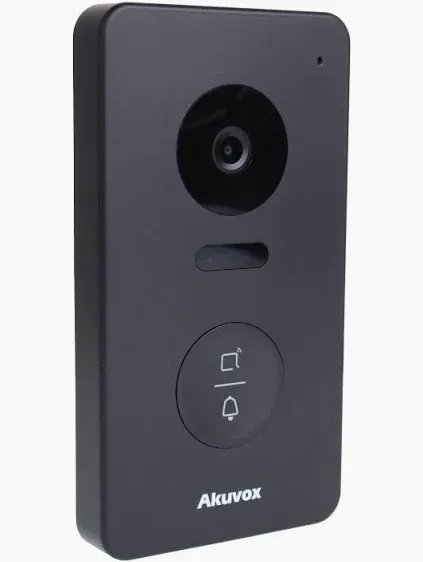
Mill Basin, Brooklyn house entry reference: a dark grey surface-mounted Akuvox door station with a round camera lens, a small indicator slot and a round button showing door and bell icons
Photo from our job library, not taken in Mill Basin: a compact surface-mounted station with a camera and a single button. On a Mill Basin house built in the 1960s or 1970s, a unit this size fits on the brick or siding beside the front door and lets the family see and speak to a caller before anyone touches the lock.
Mill Basin Door Request
House, waterfront home, co-op, shop, club or marina: tell us which doors and gates and who uses them

✅
Request Sent!
A technician will call you back about the Mill Basin property, normally within two hours during business hours.
25+
Years Experience
✓
Same-Day Estimates
100%
Licensed & Insured
4.7★
201 Google Reviews

Owner-operated since 2002 · Thousands of jobs completed · Booked within 2 hours

Quick answer: Mill Basin is priced on the Brooklyn base list. One controlled door with a keypad or reader, an electric strike, the wiring and ten fobs is $1,500 to $2,500; a keypad on a side, garage or service door is $1,500 to $2,000; a video entry panel with fob access that replaces an old doorbell or buzzer is $1,500 to $3,000; a multi-door system for a house, a co-op or a marina, managed from the cloud, is $4,000 to $15,000; and a full building system is $15,000 to $40,000. We book a visit within two hours of your call and fix the price in writing after it.

  • Text a photo of each door and gate from outside and inside to (347) 934-8335 and say who opens it today: family, grandparents, a tenant, a housekeeper, crews, staff, shareholders or boaters
  • New York State license #12000287431; tell us on the first call if a community association, co-op board or landlord has to approve the work
The Neighborhood

Why Mill Basin Properties Need Access Control

Most Brooklyn access control pages are written for lobbies. Mill Basin has very few of them. Brick Underground describes the neighborhood’s housing as mostly single-family, with about 30 percent two-family houses, and notes that the two-family houses are the only rental option inside the community. Homes.com puts the median year built at 1960 and says plainly that “many homes have driveways and attached garages,” and a broker it quotes says Mill Basin homes “were built in the ’60s and ’70s.” So the typical door problem here is not a hundred households sharing one entrance. It is one household with four or five ways in, each opened by a different set of keys, codes and remotes that nobody has counted.

Walk around a Mill Basin house and the entries add up quickly. There is the front door, which in many families is used by guests, couriers and almost nobody else. There is the door from the attached garage into the house, which is how the family actually comes and goes, often opened by a garage remote clipped to a car visor and a keypad on the outside of the garage door that has had the same code for years. There is a side or basement entry, a slider or French door to the yard, and on the blocks that back onto the water a gate down to the bulkhead or the dock. Access control starts by putting every one of those openings on a list, deciding which ones deserve a keypad or reader, and making sure the rest simply stay locked and report when they open.

This year’s news explains why families ask. In June 2026, News 12 Brooklyn reported that two people tried to “force their way inside” a home on Mayfair Drive South, struck a 34-year-old man in the head, and fled in a Mercedes-Benz G-Wagon and a Rolls-Royce taken from the property; Yeshiva World News reported that the homeowner had fired his licensed firearm and was released after security footage showed the suspects armed with a pistol. In March 2026, MotorBiscuit reported that a security guard outside Kings Plaza watched two people casing parked cars near the Flatbush Avenue parking structure, and that police found a key fob reprogrammer on one of them while the other jumped into the Mill Basin Inlet and vanished. And in April 2026 News 12 reported a carjacking in the parking lot of the Lowe’s on Avenue U in which a 72-year-old woman on her walker was struck. None of that is a reason to panic. It is a reason to think about what happens at each door before someone is standing at it, and about how many of the household’s keys, remotes and codes live in places a stranger can reach.

Mill Basin has also been here before. In 1983 the New York Times reported that the neighborhood’s private patrol cost $96,000 a year for around-the-clock coverage, and in June 2020 Brooklyn Paper reported that, citing vehicle break-ins and drug dealing, hundreds of families had pledged to fund a private patrol again, with a goal of 1,200 families at about $500 each a year. In the gated Bay Front Estates, a broker told Brick Underground, “We have our own private security that has cars on the streets 24/7.” A patrol watches the street. It does not decide who can open a particular family’s back door, and it cannot take back a code a former housekeeper still remembers. That is the part of the job a door system does.

The water shapes the work too. After Hurricane Sandy, Brooklyn Paper reported that the president of the Mill Island Civic Association took four feet of water in his home, that a neighbor on Basset Avenue had “about three feet of water in our basement,” and that floodwater rose over the bulkheads; StreetEasy lists Bay Front Estates in hurricane evacuation zone 2. Controllers, power supplies and batteries in Mill Basin therefore go up on a wall in a dry room, never on a basement floor, and the hardware on doors and gates that face the inlet is chosen for salt air. A door system that worked perfectly for years and then sat in seawater for a night is a door system that has to be rebuilt, and we plan so that does not happen.

The rest of the neighborhood is smaller in number but just as specific. North of Avenue U, the Fillmore Gardens Cooperative at 2012 Pearson Street is listed as 340 apartments in two-story walk-up buildings around courtyards, built in 1952, with laundry, a resident superintendent and a parking area in the back: many small doors instead of one lobby. Mill Basin Plaza at 5700 Avenue U, anchored by Walgreens and Home Depot, Kings Plaza on the Flatbush Avenue edge, the restaurants along Mill Avenue, the club halls on Avenue T and the marinas on the inlet all have back doors, stockrooms, offices and gates that staff, vendors and members open at different hours. Each of those is covered further down this page.

Mill Basin facts we checked before writing this page

  • Housing. Mostly single-family, about 30 percent two-family, original homes roughly 50 years old and many renovated (Brick Underground); median year built 1960, median lot 2,178 square feet, average single-family house 1,795 square feet, “many homes have driveways and attached garages” (Homes.com).
  • Gated and private communities. Bay Front Estates at Mill Basin, 34 detached houses opened in 2005 with private security patrolling (Brick Underground), described by StreetEasy as a six-acre private community and marina on the Mill Basin peninsula in hurricane evacuation zone 2.
  • Garden co-ops. Fillmore Gardens Cooperative, 2012 Pearson Street: 1952, 340 units, two-story walk-up buildings, courtyard, laundry, resident superintendent, parking area in the back (Apartments.com and broker listings).
  • Recent incidents. An attempted forced entry and theft of two vehicles on Mayfair Drive South (News 12, June 2026); a car break-in suspect caught with a key fob reprogrammer outside Kings Plaza (MotorBiscuit, March 2026); a carjacking in the Lowe’s lot on Avenue U (News 12, April 2026).
  • Packages. In December 2024 News 12 reported that Mill Basin residents were sending parcels to a local shipping store, about 100 packages a day, to avoid porch theft; one resident said thieves “look at the camera, and put their head down.”
  • Water. Four feet of water in the Mill Island Civic Association president’s home and about three feet in a Basset Avenue basement after Sandy (Brooklyn Paper); NYC Parks lists a 100-slip Mill Basin marina at Avenue Y and East 69th Street.
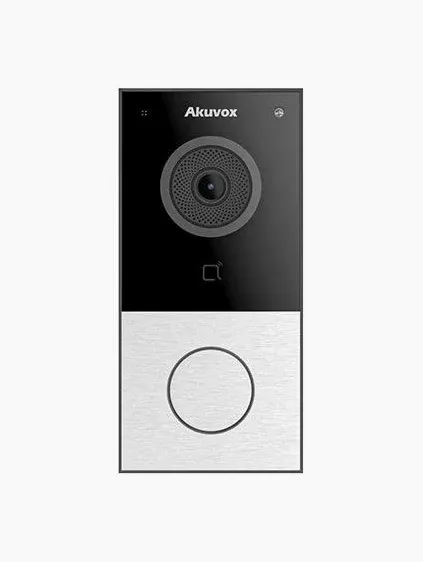
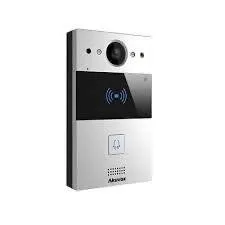
Mill Basin, Brooklyn side entry reference: a compact Akuvox door station with a black upper half holding a camera and a contactless reader symbol, and a silver lower half with one round call button
Photo from our job library, not taken in Mill Basin: a one-button station holding a camera, a call button and a fob reader in one housing. On the side door beside a Mill Basin driveway, one device like this can replace a doorbell, a separate keypad and the spare key under the mat.

Most Mill Basin families who call about a front door end up asking about the garage door and the yard gate in the same conversation, and most store owners who call about a back door ask about a camera over it. Both are covered below and priced from the same Brooklyn list.

Garage Keypad Dead, a Strike That Will Not Release or a Water Gate Left Unlocked in Mill Basin?

Not every call is a new system. If the keypad on the door from your garage has gone blank, the front door strike clicks but the door will not open, a gate to the bulkhead swings free because its lock stopped catching, or the back door of a shop on Avenue U releases and never relocks, ring (347) 934-8335 and tell us what the door is doing, or text a short video of it opening and closing. A visit is booked within two hours of the call. In Mill Basin the cause is often the setting before it is the electronics: a strike or latch that corroded in salt air, a gate post that moved after a hard winter, a door that swelled in August, or a power supply that was plugged into a basement outlet and never came back after the last storm. We work on systems other companies installed as well as our own, and we say plainly when a part is not worth repairing.

What We Install

Access Control Services in Mill Basin

These are the jobs Mill Basin households, boards and businesses ask us for most. Any of them can start with one door and grow onto the same controller later, so a family can begin with the garage entry and add the yard gate next spring, and a shop can begin with its back door and add the office when it is ready.

🚗

Garage-to-house entries

A keypad, reader or app-connected lock on the door between the attached garage and the house, so an open garage door or a stolen remote never means an open house, with each family member on a personal code.

🏠

Front, side and basement doors

Electric strikes or electrified locks on the doors of 1960s and 1970s houses, with a keypad or reader where people really enter and door contacts on the openings that should simply stay shut.

🌊

Yard, bulkhead and dock gates

Weather- and salt-rated locks and keypads on the gates between a waterfront yard and the water, set so the family can always walk down while nobody walks up uninvited.

📹

Answer-before-open entry

Video stations at the front door and the garage side door that let a family see, speak to and admit a caller from a phone or an indoor screen, so nobody has to open the door to find out who is there.

🛡️

Gated and private communities

House systems inside private developments planned around the community gate and its patrol, with crew, guest and delivery access that stops at the right property line.

🏘️

Garden co-op entrances

Readers and strikes for the many small entrances, courtyard paths, laundry rooms and parking areas of two-story co-ops, with a list the super and the board can actually manage.

🏪

Store and restaurant back doors

Keypads and readers on the back, stockroom and office doors of shops on Avenue U and the restaurants on Mill Avenue, with staff schedules and an alert when a door stands open.

⚓

Club halls and marinas

Booking-based codes for halls that are rented out, and seasonal access for dock gates and marina offices on the inlet, ending on the day the booking or the season ends.

🔁

Takeovers and repairs

Surveys of a system another company installed, a written list of what can stay, and repairs to dead keypads, corroded strikes, stuck gate locks and controllers that lost their programming.

Building Specialists

Access Control for Mill Basin’s Architecture

In Mill Basin the house tells us most of what the doors will need before we arrive. These are the six kinds of property we plan for here, and what each one usually asks of a system.

1960s and 1970s detached houses

Brick and frame houses on modest lots with a driveway, an attached garage, a basement and three to five outside doors. A small controller for the garage entry, the front door and the basement, personal codes for the family, and contacts on the slider and the rest.

Rebuilt and enlarged houses

Houses that owners have expanded or replaced, with tall entry doors, double doors, finished basements and new garages. Hardware chosen to fit factory-made doors and multipoint locks, with cable planned while walls are still open.

Mill Island and inlet waterfront

Houses whose yards end at a bulkhead, some with a dock or a slip. Controllers mounted high, salt-rated strikes and gate locks, and a water-side gate that always lets the family walk down and keeps uninvited boaters out of the yard.

Gated developments

Detached houses inside a private community such as Bay Front Estates, with a community gate and a patrol already in place. A house system that stands on its own, shares only what it must, and gives crews and guests the right property and no other.

Two-family houses

The neighborhood’s rentals, often with a tenant on one floor and the owner on the other, a shared front door and a separate side or basement entrance. Separate codes per household, and a shared door that never depends on one family’s phone.

Garden co-ops and shops

Two-story co-op buildings in Old Mill Basin with many small entrances, and one-story stores and offices along Avenue U, Mill Avenue and Flatbush Avenue. Readers on the doors that matter most, cable along the courtyards or the store’s back wall, and staff lists that end when a job does.

How the hardware changes from one Mill Basin property to the next

PropertyOpenings that matter mostUsual lockUsual credentialWhere the controller goes
1960s–70s detached houseGarage-to-house door, front door, basement or side door, yard sliderElectric strike or app-connected lock; contacts on the sliderPersonal codes, phone keys, a few fobs for childrenUpstairs closet or a high, dry spot in the garage, never the basement floor
Rebuilt or enlarged houseTall front door, double doors, new garage entry, finished basementStrike matched to a multipoint lock, or a motorized lock made for that doorCodes, phone keys, timed codes for crewsMechanical room or utility closet on the first floor or above
Waterfront houseGarage entry, front door, yard gate to the bulkhead or dockSalt-rated strike, marine-grade gate lockFamily codes, a separate code for anyone using the dockAbove the flood line inside the house, with cable to the gate in buried conduit
House in a gated communityFront door, garage entry, side-yard gateStrike or app-connected lockFamily codes, guest and crew codes that expireInside the house, on the house’s own network, not the community’s
Two-family houseShared front door, tenant’s separate entrance, basementStrike or keypad deadbolt on the shared doorCodes per household and helperOwner’s side of the house, on the owner’s circuit
Garden co-op or shopBuilding entrances, laundry, parking area door; store back door and officeElectric strike; keypad lock on service doorsFobs for shareholders, codes for staff on schedulesSuper’s office or a dry utility room; the store’s locked office

What the materials mean for the install

Most Mill Basin houses of the 1960s and 1970s were built with wood or steel entry doors in wood frames set into brick or framed walls, and many have since been re-sided, re-windowed or given new doors. A wood frame takes a strike pocket quickly; the real work is getting cable to it. In a finished house we look for the path the doorbell wire takes, the space above a garage ceiling, and the basement ceiling below the front hall, because those routes let cable reach a door without opening finished rooms. Where none of them works, a battery-powered or motorized lock that talks to the controller wirelessly is the honest answer for that one door.

The enlarged and rebuilt houses are the opposite case. Their doors are often tall fiberglass or steel units with factory-installed multipoint locks that throw bolts at the top and bottom as well as the middle, and a plain electric strike in the jamb will not release a door held in three places. For those we use hardware the door maker lists for that lock, or a motorized lock body made to drop into it, and we check the door’s warranty terms before we cut anything. Waterfront houses add one more layer: stainless or coated strikes, gate hardware rated for marine exposure, and contacts sealed against salt and spray.

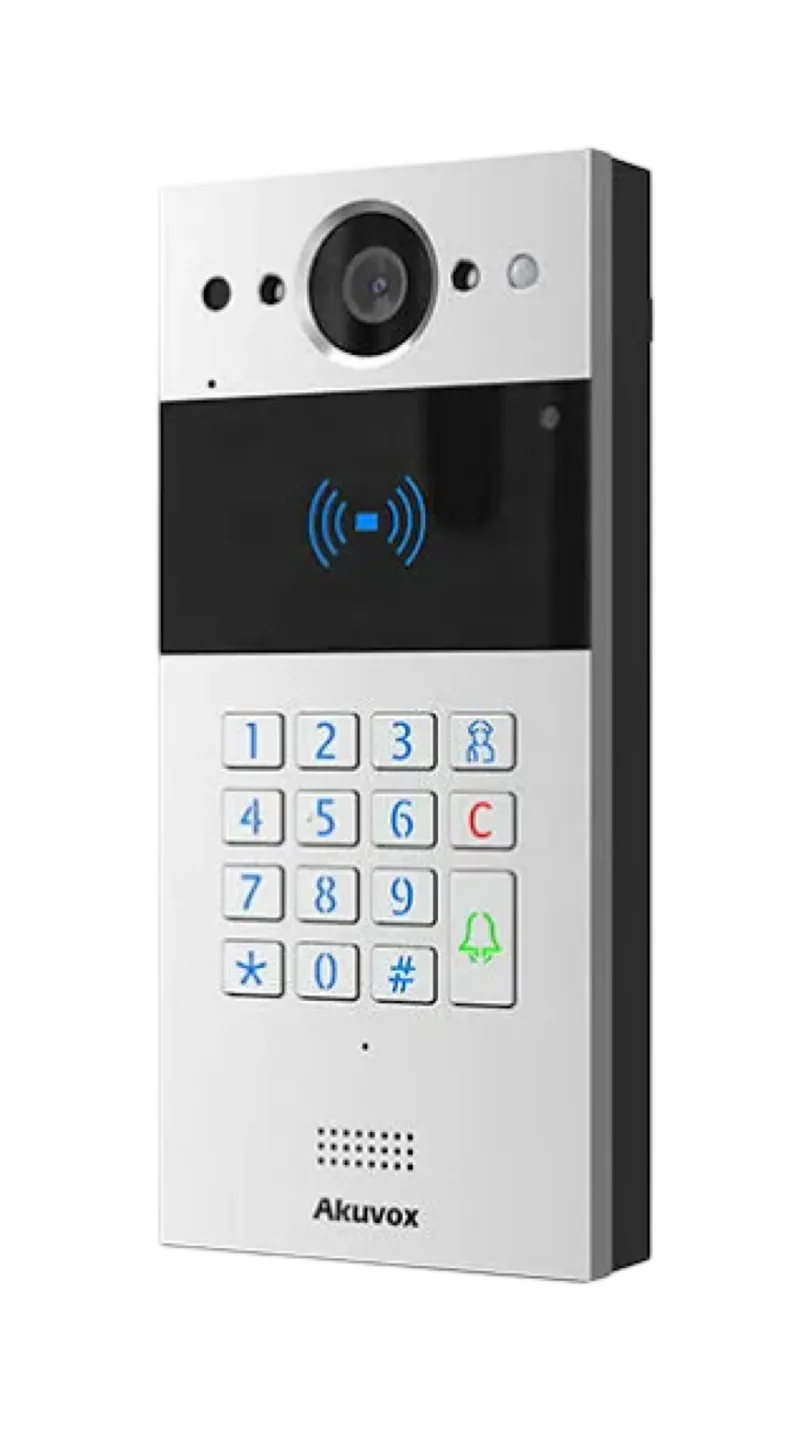
Mill Basin, Brooklyn front door reference: a tall silver-and-black Akuvox door station with a camera at the top, a contactless card reader symbol, a twelve-key keypad and a speaker grille
Photo from our job library, not taken in Mill Basin: a tall station with a camera, a keypad, a fob reader and a speaker in one housing. On the brick pier beside a Mill Basin front door, one unit like this lets grandparents use a code, children use a fob and a courier talk to whoever is home.

The Door Everyone Forgets: Garage Entries in Mill Basin Houses

Ask a Mill Basin family which door they use and the answer is usually not the front door. It is the door between the garage and the house, reached by pulling the car in and pressing the button on the visor. That door often has the weakest lock in the house, because it feels like an inside door. It is not. Anyone who can open the garage door is standing in front of it, and the garage door itself can be opened by a remote in a parked car, a keypad on the outside of the house, a phone app the family set up years ago, or a manual release cord that a coat hanger can reach through the top of some doors.

So in Mill Basin we treat the garage entry as an outside door. It gets a real lock, a keypad or reader for the people who use it, and a door contact that tells the controller whether it is shut. The garage door gets a contact too, so the system knows when the garage is open and can warn a phone if it stays open after dark. When both are on one controller, a few useful rules follow naturally: the garage entry can refuse to unlock while the garage door is up, the house can send an alert when the garage opens at three in the morning, and the code a family member uses at the garage entry can be cancelled the day a housekeeper or a nanny stops working for them, without touching anyone else’s.

The garage door opener itself stays the garage door company’s territory, and we do not rewire its safety sensors or its motor. What we do is decide, with the family, which ways of opening it still make sense. A remote that lives in a car parked on the driveway is a key left outside overnight. An outdoor opener keypad whose code half the block’s children know is a key under the mat. In many houses the cleanest answer is to keep the remotes for the cars that park inside, retire or re-code the outdoor opener keypad, and let the access system’s own keypad, beside the garage entry or at the side door, be the way family members get in on foot.

Keys, remotes and fobs that live outside the house

The March 2026 arrest outside Kings Plaza, where police found a key fob reprogrammer on a suspect, is a reminder that car keys are now radio devices, and that the tools for copying or reprogramming them are sold. In September 2025 News 12 reported from the Bronx that detectives believed thieves had captured and replayed a car fob’s signal to open a car without breaking a window, and the NYPD advice quoted in that report was to keep fobs in a Faraday box, away from doors and windows. For a house, the lesson is narrower and practical: the house’s own credentials should not be the kind a cheap copier can duplicate, and nothing that opens the house should be left in a car on the driveway.

That means encrypted fobs and phone keys rather than the older 125 kHz fobs, garage remotes that stay with the drivers rather than clipped to every visor, and a key override cylinder on the house that is not on the same ring as the car keys hanging by the garage entry. None of this needs a new habit beyond where a few things are kept. It is the difference between a house whose ways in can be counted and one whose ways in are scattered across the driveway.

Flood Lines, Salt Air and Long Outages: Door Systems for Mill Island and the Inlet

On the blocks along the water, the first question about a door system is not which reader to buy. It is where the electronics live. After Sandy, Brooklyn Paper reported that the president of the Mill Island Civic Association had four feet of water in his home and lost two vehicles, that a Basset Avenue basement took about three feet, and that the water came up over the bulkheads. He also attributed part of his flooding to sewer backups as well as the surge, and remarked that “the flood was very selective”: every house on his block flooded while houses across Gaylord Drive did not. A controller and battery on a basement shelf in a house like that would have been underwater, and the doors upstairs would have been left on whatever the lock does with no power at all.

So on Mill Island and the inlet blocks we mount the controller, its power supply and its battery on a wall well above the floor, in a dry room on the first floor or higher: a hall closet, a utility room, the top of a garage wall where the garage sits above the flood line. Cable from there drops to each door. Anything that has to sit low, such as a request-to-exit sensor or a contact on a basement door, is a sealed type that can be replaced cheaply, and it is wired so that losing it does not take the rest of the system down. A cable run to a gate at the bulkhead goes in conduit with sealed connections at both ends, because salt water wicks along an open cable into whatever it is plugged into.

Long outages are the second planning question. After a coastal storm, power can stay off for days, and a battery sized for a normal outage will not last that long. That is why we choose, door by door, what each lock does when its battery is finally empty. On most house doors that is fail-secure: the door stays locked from outside and always opens from inside with the handle, and the family gets in with the override key. The override key therefore matters more here than in most of Brooklyn. It should be a restricted key, held by a few people, kept somewhere other than the car, and tested once a year, because the night it is needed is the night nothing else is working.

Salt-rated hardware where the doors face the water

Doors and gates that face the inlet live in salt air every day, not just during storms. Plain steel strikes and latches pit and stick, keypad buttons stiffen, and the screws holding a gate lock to its post rust in place. On those openings we specify stainless or coated strikes and latches, keypads with sealed fronts, and gate locks built for marine exposure, and we mount readers under an overhang or on the less exposed side of a post where the layout allows. We also tell owners honestly that hardware on a gate twenty feet from the water needs a look and a clean every year, and that a lock which survives a decade there has been looked after.

After the water goes down

If a storm does reach the equipment, the system should not simply be switched back on. Water that reached a power supply, a battery or a controller means replacement, not drying out, and a strike or contact that sat in seawater gets tested before it is trusted. We check every door on battery and on mains, confirm that the override key still turns, and print the list of active credentials, since neighbors, adjusters and contractors given temporary codes during the cleanup should lose them when the cleanup ends.

Mill Basin, Brooklyn waterfront door reference: a narrow Akuvox door station with a black glass top section holding a camera and a brushed silver lower faceplate with one round button
Photo from our job library, not taken in Mill Basin: a narrow station with a glass camera section and a brushed silver faceplate. On a Mill Island house, a sealed unit like this belongs under the entry overhang, with its controller indoors and well above the floor.

Private Streets and Shared Gates: Houses Inside Mill Basin’s Gated Communities

Bay Front Estates is the best-known example. Brick Underground describes it as a gated community of 34 detached houses that opened in 2005, and StreetEasy describes a six-acre private community and marina on the Mill Basin peninsula. A broker quoted by Brick Underground said the community has “our own private security that has cars on the streets 24/7,” and another called the area “really country living in Brooklyn.” Families who buy into a place like that already have a gate, a patrol and a set of community rules. The question they bring us is what their own house still needs, and how it should relate to the community’s systems.

Our answer is that the house system should stand on its own. The community gate decides who reaches the street; the house decides who reaches the house. If the two are merged into one app and one list of names, the community’s managers, its gate vendor and every future board can see who opens a family’s doors, and a problem with the community system becomes a problem at every front door. We keep the house controller on the house’s own network, with its own administrator, and share only what is genuinely useful: for example, the house can tell the family’s phone when a guest code was used at the front door, and the family can separately issue that guest a community gate pass through whatever process the community runs.

Crews are the part that needs the most thought. Landscapers, pool and window cleaners, snow contractors and housekeepers often work several houses on the same private street. Each family should give each crew its own code, valid on the days and hours the crew works, opening the side-yard gate or the garage side door it needs and nothing inside the house. When a family changes landscapers, it cancels one code. Nobody has to collect a key from a crew that no longer comes, and nobody else on the street has to change anything.

What the community’s rules may require first

Private communities and their associations often have rules about what may be mounted on the outside of a house, the color of hardware, and whether owners can install anything on a shared wall, fence or gate. Before we quote work that touches the outside of a house in a gated development, we ask the owner for the community’s architectural rules or the managing agent’s contact, and we describe the devices, their size, their finish and where the holes go in a one-page note the owner can send for approval. On the house’s own doors that approval is usually quick; on anything shared, it is the community’s decision, not ours.

Marina gates and the water side

Where a house or a community includes slips, the dock is a second front door. People can arrive by boat or kayak as easily as by car, and a gate at the head of a dock or the top of a bulkhead stair is the only thing between the water and the yard. That gate should lock against the water side and always open from the land side, so the family can walk down to the water at any time while anyone coming up from a boat needs a code or a release from the house. A keypad on the water side, rated for marine exposure, lets the family and anyone they choose come up from a boat, and a contact tells the house when the gate opens. For the larger marinas on the inlet, such as the 100-slip Mill Basin marina that NYC Parks lists at Avenue Y and East 69th Street, the same principles scale up to codes for slip holders and staff that end with the season.

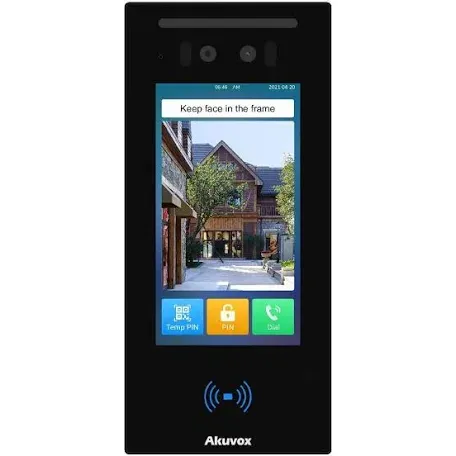
Mill Basin, Brooklyn community gate reference: a tall black Akuvox entry panel with two cameras at the top, a large touchscreen showing a building photo and on-screen buttons, and a contactless reader symbol beneath
Photo from our job library, not taken in Mill Basin: a tall entry panel with two cameras, a touchscreen and a fob reader. A panel of this size suits a community gate or a marina entrance; the individual houses behind it usually need something far smaller at their own doors.

Answering the Door Without Opening It: What the Mayfair Drive South Attack Teaches

The June 2026 report from Mayfair Drive South is short on detail. News 12 said two people tried to “force their way inside,” that a 34-year-old man was struck in the head, and that the suspects fled in two vehicles from the property; it reported no arrests at the time. Yeshiva World News added that security footage showed the suspects armed with a pistol. We do not know how the attackers reached the door, and we will not guess. What every household can take from it is that the moment of greatest risk at a house is the moment someone opens a door to find out who is outside.

Access control changes that moment in three ways. First, a video station or a camera-equipped keypad at the front door and the garage side door lets the family see and speak to a caller from a phone or an indoor screen without unlocking anything, and admit a known visitor remotely if they choose. Second, the door stays latched until someone releases it on purpose: an electric strike holds the door shut even while a person inside is talking through the station, so there is no half-open door with a chain on it. Third, the controller can lock every controlled door at once from one button or the app, which is what a family wants if someone is trying the side door while another person is at the front.

Hardware matters as much as electronics here. A strike is only as strong as the frame it is screwed into, so on a front door that faces the street we use a heavy-duty strike, long screws into the framing, and a reinforced latch area. A door with a glass panel beside the handle needs a lock that cannot be opened by reaching through broken glass. And a door that is opened by a person inside should be one where the person can see out before deciding to, which is often a better investment than any reader.

What a door system will not do

No lock or reader stops a determined attacker who is already through the door, and we do not sell access control as personal protection. It reduces the number of times a household has to open a door to a stranger, it keeps doors locked by default instead of by memory, and it records what happened. Cameras, lighting, an alarm with a monitored panic button and a call to the 63rd Precinct when something seems wrong are separate tools, and the ones that matter most after an incident like this one.

Many Small Doors: Garden Co-ops North of Avenue U

The Fillmore Gardens Cooperative is the clearest example of apartment living in Mill Basin, and it looks nothing like a lobby building. Listings describe 340 apartments in two-story walk-up buildings, upper and lower units, courtyards, laundry, a resident superintendent and a parking area behind the buildings; one listing gives 1952 as the year built and another gives 1955 for a building on East 56th Street. Instead of one front door shared by hundreds of households, a garden co-op has dozens of small entrances, each shared by a handful of apartments, plus courtyard paths, laundry rooms, storage and the parking area.

That shape changes the economics. Putting a reader and strike on every building entrance is the most thorough answer and the most expensive, because every entrance needs its own lock, cable and power. Controlling the paths into the courtyards is cheaper per household but leaves every building door on keys, and it only works if the courtyards are genuinely enclosed. In practice most boards start with the doors that lead to shared rooms everyone uses and nobody watches, such as the laundry and storage, plus the entrances nearest the street and the parking area, and add the rest building by building as the budget allows. A networked controller with door modules near each cluster of buildings keeps the cable runs short and lets the super manage one list.

Garden co-ops have their own people questions. Shareholders in these buildings have often lived there for decades: a News 12 report from East 59th Street in April 2025 quoted a Fillmore Gardens resident of more than 50 years. Long-time residents, their aides, their adult children and their neighbors have keys that were cut years ago. A conversion has to give each of them a credential they can actually use, which for some is a fob, for others a keypad code and for a few a phone key, and it has to keep a mechanical way in that the super controls for anyone who has trouble with all three.

What the law expects of the entrances

Co-op apartment buildings are multiple dwellings under New York law. Multiple Dwelling Law section 50-a requires self-closing, self-locking entrance doors in class A multiple dwellings erected or converted after January 1, 1968, and an intercom with voice and a remote door release where a building has eight or more apartments; in buildings erected before that date, the same equipment is required when a majority of the tenants ask for it in writing. The Attorney General’s tenants’ guide puts it plainly: in buildings with eight or more apartments, tenants “must be able to ‘buzz’ open the entrance door for visitors.” How those rules apply to a complex of many small attached buildings is a question for the co-op’s attorney. Our practical answer is to design every entrance so that the apartments behind it can still talk to and release a visitor, whatever the count, and never to remove an intercom when fobs go in.

Where any part of a co-op is rented to tenants, HPD’s summary of the Tenant Data Privacy Law also applies to fobs, apps and other smart access: owners must get consent, provide a written privacy and data-retention policy, collect only minimal data and may not require smart access for a tenant to enter their own apartment. We set systems up to keep as little data as the board needs.

Commercial Access Control

Business Access Control in Mill Basin

Mill Basin’s businesses sit on a few streets at its edges, and each street has a different kind of door. Brick Underground calls Mill Basin Plaza at 5700 Avenue U the main shopping center, anchored by Walgreens and Home Depot, notes that Key Food is the only major supermarket in the community, and places Kings Plaza just outside it. Homes.com says restaurants are mostly along Mill Avenue. Around them are offices, club halls and the marinas on the inlet.

Avenue U

Mill Basin Plaza’s big-box and pharmacy tenants, the Lowe’s whose parking lot News 12 reported on in April 2026, and smaller stores and offices along the avenue. The usual job is a keypad or reader on a stockroom, office or back door, with codes that end the day someone stops working there.

Flatbush Avenue and Kings Plaza

BK Reader calls Kings Plaza Brooklyn’s only enclosed super-regional shopping center, with Macy’s, Primark, Zara, Sephora, American Eagle and Target and new stores added in spring 2026. Stores there follow the landlord’s rules; offices and businesses along Flatbush Avenue nearby control their own doors.

Mill Avenue

Restaurants and cafés whose kitchens open onto a back lot or alley. A kitchen door that cooks use all night needs a code or fob for re-entry and an alert when it is left open, so nobody props it with a milk crate.

Avenue T and the club halls

Community and political clubs, such as the Thomas Jefferson Club at 5809 Avenue T, where the Mill Basin Civic Association held its November 2025 meeting. Halls used by members, renters and the public at different hours need codes that follow the calendar.

The marinas on the inlet

The Mill Basin marina at Avenue Y and East 69th Street and Kings Plaza Marina at 2565 Flatbush Avenue. Dock gates, offices and storage need seasonal codes for slip holders and staff, and hardware that survives salt air.

Shipping, offices and services

Small service businesses, including the local shipping store News 12 described holding about 100 packages a day for residents. Rooms full of other people’s property need a back-room door that stays shut while staff work the counter.

Small shops and the staff door

The access control a small Mill Basin shop needs is modest on purpose. One keypad or reader on the back or stockroom door, a personal code for each person, a schedule that stops staff codes working outside business hours, and an alert to the owner’s phone if the door opens after closing. In a shopping center, the landlord usually controls the shared receiving corridors and the building’s exterior, so we put the tenant’s own hardware on the tenant’s side of its own door and get the landlord’s written consent before drilling. On the Brooklyn list a keypad on a personnel or service door is $1,500 to $2,000.

The April 2026 carjacking in the Lowe’s lot is a reminder of what a door system can and cannot do for staff. It cannot make a parking lot safe. It can make sure the last employee out leaves by a door that locks behind them without a key, sees outside through a camera or a window before stepping out, and is not the only person who knows the alarm code. Lighting, cameras on the lot and walking out in pairs do more for the walk to the car than any lock.

Clubs, halls and congregations

Mill Basin’s community spaces have a pattern that access control handles well: a building used by a few people most of the week and by a crowd at set times. A hall that is rented out for meetings and parties needs a code that works only during each booking; a club with members needs member credentials that end when membership does; a congregation needs a front door that opens for services and locks between them. All of it can follow a calendar the manager edits, with the doors always opening from inside as exits.

Rules that apply to Mill Basin business doors

  • Exits always open. Under the NYC Building Code, an electrically locked door on an exit path must unlock on loss of power and when the fire alarm or sprinklers activate, a request-to-exit sensor on the egress side must release it, and a magnetic lock must be released by hardware on the door that works with one hand. A shop, restaurant or hall exit always opens from inside without a key, code or card.
  • Listed equipment. Controllers and locks on exit doors should be listed to UL 294 for access control; we fit listed equipment and keep the listings in the job file.
  • Apartments above or behind. Under Multiple Dwelling Law section 50-a, the entrance of a covered multiple dwelling must be self-closing and self-locking, and a building with eight or more apartments needs an intercom with voice and remote release. A store that shares an entrance with apartments cannot leave that door on a daytime unlock schedule.
  • Tenant data. Where a building with apartments uses fobs, apps or other smart access on residential doors, the Tenant Data Privacy Law applies to those doors; a shop’s own staff door is not covered.
  • Electrical work. Abstract Enterprises Security Systems does the low-voltage side under New York State license #12000287431. The 120-volt outlet a power supply plugs into is ordinary electrical work for a licensed electrician, and we tell you before the job if one is needed.
  • Your lease. Most commercial leases require the landlord’s written consent for alterations. We give you a one-page description of the work, the devices and the holes, to send with the request.
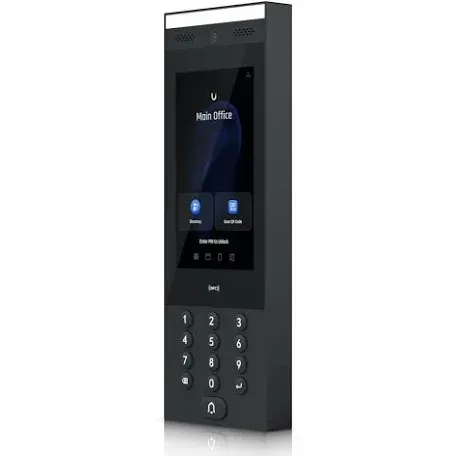
Mill Basin, Brooklyn office entry reference: a tall dark entry panel with a small camera, a screen showing a Main Office directory listing and a numeric keypad below
Photo from our job library, not taken in Mill Basin: an entry panel whose screen lists a main office above a keypad. At a club hall or a building of offices near Flatbush Avenue, a directory like this sends a visitor to the right desk and lets staff use a code at the same panel.
Your Questions Answered

Access Control in Mill Basin: Questions Answered

Houses with driveways and attached garages

Thieves caught outside Kings Plaza in March were carrying a key fob reprogrammer. If someone gets into the car in our driveway, can the garage remote on the visor get them into the house?

It can get them into the garage, and in many houses that is most of the way in. A garage remote is a key that opens a large door, and a car on the driveway is the easiest place in the neighborhood to find one. If the door from the garage into the house is locked only with a thumb-turn, or not locked at all because it feels like an inside door, the remote is effectively a house key left outside. MotorBiscuit’s report did not say the suspects were after garage remotes, and we are not suggesting they were; it simply shows that car interiors are being entered with tools.

Two changes close the gap. Remotes stay in the cars that park inside the garage, or on the driver’s key ring, not in cars that sit outside. And the garage-to-house door gets a real lock on the access system, with a keypad or reader for the family and a contact that reports when it opens, plus a contact on the garage door so the house can refuse to unlock that inner door while the garage is open, and can alert a phone if the garage opens at night. A stolen remote then opens an empty garage and sends a message.

Our garage door opener has its own keypad outside, with a code the family has used for years. Should the new system replace that keypad or work around it?

Usually it should retire it, or at least change the code and stop relying on it. An opener’s outdoor keypad typically takes one code, or a few, shared by everyone; it keeps no record of who used it; and in many houses the code has been given to relatives, neighbors, dog walkers and the children’s friends over the years. It cannot tell you whether the cleaner or the old contractor still knows it. The access system’s keypad can do all of that, with a personal code for each person and a log.

The usual arrangement in Mill Basin is to put the access keypad at the side door or beside the garage entry, so people on foot use that, and either remove the opener keypad or set a new code known to the drivers only. If the family wants to open the garage door from the access system too, the controller can trigger the opener through the opener’s own wall-button input, without touching its motor or its safety sensors; that work stays within what the opener maker allows, and anything beyond it is for the garage door company.

Mill Basin neighbors pay a shipping store to hold their packages. Could a courier leave ours inside the garage instead, without being able to reach the house?

Yes, if the garage entry is secured first. In December 2024 News 12 reported that Mill Basin residents were sending parcels to a shipping store in the neighborhood, about 100 packages a day, after porch theft, and that one customer had lost more than $500 in stolen packages. A garage delivery works only when the door from the garage to the house is locked on the system and stays locked while the garage is open, so a courier who is let into the garage is let into the garage and nowhere else.

The garage door can then be opened for a delivery in one of two ways: the family opens it from the app when the courier rings the station and closes it when the courier leaves, or a one-time code at the garage keypad does both. A camera inside the garage records the drop. If the garage holds tools, bikes or a second freezer the family would rather not show strangers, a lockable parcel cabinet just inside the garage door is the better answer, and the courier never needs to step in.

Three generations share our house, and the grandparents will not use phone apps. Can everyone use the same door in their own way?

Yes, and this is one of the main reasons to put in a controller rather than a single smart lock. A controller-based door accepts several kinds of credential at once: a code on the keypad for the grandparents, a fob on a lanyard for a child who forgets codes, a phone key for the parents, and a restricted mechanical key for emergencies. Each person has their own, and cancelling one never affects the others. A forum thread we read during research makes the same point from the other direction: one homeowner gave up on fobs because the children kept losing them and went back to a keypad.

The details matter for older users. A keypad with large, backlit buttons that click, mounted at a comfortable height and lit at night, is easier than a touchscreen. Codes can be a familiar number of a few digits. And the door can stay unlocked for a set time after a code is entered, so nobody has to code in and push at the same moment while carrying groceries. We set each person up in person on handover day and leave written instructions in large type.

Mill Island and the waterfront

Our yard ends at a bulkhead on the water. Can people arriving by boat or kayak be kept out of the yard while we can always walk down to the dock?

Yes. The opening between the bulkhead and the yard gets a gate, or the existing gate gets a lock, that is locked from the water side and always opens freely from the yard side with a lever or push handle. The family can always walk down to the dock without a code and comes back up with a code, a fob or a release from someone in the house; nobody arriving by water reaches the yard without a code or a release from the house. A contact on the gate tells the house whenever it opens.

The hardware has to suit the location. A gate at the bulkhead lives in salt spray and flood water, so the lock is a marine-rated type, the keypad on the water side is sealed, and the cable runs back to the house in conduit with sealed ends, with the electronics indoors above the flood line. Where running a cable to the bulkhead is impractical, a battery-powered gate lock that reports to the house is a reasonable choice for that one gate, provided someone changes its batteries on a schedule.

When Sandy came, water rose through the sewer as well as over the bulkheads. Should the exit button and door sensor on our basement door be different from the ones upstairs?

Yes. Brooklyn Paper reported after Sandy that the Mill Island Civic Association’s president blamed part of his flooding on sewer backups as well as the storm surge, which means water can arrive in a basement from below even when the doors hold. Any device that has to be near a basement door, such as a request-to-exit sensor, a push-to-exit button or a door contact, should be a sealed type, mounted as high on the frame or wall as it can usefully go, and wired back to a controller that sits upstairs. A flooded sensor should be a cheap part to replace, not the end of the system.

The basement door’s lock deserves the same thought. A strike or lock that sat in water may still click but bind, so we prefer hardware on basement doors that fails secure and opens mechanically from inside, and we test it after any water event. If the basement has an outside stair, the door at the bottom is often the most exposed entry in the house to both water and people, and it is worth a contact and an alert even if it never gets a keypad.

Gated streets and private communities

Our gated community already runs a system at its front gate. Should our own house system share that app and list of names, or stay separate?

We recommend keeping them separate. The community gate and its patrol decide who reaches the street, and that system is run by a board, a managing agent and whichever vendor they choose, any of whom may change. A family’s own doors decide who reaches the house, and the people with access to that list and that log should be the family and nobody else. Merging the two means the community’s administrators can see who opens your doors and when, and a failure or a vendor change at the gate becomes a problem at your front door.

Separate does not mean disconnected in practice. The house system can still notify your phone when a guest uses the code you gave them, while you register the same guest at the community gate through the community’s own process. If the community allows it, a visitor who rings the gate can be routed to the station at your door. What we avoid is one shared database of every household’s door activity.

The same landscaping and pool crews work several houses on our private street on the same morning. Can a crew get through the community gate and into only the yards it serves?

Into only your yard, yes; the community gate is the community’s decision. Each household that uses the crew gives it a code on its own system, valid on the crew’s days and hours, opening the side-yard gate or the garage side door the crew needs and nothing inside the house. Because each household issues its own code, a crew that works five houses carries five codes and can open five sets of gates on its scheduled mornings, and none of the households can see or change the others’ settings.

The community’s part is getting the crew’s truck through the main gate, which it handles through its own vendor list or guard. When a household changes landscapers, it cancels one code that afternoon. Nobody has to retrieve a key, and nobody else on the street changes anything. We also suggest one code per crew, not per worker, only where the crew is a company the household trusts with that; otherwise each regular worker gets their own.

Garden co-ops in Old Mill Basin

Our garden co-op is many two-story buildings around courtyards. With a limited budget, is it better to lock the paths into the courtyards or put a reader on every building door?

Start with the doors that protect shared rooms and the entrances nearest the street, not with either extreme. Readers on every building entrance give the most control, but each entrance needs its own strike, cable and power, which multiplies cost across dozens of doors. Locking the paths into the courtyards is cheaper per household, but it only works if the courtyards are truly enclosed, and it leaves every building door on old keys. Most boards get the most value first from the laundry, storage and parking-area doors, which everyone uses and nobody watches, plus the building entrances that face the street.

The system should be designed for the whole complex from the start even if it is installed in phases: one networked controller, door modules near each group of buildings to keep cable runs short, and a single list the super and the board manage. Then each phase adds doors to a system that already works, rather than another standalone lock with its own codes.

Each of our co-op’s buildings has only a handful of apartments, but the co-op has hundreds. Does the intercom rule for eight or more apartments count per building or for the whole co-op?

That is a legal question for the co-op’s attorney, and we will not pretend otherwise. Multiple Dwelling Law section 50-a is written for each multiple dwelling: it requires self-closing, self-locking entrance doors in class A multiple dwellings erected or converted after January 1, 1968, and an intercom with voice and remote release where there are eight or more apartments, with older buildings required to install them when a majority of tenants request it in writing. Whether a row of attached two-story buildings counts as one dwelling or several depends on how they were built and filed.

Our design answer does not depend on the count. Every entrance we put on fobs keeps a way for the apartments behind it to talk to a visitor and release the door, either through the existing intercom or a station with a reader built in, and we never take an intercom out because fobs went in. That keeps the co-op on the safe side of the rule whichever way its attorney reads it.

Shops, restaurants and halls

Our club hall is rented out for parties and meetings. Can each renter get a code that works only during their booking?

Yes. The hall’s manager creates a code for each booking, valid from an hour or so before the event to an hour after it, on the doors the renter needs: usually the main entrance and the kitchen or storage door, not the office or the bar store. The code stops working by itself when the booking ends, so nobody has to remember to collect a key the next morning, and a renter who shares the code with a caterer has shared something that expires on schedule.

Members and staff keep their own credentials with their own hours. The log shows which code opened which door and when, which settles most arguments about who left the side door open. Every door still opens from inside without a code, because it is an exit, and on fire alarm the electric locks release. If the hall also hosts public meetings, those can run on a scheduled unlock with a staff member present.

Cooks at our Mill Avenue restaurant step out the back door all night. Can they get back in without propping it, and can we know when it is left open?

Yes. The back door gets a reader or keypad on the outside and a door contact. Kitchen staff use a fob or code to come back in, so there is no reason to wedge the door with a crate, and the contact starts a timer every time the door opens. If it stays open longer than the set time, a sounder at the door chirps first, and then the manager’s phone gets an alert. A door that is propped every night shows up in the log, which tells the owner where the habit lives.

For deliveries, a short scheduled hold-open in the morning can be set, during which the door can stand open without alerts, and the rest of the day it closes and locks by itself. The door still opens from inside with one push, as an exit must, and the system releases it on fire alarm. A camera over the door, booked on the same visit, lets the manager match an alert to a picture.
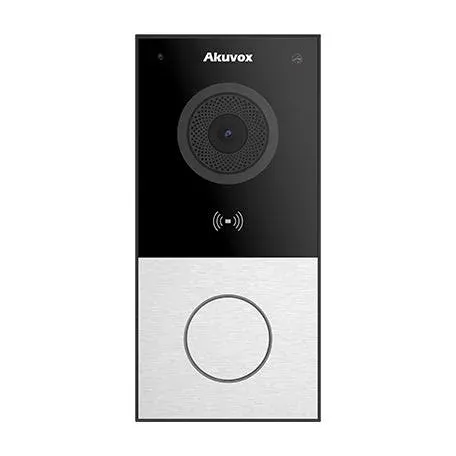
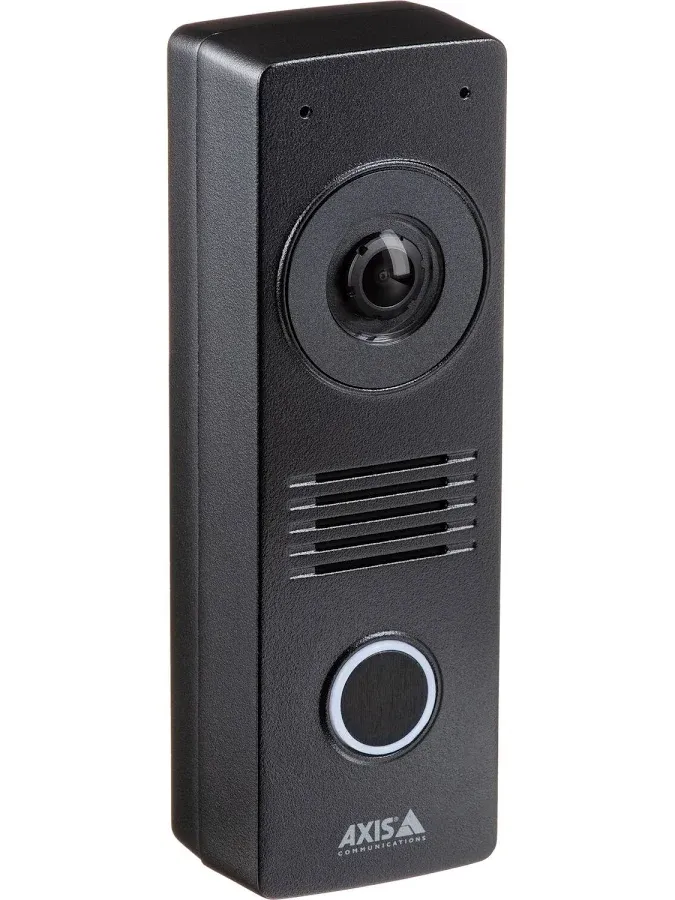
Mill Basin, Brooklyn garage side door reference: a narrow black AXIS video door station with a camera at the top, a speaker grille and a call button with a lit ring
Photo from our job library, not taken in Mill Basin: a narrow video station made for a door frame. Beside the garage side door of a Mill Basin house, a station like this lets the family see a courier and open the garage for a delivery without opening the house.
Equipment

Types of Access Control We Install in Mill Basin

Heavy-duty electric strikes

Fail-secure strikes for wood and steel house frames, screwed into the framing rather than just the jamb, so the door holds against a shoulder and always opens from inside with the handle.

Multipoint and motorized locks

Motorized lock bodies and listed strikes for tall fiberglass and steel doors with top, middle and bottom bolts, used where a plain strike cannot release the door.

Keypads and readers

Backlit keypads with physical buttons, encrypted fob and card readers, and phone keys, chosen for the people at each door, with sealed fronts where the door faces the water.

Video entry stations

One-button stations for houses and directory panels for co-ops and halls, with a reader built in, answering on phones and indoor screens so nobody has to open the door to see who is there.

Marine-rated gate locks

Gate locks, closers and keypads built for salt air at bulkhead stairs, dock heads and yard gates, with cable in sealed conduit or a reporting battery lock where cable cannot go.

Contacts, exit sensors and alerts

Door and garage-door contacts, sealed exit sensors for basement doors, and held-open and forced-door alerts that reach the right phone without alarming the whole family.

Controllers and batteries

Controllers that keep every enrolled credential on site so doors work with the internet down, mounted high and dry, with batteries sized for the doors they carry.

Restricted override cylinders

Mechanical key cylinders on a restricted keyway held by a few people, for the day the battery is empty after a long outage and nothing else works.

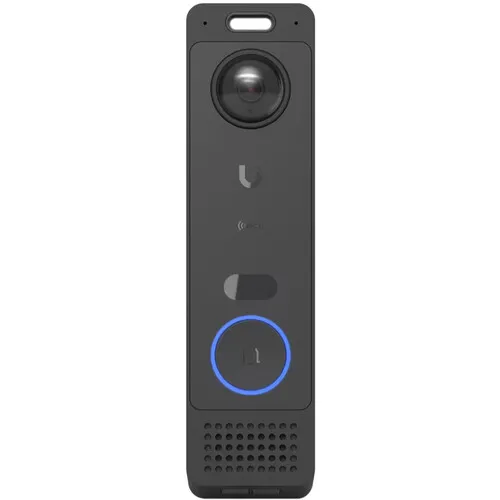
Mill Basin, Brooklyn equipment reference: a slim black entry device with a wide camera lens at the top and a blue lit ring around a button near the bottom
Photo from our job library, not taken in Mill Basin: a slim entry device with a wide-angle lens and a lit call button. A lit ring helps a visitor find the button at a side door off a dark driveway or at a club hall’s back entrance after an evening event.

ADT, Ring, SimpliSafe and a local installer at a Mill Basin house

Many Mill Basin households already own part of a solution: a national alarm company’s panel, a battery smart lock or doorbell from a big-box store, a garage door opener with an app. Each covers one piece. An alarm tells you a door opened when it should not have, but does not decide who may open it. A battery smart lock works on one door, until its batteries or its Wi-Fi give out. An opener app controls the garage door and nothing else. An installed system starts with the doors themselves, ties them to one list of people, and keeps working on site when the internet or the power is out.

QuestionNational alarm plan (ADT and similar)DIY smart lock or doorbell (Ring, SimpliSafe and similar)Abstract Enterprises Security Systems installed system
Controls the garage entry, front door, side door and water gate on one listNo; reports openingsOne door per device, separate appsYes
Keeps working with no internetPanel yes, entry noLimitedYes, credentials stored on site
Electronics placed above the flood linePanel location variesOn the door itselfPlanned on the first visit
Codes for crews, renters and staff with schedulesNoSome, per deviceYes, per person and per door
Restricted mechanical overrideNot applicableUsually a standard cylinderRestricted keyway held by a few people
Monthly feeUsually a contractOften a cloud planNone for a local system; cloud management optional

An installed system works alongside an alarm rather than replacing it, and it can tell the alarm when a family code opened a door. If you already have a smart doorbell you like, we can usually keep it as the camera at the door while the lock and the list move to the controller.

AI Overview Reality Check

What AI Gets Wrong About Access Control in Mill Basin

These are generalizations we see repeated in quick online answers, consumer articles and national cost guides from sites such as Angi, HomeAdvisor and Fixr. Each is set against what a Mill Basin door actually needs. We do not attribute a specific claim to any of those sources unless we quote it.

“Access control is for office buildings and apartment lobbies.”

Most articles about access control are written for commercial buildings, so they talk about badges, lobbies and IT departments. Mill Basin is mostly single-family and two-family houses, and the doors that matter are a garage entry, a front door, a basement door and sometimes a gate to the water.

A house with four or five ways in, opened by keys, an opener keypad, several garage remotes and a smart lock or two, has exactly the problem access control solves: nobody can say who is able to open which door today, and nothing can be switched off in a minute.

The equipment is smaller than in an office, and the controller fits in a closet. The thinking is the same: one list of people, one decision per door, and a record of what happened.

“Access control costs a few hundred dollars a door.”

That is the price of a lock in a box. National guides show the range is much wider: Safe and Sound Security’s 2026 cost guide lists keypads at $500 to $2,500 per door and card or fob systems at $1,500 to $3,500 per door, installed. The difference is the strike, the reader, the cable, the controller, the battery and the time to make the door close properly.

On our Brooklyn list a single controlled door with a keypad or reader, an electric strike, the wiring and ten fobs is $1,500 to $2,500, a keypad on a side, garage or service door is $1,500 to $2,000, and a multi-door system managed from the cloud is $4,000 to $15,000.

A tall multipoint front door or a gate at the bulkhead moves a job within its range. We put the figure in writing after one visit, with sales tax added, and do not change it on install day.

“A smart lock does the same job for less.”

For one door that is used lightly, a good smart lock is a reasonable choice, and we install them. The answer changes when a house has several doors, a garage and a gate, and when the family wants one list of people rather than an app per lock.

Battery smart locks also depend on their batteries and, for remote changes, on Wi-Fi reaching the door. In a brick house that Wi-Fi often does not reach the garage entry or the yard gate, and after a storm the batteries are the last thing anyone remembers.

A wired controller keeps codes on site, runs the strikes from one battery the system reports on, and treats the garage entry, front door and gate as one system. Where a door cannot be wired, a smart lock that reports to that controller fills the gap.

“Put the controller in the basement, out of the way.”

Installation guides written for most of the country put the panel in the basement because that is where the utilities are. In Mill Basin that advice can destroy the system. After Sandy, Brooklyn Paper reported four feet of water in one Mill Island home and about three feet in a Basset Avenue basement.

A controller, power supply and battery that spend a night in seawater are replaced, not dried out, and the doors upstairs are left on whatever their locks do with no power at all.

We mount the electronics on a wall in a dry room on the first floor or higher, run cable down to each door, and use sealed, cheap-to-replace devices for anything that must sit low near a basement door.

“Fail-safe locks are the safe choice.”

The words sound reassuring, so quick answers often recommend them. A fail-safe lock unlocks when it loses power. On a house’s front door, garage entry or water gate, that means every outage leaves the house open, which is the opposite of what a family wants during a long blackout after a storm.

For most house doors the right choice is fail-secure: the door stays locked from outside when power is lost, and always opens from inside with the handle, so nobody is ever trapped. Fail-safe hardware belongs on certain commercial exit doors where the Building Code requires release on power loss.

Fail-secure only works if there is a way in when the battery is empty, so every fail-secure house door we install keeps a restricted override key, and we tell the family exactly where that key should and should not be kept.

“A gated community does not need access control at each house.”

A community gate and a patrol do real work, and a Bay Front Estates broker told Brick Underground the community has security cars on its streets 24/7. But the gate decides who reaches the street, not who reaches a particular house, and it cannot cancel a code that a former housekeeper or contractor still remembers.

Crews, guests and deliveries move freely once they are through the community gate, and many of them visit several houses. Each house still needs to decide who opens its own doors and side-yard gates, on which days, and to know when they did.

That is a small system per house, kept separate from the community’s, with crew and guest codes that each family controls and ends on its own schedule.

“Any fob system is more secure than keys.”

A fob system is only as secure as its credentials. Older 125 kHz fobs carry no encryption and can be copied with cheap devices sold online, and the March 2026 arrest outside Kings Plaza of a suspect carrying a key fob reprogrammer shows that the tools for copying and reprogramming radio keys are in circulation.

What actually improves security is encrypted credentials that cannot be cloned, one credential per person, a list someone reviews, and doors that close and latch every time. A fob read on a door that drifts open is a log entry, not a lock.

On a Mill Basin house that also means keeping the things that open the house, from fobs to garage remotes, out of cars parked on the driveway.

List Every Way In First: Start Your Mill Basin Quote

Send a photo of each door, gate and garage entry from outside and inside, tell us who opens each one today and with what, from keys and codes to garage remotes, and a technician will call back, normally within two hours during business hours.

Get In Touch

Request a Free Quote

A garage entry off a Mill Basin driveway, a gate to the bulkhead on Mill Island, a garden co-op north of Avenue U or a back door on Mill Avenue: describe it in a few lines and a written price from the Brooklyn list follows the visit. Prefer the phone? (347) 934-8335.

✅

We Got Your Request!

Received. A technician will phone you about the Mill Basin property, normally within two hours during business hours. A door or gate that will not lock at all? Call (347) 934-8335.

How It Works

Our Installation Process

The same eight steps cover a shop’s back door and a garden co-op of hundreds of apartments. What changes in Mill Basin is steps two and five: we walk every way into the property, including the garage and the water side, and we put the electronics where a flood cannot reach them.

1. Photos and a short call

You send each door, gate and garage entry from outside and inside and tell us who uses it: family, grandparents, a tenant, a housekeeper, crews, staff, shareholders or boaters.

2. Walk the property and every way in

On the visit we list the front, side, garage, basement and water-side entries, how each opens today, who holds keys, codes and garage remotes, and where cable can run.

3. Written door plan and Brooklyn price

Every keypad, reader, lock, contact and controller, what each door does in an outage, and the price from the Brooklyn list, in writing.

4. Make every door close and latch

Hinges, closers, strikes and weatherstripping adjusted so each door shuts and locks by itself before any electronics go on.

5. Controller high and dry

Controller and battery mounted above the flood line in a dry room, cable inside walls or along the garage, and a power supply on an outlet a licensed electrician provides.

6. Enroll people and set the rules

Personal codes, fobs and phone keys for each person, schedules for crews, renters and staff, and a key override that only a few people hold.

7. Test with the power off

Each door tested on battery and with all power removed, the override key tried, and forced-door and held-open alerts confirmed to the right phones.

8. Handover and a follow-up visit

Logins, a door list and a one-page guide for the household, board or manager, and a return visit after the first weeks to adjust schedules and alerts.

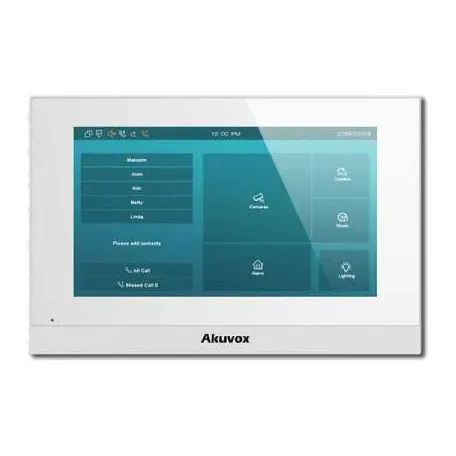
Mill Basin, Brooklyn handover reference: a white Akuvox indoor touchscreen monitor showing a teal home screen with menu tiles for calls, door release and settings
Photo from our job library, not taken in Mill Basin: an indoor screen with tiles for calls and door release. In a Mill Basin house we often put one screen like this in the kitchen, so whoever is home can see the front door and the garage side door and release either without walking over.

Before every hurricane season: a ten-minute check on a Mill Basin door system

Each June, open every controlled door and gate and let it close by itself: does it latch without a push, and does the gate at the bulkhead still catch? Look at the system for the battery status and any held-open alerts that have been ignored. Find the override key, try it in the lock, and make sure two people know where it lives and that it is not in a car. Then print the list of active codes and fobs and cancel every one that belongs to a crew, a contractor, a renter or a helper who no longer comes. A list that is reviewed once a year, before the storms, stays a list the family can trust.

Coverage Area

Access Control Near Mill Basin’s Landmarks

Callers describe their addresses by these places, so we list them: “two blocks from the marina,” “near the inlet behind Kings Plaza,” “by P.S. 236.” None of them is a customer of ours, and each belongs to its own owner or agency.

Mill Basin marina

The 100-slip marina at Avenue Y and East 69th Street, run by a concessionaire rather than by NYC Parks itself (NYC Parks).

Kings Plaza Marina

The marina at 2565 Flatbush Avenue, beside Brooklyn’s only enclosed super-regional shopping center (Marinas.com; BK Reader).

Mill Basin Inlet

The water beside the Flatbush Avenue parking structure at Kings Plaza, where a car break-in suspect jumped and vanished in March 2026 (MotorBiscuit).

Mill Avenue

The street where, as Homes.com notes, most of Mill Basin’s restaurants are found, with kitchens opening onto back lots.

P.S. 236 Mill Basin

The elementary school StreetEasy lists as zoned for Bay Front Estates, in Community School District 22.

J.H.S. 78 Roy H. Mann

The middle school StreetEasy lists for the same zone, with James Madison High School as the zoned high school.

We also work in the neighborhoods around Mill Basin: access control in Bergen Beach across the water to the east, Flatlands to the north, and Canarsie beyond Paerdegat Basin. Each of those pages is written for its own streets and buildings.

Pricing

Access Control Cost in Mill Basin

Mill Basin pays the Brooklyn base list, the same as the rest of the borough, with no surcharge for a waterfront house, a gated street or a store on Avenue U. At the bottom of its range, a controlled door includes the keypad or reader, the strike, the cable and ten programmed fobs. Sales tax is added, the figure is fixed in writing after the visit, and larger jobs begin with a deposit.

ItemBrooklyn priceTypical Mill Basin use
Single controlled door: reader or keypad, electric strike, wiring, 10 fobs$1,500 – $2,500The door from an attached garage into the house, or a two-family’s shared front door
Keypad on a personnel or service door$1,500 – $2,000A house side door off the driveway, a store’s stockroom door on Avenue U, a restaurant’s kitchen door on Mill Avenue
Video intercom panel with fob access, replacing a buzzer$1,500 – $3,000A house front door where the family wants to see and speak to callers, or a garden co-op building entrance
Card readers on several office doors in a shared building$4,000 – $12,000A club hall’s entrance, office and storage, or an office suite near Flatbush Avenue
Multi-door building system with cloud management$4,000 – $15,000A house’s garage entry, front door, basement and water gate, or a co-op’s laundry, storage and parking-area doors
Full building system$15,000 – $40,000Every common door and path of a garden co-op, or a marina’s gates, offices and storage
Service visit outside warranty$195/hr, 3-hr minimum ($585)Changes on site, and systems another installer put in

What moves a Mill Basin price up or down

  • The door. A standard wood or steel door in a wood frame takes a strike quickly; a tall multipoint door needs a motorized lock or listed hardware and more time.
  • The cable route. An open basement ceiling or garage ceiling makes the run short; a fully finished house, a stone front or a gate at the far end of the yard adds labor or calls for a reporting battery lock.
  • The water. Salt-rated strikes, marine gate locks and sealed conduit to a bulkhead cost more than standard parts, and are worth it within sight of the inlet.
  • How many people. A family of five needs a few codes; a garden co-op of hundreds of apartments needs enrollment time, more credentials and phasing.
  • Timing. Doors planned during a renovation or a rebuild cost less than the same doors added after the walls close.
Full terms — including 50% deposit, one-year parts-only warranty on Abstract Enterprises Security Systems-supplied products, and the late-fee schedule — are set out in the service agreement.
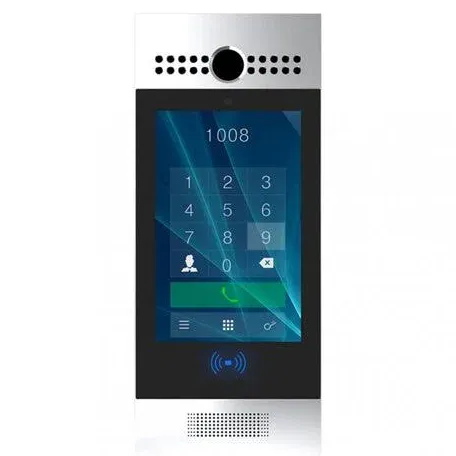
Mill Basin, Brooklyn co-op entrance reference: a brushed-steel entry panel with a camera and speaker grille above a touchscreen showing a numeric keypad and apartment number, and a contactless reader mark below
Photo from our job library, not taken in Mill Basin: a steel panel with a touchscreen for dialing an apartment and a fob reader below. A panel like this on a garden co-op entrance falls on the $1,500 to $3,000 line of our Brooklyn list and keeps the intercom the apartments behind it rely on.

Get a Written Brooklyn Price for Your Mill Basin Doors and Gates

Tell us how many doors and gates, whether there is a garage entry or a gate to the water, and whether the property is a house, a two-family, a co-op, a shop or a hall, send a photo of each opening, and the price comes back in writing after one visit.

Shop Our Systems

Access Control Packages & Pricing

Garage Entry First — $1,500 to $2,500

The door from the attached garage into the house: an electric strike or electrified lock, a keypad or reader, contacts on that door and on the garage door, a battery-backed controller mounted high and dry with room to grow, a restricted override cylinder, and ten fobs or phone keys.

Side or Service Door — $1,500 to $2,000

A weather-rated keypad on a house side door, a store’s stockroom door on Avenue U or a restaurant’s kitchen door on Mill Avenue, with a code per person, schedules for staff or crews, and an alert to the owner’s phone when the door is forced or left open.

Whole Property — $4,000 to $15,000

Several doors and gates on one cloud-managed system: a house’s garage entry, front door, basement and bulkhead gate, or a garden co-op’s laundry, storage, parking-area and street-facing entrances, each with its own list, hours and alerts.

Supplying your own hardware? Labor-only installation

If you already bought a keypad lock, a smart lock, a reader or a video station, we can install it labor-only, as long as it is a listed product that suits the door. We check the model first and tell you plainly if it will not work, for example a lock that does not fit a multipoint door, or an indoor-rated keypad meant for a gate at the bulkhead. Labor-only work is quoted on the same Brooklyn rates, and we do not do walk-throughs on customer-supplied equipment: the hardware’s own warranty stays with whoever sold it, and its Wi-Fi signal is the owner’s responsibility.

Complete Services

Every Access Control Service in Mill Basin

New installations

Garage entries, front and side doors, basements, bulkhead and yard gates, two-families, garden co-ops, shops, restaurants, halls and marinas, priced on the Brooklyn list.

Key and remote clean-ups

Counting every key, garage remote and opener code a household has handed out, then moving the doors that matter onto personal codes and encrypted fobs.

Flood-zone rebuilds

Moving controllers and power supplies out of basements, replacing hardware that sat in water, and resealing cable runs to gates near the inlet.

Repairs and takeovers

Dead keypads, corroded strikes, gate locks that stopped catching, controllers that lost their list, and systems another installer put in, with a written list of what is worth keeping.

Video entry with door release

Stations at the front door and garage side door that let the family see and speak to callers and release the door from a phone or an indoor screen.

Brooklyn and citywide

Elsewhere in the borough, start with access control installation for Brooklyn; for buildings in other boroughs, see access control installation across NYC.

The usual pairing in a Mill Basin house is a keypad on the garage entry with a camera covering the driveway and the garage door, so an alert can be matched to a picture. In a store it is a keypad on the back door with a camera over it. Booked together, the cable for both goes in on the same visit.

Field Notes

Field Notes: Count the Garage Remotes Before the Keys

This describes how we start on a Mill Basin house, not a particular customer. Before we look at a single lock, we ask the family to put on the kitchen table everything that opens anything: house keys, the garage remotes from every car, the code for the opener keypad, the smart lock app, the spare under the planter and the key the neighbor holds. Then we ask who else has each one. The garage remotes are usually the surprise. There is often one in a car that has been sold, one in a car that parks on the street, and one that a relative borrowed. Each of them opens a door that leads to a door that may not be locked.

Then we walk the house from the garage, not the front door, because that is how the family lives. We open the garage entry and let it close, and see whether it latches. We look for a dry, high spot for the controller, the path the doorbell wire takes, and how far the basement door and the yard gate are from that spot. On the water side we look at the gate, its post and what the salt has done to its latch. Only after that do we stand at the front door. By then the family usually knows which door they want on the system first, and it is rarely the one they called about.

Mill Basin, Brooklyn garage entry reference: a small silver and black door station with a camera, a contactless reader symbol and a bell button
Photo from our job library, not taken in Mill Basin: a small station with a camera, a fob reader and a bell button. It is about the size of a doorbell plate, which suits the narrow trim beside the door from a Mill Basin garage into the house.
FAQ

Mill Basin Access Control FAQ

Will an electric strike work with the multipoint lock on our tall Mill Basin front door?
+

Usually not on its own. A multipoint lock throws bolts at the top and bottom of the door as well as the middle, and a strike in the jamb only releases the middle latch. The answer is either a strike the door maker lists for that lock with the extra bolts left retracted, or a motorized lock body made to fit the door. We look at the lock model and the door’s warranty terms before quoting.

Can our alarm disarm by itself when a family member’s code opens the garage entry?
+

Often, yes, when the alarm panel and the access controller can talk to each other through a supported input or an integration. A valid code can disarm the alarm, or just the zones around that door, while a forced door still triggers it. We decide this with the family, because some prefer that only the alarm keypad or app ever disarms the house. Abstract Enterprises Security Systems alarm systems use 2GIG equipment, and we check other brands case by case.

What happens if someone pries the keypad off the wall beside our door?
+

On a wired system, nothing that opens the door. The keypad outside only sends what was typed to the controller indoors, and the controller decides whether to release the lock, so the wires behind a pried-off keypad cannot be shorted to open the door. A tamper switch reports the removal to the owner’s phone. Battery smart locks keep everything in the outside unit, which is one reason we prefer a controller on the main doors.

Does an electric strike buzz loudly every time the door opens?
+

It depends on the type. Strikes that are powered only to unlock make a short click or buzz while the door releases, which most families hardly notice. Where a door is next to a bedroom or a quiet office, we use a quieter strike or a motorized lock, and the keypad’s beeps can be turned down or off. We can show you the sound of a sample before you choose.

Can we change a family member’s code ourselves without calling you?
+

Yes. At handover we set up one or two administrators in the household, usually the parents, who can add, change, suspend and delete codes, fobs and phone keys from the app or the controller’s screen. We show them how on the day and leave a one-page guide. You call us only for changes to hardware, schedules you would rather not set yourselves, or a lost administrator login.

Does the warranty cover a keypad or strike damaged when a storm floods the house?
+

No. Like power surges, flood and storm damage are acts of nature and are excluded from the product warranty, which covers normal wear on Abstract Enterprises Security Systems-supplied products. That is a strong reason to keep the controller and battery above the flood line, and worth raising with your homeowner’s or flood insurer. Our warranty page lists every exclusion in full.

Can the fobs you install be copied at a key kiosk or by a locksmith?
+

Not the encrypted fobs and cards we install for new systems. Copiers and kiosks can duplicate many older 125 kHz fobs because those fobs carry no encryption, but encrypted credentials are tied to the system and cannot be cloned by a cheap device. New credentials come from us or another authorized source, enrolled to a named person, so a lost fob is cancelled rather than replaced by a copy.

Is the backup key the weak point of a keypad lock?
+

It can be, if it is an ordinary cylinder with copies on every key ring. We fit a restricted-keyway cylinder whose keys cannot be cut at a hardware store, and limit them to two or three people. The key exists for the day the battery is empty after a long outage. It should live in a known place inside the house or with a trusted neighbor, never in a car or under a planter.

Do you install access control on marina and boat club gates around Mill Basin?
+

Yes. Dock gates, marina offices, storage rooms and parking gates are low-voltage access work like any other, with hardware chosen for salt air and flooding. We set seasonal codes for slip holders that end on the last day of the season, separate staff codes, and alerts for gates left open overnight. The marina’s operator, lease or landlord has to approve the work before we start.

Does installing a keypad and strike mean shutting off the electricity in the house?
+

No. Access control runs on low voltage from a power supply that plugs into an ordinary outlet, so the house stays powered while we work. If there is no outlet near where the controller should go, a licensed electrician adds one before the install; Abstract Enterprises Security Systems does not do electrical work. We tell you on the visit whether that will be needed.

Can a keypad stop accepting codes after several wrong tries?
+

Yes. Most keypads and controllers can lock out further entries for a set time after a number of wrong codes, and send an alert to the owner’s phone when that happens. We set the count high enough that a grandparent who mistypes twice is not locked out, and low enough that someone guessing at the side door is stopped quickly and reported.

Some Mill Basin families do not use electronic devices on Shabbat. How can they get in on those days?
+

There are a few common approaches, and the family and its rabbi decide which is acceptable. A door can be scheduled to stay unlocked or locked by a timer set before Shabbat, a mechanical key or combination lock can be used on those days, or a side door can be left on a mechanical lock only. We set the system to match whatever the household chooses, and the doors always open from inside.

Sources

Where This Page’s Mill Basin Facts Come From

Where sources disagree, we say so. Fillmore Gardens listings give both 1952 and 1955 as years built for different buildings, and Brick Underground places Kings Plaza just outside Mill Basin while BK Reader places it inside. The News 12 report on car fob copying comes from the Bronx and is cited only for what it shows about the technology. The reports from Mayfair Drive South do not say how the attackers reached the door, and this page does not guess. We found no published count of Mill Basin properties with keypad or fob entry, and no city data on access control permits for the neighborhood, so we give no such figure.

More Access Control Installation near Mill Basin

Access Control Installation Brooklyn, NY | Fob & Card · Access Control Installation NYC | Key Fob, Card & Keypad · Access Control Installation Manhattan NY | Card Reader · Access Control Installation Queens NY | Card Reader · Access Control Installation Bronx NY | Card Reader · Access Control Installation Staten Island NY · Access Control Installation Long Island NY · Access Control Installation Hudson Valley NY · Access Control Installation Nassau County | Licensed · Access Control Installation Suffolk County NY · Access Control Installation Westchester County NY · Access Control Installation Rockland County NY · Access Control Installation Orange County NY · Access Control Installation Putnam County NY · Access Control Installation Dutchess County NY · Access Control Installation Ulster County NY

Access Control Installation Bath Beach Brooklyn NY · Access Control Installation Bay Ridge Brooklyn NY · Access Control Installation Bedford Stuyvesant Brooklyn NY · Access Control Installation Bensonhurst Brooklyn NY · Access Control Installation Bergen Beach Brooklyn NY · Access Control Installation Beverley Square Brooklyn NY · Access Control Installation Boerum Hill Brooklyn NY · Access Control Installation Borough Park Brooklyn NY · Access Control Installation Brighton Beach Brooklyn · Access Control Installation Brooklyn Chinatown Brooklyn NY · Access Control Installation Brooklyn Heights, Brooklyn NY · Access Control Installation Brooklyn Navy Yard Brooklyn NY · Access Control Installation Brownsville Brooklyn NY · Access Control Installation Bushwick Brooklyn NY · Access Control Installation Cadman Plaza Brooklyn NY · Access Control Installation Canarsie Brooklyn NY · Access Control Installation Carroll Gardens Brooklyn NY · Access Control Installation City Line Brooklyn NY · Access Control Installation Clinton Hill Brooklyn NY · Cobble Hill Access Control Installation | Brooklyn NY · Access Control Columbia Street Waterfront Brooklyn NY · Access Control Installation Coney Island Brooklyn NY · Access Control Installation Crown Heights Brooklyn NY · Access Control Installation Cypress Hills Brooklyn NY

Other services in Mill Basin

Security Camera Repair Mill Basin Brooklyn NY | Abstract Enterprises Security Systems · Fire Alarm Installation Mill Basin NY · Alarm Installation Mill Basin NY · Intercom Installation Mill Basin Brooklyn NY | Gate & Dock · Structured Cabling Installation Mill Basin NY · TV Installation Mill Basin Brooklyn · Door Buzzer Installation Mill Basin Brooklyn NY · Security Camera Installation Mill Basin Brooklyn NY · Door Buzzer Repair Mill Basin Brooklyn NY | House Bells

A Garage Entry That Will Not Lock or a Water Gate That Will Not Catch? Call the Mill Basin Line

A keypad that stopped answering, a strike that clicks and holds, or a gate at the bulkhead that swings free rarely needs a whole new system. Ring (347) 934-8335, describe what the door or gate is doing, and a visit is booked within two hours of the call.

Mill Basin Door Systems From a Licensed, Insured Brooklyn Team

The Mill Basin line is (347) 934-8335 for calls and texts; door and gate photos are easiest by WhatsApp. The company behind the work, and behind every quote, schedule and invoice, is Abstract Enterprises Security Systems, owner-operated since 2002 and based at 1282 Troy Ave, Brooklyn, NY 11203.

Customers have rated us 4.7★ across 201 Google reviews. Work is done under New York State license #12000287431, we are insured, and the written price follows the visit.

Revision log, November 12, 2026: this page was rebuilt from scratch around how doors work in Mill Basin — the garage entries of 1960s and 1970s detached houses, keeping electronics above the flood line on Mill Island and the inlet, gates between waterfront yards and the water, house systems inside gated communities, answering the door without opening it, the many small entrances of the garden co-ops north of Avenue U, and the back doors of shops, restaurants, halls and marinas. Prices are the published Brooklyn base figures.